


The hotel industry made a deal in 2020. Chains cut housekeeping, dropped included breakfast, deferred renovations, and handed day-to-day standards over to individual franchisees. Then they decided to keep those savings after the pandemic ended.
Most guests noticed immediately. The brands noticed the margin improvement.
Many chains never found their way back. The room you remember from 2015 is not the room you’ll get today. And for some of these names, the gap between what the brand promises and what the property delivers has become embarrassing.
Here are 21 hotel chains that have slipped — some slowly, some fast — and exactly what pushed each one over the edge.
21. Wingate by Wyndham
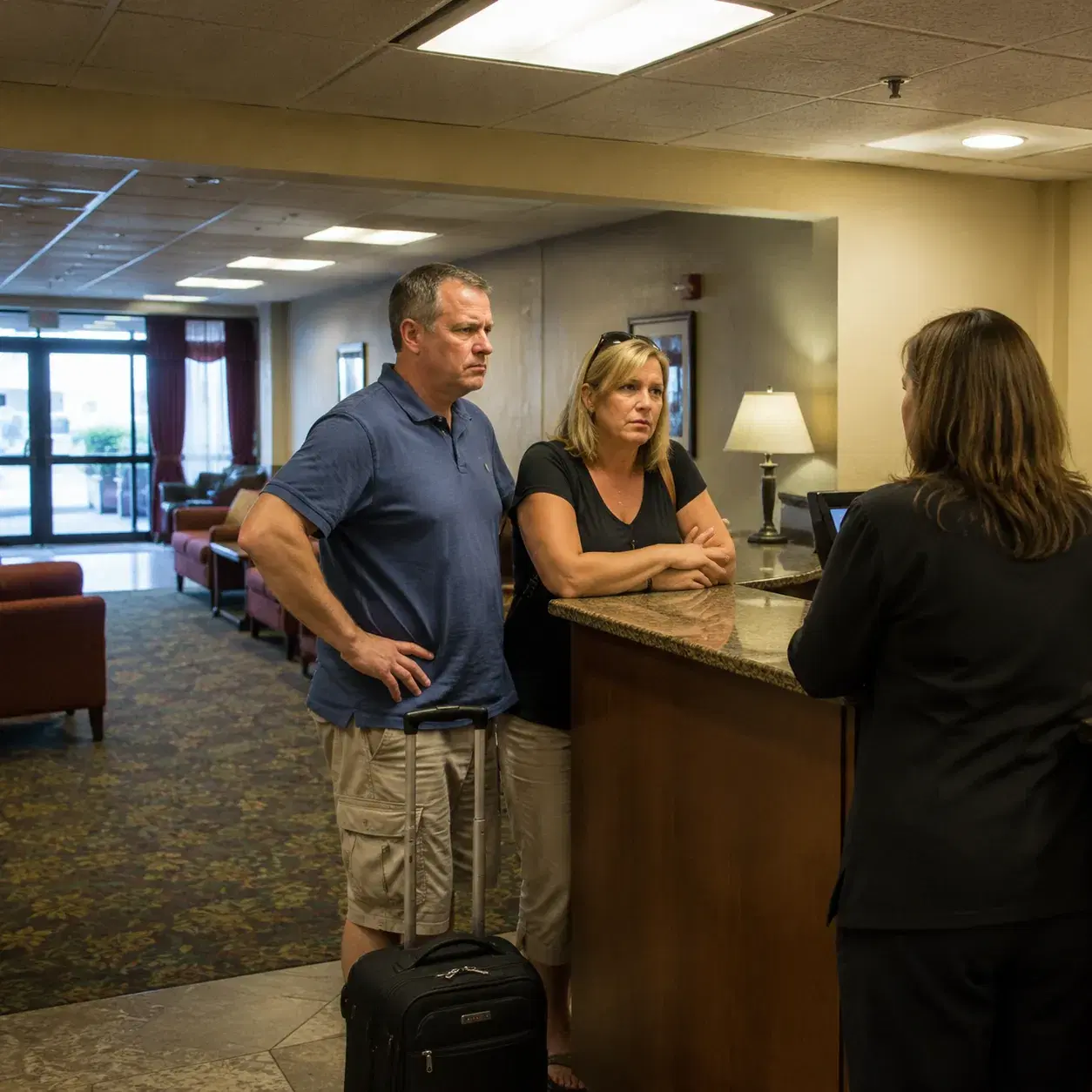
Wingate was Wyndham’s answer to the mid-tier business traveler in the late 1990s. The pitch was straightforward: free hot breakfast, a real business center, slightly better rooms than Super 8 at a slightly higher price.
The execution has drifted. Properties vary wildly in condition because Wyndham’s franchise model gives individual owners significant latitude. The “business center” is often two aging computers in a corner.
The brand occupies an awkward slot now. Not cheap enough to win on price, not good enough to win on quality.
20. Microtel Inn by Wyndham
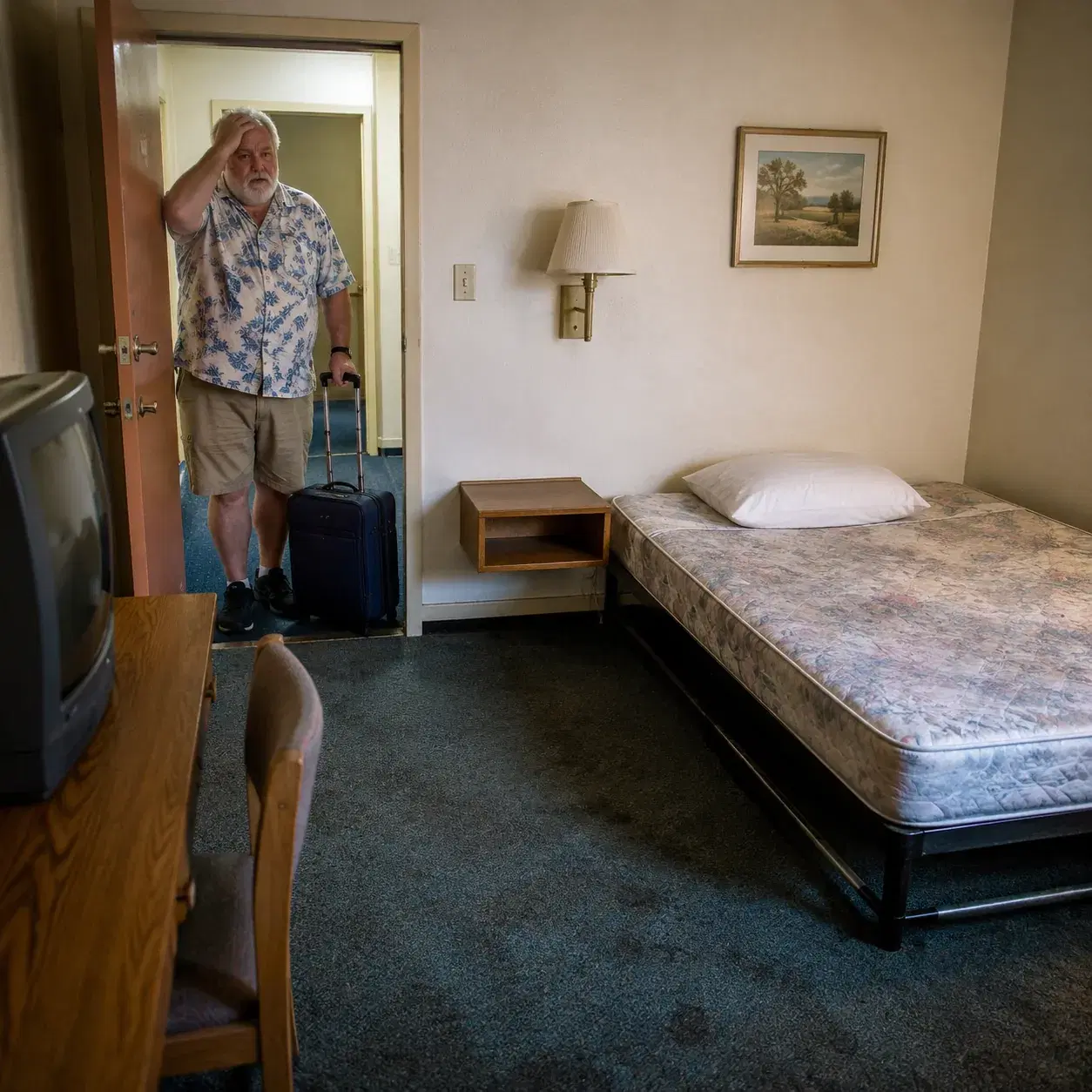
Microtel was designed as the stripped-down economy option — honest minimalism at a low price. Small rooms, minimal amenities, the implicit promise that what you see is exactly what you get.
The problem is that honest minimalism requires consistent management. Wyndham’s franchisee-heavy model means Microtel properties can range from perfectly acceptable to actively unpleasant within the same city.
The brand peaked around 280 properties in the US. Many of those locations have since converted to other flags or closed outright.
19. Travelodge (US)
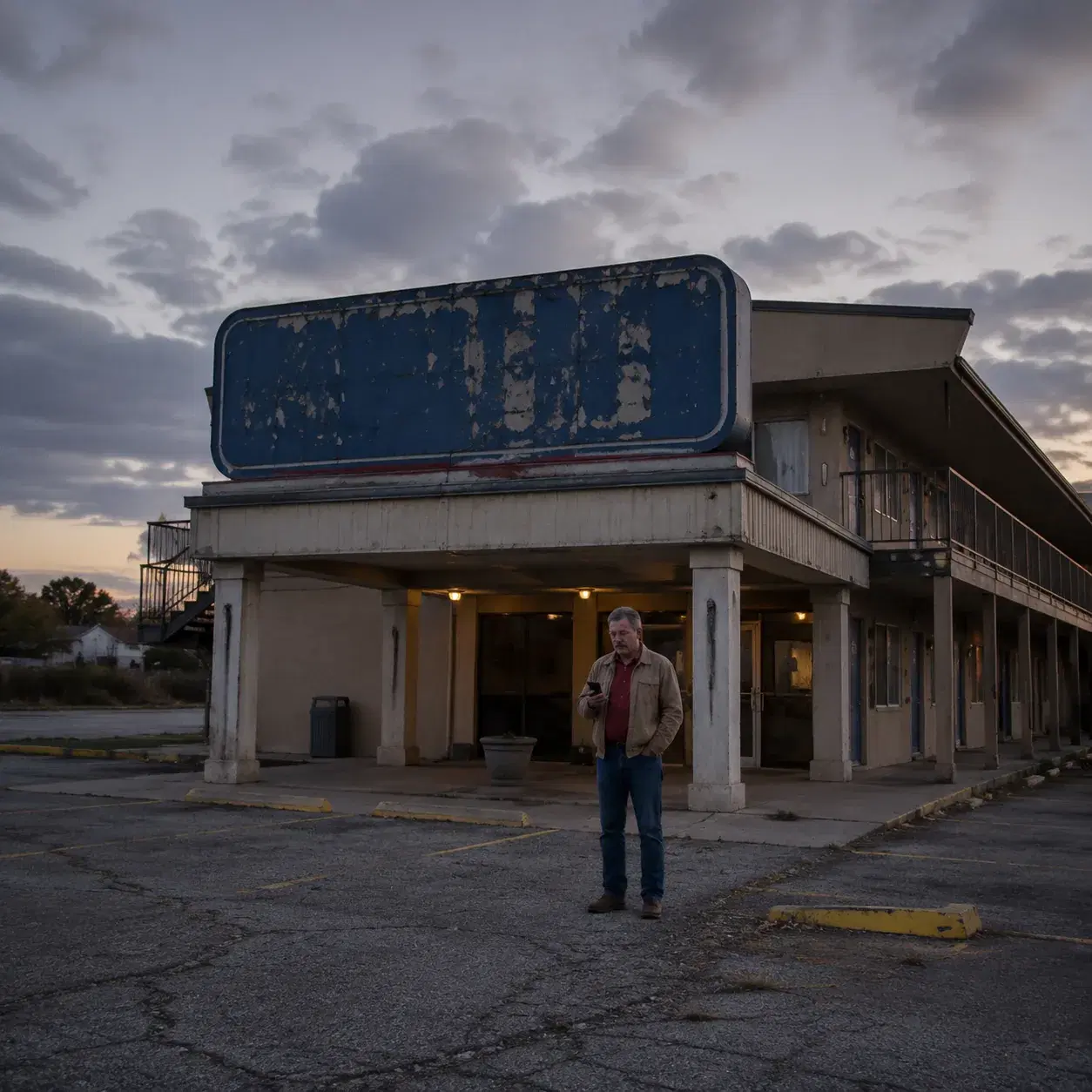
Travelodge in the US carries the Wyndham flag and has been quietly fading for a decade. At its American peak in the 1990s, the chain had nearly 500 US locations with a clear identity as a step above the bottom-tier motels.
That identity didn’t survive the shift. Many Travelodge properties today are former independent motels rebranded under the flag, with no meaningful renovation investment.
The Sleepy Bear mascot is still on the sign. The quality that mascot once stood for isn’t always behind the door.
18. Wyndham Garden
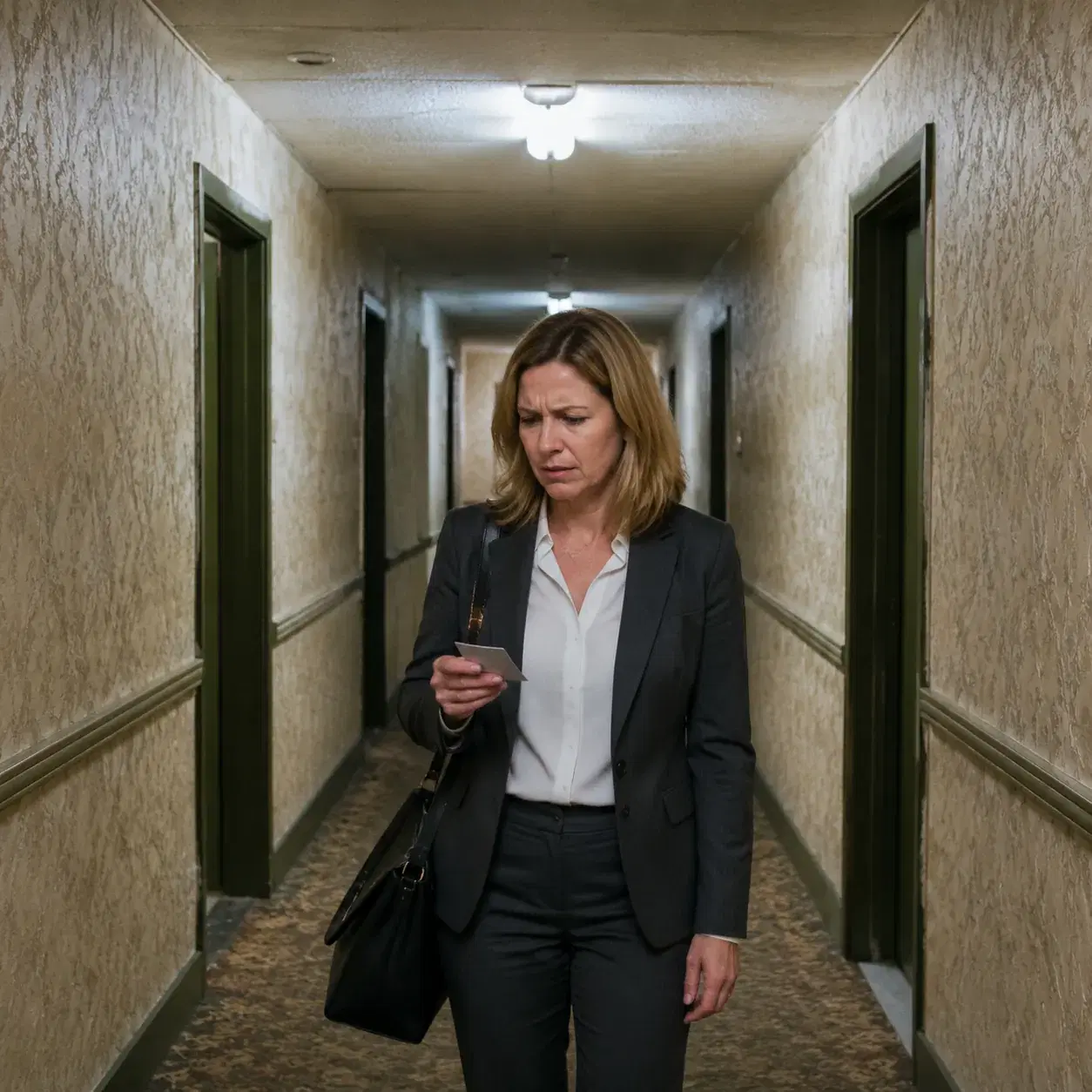
Wyndham Garden was meant to be Wyndham’s full-service upper-midscale option. Think of it as the chain’s attempt to compete with Courtyard by Marriott — a positioning that requires consistent maintenance, a proper restaurant, and genuine mid-tier service.
The brand has struggled to define itself clearly. It doesn’t have Courtyard’s scale or operational consistency, and it doesn’t have the price advantage of Wyndham’s economy brands.
Guests frequently report that properties feel like rebranded conference hotels from the 1990s that haven’t seen significant investment since.
17. Econo Lodge (Choice Hotels)
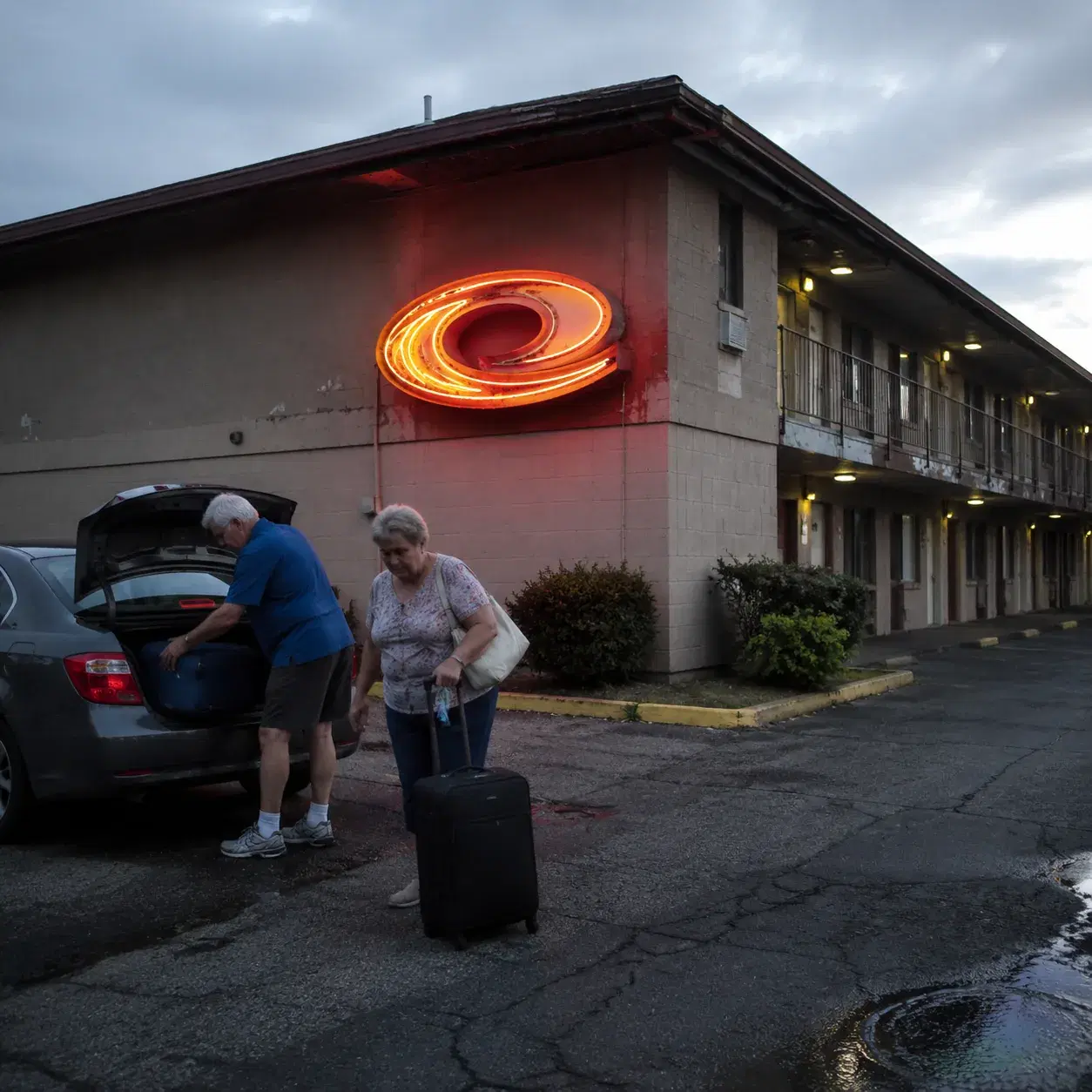
Econo Lodge was Choice Hotels’ budget flag — and it was genuinely competitive in that slot through the 1990s. Clean, cheap, predictable. That was enough.
The category has gotten harder to win. Airbnb ate the budget leisure traveler. Online reviews made inconsistent standards more visible and more punishing.
Many Econo Lodge properties today have TripAdvisor ratings that no serious traveler would book against. The brand’s reputation has eroded to the point where “Econo Lodge” triggers a caution reflex in regular travelers over 50.
The next ones are brands you actually stayed at — and the decline is harder to excuse.
16. La Quinta by Wyndham
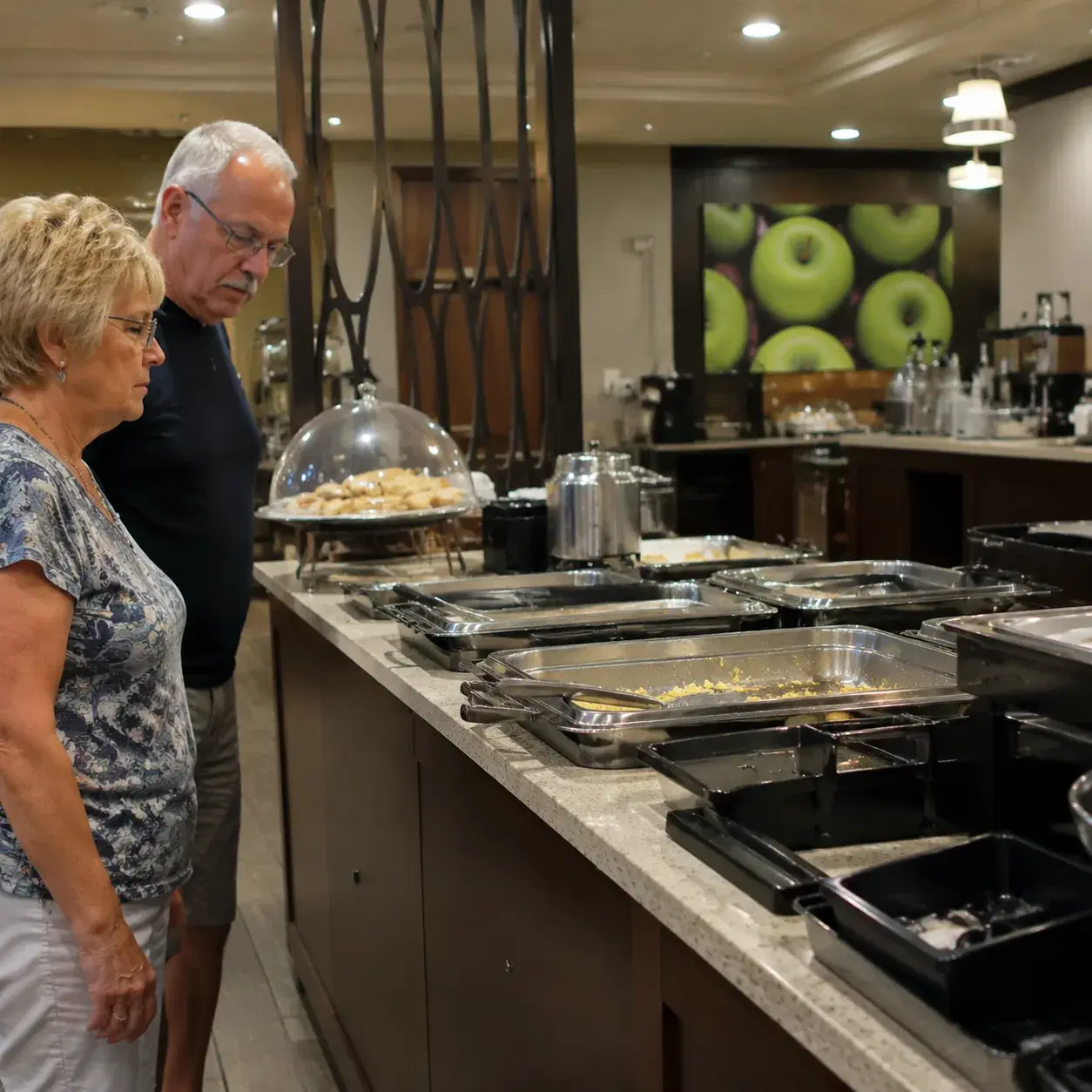
La Quinta had a genuine following before Wyndham acquired it in 2018. The chain’s “free bright side breakfast” was a legitimately good included amenity — a real meal, not continental crumbs.
Post-acquisition, the breakfast quality has declined at many properties. More importantly, the housekeeping frequency cuts that followed COVID have stuck. Several locations went to housekeeping on request only and never reversed the policy.
The nightly rate didn’t drop when the service level did. That’s where the frustration comes from.
Read More: 25 Hotel Perks That Used to Be Included (Now Cost Extra)
15. Ramada by Wyndham

Ramada once sat firmly in the upper-midscale tier. It was the chain you booked for a three-night business trip when you wanted a proper sit-down restaurant at the property and a room that wouldn’t embarrass you on your expense report.
Wyndham acquired the brand and the decline accelerated after 2015. Properties that were already aging didn’t receive renovation investment. The mid-tier business traveler moved to Courtyard, Hampton, and Hilton Garden Inn, where the product is consistent.
Ramada is now the brand that shows up in searches when everything better is sold out.
14. Days Inn by Wyndham
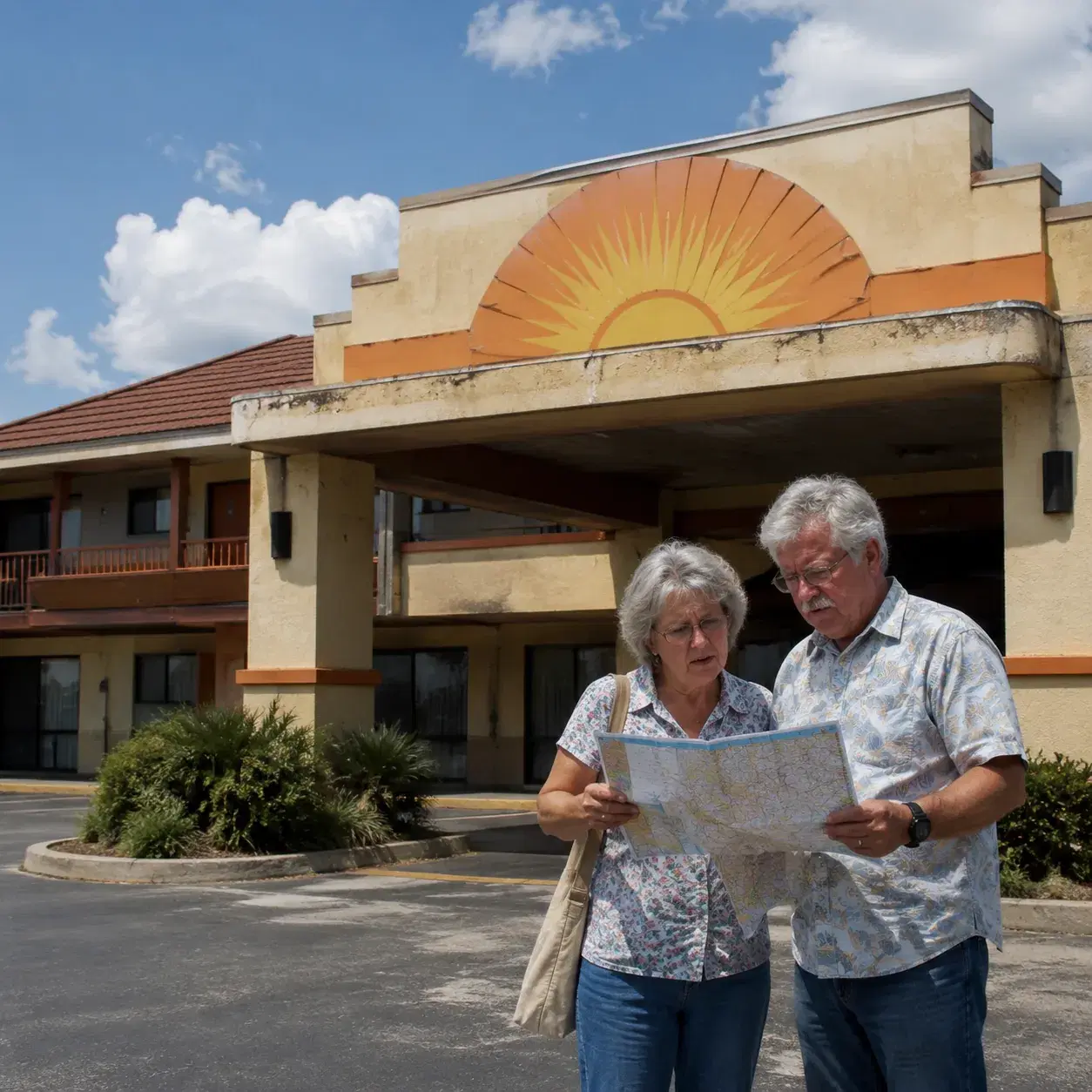
Days Inn is the clearest example of a brand that has never recovered from being run into the ground before a portfolio acquisition.
Wyndham bought the chain in 1990. The franchise model pushed rapid expansion without adequate quality controls. By the mid-2000s, Days Inn locations ranged from perfectly acceptable to properties that travel writers used as shorthand for “avoid.”
The brand counts roughly 1,600 US properties today. The quality variance between the best and worst properties is larger than any other chain on this list.
13. Super 8 by Wyndham
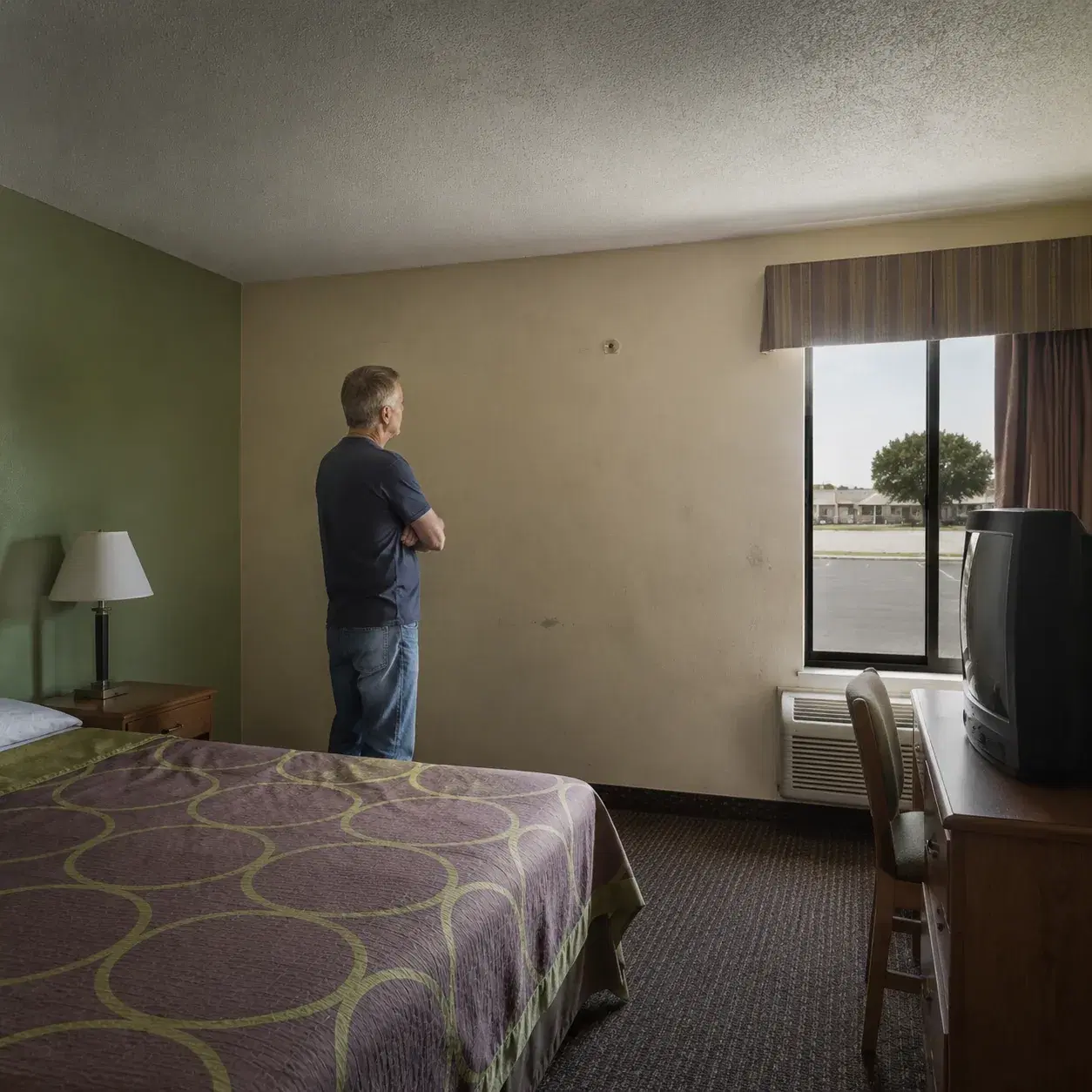
Super 8 was the original eight-dollar-a-night motel chain — founded in 1974, the price was literally in the name. At its US peak, the chain had over 2,000 locations and a clear value proposition: cheap, clean, consistent.
The “consistent” part has been the casualty. Wyndham’s franchise model, applied at scale, means Super 8 properties today vary dramatically by owner. Some are genuinely fine for a one-night stopover. Others are not.
The brand has roughly 2,100 US properties as of 2025. The review distribution on third-party booking sites tells the story.
12. Quality Inn (Choice Hotels)
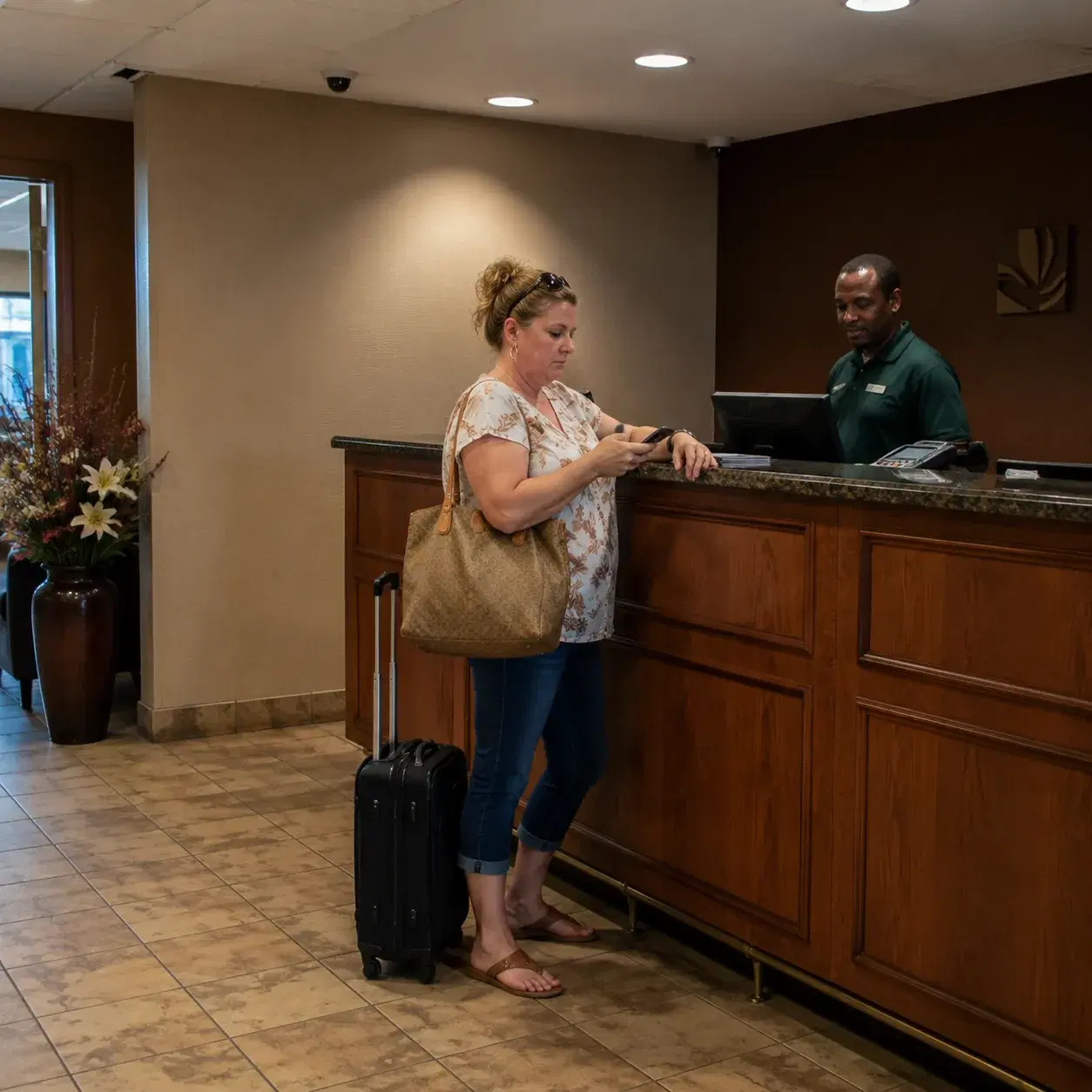
Quality Inn is Choice Hotels’ midscale workhorse — and it’s been in quiet decline for the better part of a decade.
The brand competes in the same segment as Hampton Inn and Courtyard. Those chains have invested in product consistency. Choice Hotels’ franchisee model at the Quality Inn tier has not kept pace. Renovations get deferred. Breakfast cuts from COVID became permanent.
What was once a reliable mid-tier road trip option has become a coin-flip booking. You might get a great room. You might get something that feels like 1998.
This next one used to be the smart traveler’s secret weapon.
11. Comfort Inn (Choice Hotels)
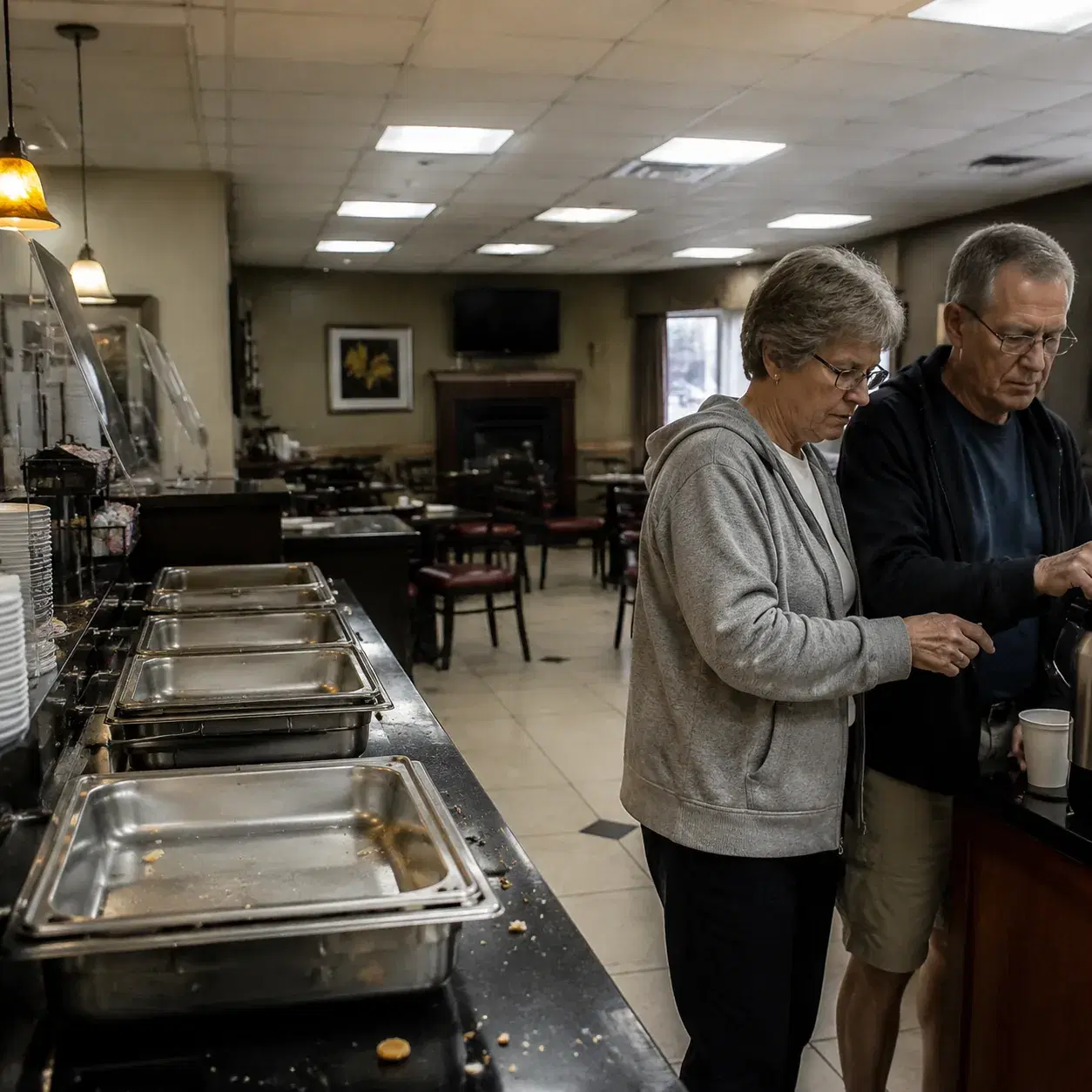
Comfort Inn genuinely used to be the smart book for budget-conscious American road trippers. Better than Super 8, cheaper than Hampton. A free hot breakfast that was actually hot. A pool that was actually maintained.
COVID changed the calculus. Choice Hotels allowed franchisees to cut breakfast to continental-only, cut housekeeping to check-out only, and reduce front desk hours. Most of those cuts stayed after 2021.
The brand still markets on its breakfast included positioning. What that means at a specific property depends entirely on the individual franchisee.
10. Doubletree by Hilton
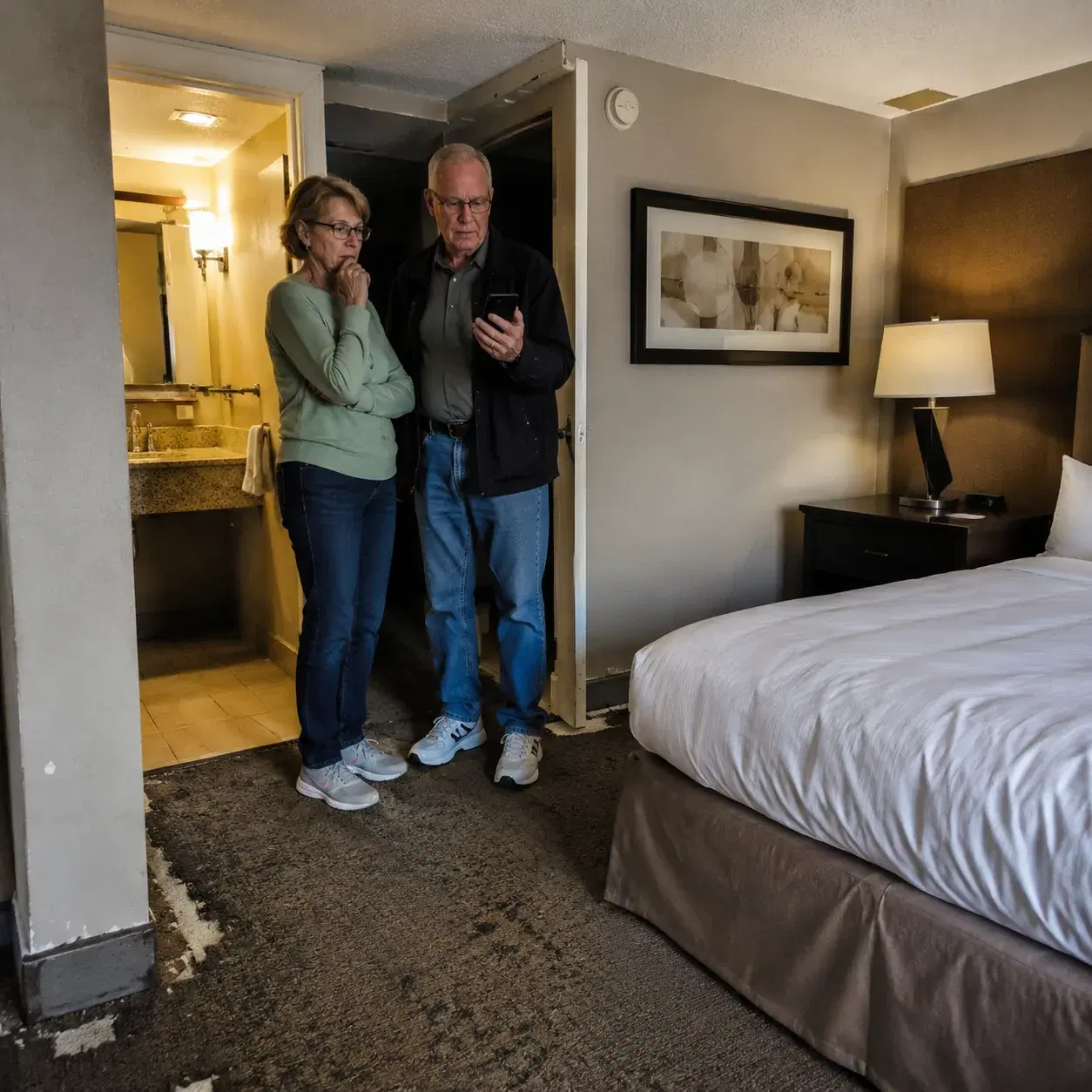
Doubletree has the cookie. It has always had the cookie — the warm chocolate chip cookie at check-in is one of the most recognized hospitality gestures in American hotel history.
The cookie is still there. The rooms are not always keeping pace. Doubletree operates in the upper-midscale to upscale tier, which carries a price premium. Guests at that price point expect more than a cookie offsetting a room that hasn’t been renovated since 2012.
Hilton’s post-COVID housekeeping cuts hit Doubletree properties harder than the brand’s luxury tiers, because Doubletree’s franchise mix skews toward independent owners with smaller renovation budgets.
9. Fairfield Inn by Marriott

Fairfield Inn was Marriott’s clean, reliable economy flag — the chain you booked when you wanted Marriott’s operational consistency without Courtyard’s price tag.
Post-COVID, Fairfield followed Marriott’s system-wide housekeeping cuts. Daily housekeeping became “upon request” across most properties. The included breakfast at many locations shifted to a paid grab-and-go option.
The rate, however, has not adjusted to reflect the reduced service. Fairfield bookings today often cost more than a Fairfield booking in 2019 delivered in terms of service inclusions.
8. Embassy Suites by Hilton

Embassy Suites built its reputation on two things: a two-room suite at a price competitive with standard hotel rooms, and a free manager’s reception every evening — complimentary drinks and light food before dinner.
The manager’s reception has been cut or downgraded at a significant portion of the chain’s 260 US properties since 2020. Where it still exists, the quality of offerings has declined. Properties that used to put out a proper spread now offer chips and a soda.
The included hot breakfast has also been reduced at many properties. Embassy Suites was worth its price premium when both inclusions were real. The premium hasn’t moved. The inclusions have.
The next three are brands people defend loudly — and the data doesn’t support the defense.
7. Hyatt Place
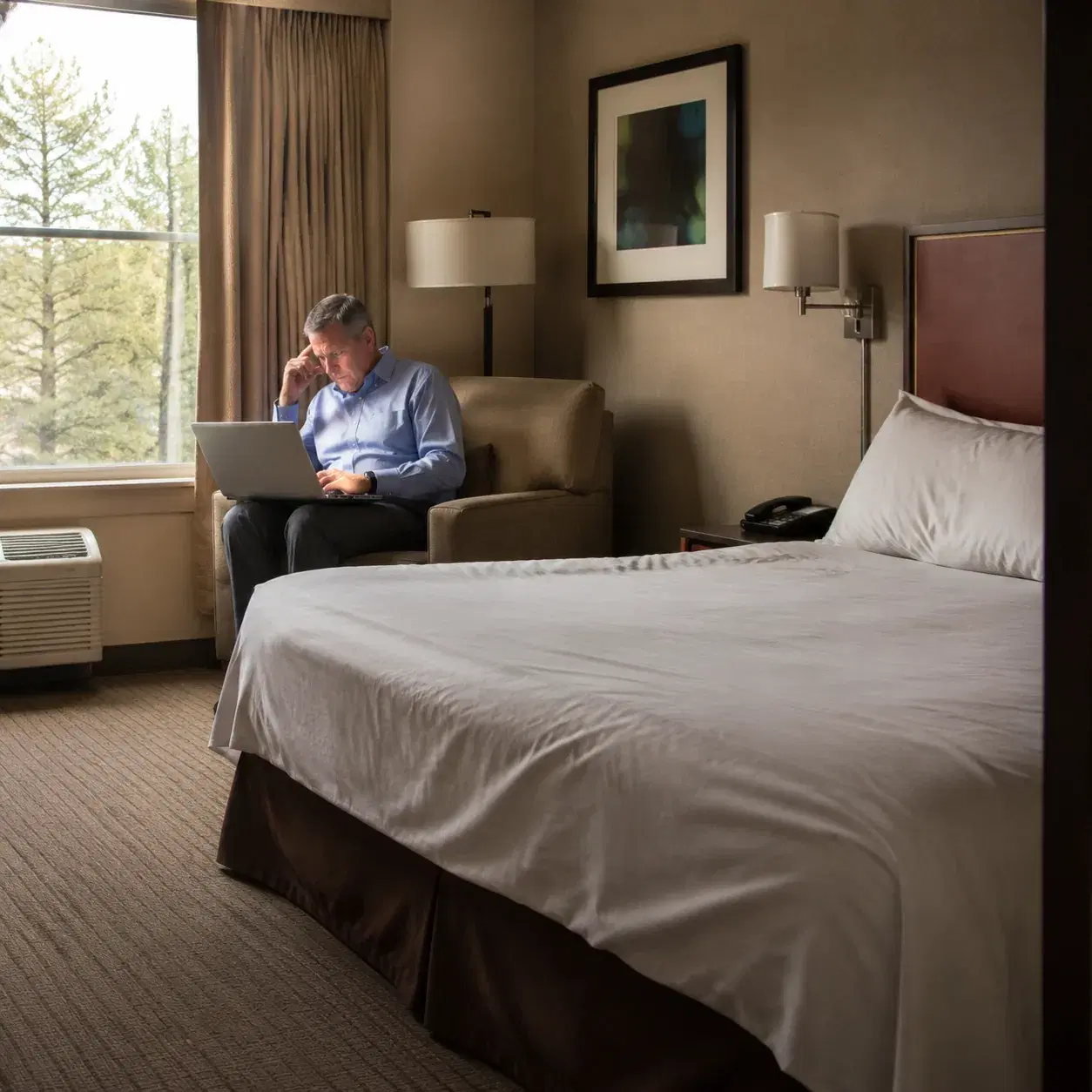
Hyatt Place entered the market in 2006 as Hyatt’s select-service answer to Hampton Inn and Courtyard. It offered a genuinely differentiated product: an open, modern lobby, a 24-hour Gallery Menu for food, and rooms that felt designed rather than assembled.
Hyatt’s post-COVID service adjustments hit the brand’s differentiating features. Housekeeping went to every other day or request-only at many properties. The Gallery Menu was reduced or eliminated at a significant number of locations. The 24-hour food service was the brand’s single biggest competitive advantage over Courtyard and Hampton. Removing it made Hyatt Place a more expensive version of the chains it was designed to beat.
The brand still commands a premium. Whether that premium is justified depends on the individual property.
6. Residence Inn by Marriott
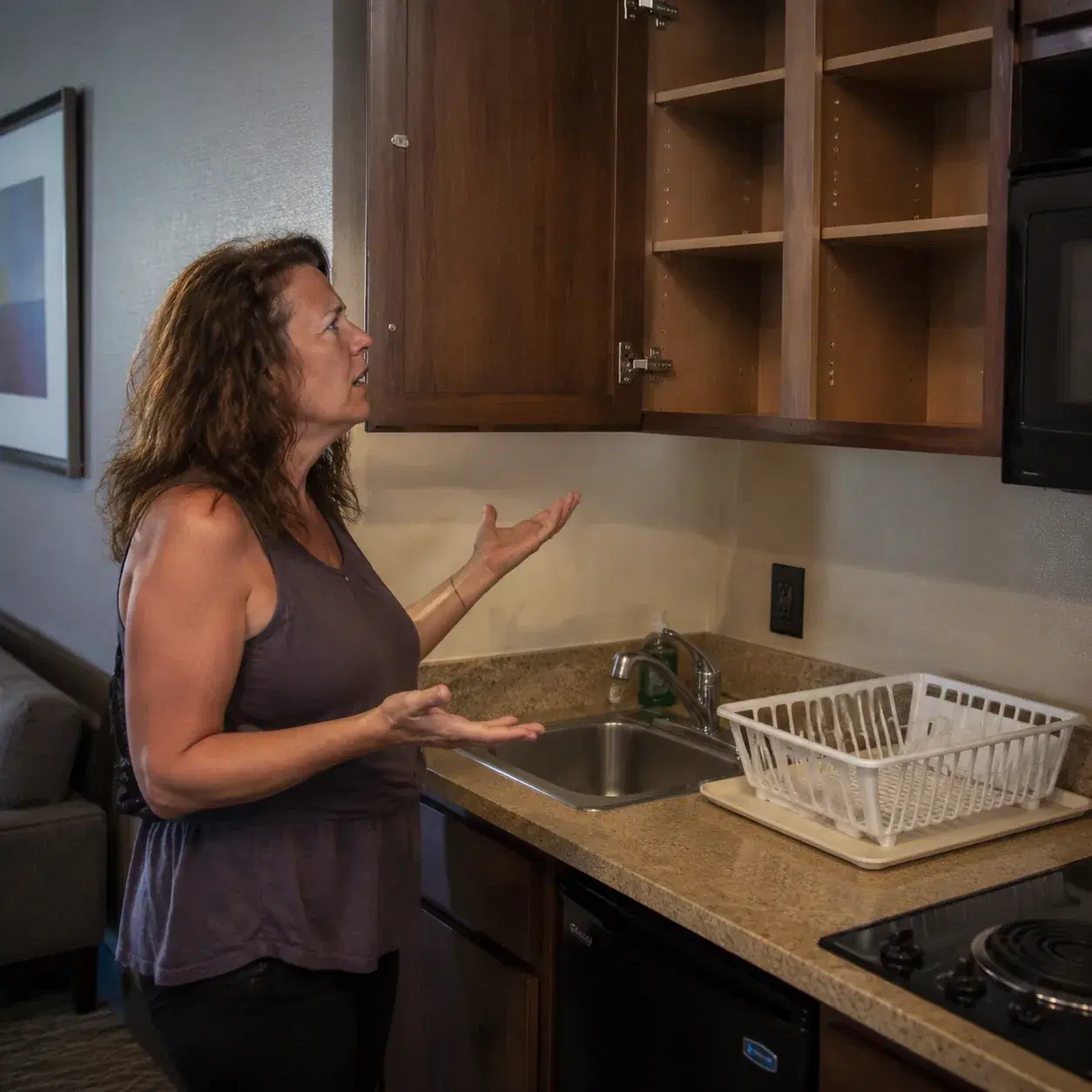
Residence Inn was built for the extended-stay traveler — people spending five or more nights for work or a family relocation, who need a kitchen, proper laundry access, and a complimentary breakfast worth eating.
The included breakfast has been cut or significantly downgraded at many properties since 2020. The “social evening” that used to offer complimentary food and drinks on weeknights — a genuine differentiator for extended stays — has been eliminated at most locations.
A stay that used to include meaningful food savings is now a suite with a kitchenette and an extra fee for what the brand used to provide. For a chain specifically positioned around cost-effectiveness for long stays, that’s a fundamental product failure.
5. Courtyard by Marriott
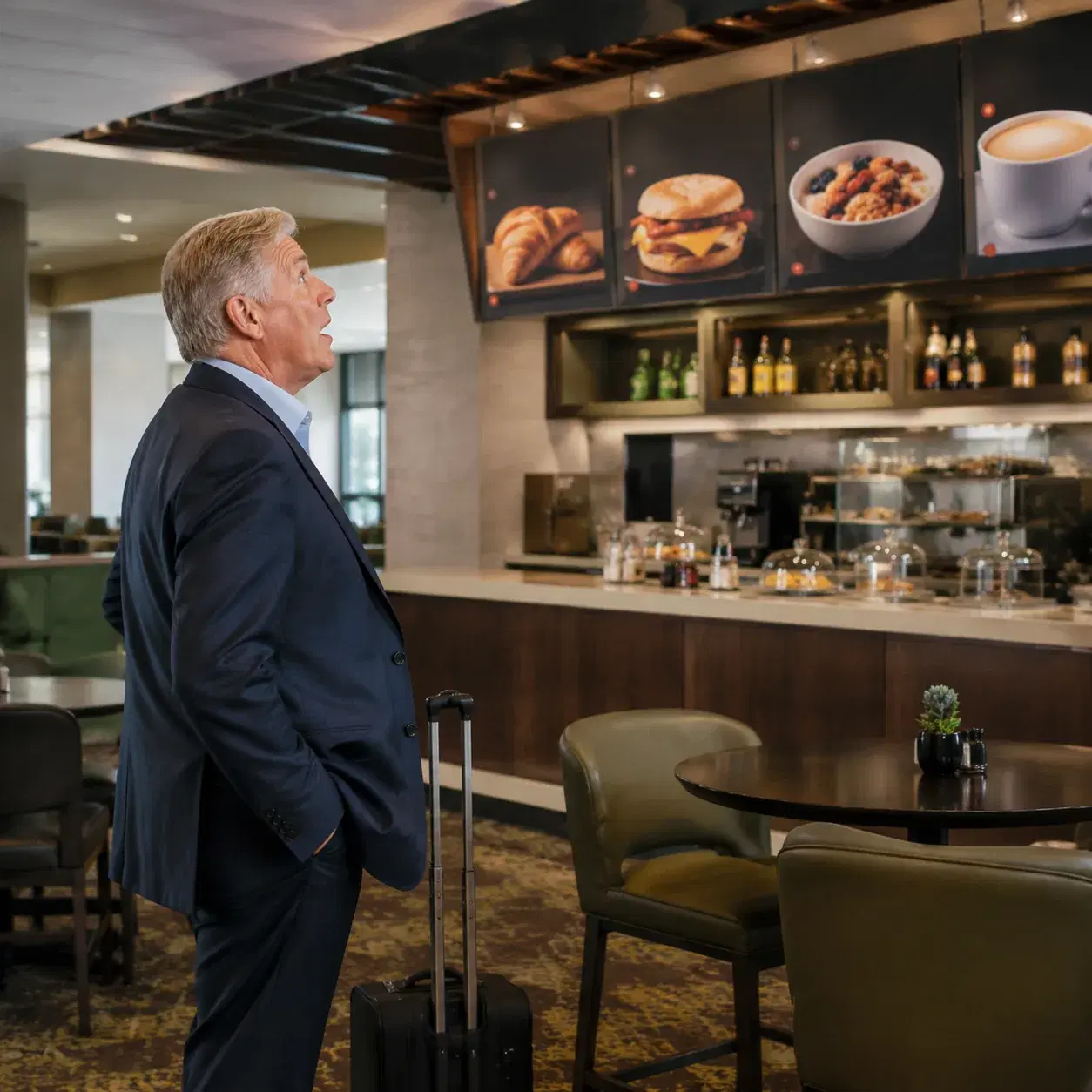
Courtyard was the chain that reinvented the mid-tier business hotel when it launched in 1983. Marriott designed it specifically around what business travelers actually needed: consistent rooms, a real workspace, and a quiet atmosphere. At its peak, the formula worked exactly as designed.
The Bistro at Courtyard used to be a value-oriented restaurant where you could get a decent hot meal without going off-property. Post-COVID, the Bistro became a paid breakfast concept where the same meal you used to expense at $12 now runs $22. Marriott also eliminated housekeeping on stays of six nights or fewer at many properties during COVID. Many locations never restored it.
There are over 1,300 Courtyard properties in the US. The Bistro revenue model change alone affected millions of business travel bookings. It’s the single most visible quality cut in the mid-tier hotel segment since 2020. And Courtyard’s nightly rate has gone up, not down.
4. Hilton Garden Inn
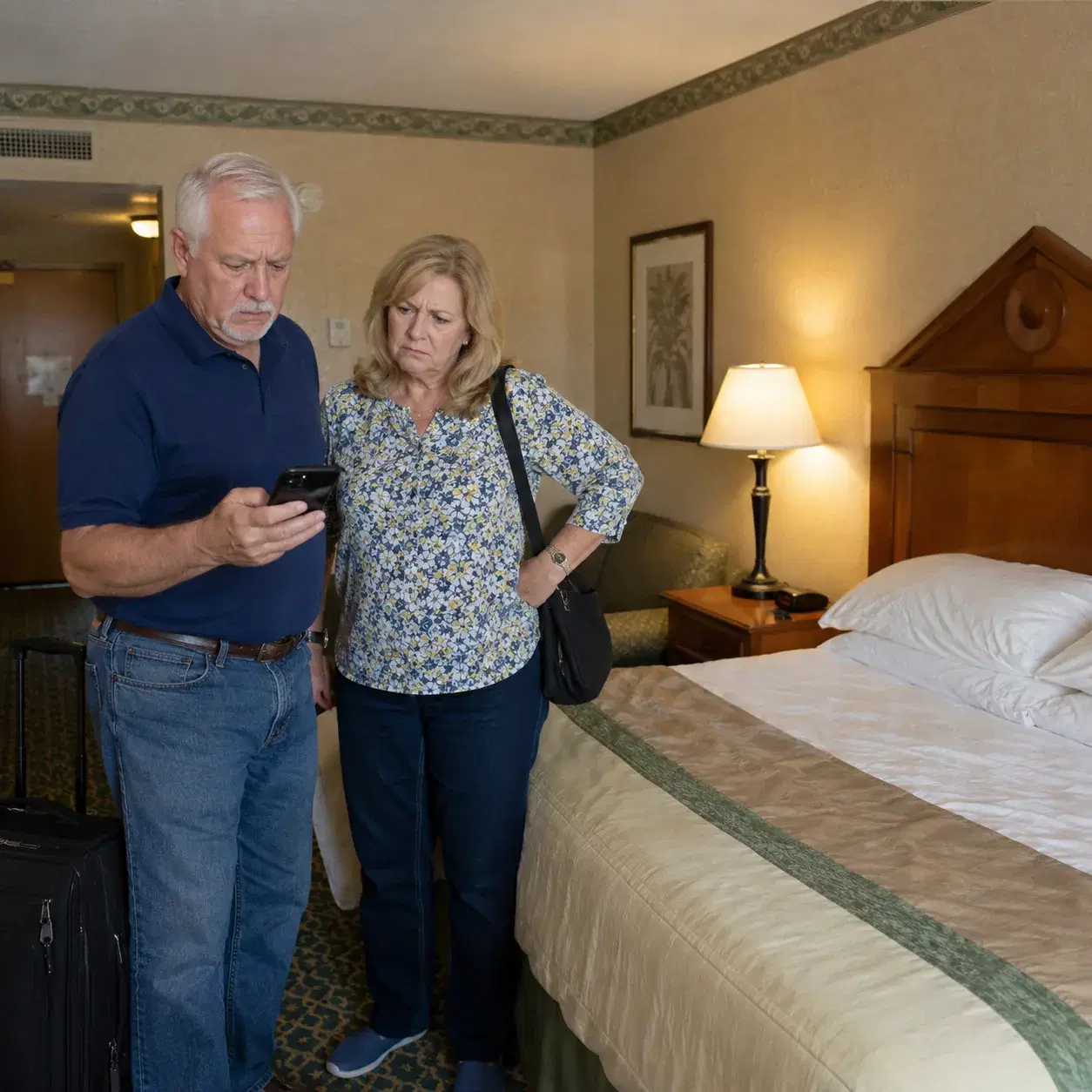
Hilton Garden Inn competed directly against Courtyard as the upper-midscale business hotel standard. For most of the 2000s and 2010s, it was a genuinely strong product: full-service in-room amenities, a real restaurant at the property, a pool and fitness center that were actually maintained.
Hilton rolled out system-wide service cuts in 2020 that have not been fully reversed. Housekeeping on stays under three nights went to request-only at most US properties. The Garden Grille restaurants have been reduced to grab-and-go at many locations.
What’s left is a hotel that charges Hilton Garden Inn prices and delivers something closer to Courtyard before Courtyard had its own problems. The chain still has strong occupancy rates. The reviews tell a different story from the booking numbers.
3. Hampton Inn by Hilton
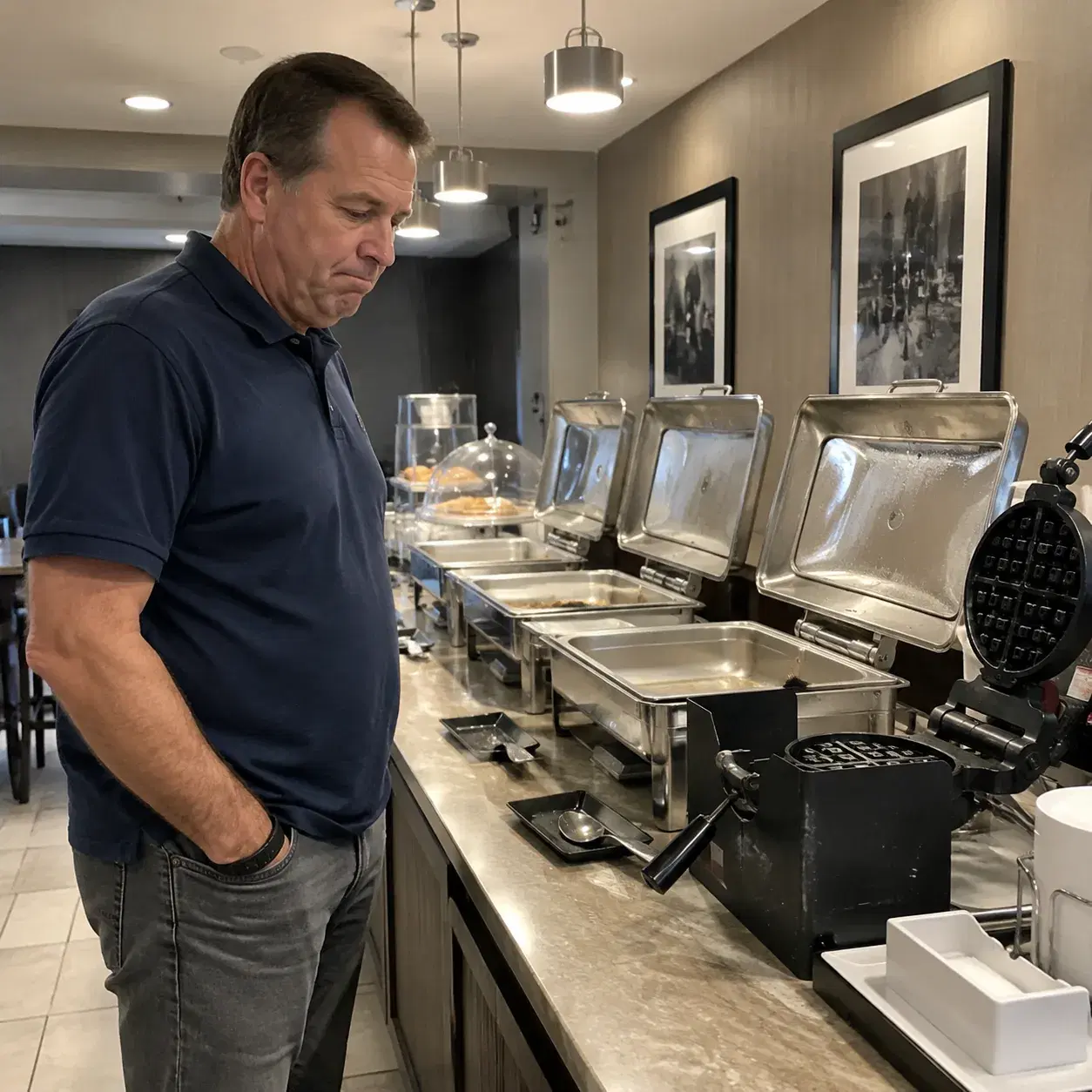
Hampton Inn was the gold standard of the upper-economy segment for two decades. The included hot breakfast — eggs, waffles, the full spread — was the feature that justified the price premium over the competition.
Hilton quietly downgraded the breakfast program at a large portion of Hampton properties starting in 2020. The hot breakfast became a “hot and continental” hybrid at many locations, meaning the “hot” portion was reduced to one or two items. Daily housekeeping went to request-only across most of the 2,700 US properties.
The brand still markets on breakfast quality. The actual breakfast at many Hampton properties in 2025 is not what the website shows. A retired teacher from Ohio told me she stopped booking Hampton entirely after three consecutive stays where the breakfast was “the same cold pastries they used to offer as backup.” Hampton didn’t cut prices when it cut breakfast. That’s the number that hasn’t changed.
It’s worse than Hampton. But not as bad as what’s at #1.
2. Best Western
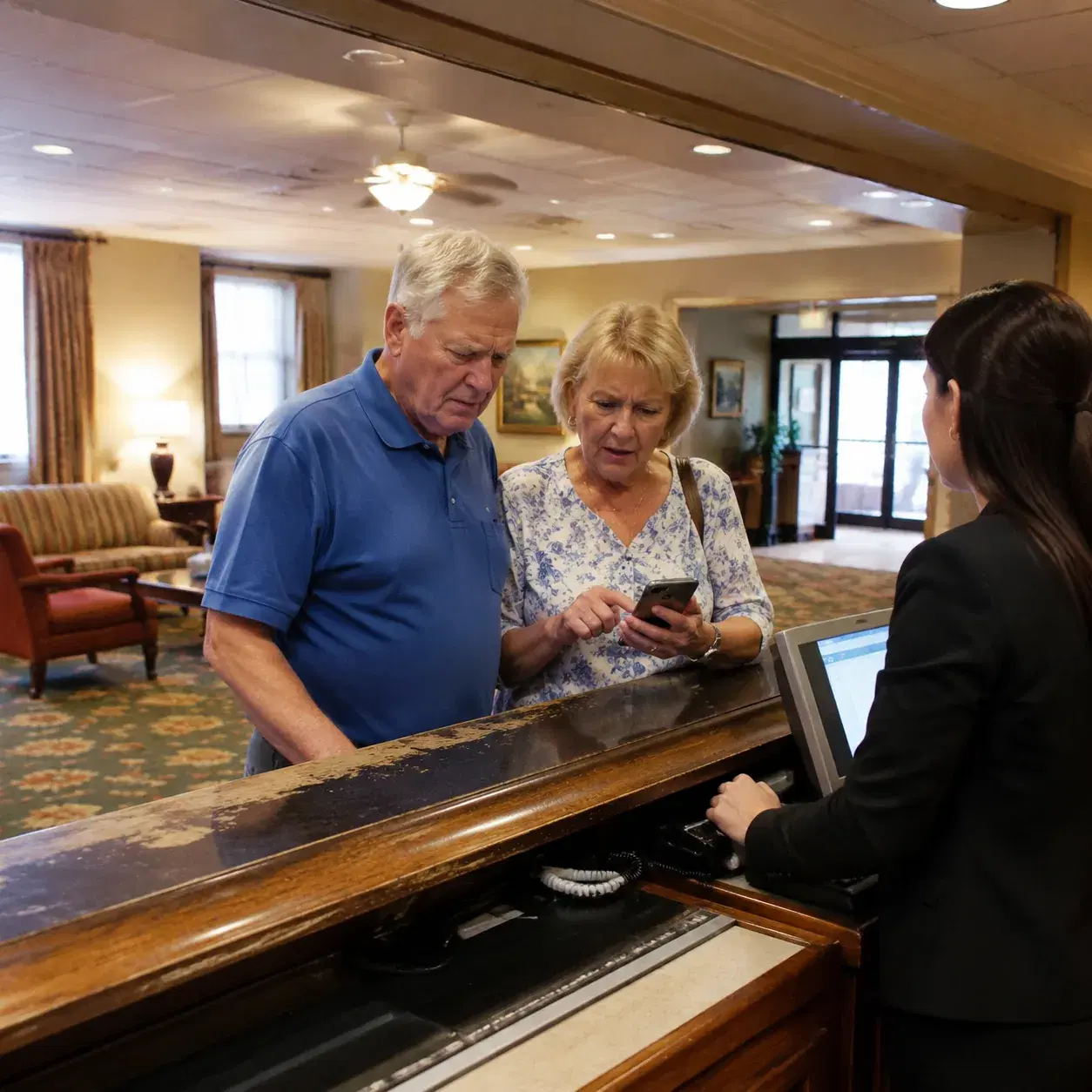
The Franchisee Revolt That Changed Everything
Best Western made a fundamental structural decision in the 1990s: remain a member cooperative rather than a traditional franchise chain. Each Best Western property is independently owned and operated, with the brand providing a booking system, marketing, and standards guidelines — but no direct operational control.
That structure made Best Western resilient in some ways. It also meant that when brand standards drifted, there was no mechanism to enforce correction. Properties could underperform the brand standard for years before losing their flag.
The chain responded to the competitive pressure of the 2000s by proliferating sub-brands: Best Western Plus, Best Western Premier, Vib, GLo, Aiden, Sadie, and more. By 2025, the parent company SureStay Hotels Group operated over a dozen distinct flags. The original Best Western brand got lost in the portfolio. Longtime guests who wanted “Best Western” weren’t sure which of twelve brands they were actually getting.
The individual properties are still often fine. The brand itself has lost the clarity that once made it the most trusted independent hotel flag in America. It’s bad. But it doesn’t come close to what’s waiting at #1.
1. Holiday Inn (IHG)
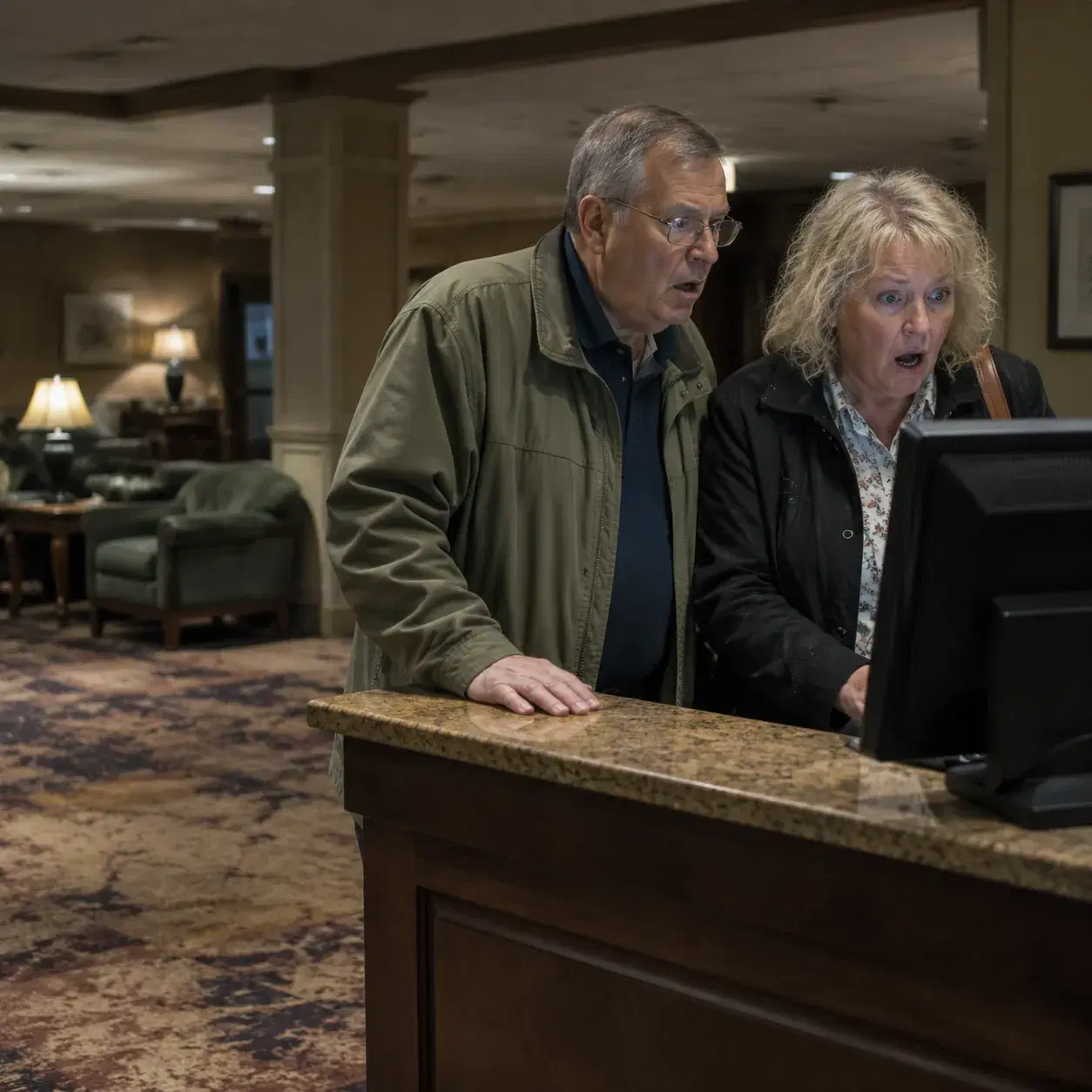
The Fall of America’s Hotel
Holiday Inn didn’t just decline. It lost the identity that made it the most culturally important hotel brand in American travel history.
Kemmons Wilson opened the first Holiday Inn in Memphis in 1952. The idea was revolutionary: a clean, affordable, consistent roadside hotel where a family could predict exactly what they were getting. No surprises. No price gouging. A pool for the kids, air conditioning when that was still a selling point, a television in every room. By 1972, Holiday Inn was the largest hotel company in the world.
IHG owns the brand today. The post-COVID period accelerated a decline that had been building for a decade. Daily housekeeping was cut across the portfolio in 2020 and restoration has been incomplete and inconsistent by property. The complimentary breakfast that many locations included was eliminated or moved to paid.
The bigger problem is franchisee drift. IHG’s franchise agreements give individual owners significant latitude over property condition. Properties that were already aging in 2019 went through three years of reduced occupancy revenue while deferred maintenance compounded. Guest-facing reviews on Booking.com and TripAdvisor show that a substantial portion of US Holiday Inn properties are operating well below the brand’s own stated standards.
IHG also created Holiday Inn Express as a lower-cost alternative in 1991. Holiday Inn Express has dramatically outperformed its parent brand on quality consistency metrics. The irony is that the “Express” version of Holiday Inn is now the better product. Holiday Inn itself occupies an awkward middle ground: too expensive to compete on price, too inconsistent to compete on quality.
The chain that put American families on the road for seventy years has become a coin-flip booking. A retired airline employee from Georgia told me she now filters Holiday Inn out of search results entirely. “I know what Holiday Inn used to mean,” she said. “I don’t want to see what it is now.”
Now you know why we saved this one for last.
Before You Book the Next One
Every chain on this list still has individual properties that deliver a genuinely good stay. The problem isn’t every location. The problem is that you can’t tell which one you’re getting until you’re standing at the front desk with a confirmed reservation.
Read the reviews from the last three months specifically. A hotel that was excellent in 2022 and excellent in 2018 may have changed ownership since then.
Which one surprised you most? Drop it in the comments — especially if you’ve stayed at one of these recently and want to warn someone.
Comments
The opinions and views expressed in the comments section are solely those of the individual users and do not represent or reflect the opinions, views, or positions of HumbleTrail. HumbleTrail does not endorse, support, or verify the accuracy of any user-generated content.
By posting a comment you agree to receive related emails from HumbleTrail in accordance with our Terms and Privacy Policy. You can unsubscribe at any time.