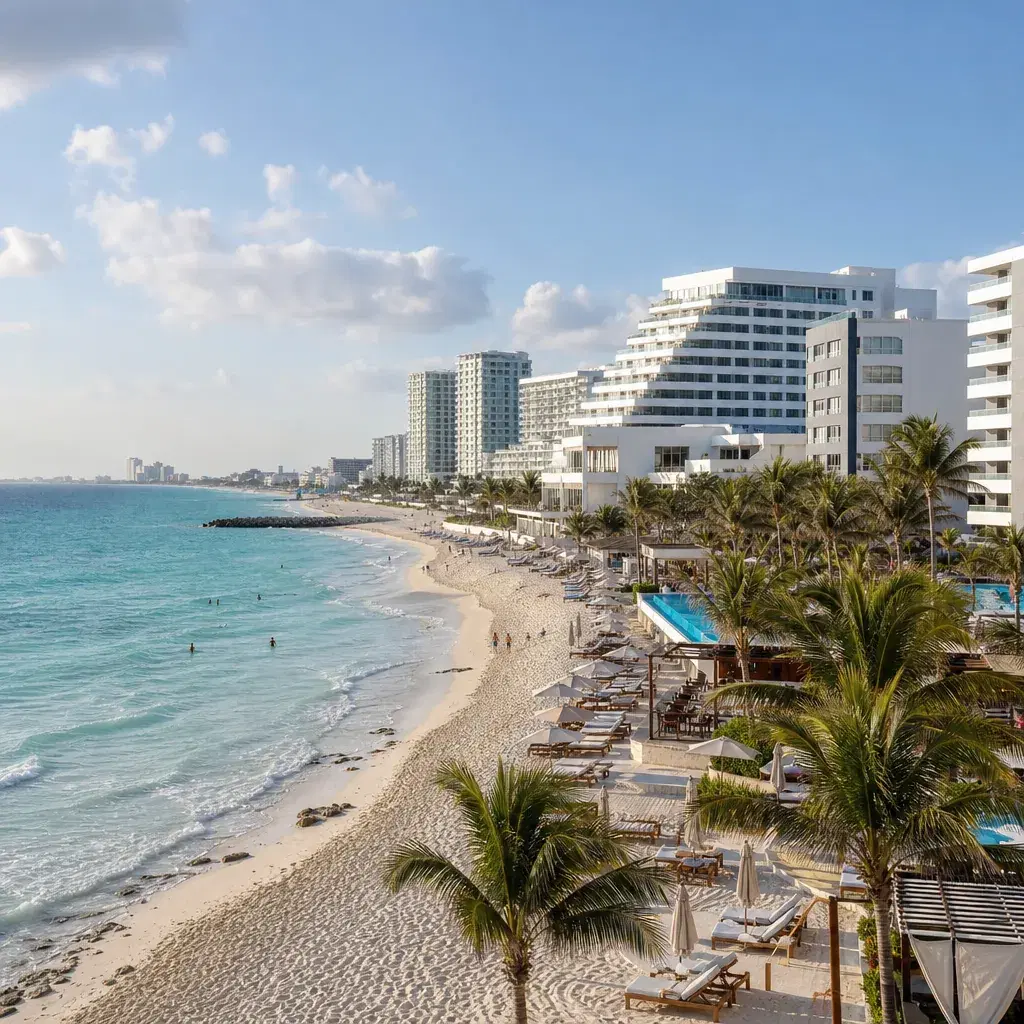


This is not a list of bad cities, because Europe’s most famous places earned their reputations.
It is a 2026 planning filter for Americans deciding where the airfare, hotel price, crowd pressure, and actual experience still line up.
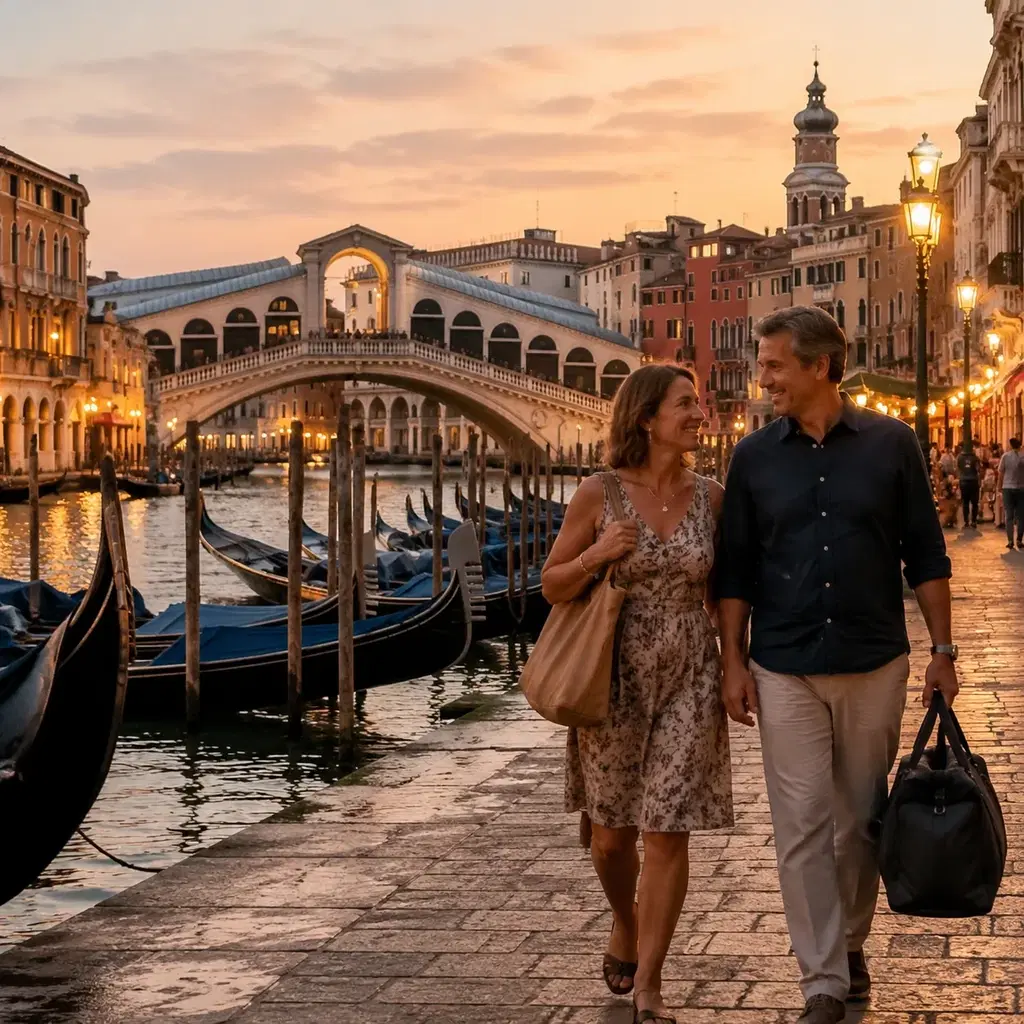
31. Venice
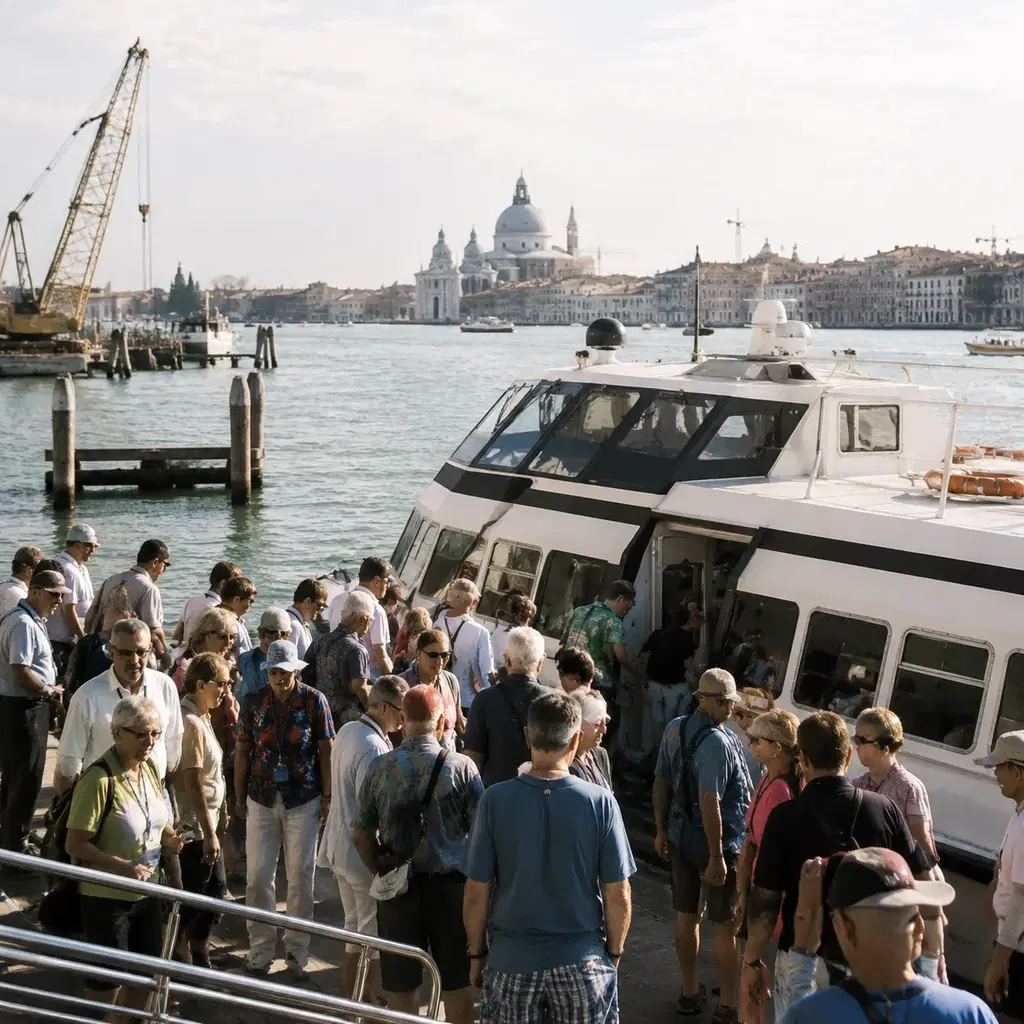
Venice lands this high because the city is miraculous, but the visitor pressure can turn wonder into shuffling. Staying overnight and leaving the obvious lanes helps.
It can still work for travelers who will slow down and spend money locally, but it should be booked on purpose rather than out of habit.
30. Paris
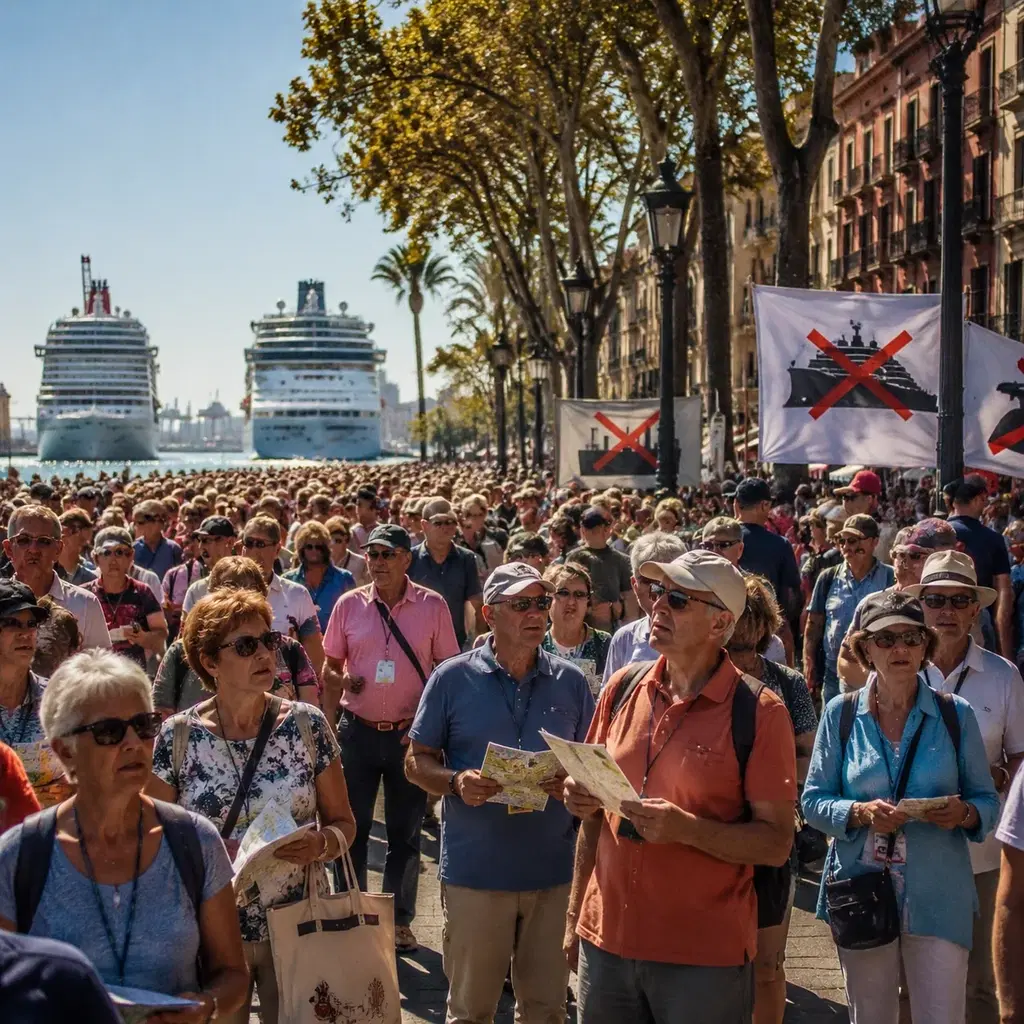
Paris lands this high because the fantasy is so large that normal city friction feels like betrayal. Food, museums, neighborhoods, and architecture remain unmatched.
It can still work for visitors who build a neighborhood trip instead of chasing only icons, but it should be booked on purpose rather than out of habit.
29. Rome
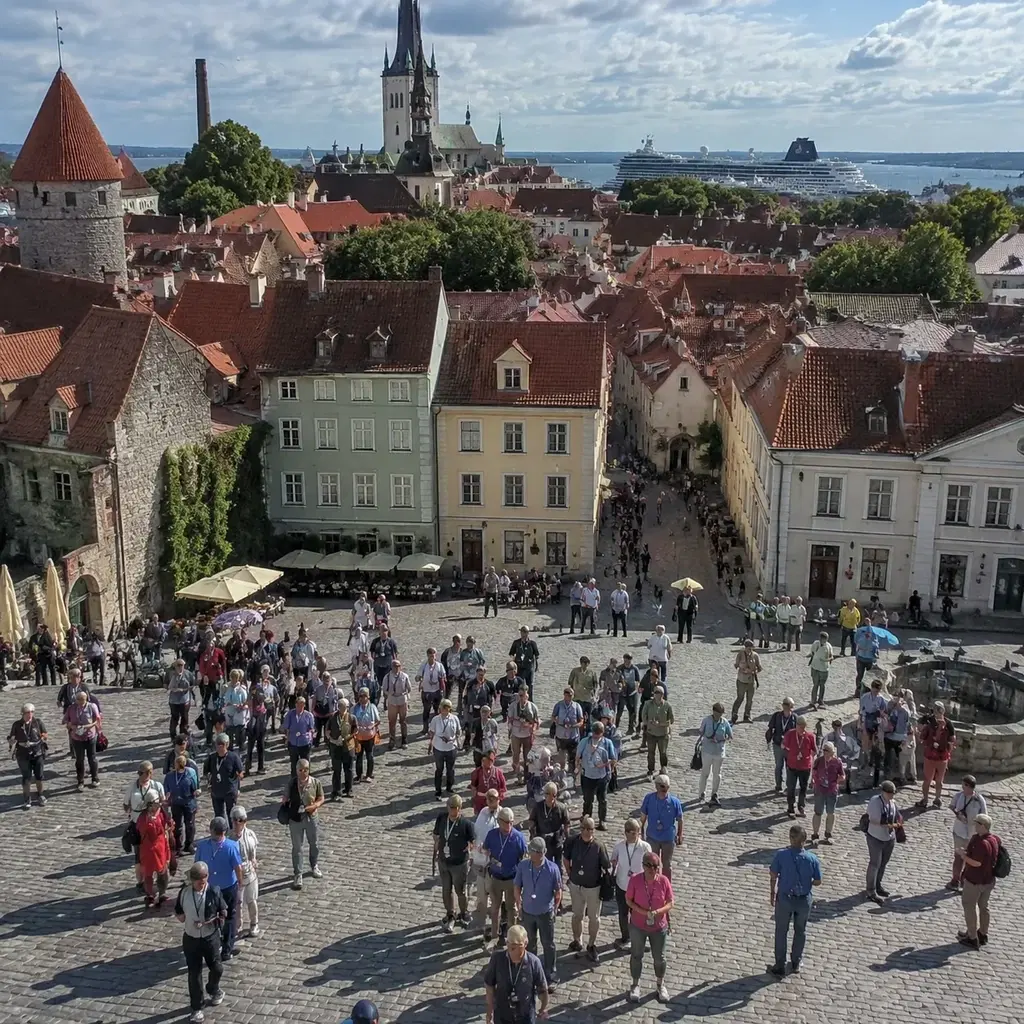
Rome lands this high because history is everywhere, but so are lines, heat, and itinerary fatigue. The city rewards patience more than checklist speed.
It can still work for travelers who can stay long enough to wander, but it should be booked on purpose rather than out of habit.
28. Barcelona

Barcelona lands this high because the beach-city-party-art promise draws nearly everyone to the same zones. Architecture and food still make it compelling.
It can still work for people who plan beyond the most pressured neighborhoods, but it should be booked on purpose rather than out of habit.
27. Amsterdam
Amsterdam lands this high because the compact center can feel overrun fast. Canals, museums, and design still shine when you avoid lazy party tourism.
It can still work for travelers who use the city respectfully and explore wider, but it should be booked on purpose rather than out of habit.
26. London
London lands this high because it can be brutally expensive for a trip that feels familiar to Americans. Theater, museums, pubs, and neighborhoods are a deep bench.
It can still work for visitors who embrace the city, not just the royal postcard, but it should be booked on purpose rather than out of habit.
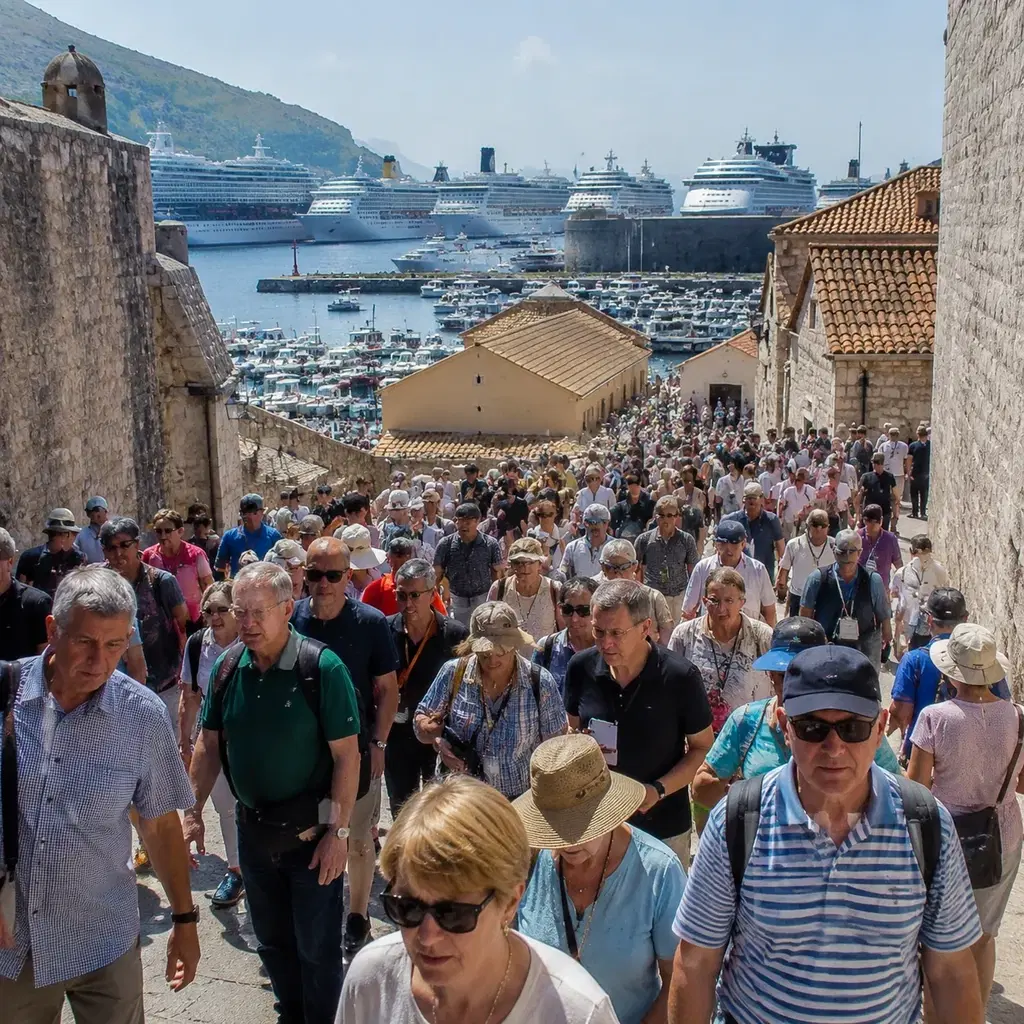
25. Dubrovnik
Dubrovnik lands this high because the old town is stunning but small enough to feel overwhelmed quickly. Overnights and shoulder season improve the experience dramatically.
It can still work for travelers who time around cruise crowds, but it should be booked on purpose rather than out of habit.
24. Prague
Prague lands this high because the fairytale center is now a mass-tourism magnet. Beer, architecture, and side streets still carry charm.
It can still work for people who escape the obvious bachelor-party lanes, but it should be booked on purpose rather than out of habit.
23. Florence
Florence lands this high because the art is world-class, but peak-season crowding can make the center feel airless. Slower museum planning and oltrarno time help.
It can still work for travelers who want art enough to manage the pressure, but it should be booked on purpose rather than out of habit.
22. Milan
Milan is a better pick once the expectations are honest: Americans sometimes expect Rome-level romance and get a business-fashion city instead. Design, food, and transit are strong when expectations are right.
The sweet spot is travelers who like style, not just ruins; outside that lane, the destination can feel thinner than the photos suggest.
21. Nice
Nice is a better pick once the expectations are honest: the Riviera name can inflate expectations for the actual beach comfort. Color, markets, and regional access make it useful.
The sweet spot is people who treat it as a base, not only a beach; outside that lane, the destination can feel thinner than the photos suggest.
20. Munich
Munich is a better pick once the expectations are honest: festival fame can narrow the city’s image too much. Parks, museums, beer halls, and alpine access are real strengths.
The sweet spot is travelers who want Germany with easy day trips; outside that lane, the destination can feel thinner than the photos suggest. The same icon-versus-access problem shows up outdoors in the US national parks ranking, where popularity can reshape the entire visit.
19. Vienna
Vienna is a better pick once the expectations are honest: it can feel formal if you arrive expecting scruffy romance. Music, cafes, museums, and transit make it quietly excellent.
The sweet spot is people who like culture with order; outside that lane, the destination can feel thinner than the photos suggest.
18. Copenhagen
Copenhagen is a better pick once the expectations are honest: high prices can make a short break feel thin. Design, food, and easy movement are excellent.
The sweet spot is travelers who value quality-of-life cities; outside that lane, the destination can feel thinner than the photos suggest.
17. Lisbon
Lisbon is a better pick once the expectations are honest: its bargain-city reputation has lagged behind its popularity. Views, food, and neighborhoods still work when you avoid treating it as cheap barcelona.
The sweet spot is travelers who plan for hills, crowds, and fair prices; outside that lane, the destination can feel thinner than the photos suggest.
16. Athens
Athens is a better pick once the expectations are honest: many visitors use it as a ferry waiting room. History, food, and revived neighborhoods deserve more credit.
The sweet spot is people who give Athens at least a real city day; outside that lane, the destination can feel thinner than the photos suggest. A resort-and-scenery version of that expectation gap appears in the Hawaii vacation spots ranking, where famous views still need thoughtful timing.
15. Edinburgh
Edinburgh is a better pick once the expectations are honest: festival and summer demand can make a compact city feel squeezed. The skyline, pubs, and walks are still deeply atmospheric.
The sweet spot is travelers who can go outside the busiest windows; outside that lane, the destination can feel thinner than the photos suggest.
14. Seville
Seville is a better pick once the expectations are honest: summer heat can punish casual planning. Food, flamenco, architecture, and slower nights make it one of spain’s best city breaks.
The sweet spot is travelers who respect the climate and rhythm; outside that lane, the destination can feel thinner than the photos suggest.
13. Berlin
Berlin sits near the hidden-gem end because it does not offer the tidy postcard some first-timers expect. History, nightlife, museums, and neighborhoods make it better for curious travelers.
It is strongest for people who like cities with edges, especially if you would rather trade instant fame for a trip that feels more self-directed.
12. Madrid
Madrid sits near the hidden-gem end because it can be overshadowed by Barcelona’s obvious visuals. Food, art, parks, and late-night energy make it a stronger repeat city.
It is strongest for travelers who want a real capital rhythm, especially if you would rather trade instant fame for a trip that feels more self-directed. Beach travelers face a similar default-name trap in the Mexico beach ranking, especially when convenience starts doing too much of the selling.
11. Stockholm
Stockholm sits near the hidden-gem end because the cost and weather can blunt a casual visit. Water, design, museums, and island-hopping give it range.
It is strongest for people who appreciate northern cities, especially if you would rather trade instant fame for a trip that feels more self-directed.
10. Budapest
Budapest sits near the hidden-gem end because party-tourism reputation can distract from the city’s depth. Baths, architecture, food, and river views remain strong value.
It is strongest for travelers who want atmosphere without Western Europe pricing, especially if you would rather trade instant fame for a trip that feels more self-directed.
9. Krakow
Krakow sits near the hidden-gem end because some visitors still treat it as only a cheap Prague alternative. The city has its own food, history, and walkable charm.
It is strongest for people who want depth and strong value, especially if you would rather trade instant fame for a trip that feels more self-directed. A domestic beach comparison in the Florida beach town ranking uses the same filter of logistics, crowding, and actual payoff.
8. Ljubljana
Ljubljana sits near the hidden-gem end because it is small enough to be dismissed as a stopover. That size makes it easy, calm, and likable.
It is strongest for travelers pairing city time with Slovenia’s lakes and mountains, especially if you would rather trade instant fame for a trip that feels more self-directed.
7. Ghent
Ghent sits near the hidden-gem end because Bruges gets more of the fairytale marketing. Ghent feels lived-in while still delivering canals and towers.
It is strongest for travelers who want Belgium without only doing the obvious, especially if you would rather trade instant fame for a trip that feels more self-directed.
6. Bologna
Bologna sits near the hidden-gem end because it lacks the instant postcard pitch of Florence or Venice. Food, arcades, students, and trains make it one of italy’s smartest bases.
It is strongest for people who travel for meals and street life, especially if you would rather trade instant fame for a trip that feels more self-directed. The outdoor equivalent in the US national parks ranking is useful when a place is beautiful but the planning burden changes the trip.
5. Bilbao
Bilbao sits near the hidden-gem end because it used to be underrated and still gets skipped by Spain first-timers. Food, design, and basque culture make it feel distinct.
It is strongest for travelers who want Spain beyond the standard triangle, especially if you would rather trade instant fame for a trip that feels more self-directed.
4. Valencia
Valencia sits near the hidden-gem end because it is no longer secret, but it still avoids some Barcelona pressure. Beaches, food, parks, and architecture create a balanced trip.
It is strongest for people who want Spain with more room, especially if you would rather trade instant fame for a trip that feels more self-directed.
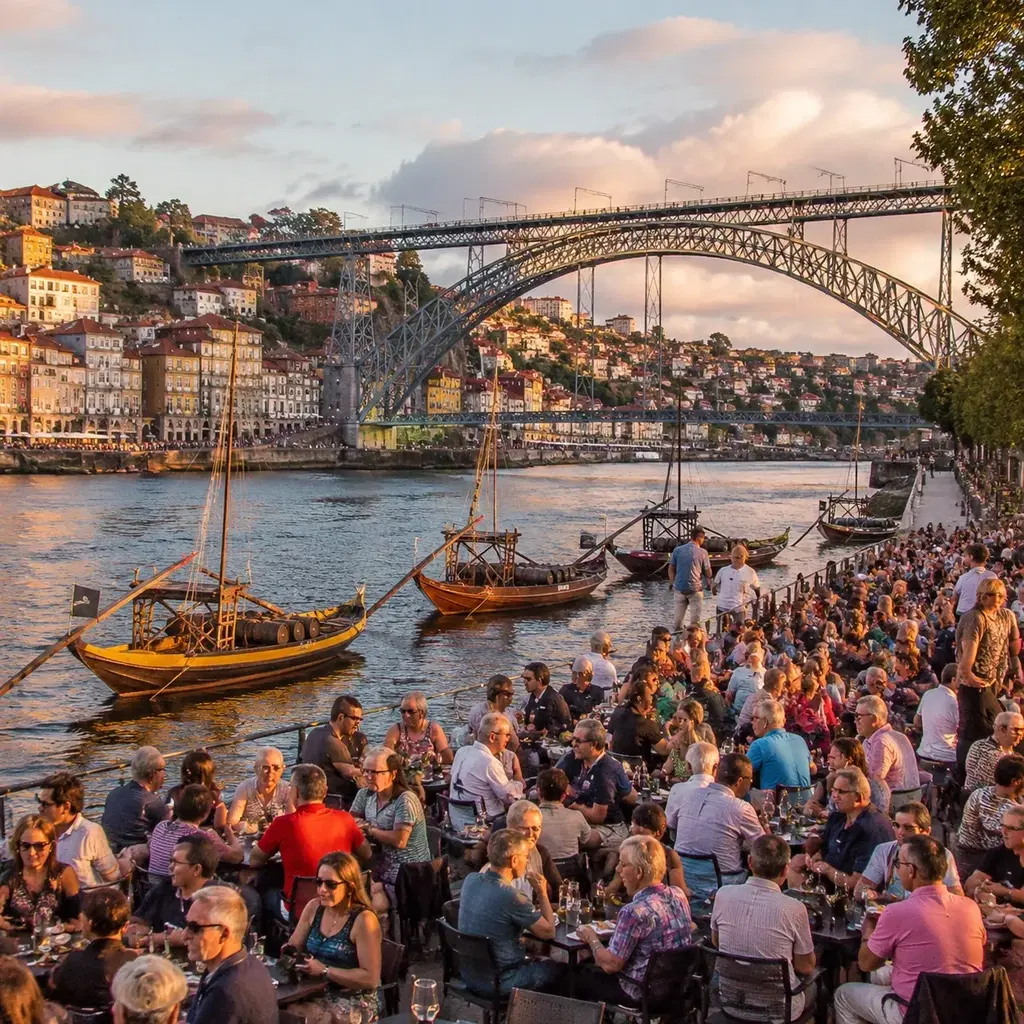
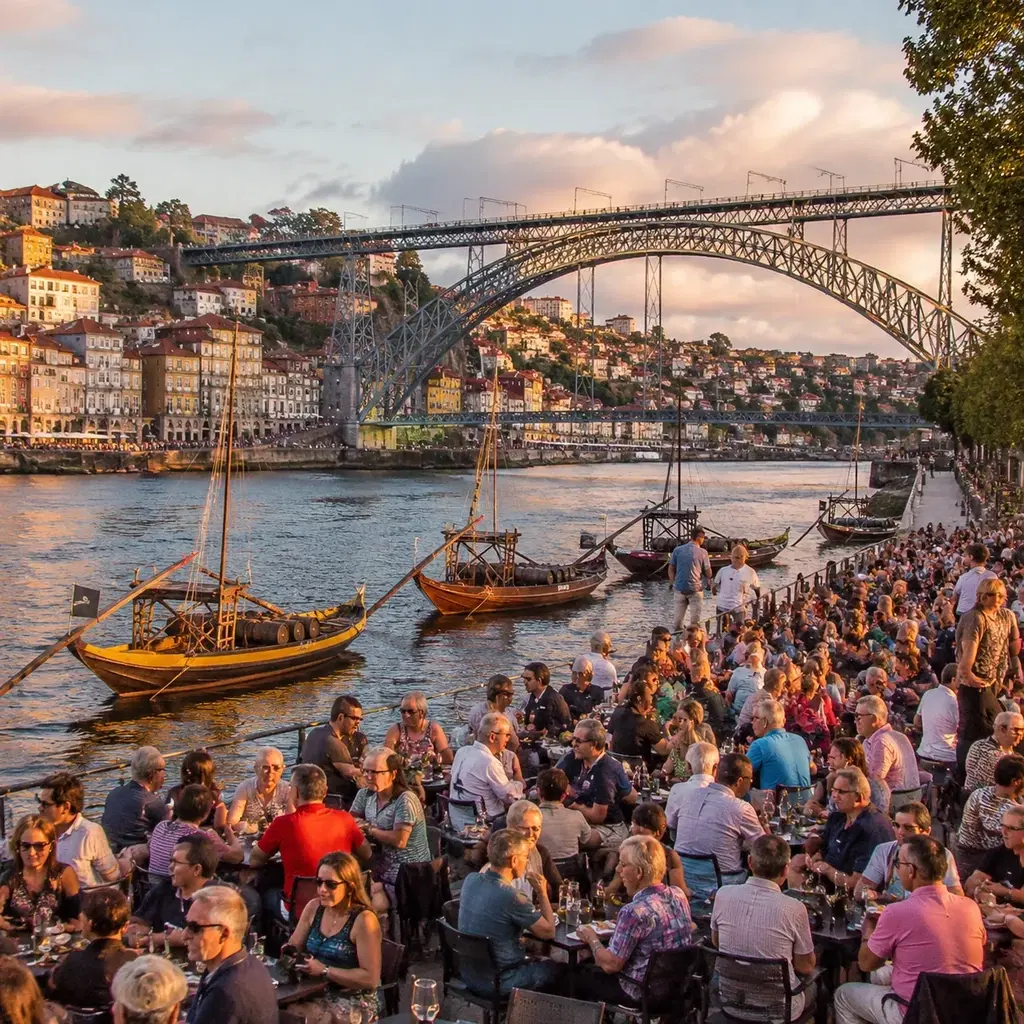
3. Porto
Porto sits near the hidden-gem end because popularity is rising, but the city still feels more grounded than Lisbon in many corners. Views, wine, food, and texture make it a strong short break.
It is strongest for travelers who like compact, atmospheric cities, especially if you would rather trade instant fame for a trip that feels more self-directed.
2. Tallinn
Tallinn sits near the hidden-gem end because it sits outside many Americans’ first Europe loop. The old town, digital-city energy, and baltic setting make it memorable.
It is strongest for people willing to fly a little farther from the usual circuit, especially if you would rather trade instant fame for a trip that feels more self-directed. The island version in the Hawaii vacation spots ranking makes the same point: famous does not automatically mean easiest to enjoy.
1. Riga
Riga sits near the hidden-gem end because it rarely wins the first-trip-to-Europe argument. Architecture, value, food, and a less overworked visitor scene make it a quiet winner.
It is strongest for travelers who want Europe to feel surprising again, especially if you would rather trade instant fame for a trip that feels more self-directed.
Comments
The opinions and views expressed in the comments section are solely those of the individual users and do not represent or reflect the opinions, views, or positions of HumbleTrail. HumbleTrail does not endorse, support, or verify the accuracy of any user-generated content.
By posting a comment you agree to receive related emails from HumbleTrail in accordance with our Terms and Privacy Policy. You can unsubscribe at any time.