

You are preparing for your first cruise, and you are excited. You can still make at least 6 of these mistakes without recognizing them.
The mistake at #1 is obvious enough for a cabin steward to notice before a passenger unpacks. Seasoned cruisers call it “the classic first-timer tell”. Almost no first-time passenger expects it. Here are 25 things that give you away instantly.
25. Lining Up at the Gangway an Hour Before It Opens
You showed up at 7am for a 9am departure. You are standing in the sun with your tote bag. Meanwhile, experienced cruisers are still finishing breakfast in the dining room.
Experienced cruisers know the gangway wait doubles the longer you arrive early. Port crowds thin out fast. Arriving 20 minutes before departure means a near-empty exit and no queue. The line will find you. You don’t need to find the line.
24. Paying for Drinks Before Checking the Package Math
You heard “drinks package” and assumed that it saves money. A drinks package does not always reduce the cost. A standard drinks package runs $70–$100 per person per day. If you drink two cocktails and a coffee, you’re behind before noon.
Do the math before you board. Count what you’d actually drink in a day and multiply by the ship’s menu prices — they’re usually posted online. The package wins for heavy drinkers. For everyone else, it’s a comfort purchase dressed up as a deal.
23. Asking the Buffet Staff Where the “Real” Restaurant Is
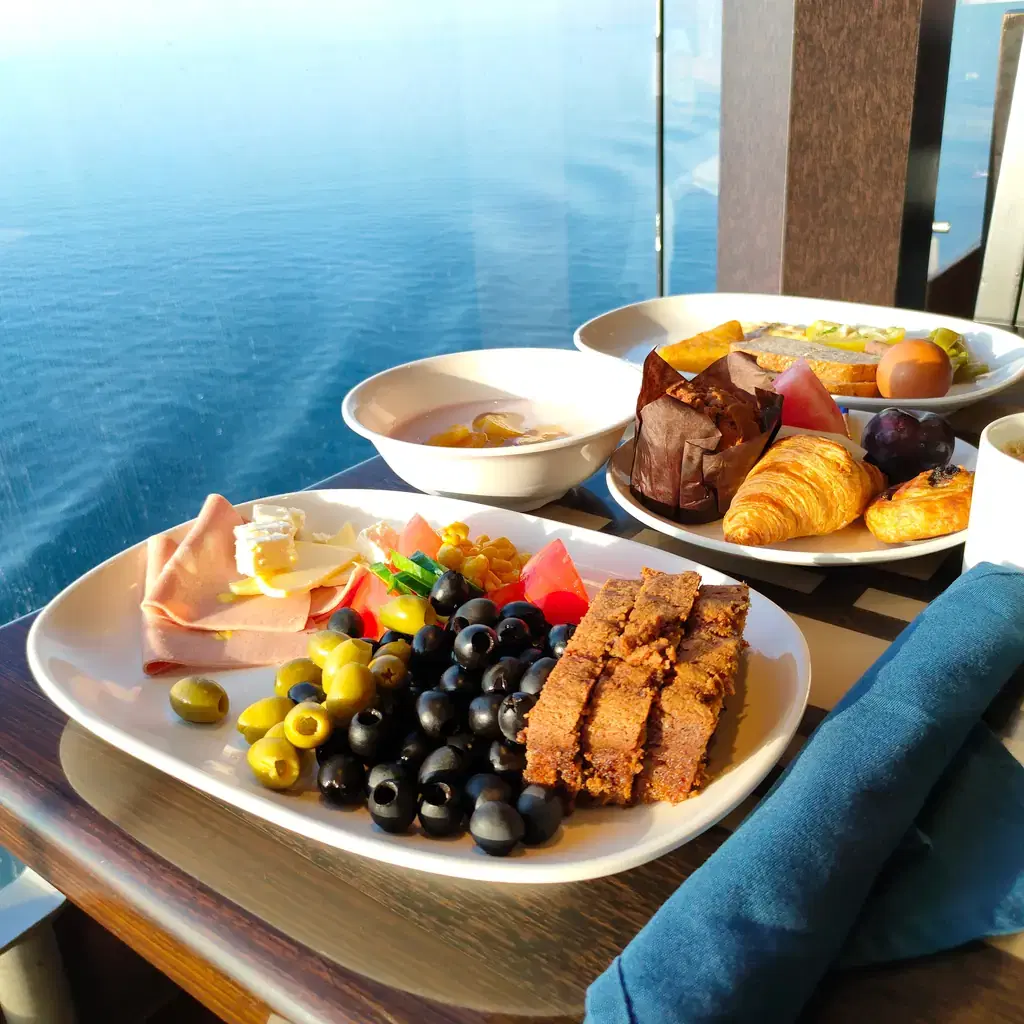
There is no maître d’ at the door of the buffet, but it is a restaurant all the same. For the most part, the Lido and the main dining room are fed from the same kitchen; the only distinction is the tablecloths and a server to top off your water.
First-timers have a way of regarding the buffet as a consolation. The regulars are happy with it for a casual lunch and reserve the main room for the evening. You should pick the meal and not be concerned with the room.
22. Tipping Everyone Individually on Day One
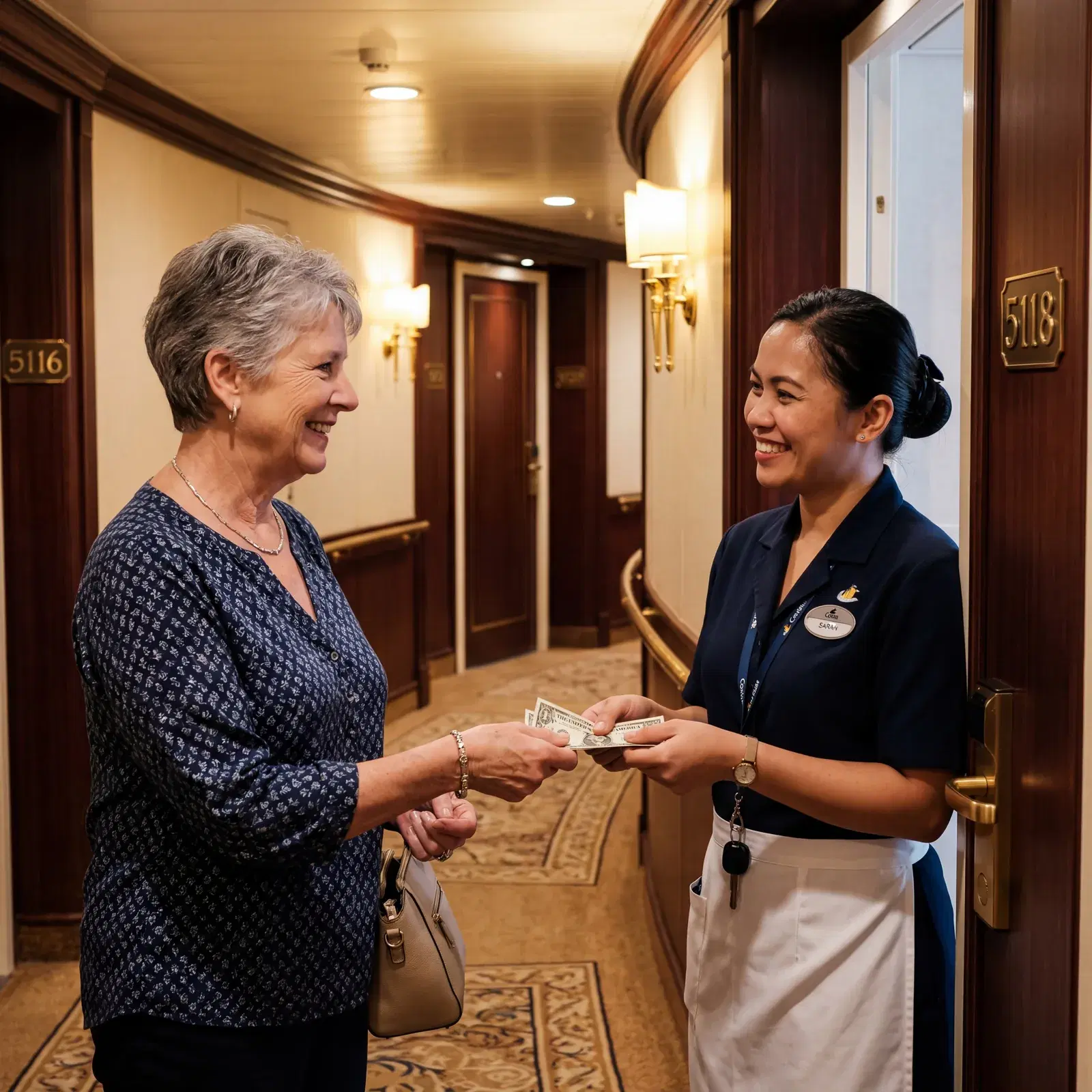
You’ve been handing out dollar bills since you found your cabin. Most cruise lines automatically add a daily gratuity of $16–$20 per person to the onboard account. The cruise line distributes this money across the service team, including staff that passengers never see.
Tipping individual crew members on top of that is a lovely gesture. Tipping them on day one because you feel awkward is just anxiety in cash form. Wait. See who makes your trip better. Tip them at the end.
21. Booking Shore Excursions Through the Ship
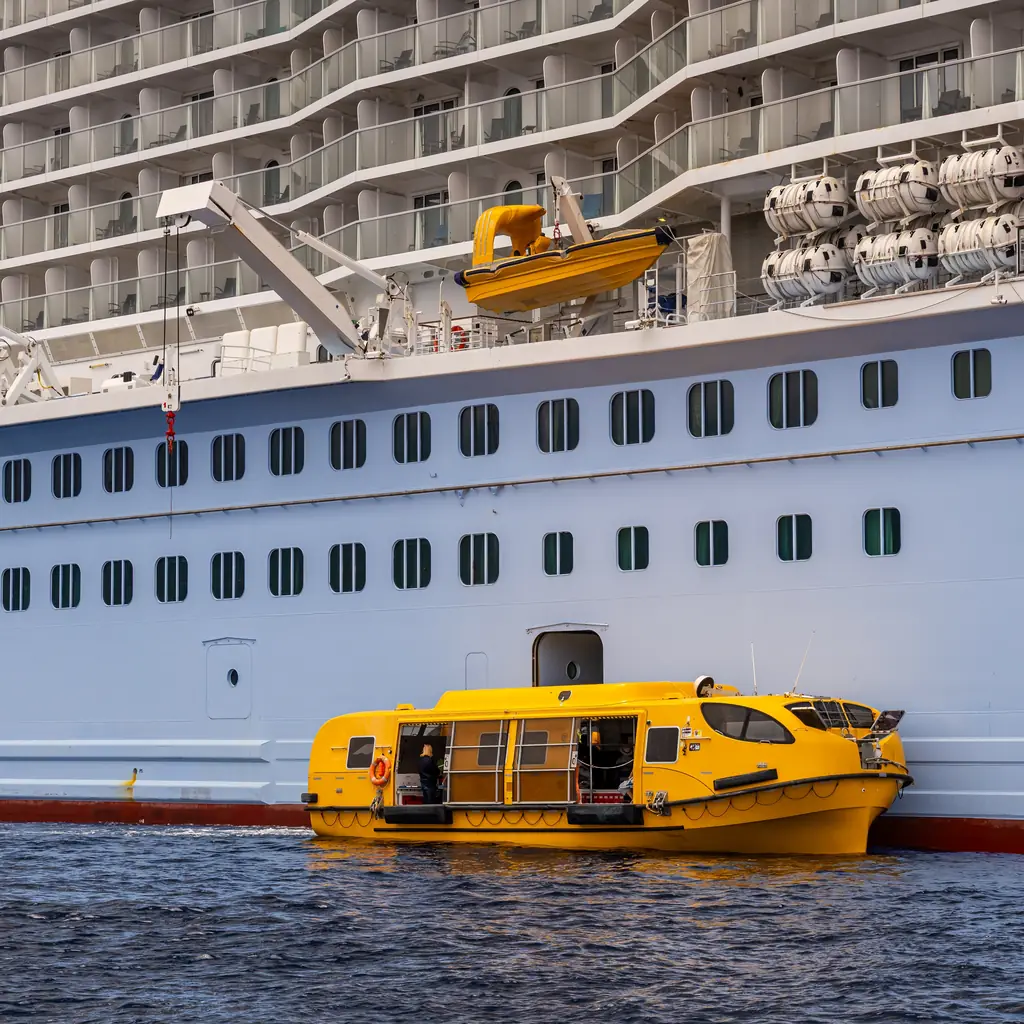
The ship’s excursion desk is convenient. It is also 30–60% more expensive than booking the same tour directly with a local operator. The only real advantage is the ship guarantee — if your excursion runs late, the ship waits.
But independent tours almost always account for this anyway. A quick Google search of the port name plus “shore excursion” will surface a dozen local operators at a fraction of the price. It gets significantly better from here.
20. Eating Lunch on the Ship While in Port
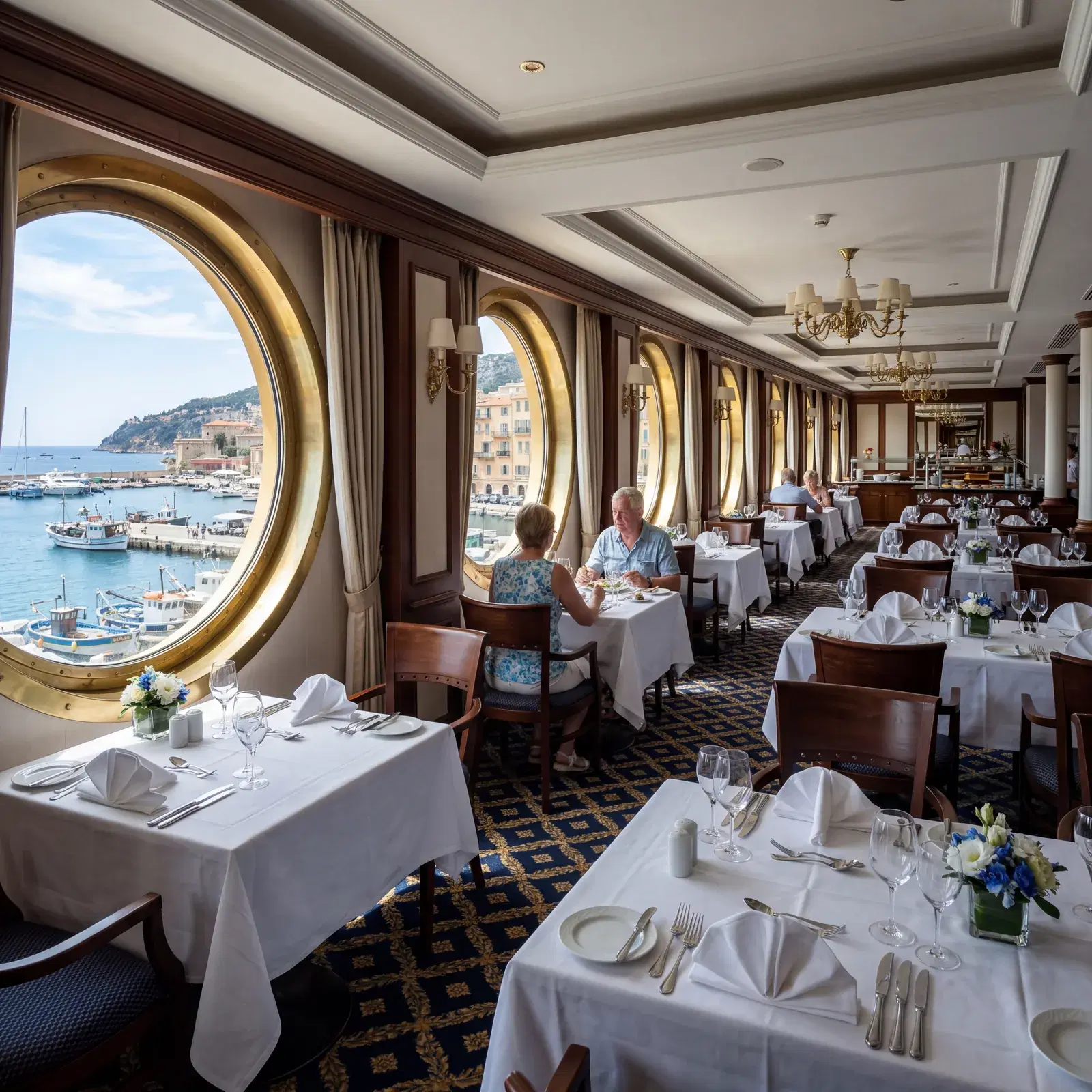
You paid for all meals on the ship, so you want to use them. Meanwhile, the locals at the port market are selling fresh fish tacos for $3 each, and the café around the corner from the pier has better coffee than anything you’ll find on deck.
Port days are the day to eat ashore. You’ve got a floating restaurant waiting when you get back. The ship will still be there at dinner.
19. Panic-Buying Sunscreen and Toiletries in the Gift Shop
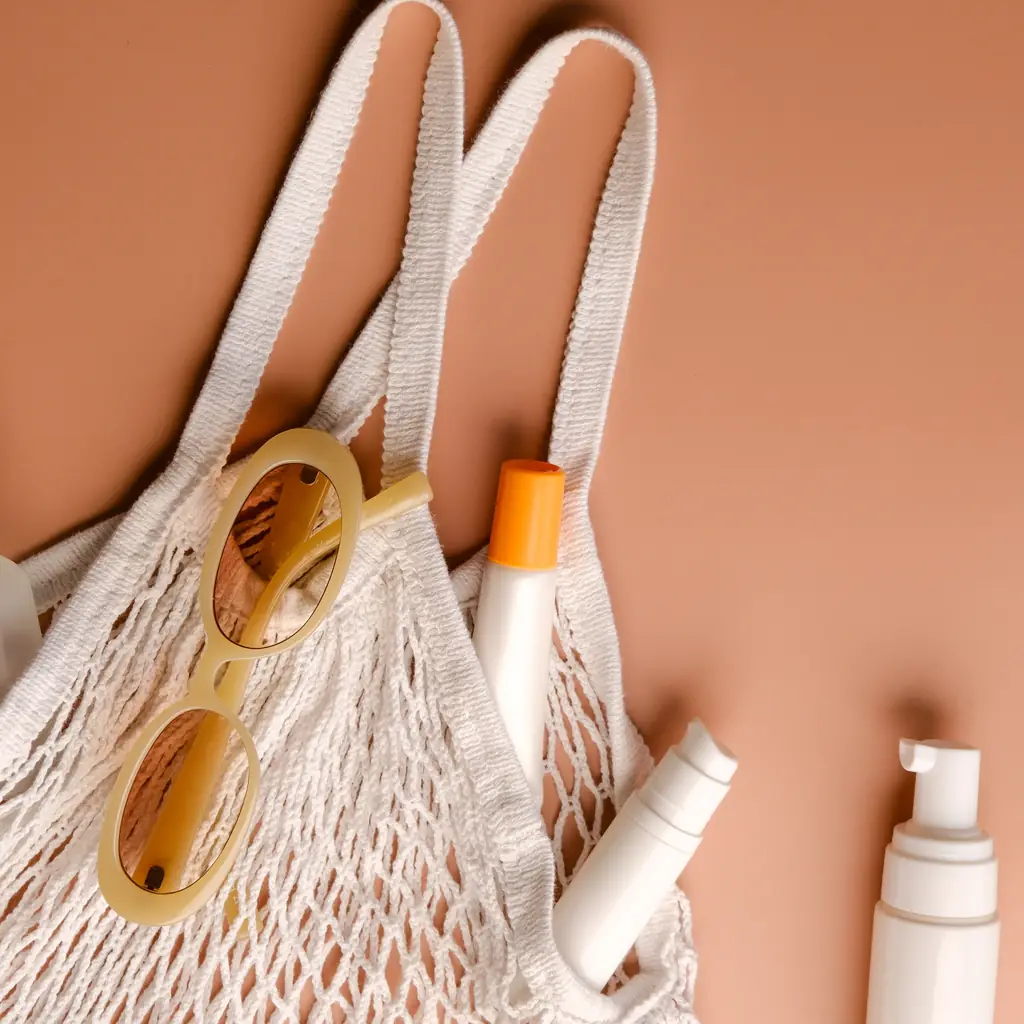
The onboard gift shop sells a $9 bottle of SPF 30 for $28. This markup is part of the shop’s business model. Pack your toiletries before you board.
If you forget something, wait until the first port — pharmacies and convenience stores at cruise destinations charge normal prices. The gift shop is for souvenirs and forgotten chargers. Not sunscreen.
18. Saving Pool Chairs at 6am and Then Disappearing
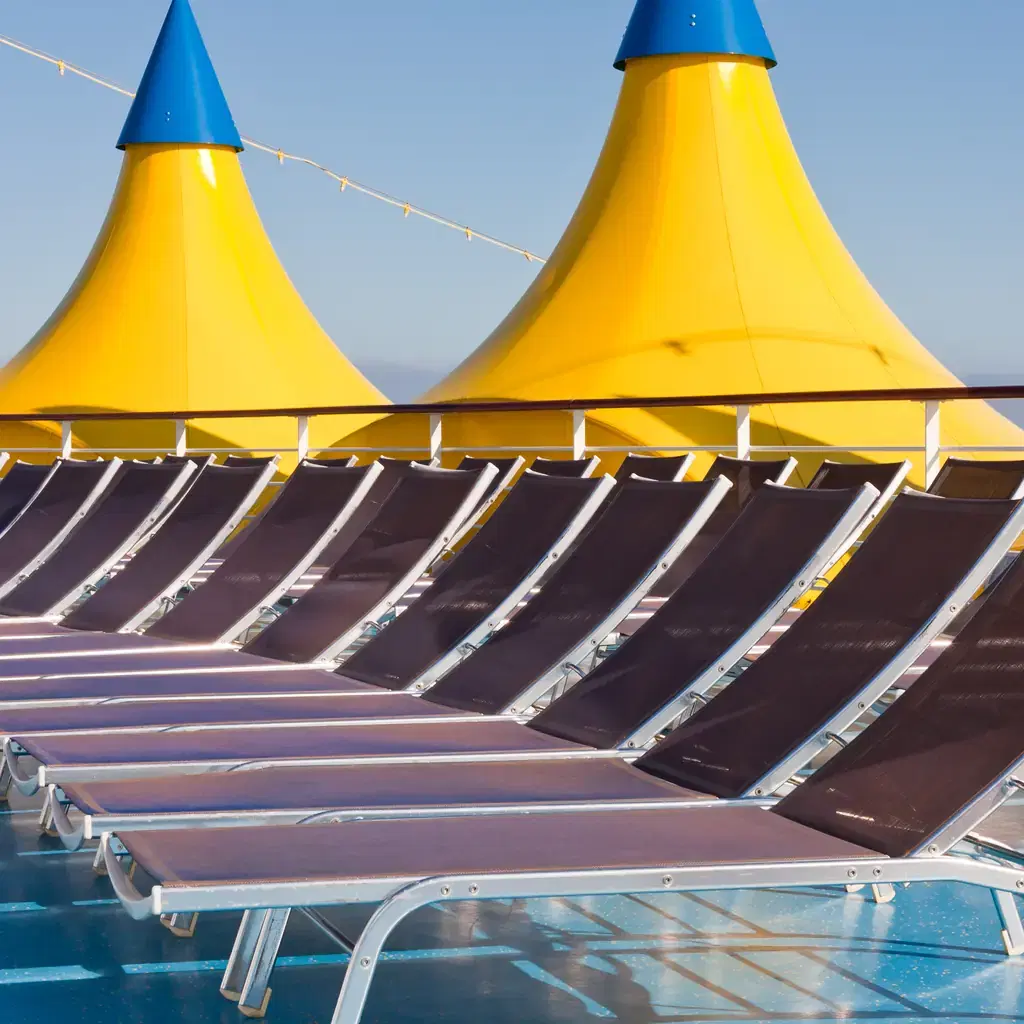
You’ve staked your claim. You put a towel over four chairs before breakfast and do not return until noon. This is the most universally disliked first-time behavior described in this article.
Most cruise lines have a 30–40 minute rule — unattended chairs can be cleared. Staff rarely enforce it aggressively, but other guests absolutely notice. Regulars find a chair when they need one. They don’t treat the pool deck like a campsite.
17. Treating Every Announcement as Optional
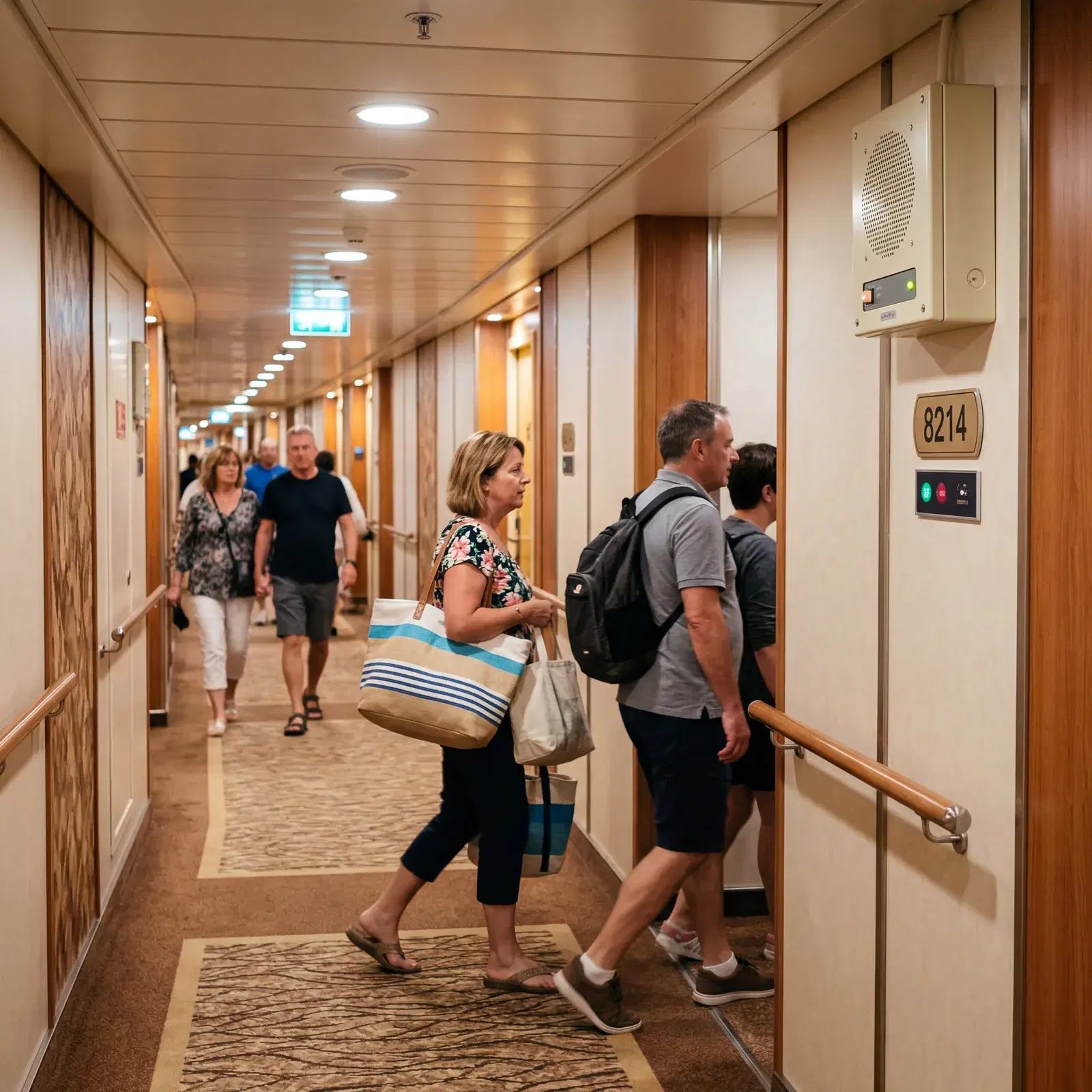
The muster drill is mandatory. You are aware of that. But new passengers will forgo the daily activity sheet, tune out the port arrival announcements and miss the schedule posted in the elevator lobby.
They should be looking at that sheet to see when the specialty restaurant is open, where the comedian has set up on the deck and the tendering times. Regulars get through it at breakfast. Think of the ship as a city. One needs a map.
16. Standing in the Middle of Every Corridor Looking at Their Phone
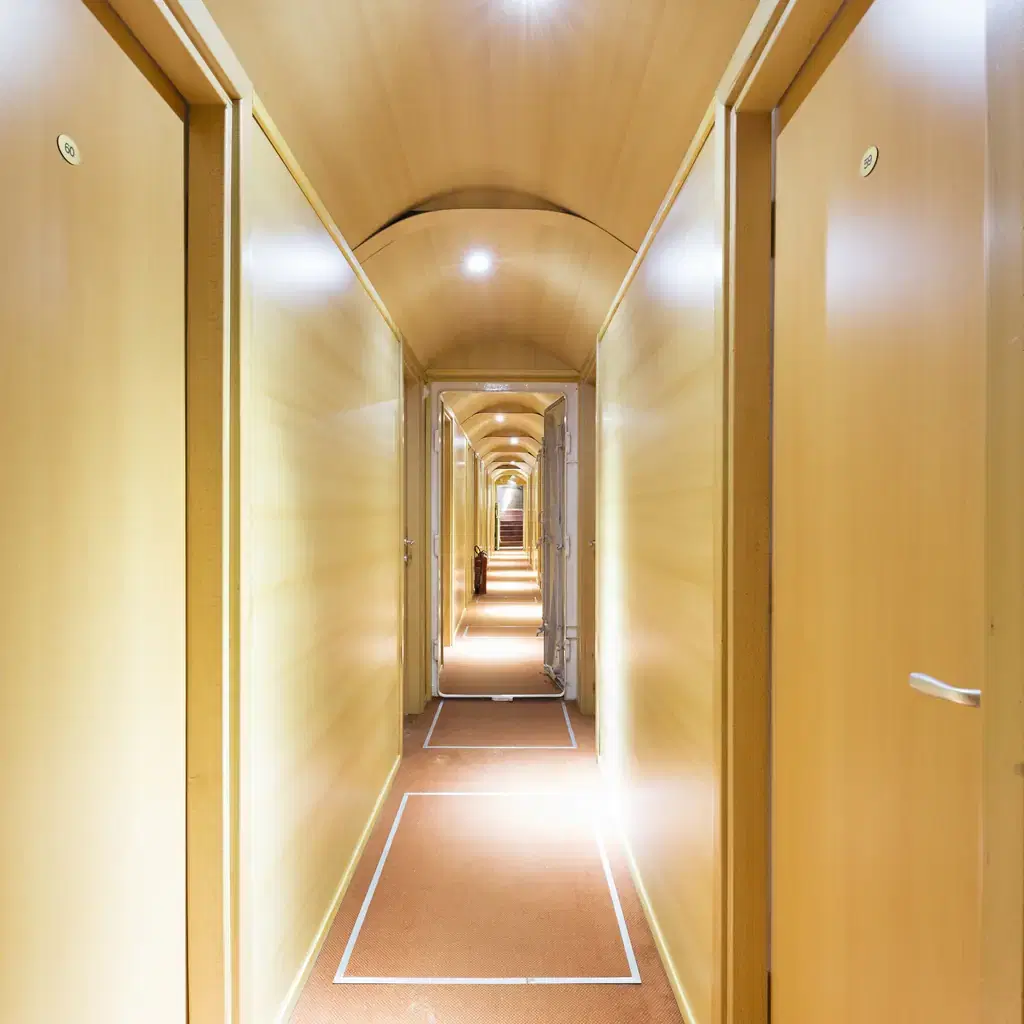
The hallways are by design narrow. To stop in the middle of one to read a sign or check your phone is to block the way for those who have somewhere to be.
Move over to the wall and sort out your bearings. It is a minor thing, but the kind of behavior that will earn you a quiet side-eye for the duration of the voyage.
15. Assuming the Wi-Fi Will Be Good Enough to Stream

It won’t be. Cruise ship internet uses satellites and is shared by thousands of passengers. It costs $25–$35 per day, and its speed can feel similar to internet service in 2009.
Download what you need before you board. Podcasts, movies, books, maps. Treat the ship like a long-haul flight with better food. The first-timer pays for Wi-Fi and spends half the cruise frustrated. The regular reads a book.
Read More: 19 Things Travel Agents Won’t Tell You Before You Book a Cruise
14. Wearing a Lanyard With Their Room Key Card

This is the universal first-timer costume. The lanyard is sold at embarkation as a “convenience.” It can instead show that a passenger does not know the layout, worries about losing the card, and has not cruised before.
Your room key doubles as your onboard charge account. Put it in your pocket. That’s it. Experienced cruisers spot the lanyard from across the lido deck. It’s friendly. It’s just very obvious.
13. Buying a Photo Package Before Seeing the Prices

The photographers on the vessel do good work but their prints run $30–$40 apiece. You could just take a screenshot from the preview. First-timers are prone to buying the package at the start because it seems like a good deal.
Then they get home to 47 dinner photos that are all posed and nothing candid. Wait for a sea day to peruse the gallery and part with your money for the ones you like.
12. Showing Up to the Main Dining Room Without a Reservation
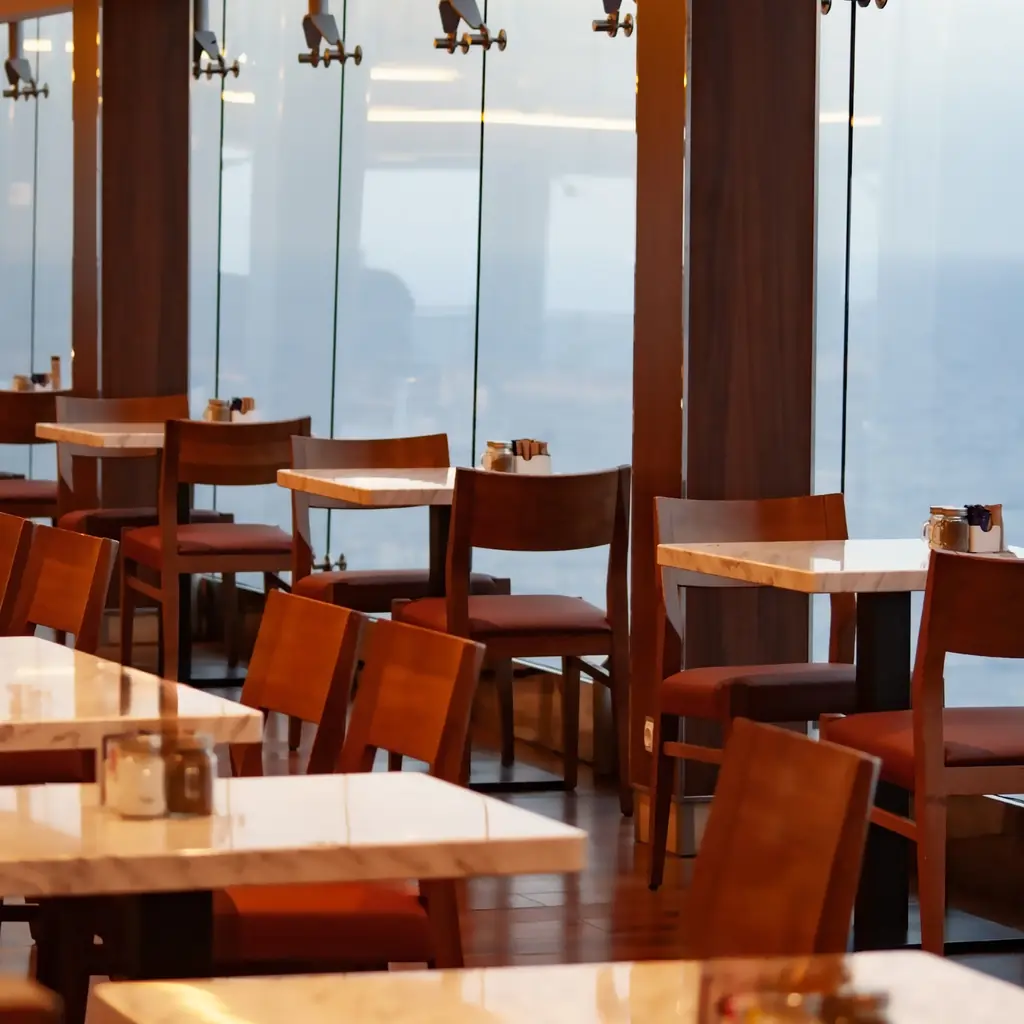
On ships with flexible dining, you need a reservation. This is not obvious from the brochure. First-time passengers can arrive at 7:30pm and expect immediate seating. They wait 45 minutes while guests who booked that morning enter immediately.
The reservation app is on your phone before you board. Open it in the first hour and book your dining times for the whole cruise. Your future self will thank you.
11. Getting Off at Tender Ports Without Checking the Schedule
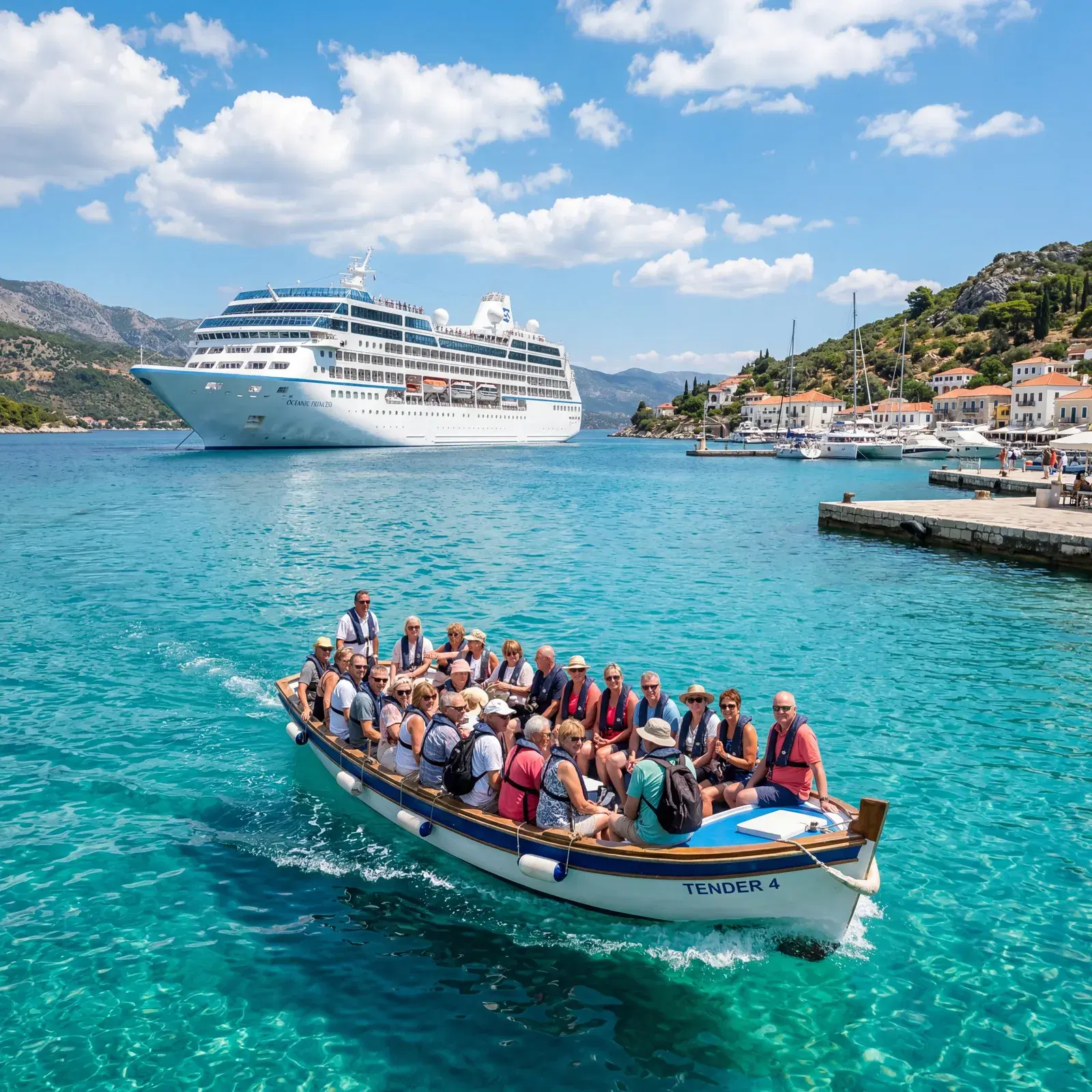
When in a tender port, the ship remains offshore; it is not docking. A small boat will be your conveyance to land. Do not make the mistake of thinking the last tender’s return time is the same as the ship’s departure. In most cases it is 30 to 60 minutes prior.
One could put the number of first-timers who miss that final run to a researcher for study. Make sure to check the timetable and set an alarm on your phone. Allow some leeway. The vessel has been known to leave without you.
10. Treating Sea Days Like Dead Time

You’re at sea. There’s nowhere to go. You’ve decided it’s a waste. Meanwhile, the cooking class is half-empty, only six teams attend trivia, and the mixology demonstration has open places.
Sea days are when the ship runs its best programming because many passengers think that nothing is happening. Regulars love sea days. First-timers kill time until port. Flip that and your cruise gets 40% better.
Read More: 21 Cruise Upgrades That Are Actually Worth Paying For
9. Letting Kids Run Unattended on the Lido Deck
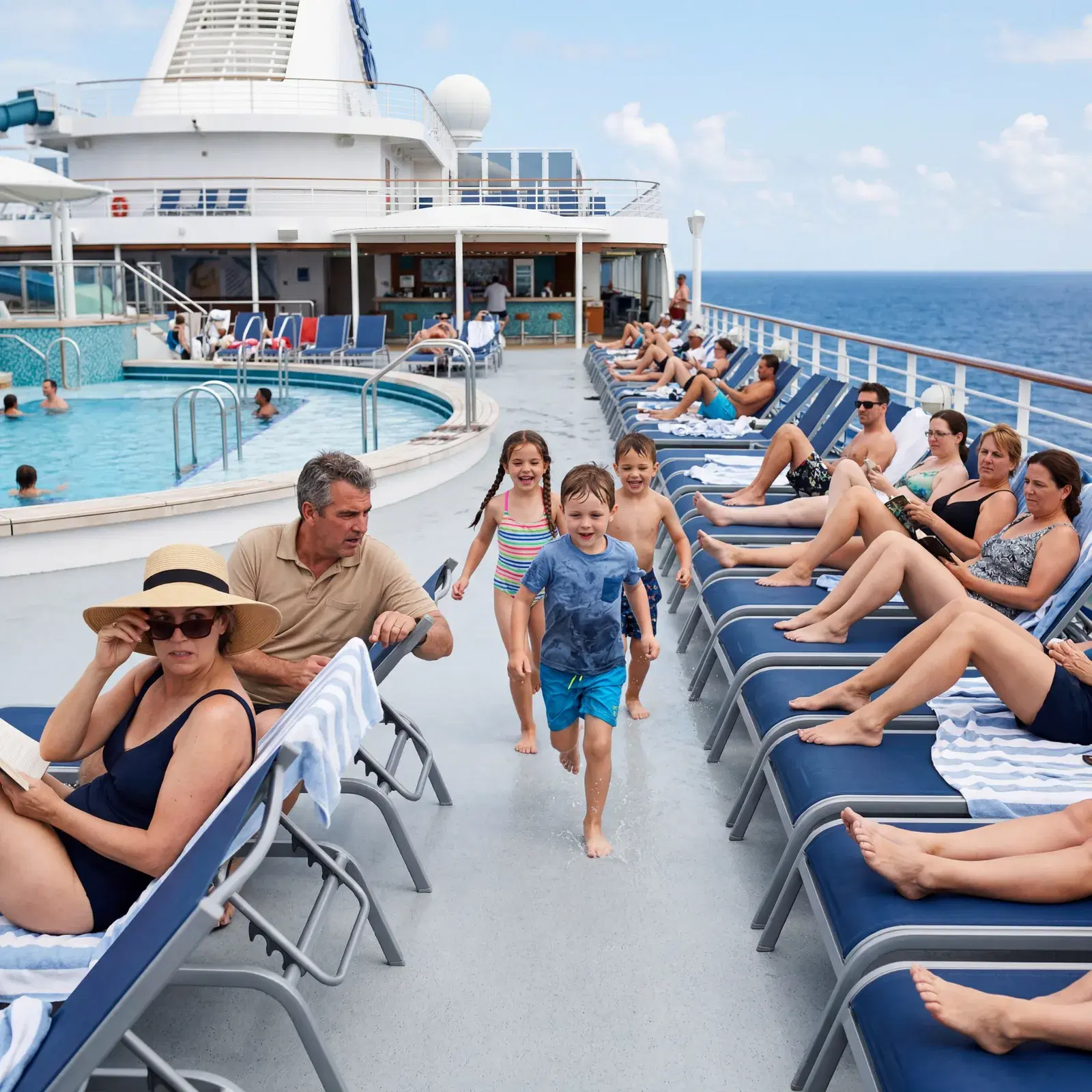
The kids’ club is free. It’s also excellent. First-time family cruisers can assume that the ship is a large, safe playground. They can let children from age seven roam the pool deck alone. However, a ship has railings, deep pools, and thousands of strangers.
The kids’ club takes children from 3 to 17 and runs activities all day. Your kids will have more fun there than trailing your poolside chair. Sign them in at embarkation. Everyone wins.
8. Complaining About the Ship’s Size Before Leaving the Port

You expected a yacht, but the vessel is a 15-deck floating city with 4,000 passengers and six restaurants. The “it’s too big” complaint peaks in the first six hours and then quietly disappears.
By day two, you know three shortcuts, two bartenders, and which elevator banks skip the pool deck. Ships feel huge until they feel small. Every regular said the same thing on their first sailing. Give it 48 hours.
7. Drinking Tap Water in Every Port
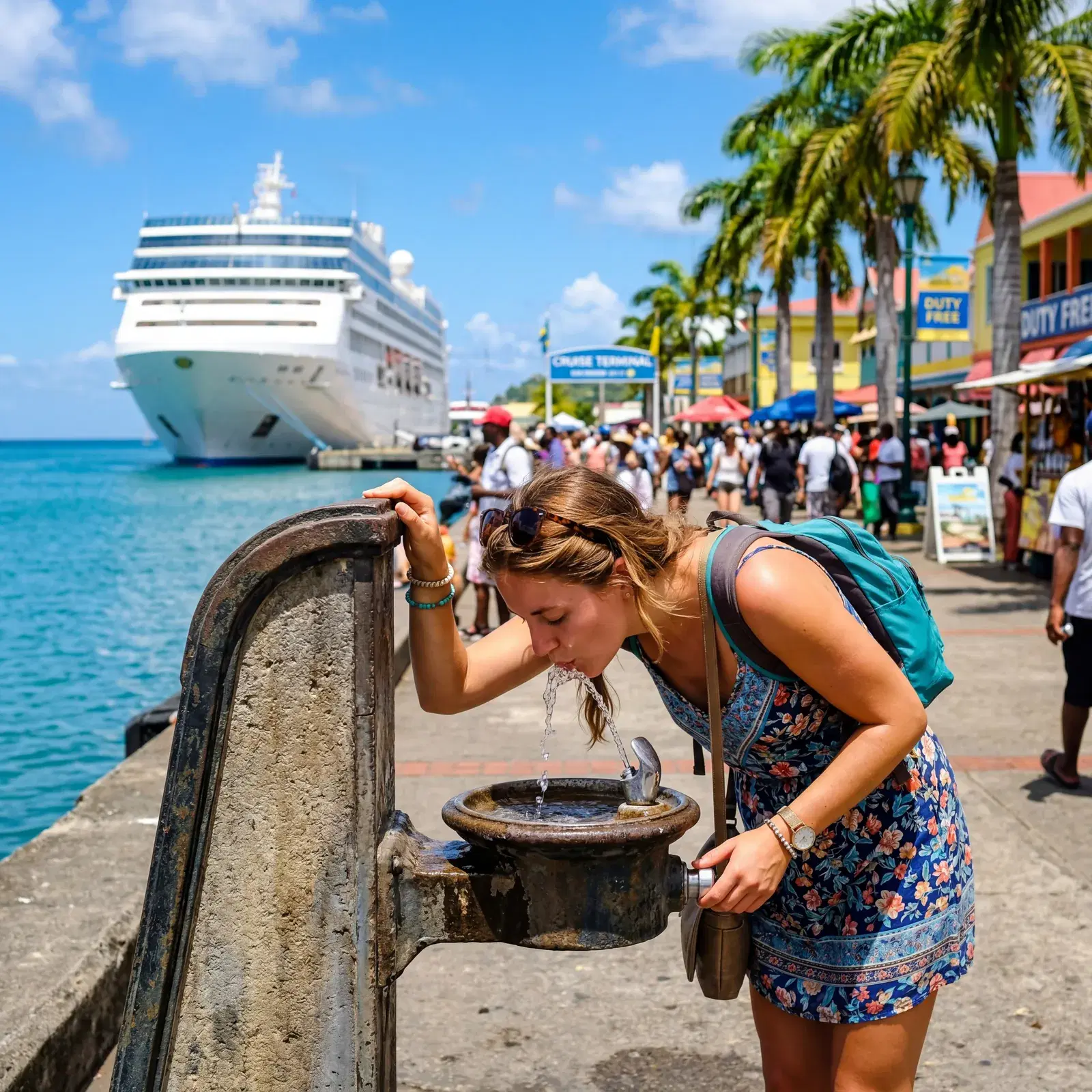
On board the water is treated and safe. In many ports it is not. By day three, tap water in the Caribbean, Mexico or certain parts of Southeast Asia will have put an end to your cruise. A gastroenterologist would confirm this is no travel-blogger hyperbole.
Put down the tap and buy a bottle. This is not the occasion to put your stomach’s immunity to the test.
6. Missing the Captain’s Gala Dinner Because They Didn’t Pack Formal Wear
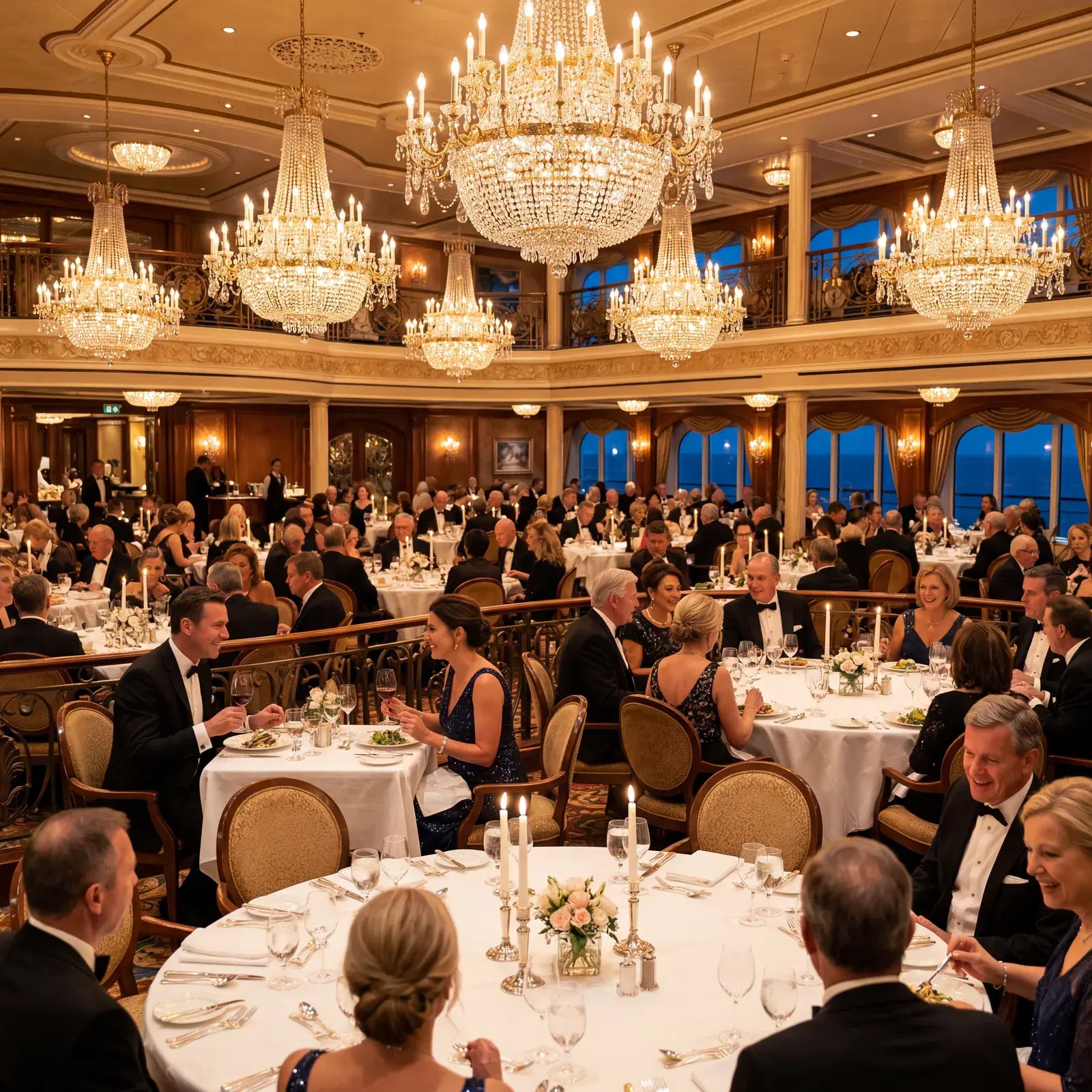
Most cruises have at least one formal night. The booking confirmation and daily sheet list it. Even so, first-timers show up at the dining room in cargo shorts and are redirected to the buffet. Pack one set of smart clothes minimum.
For men: dark trousers, a collared shirt, dress shoes. For women: a dress or smart blouse. You don’t need a ballgown. The formal dinner is one of the best meals on the ship. Don’t miss it because you over-packed sandals.
5. Ignoring the Daily Specials at the Specialty Restaurants
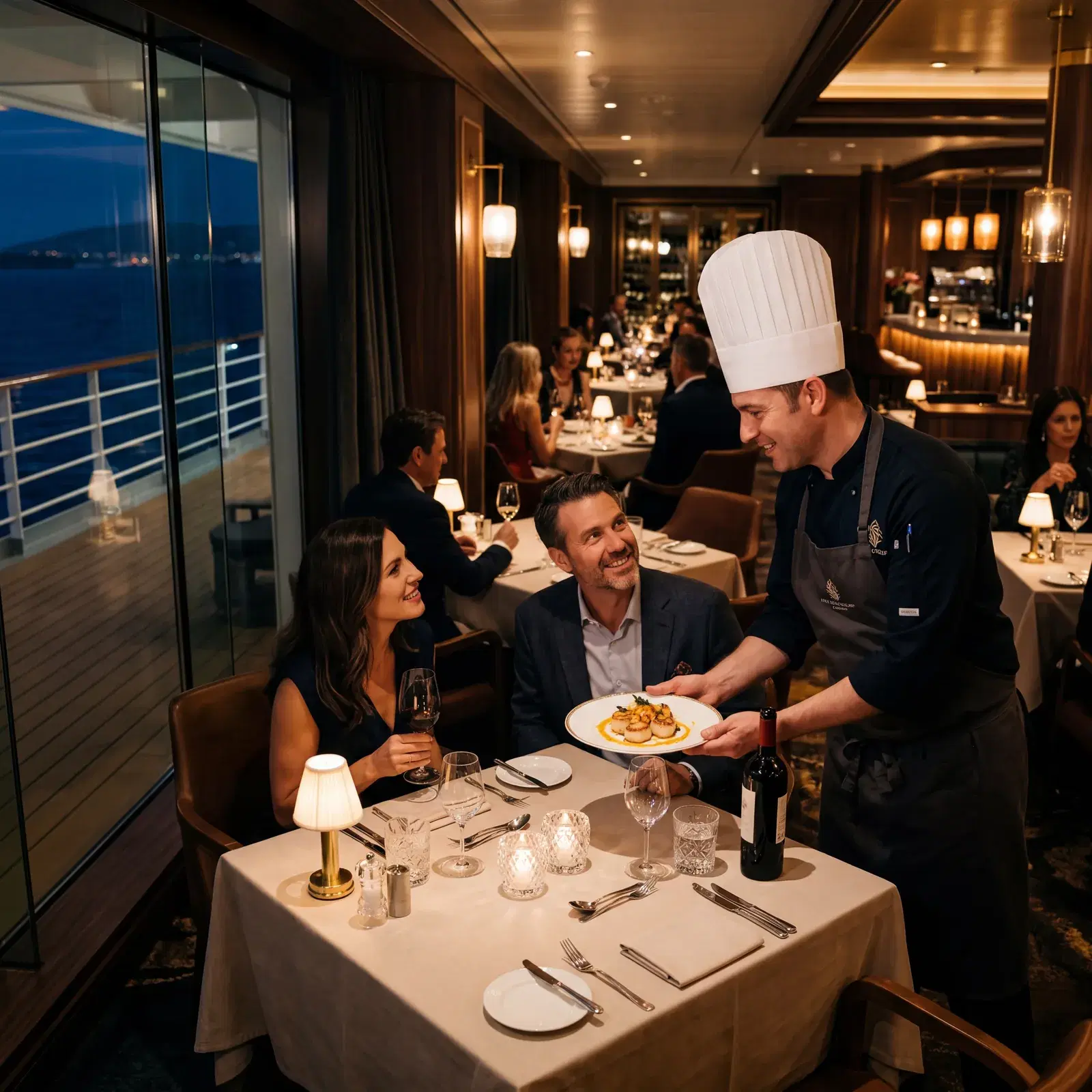
Specialty restaurants have a cover charge, usually $30–$60 per person. First-timers see the price and skip them entirely. These passengers miss the daily special posted outside the door each morning. On many ships, this special has a reduced cover charge or a prix fixe menu at half the normal price.
Walk past every specialty restaurant before 10am on each sea day. The sign will tell you if that night’s deal is worth it. Regulars eat at specialty restaurants twice a cruise. They almost never pay full price.
4. Expecting the Last Night to Be Like Every Other Night
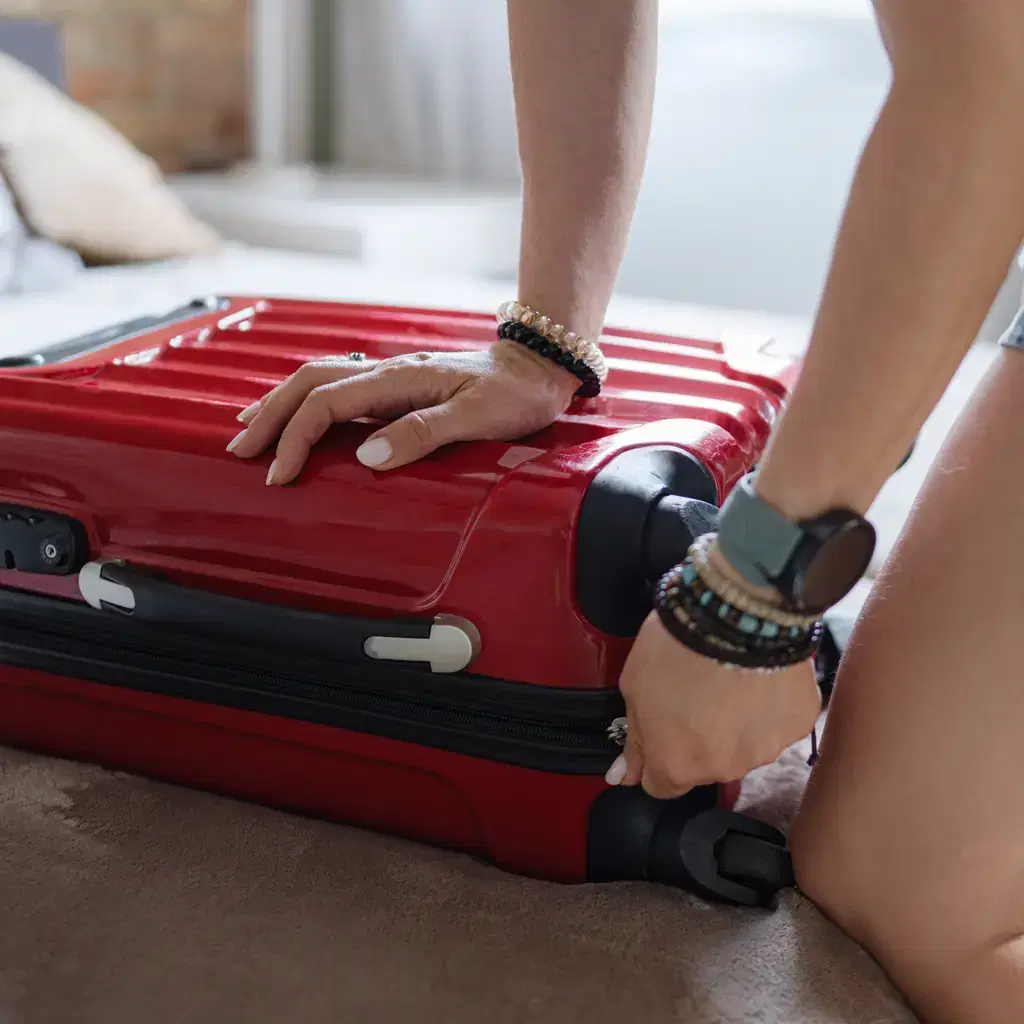
The last night of a cruise is not a relaxing evening. Your tagged luggage must be outside the cabin door by 11pm the night before disembarkation. It cannot remain inside the cabin. First-time passengers can discover this requirement at midnight.
Pack everything except your travel outfit and toiletries on the afternoon of the last sea day. Put your bags out by 9pm. The alternative is stuffing your suitcase in the dark while your roommate sleeps. Experienced cruisers call this “the scramble.” It’s avoidable.
3. Skipping Disembarkation Instructions Because They’ve Already Booked a Cab
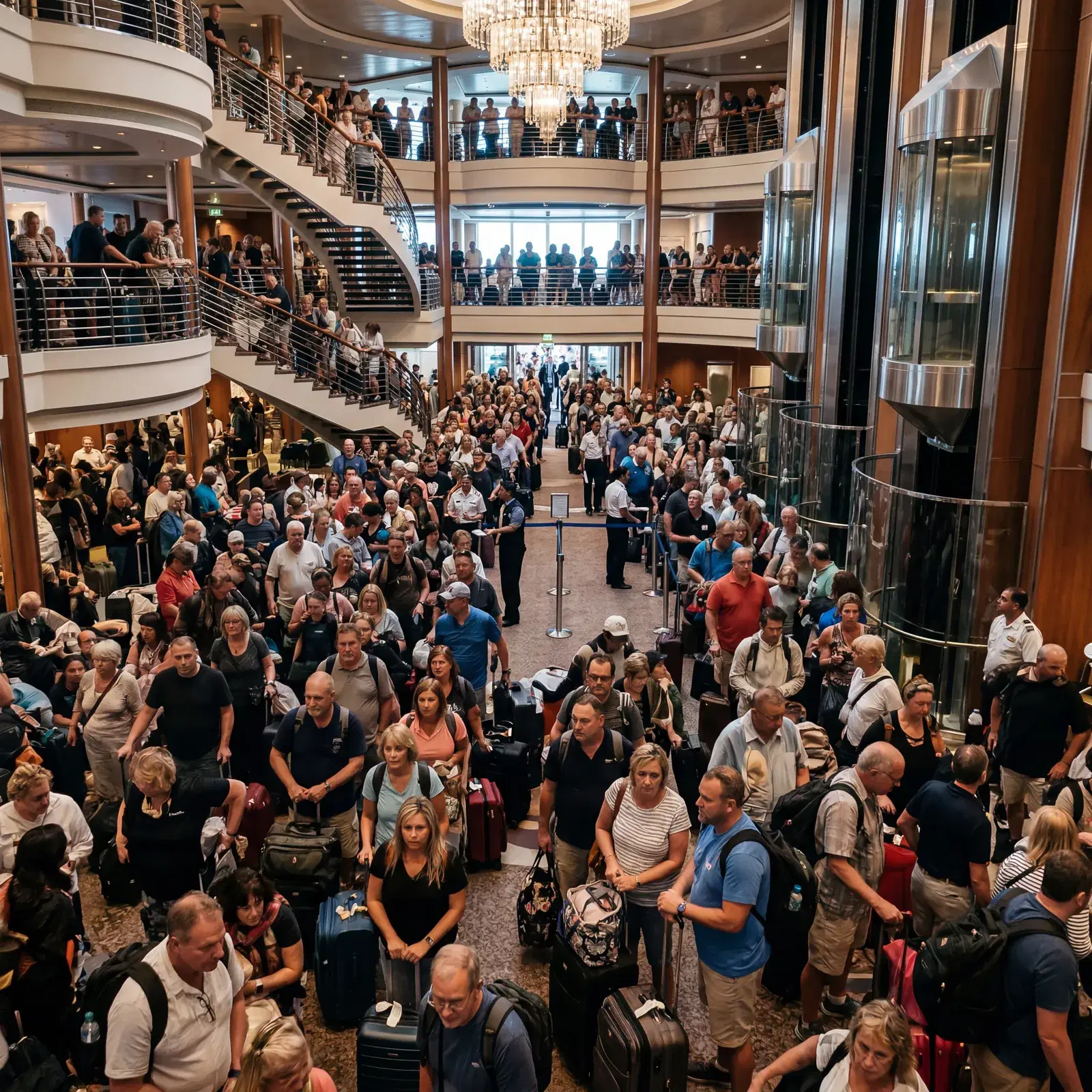
You have a cab booked at 10am. You’ve given yourself an hour. This will not work. The cruise line assigns disembarkation by color-coded luggage tag. Your color might not be called until 10:15am or later. Customs lines add another 20–40 minutes.
First-timers miss transfers, trains, and early flights every single week because they assumed disembarkation meant “off by 9:30.” Go to the disembarkation briefing. It’s usually held on the last sea day.
Watch it on the cabin TV if you won’t go in person. Do not guess. Book your transportation for at least two hours after your assigned disembarkation time. Not the earliest slot — your actual slot.
2. Unpacking Their Entire Suitcase Into the Cabin Drawers
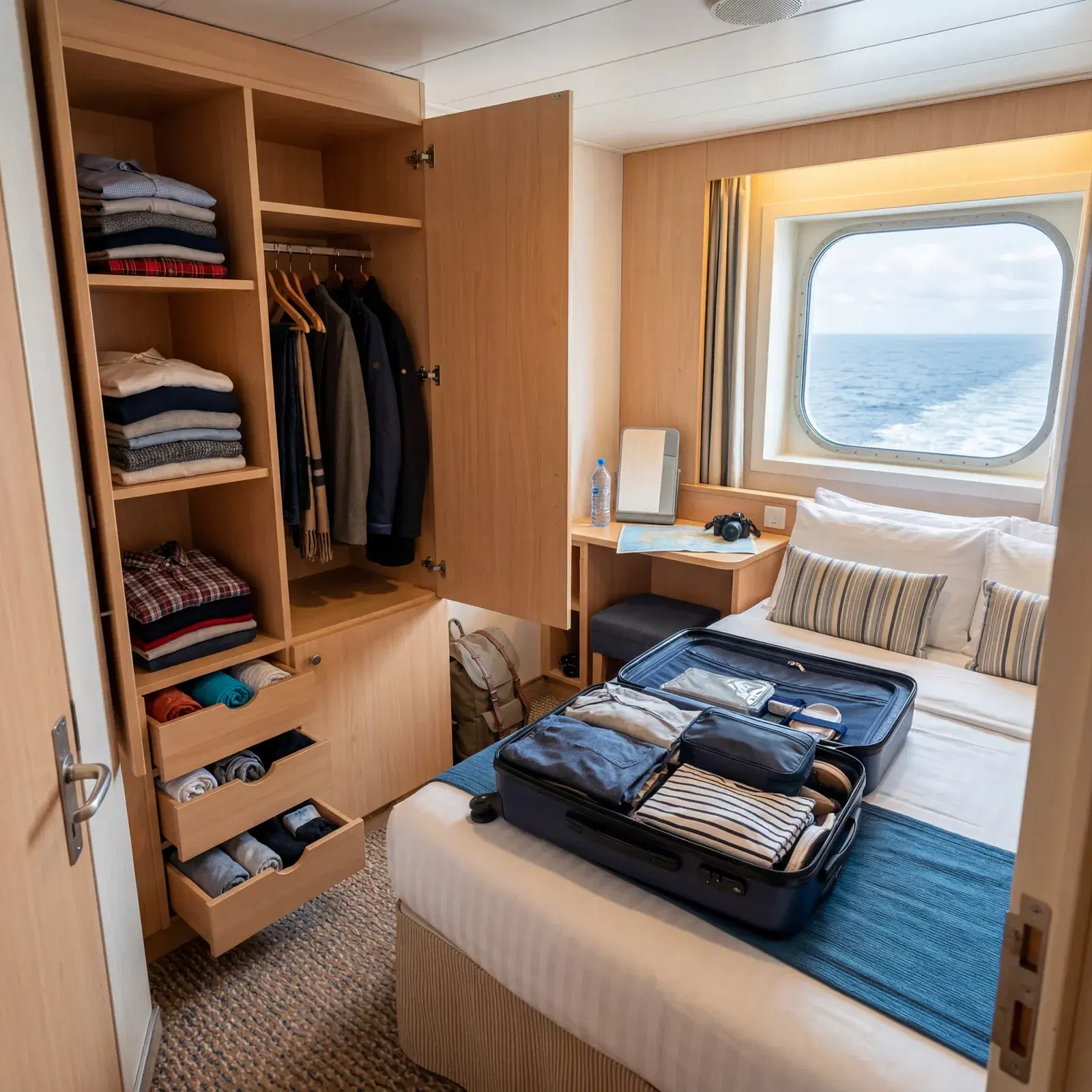
You found the drawers. You’re using the drawers. You’ve spent 45 minutes organizing your cabin like you’re settling into an apartment for the year. Cruise cabins are small. Their storage holds daily essentials, not every item in a suitcase.
Over-packers who unpack fully spend the rest of the cruise hunting for things they can’t remember where they put. Experienced cruisers pull out what they need for that day and leave the rest in their suitcase, stowed under the bed.
The cabin is a hotel room, not a home. Treat it like one. It’s bad. But nothing compared to what’s waiting at #1.
1. Rushing to the Buffet at Exactly Opening Time
The Most Obvious Tell of All

Here it is. The buffet opens at 7am. You arrive at 6:58. You are there with 300 other first-time passengers. The result is a crowd, a line past the elevators, and a stressful breakfast before 8am. Experienced cruisers know this pattern the way they know their own name.
“They were at the buffet door” is shorthand on cruise forums for everything that defines an overwhelmed first-timer. The fix is embarrassingly simple. Arrive at 7:20. The crowd is gone. The food is fresh. The staff are relaxed. You get a table by the window. A retired teacher from Wisconsin who’d done 14 cruises told me this: “The buffet opens at the same time every day.
The secret is that it’s also open every day until 10:30. You don’t have to be first. You just have to show up.” She was eating eggs Benedict at an empty table. I was standing in a queue. Now you know why we saved this one for last.
You’ll Blend In by Day Three
Every regular cruiser was a first-timer once. Every single one of them did at least half of these. The difference is not experience. It is knowing what to expect before boarding.
Share this list with someone preparing for a first cruise. A travel agent might not explain many of these points. Which one surprised you most? Drop it in the comments.
Comments
The opinions and views expressed in the comments section are solely those of the individual users and do not represent or reflect the opinions, views, or positions of HumbleTrail. HumbleTrail does not endorse, support, or verify the accuracy of any user-generated content.
By posting a comment you agree to receive related emails from HumbleTrail in accordance with our Terms and Privacy Policy. You can unsubscribe at any time.