

Editor’s note: This article is solely an opinion piece, based on publicly available customer reviews, menu and pricing changes, and industry reporting we found online.
From Pizza Hut’s red-checkered tablecloths to McDonald’s golden arches, chain restaurants have been fixtures of American life for generations. For many, they’re a staple of the perfect family dinner or a go-to stop on a road trip.
But a familiar name doesn’t always mean a familiar experience. Higher prices, menu changes and closures can make an old favorite feel different. Here are 23 chains that, in this ranking, have lost some of their former appeal.
23. Applebee’s
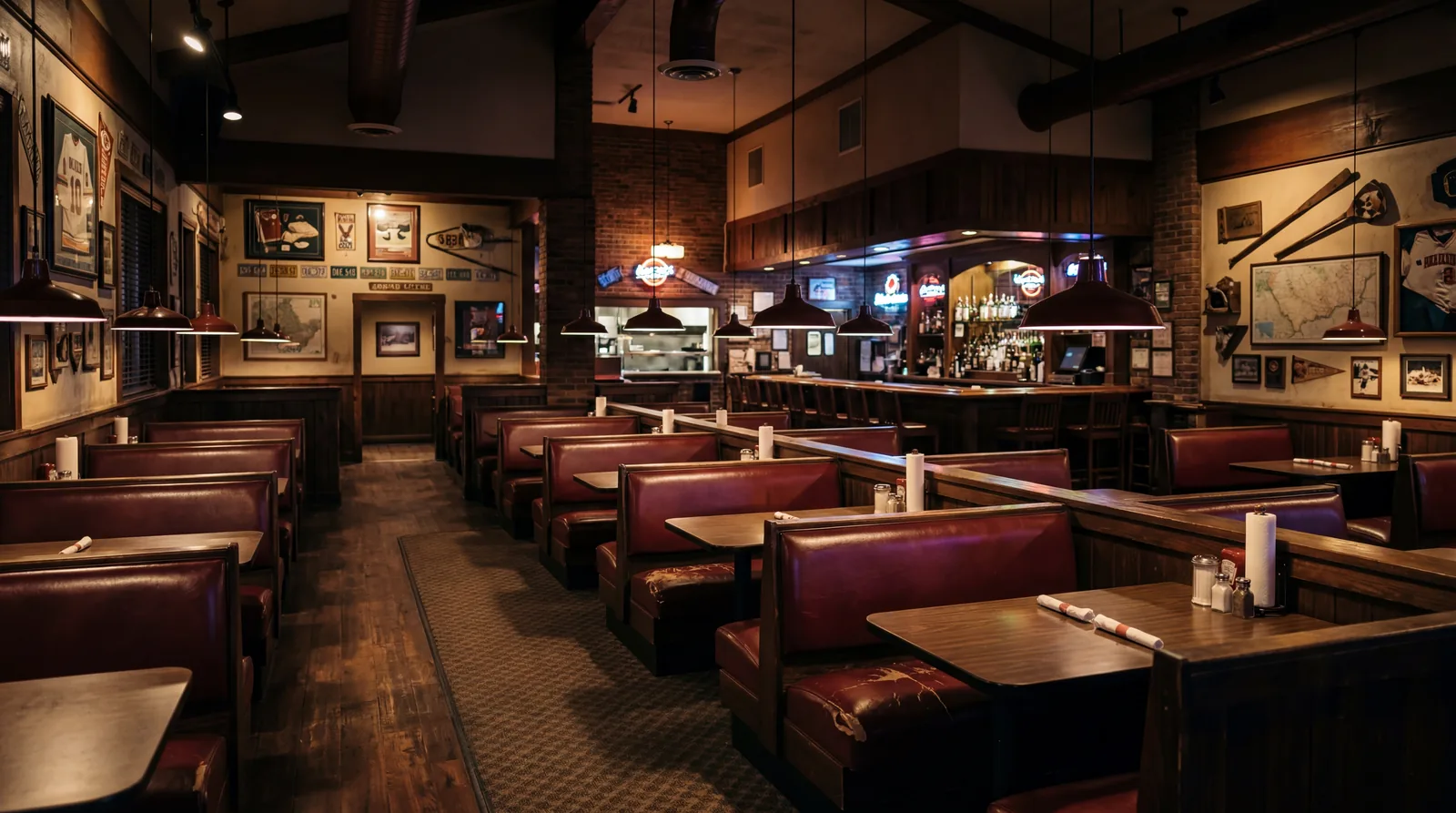
Applebee’s was a Friday-night favorite for many families during the 1990s and early 2000s. Though the brand has been going downhill for years, it’s gotten significantly worse recently.
After closing more than 400 restaurants since 2017, many remaining Applebee’s locations have significantly pared-back menus and gutted endless appetizers deals. Quality and service are hit-or-miss, too: One Applebee’s regular from Ohio described a cold entrée and nobody coming back to check on the table.
22. Red Robin
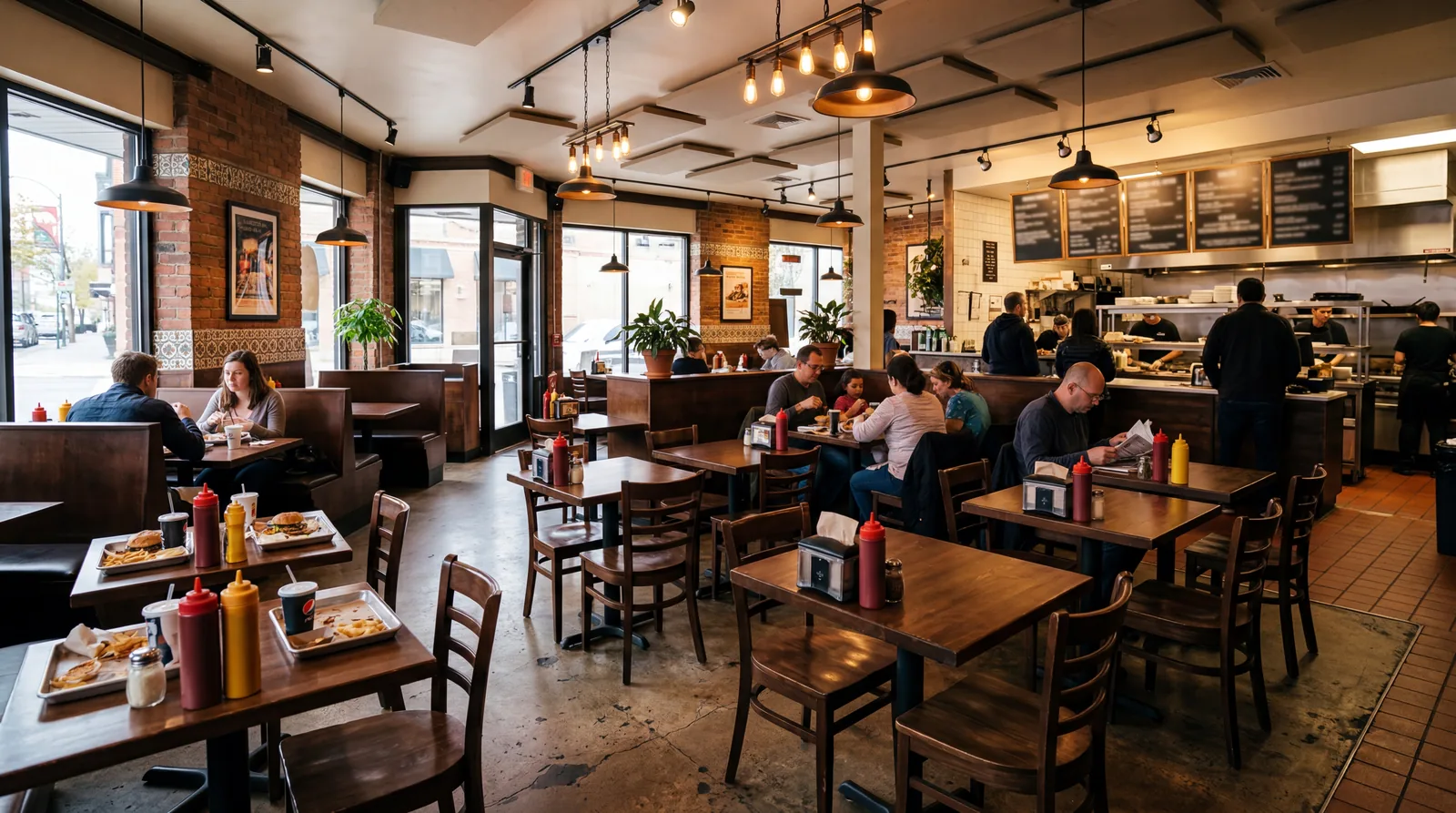
Known for its “gourmet” burgers and “bottomless” steak fries, Red Robin has fallen far short of its former glory. Portion sizes have noticeably shrunk at Red Robin in recent years and service has gone down the tubes, with diners complaining about slow service.
On top of that, the chain has gotten noticeably more expensive, with burgers costing upwards of $16 at some locations. Ordering a second order of those bottomless fries? Good luck, because reviews reveal that asking for a refill can be a long, long process at Red Robin these days.
21. Denny’s
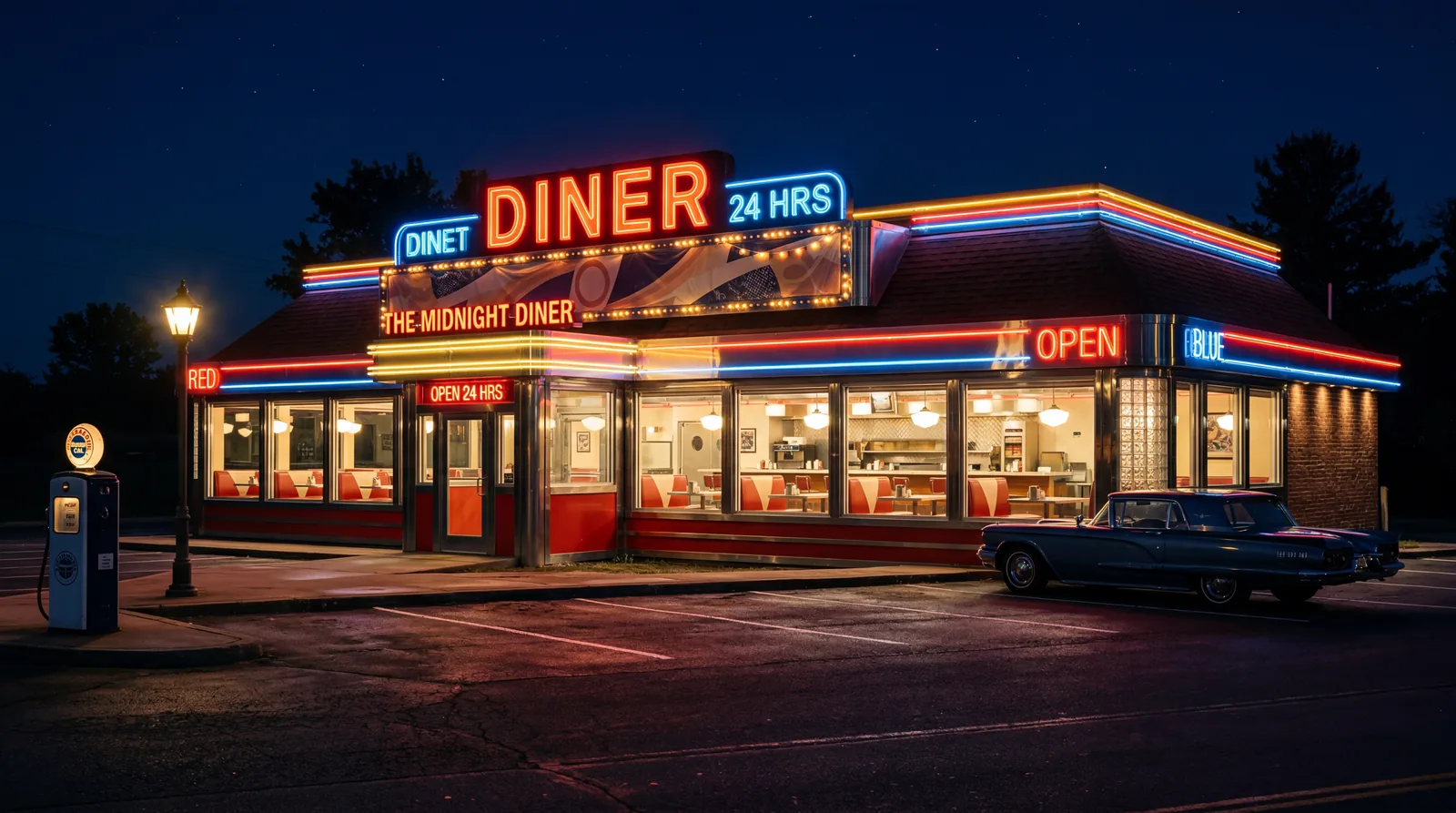
Once a reliable pit-stop for those looking for a reasonably-priced meal any time of the day, 24-hour chain Denny’s has seen prices skyrocket in recent years. That Grand Slam that cost $4.99 just 10 years ago now runs $10 to $12 in most locations.
Service has suffered as well. Many locations are tired and dated since Denny’s shuttered hundreds of restaurants, and despite a remodel push, and some still look like they haven’t left 1992.
20. Bob Evans
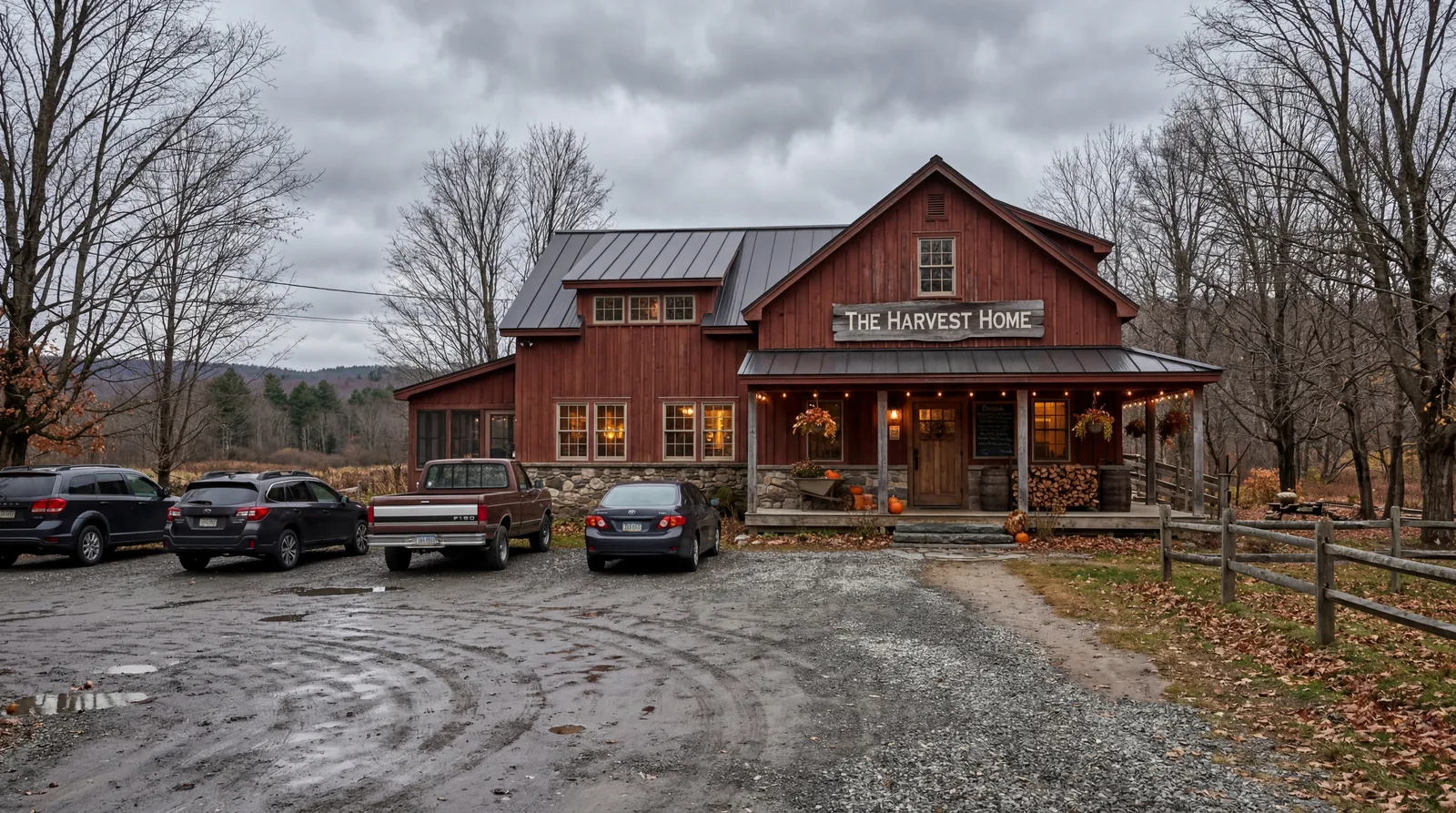
Quality at Bob Evans, known for its comforting, homestyle fare, has been going south in the eyes of some longtime diners. Many diners note a marked decline in the quality of Bob Evans’ signature gravy, as well as its famed biscuits.
Service can be hit-or-miss, with some locations getting dinged for taking forever to bring diners their check.
19. Sizzler
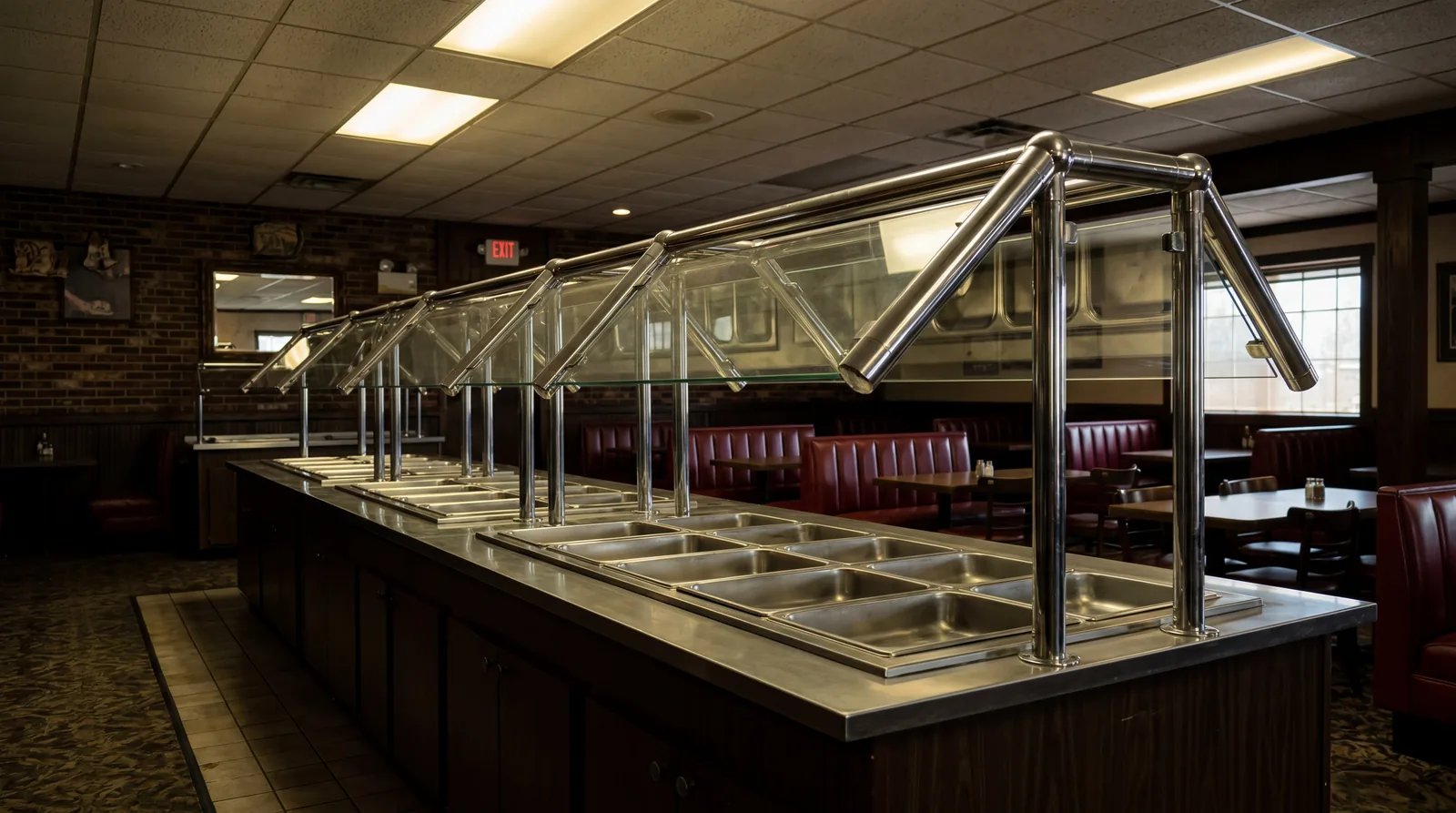
Once your go-to affordable steakhouse for casual fare, Sizzler is all but extinct these days. At one point, Sizzler operated more than 600 locations, but the chain now has fewer than 100 locations in the U.S.
Those brave enough to venture into a Sizzler report inconsistent service and food, since Sizzler’s famous cheese toast isn’t what it used to be, either.
18. IHOP
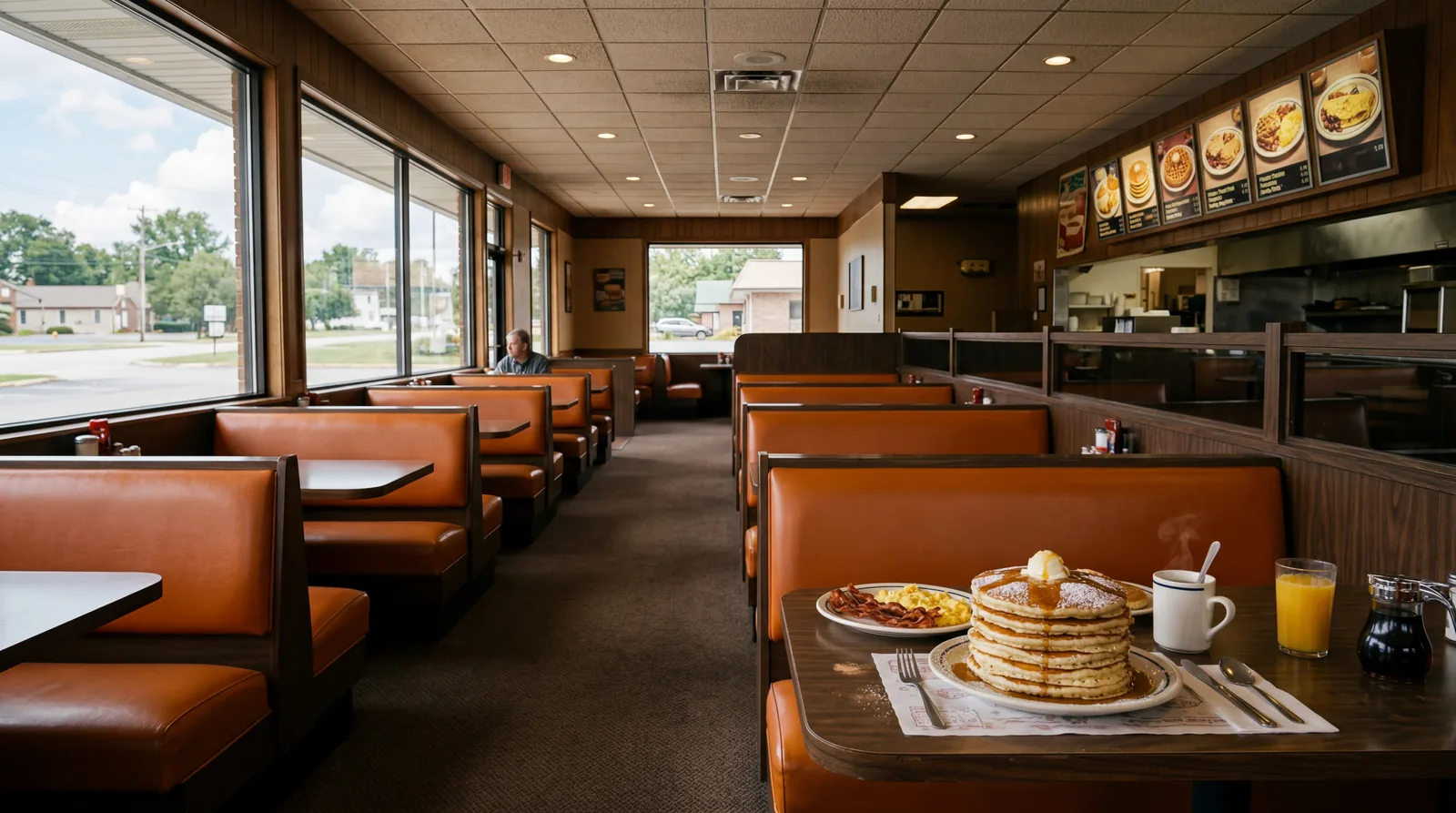
IHOP has seen its fair share of bad press in recent years. The chain attempted a disastrous rebrand to IHOb in 2018, but IHOP has always been an easy choice for families in search of a leisurely weekend breakfast.
These days, IHOP isn’t always worth the trip. Service has been hit-or-miss in recent years, but it’s IHOP’s sky-high prices that turn away former IHOP regulars, as a simple breakfast costs upwards of $15 in many markets.
17. Friendly’s
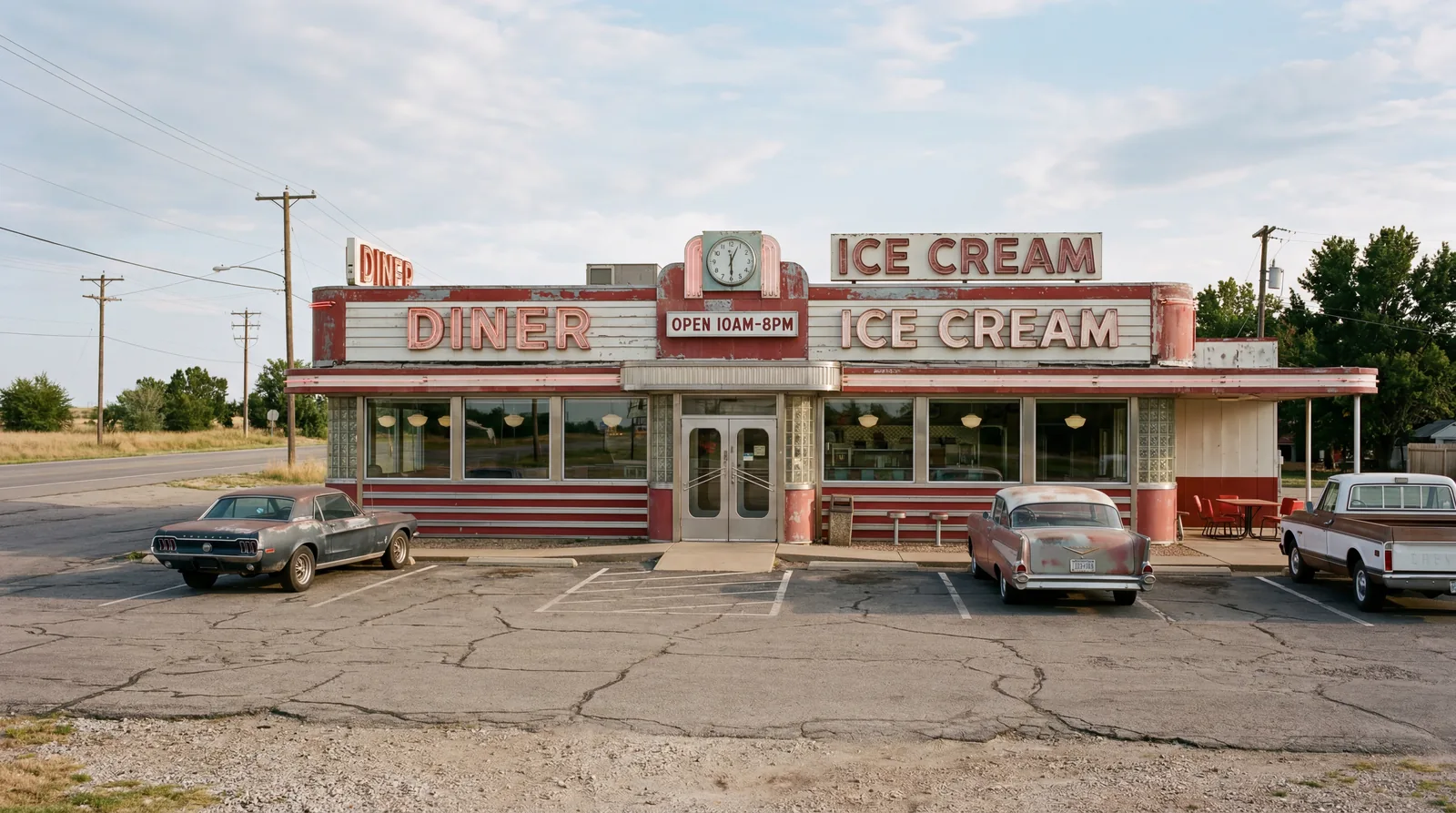
Though it’s not quite as extinct as former roadside behemoth Howard Johnson’s (more on that shortly), Friendly’s is still on its last legs. Friendly’s, a diner and ice cream chain, has weathered two bankruptcies (in 2011 and 2020) and its footprint is limited primarily to the Northeast these days.
Quality and service at Friendly’s can be hit-or-miss these days, and many say it’s not what it used to be.
16. Howard Johnson’s
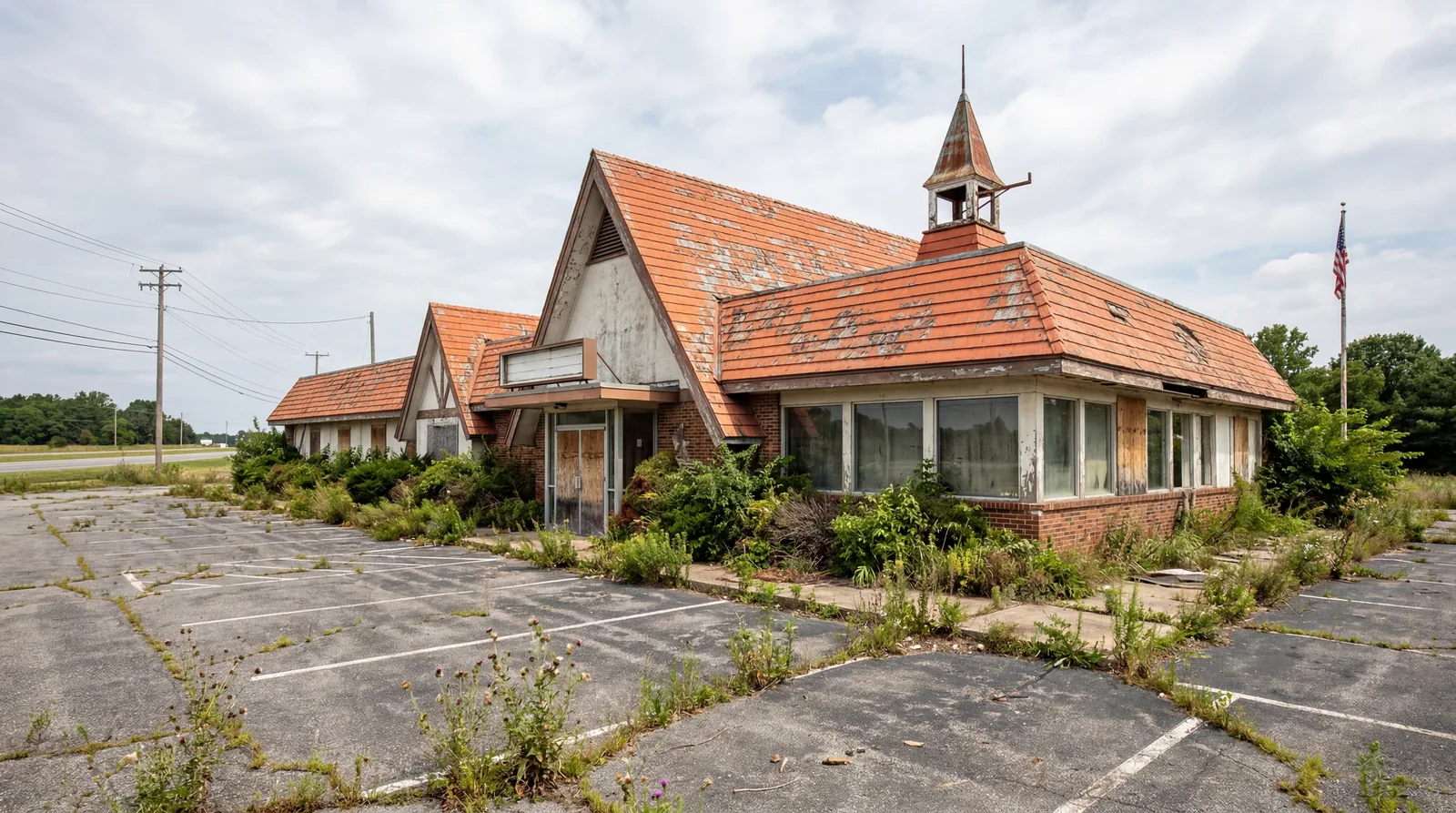
Once an indomitable force along America’s highways, Howard Johnson’s is now a restaurant memory. The last restaurant closed in 2022.
The hotel brand survives, but that familiar roadside meal does not. For anyone who remembers the orange roofs, fried clams and ice cream, that’s the loss: you can still book a room with the name on it, but you can’t recreate the old dinner stop.
15. Ruby Tuesday
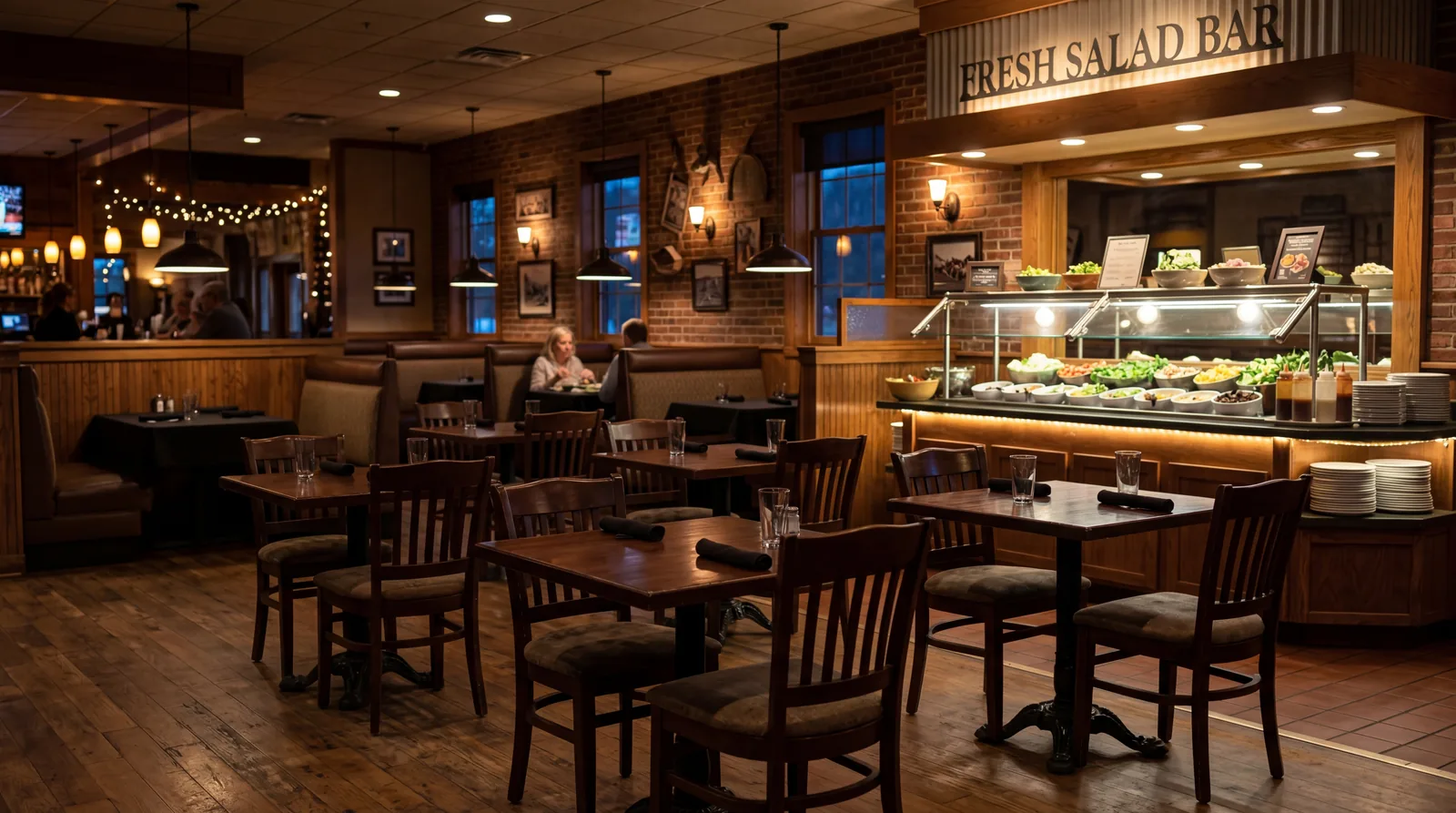
Ruby Tuesday was one of those quintessential ’90s restaurants you were guaranteed to find in a local shopping center, but the chain’s been in a nosedive since filing for bankruptcy in 2020.
The chain shuttered more than 180 locations almost immediately after filing for bankruptcy leaving many former regulars without their local restaurant.
Read More: Kansas City BBQ spots, New Jersey diners and Chicago pizza spots
14. Boston Market
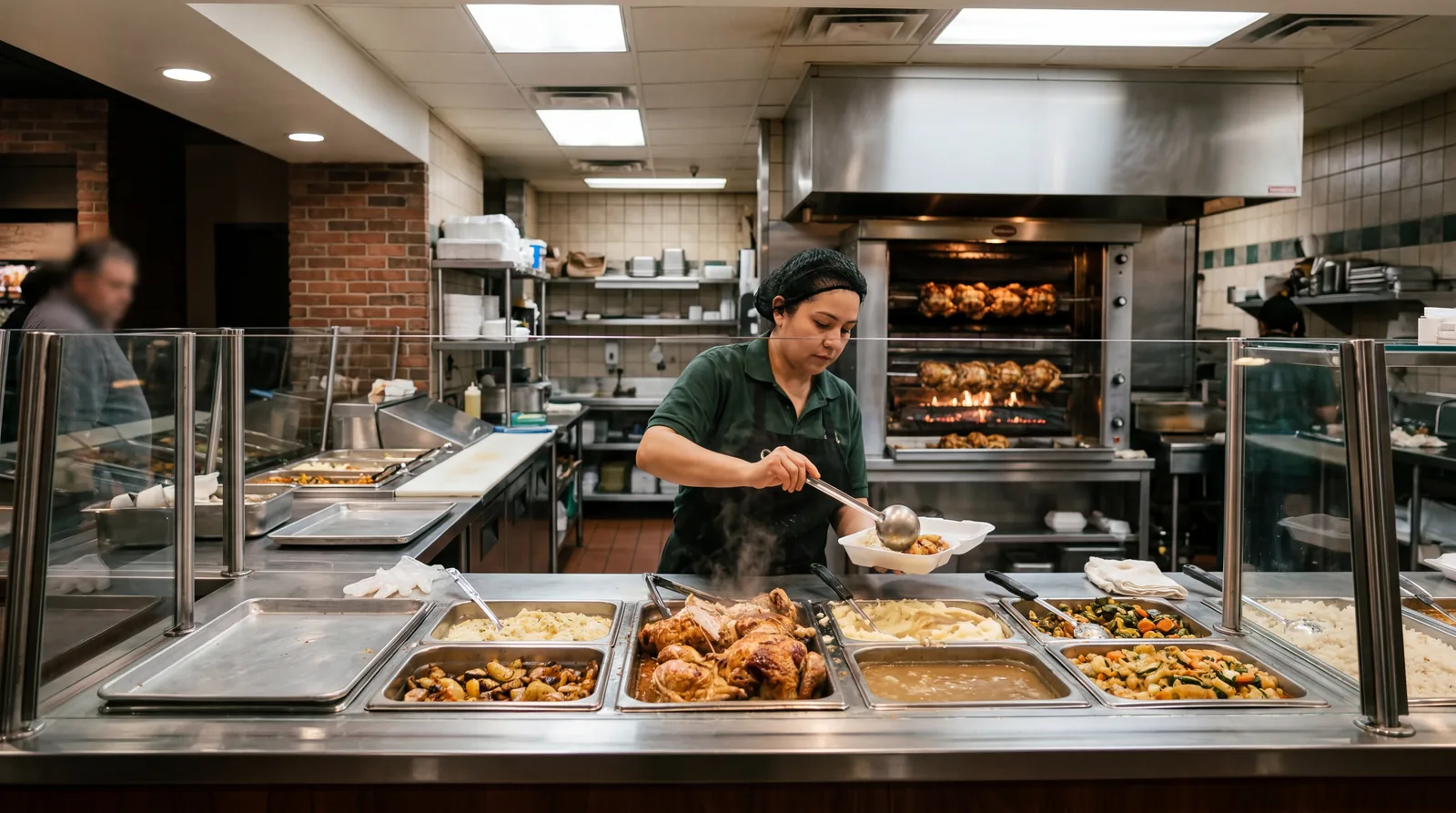
Once your go-to chain for home-style, rotisserie chicken dinners, Boston Market has been shrinking since landlords and suppliers began filing suit against the chain. Once boasting more than 1,100 locations, its footprint has shrunk dramatically.
Many are riddled with bad Yelp reviews citing empty menus, cold food, and closed dining rooms with drive-through-only service.
13. Steak ‘n Shake
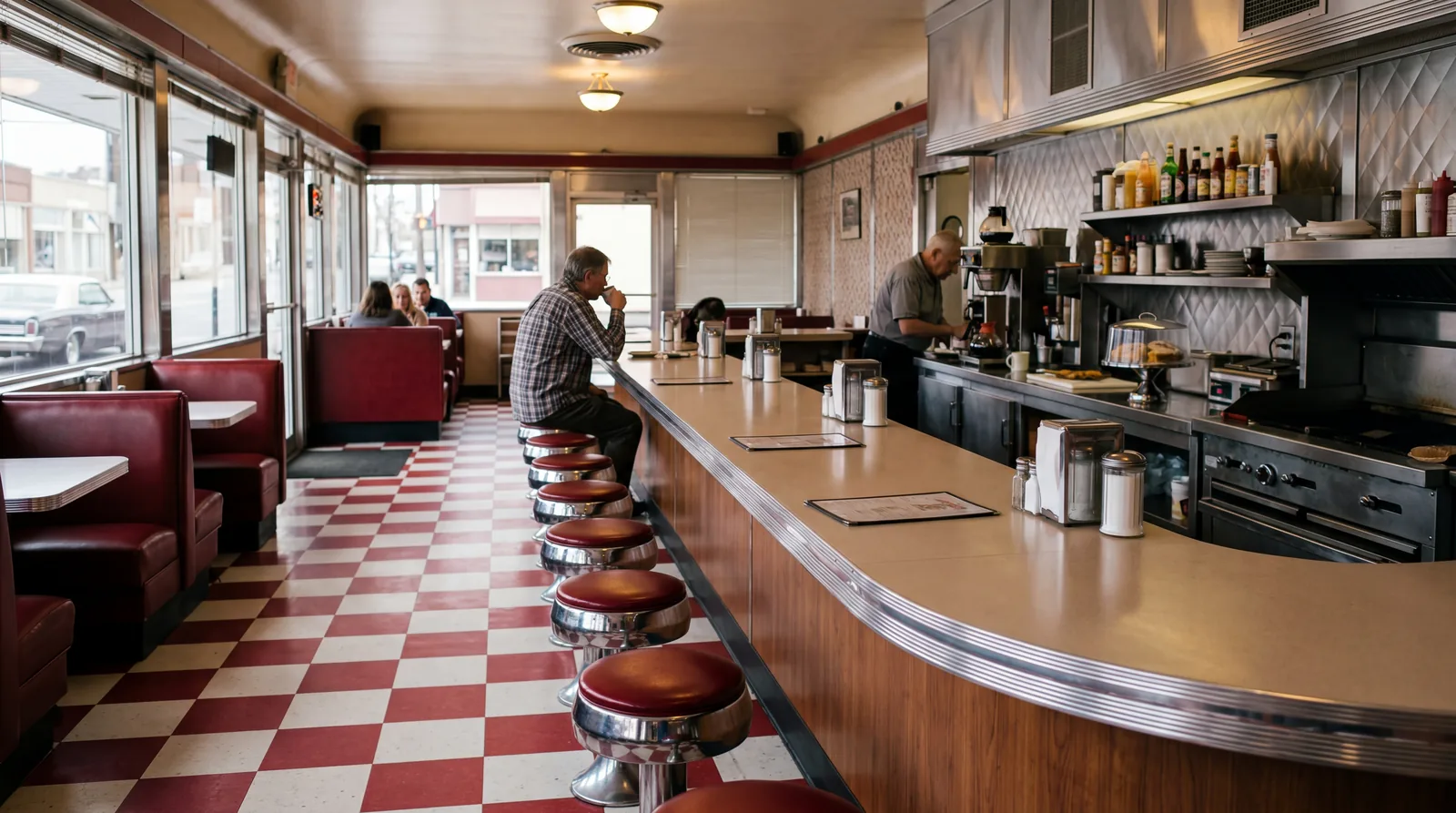
Historic diner chain Steak ‘n Shake has shuttered more than 100 company-operated locations between 2019 and 2022. The chain’s remaining locations are embracing automation with kiosk-only locations.
For diners who liked having a server take their order, the new setup can feel like a step down. The shakes are still a draw, but it’s a different sort of visit.
12. Golden Corral
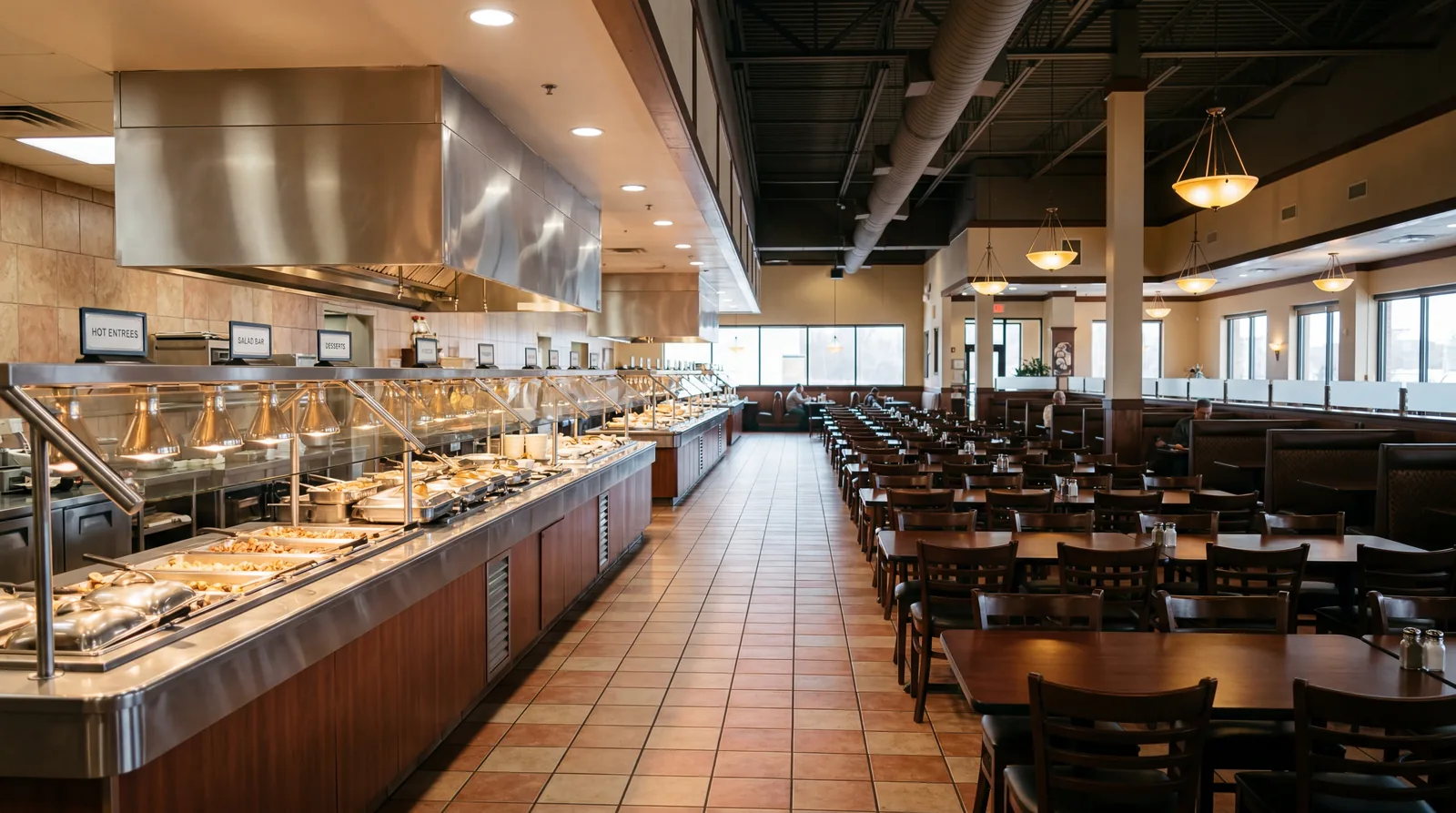
Golden Corral weathered the pandemic better than other buffet-style chains, but in recent years, many diners say the chain has fallen far from its roots. Complaints have included higher-than-expected prices (the chain’s $13 price tag per person has increased to $25+ at some locations) and dissatisfaction with the food selection.
Golden Corral built its name on abundance, so these changes are sure to turn away die-hard fans.
11. Shoney’s
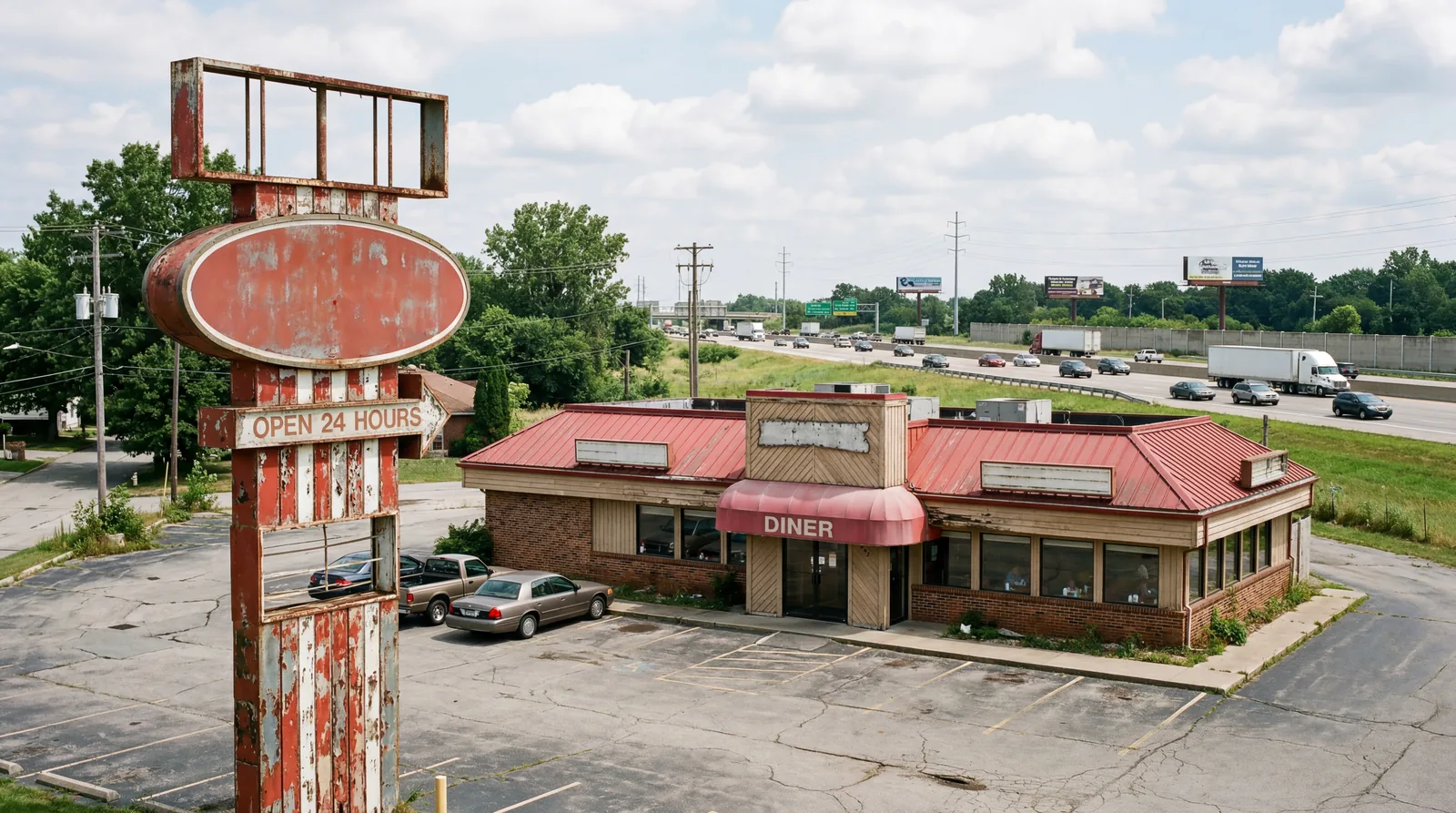
Once a fixture of weekend breakfasts for many, Shoney’s has seen its presence dwindle from more than 1,000 locations to fewer than 100. For longtime fans, losing a local restaurant means losing that familiar weekend breakfast stop.
Others have been closing without warning, leaving loyal fans without explanation.
10. TGI Friday’s
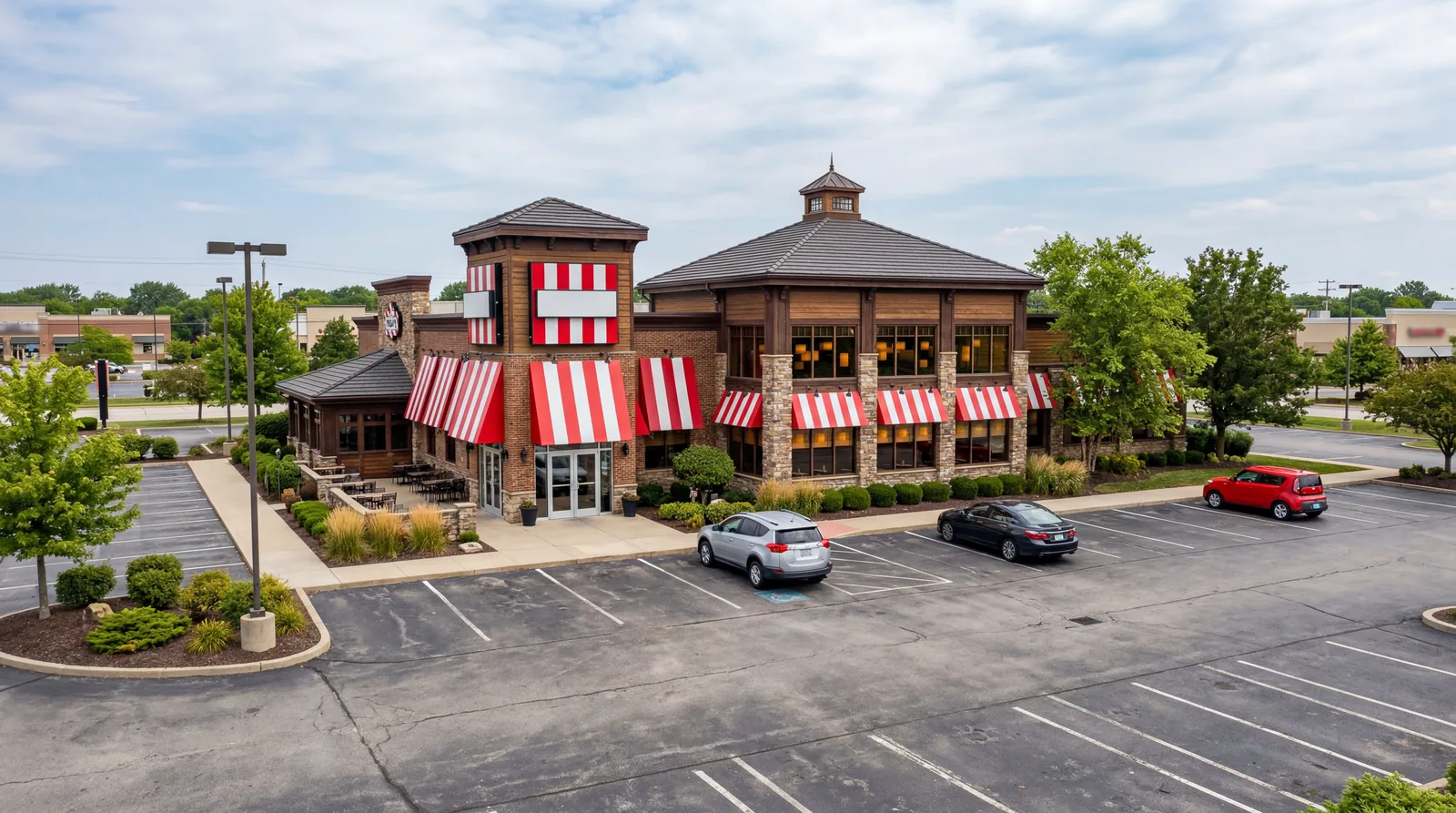
One of the pioneers of 1970s casual dining, Friday’s saw its heyday thanks to creative, over-the-top celebrations and indulgent bites like loaded potato skins.
Since then, diners have witnessed shrinking portions and rising prices at TGI Friday’s, plus, reportedly, simplified recipes.
Read More: 17 American Dining Traditions That Have Quietly Disappeared
More than 100 of the chain’s US restaurants have closed in recent years, and the US division of the company went bankrupt in late 2024.
9. Perkins Restaurant and Bakery
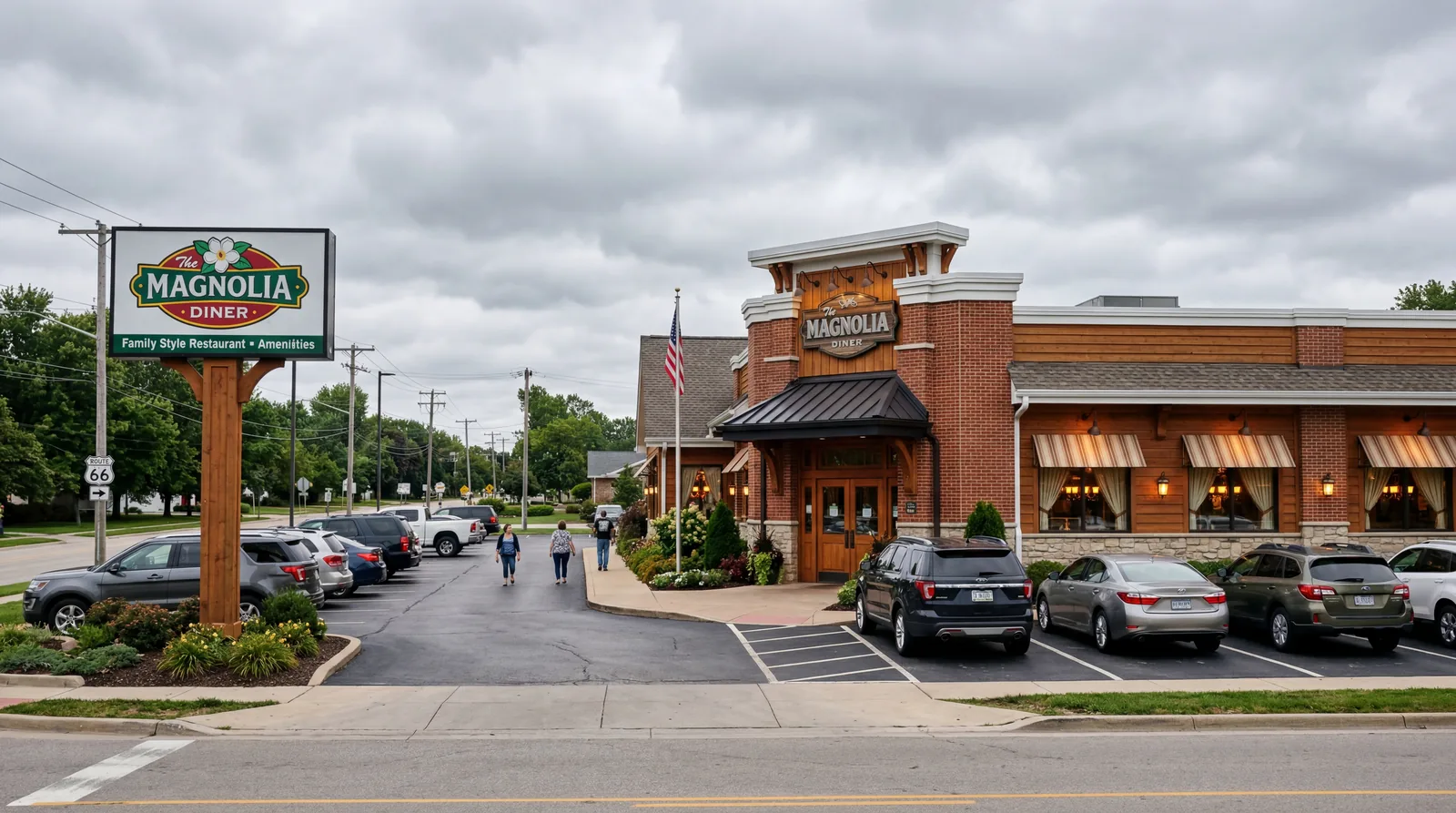
Once a go-to alternative to local diners, Perkins went through parent-company bankruptcy filings in 2011 and 2019. Closures and ownership changes interrupted that familiar routine for some customers.
The bakery counter and pies were a big part of the appeal. For anyone who remembers it as an inexpensive breakfast stop, a higher bill can make the same meal feel like less of a treat.
8. Sbarro
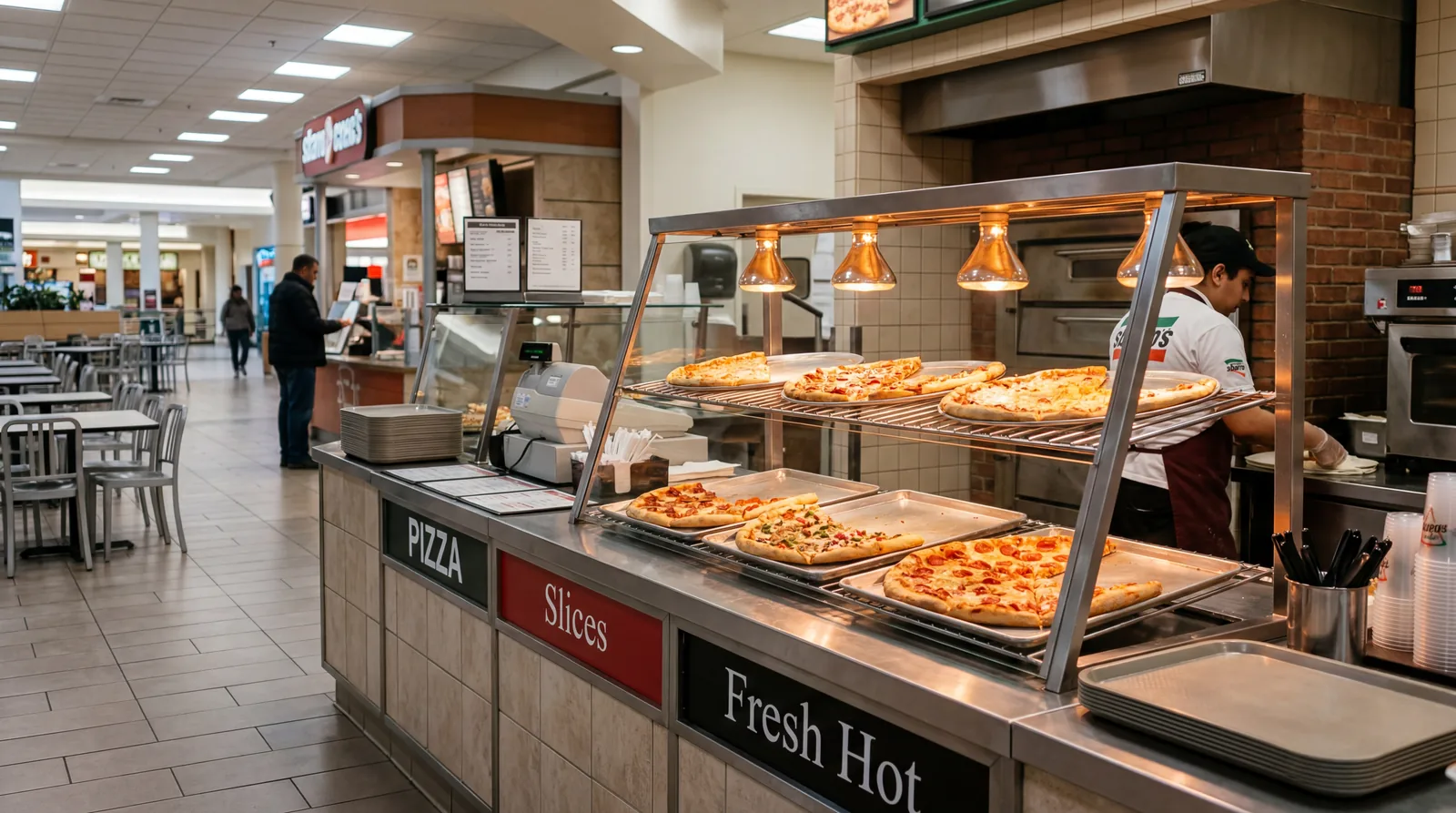
For generations, New York-style pizza that folds into a pocket was a perk of a day out at the mall. When the malls began to falter, so did Sbarro, filing for bankruptcy in 2011 and 2014.
Since then, many of the chain’s locations have been shuttered, and longtime fans have complained that prices have risen.
7. Subway
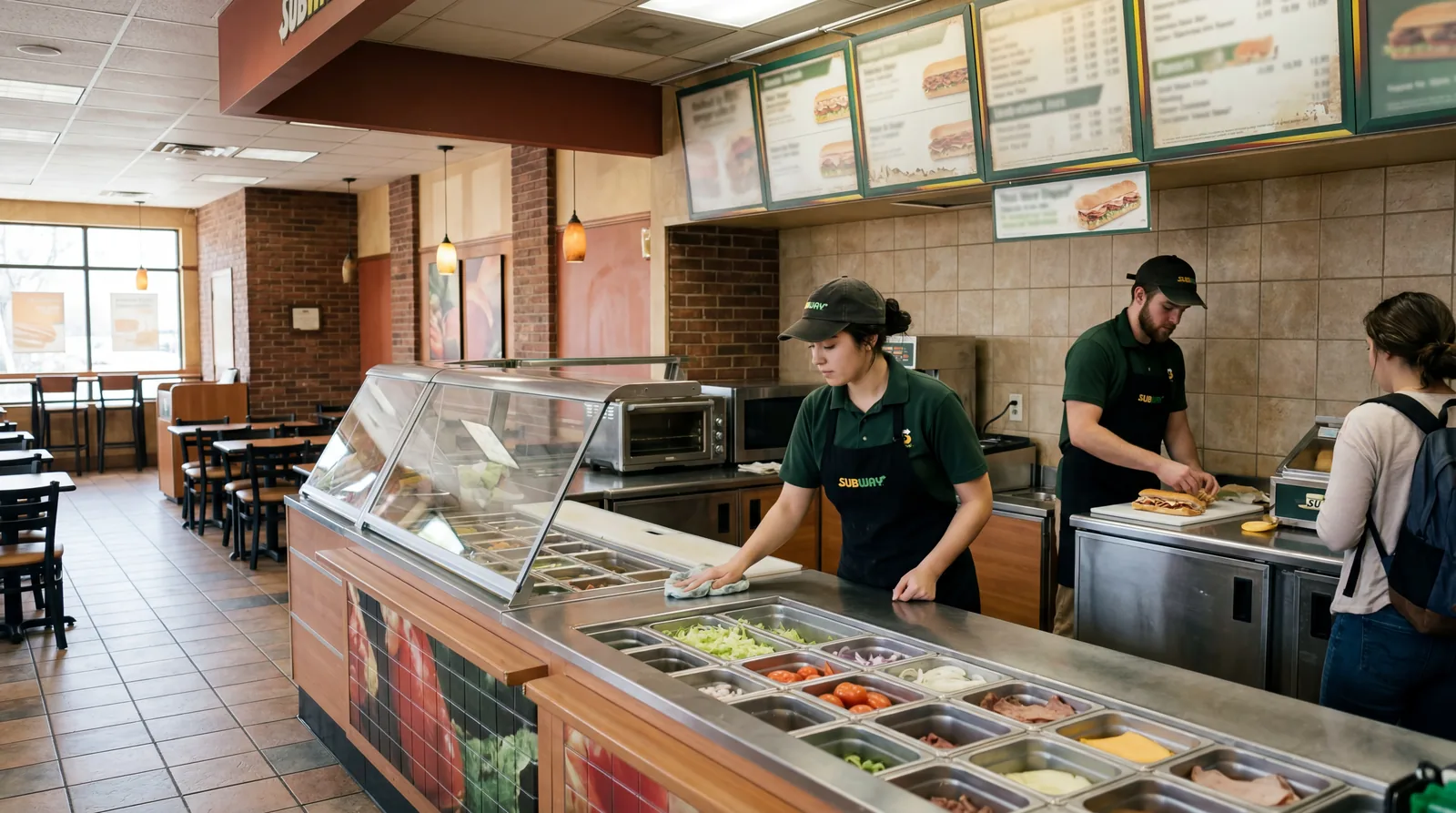
Once the most-located restaurant on Earth, Subway has fallen prey to many of the sins that have angered patrons at other chains.
For customers who remember an inexpensive, generously filled sandwich, a higher price and a disappointing order can take the shine off “Eat Fresh.” Thousands of locations have been shuttered in recent years, and in 2024, Subway’s sale to private equity firm Roark was completed, a move that has only fueled fears of what’s to come.
6. Olive Garden
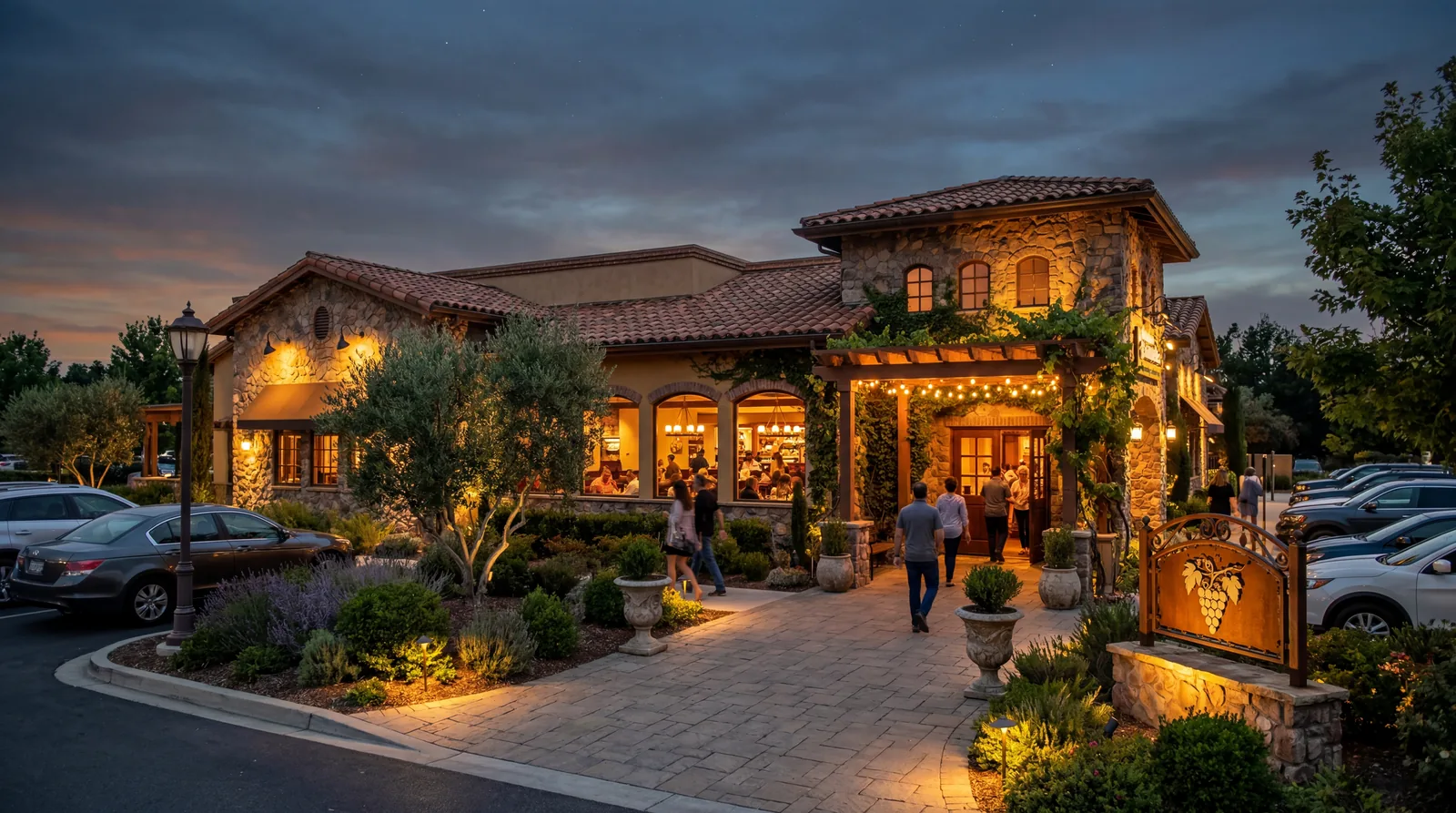
Olive Garden still has plenty of loyal customers. The unlimited soup and breadsticks offer is a big part of the appeal, and it’s easy to see why people keep coming back.
But popularity and value aren’t quite the same thing. If the pasta and service at your local restaurant don’t feel worth the bill, the familiar extras only go so far.
5. Pizza Hut
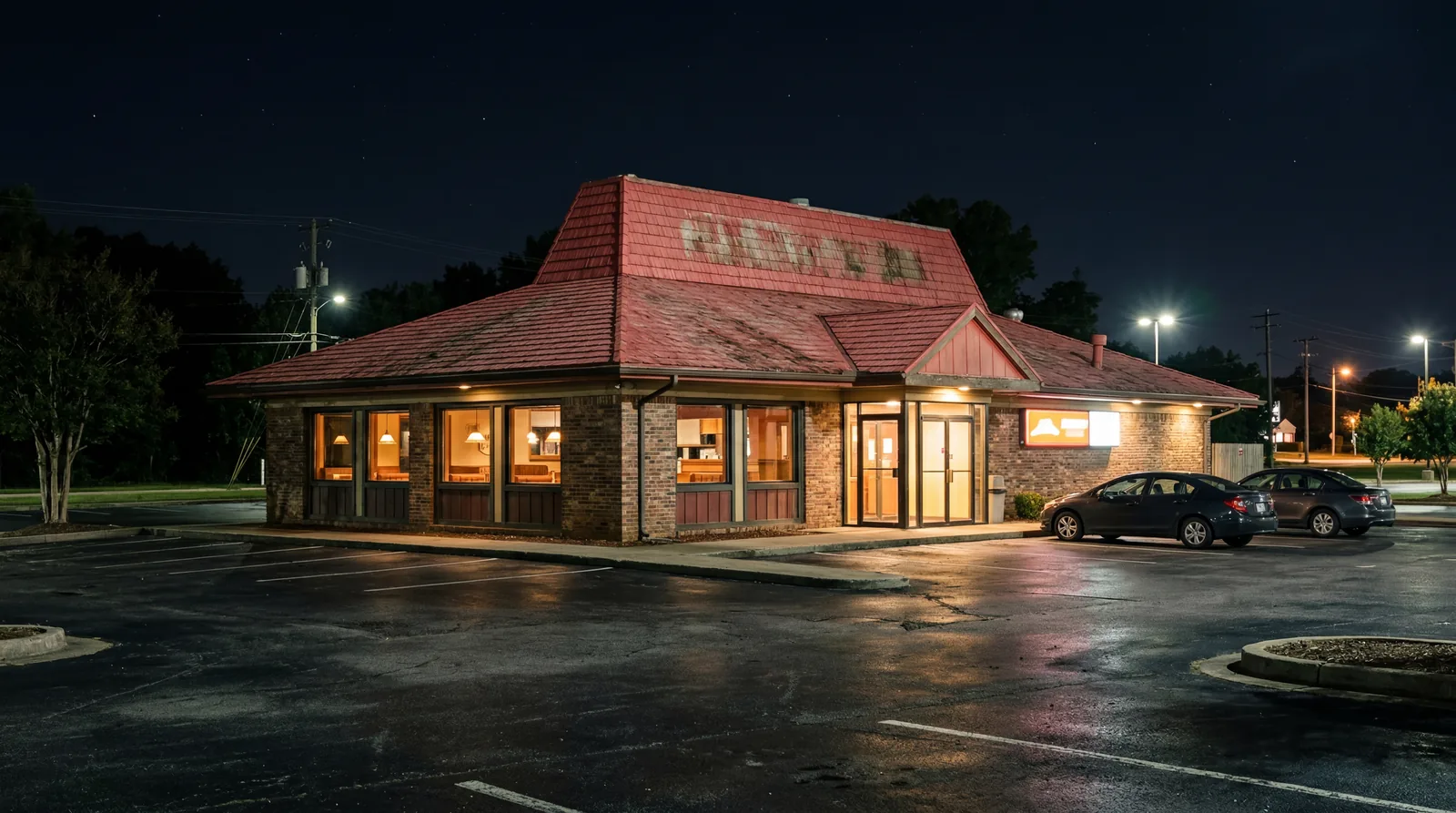
Pizza Hut was a staple of the sit-down restaurant industry, recognizable by its salad bar and red-checkered tablecloths. One of its biggest franchisees, NPC International, filed for bankruptcy in 2020.
That history is part of a wider shift away from the old dine-in experience. You can still order a pizza, but for families who remember personal pan pizzas and a night out in a booth, delivery doesn’t feel like the same thing.
4. Chili’s
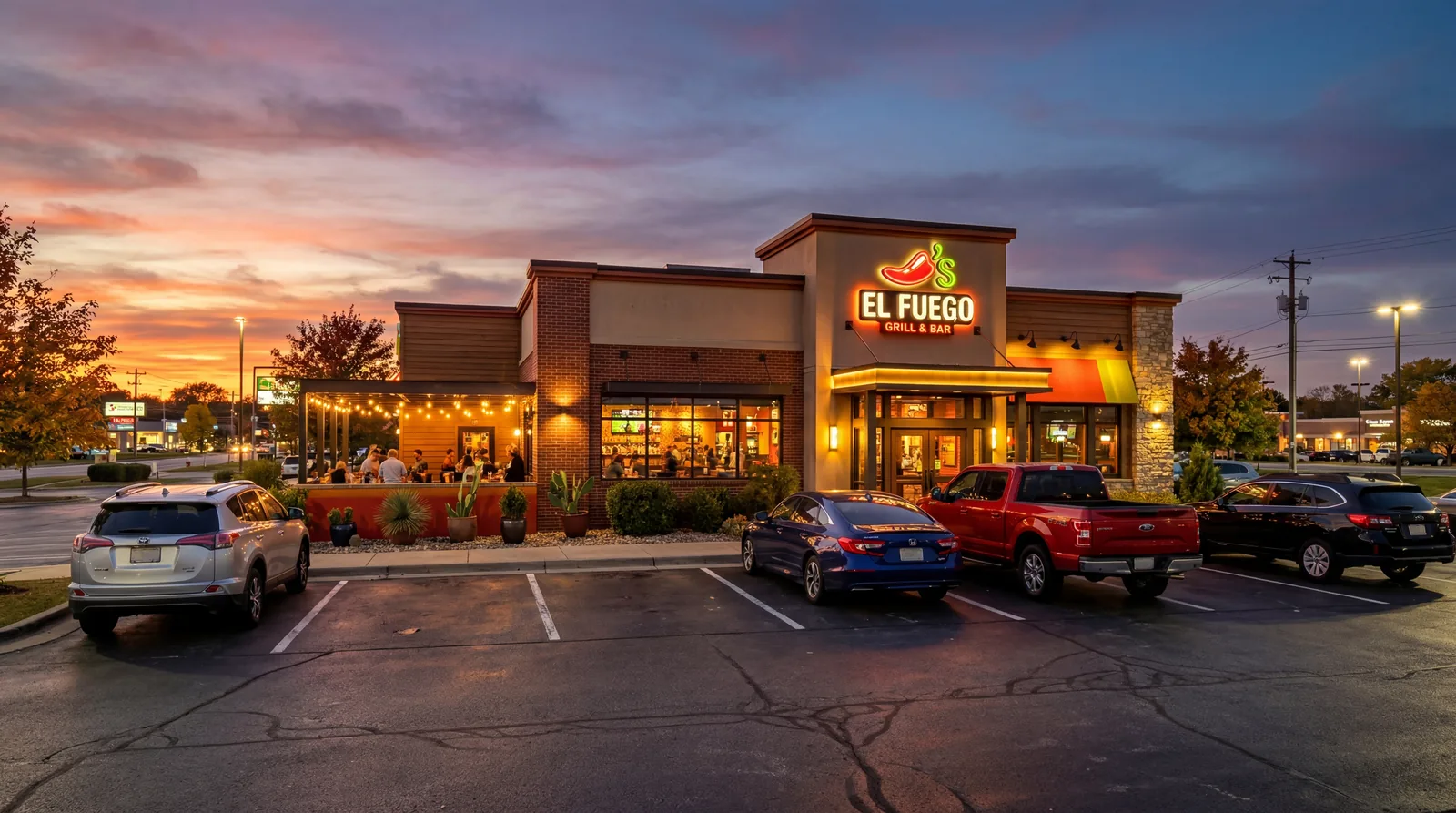
Chili’s has found a new audience for its Triple Dipper, and the comeback deserves credit. But for customers attached to an older menu, a popular appetizer doesn’t replace every favorite they used to order.
The Brinker International chain still has a strong identity, even if it isn’t exactly the one some regulars remember. Whether today’s version is better depends on what brought you through the door in the first place.
3. Cracker Barrel
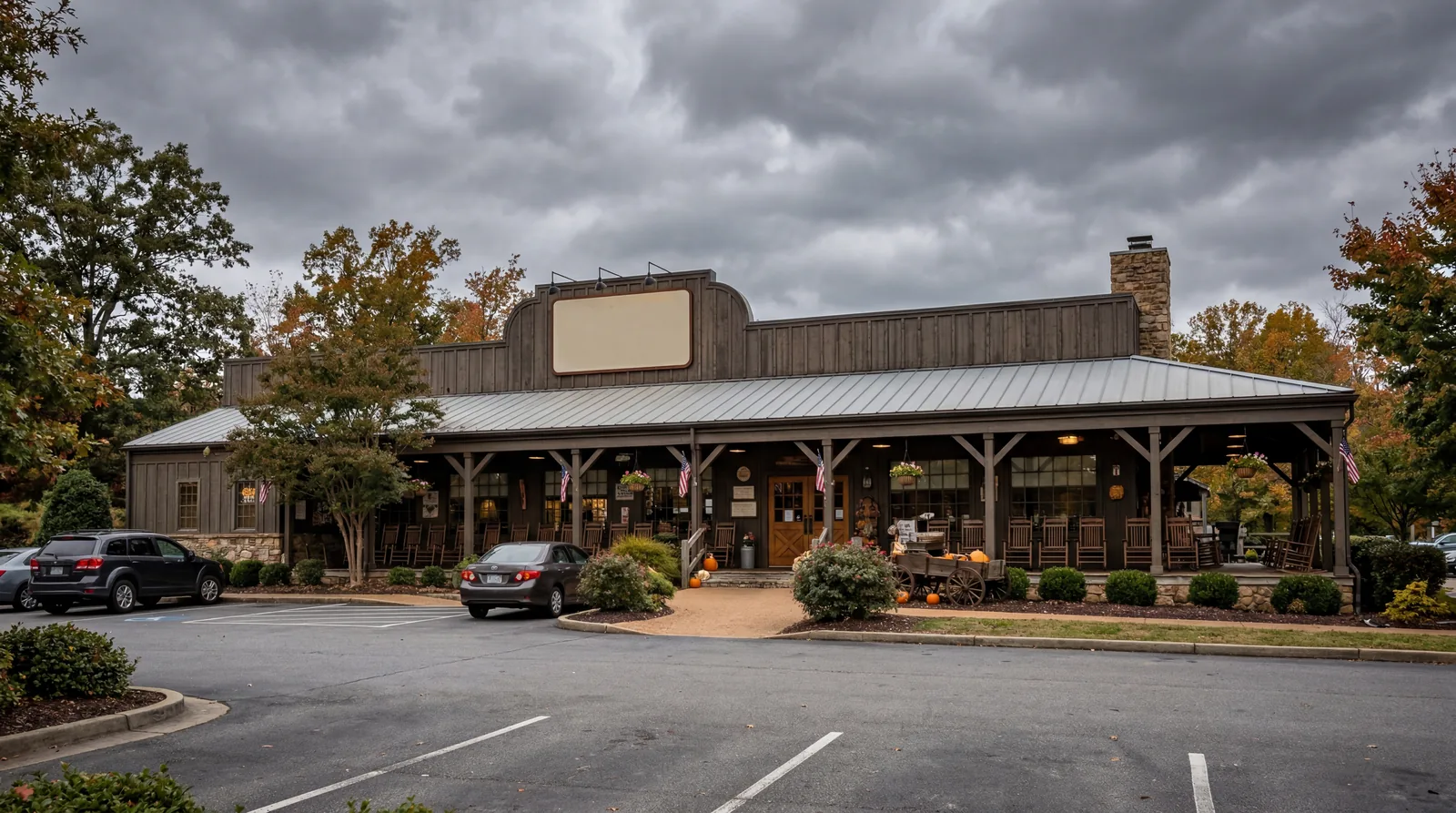
When the chain introduced plant-based versions of its beloved sausage, some of Cracker Barrel’s diehard fans revolted.
The reaction showed how attached some customers are to the old menu.
It does not, by itself, tell us why sales changed.
2. Red Lobster
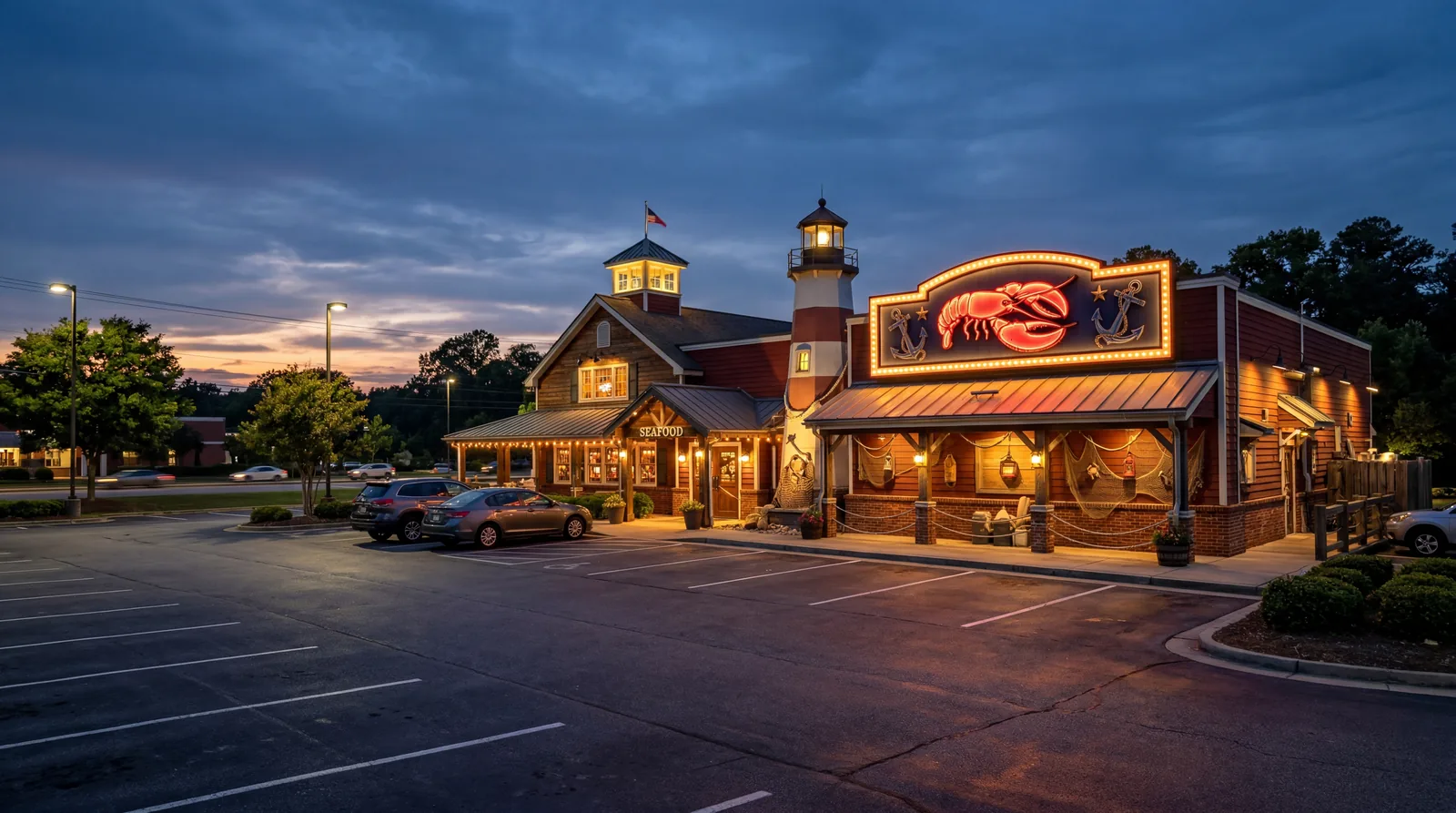
The chain filed for bankruptcy in 2024 after losing $11 million during one quarter, linked to a now-infamous $20 endless shrimp promotion.
The restructuring brought restaurant closures and left many Red Lobster employees wondering whether they’d have jobs when they walked into work. The chain’s menu has been trimmed as well.
Fortunately, the beloved Cheddar Bay Biscuits remain on the menu.
1. McDonald’s
The Chain That Broke Its Own Promise
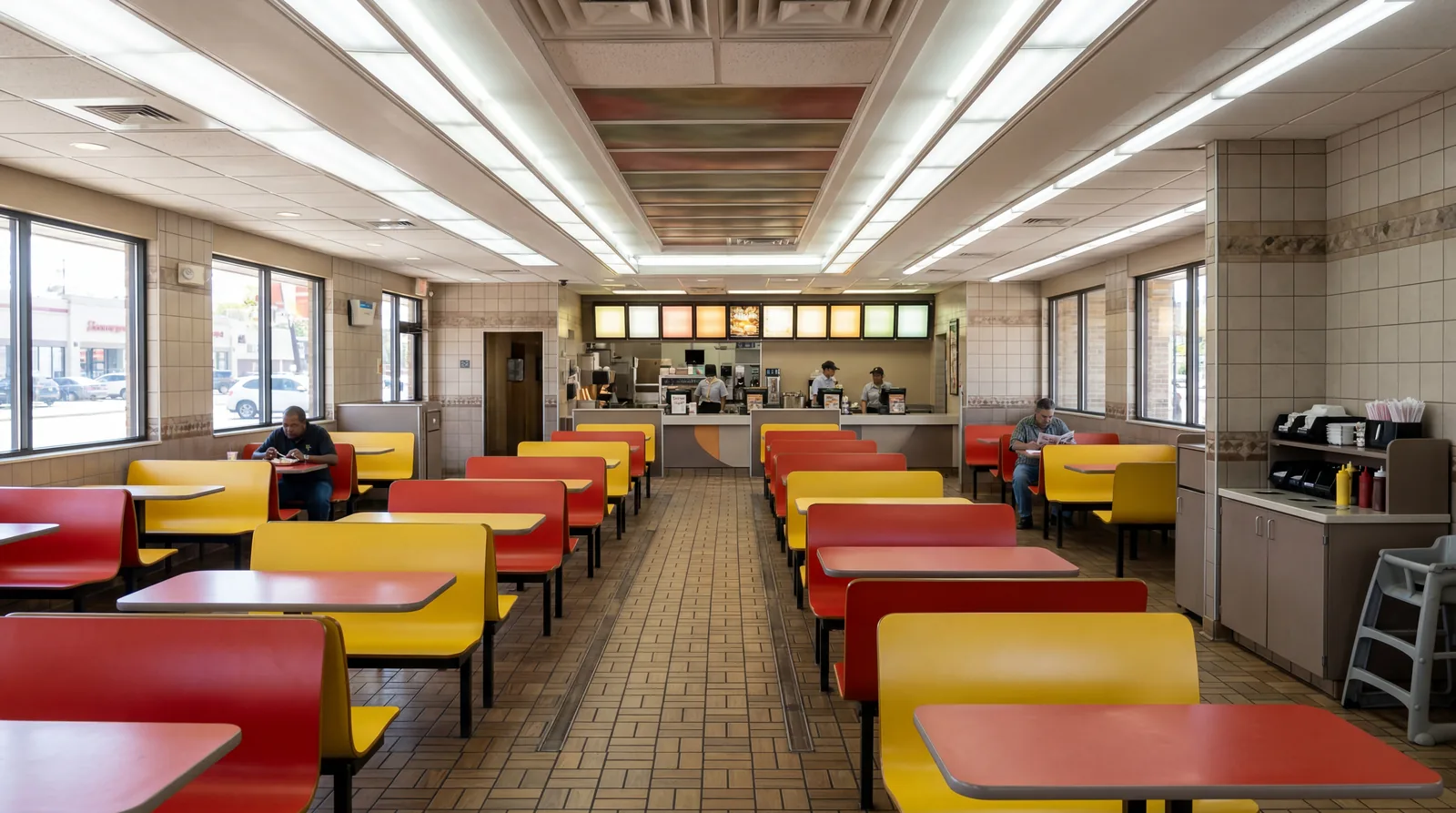
Even McDonald’s, a behemoth of the fast-food industry that sees 69 million customers a day spread across more than 100 countries, has fallen victim to inflation. Prices vary by restaurant, but a combo meal can feel a long way from the inexpensive stop many customers remember. Another factor is that many longtime fans feel that the fast-food chain isn’t what it used to be: In 1990, McDonald’s stopped frying its french fries in beef tallow.
The recipe for McDonald’s Chicken McNuggets was changed. The once-consistently available McRib has become a scarcity tactic, serving as a marketing tool that makes an item seem desirable because it’s difficult to attain.
For customers who mainly came for a cheap, predictable meal, a higher bill can change the whole proposition. A retired teacher from Kentucky described the disappointment this way: “I took my grandkids last summer and spent $54 for four people. I left feeling like we’d been had.”
Some Chains Come Back. Most Don’t.
Have you visited one of these restaurants lately and been surprised by the change?
Share your experience in the comments.
Comments
The opinions and views expressed in the comments section are solely those of the individual users and do not represent or reflect the opinions, views, or positions of HumbleTrail. HumbleTrail does not endorse, support, or verify the accuracy of any user-generated content.
By posting a comment you agree to receive related emails from HumbleTrail in accordance with our Terms and Privacy Policy. You can unsubscribe at any time.