

Editor’s note: This guide shares unusual places to explore around Australia.

Australia has some of the most unique, beautiful, and important landscapes on Earth. From iconic landmarks that have been featured on the news countless times to hidden gems that are known to few, Australia’s natural attractions are a must-see on any traveller’s bucket list.
Here are some of Australia’s most beautiful natural attractions.
- For a spiritual and iconic desert landscape: Uluru and Kata Tjuta, NT
- For an adventure among ancient limestone pillars: The Pinnacles, WA
- For untouched natural beauty and clear waters: Whitehaven Beach, Whitsunday Island, QLD
- For a dramatic and powerful natural wonder: Horizontal Falls, WA
Uluru and Kata Tjuta, NT
Uluru, also known as Ayers Rock, is an enormous sandstone rock formation and one of Australia’s most famous attractions. Located in the “Red Centre” of the Northern Territory, the rock is sacred to the Anangu, the traditional owners of the area. The rock’s stunning red colouration and the ever-changing colours at dawn and dusk make Uluru an iconic part of the Australian landscape.

Image for illustration purpose only.
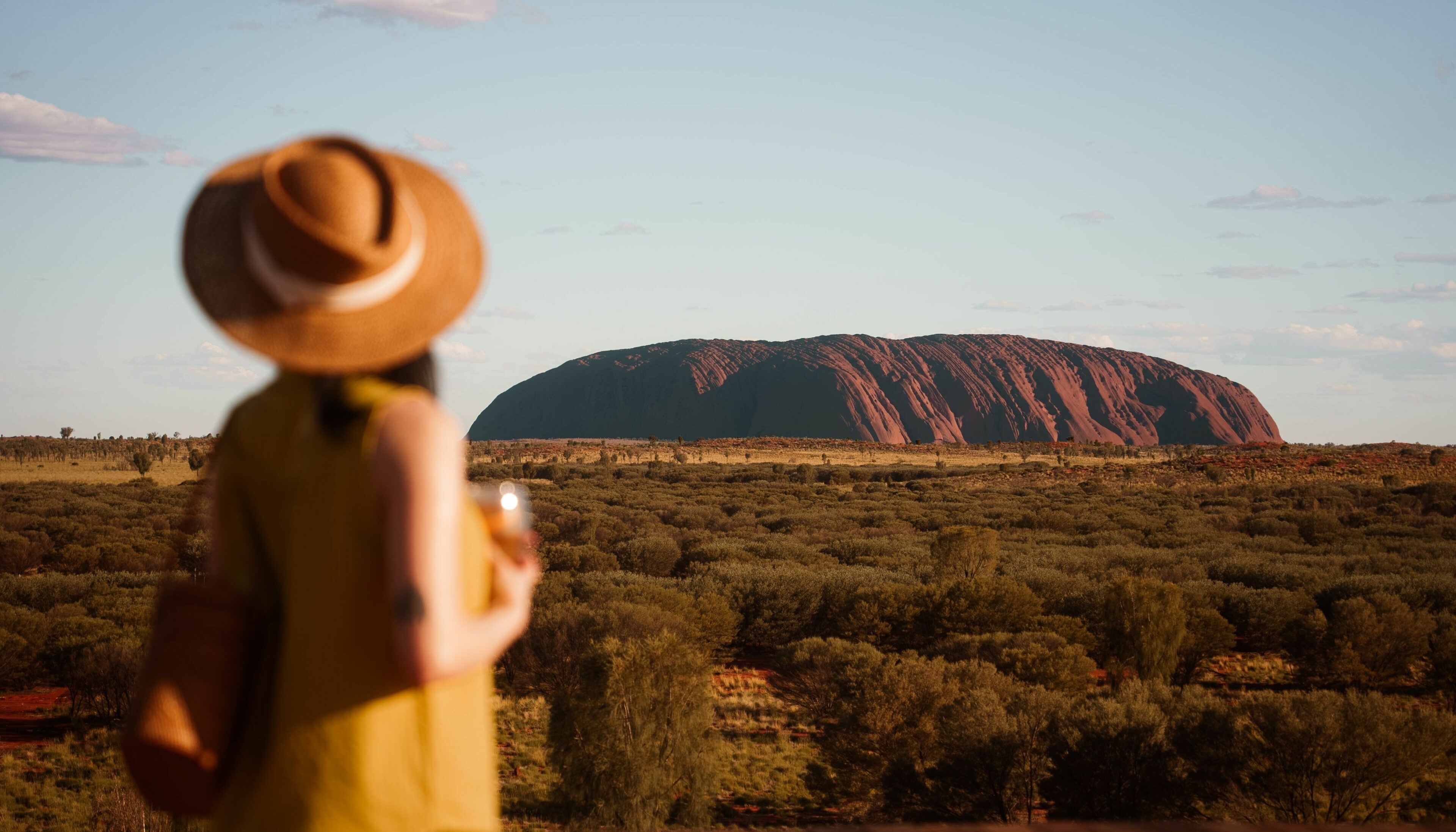
Image for illustration purpose only.

Image for illustration purpose only.
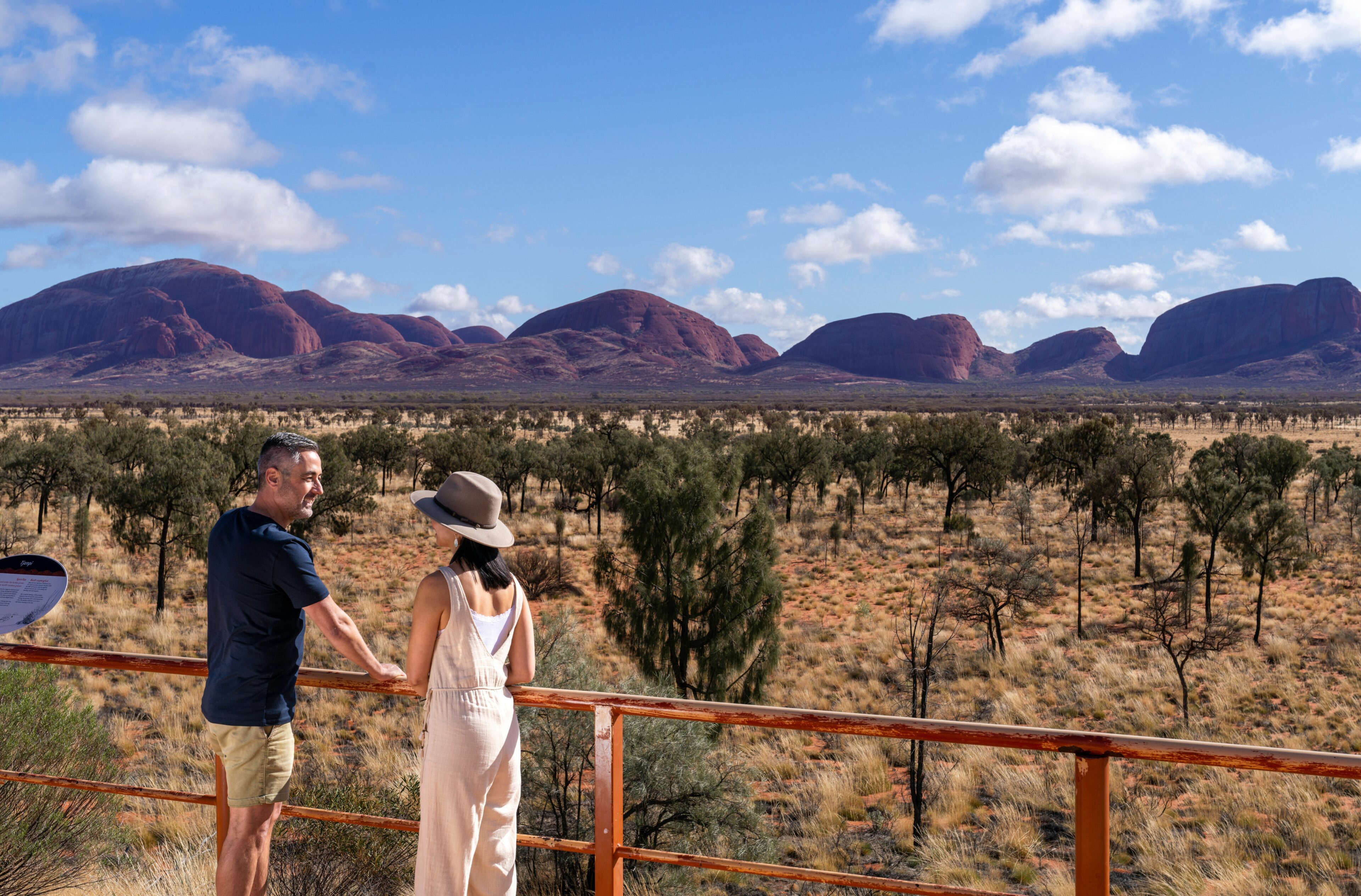
Image for illustration purpose only.

Image for illustration purpose only.

Image for illustration purpose only.
Kata Tjuta, also known as The Olgas, is located to the west of Uluru and consists of 36 red conglomerate rock domes. Like Uluru, Kata Tjuta is culturally significant to the Anangu. Visitors can explore the area on a number of walking tracks which take in valleys and gorges.
- How far from Nearest CBD: Approximately 450 km from Alice Springs
- Known for: Spectacular red rock formations, Aboriginal cultural significance
- Google Map Link: https://maps.app.goo.gl/yr5cXjTpi4Huh56w5
The Pinnacles, WA
The Pinnacles is a collection of ancient limestone formations found in Nambung National Park, near Cervantes in Western Australia. The surreal limestone pillars emerge from a field of yellow sands and were formed over millions of years. The area is one of Australia’s most photogenic places, changing colour depending on the position of the sun: from bright and golden to dark and mysterious.

Image for illustration purpose only.

Image for illustration purpose only.
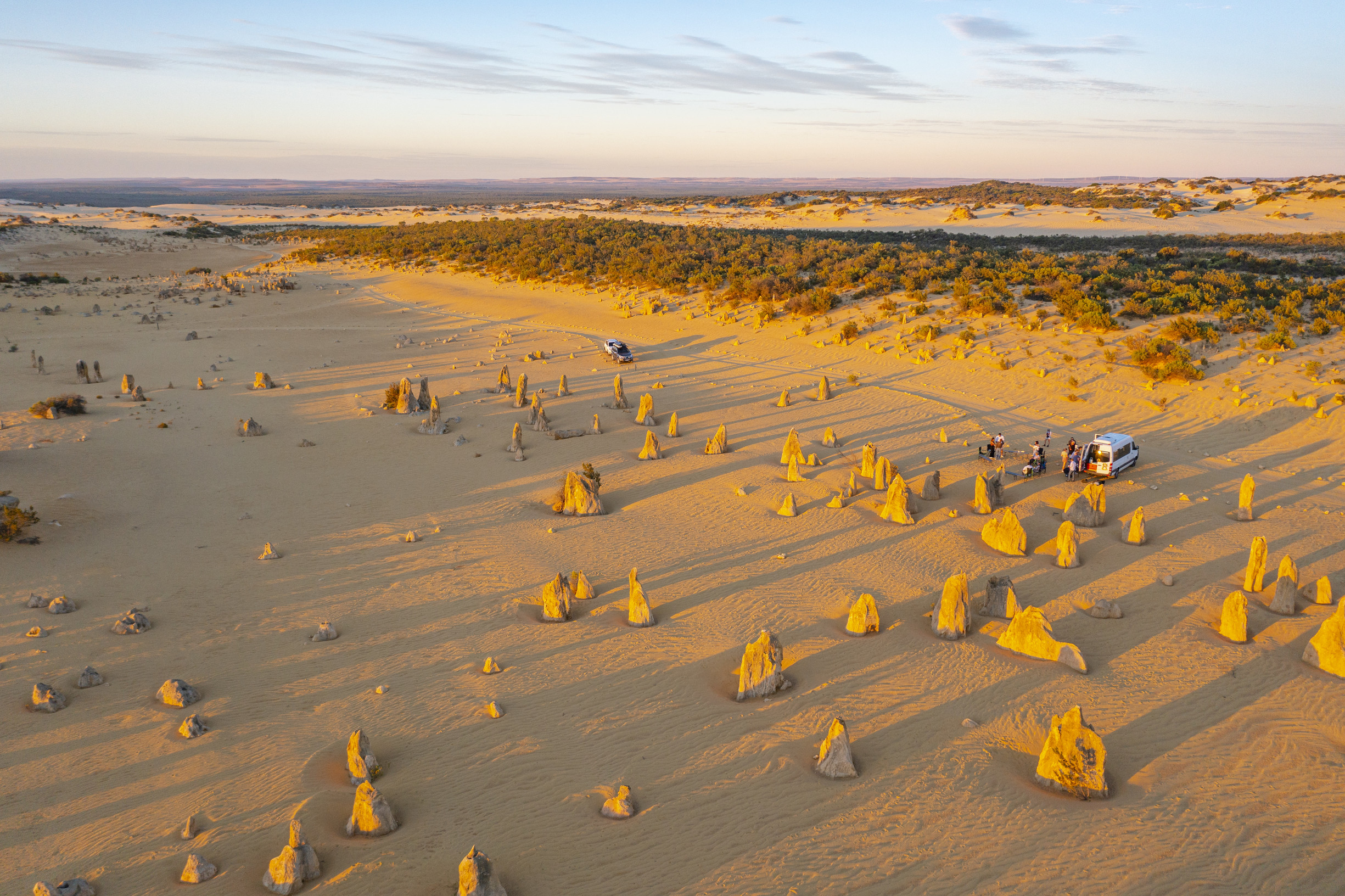
Image for illustration purpose only.

Image for illustration purpose only.

Image for illustration purpose only.

Image for illustration purpose only.
Located only a couple of hours’ drive from Perth, the Pinnacles is an easy day-trip that offers a number of walking trails as well as a short scenic drive.
- How far from Nearest CBD: About 200 km north of Perth
- Known for: Unique limestone formations, desert landscape
- Google Map Link: https://maps.app.goo.gl/oKiVN3DHutnfFh2t7
Whitehaven Beach, Whitsunday Island, QLD
Located on Whitsunday Island in Queensland’s Great Barrier Reef region, Whitehaven Beach is widely regarded as one of Australia’s most beautiful beaches. With seven kilometres of impossibly white sands made of incredibly pure silica, lush vegetation, and crystal-clear waters, it is a breathtaking natural wonder. The surreal, swirling sands of Hill Inlet, located at the northern end of the beach, are a must-see as they mix and mingle with the tide.

Image for illustration purpose only.
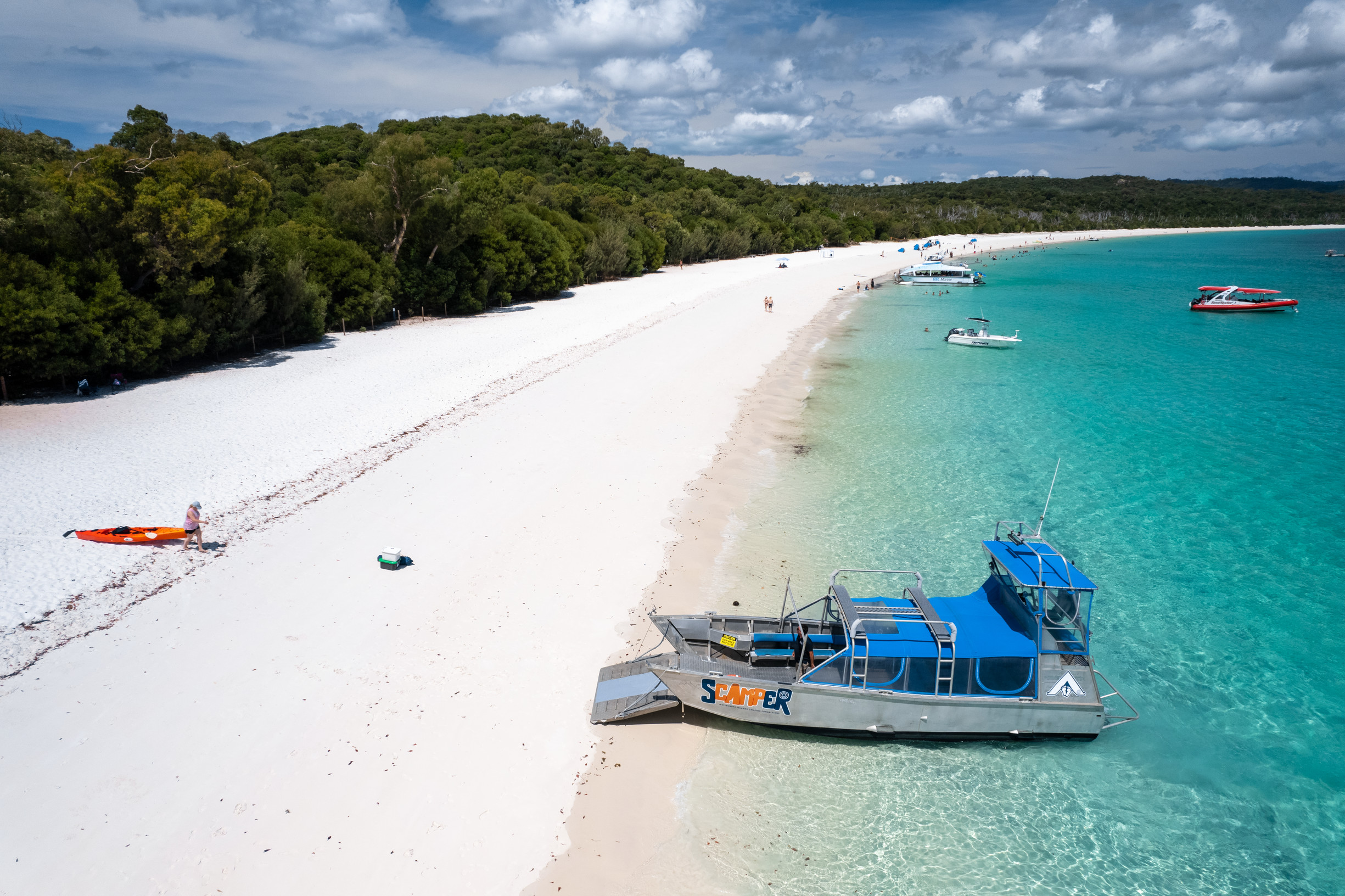
Image for illustration purpose only.

Image for illustration purpose only.

Image for illustration purpose only.

Image for illustration purpose only.

Image for illustration purpose only.
Whitehaven Beach is accessible by boat, seaplane, and helicopter, and there are snorkelling spots elsewhere around the Whitsunday Islands. It is located in the Whitsunday Islands National Park which helps to protect the area’s delicate environment.
- How far from Nearest CBD: About 1,100 km north of Brisbane
- Known for: Immaculate white silica sand, crystal-clear turquoise waters
- Google Map Link: https://maps.app.goo.gl/xAimPALDkwmT1A6t7
Horizontal Falls, WA
A natural phenomenon in Australia’s Kimberley region, the Horizontal Falls form where powerful tidal currents rush through narrow gaps in coastal ranges. The falls’ currents change direction with the tides.

Image for illustration purpose only.
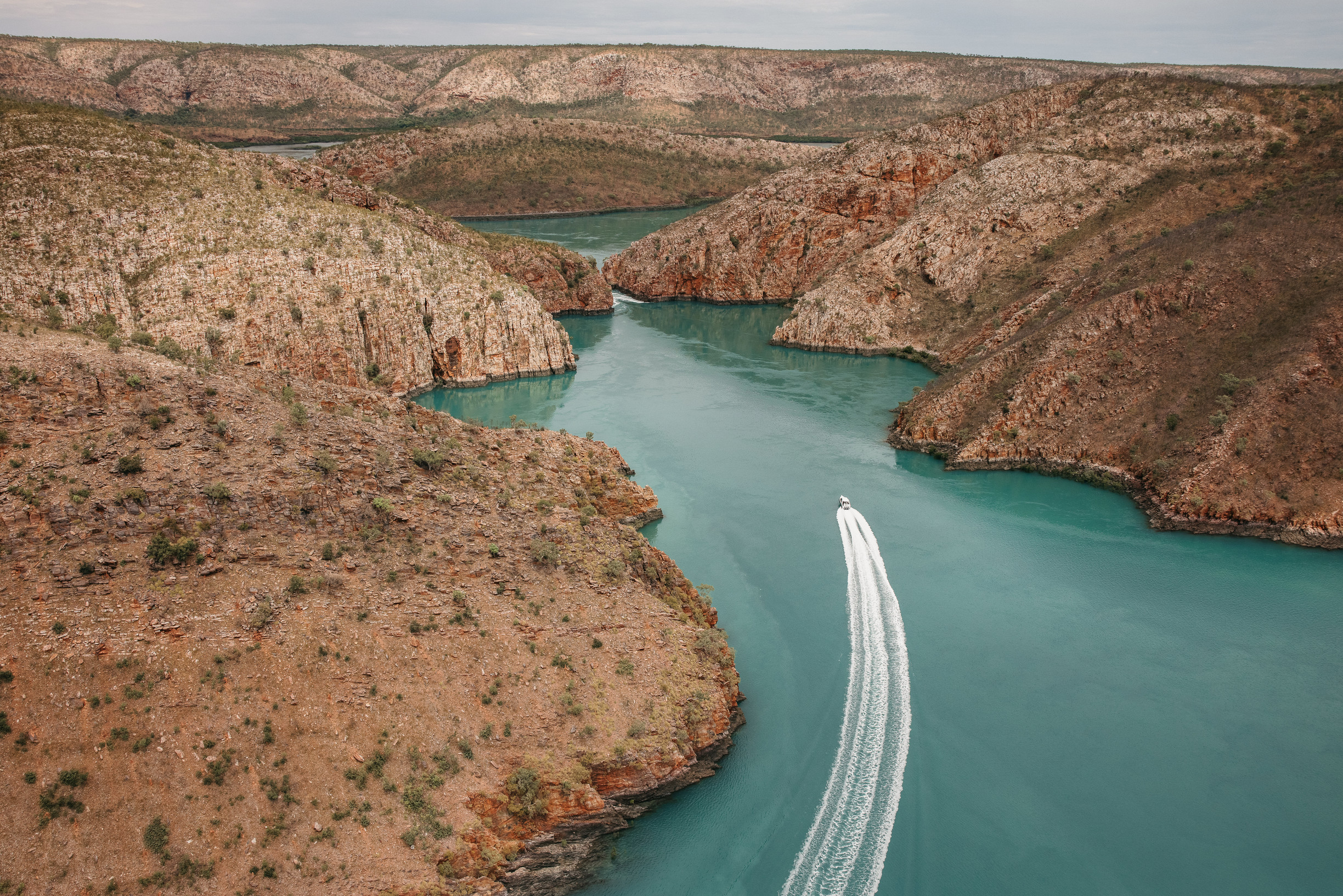
Image for illustration purpose only.
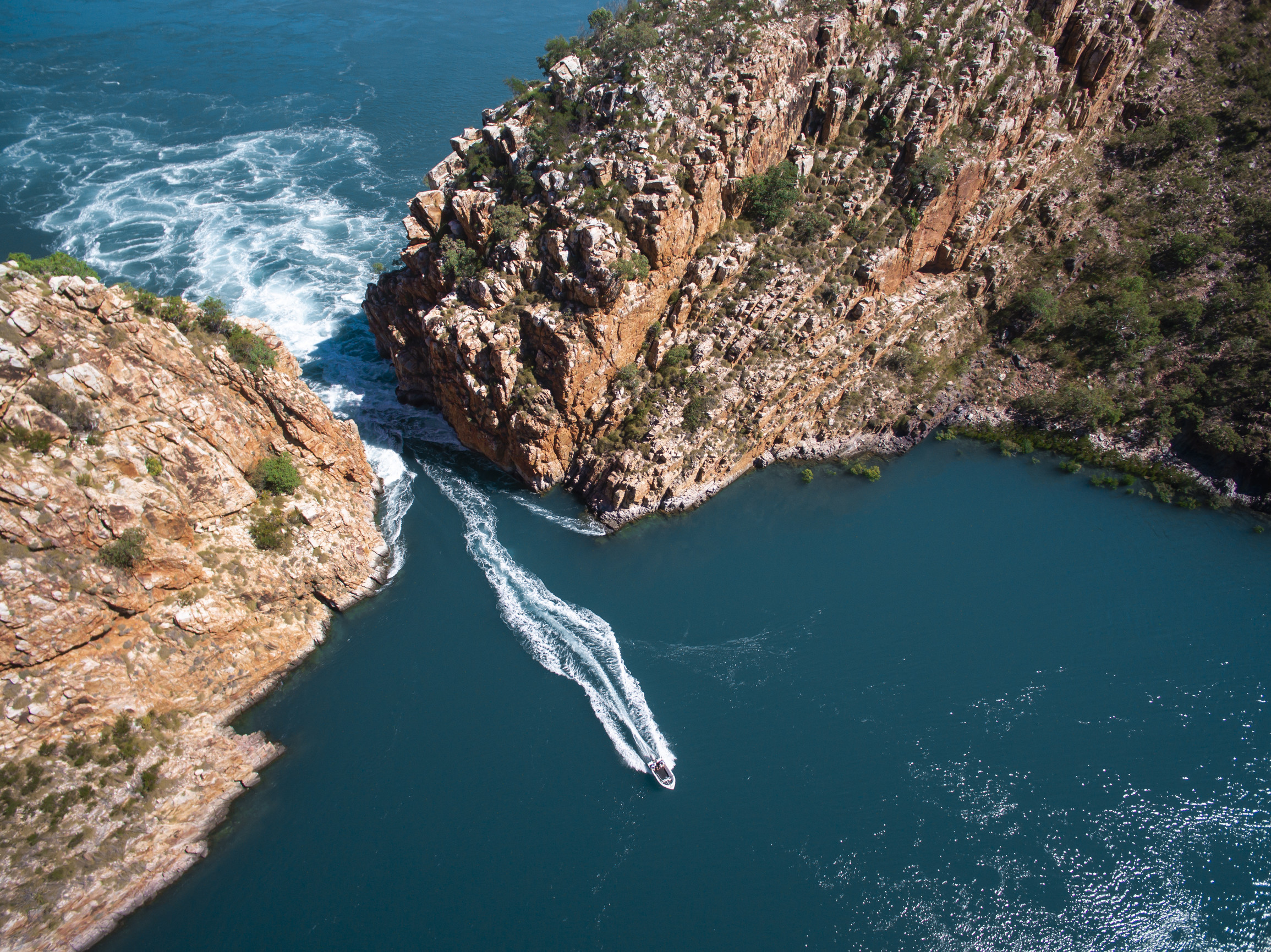
Image for illustration purpose only.

Image for illustration purpose only.

Image for illustration purpose only.

Image for illustration purpose only.
The falls are a popular tourist attraction where visitors can see the rushing water at close quarters on a licensed tour by seaplane or boat. Horizontal Falls can be accessed on tours from Broome or Derby.
- How far from Nearest CBD: About 220 km northeast of Broome
- Known for: Unique tidal waterfalls, adventure tours
- Google Map Link: https://maps.app.goo.gl/KJd3Q45MWVRRCDy28
Bay of Fires, TAS
The Bay of Fires is an exquisite coastal area on the northeast coast of Tasmania. The stunningly beautiful area stretches for over 50 km from Binalong Bay in the south to Eddystone Point in the north. The granite boulders are covered in bright orange lichen and appear to be ablaze at sunrise and sunset.
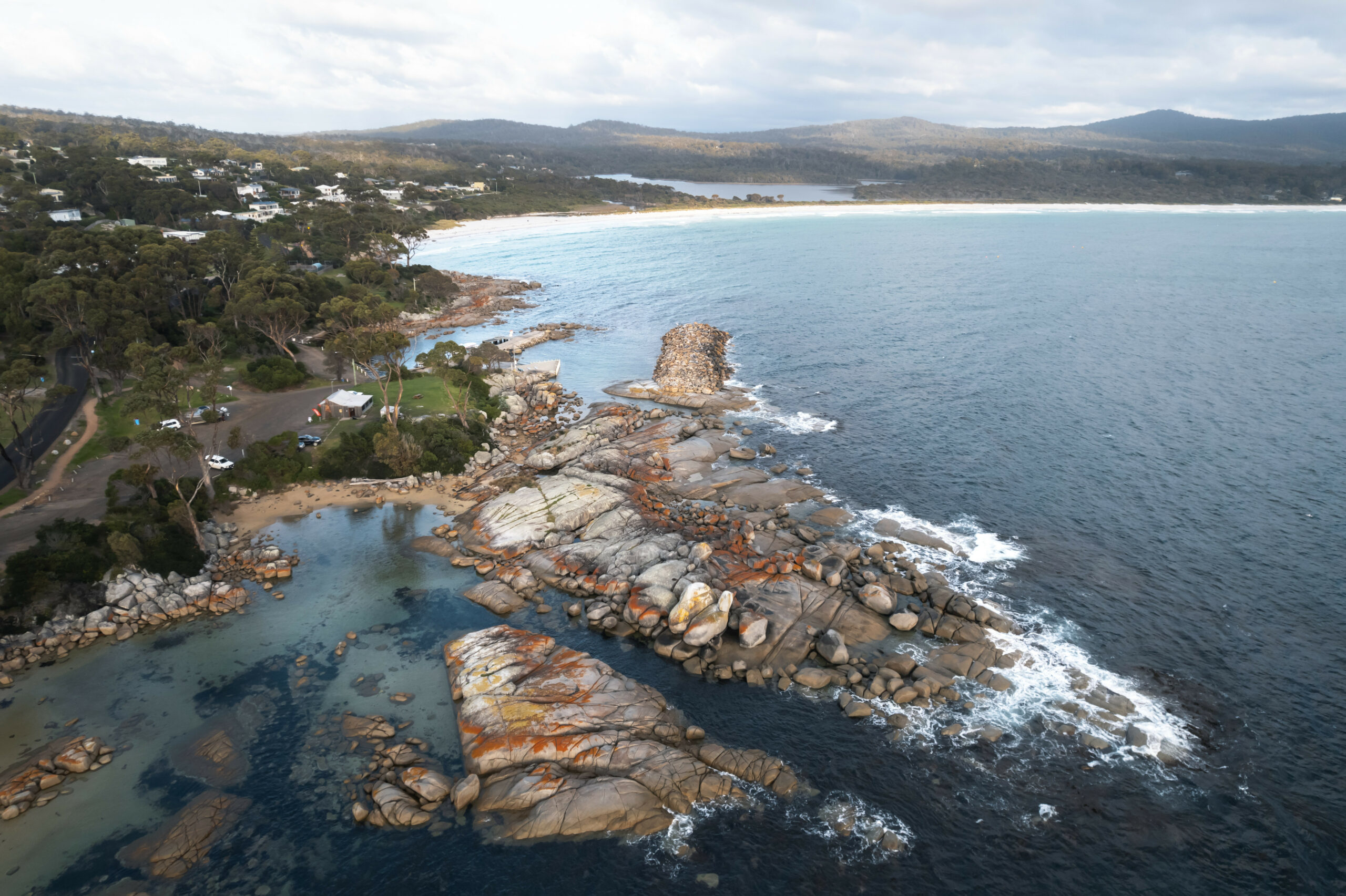
Image for illustration purpose only.

Image for illustration purpose only.
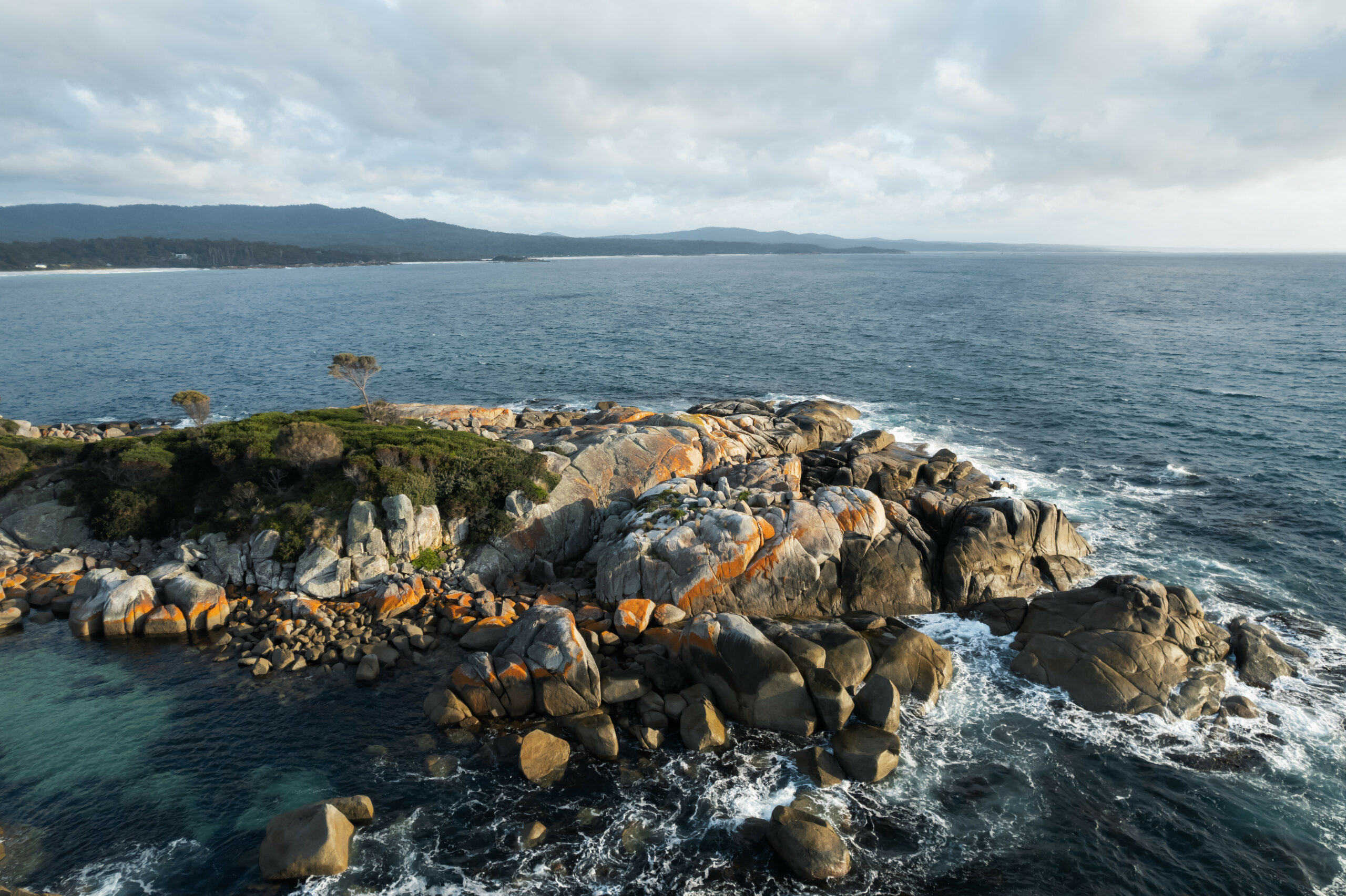
Image for illustration purpose only.
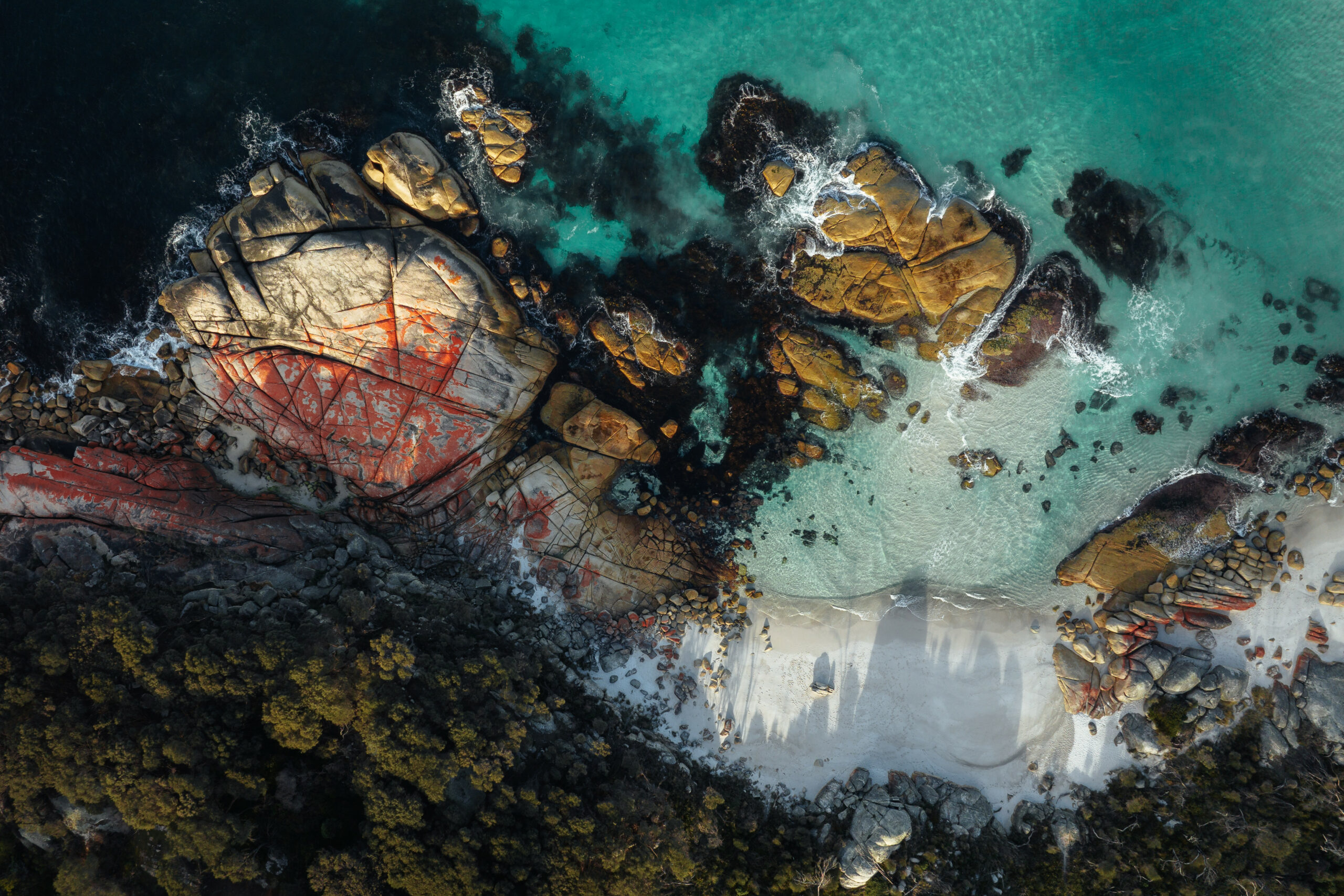
Image for illustration purpose only.

Image for illustration purpose only.
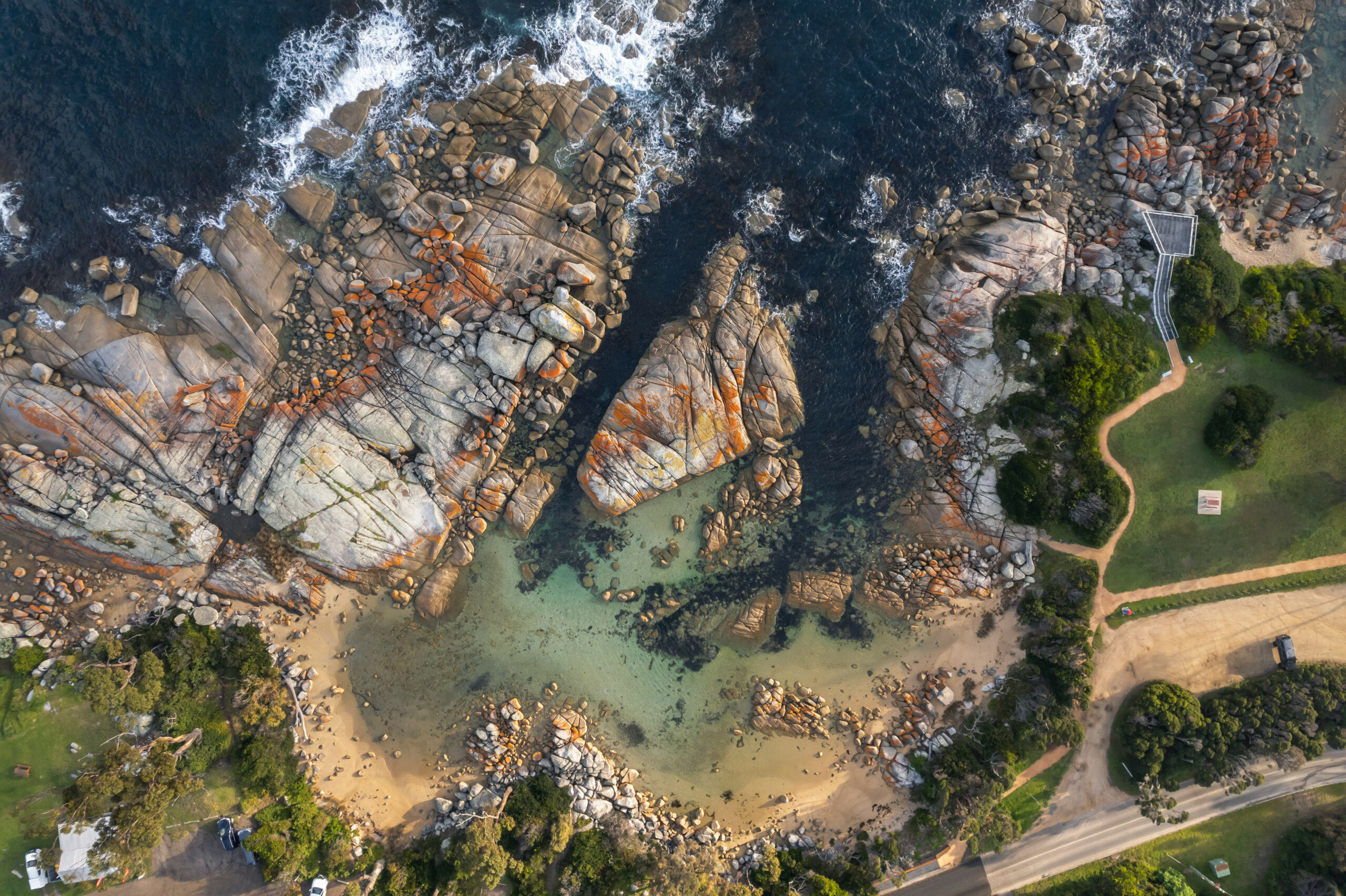
Image for illustration purpose only.
Enjoy a picnic on the pristine white sand beaches and admire the beauty of the clear water. Camping is available, and you could explore some of the hidden bays and coves by kayak.
- How far from Nearest CBD: Approximately 275 km northeast of Hobart
- Known for: Stunning coastal scenery, orange-lichen covered boulders
- Google Map Link: https://maps.app.goo.gl/Cd5PCoJ8V91JziLC7
Kangaroo Island, SA
Nicknamed Australia’s zoo without fences, Kangaroo Island is one of the best places to see native Australian animals such as echidnas, koalas and kangaroos in their natural environment. As well as being able to see native animals, Kangaroo Island has beautiful scenery including Flinders Chase National Park, Remarkable Rocks and Admirals Arch, stunning eucalyptus forests and dramatic cliffs along the shoreline.

Image for illustration purpose only.

Image for illustration purpose only.

Image for illustration purpose only.

Image for illustration purpose only.

Image for illustration purpose only.
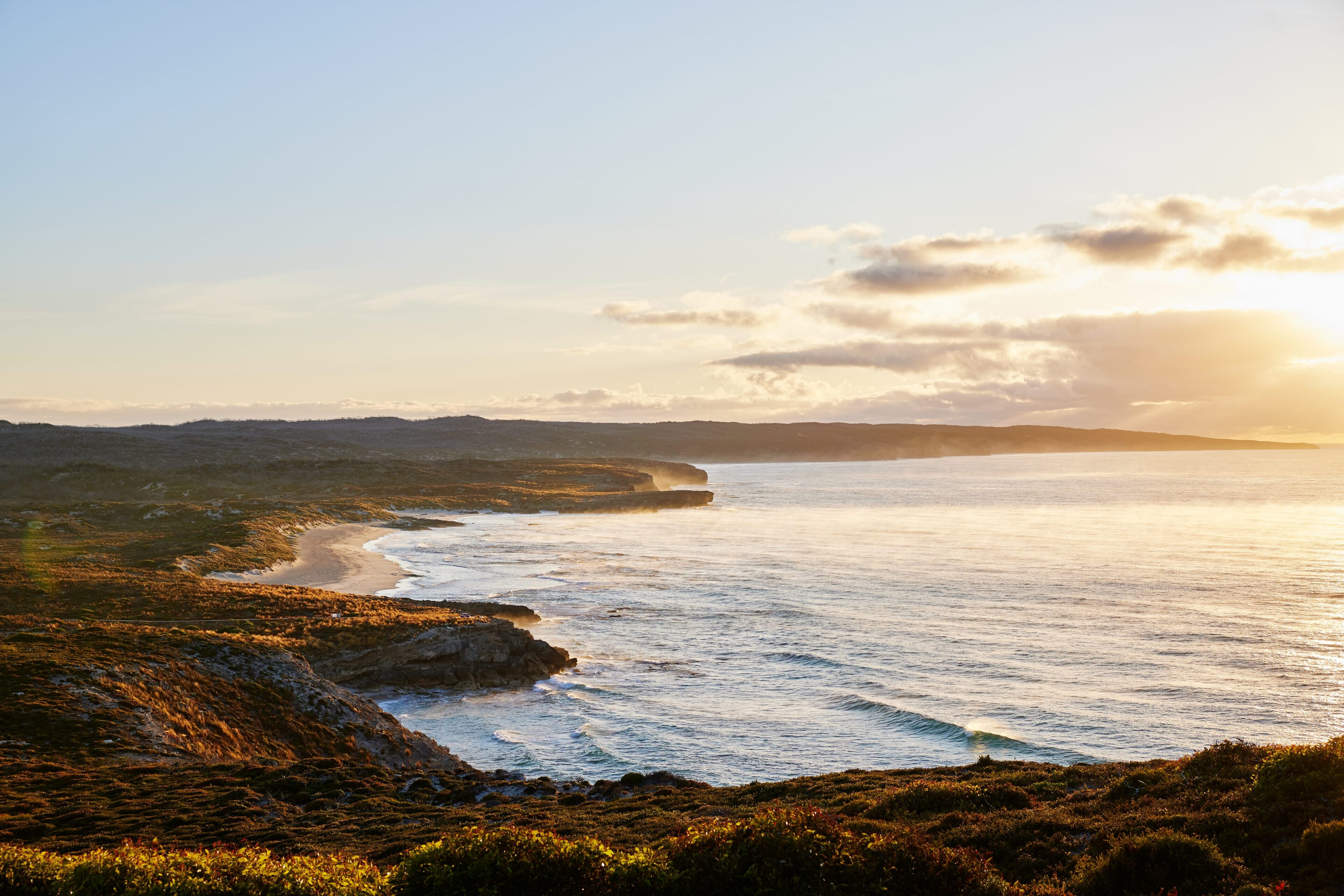
Image for illustration purpose only.
Relax on the beautiful beaches and enjoy local wines.
- How far from Nearest CBD: From Adelaide, drive about 1.5 hours to Cape Jervis, then take the 45-minute ferry to Penneshaw
- Known for: Diverse wildlife, natural beauty
- Google Map Link: https://maps.app.goo.gl/tKeFdqKgsVi2NDMx8
Karlu Karlu/Devils Marbles, NT
The mysterious and unique Devils Marbles is a bizarre-looking landscape of giant granite boulders balanced precariously atop one another. The traditional owners of this sacred site are the Warumungu, Kaytetye, Alyawarra and Warlpiri Aboriginal peoples. At sunrise and sunset the Devils Marbles shine an enchanting red-orange colour.
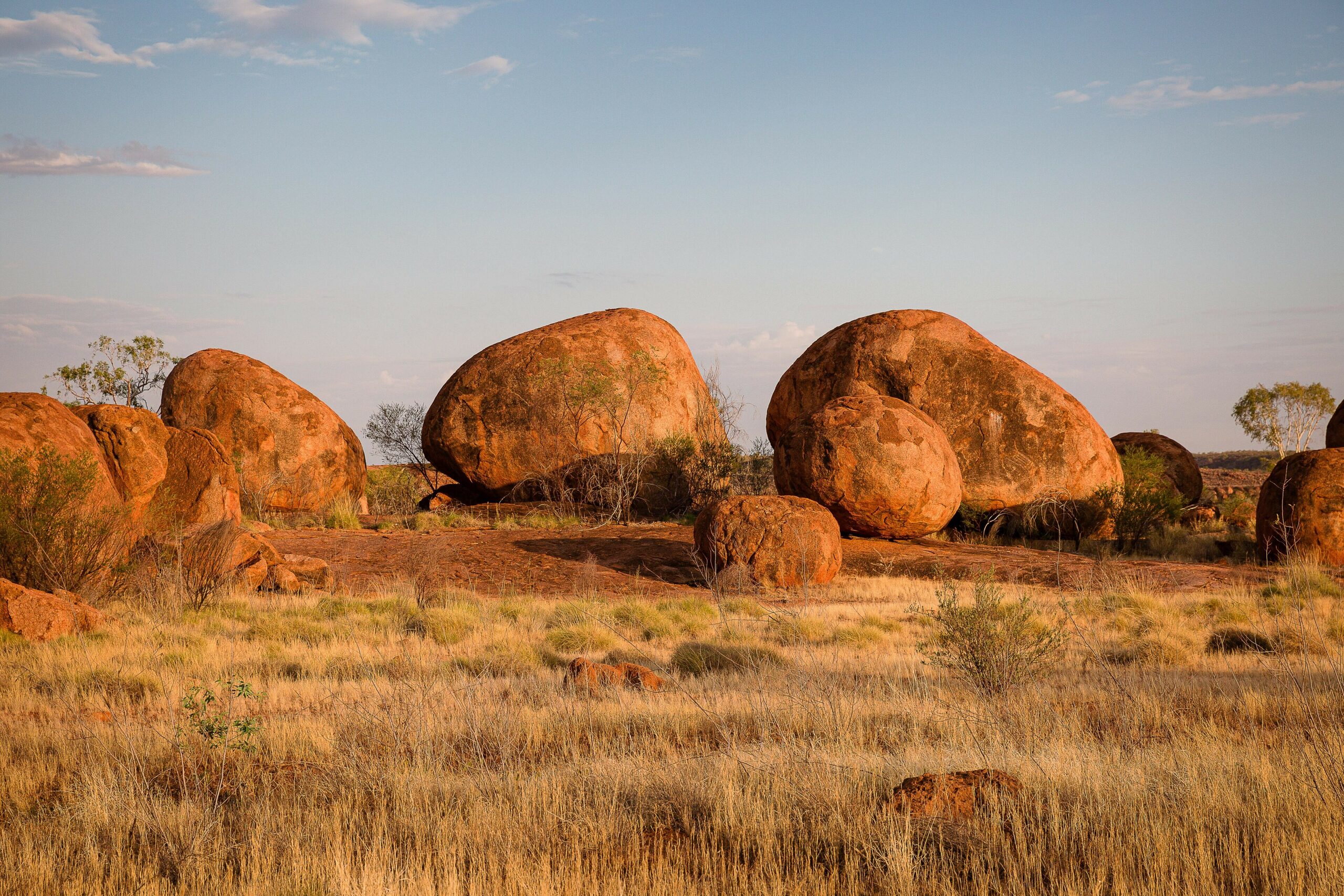
Image for illustration purpose only.

Image for illustration purpose only.
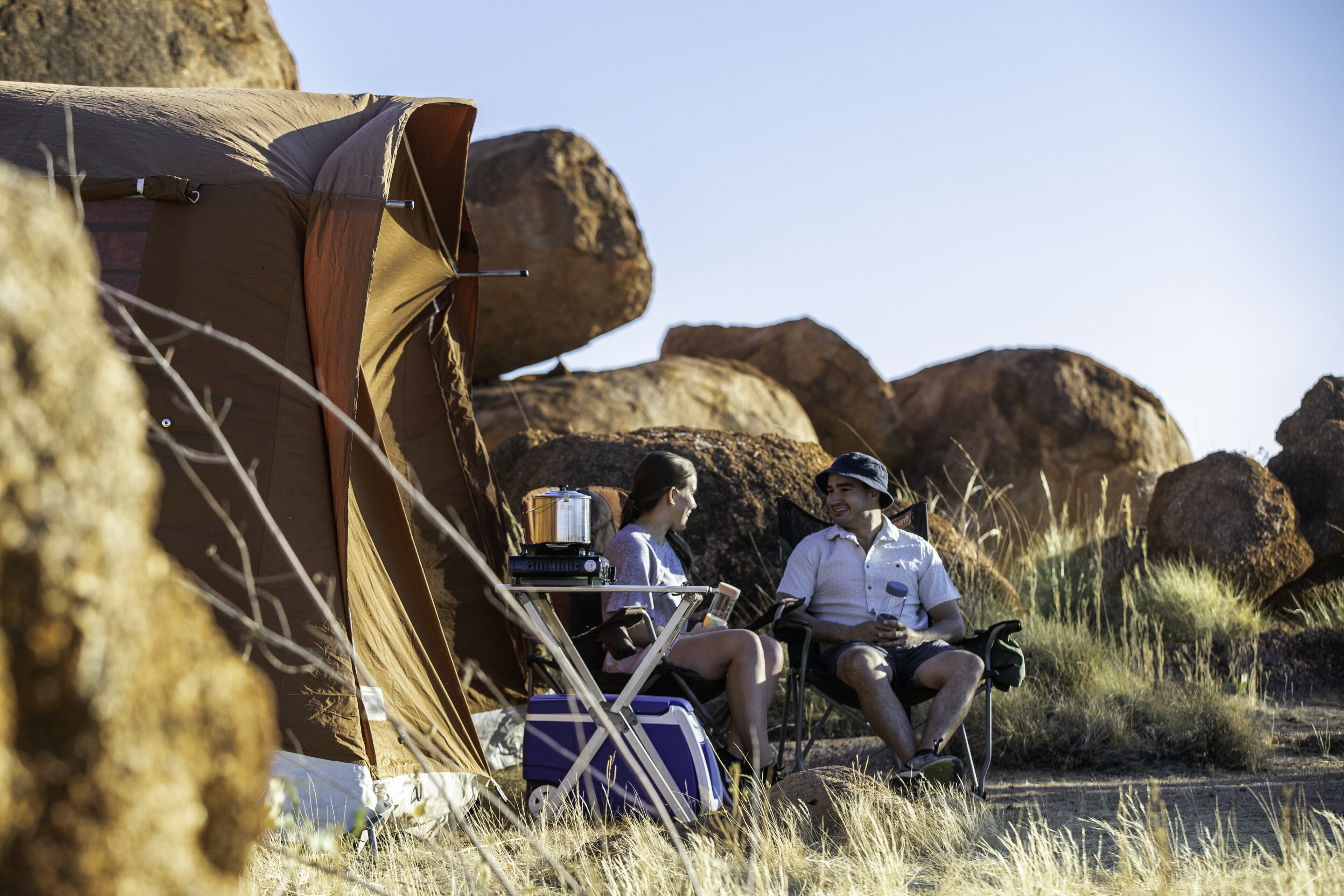
Image for illustration purpose only.

Image for illustration purpose only.

Image for illustration purpose only.

Image for illustration purpose only.
Karlu Karlu is a conservation reserve located by the Stuart Highway in the Northern Territory, just over 100 km south of Tennant Creek. Visitors can walk among the rocks, learn about the area’s geological history, and learn about the Aboriginal stories associated with the area.
- How far from Nearest CBD: Approximately 393 km north of Alice Springs
- Known for: Massive granite boulders, Aboriginal heritage
- Google Map Link: https://maps.app.goo.gl/NGvFDTdB8SqvHvny5
The Kimberley, WA
The rugged and untamed Kimberley region of northwestern Australia is an adventurer’s dream, boasting beautiful gorges, spectacular and isolated coastline, semi-arid savanna country and imposing ranges. The region offers an array of activities including sea and river trips, fishing, scenic flights, birdwatching, hiking, camping, wildlife spotting, bushwalking, bush tucker, ancient Aboriginal rock art and cultural experiences. Highlights of the region include flying over the mysterious Mitchell Plateau, the staircase to the moon at Roebuck Bay mudflats and the Horizontal Falls.

Image for illustration purpose only.
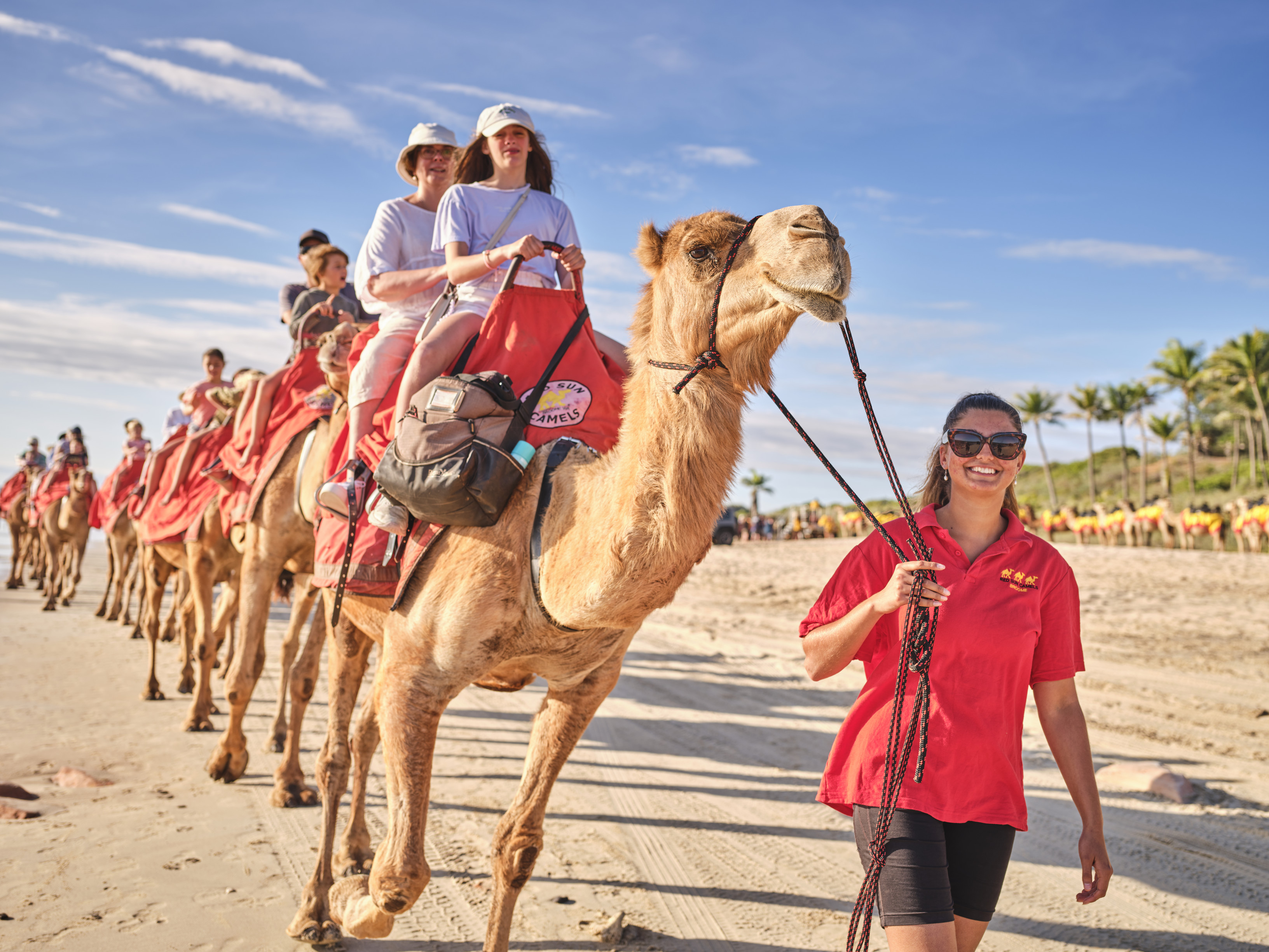
Image for illustration purpose only.
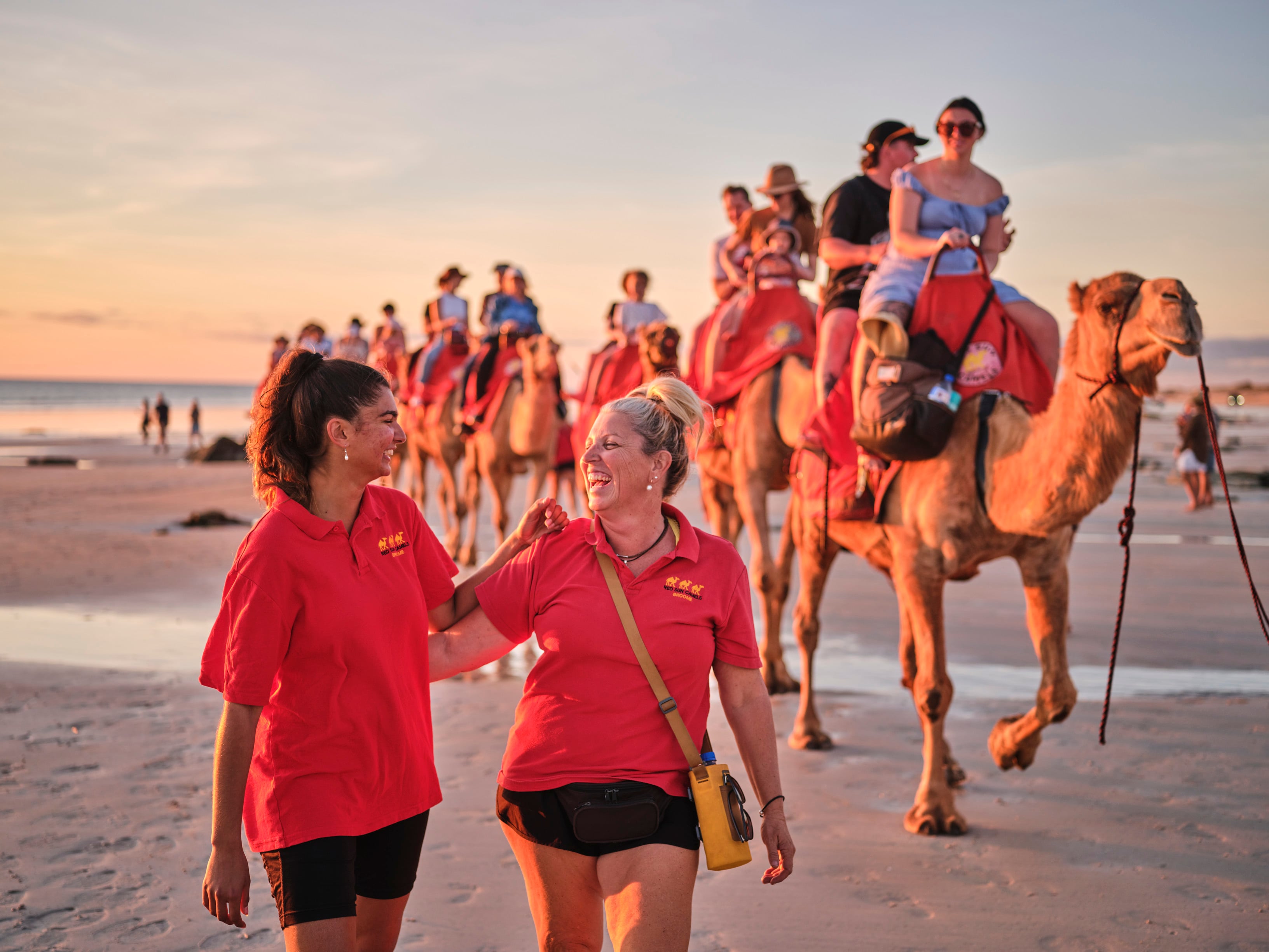
Image for illustration purpose only.

Image for illustration purpose only.

Image for illustration purpose only.

Image for illustration purpose only.
Broome, a pearling town, is a great base from which to explore the wider Kimberley region, including Lake Argyle, the Bungle Bungles and the thousands of years old Aboriginal rock art on Mitchell Plateau.
- How far from Nearest CBD: Over 2,000 km northeast of Perth
- Known for: Breathtaking landscapes, Indigenous culture
- Google Map Link: https://maps.app.goo.gl/AmRNKmNLxGzW7bZs7
Hutt Lagoon, Port Gregory, WA
If you thought Uluru was bizarre, wait till you’ve seen Hutt Lagoon. Situated close to the cute little fishing village of Port Gregory, this shallow saltwater lake gets its amazing pink colour from the Dunaliella salina algae which produce carotenoid pigments. This surreal pink-coloured body of water provides a fascinating and unusual backdrop against the Australian coastline.

Image for illustration purpose only.

Image for illustration purpose only.

Image for illustration purpose only.
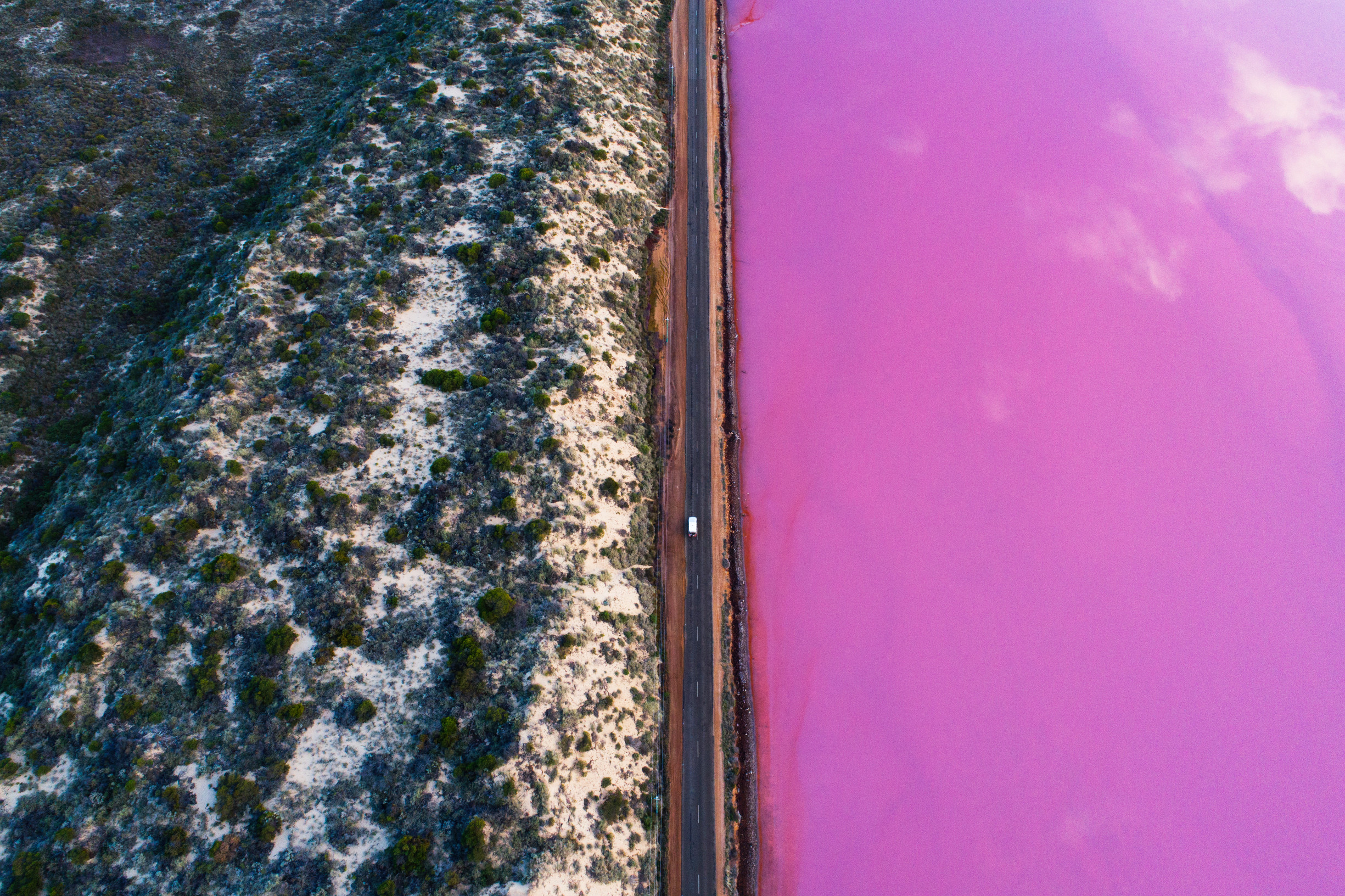
Image for illustration purpose only.
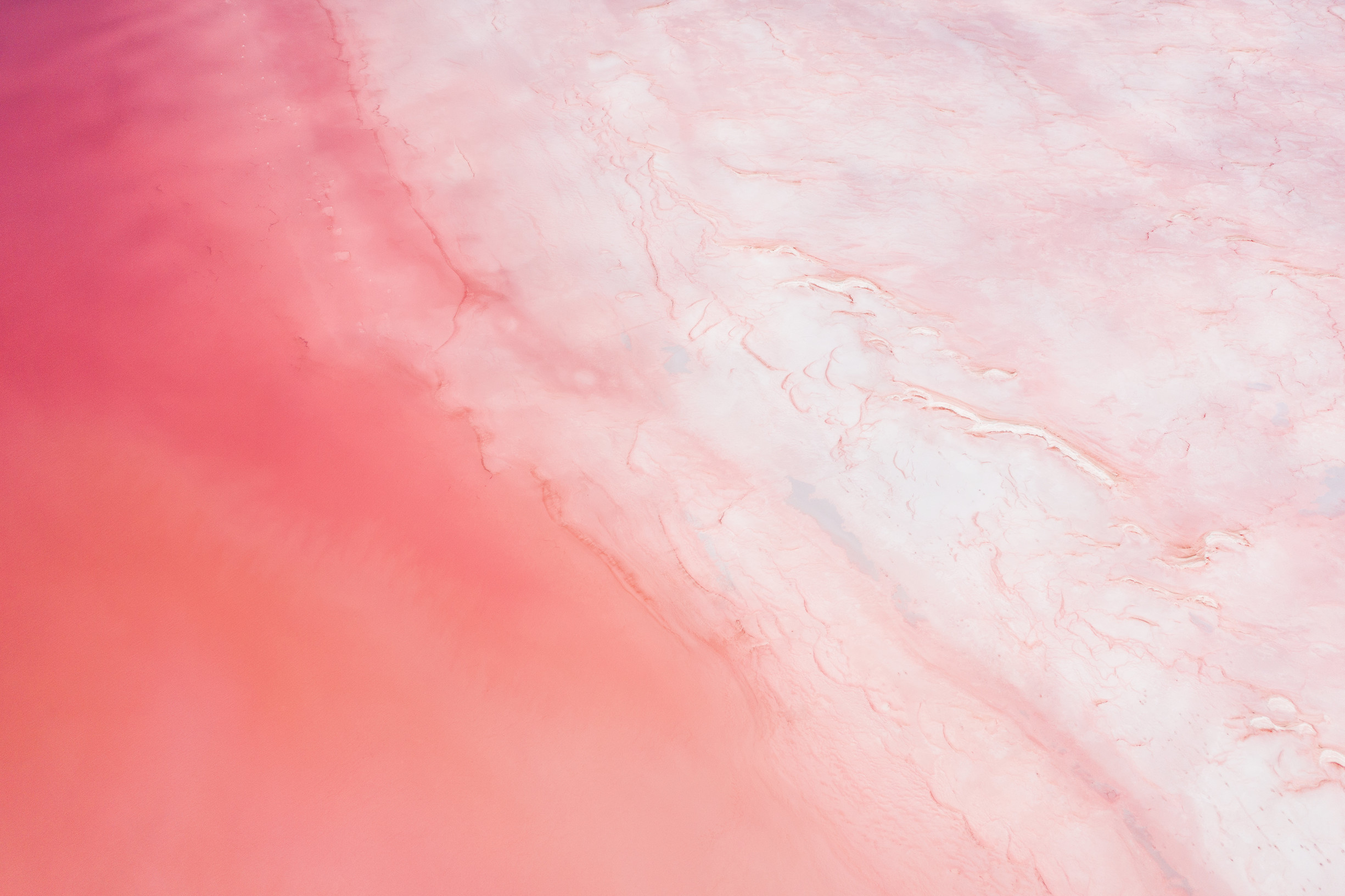
Image for illustration purpose only.
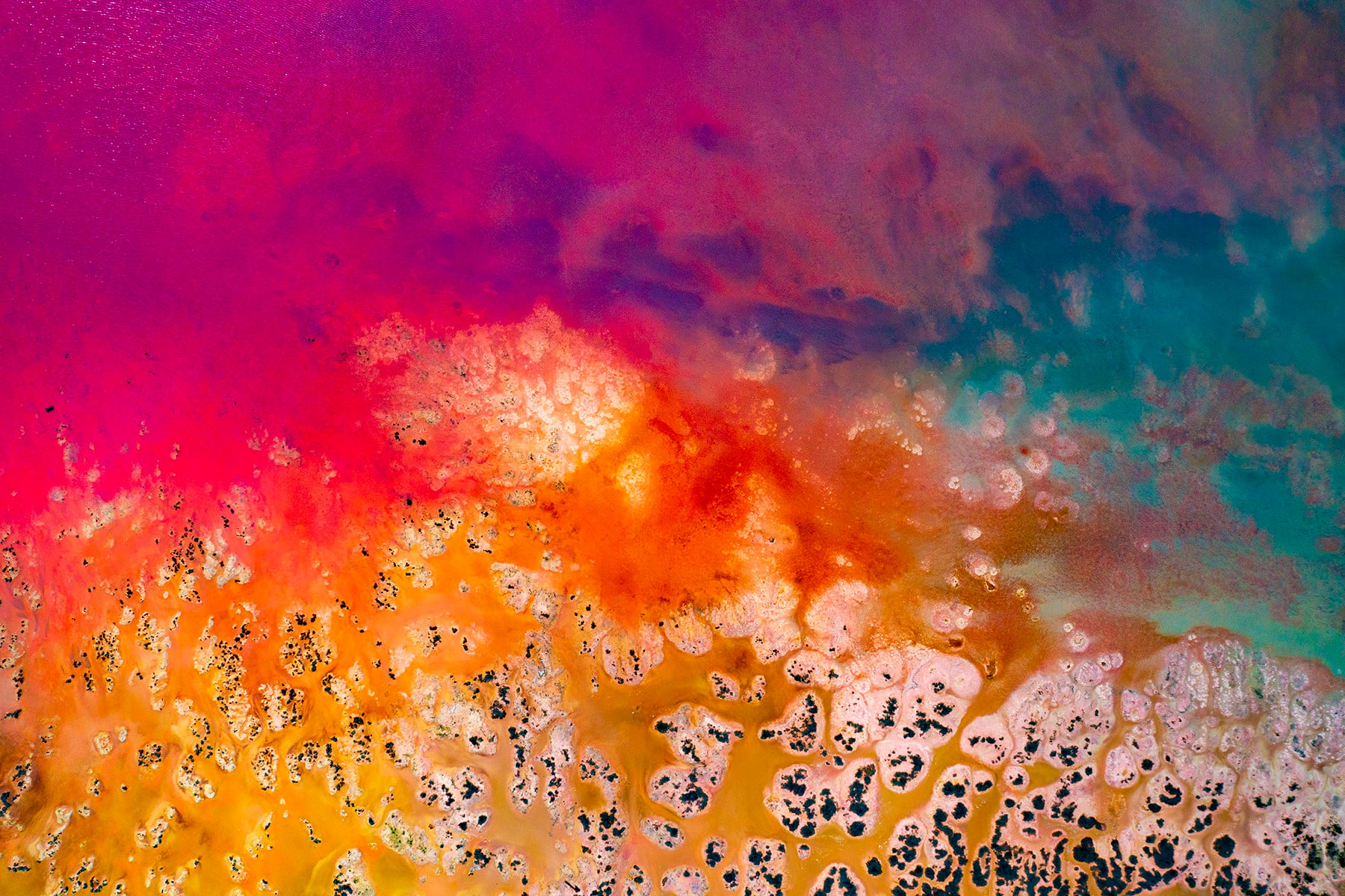
Image for illustration purpose only.
Port Gregory and Hutt Lagoon make an interesting stopover en route from Perth to Exmouth. The lagoon is easily accessible, with places to view it from the shore.
- Distance from Nearest CBD: Approximately 515 km north of Perth
- Known for: Brilliant pink waters, accessibility, and picturesque surroundings
- Google Map Link: https://maps.app.goo.gl/nXjWHErFNuSHx1719
Tasman National Park, TAS
If you’re into adrenalin-charged activities and breathtaking natural beauty, then a visit to Tasmania’s Tasman National Park will blow you away. The park boasts Australia’s highest sea cliffs and dramatic, rugged coastlines carved by the mighty Southern Ocean. Enjoy an abundance of wildlife, including seals, dolphins, and whales in migration, while on walks ranging from short strolls to the spectacular Three Capes Track.

Image for illustration purpose only.

Image for illustration purpose only.

Image for illustration purpose only.

Image for illustration purpose only.

Image for illustration purpose only.

Image for illustration purpose only.
Must-see attractions include Remarkable Cave, Devil’s Kitchen and Tasman Arch. Tasmans Arch and Devils Kitchen are closed for works until 29 September 2026, so check the park alerts before visiting. If time permits, visit the infamous former penal colony at nearby Port Arthur Historic Site. Tip: The Tasman Peninsula is only an hour and a half from Hobart, making it an excellent day-trip or overnighter.
- How far from Nearest CBD: Approximately 95 km southeast of Hobart
- Known for: Dramatic sea cliffs, coastal walks, rich history
- Google Map Link: https://maps.app.goo.gl/Vhjufps9Fn9pSbDu6
Cradle Mountain, TAS
Within the pristine, untamed Tasmanian Wilderness World Heritage Area is Tasmania’s most photographed peak, Cradle Mountain. Surrounded by beautiful alpine heathlands, wildlife-filled valleys, ancient rainforests and countless creeks, Cradle Mountain is a naturalists dream.
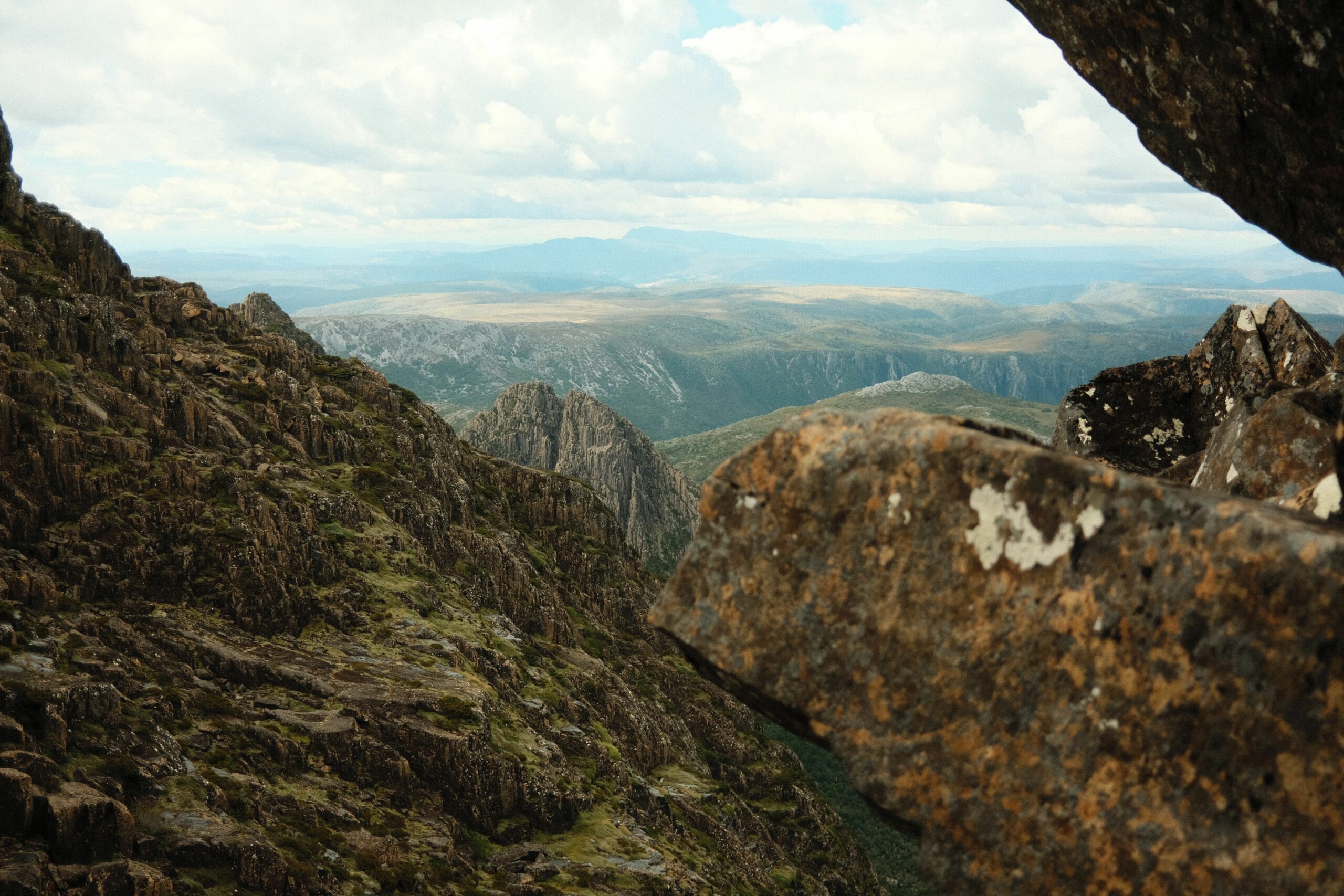
Image for illustration purpose only.
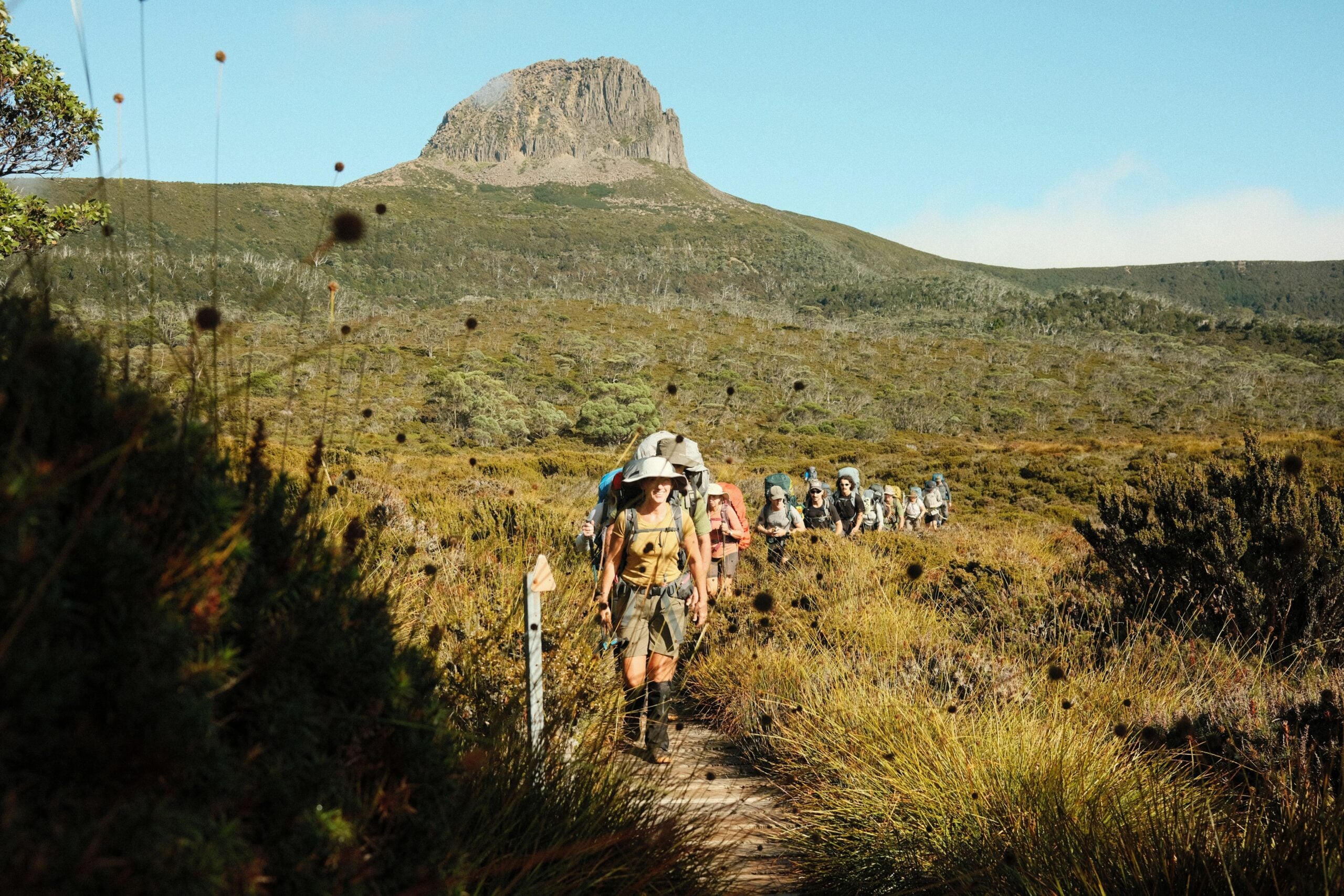
Image for illustration purpose only.

Image for illustration purpose only.
From short strolls around beautiful Dove Lake to the famous multi-day Overland Track and challenging hikes to the summit of Cradle Mountain itself, the area provides a host of great hiking options. There are several eco-friendly lodges in the Cradle Mountain area if you’d like to extend your stay. Tip: it is widely considered one of the finest wilderness areas in the world, and how can you argue with that?!
- How far from Nearest CBD: Approximately 142 km west of Launceston
- Known for: Stunning alpine scenery, hiking
- Google Map Link: https://maps.app.goo.gl/szXyP6zdF5eUtr2N9
Fraser Island, QLD
A UNESCO World Heritage site, K’gari, formerly known as Fraser Island, is the largest sand island on Earth. Boasting an array of natural wonders including rainforests on sand, dazzling white beaches, freshwater lakes and plenty of wildlife, such as wild dingoes, it is guaranteed to blow your mind. Explore the island’s 4WD tracks to remote beaches and headlands, shipwrecks, coloured sands and plenty more. Migrating humpback whales can be seen off the coast.

Image for illustration purpose only.

Image for illustration purpose only.

Image for illustration purpose only.
Highlights include Lake McKenzie, a brilliant blue lake surrounded by snow-white silica sand, and Eli Creek, where you can float with the current. Tip: K’gari can be accessed via a ferry from River Heads near Hervey Bay, and this town can be accessed by drive or short flight from Brisbane.
- How far from Nearest CBD: About 300 km north of Brisbane
- Known for: Pristine beaches, freshwater lakes, rainforest
- Google Map Link: https://maps.app.goo.gl/RpbVnswRXrAMWiyE9
Frequently Asked Questions
What is the best time of year to visit Uluru and Kata Tjuta?
Tip: plan your visit between May and September, when cooler weather makes the walks around Uluru and Kata Tjuta more comfortable.
How do I get to The Pinnacles from Perth?
Tip: The Pinnacles is about 200 km north of Perth, a 2.5 hour drive up stunning Indian Ocean Drive.
Is Whitehaven Beach accessible without a boat?
Yes, you can get there by seaplane or helicopter as well as by boat. There are no bridges or roads to the island.
Are there tours available to see Horizontal Falls?
There are numerous operators running boat and seaplane tours to Horizontal Falls departing Broome or Derby.
Comments
The opinions and views expressed in the comments section are solely those of the individual users and do not represent or reflect the opinions, views, or positions of HumbleTrail. HumbleTrail does not endorse, support, or verify the accuracy of any user-generated content.
By posting a comment you agree to receive related emails from HumbleTrail in accordance with our Terms and Privacy Policy. You can unsubscribe at any time.