

Editor’s note: This article offers general travel guidance.
What’s the difference between you and them? Chances are, if this is your first cruise, you’ll make a few mistakes that regulars have long since learned to avoid.
Like a couple of kids sneaking a drink at a party, first-time cruisers exhibit predictable behavior. It’s hilarious to watch, but embarrassing to participate in. Don’t feel bad. Here are the classic rookie mistakes and what to do about them.
25. Lining Up at the Gangway an Hour Before It Opens

You’re too early for the gangway to open. You will stand in a line, probably in the sun. You can always ask the crew when passengers can go ashore and how long the gangway line is.
But don’t confuse going ashore with boarding for departure. Follow your sailing’s check-in and all-aboard deadlines, using ship time. Showing up within twenty minutes of departure could mean missing the ship, not beating the crowd.
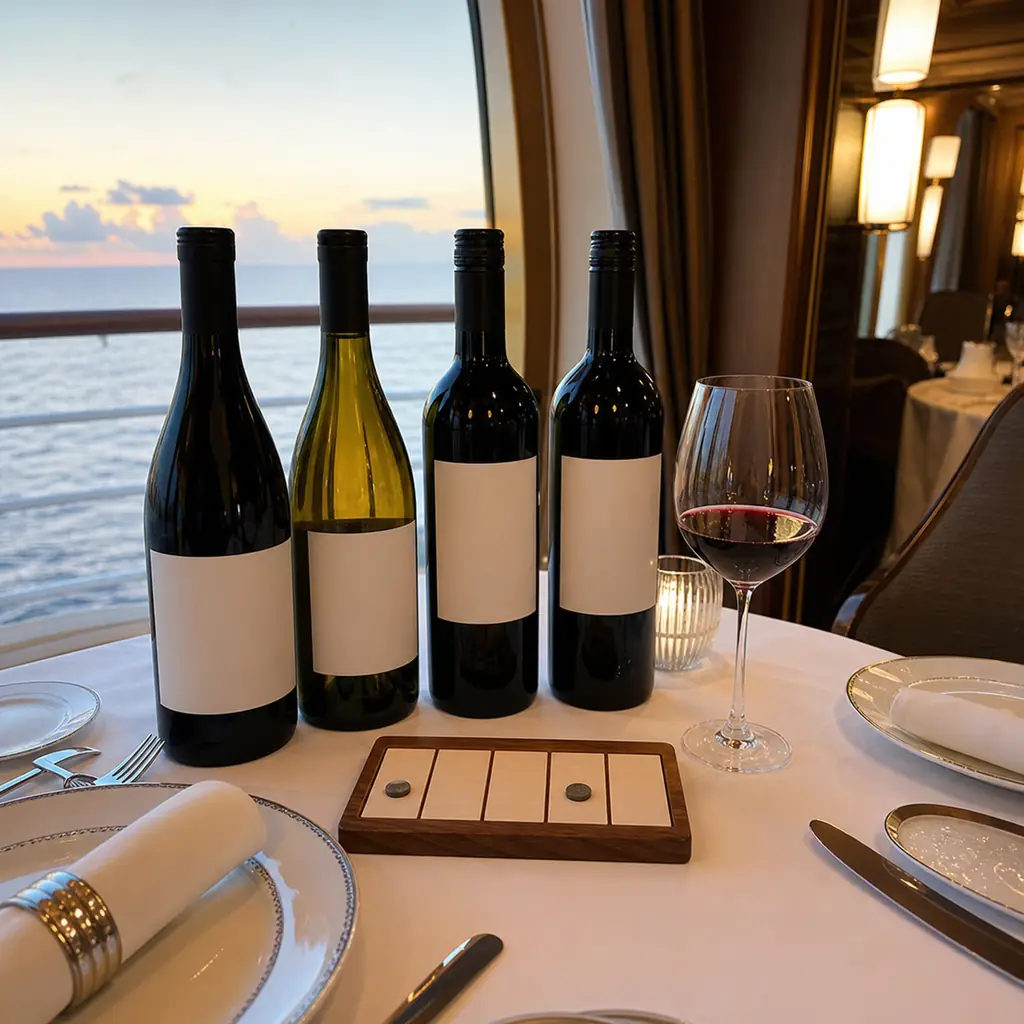
24. Paying for Drinks Before Checking the Package Math
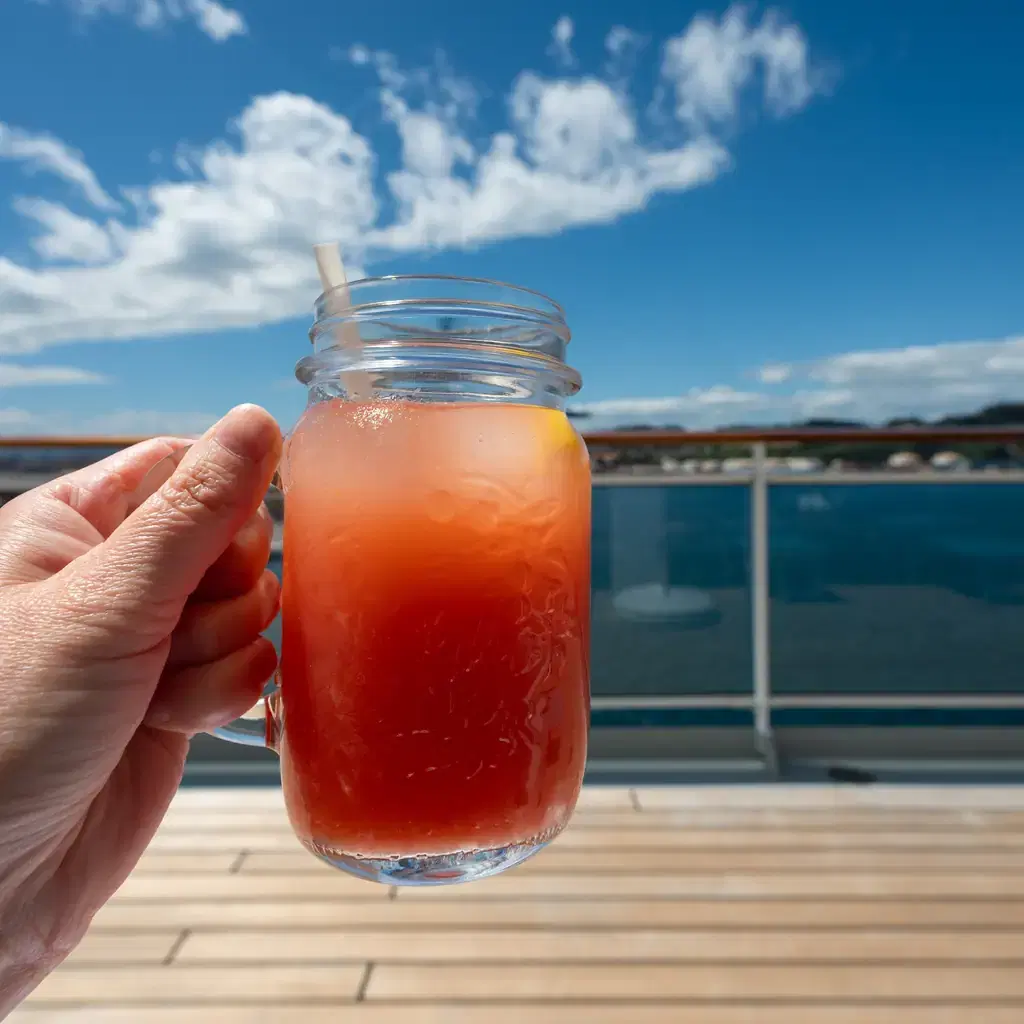
You buy a drink package. Regulars have been on enough cruises to know if they are big drinkers or not and can plan accordingly. If they aren’t heavy drinkers, they may forgo the drink package.
Decide what you’d actually drink and compare the menu prices with your sailing’s package cost and inclusions. Don’t assume waiting until you’re onboard will get you the same price or buying options.
23. Asking the Buffet Staff Where the “Real” Restaurant Is
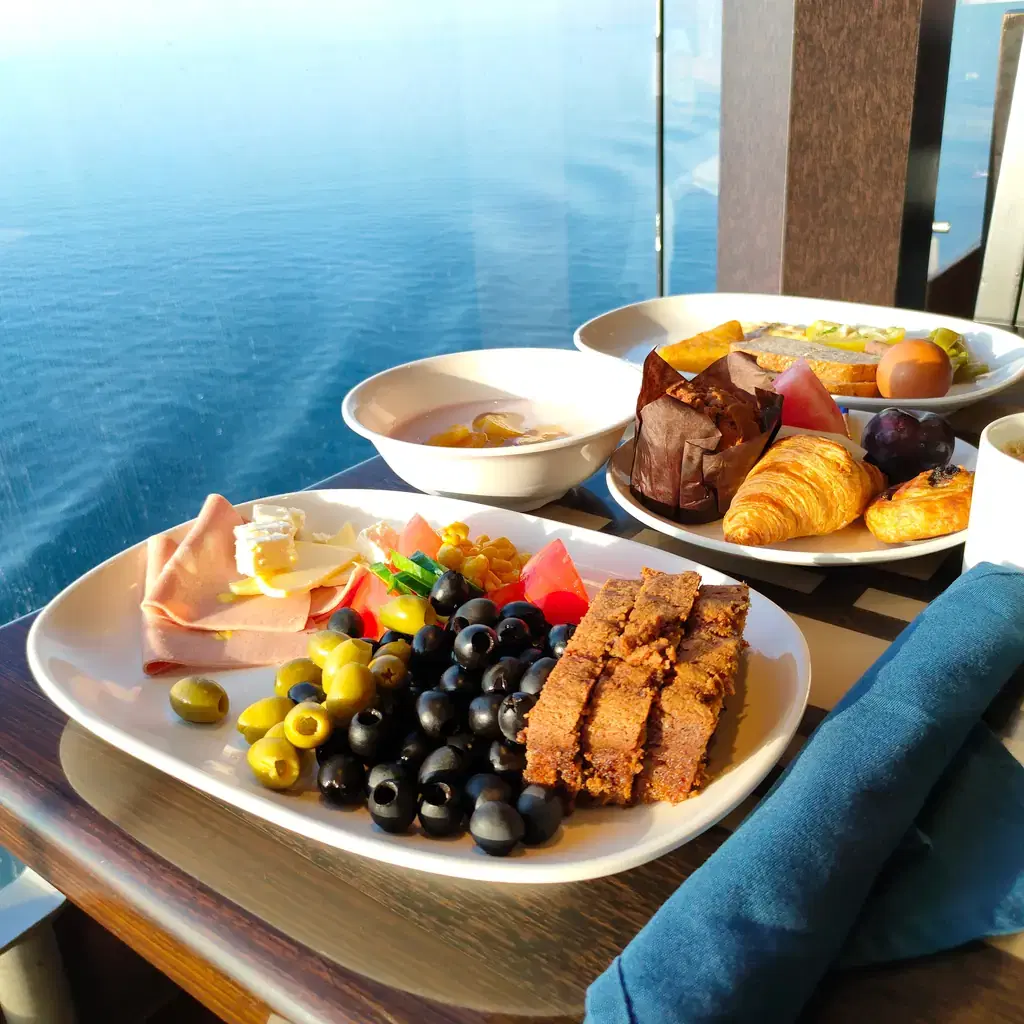
You think the buffet isn’t a proper meal. The dining room has the tablecloth and the waiter. That doesn’t mean you have to write off the buffet.
Regulars eat where they feel like eating. A casual buffet lunch doesn’t need to be a consolation prize.
22. Tipping Everyone Individually on Day One
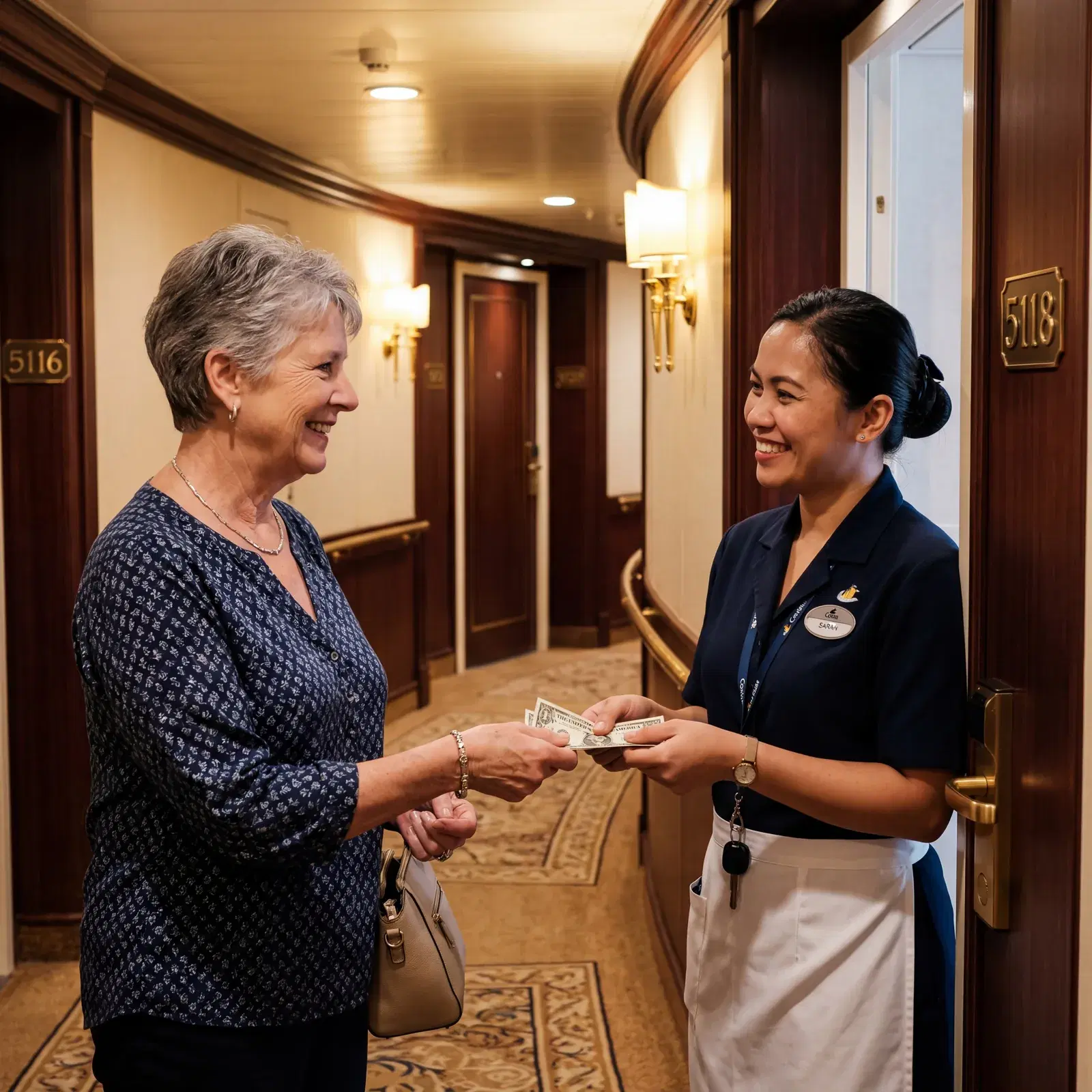
You over-tip. Regulars wait. Check the automatic gratuities on your statement and what’s included in your fare. Depending on the line, those charges support dining and cabin staff as well as service staff you don’t see.
No need to run around tipping everybody on Day One until you’ve seen the service. If you want to add something extra, you can wait and see who makes the trip better.
21. Booking Shore Excursions Through the Ship
You book excursions onboard. Regulars might explore independently or take a cheaper independent tour. Compare similar tours and what’s included, including the cruise line’s arrangements if a tour gets back late.
Regulars will walk the pier, strike up conversations, sample cheap eats, drink local coffee and explore on their own. But an independent tour’s planned return isn’t a guarantee. Leave a buffer before all-aboard, and don’t assume the ship will wait.
20. Eating Lunch on the Ship While in Port
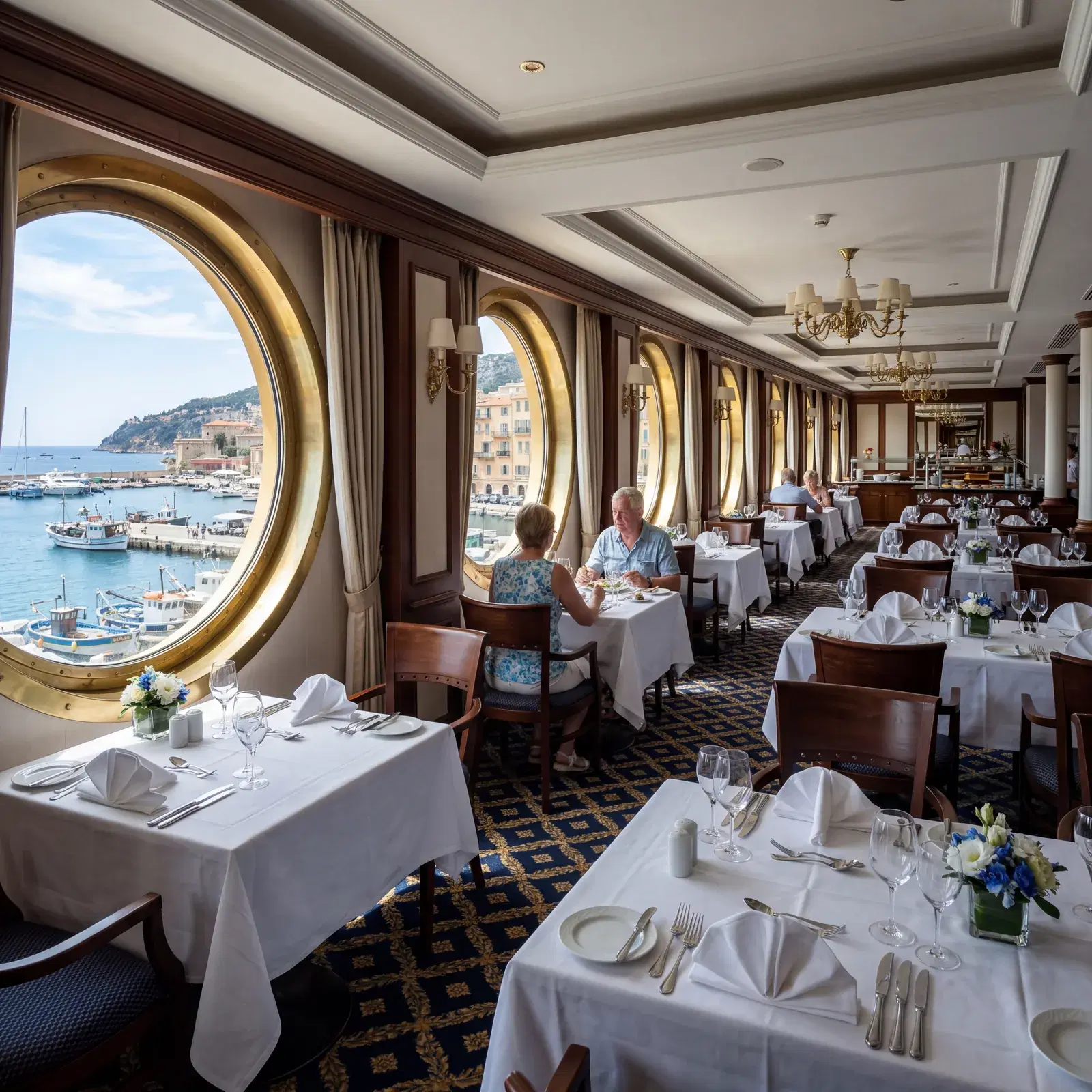
You ignore the food in port. Regulars eat local. There’s nothing like sampling local delicacies in port.
Skip lunch onboard and try some great coffee and a fish taco in Mexico, or visit the market in a Caribbean or Southeast Asian port. Just get back before the posted all-aboard time.
19. Panic-Buying Sunscreen and Toiletries in the Gift Shop
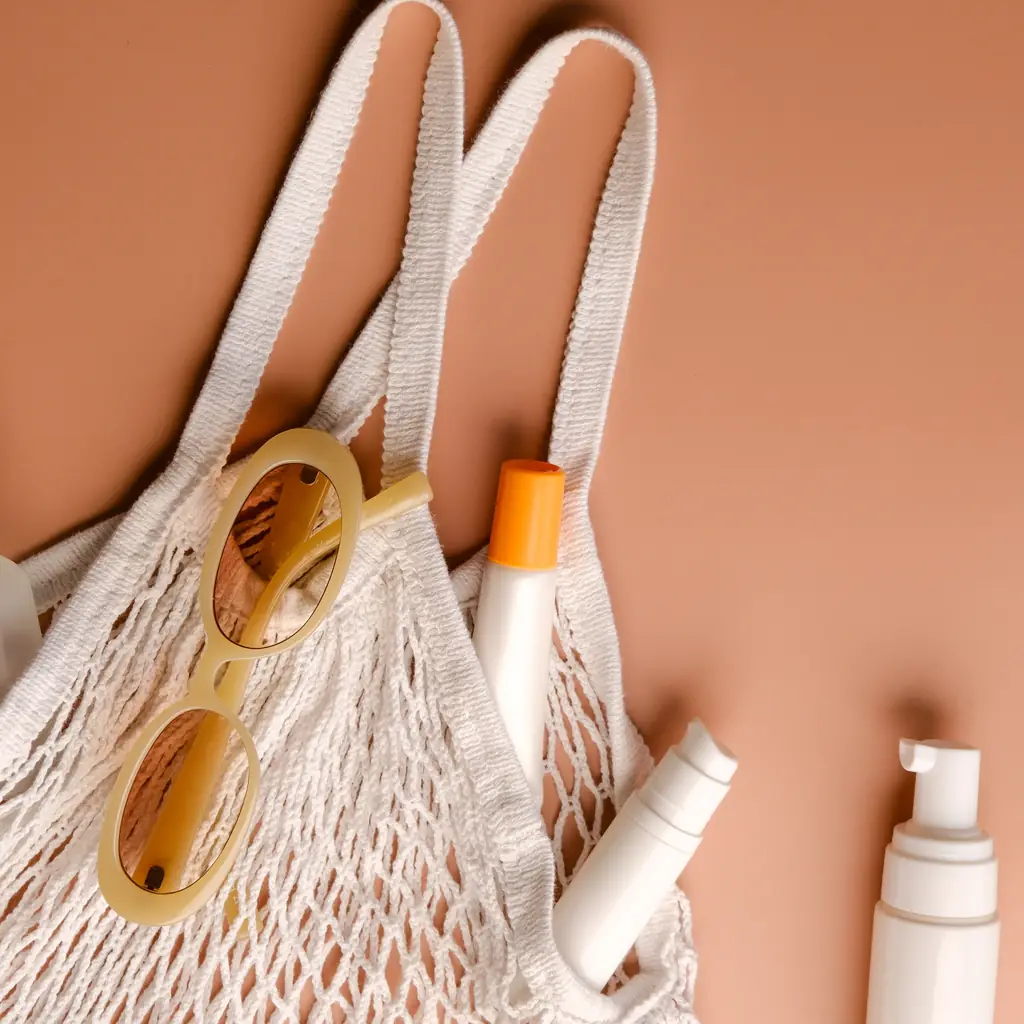
You buy essentials onboard. Regulars pack ahead. That tube of sunscreen can come with a hefty onboard markup, so pack what you need.
You may find better prices in a port pharmacy, but don’t put off buying sunscreen you need now. Port prices and availability aren’t guaranteed.
18. Saving Pool Chairs at 6am and Then Disappearing

You hog the chair. Especially on sea days, everybody wants a seat in the sun and there are only so many chairs on the pool deck. Be considerate and share.
The lido deck isn’t a hotel lobby. You’re not going to make friends laying claim to four chairs with a couple of magazines and a water bottle. Follow the ship’s policy on unattended chairs.
17. Treating Every Announcement as Optional
You ignore the map. Regulars carry one. Learn the ins and outs of the ship, where to get on and off, where everything is located. In addition to completing the mandatory muster drill, don’t overlook the ship’s daily schedules.
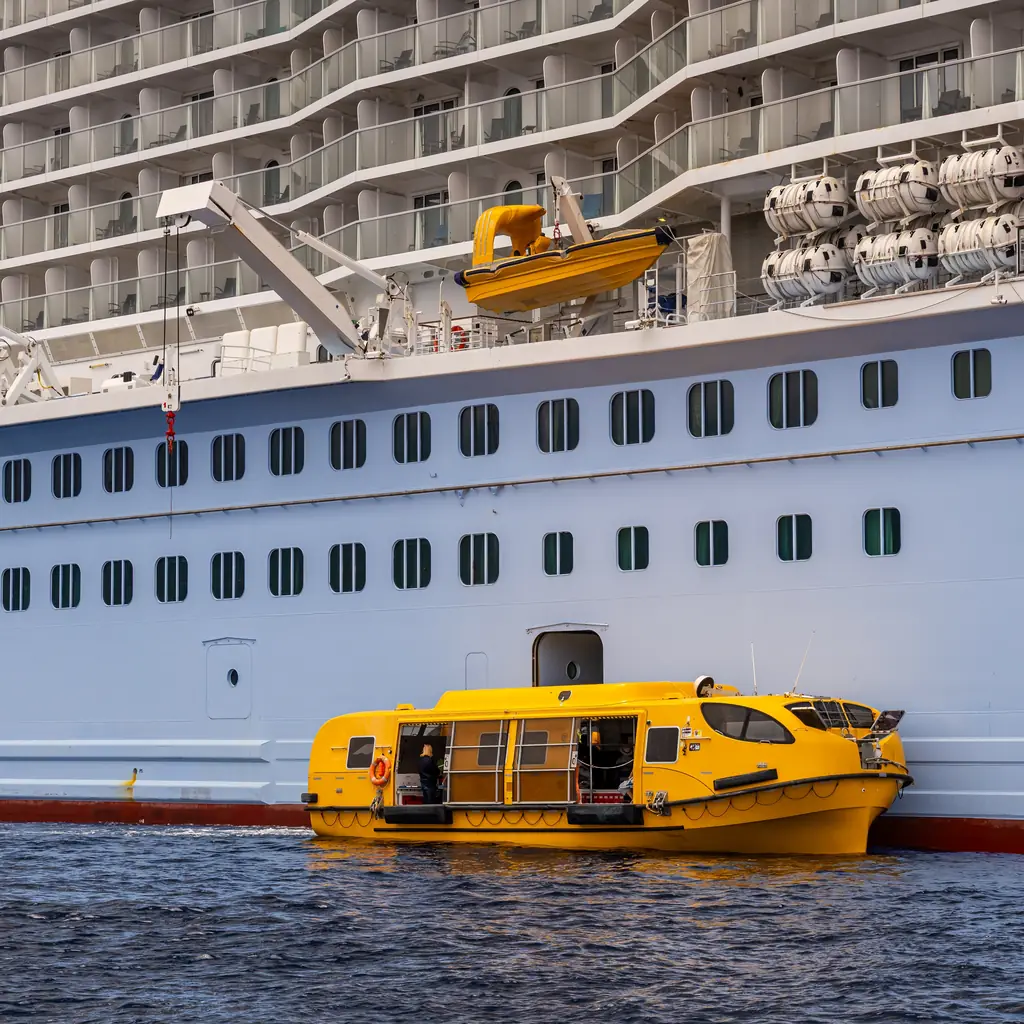
These little tidbits of information can help you figure out when the buffet closes, whether you need a reservation at a specialty restaurant, how to get to the comedy show and, perhaps most importantly, whether you’ll be going ashore by tender, a small boat.
16. Standing in the Middle of Every Corridor Looking at Their Phone

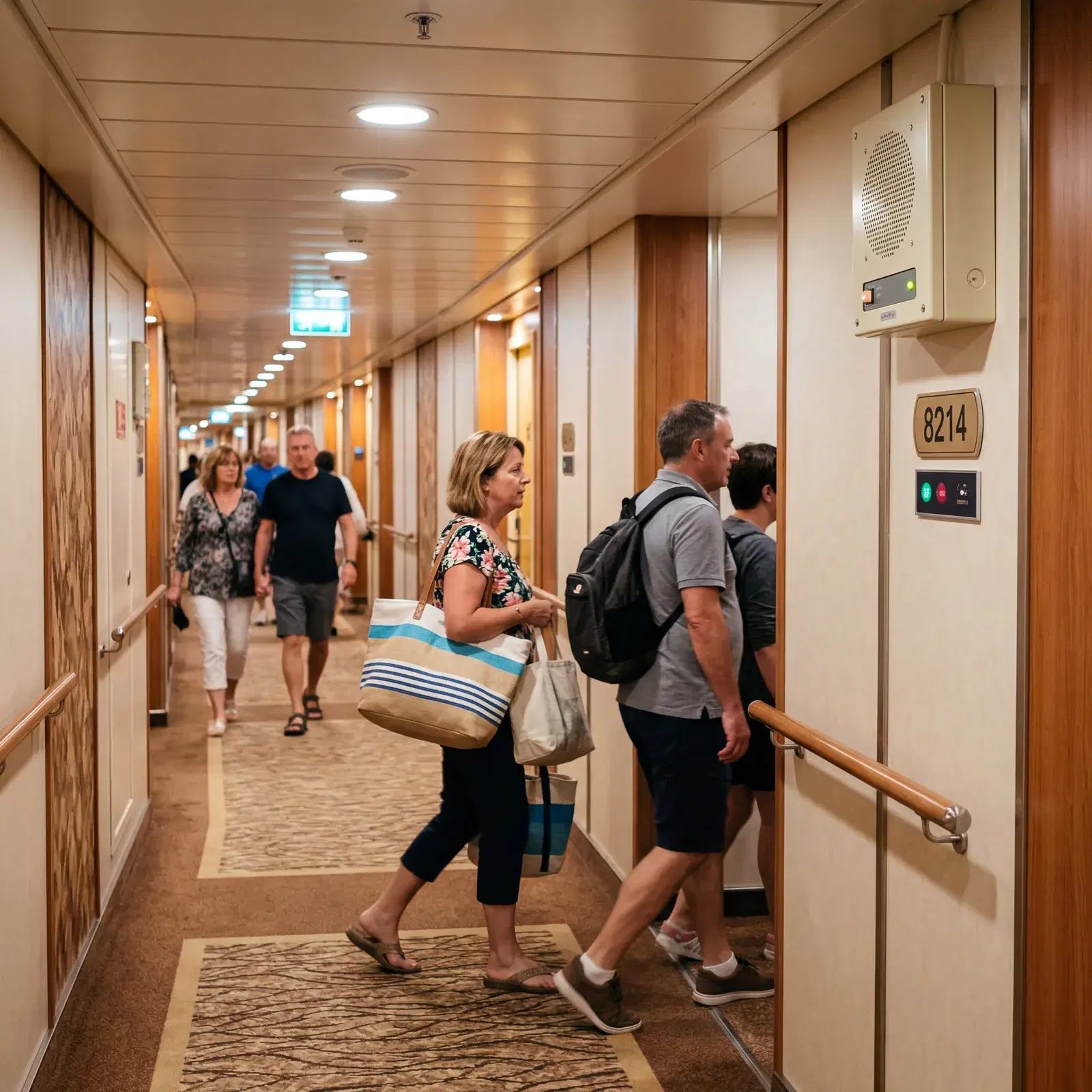
Nothing is more telling than a newbie who stands in the middle of a hallway, confused, checking their phone for directions. On a 15-decker carrying 4,000 passengers, it’s understandable to feel overwhelmed, especially during those first few hours of boarding.
Regulars can recite the deck plan better than your GPS app, and, even if they do get turned around, they’ll pull over to the side and get their bearings. Blocking foot traffic with your butt while consulting your phone is a big no-no, especially in the narrow halls of a cruise ship. Regulars will sigh with disdain.
15. Assuming the Wi-Fi Will Be Good Enough to Stream

You overpay for Wi-Fi. Cruise Wi-Fi can feel slow, 2009 slow, with satellite service shared among thousands of cruisers. Decide how much internet time you need and check your sailing’s plans before you go; don’t assume a cellular hotspot will work at sea or be cheaper.
Regulars download as many podcasts, movies, music, e-books and Google Maps as their iDevices can hold before they get on the ship. You should, too.
Read More: 19 Things Travel Agents Won’t Tell You Before You Book a Cruise
14. Wearing a Lanyard With Their Room Key Card

Buying a keycard lanyard on embarkation day screams panic. It’s the classic first-timer tell. Relax. You’ll remember to bring it back to your room. Probably.
Regulars keep their room key, which doubles as their onboard spending card for all of those tasty drinks, in their pants or shirt pocket.
13. Buying a Photo Package Before Seeing the Prices

You buy a photo package. Regulars know what they want. Newbies buy packages that end up featuring 47 awkward, stiffly posed dinner photos that were anything but candid.
Regulars stroll the ship’s photo gallery on sea days and only purchase photos they love. Check the prices before deciding whether a package makes sense for you.
12. Showing Up to the Main Dining Room Without a Reservation
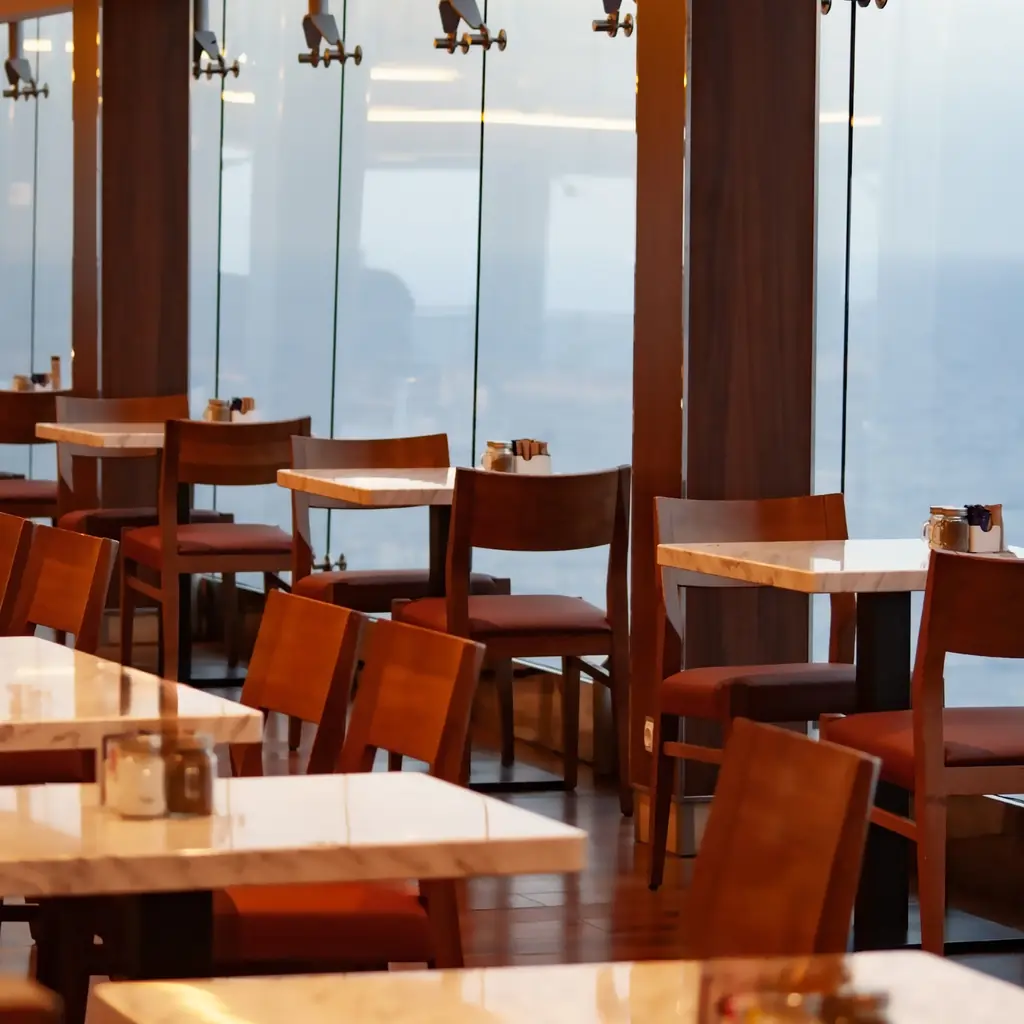
Waiting in line at flexible dining venues? Regulars check whether they can make reservations. Showing up without one could mean a wait for a table at prime seating time, but the rules depend on the line and venue.
Open the app or ask the dining team about reservations when you board. Book the meals you want where reservations are offered. Then relax and cruise.
11. Getting Off at Tender Ports Without Checking the Schedule

Regulars pay attention to their ship’s daily activities sheet to find out if they’re getting ashore via tender. Then they look up the posted last tender from shore and all-aboard time, rather than relying on the ship’s scheduled departure.
Miss the cutoff, and your ship may leave without you. Use ship time and leave yourself a buffer for getting back to the tender.
10. Treating Sea Days Like Dead Time

You’re afraid of the sea day. Regulars embrace it. There are tons of things to do on the ship. Sign up for some of them.
From trivia to cooking classes to mixology classes, check the schedule and see what’s available. Sea days are a treasure. Enjoy them.
Read More: 21 Cruise Upgrades That Are Actually Worth Paying For
9. Letting Kids Run Unattended on the Lido Deck

Yes, the ship does have thousands of people on it, but they aren’t all your friends or family. Also, railings seem to be everywhere and pools are deeper than your kiddo. Keep an eye on your children; the pool deck isn’t somewhere to leave little ones unsupervised.
Why not let your little ones make some friends through the kids’ club? This will also come in handy on the dreaded, or not-so-dreaded if you’re a regular, sea day. Check the ship’s eligible ages, hours, fees, registration and supervision rules before making plans around it.
8. Complaining About the Ship’s Size Before Leaving the Port

You’re intimidated. Regulars aren’t. It’s a huge ship. Fifteen decks, six restaurants and 4,000 passengers is overwhelming. Everything is new and exciting.
Give yourself 48 hours to get your bearings. Within two days you’ll be surprised how much you remember. Who knew you’d remember who works where, shortcuts, which elevator to take and more?!
7. Drinking Tap Water in Every Port

Local food can be delicious and inexpensive. The water, however, may not be so kindly. Tap-water safety depends on the destination and current conditions, not a blanket rule about the Caribbean, Mexico or Southeast Asia.
Follow local and ship advisories. If tap-water safety is uncertain, use unopened, factory-sealed bottled water or adequately treated water. Onboard, use water intended for drinking. Save those souvenir mugs for use onboard.
6. Missing the Captain’s Gala Dinner Because They Didn’t Pack Formal Wear

Not understanding formal night? Check your sailing’s dress code and whether it has formal nights at all. What flies in one dining room might not in another.
A dress or nice blouse, or a collared shirt, slacks and dress shoes may do the job. Ask your steward if you aren’t sure what the venue requires. The buffet may be an option if you’d rather keep things casual.
5. Ignoring the Daily Specials at the Specialty Restaurants
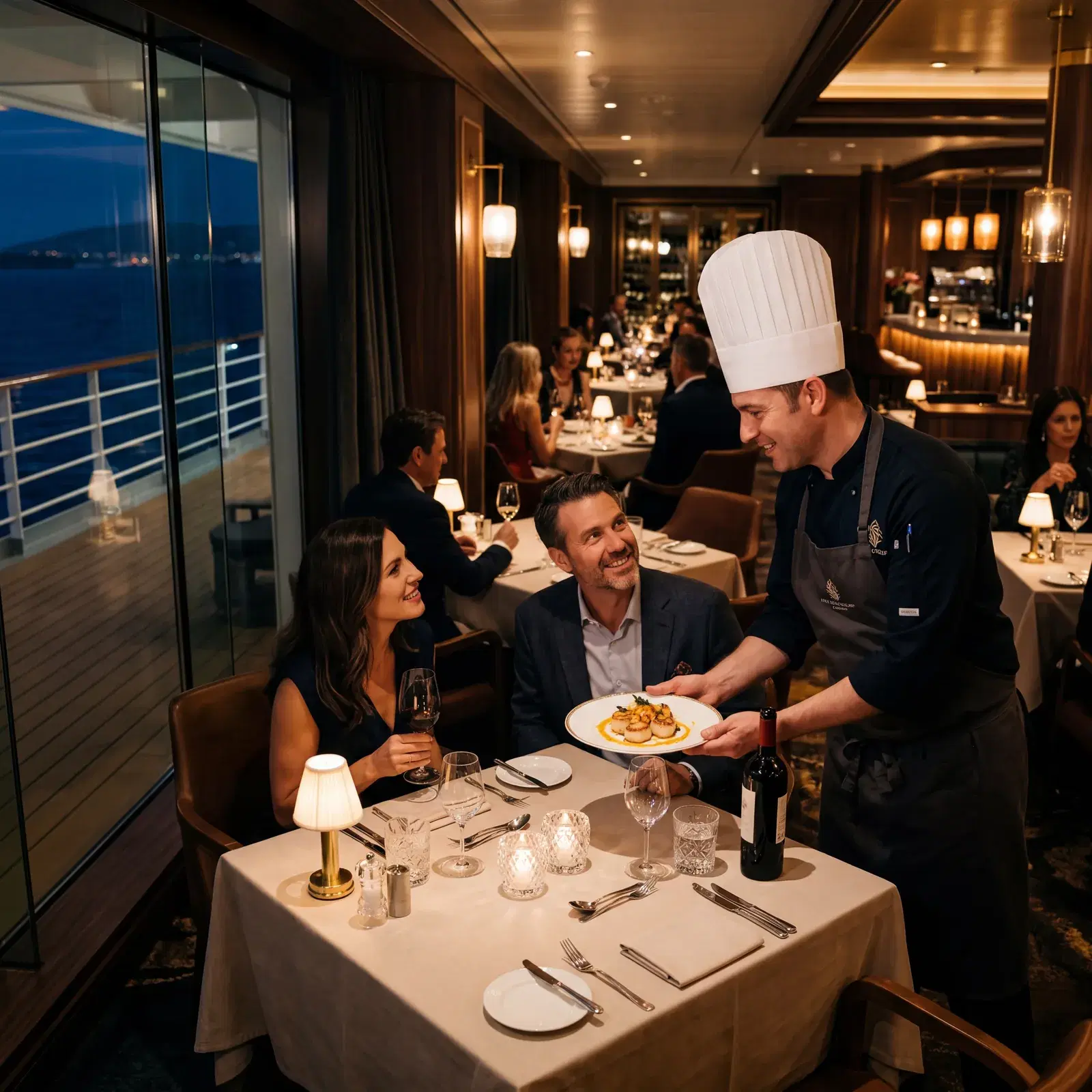
Overpaying at the specialty restaurant? Check the menu and actual cover charge before booking. It can be a special occasion without breaking the bank.
Take a look at any dining offers advertised onboard. A discount is worth checking, but don’t plan around a guaranteed half-price sea-day menu.
4. Expecting the Last Night to Be Like Every Other Night
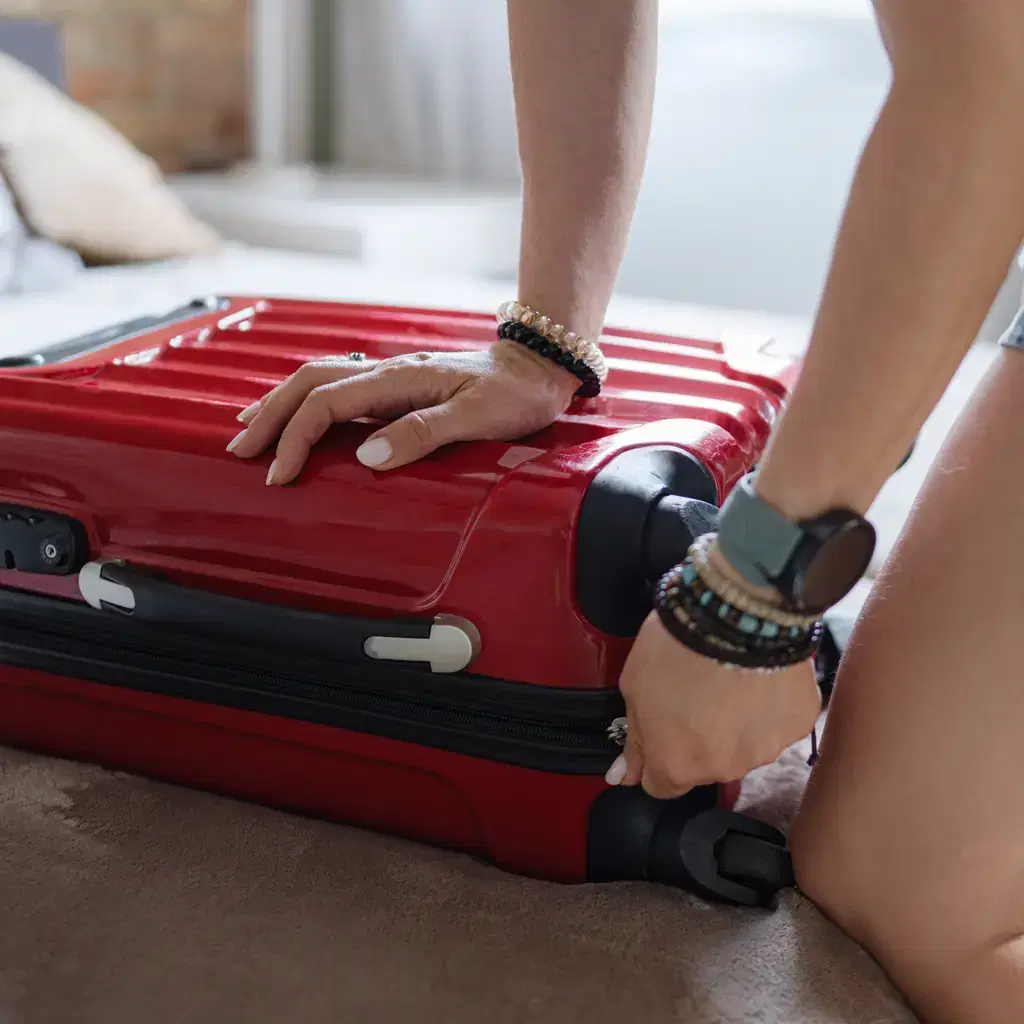
Regulars will begin packing up in the afternoon. If you’re using luggage collection, follow the ship’s tagging instructions and put bags outside by its stated deadline. With self-assist departure, you may keep your bags and carry them off yourself.
Why wait up to pack those stinky clothes? Keep your travel outfit, toiletries, medications, travel documents and valuables with you for the morning.
3. Skipping Disembarkation Instructions Because They’ve Already Booked a Cab
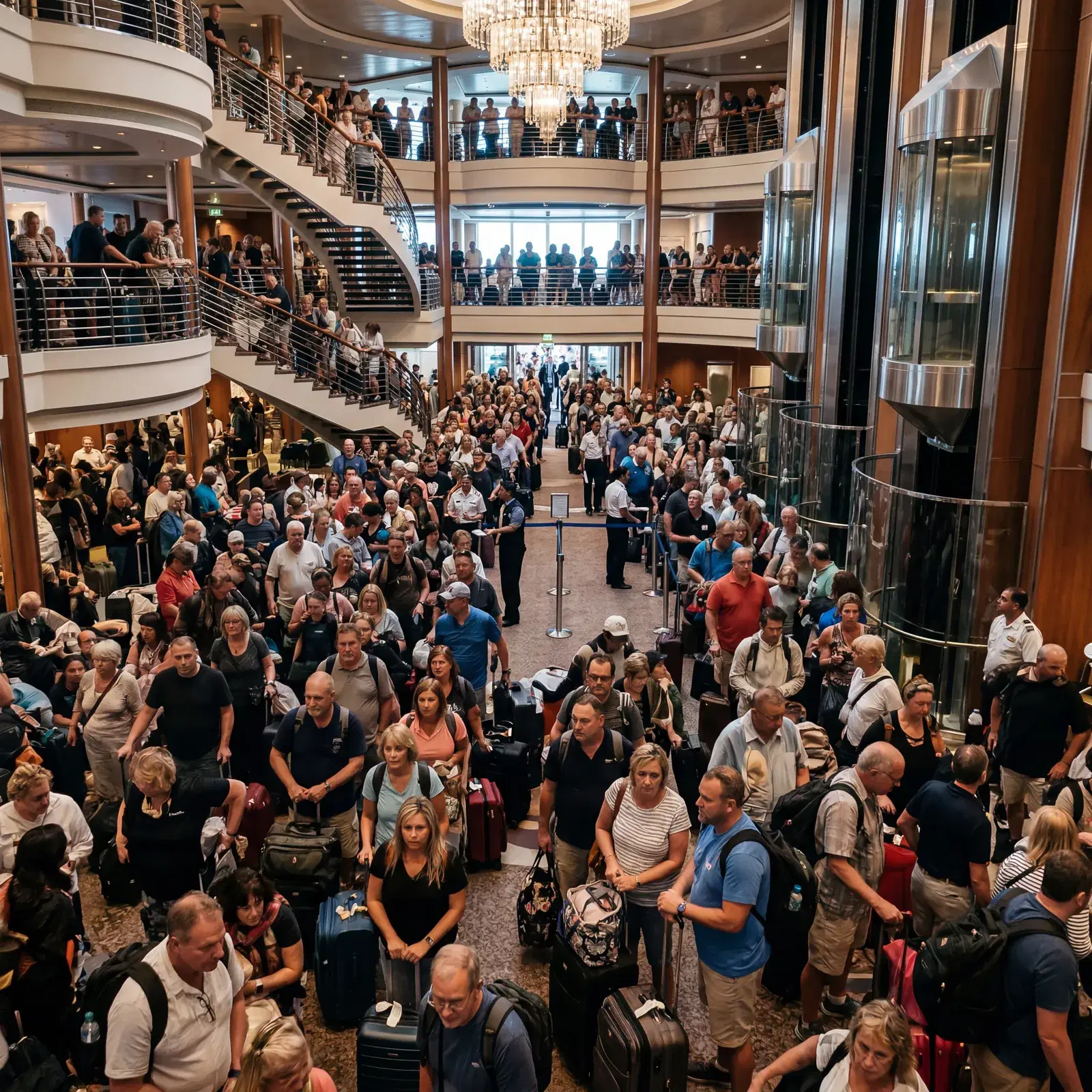
Disembarkation isn’t difficult, but can be confusing if you’re not paying attention. Pay attention to your assigned group or luggage tag and the instructions for when you can leave. Customs can take time, too.
Check for a disembarkation briefing or instructions on your cabin TV or in the app. It’s a cruise, not an espresso machine. Relax. Enjoy. Take in the surroundings, while keeping track of your departure instructions.
Plan flights, rental cars, trains or shuttles around the line’s port-specific guidance, your expected disembarkation time, clearance, transfer time and any onward check-in deadline. Nobody likes missing their plans after spending thousands to be somewhere else.
2. Unpacking Their Entire Suitcase Into the Cabin Drawers
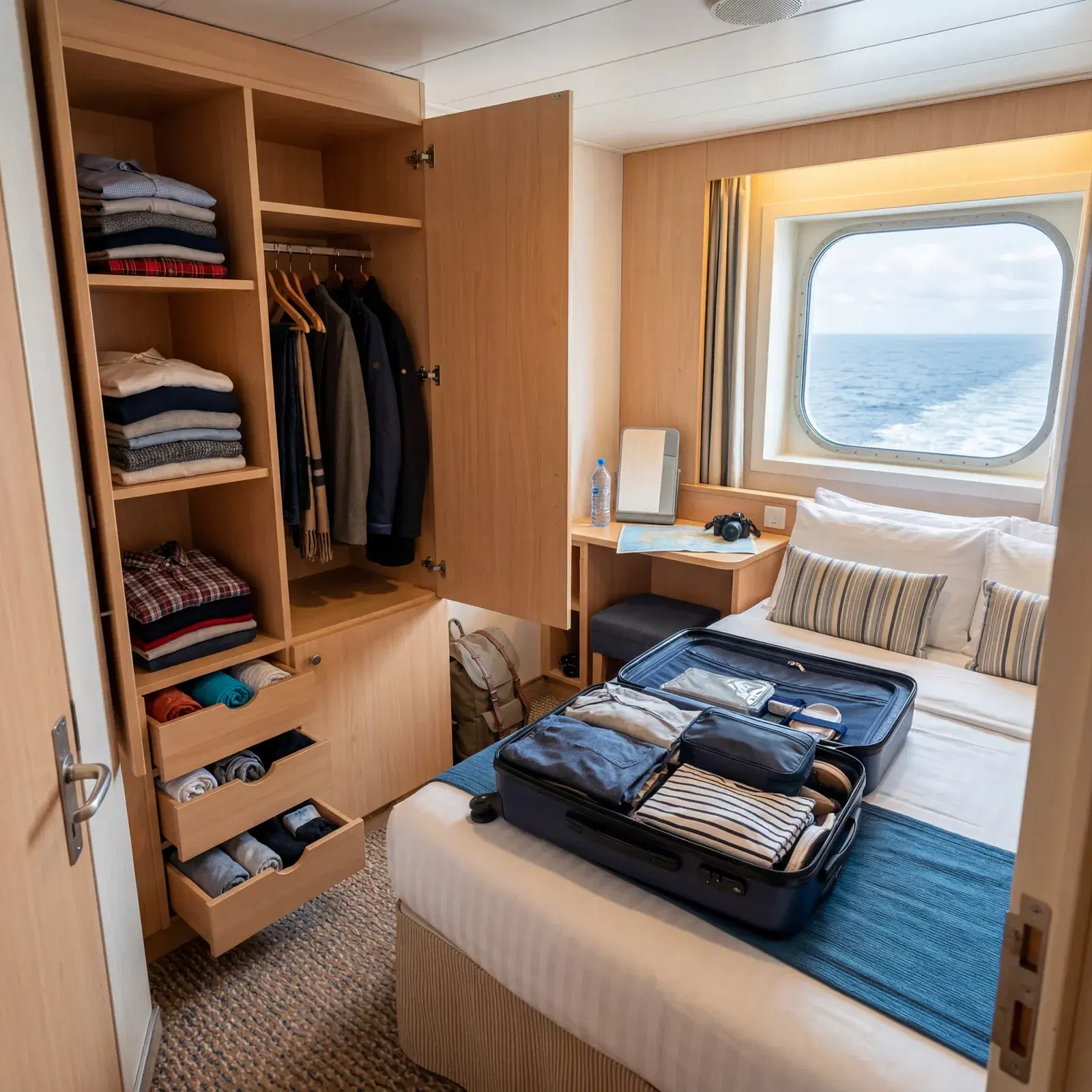
First-time cruisers will unpack the entire suitcase and try to fit everything into the little drawers and spaces.
Experienced cruisers will pull out just the few things they’ll need for the day and leave the suitcase intact under the bed if it fits. First-time cruisers will be running around the cabin later in the cruise trying to find the thing they know they unpacked, but can’t find.
Experienced cruisers know that the tiny cruise ship cabin is NOT their apartment, it’s basically just a place to sleep.
1. Rushing to the Buffet at Exactly Opening Time
The Most Obvious Tell of All

Imagine showing up to the buffet at 6:58 for a 7 a.m. opening, joining a line that goes around the buffet, past the elevators with 300 other first-time cruisers, and having a stressful breakfast before 8.
Now imagine showing up a little later, watching those first-timers get seated and finding an empty table by the windows. It won’t always work out that neatly, but you might miss the opening rush.
You don’t have to be first. You just have to show up while breakfast is still being served. Check the day’s buffet hours before taking your time.
You’ll Blend In by Day Three
All of those experienced cruisers were first-time cruisers at one point in time. There are rookie mistakes that can be avoided by knowing what to expect.
Chances are your travel agent didn’t tell you some of these things either. Are there rookie mistakes that you wish someone would have warned you about? Please share your cruise tips in the comments.
Comments
The opinions and views expressed in the comments section are solely those of the individual users and do not represent or reflect the opinions, views, or positions of HumbleTrail. HumbleTrail does not endorse, support, or verify the accuracy of any user-generated content.
By posting a comment you agree to receive related emails from HumbleTrail in accordance with our Terms and Privacy Policy. You can unsubscribe at any time.