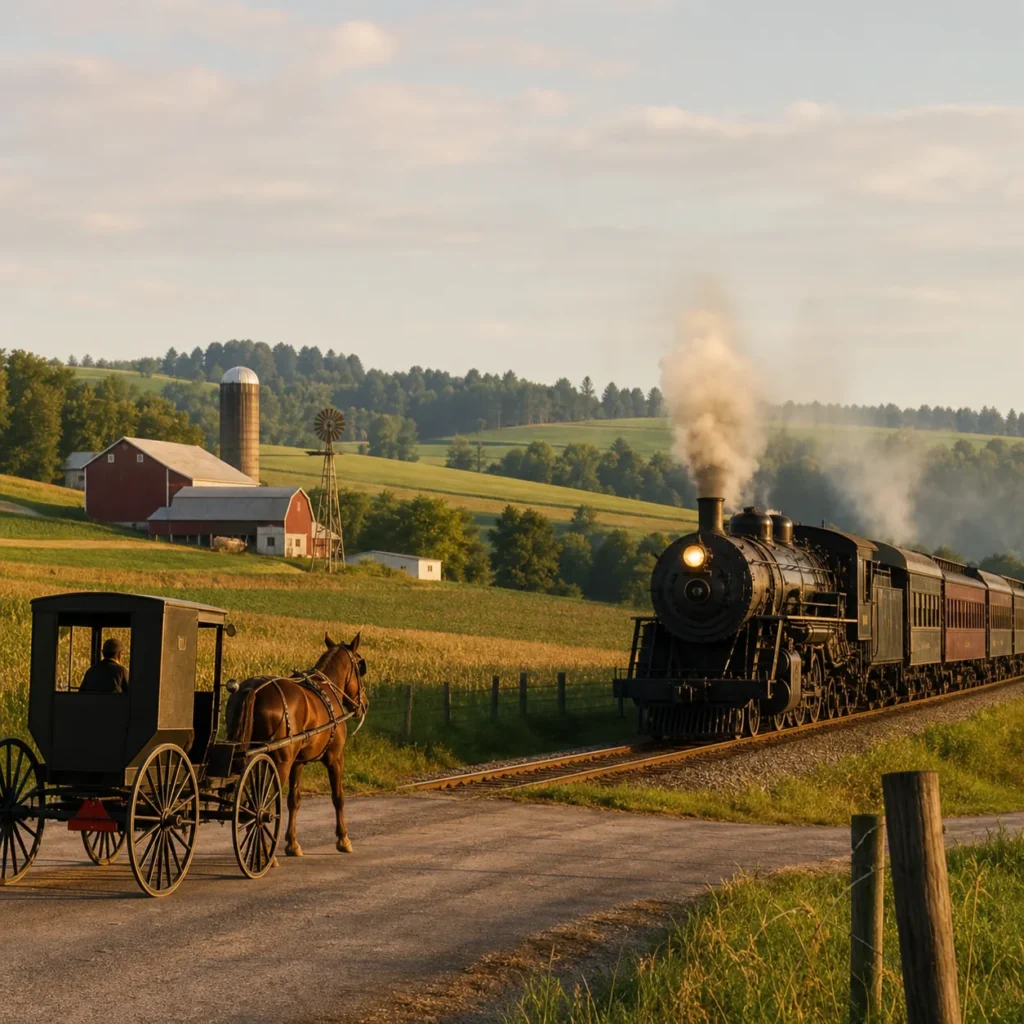
Editor’s note: This article is solely an opinion piece, based on publicly available guest reviews, loyalty program changes, and industry reporting we found online.
Here are 13 hotel chains that longtime guests say aren’t what they used to be, ranked by how far they’ve fallen. The one at #1 is the biggest hotel company on Earth. Its own members turned its name into an insult.
13. Hyatt
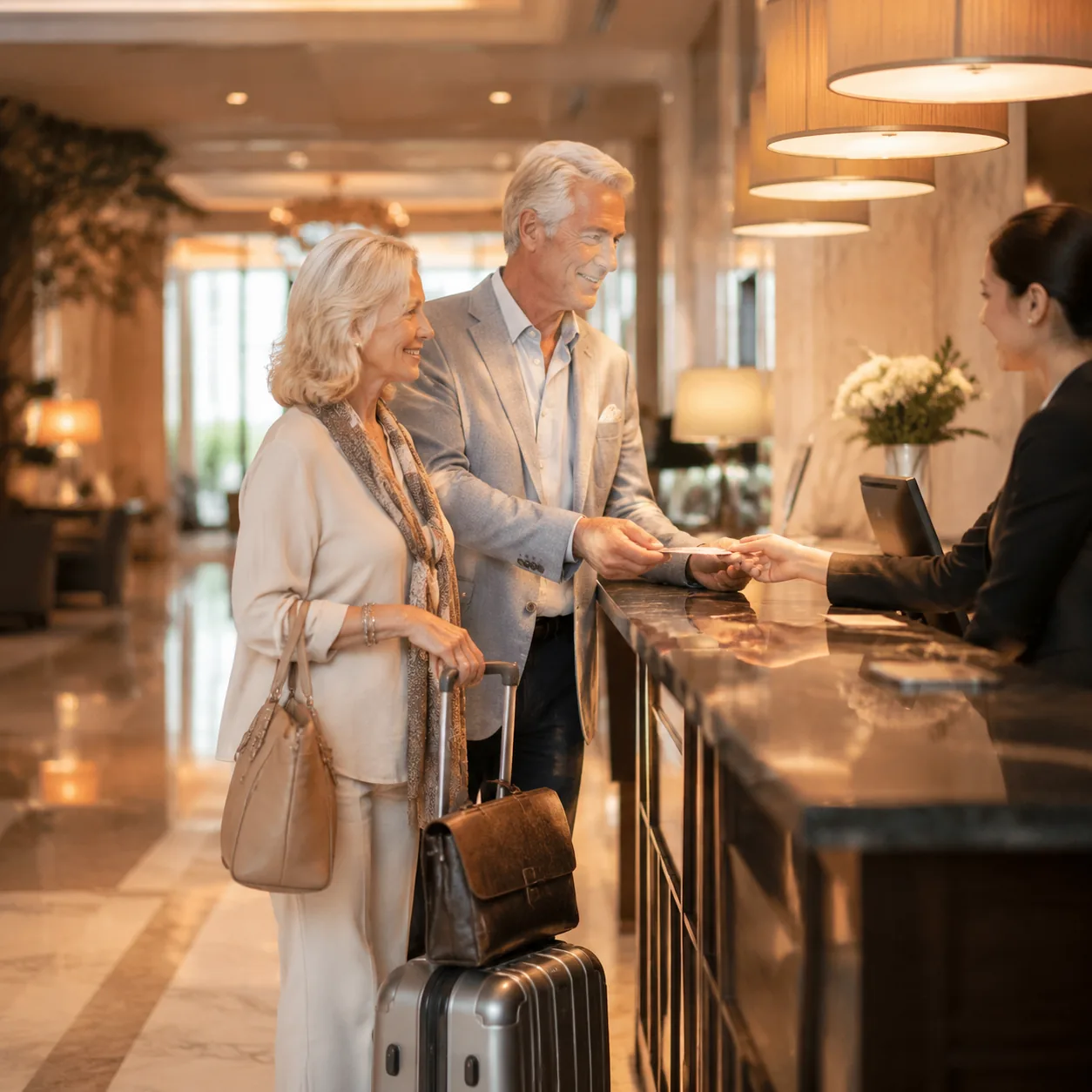
Let’s start with the surprise. The chain that slipped the least.
Still plays fair on points. Hyatt is one of the only big loyalty programs that still publishes an award chart, so you know what a free night costs before you book. Points writers at NerdWallet value Hyatt points at roughly 1.8 cents each, far above the big rivals.
But it didn’t escape the cuts. Hyatt paused daily housekeeping during the pandemic like everyone else, and in 2026 it restructured its award chart with new pricing levels that push popular hotels higher. (Hotel Dive)
What guests are saying: frequent travelers on points forums still call Hyatt the last program worth being loyal to. Their complaint is different: there aren’t enough Hyatts where they actually drive.
It made this list for one reason. Even the best one got worse.
12. Best Western
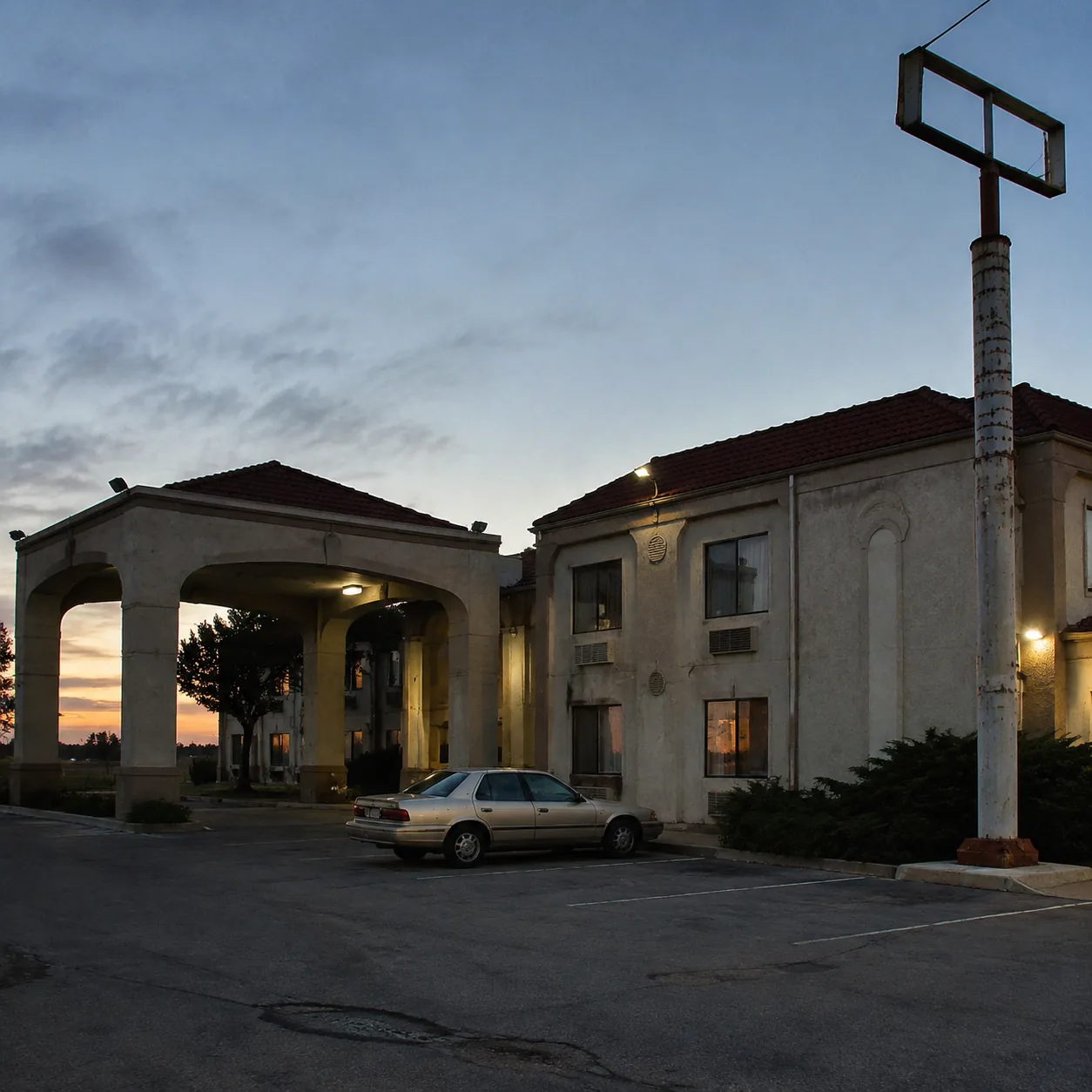
You never really knew which Best Western you were going to get. That’s the whole problem.
It isn’t a chain the way you think it is. Best Western is a membership association of independently owned hotels. The sign is shared. The standards mostly aren’t. One exit gets you a renovated gem, the next gets a 1987 time capsule.
The reviews tell the story. On consumer complaint sites, Best Western sits around 1.8 stars, with cleanliness, maintenance, and billing disputes the recurring themes. Only about 1 in 10 reviewers say they’d recommend it.
What guests are saying: on travel forums, the standard advice for Best Western is to research the individual property like it’s an independent motel. Because it basically is.
To be fair: the top-end properties, especially overseas, can outclass a Hampton.
The name promises consistency. The business model can’t deliver it.
11. Embassy Suites
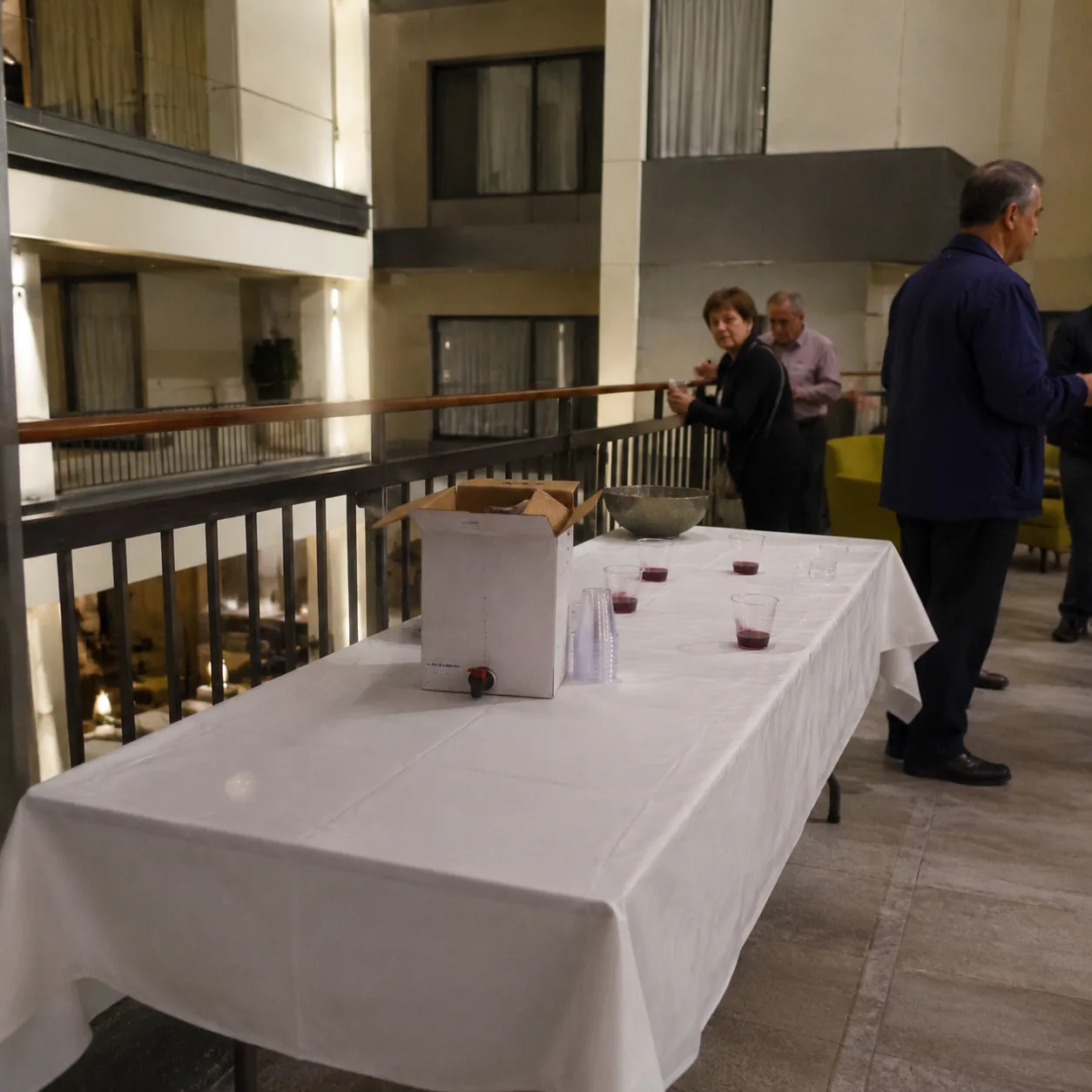
The free evening cocktail hour was the reason people booked Embassy Suites. Then the cocktail hour got cheap.
The deal used to be famous. A two-room suite, a hot cooked-to-order breakfast, and two free hours of drinks and snacks every evening, all in an atrium full of plants. For business travelers and grandparents hauling grandkids, it felt like beating the system.
The reception shrank. Guests on FlyerTalk have documented properties cutting the evening reception from two hours to 90 minutes, imposing two-drink limits, and pouring boxed wine. (FlyerTalk) The hot snacks that used to come out? At plenty of locations, gone.
What guests are saying: longtime regulars on hotel forums describe receptions “greatly reduced in quantity and quality” since COVID, with some saying the ones they remember from the 90s simply never came back.
To be fair: the free cooked-to-order breakfast survived, and it’s still one of the best free breakfasts in America.
You used to plan your evening around it. Now you check the fine print first.
10. La Quinta
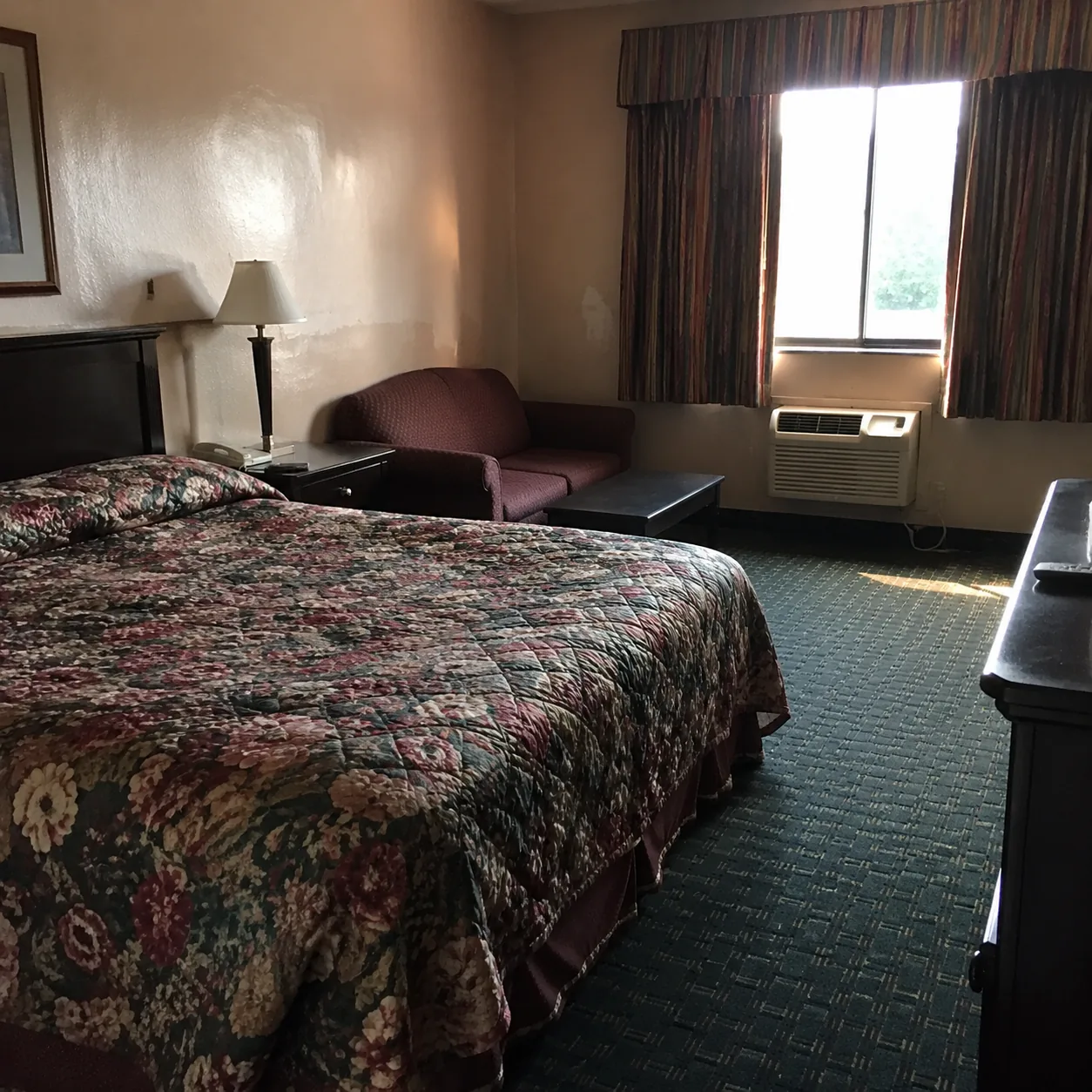
La Quinta was the road tripper’s secret. Clean rooms, fair prices, and they took your dog for free.
Then it got bought. In 2018, Wyndham paid $1.95 billion for La Quinta and folded its well-liked Returns program into Wyndham Rewards. (The Points Guy) The real estate was spun off to a separate company called CorePoint, which means the people running the brand often don’t own the buildings. Longtime members watched a program they liked disappear into one they didn’t choose.
The slide showed up in the rooms. Complaint boards fill with reports of tired properties, thin staffing, and service disputes that corporate bounces back to the franchisee.
What guests are saying: longtime La Quinta loyalists on review sites keep writing versions of the same sentence: it used to be the reliable one.
To be fair: pets still stay free at most locations. The dog hasn’t noticed the decline.
The name survived the sale. The consistency didn’t.
The next one used to be a household name in every American downtown.
9. Radisson
Radisson didn’t so much decline as get carved up and absorbed.
The American arm was sold off. In 2022, Choice Hotels bought Radisson’s Americas business. By July 2023, Radisson Rewards Americas was gone, folded into Choice Privileges, with points converted at 2 to 1.
Members did the math and got angry. Longtime Radisson members on points blogs and forums complained that conversions gutted balances they’d saved for years, since Radisson points often redeemed for more than a Choice point is worth. (One Mile at a Time)
What guests are saying: the common line from longtime guests is that walking into a Radisson now feels like walking into a rebranded Country Inn with a fancier sign.
To be fair: some conversions actually came out ahead at high-end properties, and the Radisson Blu hotels overseas remain genuinely good.
Your parents booked Radisson for special occasions. Now it’s a loyalty-program footnote.
8. Quality Inn and Comfort Inn

The Choice Hotels twins. One used to mean “good value.” The other used to mean “safe bet.”
Franchise quality drifted. Both brands run on a franchise model with famously light enforcement, and it shows up in reviews: dated rooms, threadbare breakfast bars, and wide swings between properties in the same town.
The loyalty program didn’t help. Choice Privileges took over Radisson’s members in 2023 and points bloggers routinely value Choice points among the lowest of any major chain.
Breakfast is where you feel it. The old hot breakfast at many Comfort properties gave way at weaker locations to shrink-wrapped pastries and a waffle iron nobody cleans. Guests notice, because breakfast was the reason they picked Comfort over the motel across the road.
What guests are saying: on Reddit’s hotel threads, Quality Inn has become shorthand for the coin-flip booking. Some are fine. The bad ones are the stuff of road trip horror stories.
To be fair: when a Comfort Inn is newly renovated, it’s still one of the best value stays on the interstate.
The names promise quality and comfort. Read the last six reviews before you trust either word.
7. Holiday Inn
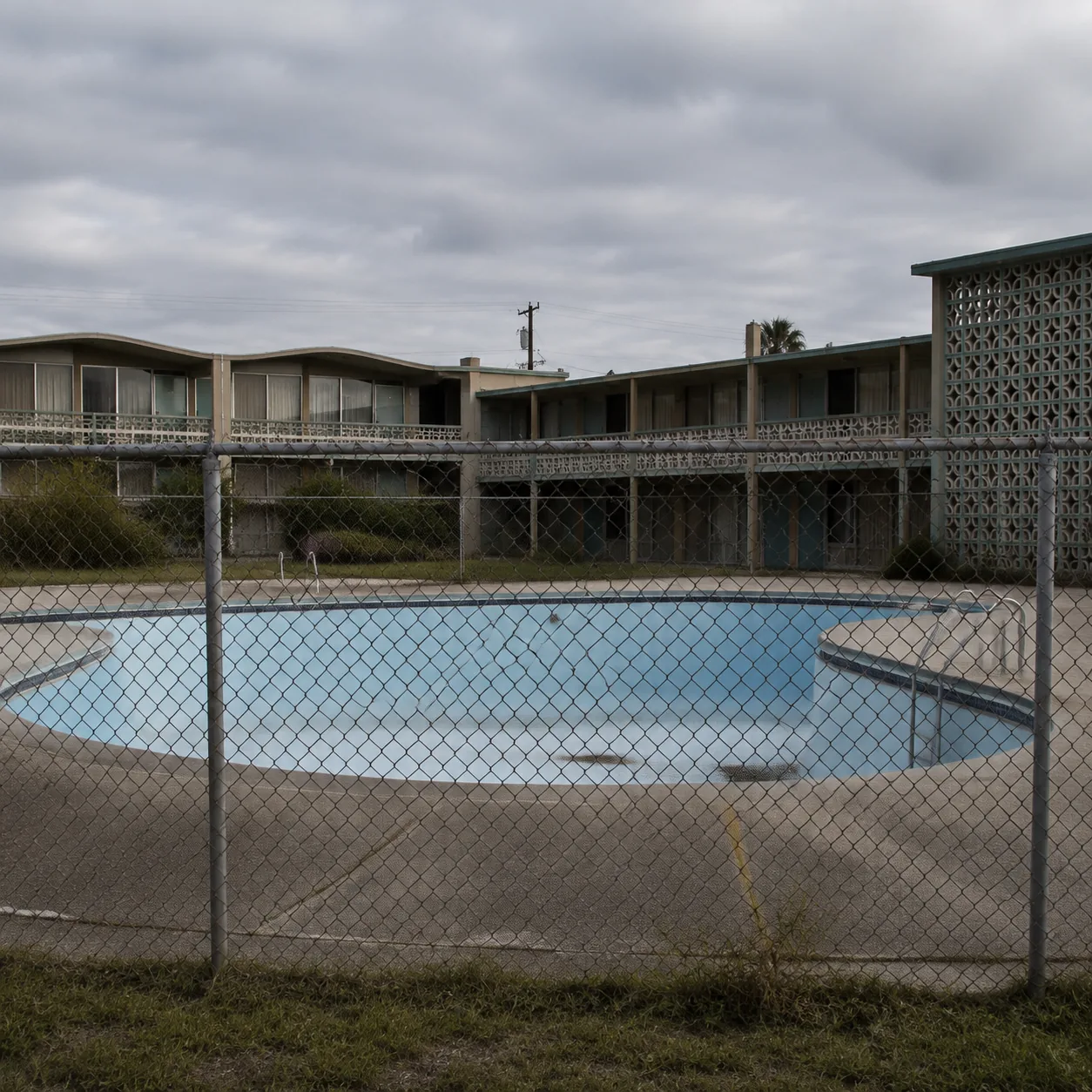
For a generation of American families, vacation started when Dad pulled into a Holiday Inn.
Kemmons Wilson built the first one in Memphis in 1952 because roadside motels kept nickel-and-diming his family. Kids stayed free. The pool was always open. That was the whole revolution.
The brand aged badly enough that its owner said so. By the mid-2000s, IHG admitted the chain had become dated, launching a global relaunch in 2007 that reportedly cost franchisees close to $1 billion in forced upgrades. Some properties never really caught up.
The perks keep shrinking. FlyerTalk regulars flagged a “major breakfast devaluation” as US Holiday Inns pushed guests to buffet-only service, and IHG’s rewards program moved to dynamic pricing that bloggers say now routinely values points at about half a cent.
What guests are saying: the phrase that keeps appearing in reviews and forums is some version of “a place where your parents used to stay.” IHG’s own research found younger travelers saying exactly that.
To be fair: IHG still scores near the top of national guest satisfaction surveys, mostly on the strength of newer Holiday Inn Express builds.
The Great Sign came down in 1982. Longtime guests say the standards followed it.
Halfway there. The next five are the ones people argue about at dinner.
6. Hilton
Hilton figured out how to take away free breakfast and call it a perk.
2021: the breakfast switch. At US hotels, Hilton replaced the free breakfast that Gold and Diamond members had earned for decades with a daily food and beverage credit of $10 to $25. Breakfast at those same hotels often runs $15 to $18. You do the math at the omelet station. (Frequent Miler)
Housekeeping went opt-in. Like its rivals, Hilton made daily room cleaning something you request at most US brands instead of something that just happens. The rate you pay didn’t drop to match.
The lounges quietly vanished. Executive lounges shut down in 2020 as a temporary health measure. At a long list of properties, temporary turned out to mean forever. The elite guests who earned access over decades of stays got the credit instead.
What guests are saying: on FlyerTalk and Reddit, longtime Diamonds call the credit a pay cut in disguise, and note that many executive lounges that closed in 2020 never reopened.
To be fair: Hilton still leads the big national guest satisfaction index, scoring 80 in 2025. The rooms are fine. The deal got worse. (ACSI 2025)
The bed didn’t change. What comes with it did.
5. Howard Johnson
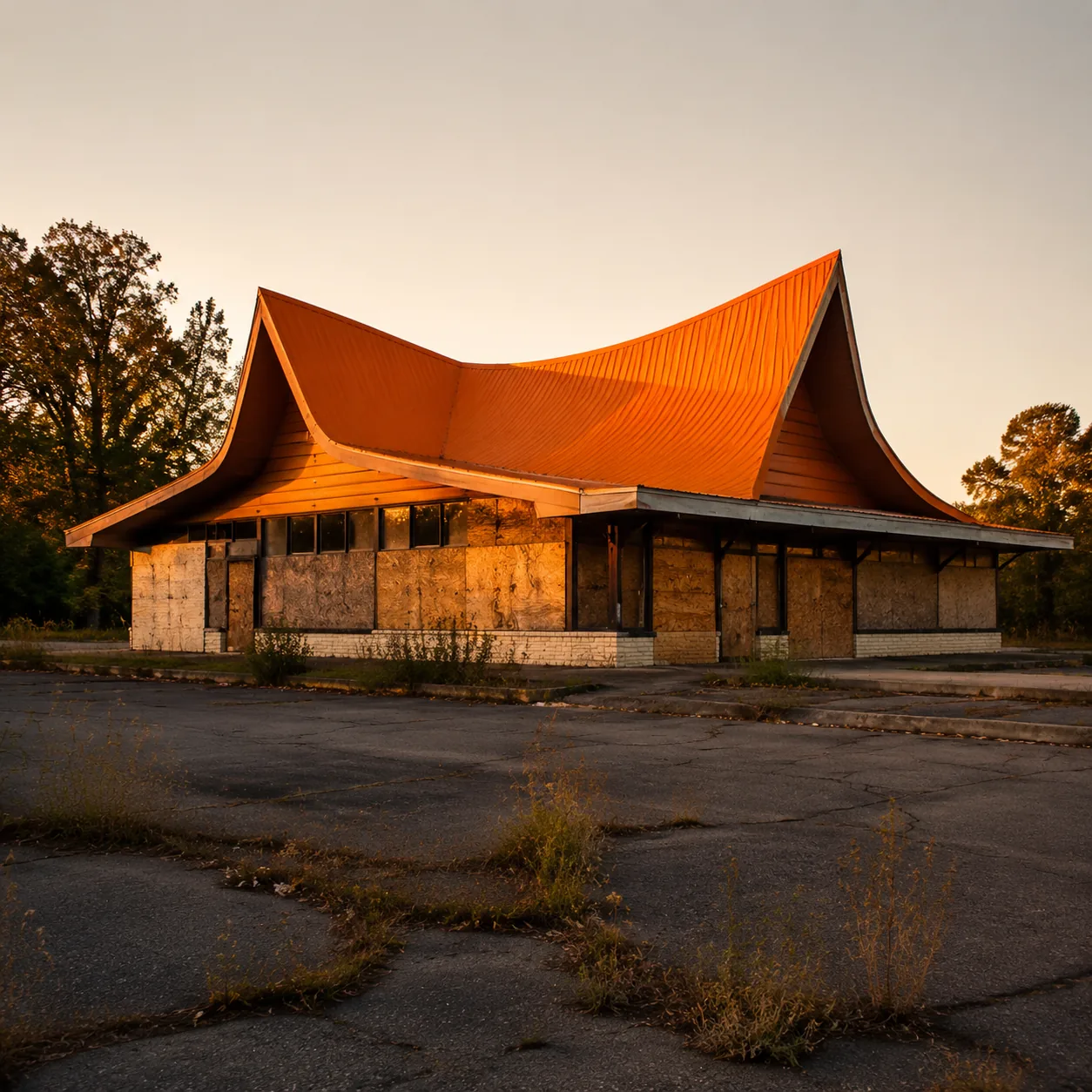
If you rode in the back seat of a station wagon in the 60s or 70s, you ate under an orange roof.
America’s biggest restaurant chain vanished. Howard Johnson’s ran about 1,000 restaurants at its peak, more than anyone in the country. The last one, in Lake George, New York, closed for good in 2022. Twenty-eight flavors, gone forever. (CNN)
The hotels became a discount shell. The name survives on roughly 300 budget motels under Wyndham, the same company that runs Days Inn and Super 8. Reviews routinely describe properties trading entirely on a name their owners never earned.
What guests are saying: travelers who remember the clam strips and the ice cream counter describe pulling into a modern HoJo and feeling like they’d been pranked.
To be fair: there’s nothing left to be fair to. That’s the point.
Every chain on this list slipped. Howard Johnson’s fell off the map.
4. Days Inn
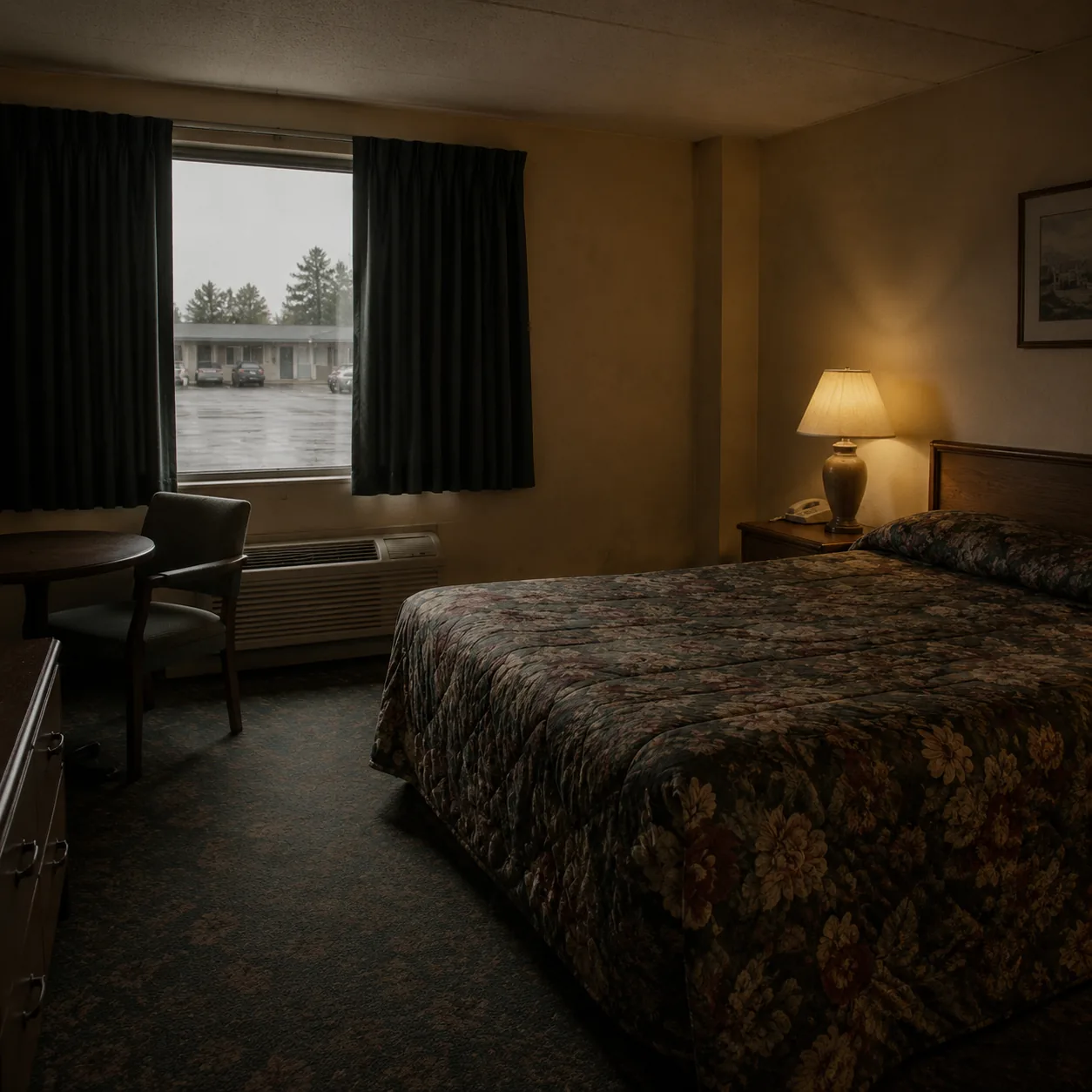
Days Inn was built in 1970 as the clean, church-going family’s motel. Ask a recent guest how that’s going.
The parent runs an empire of tired brands. Wyndham is the world’s biggest hotel franchisor, with thousands of budget properties under names like Days Inn, Super 8, Travelodge, and Howard Johnson. Guests say the model is the problem: collect the franchise fee, let the property fend for itself.
The scores are brutal. In the 2025 American Customer Satisfaction Index, Days Inn scraped a 70 out of 100, near the bottom of every brand measured. Its Wyndham stablemate Baymont did worse at 62. (ACSI 2025)
The complaints repeat like a broken record. Across TripAdvisor and consumer sites: mold, musty carpets, broken locks, rooms rented in unrentable condition, and breakfast reduced to a coffee urn and a prayer.
What guests are saying: on Reddit’s travel threads, Days Inn is the brand people name when the question is which chain fell hardest from respectable to roll-the-dice.
To be fair: at $70 a night off an interstate, expectations should be modest. Guests say the problem is that it used to clear that bar easily.
The sun on the logo is still smiling. The reviews aren’t.
Three left. Two of them your family definitely stayed at.
3. Super 8
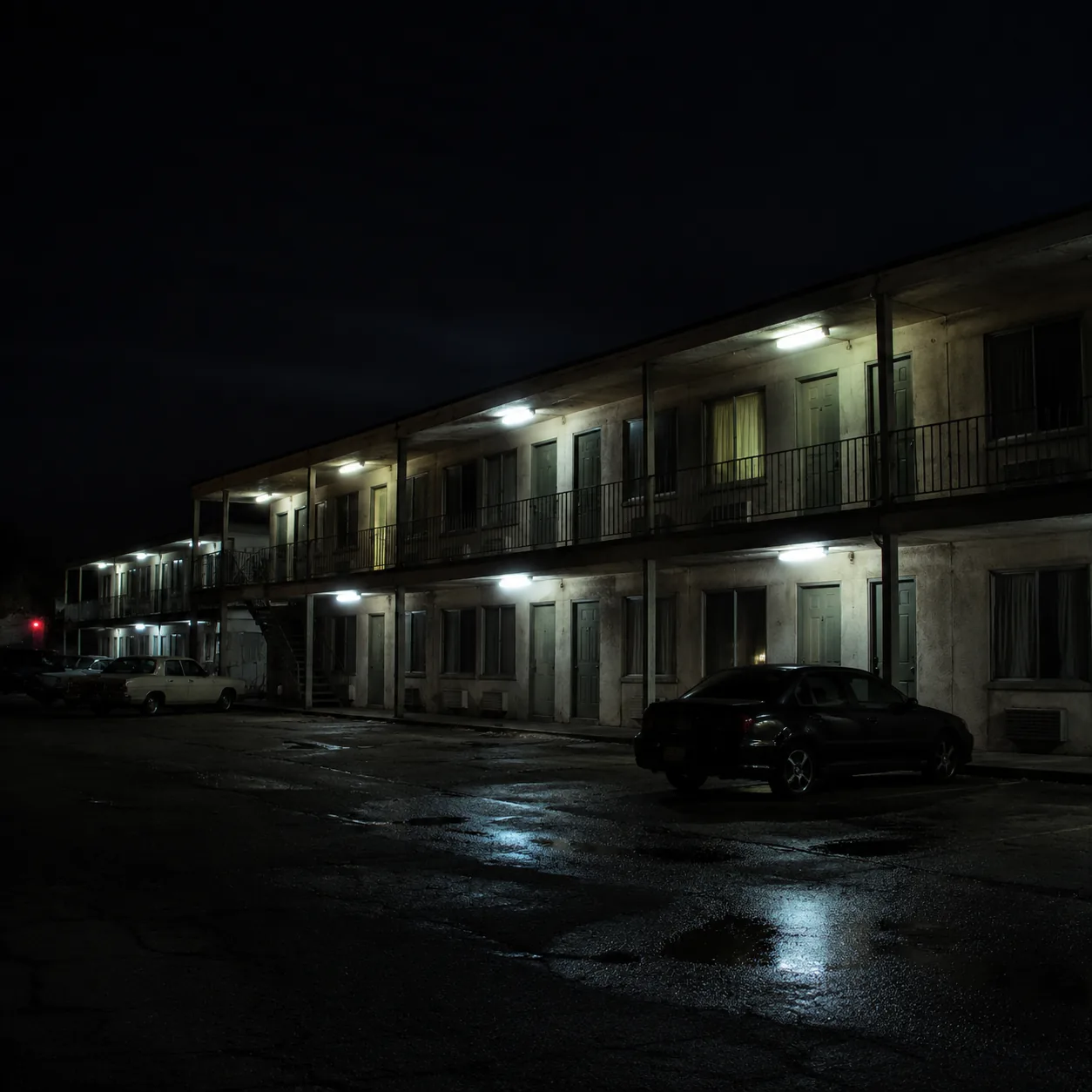
It was named for its original price: $8.88 a night. That’s what a room cost when the first Super 8 opened in Aberdeen, South Dakota in 1974. The price went up. Almost everything else went the other way.
The numbers are hard to defend. On one major consumer complaint platform (PissedConsumer), Super 8 reportedly averages 1.5 stars across 528 reviews, with just 6 percent of reviewers willing to recommend it.
The specifics are worse than the numbers. Recurring guest reports include bed bugs, mold in bathrooms, damp carpets, broken door locks, and breakfast areas guests describe walking straight past.
What guests are saying: road trippers over 50 on travel forums talk about Super 8 in the past tense. It was the budget stop your dad trusted, the one with the clean rooms and the giant coffee pot in the lobby.
To be fair: exceptions exist, usually where a hands-on owner ignores the brand’s slide and runs a tight ship anyway.
Nobody expects luxury for $75. They expect to sleep without checking the mattress seams.
2. Motel 6
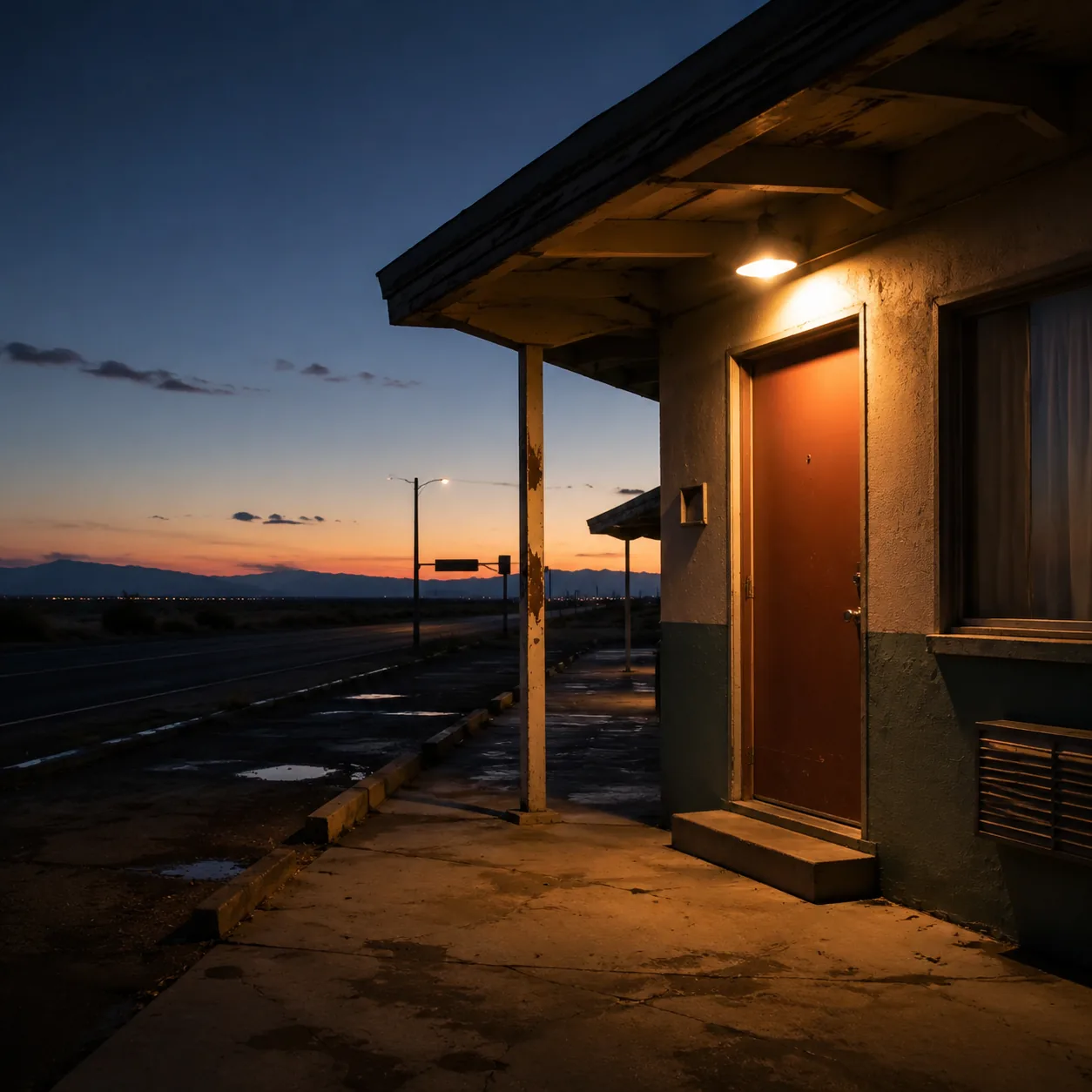
“We’ll leave the light on for you.” Tom Bodett’s line made Motel 6 the most trusted cheap sleep in America. That America is gone.
The name was the price. When it opened in Santa Barbara in 1962, a room cost six dollars a night, and the rooms were spotless because the founders were building contractors who kept things simple on purpose.
It hit rock bottom in the rankings. In the 2025 national customer satisfaction index, Motel 6’s parent company scored 67, dead last among every lodging company measured. (ACSI 2025)
Then it was sold. In late 2024, Blackstone sold Motel 6 and Studio 6 to OYO, an Indian budget-hotel operator, for $525 million. Within weeks the CEO, CFO, and most of the executive team were replaced. (NPR)
Longtime guests are nervous for a reason. OYO’s rapid US expansion left a documented trail of complaints about cleanliness, overbookings, and check-in chaos. Now it owns the brand your father swore by in 1975, when a room cost six bucks.
What guests are saying: on Reddit, the recurring line is that Motel 6 stopped being the safe cheap option years ago and became the last resort.
It’s bad. But it doesn’t come close to what’s waiting at #1.
1. Marriott
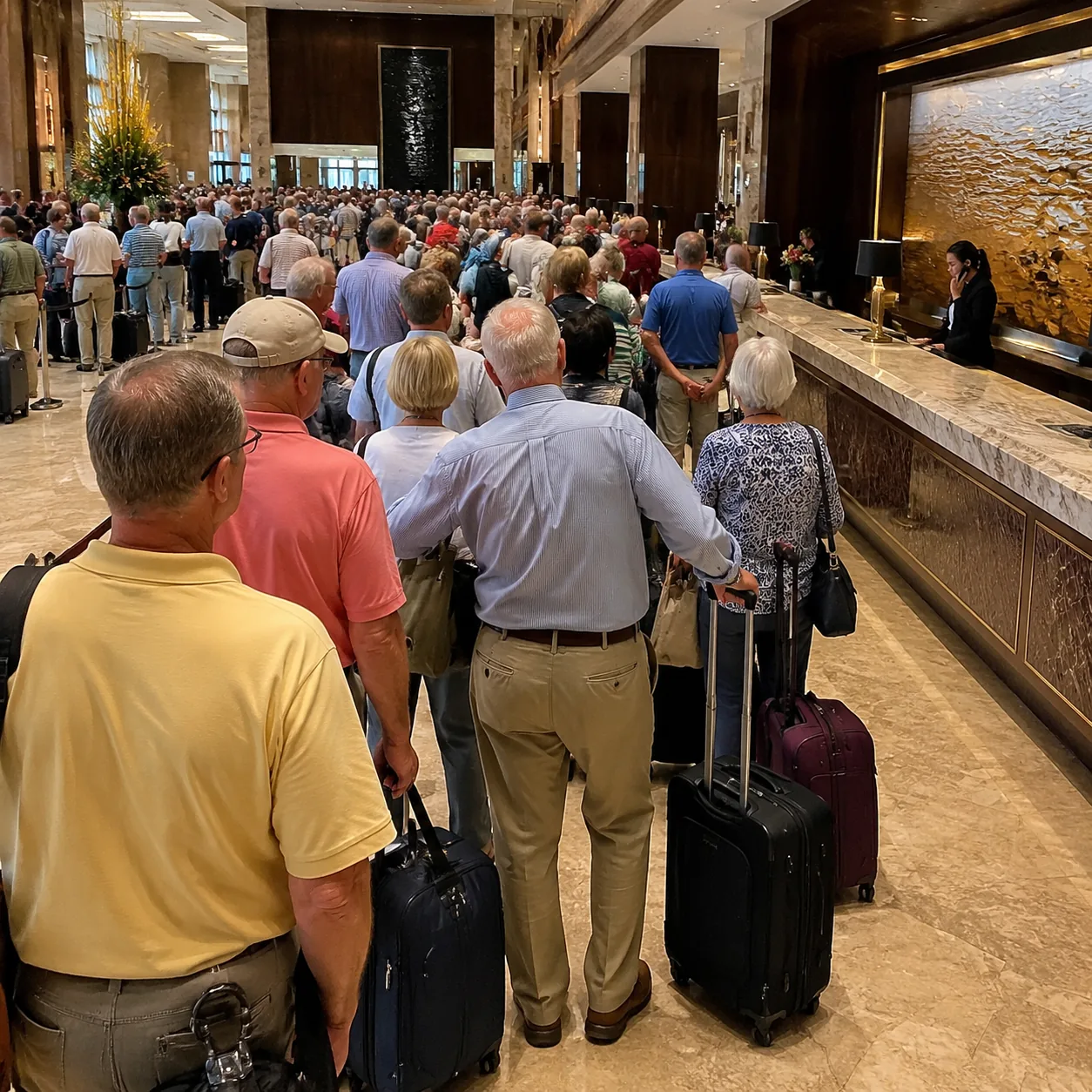
The Biggest Name, The Longest Fall
The world’s largest hotel company earned the top spot the hard way. Its own loyalty members turned “Bonvoy” into a verb for getting ripped off.
2018: the breach. Hackers had sat inside the Starwood reservation system Marriott had acquired, reportedly exposing records on up to 500 million guests, passport numbers included. In 2024, Marriott agreed to pay a reported $52 million to settle with regulators. (settlement coverage)
2021: housekeeping became a request. Marriott made daily room cleaning opt-in at most non-luxury brands. Only guests at Ritz-Carlton, St. Regis, and the other luxury flags kept automatic daily service. (The Points Guy) Rates kept climbing anyway.
2022 to 2025: the points massacre. Marriott killed its published award chart in March 2022 and went to dynamic pricing. Points trackers found a standard mid-tier hotel that cost 40,000 points in early 2022 now peaks around 76,000. That’s a 90 percent increase in three years, announced nowhere. (Frequent Miler)
The fees needed a federal law. Resort fees, destination fees, urban amenity fees. They spread across the industry for years, and Marriott properties were among the most cited offenders. It took a federal rule, effective May 12, 2025, to force hotels to show the real price up front (FTC), with penalties over $53,000 per violation.
What guests are saying: on FlyerTalk, the migration of furious lifetime Starwood loyalists has its own name, the Bonvoy Rebellion. There’s an entire website, bonvoyed.com, where elite members catalog broken benefits, vanished upgrades, and 45-minute check-in lines. When your best customers build a monument to their disappointment, something has gone badly wrong.
To be fair: Marriott still runs some of the finest hotels on the planet, and the app works beautifully. The machine is impressive. The promise is what broke.
Now you know why we saved this one for last.
Before You Book the Next One
Loyalty is a habit. The chains on this list have been quietly living off yours for years.
Which one stung the most to see? Drop it in the comments, especially if we missed one your family swore by.
Sources and Further Reading
This piece draws on public guest reviews and industry reporting, including the ACSI 2025 Travel Study, The Points Guy and Frequent Miler on Marriott, Hilton and IHG loyalty changes, Top Class Actions on the Marriott data-breach settlement, NPR on the Motel 6 sale, CNN on Howard Johnson’s, One Mile at a Time on the Choice/Radisson merger, the FTC junk-fees rule, and guest reports on FlyerTalk, Reddit and consumer review sites. Loyalty terms, scores and ownership can change after publication.
Comments
The opinions and views expressed in the comments section are solely those of the individual users and do not represent or reflect the opinions, views, or positions of HumbleTrail. HumbleTrail does not endorse, support, or verify the accuracy of any user-generated content.
By posting a comment you agree to receive related emails from HumbleTrail in accordance with our Terms and Privacy Policy. You can unsubscribe at any time.