

Editor’s note: This is an opinion guide to questions worth asking before a retirement move.
Of course, some New York retirees might still prefer to remain in New York for their doctors or family. For them, these choices may be worth a look.
1. Country Pointe Plainview
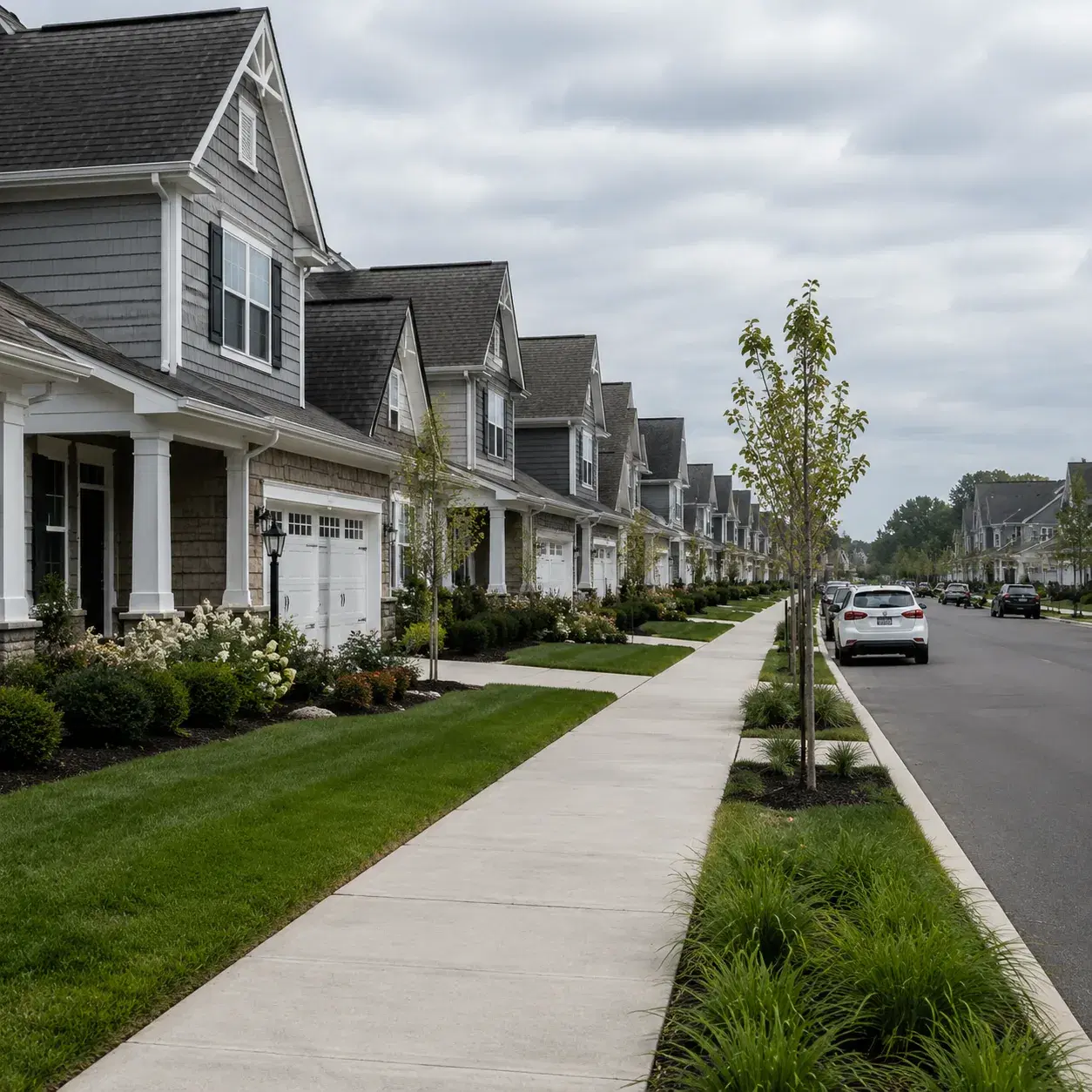
Polished homes and amenities in Nassau County near the conveniences to which longtime New York residents are accustomed.
However, the total cost of downsizing to Country Pointe can be high once you add in Nassau County property taxes, association dues, insurance, etc. Add the cost of getting around Long Island and dealing with traffic.
2. Meadowbrook Pointe, Westbury
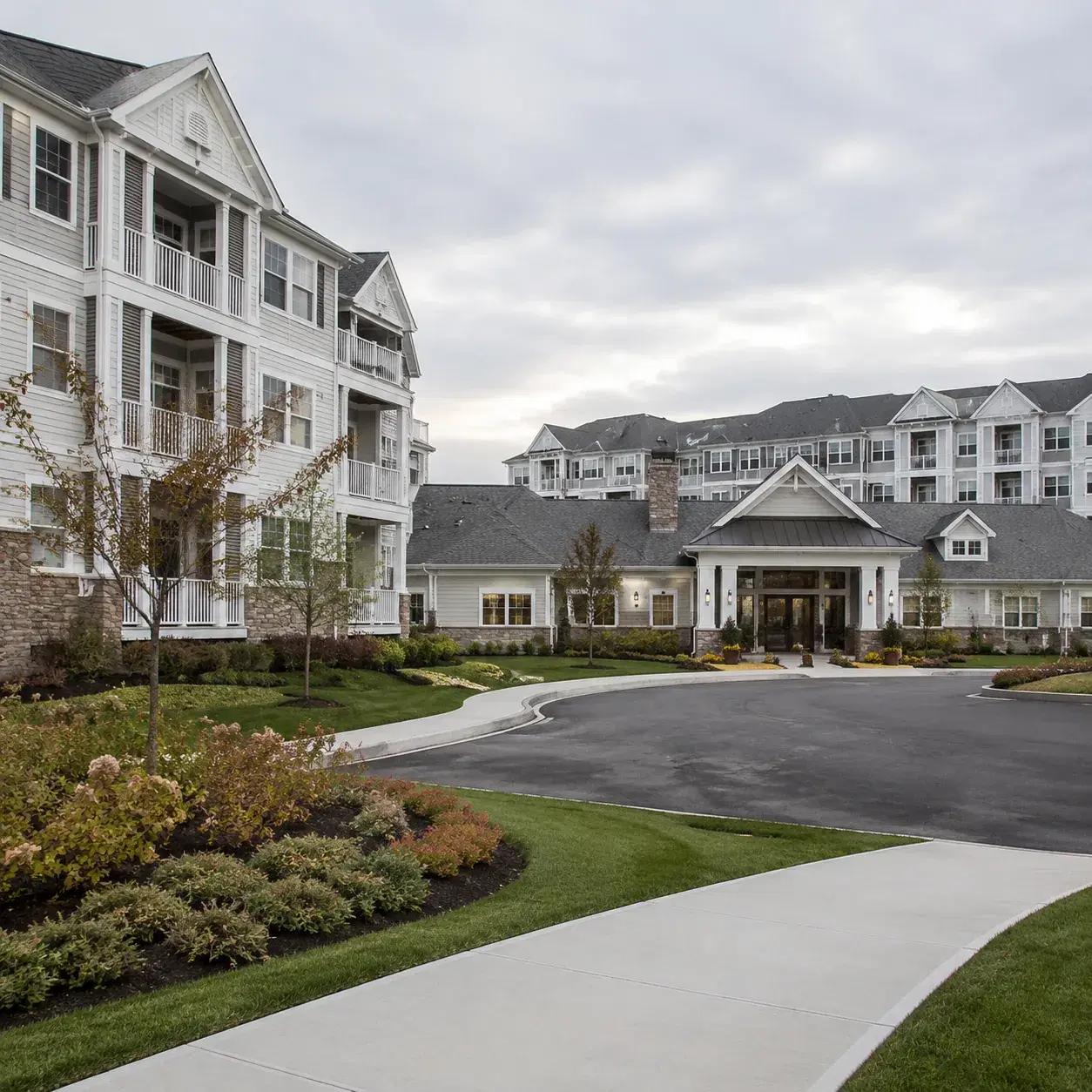
For those who’d like Nassau County condo living with elevators, services, a club-like feel, etc., Meadowbrook is an option.
Make sure you know what’s included in your monthly condo fee and what isn’t, what happens if you want to rent out your unit, what kind of restrictions there might be on parking and guests, the overall financial health of the building and how well-funded its reserve is for future repairs, and whether there’s a history of special assessments for major repairs. Compare your findings with the national retirement-community regret list.
3. The Greens At Half Hollow, Melville
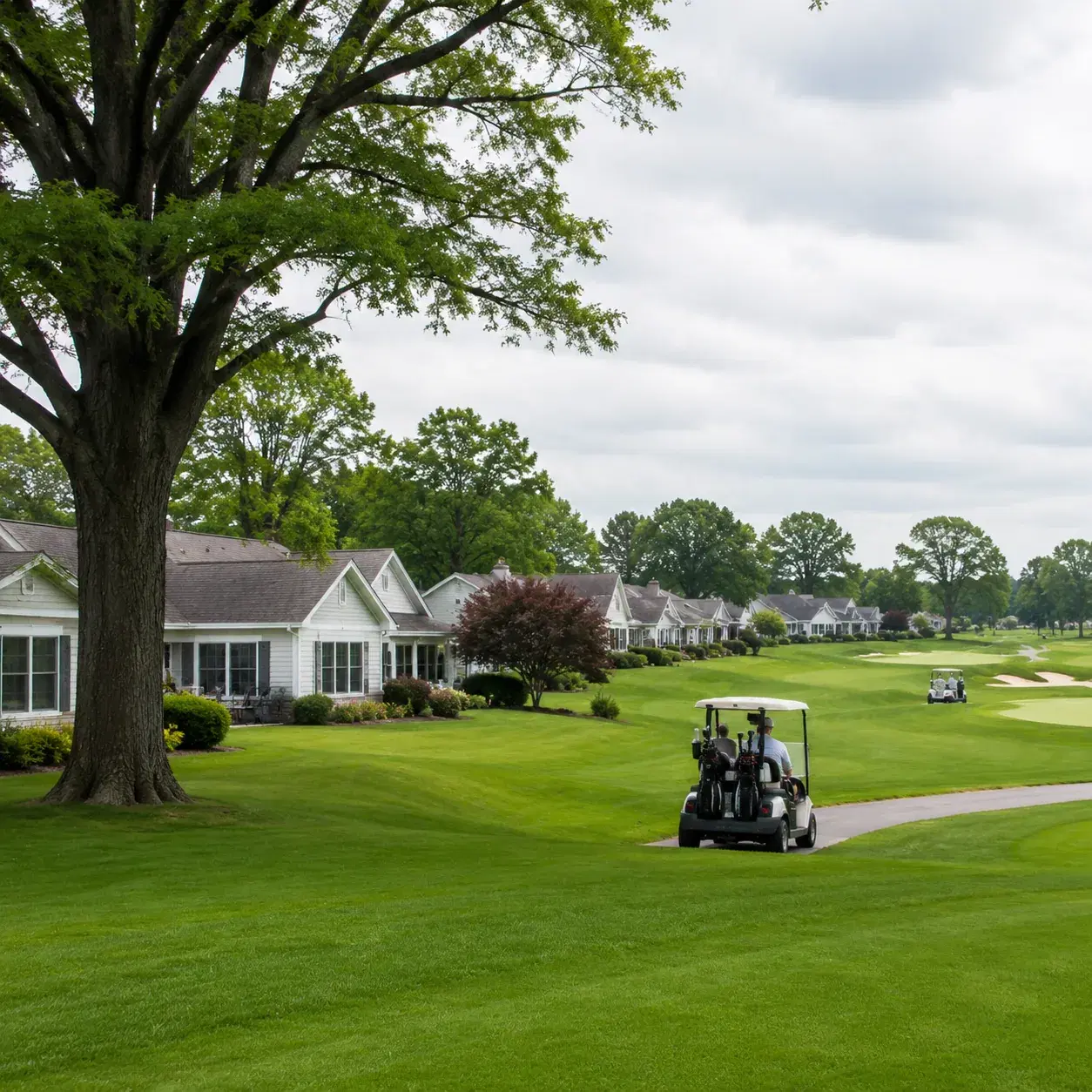
Some residents will love the country-club environment at The Greens at Half Hollow. Just make sure you’ll be using the club enough to justify paying for it.
Residents should factor in the cost of living in Suffolk County: taxes, dues, any restaurant minimums, etc. And consider the slower pace in the winter.
4. HarborView, Port Washington
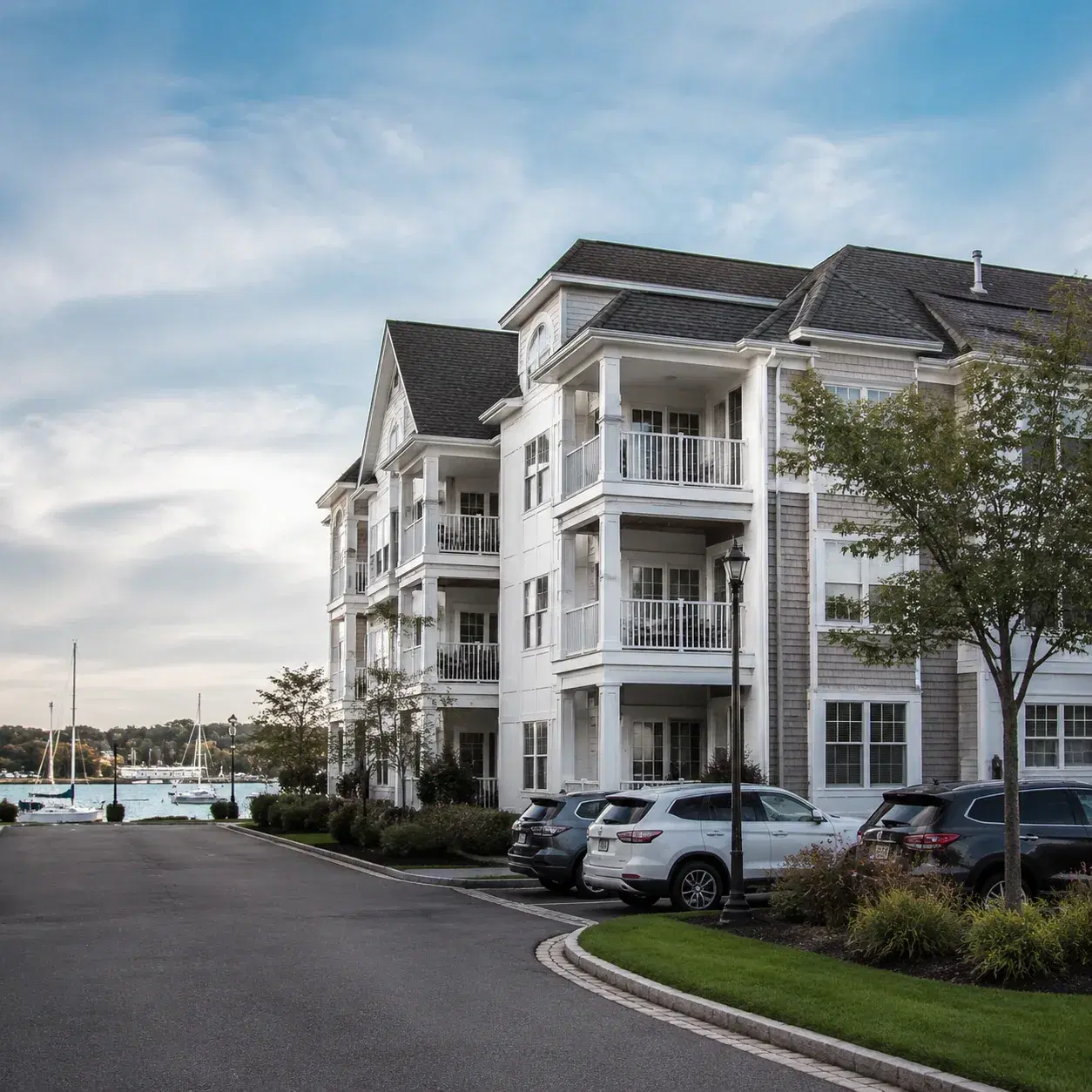
Some people fall in love with communities like HarborView for their proximity to the water, the train, shopping, etc.
The cost of living on Long Island’s North Shore can be eye-popping, however: the purchase price, association dues, parking situation, the expense of maintaining a home in a coastal area.
5. Encore Atlantic Shores, Eastport
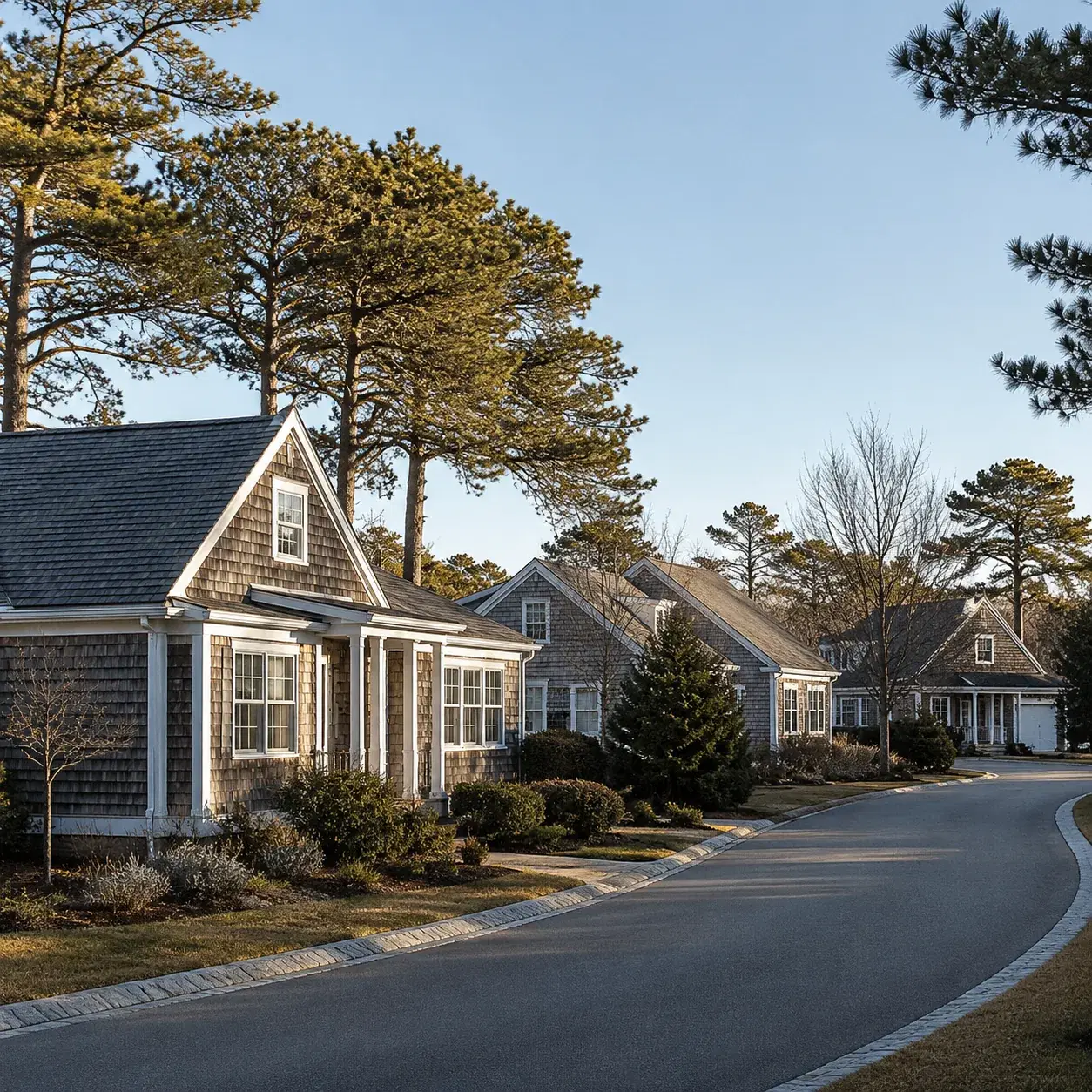
Those who want to live on Long Island’s East End but not necessarily in the Hamptons might consider Encore. Just understand what you’re signing on for, particularly in terms of living in a quieter, seasonal area.
You may be driving more than you’re accustomed to, whether for doctors’ offices or grocery shopping, and dealing with seasonal traffic. There’s also the expense of preparing the house for the season: snow removal, heating bills, taxes, association dues, etc. Check what maintenance is included.
6. Encore At Lake Grove
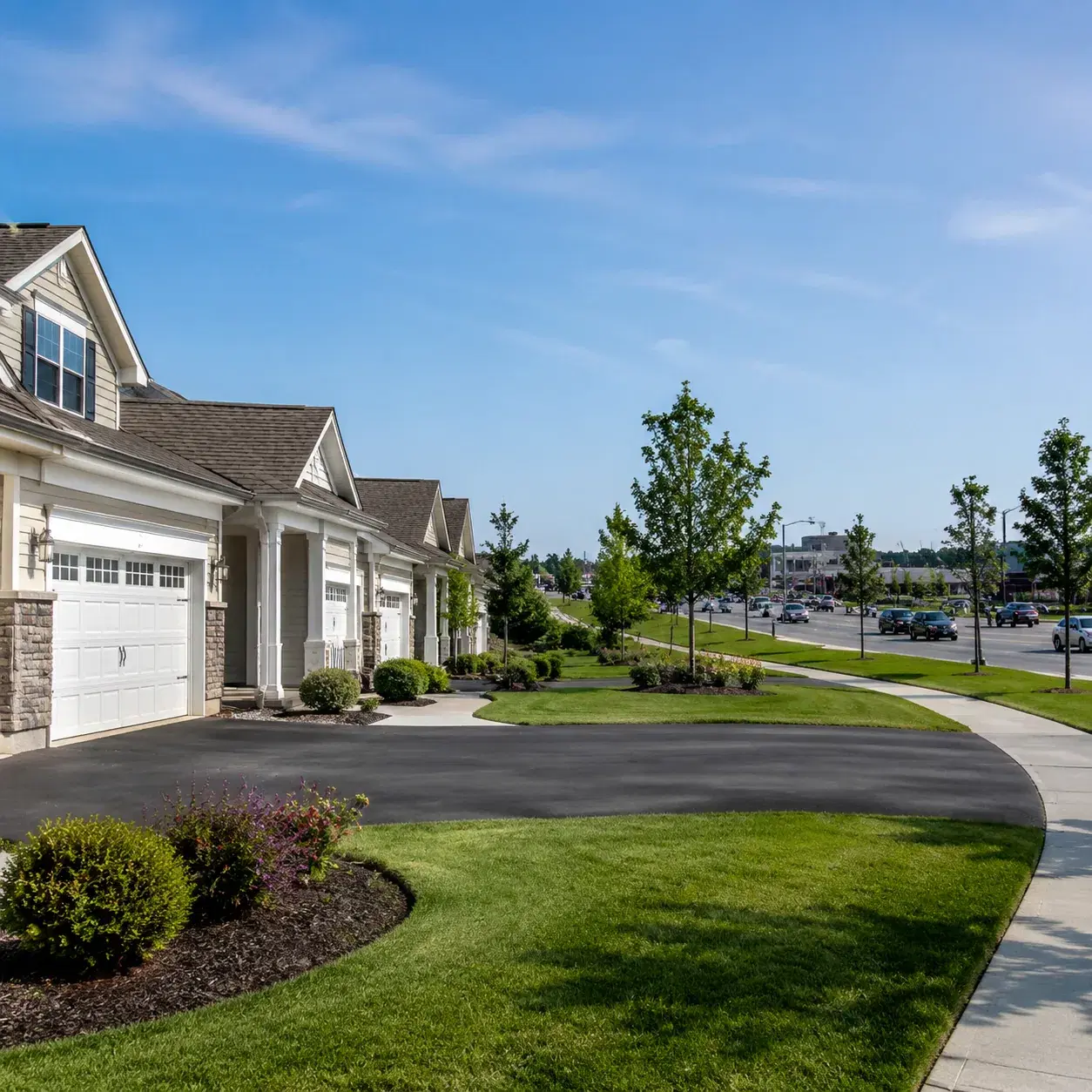
This community offers access to shopping centers and major Suffolk County thoroughfares.
However, those who prize peace and quiet in their homes and neighborhoods may be disappointed by the amount of nearby traffic and proximity to large stores. Read more: New Jersey retirement communities where buyers need to read the fine print.
7. Leisure Village, Ridge
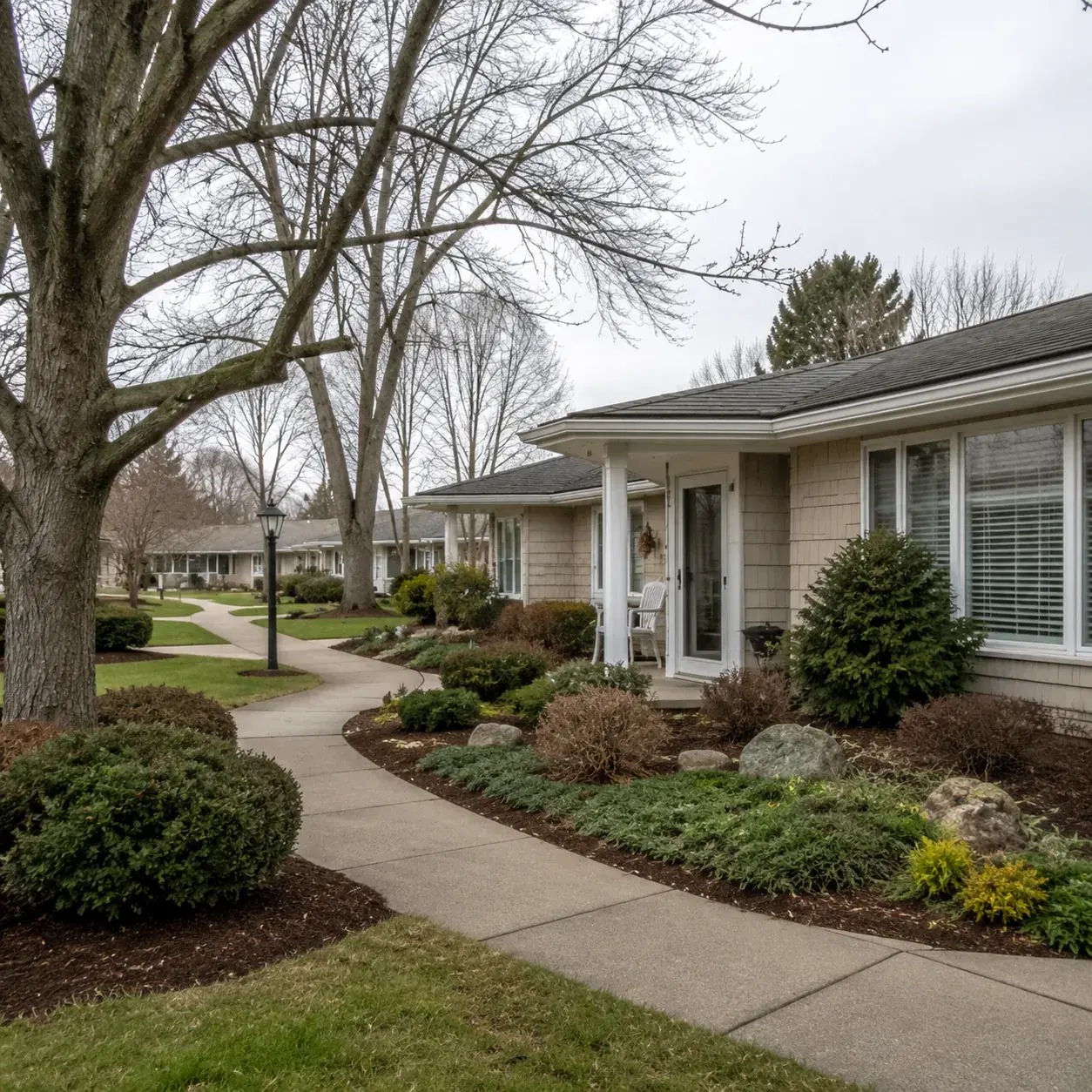
Leisure Village offers the option of purchasing a home at a lower cost than many newer Long Island developments.
Buyers should investigate the condition of the homes and the financial health of the association: Are the roofs and heating systems past their prime? Does the association have a well-funded reserve for repairs? Are any assessments planned within five years for roof, heating, or other repairs?
8. Leisure Knoll, Ridge
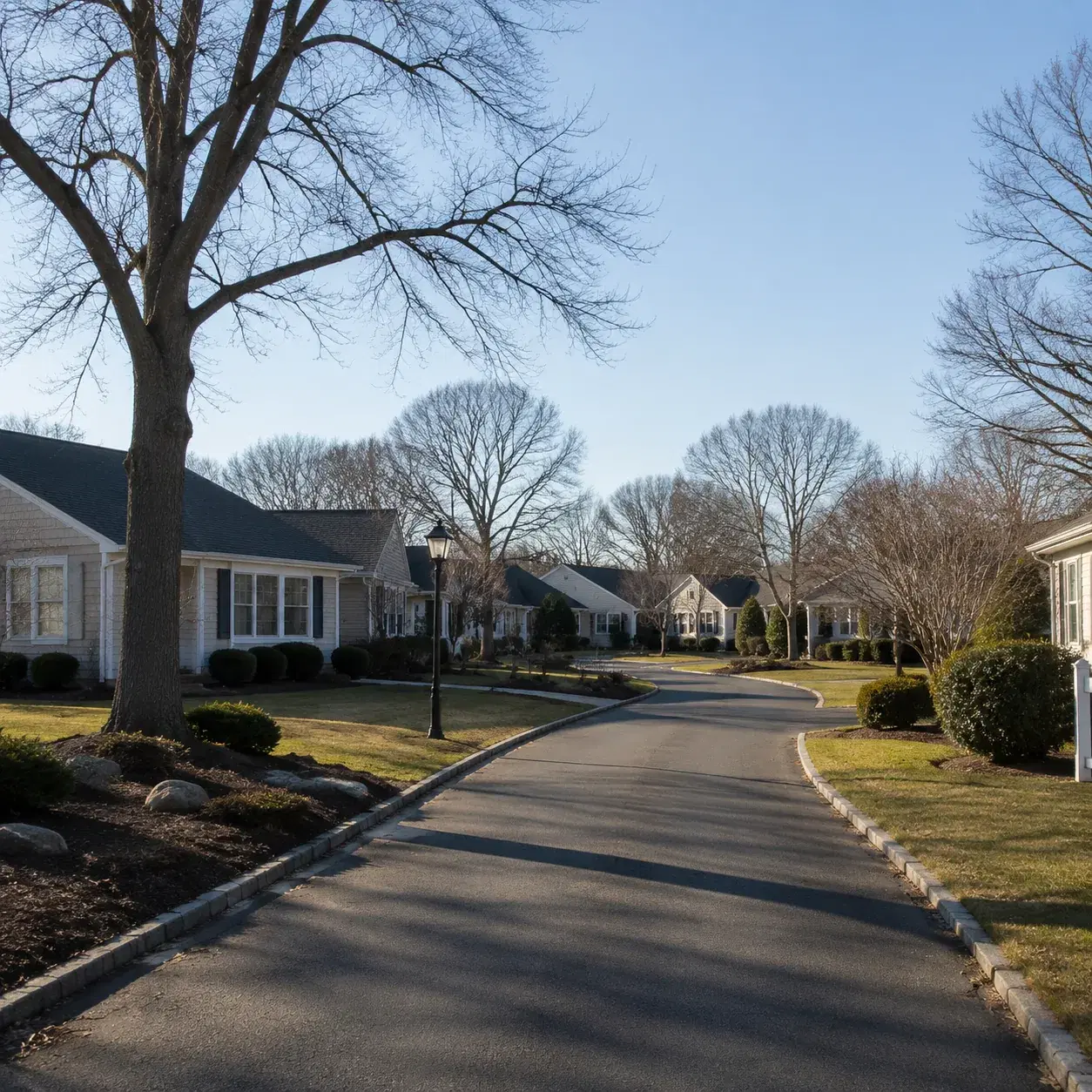
Those who’ve always lived in older, more spread-out neighborhoods might appreciate the feel of Leisure Knoll. Understand, though, what comes with older communities in New York, particularly in terms of maintenance.
And don’t forget the costs that come with living in Suffolk County, such as property taxes, snow removal, heating bills, etc. Check what maintenance falls to you and how much driving you’ll be doing to get to doctors’ offices.
9. Glenwood Village, Riverhead
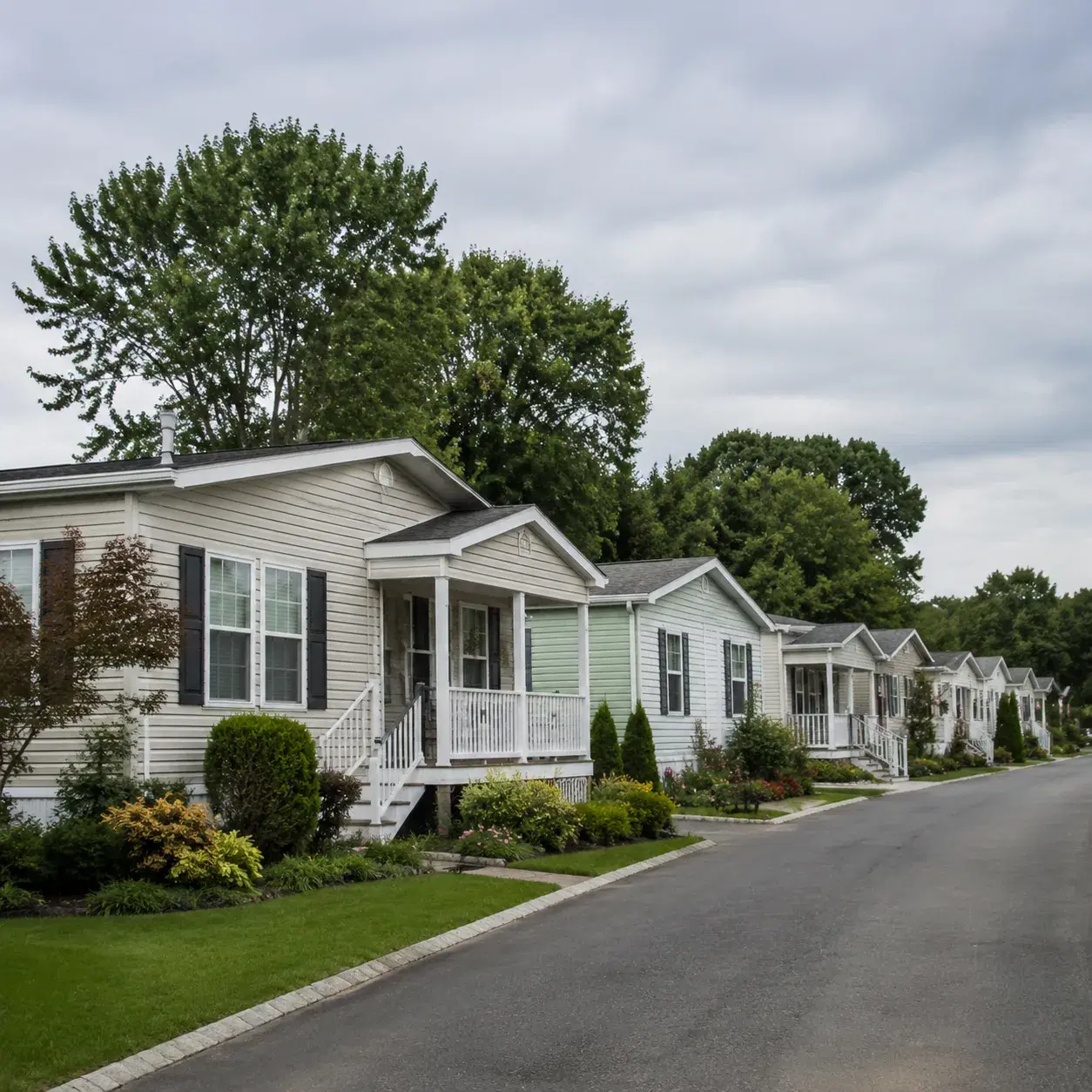
Those looking to stretch their retirement dollars may be interested in buying a manufactured home in Glenwood Village for less than a traditional house on Long Island.
The land-lease model comes with its own rules and costs, however, including lot rent. Resale terms and financing options are worth checking, since you aren’t buying the land along with the home.
10. Regency At Fishkill
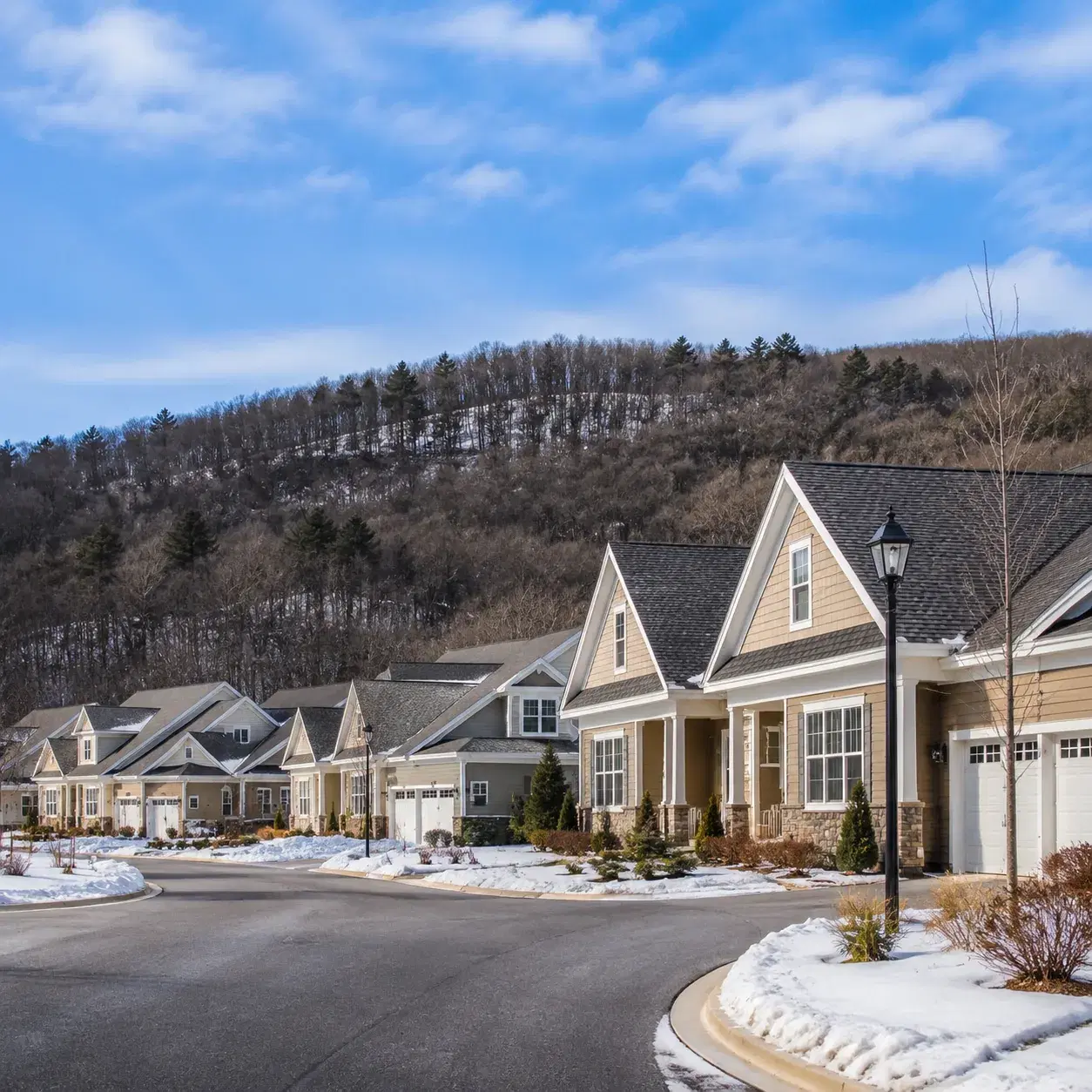
Regency is an option for those who want to make a break from city life but still be within reach of New York City. Adult children coming up from the city may have a longer drive, however.
Those who’ve never lived in the Hudson Valley may not realize what comes with living there: taxes, heating bills, hilly terrain, and snow removal. The quiet of the Hudson Valley you enjoy on weekend getaways may not be that pleasant day after day.
11. Jefferson Village, Yorktown Heights
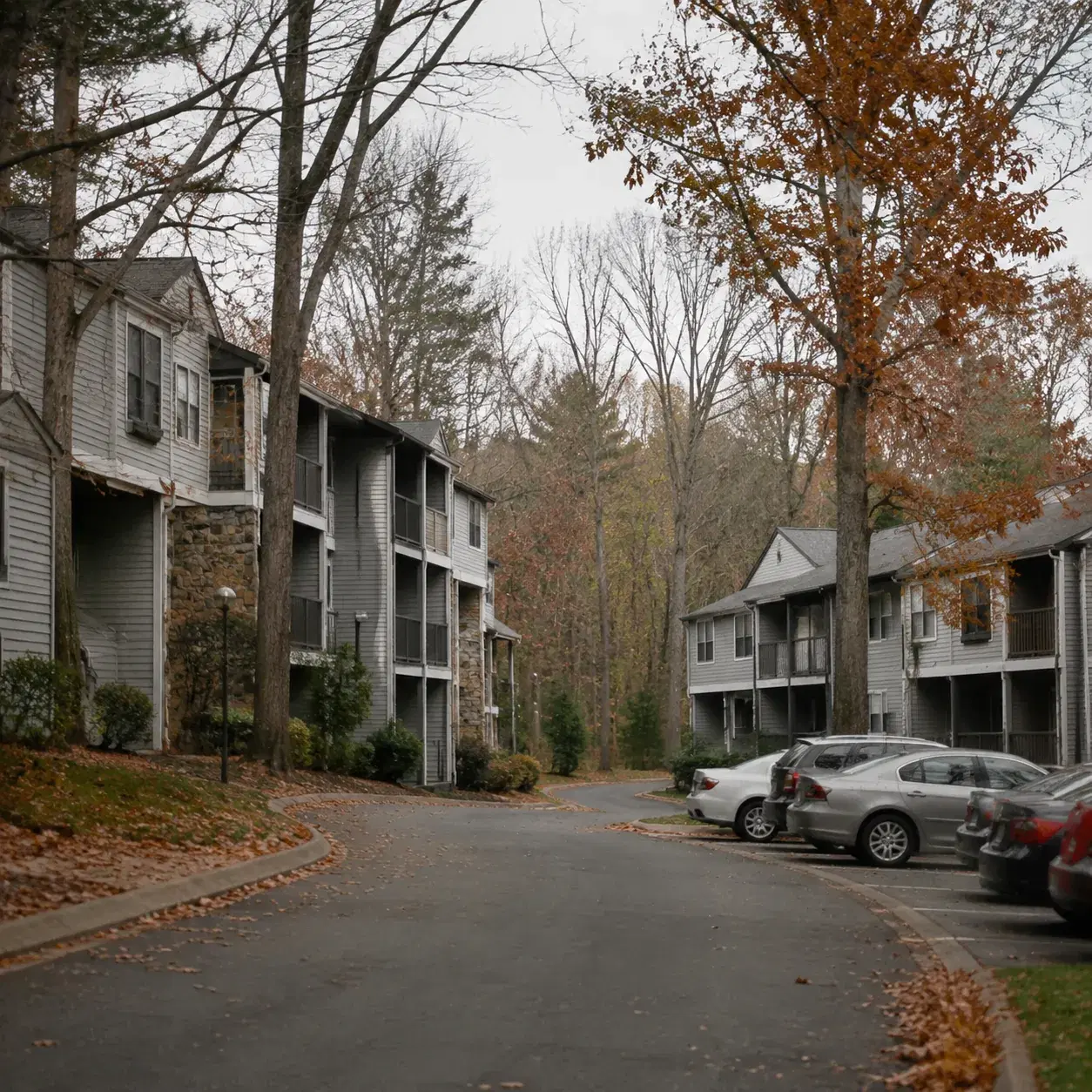
Jefferson Village lets you stay close to doctors and family in Westchester County, and still downsize.
But the downsized home isn’t necessarily inexpensive when you add in condo/HOA fees. Consider stairs, parking distances, aging building systems, and inclement weather, too.
12. Heritage Hills, Somers
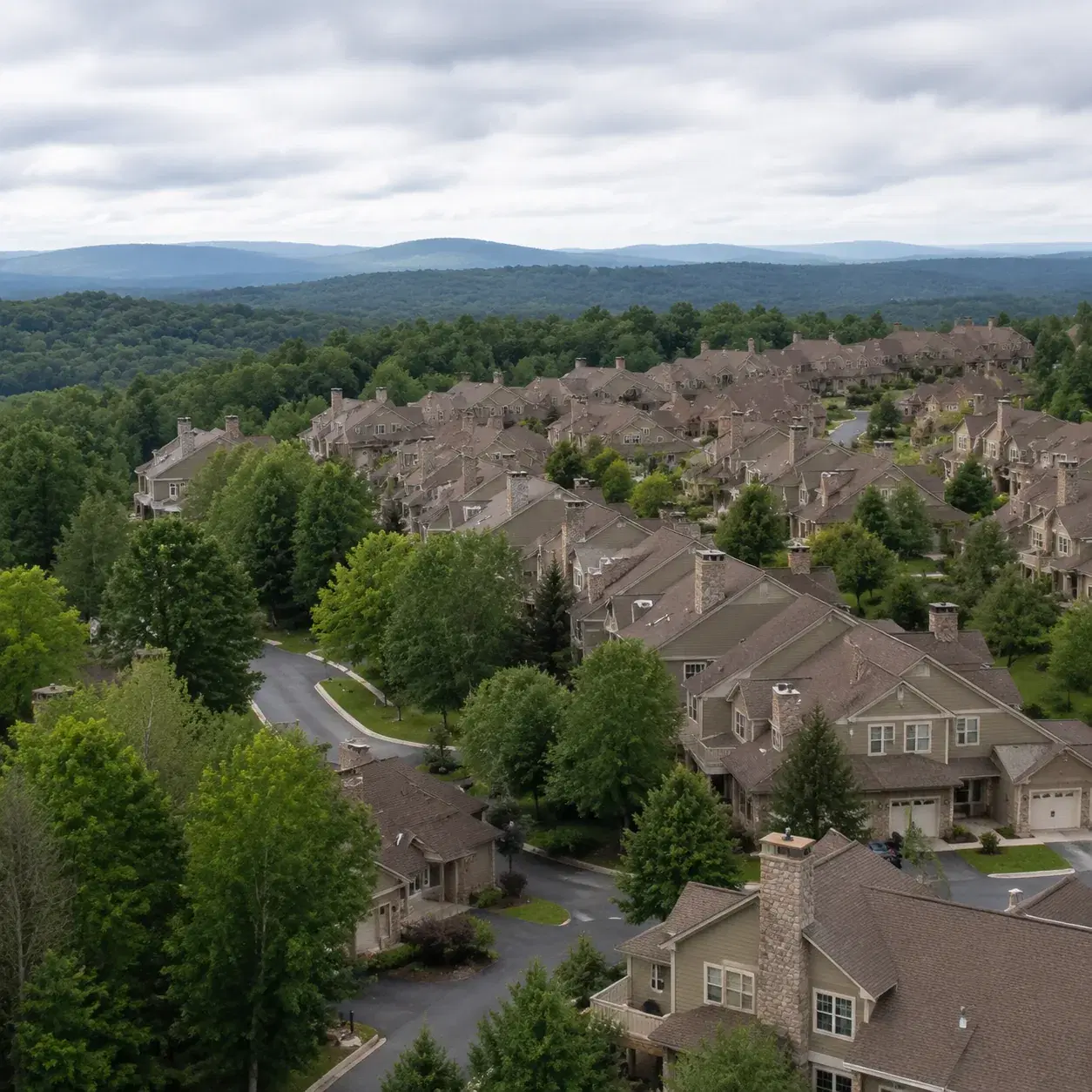
Heritage Hills is a familiar address in Westchester County.
Living at Heritage Hills means considering taxes, possible special assessments, an HOA and its board, garages, and steep roads. You may also have less privacy and fewer choices about repairs than you’re used to.
13. Warwick Grove, Warwick
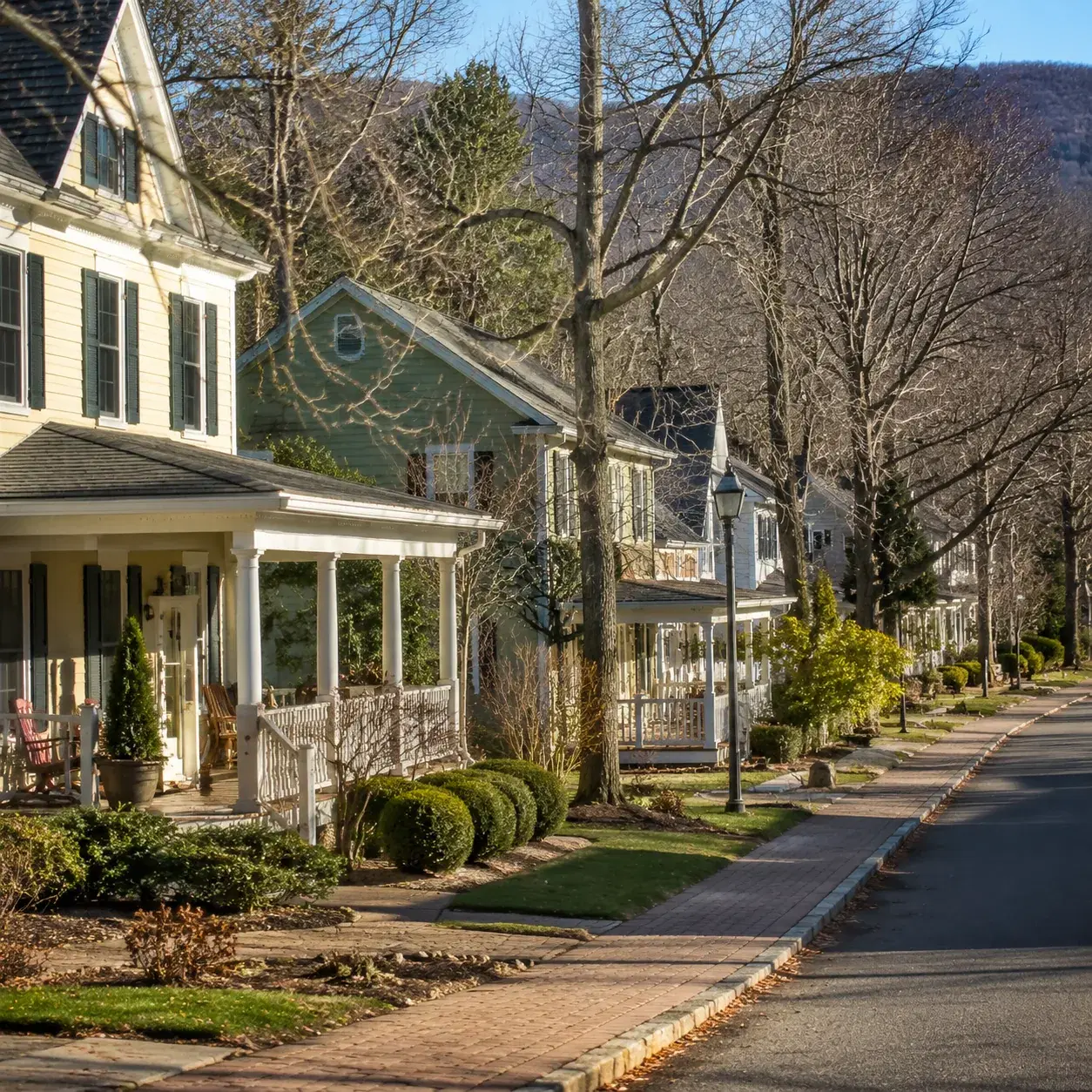
Warwick Grove has a lovely small-town feel. But porches and sidewalks alone don’t tell you what it’s like to live there.
Downsizing can mean accepting inclement weather, living farther away from downstate family, paying dues, and living under HOA regulations. Check the rules on repairs and improvements and the choices in local services. Read more: small towns Americans are quietly leaving.
14. Westhampton Pines, Westhampton
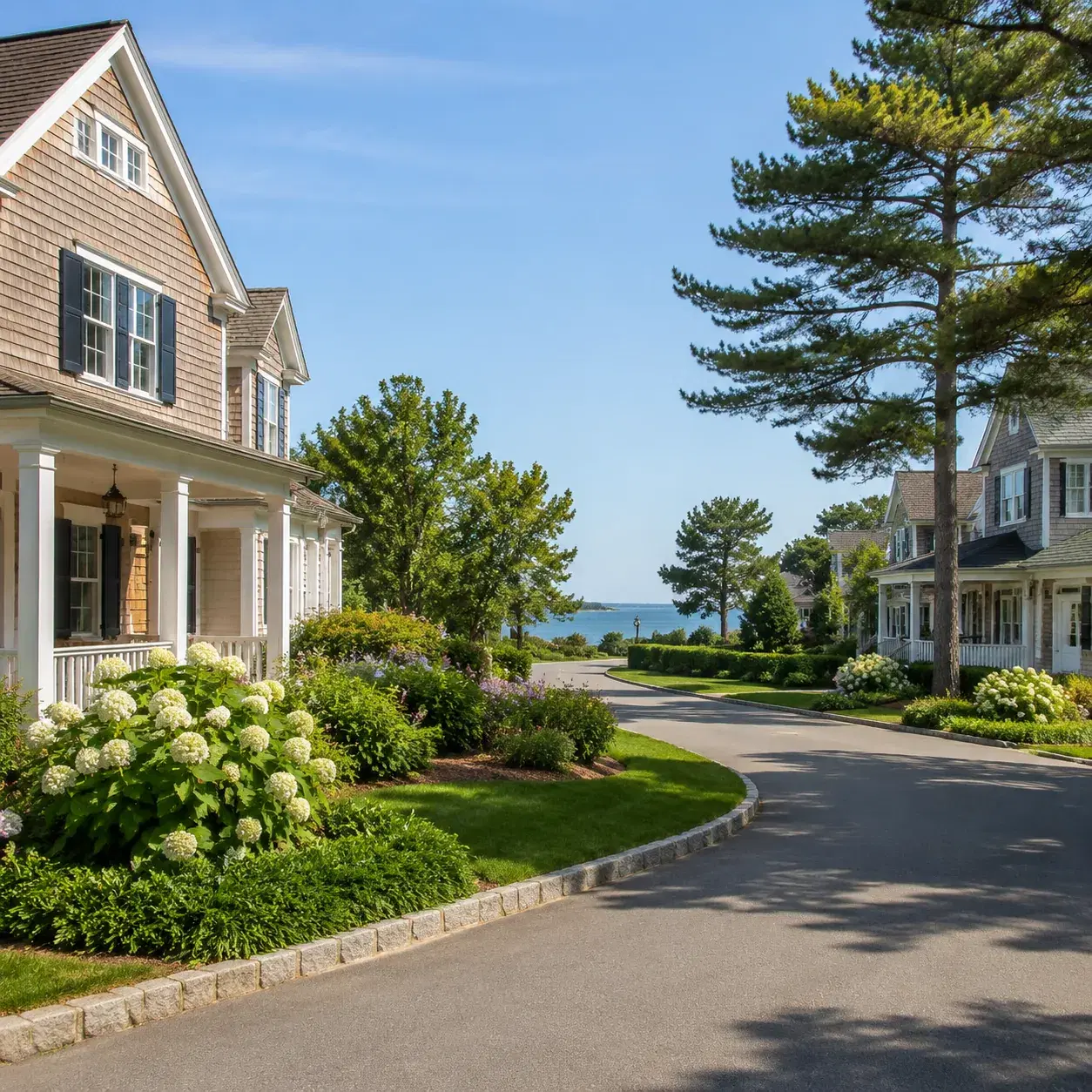
Westhampton Pines on Long Island offers an alternative for East End retirees who don’t want an institutional setting.
Taxes and dues can be high and services farther away than you’d like. Seasons can be wonderful or stressful: think about holiday and summer traffic and crowds.
15. The Knolls At Stony Brook
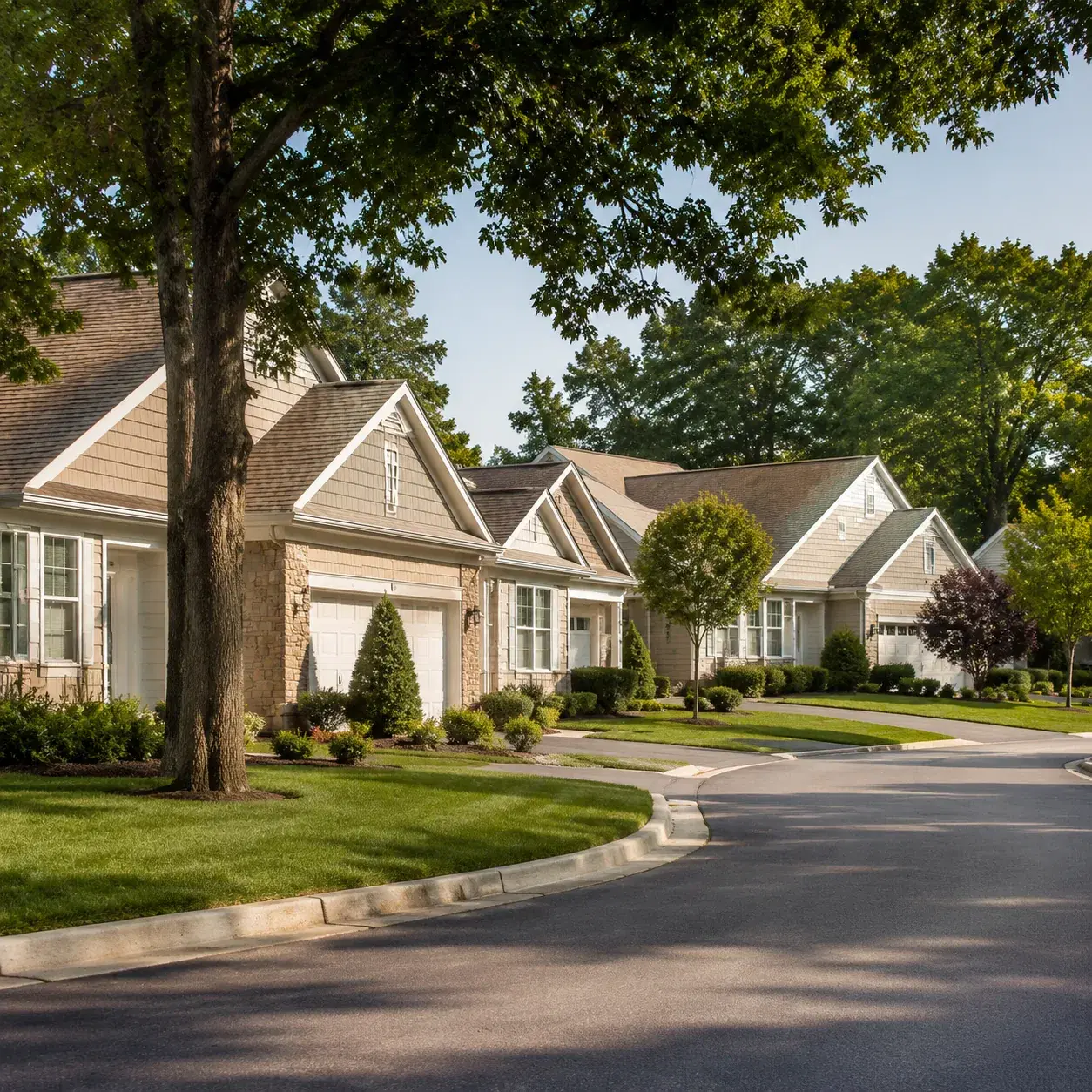
The Knolls at Stony Brook is convenient to Suffolk County hospitals, family, and shopping.
Check the sticker shock of total costs of buying into The Knolls at Stony Brook: the purchase price, property taxes, HOA fees. Resale values and timing matter, too, if you need to move for health care down the road.
16. The Manors At The Colony, Shirley
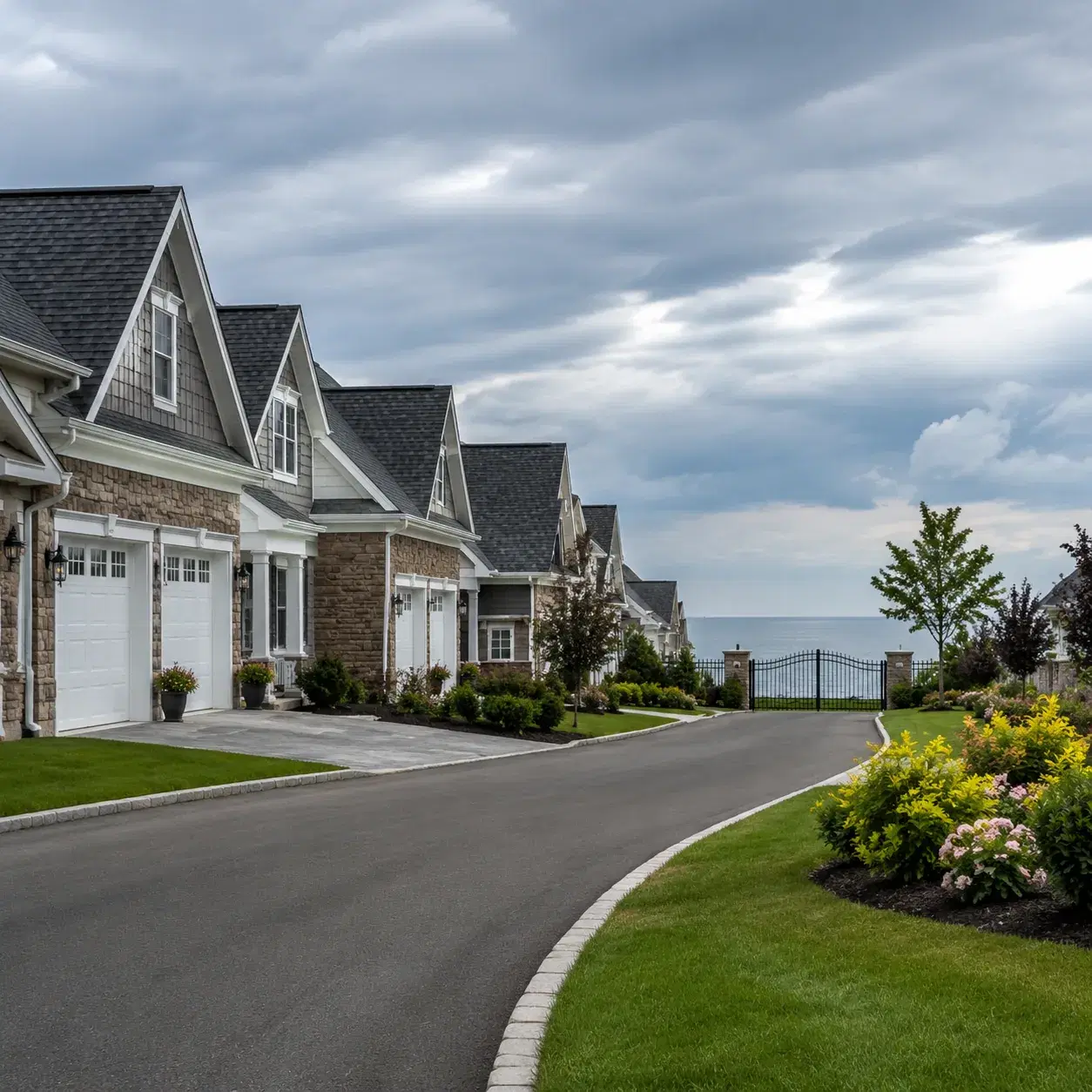
The Manors at The Colony offers managed living on Long Island for less than it might cost you elsewhere. Find out about the community’s financials: reserve funds, special assessments, past repairs.
Learn about community rules and regulations, insurance, the appeal of the community’s location, and how far you’ll be traveling for errands.
17. The Villages At Mt. Sinai Park
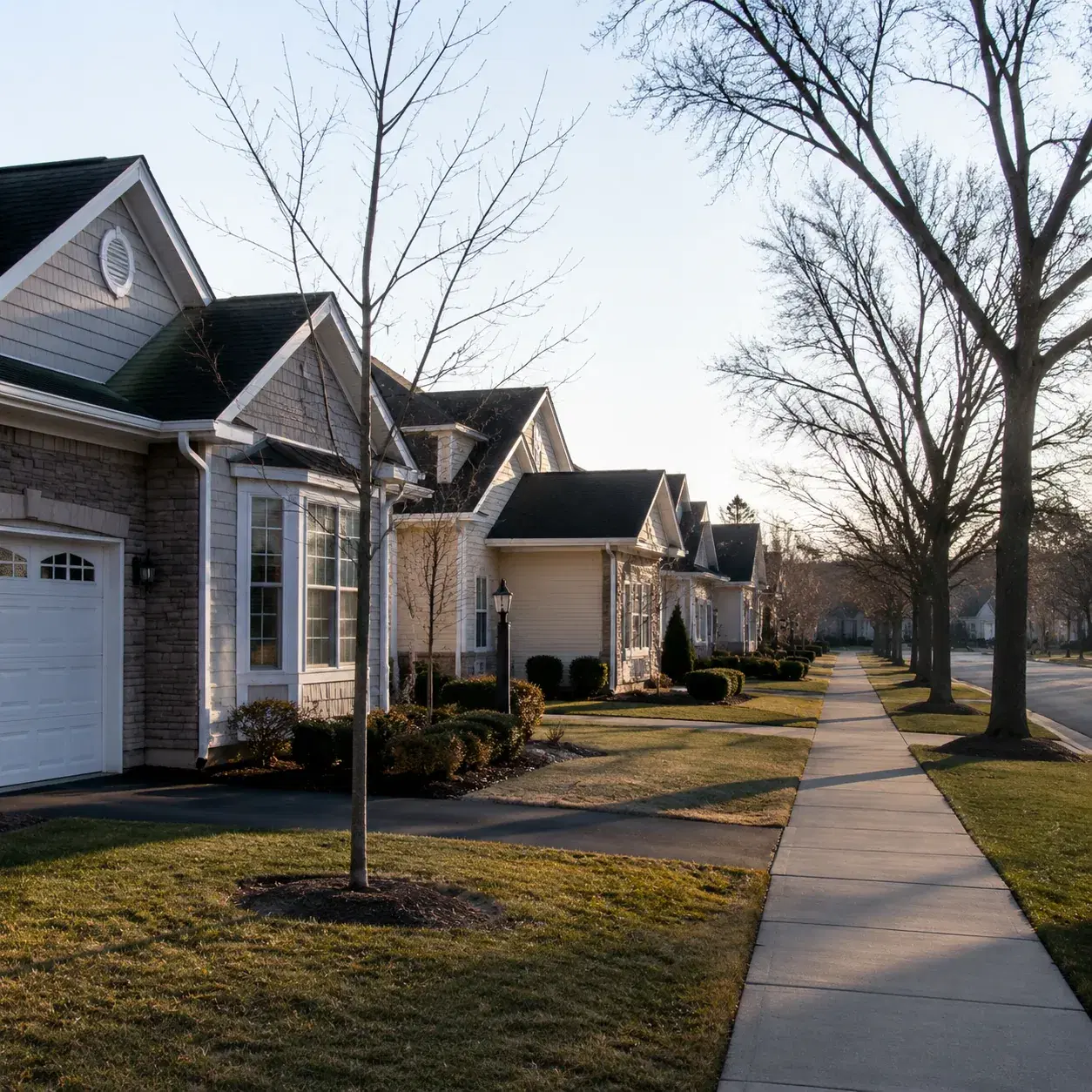
The Villages at Mt. Sinai Park lets Long Islanders remain in Suffolk County, near friends and acquaintances.
Expenses may be higher than you’d like, whether for heating or home insurance. Snow removal is another cost to check. Read more: Texas retirement communities that can cost more than buyers expect.
18. Dutchgate, Valley Stream
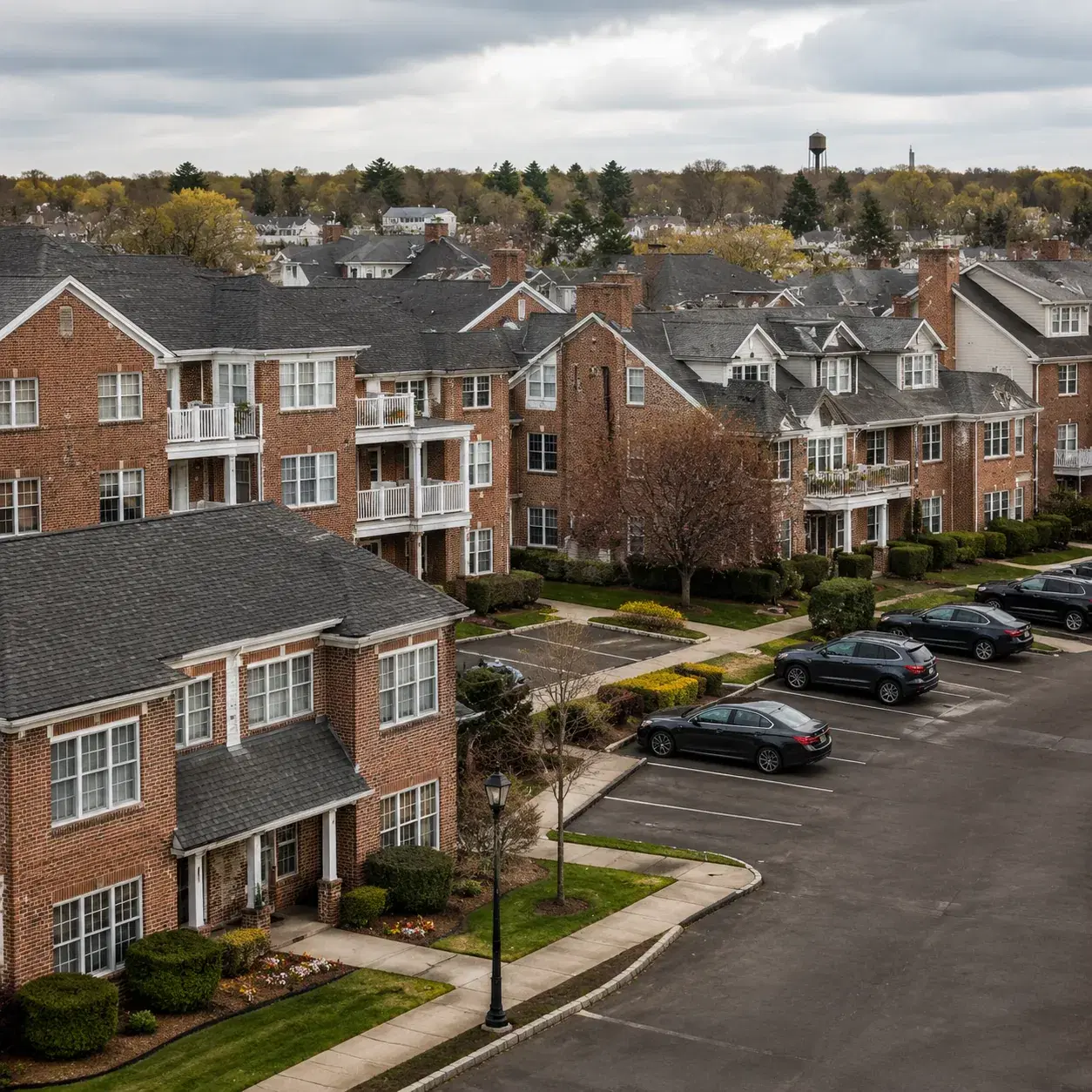
Dutchgate lets you live in Nassau County and stay close to family, downsizing into attached housing.
Consider suburban noise and traffic, community regulations, property taxes, and whether the outdoor living space is enough for you.
19. Peconic Landing, Greenport

Peconic Landing is an equity-based continuing-care community on Long Island’s North Fork, where members purchase cooperative shares. Find out about its up-front costs and monthly fees, resale and any refund terms, what’s included, levels of care, and rules.
Assess the appeal of the North Fork for year-round living. Think about changing seasons and travel to outside doctors and hospitals.
Retirement communities in Texas, California, and Florida can be wonderful places to retire, but it’s good to remember that there is fine print associated with living there and costs and inconveniences you may not anticipate. Read more: California retirement communities that can surprise retirees. Read more: Florida retirement communities some buyers regret not researching first.
Before You Buy In New York
Before you buy a place in a retirement community, learn all you can about total monthly costs and what they include. Depending on the ownership or lease model, questions may cover property taxes after purchase, the budget and finances of any HOA or condo association, any plans to raise dues, heating costs, snow removal, parking, pets, and resale values.
New York’s prices can be higher than other states’ prices, and New Yorkers often prefer to stay close to family. Sometimes staying with doctors you’ve had forever and near communities you’ve been happy in your whole life is worth it. Just make sure the costs are part of that choice.
Comments
The opinions and views expressed in the comments section are solely those of the individual users and do not represent or reflect the opinions, views, or positions of HumbleTrail. HumbleTrail does not endorse, support, or verify the accuracy of any user-generated content.
By posting a comment you agree to receive related emails from HumbleTrail in accordance with our Terms and Privacy Policy. You can unsubscribe at any time.