

Some damaged lakes recovered because engineers moved a pipe; others needed contaminated mud removed or years of patient work across farms and neighborhoods. These documented comebacks show what changed, what returned and why a successful cleanup is rarely the end of the story.
Lake Washington, Washington: the sewage stopped arriving
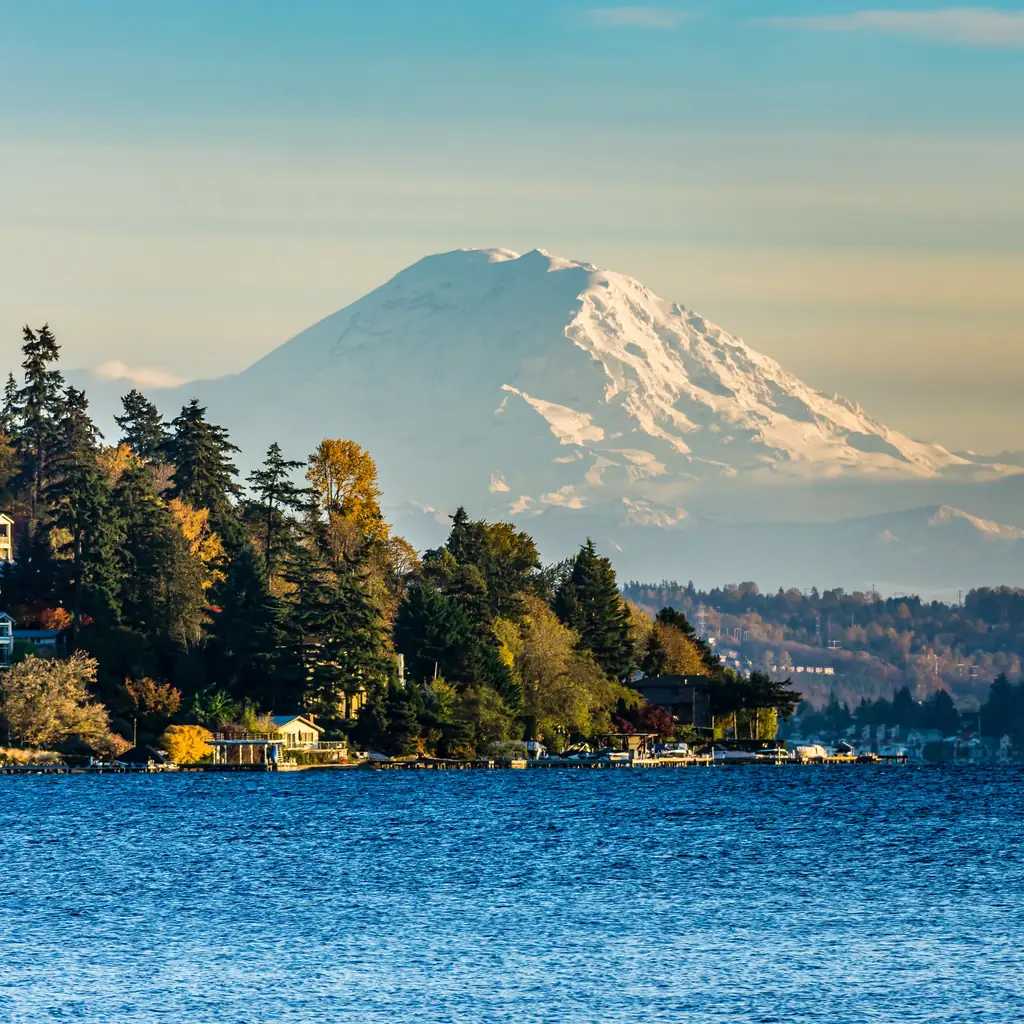
At one point, about 20 million gallons of treated sewage effluent entered Lake Washington every day. Treatment did not prevent the nutrient-rich discharges from feeding the lake’s worsening condition.
The decisive change happened outside the water. A regional system diverted the discharges between 1963 and 1968, sending wastewater to treatment facilities with outlets away from the lake. By February 1968, that direct flow into Lake Washington had fallen to zero. Phosphorus levels declined and water clarity improved. King County’s Lake Washington history
The solution was not to make the waste disappear. It was to change the system that had delivered nutrients into a freshwater lake faster than the lake could comfortably absorb them.
This is a recovery from a particular problem, not a declaration that every pollutant vanished. Later researchers have studied other contaminants in the watershed. The sewage-diversion story remains remarkable precisely because its cause, intervention and response can be traced.
Muskegon Lake, Michigan: a recent milestone after decades of work
On September 26, 2025, Muskegon Lake formally came off the Great Lakes Areas of Concern list. It had carried that designation since 1987.
The date matters because finishing a construction project and establishing environmental recovery are different milestones. Muskegon’s final delisting followed the removal of all nine recognized impairments associated with its designation, after decades of work involving public agencies and local partners. City of Muskegon’s announcement
The effort addressed an industrial legacy through contaminated-sediment cleanup and habitat restoration. EPA describes the projects separately, making it possible to see the physical work behind the official announcement. EPA restoration projects
The satisfying part of this story is its timescale. A lake identified as badly damaged in the 1980s eventually met the requirements for a different status. That is stronger evidence than a beautiful waterfront photograph, and it represents far more than a single good summer.
Whiskeytown Lake, California: cleaner beaches began with better facilities
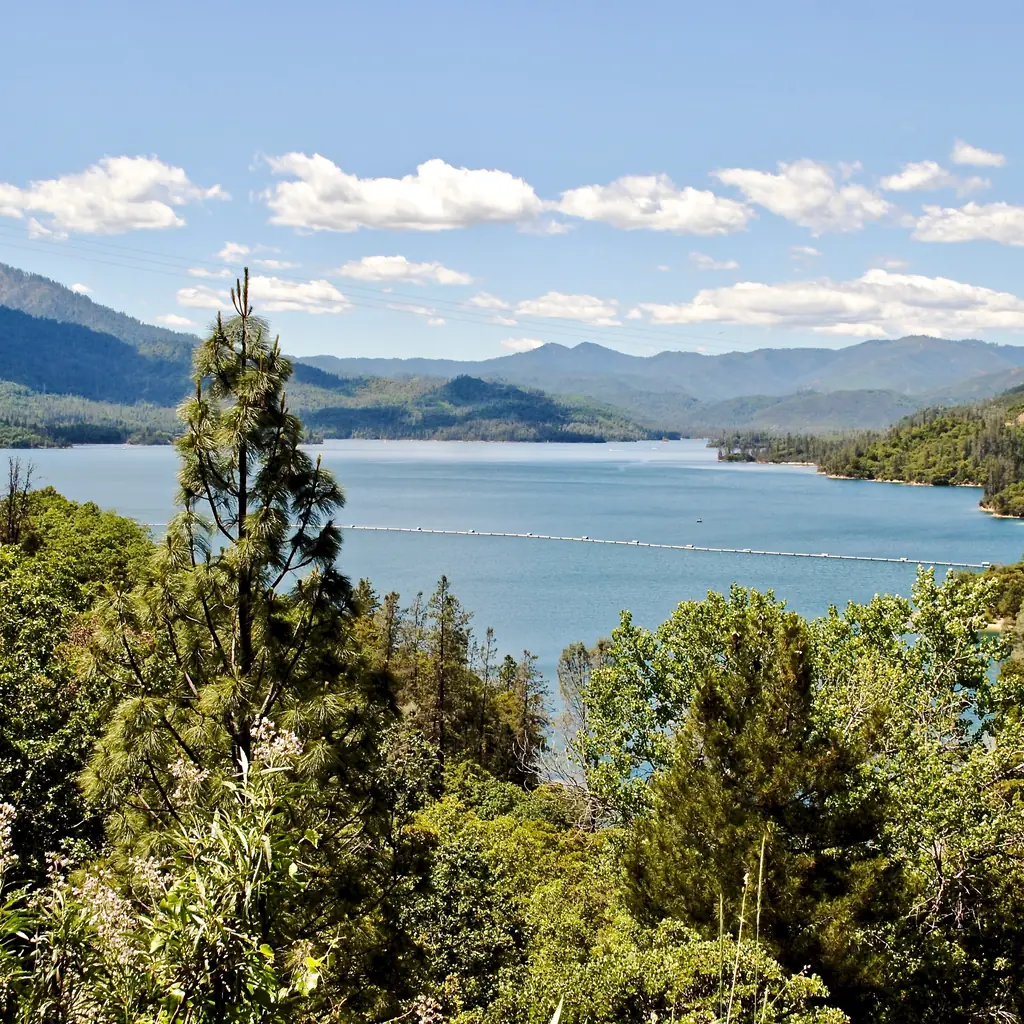
A lake inside a national recreation area can still have a pollution problem. At Whiskeytown, late-1980s testing found high fecal-coliform levels at popular beaches, particularly around busy visitation periods.
The sources were less mysterious than the scenery might suggest: inadequate sanitation, waste scattered by animals and contamination associated with people and wildlife. California listed the lake as impaired for bacteria in 1990.
The National Park Service improved toilets and wastewater facilities, upgraded waste management and changed how the affected recreation areas handled visitors. Monitoring documented improvement, and California removed the bacterial impairment in 2010. EPA’s Whiskeytown case study
The lesson is refreshingly practical. Protecting a swimming place can depend on what happens around its parking lot and restrooms. That historical delisting does not replace today’s beach notices, but it shows how ordinary visitor facilities can make a measurable difference to the water people came to enjoy.
Lake Hazle, Mississippi: the repair started uphill
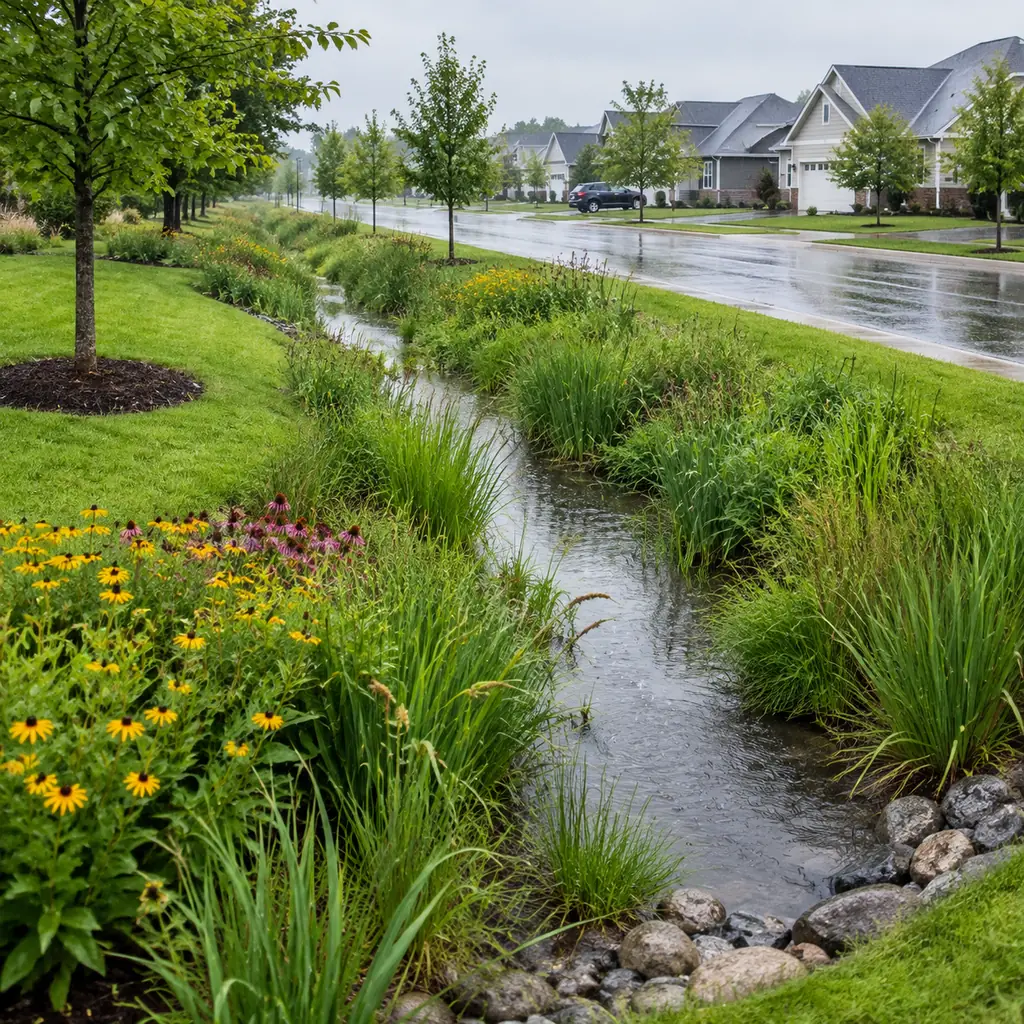
Lake Hazle is only 22 acres, a public recreation lake maintained by Hazlehurst. Development around it during the 1980s brought a problem familiar to much larger waters: rain carried material from disturbed land toward the lake.
The damage involved sediment, nutrients and other water-quality issues. Mississippi placed the lake on its impaired-waters list in 1996, even though restoration efforts had already begun.
Erosion controls and measures to intercept runoff addressed the routes by which pollutants entered. Follow-up monitoring in 2001 and 2003 supported removing Lake Hazle from the list in 2004. EPA’s Lake Hazle case study
It is an unshowy comeback. There is no enormous new dam or dramatic new shoreline. The useful discovery is that treating the lake as the bottom of a larger drainage area changed where people looked for the solution. Some of the important work happened before the water reached the water.
White Lake, Michigan: the mud still held the industrial past
At White Lake’s Tannery Bay, investigators found discolored sediment and remnants of hides and hair from former tannery operations. The industrial history was not confined to old buildings on shore. Part of it remained in the lake bottom.
Restoration removed more than 100,000 cubic yards of contaminated sediment across the Area of Concern. Partners also restored more than 50 acres of wetland, shoreline and nearshore habitat. White Lake was delisted in 2014. EPA’s White Lake account
Those were complementary jobs: removing contaminated material and giving fish and wildlife better places to live. One reduced a legacy problem; the other rebuilt some of what industrial use had displaced.
Michigan continues monitoring the lake. Delisting marks completion of the Area of Concern’s recovery requirements, rather than an instruction to stop paying attention. The changed shoreline is worth appreciating alongside the less visible work beneath it.
Lake Rebecca, Minnesota: old phosphorus kept coming back
At Lake Rebecca Park Reserve west of Minneapolis, reducing new pollution was not enough. Phosphorus already stored in the bottom sediments could cycle back into the water and help feed more algae.
The Three Rivers Park District combined watershed improvements with alum treatments in 2010 and 2011. The treatment reduced the release of phosphorus from sediment, while work on stormwater and a nearby horse operation tackled outside inputs.
The EPA’s comparison tells the story clearly: average phosphorus was 81 micrograms per liter in the 1994–2005 listing dataset and 33 in the 2012–2017 delisting dataset. Water clarity improved, too. Minnesota removed the nutrient impairment in 2018. EPA’s Lake Rebecca case study
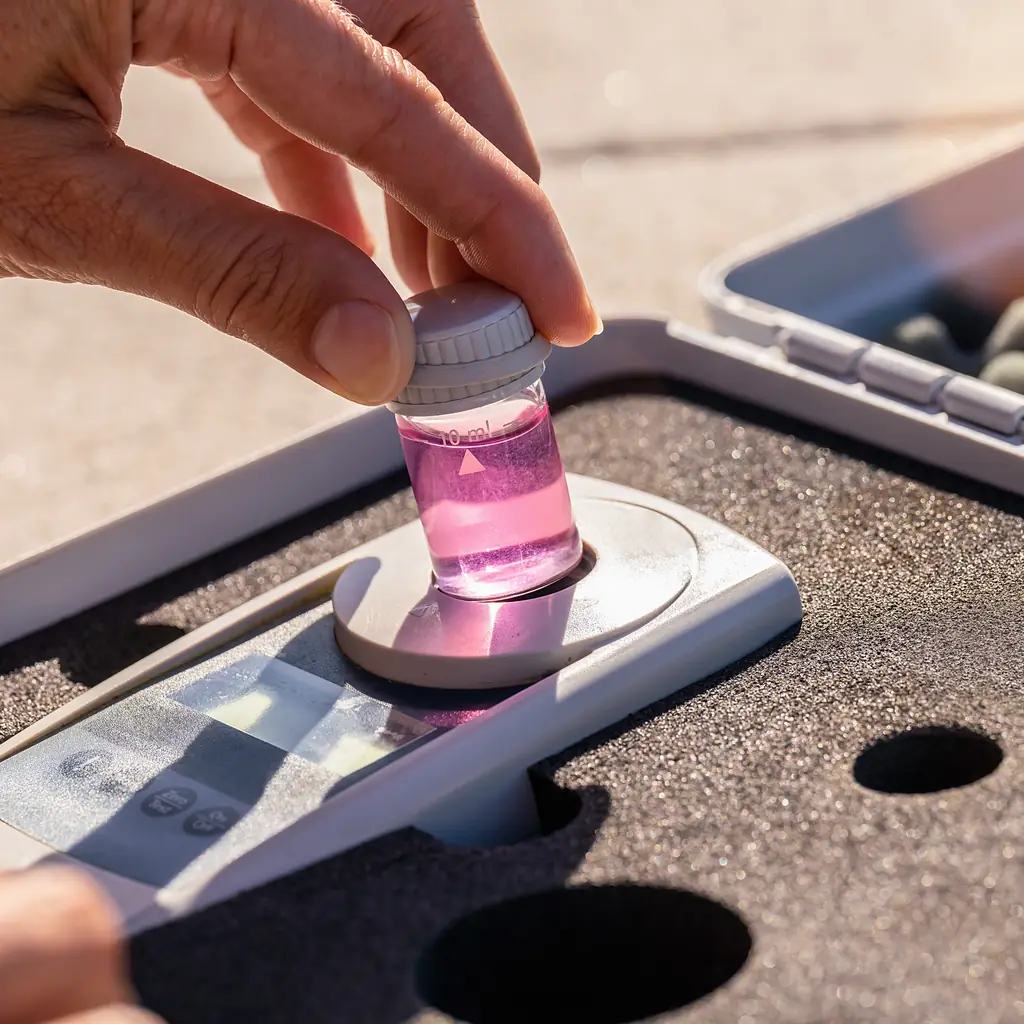
This is the park-reserve lake, not the similarly named Lake Rebecca near Hastings. Its recovery illustrates a stubborn feature of lake cleanup: yesterday’s pollution can remain part of today’s problem until the stored material is addressed as well.
Deer Lake, Michigan: changing the creek helped the lake’s wildlife
Near Ishpeming, water was passing through abandoned mine workings before making its way toward Deer Lake. Mercury associated with the mining legacy traveled along that route.
The Partridge Creek diversion changed the plumbing of the landscape. Instead of continuing through the contaminated mine system, water followed a restored route. The project also created stream habitat and wetlands. Earlier wastewater improvements and a change to the lake’s dam had addressed other parts of the problem.
Deer Lake’s Area of Concern was delisted in 2014. EPA also records the return of successful bald-eagle populations after earlier reproductive problems. EPA’s Deer Lake history

That wildlife detail gives the engineering a visible consequence. The recovery was not simply a lower number on a laboratory sheet; it changed the conditions under which animals lived and reproduced. It also shows why tracing water through the surrounding landscape can matter as much as testing the lake itself.
Mitchell Lake, Minnesota: a neighboring lake was part of the answer

Mitchell Lake in Eden Prairie is a shallow lake surrounded by developed land. Its nutrient problem did not respect the line that would appear around the lake on a map.
Restoration included better stormwater handling, shoreline work and treatment at upstream Round Lake. The upstream alum treatment was part of the solution for Mitchell, rather than a treatment applied to Mitchell itself.
EPA’s account reports that growing-season average phosphorus fell from 107 micrograms per liter in the 1999–2002 assessment data to 57 in the 2006–2013 data. Other measures improved, and the lake was removed from Minnesota’s impaired-waters list in 2018. EPA’s Mitchell Lake case study
The interesting part is the connection. A lake’s condition reflects water arriving from streets, properties and sometimes another lake. Restoring one shoreline without considering those incoming routes would have left much of the problem outside the work area.
Madawaska Lake, Maine: a forest landscape still needed erosion control
Logging roads and shoreline development helped carry sediment and phosphorus toward Madawaska Lake. During the late 1980s and early 1990s, nuisance algae blooms and poor clarity interrupted the reassuring image of a wooded Maine lake.
The response involved better forestry practices, road and erosion management, improvements around shoreline properties and replacement of failing septic systems. Regrowing forest also helped change the watershed over time.
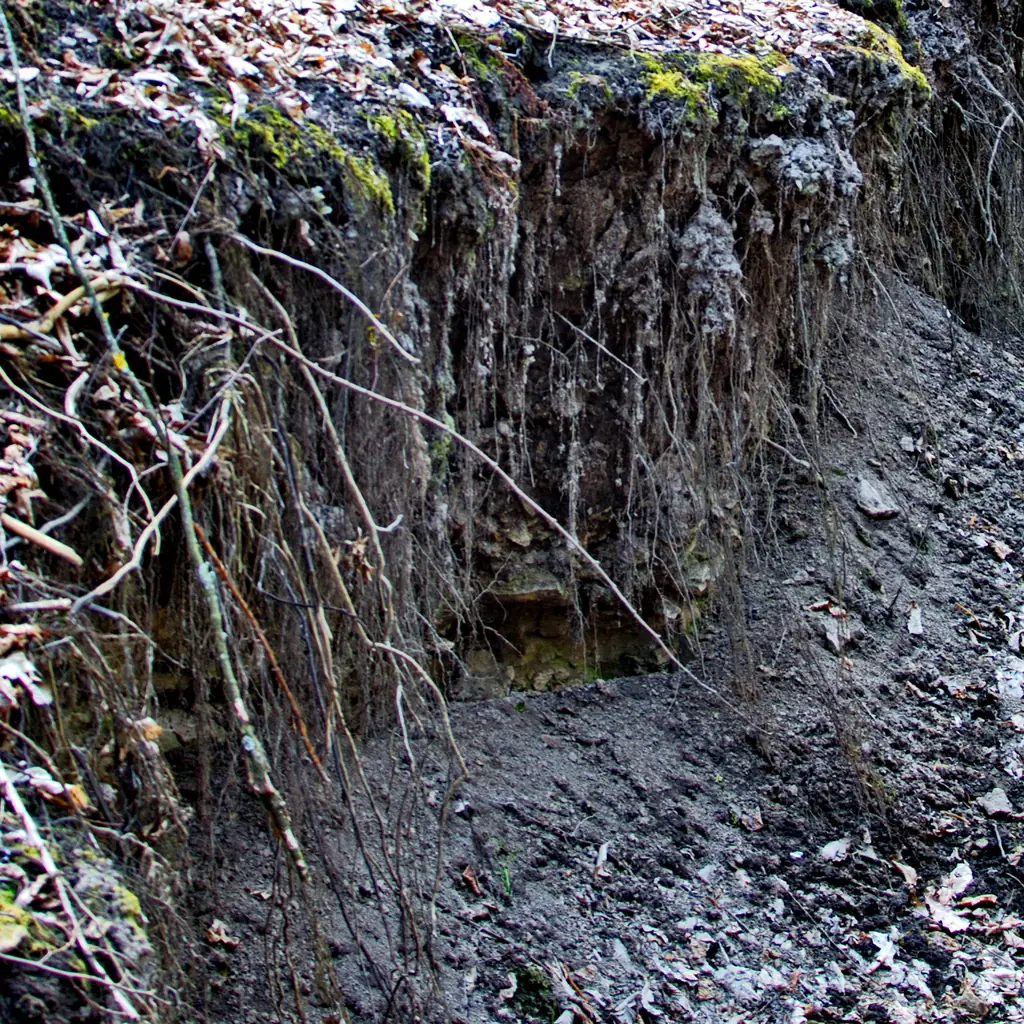
Maine removed the lake from its impaired-waters list in 2006 after water quality improved. The EPA’s account describes the work across the surrounding land rather than crediting a single piece of machinery in the lake. EPA’s Madawaska Lake case study
A forested view can look protected while roads and disturbed soil quietly change where rainwater goes. This recovery is a reminder that the background of a lake photograph is often an active part of the lake’s story.
Lake Shaokatan, Minnesota: a comeback measured in decades
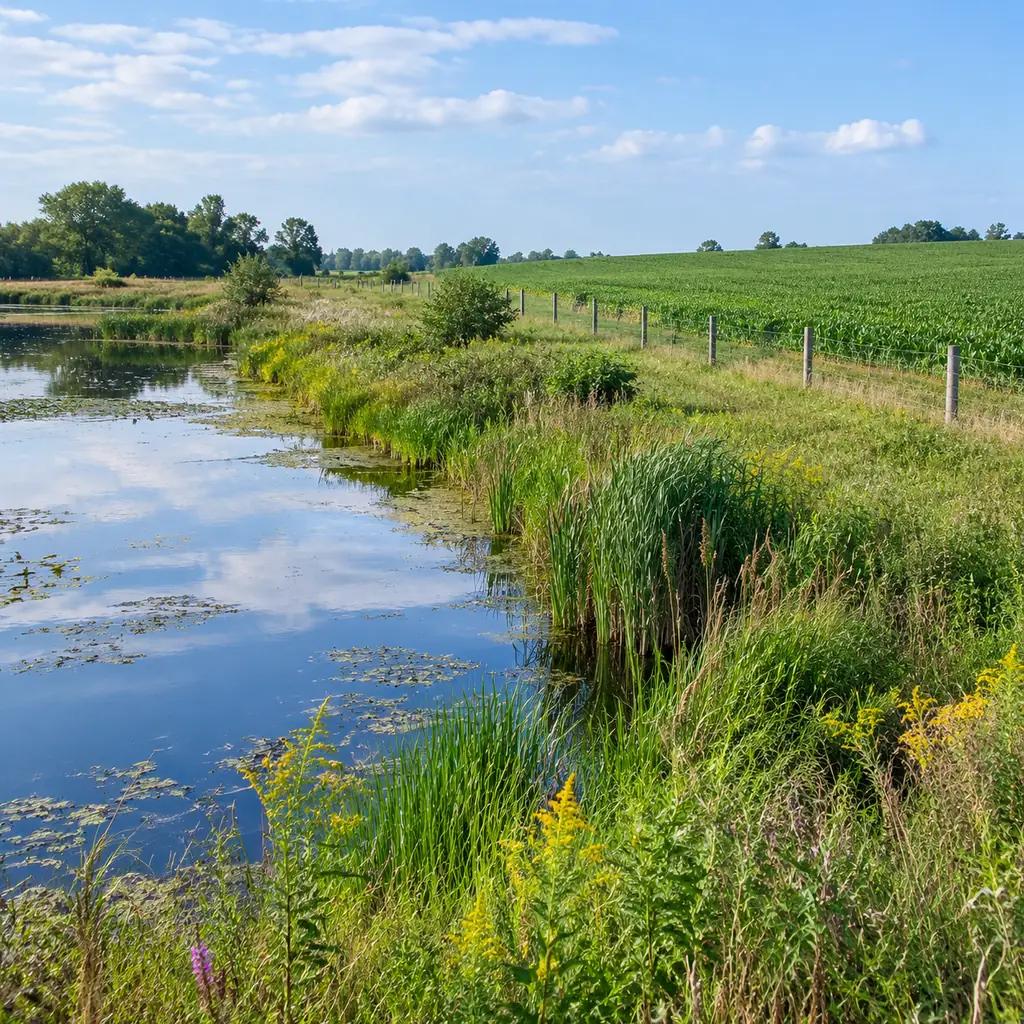
Shallow Lake Shaokatan, near Ivanhoe, had a history of severe algae blooms, low oxygen and fish kills. Its surrounding agricultural watershed supplied several possible routes for excess nutrients.
The response was a collection of practical changes: improved feedlots, upgraded septic systems, restored wetlands and changes to agricultural drainage. A shoreline fence helped keep cattle out of the lake. This was sustained work across the watershed, not one spectacular cleanup weekend.
After more than twenty years of effort, monitoring supported the lake’s removal from Minnesota’s impaired-waters list in 2018. EPA reported less frequent algae blooms and the return of rooted plants. EPA’s Shaokatan case study
Recovery created new management questions rather than freezing the lake in place. Minnesota’s DNR sought public input on a vegetation-management plan in August 2026. A lake with returning plants still needs decisions about how to manage its changing habitat. DNR’s 2026 notice
Beaver Lake, Minnesota: many small fixes changed the trend
Beaver Lake, in the Ramsey–Washington Metro Watershed District, was part of a group of urban lakes impaired by nutrients in stormwater. The contributing land included homes, businesses and other developed areas, rather than one obvious pipe to turn off.
The district used lake-management plans, stronger stormwater standards and a range of projects across the wider watershed. The EPA’s four-lake account distinguishes those projects by location; an improvement made for a neighboring lake should not be casually assigned to Beaver.
Monitoring showed Beaver Lake consistently meeting the state’s eutrophication standards from 2006. It was removed from the impaired-waters list in 2014. EPA’s four-lake case study
The delayed official milestone is useful context. Environmental recovery is often a trend that has to survive several years of monitoring. The payoff came from seeing that the better results were sustained, not merely from finding one unusually clear day.
Lake Apopka, Florida: the plants are returning, and the work continues
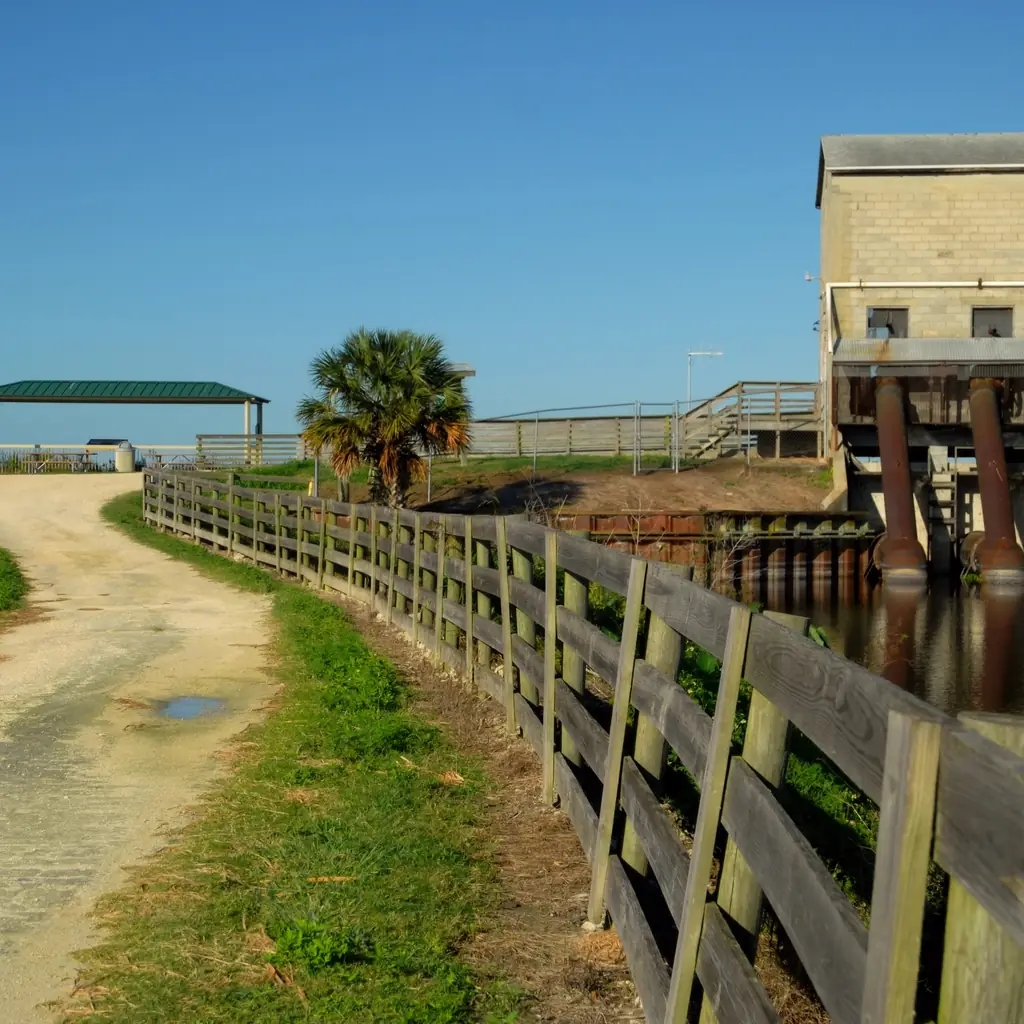
In 1994, Lake Apopka had no submerged aquatic vegetation. A 2024 survey found visible native submerged plants around 95 percent of its shoreline, according to the St. Johns River Water Management District.
That is a striking change to finish on. Clearer water allows more light to reach below the surface, helping plants grow and rebuild habitat. The district’s restoration program has reduced nutrient inputs and used measures including its Marsh Flow-Way to help improve the lake.
By March 2026, the district reported phosphorus concentrations down 66 percent and water clarity up 52 percent compared with the late 1980s. Yet its May update also described drought-related increases in phosphorus and continued restoration work. The district’s current Lake Apopka account
One part of that continuing work is surprisingly large: the Marsh Flow-Way covers 760 acres and filters about 30 percent of the lake’s volume each year. It captures algae, suspended material and nutrients before returning clearer water to the lake. The returning plants are a visible reward from a recovery that still depends on work around and within the water.
These are documented recovery milestones, not current swimming, fishing or drinking-water clearances. Check the relevant agency’s current guidance before a water-based visit; improvement in one pollutant does not establish that every other concern has been resolved.
Comments
The opinions and views expressed in the comments section are solely those of the individual users and do not represent or reflect the opinions, views, or positions of HumbleTrail. HumbleTrail does not endorse, support, or verify the accuracy of any user-generated content.
By posting a comment you agree to receive related emails from HumbleTrail in accordance with our Terms and Privacy Policy. You can unsubscribe at any time.