

Editor’s note: These travel recommendations reflect our editorial judgment based on public sources.
A lighthouse standing over the water. An arts center powered by gas from an old landfill. A mountain town where white squirrels are ordinary wildlife. North Carolina has plenty of places that reward a second day, once you get beyond the first attractive street.
These towns, small cities and villages offer different kinds of weekends. The coastal group and the mountain group belong on separate trips. Choose a base, leave room for one nearby outing, and spend the extra time on the discovery that made you want to go.
1. Dillsboro: Find the art made with landfill gas

Dillsboro has a craft story that goes well beyond a gallery purchase. At the Jackson County Green Energy Park, methane from a closed landfill helps fuel glass and metal studios. Watching that energy become useful heat makes the place memorable before you even see the finished work.
The park’s visitor page lists opportunities to watch artists and asks visitors to arrange guided tours in advance. Use that schedule to build the day, then continue into Dillsboro for its shops and locally made work. Jackson County’s town guide is a useful starting point.
This is a particularly good choice for travelers who would rather understand how something is made than collect another souvenir. Ask about a class if you want to participate; watching a studio at work does not automatically mean a hands-on session is available.
For a tour, ask to hear both halves of the story: how gas reaches the studios and how the artists use the heat. Seeing only the finished objects misses the connection that makes this place different. Leave shopping until afterward, when the work means more than its color or shape.
2. Edenton: Find the lighthouse over the bay
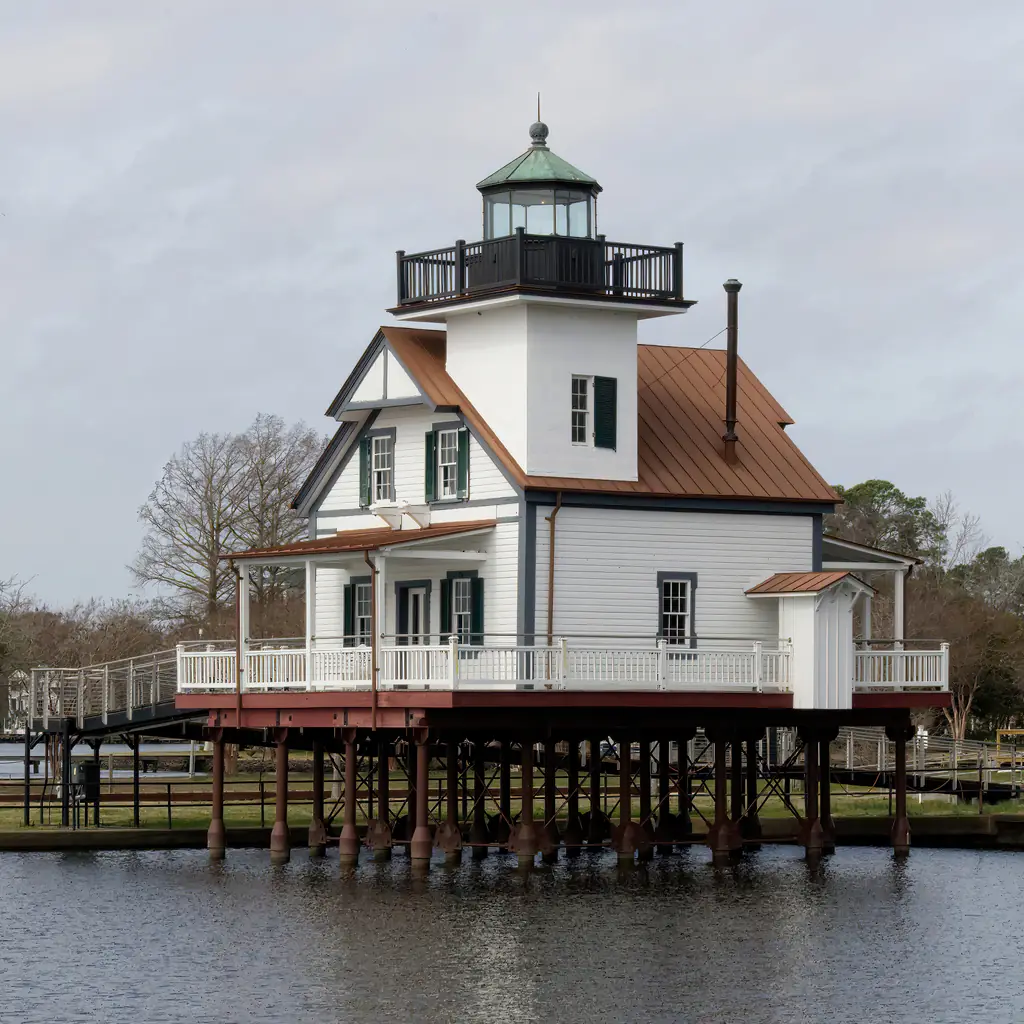
Edenton’s 1886 Roanoke River Lighthouse sits above the water on pilings, which makes it a more surprising sight than another tower on a beach. The waterfront also puts you close to the 1767 Chowan County Courthouse. Those two buildings tell different stories within one manageable part of town. Visit North Carolina identifies both among Edenton’s historic stops.
Start outside, where you can understand the lighthouse’s unusual setting without needing a long explanation. Then choose an available historic-site tour rather than attempting every interior in one afternoon.
Edenton suits a traveler who enjoys looking closely. A second waterfront walk, after the day’s visitors have moved on, can be more satisfying than driving somewhere new just to fill the itinerary.
3. Southport: Make time for the ships passing by
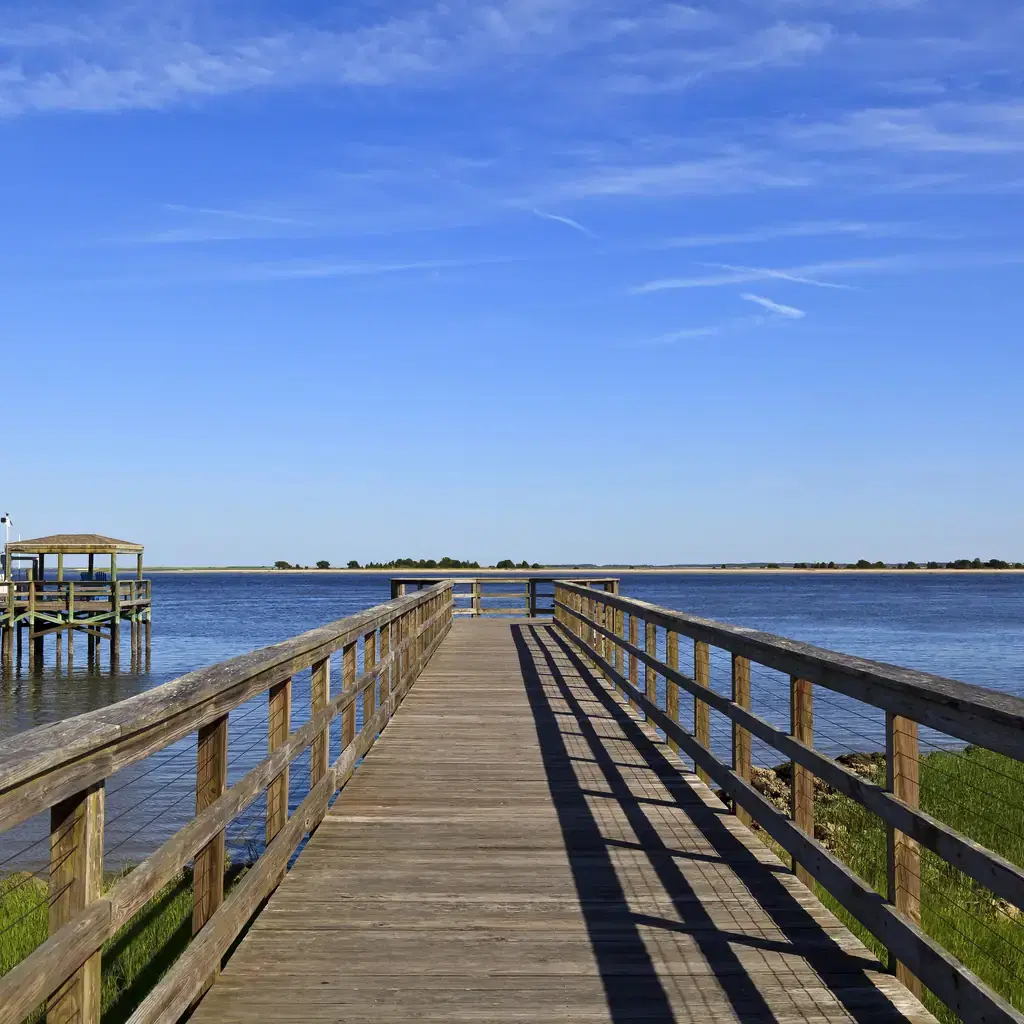
Southport’s simplest attraction gives you something changing to watch. Waterfront Park overlooks the Cape Fear River, with swings, benches, a pier and sheltered picnic tables. You can sit down and let the river supply the activity. The city’s park listing also flags a detail worth knowing: this park has no restrooms.
Bring lunch or take a break between downtown stops. Watch the working river rather than treating the view as a quick photograph. The scale of the water and the vessels moving through it makes this a different experience from sitting beside a small pleasure-boat marina.
Southport works well for a low-pressure coastal weekend. Book the outing you especially want, then leave a generous gap for this stretch of waterfront.
4. New Bern: Follow a soda story beyond the souvenir
New Bern’s claim as Pepsi’s birthplace is an easy draw, but you can build a fuller day around how the town grew. Tryon Palace and the North Carolina History Center add a much larger historical setting to a downtown visit. The palace’s visitor guide places Pepsi’s birthplace within walking distance of the palace complex.
Keep two similarly named attractions straight. The Birthplace of Pepsi is the downtown soda-history stop. The Pepsi Family Center is an interactive exhibit at the History Center, taking visitors into a river community in 1835.
Choose the latter when your group wants to do something together, then let the rest of the day unfold through downtown. You need not squeeze the palace, gardens, exhibits and every shop into one visit.
5. Manteo: Step aboard a different sort of ship
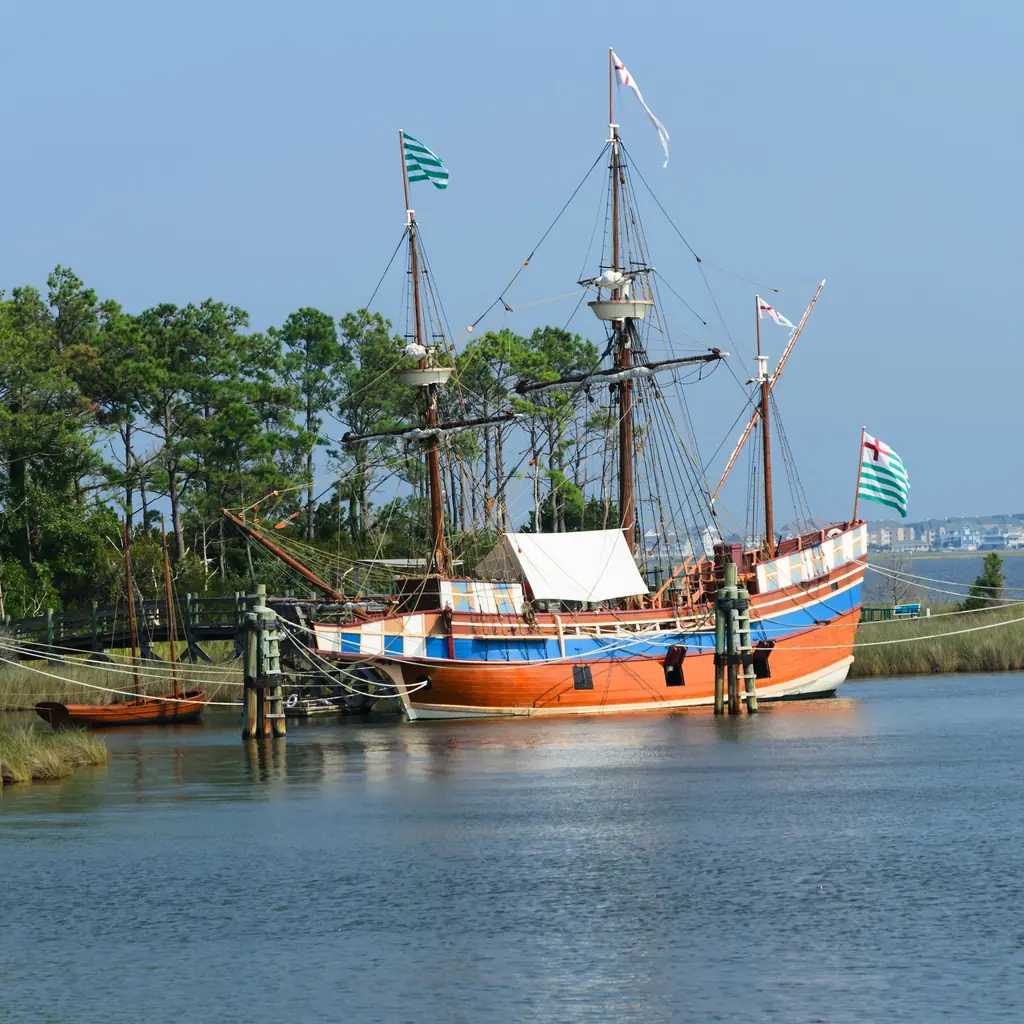
The Elizabeth II at Roanoke Island Festival Park gives Manteo an unusually tangible history stop. The replica represents a 16th-century English merchant ship, so the experience concerns cramped working space and sea travel rather than a grand naval vessel. The park also interprets Indigenous life and English settlement. North Carolina’s Outer Banks itinerary describes the ship and the surrounding sites.
Visit the ship before wandering back toward the waterfront. Its size gives you something concrete to think about as you look across the modern harbor.
Manteo is a useful choice when you like the Outer Banks but want a town-centered day between beach outings. If that combination appeals, our coastal small-town guide offers other places to compare.
6. Ocracoke: Look beyond the beach holiday
Ocracoke’s British Cemetery is a quiet interruption to an island vacation. Its Second World War burials reflect how close the Atlantic war came to this coast. The National Park Service identifies the cemetery and its memorial, making it a worthwhile short stop alongside the village’s better-known waterfront pleasures.
Give that visit its own attention, then return to an unhurried island day. Ocracoke benefits from staying overnight: a beach outing and time in the village need not compete with an immediate journey back.
Build your arrival and departure around the North Carolina ferry system’s current schedules and alerts. A map can make the island look like a simple continuation of the road. Your actual trip depends on the crossing, the weather and the route you book.
7. Bath: Let a very small place tell a big story
Bath became North Carolina’s first incorporated town in 1705. Its compact scale makes that fact more striking: you are visiting an early colonial center that never became a large modern city. Historic Bath provides the context through preserved buildings and its historic district.
This is a good stop for travelers who like a place to reveal itself slowly. Look at the relationship between the houses, streets and water, rather than expecting a busy commercial strip to entertain you.
Bath can anchor a quiet stay or pair with Washington. Before treating a lovely weekend town as a possible future home, make a separate practical visit; our guide to small towns to visit before moving explains why vacation charm is only part of that decision.
8. Washington: Understand the water you’re looking at
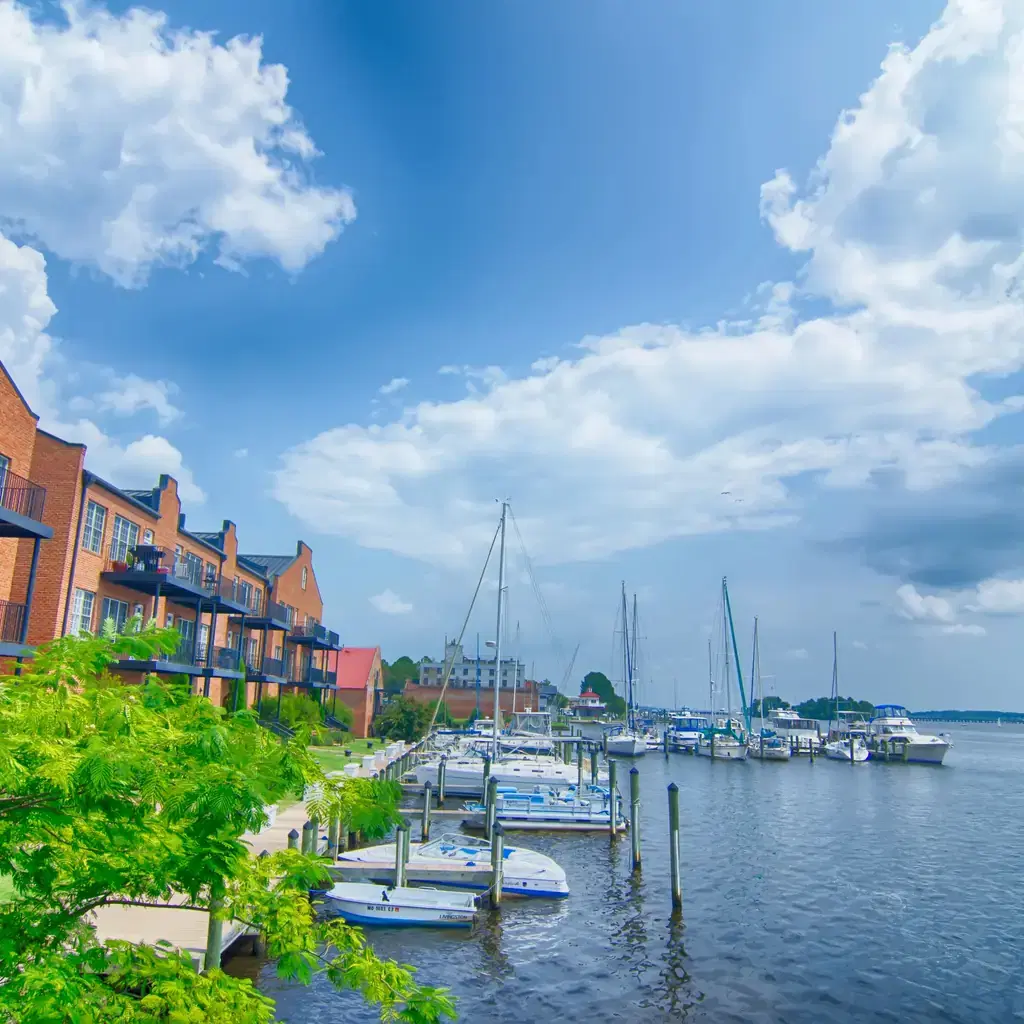
The North Carolina Estuarium makes the Pamlico waterfront more than scenery. Its exhibits explain the estuary: the meeting place of fresh and salt water, and the plants, animals and communities connected to it. The facility’s operator combines science, art and regional history, so this need not feel like a textbook detour.
See the exhibits before your waterfront walk. Suddenly, the stretch of water beside town has more going on than a pleasant reflection.
Washington also has the Waterfront Underground Railroad Museum, which adds the experiences of freedom seekers to the area’s river story. Together, these stops give a weekend substance without requiring a long drive between major attractions. Leave the middle of the day open for lunch and time outside.
9. Brevard: Notice the squirrel everyone else walks past
A white squirrel in Brevard is worth a second look. The city’s population is a white variant of the eastern gray squirrel, not an albino population. Dark eyes are one visible distinction. The city’s own guide explains the difference.
Treat spotting one as a bonus rather than a wildlife appointment. Downtown gives you another reason to keep walking: the Brevard Sculpture Walk turns art into a series of small discoveries between shops and meal stops.
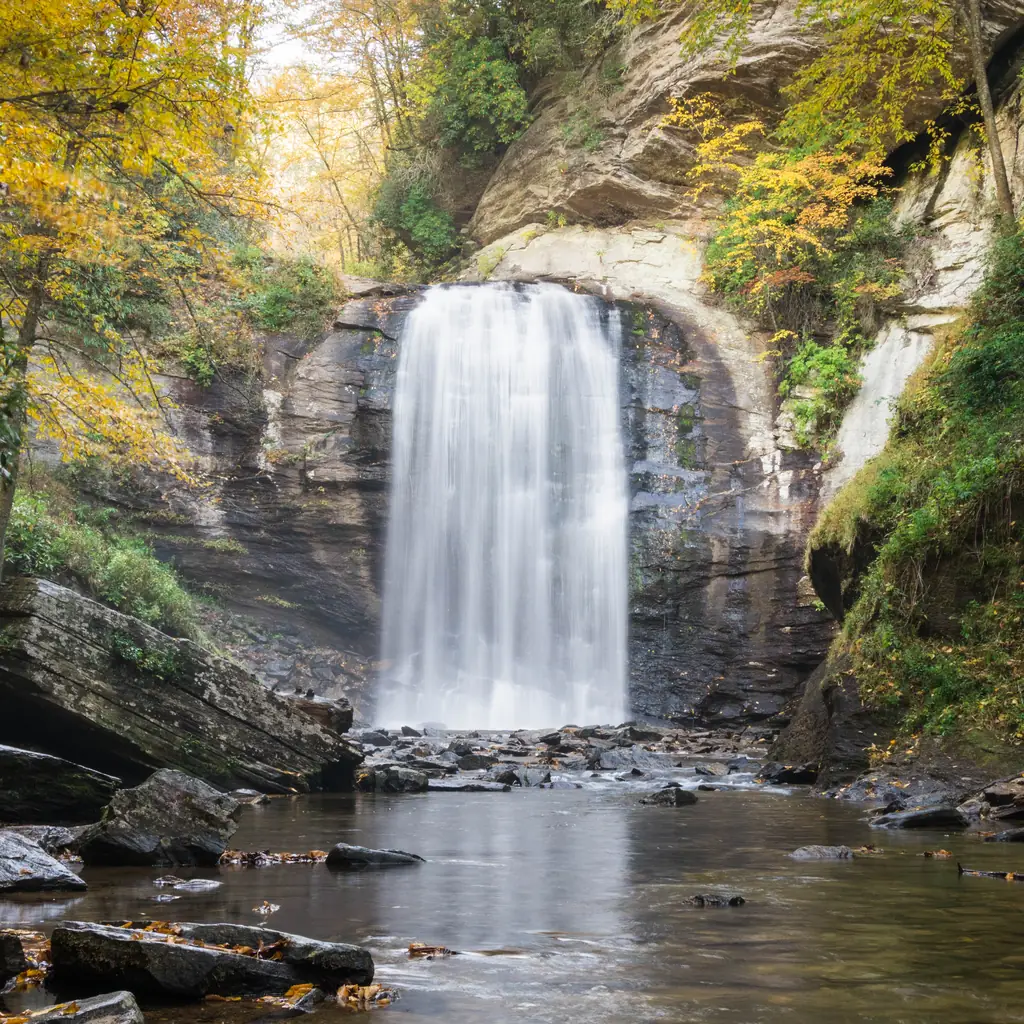
For a short outing beyond town, Looking Glass Falls drops 60 feet beside U.S. 276 in Pisgah National Forest. You can see the cascade from the road, so a waterfall stop need not turn into a full hiking day. Check current road access and leave time for dinner back in Brevard. Our scenic-drive guide takes the same approach: the stops deserve time too.
10. Hendersonville: Play the museum exhibits
Rain can improve a Hendersonville afternoon if it sends you into the Appalachian Pinball Museum. This is a place to play, not simply look at machines behind a barrier. Hendersonville’s visitor bureau lists the museum, which combines pinball and video games in the downtown area.
It is an appealing break for a multigenerational group. Older visitors may recognize a cabinet or game sound; younger ones can discover why keeping a ball alive was once enough entertainment for an afternoon.
Do the museum as a deliberate part of the weekend rather than an emergency substitute. Then resume your Main Street stroll when everyone is ready. That mix of one memorable indoor activity and an easy downtown is useful when mountain weather changes your outdoor plans.
11. Black Mountain: Start with the old firehouse
The Swannanoa Valley Museum occupies a former firehouse designed by Richard Sharp Smith, an architect associated with Biltmore. The building dates to 1921. Those details give you a reason to look at the museum itself before entering. Its visitor information connects the building with the broader history of the valley.
Use the museum to put Black Mountain’s streets and surrounding landscape into context, then spend time in town at your own pace. This is a stronger weekend plan than filling the hours with shops you could browse anywhere.
If part of the attraction is staying in an older property, compare the actual room, location and amenities. Our guide to historic hotels worth considering looks at what makes the history add to a stay.
12. Waynesville: Walk downhill into its railroad past
Frog Level has a name you remember and a layout that helps explain it. This low-lying district sits beside Richland Creek, downhill from Main Street. Its warehouses and commercial buildings developed around the railroad, giving it a different character from the shopping street above. The historic district’s National Register documentation traces that relationship.
Explore both areas rather than assuming Main Street is the whole town. Look at the building forms and the rail corridor; they show how goods and visitors once arrived.
Before choosing individual stops, check the local visitor bureau’s current neighborhood guide. Pair a town day with one mountain outing rather than turning Waynesville into a place you only return to after dark.
13. Bryson City: Leave time for the smaller trains
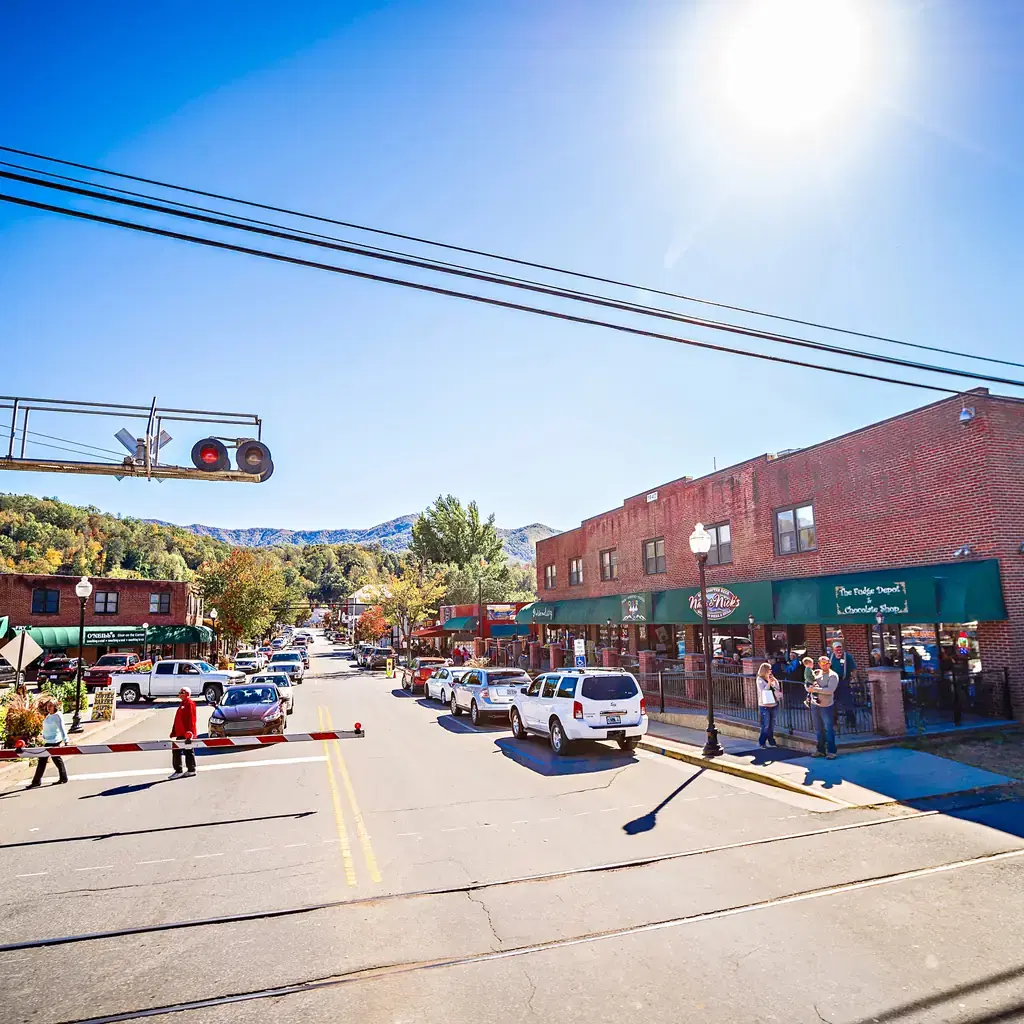
A Great Smoky Mountains Railroad trip is an obvious reason to visit Bryson City. The surprise is how much interest remains after you leave the full-size train. The railroad’s Smoky Mountain Trains Museum holds more than 7,000 Lionel engines, cars and accessories, along with an operating layout. Museum admission is included with its train excursion tickets.
Book the specific excursion you want, then allow time for the collection rather than rushing straight to the car. It adds a different scale of railway fascination to the day.
Routes, dates and steam or diesel service matter more than the general promise of a train ride. Our scenic-train guide helps you decide what you want from the experience before paying for a particular seat.
14. Beaufort: Watch the waterfront’s craft survive
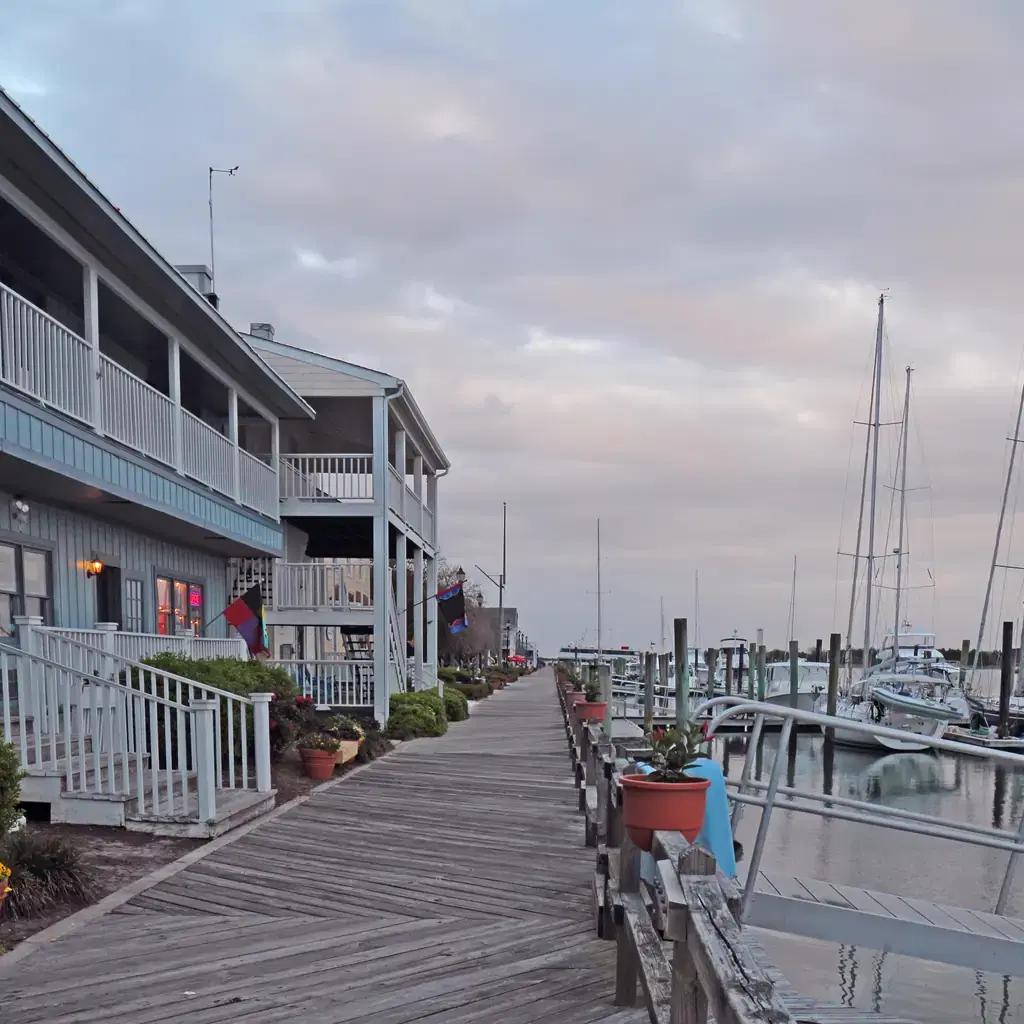
Beaufort’s waterfront becomes more interesting when you look at how its boats are made. The Harvey W. Smith Watercraft Center on Front Street runs programs in wooden boatbuilding, including short introductory projects and more involved classes. Its current calendar gives you a reason to choose a particular weekend, instead of hoping something will be happening when you arrive.
Even if you do not enroll, let that working waterfront set the pace. Walk Front Street, stop for a meal and return to the water later in the day. Save the boat excursion for a separate block of time.
A full weekend here should not feel like an extended wait for one tour departure. Leave space to appreciate the boats themselves, the skills behind them and the town they serve.
15. Blowing Rock: Swap a strenuous trail for a carriage road

Moses H. Cone Memorial Park, outside Blowing Rock, offers a different mountain outing: historic carriage roads through an estate landscape. You can choose a manageable walk rather than assuming every good view requires a steep summit climb. The National Park Service’s park guide explains the property and its visitor facilities.
Treat the park and town as two parts of the day. Check current Parkway and facility access first, walk a route that suits your group, then return to town with time for a meal.
A comfortable walking day starts with what you bring and what you leave behind. Our two-week carry-on packing guide can help if this weekend is part of a longer trip.
16. Highlands: Take the garden path, with one current correction
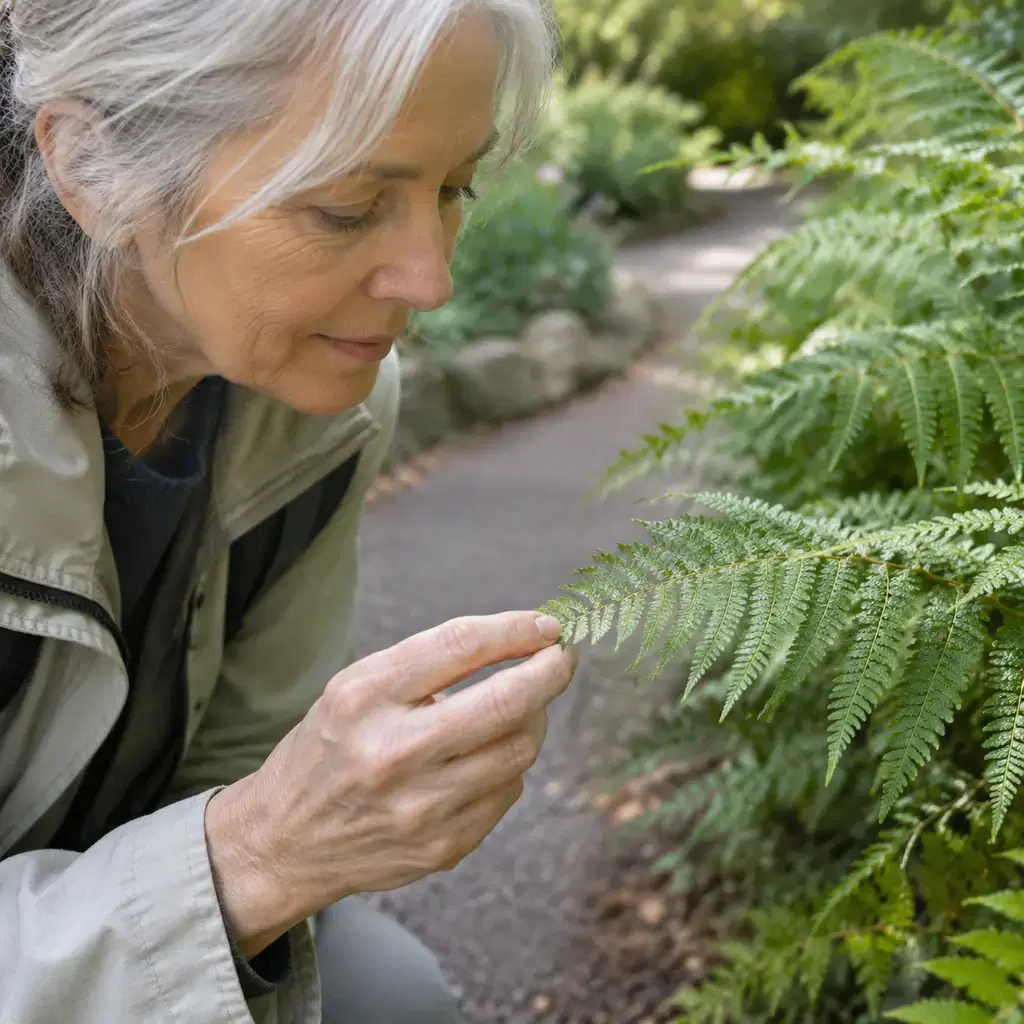
Highlands’ botanical garden lets you explore the mountain environment without making every outing a drive to a waterfall. The Highlands Biological Station has a 12-acre garden and trails, with native plants providing plenty to notice at a slower pace. Its directions and access page is useful for choosing where to start.
One detail matters for a 2026 visit: the Nature Center is closed for renovations from August 16 through the end of the year. The gardens and trails remain open from sunrise to sunset. Plan for that outdoor experience rather than promising children an indoor animal visit.
Finish the weekend with enough time to sit over breakfast before leaving. Highlands rewards a stay in which the garden, the town and the mountain air each get their own turn.
Comments
The opinions and views expressed in the comments section are solely those of the individual users and do not represent or reflect the opinions, views, or positions of HumbleTrail. HumbleTrail does not endorse, support, or verify the accuracy of any user-generated content.
By posting a comment you agree to receive related emails from HumbleTrail in accordance with our Terms and Privacy Policy. You can unsubscribe at any time.