


Editor's note: This article is solely an opinion piece, based on publicly available customer reviews, loyalty program changes, complaint data, and industry reporting we found online.
The strange thing about flying right now is that the industry can look healthier on paper while passengers still feel squeezed in the seat.
Some airlines have improved their apps, their Wi-Fi, and their premium cabins. At the same time, many travelers say the everyday experience has become more transactional: fewer freebies, tighter rules, harder loyalty redemptions, more crowded lounges, and less grace when something goes wrong.
These are the airlines that longtime travelers most often describe as feeling worse than they used to.
12. Alaska Airlines

Alaska still has a loyal following, especially on the West Coast. The service can be warmer than the giant network carriers, and frequent flyers still defend the Mileage Plan program.
The concern is that the airline no longer feels as simple as it once did. More partner complexity, fuller planes, and merger uncertainty have made some regulars nervous.
When a smaller-feeling airline grows into something bigger, the first thing passengers miss is usually the personality.
11. Lufthansa
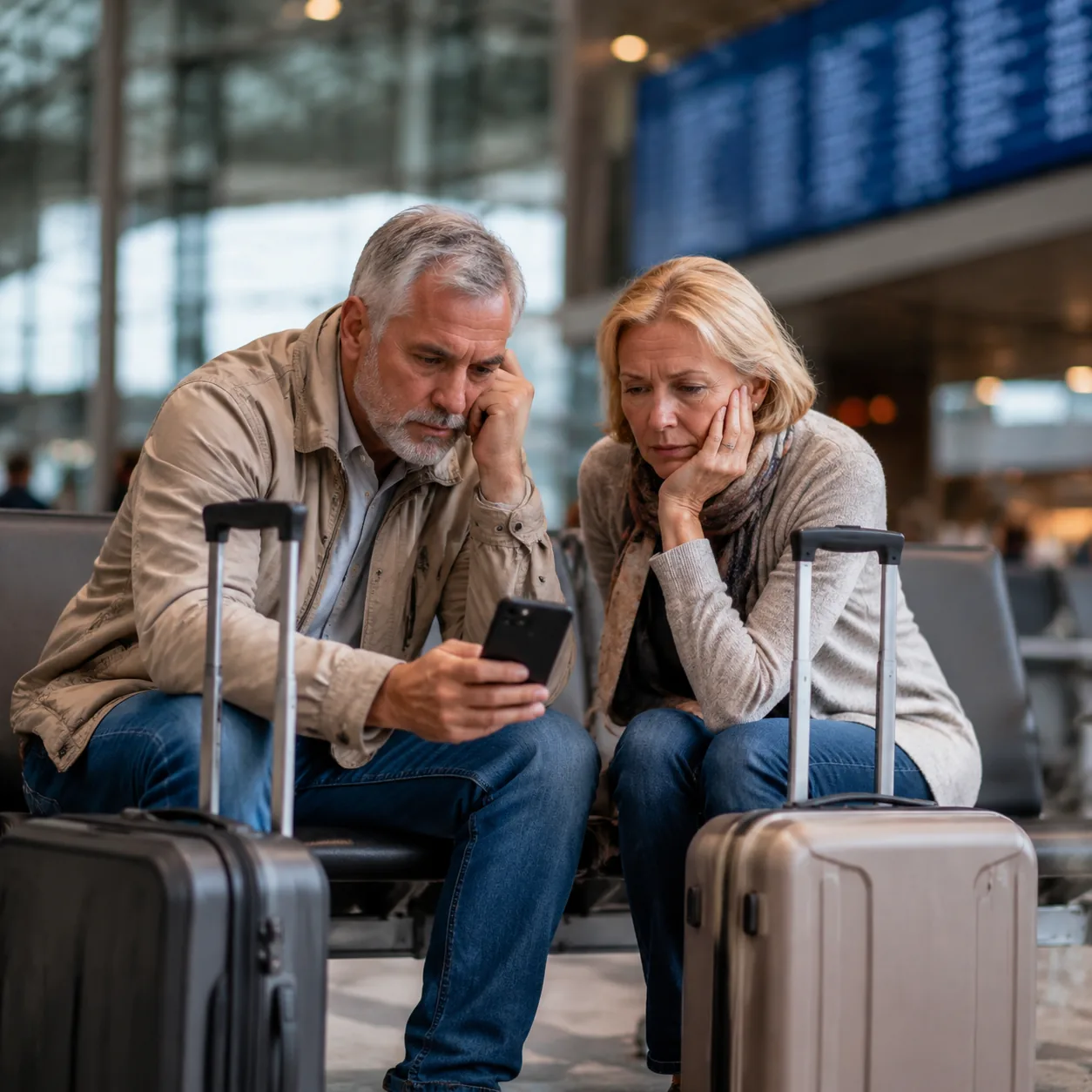
Lufthansa once carried an old-school reputation for precision. For many Americans connecting through Frankfurt or Munich, that was the whole point.
Recent passengers complain more about tight connections, strikes, rebookings, aging cabins on some aircraft, and service that does not always match the premium image.
The airline can still be excellent in the right cabin on the right route. The frustration is that the reliability halo is not as automatic as travelers remember.
10. British Airways
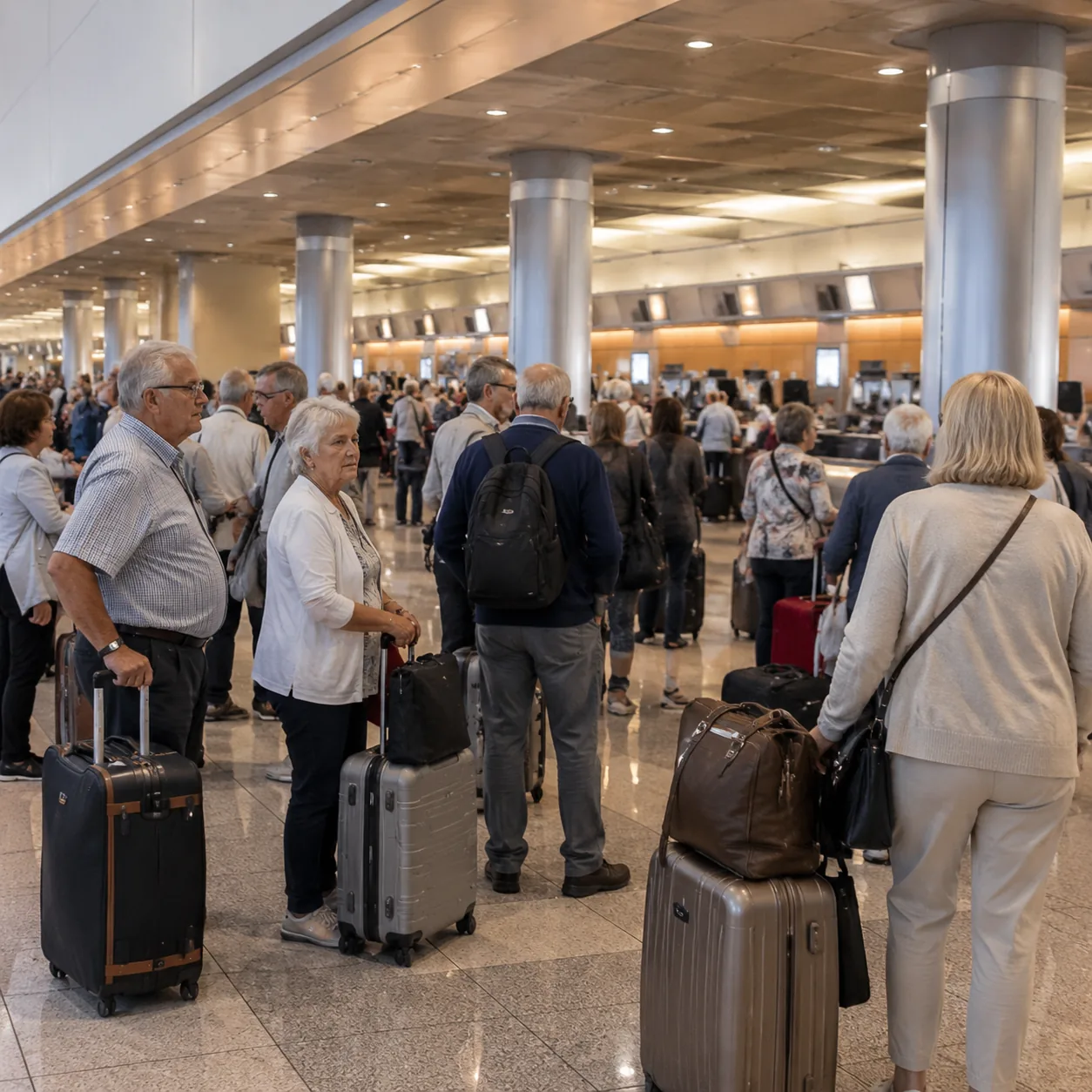
British Airways still benefits from the romance of London, long-haul travel, and a name that sounds more premium than many competitors.
That expectation can work against it. Travelers complain about fees, older club cabins on certain aircraft, dense seating, and a service style that can feel inconsistent.
For passengers who remember BA as a special treat, the modern version can feel like a normal airline charging for the memory of a better one.
9. JetBlue
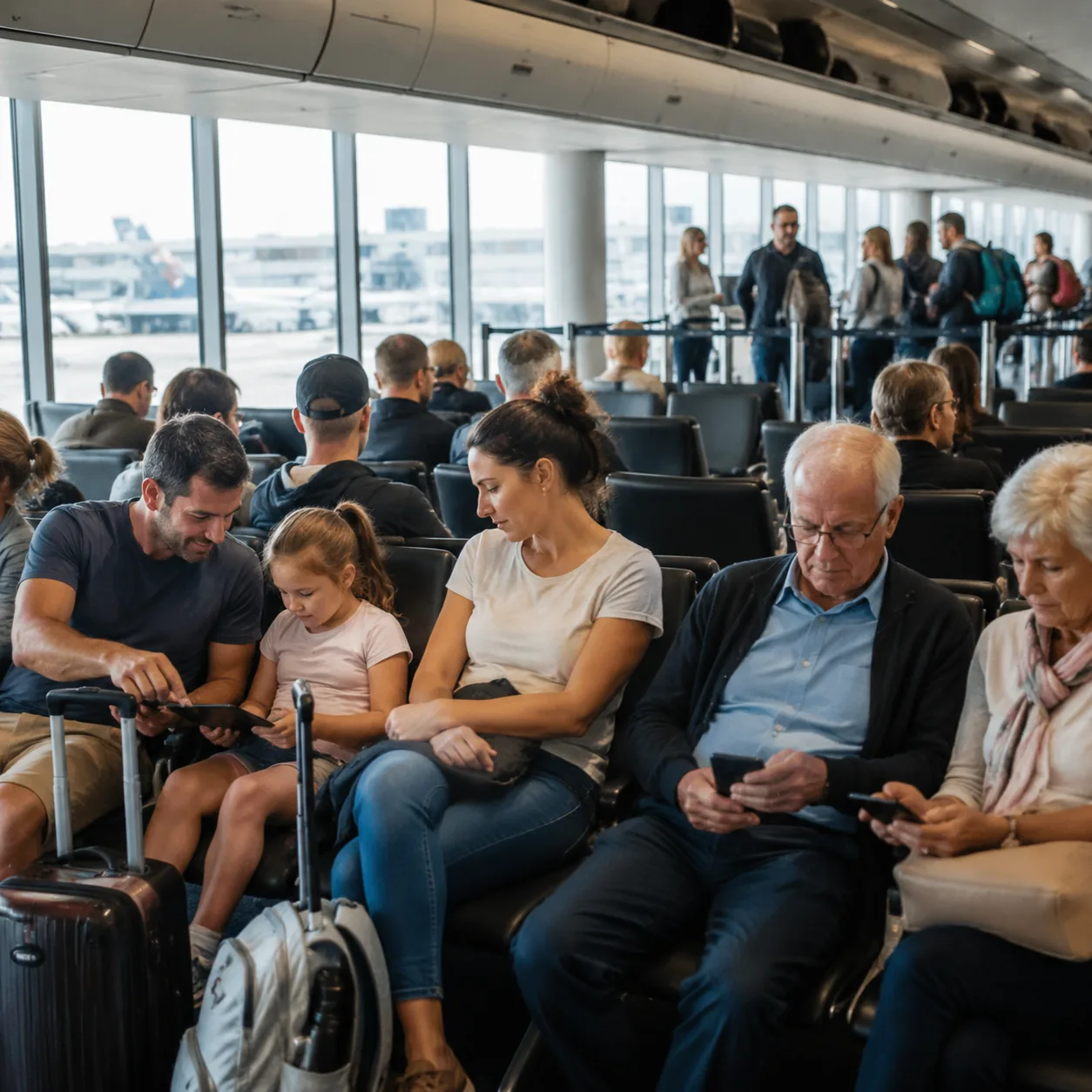
JetBlue used to be the clever alternative: more legroom, friendly crews, live TV, and a sense that it was not trying to nickel-and-dime everyone.
Now the brand feels less distinct. Basic fares, route cuts, delays in key Northeast airports, and tighter competition have made the airline feel more like everyone else.
That may be the deepest decline of all. The product is not always terrible. It is just less special than its reputation.
Read more: 17 Airplane Seat Selection Mistakes Travelers Keep Making
8. Delta Air Lines
Delta still scores well with many travelers, and its operation often beats the other big U.S. network carriers.
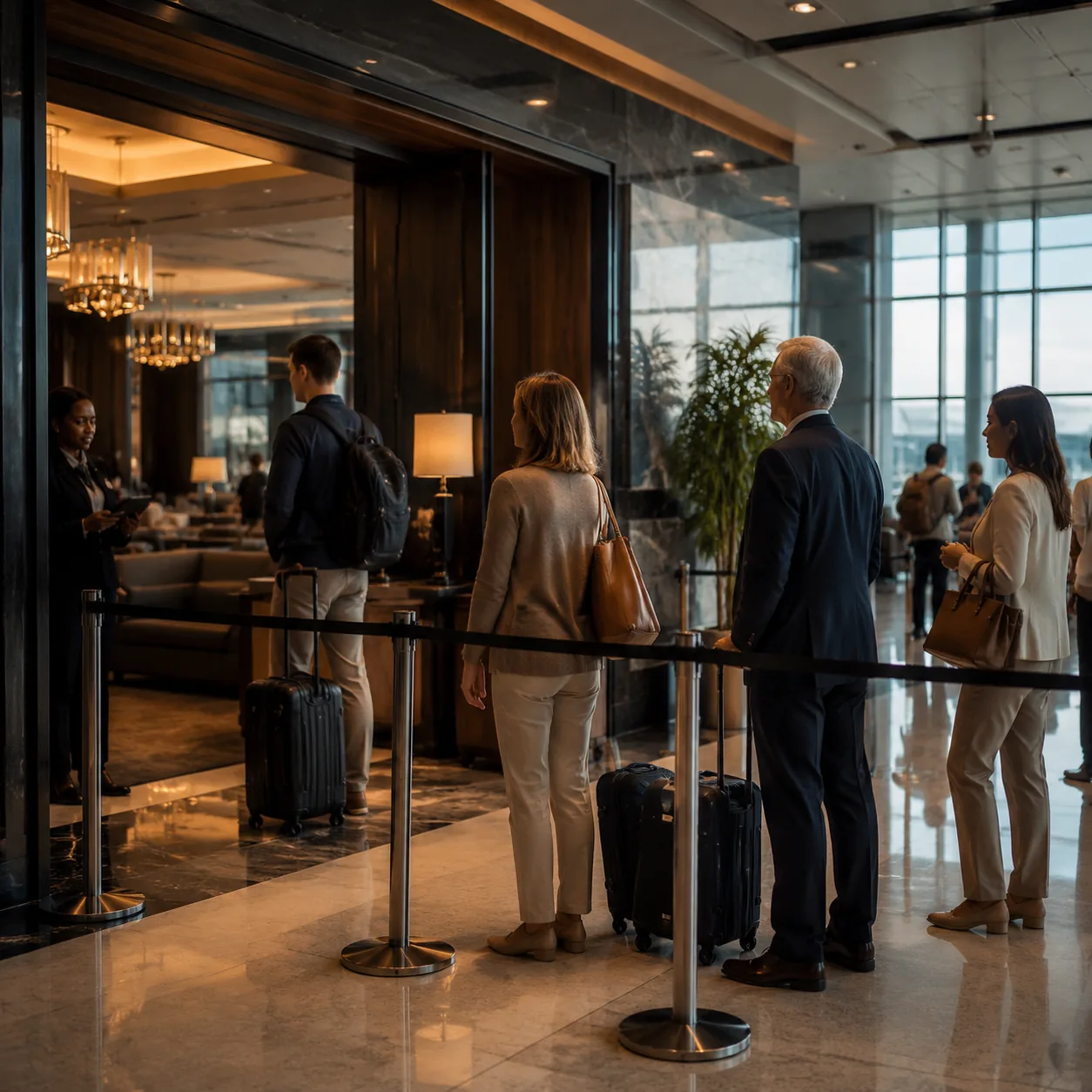
The complaints come from the gap between premium pricing and everyday reality. Loyalty changes, lounge access limits, crowded hubs, and expensive fares have made some former fans feel taken for granted.
Delta is not usually the worst choice. The issue is that it now charges like the obvious best choice, and that is harder to defend.
7. United Airlines

United has improved parts of the experience, especially on some long-haul routes and premium products.
But many economy passengers still associate the airline with crowded hubs, bare-bones basic fares, hard-to-use miles, and inconsistent service when travel plans fall apart.
United can be excellent if you know exactly what you are buying. It can feel punishing if you booked the cheapest fare and assumed the old rules still applied.
6. American Airlines
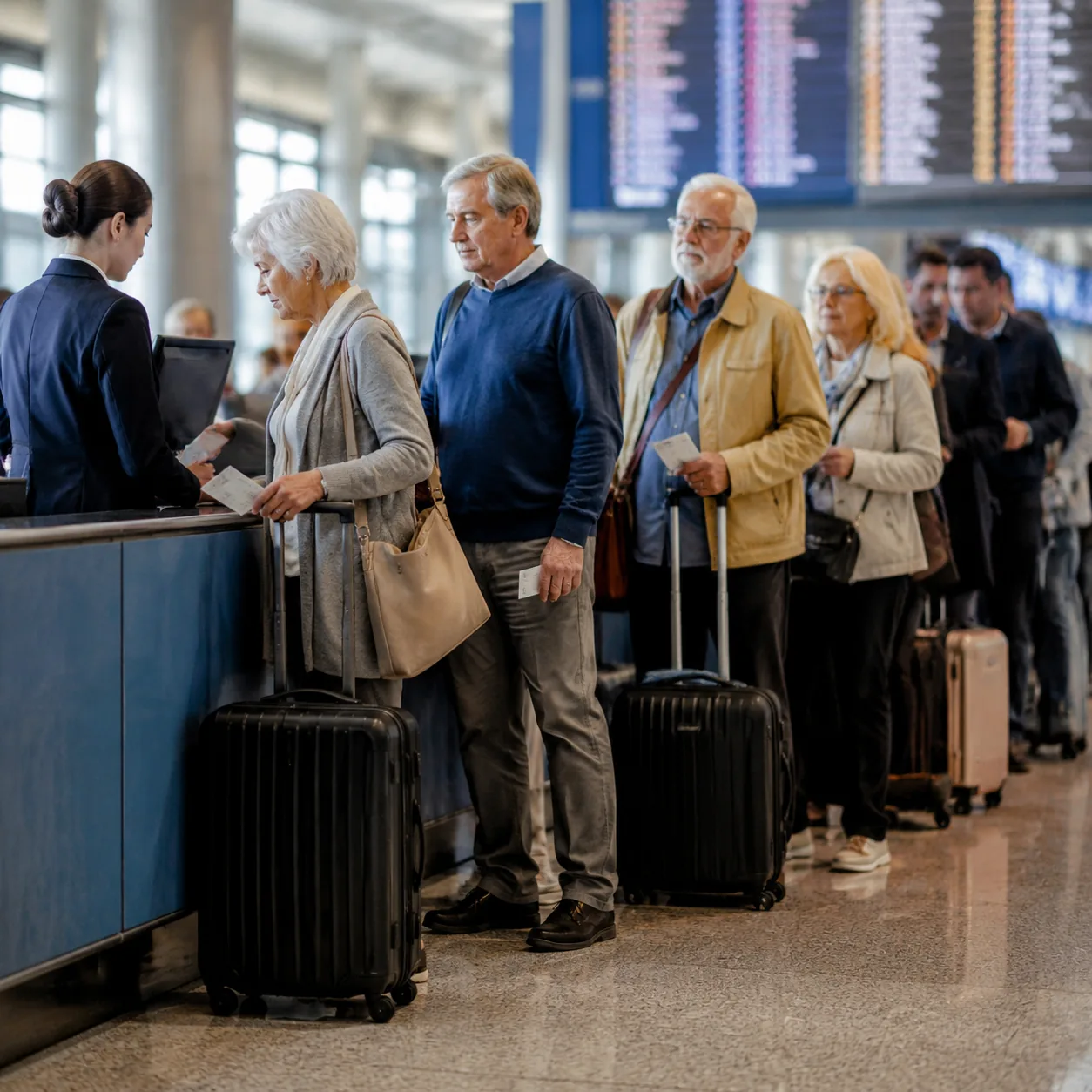
American has the route map, the hubs, and the loyalty base. That should make it feel dependable.
Instead, many passengers describe an airline that varies wildly by airport, aircraft, crew, and day. Some flights are perfectly fine. Others feel tired before they even board.
The hardest part for regular travelers is the unpredictability. A brand this big should not feel like a coin flip.
5. Air Canada
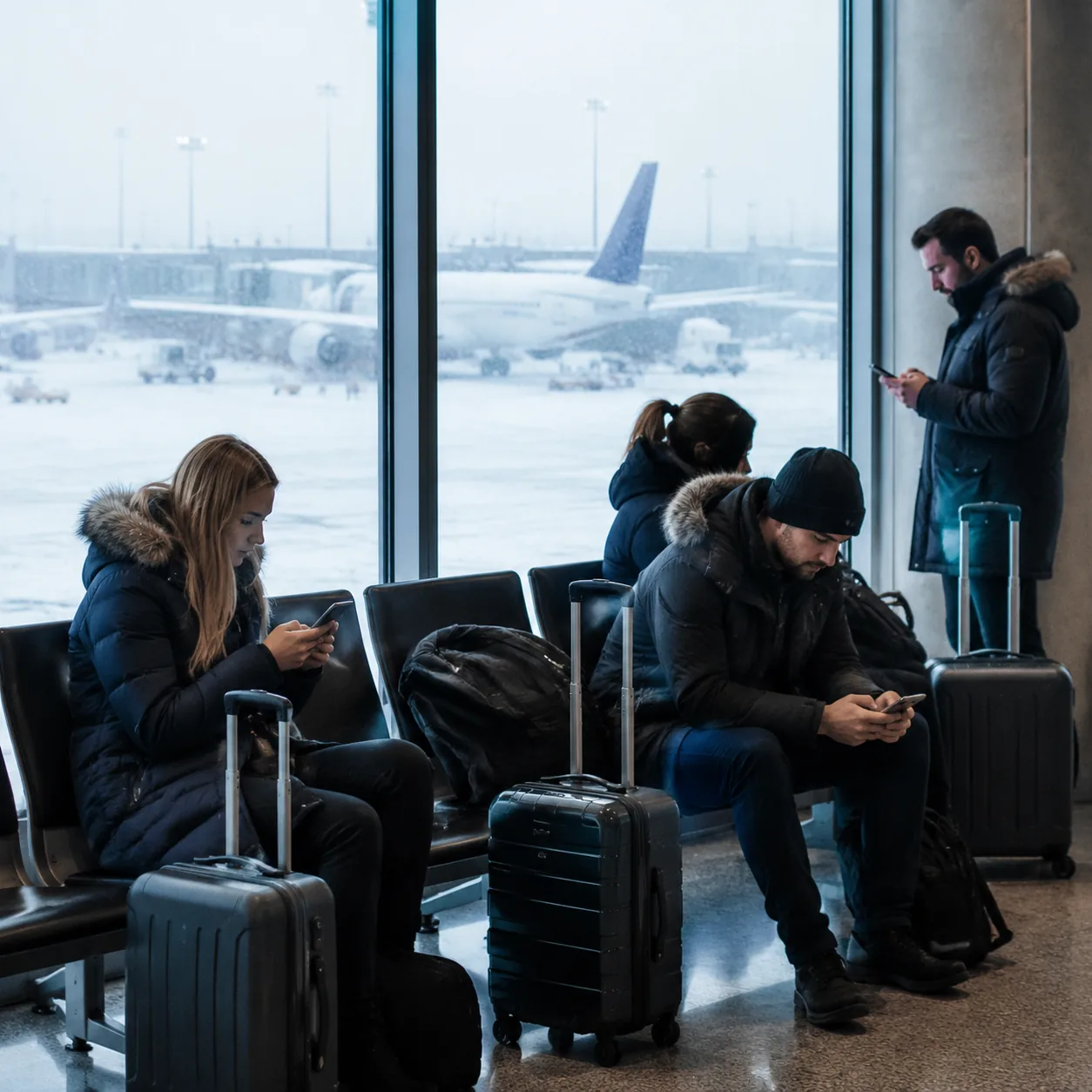
Air Canada is unavoidable for many U.S. travelers connecting through Toronto, Montreal, or Vancouver.
Complaints often center on customer service during disruptions, strict fare rules, baggage issues, and the feeling that cross-border connections are more stressful than they should be.
The airline can be good on a clean itinerary. The frustration begins when weather, customs, or missed connections turn one delay into a whole-day problem.
4. WestJet

WestJet built its reputation as the friendly Canadian alternative, the airline people liked because it felt less corporate.
Many travelers say that personality has faded. More fees, more fare classes, tighter service, and a more complicated network have made the airline feel less charming than it used to.
The old WestJet felt like a shortcut around the big-carrier experience. The newer version can feel like the same maze with a different accent.
3. Frontier Airlines
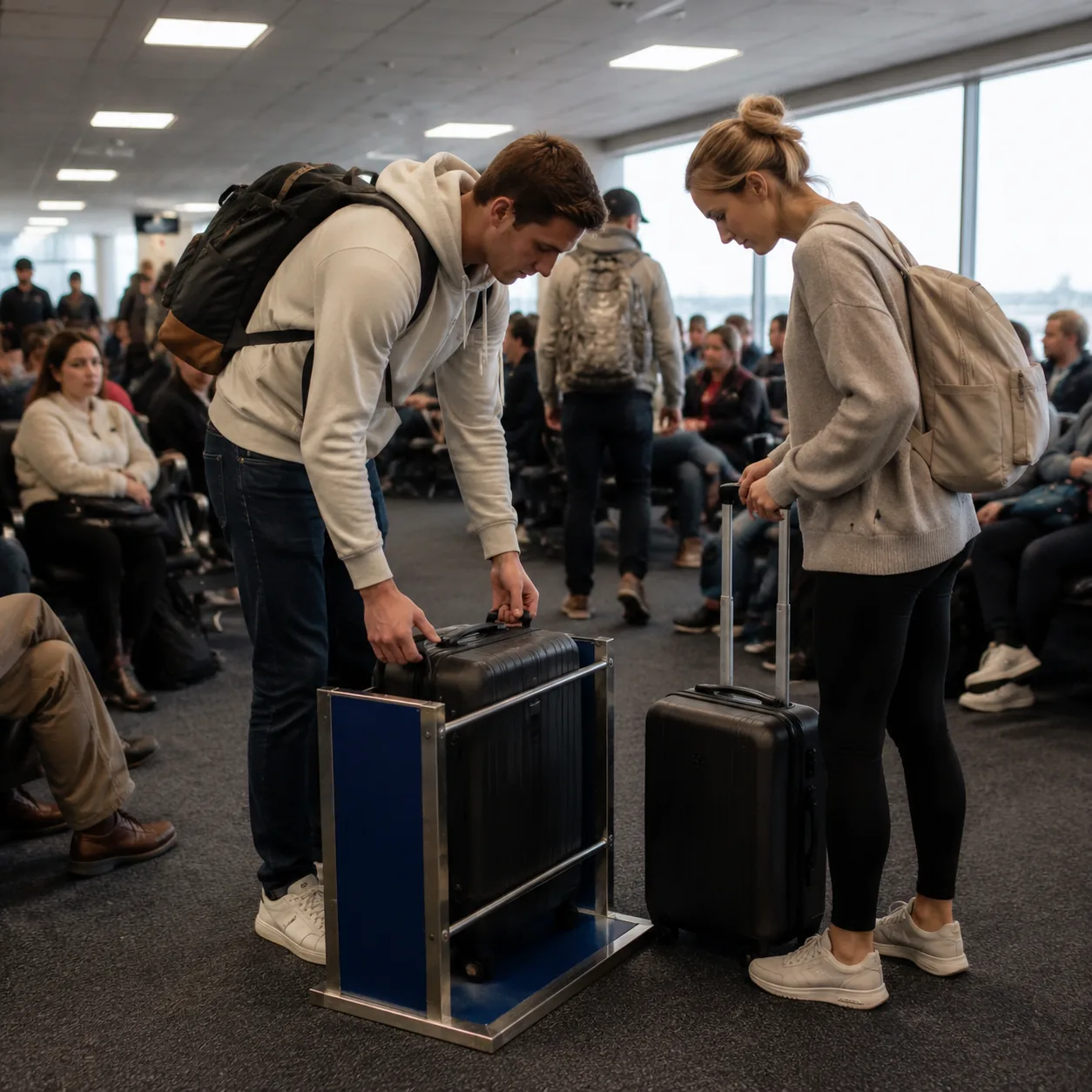
Frontier is not subtle about the bargain. The fare looks cheap because nearly everything else has been separated out.
Some travelers are fine with that. Others feel trapped by bag fees, seat fees, support delays, and a schedule that gives them few easy recovery options when a flight is canceled.
The base fare is the hook. The real question is whether the whole trip still feels cheap by the time you get home.
2. Allegiant Air
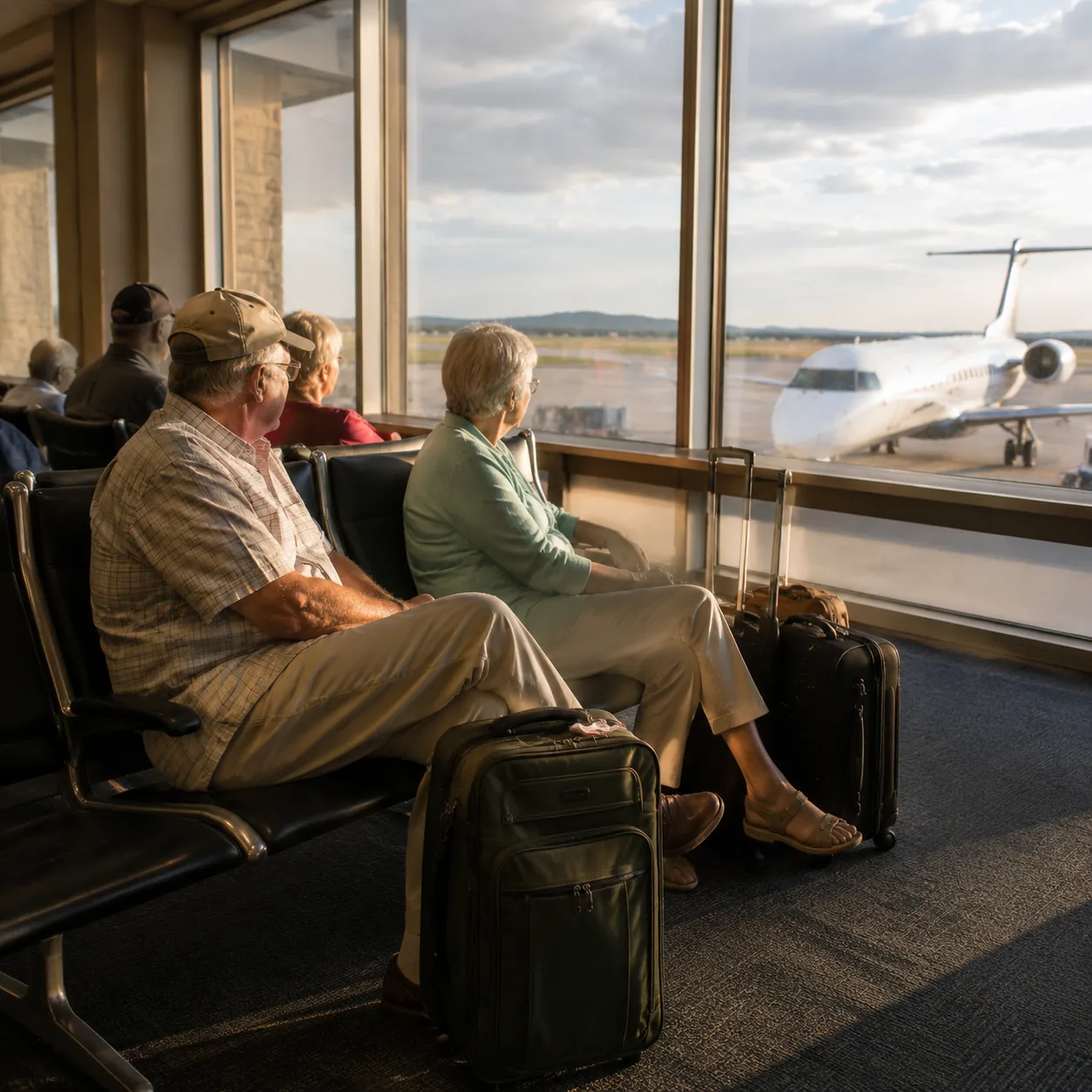
Allegiant works best when nothing goes wrong. That is also the problem.
The airline often flies leisure routes only a few times a week. If your flight is canceled, the next convenient replacement may not be tomorrow. It may be days away.
For flexible vacationers, the savings can make sense. For older travelers with hotels, cruises, medical needs, or tight connections, that thin schedule can turn one delay into a very expensive gamble.
1. Spirit Airlines
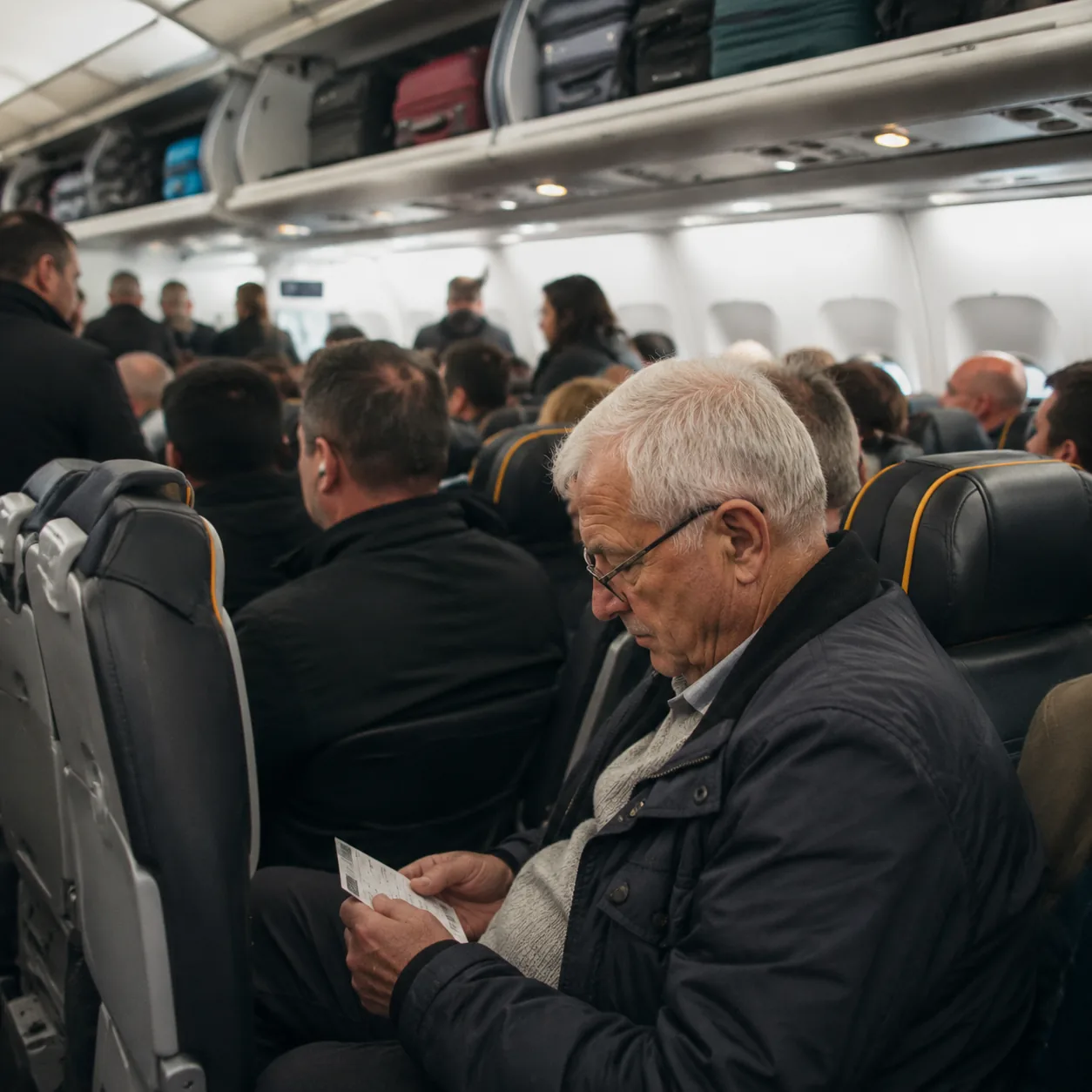
Spirit is the airline people either understand completely or regret immediately.
The entire model depends on passengers accepting a stripped-down experience in exchange for a lower starting fare. That bargain became harder to stomach after years of fees, operational issues, bankruptcy headlines, and customer service frustration.
Spirit can still be the right pick for a short, cheap, no-bag trip. It is much harder to defend when you need comfort, flexibility, or help.
The Pattern
The airlines that feel worst are not always the ones with the lowest scores. They are the ones where the promise and the reality no longer match.
That same pattern shows up in hotel chains travelers say have gone downhill, restaurant chains that lost their old magic, cruise lines passengers say have slipped, and travel perks that used to be included.
Comments
The opinions and views expressed in the comments section are solely those of the individual users and do not represent or reflect the opinions, views, or positions of HumbleTrail. HumbleTrail does not endorse, support, or verify the accuracy of any user-generated content.
By posting a comment you agree to receive related emails from HumbleTrail in accordance with our Terms and Privacy Policy. You can unsubscribe at any time.