Big trips get harder when small mistakes are ignored until travel day.
These are the mistakes older travelers tend to make when the brochure looks easier than the real trip.
23. The Pharmacy Refill Date
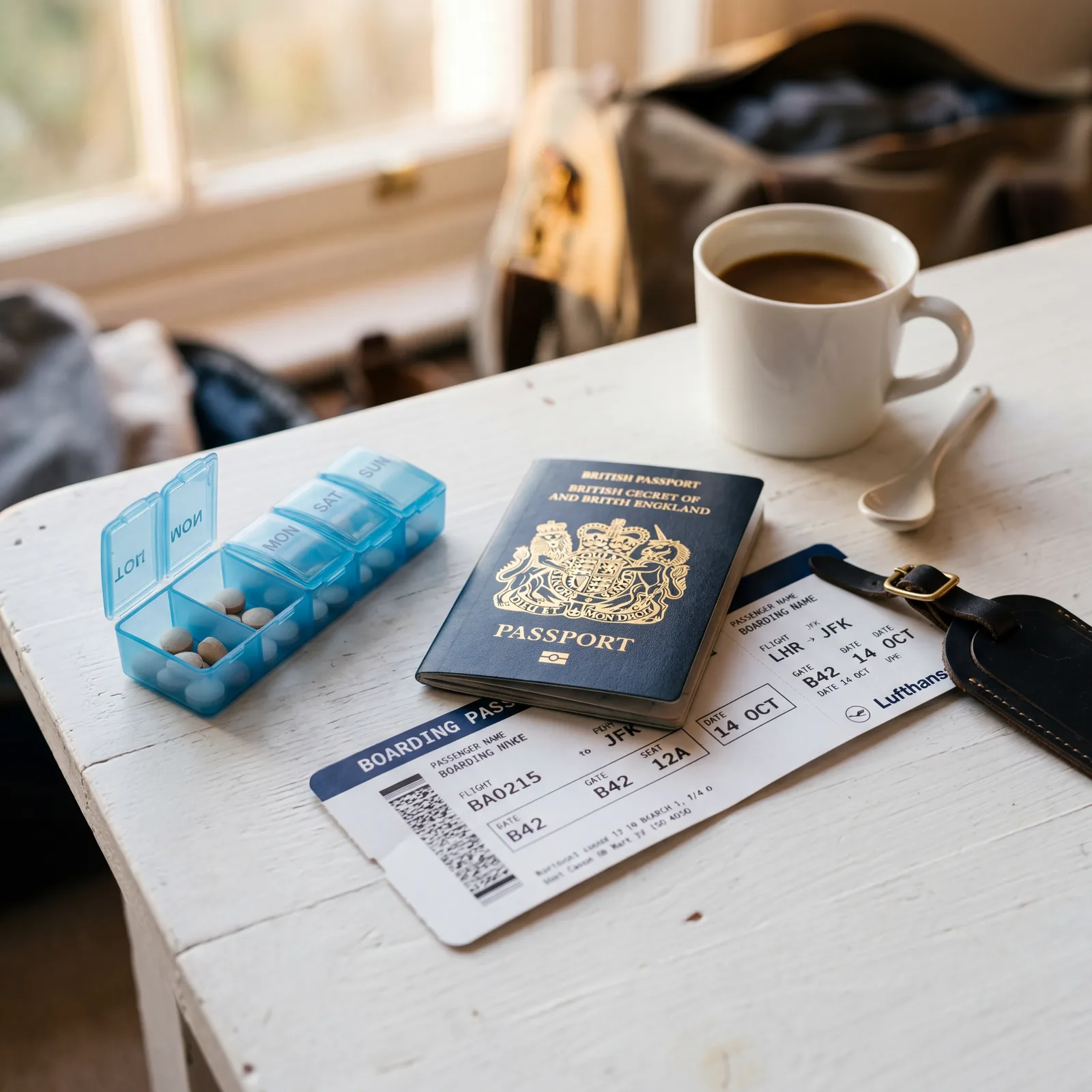
Medicine planning is not just counting pills in the bottle.
A refill that lands two days after departure can turn into phone calls, insurance overrides, and a tired stop at an unfamiliar pharmacy.
Look at refill dates before booking the final week of errands. A small buffer matters most when the trip crosses weekends, holidays, or a long cruise segment.
22. The Airport Assistance Request
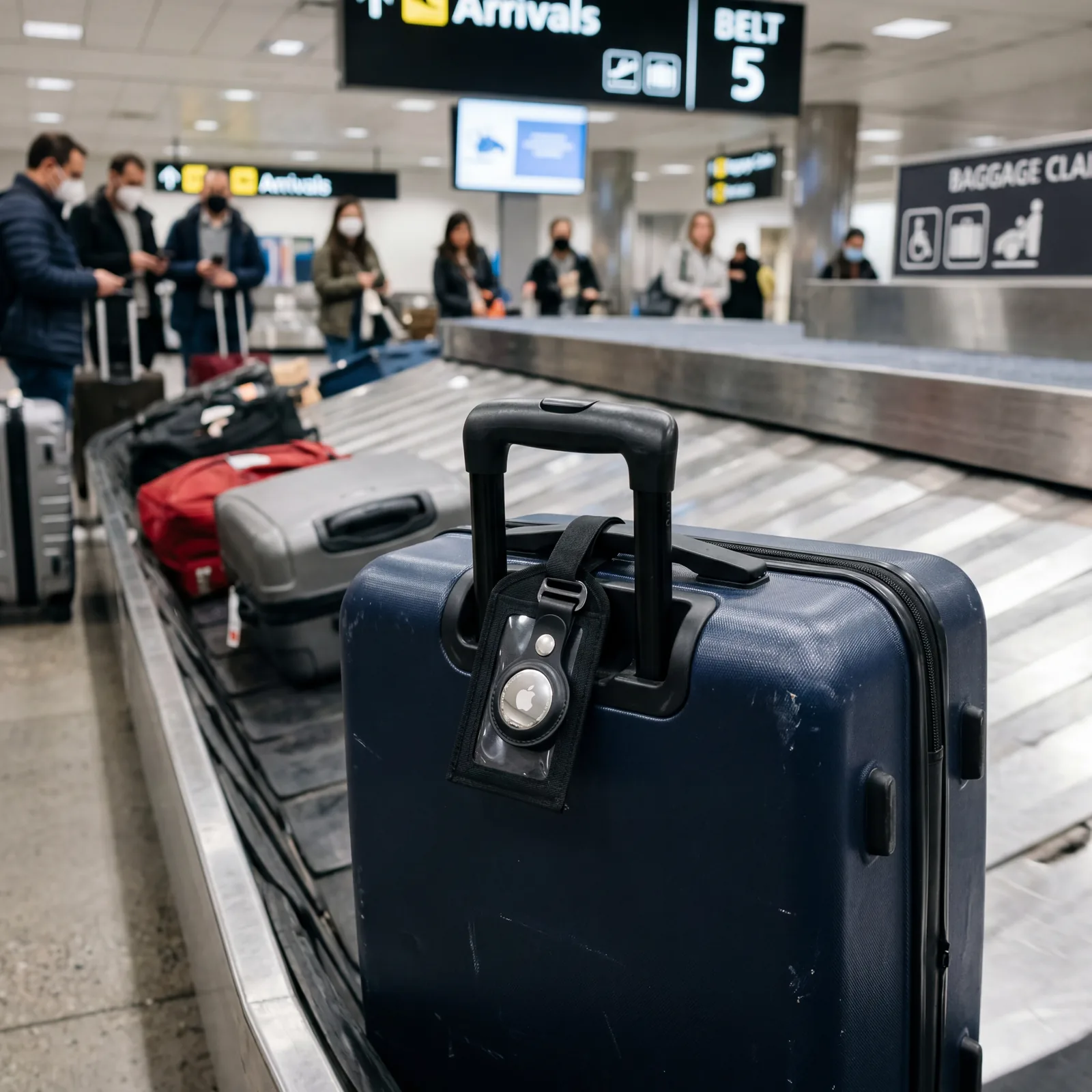
Airport assistance works best when it is requested early, not whispered about at the curb.
Even travelers who usually walk fine can struggle with long terminals, tight connections, or a hot jet bridge.
Add help during booking or call the airline before travel day. Pride is less useful than arriving with enough energy for the actual trip.
21. The Seat Assignment That Actually Works
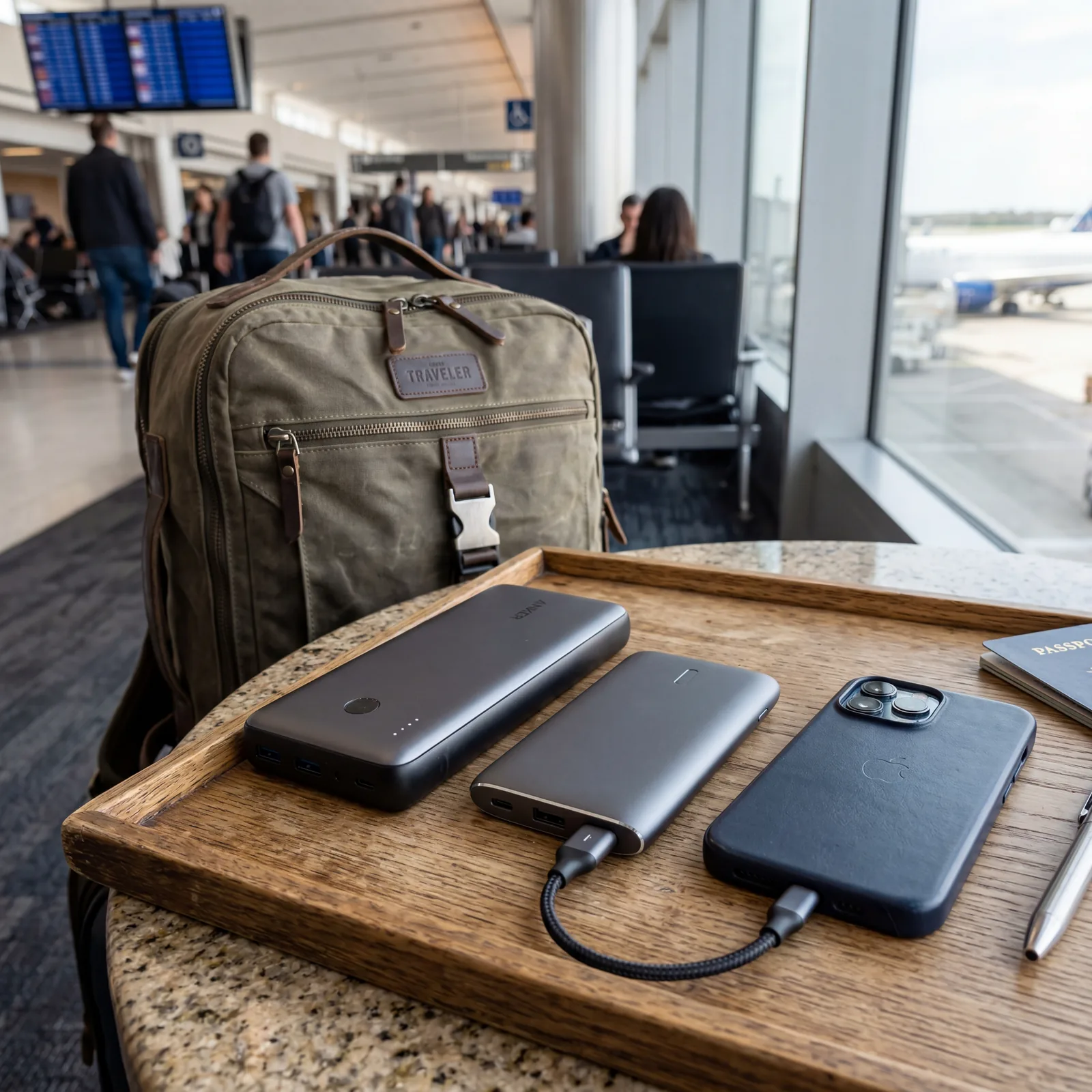
The cheapest seat can become expensive in discomfort.
A far-back row, tight connection, long walk to the lavatory, or no easy aisle access can change the whole first day.
Choose the seat for the body taking the trip, not the younger version that used to tolerate anything. The right aisle or forward cabin spot can be worth more than another souvenir dinner.
20. The Hotel Elevator Situation

A hotel can be technically accessible and still awkward.
One slow elevator, a half-floor stair landing, or a room at the far end of a carpeted hallway can wear people down.
Call if the property looks old, boutique, or spread across several buildings. Ask for elevator access, floor level, and walking distance in plain language.
19. The First Night Meal
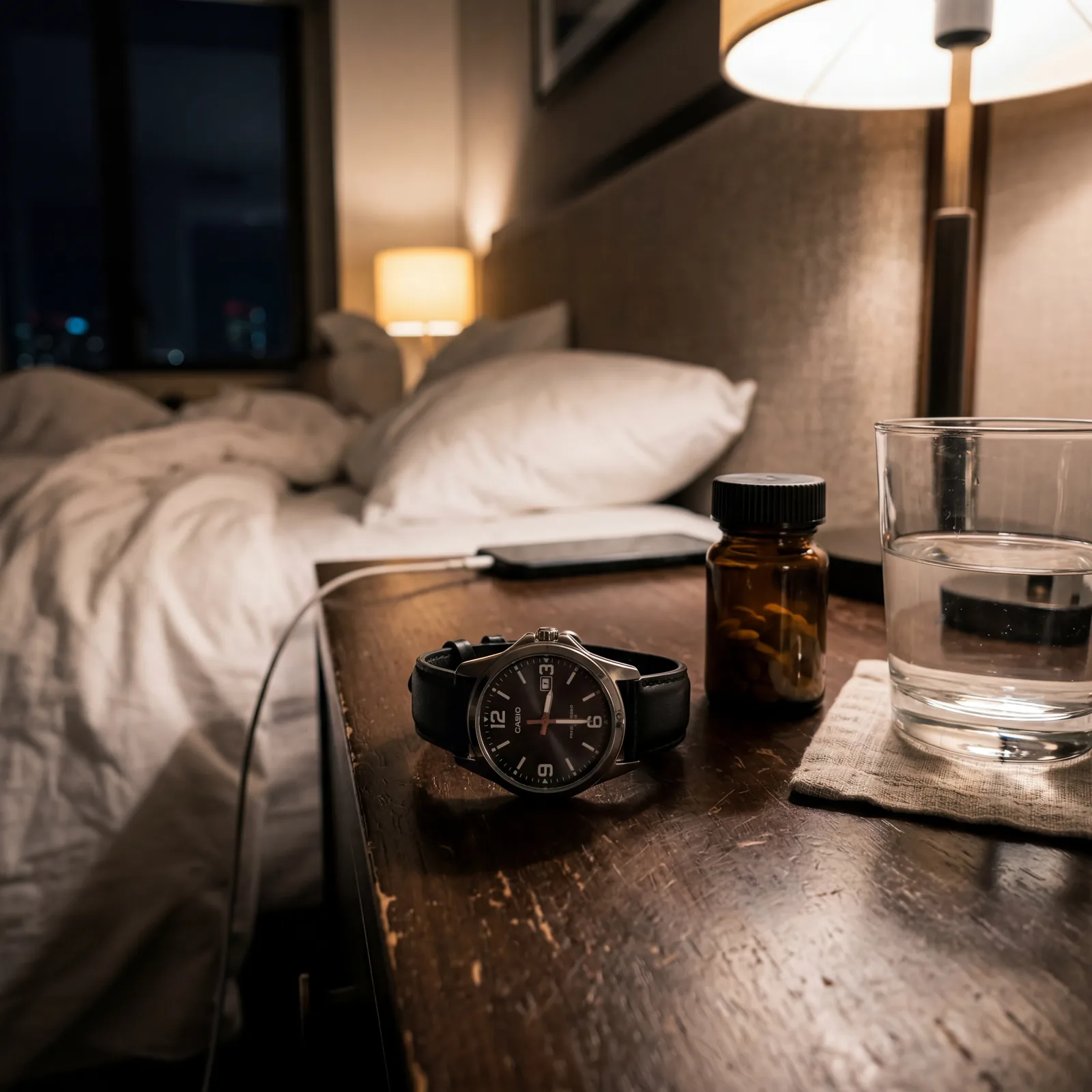
Nobody wants to solve dinner while tired, stiff, and slightly lost.
The first night is when restaurants are closed, lines are long, or the place nearby is louder than expected.
Have a boring meal plan ready. A hotel restaurant, grocery stop, simple cafe, or room snack can save the evening from becoming one more travel problem.
18. The Weather You Actually Feel
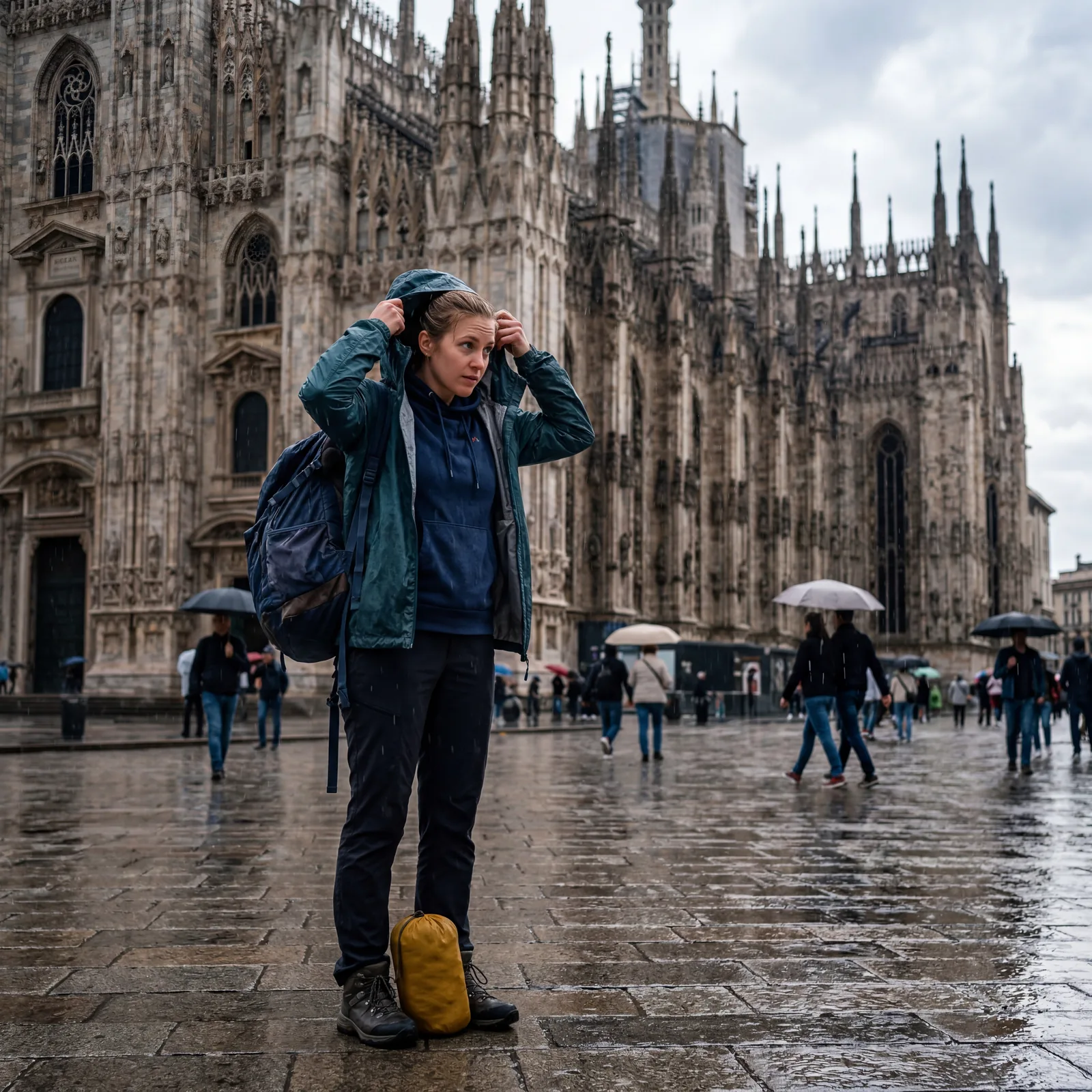
Forecast numbers do not tell the whole story.
Humidity, wind, ship decks, stone streets, airport air-conditioning, and midday sun all change how a place feels.
Pack for the body’s comfort, not the postcard. A light layer, brimmed hat, and shoes that survive damp pavement can do more than a second dress outfit.
17. The Real Walking Distance

Hotels, cruise ships, airports, and resorts all use friendly words like close, nearby, and short walk.
Those words mean very different things after a long flight or a day in the sun.
Check maps, elevator locations, shuttle stops, and room blocks before booking. If walking distance matters, do not let a pretty lobby photo answer the question.
16. Medication Timing Across Travel Days
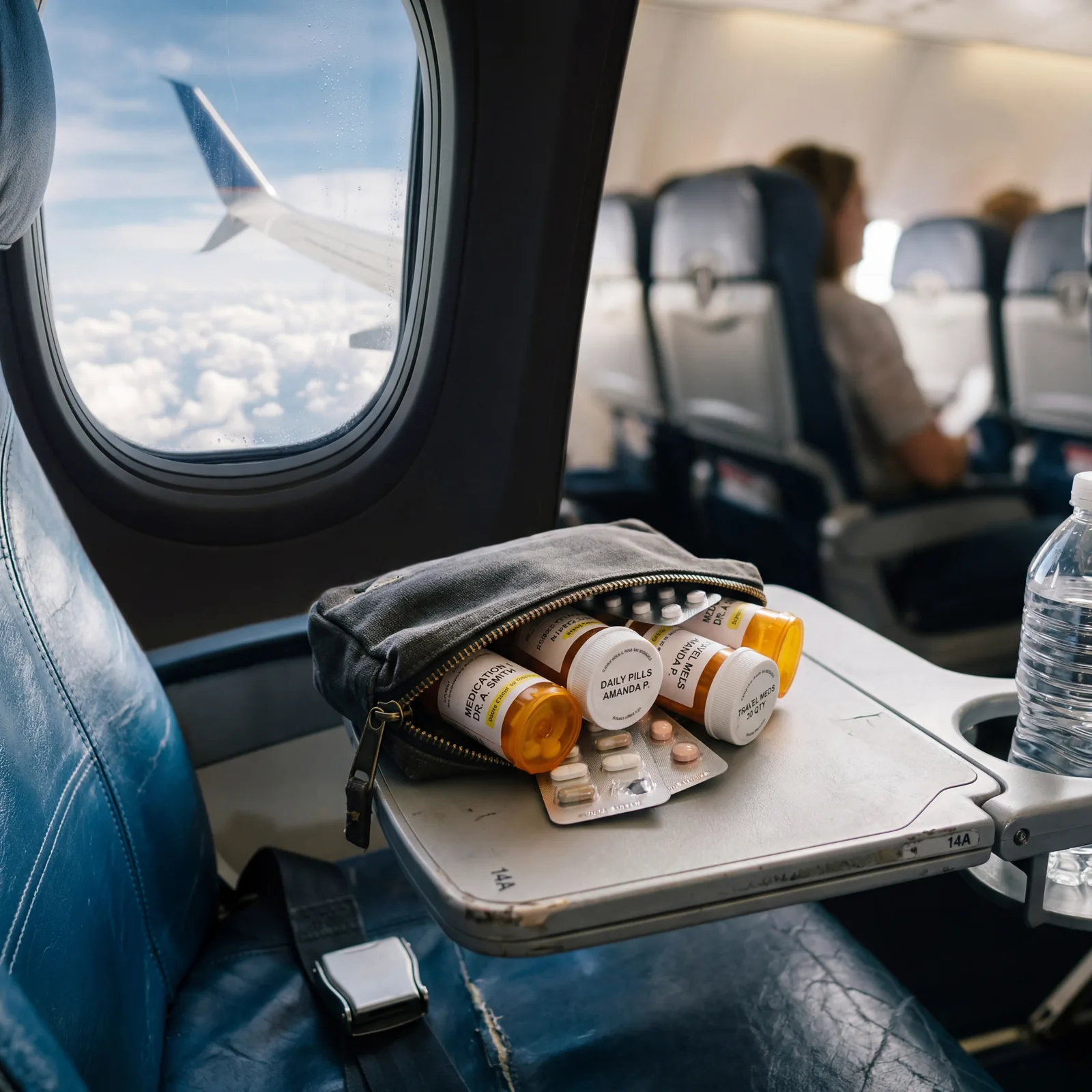
Travel days blur normal routines. Early flights, time zones, cruise boarding, delayed meals, and long transfers can make regular medication timing harder to remember.
Pack medicine in your carry-on and build a simple schedule for the first two days.
If flying first, review the official screening rules for medications and medically necessary liquids before leaving home.
15. A Backup Pair of Glasses
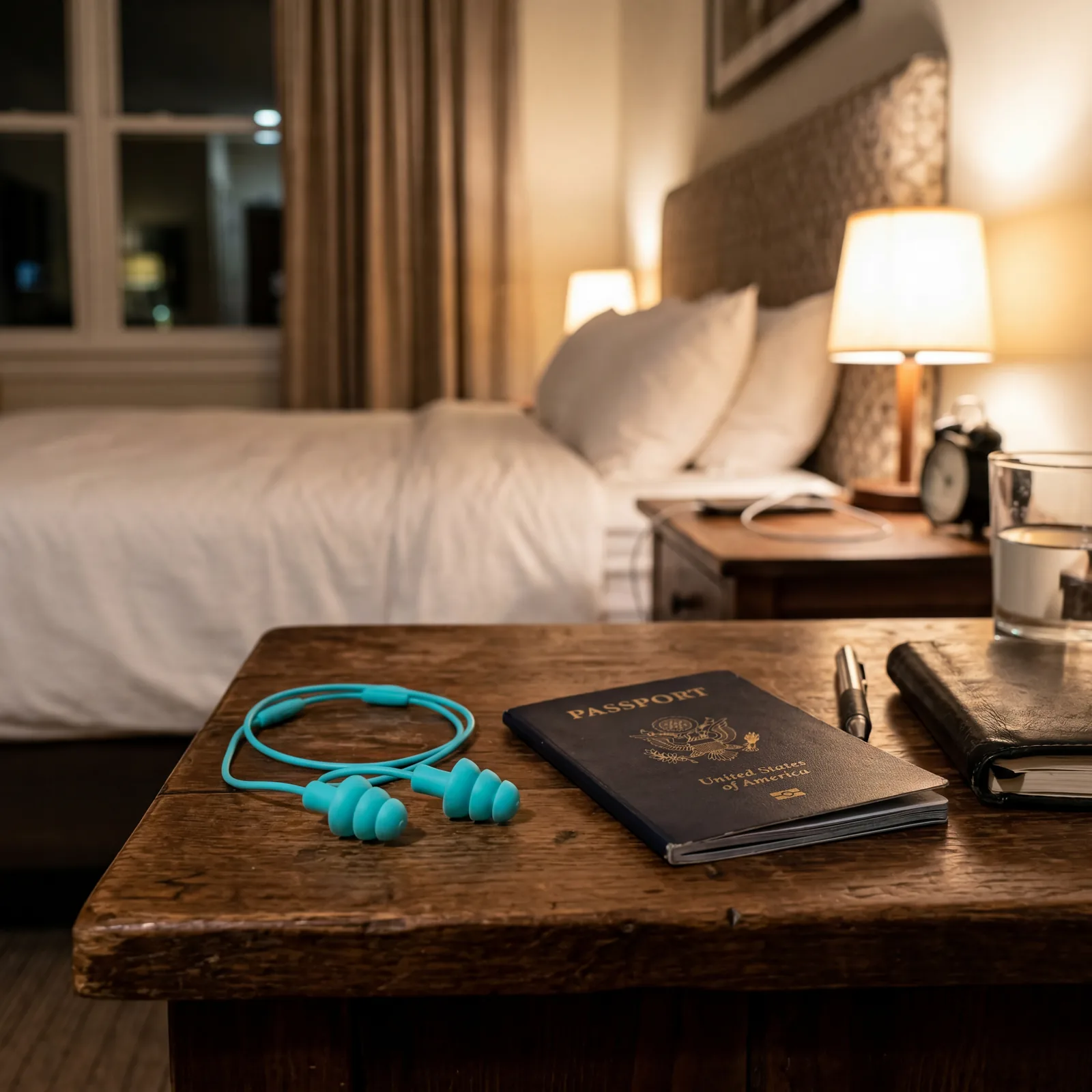
One dropped pair of glasses can change a trip quickly.
Reading menus, boarding signs, app screens, medicine labels, and excursion waivers all become harder at the worst possible moments.
Bring a backup pair, even if it is old. Keep it in a separate bag from the main pair so one lost pouch does not leave you squinting through the vacation.
14. The Layover That Looks Fine on Paper
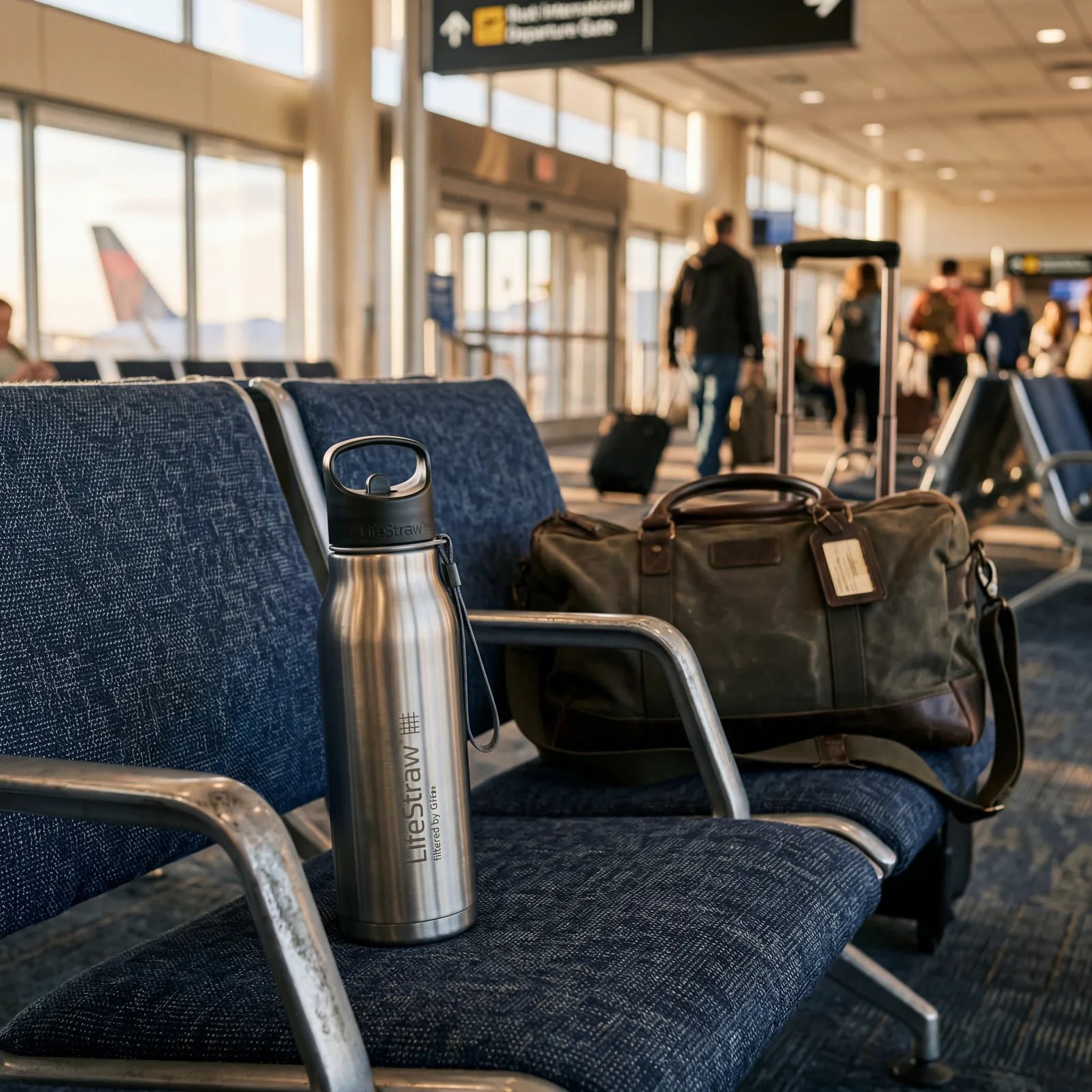
A short layover can look efficient until the first flight parks far from the gate, the terminal changes, or the boarding door closes early.
Airport distance matters more than schedule math.
Choose connection time with your real pace in mind. The best layover is not the shortest one; it is the one that still works if the first gate is far away.
13. The Room Type You Actually Need

Room categories hide practical details.
A beautiful room may still have a tub shower, low lighting, a far elevator, a noisy connecting door, or no place to open two suitcases.
Call or message the property if comfort details matter. The right room is not always the fanciest one; it is the one that makes the trip easier every morning.
12. The Emergency Contact Plan
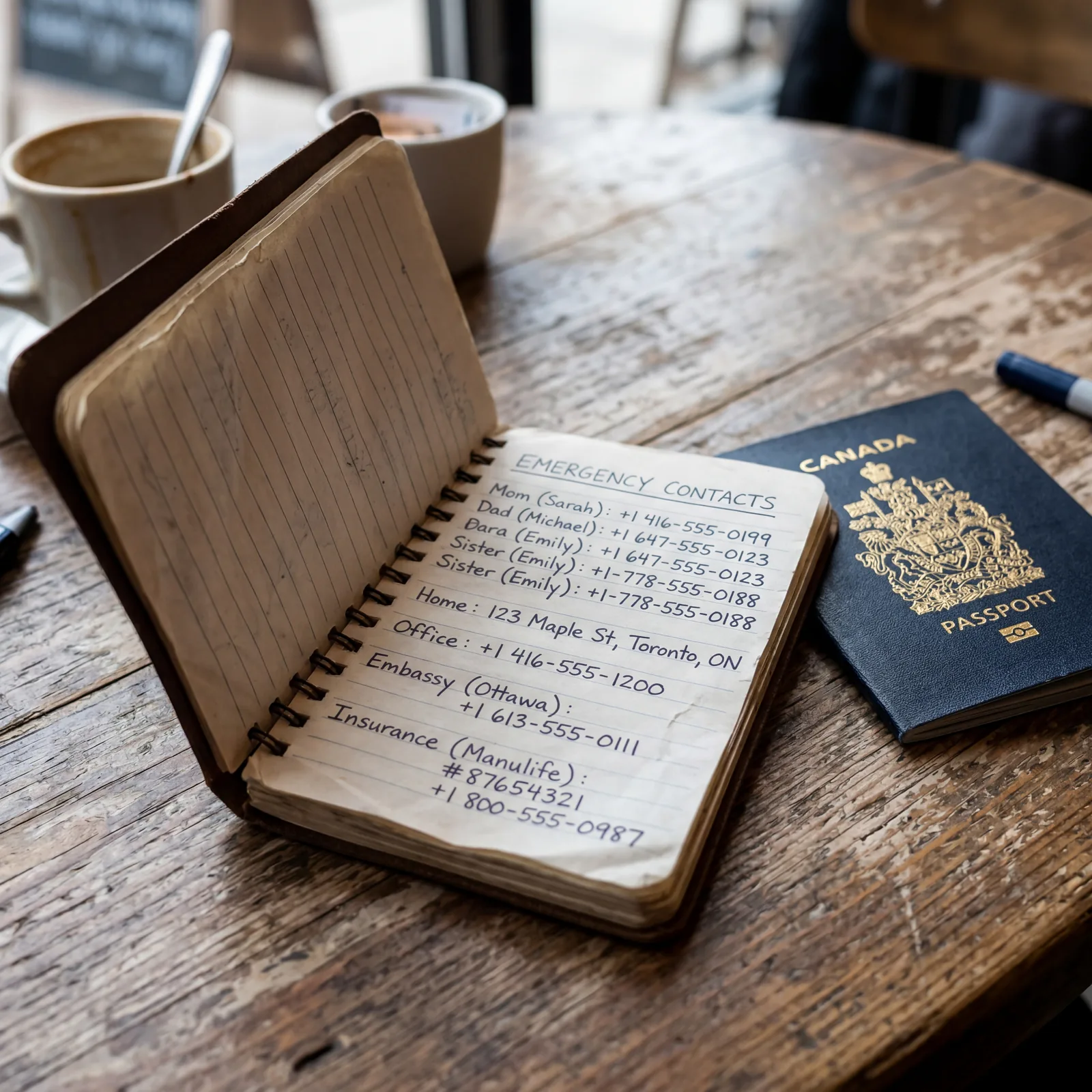
Families often assume everyone can be reached through someone’s phone.
That works until the phone is off, roaming fails, or the person carrying all the details is the one who needs help.
Print key contacts and share the itinerary with someone not traveling. Keep hotel, cruise, airline, and tour details somewhere another person can find them.
11. The Cruise Cabin Location
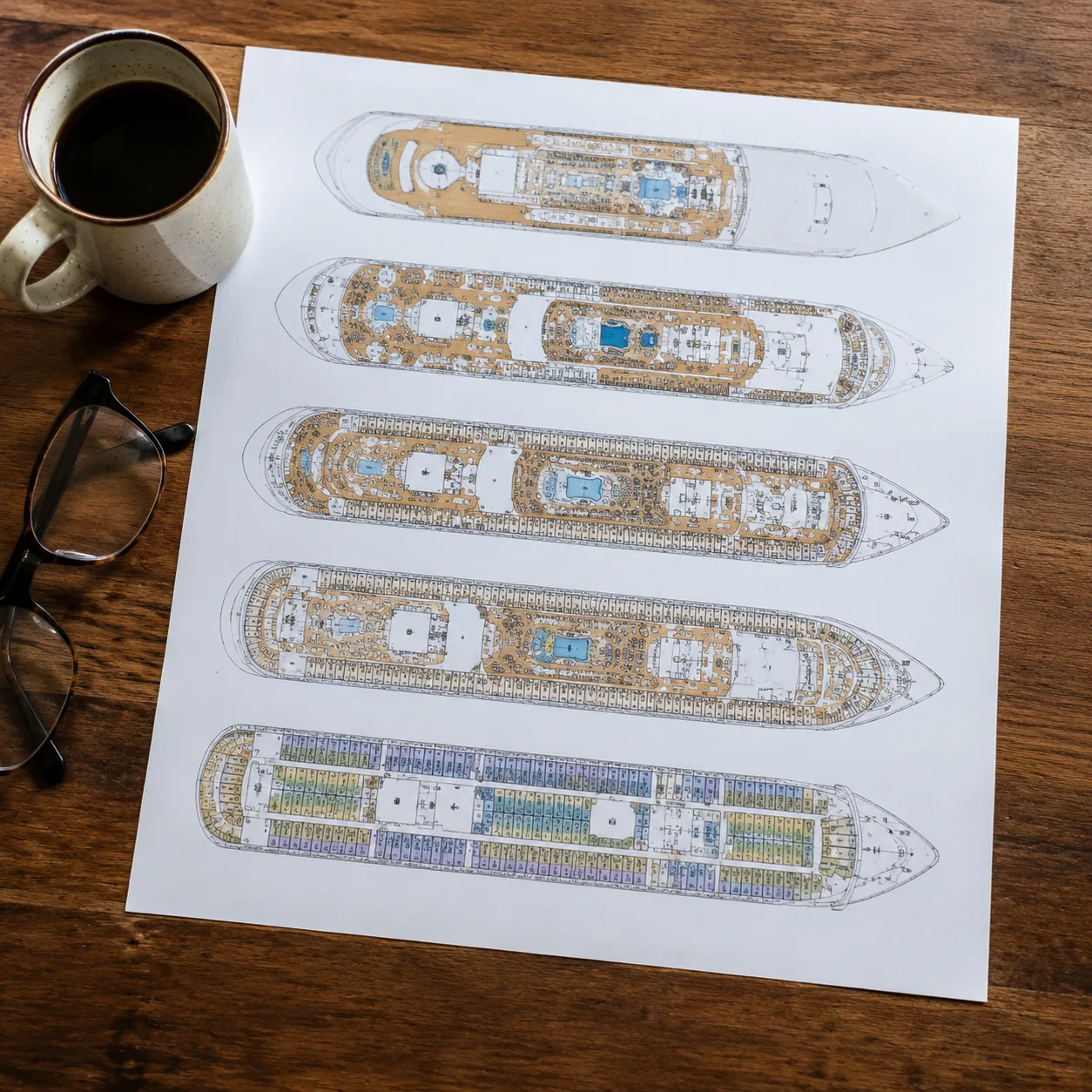
Cruise cabins can sit far from elevators, under busy decks, or on long corridors that feel longer every day.
A cheaper cabin is not a bargain if it turns every meal into a hike.
Check the deck plan before final payment. This belongs on the same list as things to double-check pre-cruise checks.
10. The Phone Setup Before Leaving Home
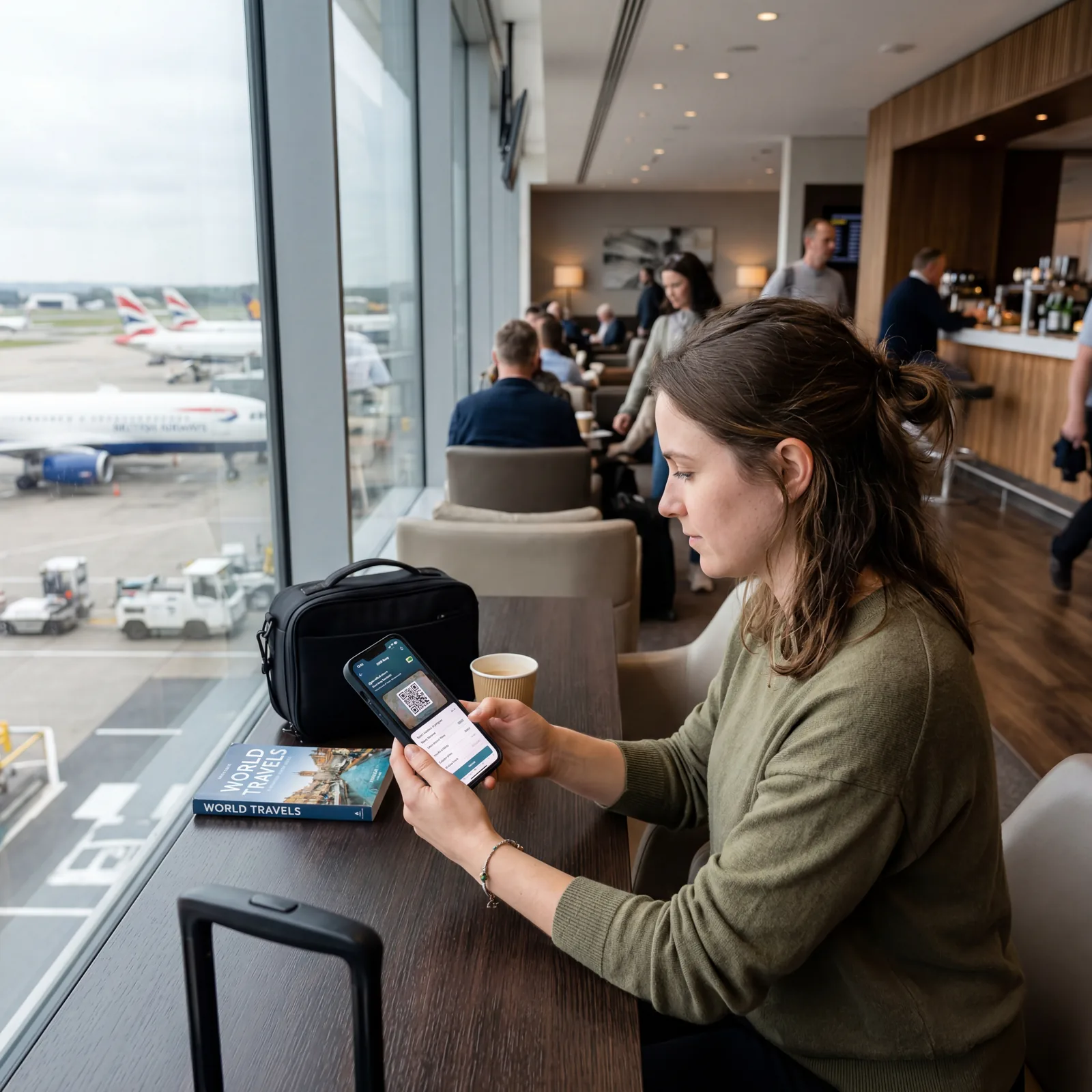
Travel apps are useful until a password, verification code, storage warning, or roaming setting blocks the thing you need. Airport counters are bad places to solve phone problems.
Update apps, save passwords securely, download maps, and test video calls or messaging before the trip. A paper backup still earns its space, just like the practical backups in carry-on mistakes before an international flight.
9. The First Day After Arrival
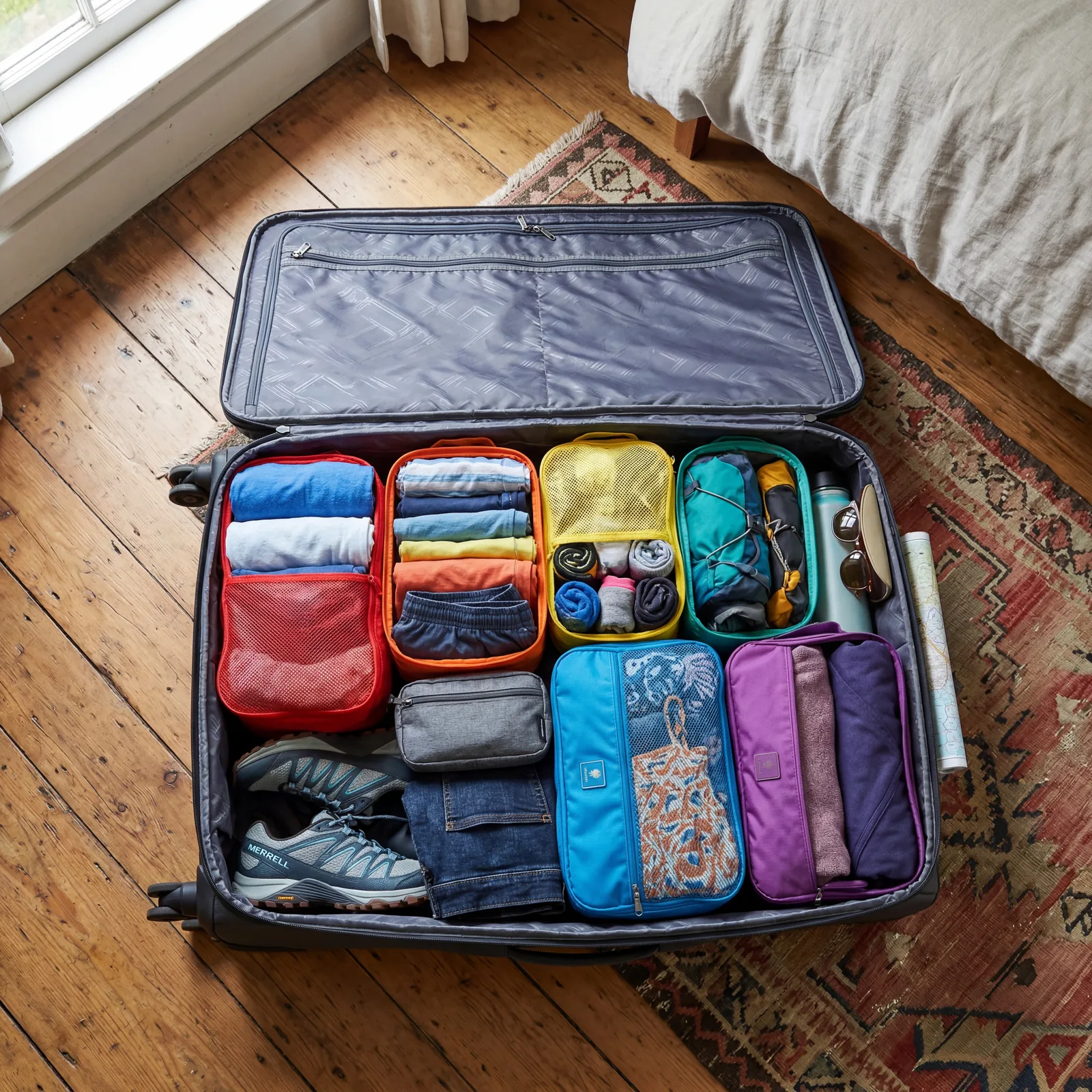
The first day is where ambitious plans go to collapse. A long flight, hot transfer, room delay, or late luggage can make a packed arrival schedule feel cruel.
Leave the first evening simple. Dinner nearby, a short walk, and an early night can protect the rest of the trip better than forcing the first attraction.
8. The Bathroom and Shower Setup

Travelers check the bed and view before the bathroom, but the bathroom can matter more. Tub sides, slippery floors, dim lighting, and awkward steps are not small details.
Look at real room photos and ask about walk-in showers if needed. Comfort is easier to arrange before arrival than after unpacking, especially when the trip also involves Caribbean booking mistakes travelers miss.
7. The Pace of Group Tours
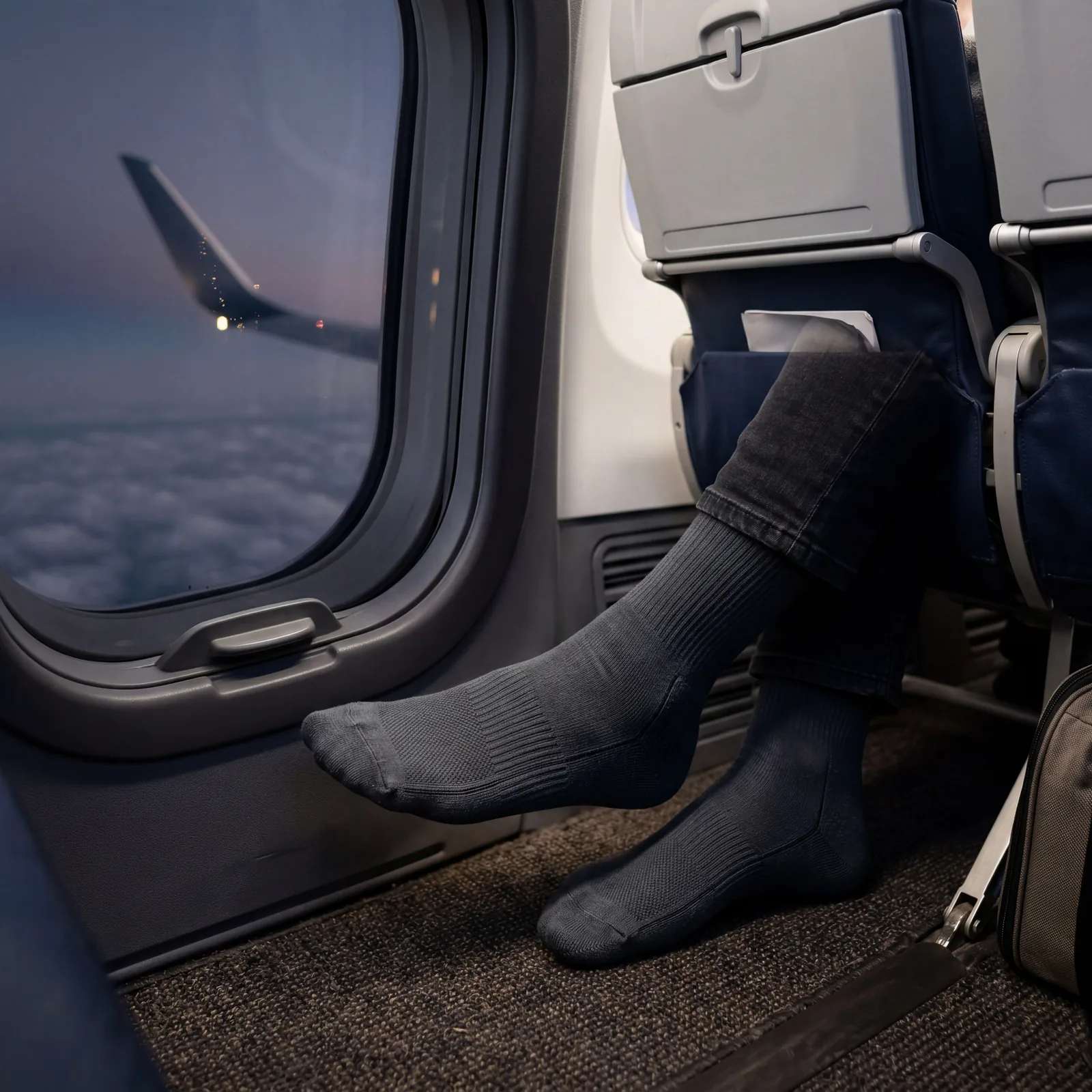
Group tours often list highlights without showing the pace. A day can include stairs, cobblestones, standing time, heat, restroom gaps, and a lunch that comes later than expected.
Ask about walking distance, seating, shade, and restroom stops. The best tour is not the one that sees the most; it is the one you can enjoy without counting minutes until it ends, a lesson that also applies to shore excursion mistakes.
6. The Port-Day Heat

Cruise ports can feel hotter than the forecast because pavement, crowds, and shuttle lines hold the heat. A two-hour tour can feel much longer at midday.
Book early starts, carry water, and avoid stacking too many stops. If the cruise is Caribbean-focused, compare the route with Caribbean booking mistakes travelers miss.
5. The Shoes You Already Trust
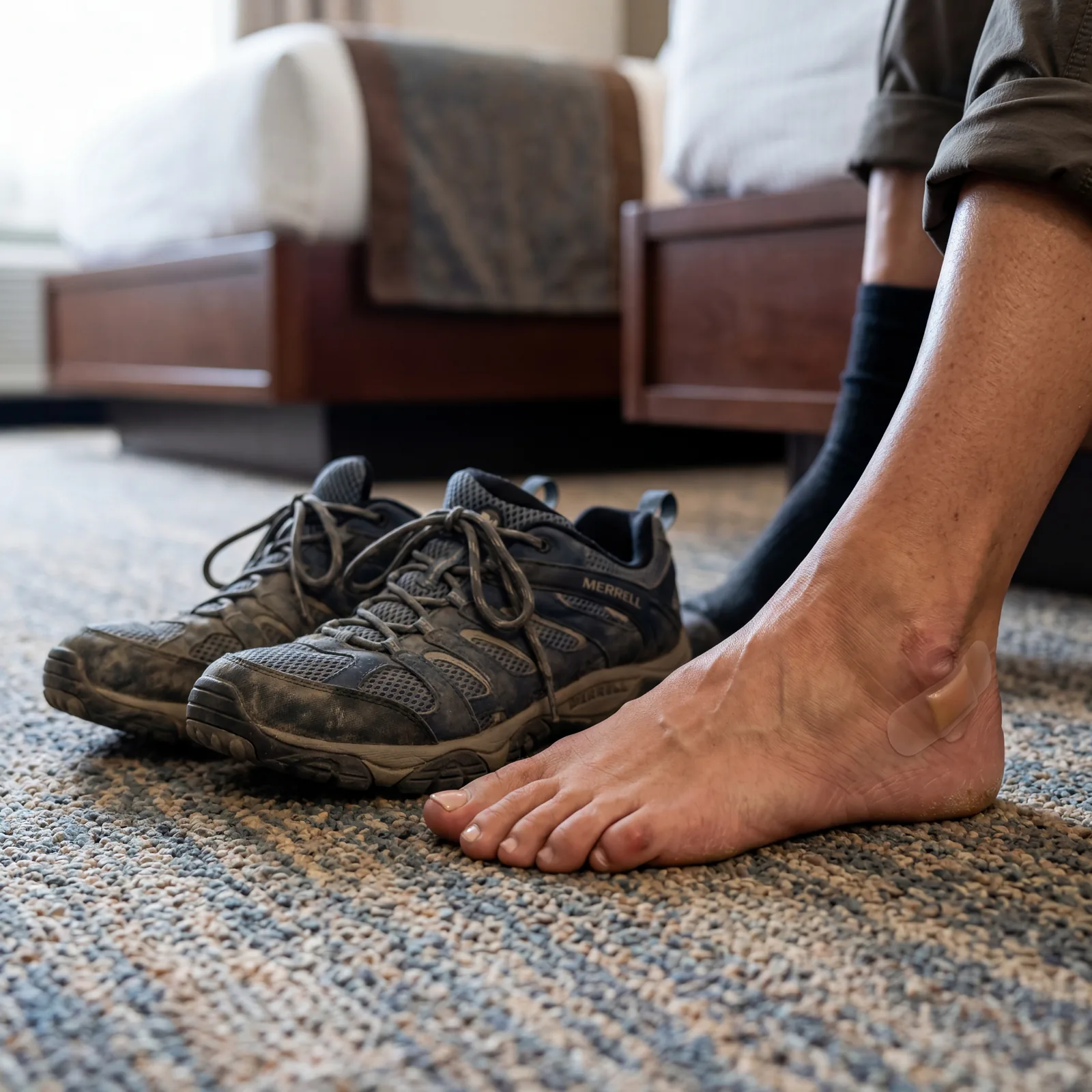
New shoes look responsible until they create blisters on day two. Big trips are not the place to test stiff soles, narrow toe boxes, or dress shoes that only worked at dinner.
Pack the pair you already trust and one backup for rain or evenings. Comfort beats looking slightly sharper in almost every travel photo.
4. The Food and Timing Gaps
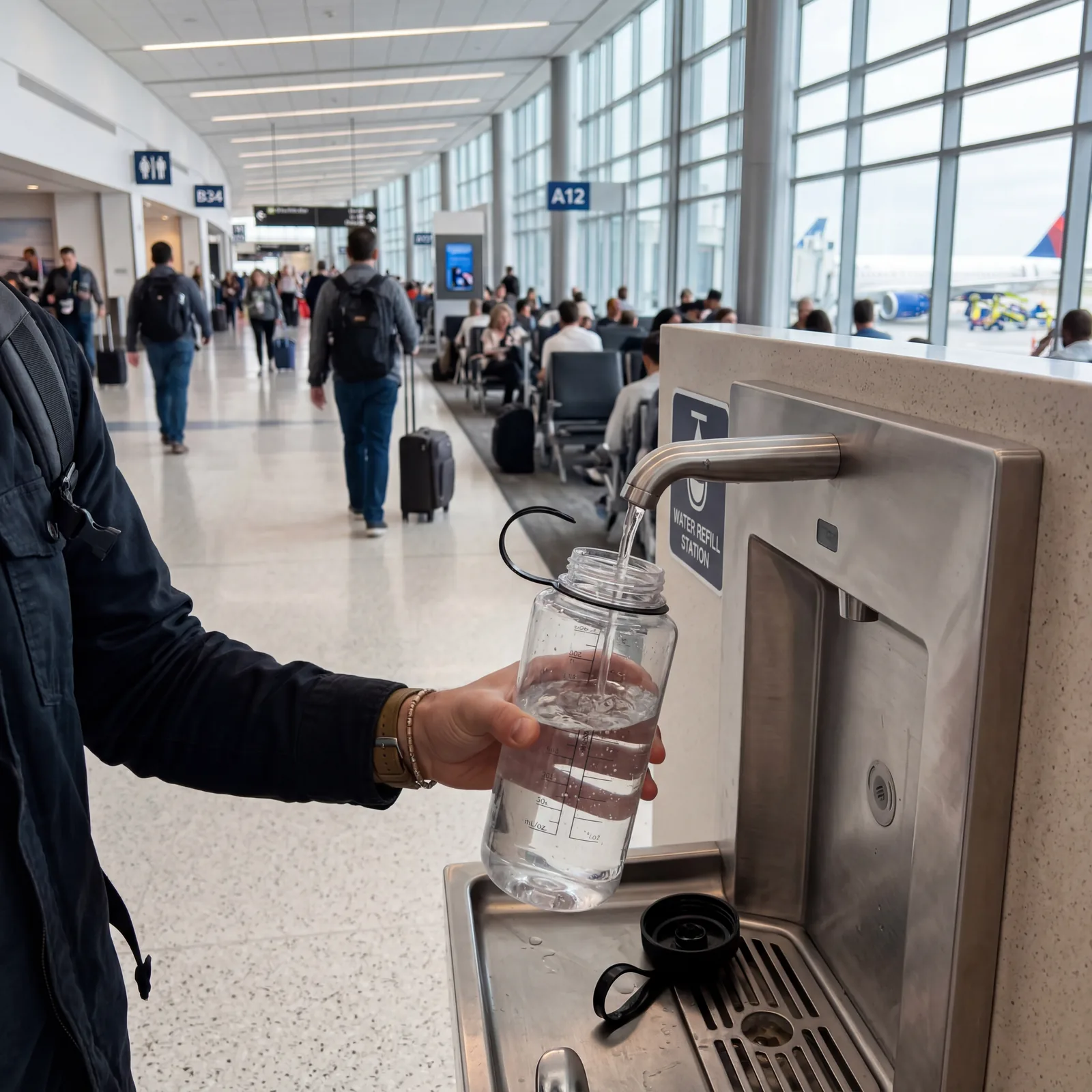
Travel meals happen at strange times. Delayed flights, excursion buses, closed airport cafes, and late cruise dining can leave people hungry, tired, or taking medicine without food.
Carry simple snacks that match your needs and keep water close. It is not glamorous, but it prevents small discomfort from becoming the memory of the day, especially after the cruise checks before leaving port.
3. The Add-Ons That Create More Schedule

Some upgrades make travel easier. Others add appointment times, meeting points, dress codes, lines, and pressure to “get your money’s worth.”
Before buying, ask whether the add-on reduces stress or creates another obligation. Cruise travelers should especially compare cruise extras that sound better than they are.
2. The Return Day
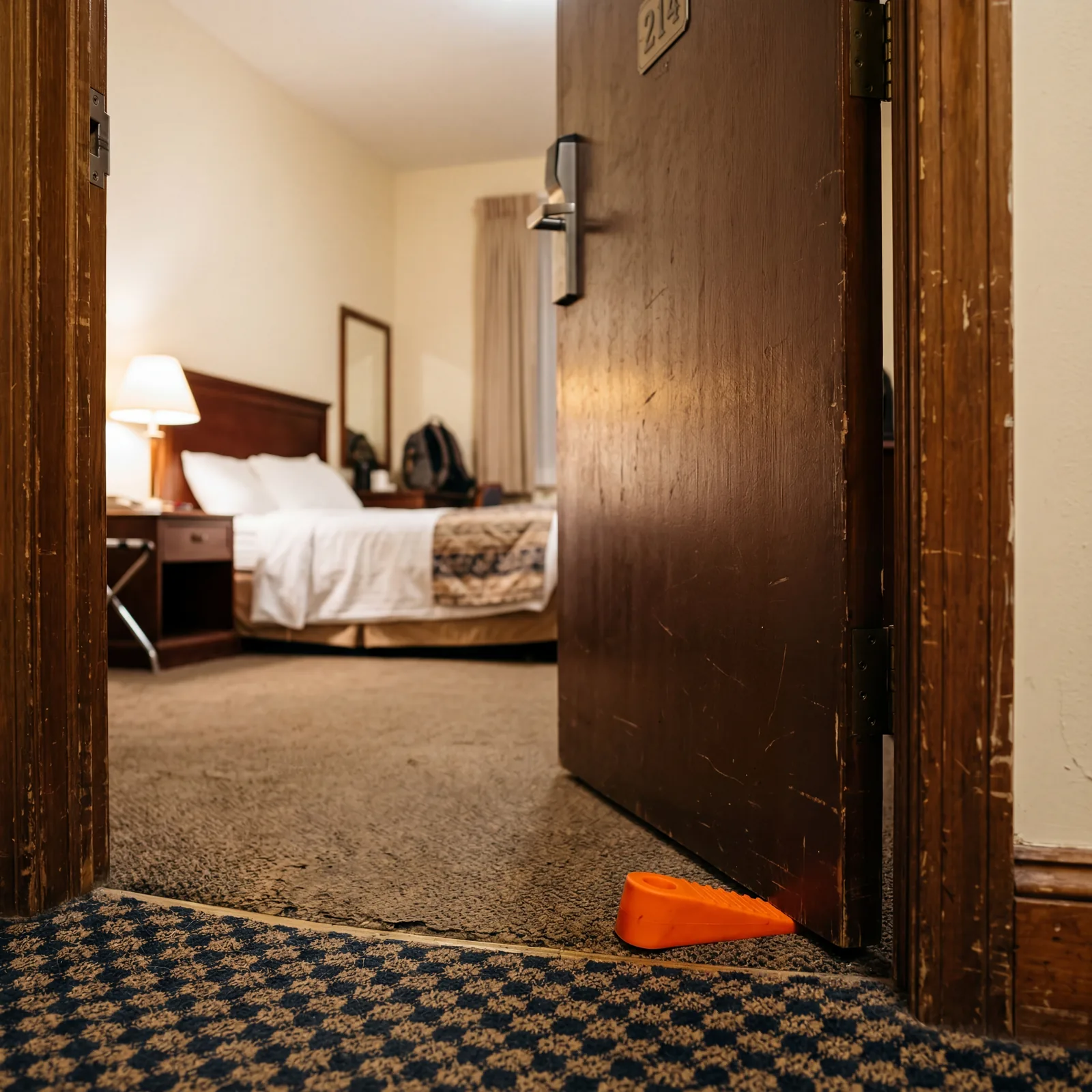
People plan the first day carefully and let the last day fend for itself. That is how rushed packing, long checkout lines, tight airport rides, and forgotten chargers happen.
Plan the return day before the trip starts. Keep a small departure checklist and avoid booking the earliest flight unless the route gives you room for mistakes, including the extras and add-ons that complicate a cruise week.
1. The Permission to Do Less

The best big trips usually have white space. Not every port, restaurant, museum, show, and sunrise needs to be claimed just because the trip was expensive.
Build in rest on purpose. Doing less is not wasting the trip; sometimes it is how you remember it clearly.
Comments
The opinions and views expressed in the comments section are solely those of the individual users and do not represent or reflect the opinions, views, or positions of HumbleTrail. HumbleTrail does not endorse, support, or verify the accuracy of any user-generated content.
By posting a comment you agree to receive related emails from HumbleTrail in accordance with our Terms and Privacy Policy. You can unsubscribe at any time.