

Editor’s note: This article offers general travel guidance.
What you pack in your carry-on determines whether you’re going to have a good trip. And, by “good,” we’re not even necessarily talking about surviving with style, either.
Your luggage doesn’t make it, you land exhausted and jet-lagged, your cell service dies or there’s no way to pay for a cab. While you don’t always have control over what goes wrong, you can be prepared with a few items in your carry-on to help you bounce back quicker.
25. Physical Copies of Your Passport, Visa, and Bookings
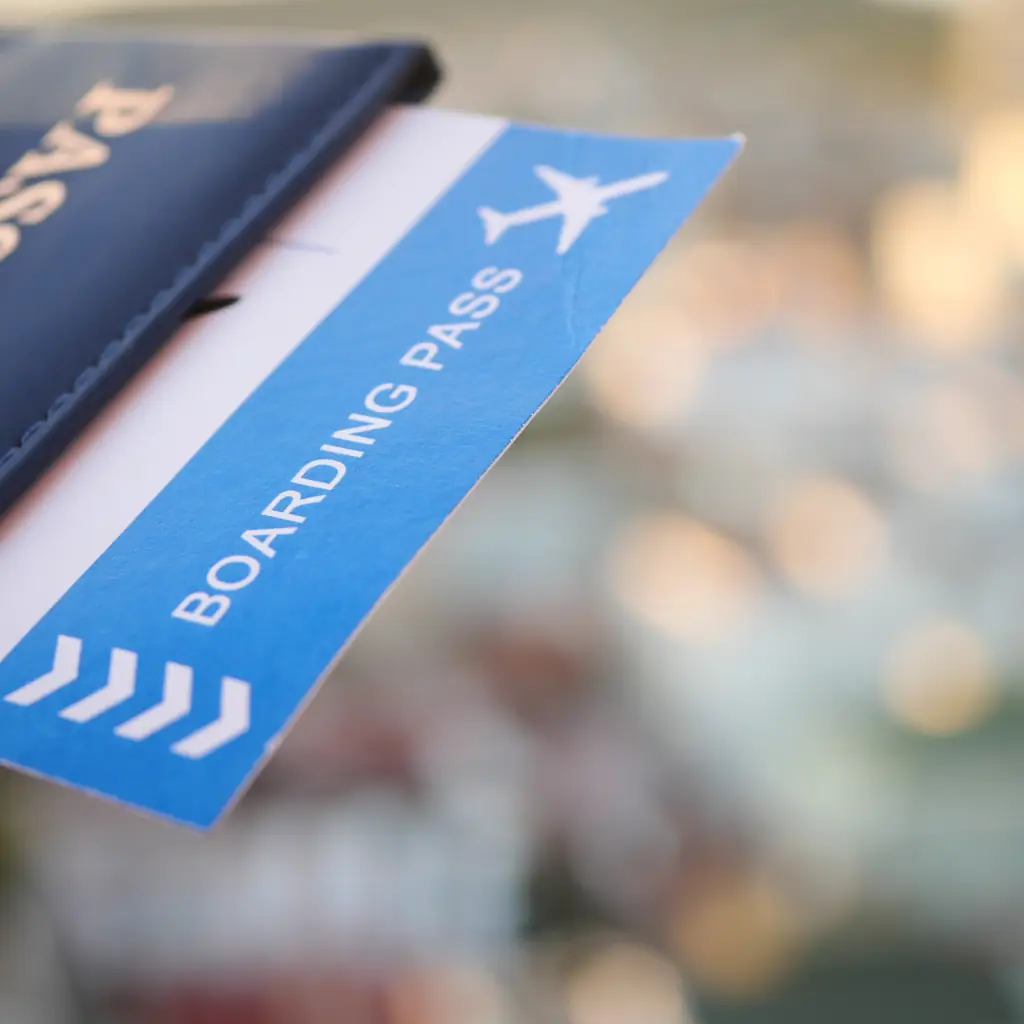
Your phone may have copies of all of your important travel documents stored in the cloud, but what happens if you need them at immigration and your phone dies? It’s a good idea to have paper copies of your passport’s photo page, any necessary visas, accommodation addresses, return ticket and travel insurance info. These are backups, not replacements for required originals.
Keep these copies in your personal item so they stay with you if your cabin bag gets checked at the gate.
24. A Power Bank You Can Actually Rely On
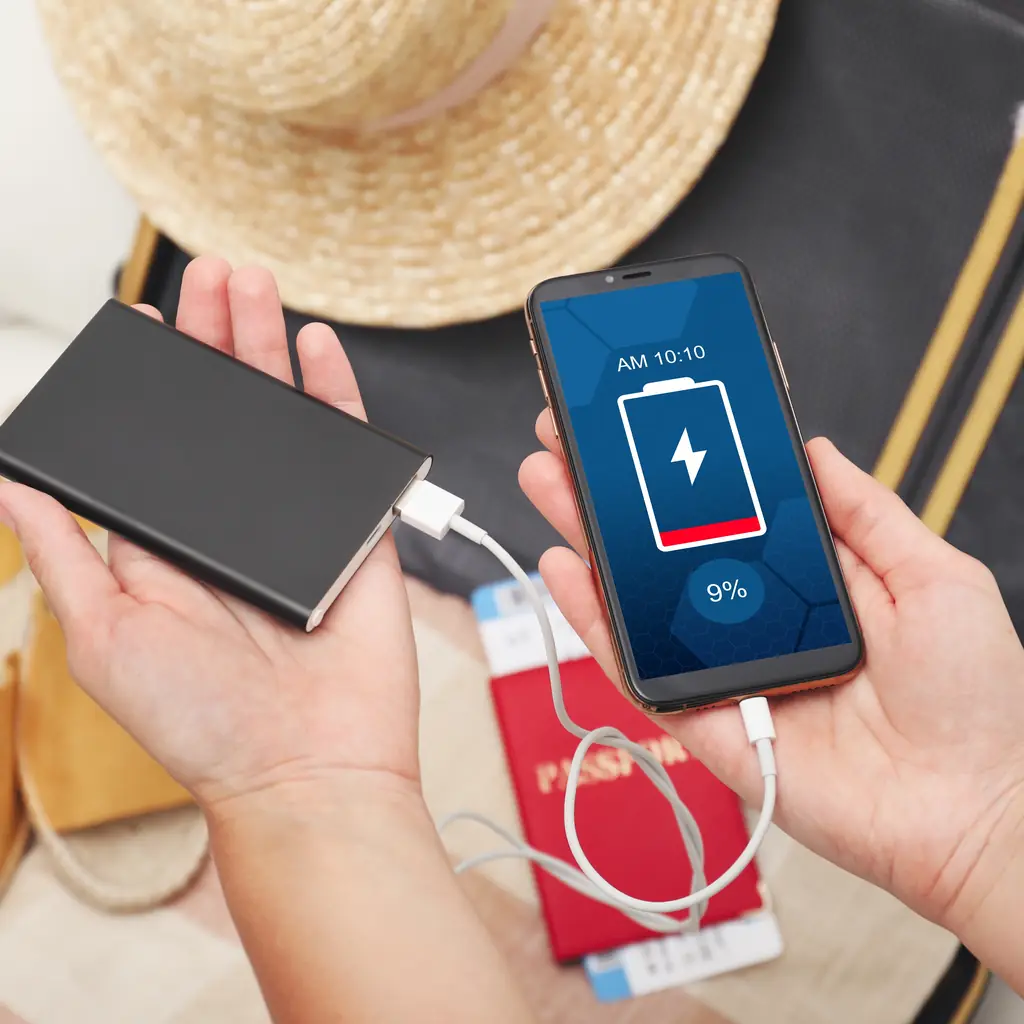
Your phone is the hub of your travel: boarding passes, maps, emergency contacts, travel alerts, your banking app, rideshares, etc. Having a phone that dies halfway through the day is the last thing you want. A good, fully functional 20,000mAh power bank should keep your phone alive for an entire travel day and then some. No more scouring for a power outlet.
Power banks are only permitted in the cabin, not checked luggage. Choose one rated 100 Wh or less and check your operating airline’s current rules. Keep it with you if your carry-on gets checked at the gate.
23. All Medications Plus a Three-Day Buffer
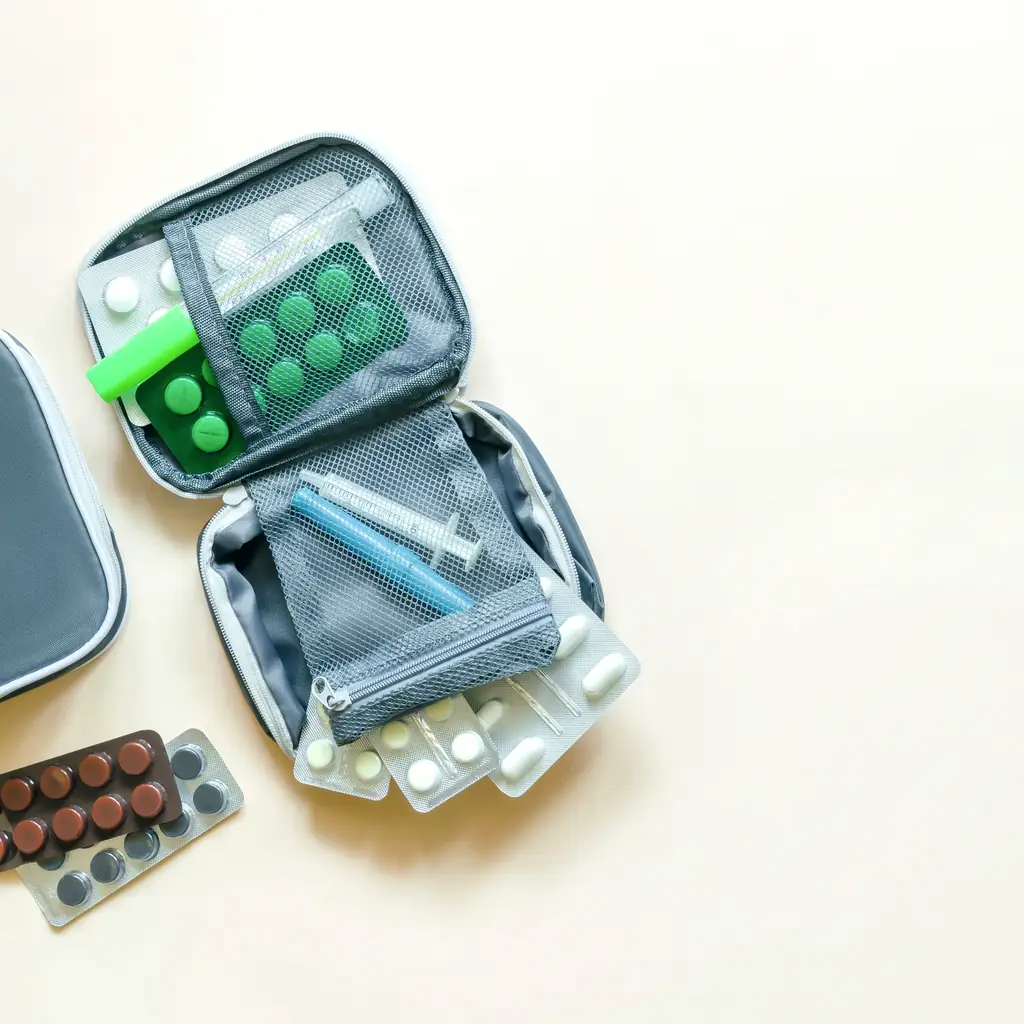
Prescriptions and daily-use medication belong in your carry-on. If you have an inhaler or allergy medication, those should be there as well. Missing basic essentials can turn a 12-hour issue into a matter of days. Bring a few extra days’ supply where permitted.
Keep medication in its original, labeled packaging and write down prescription information in case you need an emergency refill. Check your destination’s medication requirements; packaging and a prescription don’t automatically mean you can bring it in or get it refilled there.
22. One Full Change of Clothes
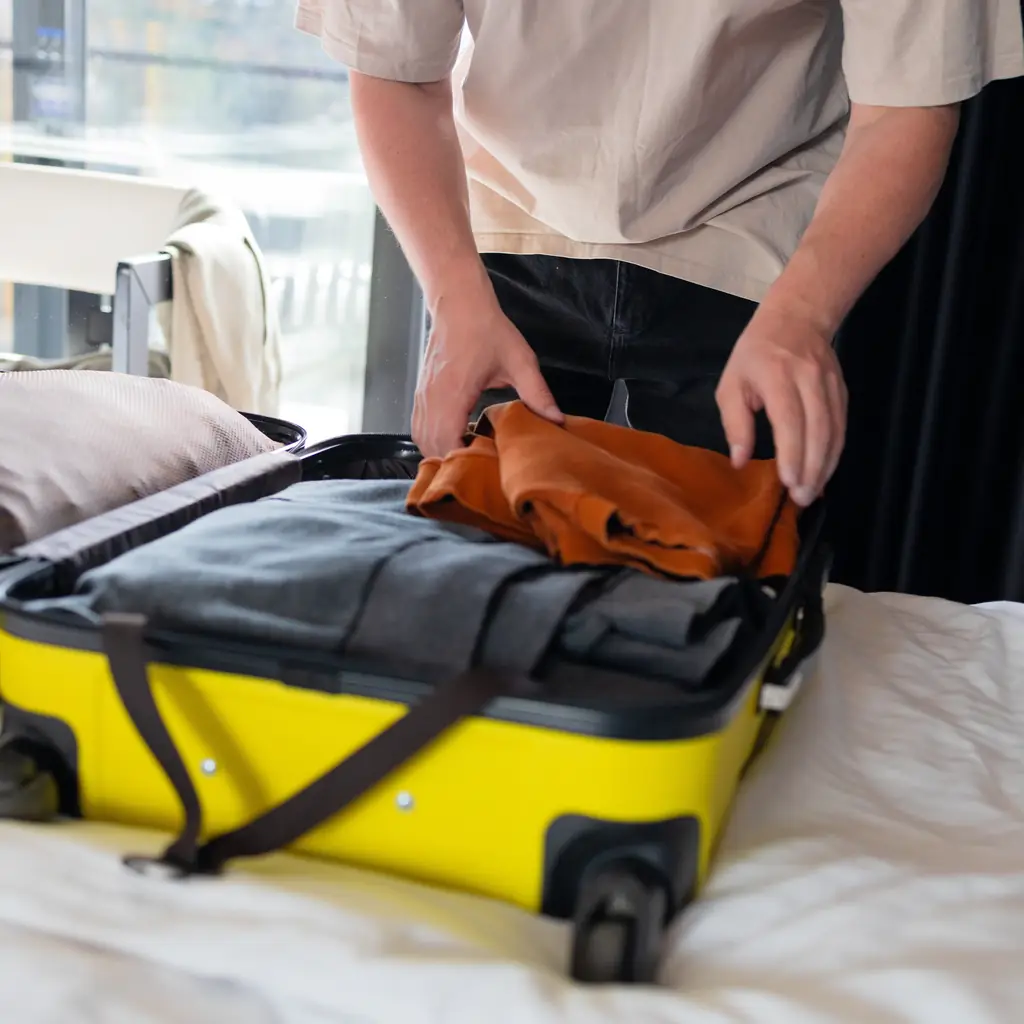
Pack a slim cube with essentials to get you by until your bags arrive: underwear, socks and a change of clothes like a nice shirt and bottoms.
This will come in clutch if your bags are delayed when you’re traveling.
21. An eSIM Already Activated Before You Land
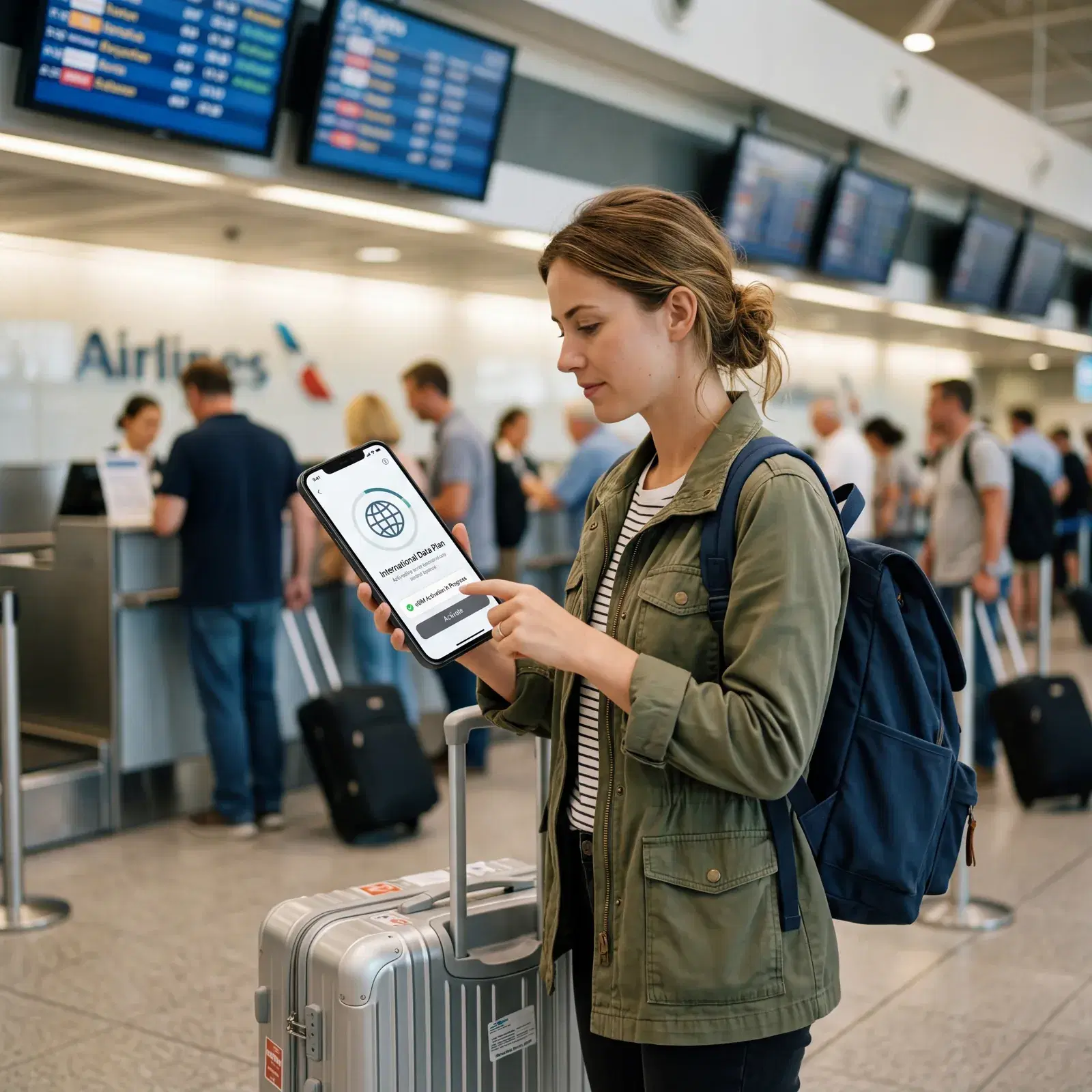
Install an eSIM while connected to Wi-Fi before you travel, if your provider allows it. Follow its activation instructions; some plans won’t connect until you’re at your destination, so you may not be able to test the connection at home.
Having a working eSIM when you land means you can access maps, check in with friends and family and use apps without scouring the airport for a local SIM. It can also save you from exorbitant roaming charges. Save the setup instructions offline in case you need them.
20. Noise-Cancelling Headphones
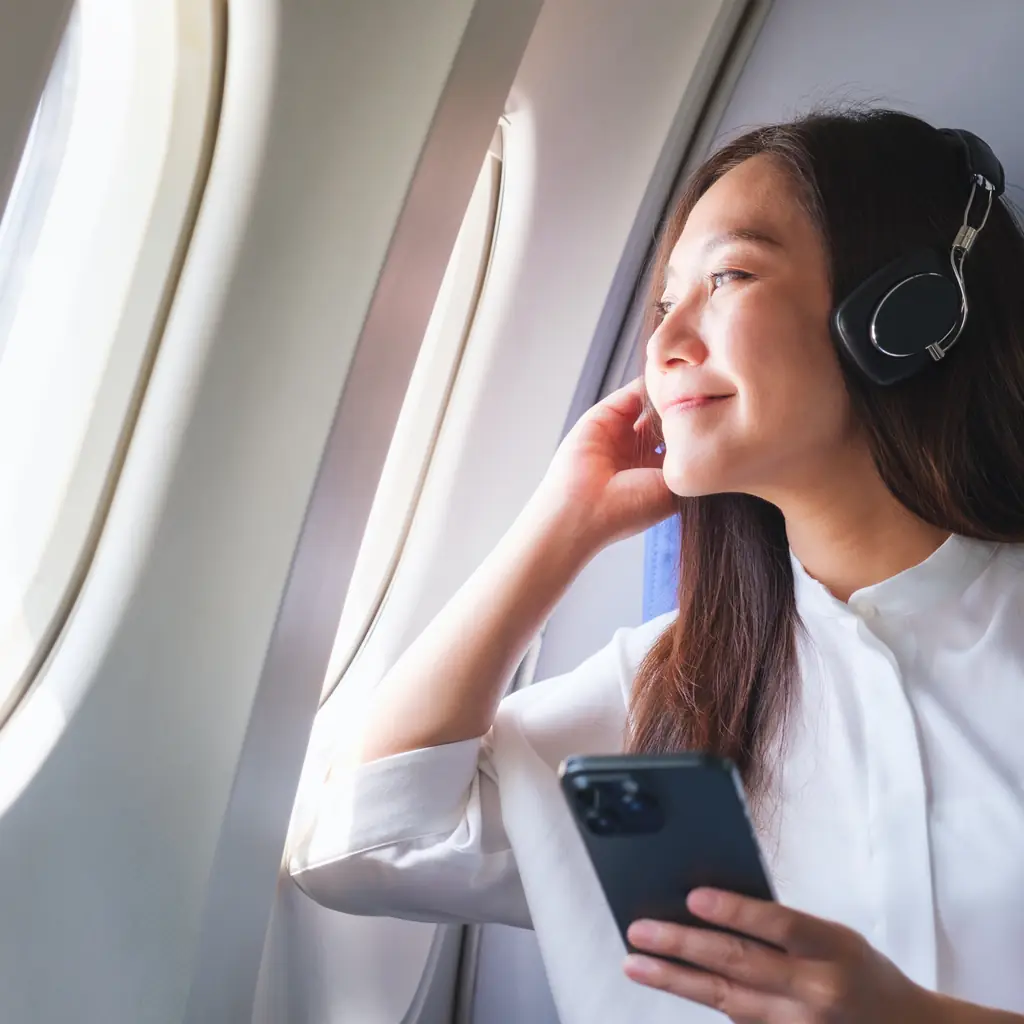
Spending ten-plus hours listening to plane engines can leave you feeling wrung out. Invest in a good pair of midrange noise-canceling headphones to muffle some of the noise and help you rest during long-haul flights.
Keep your headphones on top of your bag so they’re easy to grab.
19. An Empty Refillable Water Bottle
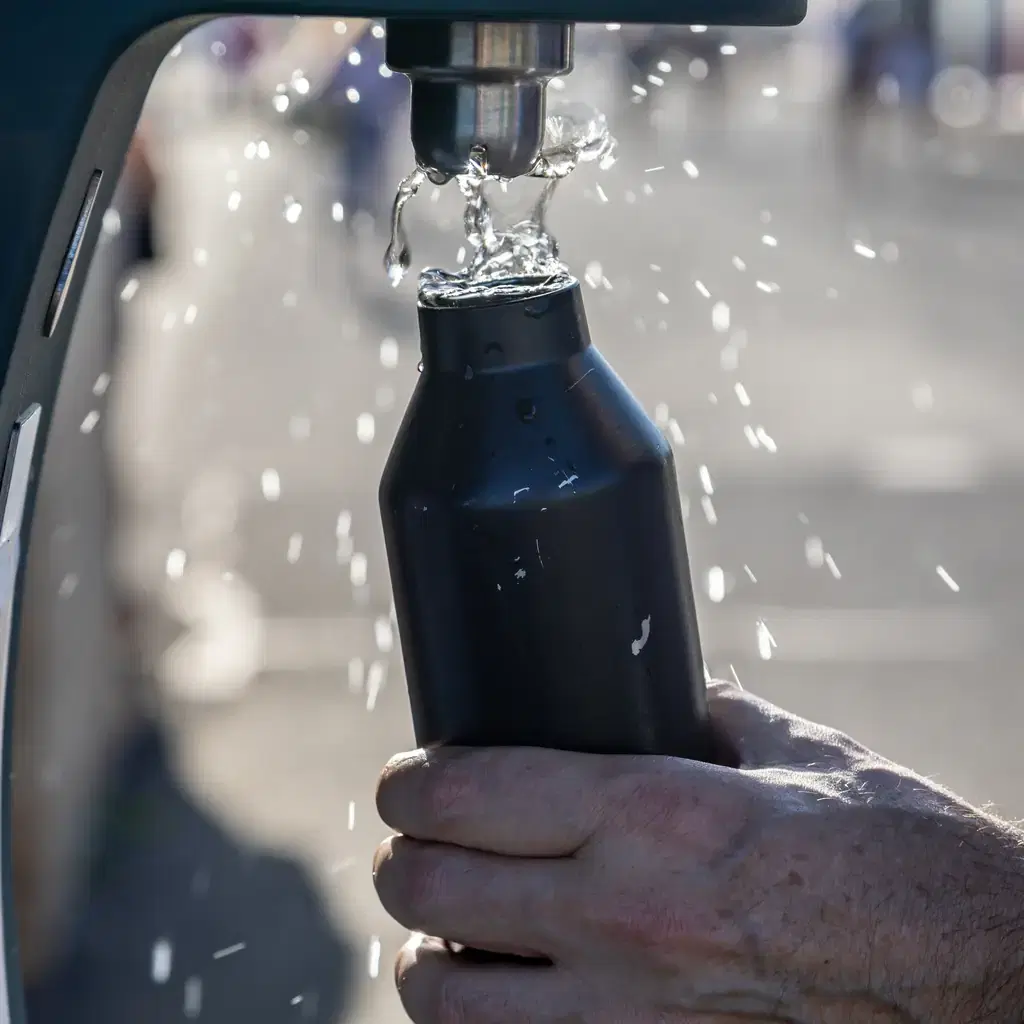
Bring an empty, reusable water bottle through security and fill it up once you’re through. Airplane cabin air can be incredibly dry, and having water handy helps you stay hydrated.
We recommend a slim bottle that’s easy to fit in your carry-on.
18. Compression Socks for Long-Haul Legs
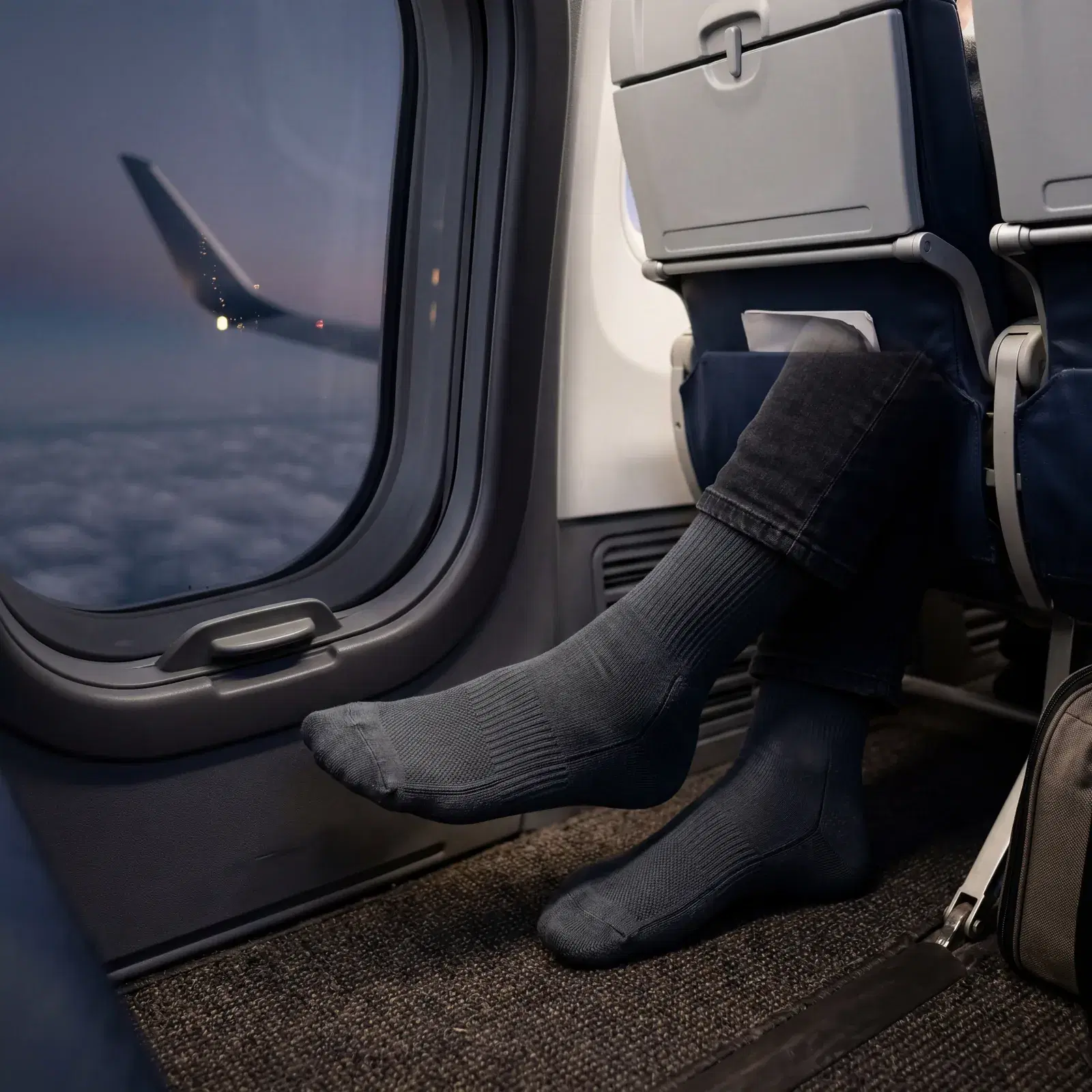
Compression socks may help keep your legs from getting puffy on long flights, but they aren’t an absolute must for everyone.
If they’re suitable for you, slip them on before you board. Ask your doctor for advice if you have a history of clotting, recent surgery or are pregnant.
17. Travel Insurance Details You Can Find Fast
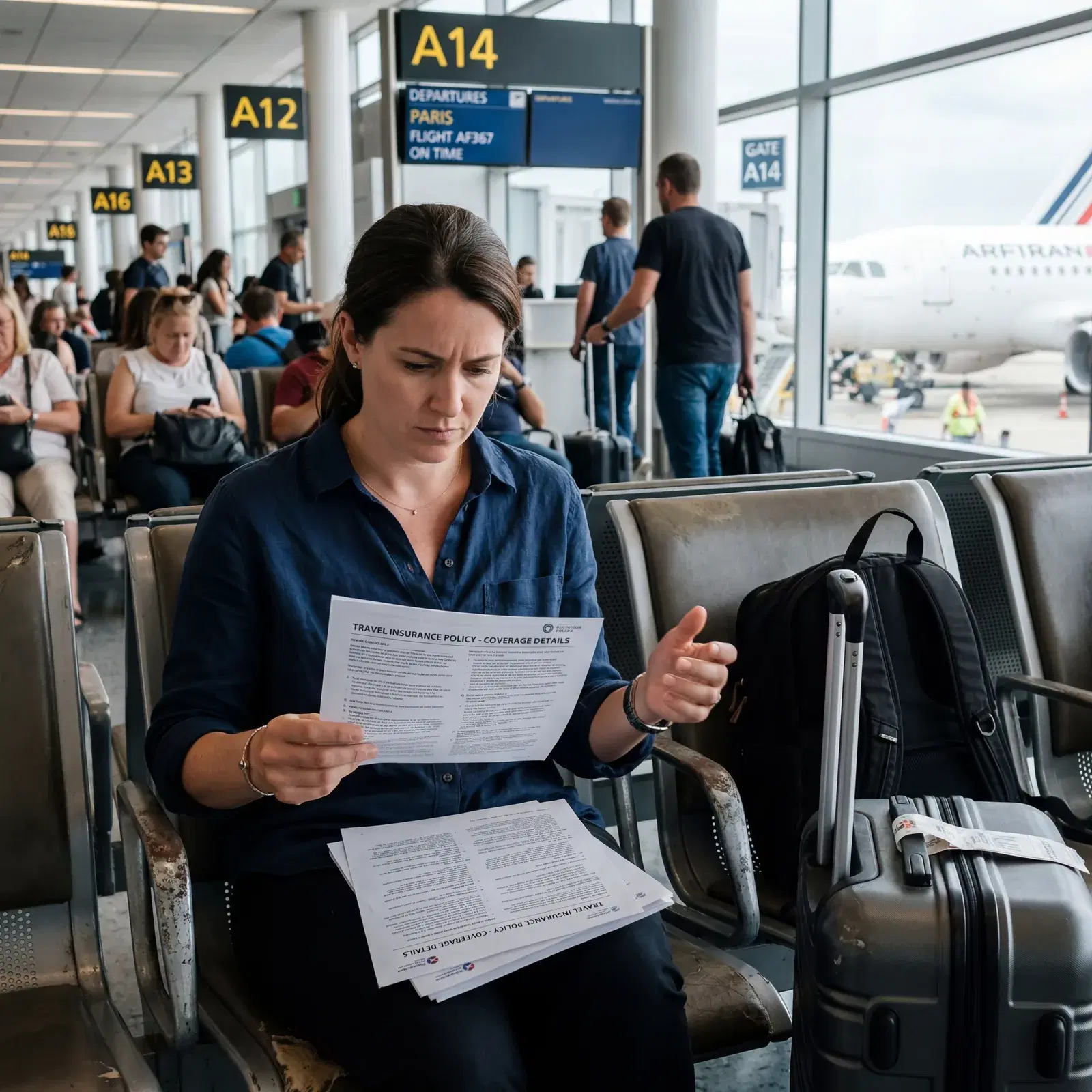
Bring along a credit-card-sized card with your insurance policy number and the number to report claims in an emergency.
Many passport wallets have a place for this. It’s one small planning detail to keep in mind when reading Caribbean trips Americans regret booking.
16. A Universal Adapter With USB-C
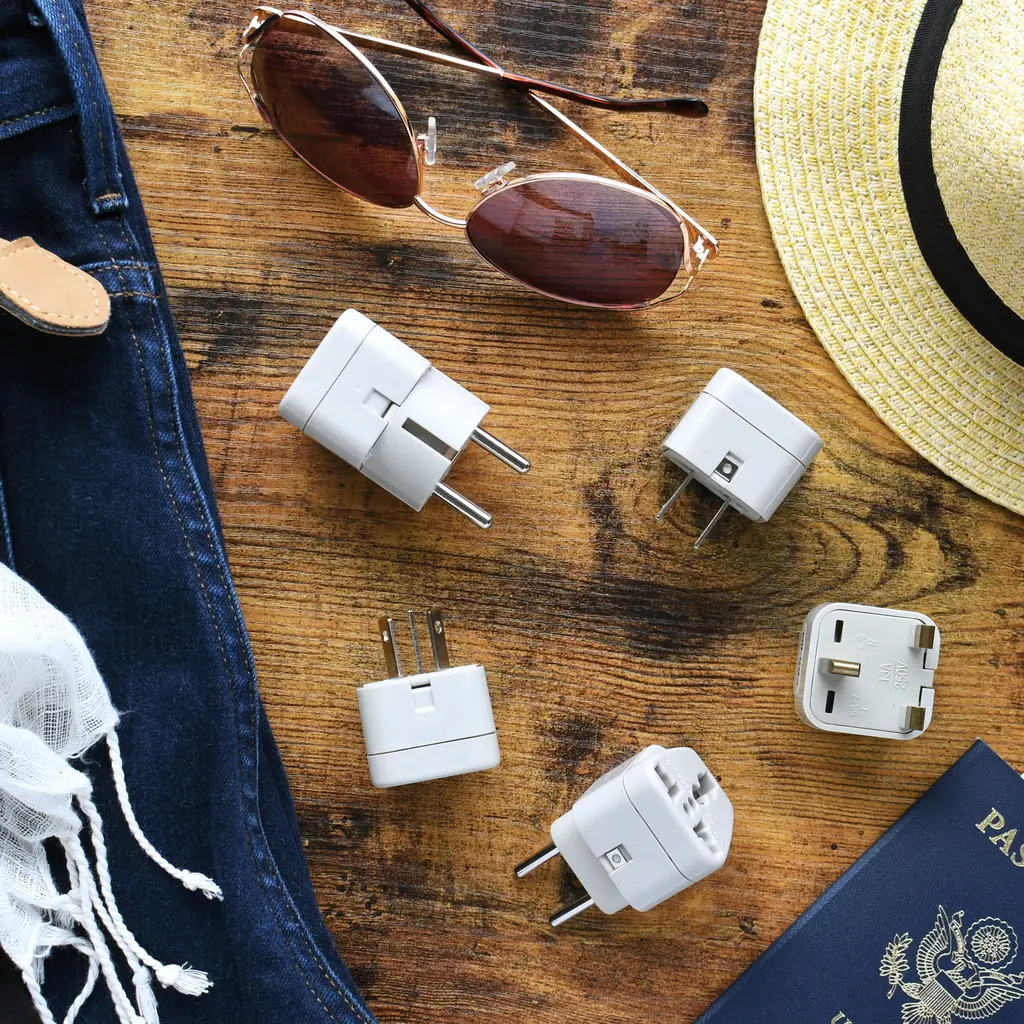
We highly recommend bringing at least one travel adapter in case you run out of juice and need to charge a device. Outlet types vary across Europe and Asia, and the UK’s three-rectangular-pin plugs differ from U.S. plugs. Double-check the outlets where you’re traveling. A compact adapter with USB-C and USB-A ports can be handy.
Keep your travel adapter in your carry-on so you’re able to charge your phone, laptop or camera even if your checked bag is delayed.
15. Offline Digital Copies of Every Important Document
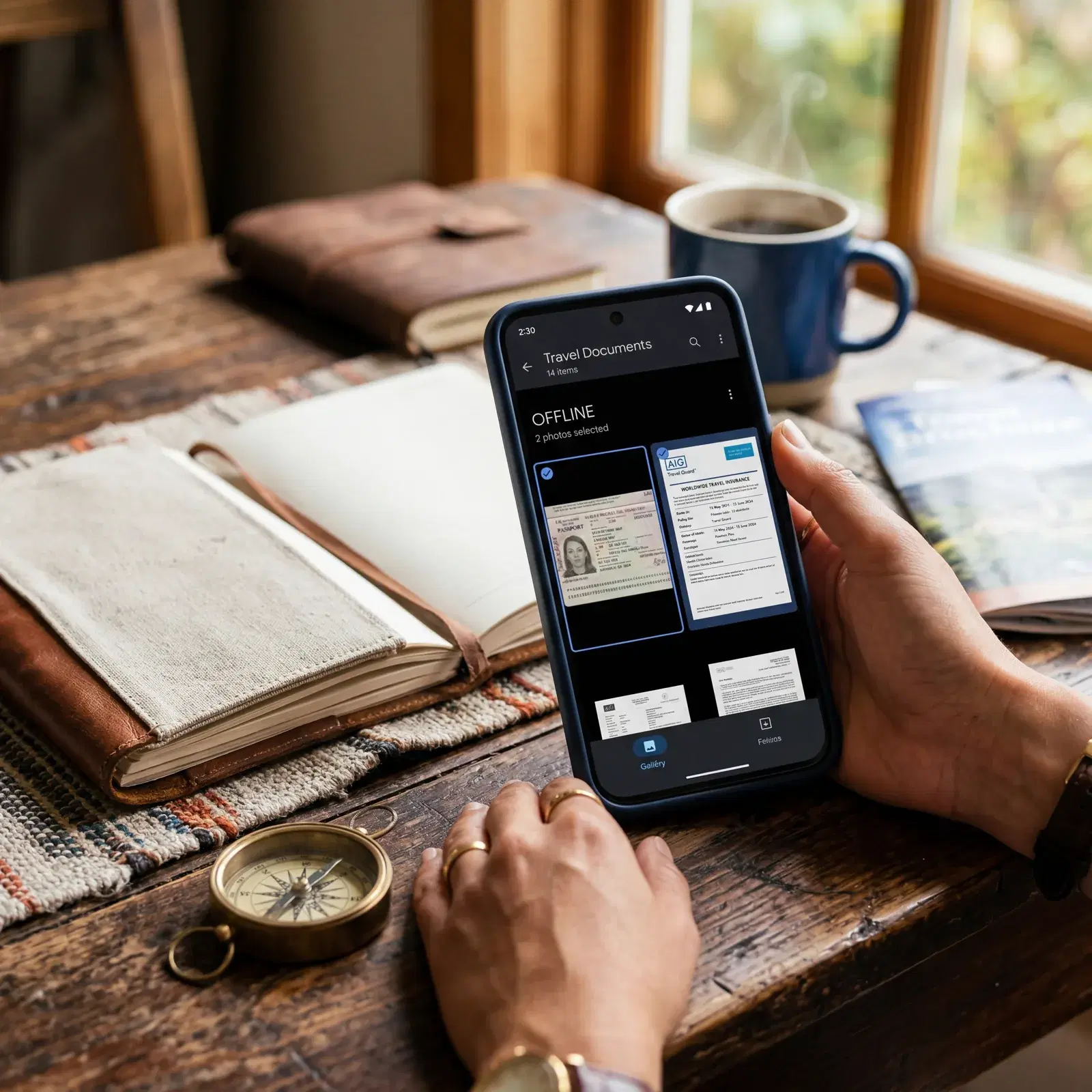
In case you lose your passport or other important documents, you’ll want scans of your passport, any necessary visas and reservations. Save them on your device for offline access; files stored solely in the cloud may not be available when you need them.
Send copies to your email too, so you have a backup you can retrieve from another device if yours goes missing. That’s useful for island-hopping plans, including trips inspired by Bahamas islands ranked from hidden gems to overrated.
14. A Backup Credit Card Kept Separately
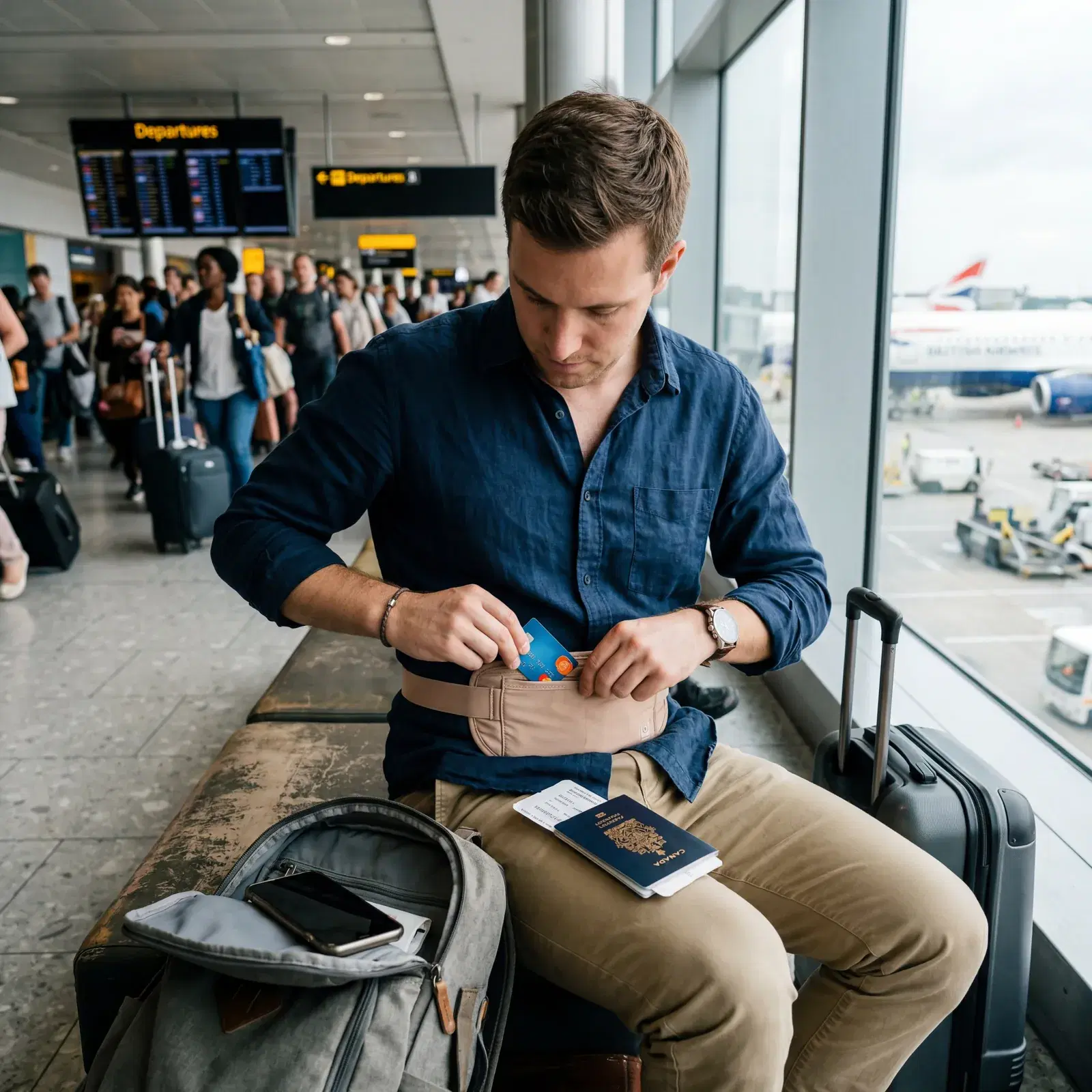
It’s not uncommon for credit or debit cards to be locked over suspicious activity when you’re traveling, or for ATMs to eat your card or just plain not work. Leaving all your eggs in one basket means you’re one rogue debit swipe away from losing access to your funds.
Check whether your bank needs a travel notification, and bring a backup debit or credit card with no foreign transaction fees. Keep it in a separate pouch or pocket.
13. Offline Maps for Your First Destination
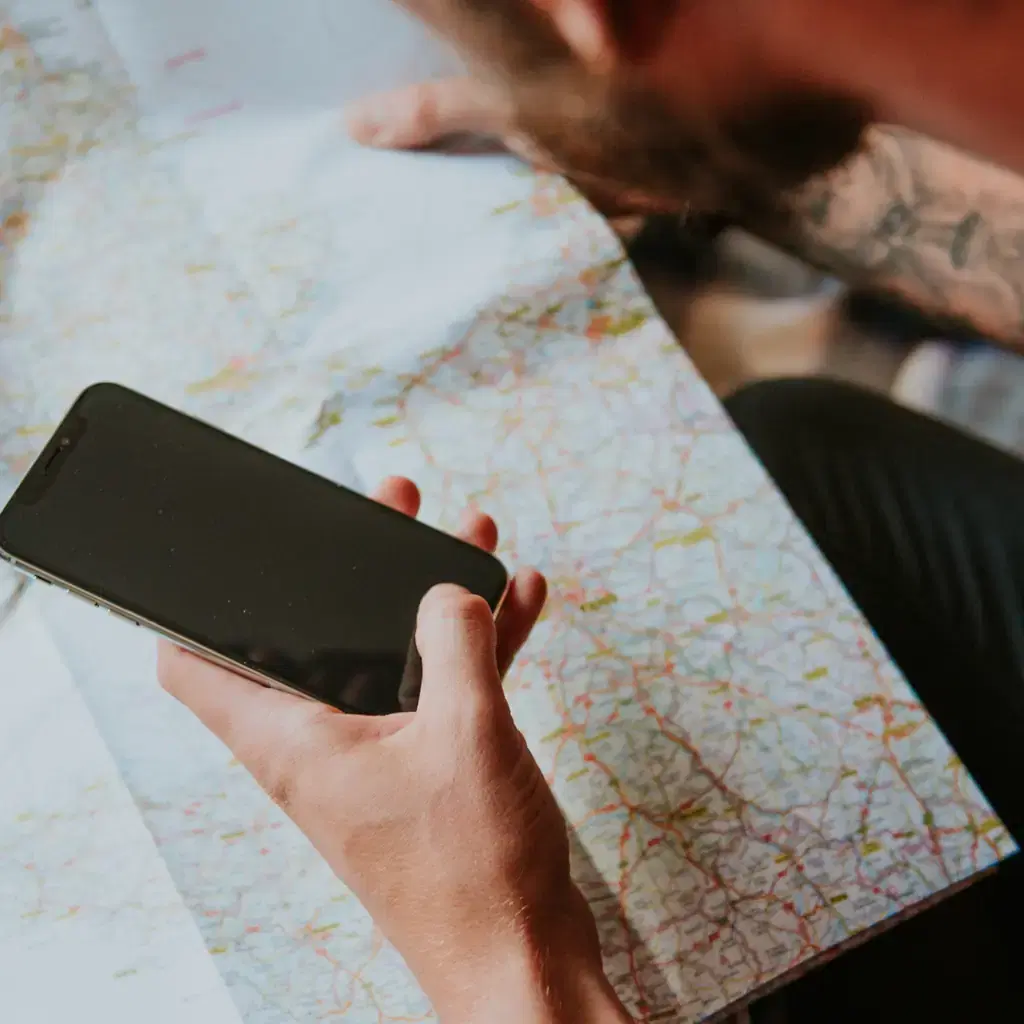
If you’re relying on Google Maps or Apple Maps to navigate a new city, download the maps you need before you go. Include the airport map, especially if it’s large or has multiple terminals. Free airport Wi-Fi isn’t something you can count on.
Use labels or stars for hotels, restaurants, tourist attractions and other spots you’d like to visit. When you’re in a taxi or shuttle, you’ll be able to show the driver where you’d like to go. Save directions to your hotel or train station before relying on your international eSIM.
12. Snacks That Solve a Real Problem

Even if you’re traveling with a friend or family, it’s always nice to have snacks on hand. They’re handy for dietary needs, red-eye flights or landing when the shops are closed.
Pack dried fruit, protein bars, crackers, nuts or other items that won’t go bad or melt in a bag and can withstand the bumps and bruises of air travel. Choose foods that suit your allergies or dietary restrictions, and check destination food rules.
11. A Tiny Toiletry Kit for the First Day

You’ve got sunscreen and a swimsuit for the beach. But did you pack deodorant, lotion, a small comb, a toothbrush or other items to help you feel less of a mess upon arrival? For TSA screening, liquids, gels and creams need containers of 3.4 ounces (100 milliliters) or less, all fitting in one quart-sized clear zip-top bag per passenger.
Pack the face wash and other basics you’d otherwise buy in the gift shop, where that tube of toothpaste costs $8. It’s a familiar kind of annoyance in Caribbean all-inclusives Americans regret booking.
10. Wet Wipes and Hand Sanitizer
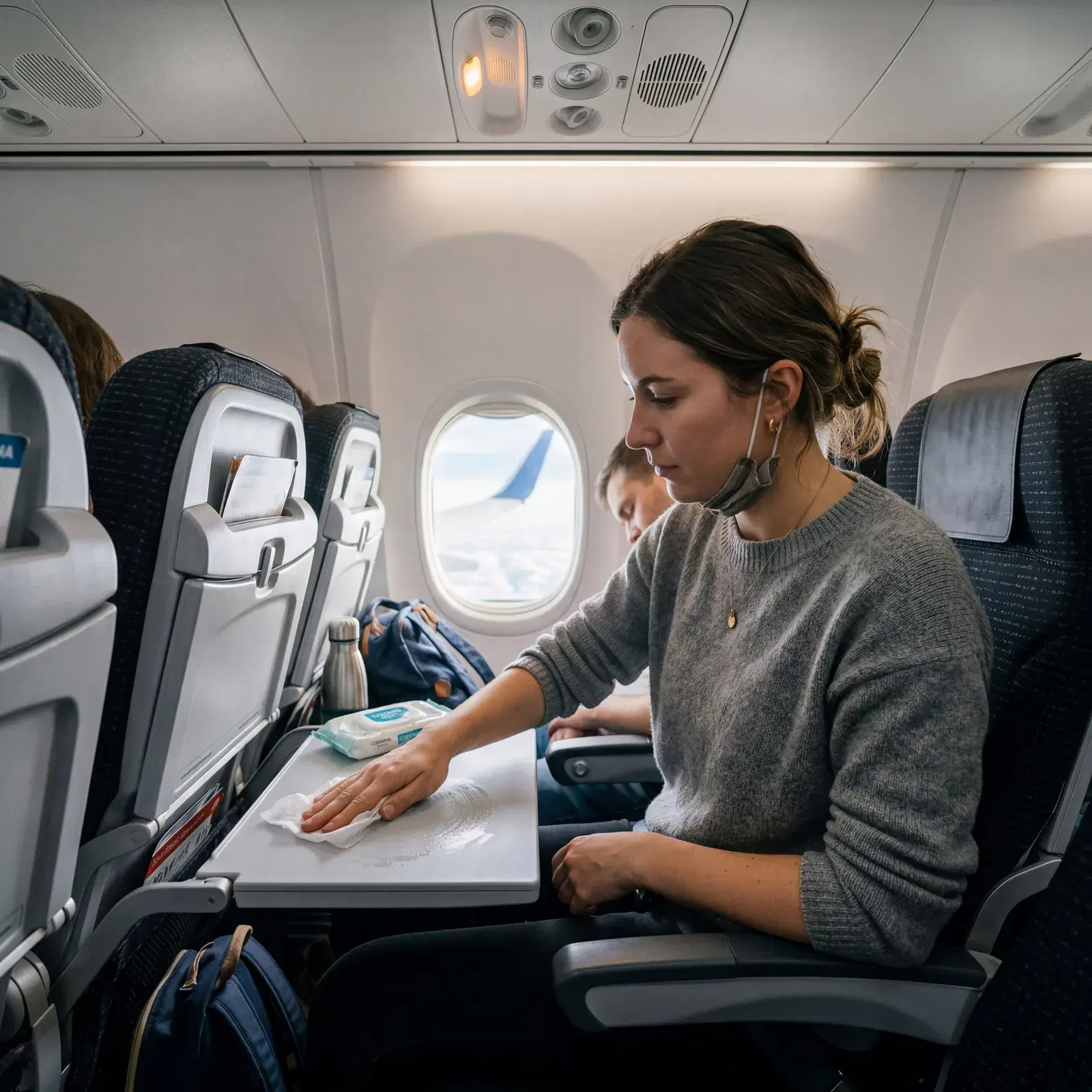
Especially helpful for families or people who are sensitive to germs: pack a few packets of sanitizing wipes. Use them on your tray table, seat controls, seatbelt buckle, entertainment system and other spots you’ll be touching during the flight.
Get to it early, before the meal tray is set in front of you. Pair the wipes with a mini bottle of hand sanitizer for extra peace of mind.
9. A Printed or Saved Offline Itinerary
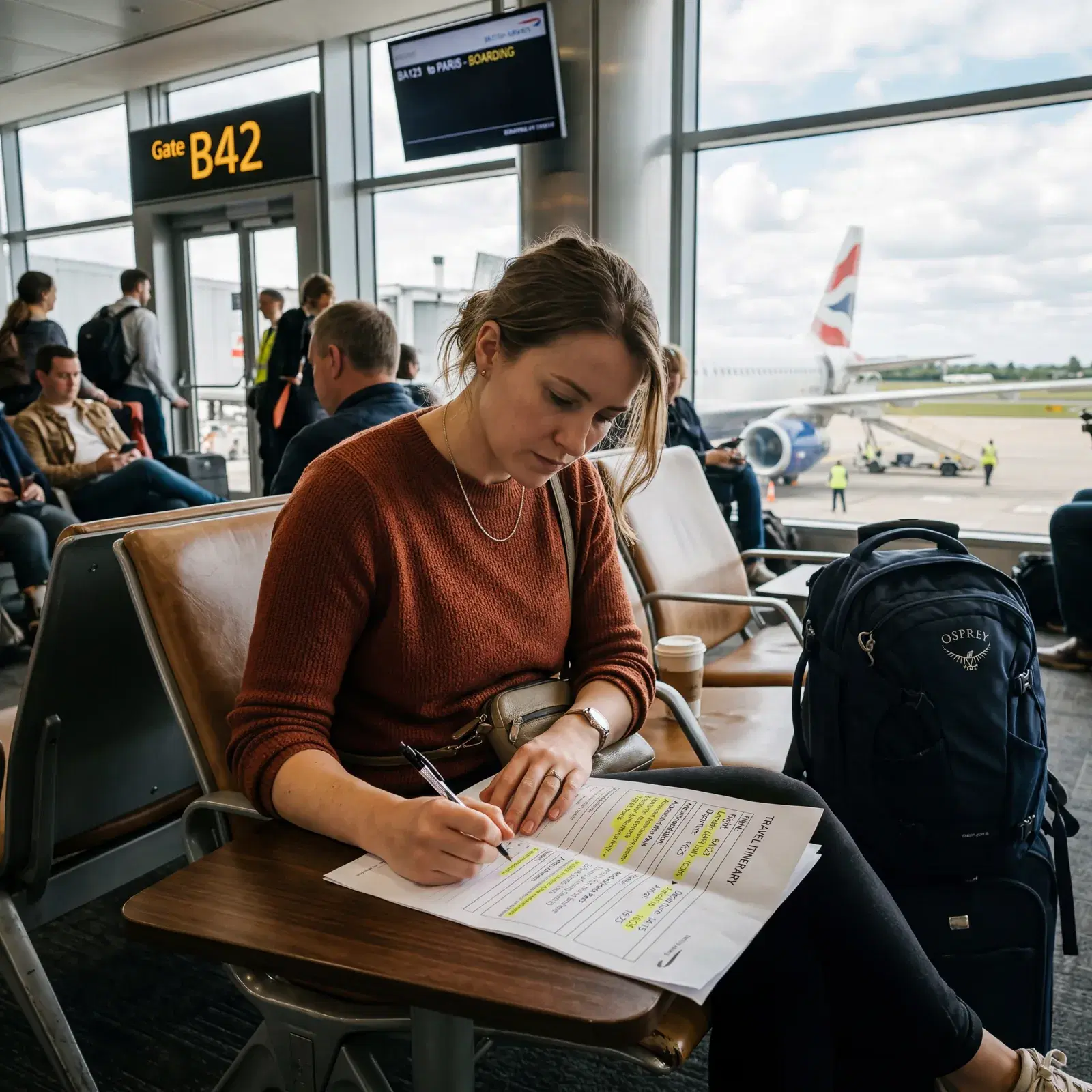
Download your return flight information and connection details, but check the current gate when you travel because it can change. Save information on who will be picking you up, emergency contacts and the hotel address, too.
If you’re looking for more travel tips for a cruise connection, check out this cruise ship rookie mistakes checklist.
8. A Sleep Mask That Actually Blocks Light

Between lighting changes, screen glare and the reading lamp the lady in the next seat insists upon using, sleep is difficult during a flight, no matter what time zone you’re in.
Invest in a contoured sleep mask that doesn’t press against your eyes and a quality pair of noise-canceling headphones, or even just earplugs. Keep them together and you’re more likely to use them during the flight.
7. A Neck Pillow You Will Actually Use
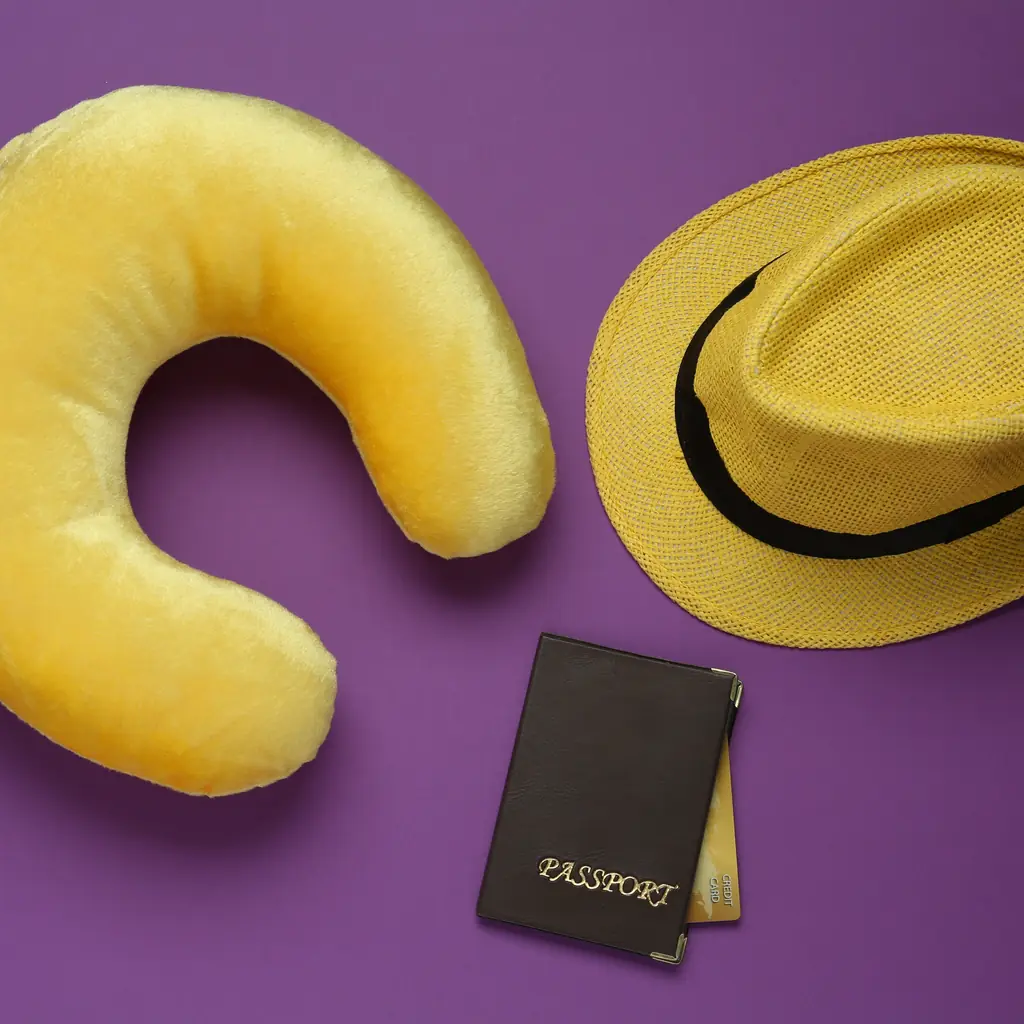
Memory foam, inflatable, super-cute and quirky? There are lots of neck pillows out there. Just make sure yours supports your head and keeps your neck from overheating or your chin diving during naps.
Inflatable neck pillows are a good choice for international travel since they take up less space. Invest in one that’s worth using and test it out before your trip.
6. A VPN App Already Logged In
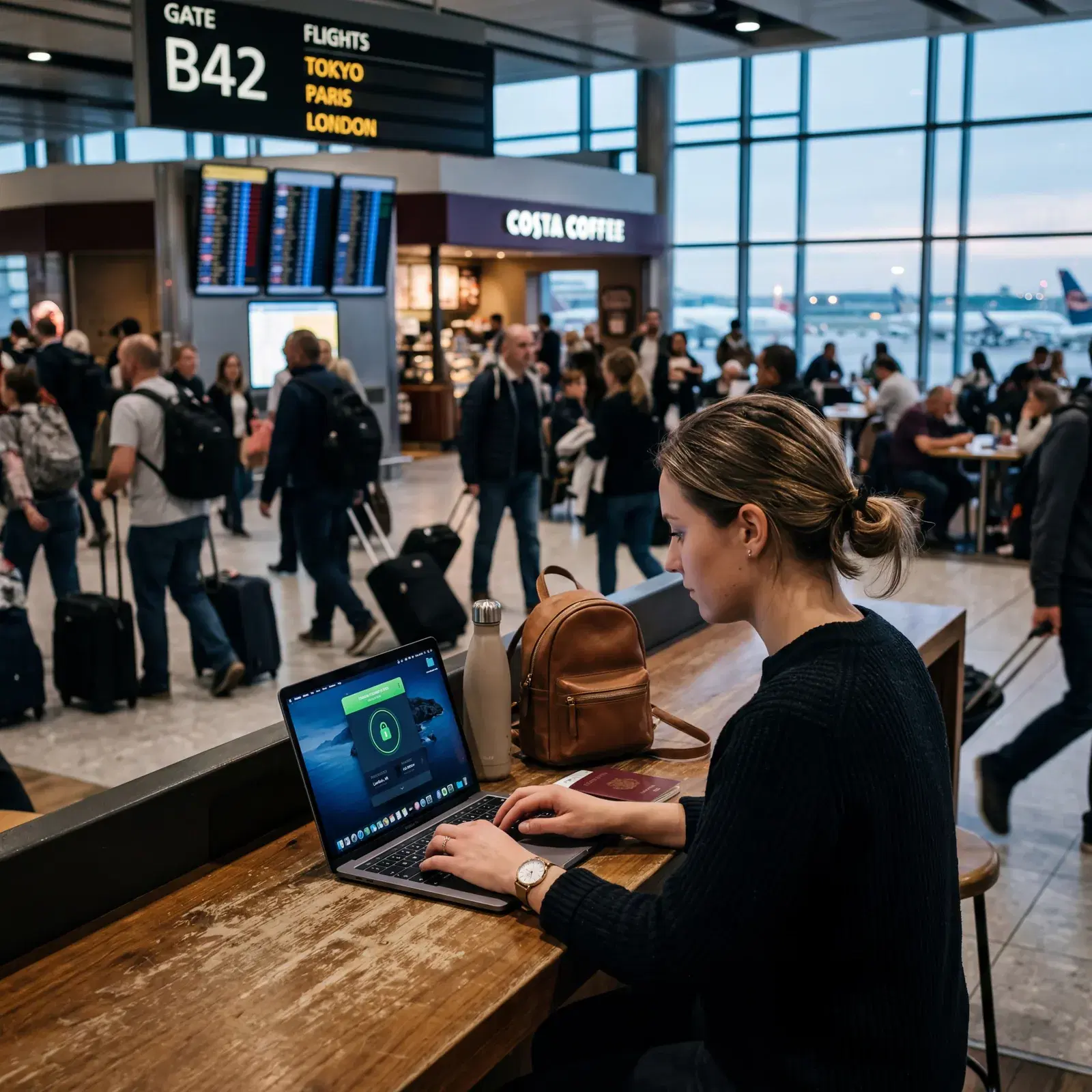
Free public Wi-Fi isn’t always the safest choice for accessing bank accounts, email or other apps that require passwords. Set up any VPN you plan to use before leaving home; don’t treat it as a guarantee that a connection is safe.
Check that you can log into the apps you’ll need before you get on the plane.
5. A Hidden Passport Wallet
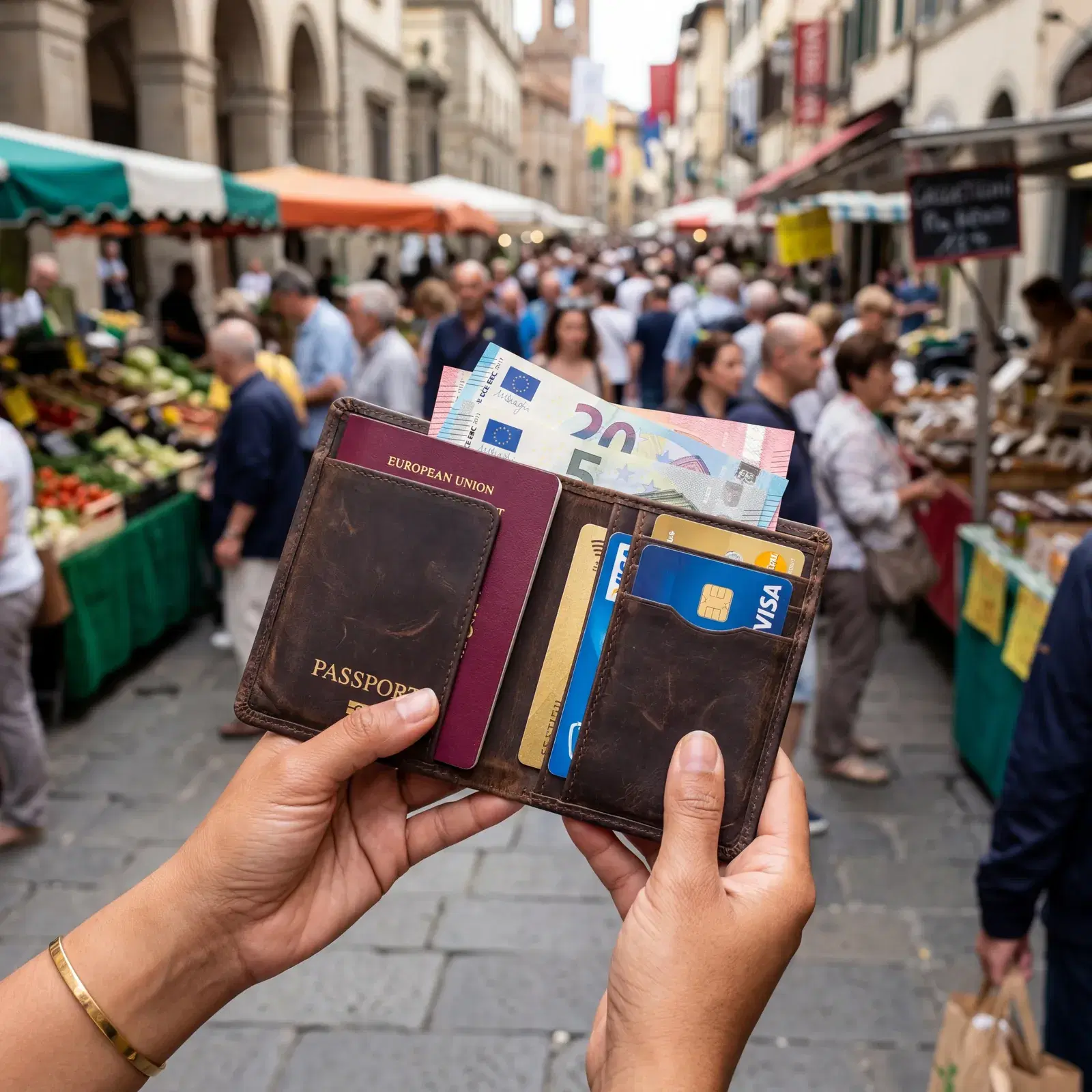
Depending on where you’re traveling, a hidden wallet can be helpful. Crowded tourist areas are places to keep an eye on your belongings.
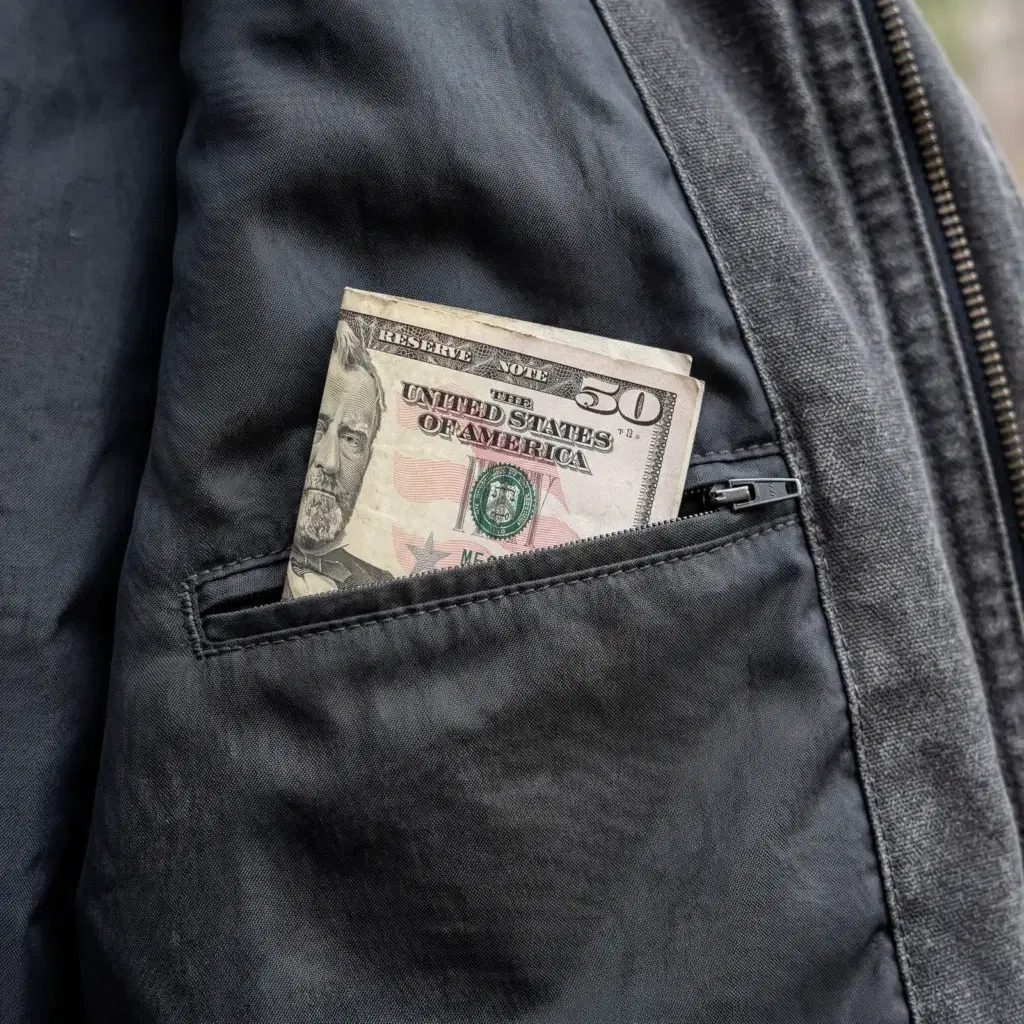
Use it for your passport, insurance card, a backup credit or debit card and transportation money. Keep it discreetly on your person, especially when you’re in transit.
4. Packing Cubes That Make the Bag Usable
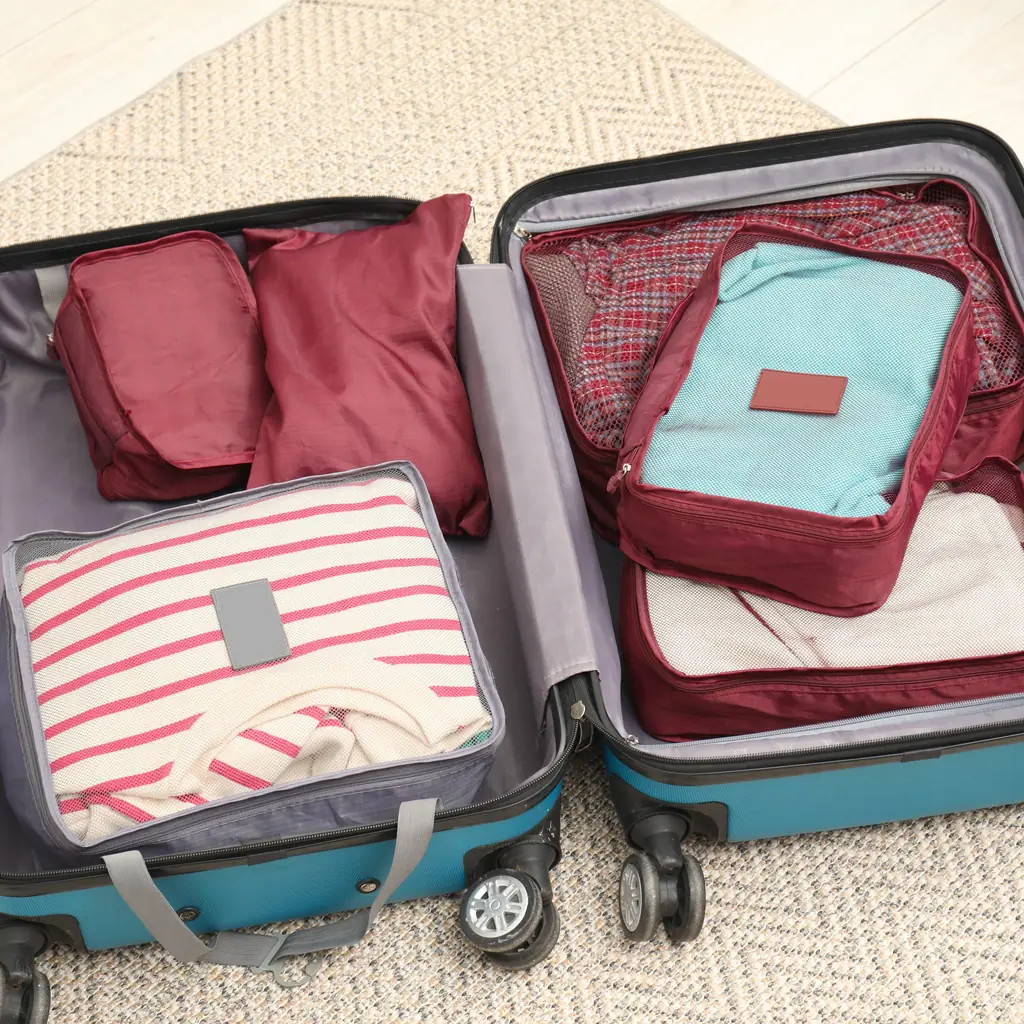
Invest in packing cubes, small pouches or other ways to organize your carry-on. Use one bag for documents like your passport, tickets, insurance and hotel reservation, one for electronics and cords, and one for toiletries.
It’ll make it easier to find what you need and may make security quicker if you need to remove electronics from your bag.
3. Sleep Aids You Already Understand
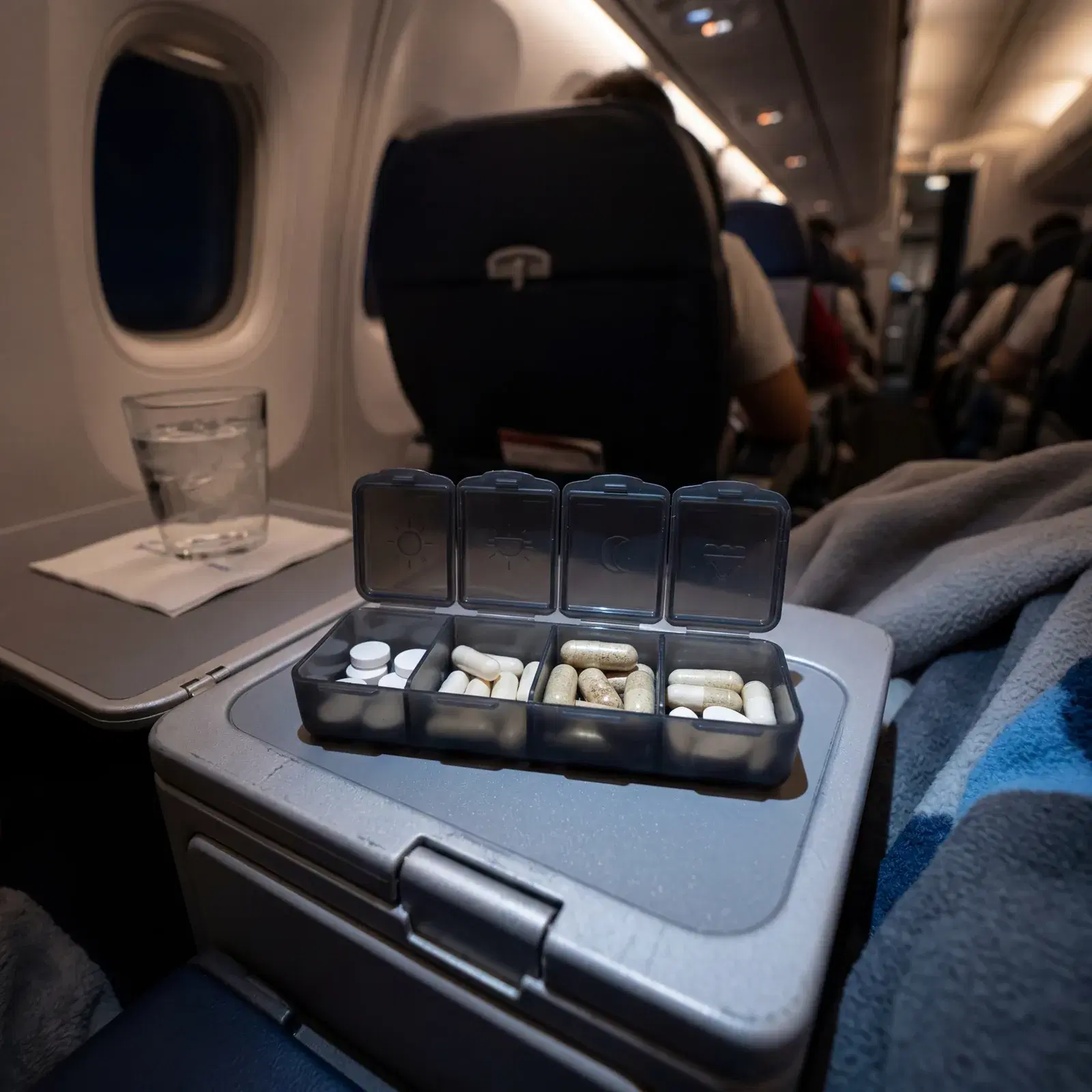
Downloading shows or other entertainment is a top item on many people’s preflight to-do list. Jet-lag tips deserve just as much attention.
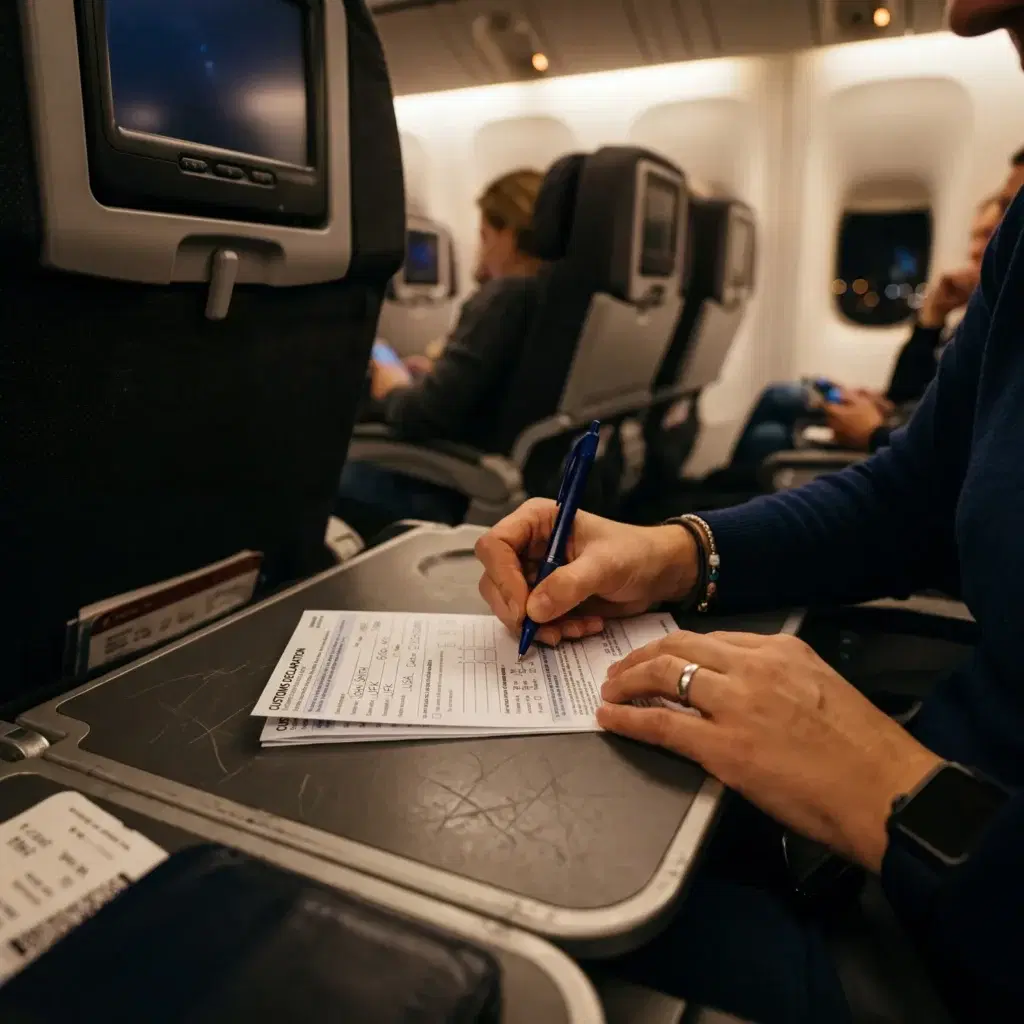
If you’re going to use melatonin, check with a clinician or pharmacist that it’s appropriate for you and check your destination’s rules. Familiarity alone doesn’t guarantee safety. Groggy or disoriented isn’t how you want to feel at customs.
2. A Real First Aid Kit, Not a Souvenir Pouch
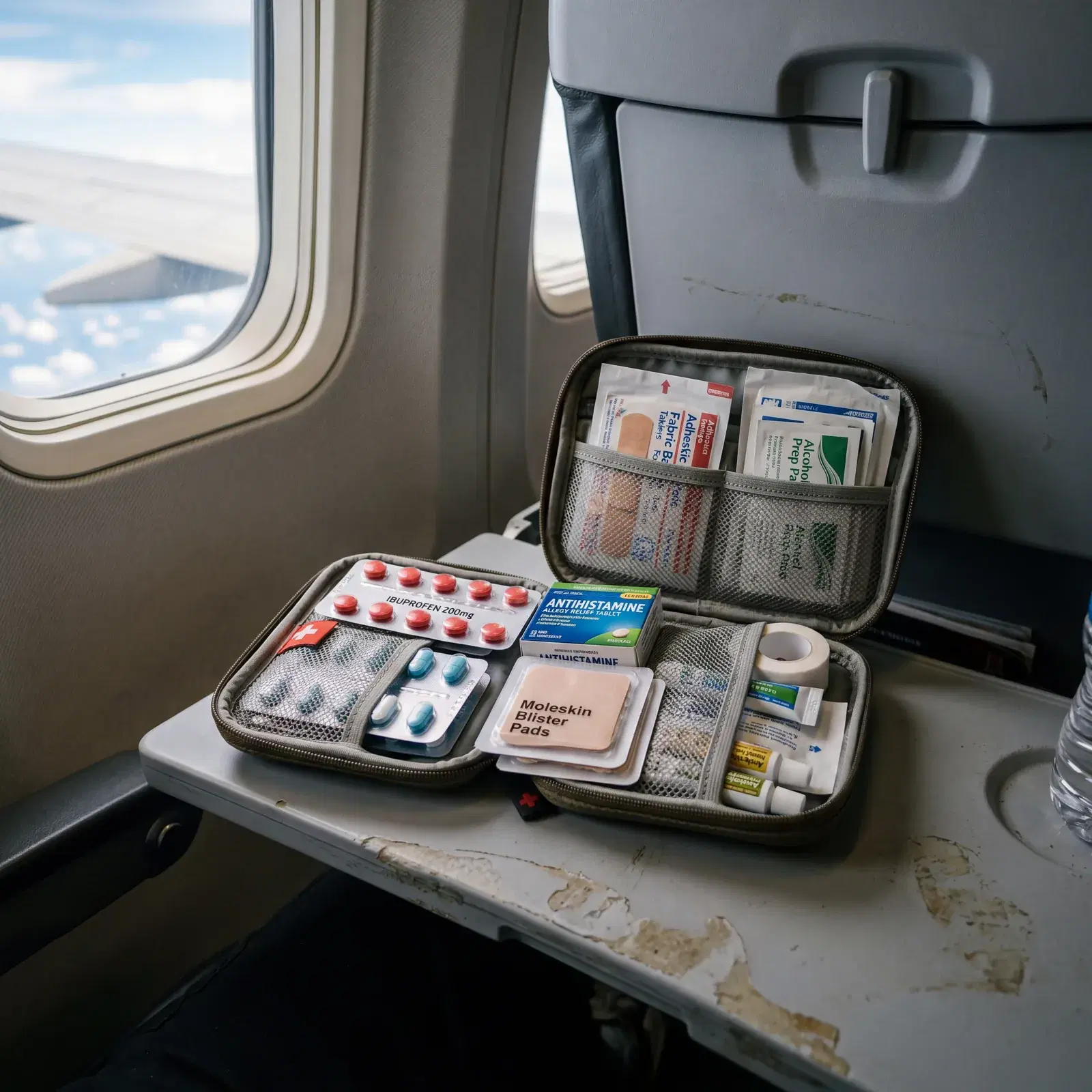
If you’re traveling somewhere a pharmacy might be difficult to find, pack a mini first-aid kit. Band-Aids, including blister bandages, and rehydration packets can be handy. Bring pain relief, anti-diarrhea medicine or antihistamines only if they’re suitable for you and permitted at your destination.
You’ll be thankful you’ve got the basics rather than scouring the internet at midnight to figure out where to get them. For a mixed trip, there’s also this guide to cruise ship rookie mistakes to avoid.
1. Travel Insurance With Medical Evacuation Coverage

Travel insurance is worth considering, including for solo trips. Depending on the policy and your circumstances, it could save you thousands in an emergency. Check coverage for medical costs, emergency evacuations and pre-existing conditions rather than choosing mainly for a baggage-delay perk.
That’s worth checking before a far-flung island trip, including one inspired by Caribbean islands ranked from hidden gems to overrated.
Pack for the First Bad Hour
The difference between a fantastic international trip and one that makes you want to crawl under a rock is often what happens in the first hour.
Pack the stuff that helps you charge your phone, reach your information, get help and make it through that first stretch. Give your trip a chance to start on the right foot.
Comments
The opinions and views expressed in the comments section are solely those of the individual users and do not represent or reflect the opinions, views, or positions of HumbleTrail. HumbleTrail does not endorse, support, or verify the accuracy of any user-generated content.
By posting a comment you agree to receive related emails from HumbleTrail in accordance with our Terms and Privacy Policy. You can unsubscribe at any time.