


Editor’s note: This article offers general travel guidance.
Cruises are relaxing, but there’s plenty of planning that goes into ensuring they run as smoothly as possible.
There are plenty of general travel tips out there, but here’s a cruise-specific checklist.
27. The Passport Expiration Date
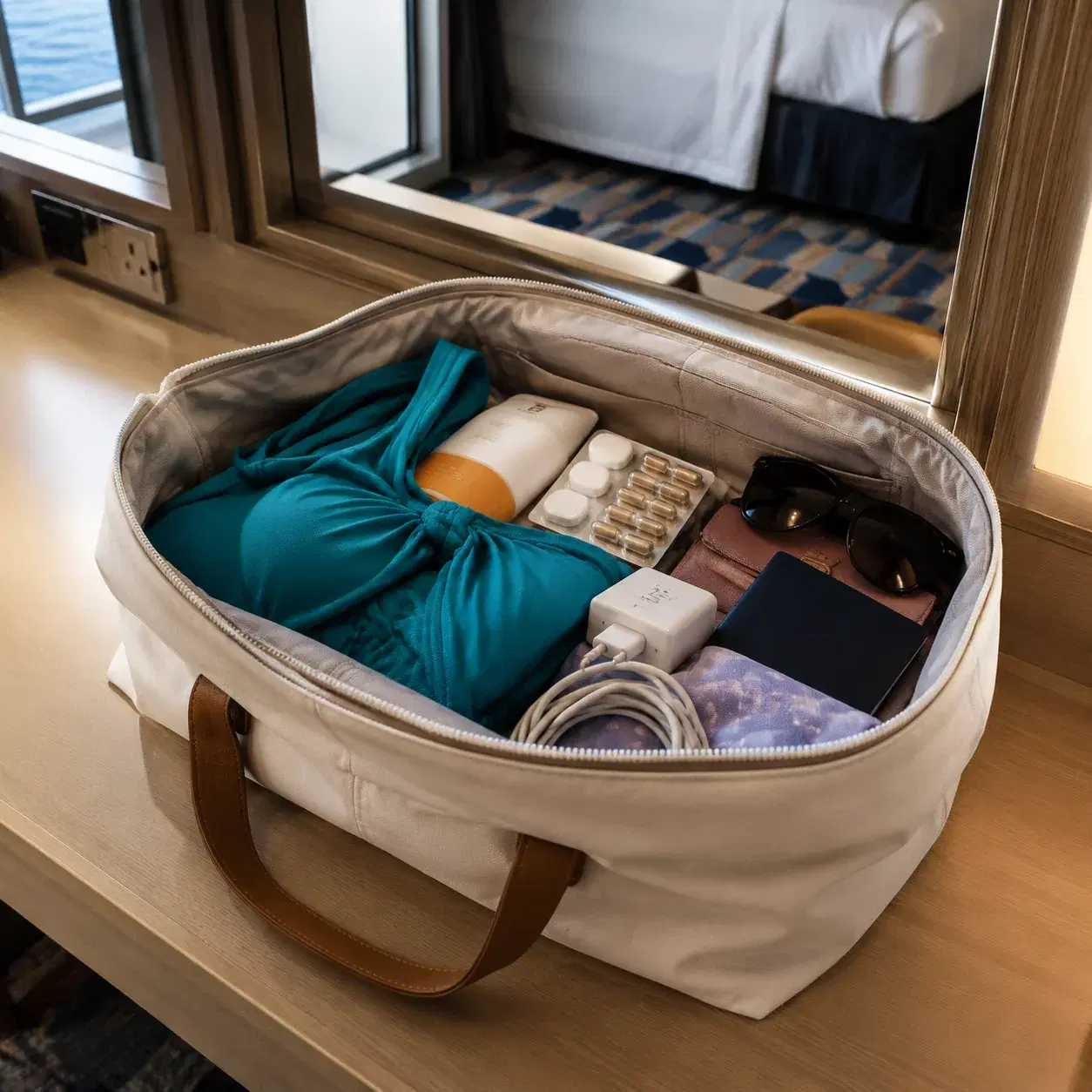
No matter how many times you’ve done it, checking your passport’s expiration date can slip through the cracks. Make sure to give it a once-over before making a final payment for a cruise.
Check the passport validity requirements for your cruise line and destinations. Being valid for the duration of the trip may not be enough, so leave time for renewal if needed.
26. The Luggage Scale
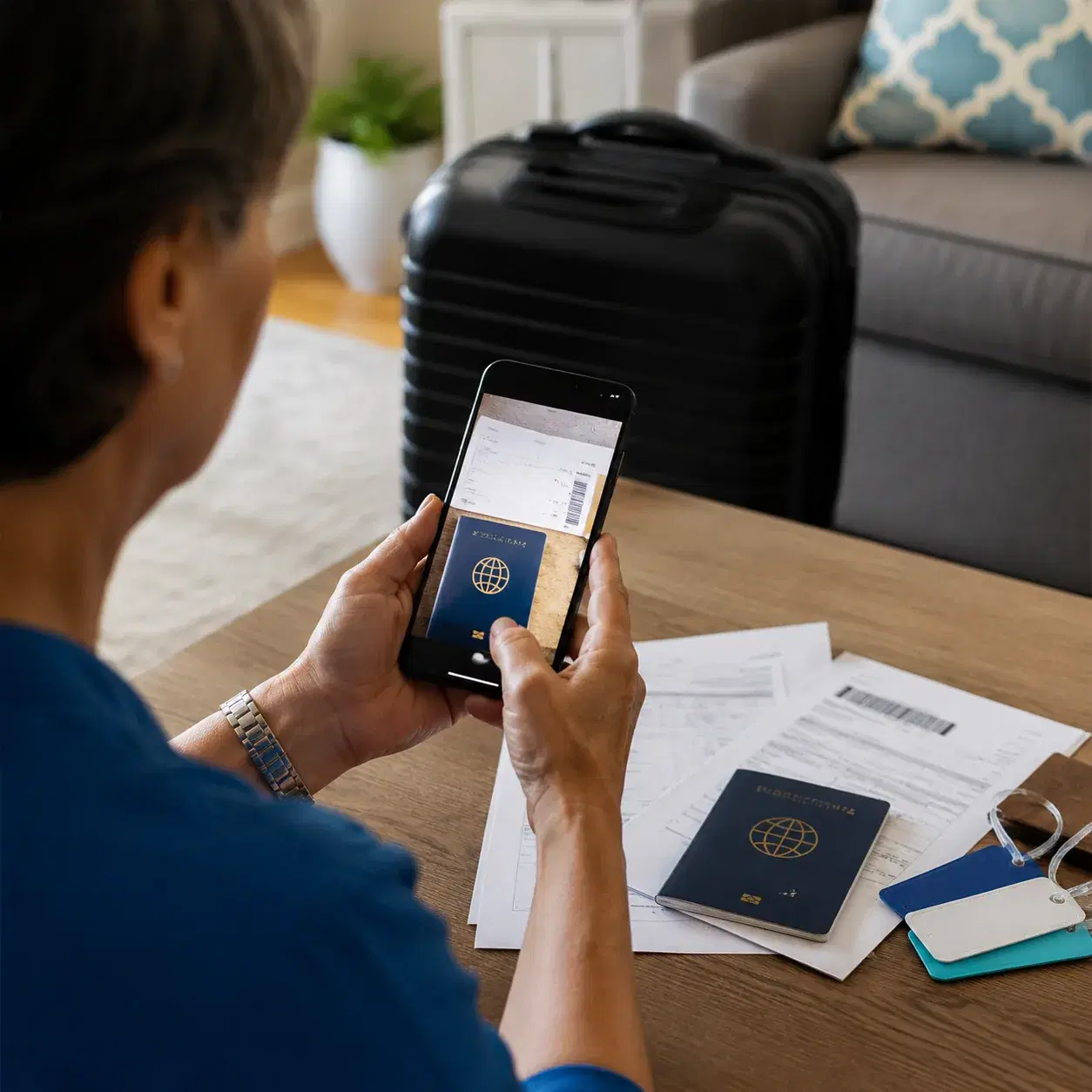
Save yourself some airport drama by weighing your luggage at home.
It’s unpleasant to unpack and repack bags in front of airport scales. Check your airline’s weight limits before you leave.
25. The Departure-City Weather

Dress for success in the embarkation city, not necessarily at your destinations. It can be chilly or rainy on embarkation day in Alaska, for instance, and hot and muggy on embarkation day in the Caribbean.
Bring an umbrella, a light jacket or other items for comfort during embarkation in case the weather doesn’t cooperate.
24. The Home Checklist
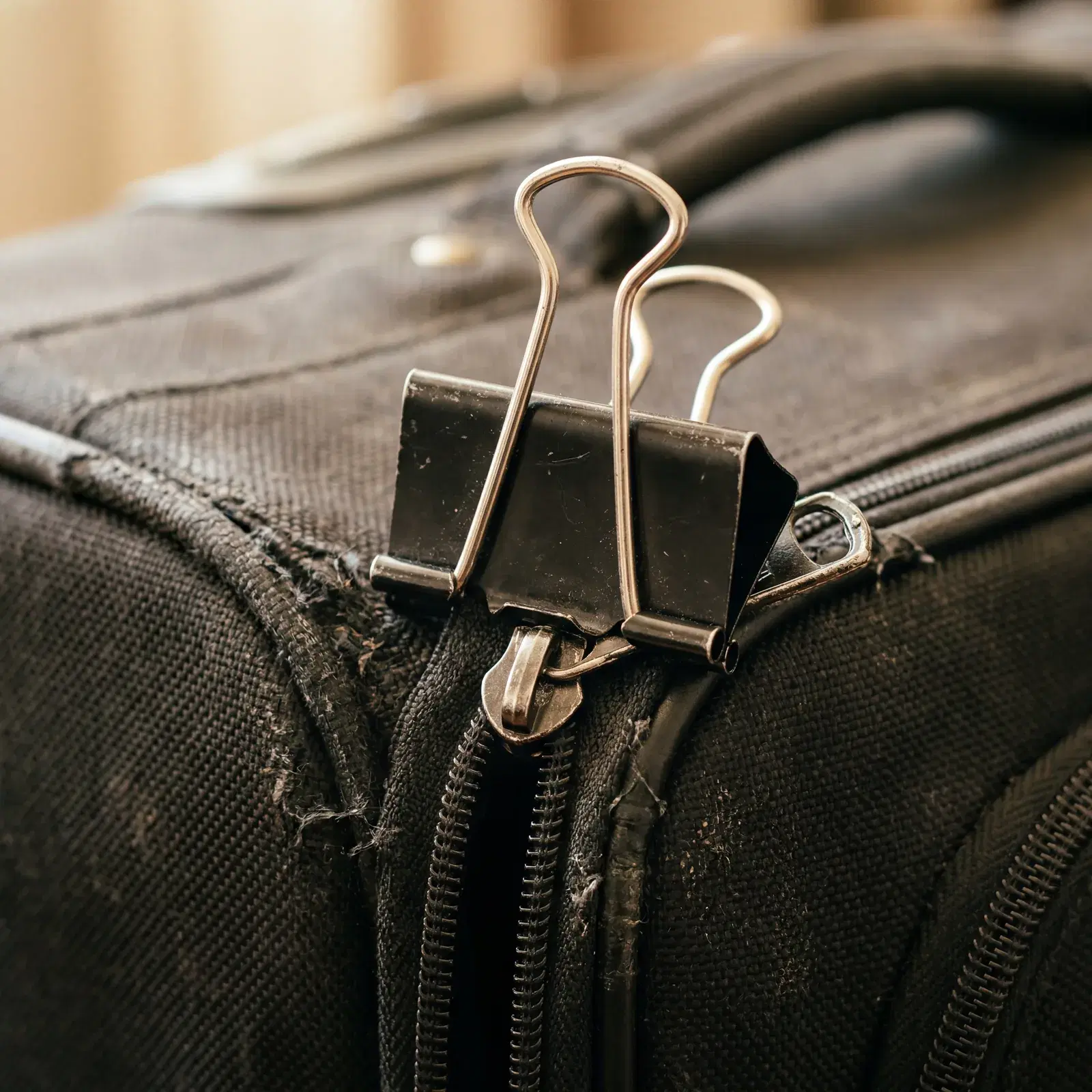
Circle back at home. It can be nerve-racking to leave town, wondering if you locked the house, took out the trash, arranged care for the dog and houseplants, etc.
Go through a checklist so you’re not fretting once you’re cruising.
23. The Final Payment Date
Set an alert for final payment deadlines. Set a calendar alert a week ahead of time to give yourself some slack.
Use that time to check passenger names, booking details, and your stateroom selection. Correction deadlines vary, and missing final payment can put your booking at risk.
22. The Exact Cruise Terminal

Book your transportation to the port and do some research to figure out where to be dropped off, especially if you’ll be using a rideshare service with a driver who may not know the area.
Large ports have several terminals, so give the driver the actual terminal address. It can be helpful to send the port’s directions page and save a screenshot in case service is spotty.
21. The Night-Before Hotel Plan

If you’re staying overnight in the embarkation city, choose a hotel based on ease of checkout, the likelihood of a calm ride or walk to the terminal, etc. Save your money instead of spending extra for a fancy hotel.
You may be tempted by a less-expensive hotel with great reviews, but its location could mean a harried morning with a long, expensive taxi ride in heavy traffic to get to the terminal.
20. The Phone Roaming Plan
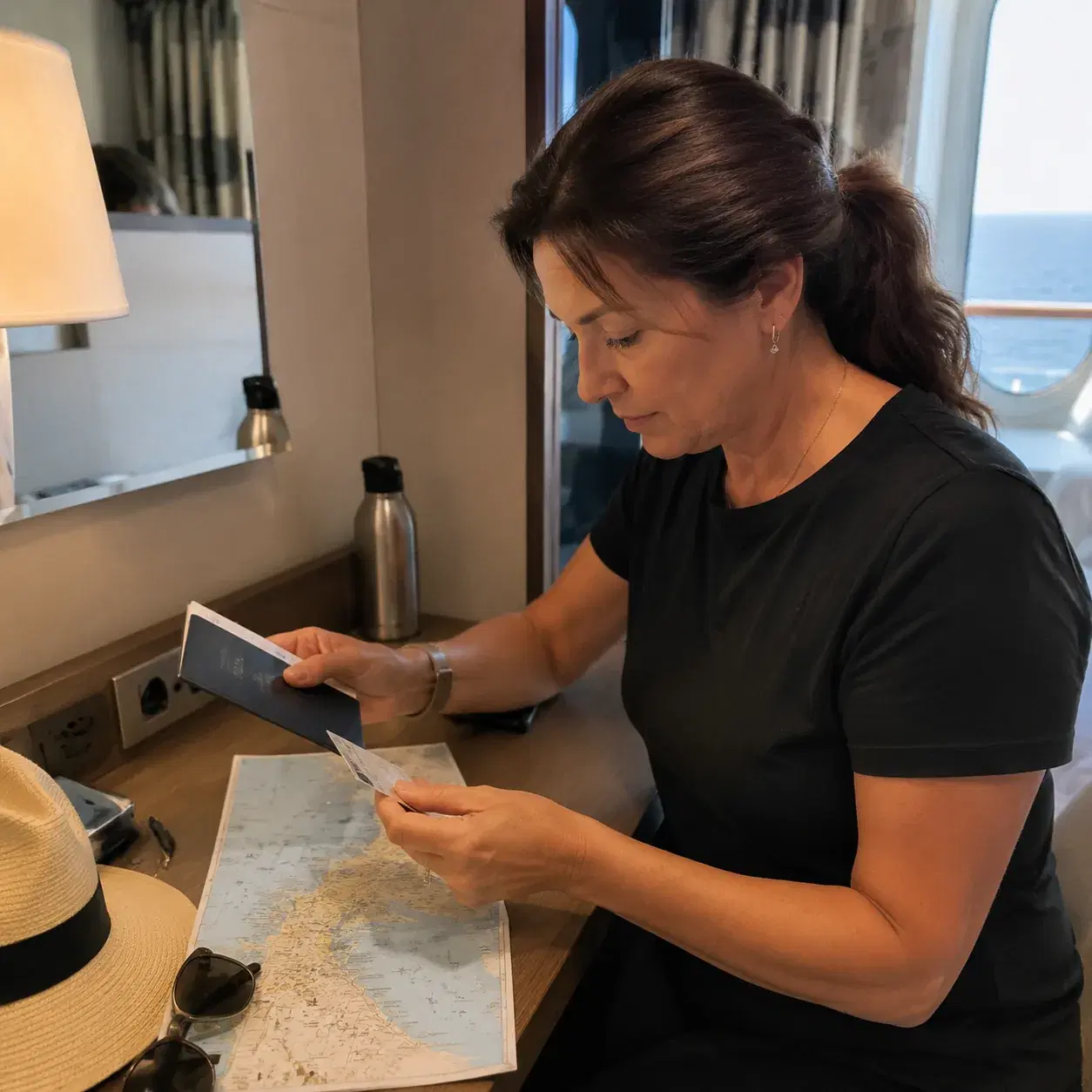
Think about connectivity. You may not have Wi-Fi access the moment you step off the plane. Decide if you’ll be able to function without email or texting or whether you’ll need a plan.
Check with your carrier beforehand so you’re not surprised by charges for using cell service at sea, in the air and abroad. Ship Wi-Fi and cellular service are separate; check both rather than assuming a Wi-Fi package covers your phone’s cellular use.
19. The Dress Code Reality
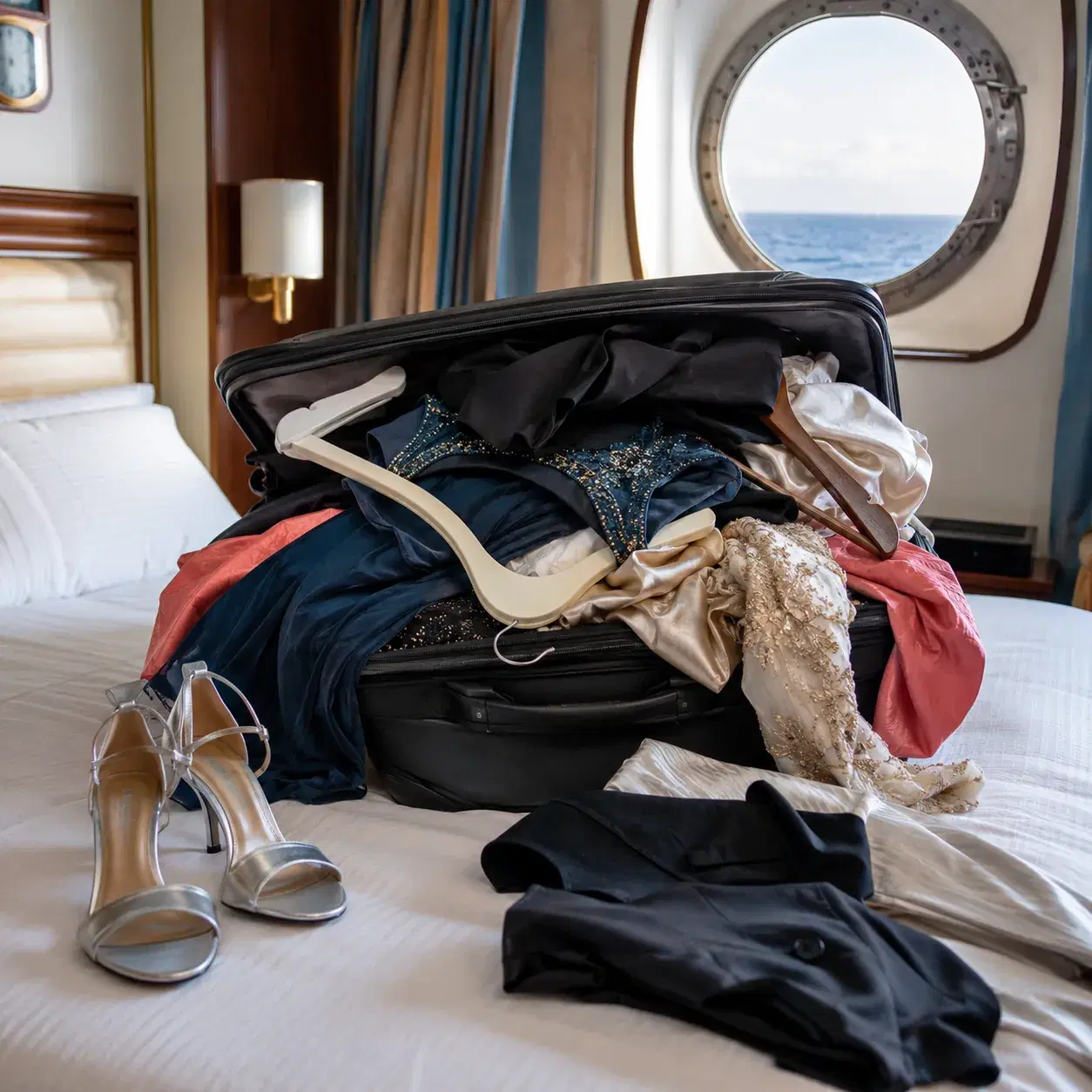
Pack practical shoes. Many cruises are casual much of the time, but check your line’s dress codes for dinner and particular venues.
Rather than three different outfits for dinner, bring comfy, broken-in shoes you’ll be happy to wear all day, especially for shore excursions. Leave room for any clothes your dining plans require.
18. The Last-Minute Ship Email

Look again at that email. Cruise lines often send last-minute embarkation information via email.
Read it again the night before embarking to see if there are any port or terminal changes, health forms to print and fill out or anything else that may be of note.
17. The Name on Every Document

Check the names on cruise reservations and flight reservations against each traveler’s government-issued identification. Middle names, initials, and hyphens can raise questions, but a difference doesn’t automatically mean denied boarding.
If something doesn’t match, check with the cruise line or airline about whether it needs correcting. Check hotel reservations, too. This can save headaches at check-in counters.
16. The Passport Versus Birth Certificate Decision

Double-check travel documents. U.S. citizens on some closed-loop cruises may have alternatives to a passport book, but the options depend on the itinerary and cruise line’s requirements.
Check government and cruise line guidance for your trip. The State Department strongly recommends a passport book even when the cruise doesn’t require one, in case you need to fly home from abroad. A passport card isn’t valid for international air travel.
15. The Boarding Time Window
Double-check boarding times. Some passengers like to arrive very early on embarkation day and end up waiting for hours for their boarding window. Others arrive too late and risk missing check-in or boarding altogether.
Check your cruise line’s arrival window and final check-in deadline, and allow yourself plenty of time for luggage drop-off and any delays.
14. The Credit Card on File
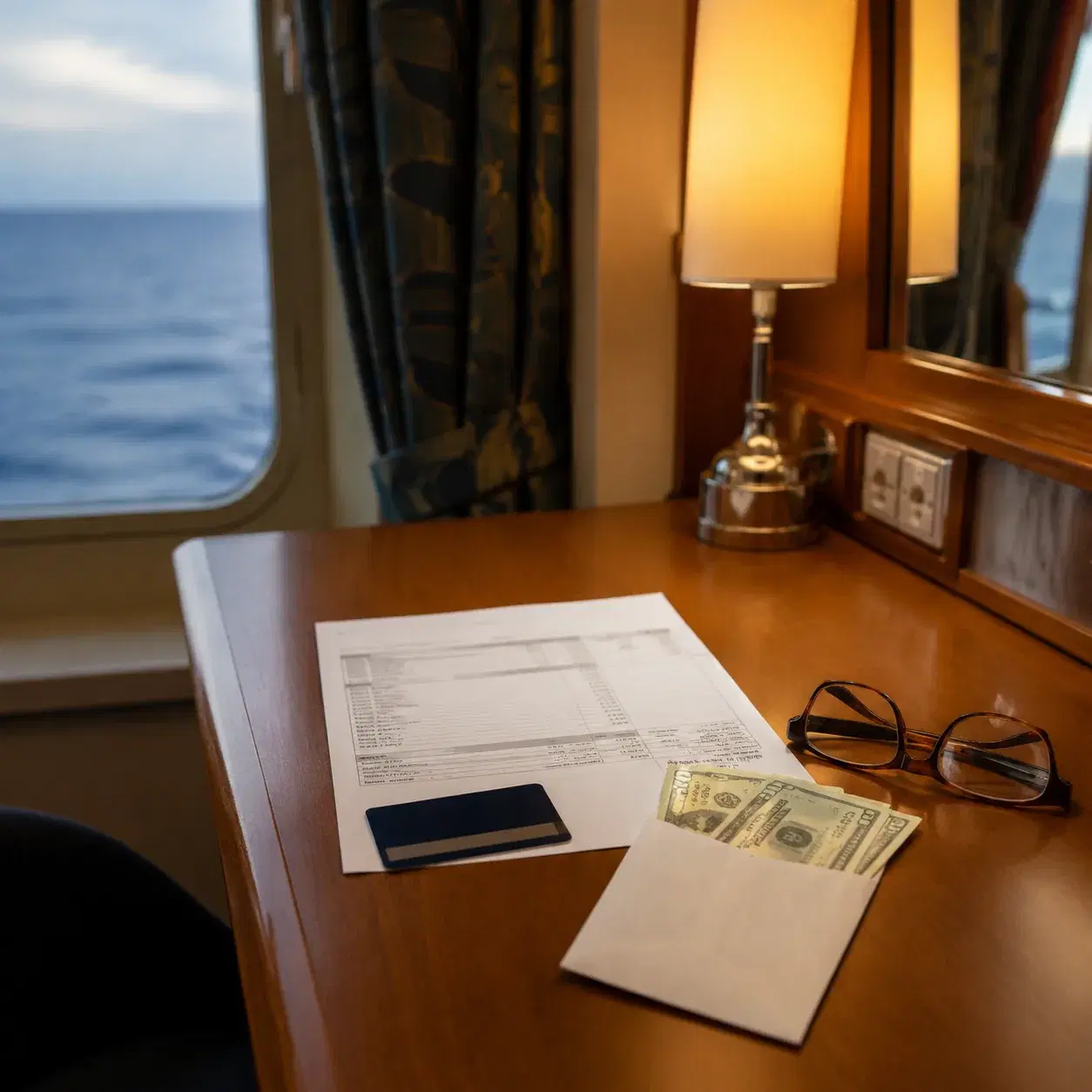
Double-check credit card information. If you’ve entered a card during online check-in, make sure the correct card is listed. Check the line’s payment requirements and allow for any holds on your account.
Call your bank or credit card company if necessary to authorize charges or let them know you’ll be traveling internationally. Bring a backup card, too. It’s easy to lose sight of how much your cruise actually costs once you’re spending money on souvenirs and other incidentals on board.
13. What Must Stay in Your Carry-On
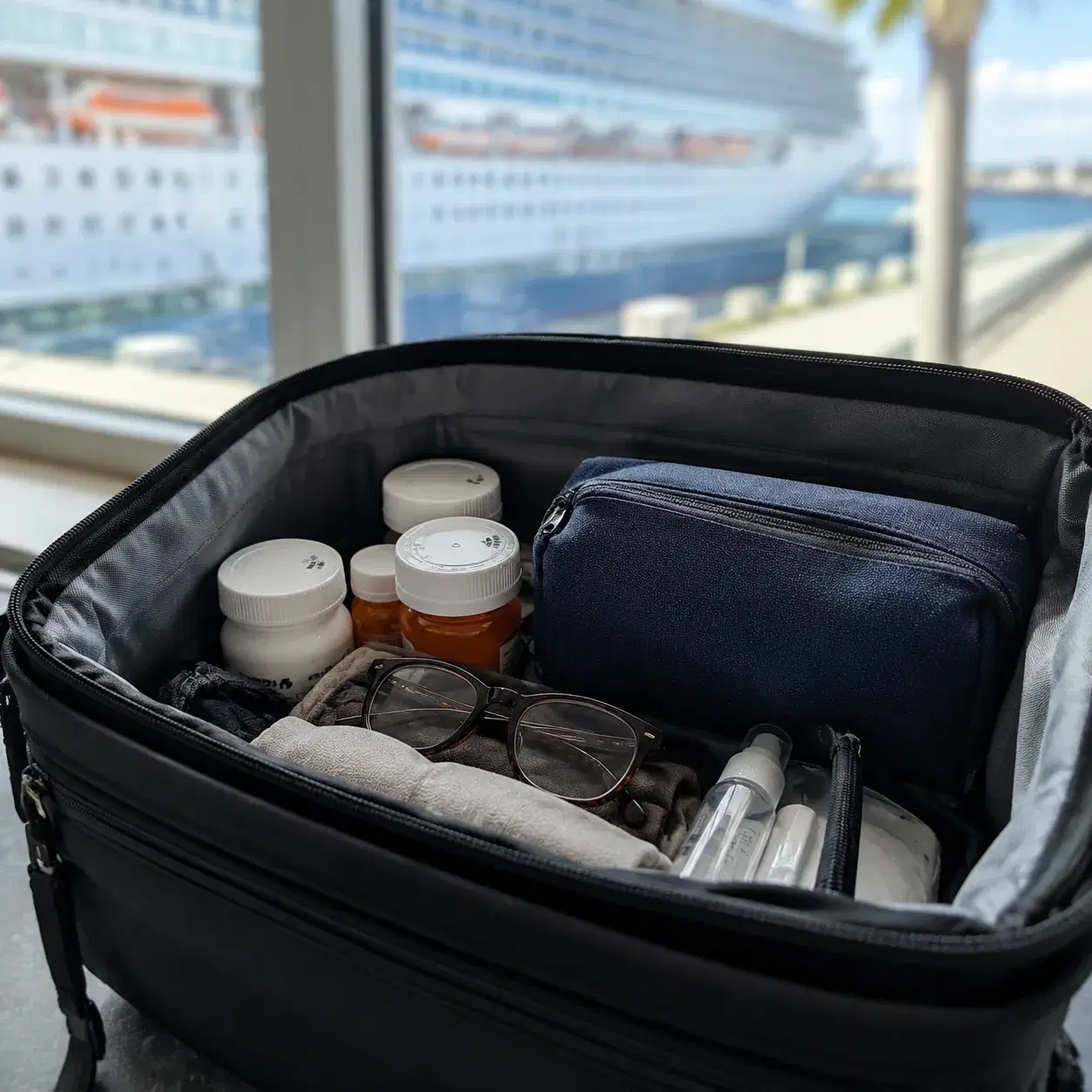
If you’re relying on checked bags to make it to your cabin with you, note that they can take several hours to show up after you’ve boarded.
Do a dry run with your carry-on. Think about the first six hours of the cruise. Pack enough clothes, toiletries, and other necessities to make it through. Medications, passports, other important documents, and valuables belong with you, not in checked luggage.
12. Medication and Health Supplies
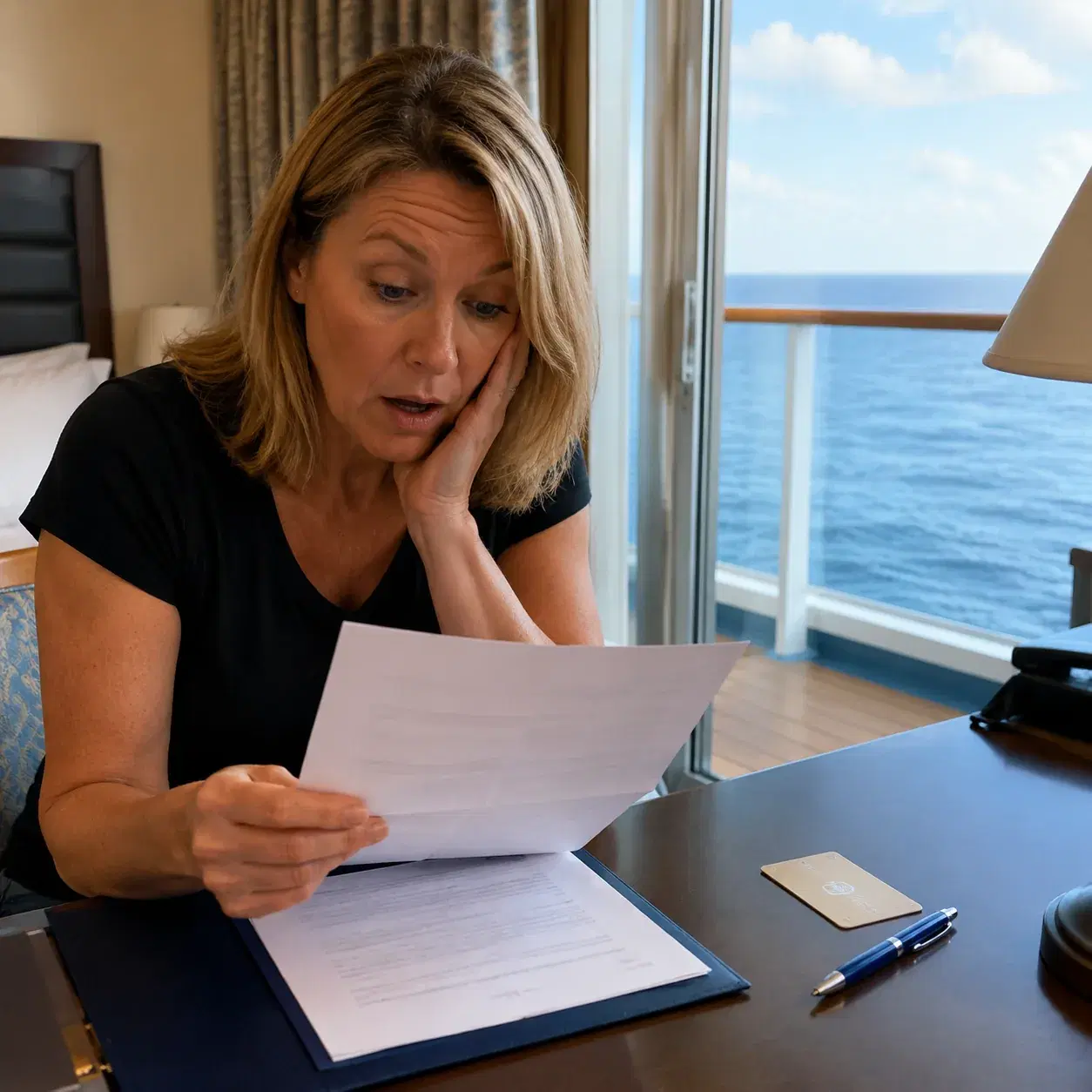
If you’re taking prescription or other medications, bring enough for the duration of the trip with some to spare. Cruisers sometimes forget that drugstore access is limited once afloat.
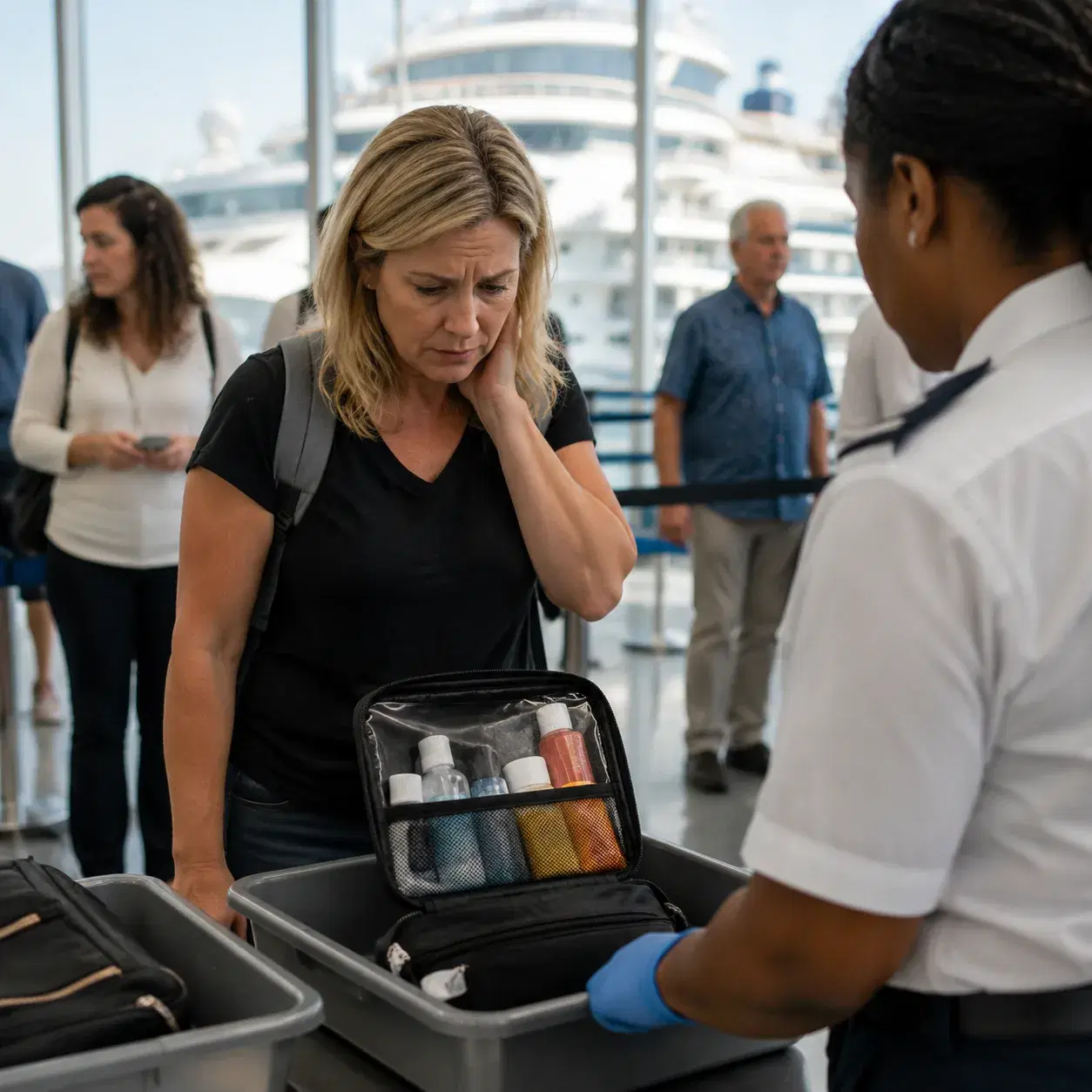
It’s easy to overlook some less glamorous, less Instagrammable items. Double-check your medications and health supplies, and keep them in your carry-on. If you’re flying, check screening requirements for liquids and medical devices. Read more: things to check before a big trip.
11. The Cruise App Login
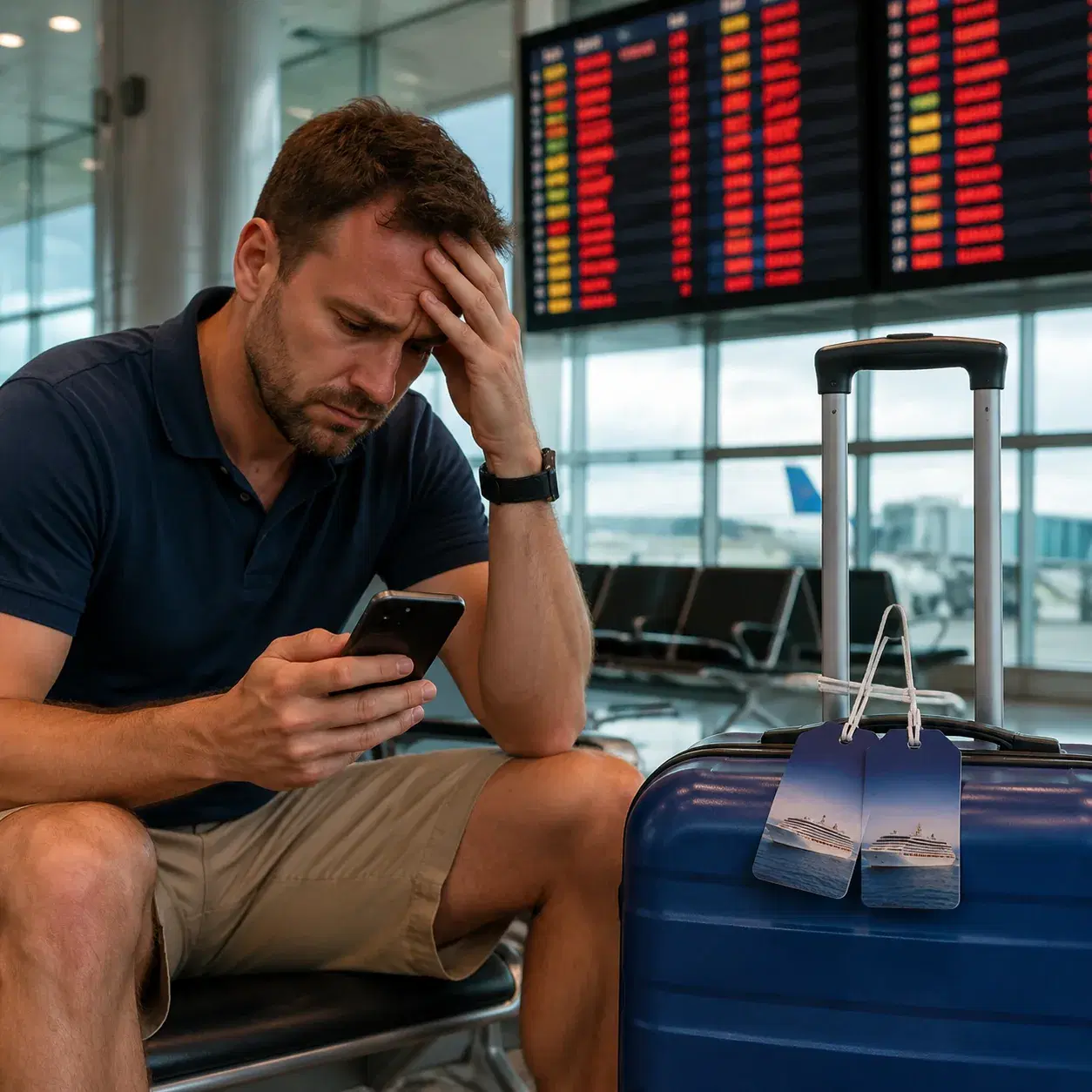
The cruise industry loves apps. Cruise lines use them to manage many aspects of the cruise including boarding, keeping tabs on your onboard account, and making dining reservations. Requirements vary by line.
Apps can be great, but they’re not fail-safe. Cell service at some terminals isn’t great, and there’s always the chance you’ll forget your password. Before you leave for the cruise, log in to the app at home and update it. Take screenshots of useful details to refer to if needed.
10. Dining Time and Table Choice
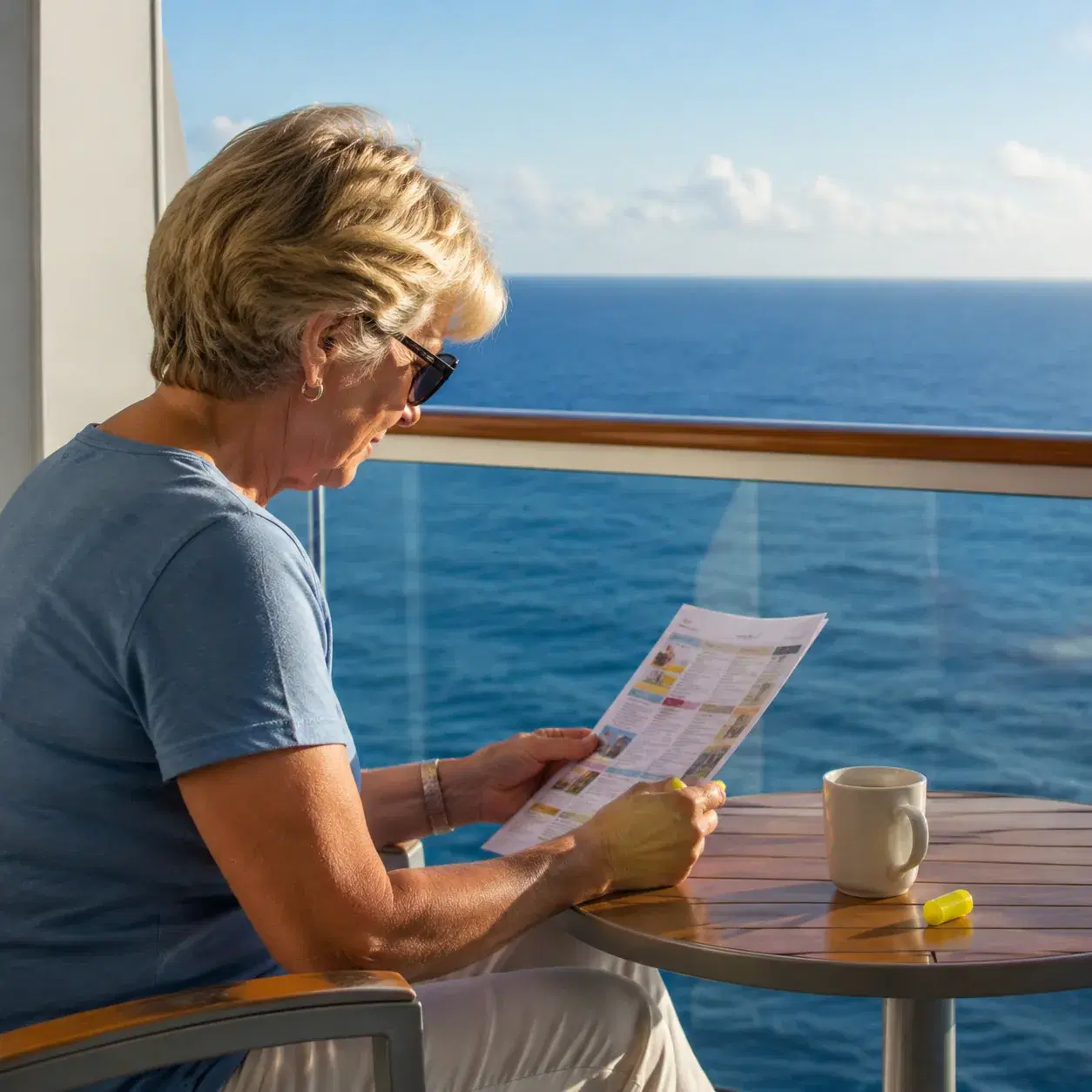
Learn how meals are handled. Some lines offer flexible dining while others have set sittings with assigned tables. Flexible dining may still involve reservations or a wait.
Knowing how your dining option works helps you plan the rest of the evening. Will you eat before or after a show? With kids? Are there age restrictions for certain venues?
9. The Cabin Location
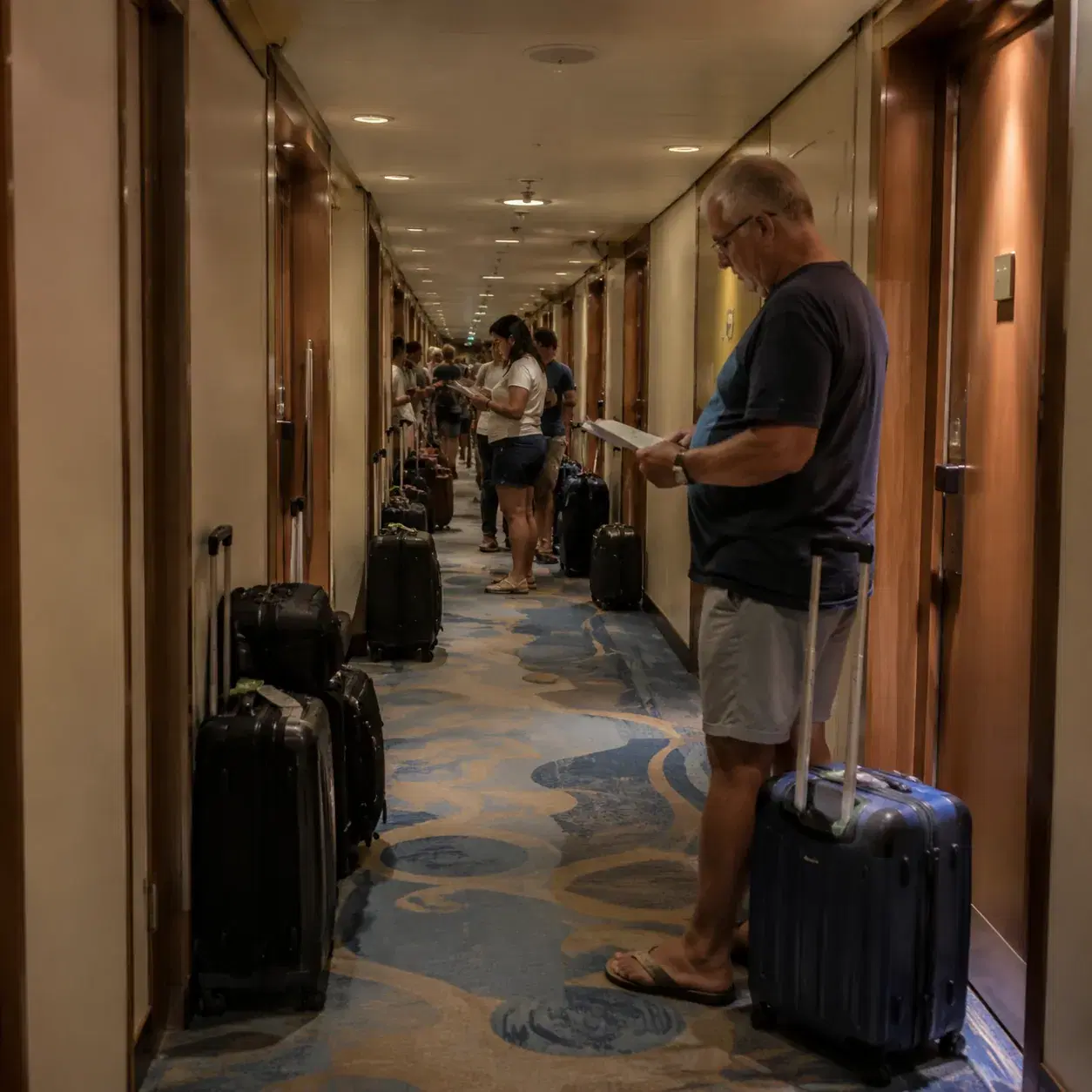
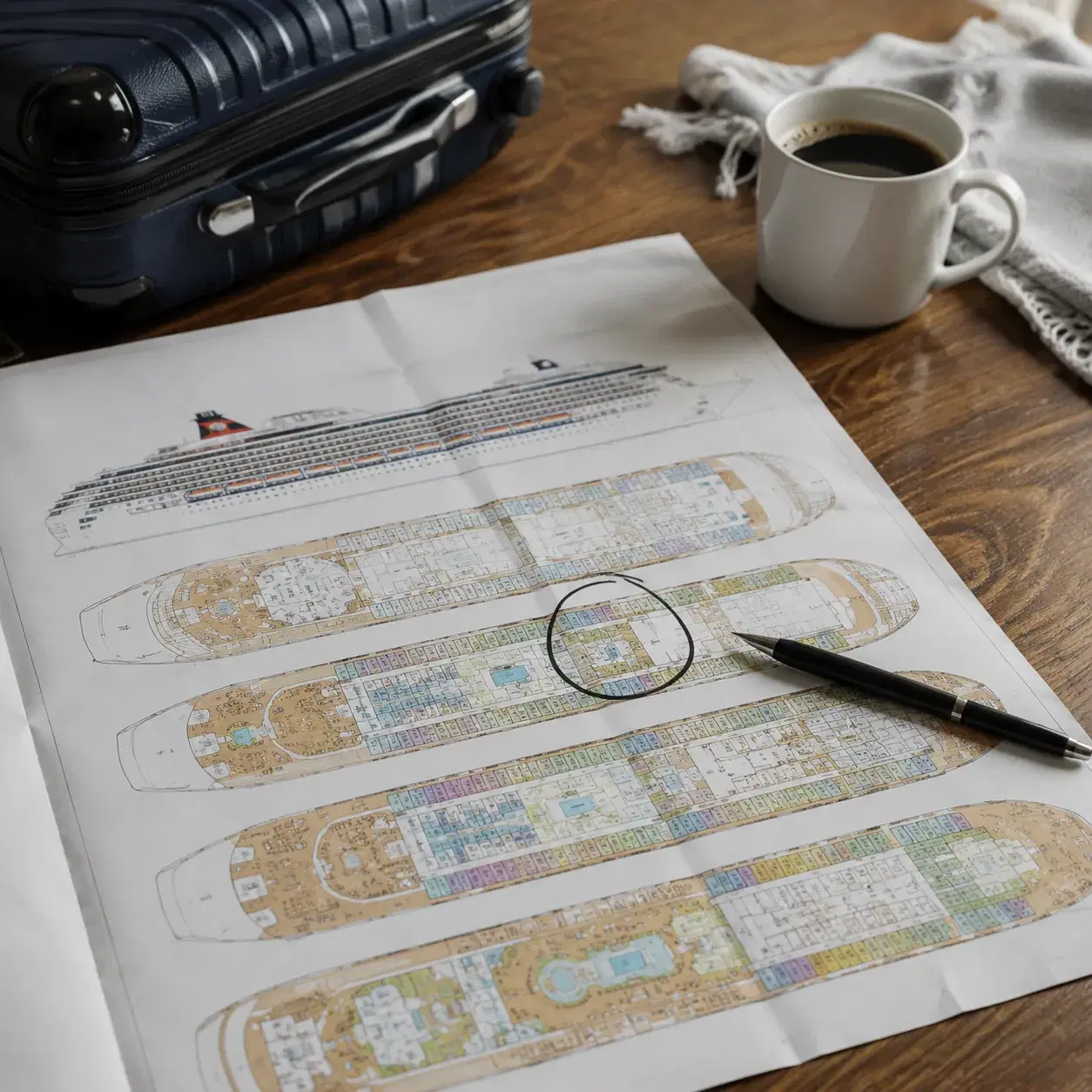
Figure out where your stateroom is on the ship. You may not like being next to a busy lounge or the elevator. Look at a deck plan to find out, including what’s above and below your cabin.
Get a sense of walking distance if you want to limit your steps. Cruises can be relaxing getaways, but getting around large ships and ports can involve plenty of walking. Read more: older travelers making big-trip checks early.
8. Port-Day Return Times

Note all-aboard times. This isn’t the same as the ship’s sail-away time; you need to be back by the earlier all-aboard deadline.
Keep track of ship time while ashore and set an alarm. Allow time to get back to the ship, even if lunch or your ride takes longer than expected. Read more: shore excursion mistakes.
7. The Weather for Every Port

Consider the weather. Layers can be useful since conditions change quickly. Cruises to Alaska or the Caribbean can be chilly and warm on consecutive days.
Check the forecast for each stop. Pack useful layers instead of another dinner option. Read more: Caribbean booking mistakes.
6. What Your Fare Already Includes

Know what’s included. Lectures, shows, pool parties, casual dining, and other entertainment are often included, though this varies by cruise line and fare.
Check what your fare covers before splurging for excursions or upgrades. Look through the daily planner, too, so you don’t overlook activities you’ve already paid for. Read more: free cruise activities passengers skip too often.
5. Cancellation and Change Terms
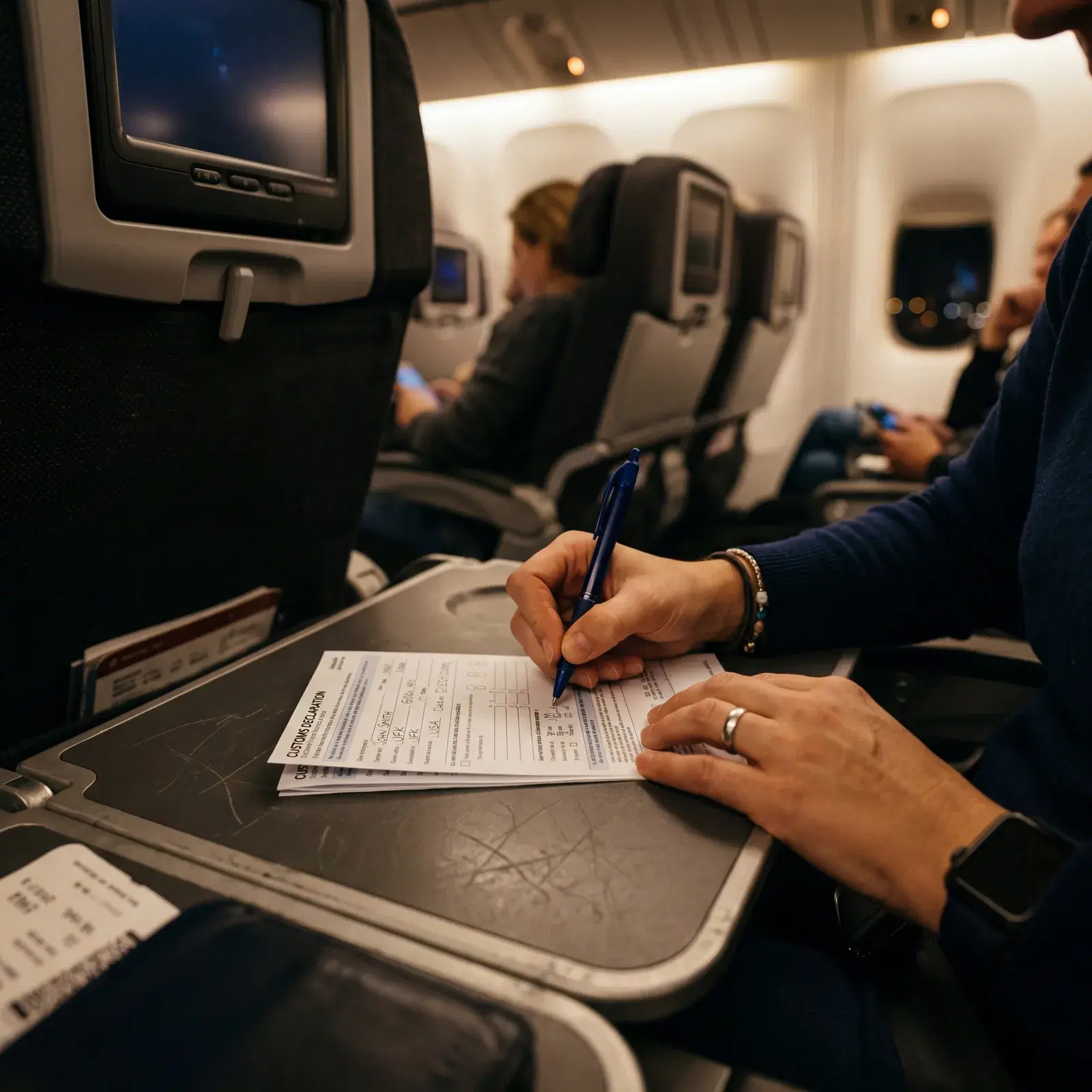
Read the fine print about cruise fares before you book. Check cancellation policies and what happens with deposits.
If you booked through a third party, check its terms as well as the cruise line’s. Find out when payments become nonrefundable and what happens if you need to change your plans.
4. The Flight Buffer
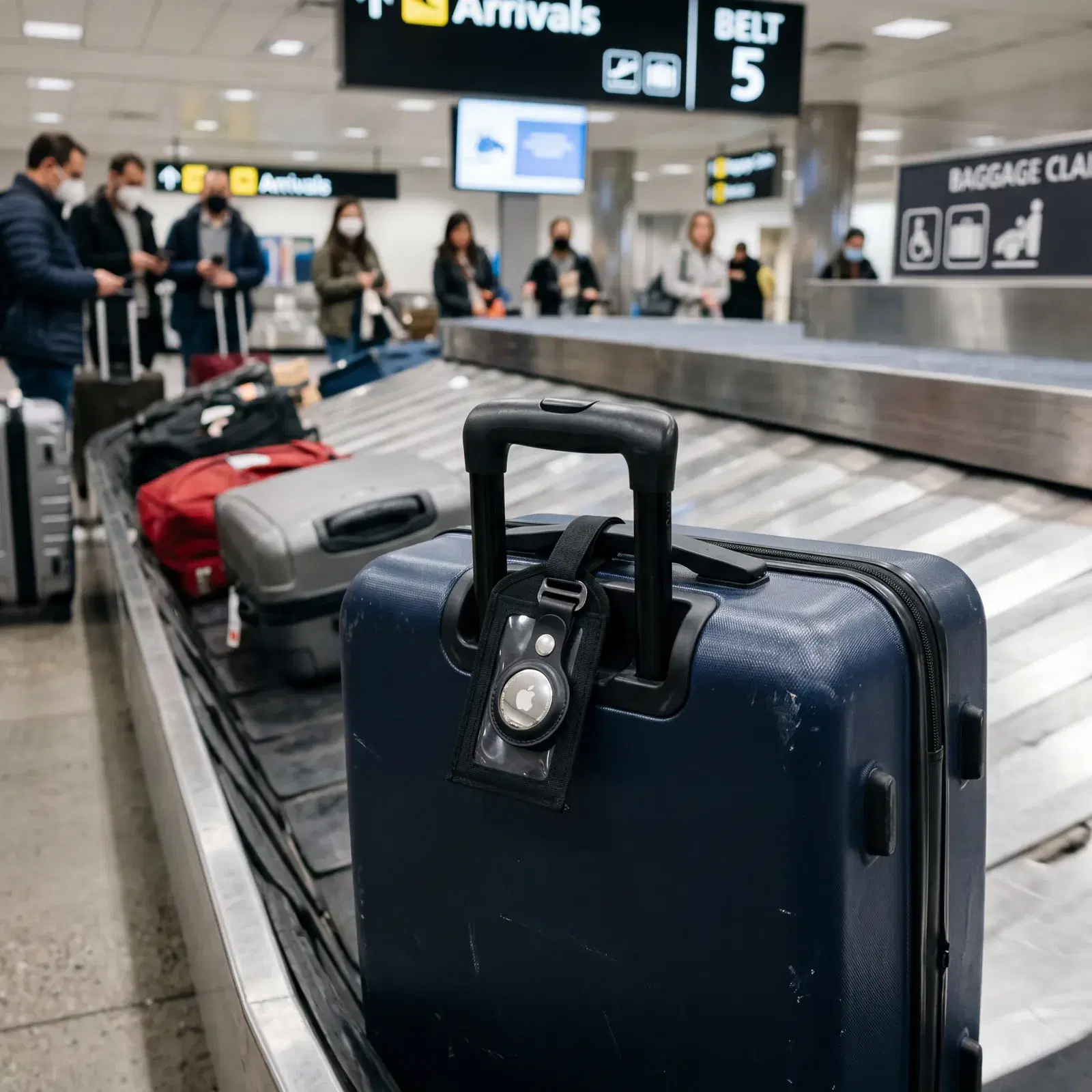
If you’re flying to the embarkation city, consider spending the night there before boarding. Missing your cruise because of a plane delay or checked-bag issue can be expensive.
Fly in a day early if you can, and plan your hotel and transfer to the port. Even if you’re not flying, be sure to build in enough time to get there.
3. Luggage Tags and Bag Rules

Tag all of your bags according to the cruise line’s instructions before you get to the port. Thousands of bags pass through a busy port, and it’s easy for yours to get lost in the shuffle without a tag.
It’s easy to do this at home and saves time at the port. Bring a spare luggage tag in your carry-on, just in case. Check the cruise line’s bag rules and, if you’re flying, the airline’s too. Read more: carry-on mistakes before an international flight.
2. Emergency Contacts and Offline Copies
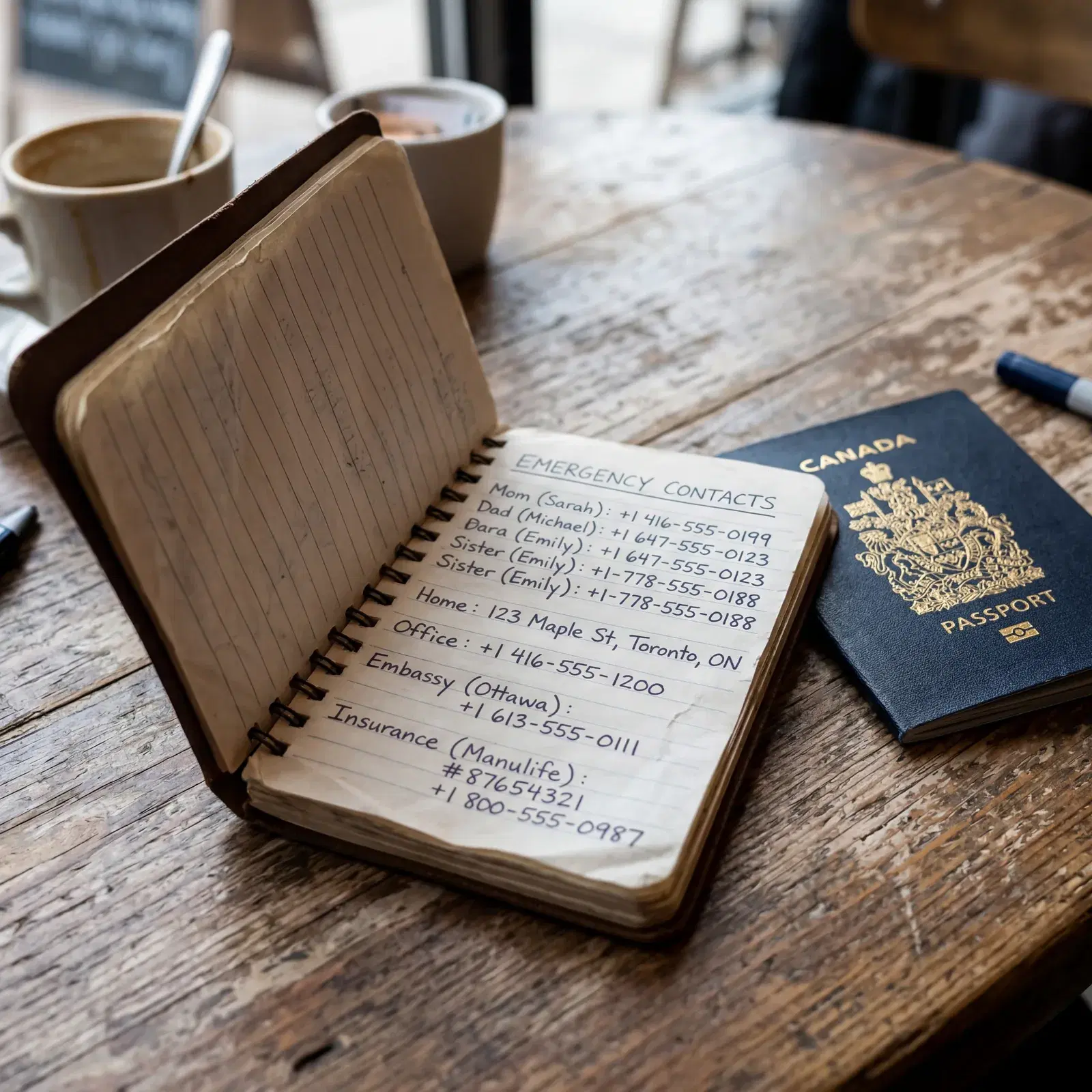
It’s a good idea to take screenshots of your cruise itinerary and other important information. Phones die and travelers get locked out, so bring paper copies and emergency contacts with you, too.
Keep copies of important documents separate from the originals and leave a set at home. Copies are useful backups for reference, but they don’t replace required travel documents.
1. The Reason You Booked the Cruise
Cruises can be relaxing getaways, but they’re also active vacations. Think about what you want from this one before filling every day with plans.
Keep the scenery, rest, family time, or week without cooking you booked it for in mind. You don’t need every extra to make the trip worthwhile. Read more: cruise extras sound better than they are.
Comments
The opinions and views expressed in the comments section are solely those of the individual users and do not represent or reflect the opinions, views, or positions of HumbleTrail. HumbleTrail does not endorse, support, or verify the accuracy of any user-generated content.
By posting a comment you agree to receive related emails from HumbleTrail in accordance with our Terms and Privacy Policy. You can unsubscribe at any time.