

Editor’s note: This is an opinion piece about value and expectations.
After a Caribbean vacation, why are there times when you can’t help but wonder what happened? After all, you booked the same kind of room at the same kind of resort, paid for all of the same kinds of upgrades, and enjoyed all of the same kinds of excursions and beach time that other people rave about. So why aren’t you raving? The problem is that all of those things don’t necessarily add up to the island experience you wanted. No matter how many times you’ve taken a Caribbean vacation before, no matter how much money you’re willing to spend, no matter how long you’ve been dreaming of your perfect beach vacation, you’re going to have a much happier time when you understand what’s going to make this particular Caribbean island worth visiting, and plan accordingly. Here are some common regrets that Caribbean vacationers have, and how to avoid them.
25. Nassau: The Cruise-Port Version
What it gets right:
- Clear-water beaches sit close to town.
- Clifton Heritage National Park adds history and nature.
- Local food stops reveal more than the port.
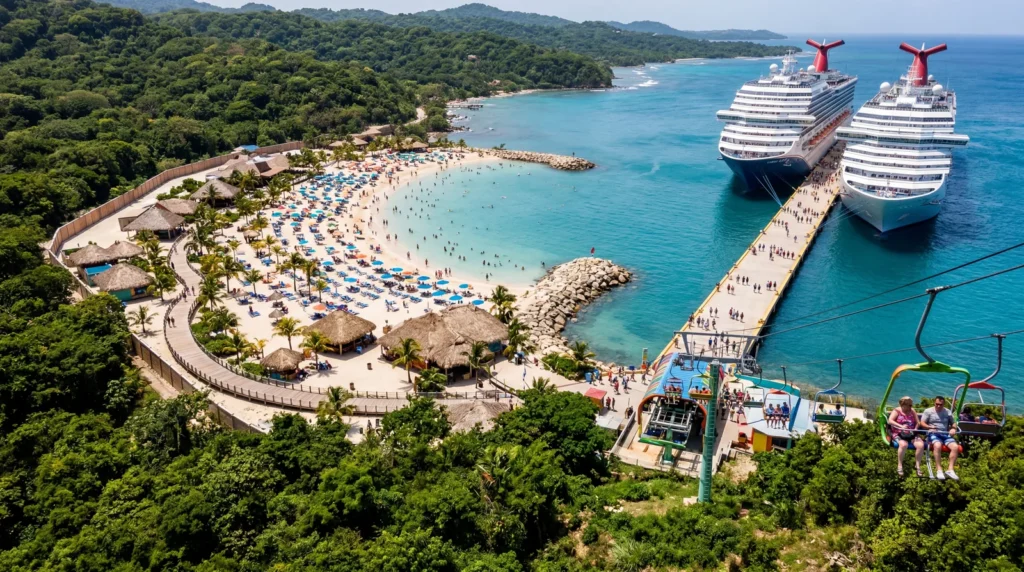
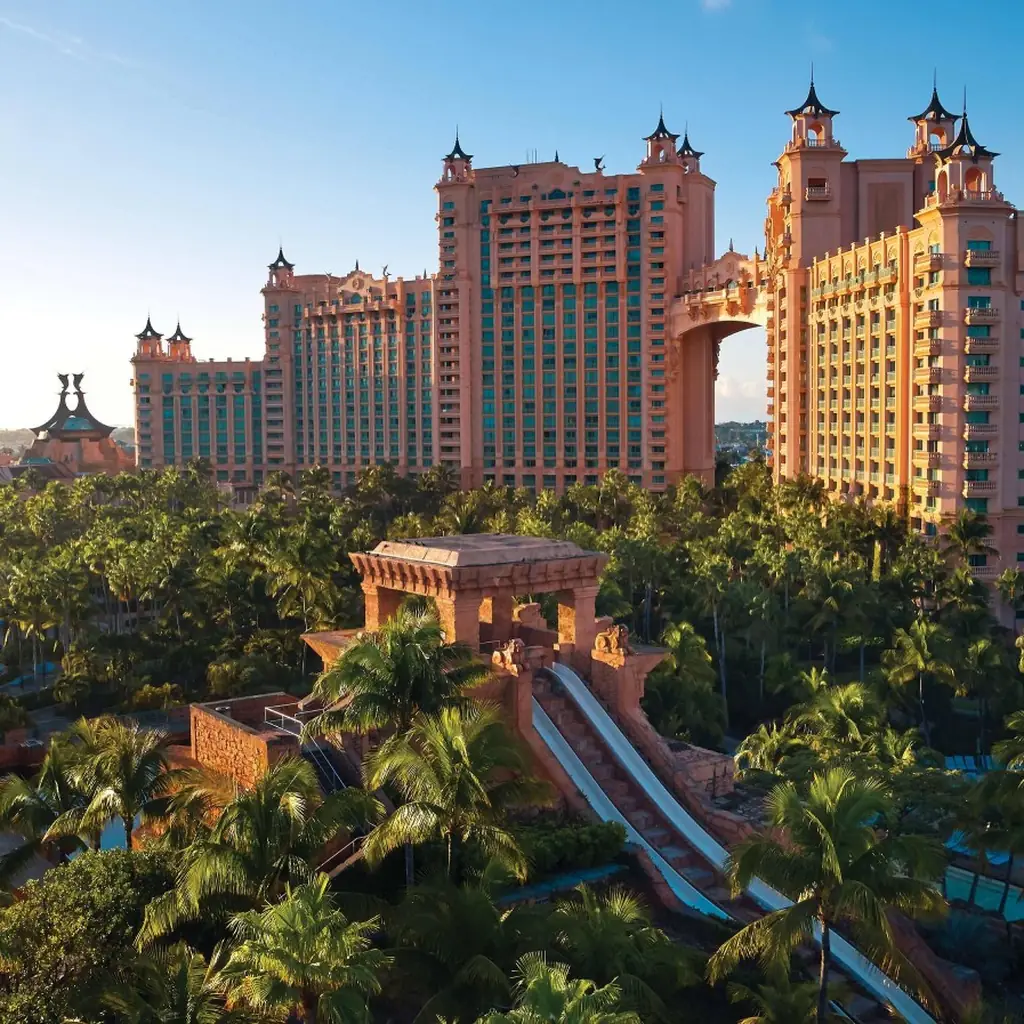
You might be shocked to learn that Nassau can feel like a giant cruise ship. That doesn’t paint the entire picture.
Spend time in Clifton Heritage National Park on New Providence or on nearby Paradise Island’s beaches to see more than Nassau’s crowded port area.
You’re going to have a much better time if you understand what makes each Caribbean island unique before you go, rather than figuring it out when you arrive.
24. Cancun: Staying Only in the Hotel Zone
What it gets right:
- The polished resort experience is easy to book.
- Downtown Cancun adds independent restaurants and local energy.
- Isla Mujeres and Valladolid expand the itinerary.
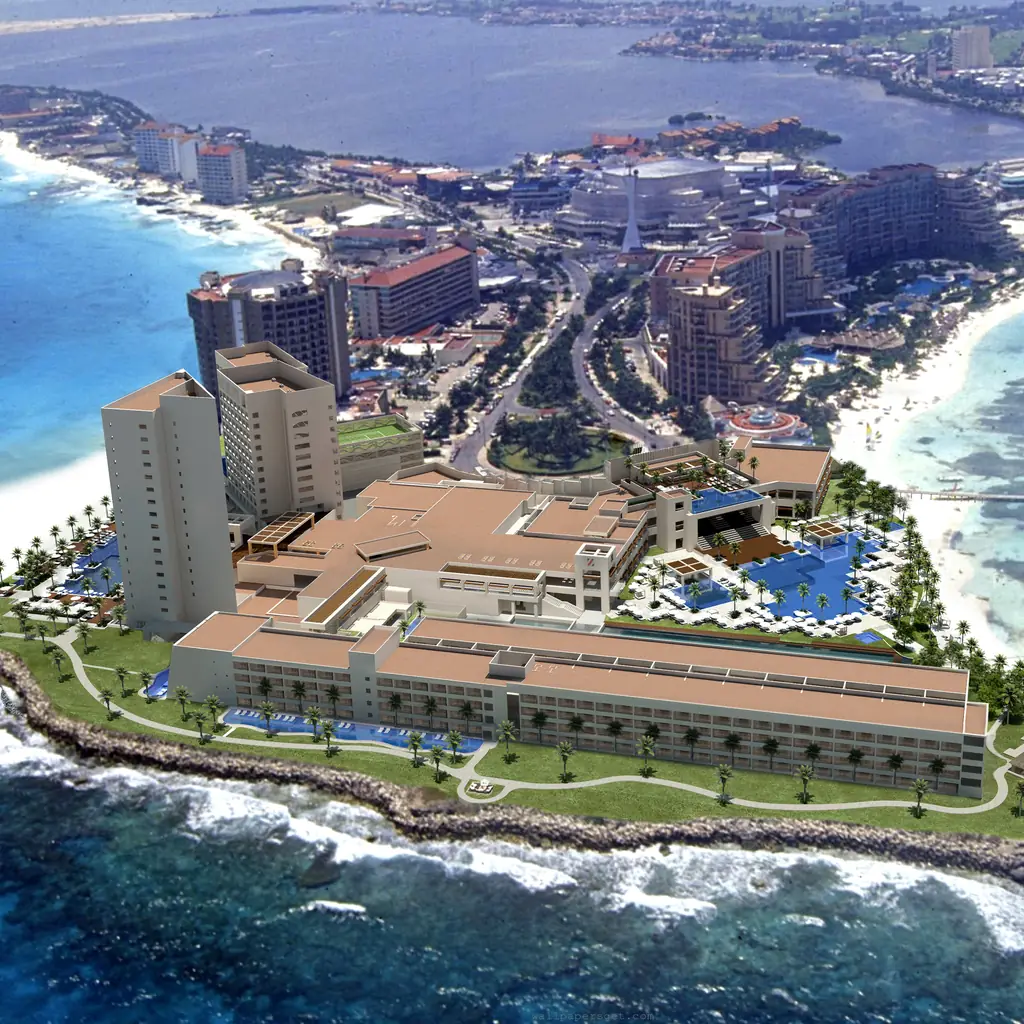
Cancun can feel like a giant all-you-can-eat buffet.
If you’re expecting anything else besides that, plan ahead.
Balance out resort life by splitting your time between Cancun’s hotel zone and its surprisingly low-key downtown, a quieter nearby beach on Isla Mujeres, or an inland visit to Valladolid.
23. St. Maarten: Building the Trip Around Maho Beach
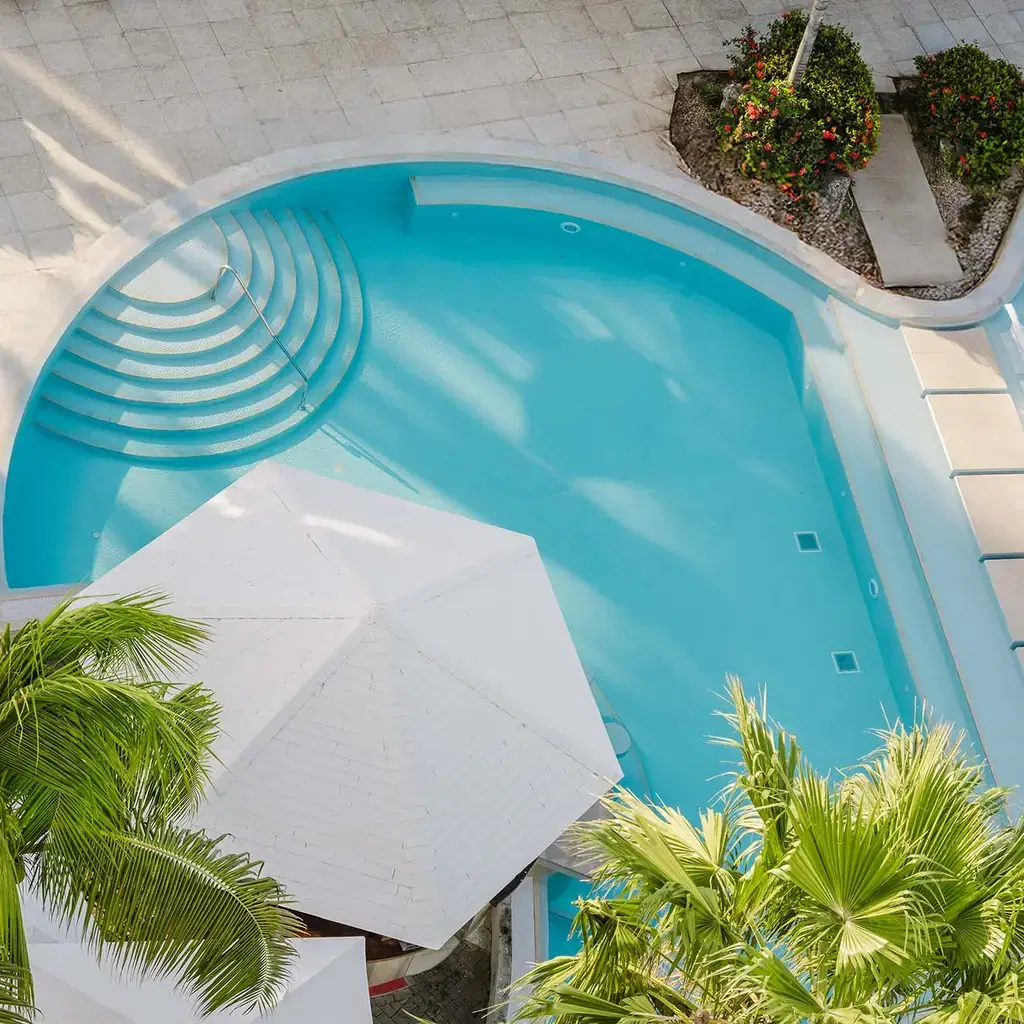
What it gets right:
- Maho delivers a genuinely memorable aviation spectacle.
- Quieter beaches provide a more relaxed day.
- The French side adds another culture and pace.
No matter how famous Maho Beach is for watching planes come in to land, it’s not going to be as special as you thought when you learn that it’s extremely crowded during scheduled landings, extremely loud, and really just big enough to watch planes.
Enjoy it for what it is: an interesting stop.
Then head to a less-crowded beach or the quieter French side of the island.
22. Punta Cana: Expecting the Resort to Feel Like the Country
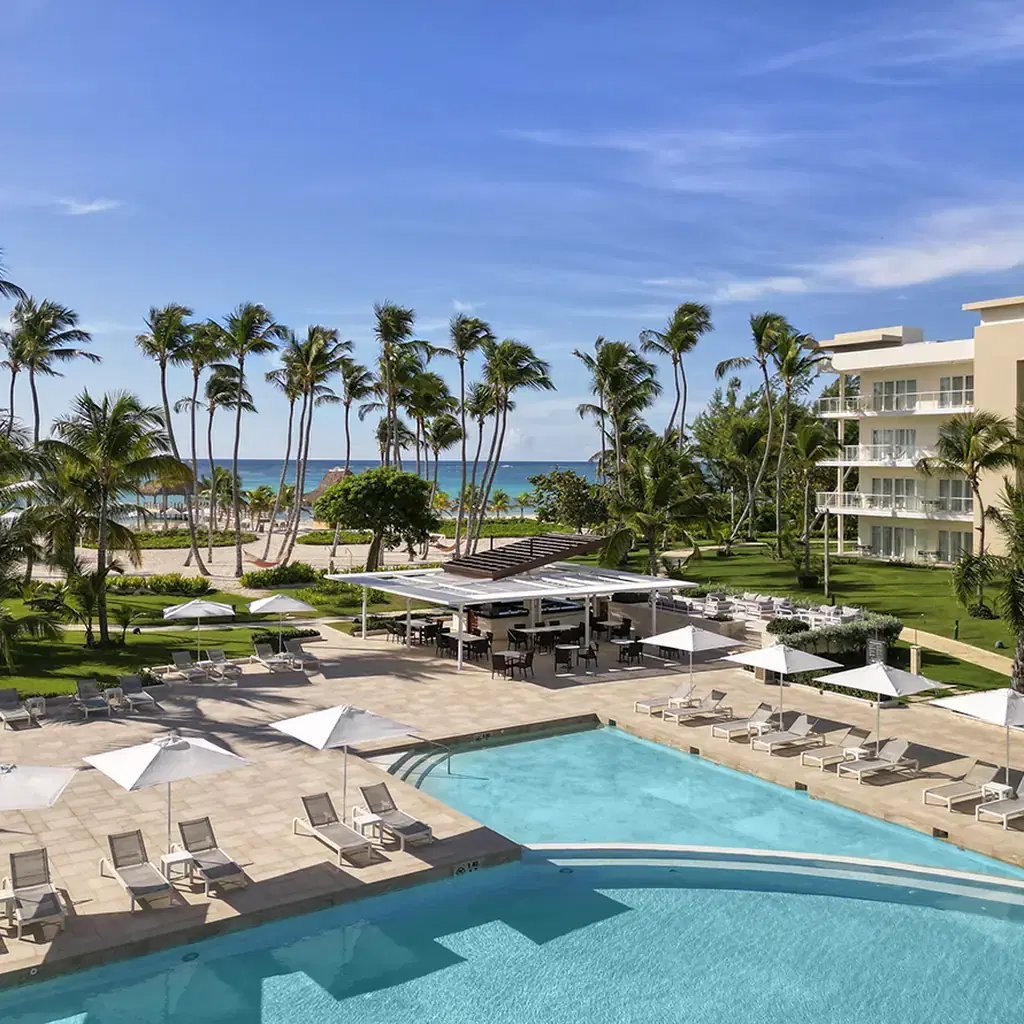
What it gets right:
- Large resorts make relaxation simple.
- Pools, dining, and entertainment sit in one place.
- Organized excursions require very little planning.
Punta Cana can feel like a giant gated community.
That’s only part of the picture, especially if you stay inside its self-contained resorts.
Make sure you have enough time to see more of the Dominican Republic, whether that means extending your stay to include time in Santo Domingo or basing yourself outside of Punta Cana’s self-contained resorts.
21. Turks and Caicos: Peak-Season Grace Bay
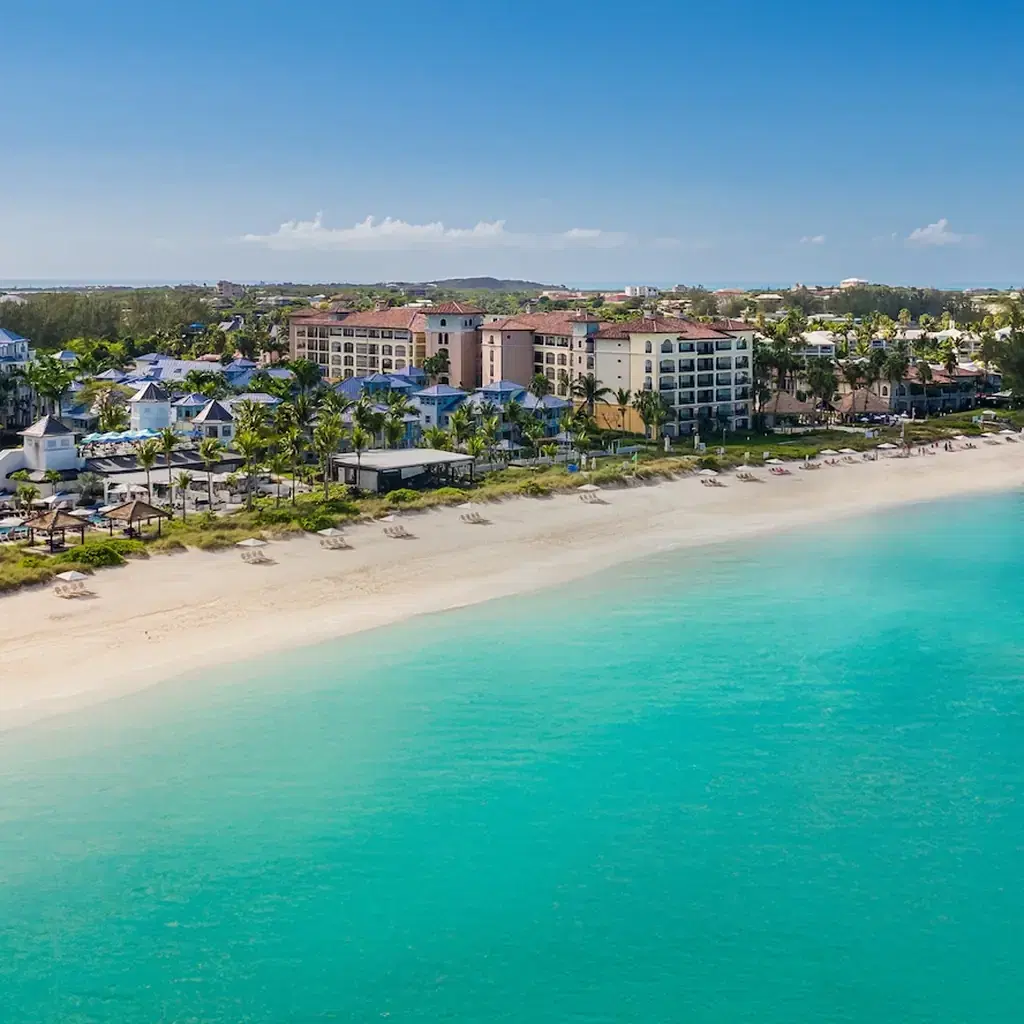
What it gets right:
- Grace Bay has exceptionally clear water.
- Quiet resorts suit a low-key beach week.
- Snorkeling and diving give the trip a focus.
Grace Bay is expensive, period, and even in the shoulder season it can be busier than what’s depicted in brochures and blog posts.
You’re not going to find much nightlife or tons of things to do in Turks & Caicos. You’re not going to find low-priced food or transportation.
Go into Grace Bay understanding that it’s about lounging by the world’s clearest blue-green water and appreciating the peace and quiet, and plan accordingly by traveling in the shoulder season and carving out time to see more of the island besides Grace Bay.
20. Aruba: Expecting a Lush Tropical Island
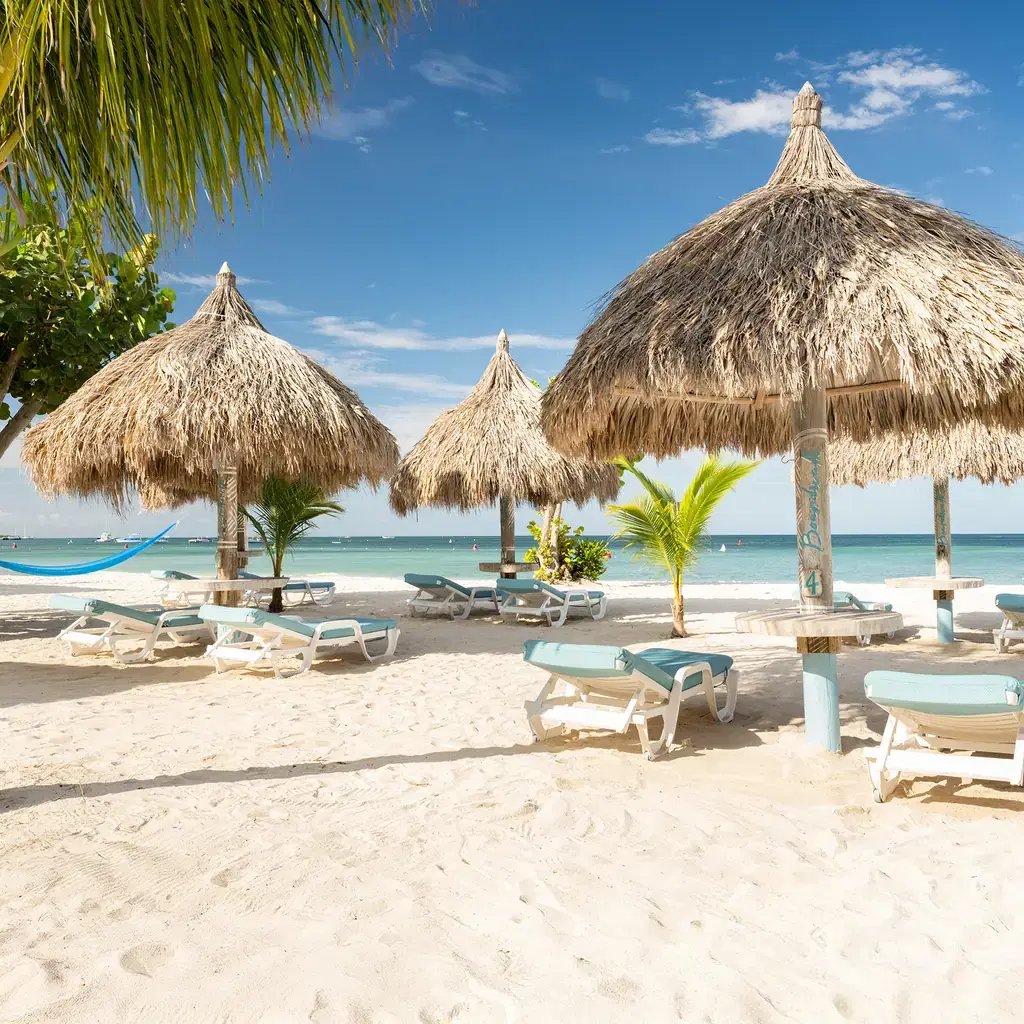
What it gets right:
- Reliable sunshine supports easy beach days.
- Trade winds soften the heat.
- Desert scenery and the rugged north coast feel distinctive.
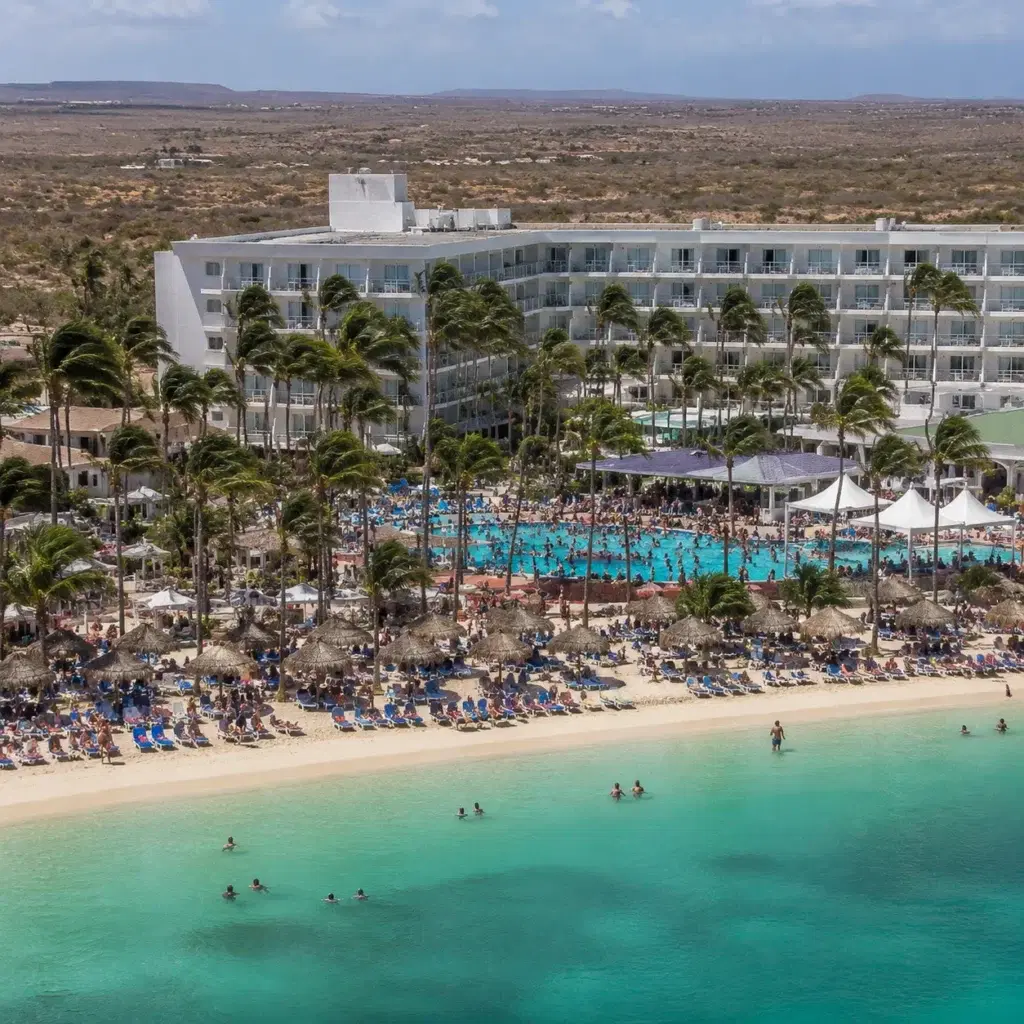
Yes, Aruba is part of the Caribbean. No, it’s not going to look like it.
The island is famous for its constant trade winds, and you can still find calm resort beaches and lazy skies. It’s famous for its cacti, so don’t expect to see lush, green foliage. Aruba’s desert-y coastline is nothing like what most people imagine when they think of the Caribbean.
Check out pictures before you go so that you can embrace Aruba for what it is, instead of trying to will it into being what it isn’t.
19. St. Thomas: Treating Charlotte Amalie as the Whole Island
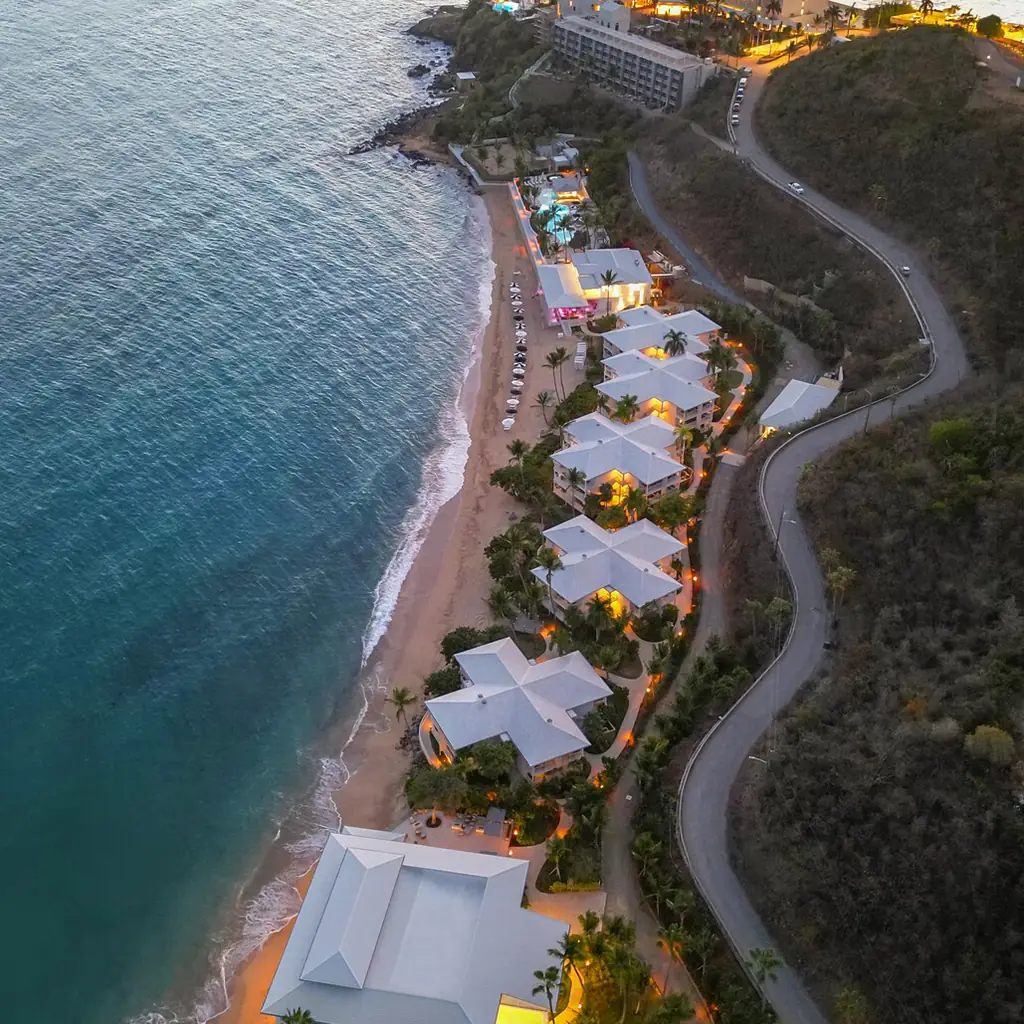
What it gets right:
- Magens Bay and Lindquist Beach justify leaving the port.
- Hilltop overlooks deliver superb harbor views.
- Ferry connections make neighboring islands accessible.
Charlotte Amalie may be one of the most charming ports of call in the Caribbean, but when several cruise ships visit on the same day, it turns into an exercise in patience.
Plan excursions that will take you out of Charlotte Amalie, as Magens Bay and Lindquist Beach are gorgeous, or at least make sure to find an elevated viewpoint overlooking the harbor so you can enjoy the picturesque scenery without fighting through crowds of people or gridlocked streets.
Try to visit when there are fewer ships in port. Read more: Caribbean cruise stops leave travelers disappointed.
18. Montserrat: Booking a Standard Beach Week
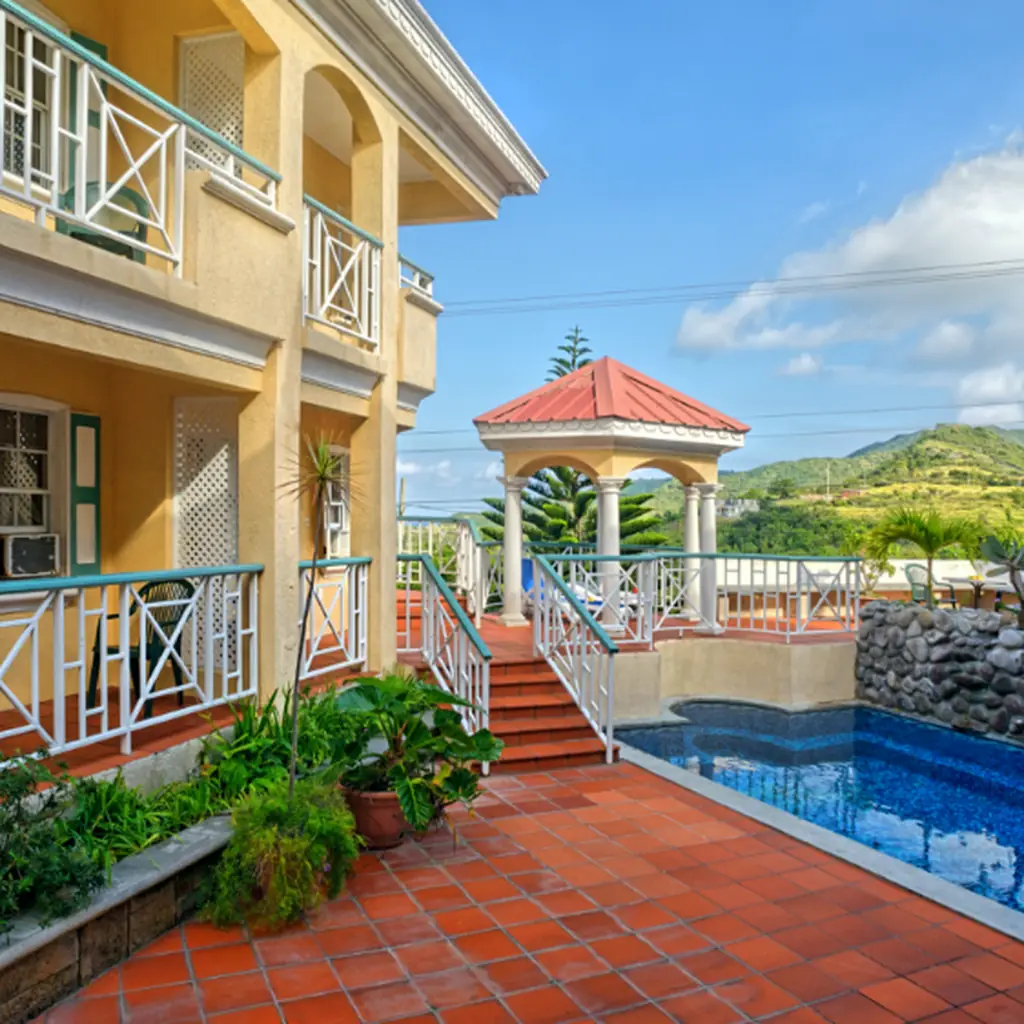
What it gets right:
- Volcanic history gives the island a singular story.
- Hiking and viewpoints reward curious travelers.
- Quiet villages offer an unhurried stay.
Montserrat is not a resort island. If you are expecting that sort of vacation, you’ll be disappointed. The activity of the Soufriere Hills volcano has drastically altered the shape of the southern half of the island and access to the exclusion zone is controlled.
If you’re looking for some of the most interesting volcanic history in the Caribbean, great views and hiking trails and fascinating tales of a town called Plymouth, then Montserrat will thrill you.
It’s a small island with limited transportation and few options for the mass market, though. Read more: common signs of an unprepared first-timer.
17. Jamaica: Treating a Resort Stop as the Whole Island
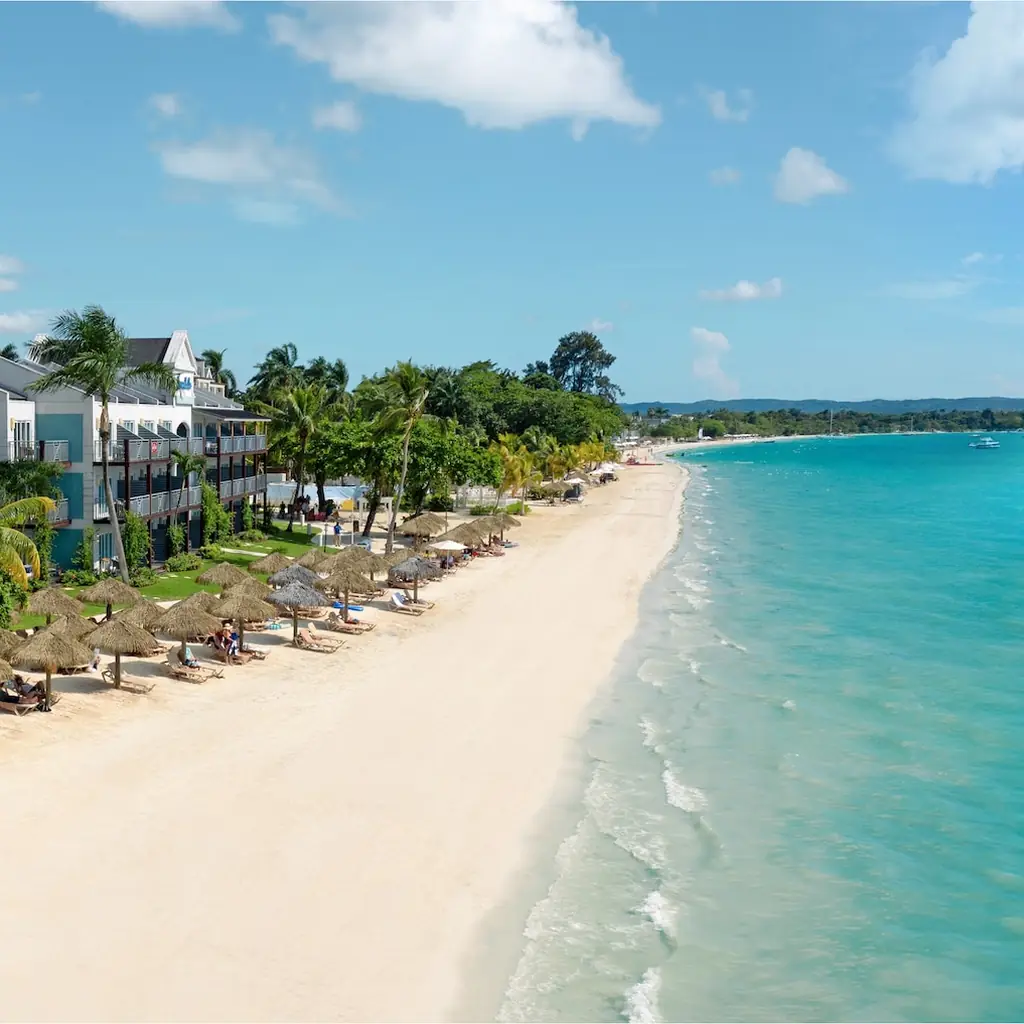
What it gets right:
- Music, food, and culture are central to the experience.
- Beaches, mountains, and cities create real variety.
- Distinct regions support several different trip styles.
Jamaica is a large and diverse island. Unfortunately, though, many visitors’ ideas about Jamaica are formed from their stay at a single, gated resort. Some may visit the port and take a single excursion. This may be enough to get a taste of the country, but it’s a drop of Jamaican water in a very large bucket.
You will not be disappointed if you are able to experience Kingston, the Blue Mountains, Port Antonio, Negril or the north coast.
But realize that it’s a big island to see and you’ll need to plan on spending plenty of time there to see the highlights. Read more: Caribbean all-inclusives that guests regret booking.
16. Barbados: Booking the Platinum Coast Without the Budget
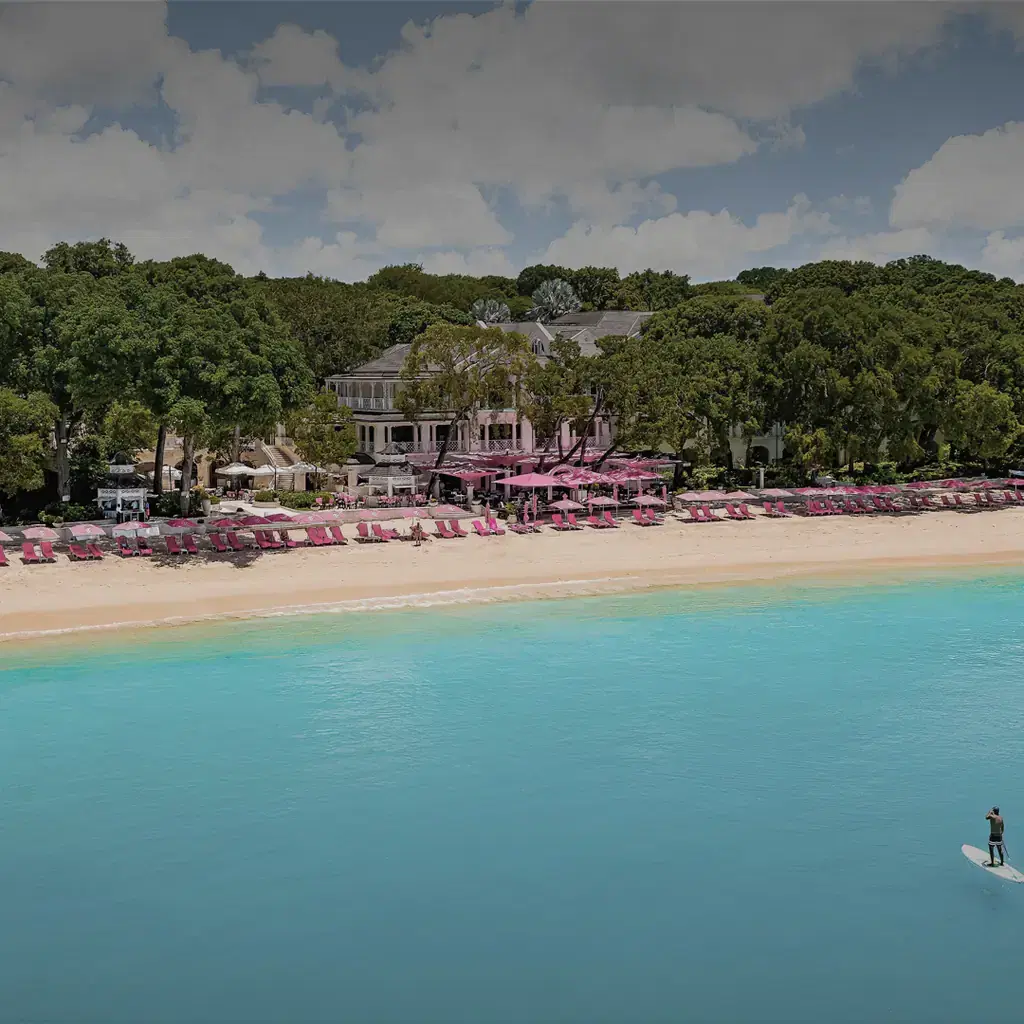
What it gets right:
- Different coasts suit different moods.
- The island feels sociable and relatively easy to navigate.
- Inland stops add character beyond the resorts.
Barbados is wonderful, especially the resorts. When you factor in the expense of staying there, eating at beachfront restaurants and paying for cab fare, your budget may blow up, though.
While it may be wonderful for a relaxing, beach-filled vacation on the west coast, realize that there are many other aspects to Barbados, including a livelier south coast, wilder, quieter east coast and a fascinating inland area as well.
Spend plenty of time poring over maps, reading about the culture and planning out what you want to see. Read more: Caribbean islands from overrated to underrated.
15. Cozumel: Staying a Full Week Without a Diving Plan
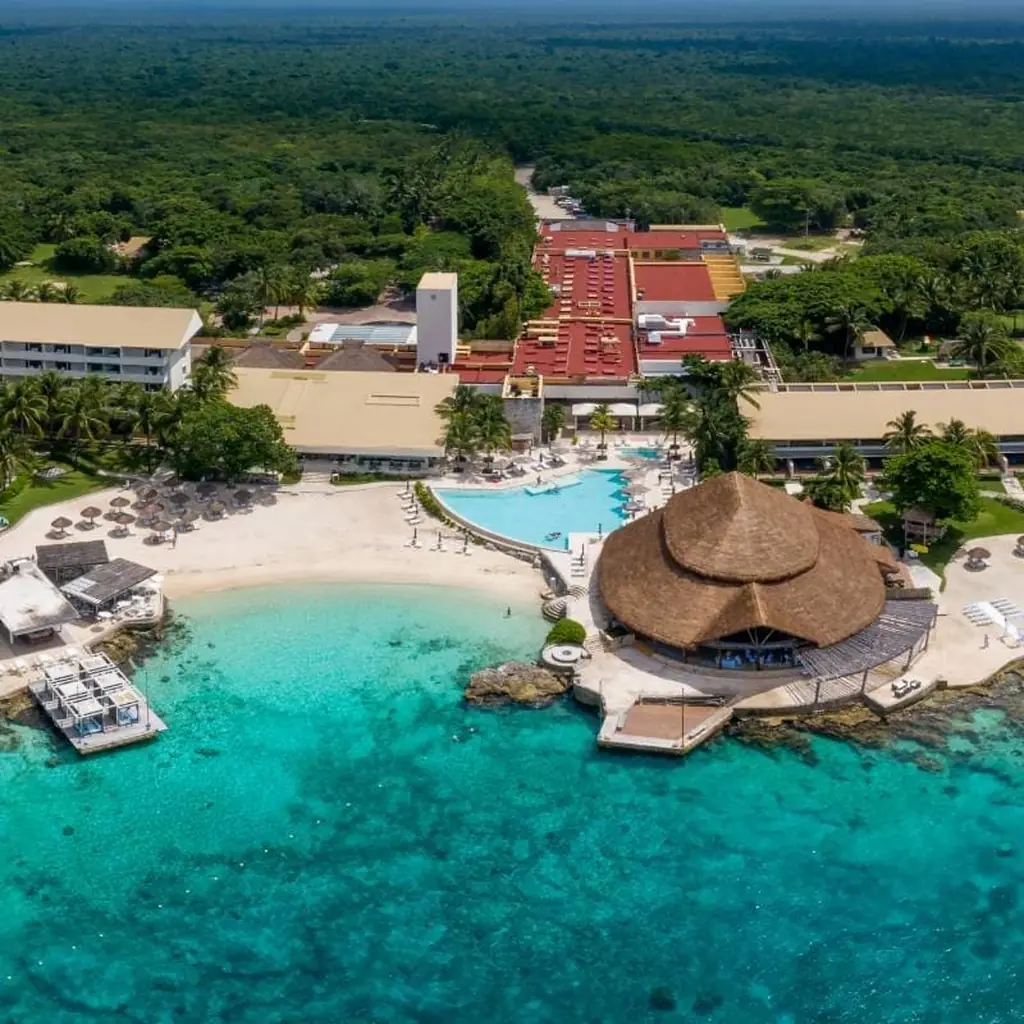
What it gets right:
- Diving and snorkeling are the headline attractions.
- The western shore makes water days convenient.
- The rugged east coast offers a quieter contrast.
Cozumel is a diving and snorkeling paradise. If that’s not your idea of paradise, you may become bored on Cozumel. There’s lots to do and see on Cozumel, but after a few days, the same venues may not appeal to you again.
The west side of the island revolves around cruise and beach vacations; the east side is quieter with fewer amenities and can get rough.
A weeklong vacation to Cozumel that does not include lots of time in the water could prove disappointing. Read more: Caribbean excursions that are not worth the price.
14. Antigua: Assuming 365 Beaches Means Effortless Variety
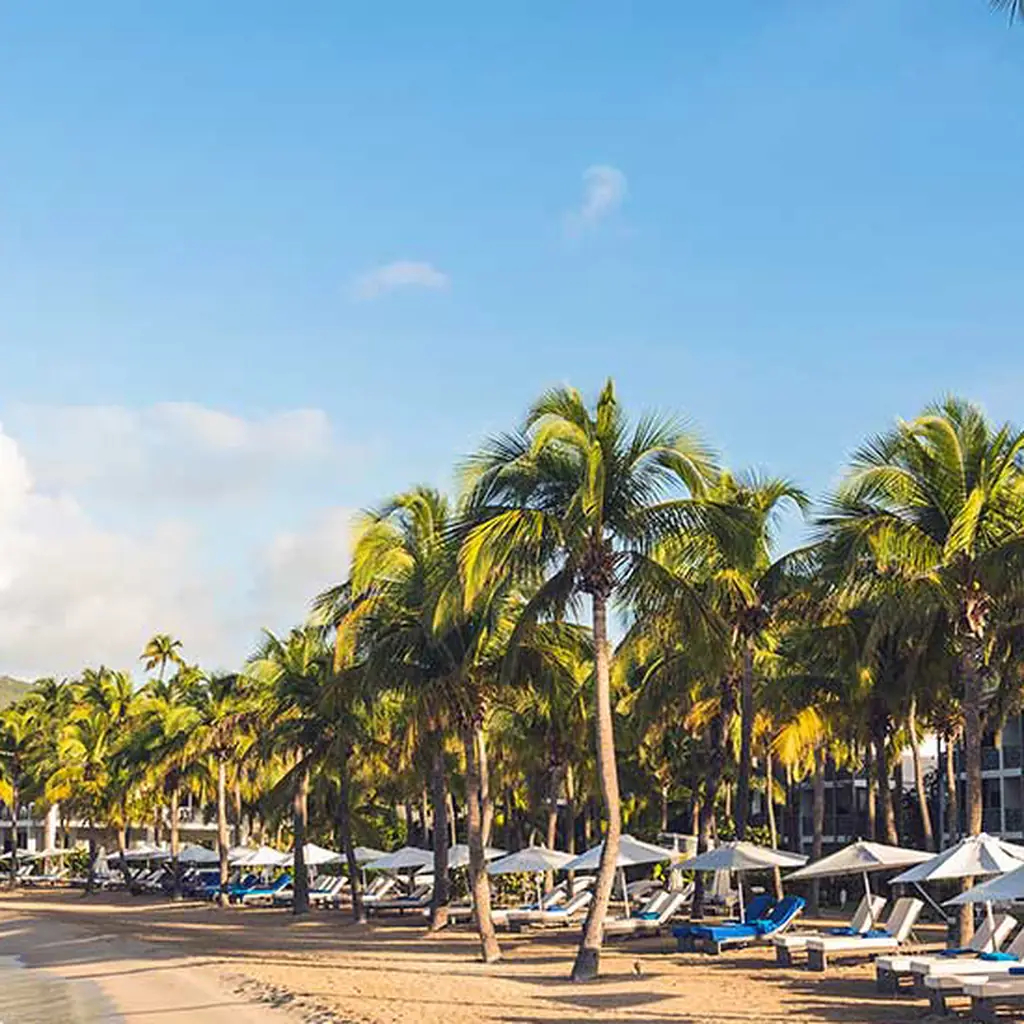
What it gets right:
- The many coves create genuine beach variety.
- Resorts make a simple beach holiday easy.
- Independent coastal drives reveal more of the island.
In Antigua, it’s difficult to see everything without arranging transportation. If you dream of visiting several of those gorgeous coves, you’ll need to venture beyond the confines of your resort.
Driving is on the left-hand side of the road there.
The best way not to be disappointed on your vacation to Antigua is to go with realistic expectations. Read more: international carry-on guide.
13. Martinique: Expecting an English-First Resort Island
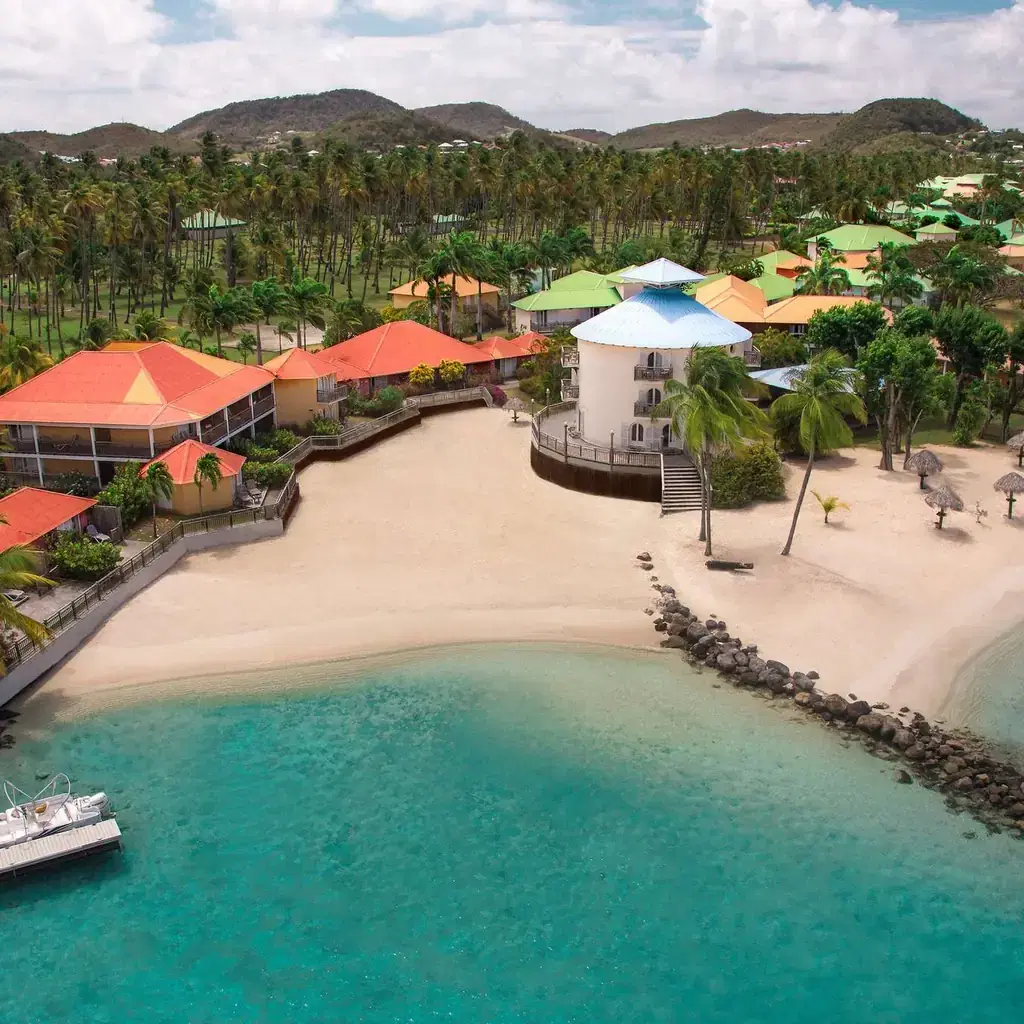
What it gets right:
- French Caribbean cooking is a major draw.
- Volcanic scenery and green hills reward road trips.
- Towns retain a strong local identity.
Martinique is a French Caribbean island. Expect to eat great food, see fascinating volcanic scenery and visit charming, interesting towns.
It is a large island; driving times are not insignificant and renting a car is best. Expect to hear mostly French spoken there.
A quick port call won’t be enough to see Martinique. Plan on spending plenty of time there, see what’s outside of resort walls and you’ll be happy with your stay.
12. Grenada: Booking Only for Grand Anse
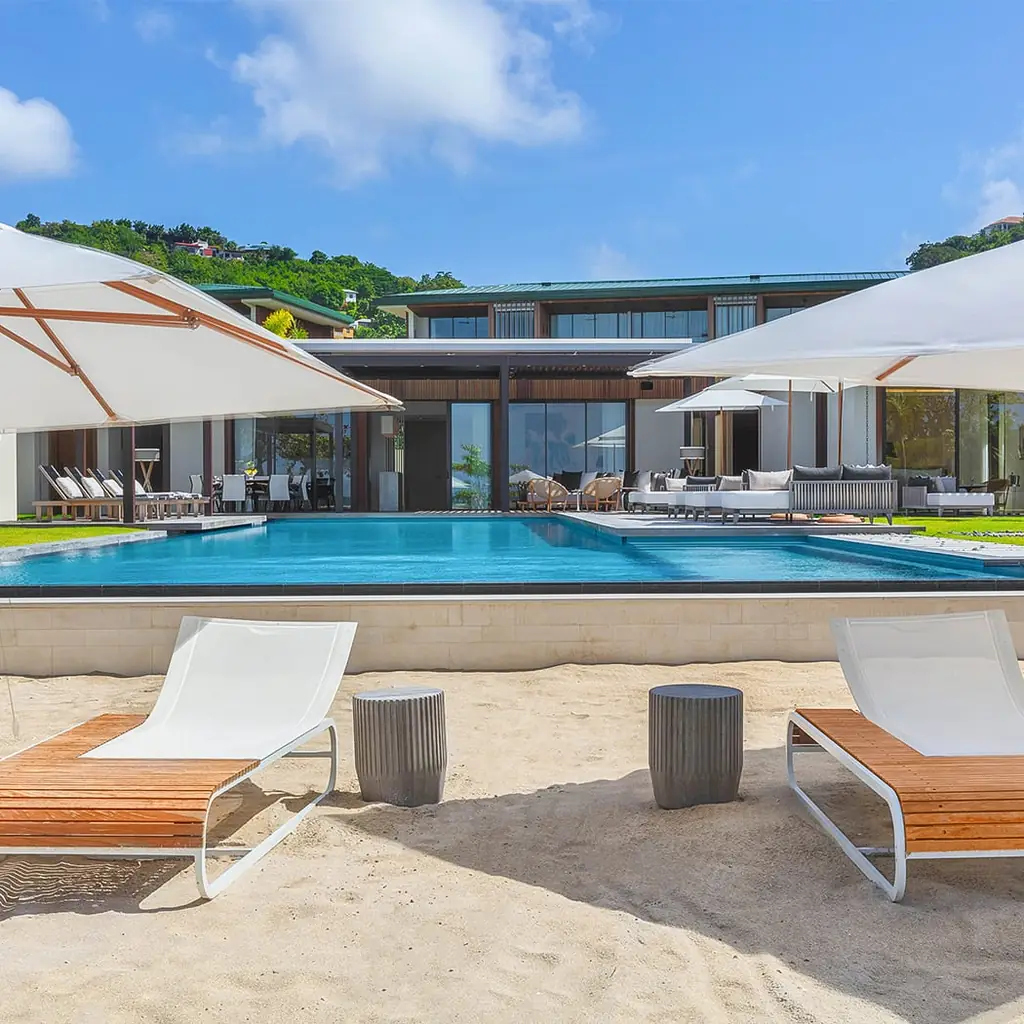
What it gets right:
- Grand Anse is an excellent swimming beach.
- Spice estates and waterfalls diversify the trip.
- Mountain roads lead to smaller coastal communities.
Grenada’s Grand Anse beach is stunning and the resorts there are beautiful. Spend your whole vacation there, though, and you may feel like you’re doing the same resort-y things that you do everywhere else.
Distance is very deceiving in the Caribbean. Many amazing attractions take longer to reach than a few miles on a map might suggest. Roads are winding and twisting, making trips seem even longer than they already are.
Plan on at least two days away from the beach to see waterfalls, spice plantations, amazing views, mountain roads, etc. Otherwise, your beach vacation can get old really quick. Do your homework, venture out of the resorts and take advantage of what makes each area of Grenada special and you’ll love your vacation there.
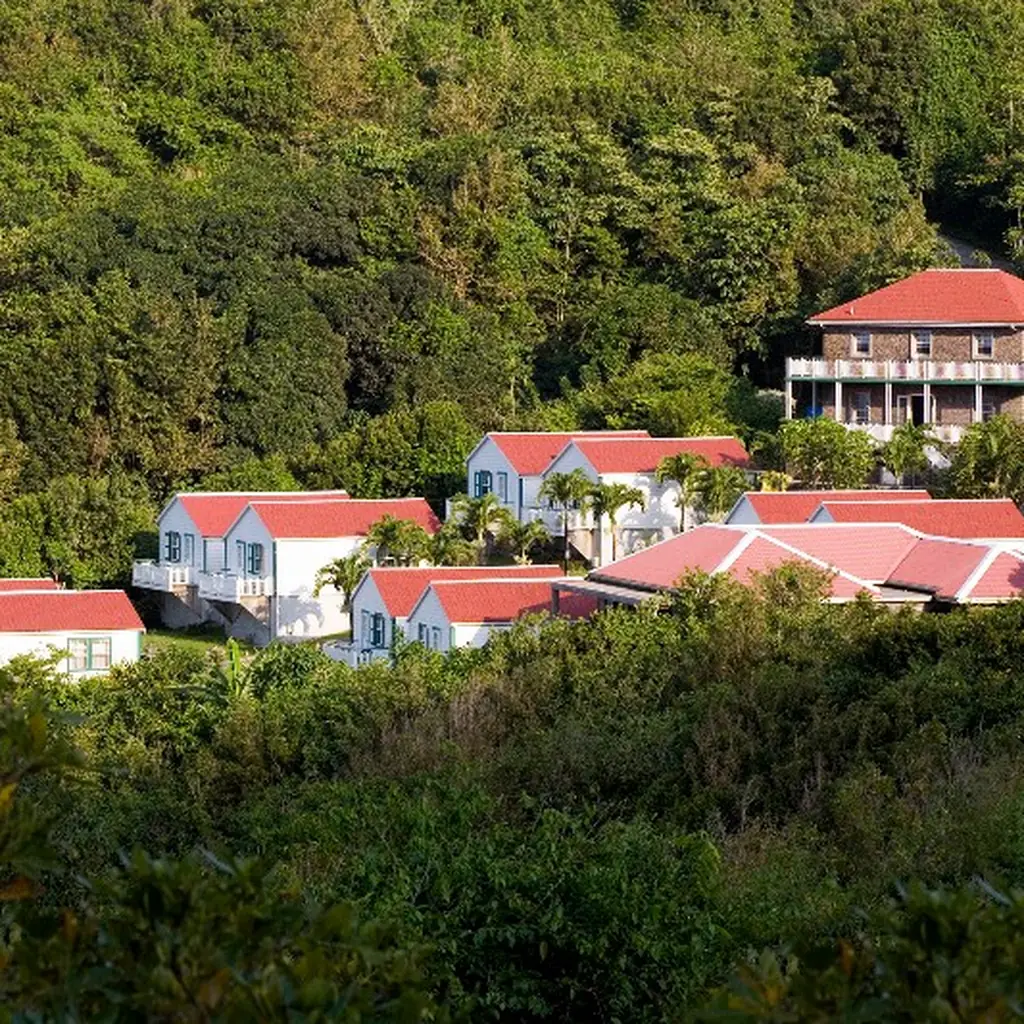
11. Saba: Arriving With a Beach-Island Checklist
What it gets right:
- Diving is one of the island’s strongest reasons to visit.
- Steep hiking trails deliver dramatic views.
- Small villages create an intimate atmosphere.
Saba is a small, steep island with close-knit villages. There’s diving, hiking, and amazing views to be had, but Saba is not a beachy sort of place.
If you’re looking for a classic Caribbean beach vacation, Saba is not your island.
Also, flights and ferries to Saba are limited, so if you choose Saba as part of your Caribbean vacation, be prepared to be flexible with your plans.
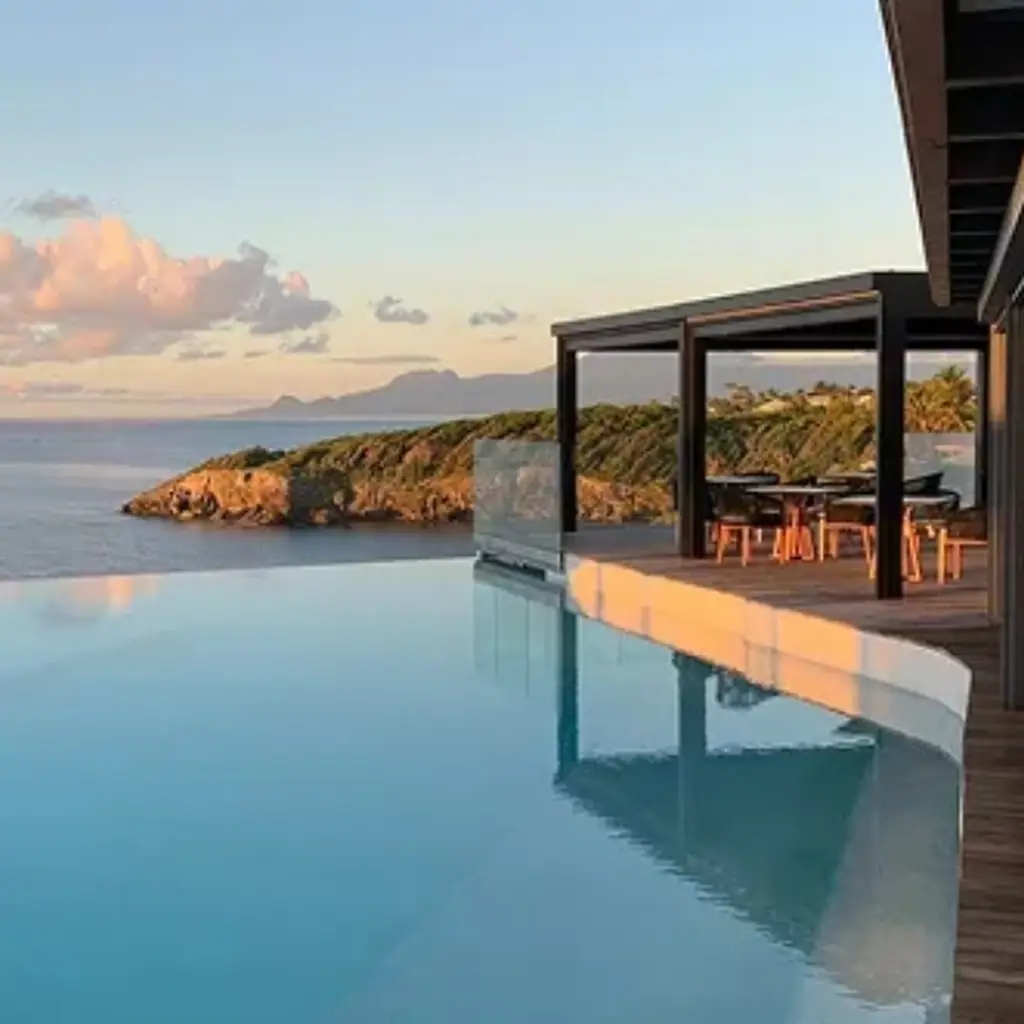
10. Guadeloupe: Underestimating the Two-Island Layout
What it gets right:
- Beaches and rainforest fit into one trip.
- Waterfalls add a strong inland experience.
- The two main islands offer contrasting landscapes.
Guadeloupe’s two main islands are Grande-Terre and Basse-Terre. Because of this, attractions are more dispersed here. While there are beautiful beaches and resorts on Guadeloupe, it’s a mistake to expect to find everything on Guadeloupe in one area.
Also, Guadeloupe is a French-speaking destination. While it’s possible to vacation on Guadeloupe speaking only English and sticking to the resorts, you’ll limit your experience by not embracing the culture.
Towns, attractions, and resorts are scattered between the two main islands, so plan accordingly.
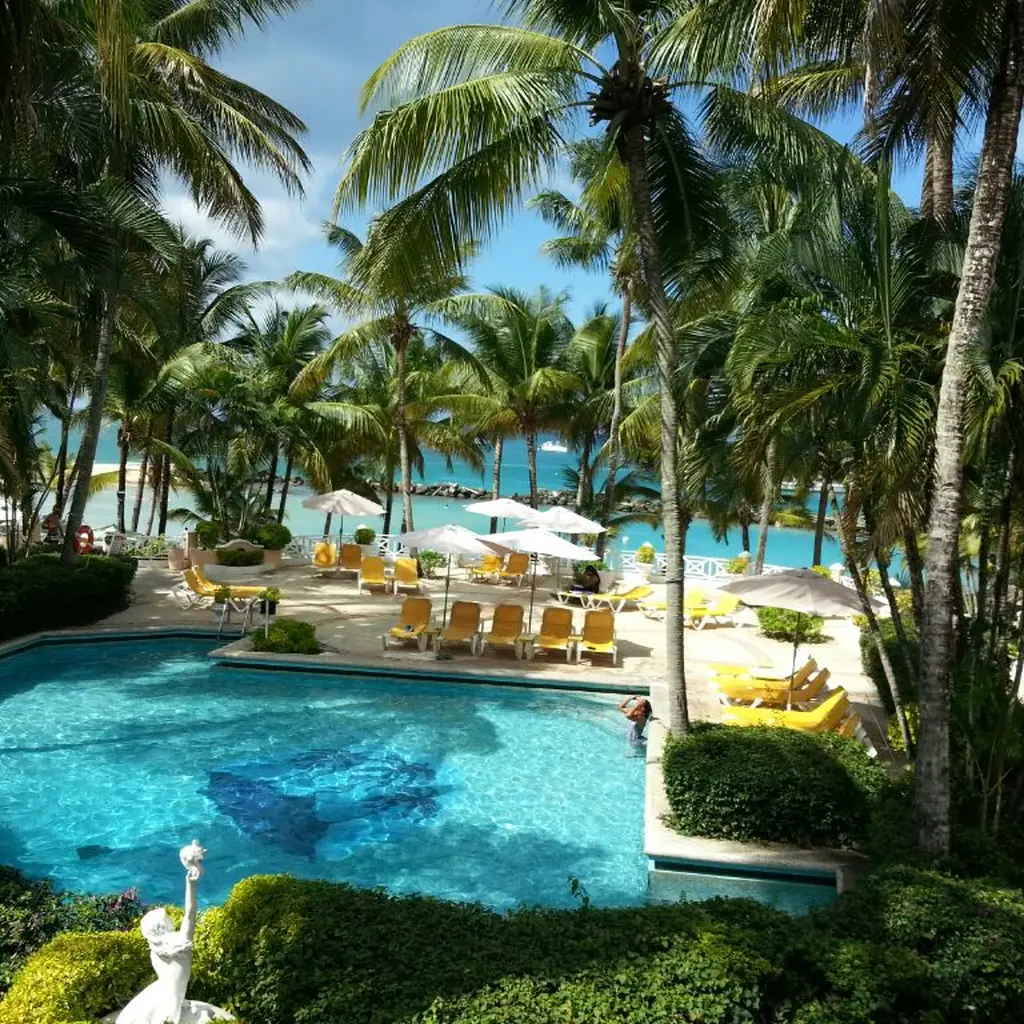
9. Tobago: Expecting Trinidad With Better Beaches
What it gets right:
- Main Ridge rainforest anchors a nature-focused trip.
- Small bays support snorkeling and quiet beach days.
- Village life gives the island a slower local rhythm.
Tobago is known for its laid-back vibes. The pace there is much slower than on other Caribbean islands. There isn’t much in the way of nightlife or shopping, so if you’re looking for action, Tobago is not your island.
The best experiences on Tobago involve venturing out: hiking in the Main Ridge rainforest, visiting villages, snorkeling in secluded coves, etc.
Many of these attractions are down winding, twisting roads that take longer to reach than you’d think, so rent a car or take tours to get around Tobago.
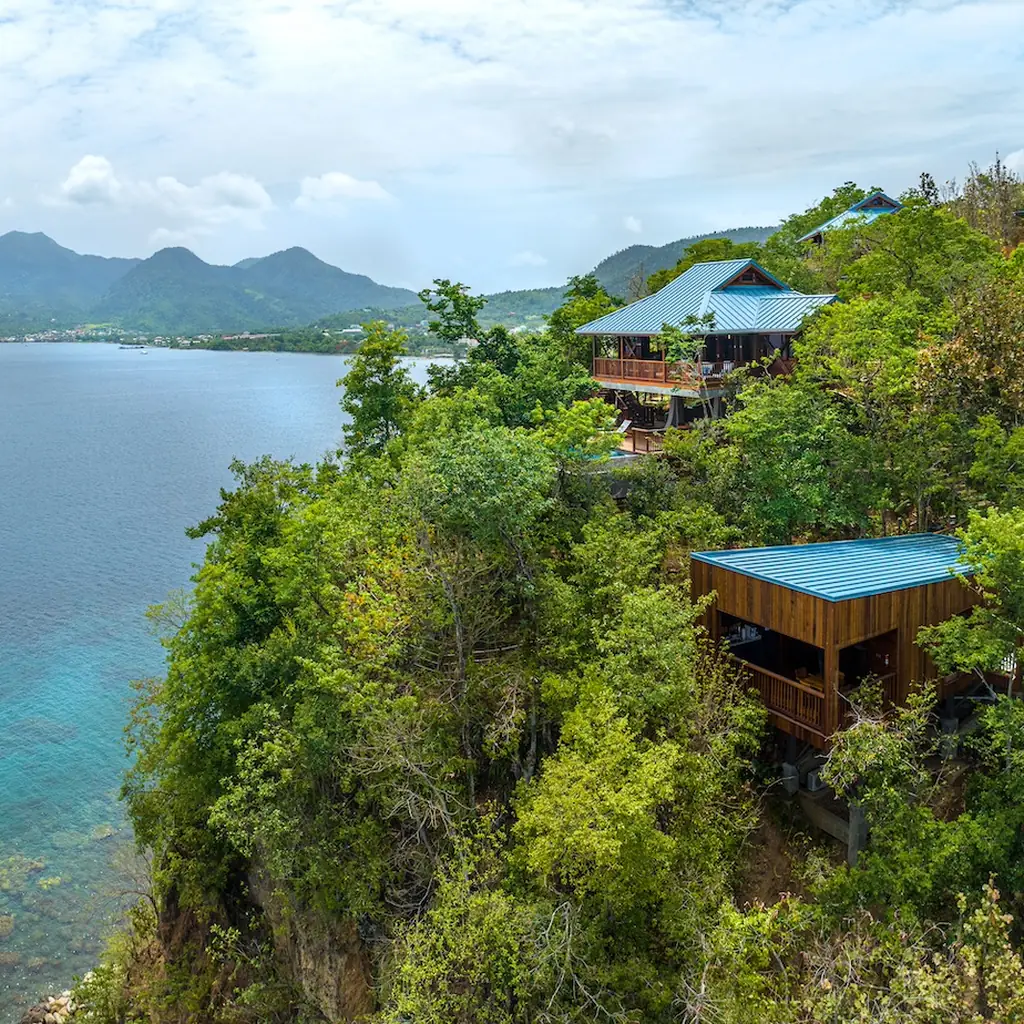
8. Dominica: Expecting White-Sand Resort Days
What it gets right:
- Waterfalls and rainforest trails reward active travelers.
- Hot springs add a natural recovery day.
- Volcanic scenery feels different from a standard beach island.
Dominica is not the island to choose for a vacation centered on sprawling luxury resorts and long sandy beaches.
Dominica is a small, mountainous island with amazing natural attractions: waterfalls, hot springs, rainforest hikes, volcanoes, etc.
The weather can be unpredictable, the roads are winding and slow, and many attractions require some degree of hiking. Dominica is an amazing Caribbean island if you’re looking for an active, nature-based vacation.
7. Bonaire: Booking Without a Water Plan
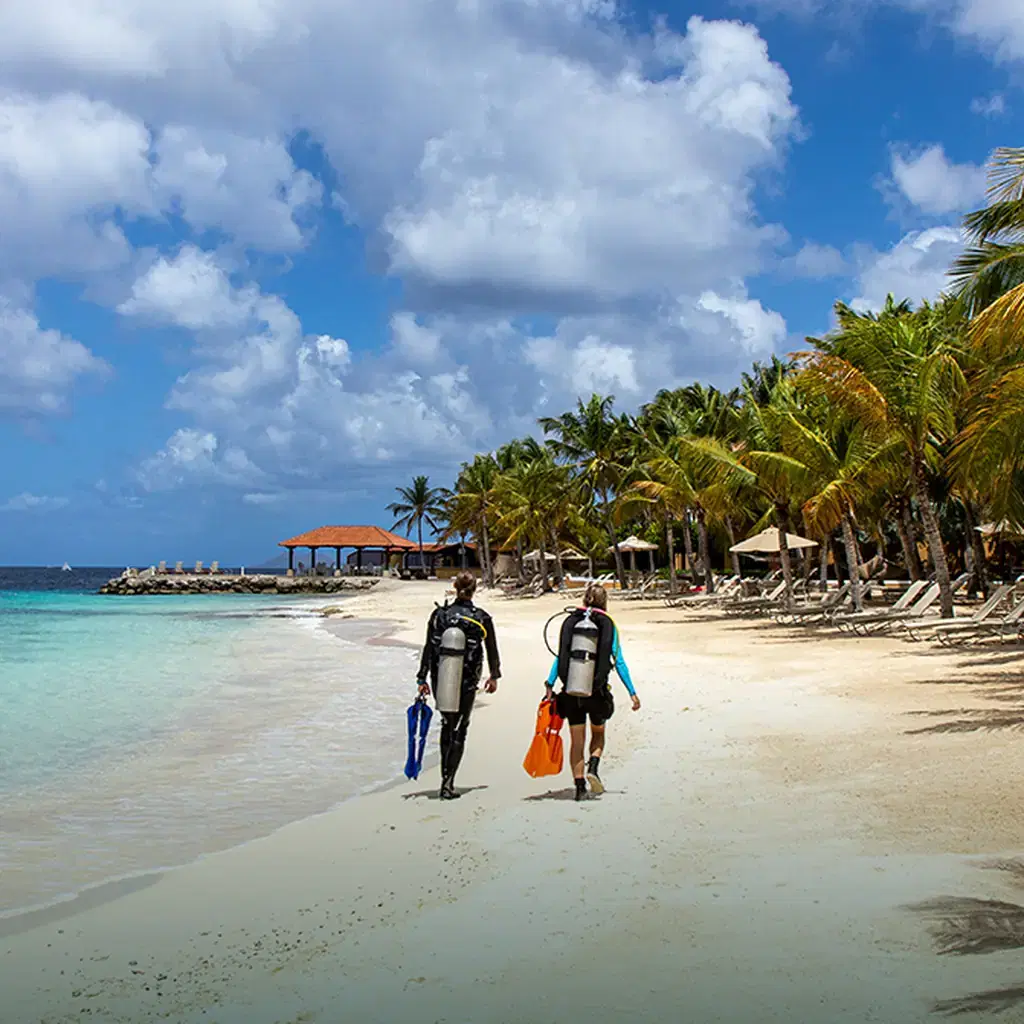
What it gets right:
- Shore diving makes excellent reefs easy to reach.
- Snorkelers can build independent water days.
- The quiet pace suits travelers who avoid crowds.
Bonaire is a diver’s dream. There are tons of world-class diving and snorkeling sites on Bonaire, many of which you can visit independently by car.
Bonaire isn’t well-known for anything besides diving and snorkeling. It’s a very dry, very quiet place.
If diving is not your thing, Bonaire probably isn’t your island.
6. St. Lucia: Choosing the Wrong End of the Island
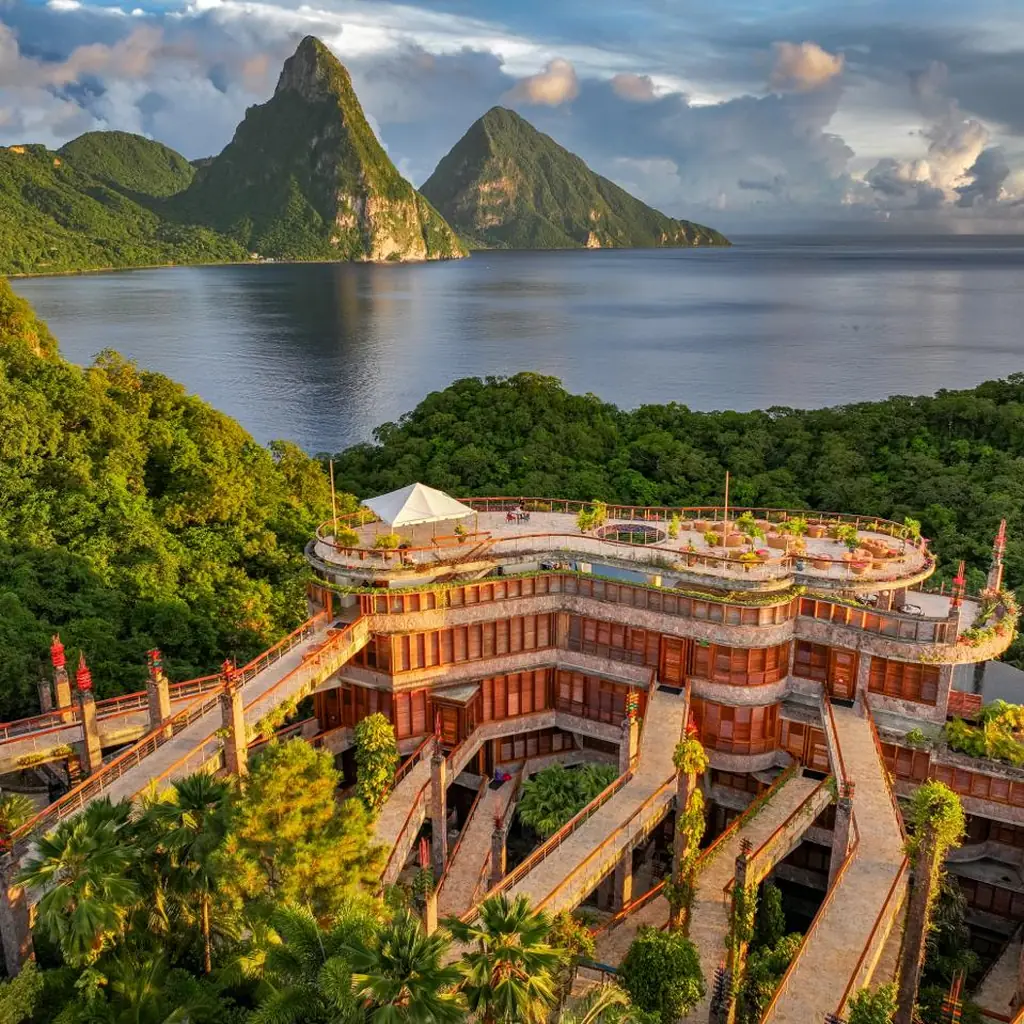
What it gets right:
- The Pitons create the island’s signature scenery.
- Soufriere combines hiking and volcanic attractions.
- The north adds restaurants, marina activity, and nightlife.
St. Lucia has lots to offer: beautiful beaches, amazing restaurants, gorgeous views, vibrant culture, hiking, nightlife, and world-famous volcanic scenery.
However, many of the hiking and volcanic attractions are close to Soufriere in the southwest, while the north is a hub for resorts, yachts, and nightlife.
If you want to see everything on St. Lucia, make sure you allot enough time for the sometimes long drives down winding roads. Choose your hotel carefully: it’s a mistake to choose your hotel in St. Lucia based on price alone. Determine what’s important to you and pick an area of St. Lucia to stay in accordingly.
5. St. Barths: Committing to the Full Luxury Spend
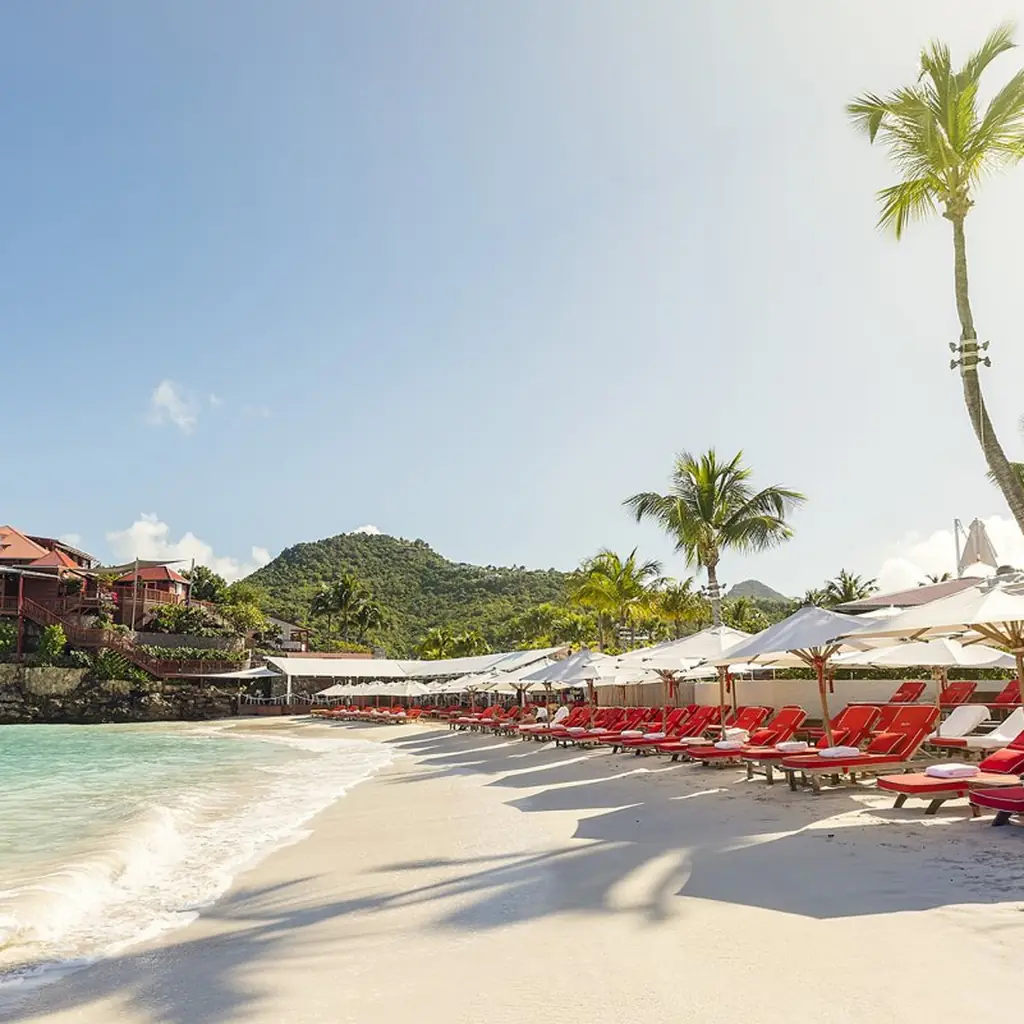
What it gets right:
- Beautiful beaches match the luxury setting.
- Fine dining and beach clubs are genuine strengths.
- Villas, boutiques, and Gustavia feel polished.
Travelers who plan to spend most of the day on the beach without a specific agenda might be disappointed with a visit to St. Barts, a.k.a. St. Barths, an island focused more on beach clubs, villas, yacht harbors, trendy boutiques, and fine dining.
Getting to St. Barths often entails a transfer by plane or ferry. And once on St. Barts, renting a car is helpful for getting from Gustavia to the beaches. Those who love experiential travel may welcome these logistical hurdles. Those with a tight budget may not. Every meal, transfer, or reservation costs money.
A visit to nearby St. Martin would scratch that St. Barts itch on a more casual and more local level.
4. Grand Cayman: Seeing Only Seven Mile Beach
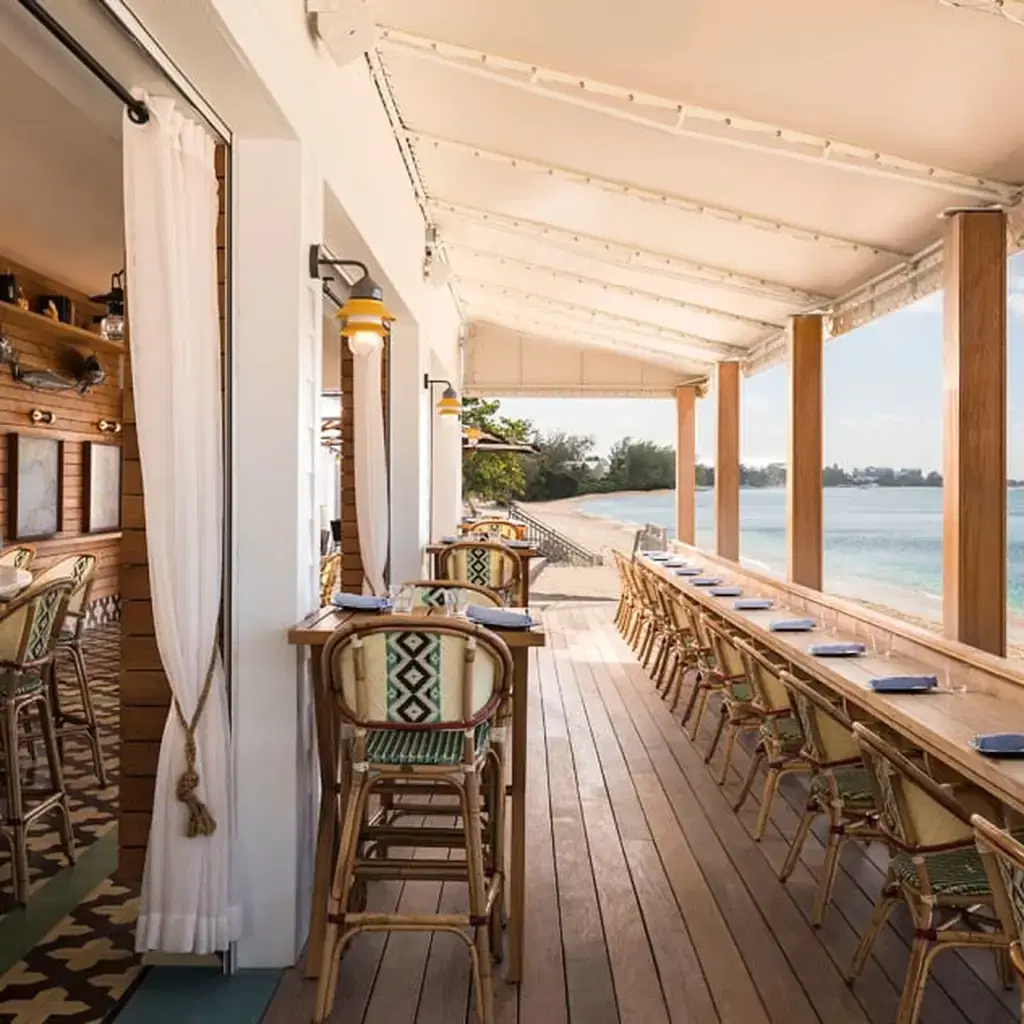
What it gets right:
- Seven Mile Beach earns its reputation.
- North Sound adds a memorable water excursion.
- George Town and the eastern districts broaden the trip.
Seven Mile Beach is a stunning, palm-fringed expanse of sand. Spending time along Seven Mile Beach is an essential Grand Cayman activity, but if that’s all there is to the plan, Caribbean vacation regrets loom in the form of expensive resorts and repetitive experiences (food, drink, activities) along the Seven Mile Beach strip.
Expand the itinerary with plans to see other areas of Grand Cayman, the capital, George Town, the eastern end of Grand Cayman, and North Sound, to make it a more interesting stay. Stingray City is great for a one-time visit, not necessarily the sole raison d’etre of a trip to Grand Cayman.
Check the full resort cost before booking. Read more: Cancun resorts worth the money.
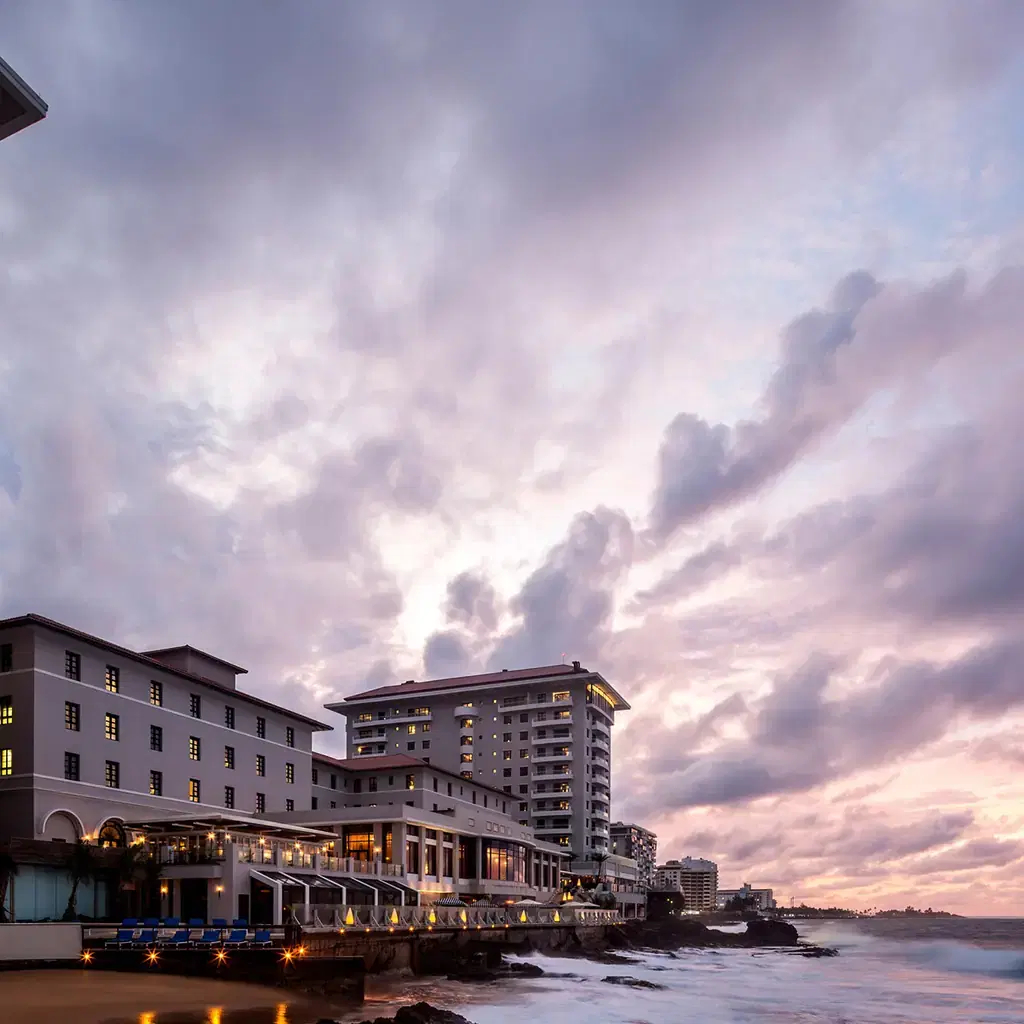
3. Puerto Rico: Treating Condado as a Quiet Escape
What it gets right:
- Condado puts restaurants and nightlife close by.
- Old San Juan adds history and street life.
- El Yunque and coastal towns expand the itinerary.
Some people come to Condado expecting a laid-back beach town; others come to Condado because it’s a beach in the heart of the city. If the latter describes your idea of paradise, great. Then Condado Beach in Puerto Rico is for you.
Relax on the beach during the day; hear the hustle and bustle of the city at night. Restaurants are steps away and nightlife isn’t hard to find.
But if your idea of relaxation is a retreat, Condado Beach won’t scratch that itch. Explore more of Puerto Rico, including Old San Juan, the El Yunque rainforest, the countryside, and smaller coastal towns to make Puerto Rico travel dreams come true.
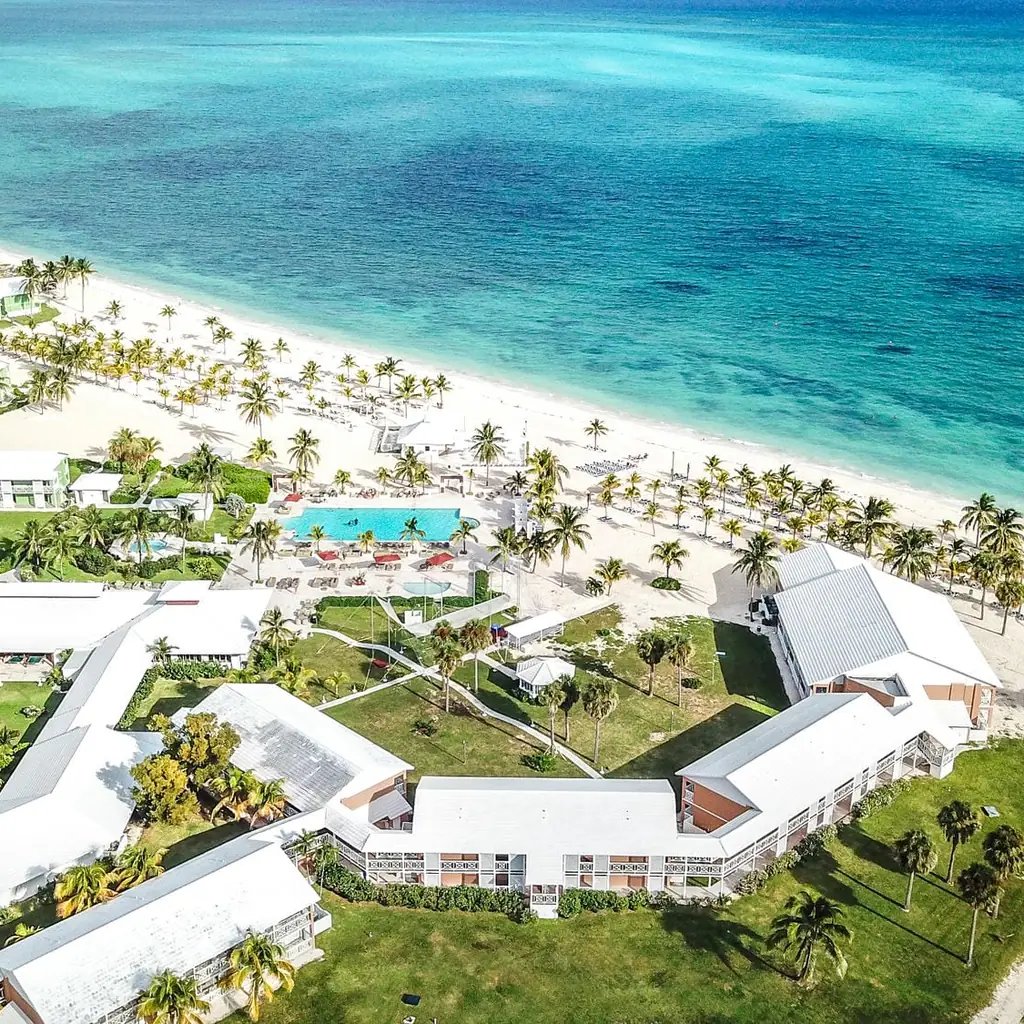
2. Grand Bahama: Assuming Freeport Is a Smaller Nassau
What it gets right:
- Quiet beaches provide space away from Nassau’s crowds.
- Lucayan National Park adds caves and nature.
- Gold Rock Beach rewards travelers who leave Freeport.
The hub of activity on Grand Bahama is the town of Freeport. The town itself is quieter and more spread-out than some cruise ship ports of call, so more transportation is needed here.
Popular attractions like Lucayan National Park and Gold Rock Beach are outside Freeport on Grand Bahama.
Renting a car or joining an excursion to see them makes for an exciting and memorable stay.
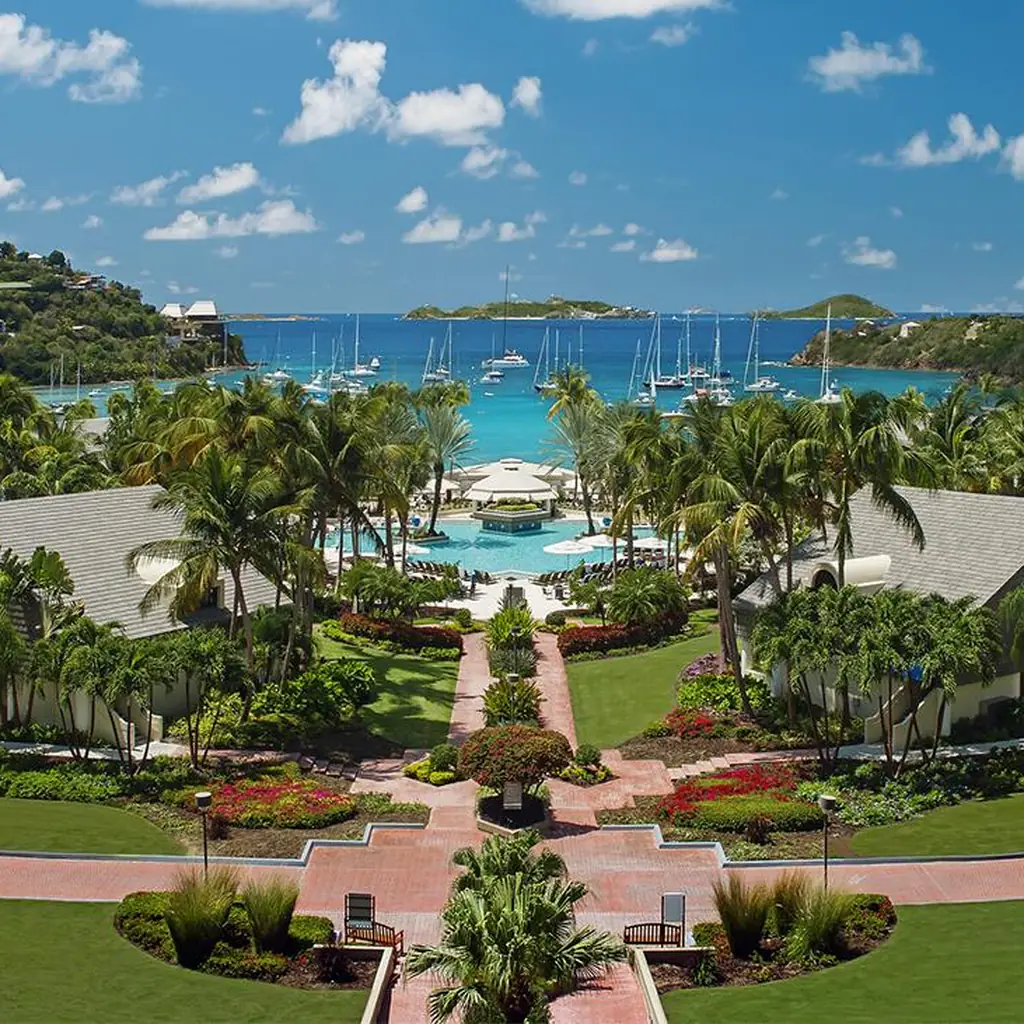
1. St. John: Arriving as an Unplanned Day-Tripper
What it gets right:
- Protected beaches retain a natural setting.
- National park trails add hiking and history.
- Good snorkeling rewards an early start.
Ferry schedules, a mountainous topography, limited parking spaces at beaches and other popular destinations, and traffic jams in Cruz Bay can conspire together to turn a dreamy Caribbean vacation into a logistical challenge.
St. John is home to the Virgin Islands National Park, encompassing much of the island and offering beaches, hiking trails, and historic sites. Visitors to St. John should budget time to enjoy the park.
Relax on one or two St. John beaches, plan a hike, and enjoy a more leisurely St. John experience. Be sure to plan how you’ll make it back to the ferry terminal on time.
The 3 Caribbean Islands That Are Actually Worth It
To avoid Caribbean travel regrets, understand that each Caribbean island is very different from the next.
Curaçao: Best for Variety Without Constant Transfers
With a vibrant capital, a national park, more than 35 beaches, and reefs that can be accessed from the beach, Curaçao checks a lot of travel boxes.
Curaçao also has a warm climate and a location outside the main hurricane belt.
Plan on doing more than lounging on the beach, however, to avoid Caribbean vacation regrets during your stay. Hiking through the national park, exploring Willemstad, or snorkeling along Curaçao’s reefs will round out a stay.
St. Vincent and the Grenadines: Best for Island-Hopping
The Grenadines, a string of small, idyllic islands, offer relaxation, water-based transportation between islands, and sailing.
Bequia, Mayreau and Union Island are stops to consider. The Tobago Cays are a popular excursion.
Visiting several of the Grenadines enhances a stay on St. Vincent.
Anguilla: Best for a Pure Beach Escape
Thirty-three public beaches beckon beach bums to visit Anguilla. Calm seas and white sand characterize many of its beaches, making Anguilla an appealing stop for families with small children.
There are fewer things to do and pricier accommodations, however.
Choose Anguilla when sand and sea are the main point of the trip. That clarity removes much of the expectation gap that causes Caribbean regret.
The Real Reason Caribbean Trips Disappoint
Regret can be an unlikely travel companion in paradise. Yet, somehow, Caribbean trips don’t always turn out as imagined.
Before booking that Caribbean resort, be sure your vacation ideas match your goals for the trip with the realities of a visit.
Compare destinations before paying a nonrefundable deposit. Read more: full Caribbean island ranking.
Comments
The opinions and views expressed in the comments section are solely those of the individual users and do not represent or reflect the opinions, views, or positions of HumbleTrail. HumbleTrail does not endorse, support, or verify the accuracy of any user-generated content.
By posting a comment you agree to receive related emails from HumbleTrail in accordance with our Terms and Privacy Policy. You can unsubscribe at any time.