

Editor’s note: These travel recommendations reflect our editorial judgment.
A machine that helped change life in hot climates sits in an Apalachicola museum. A sponge can explain the Greek character of Tarpon Springs. Near Stuart, a seaside house tells the story of people who arrived on this coast by shipwreck.
These sixteen places include small cities and historic town centers as well as tiny communities. Pick a few in one region and give them an afternoon. The point is to find something worth doing, not to collect town signs through a car window.
1. Apalachicola: the little museum with a very big idea
Before mechanical cooling became ordinary, physician John Gorrie wanted to cool the rooms of patients suffering from yellow fever. His work in Apalachicola led to an ice-making device and, in 1851, a U.S. patent for mechanical refrigeration.
A replica of that machine is the reason to begin at John Gorrie Museum State Park. Look at the apparatus and imagine solving that problem before a refrigerator was something you could simply buy.
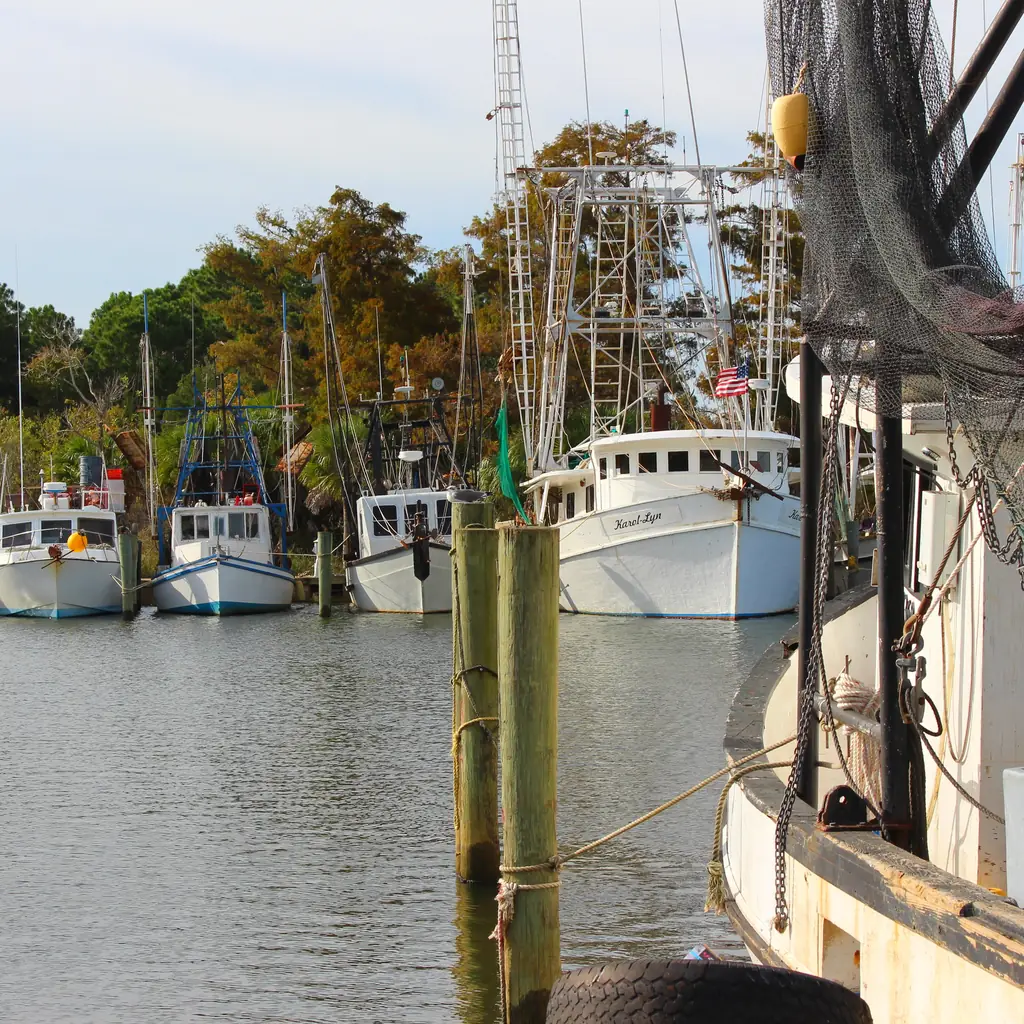
Then walk into the historic port town. The waterfront and commercial buildings provide a very different setting from the resort version of Florida. A meal and an unhurried wander make a useful second half to the visit.
Gorrie’s story is especially memorable here because it connects a small community to something you use without thinking. The museum has limited opening days, so arrange the rest of the stop around it rather than discovering the door is shut after lunch.
2. Tarpon Springs: the souvenir is more interesting when you know its job
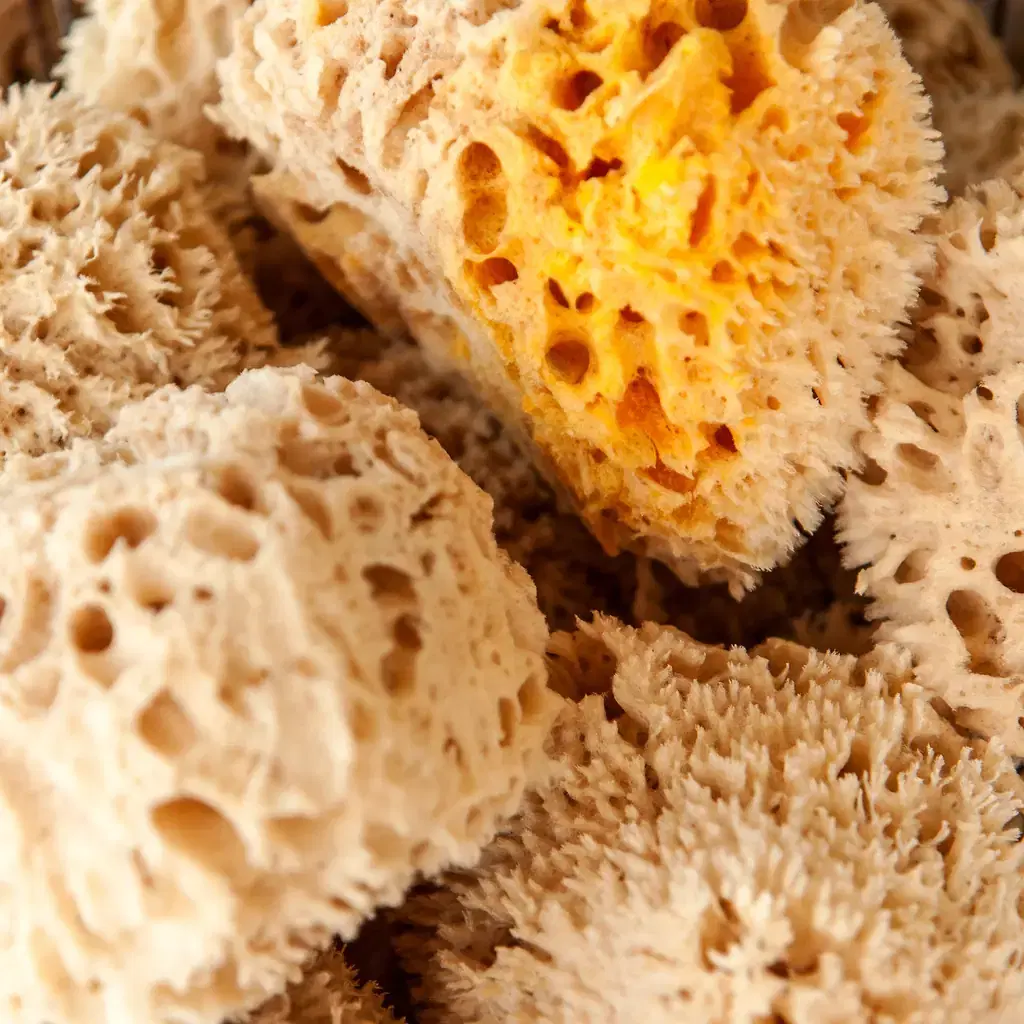
Natural sponges hanging outside shops are the obvious image of Tarpon Springs. Their history explains the boats, the food and the Greek names along Dodecanese Boulevard.
Greek divers helped develop the local sponge industry, and their families shaped the community around it. The Greektown walking tour connects the docks with that continuing culture.
Walk before you shop. Ask how the different sponges are used, then choose something because you understand it. A meal becomes more interesting afterward, too: you are eating in a place whose food grew from a community, rather than a themed waterfront invented for tourists.
If you want a boat trip, compare a sponge-diving demonstration with a general sightseeing cruise. Similar-looking departures can offer quite different afternoons.
3. Cedar Key: even the museum displays have become part of the history
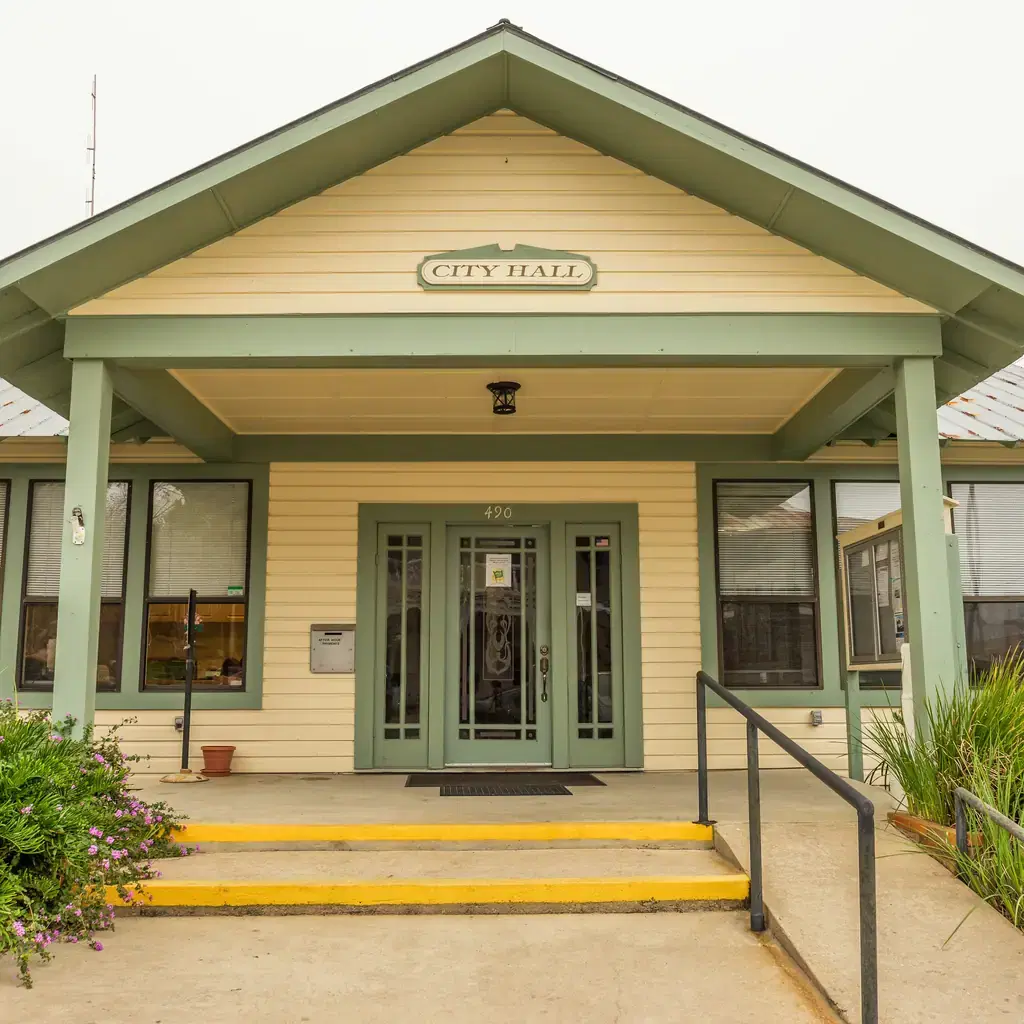
At Cedar Key Museum State Park, the exhibits carry two stories. They explain the area’s past, and some also preserve the hand-built display style of museum designers working in the 1950s and 1960s.
That makes the cases worth a closer look. Notice the presentation as well as the objects: how a scene is constructed, how a map explains the coast, what the designers chose to emphasize.
The grounds add another layer, with salt-marsh views and a connection to naturalist John Muir’s stay in Cedar Key. The Whitman House is currently listed as closed, so do not build your visit around touring its interior. Check park notices and individual businesses before a coastal trip; storm recovery can change the details even when the town is welcoming visitors.
4. Crystal River: there is a long human story beside the manatees
Manatees may bring you to Crystal River, but the archaeological state park deserves its own part of the day. Mounds and museum exhibits reveal a place where Native people gathered, traded and carried out ceremonies long before the modern town.
Start with the interpretation so the shapes in the landscape mean something when you walk outside. The site is more compelling once you understand that a grassy rise may be a structure made by people.
Keep wildlife viewing and archaeology as separate experiences. One asks you to watch quietly for an animal; the other asks you to read a landscape. Neither benefits from being squeezed into the leftover half-hour before the next reservation.
5. Mount Dora: a lighthouse where the sea is nowhere nearby
The red-and-white lighthouse at Grantham Point gives Mount Dora a playful-looking landmark with a practical purpose. Built in 1988, it serves as an inland aid to navigation on Lake Dora, according to the Florida Lighthouse Association.
That date matters: this is not an ancient coastal beacon somehow stranded inland. The pleasure is seeing a familiar type of structure in an unexpected setting.
Pair the waterfront with the downtown shops and a sit-down meal. Mount Dora can be busy during events, so decide whether you want the festival atmosphere or an ordinary browsing day. A lakefront pause and a good antique shop can be enough; there is no need to turn a small-town afternoon into a race through every attraction.
6. Micanopy: the main street rewards people who like objects with a past

Cholokka Boulevard gives Micanopy a compact center of antique shops, old storefronts and live oaks. It is a good place to browse slowly enough that an object can start a conversation.
Choose one shop to explore properly. Ask about a piece’s age or use instead of treating every cabinet as another photograph. The local historical museum helps place the street in the town’s longer story.
The Herlong Mansion adds an overnight option for travelers who enjoy historic buildings. As with the places in our historic-hotel guide, compare the room and the experience you will actually have, rather than booking solely for a handsome exterior.
7. Dunedin: the trail runs through the part you came to enjoy
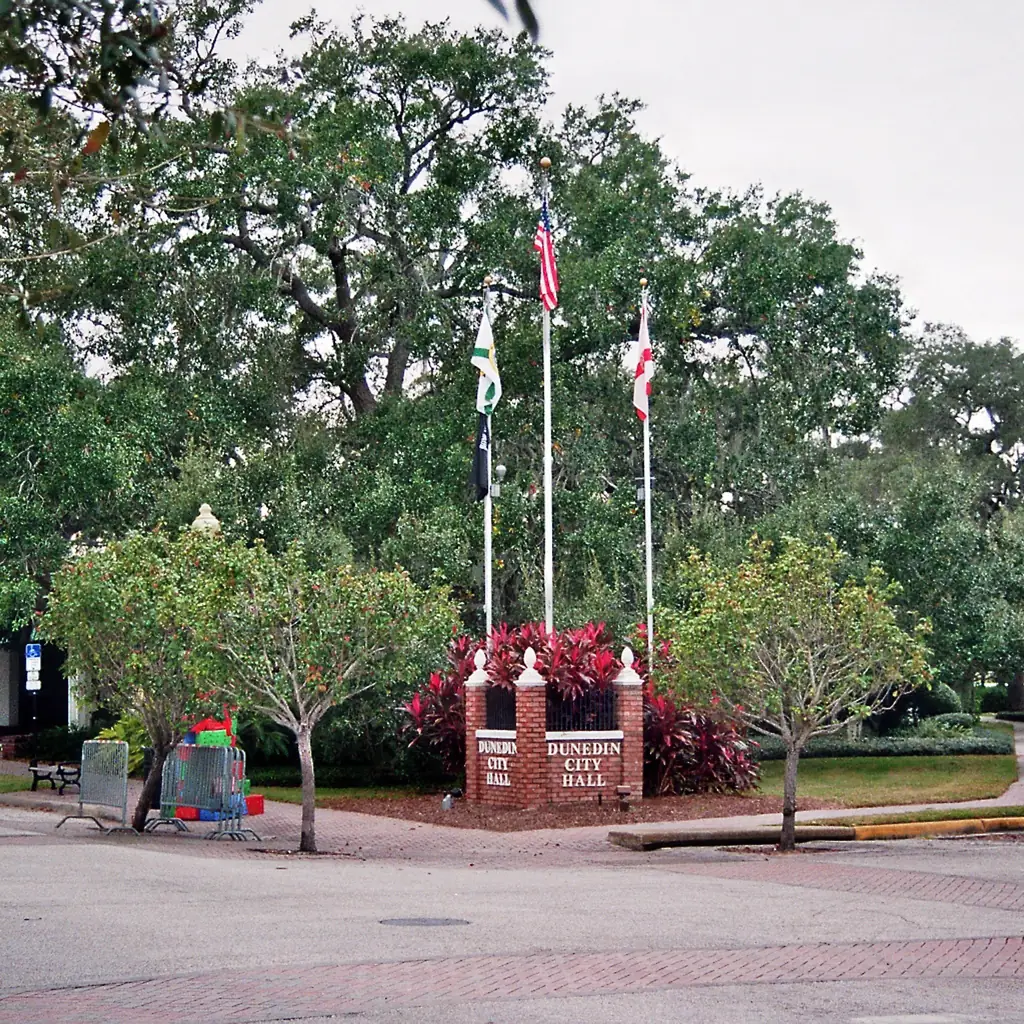
The Pinellas Trail crosses Dunedin’s downtown, making a bike ride and a town afternoon unusually easy to combine. You do not have to treat the food stop as a drive away from the route.
The city’s visitor guide identifies bike rental options, shops and places to eat near the trail. Choose a manageable out-and-back ride, then leave enough time to return the bike and explore on foot.
This is the appeal behind our trail towns where riding, eating and staying fit together. The ride should leave you with enough energy to enjoy the town. You do not need to cover an impressive mileage to have a satisfying day.
8. Dade City: let the old buildings explain ordinary life
The Pioneer Florida Museum and Village gives Dade City a useful counterweight to a shopping-only visit. Historic buildings and everyday objects make it possible to think about how people learned, worked and managed a household here.
Look for the practical details: what a room was used for, which jobs demanded tools, how far someone might have traveled for a service. Those questions make a modest museum more absorbing than a quick circuit of displays.
Continue into the downtown for lunch and a walk among its older commercial buildings. If you enjoy examining a town beyond its visitor attractions, our guide to small communities worth visiting before a move gives you a few useful things to notice.
9. DeLand: give the day an ending worth staying for
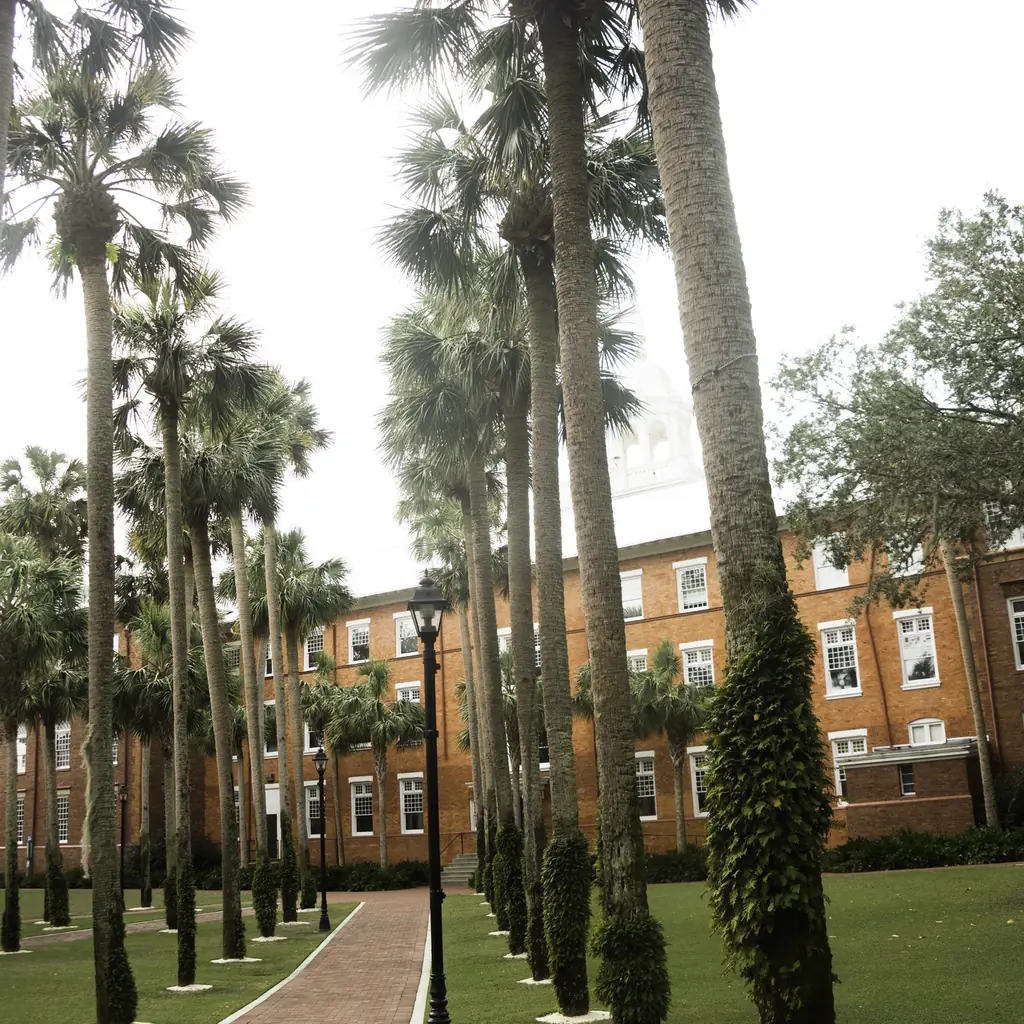
The Athens Theatre provides a reason to see DeLand after an afternoon of browsing. Its restored building connects the town’s older ambitions with a present-day performance calendar.
Choose a show first, then use the surrounding hours for public art and downtown streets. The official DeLand guide points toward murals, a sculpture walk and museum options, so the day can have more variety than shop after shop.
A performance also changes the pace. You can have an early meal, settle into a seat and let somebody else hold your attention for a while. Check the actual production and running time before booking; an attractive theater is a setting, while the show is the experience you are buying.
10. Inverness: the courthouse has a movie connection
The 1912 courthouse in Inverness has a claim beyond its prominent place in the town square: it appeared in the Elvis Presley film Follow That Dream.
That is an enjoyable starting point, but give the Old Courthouse Museum and downtown more than a movie-location photograph. Look at how the building anchors the surrounding streets, then walk toward the lakeside parks or choose somewhere to eat.
Inverness fits a road trip with frequent town stops better than a day built only around major attractions. One recognizable detail can get you out of the car; the square and waterfront can persuade you to stay longer.
11. Fernandina Beach: start where the trains once brought travelers
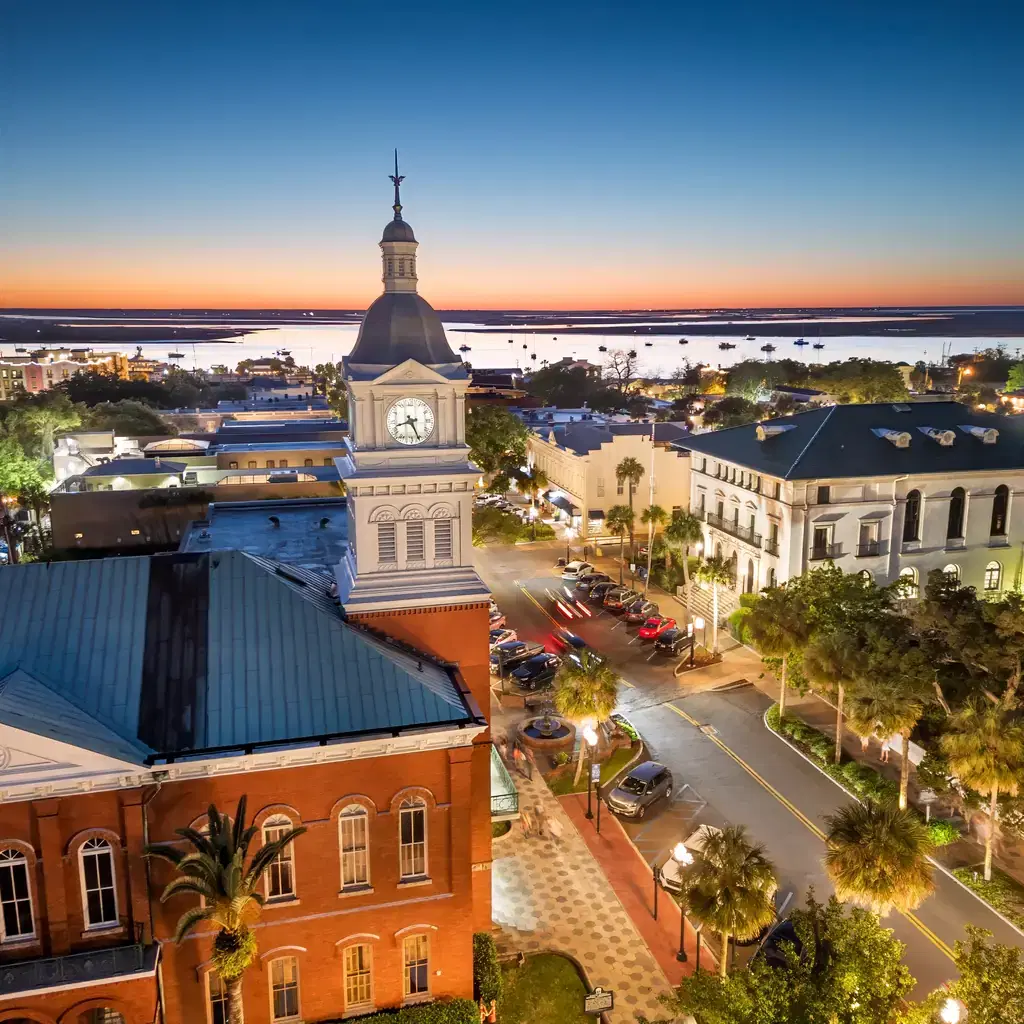
The old railroad depot provides a sensible starting point for Fernandina Beach. Now used as a visitor center, it connects the town to the cross-state railway that once ran to Cedar Key.
From there, walk into the historic center rather than immediately heading for the beach. The regional tourism guide points out the Victorian buildings and the town’s maritime character. Shops and restaurants occupy a place shaped by actual transport and trade.
This is one of the pleasures we look for in coastal towns worth a longer stop: a waterfront setting with a town story attached. Pick a shaded place to sit and leave room for a second walk after lunch.
12. St. Augustine: leave the busiest historic blocks for Lincolnville
St. Augustine is a small city with a major visitor industry, and its most familiar streets can become crowded. Lincolnville offers another route into the city’s history.
Established by freed people after the Civil War, the neighborhood later played an important part in the civil rights movement. Begin with the Lincolnville Museum and Cultural Center and the district’s historical interpretation so the buildings connect to the people and events behind them.
Walk the public streets with the same respect you would show any residential area. Many historically important houses remain private homes. This visit is not a search for an untouched postcard neighborhood; it is a chance to understand a part of St. Augustine that the usual colonial itinerary can leave out.
13. Flagler Beach: the sand is the landmark to plan around

Flagler Beach’s cinnamon-colored sand gives this stretch of coast a different look from Florida’s familiar white-beach photographs. A walk beside the water can be the center of the visit, followed by a meal in town.
Do not assume the pier is available. It is being replaced, and the city’s project updates are a better source for access than an older travel photograph. Follow the marked restrictions around the work area.
The beach guide describes the shore and access points. Choose a legal, open section and let the beach do its work; you do not need a pier ticket to enjoy the distinctive color and the Atlantic view.
14. Stuart: the seaside house built for people in trouble
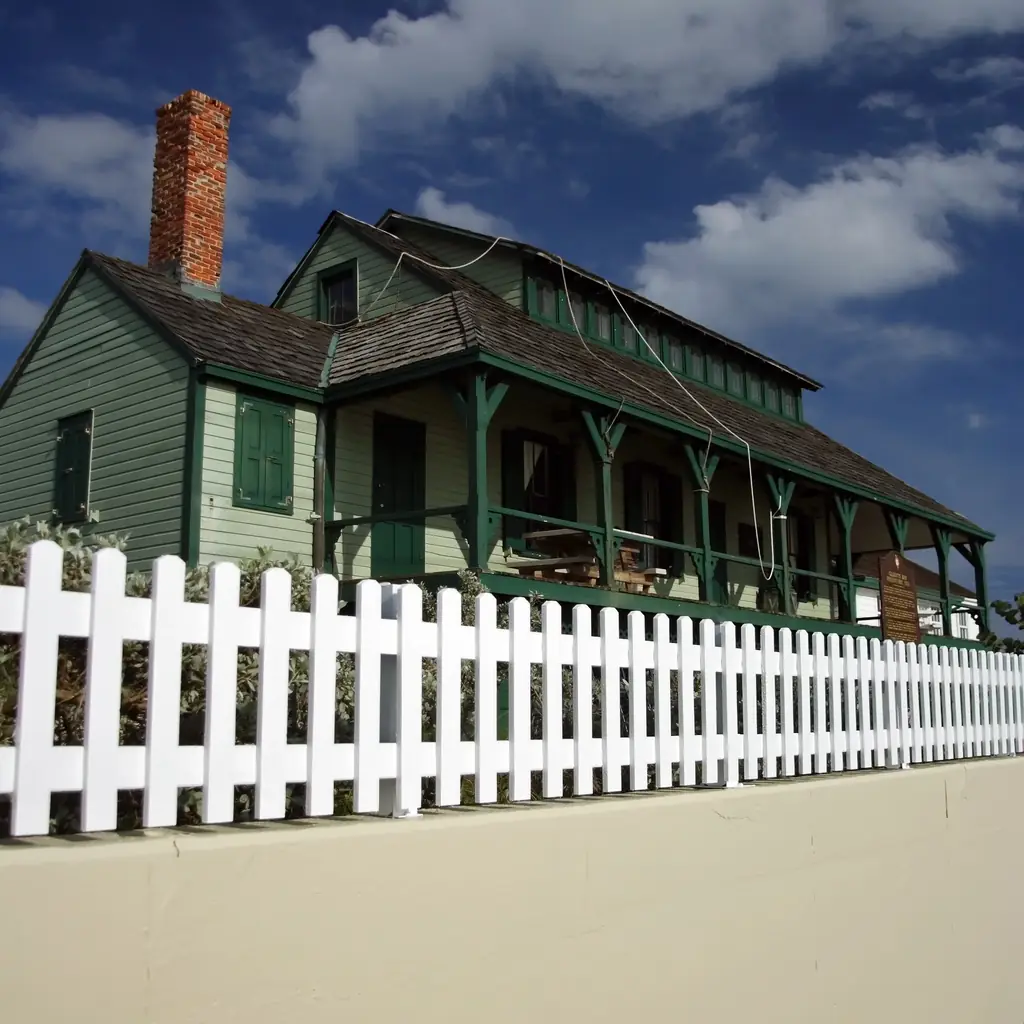
The House of Refuge at Gilbert’s Bar stands near Stuart on Hutchinson Island. Its setting is beautiful, but the building’s purpose was practical: shelter for shipwreck survivors on a once sparsely settled coast.
The Historical Society of Martin County explains the house’s 1876 origins and its renewed museum experience after restoration. Look at the coastline with the original purpose in mind. A beach can mean freedom to a vacationer and a difficult place to find food, water and help to someone washed ashore.
That contrast makes the museum more memorable than another coastal photo stop. Pair it with time in Stuart’s town center, and allow the history to change how you look at the water. You need not seek out a dramatic storm to understand why refuge mattered.
15. Lake Placid: the walls tell stories if you stop reading them as decoration

Lake Placid’s murals cover local subjects rather than merely providing colorful backgrounds. Agriculture, wildlife and community history appear across the town’s walls, with a guide that helps visitors connect the images to their stories.
Choose a few from the mural society’s information and look properly. Read the explanation, find the detail it refers to and decide what surprised you. That is more enjoyable than trying to photograph every mural from a moving car.
A walk like this needs pauses, especially in the heat. Plan a meal or cool indoor stop between groups of paintings. Our road-trip food guide can help with the longer drive, while the town itself deserves time for something local.
16. Sebring: follow the circle instead of the racing calendar
Sebring’s downtown is organized around a circle, a detail that gives a casual walk a natural shape. Shops, food stops and cultural attractions offer a quieter counterpoint to the city’s famous motorsport association.
The town guide highlights the Circle Theater and Sebring Soda & Ice Cream Works among the stops. A curious drink flavor and a seat in the center can make a perfectly good break without a grand itinerary.
Keep a visit to nearby Highlands Hammock State Park as a separate outing with its own time allowance. The town and the park provide different pleasures: one invites browsing and conversation, the other close attention to a landscape.
Comments
The opinions and views expressed in the comments section are solely those of the individual users and do not represent or reflect the opinions, views, or positions of HumbleTrail. HumbleTrail does not endorse, support, or verify the accuracy of any user-generated content.
By posting a comment you agree to receive related emails from HumbleTrail in accordance with our Terms and Privacy Policy. You can unsubscribe at any time.