

Editor’s note: These are editorial selections based on public sources.
Retiring near the water does not have to mean buying a house with a private dock. Around the Great Lakes, working towns offer public beaches, harbor walks and substantial local history alongside housing values below their state benchmarks.
What the numbers mean: We use the same 2020–2024 Census ACS median owner-occupied home value for every town, accessed through Census Reporter on September 21, 2026. The comparable state figures are Michigan $231,600, Wisconsin $266,500 and Ohio $214,800; these survey estimates are historical, have sampling uncertainty and do not represent current listings or waterfront houses.
Alpena, Michigan: A shipwreck story without buying a boat
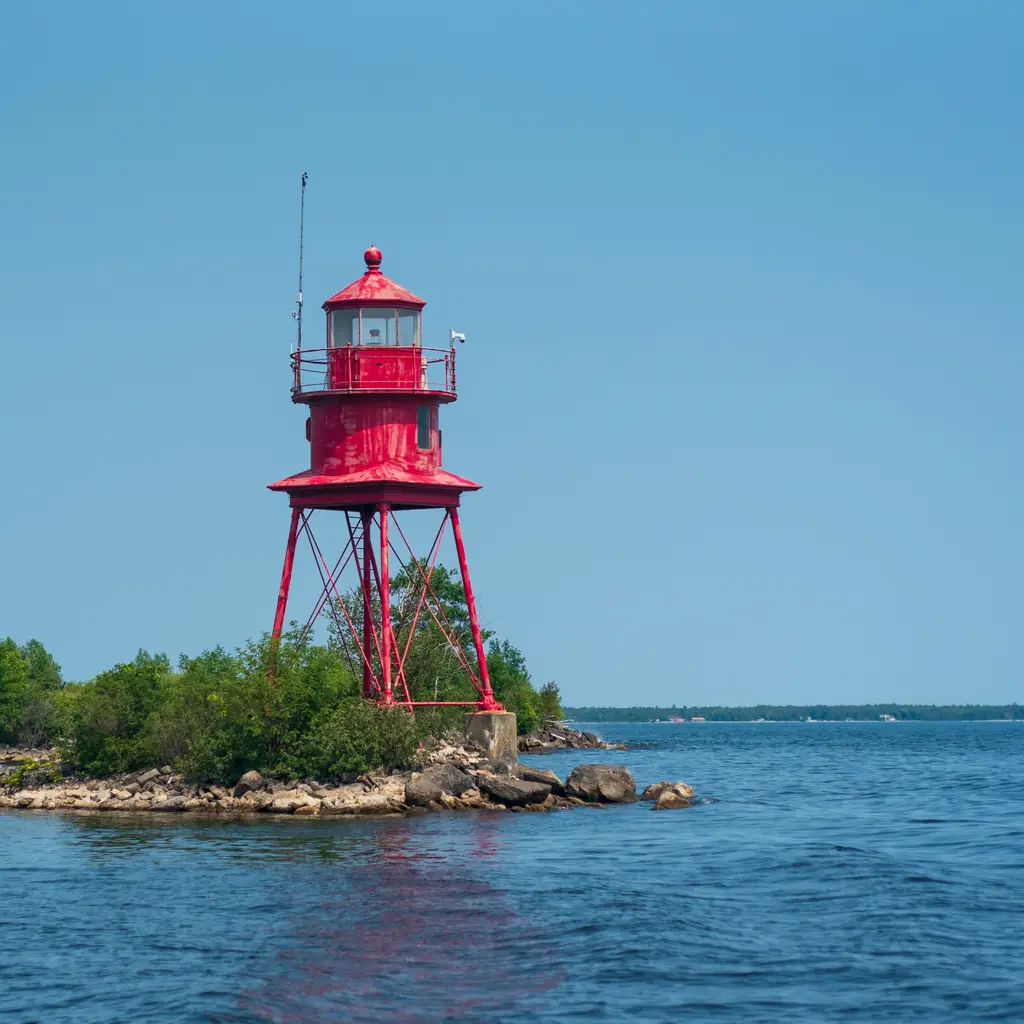
Alpena’s best opening argument is indoors. At NOAA’s Great Lakes Maritime Heritage Center, visitors step onto a life-size schooner exhibit as a simulated Lake Huron storm supplies the drama. Nearby dive tubes create the impression of swimming over a shipwreck, with no wetsuit or boat ticket required.
The center has more than 10,000 square feet of exhibits, sits along the Thunder Bay River in historic downtown and offers free admission. It also opens year-round, subject to occasional event closures. That is a substantial outing to have available when the weather turns or visiting grandchildren need more than another restaurant meal.
Glass-bottom boat tickets are sold here too, but those trips are a separate purchase. You can enjoy the museum without signing up for the water excursion.
Alpena’s median home value was $118,700, below Michigan’s figure. The housing opportunity concerns ordinary homes within the municipality; it should not be read as a price quote for a lakefront property.
Rogers City, Michigan: A public beach can be enough
Rogers City’s Lakeside Park puts a swimming beach, marina, pavilion and picnic space along Lake Huron. Its ten acres offer several ways to use the shore: bring lunch, watch the boats or choose a beach afternoon.
The housing estimate was $110,200, below Michigan’s benchmark. Public shoreline makes that lower housing figure more interesting; a private dock need not be part of the purchase.
Visit beyond the beach season as well. The summer park routine is easy to picture, but a northern Michigan retirement also needs winter activities and a realistic snow-removal plan.
Cheboygan, Michigan: Give the river as much attention as the lake
Cheboygan sits where river life and Lake Huron meet. Its downtown and historic Opera House give a prospective resident more to consider than a shoreline photograph: performances and a proper town center can become part of the year-round routine.
The median owner-occupied value was $123,200. That broad municipal figure says nothing about the cost of a particular waterside house, but it supports looking beyond the famous resort addresses of northern Michigan.
Cheboygan’s appeal is strongest if you like a working river setting as well as open-water scenery. A small home with an easy trip downtown may deliver more usable pleasure than a secluded property whose view comes with a long drive for every other part of life.
Manistee, Michigan: A riverwalk with an actual downtown beside it
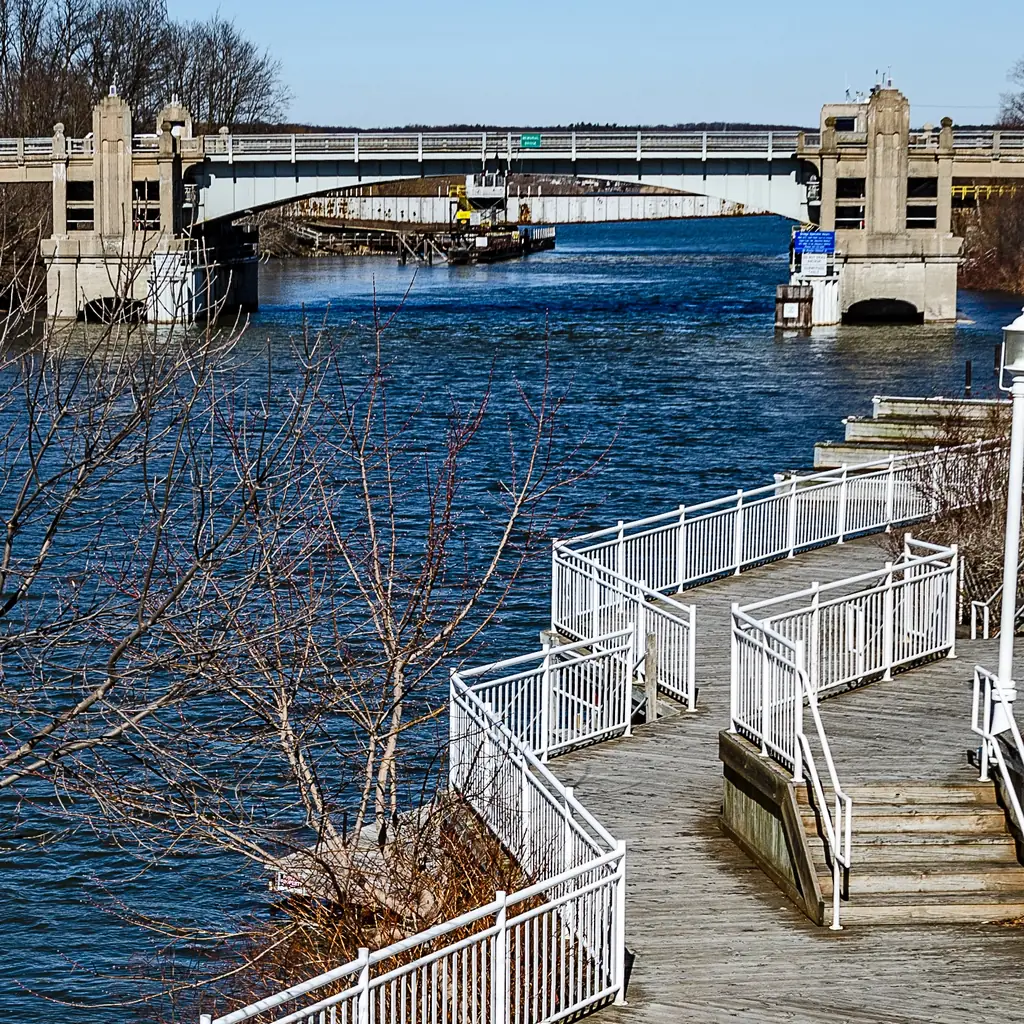
Manistee’s Riverwalk follows the water through downtown toward Lake Michigan. Benches, interpretive signs and nearby businesses turn it into somewhere you could return repeatedly, choosing a short stretch or a longer outing.
The Vogue Theatre and Ramsdell Regional Center for the Arts add reasons to leave home after the beach weather has passed. It is the combination that makes the town interesting: a waterfront routine and an indoor cultural one.
Its housing estimate was $164,100, below Michigan’s benchmark. In an older house, the heating system and building condition deserve as much attention as the front porch. The aim is to keep money available for enjoying the town, rather than spend every apparent saving on the house that brought you there.
Escanaba, Michigan: A lakefront park on an ordinary afternoon
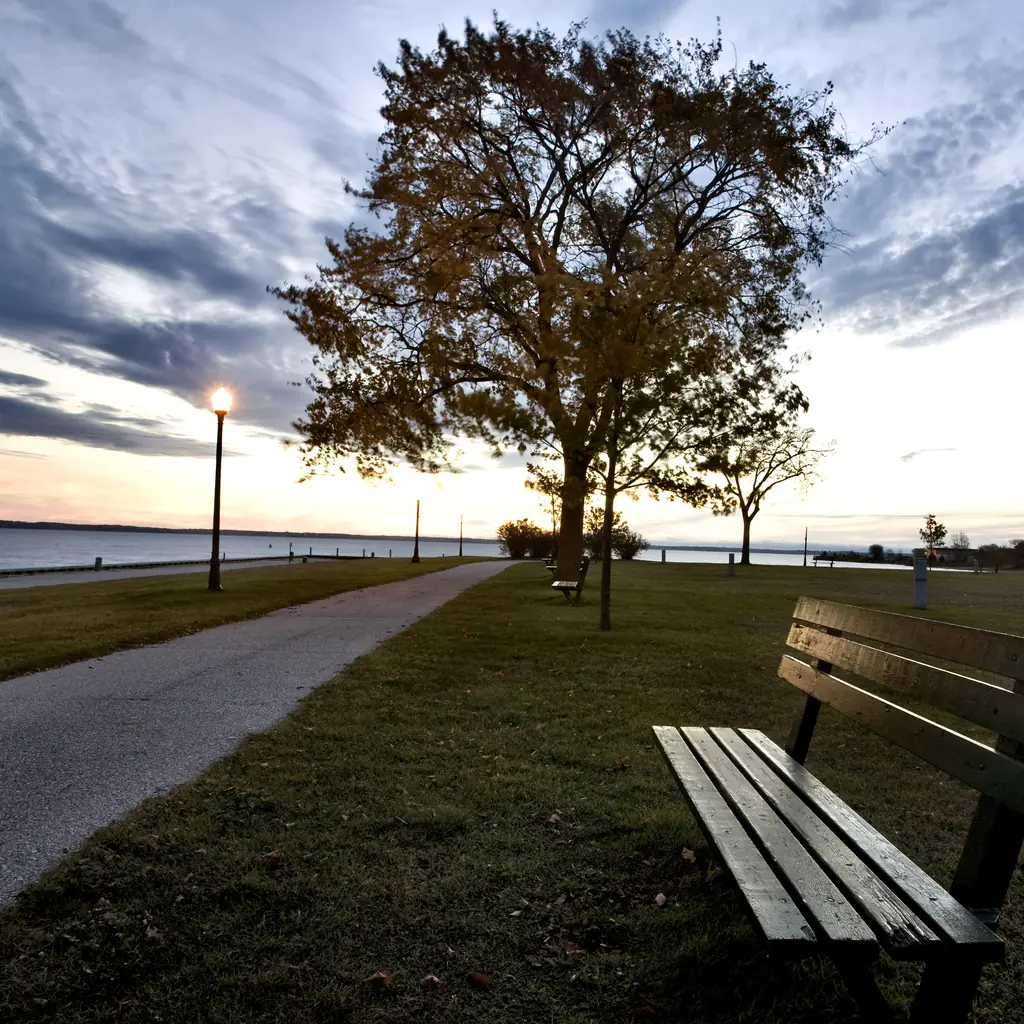
Escanaba makes a strong case for public waterfront space. Ludington Park links a shoreline outing with the Sand Point Lighthouse and local history, while the park’s route toward Aronson Island changes the view without requiring an expedition.
The housing estimate was $125,200. A smaller purchase cost can leave room for winter heating and practical help, but only if those bills enter the calculation from the beginning.
This is an Upper Peninsula retirement, with a different seasonal rhythm from a warm-weather resort. Our guide to trying a small town before moving is especially relevant when one beautiful lakefront afternoon threatens to make the whole decision for you.
Menominee, Michigan: A waterfront with room for company
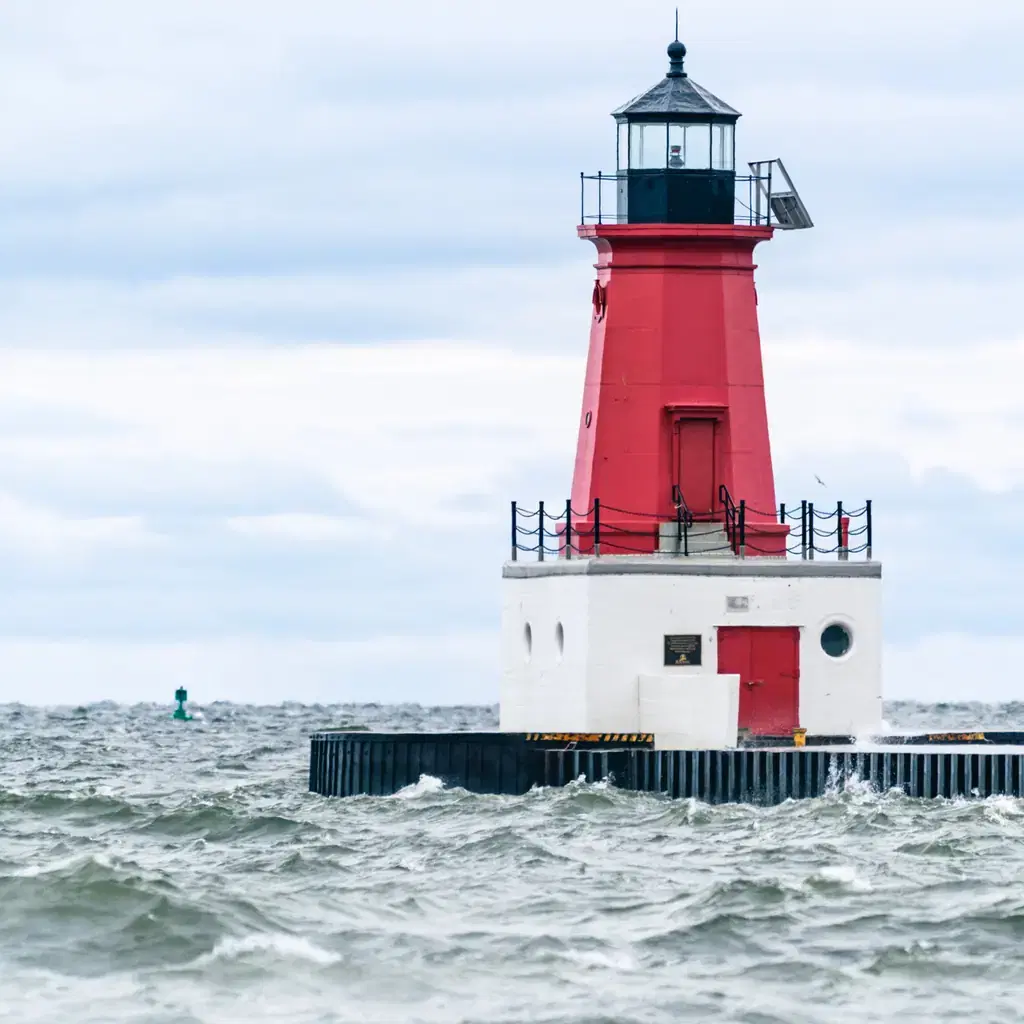
Menominee’s First Street district puts historic commercial buildings close to the marina. The waterfront bandshell and summer events give that scenery a social use: somewhere to meet, listen and become a familiar face.
The median home value was $104,400. The town shares its river setting with Marinette across the Wisconsin border, so a scouting trip can compare two communities rather than commit to the first appealing street.
Being near a marina does not mean needing a boat. The more useful retirement purchase may be a manageable home and a folding chair for concerts. Our coastal small-town guide explores that same attraction on other shores: water nearby, with an actual community around it.
Marinette, Wisconsin: An island museum instead of another resort
Across the river, Marinette offers a different connection to the water. On Stephenson Island, the Marinette County Historical Society’s museum tells local stories including that of the fur trader known as Queen Marinette.
The museum’s summer season gives a scouting visit a natural stop, but its real value is context. This is a working regional community with a history of trade and industry, not a lake resort invented for visitors.
The home-value estimate was $120,200, versus Wisconsin’s $266,500. Compare actual property taxes and household bills across the state line rather than assuming the cheaper house produces the cheaper retirement. If you are imagining leaving for part of each winter, the practical questions in our snowbird guide apply to that plan too.
Two Rivers, Wisconsin: A lake town that still remembers how it worked

Rogers Street Fishing Village preserves the physical world behind a Great Lakes fishing town: an 1886 lighthouse, shipwreck material and commercial-fishing exhibits beside the East Twin River.
That is a more distinctive reason to live near the lake than a generic promise of sunsets. The water has supported livelihoods here, and the museum makes those stories visible. It is an appealing place to revisit with family members who think they already understand the region.
Two Rivers’ housing estimate was $140,300. The lower baseline can be attractive, while lake wind and winter still influence the home you choose. For an active scouting weekend, our trail-town selections offer another way to evaluate whether a place gives you enjoyable routines outside the car.
Manitowoc, Wisconsin: A submarine in the middle of town life
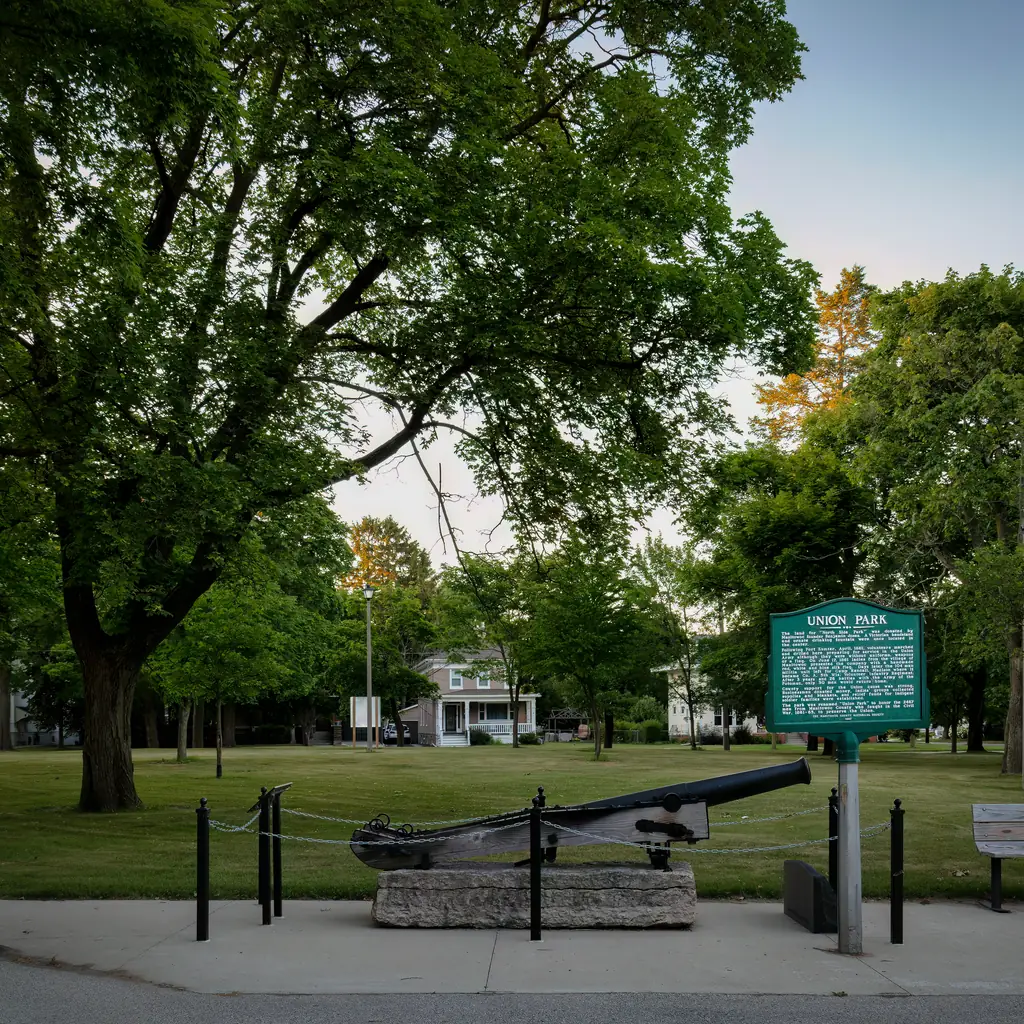
The Wisconsin Maritime Museum gives Manitowoc an attraction with unusual staying power: USS Cobia, a World War II submarine moored beside the museum. The town built submarines during the war, although Cobia itself was built elsewhere.
For a retiree, the wider museum calendar and waterfront setting can matter more than the novelty of one tour. Indoor cultural options help a lake town remain interesting when the weather makes a beach walk less appealing.
The median home value was $160,700. Manitowoc is a small city, not a tiny village, which may suit readers wanting a broader everyday setting. Our scenic drives with worthwhile stops makes a similar case for places with enough substance to stop more than once.
Ashtabula, Ohio: A harbor neighborhood with a food scene
Ashtabula’s Bridge Street offers a different retirement picture from a house standing alone on a shore. The harbor district’s restaurants and food shops give the working-waterfront setting an everyday social use.
The housing estimate was $105,900, below Ohio’s $214,800. That comparison is city-wide; a harbor-side address can have a different price, condition and atmosphere from another neighborhood a few miles away.
Use the food district as an opening attraction, then find out where you would shop, see friends and spend January afternoons. Our article on retirement communities worth researching carefully addresses the broader choice between an ordinary town and a packaged retirement setting. Ashtabula’s promise rests on liking the former.
Conneaut, Ohio: The shoreline does not require a private deed

Conneaut Township Park offers a substantial public beach below natural bluffs, plus boardwalks, picnic space and courts. For someone who wants regular time beside Lake Erie, that can be more important than owning a strip of shoreline.
The median home value was $132,400. A manageable house elsewhere in town could support a lake routine without the responsibilities of a waterfront property.
The park has specific rules worth knowing before you picture daily life: pets are not allowed, and the facilities follow a seasonal schedule. Those details can change the fit for a retiree with a dog or someone who expects the same routine year-round. The attractive photograph is the invitation; the actual routine determines whether the town works.
Port Clinton, Ohio: Enjoy the island gateway without living on an island

Port Clinton supplies mainland access to a familiar Lake Erie holiday landscape. Within town, the restored lighthouse at Waterworks Park gives the waterfront a recognizable landmark, close to the historic center’s shops and restaurants.
Its home-value estimate was $152,300. That makes the town a credible place to investigate, while waterfront condominiums, seasonal demand and individual building costs remain separate questions.
The retirement advantage is that an ordinary day can stay on the mainland. Island trips can be occasional treats rather than the only reason to be there. Look for a neighborhood that suits your normal errands and social life, then regard the wider lake as a welcome addition instead of a promise every day must fulfill.
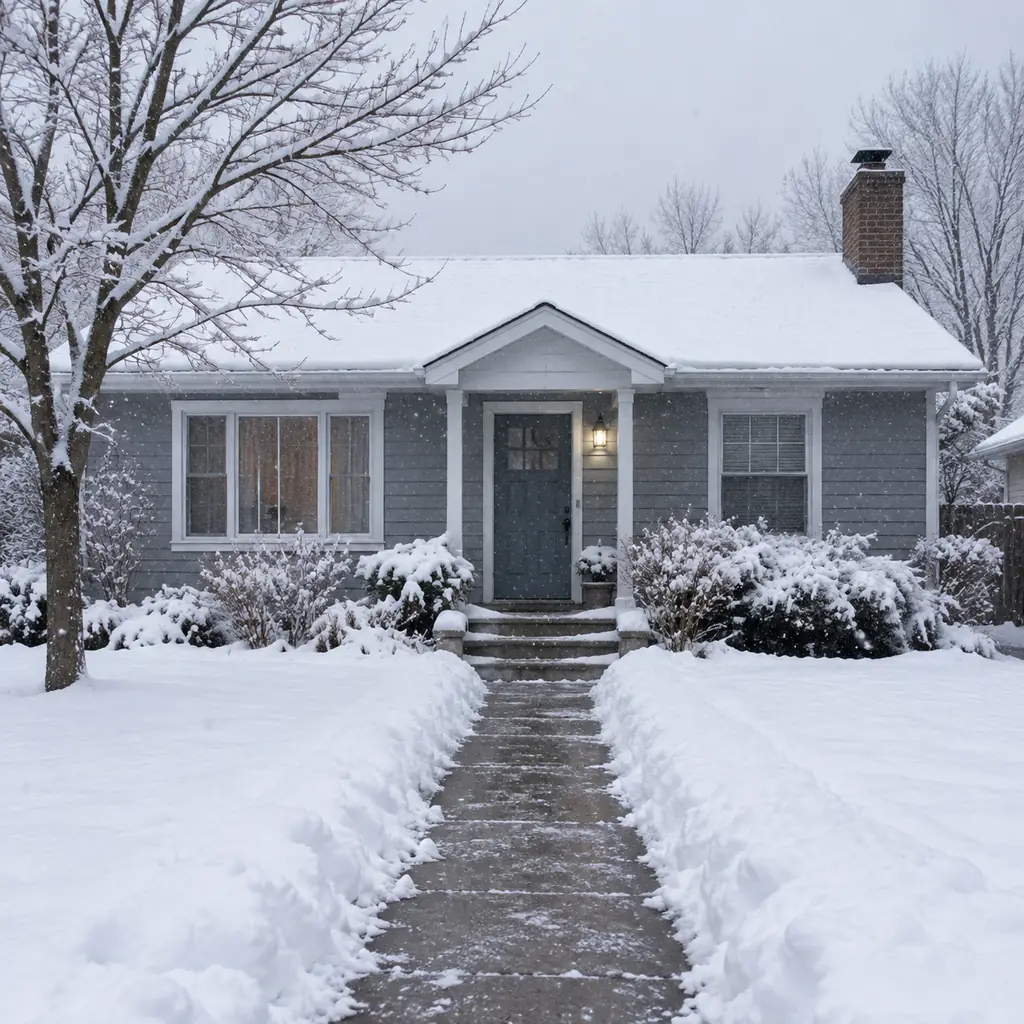
The winter version matters. Before buying, obtain the property’s heating history, a maintenance assessment, tax and insurance figures, and a realistic plan for snow removal. Check the travel time and appointment availability for your own medical care; none of these housing comparisons measures healthcare access or guarantees a low total monthly budget.

Comments
The opinions and views expressed in the comments section are solely those of the individual users and do not represent or reflect the opinions, views, or positions of HumbleTrail. HumbleTrail does not endorse, support, or verify the accuracy of any user-generated content.
By posting a comment you agree to receive related emails from HumbleTrail in accordance with our Terms and Privacy Policy. You can unsubscribe at any time.