

Editor’s note: This article offers general planning ideas for seasonal travel.
After all of the anticipation and excitement of getting there, healthcare, insurance, mail, and a closed-up home still need attention. These are general planning points, not medical, legal, insurance, or tax advice.
1. Your Health Plan May Work Differently Away From Home
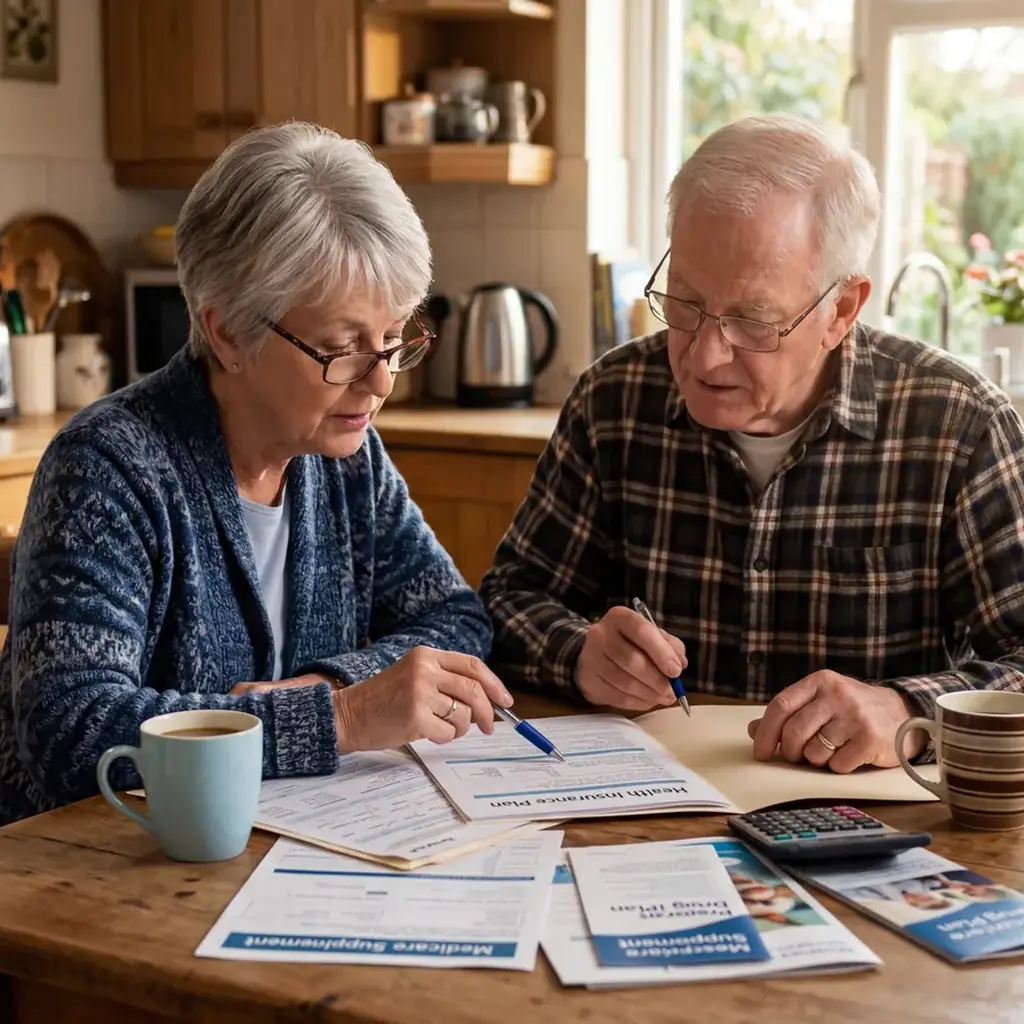
Original Medicare generally allows you to visit any provider who accepts Medicare within the U.S. However, Medicare has limited coverage for services rendered outside of the country, and Medicare Advantage plans can have networks for routine care.
Check with your plan about your primary care, urgent care, ER, hospital, lab, and specialist needs before you leave. Ask how emergency and follow-up care work away from home.
Write down the member/insurance information, healthcare providers’ phone numbers, medical information, etc. Take it with you AND leave a copy at home AND upload copies to your phone/computer.
2. Prescription Refills Need A Seasonal Plan

Confirm how long-term absences impact your prescription medications/drug plan. Some drugs have refill timing limits, and many plans have quantity restrictions.
Determine how much medication your plan will cover, whether there are network pharmacies near where you’re traveling, whether prescriptions can be mailed to your new location and when to request that, whether to pick them up before leaving, etc.
Ask your clinician or pharmacist about taking a couple extra days’ worth in case you’re delayed. Bring your medications and a list of them, and leave a copy of the list behind.
3. The Journey May Need To Become Part Of The Vacation
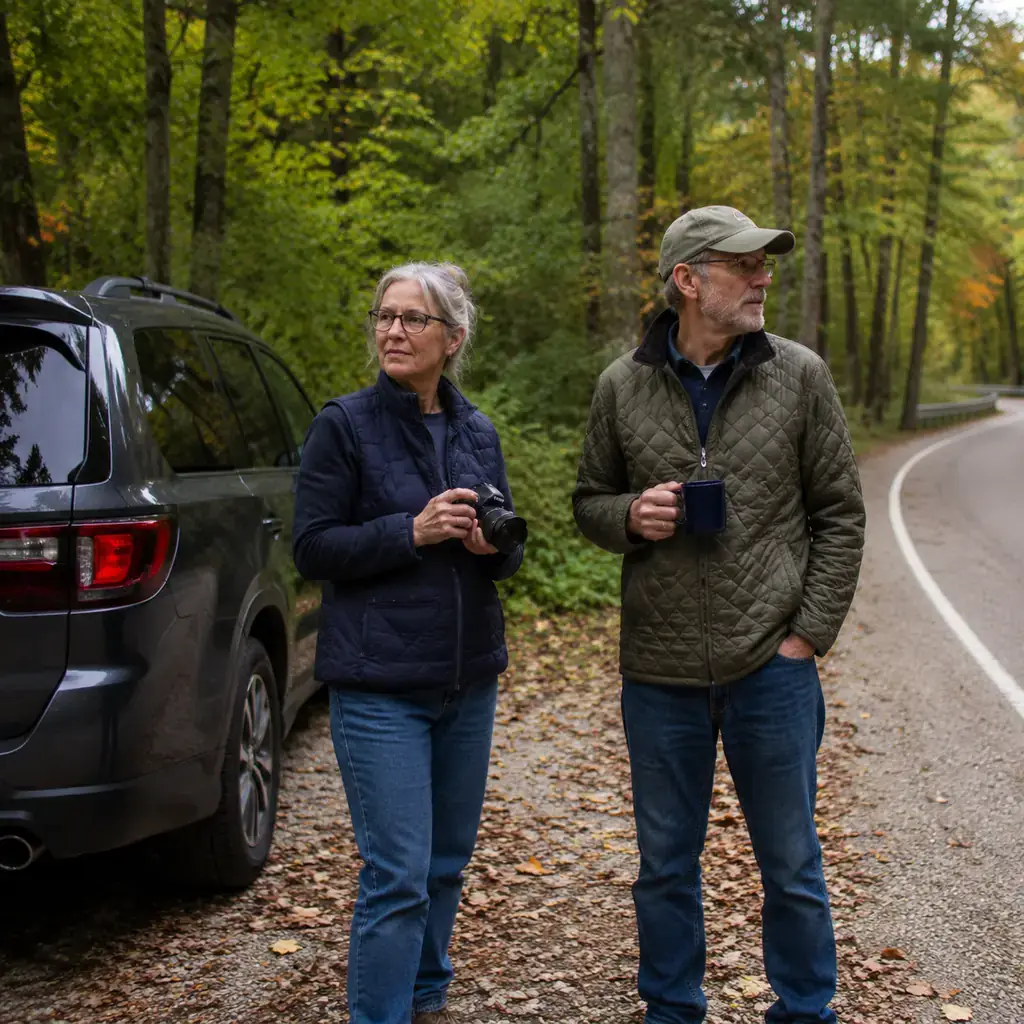
Age by itself isn’t an indicator of driving ability. However, long-distance travel can pose additional challenges. Driving can cause eye strain, mental fatigue, muscle aches and stiffness.
Consider the CDC’s guidance to move regularly during long trips, especially if your drive is more than four hours because sitting for long periods increases the risk for developing a clot. If you have added blood-clot risks, ask your healthcare provider whether there are things you can do to decrease the risk.
Plan ahead, take breaks, make sure your seats are comfortable, plan shorter driving days, aim to get there during daylight hours, have a couple extra days in the schedule, pull off if either driver feels tired.
4. Your Insurers May Need To Know About Both Homes

Confirm how being away impacts your homeowners and auto policies. Discuss with your agent whether leaving the house empty during your absence affects coverage.
Can your vehicle be garaged elsewhere while you’re gone? Are there mileage restrictions? Conditions for heating, turning off the water, periodic inspections, etc.?
Policies differ. Get the agent’s answers and any policy changes in writing and save them with your insurance information.
5. A Day Count Alone Does Not Decide State Residency
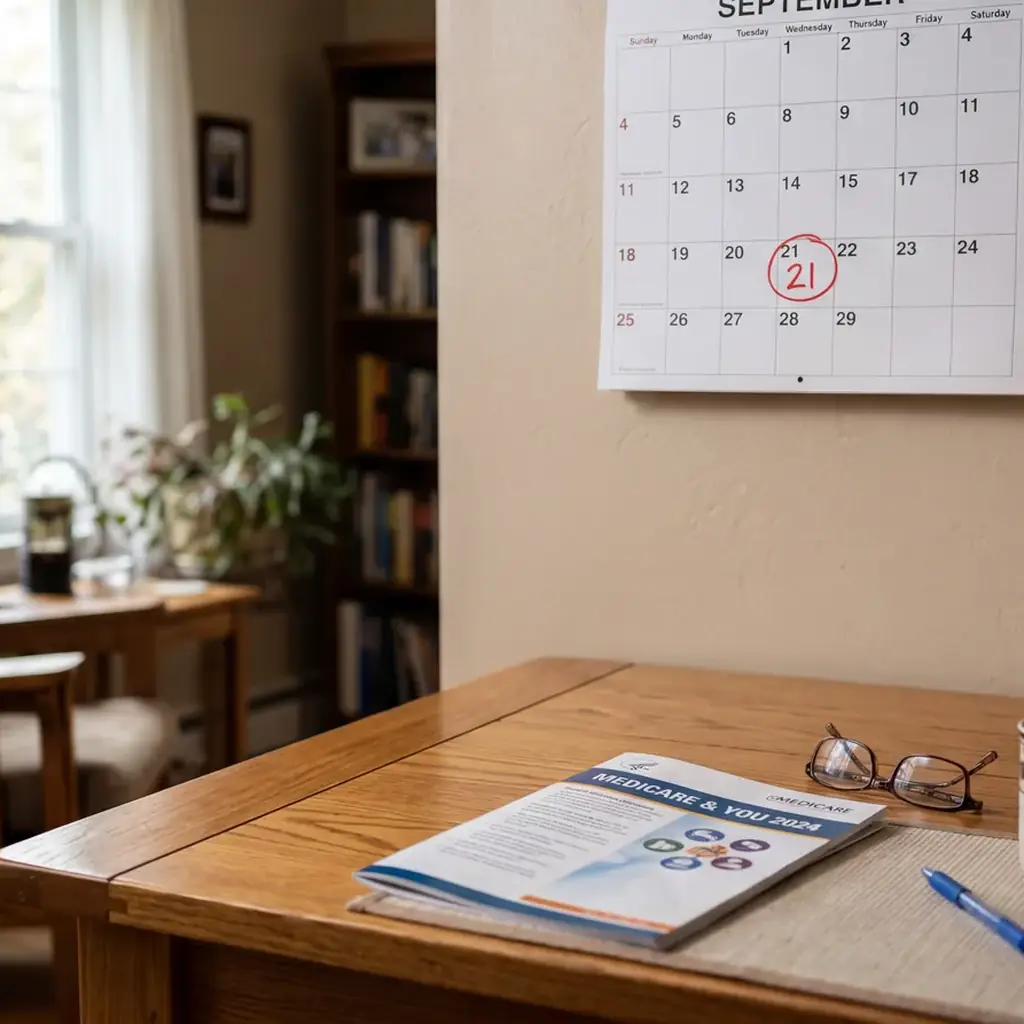
Understand the domicile/residency requirements where you live and where you plan to go for the winter. Although the oft-repeated rule is the ‘six months and one day’ rule, it’s not a national rule, and there are other considerations besides days of residency, such as ties to community, financial interests, and real estate holdings, that affect where you are domiciled.
It’s helpful to keep calendars of travel, receipts, leases, insurance policies and other items that indicate your addresses of residence during the year. Read more: states that can stretch a retirement budget. Read more: Florida retirement communities before moving.
Again, each state has different rules, so talk with a qualified tax professional who understands both states about what’s required of you. Don’t change domicile based on a travel article.
6. Forwarded Mail Does Not Update Every Important Account
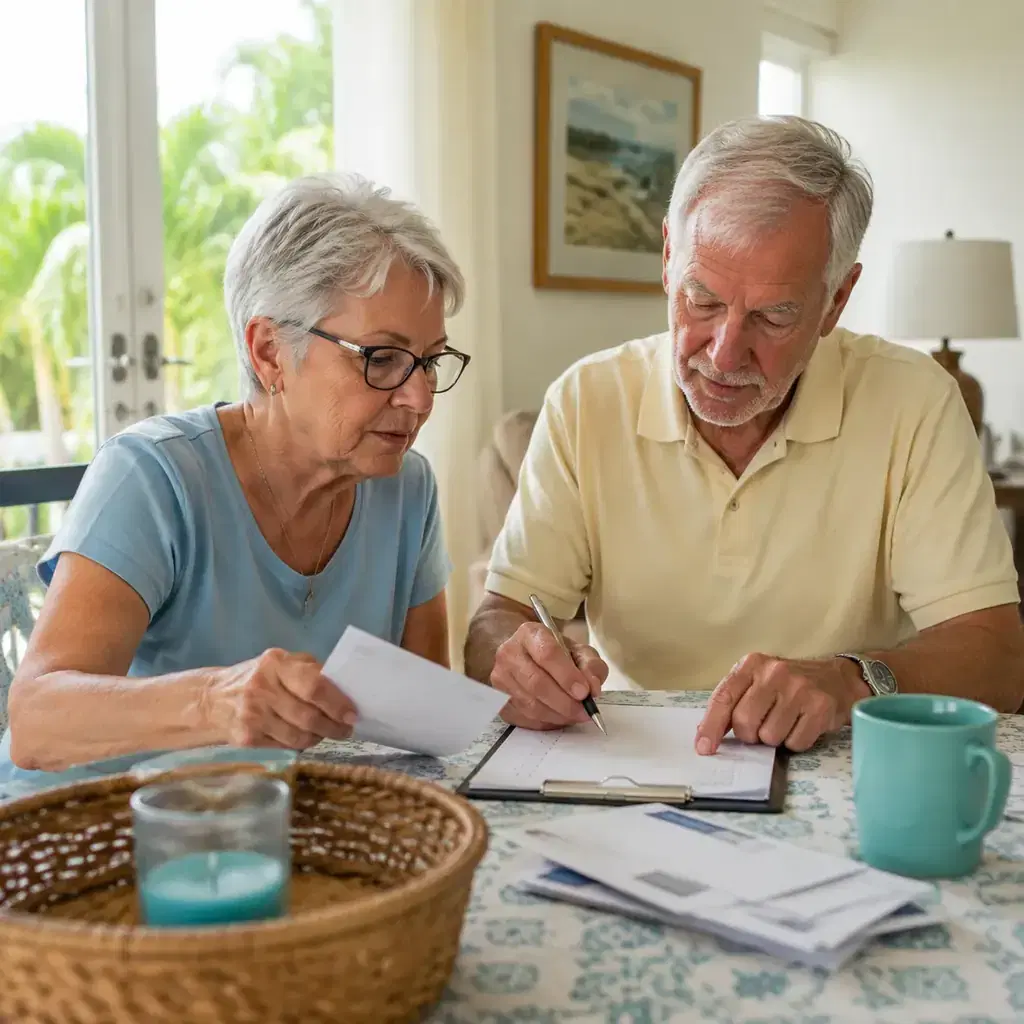
Set up temporary mail forwarding through the USPS ahead of time, since it can take time to begin. Not everyone gets the memo about your absence. Forwarding isn’t comprehensive, as some kinds of mail are excluded, and it doesn’t update senders’ address records.
Make sure to give written notice of your mailing address change to banks and credit card companies, insurance companies, healthcare providers, pharmacies, etc. Read more: common Medicare mistakes.
Pack accordingly. Read more: unexpected items experienced travelers pack.
7. The Empty House Needs More Than A Locked Door

Have someone check the house for leaks or furnace problems while you’re away.
Follow your policy and utility guidance on heating, water, and periodic inspections.
Consider spending a trial run in a new town. It’s amazing how differently towns can seem when you’re staying longer-term compared to visiting. It can save you time, heartache and money to find out early on whether you’re making the right choices. Read more: coastal towns retirees enjoy visiting.
8. “Accessible” Is Not A Complete Rental Description

If renting, make sure you’re comfortable with accessibility.
It’s helpful to receive up-to-date photos and make use of the question/message feature when making reservations. Consider things like laundry facilities, entryways, stairs/elevators, bathroom accommodations such as grab bars and walk-in showers, kitchen accessibility, bed height, etc.
You may be happier if you’re comfortable with the layout and amenities. Read more: historic hotels worth the stay.
9. Sunshine Does Not Automatically Create A Social Life
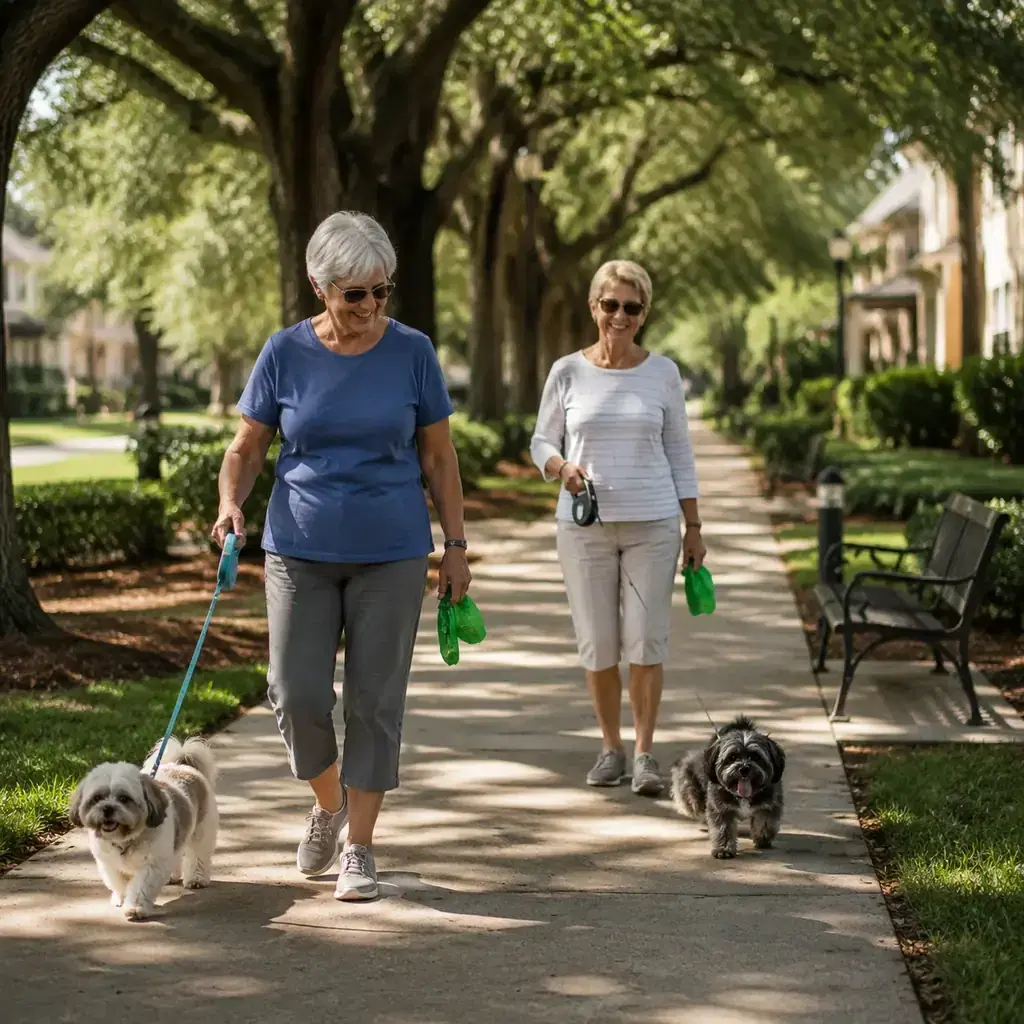
The first couple of weeks can seem like a vacation, but then life takes over.
When you get to your wintering hole, consider making a game/meal/walking/exercise group, class, volunteer work, etc. part of your weekly or bi-weekly routine.
Having things to look forward to can make a big difference in staying connected to your new temporary community. Read more: scenic train ride retirees enjoy for the view. Read more: scenic drives for frequent stops.
10. Coming Home Can Be Harder Than Leaving

After all of the anticipation and excitement of getting there, you’ll eventually return to your home that has been closed up.
Plan a few days in advance for your return to help you enjoy a relaxing first day at home. Schedule a date for terminating temporary forwarding and resuming normal delivery before you leave in the spring. Consider turning on utilities, having someone check the house when you arrive, grocery delivery or other services, etc.
Spend some of your first day unpacking the things you brought. Read more: weekday scenic drives for travelers over 60.
Sources
- Medicare: How Medicare Works
- Medicare: Travel Outside the U.S.
- Medicare: Drug Plan Rules
- CDC: Travelers With Chronic Illnesses
- CDC: Understanding Your Risk for Blood Clots With Travel
- TSA: Travel Tips for Medication and TSA Cares
- NHTSA: Keeping Older Drivers Safe on the Road
- NHTSA: Drowsy Driving
- NAIC: Moving Places, Changing Spaces
- NAIC: Water Damage From a Burst Pipe
- Washington Office of the Insurance Commissioner: Winter Weather and Insurance Coverage
- Arizona Department of Revenue: Individual Residency Information
- New York Department of Taxation and Finance: Permanent Place of Abode
- USPS: Standard Forward Mail and Change of Address
- USPS: Premium Forwarding Services
- IRS: Form 8822, Change of Address
- ADA.gov: Title III Lodging Reservation Requirements
- CDC: Improving Social Connectedness
- CDC: Information for Older Adults
Comments
The opinions and views expressed in the comments section are solely those of the individual users and do not represent or reflect the opinions, views, or positions of HumbleTrail. HumbleTrail does not endorse, support, or verify the accuracy of any user-generated content.
By posting a comment you agree to receive related emails from HumbleTrail in accordance with our Terms and Privacy Policy. You can unsubscribe at any time.