

Editor’s note: This article is solely an opinion piece, based on publicly available resident reviews, community fee disclosures, and industry reporting we found online.
Illinois retirees rarely leave for the weather. They stay for family, then discover that property taxes and contract fine print decide whether the move actually works.
1. Del Webb Sun City, Huntley
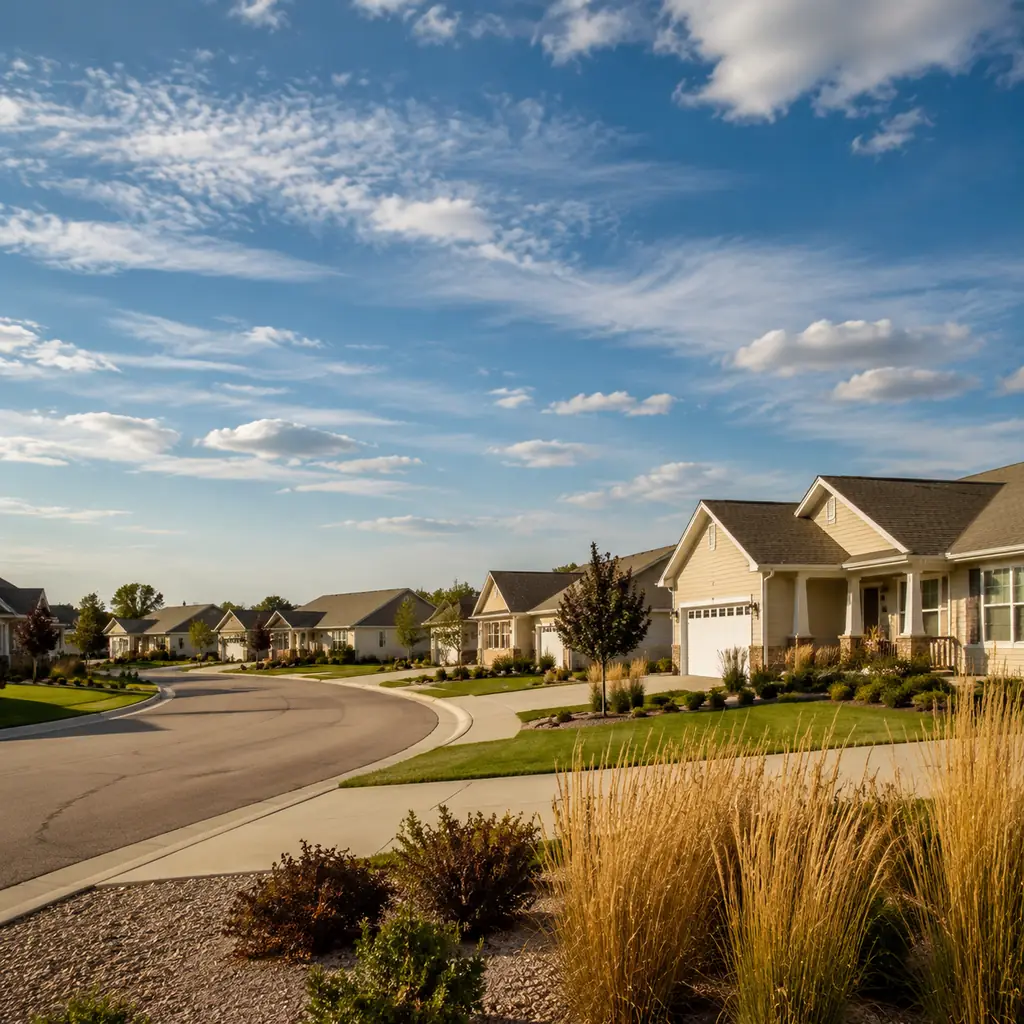
Sun City Huntley is the name almost every Chicagoland retiree knows. More than 5,000 homes, a huge lodge, dozens of clubs, and a resale market that never sits still.
What can surprise buyers: the purchase price is only the opening bid. McHenry and Kane County tax bills on a modest ranch here can run well past what the mortgage payment used to be, and the senior assessment freeze has an income cap that a pension plus Social Security can quietly exceed.
Ask to see the seller’s last two full tax bills, not the estimate on the listing.
2. Edgewater by Del Webb, Elgin
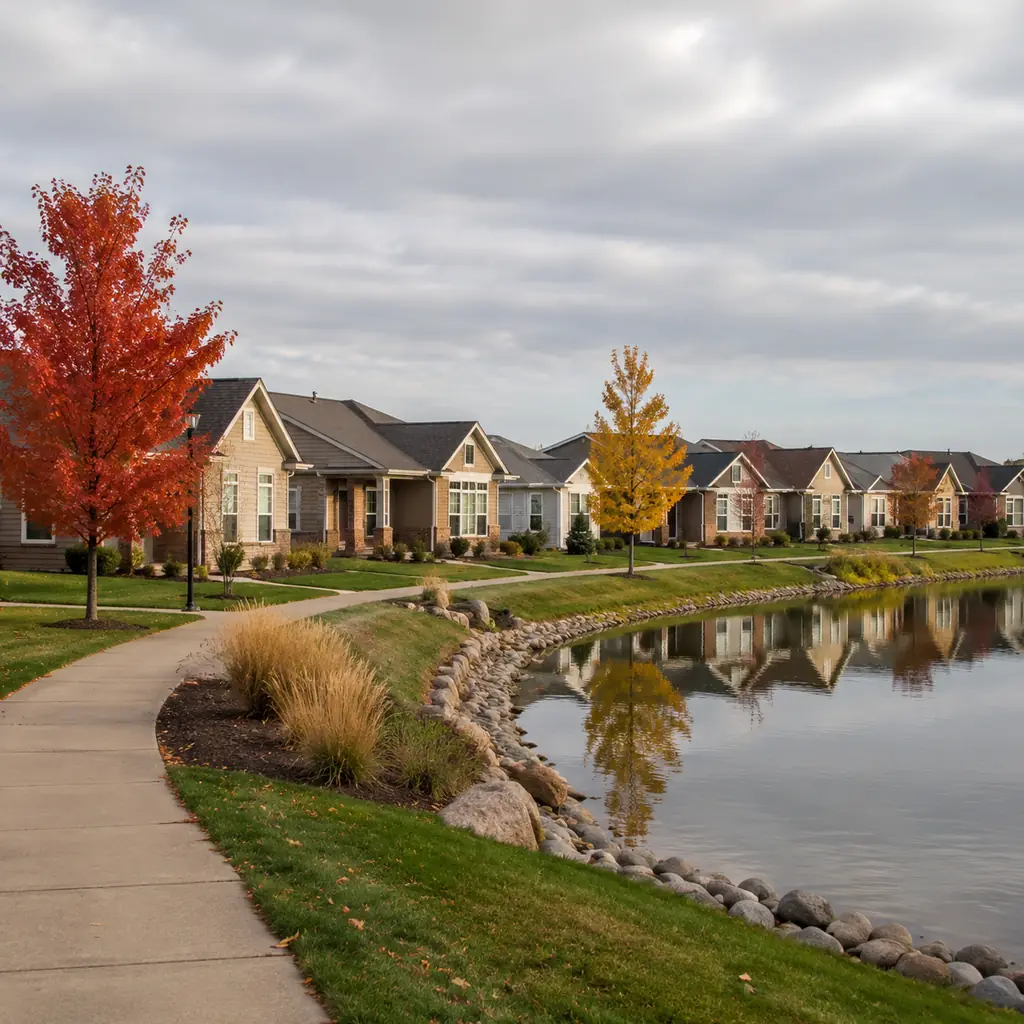
Edgewater sells the same Del Webb lifestyle in a smaller package on Elgin’s west side. Newer builds, lower maintenance, and a clubhouse that punches above the community’s size.
Newer also means the tax assessor has a fresh sale price to work from. Buyers moving from a long-held family home sometimes trade a frozen, exemption-heavy bill for a full-freight Kane County assessment on day one.
Quick check: ask the county what the bill becomes after the sale reprices the home, because the seller’s current bill will not survive the closing.
3. Grand Dominion by Del Webb, Mundelein
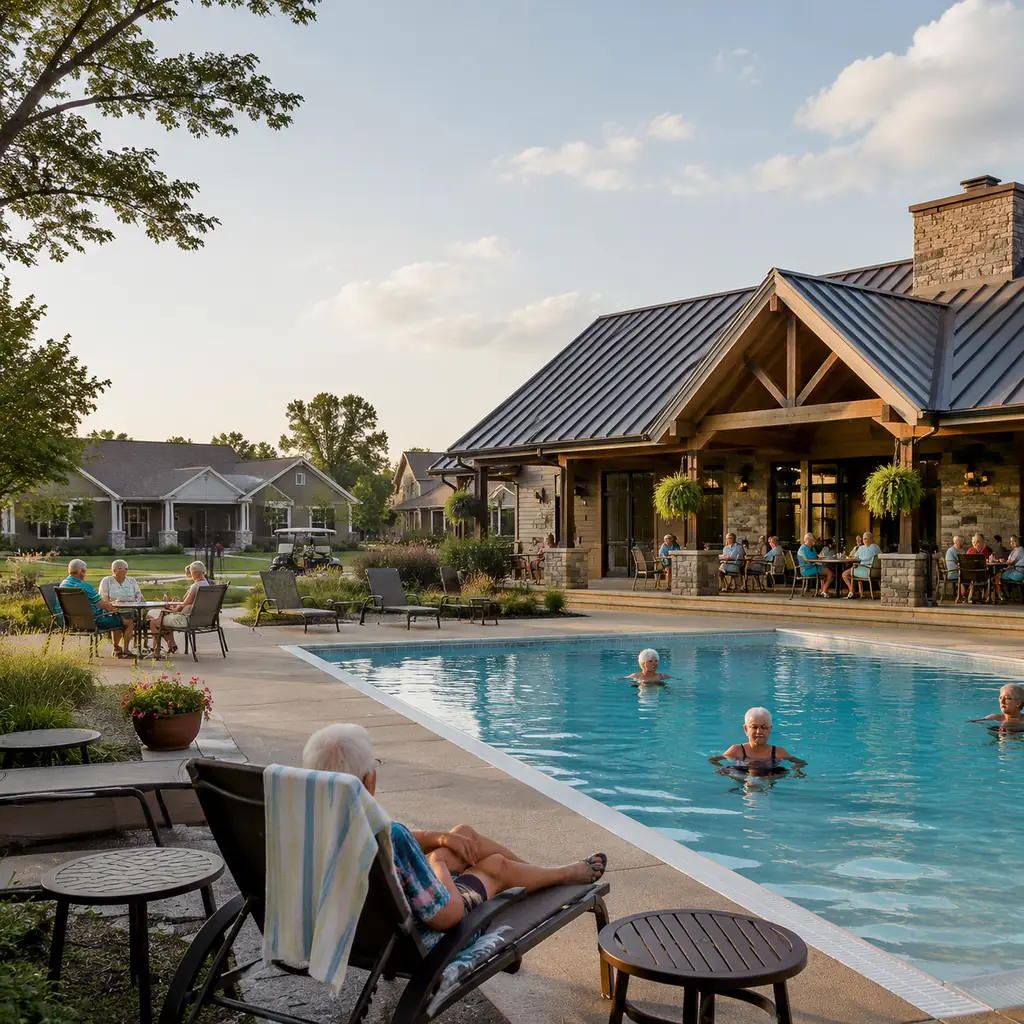
Grand Dominion gives Lake County buyers the Del Webb formula close to Libertyville and the Metra line. The location is the whole pitch, and it is a good one.
Lake County is also one of the most expensive property tax counties in America. A $400,000 ranch can carry a bill north of $9,000, and HOA dues sit on top of that every month.
Run the tax plus HOA number against a Wisconsin or Indiana alternative before signing. The gap over ten years is a car.
4. Carillon, Plainfield
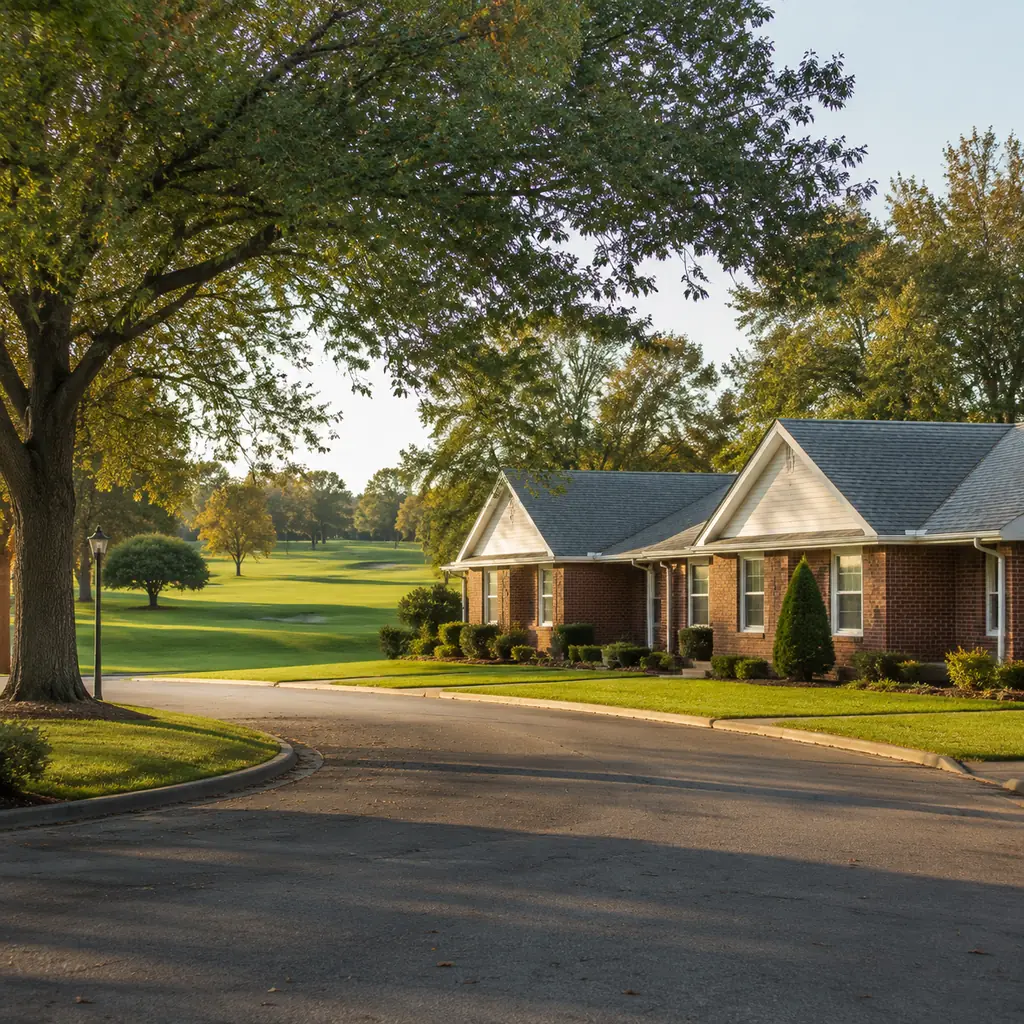
Carillon in Plainfield is one of the state’s original big active adult communities, with golf, indoor and outdoor pools, and 1990s pricing that looks friendly next to new construction.
Age is the catch. Thirty-year-old roofs, furnaces, and clubhouse infrastructure all come due, and they come due through assessments and rising dues rather than a single honest sticker price.
Watch for: the association’s reserve study. If nobody can produce one quickly, that silence is the answer.
5. Carillon Lakes, Crest Hill
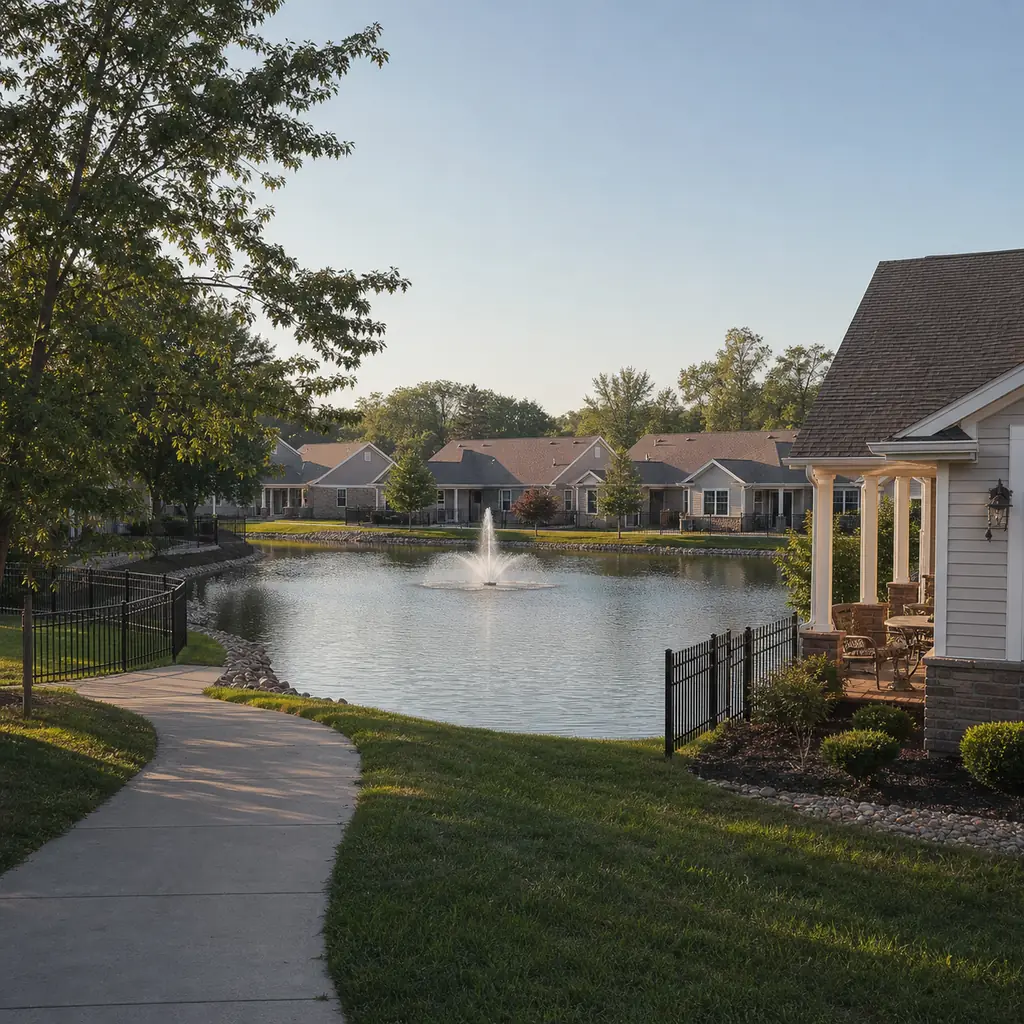
Carillon Lakes offers a gated, lower-priced version of the formula in Will County, and the lake views photograph beautifully in every listing.
The monthly picture needs more attention than the photos. Between the master association, exterior maintenance fees, and Will County taxes, some owners report a fixed monthly cost that rivals renting a nice apartment, before utilities.
Total the true monthly number for the exact unit, then decide if the gate is worth it.
6. Carillon at Cambridge Lakes, Pingree Grove

Pingree Grove pricing is the draw here. This far northwest, a new ranch costs what a teardown lot costs in the inner suburbs.
Distance is the trade. The nearest full hospital, and most adult children, sit a real drive away, and winter turns that drive into a commitment. Some residents also discover special service area taxes layered onto the regular bill, a Kane County exurb specialty.
Better move: pull the full tax bill and count the line items before falling for the base price.
7. Saddlebrook Farms, Grayslake
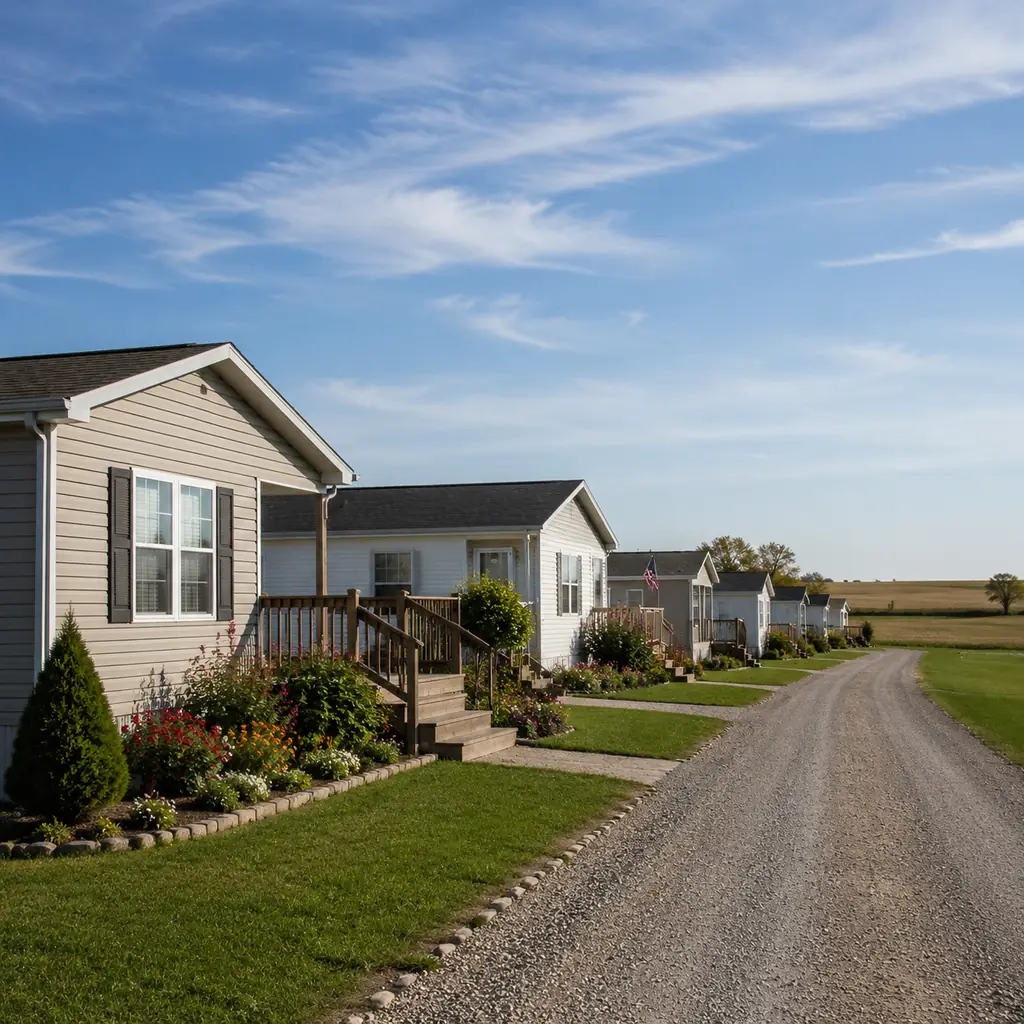
Saddlebrook Farms looks like the value play of Lake County: charming homes from the low $100,000s in a pretty rural setting.
The fine print is the business model. Buyers own the house but lease the land, so there is a monthly land payment that can rise over time, and resale behaves nothing like conventional real estate. Lenders treat these homes differently too.
Have a lawyer read the land lease before the deposit. This is the single most misunderstood contract type in Illinois retirement housing.
8. The Clare, Gold Coast, Chicago
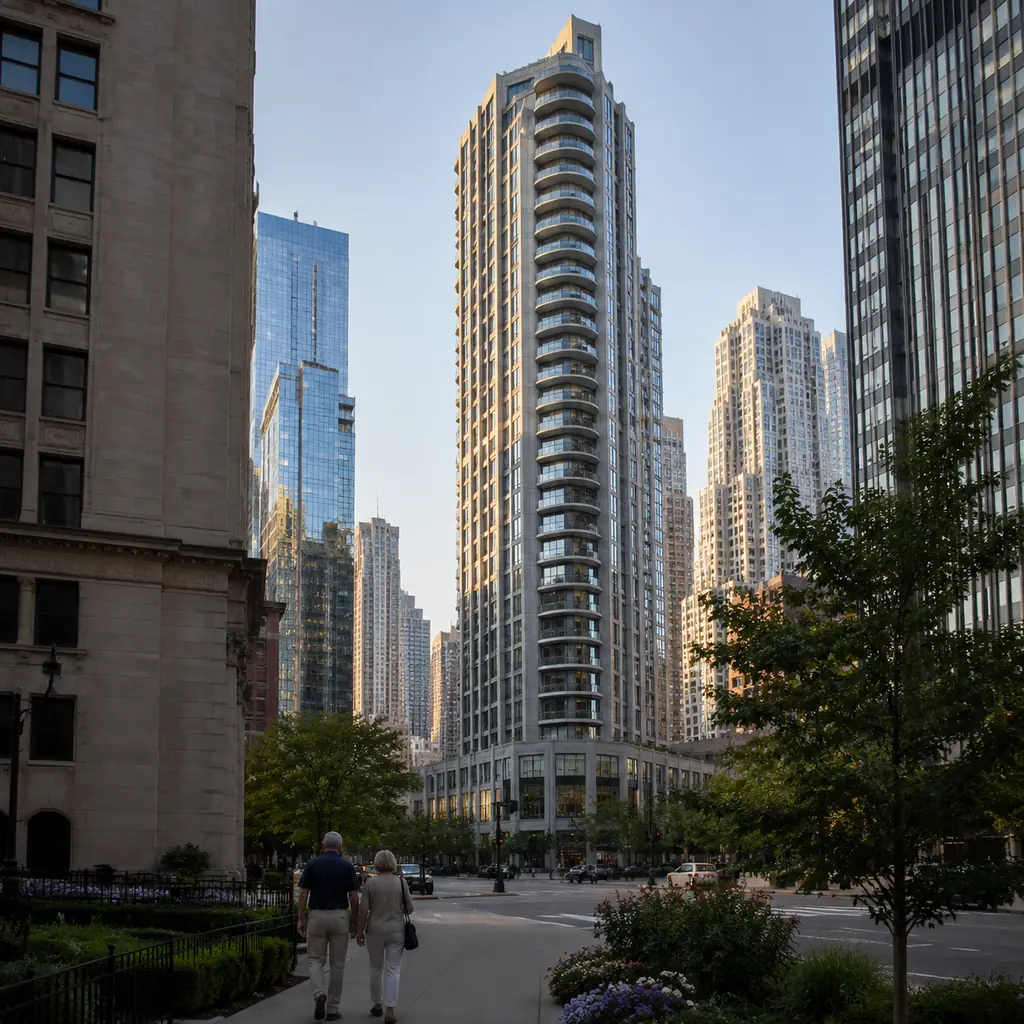
The Clare is the glamour option: a high-rise life-plan community in the Gold Coast with white-tablecloth dining and skyline views.
Glamour has a memory. The tower went through a well-documented bankruptcy and sale in its early years, a reminder that entrance-fee communities carry financial risk that a deed never does. Six-figure entrance fees here are common, and refunds depend on the contract you sign.
The pattern is national, not just a Chicago story. The same contract traps show up throughout our list of retirement communities buyers regret nationwide.
9. The Admiral at the Lake, Chicago
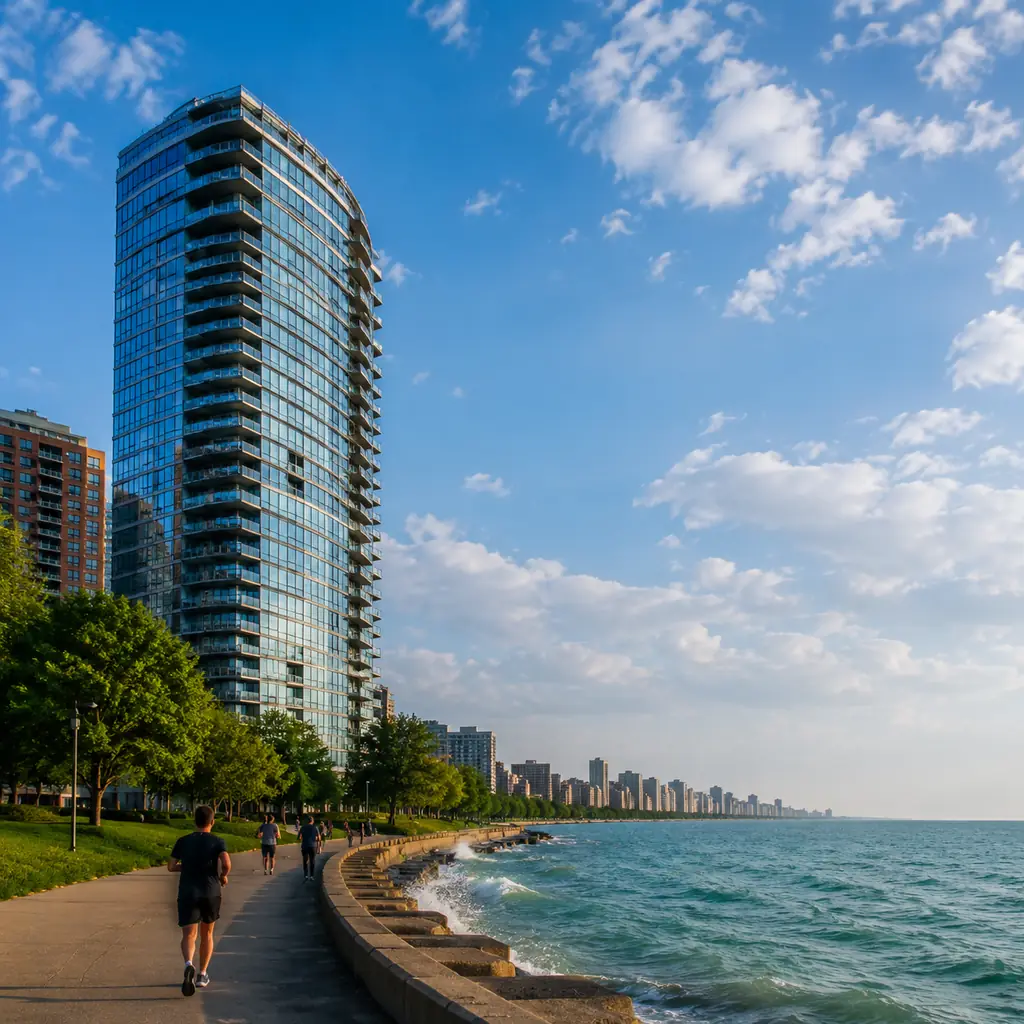
The Admiral gives Edgewater retirees a lakefront tower with continuing care under one roof, and the views over Lake Michigan are genuinely hard to beat.
Why the math stings: entrance fees scale with the view, monthly fees can climb faster than pension cost-of-living adjustments, and the refundable portion of the entrance fee often waits on your apartment being resold.
Ask the sales office two questions in writing: what triggers the refund, and how long recent refunds actually took.
10. Montgomery Place, Hyde Park, Chicago
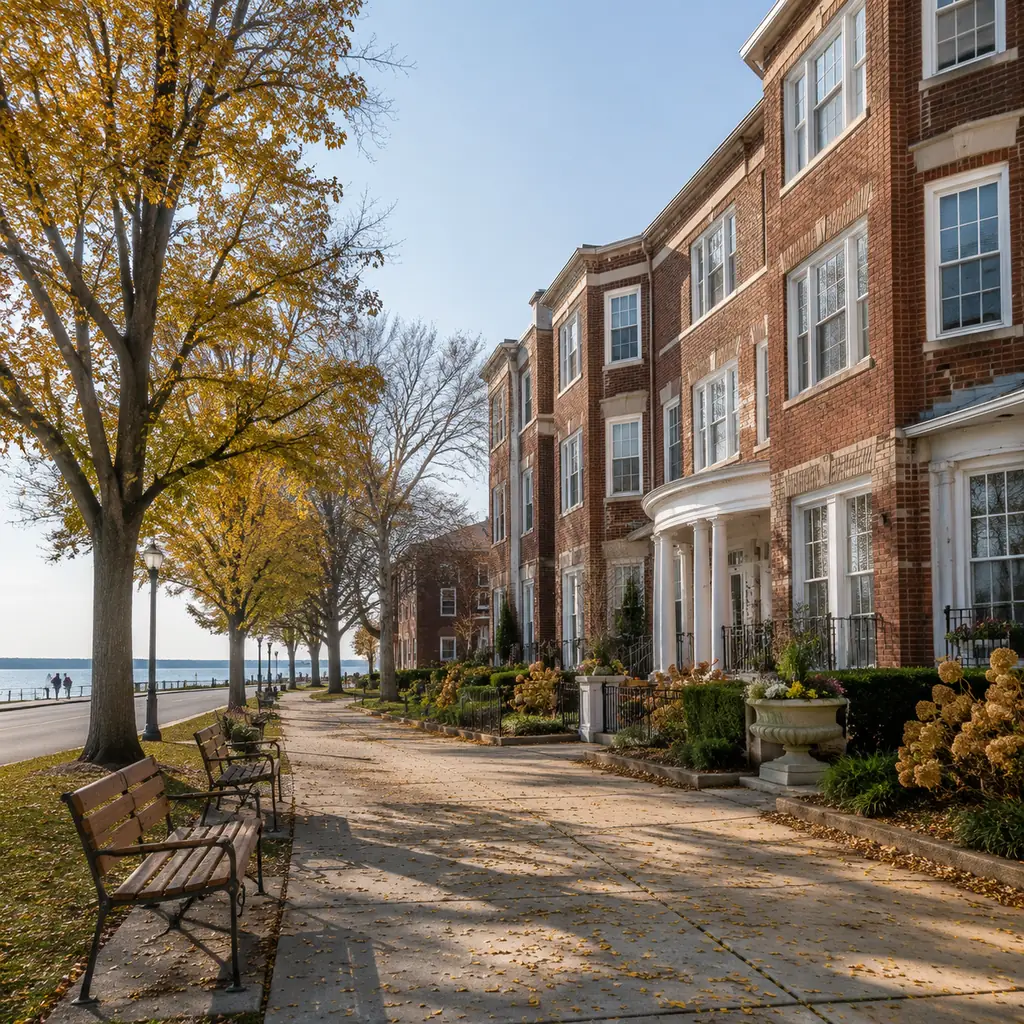
Montgomery Place trades on Hyde Park itself: university lectures, the lakefront, and a resident population that skews professorial.
Smaller nonprofit communities live and die by occupancy. When a building this size runs below capacity, monthly fees carry the shortfall, and residents feel every percentage point. Sunbelt buyers face the same disclosure gaps we cover in the Florida retirement communities piece, but Illinois adds a property tax layer on any unit you own outright.
Request the audited financials. A confident community hands them over without a pause.
11. Smith Village, Beverly, Chicago
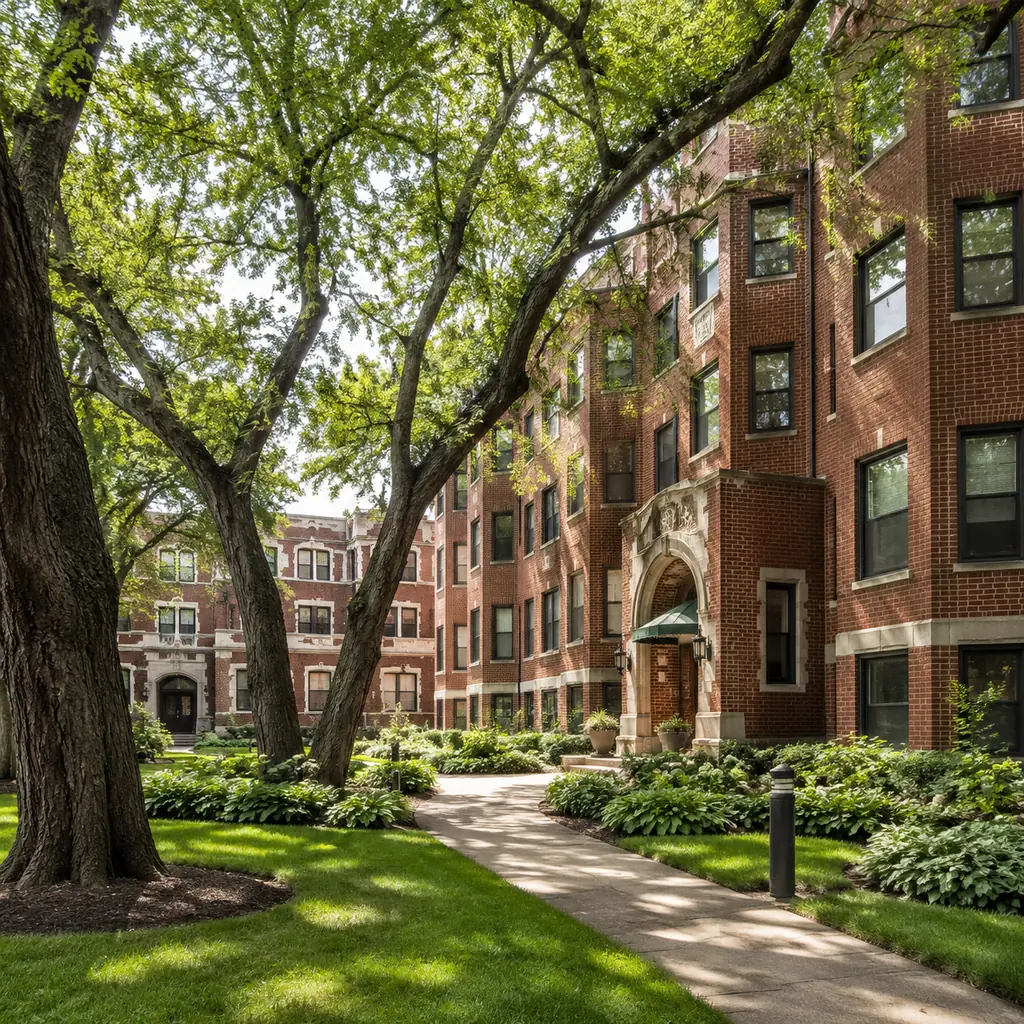
Smith Village anchors Beverly, and for south side families it carries real emotional weight. Many residents grew up within ten blocks of the front door.
Loyalty can skip steps. Buyers who choose a community because their parish and grandchildren are nearby sometimes sign life-care contracts they never priced against alternatives, and the annual fee escalator compounds quietly for a decade.
Quick check: ask for the last five years of monthly fee increases in writing, then compound them forward.
12. Friendship Village, Schaumburg
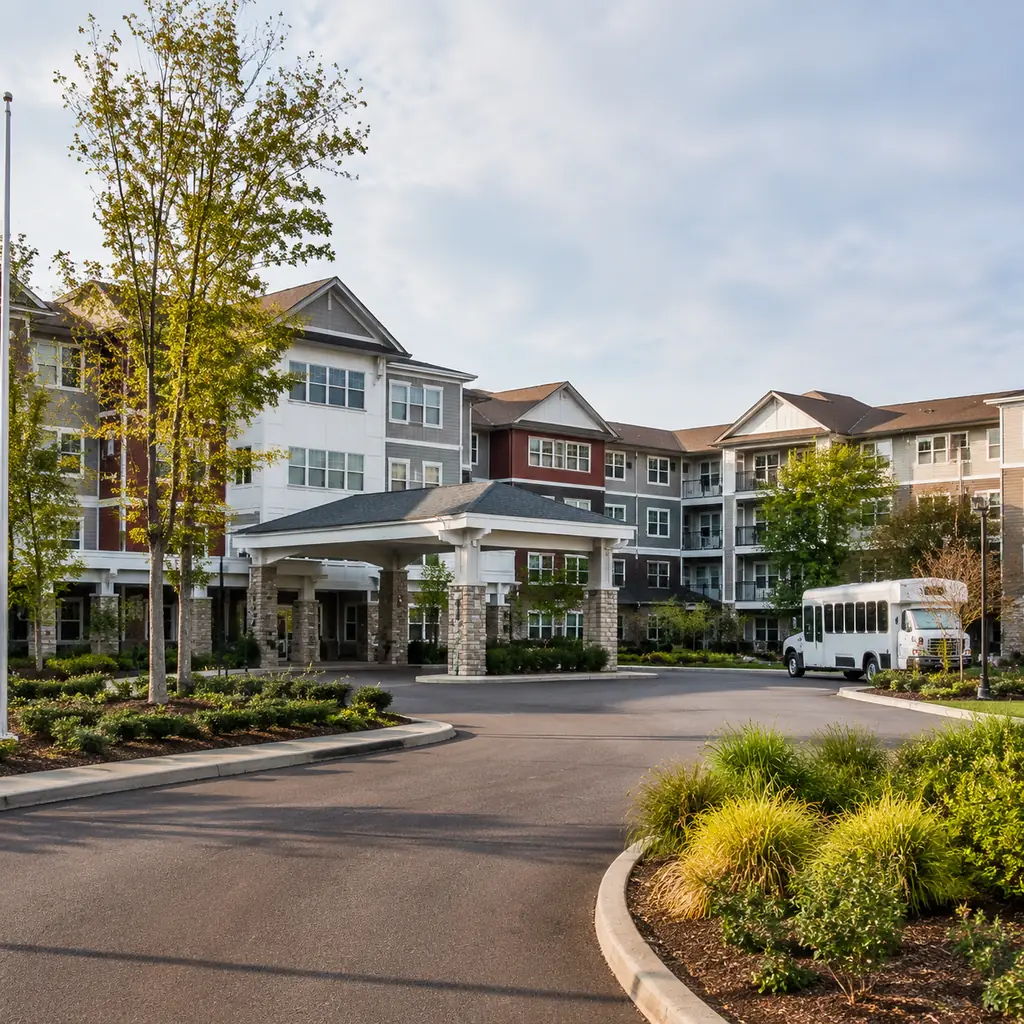
Friendship Village is one of the largest continuing care campuses in Illinois, and its scale is the sales pitch: every care level, every amenity, one address.
Scale cuts both ways. Big campuses mean big capital needs, and older wings can lag the glossy tour route by decades. Ask which building your actual unit is in, not which one the brochure shows. The same bait applies out east, as the New Jersey fine-print list shows.
Tour the specific hallway you would live on, on a weekday.
13. The Moorings of Arlington Heights
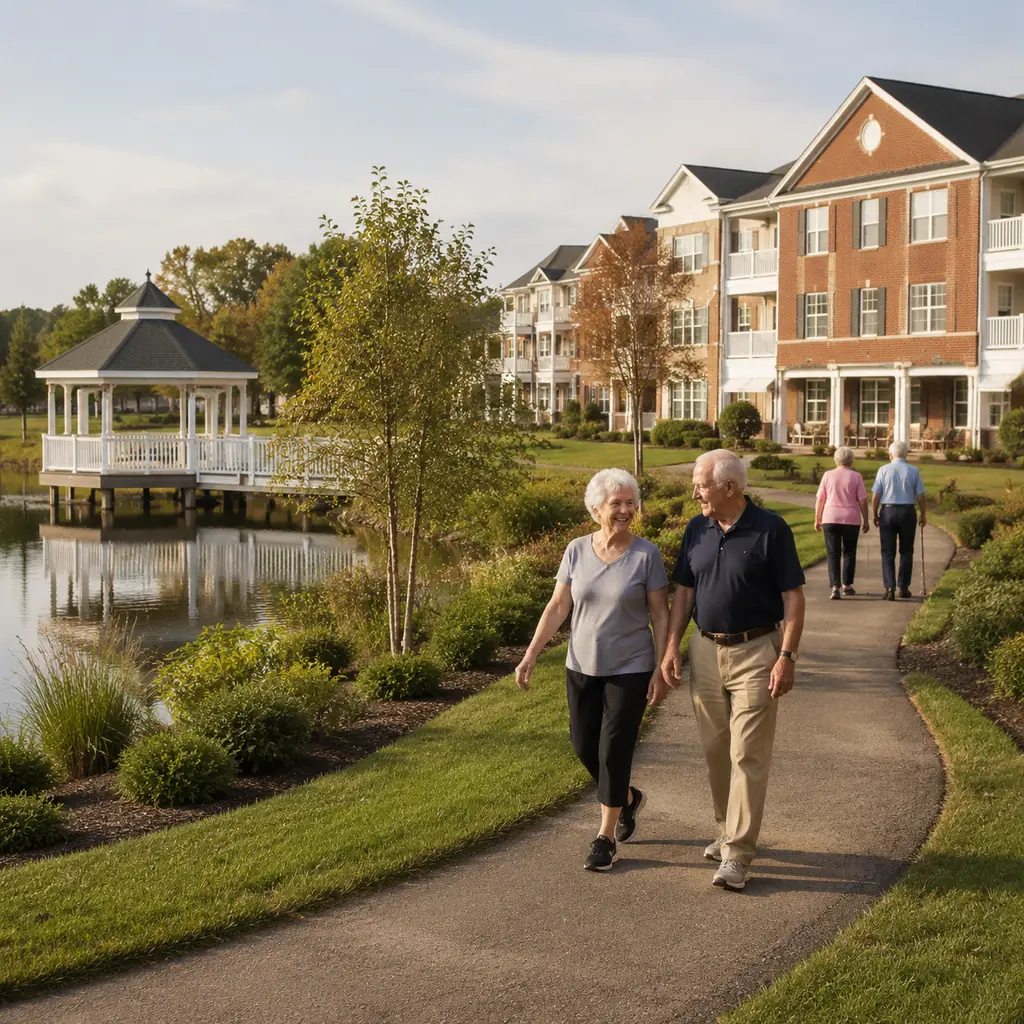
The Moorings sells a settled, pond-and-gazebo calm in one of the northwest suburbs’ most competitive senior markets.
Competition is exactly the point. Arlington Heights has multiple entrance-fee campuses within a short drive, which means pricing games: waived fees one quarter, upgraded finishes the next. A deal that expires Friday is a tactic, not a price.
Better move: get competing offer sheets from two nearby campuses in the same week and make them explain the differences.
14. Sedgebrook, Lincolnshire
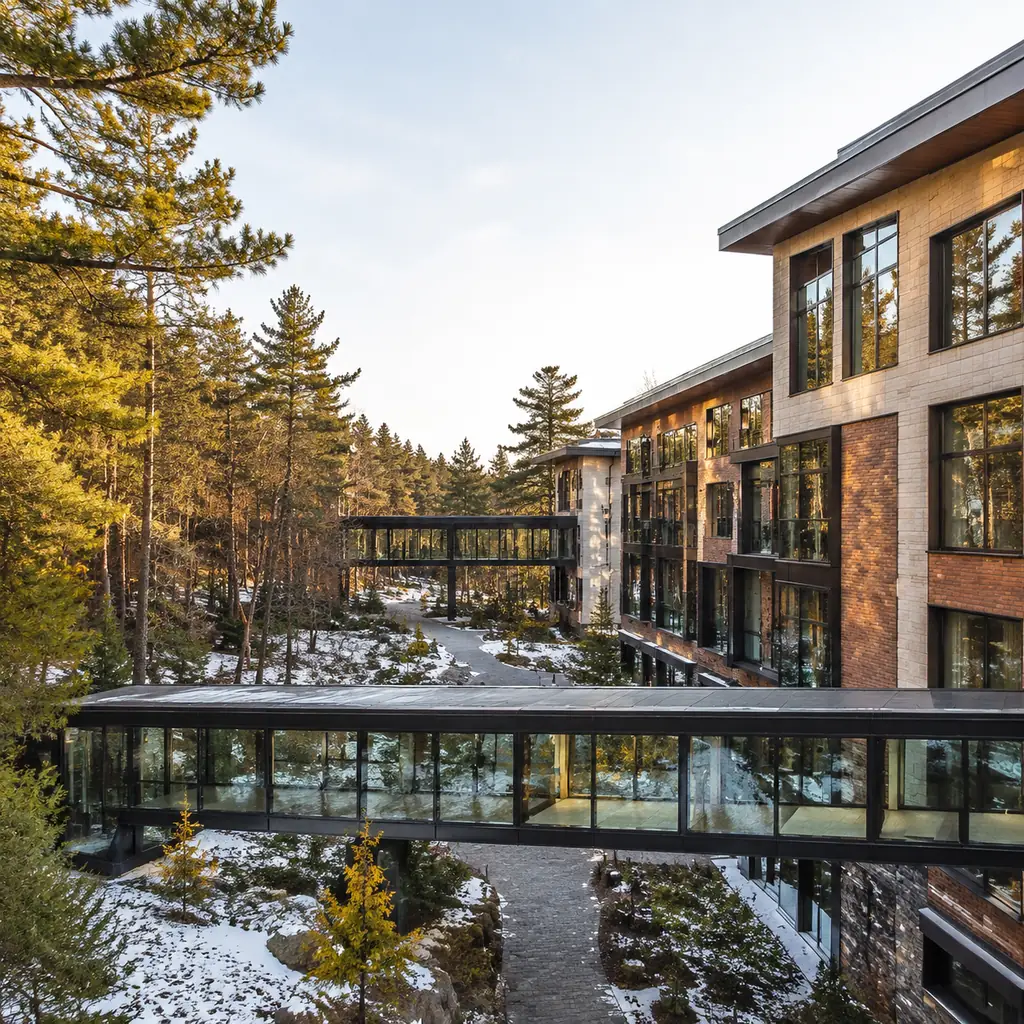
Sedgebrook runs the big-campus apartment model in Lincolnshire: no house to maintain, restaurants downstairs, and glass walkways so winter never touches you.
The model depends on the entrance fee, often several hundred thousand dollars, with the refund tied to contract terms and unit turnover. New York buyers will recognize the structure from our New York retirement communities list, and the caution transfers intact.
Read the refund clause with a lawyer, not a salesperson, and ask what happens if you leave in year two.
15. Monarch Landing, Naperville
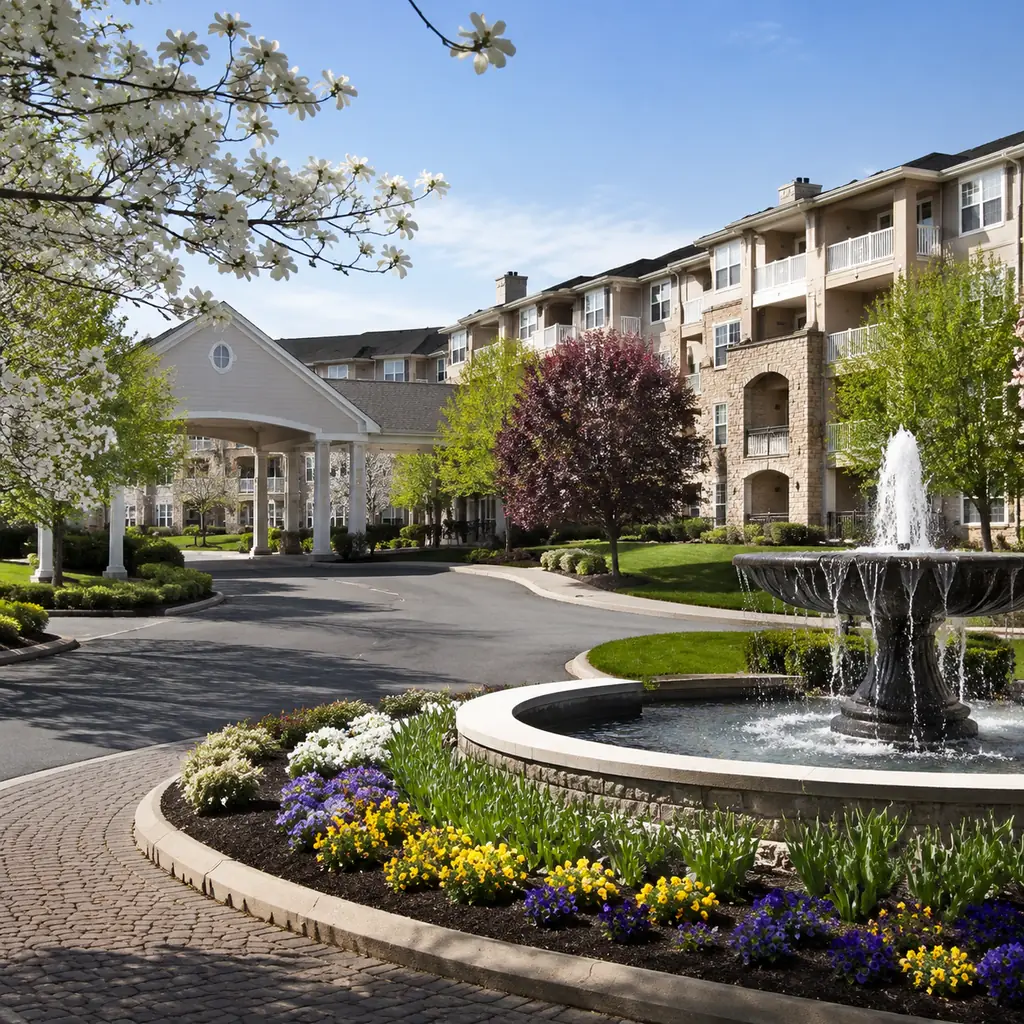
Monarch Landing carries the Naperville badge, and buyers pay for it. The campus is polished, the dining is good, and the zip code impresses the grandchildren.
What the badge costs: entry pricing and monthly fees calibrated to Naperville expectations, plus DuPage County’s tax climate baked into everything around you. Residents who chose it for the prestige sometimes admit a campus twenty minutes west offered the same care for meaningfully less.
Price the identical contract tier at two sister communities before anchoring on the address.
16. Beacon Hill, Lombard
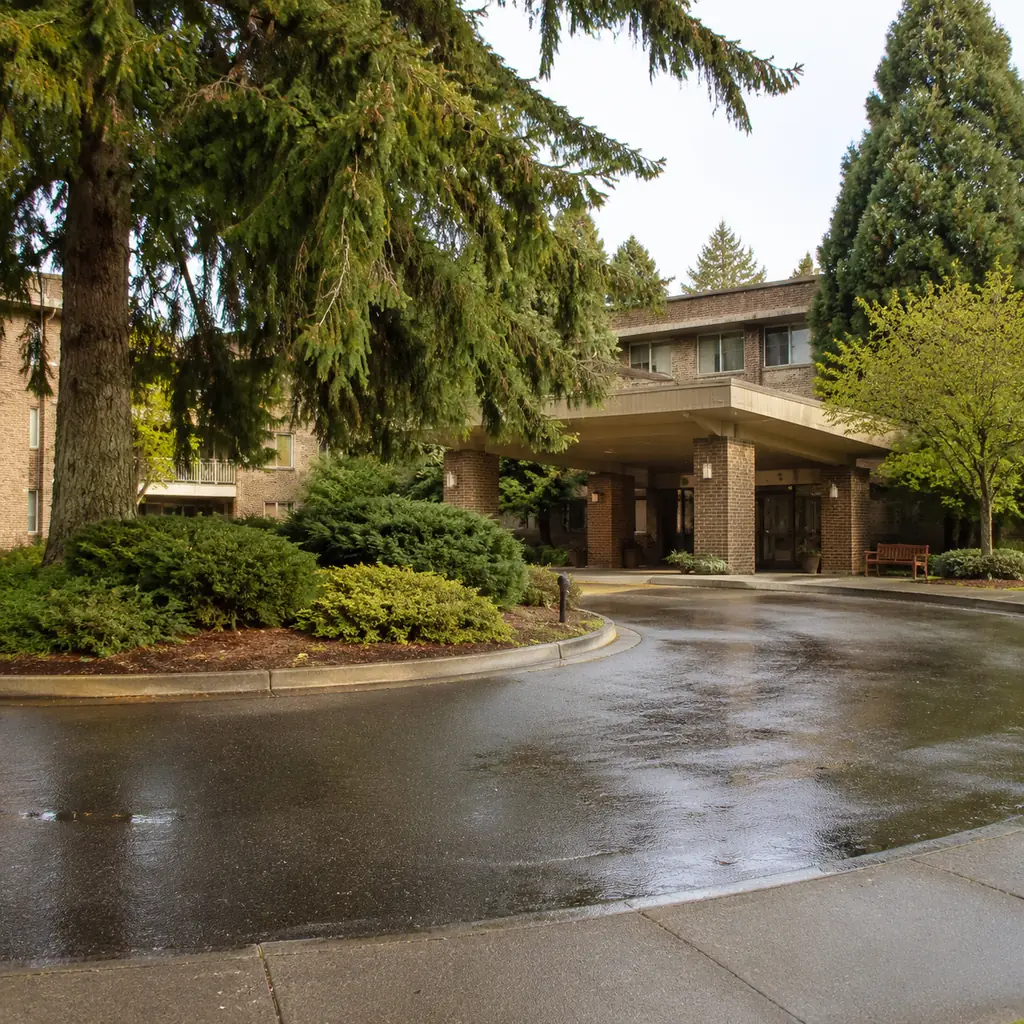
Beacon Hill has served Lombard since the 1980s, and its longevity reassures buyers who watched newer projects stumble.
Older campuses carry older bones. Renovation cycles, ownership changes, and care-wing updates all show up eventually in fees, and a community’s past stability does not bind its future owners to anything. Texans hear the same reassurances, as our Texas retirement communities list lays out.
Ask who owns the community today, and who owned it ten years ago. The answer is often two different companies.
17. Lexington Square, Elmhurst

Lexington Square puts retirees in the middle of Elmhurst, walkable to the Metra and a real downtown, which is rarer than it should be in senior housing.
Elmhurst desirability is DuPage taxation with a smile. Buyers keeping a condo or cottage on the tax rolls here pay for the school district they no longer use, at one of the highest effective rates in the country.
Quick check: confirm which exemptions transfer at your income level. Many buyers assume the senior freeze applies and learn otherwise at the first bill.
18. Plymouth Place, La Grange Park

Plymouth Place has been a west suburban institution for over a century, and its renovated tower gives it a hotel-lobby first impression.
Century-old institutions still price like 2026. Life-care contracts here involve serious entrance fees, and the monthly fee covers a bundle you should itemize: how much is care, how much is dining you may not use, how much is the lobby. California buyers know this bundling trick well, as the California list shows.
Ask for the fee breakdown by service. Bundles hide margins.
19. GreenFields of Geneva
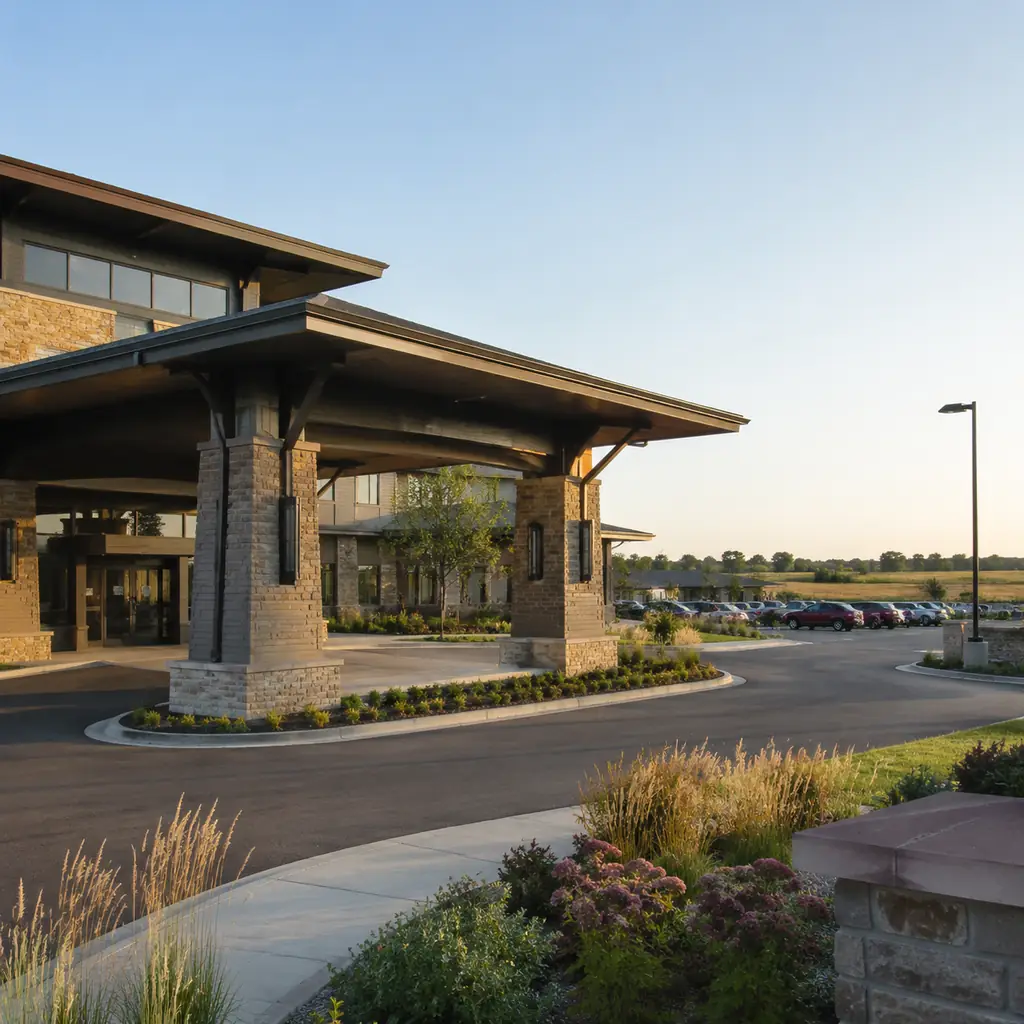
GreenFields brought the full life-plan model to the Fox Valley, with prairie-style buildings and Geneva’s postcard downtown ten minutes away.
The campus also went through a publicly reported debt restructuring within its first decade, which mostly protected residents but rattled families who assumed entrance fees were as safe as a bank deposit. They are not. They are unsecured loans to a business.
Watch for: the community’s bond rating and occupancy rate. Both are knowable before you sign, and both predict fee pressure.
20. Heritage Harbor, Ottawa
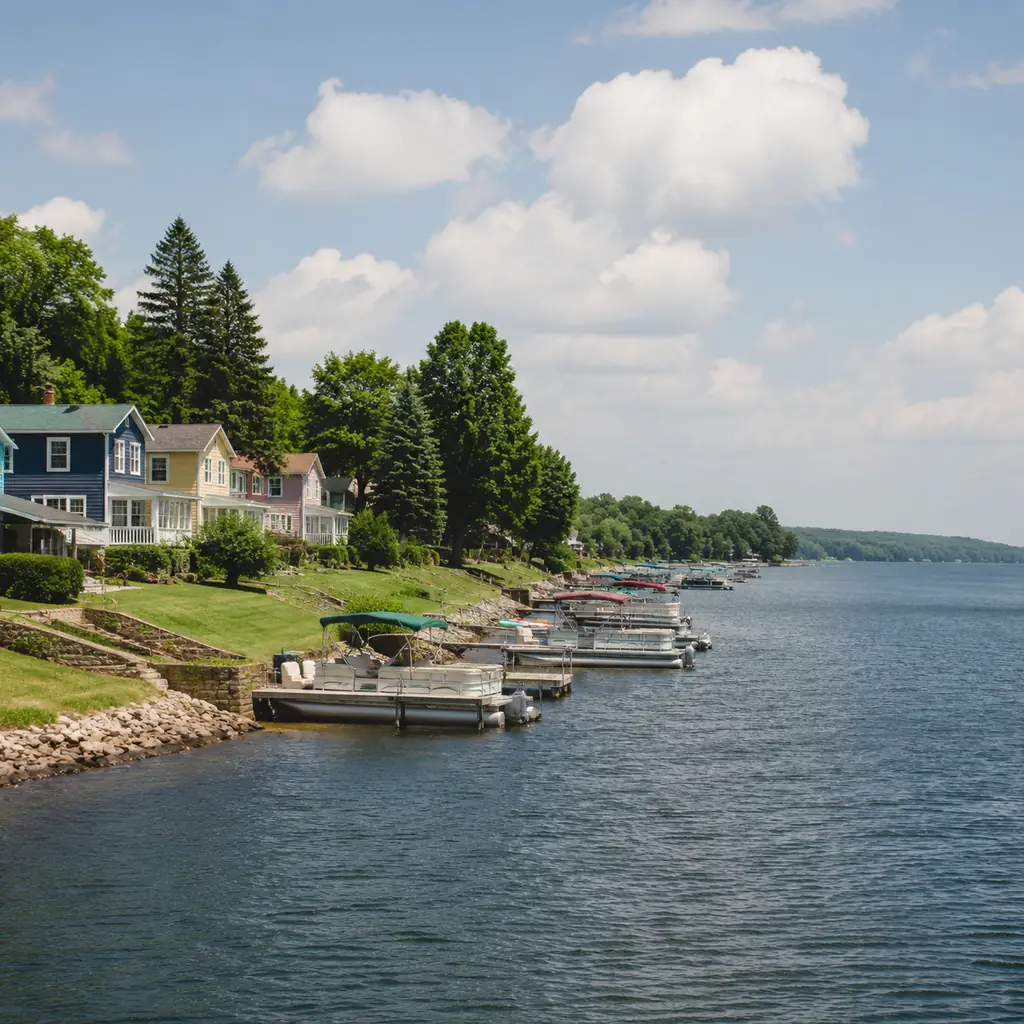
Heritage Harbor sells a resort retirement on the Illinois River: marina slips, pastel cottages, and Starved Rock weekends, ninety minutes from the city.
Resort towns run seasonal. Winter empties the marina and much of the calendar, and downstate healthcare means Ottawa’s hospital for routine care and a long drive for specialists. Small-town charm has its own failure modes, which we detail in the small towns people are leaving.
Visit in February before buying the July version of the town.
21. Westminster Village, Bloomington
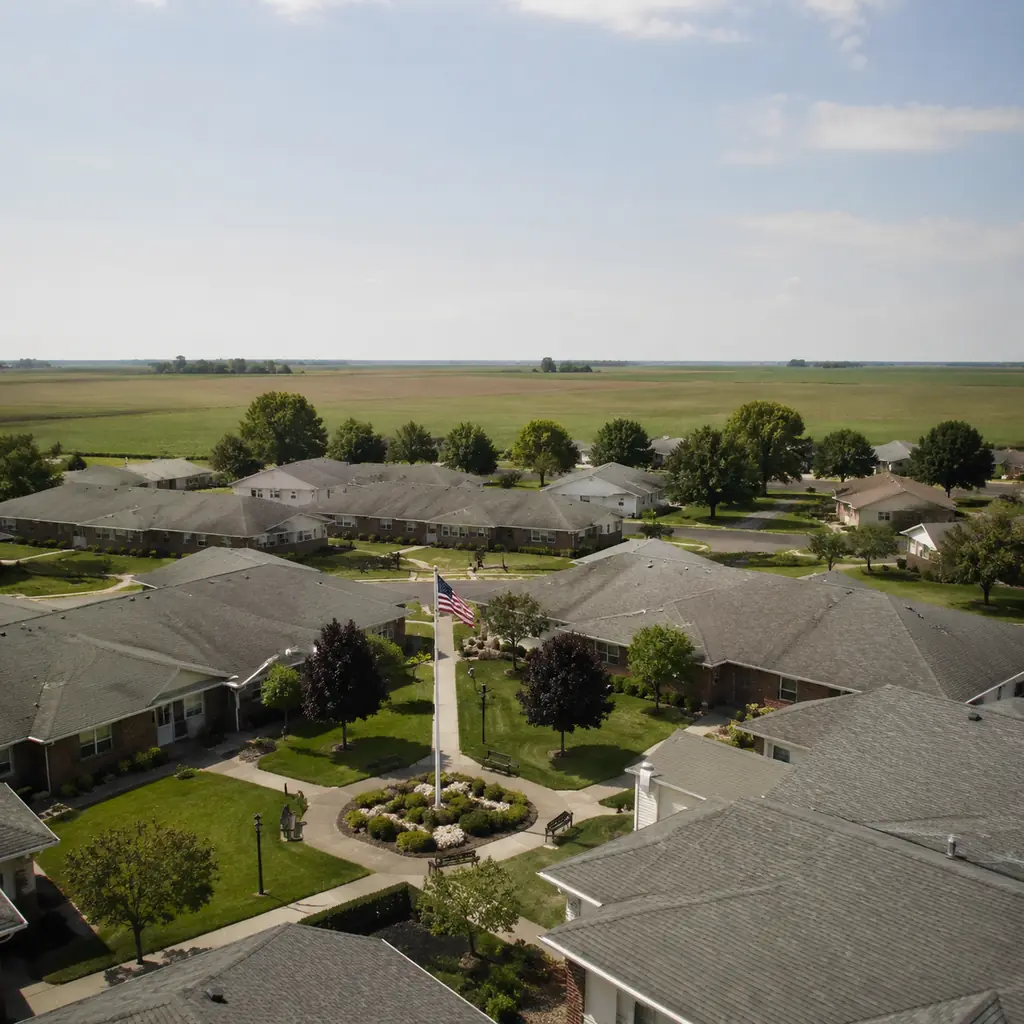
Westminster Village is the downstate answer: Bloomington prices, a respected nonprofit operator, and property tax bills that make DuPage refugees laugh with relief.
The regret here is usually distance, not dollars. Buyers chasing lower costs discover their grandchildren, their cardiologist, and their friends of forty years are all two-plus hours up I-55, and the savings fund a lot of gas.
If the move is purely financial, compare the full picture against the national regret list first. Cheap and far is still far.
Comments
The opinions and views expressed in the comments section are solely those of the individual users and do not represent or reflect the opinions, views, or positions of HumbleTrail. HumbleTrail does not endorse, support, or verify the accuracy of any user-generated content.
By posting a comment you agree to receive related emails from HumbleTrail in accordance with our Terms and Privacy Policy. You can unsubscribe at any time.