

Editor's note: This article is solely an opinion piece, based on publicly available shopper reviews, store closure reporting, pricing and loyalty program changes, and industry reporting we found online.
Retail decline rarely happens all at once. The sign stays up, the coupons keep coming, and the website still promises a better experience than the store actually delivers.
Then one day shoppers notice the aisles feel emptier, the staff is harder to find, the prices are not as sharp, and the old reason to visit has disappeared.
These are the retail chains many shoppers say no longer feel like the brands they grew up trusting.
12. Target

Target is still cleaner and more pleasant than many big-box competitors.
That is why the complaints stand out. Shoppers mention locked cases, higher prices, weaker home decor finds, and stores that feel less fun to browse than they did a decade ago.
Target did not collapse. It just became more ordinary. For a chain built on cheap-chic discovery, ordinary is a real step down.
11. Walmart
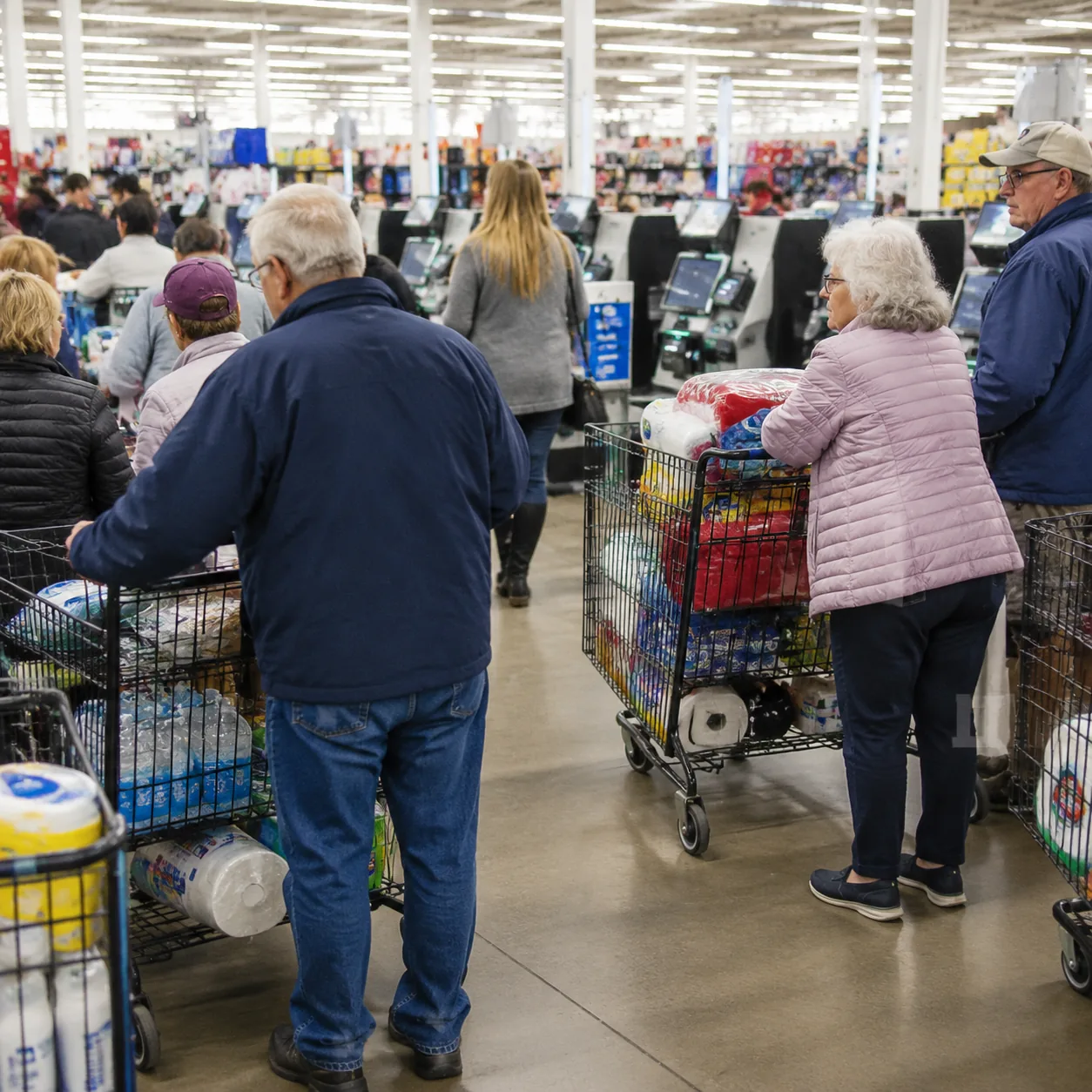
Walmart still wins on scale, groceries, and everyday convenience.
The decline complaint is about the shopping experience itself: locked merchandise, thin staffing, long self-checkout lines, messy aisles, and a feeling that the company wants customers to do more of the work.
The prices can still be strong. The store visit often feels less human than shoppers remember.
10. Best Buy

Best Buy survived the Amazon threat better than almost anyone expected.
Now shoppers complain that the stores feel emptier, the floor help is harder to find, and the product assortment is less exciting. Many visits end with customers checking reviews online while standing in the aisle.
That is dangerous for Best Buy. The store only matters if the in-person advice feels better than the internet.
9. GameStop
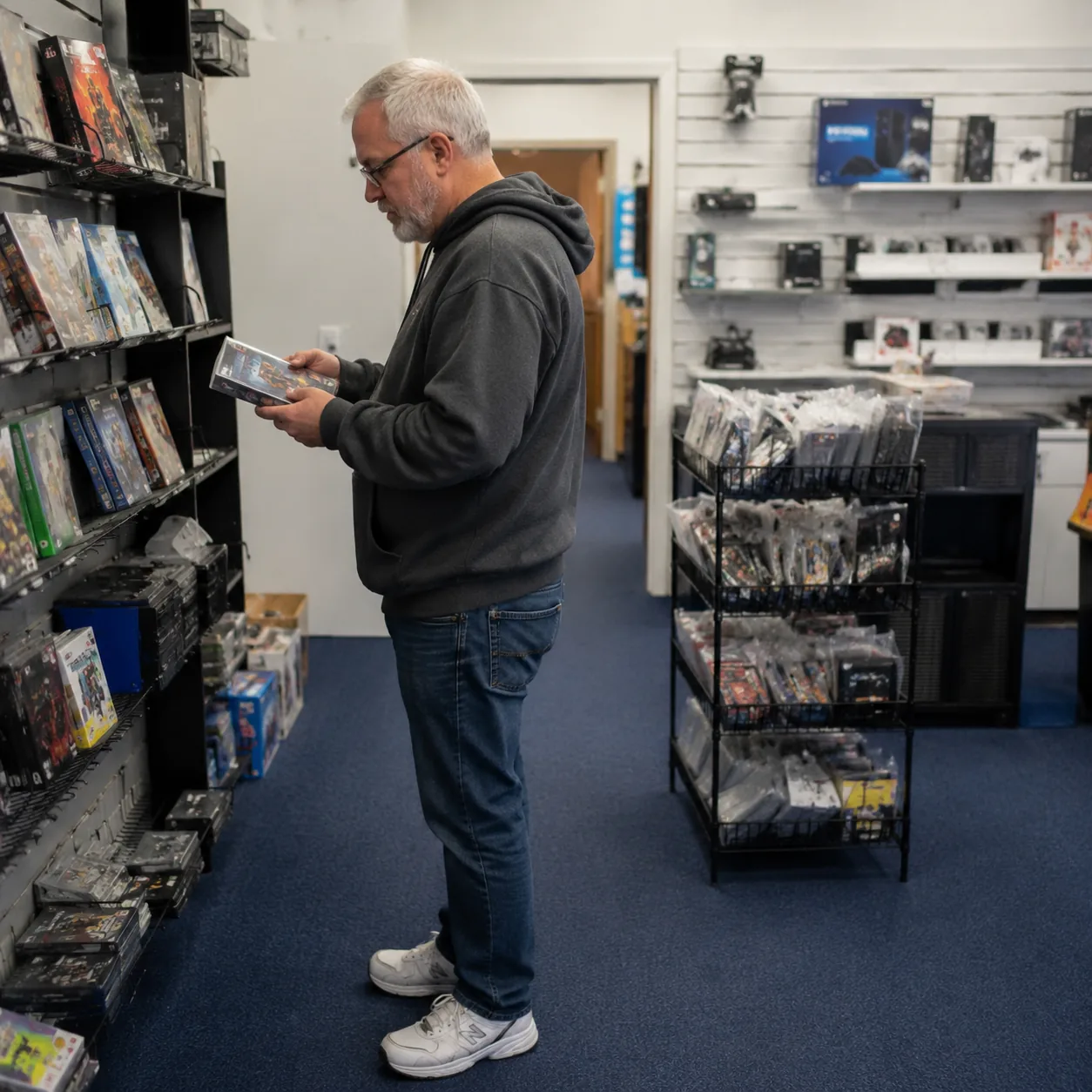
GameStop used to be the default stop for used games, trade-ins, midnight releases, and casual browsing.
Digital downloads weakened that reason to visit. The stores increasingly rely on collectibles, memberships, and a shrinking group of physical-media buyers.
For nostalgic shoppers, the chain can feel like a shell of the old game-store ritual. The name remains famous, but the reason to go inside is much less obvious.
8. CVS
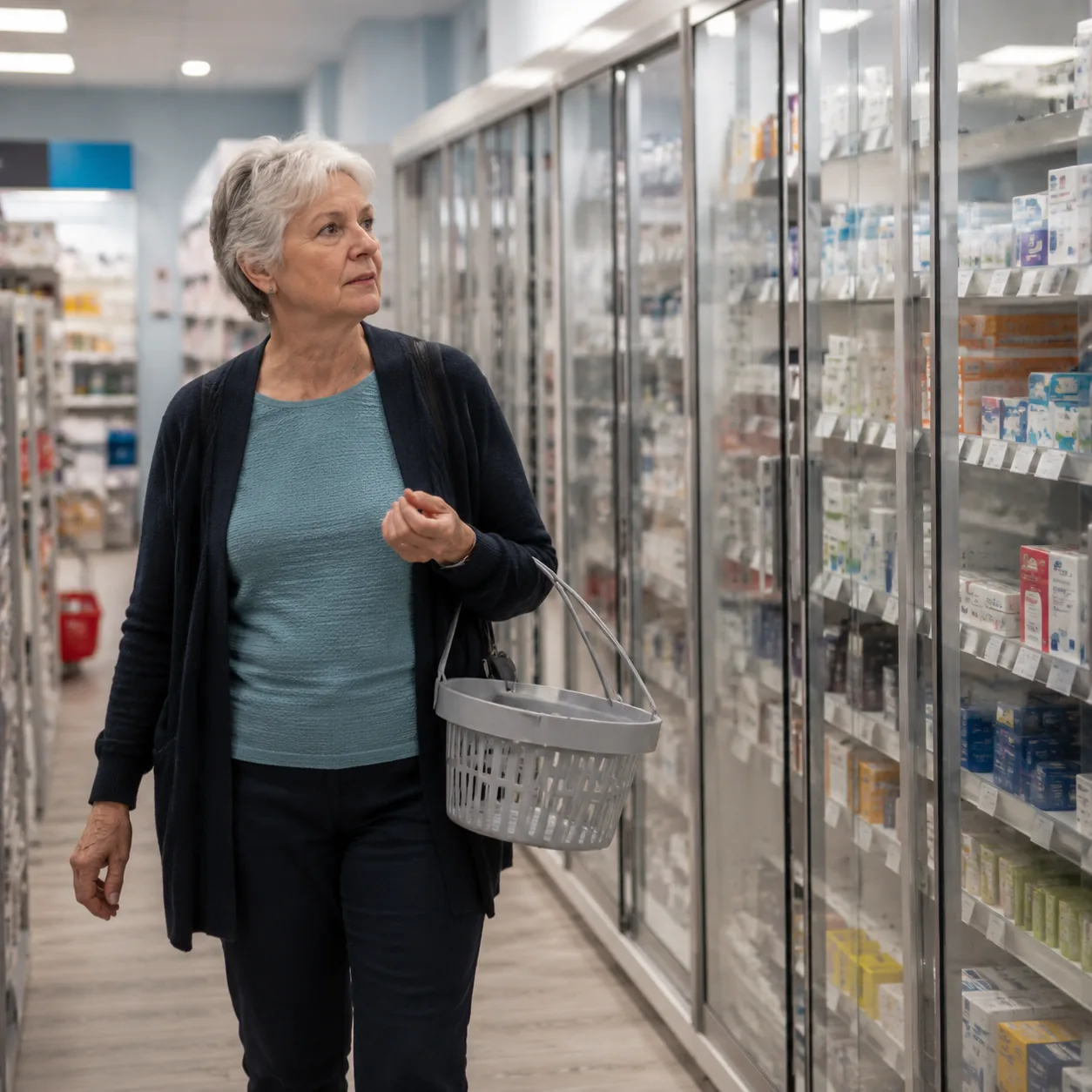
CVS is still necessary for prescriptions, quick health items, and convenience.
But shoppers complain about locked cases, long receipts, high shelf prices, thin staffing, and pharmacy waits that make a quick errand feel strangely difficult.
The chain is useful. That is different from pleasant. Many customers go because they have to, not because the store earns the trip.
7. Walgreens
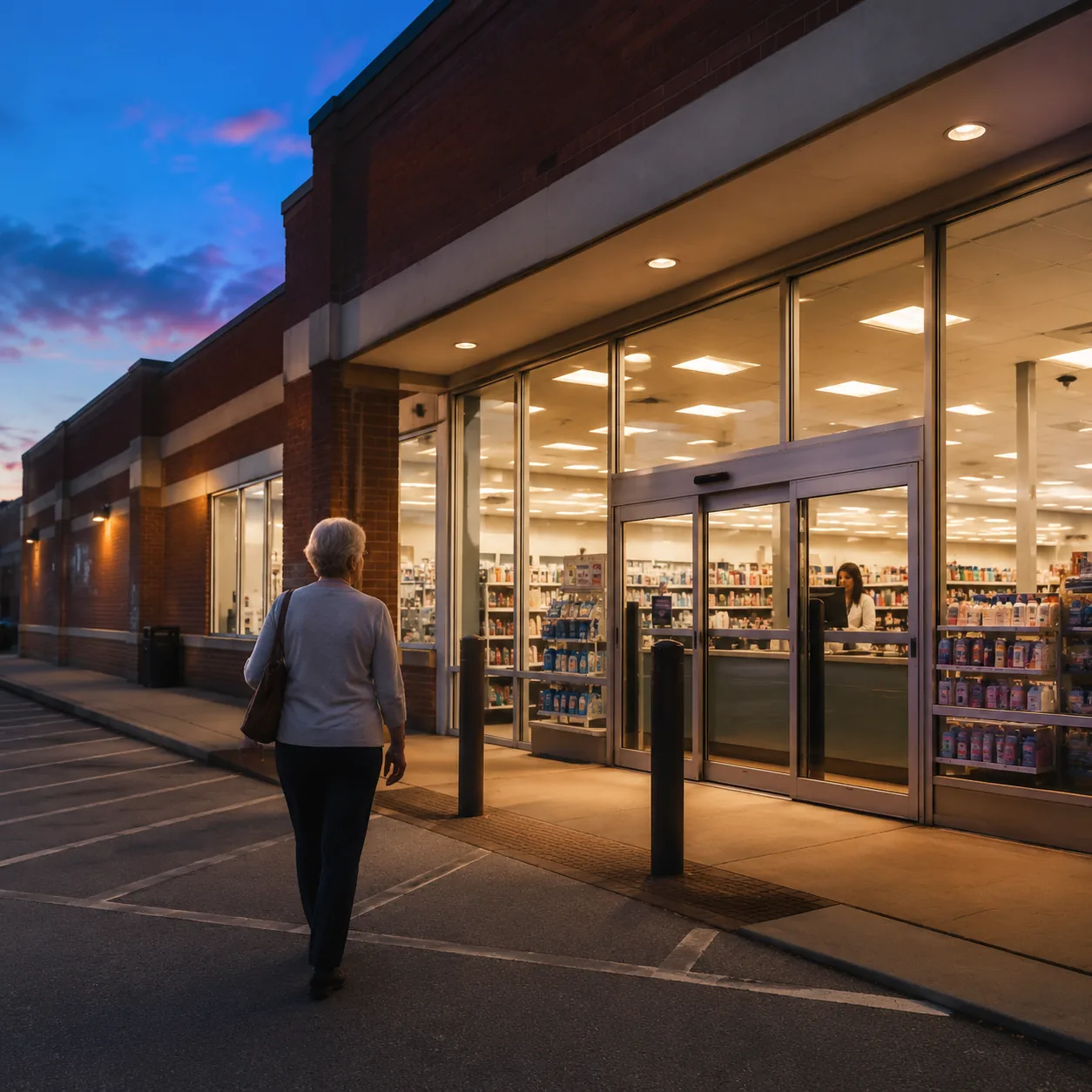
Walgreens has been closing stores and trying to fix a business that expanded into too many locations.
Shoppers feel that pressure locally. Some stores look tired, some shelves feel thin, and pharmacy staffing can turn basic errands into long waits.
The chain used to feel like an easy neighborhood safety net. In many markets, it now feels like a company retreating while customers are still standing in line.
6. Kohl’s

Kohl’s trained shoppers to expect coupons, rewards, and a treasure-hunt discount feeling.
That game has become exhausting for some customers. The stores can feel cluttered, the regular prices feel inflated, and the merchandise does not always justify the math.
Kohl’s is still useful for basics. But when shoppers need a calculator to know if they got a deal, the magic is not what it was.
5. Macy’s

Macy’s used to be the department store anchor that made a mall feel complete.
Now many locations feel over-spaced, under-staffed, and caught between discount shoppers and luxury shoppers. The best stores still have energy. The weaker ones feel like a clearance event with escalators.
The brand is not gone. But the old department-store authority has faded badly.
4. JCPenney
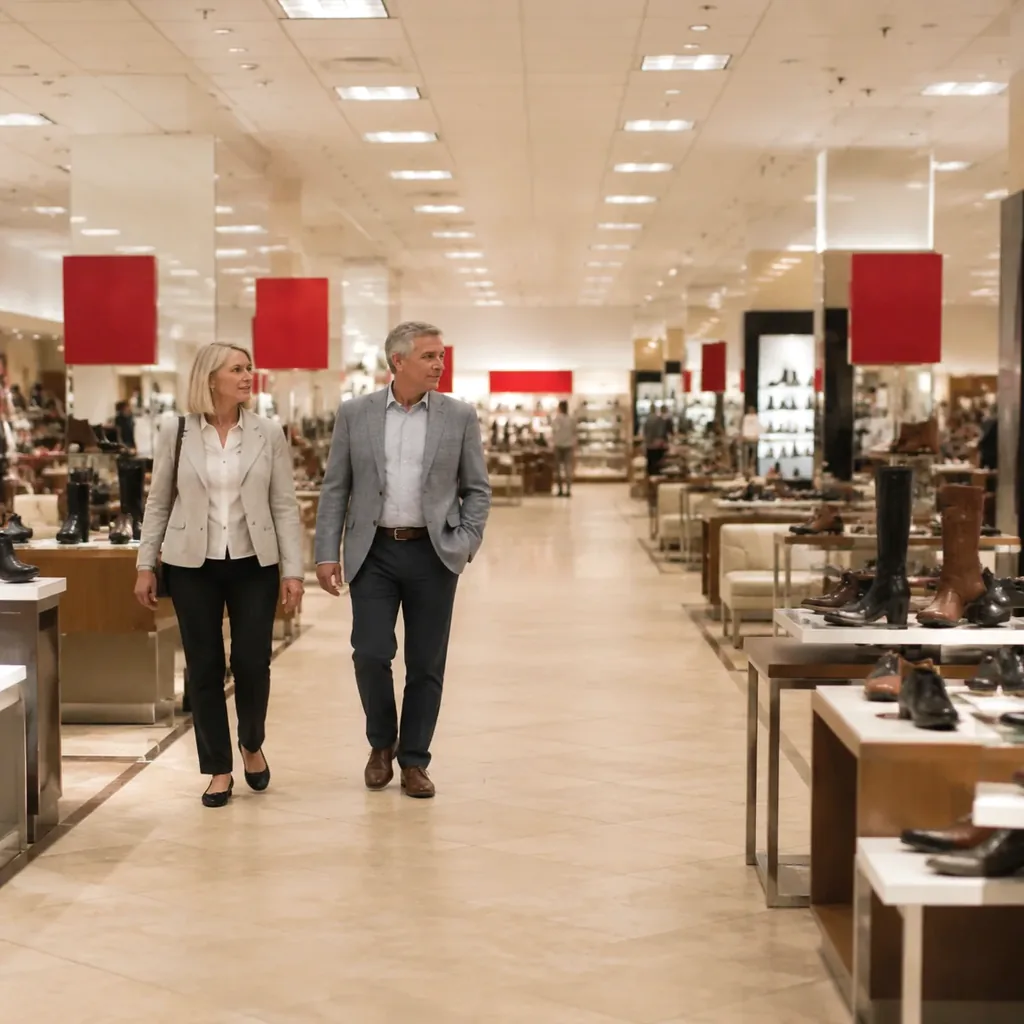
JCPenney has survived more than many people expected, which deserves some credit.
Survival is not the same as revival. Shoppers still complain about dated stores, uneven inventory, and a brand identity that feels trapped between nostalgia and discount necessity.
For many Americans, JCPenney carries memories of back-to-school clothes and family portraits. The current stores often cannot compete with those memories.
3. Big Lots
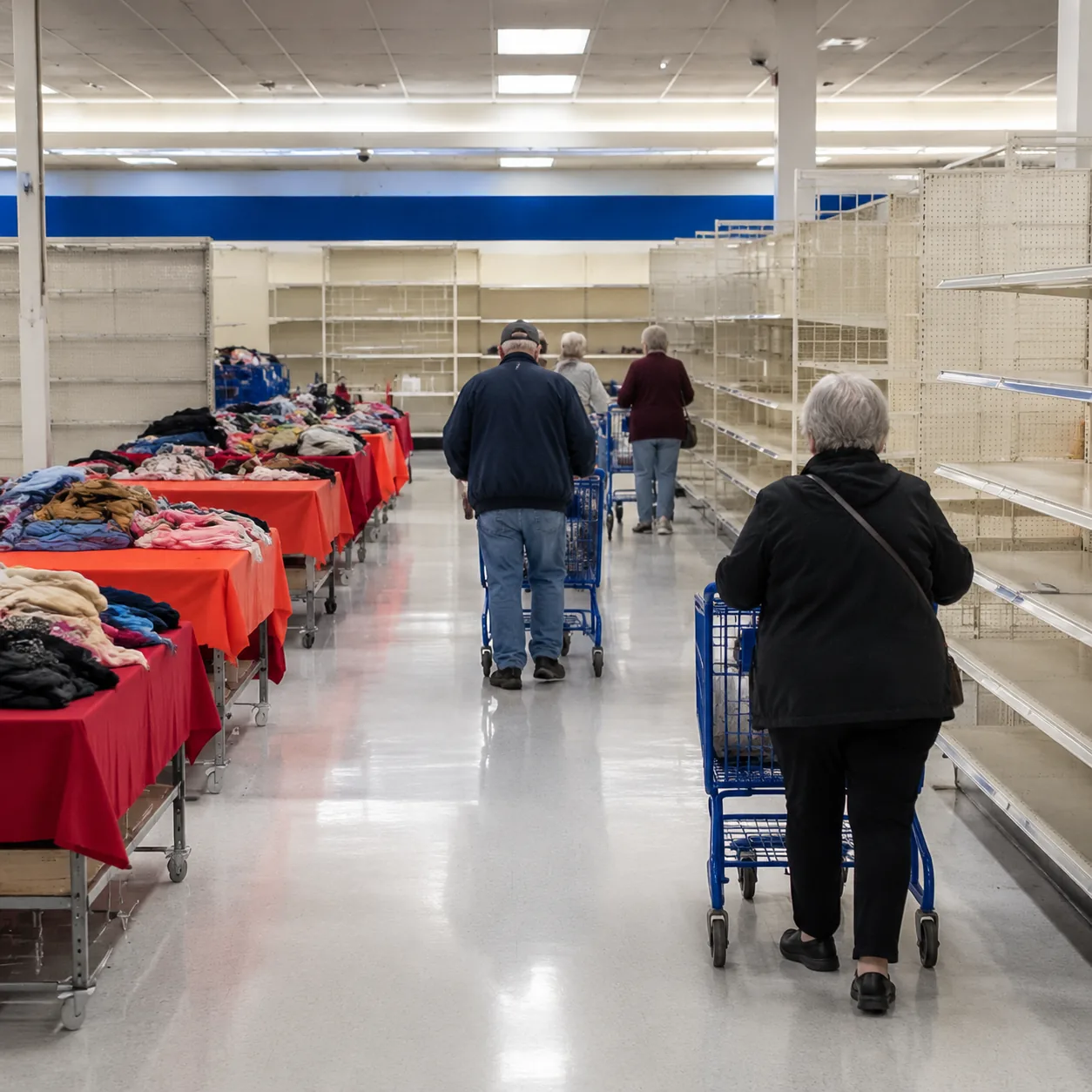
Big Lots once had a clear appeal: odd bargains, furniture deals, closeouts, snacks, and a sense that you might find something unexpectedly useful.
Bankruptcy and store closures damaged that identity. Even where locations remain or reopen, shoppers may wonder whether the old treasure-hunt version is coming back.
Discount retail needs confidence. If customers believe the chain is shrinking, the visit feels less like a deal hunt and more like a liquidation preview.
2. Joann

Joann had a devoted customer base because fabric and craft shoppers are not casual. They plan projects, compare textures, and need a real store.
That is why the decline hurt. Debt, inventory problems, bankruptcy, and closing announcements made shoppers feel like a reliable creative destination was disappearing underneath them.
Online craft shopping can replace some items. It cannot fully replace touching fabric before you buy it.
1. Party City
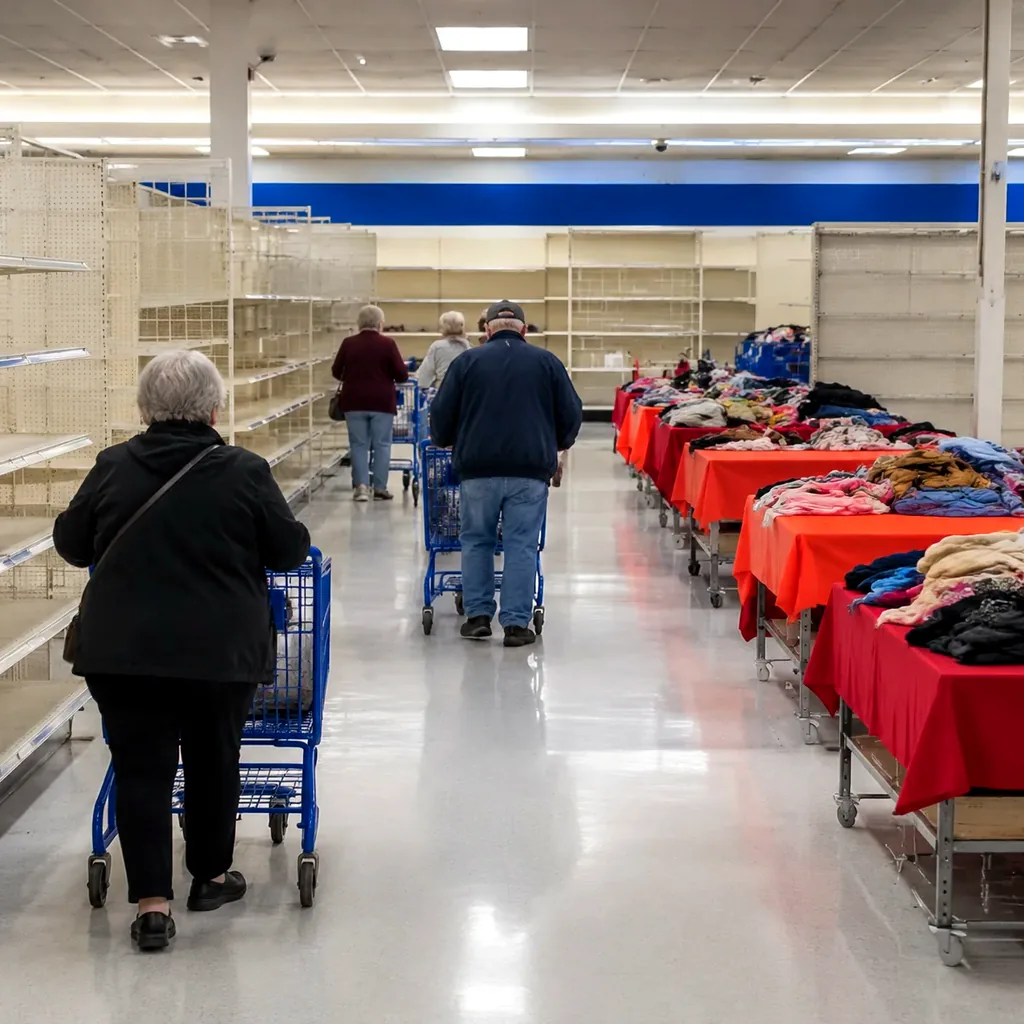
Party City was once the obvious stop before birthdays, graduations, retirements, Halloween, and last-minute family gatherings.
Then dollar stores, Amazon, big-box party aisles, and changing shopping habits chipped away at the reason to make a separate trip. Bankruptcy and closures finished what years of weakening traffic started.
The chain’s decline feels bigger than party supplies. It marks the end of a very specific errand Americans used to make without thinking.
The Pattern
The chains that went downhill usually lost one of three things: the reason to visit, the feeling of value, or the trust that the store would have what shoppers came for.
That same nostalgia-to-frustration angle appears in restaurant chains diners say went downhill, hotel chains travelers say slipped, department stores that quietly disappeared, snack brands people still miss, and everyday things smartphones quietly killed.
Comments
The opinions and views expressed in the comments section are solely those of the individual users and do not represent or reflect the opinions, views, or positions of HumbleTrail. HumbleTrail does not endorse, support, or verify the accuracy of any user-generated content.
By posting a comment you agree to receive related emails from HumbleTrail in accordance with our Terms and Privacy Policy. You can unsubscribe at any time.