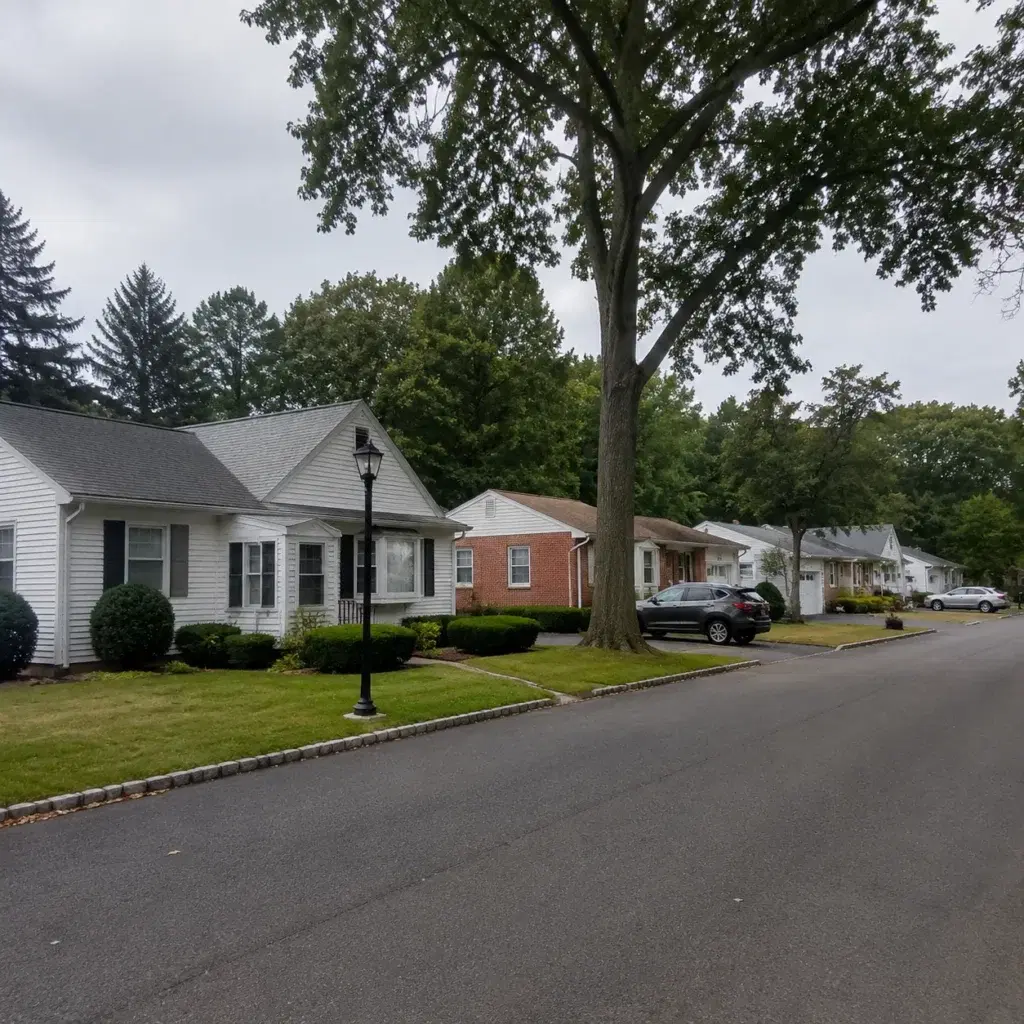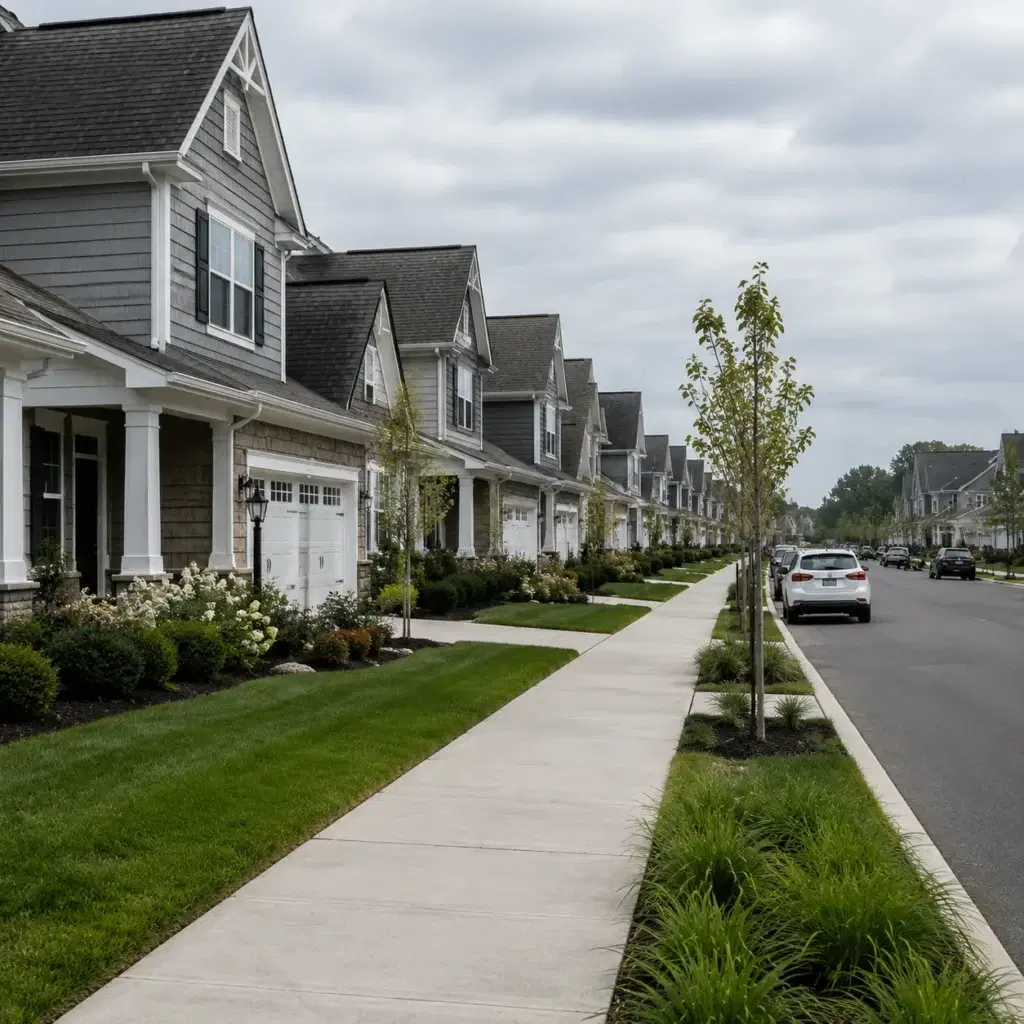


Retirement communities promise peace, safety, easy friendships, and a home that needs less work. This promise can be real. But fees, resale rules, insurance quotes, and travel distances can cause expensive surprises.
21. Green Valley, Arizona
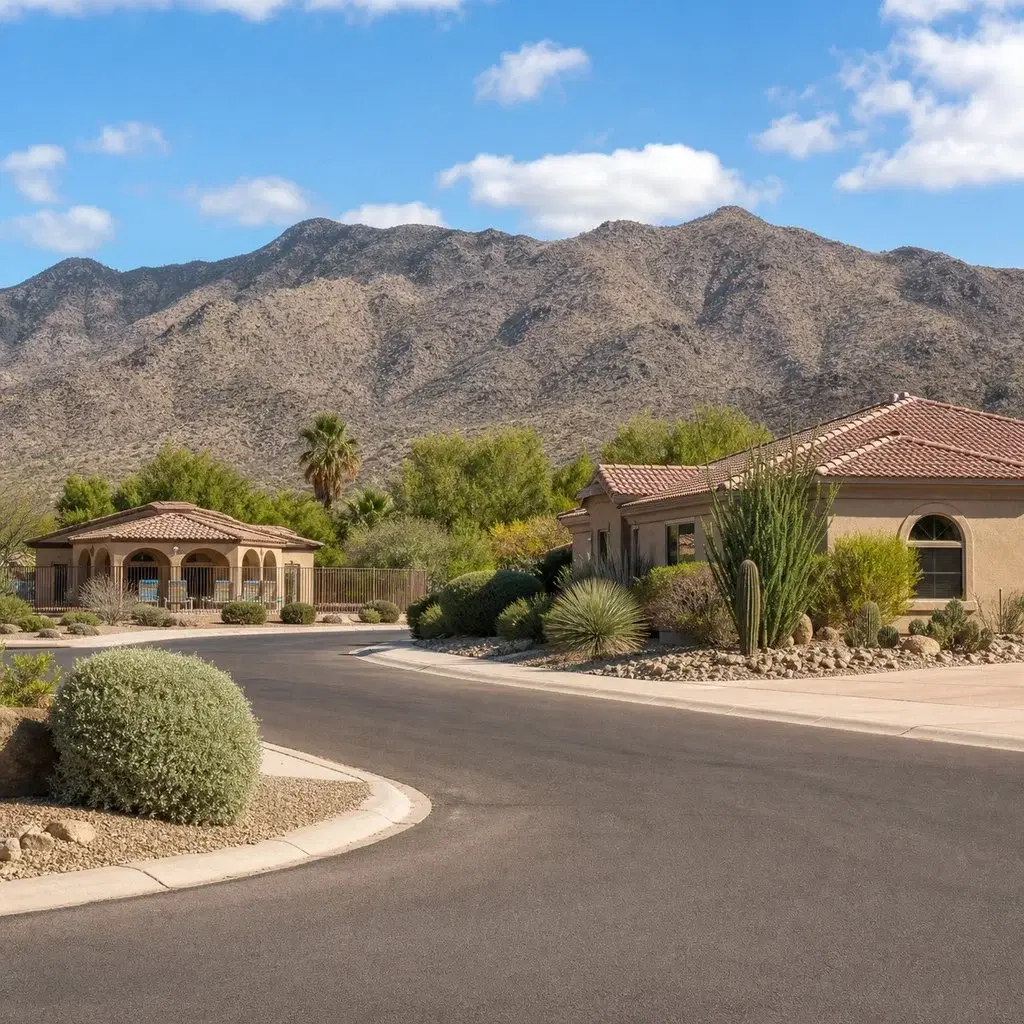
Green Valley is a retirement region, not one community. A newcomer can tour one quiet street and think every nearby association uses the same rules.
People often regret a fast purchase in the wrong part of the region. Recreation fees, age rules, home condition, service distance, and HOA structure can change within a short drive.
20. PebbleCreek, Arizona

PebbleCreek has the polished appearance that buyers expect from a premium Arizona retirement community. Its homes, golf courses, clubs, and landscaping can look like the sales brochure.
The full cost of this polish is the difficult part. Golf fees, HOA dues, utilities, summer cooling, and Phoenix-area sprawl can produce a high monthly bill after closing.
19. Laguna Woods Village, California
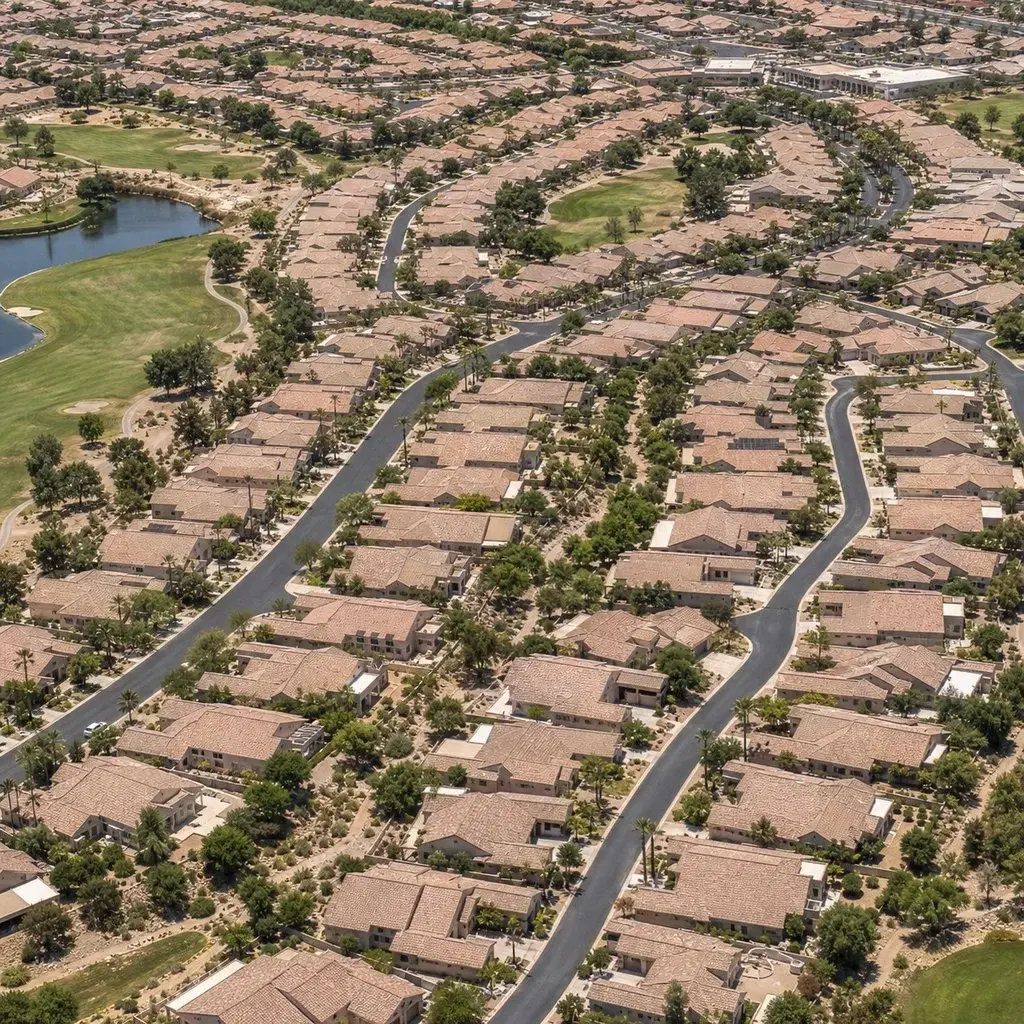
Laguna Woods looks impressive on paper. It has about 18,000 residents, two golf courses, clubs, gates, and the feel of a self-contained retirement city.
The monthly cost of membership is the problem. HOA fees can add $800 to $1,100 per month to a mortgage or rent. Residents also report slow maintenance.
18. The Villages, Florida (South District)
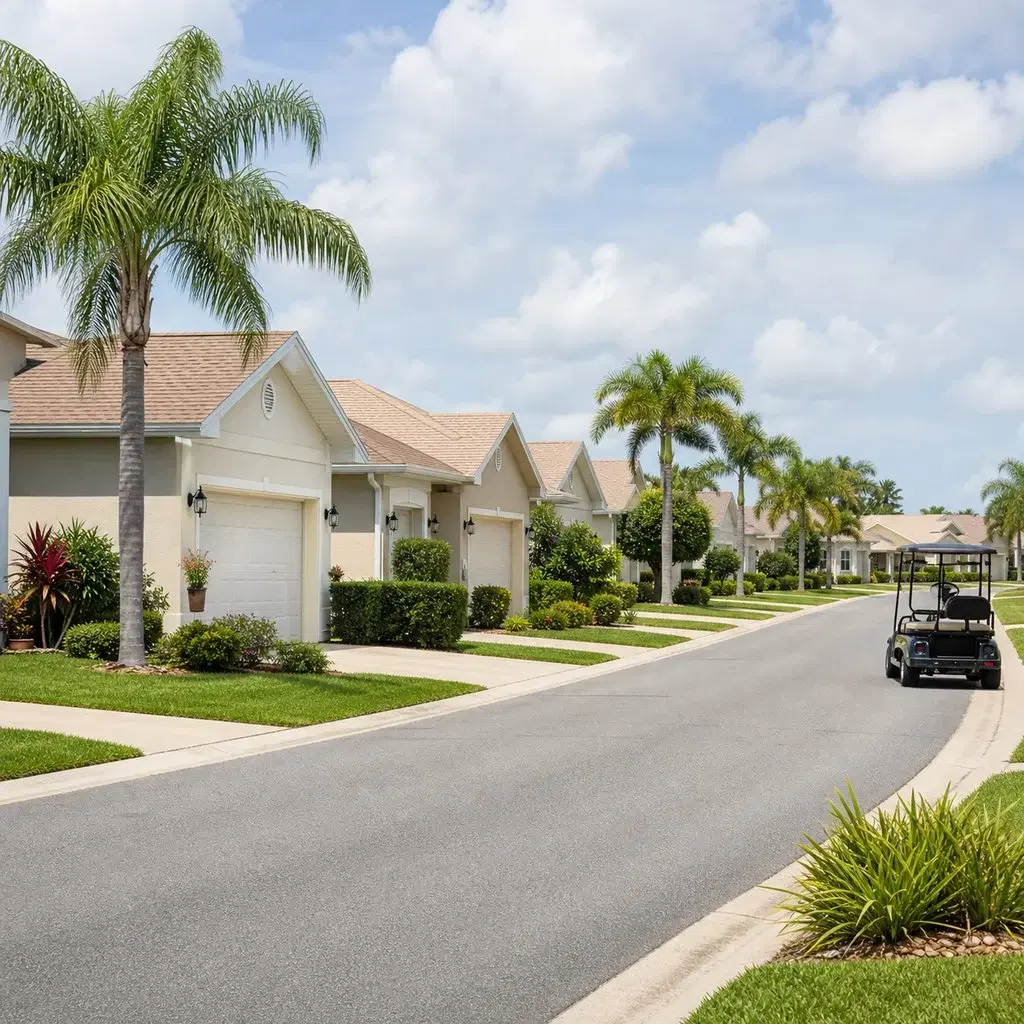
The Villages is famous for a reason. But the southern expansion districts do not always match the dream shown in videos of older areas.
Some residents say values in newer sections have dropped 15 to 22% since 2022 as the supply of homes increased. Other residents feel far from the busiest original amenities.
17. Sun City West, Arizona
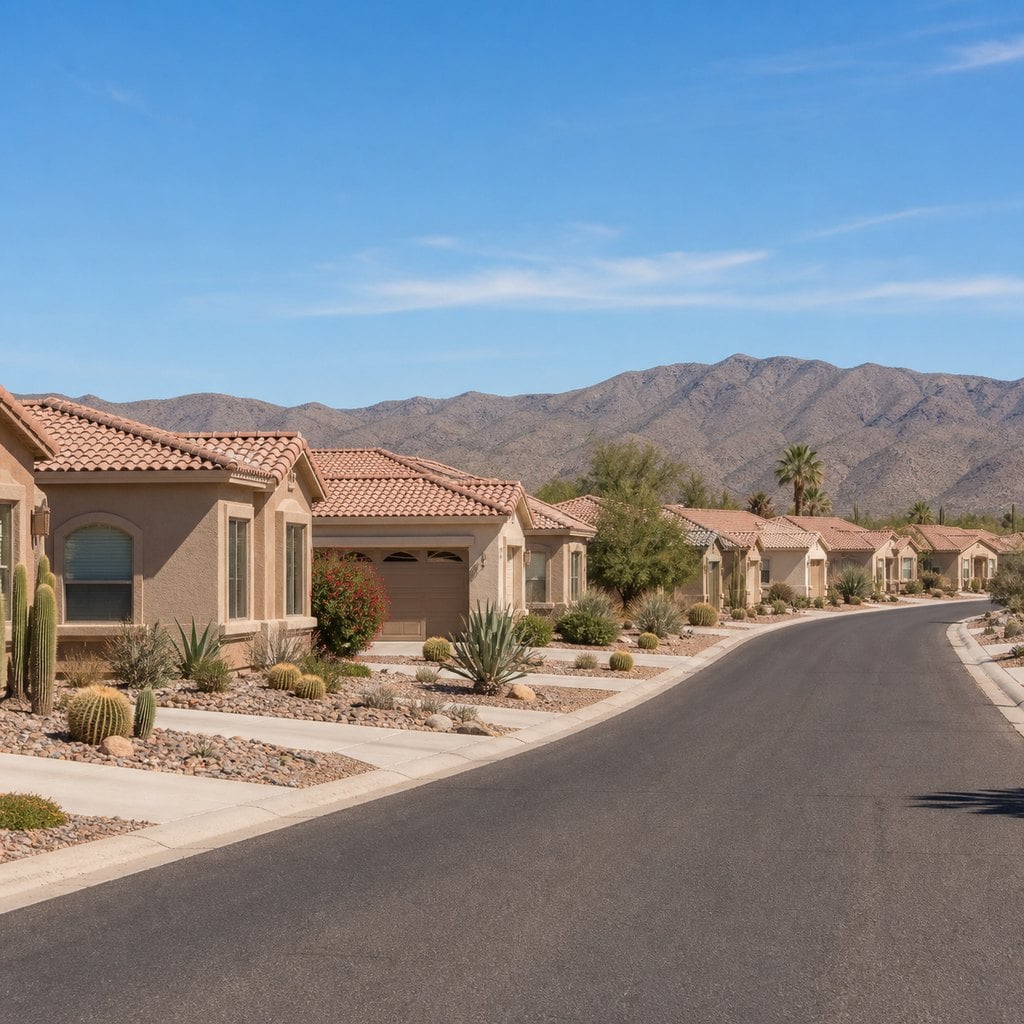
Sun City West has history, scale, and a well-known name. It also has old infrastructure that needs repairs, whether new buyers planned for them or not.
Residents report unexpected repair assessments of $3,000 to $8,000 for pools, roads, and recreation facilities. A new resident who is 65 can also find that the social group is older than expected.
16. Robson Ranch, Arizona
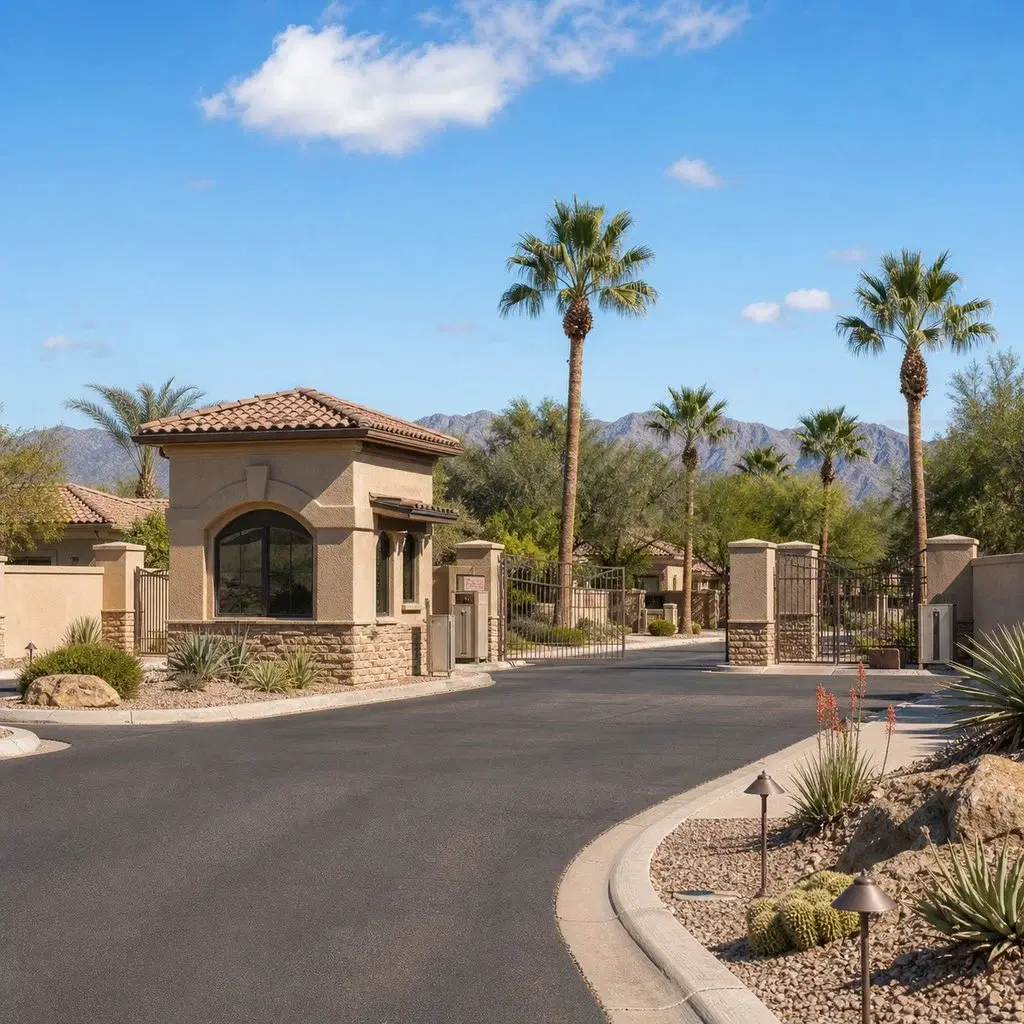
Robson Ranch offers a premium lifestyle at a price that can seem affordable. This promise causes many retirees to consider the community seriously.
Most complaints concern construction quality and distance. Residents report cracked foundations, HVAC issues, delayed fixes, and builder disputes. The location can also make routine errands require long drives.
15. Four Seasons at Beaumont, California
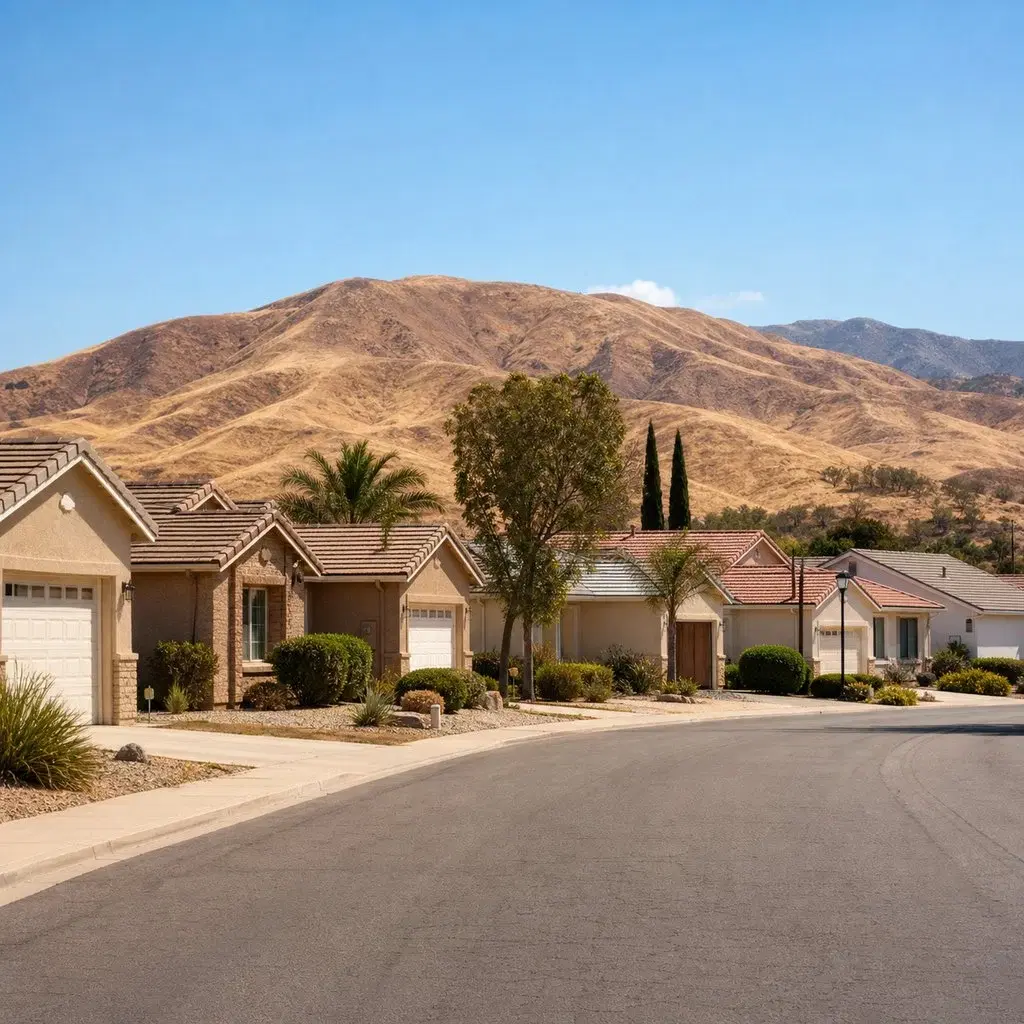
Four Seasons at Beaumont is in California’s Inland Empire. Heat is an important part of daily life there, not a minor detail.
Summer temperatures can rise above 110 degrees Fahrenheit. Cooling bills can reach $400 to $600 per month during peak season. Several residents say they underestimated the effects of the climate and car-dependent errands on retirement.
14. Heritage Palms, California
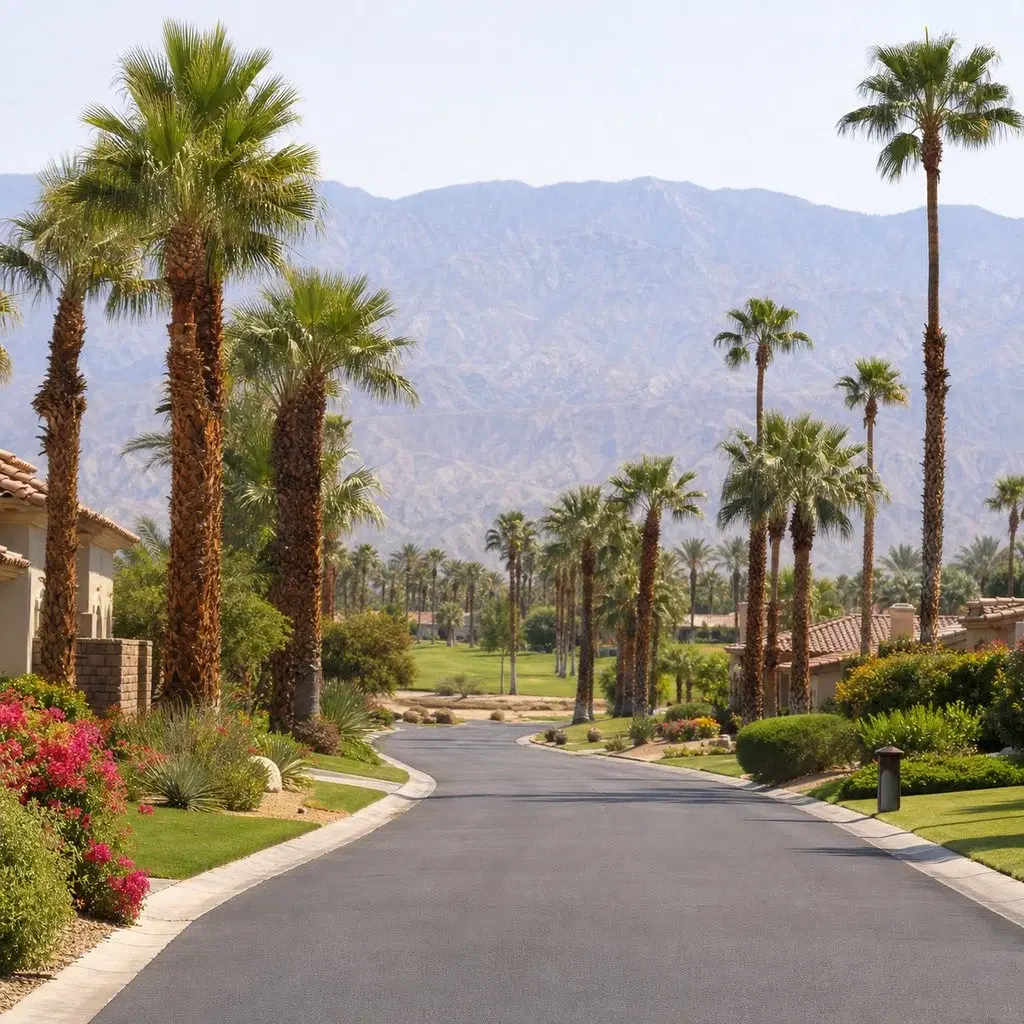
Heritage Palms offers sun, golf, and a close community. Then the fees begin to increase.
Residents report HOA increases of more than 35% in five years. They also pay the costs of a desert home that can be uncomfortable for several months. Single retirees say the social activities can favor couples.
13. Cresswind at Lake Lanier, Georgia
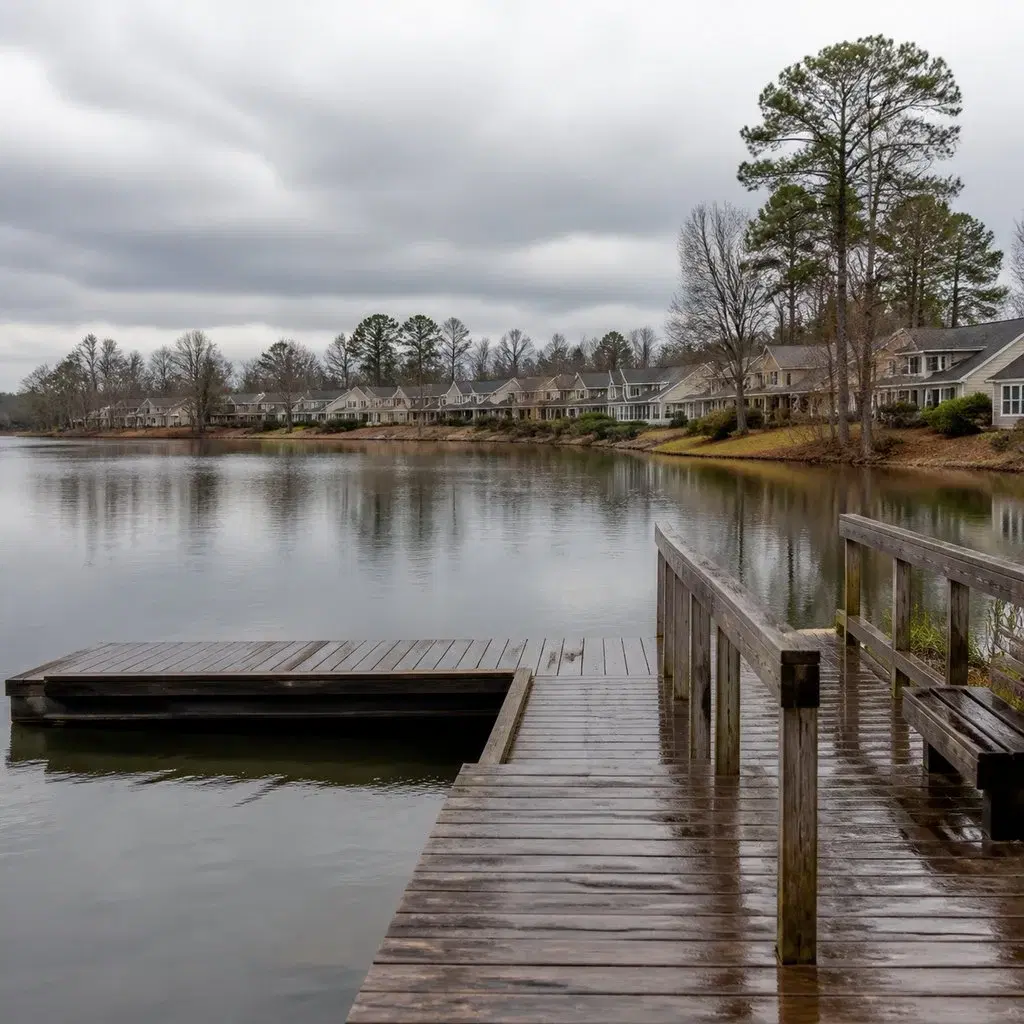
Cresswind is sold as a waterfront dream, provided one can actually get to the lake.
Those who came for the water have been put off by algae blooms that put the swimming areas out of commission for weeks. It is an attractive community, but when the lake is unreliable it fails to deliver on its main promise.
12. On Top of the World, Florida
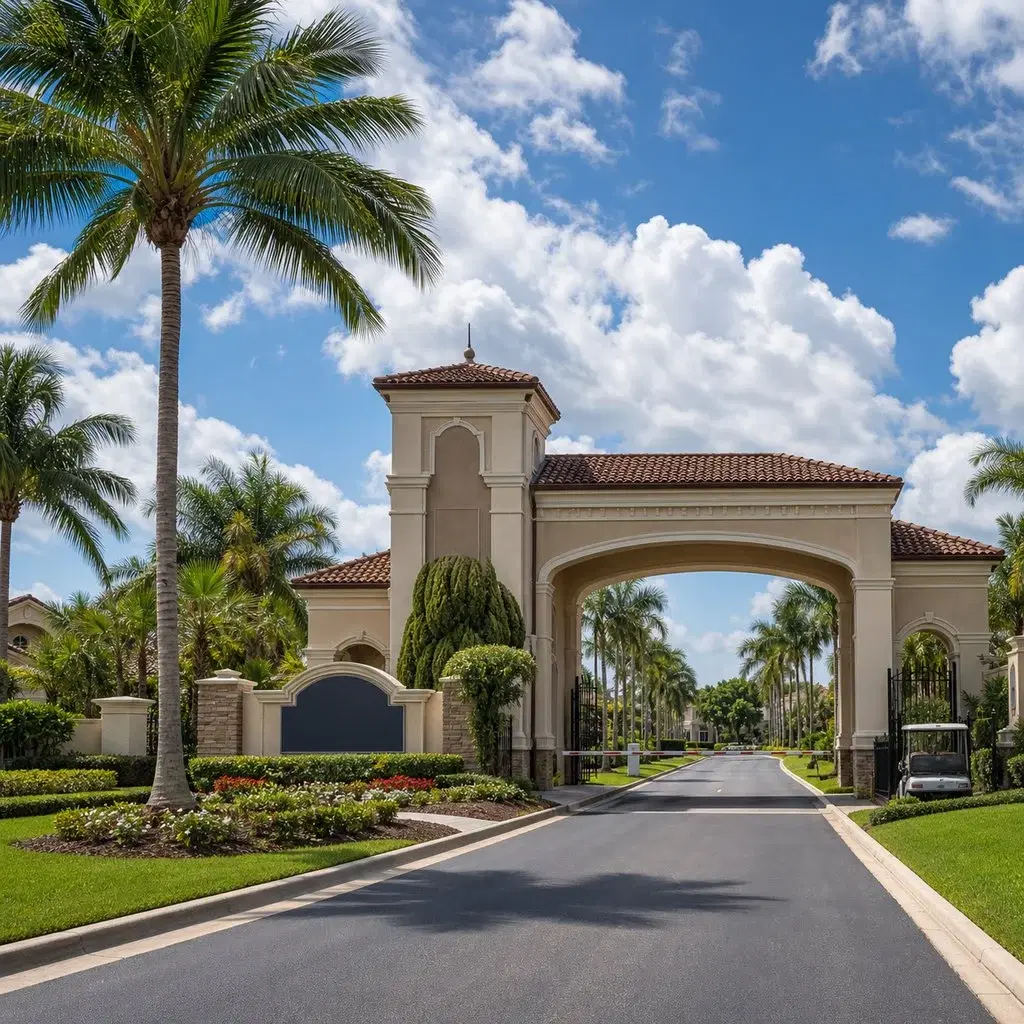
With a population in excess of 10,000, this Ocala community is massive. That brings the amenities but also the noise, the traffic and the bureaucracy.
Construction has been going on for more than ten years and still intrudes on daily life in some quarters. The size is a draw for some buyers, but a source of regret for others.
11. Trilogy at Vistancia, Arizona
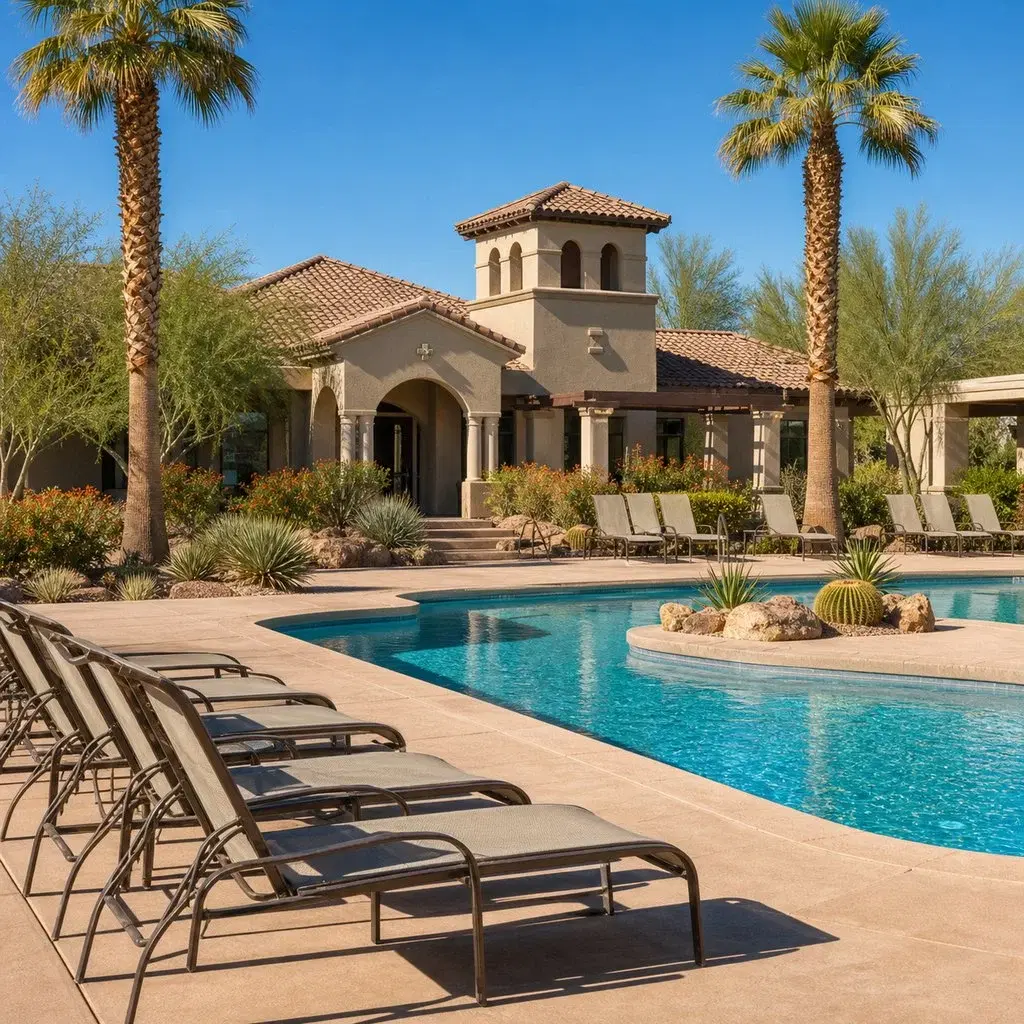
When you move in to Trilogy at Vistancia it has all the trappings of a resort. The amenities themselves are fine.
It is the cost that is hard to swallow. Tally up the club and HOA fees along with your utilities and you are looking at $1,200 to $1,600 for the month. When the bill comes due, a pool is not as much of a priority for a resident on a fixed income.
10. Freedom Pointe at The Villages, Florida
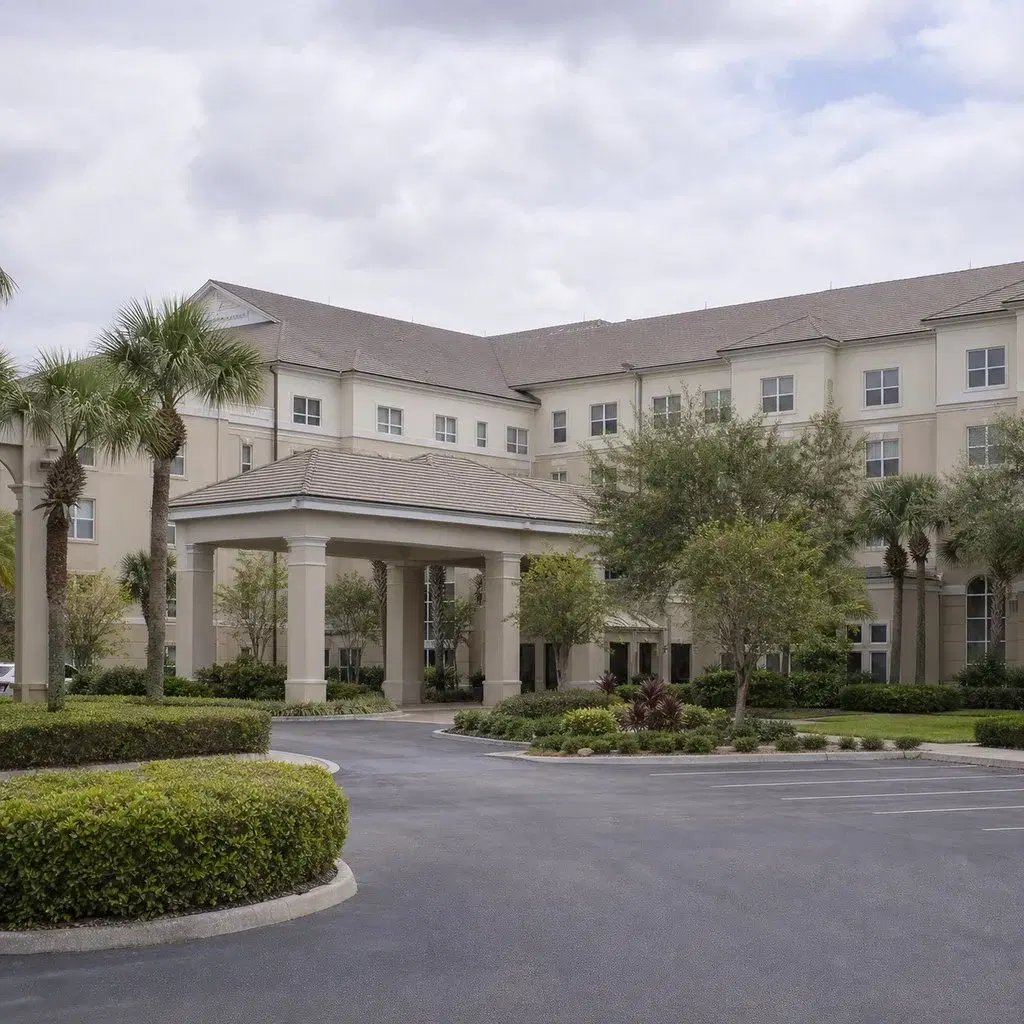
Being in one of the more well-known retirement spots, Freedom Pointe has the advantage of providing future care on site. For families looking to avoid another relocation down the road, that is a comfort.
Yet the numbers are hard to ignore. With entry fees running between $200,000 and $450,000, there is cause for worry. Should health or plans take an unexpected turn, a good portion of that investment may be non-refundable.
9. Leisure World Seal Beach, California
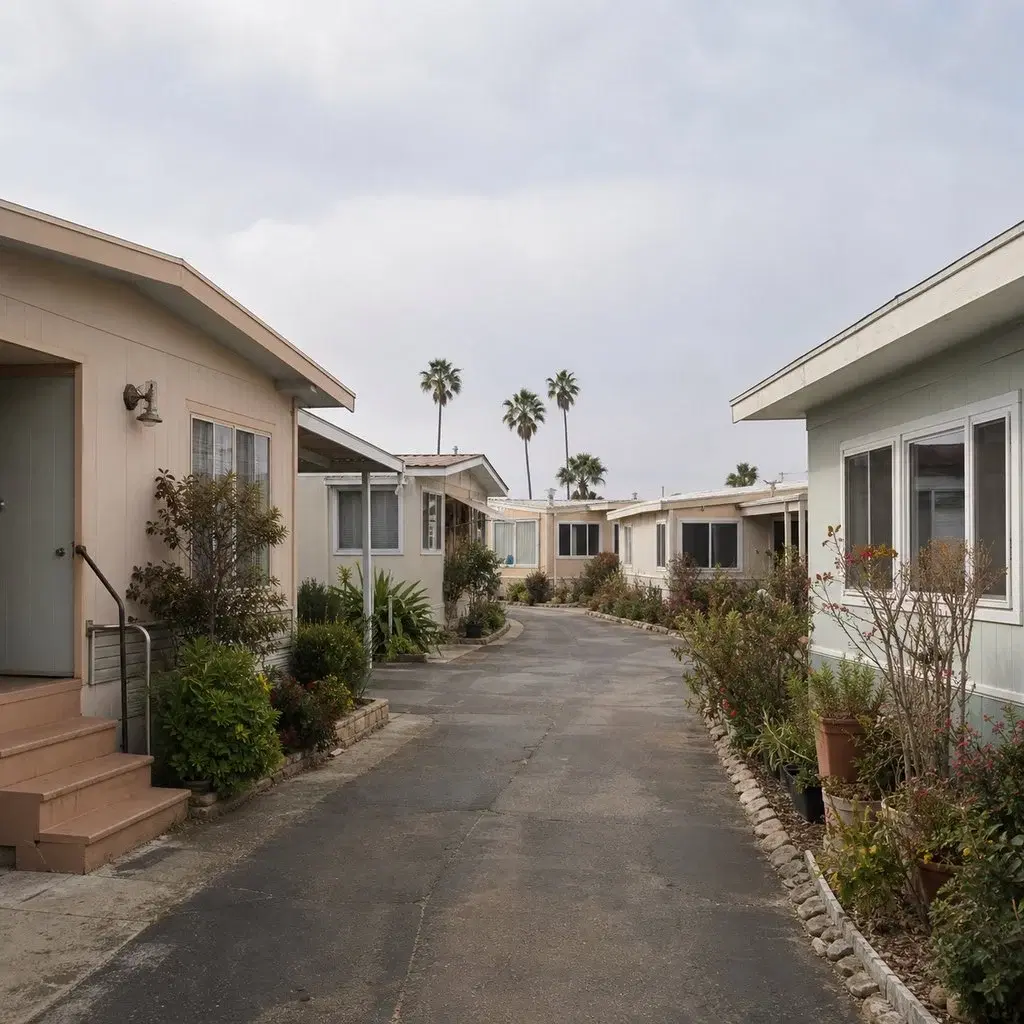
The location at Leisure World is excellent, which makes the ownership rules all the more of a shock to some buyers.
It is a co-op, meaning a resale is no simple matter. You can expect community approval and a process residents put at 12 to 18 months. When you cannot put in an easy exit, the prime location is worth less.
8. Del Webb at Rancho Mirage, California
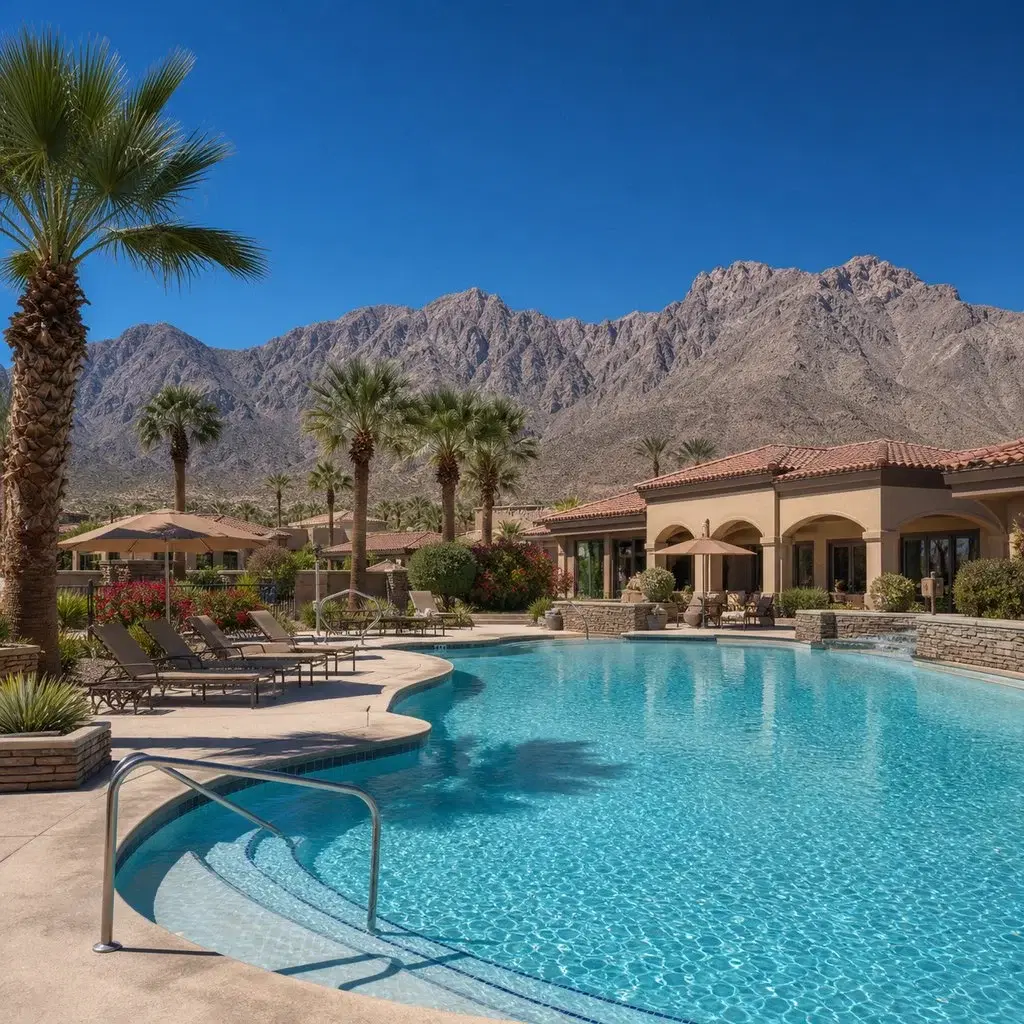
Del Webb is a name people trust, and that can lull buyers into a false sense of security.
Living in the desert here is not cheap. HOA dues will put you over $1,400 a month. Then there is the summer heat; many are gone from June to September. It is difficult to see the value in year-round payments when the home is anything but comfortable for several months.
7. Solivita, Florida
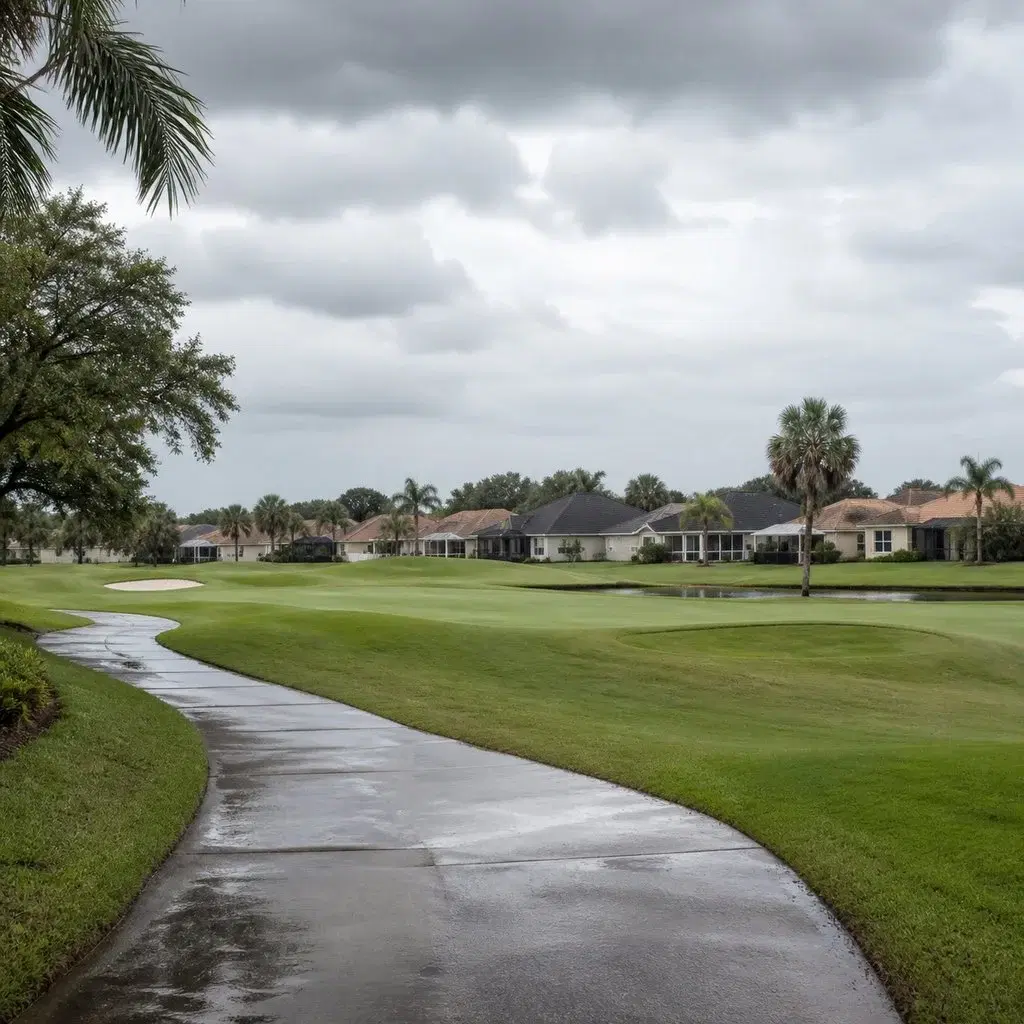
Solivita has loyal residents. But flooding and the distance to medical care concern some families.
Residents report three significant flooding events in the past five years. They also report insurance problems after water damage. The distance to a major medical facility might not matter on a normal day. It can matter during an emergency.
6. Sun City Hilton Head, South Carolina
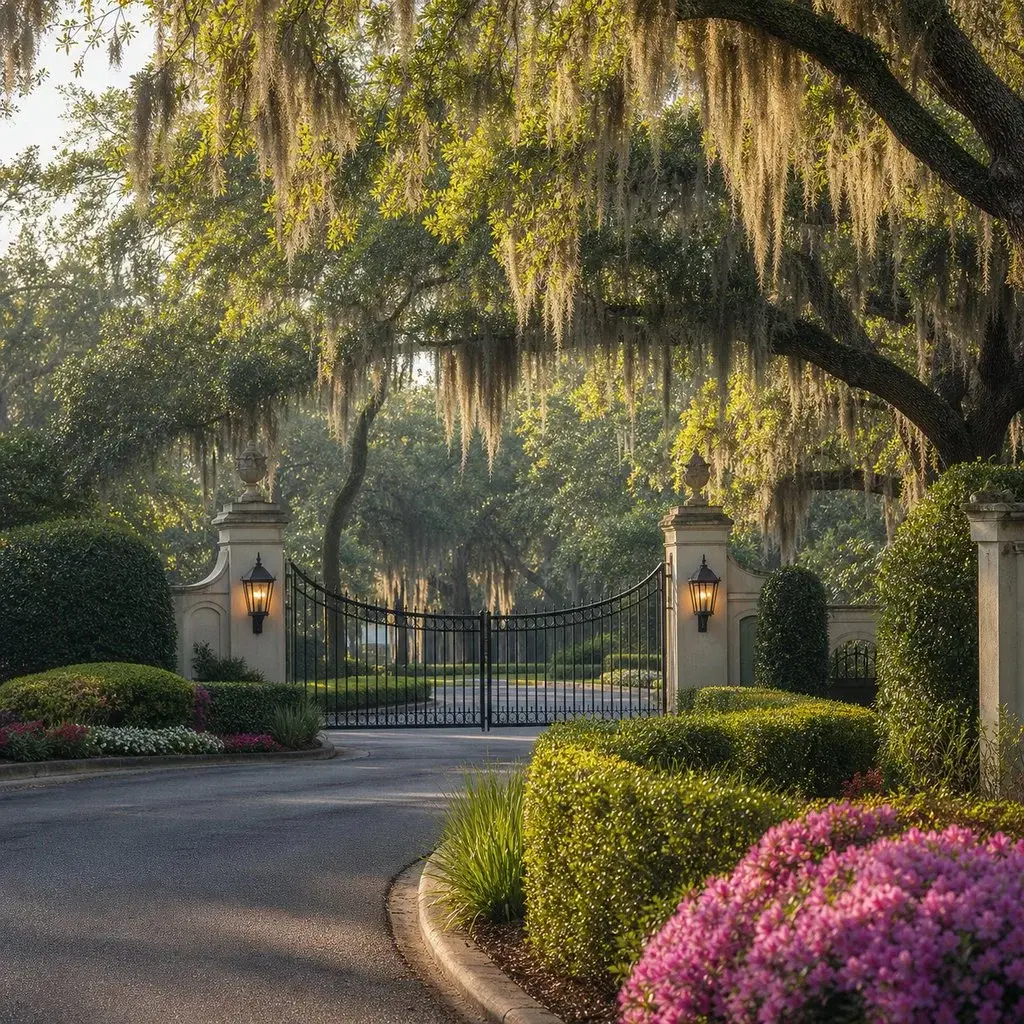
Sun City Hilton Head gets its share of praise. But if there is regret, it is over the cost of living in Bluffton and the surrounding area rather than the community per se.
Everything has gone up: property taxes, groceries, services and home prices. Insurance is no exception. Some have watched neighbors put down $50,000 to $80,000 extra for a home not unlike their own.
5. La Quinta del Rey, Arizona
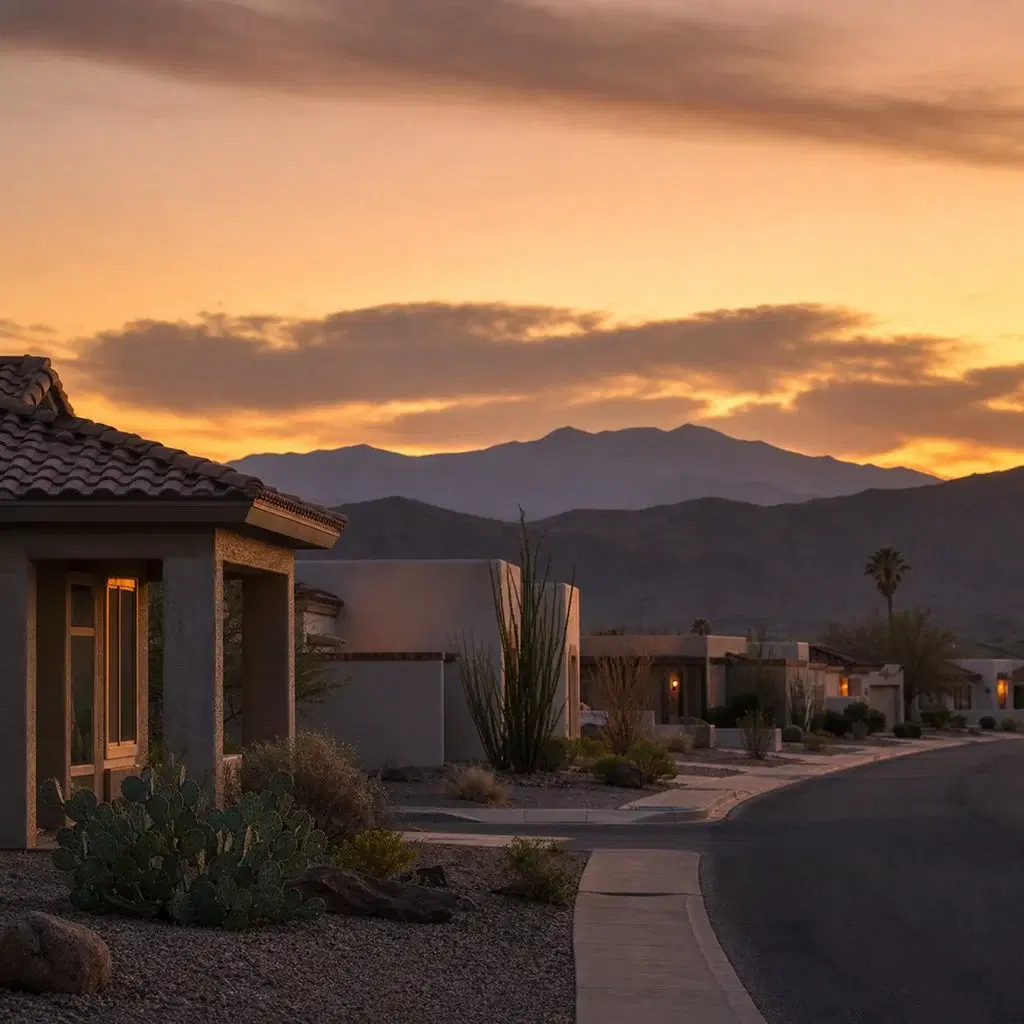
La Quinta del Rey is smaller and quieter than the famous communities. This does not make it financially safer.
Residents report an underfunded HOA reserve, unstable management, and special assessments of $12,000 to $18,000 per home. This is a serious cost for a retiree with fixed income.
4. Waterford at Peoria, Arizona
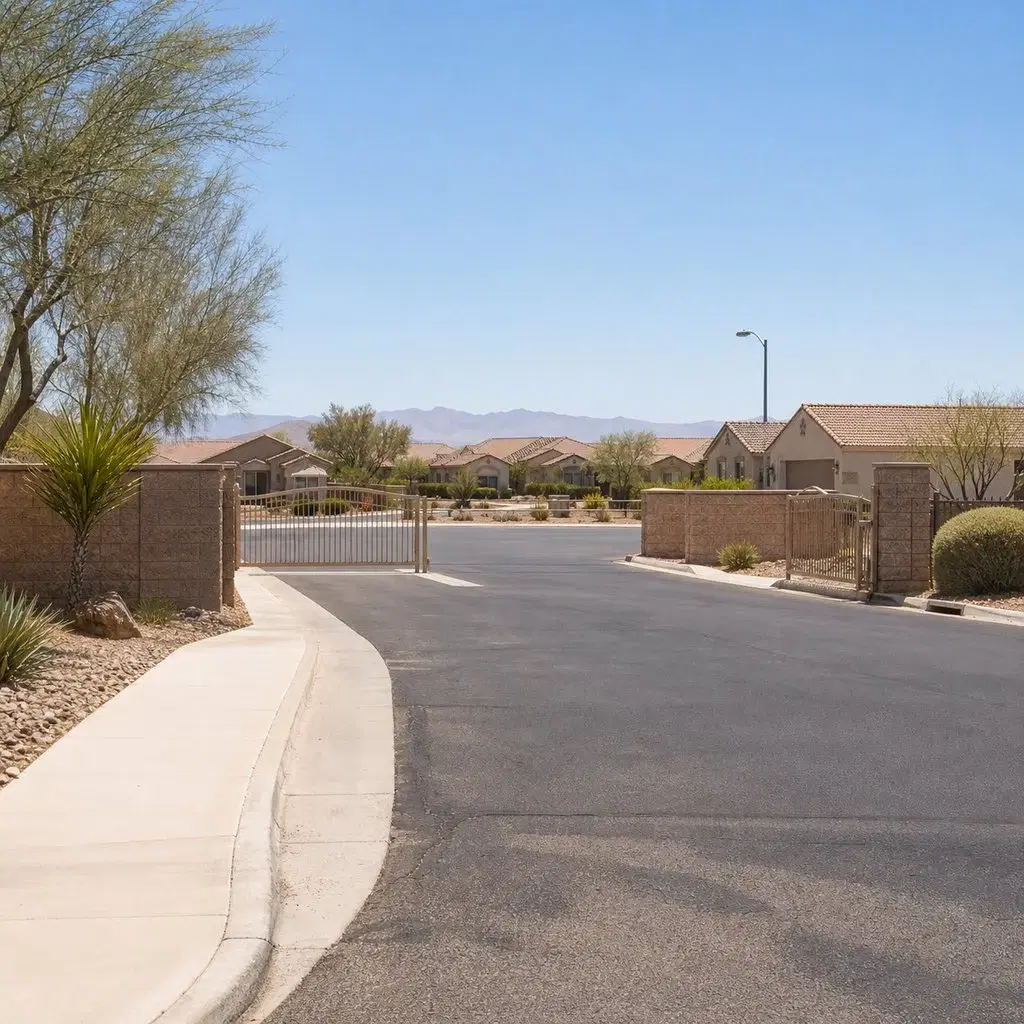
Waterford was marketed as the affordable choice, but you get what you pay for.
Residents point to an HOA lacking the resources to run things properly, few amenities and aging infrastructure. There were reports of the pool being shut down for eight months or more during a dispute over repairs.
3. Vitalia at Tradition, Florida
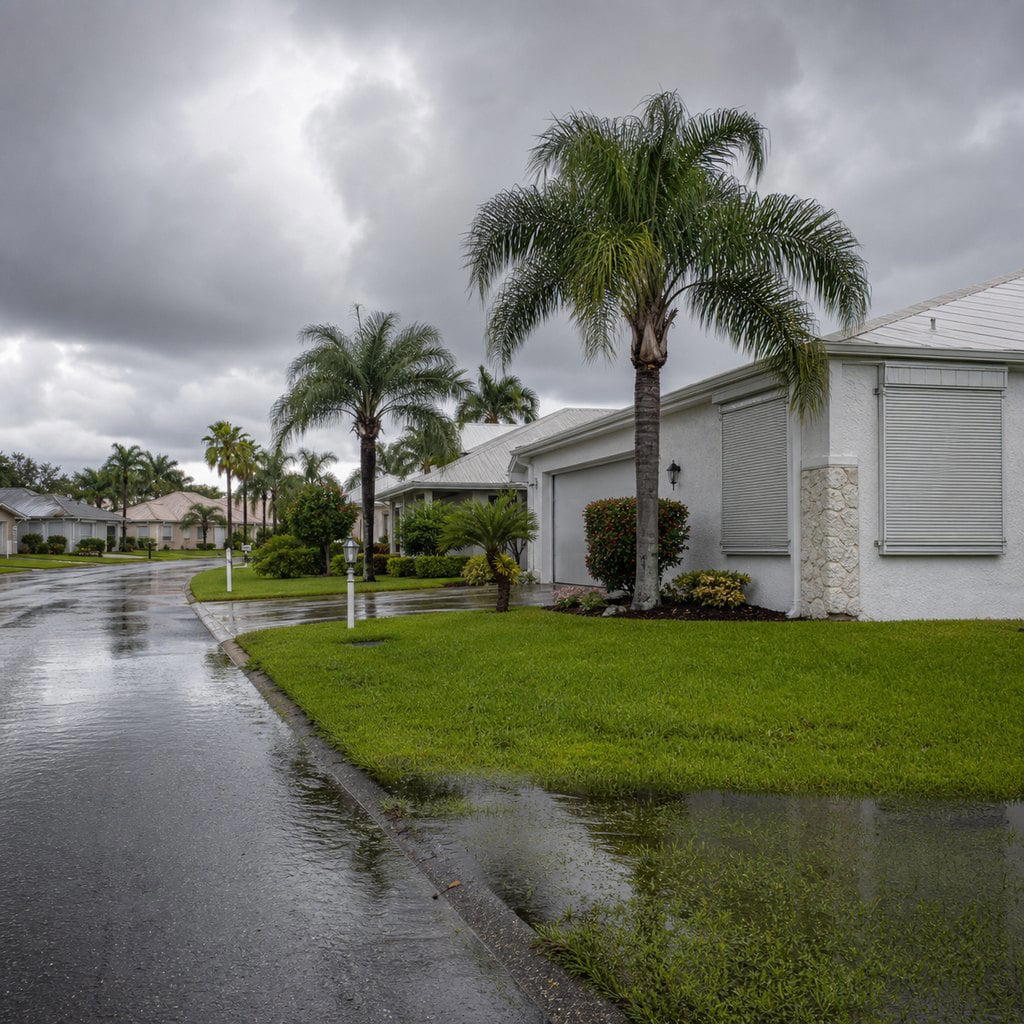
Vitalia at Tradition is in a storm-sensitive part of Florida. Insurance is the main problem.
Residents have seen premiums triple since 2020. Some homeowners now pay $8,000 to $12,000 per year for insurance alone. A monthly housing cost that once seemed manageable can change quickly.
2. Margaritaville at Hilton Head, South Carolina
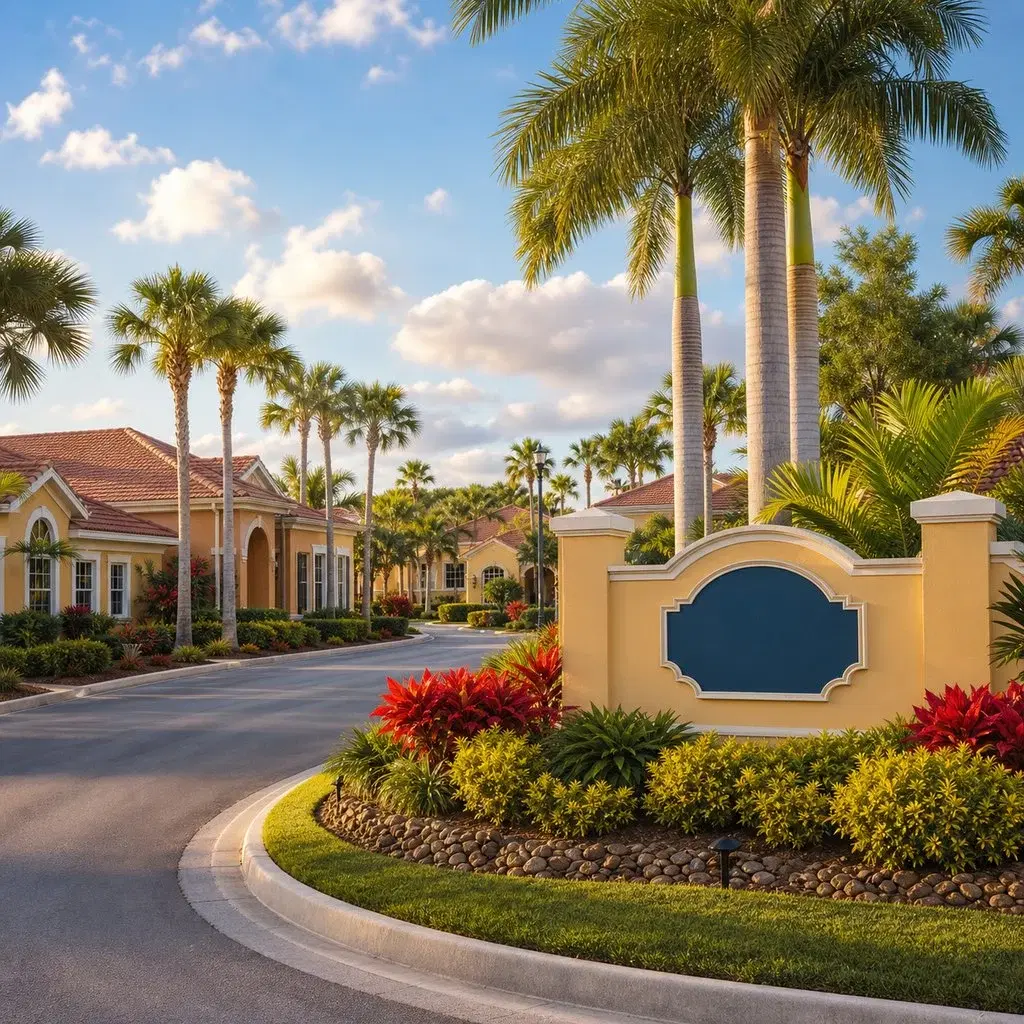
What you are buying at Margaritaville is a feeling, and that is where the risk lies.
To get in, you are looking at $400,000 to $750,000. You can find comparable places without the brand for 25 to 35% less. While some like the themes and concerts, others have the impression they are in a timeshare that happens to be their house.
1. Latitude Margaritaville Watersound, Florida
The Most Expensive Retirement Regret in America
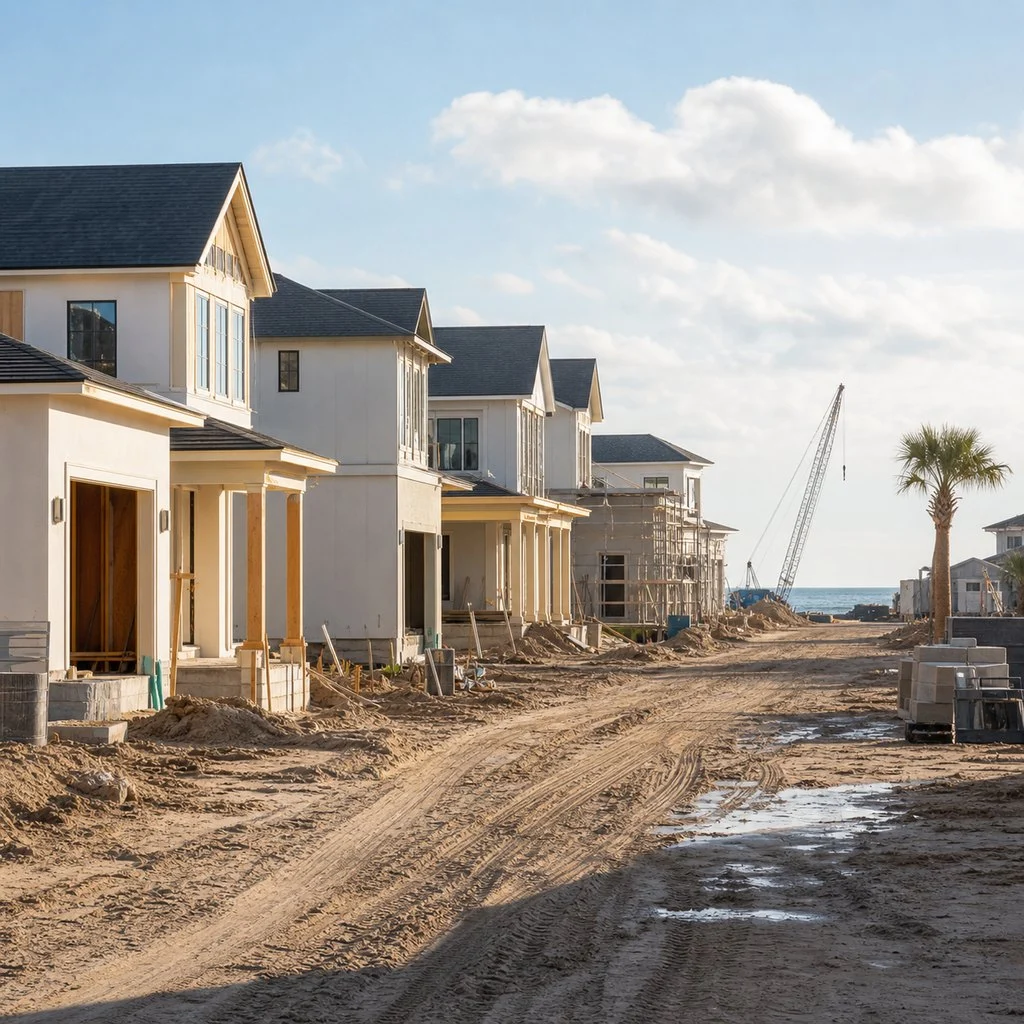
They will tell you Latitude is the place for an active retirement. The lifestyle is there, but do the math and the concern sets in.
With little history to back up a resale, homes that start around $400,000 can easily top $600,000. Add in the hurricane exposure, the cost of insurance, ongoing construction and the premium for the brand, along with medical care being some distance away, and the risks are plain to see.
Your Next Retirement Move Deserves Better Research Than This
Before you sign a contract, speak to people who already live in the community. Ask about monthly fees, insurance, special assessments, resale times, medical access, construction, noise, heat, and details that the sales tour omits.
The best retirement community does not have the most attractive brochure. It has real costs that remain acceptable after the first excitement ends.
Comments
The opinions and views expressed in the comments section are solely those of the individual users and do not represent or reflect the opinions, views, or positions of HumbleTrail. HumbleTrail does not endorse, support, or verify the accuracy of any user-generated content.
By posting a comment you agree to receive related emails from HumbleTrail in accordance with our Terms and Privacy Policy. You can unsubscribe at any time.