A bad vacation meal usually gives you warning signs before the check arrives. These are the restaurant red flags worth noticing while you can still walk away.
19. A Host Is Waving People In From The Sidewalk
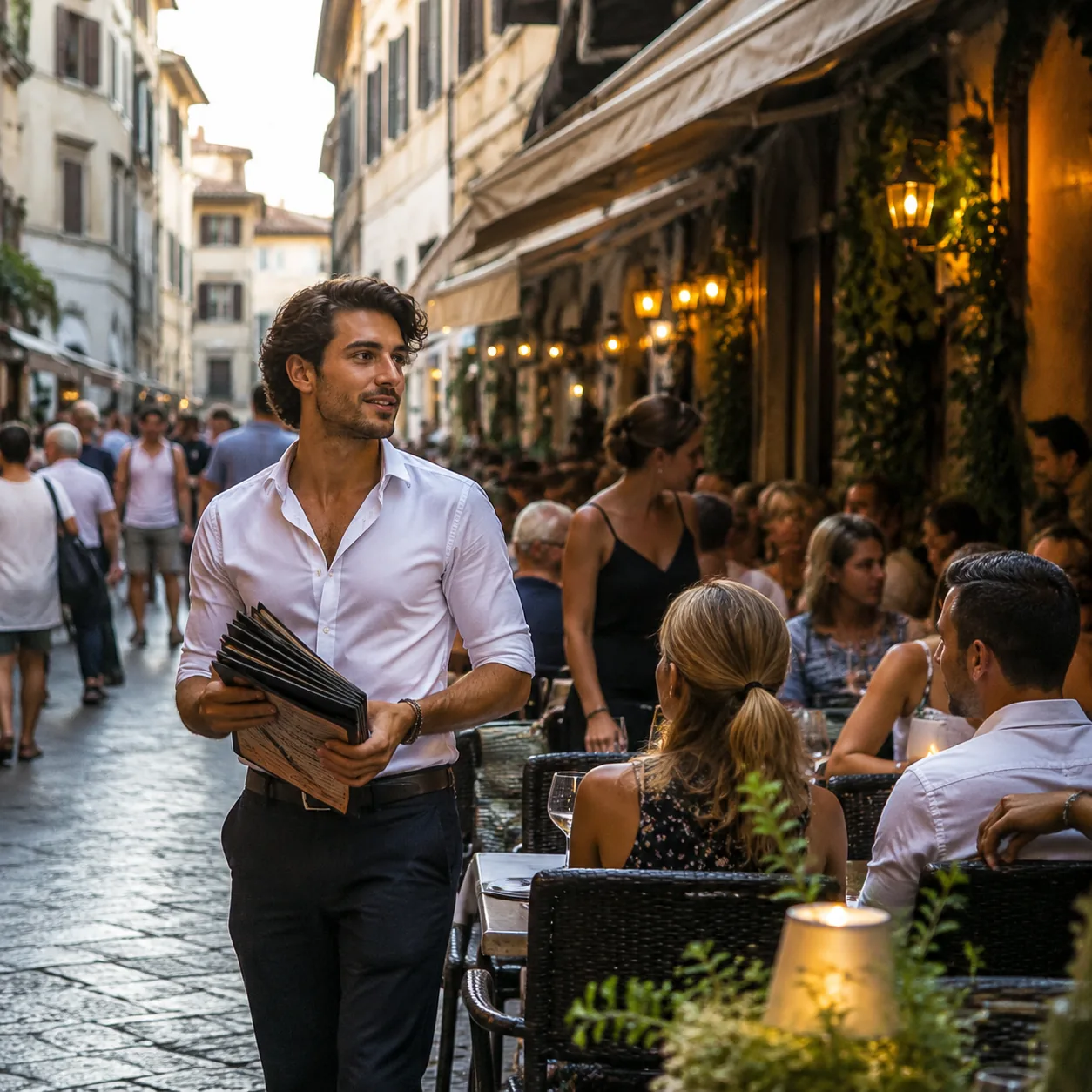
A friendly greeting is normal. A staffer stepping into the walkway, waving menus, promising the best table, and trying to steer every passerby inside is a different signal.
Restaurants locals rely on usually do not need to chase foot traffic one couple at a time. Before you follow the host, glance at the tables: are people eating calmly, or are they only drinking soda while studying the menu?
Better move: keep walking for two or three blocks, then check a place with a shorter menu, a slower host, and diners who look like they came there on purpose.
18. The Menu Is Laminated In Six Languages
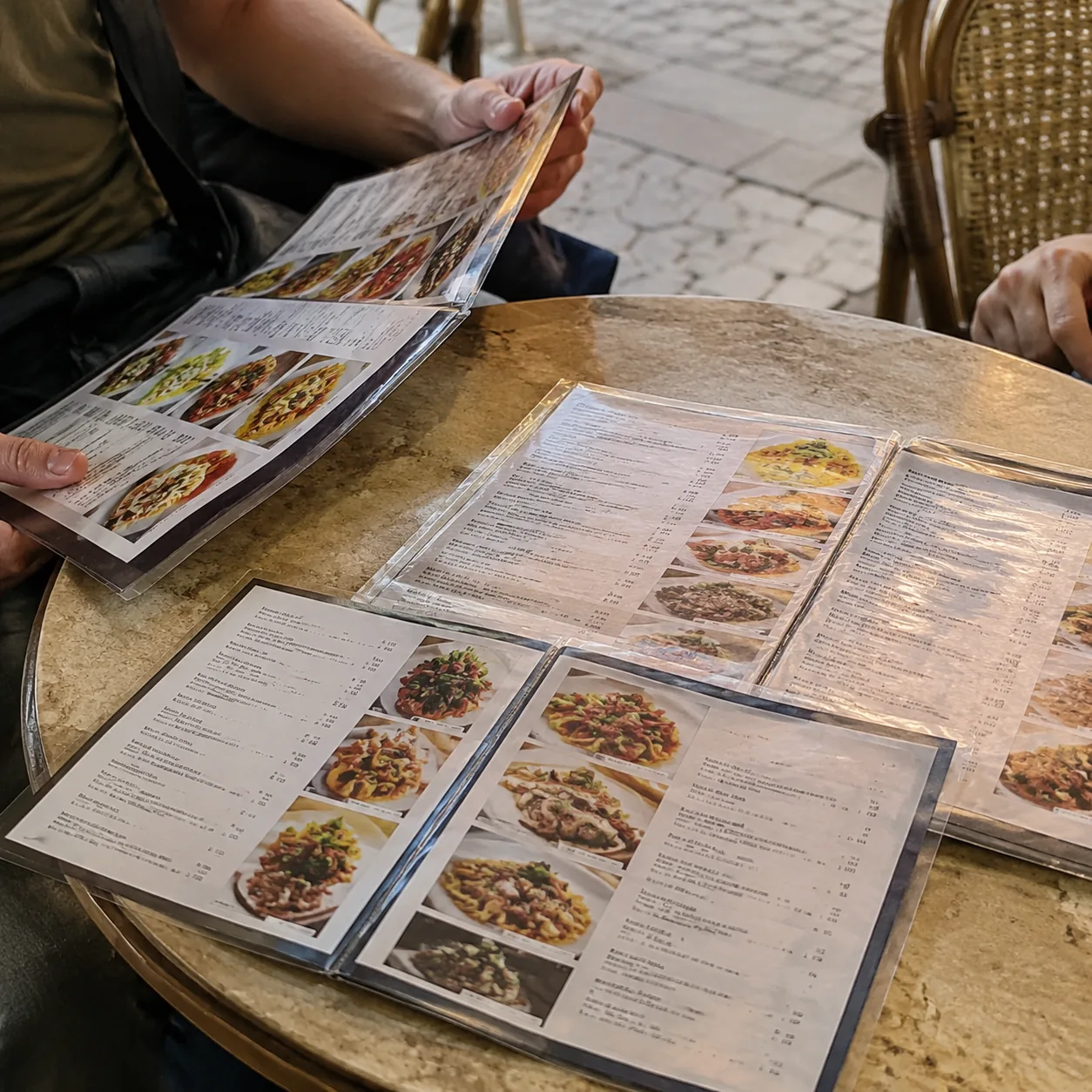
Translated menus are not automatically suspicious. In a busy city, a thoughtful English version can make dinner easier for everyone.
The warning sign is the thick laminated booklet with six languages, flags, generic food photos, and every cuisine under the sun. That usually means the restaurant has optimized for visitors who will never return.
A safer bet is a place with one local-language menu plus a clean translation, or a server who can explain the short list of dishes without pointing at plastic pages.
17. The Dining Room Is Empty At Peak Dinner Time
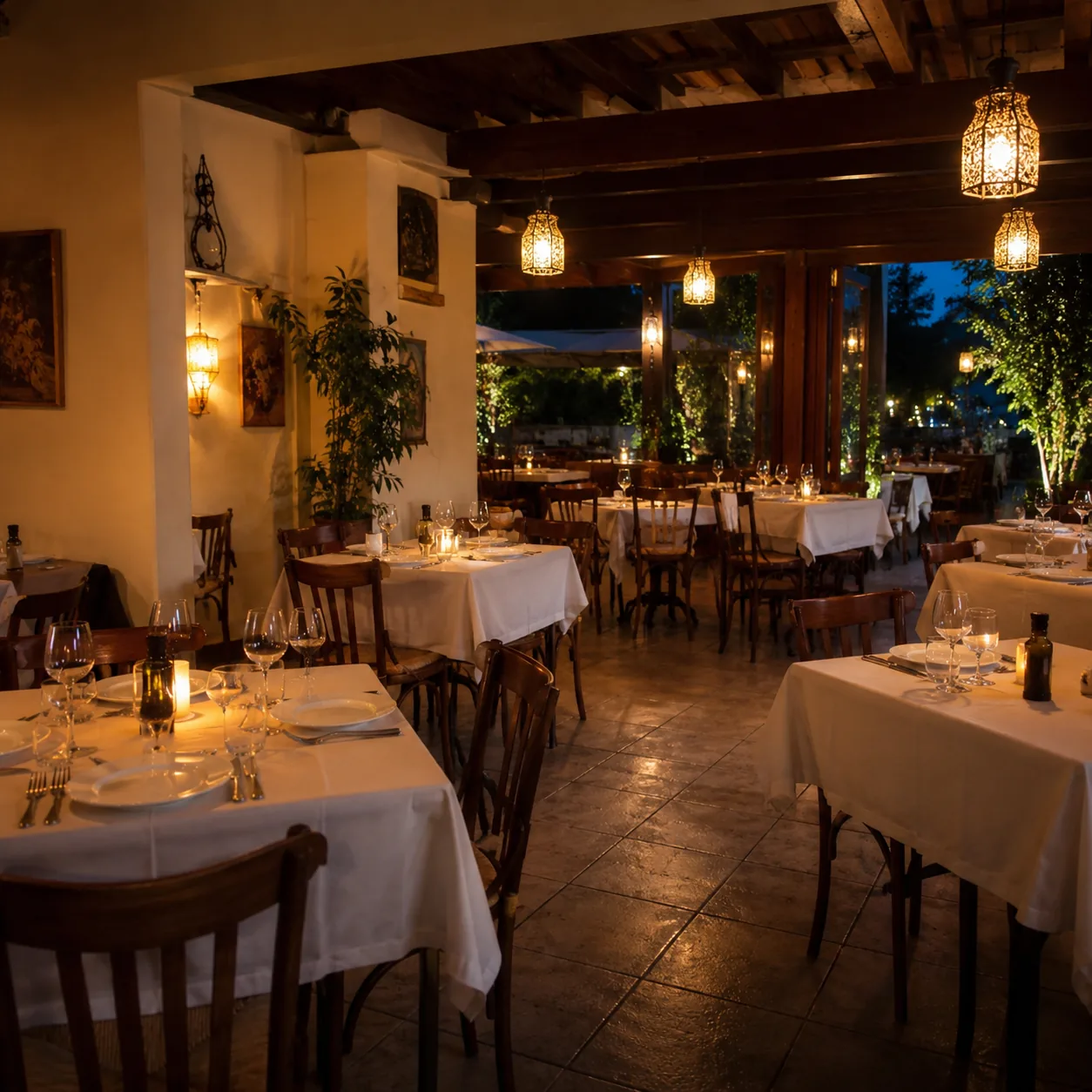
An empty room at 5 p.m. may mean nothing. An empty room at 8 p.m. on a lively street deserves a pause, especially if nearby places have families, couples, and regulars already eating.
Check the smell, the pace, and the food leaving the kitchen. If staff look surprised you entered or every table is perfectly reset, the restaurant may survive on one-time visitors rather than repeat diners.
Safer alternative: choose a busy but not frantic spot where turnover looks natural. A short wait can be a better sign than a completely open patio in the middle of dinner.
16. Prices Are Missing From The Menu Outside
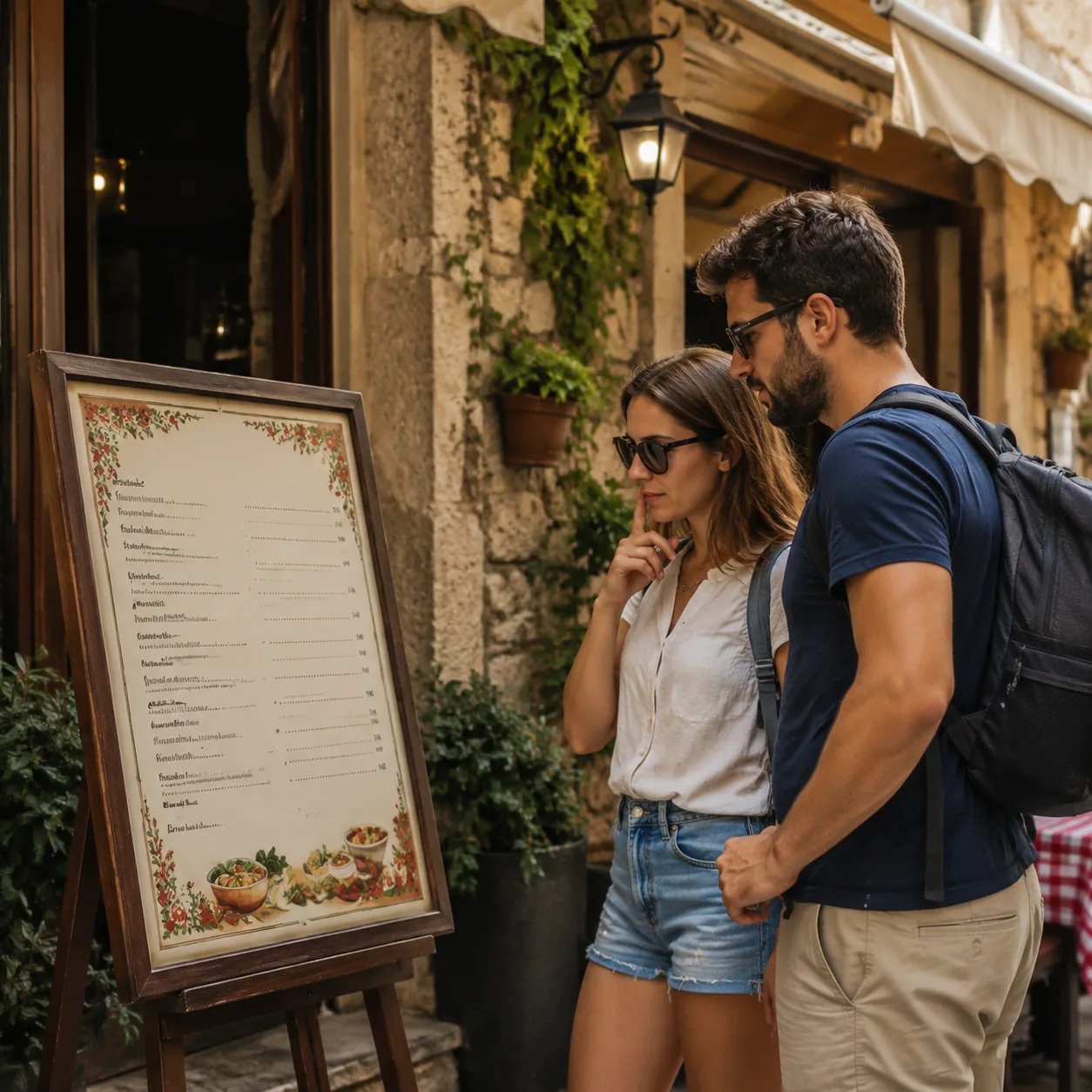
If a restaurant is confident in its value, it usually lets you see the price before you sit down. Missing prices, tiny print, or a separate “tourist menu” handed over after seating all create avoidable uncertainty.
This matters most in landmark zones, beach promenades, cruise ports, and old-town squares where the table view can make people feel committed. Ask about cover charges, service fees, bread, sauces, bottled water, and gratuity before ordering.
Good restaurants answer cleanly. If the response gets vague or jokey, that is useful information before your credit card is involved.
15. Every Dish Has The Same Glossy Stock Photo
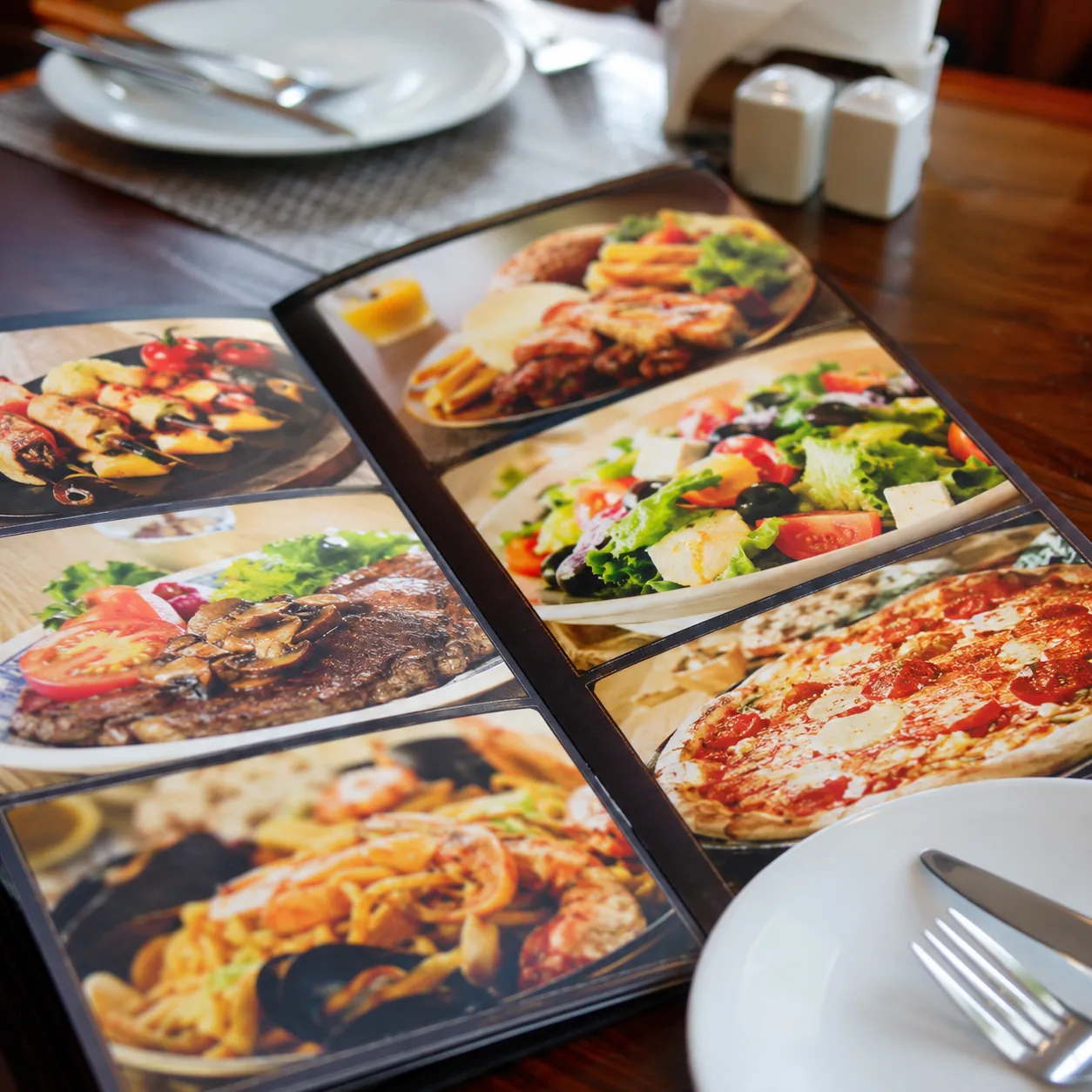
Photos can help when you are navigating a language barrier. The problem is a giant menu where every pasta, seafood platter, burger, and dessert looks like it came from the same image library.
Stock photos create a promise the kitchen may never have cooked. Look at plates leaving nearby tables instead; real food tells you more than laminated lighting and perfect garnish.
A good sign is a daily board, a few candid guest photos in recent reviews, or a server who describes how the dish is made instead of tapping a picture.
14. The Patio Sells The View Before The Food
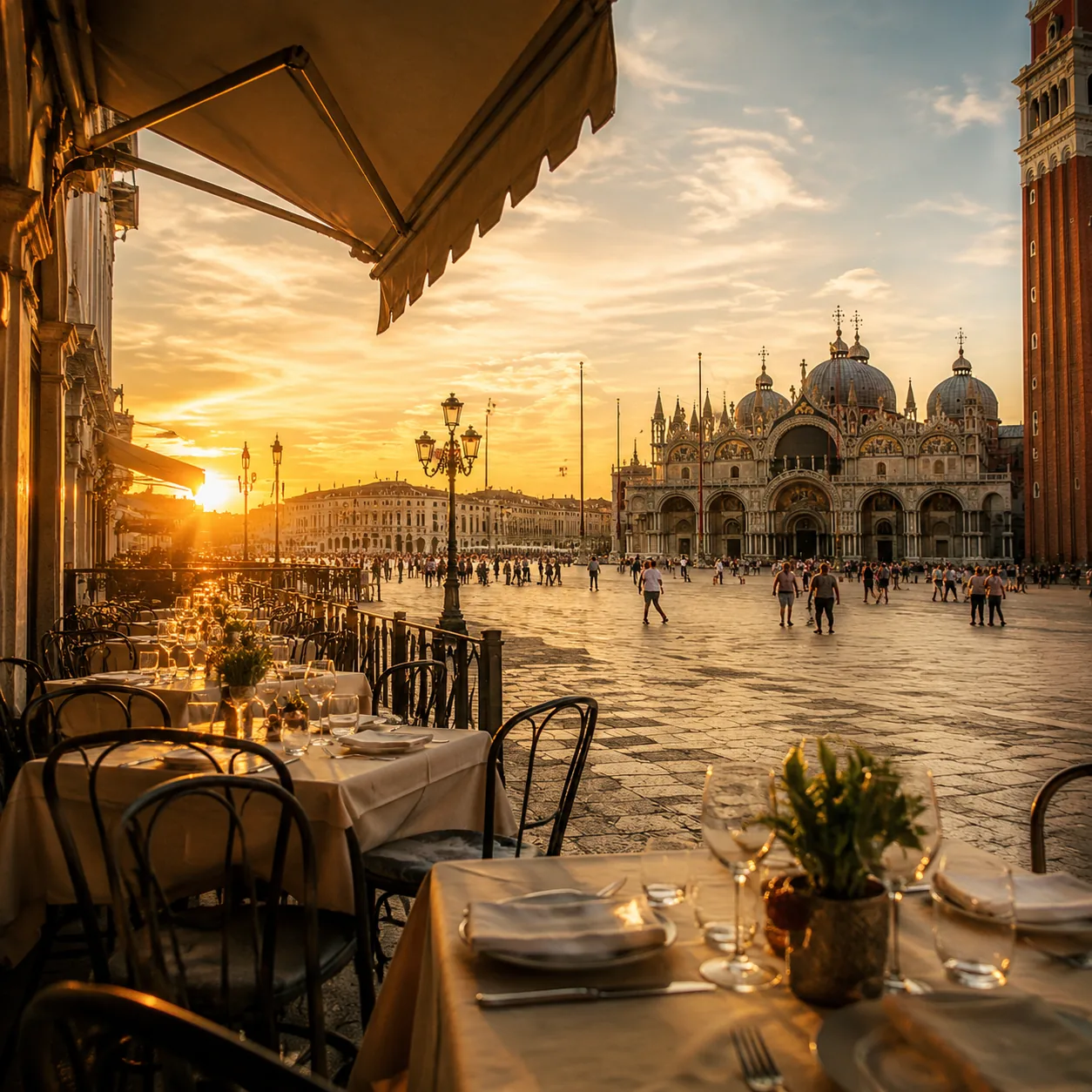
A view is not a crime. Some of the best meals in the world happen beside harbors, beaches, mountains, and old squares.
The trap is when the entire sales pitch is the view: front-row tables, selfie angles, loud signage, and very little evidence that the kitchen has a point of view too. In those places, you may be paying a scenery surcharge before you taste anything.
When the view matters, order one drink first and read the full menu calmly. If the food feels like an afterthought, use the patio for the photo and eat elsewhere.
13. Every Sign Claims The Same Famous Local Dish
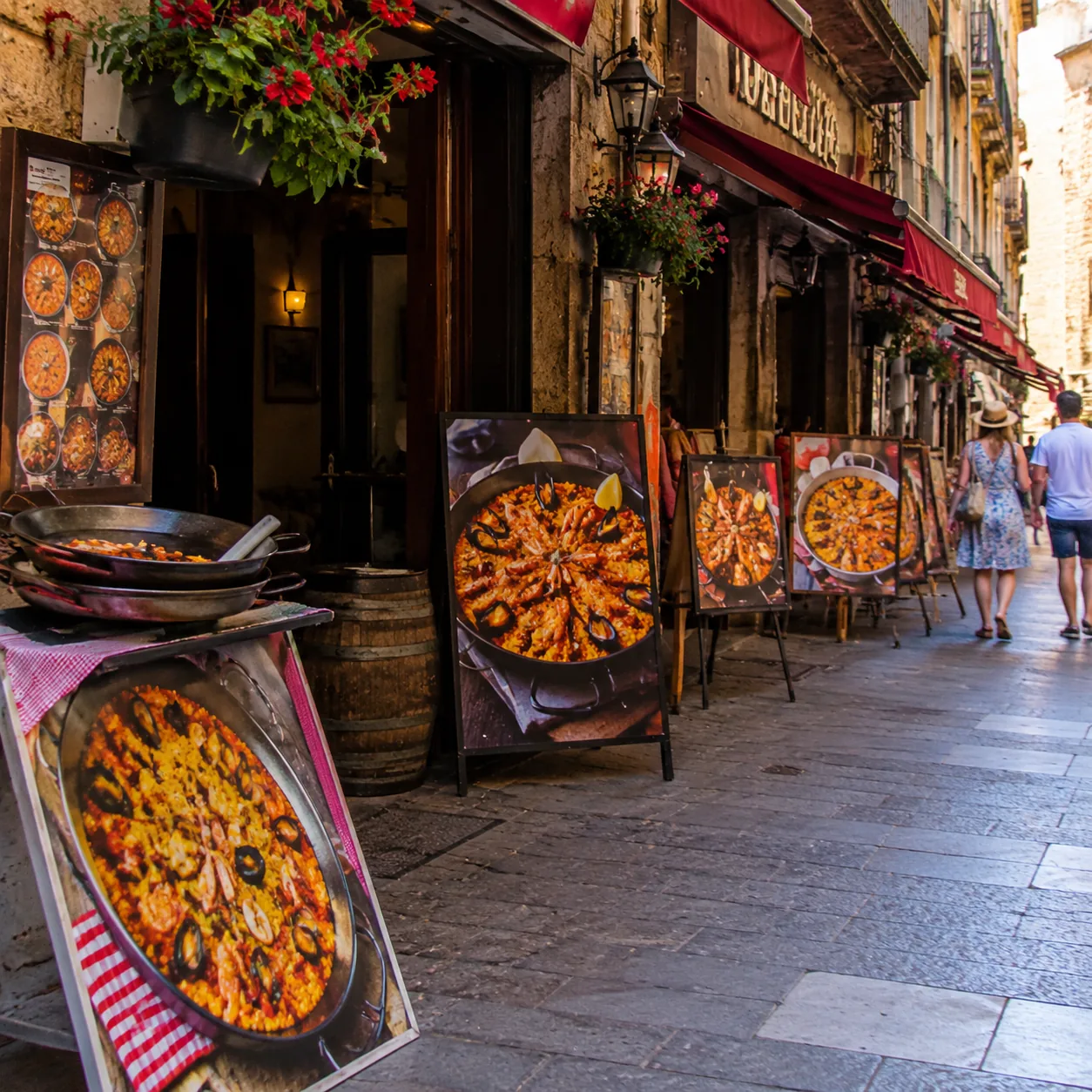
When every restaurant on one block claims the city’s best paella, lobster roll, schnitzel, fish tacos, or carbonara, the sign is doing more work than the kitchen. Famous dishes are easy bait because travelers arrive already wanting the checklist meal.
The better question is who actually eats that dish there. In many overvisited places, the local favorite is a smaller counter, a market stall, or a family spot away from the postcard corner. That same name-versus-reality gap shows up in European cities travelers often find overrated, where the famous stop is not always the best part of the trip.
Ask what the kitchen sells out of first or what regulars order. If the answer is just the biggest word on the sign, keep looking.
12. Bread, Olives, Sauce, Or Water Arrive Without Explanation
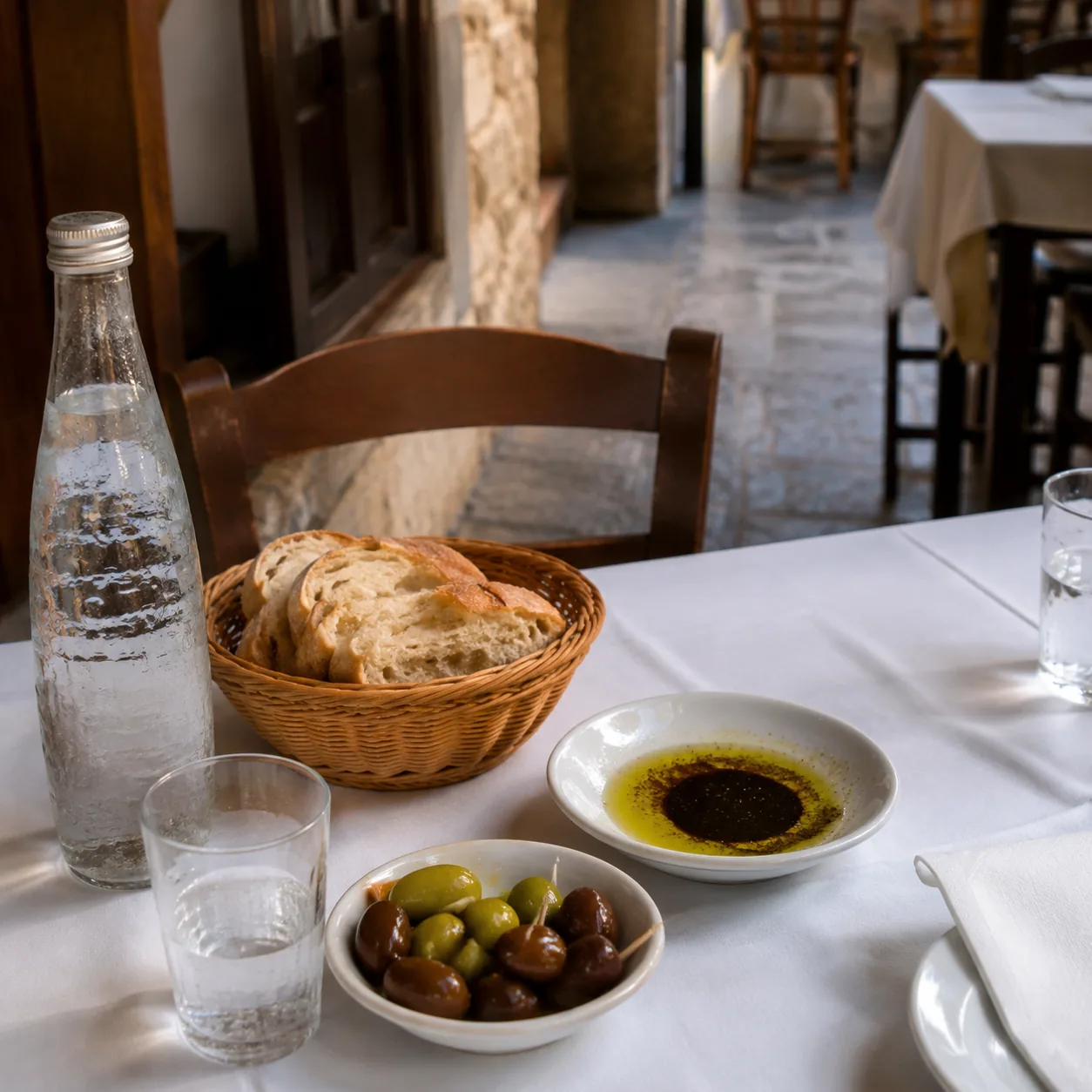
Unrequested table items are tricky because customs vary. In some places, bread is simply part of the meal; in others, every untouched basket can still appear on the bill.
The safe move is not to be suspicious of hospitality. It is to ask before eating: “Is this included?” Clear restaurants answer directly. Vague answers around bread, olives, sauces, bottled water, service charges, and automatic gratuity are the little fee traps that also make Caribbean booking mistakes cost travelers later.
If the server seems annoyed by the question, that is a sign too. A fair restaurant would rather clarify than fight about a small charge at the end.
11. The Specials Are Recited With No Prices
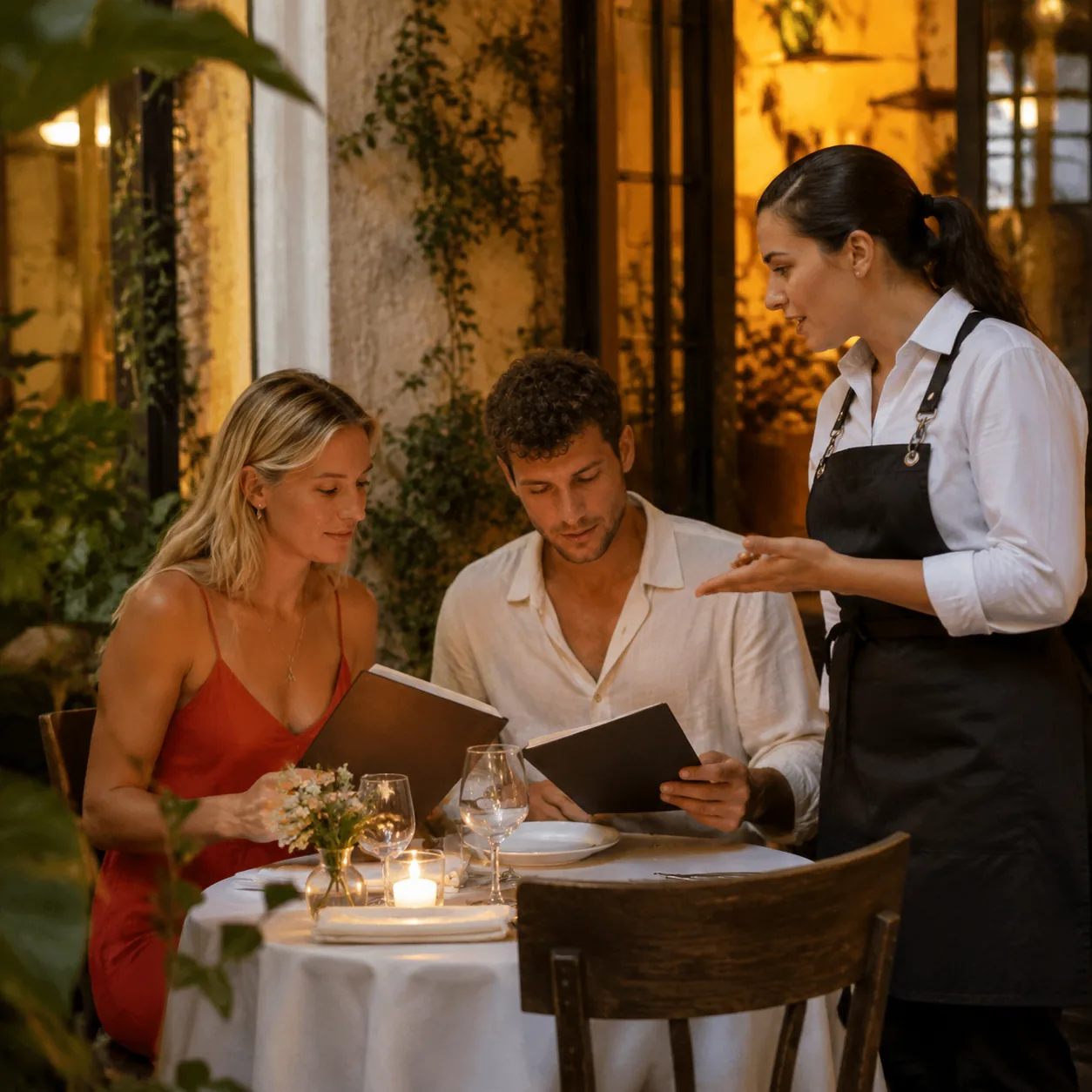
A special can be the best thing on the menu. It can also be the expensive item a tired traveler orders because asking the price feels awkward.
Seafood, steak, truffle pasta, chef’s platters, and “for two” dishes deserve a number before you agree. This is the restaurant version of the polished photos in Punta Cana resort traps that look better online: the attractive pitch is not the same as the final cost.
Ask, “How much is that tonight?” If the server answers without hesitation, keep deciding. If the answer is slippery, order from the printed menu or leave before the special becomes a surprise.
10. The Menu Tries To Serve Every Cuisine
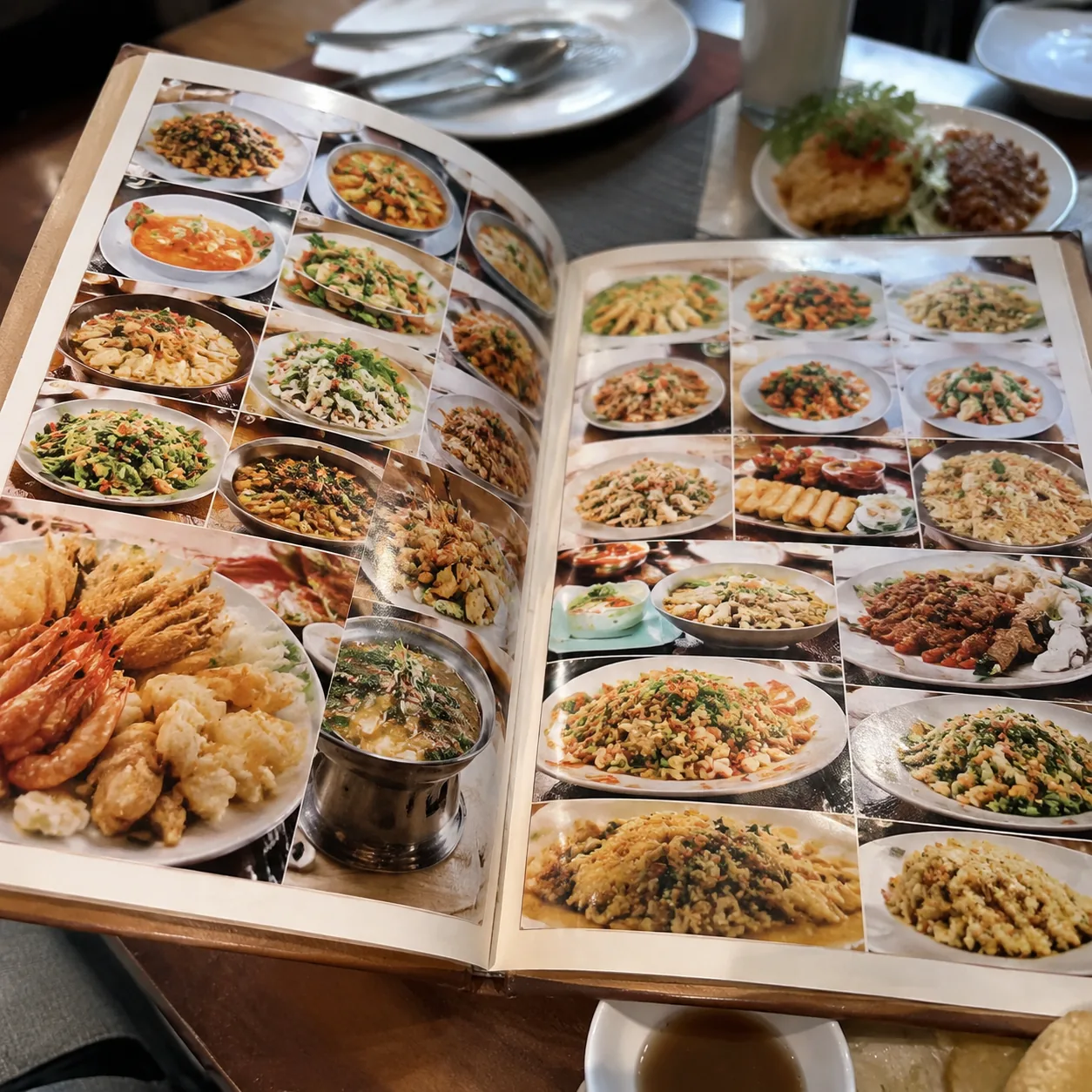
A long menu is not always bad, but it tells you something about the kitchen. Pizza, sushi, burgers, pad thai, fajitas, local seafood, and pancakes from one small room usually means the restaurant is chasing every tourist mood.
Wide menus often rely on frozen bases, bottled sauces, and items that can be assembled fast. Travelers fall into the same “famous place must be good” shortcut covered in Mexico beach destinations ranked from worthwhile to overrated.
Pick the place that seems to know what it is. A five-item lunch counter can beat a 10-page menu because the kitchen repeats the same dishes all day and has nowhere to hide.
9. Locals Keep Walking Past It
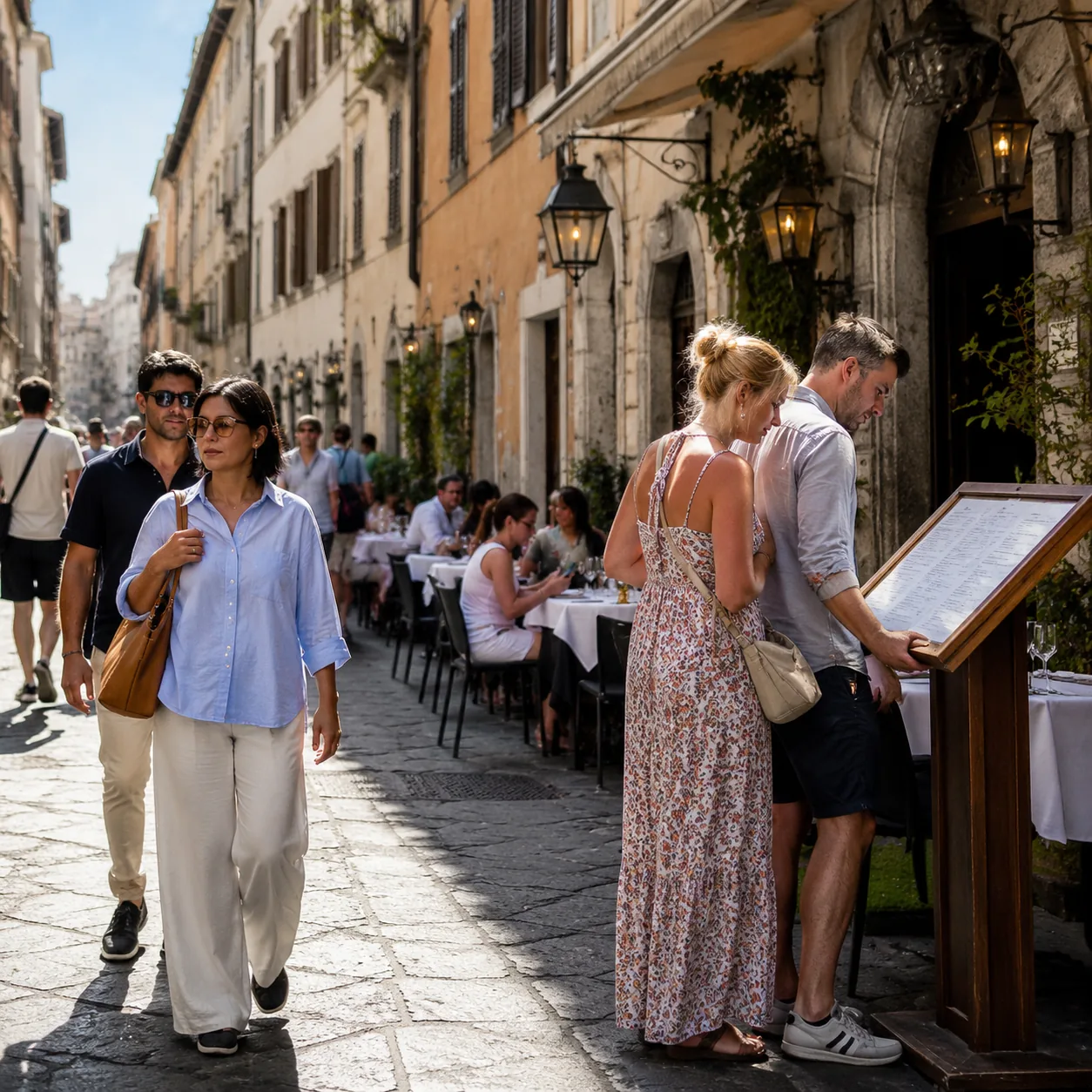
Locals do not have to be at every good restaurant, especially in hotel districts. But if residents, workers, taxi drivers, and shop staff all walk past the same open terrace without glancing at it, notice the pattern.
The easiest check is nearby behavior. Where are delivery riders waiting? Where is the office crowd getting lunch? Where do families with strollers disappear at 7 p.m.? That kind of neighborhood proof matters in Puerto Rico, Europe, Florida, and the islands alike; it is the same street-level planning muscle behind Puerto Rico mistakes first-time visitors make.
You do not need to eat where nobody speaks English. You just want evidence that the place matters to someone besides passing visitors.
8. Seafood Is Sold Without Clear Weights Or Market Prices
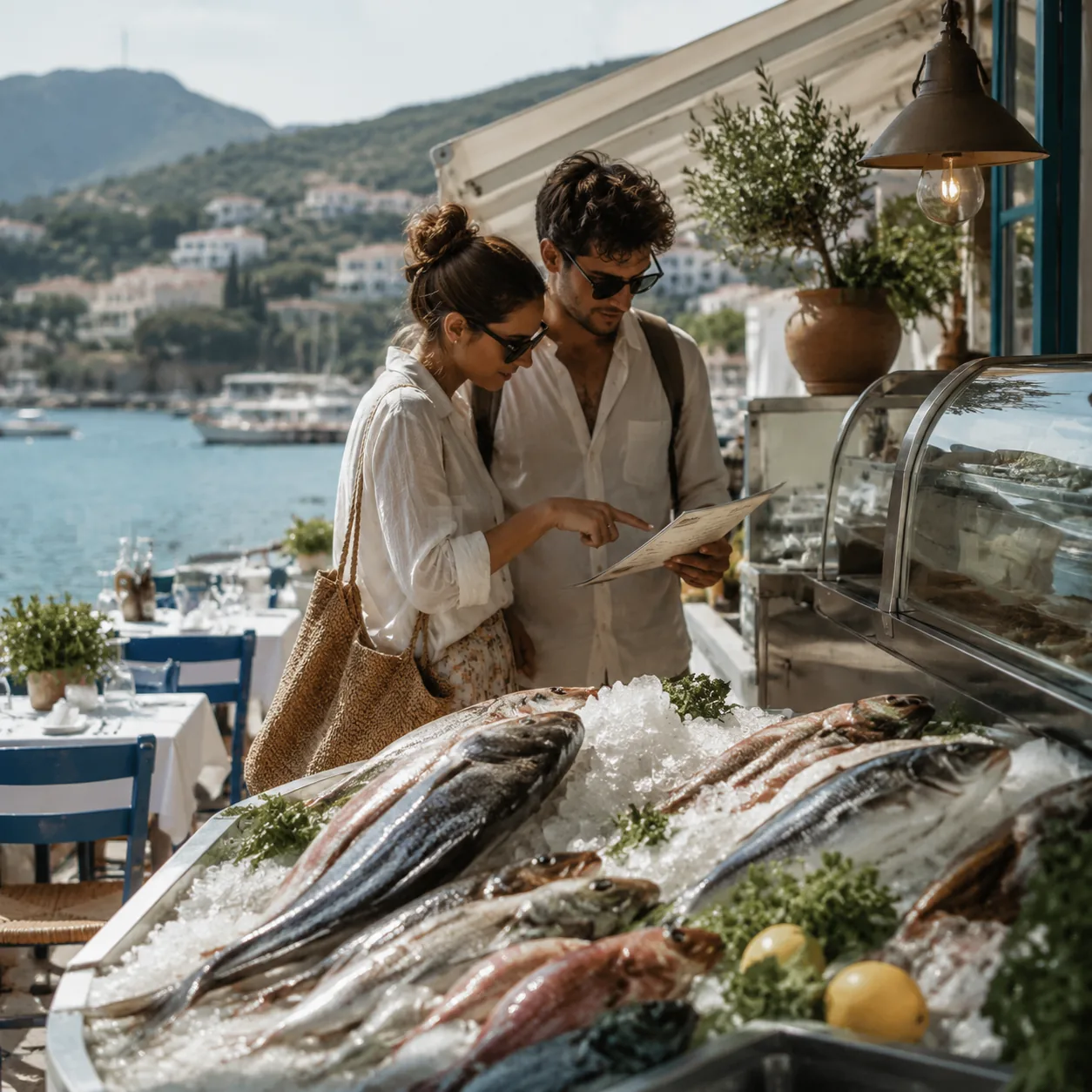
Seafood is where pleasant vacation math can go sideways fast. Whole fish, lobster, crab, prawns, and “market price” platters need either a posted price per pound, a clear weight, or a final price before cooking.
Do not be embarrassed to ask the server to write or repeat the number. Beach trips already have enough hidden costs, as anyone who has read Florida beach vacation traps tourists regret knows too well.
If the restaurant is proud of its seafood, it should be proud of the scale, the source, and the price. If the answer is “do not worry,” worry a little.
7. The QR Menu Hides The Basics
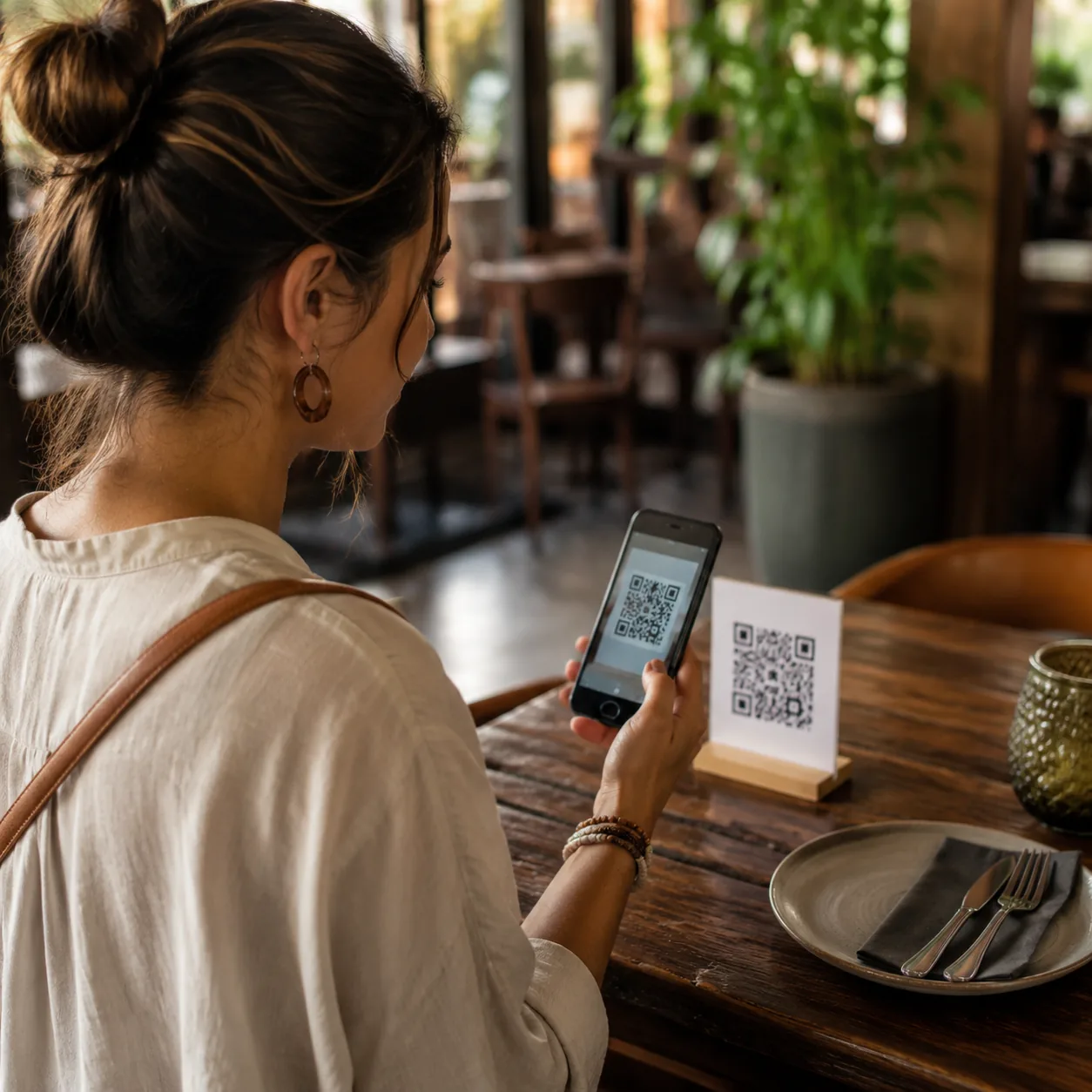
QR menus are common now, and plenty of good restaurants use them. The red flag is a QR-only setup that makes basic information harder to find: prices, allergens, service fees, tap water, kids’ options, or whether tax is included.
Travelers get tired, phone batteries die, roaming data stalls, and tiny menus hide details people would catch on paper. For island and resort trips, that same small-detail fatigue shows up in Aruba mistakes first-timers regret.
Ask for a paper menu or a clear price rundown if anything matters. A good restaurant will help you order; a weak one will make the digital maze your problem.
6. The Cash-Only Rule Appears At The End
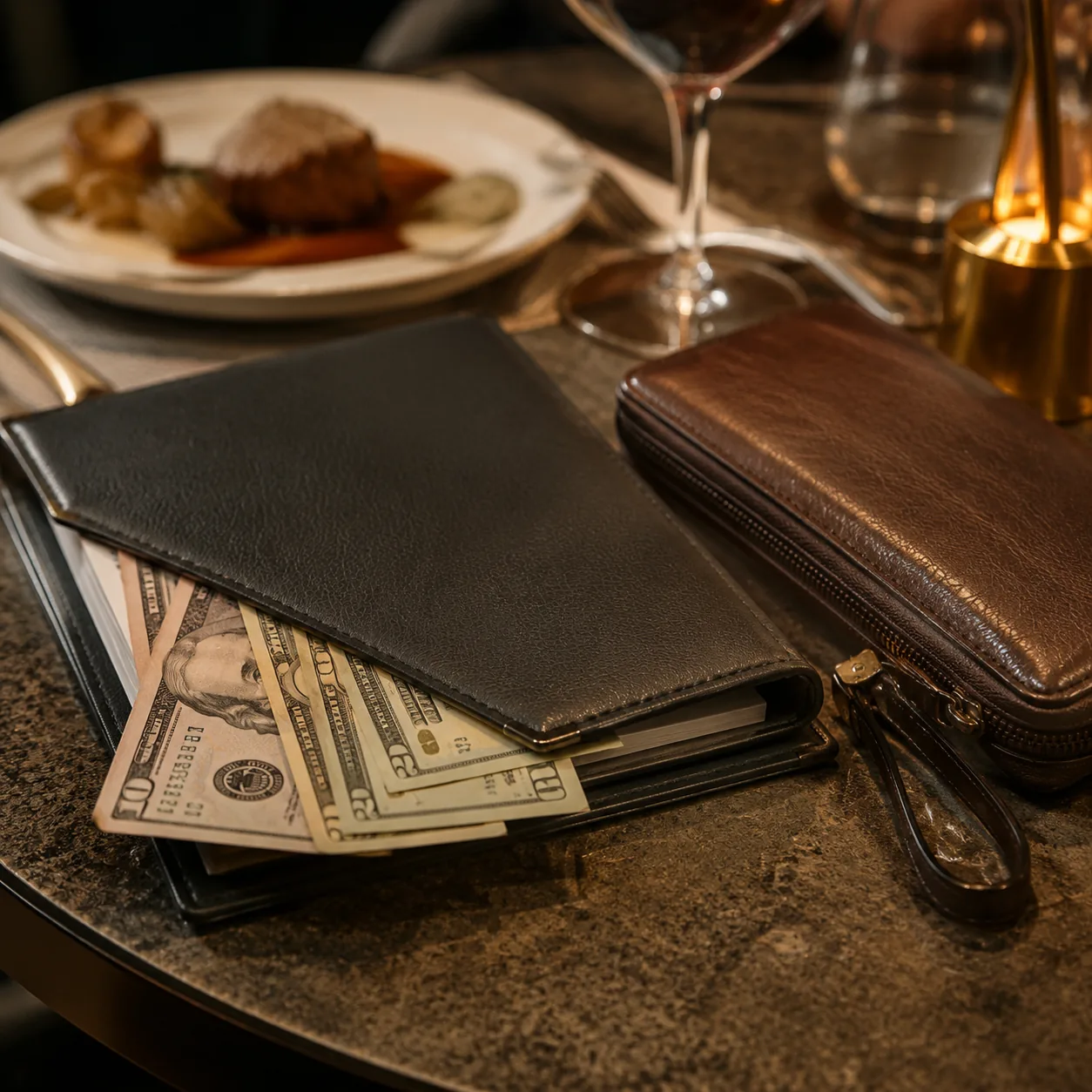
Cash-only restaurants can be excellent, especially small family places. The problem is when the rule is not posted clearly, appears only after you order, or comes with pressure to use a nearby ATM with a large fee.
In busy tourist strips, cash confusion can also blur exchange rates, service charges, and whether a credit-card fee was built into the menu. It is the food version of the trip-planning surprises in Caribbean islands ranked from hidden gems to overrated: the headline price is rarely the whole trip.
Before sitting, ask what payment they take and whether the bill can be split. A clear answer is fine; a late surprise is not.
5. The Restaurant Creates Fake Urgency
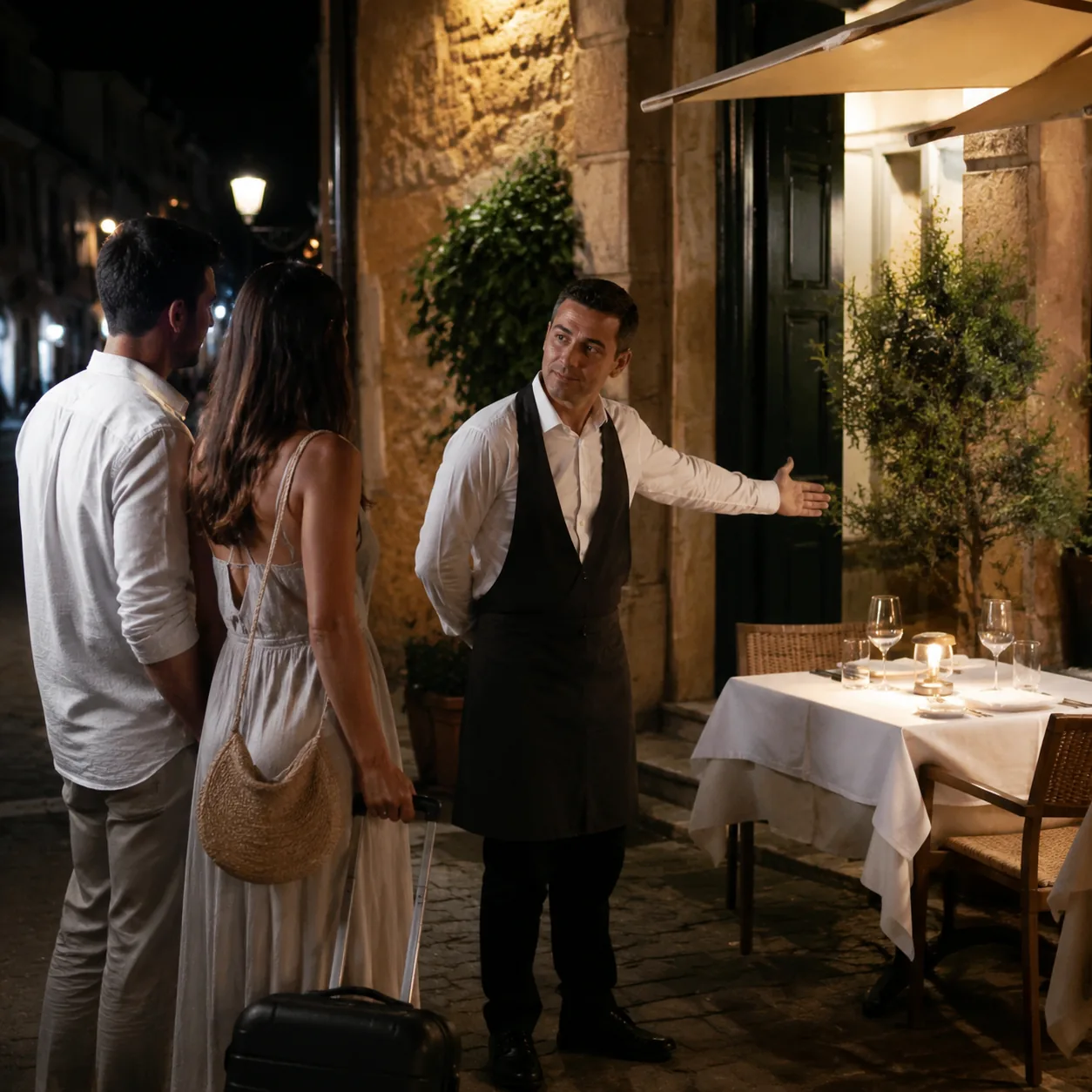
“Last table.” “Kitchen closing.” “Special price only now.” Fake scarcity works because hungry travelers do not want to lose the convenient option in front of them.
Real restaurants may have closing times or reservations, of course. The difference is pressure. If the host uses urgency before you have seen prices, fees, or the full menu, the urgency benefits the restaurant more than it benefits you.
Take 30 seconds outside the doorway. If the offer cannot survive a quick menu read, it probably was not a great offer.
4. Review Claims Are Aggressive Or Outdated
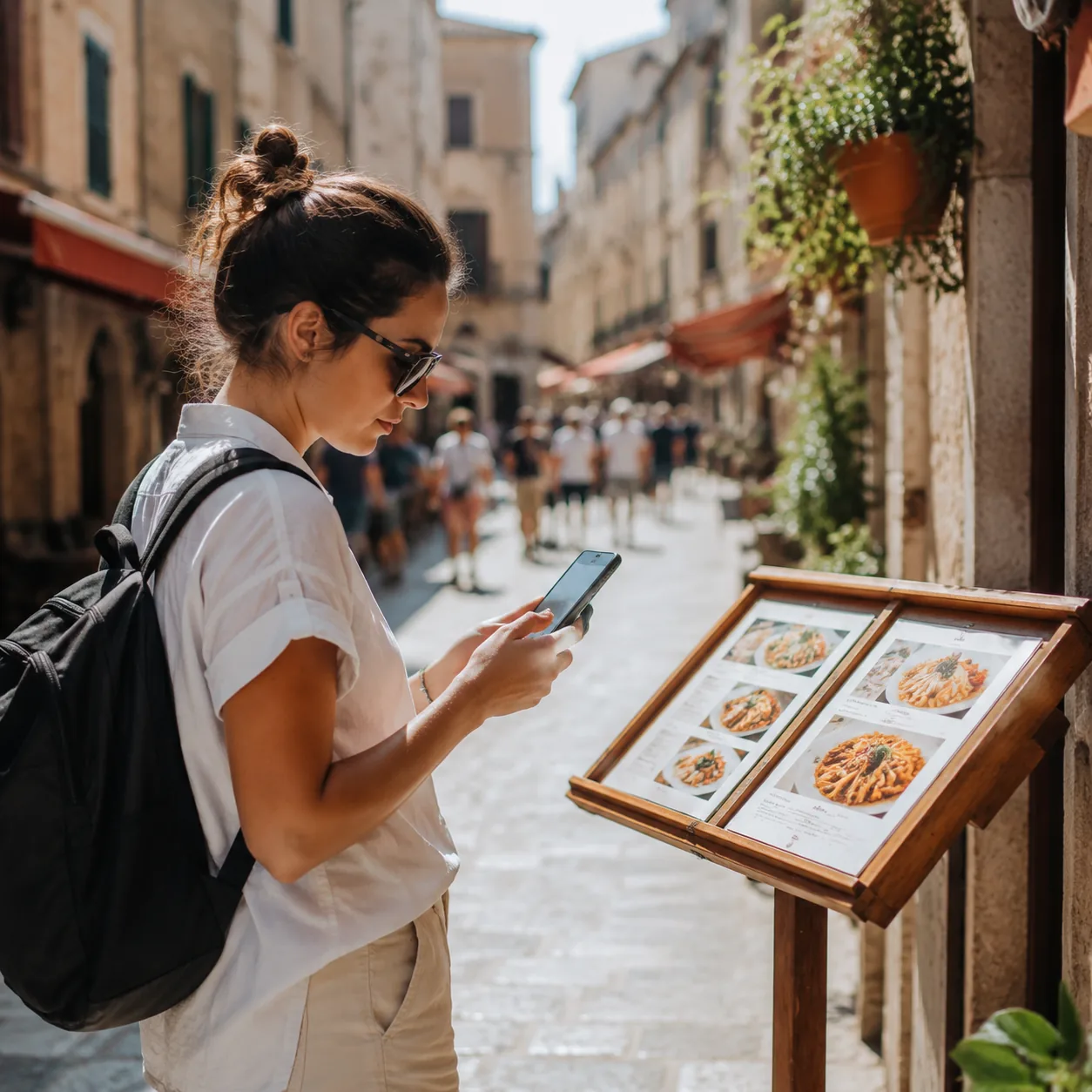
Review badges can be useful when they are current and specific. The red flag is a wall of “number one” claims, old awards, screenshot collages, or signs bragging about rankings without dates.
Look for recent reviews from the last few weeks, not just the lifetime score. Sort by newest, scan photos of the actual plates, and notice whether complaints cluster around surprise fees, rude pressure, or food that arrives cold. It is the same skepticism travelers need with Hawaii resort mistakes that disappoint first-time visitors, where old reputation can outlive current value.
A place with a modest rating and honest recent photos may beat a place loudly selling a glory year from before the neighborhood changed.
3. Staff Cannot Explain What Is Fresh Or How It Is Made
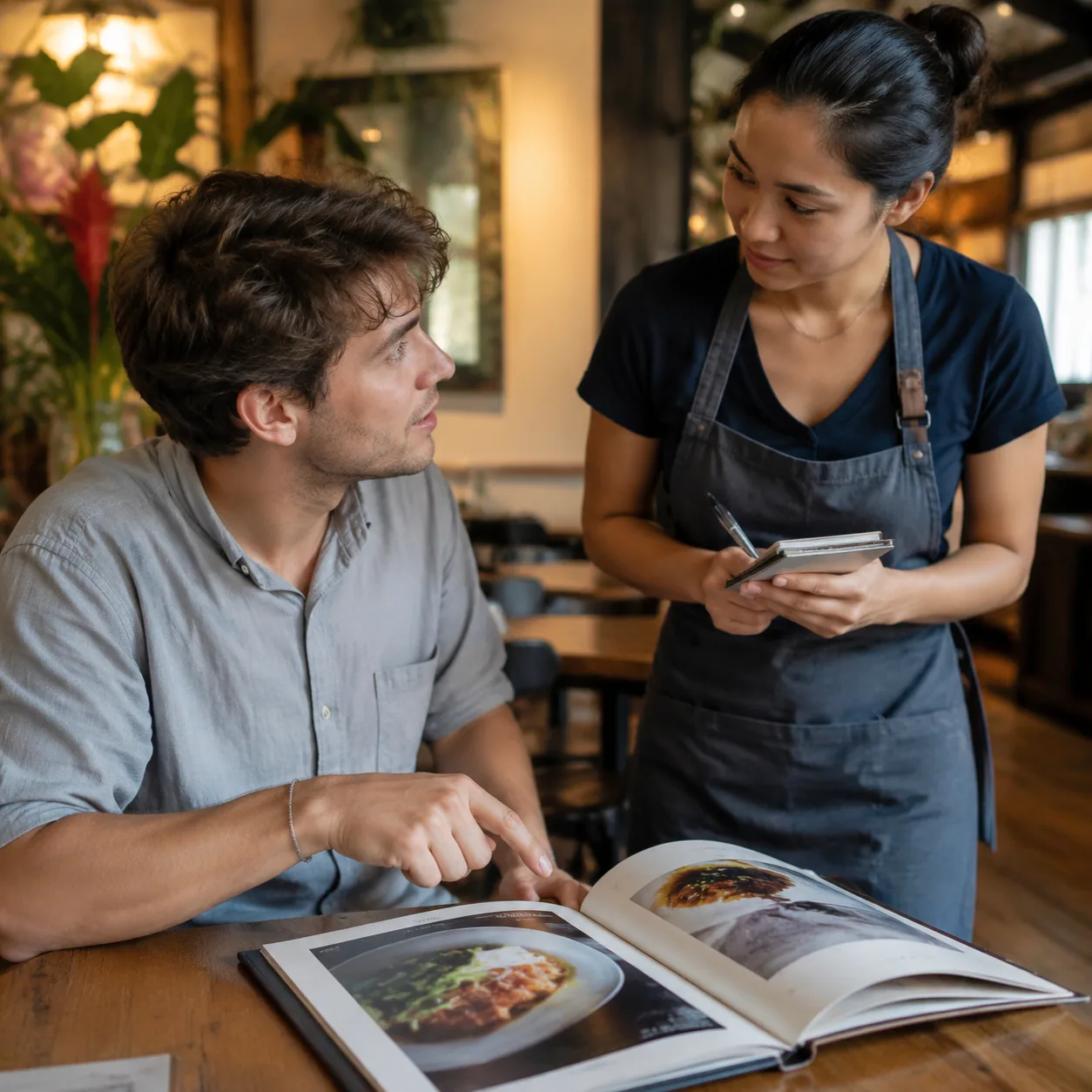
You do not need to interrogate the server. One normal question is enough: what is fresh today, how is the fish cooked, what comes with the set lunch, or whether a sauce is spicy.
If every answer is “very good” or “popular” without detail, the staff may not be trained because the restaurant does not expect careful diners. In a better place, someone can usually tell you the cooking method, main ingredients, or what they would order themselves.
Language barriers happen, so be fair. Pointing, translating, or asking the kitchen is a good sign; shrugging while pushing the expensive platter is not.
2. The Drinks Are Generic And The Daily Board Never Changes
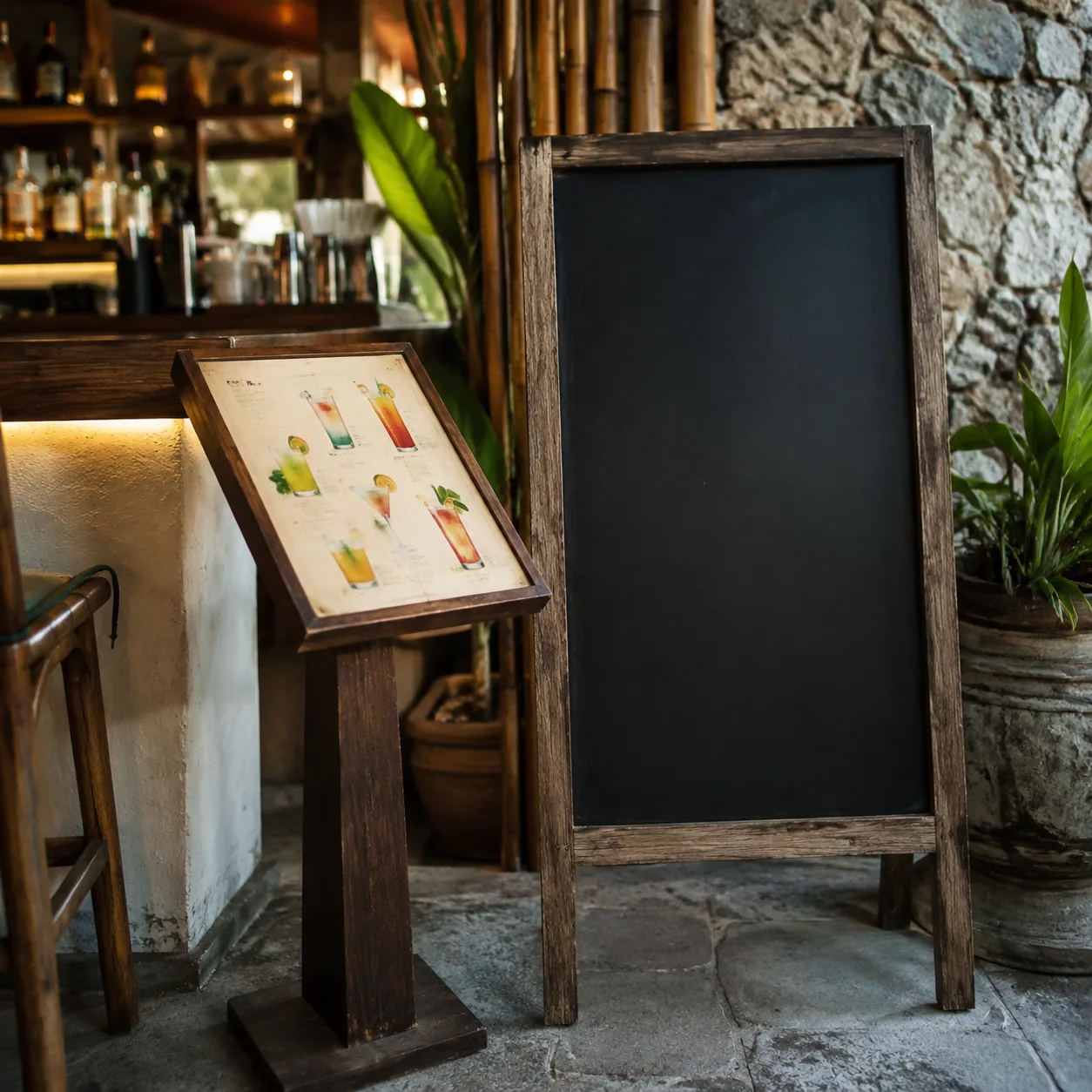
A restaurant does not need craft cocktails to be good. But a place that serves only global beer brands, basic sodas, frozen cocktails, and the exact same menu every day may be built for convenience rather than care.
Local drinks, seasonal produce, a soup of the day, a market fish, or a small dessert made in-house can signal that someone is paying attention. Travelers comparing restaurants should think the same way they compare resorts in Caribbean islands ranked from hidden gems to overrated: famous and easy are not the same as good value.
If nothing changes with the season, weather, or local supply, the kitchen may be pulling from a tourist-proof freezer instead of the neighborhood around it.
1. You Feel Rushed Before You Understand The Meal
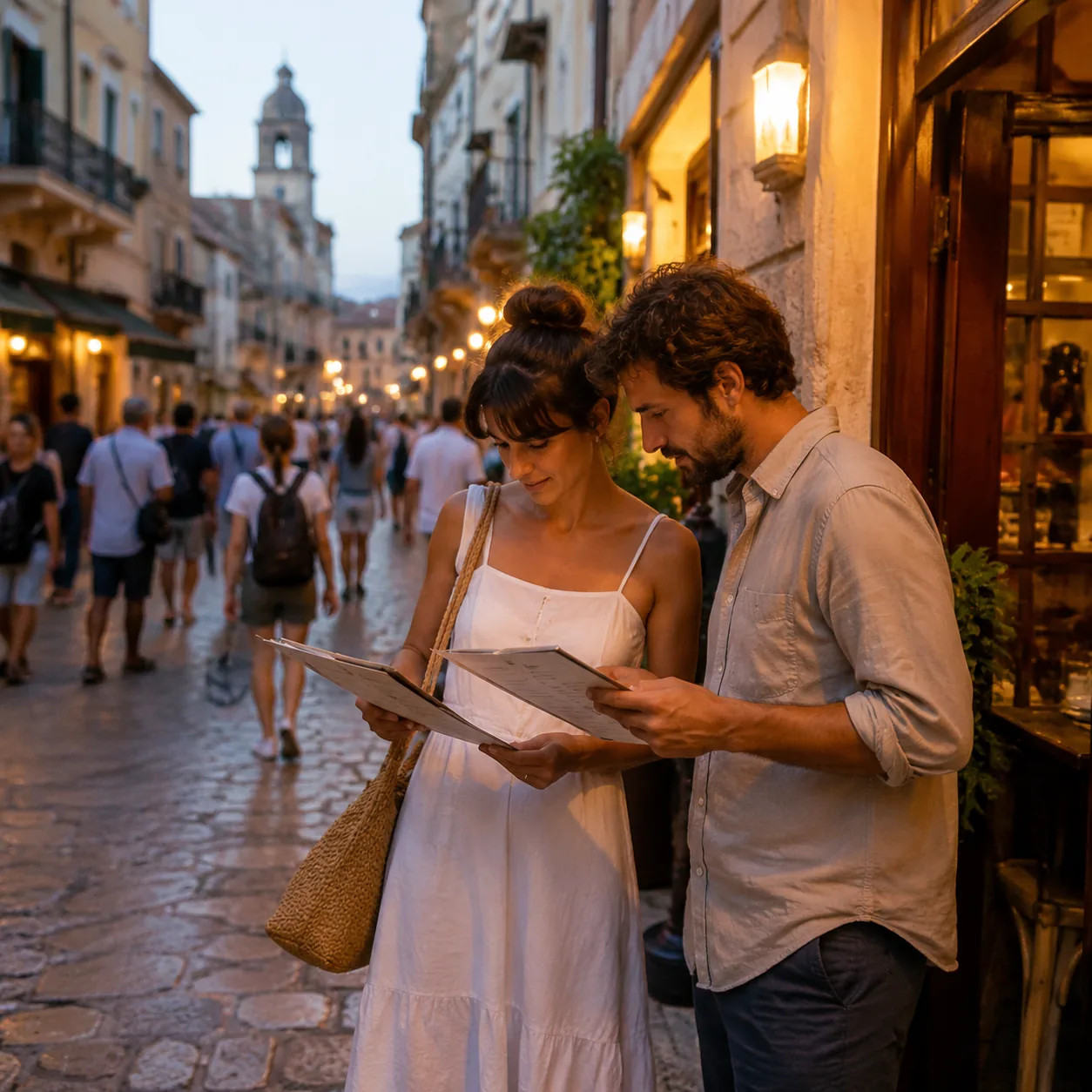
The strongest warning sign is often not one object. It is the combined feeling: pressure at the door, unclear prices, too many menu pages, no locals, and a server nudging you toward the expensive thing before you have settled.
That feeling does not make you snobby. It means your travel brain has noticed friction. The same pause helps with beaches, resorts, and whole itineraries, including the expectation gaps in Caribbean islands travelers sometimes overrate.
Step aside, check one more option, and give yourself permission to leave politely. The best vacation meals usually feel easier before they feel memorable.
Before You Order
Tourist-trap restaurants are not always scams, and popular areas can still have great food. The practical trick is to slow the decision down long enough to see prices, watch the room, ask one clear question, and choose the place that still looks good after the sales pitch fades.
Comments
The opinions and views expressed in the comments section are solely those of the individual users and do not represent or reflect the opinions, views, or positions of HumbleTrail. HumbleTrail does not endorse, support, or verify the accuracy of any user-generated content.
By posting a comment you agree to receive related emails from HumbleTrail in accordance with our Terms and Privacy Policy. You can unsubscribe at any time.