Airport security gets slower when one overlooked bottle turns your carry-on into a manual search. These fixes keep your toiletries cleaner, smaller, and easier to explain.
21. Packing An Oversized Moisturizer Because It Is Almost Empty
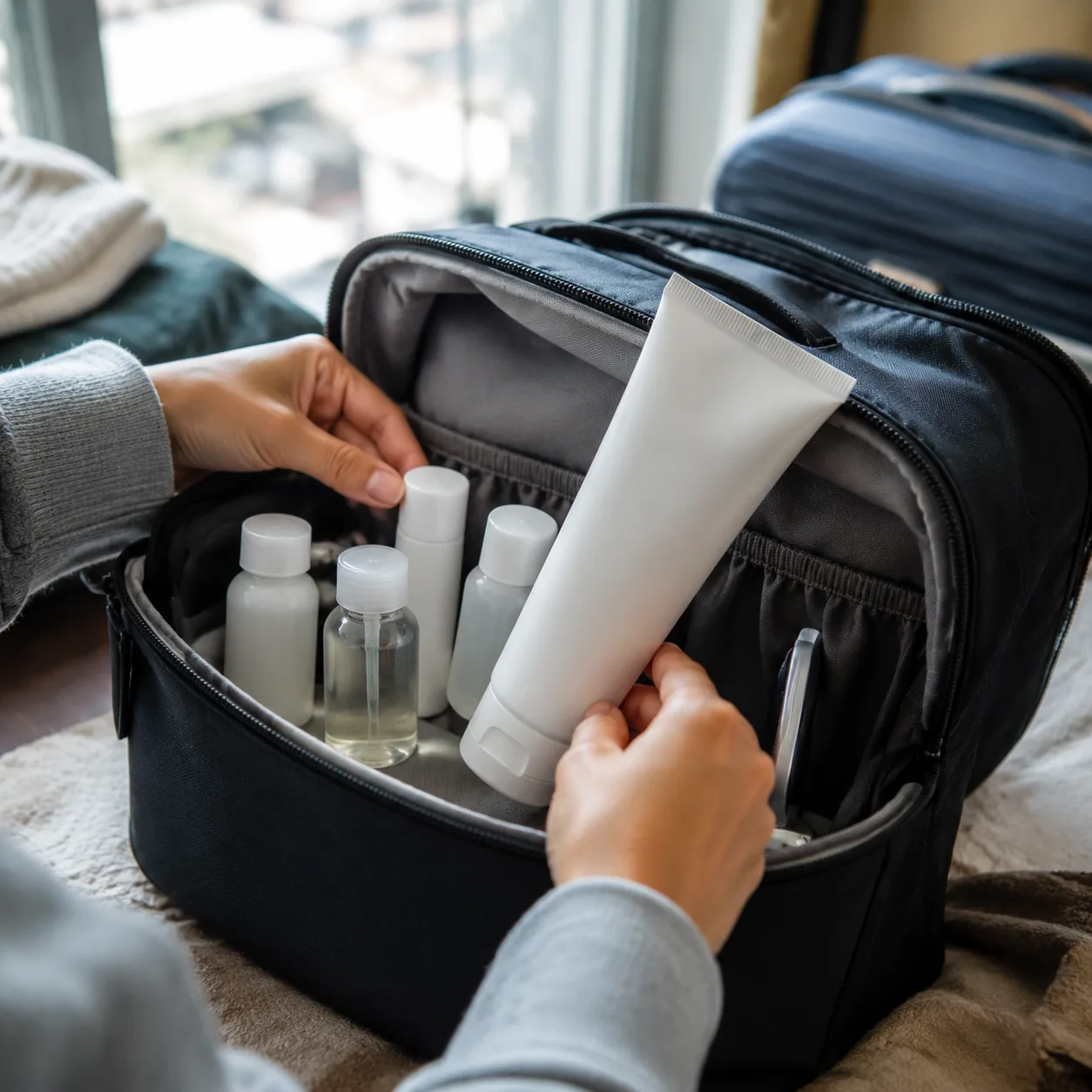
The container size matters more than the amount left inside. A nearly empty 6 oz face cream still looks like a 6 oz container on the tray, and it can turn a tidy carry-on into a search.
Move daily moisturizer into a 3.4 oz / 100 ml bottle or buy a real travel tube. If the product is expensive, pack the full-size jar in checked luggage and carry only enough for the flight and first night.
20. Using A Fabric Dopp Kit As Your Liquids Bag
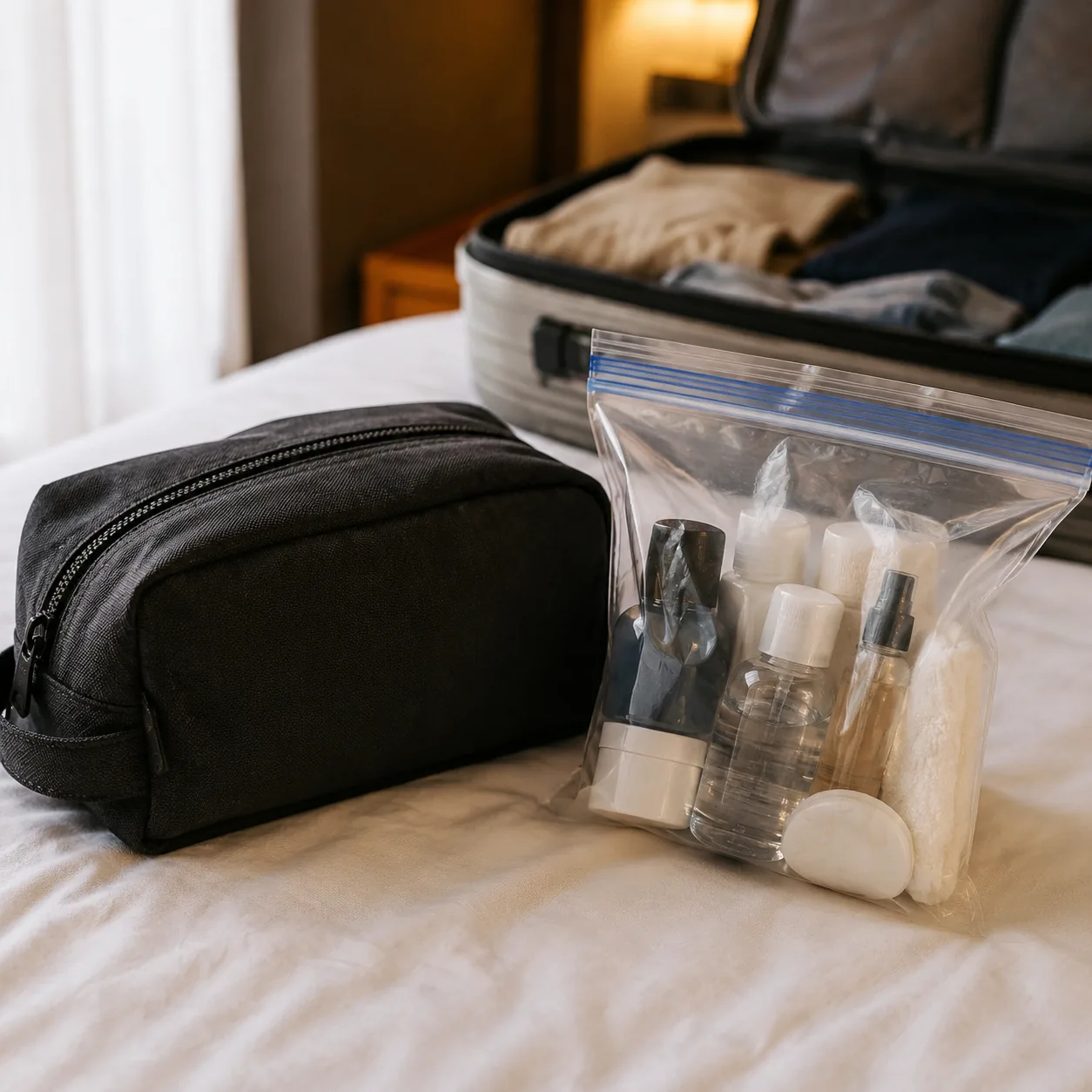
A handsome toiletry pouch is useful in a hotel bathroom, but it is not the same thing as a clear quart-size zip-top bag. If liquids are hidden in an opaque case, the officer may need to see what is inside.
Keep the pretty kit for dry items, toothbrushes, combs, and solid products. Think one clear quart-size zip-top bag per passenger, with liquids, gels, aerosols, creams, and pastes inside so the scan is easy to read.
19. Decanting Everything Into Mystery Bottles
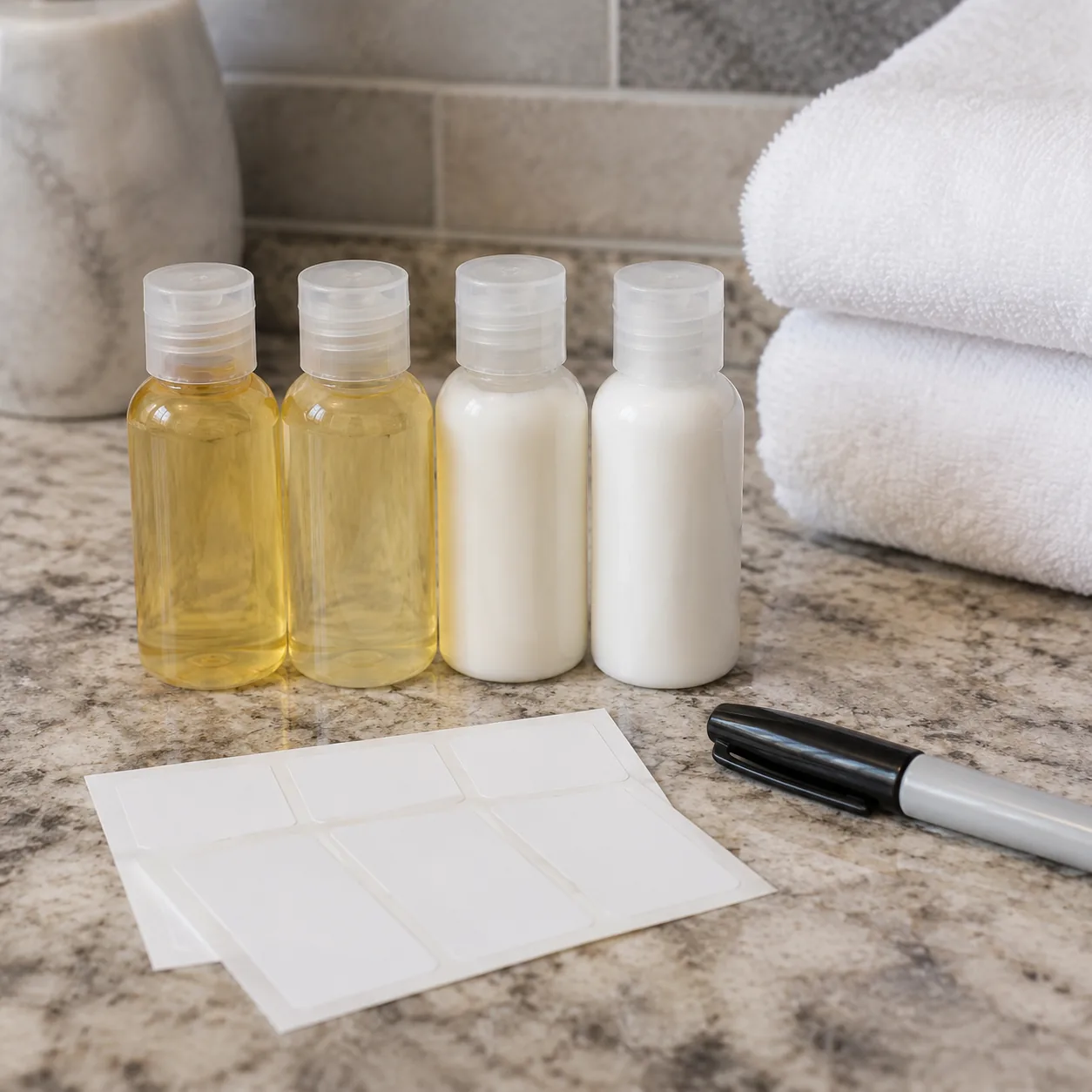
Unmarked decants are not automatically banned, but they create friction. Three identical silicone bottles filled with shampoo, face wash, and hair gel can look like a guessing game when a bag is opened.
Use simple labels, even if they are just clear tape and marker. The label also saves you from brushing your teeth with cleanser after a late arrival.
18. Leaving Pump Bottles Unlocked
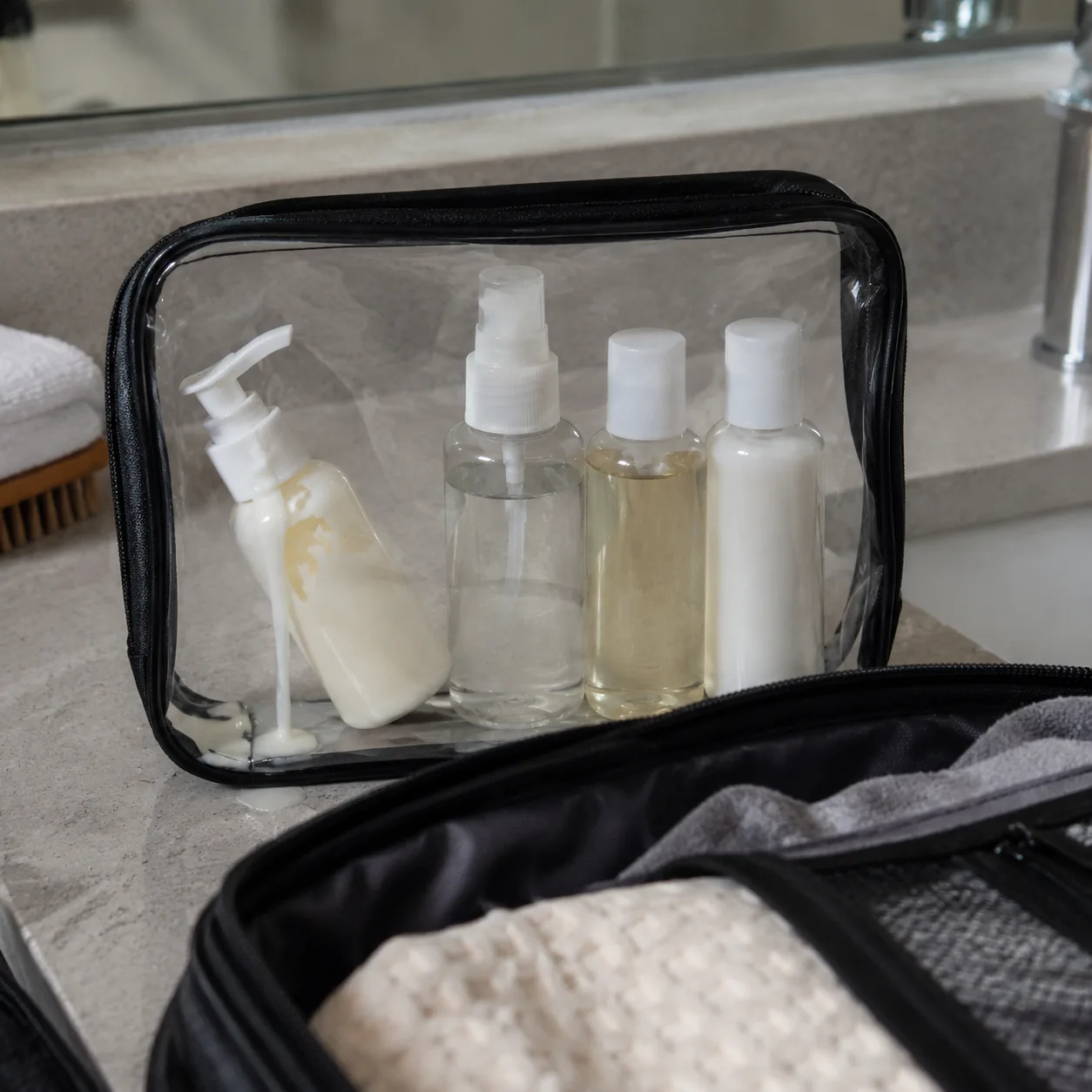
Pump bottles are easy to love at home and annoying in a carry-on. A half-turn pump can unlock under pressure, coat the inside of the quart bag, and make every other container slippery at the exact moment you need to move quickly.
Lock the pump, add a small piece of tape, or swap leaky shampoo into a flip-cap travel bottle. Leave a little air space at the top so a warm car ride or pressurized cabin does not force product out.
17. Treating Toothpaste Like A Solid
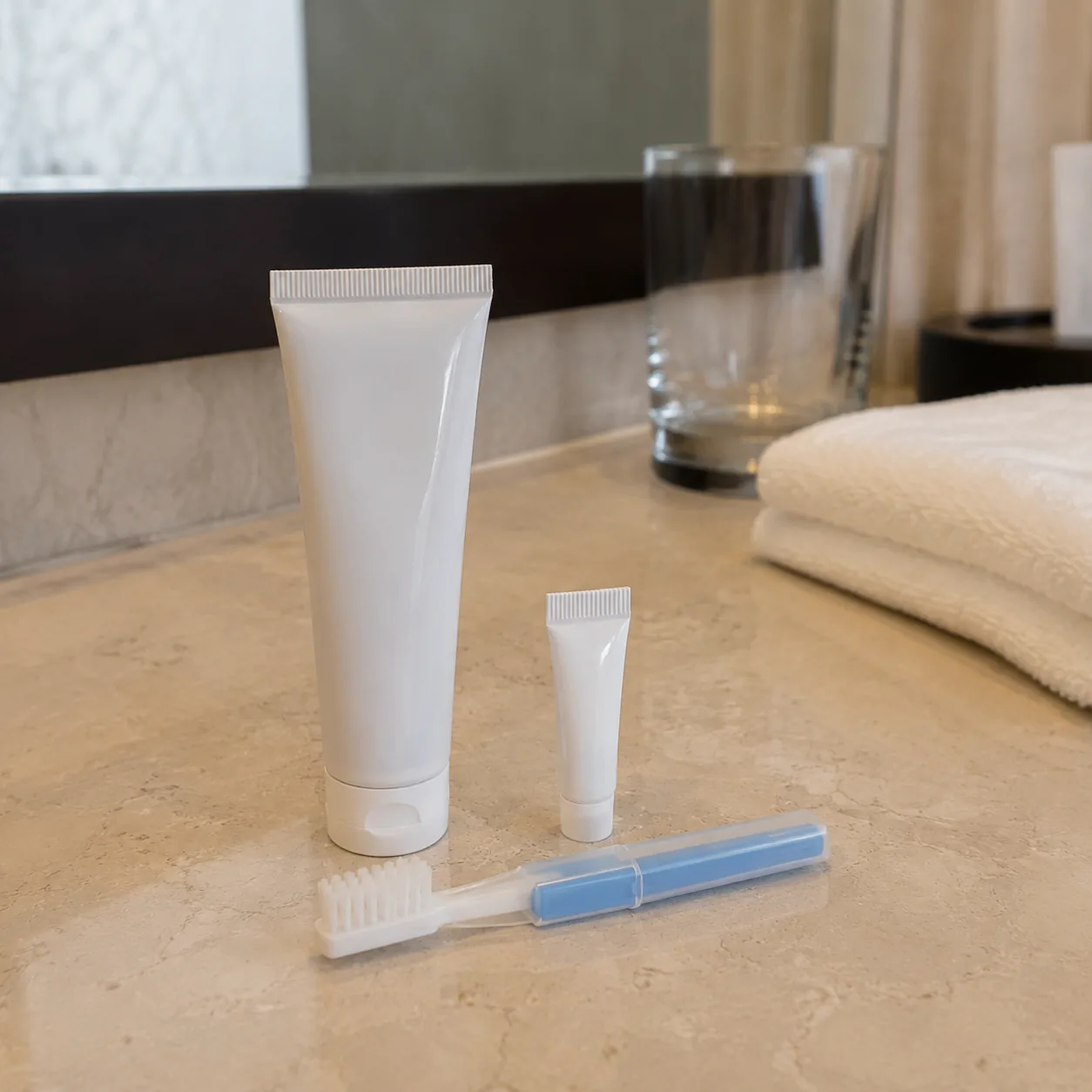
Toothpaste is one of the easiest items to forget because it does not feel like a liquid. It spreads and smears, so it belongs with the gels, creams, and pastes in the liquids bag.
The standard tube under your sink is often too large for carry-on screening. Pack a small tube, toothpaste tablets, or a powder if you want to keep more space free for skin care.
16. Bringing A Full-Size Aerosol For A Two-Day Trip
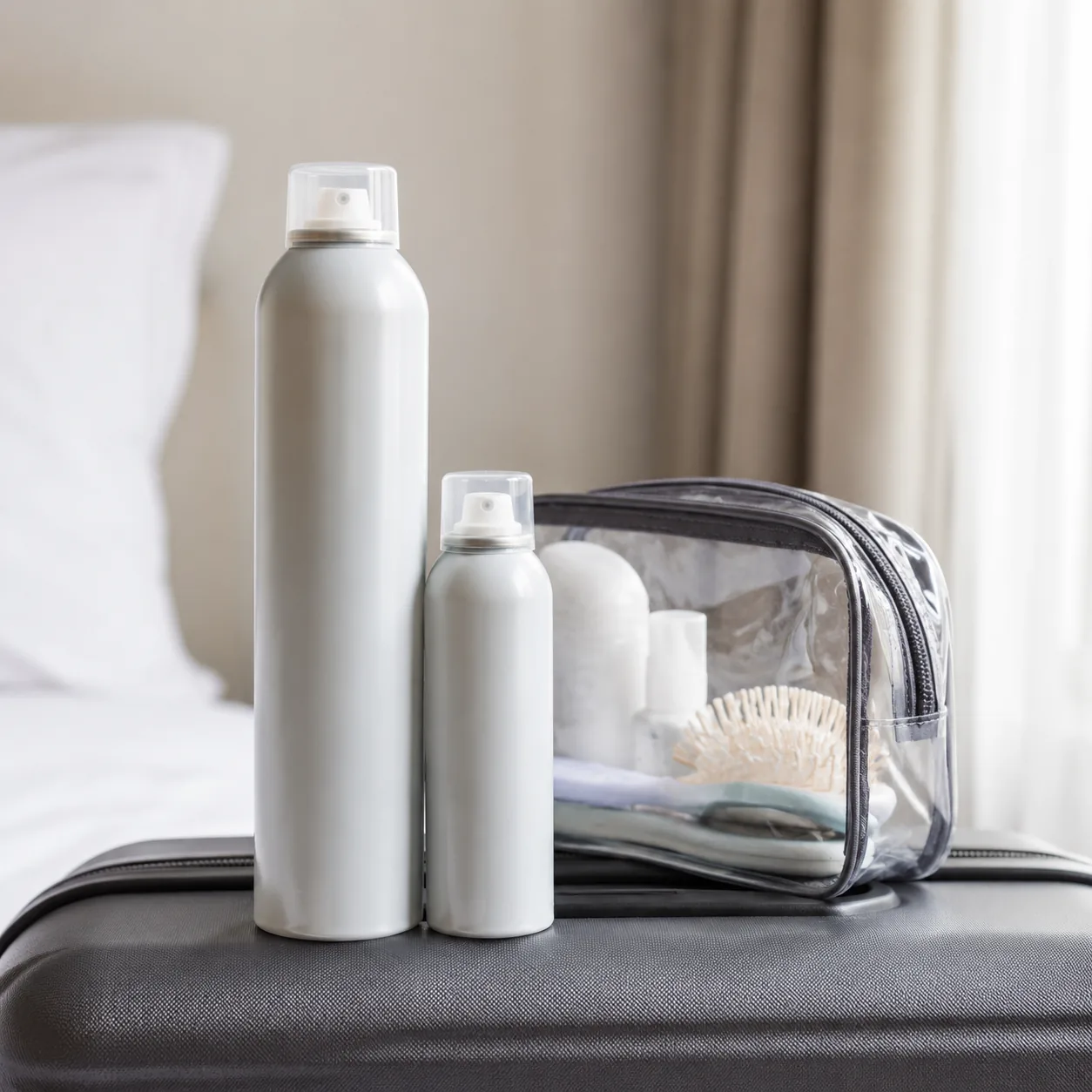
Dry shampoo, hairspray, shaving foam, and spray sunscreen are still part of the liquids/gels/aerosols problem. The can may feel small in your bathroom cabinet and still be too large for a carry-on liquids bag.
Also check the cap. A missing cap can leave a fine mist inside your bag, which makes the whole kit look messy when it is opened at the checkpoint.
15. Tossing A Big Glass Perfume Bottle Into Your Carry-On
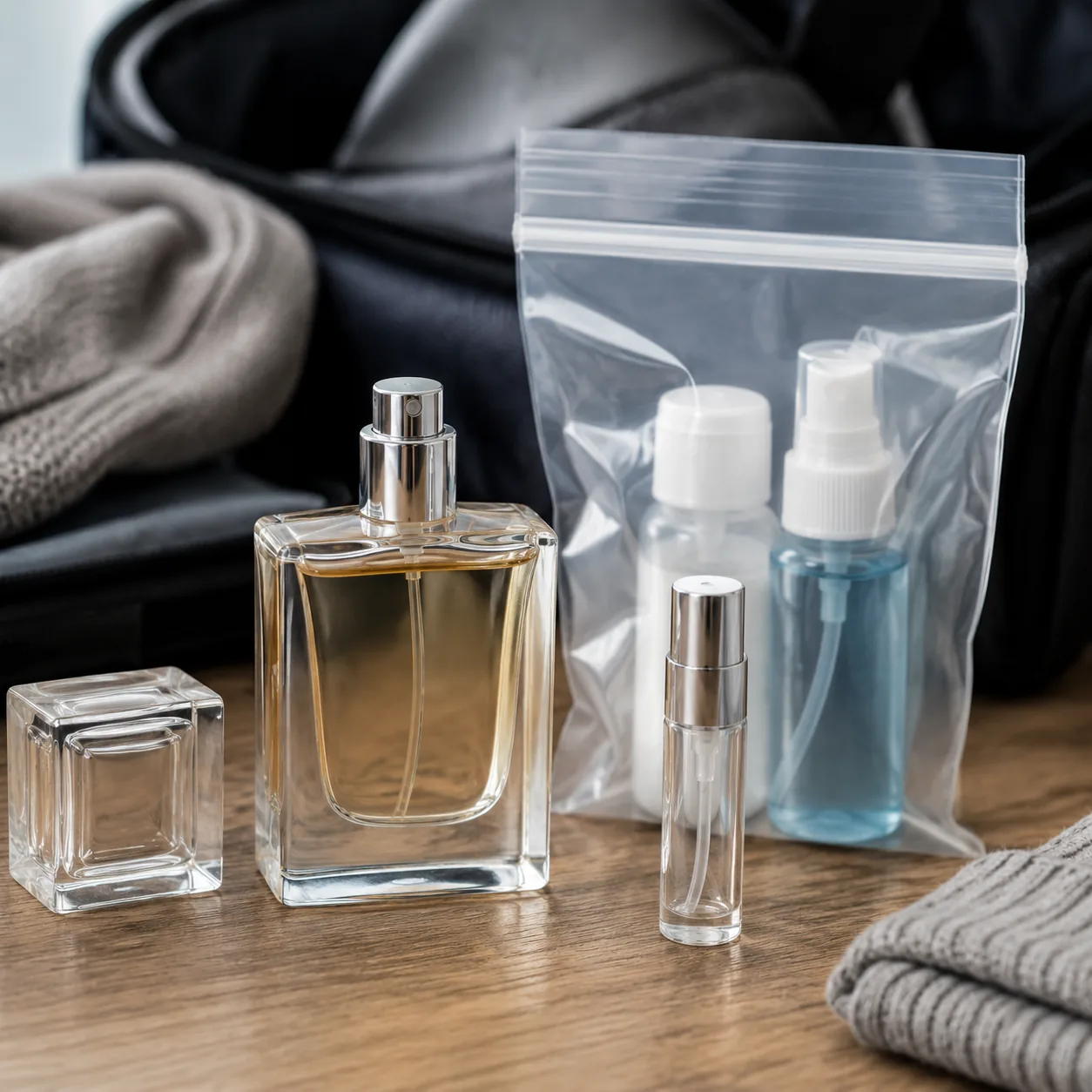
Perfume creates two problems at once: liquid size and fragile packaging. A heavy bottle can be over the carry-on limit, and a cracked atomizer can make your entire bag smell like a department store counter.
Use a tiny atomizer, a sample vial, or a solid fragrance balm. If the bottle is sentimental or expensive, it usually belongs at home rather than in a crowded security tray.
14. Letting Liquid Makeup Float Outside The Quart Bag
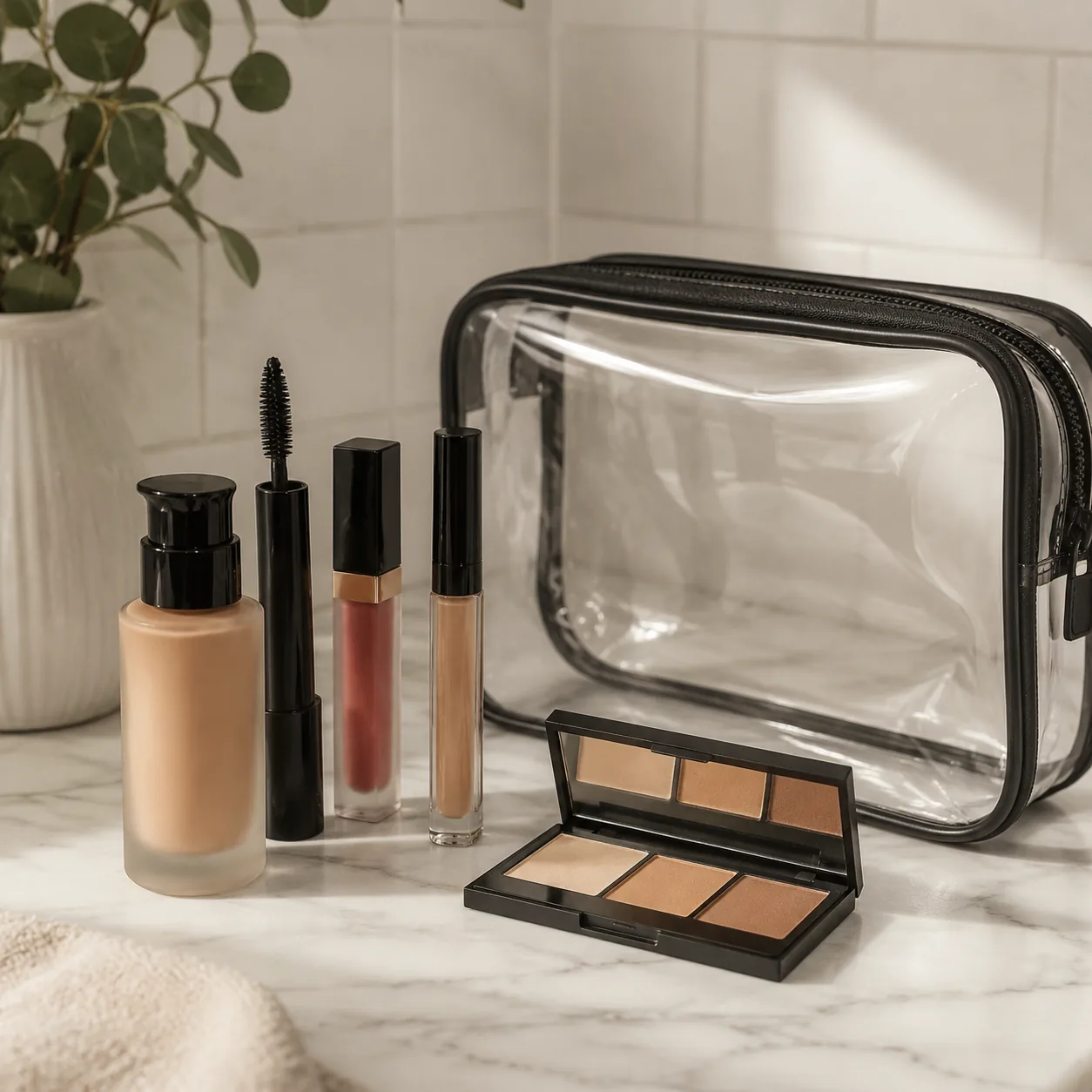
Mascara, liquid foundation, lip gloss, cream blush, gel liner, and creamy palette pans all compete for the same quart-size bag. They are easy to miss because they live in a makeup pouch instead of the bathroom kit.
Powder palettes are usually the space saver here. If you are already slimming your cabin bag with a smarter carry-on setup for international flights, treat makeup as part of the same liquids audit, not a separate exception.
13. Forgetting Gel Deodorant Counts As A Gel
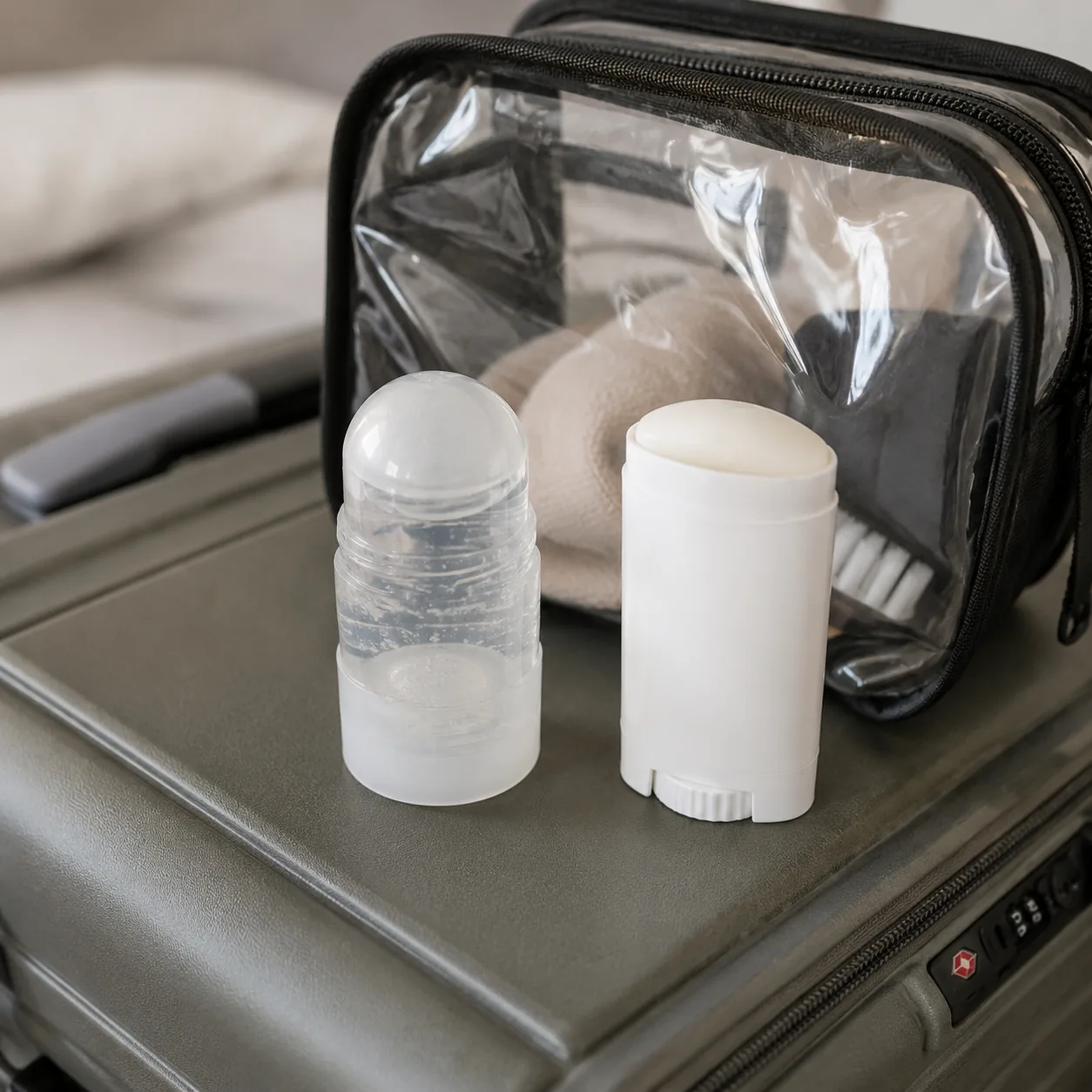
Solid deodorant is easy. Gel, cream, roll-on, and spray versions need more attention because they behave like the toiletries that go in the liquids bag.
For a fast airport morning, choose a solid stick and save the quart bag space for products that have no solid substitute. Frequent travelers often build this kind of swap into their routine along with other carry-on habits that make the line less chaotic.
12. Bringing A Full Bottle Of Contact Solution Without A Plan
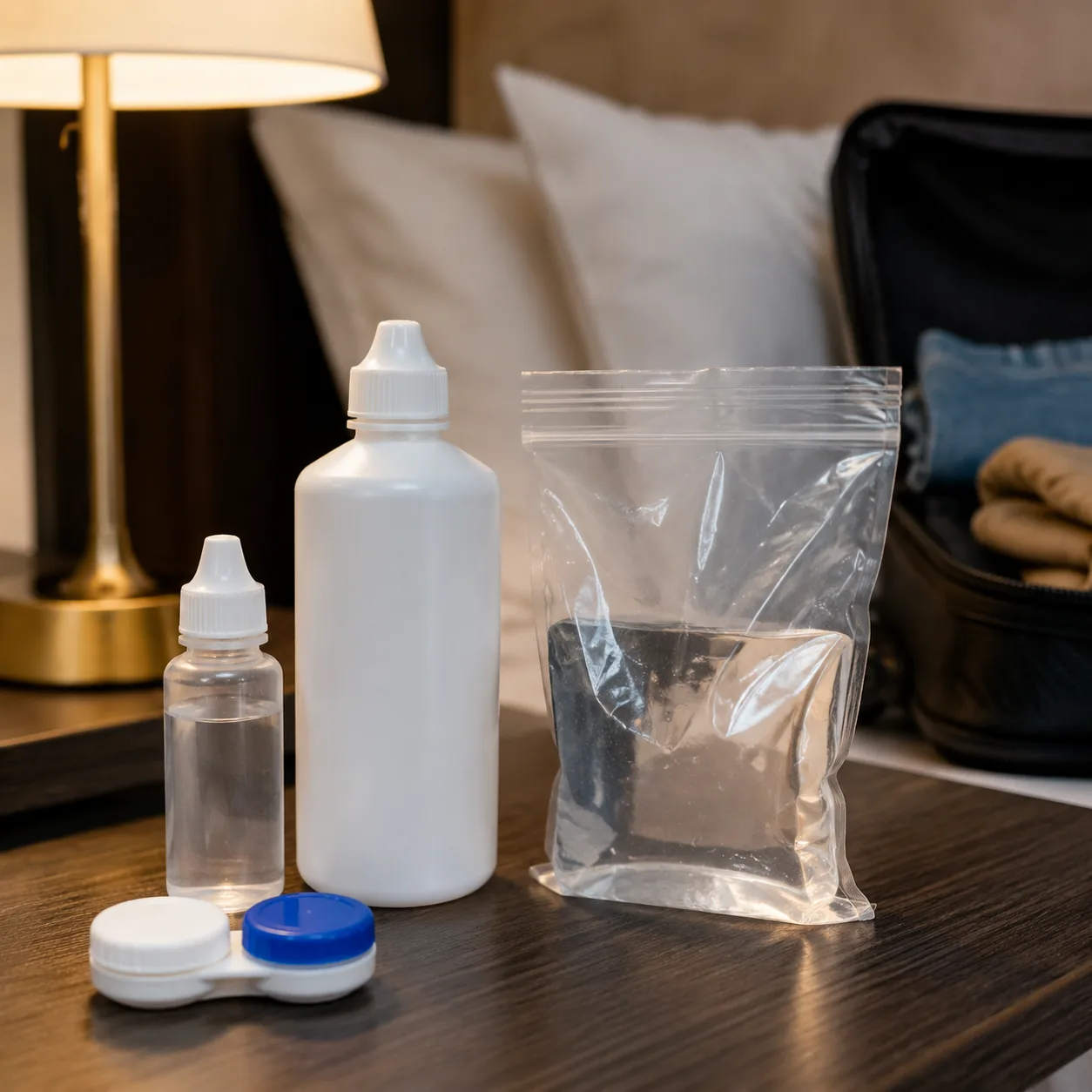
Contact solution feels medical, but do not bury a full bottle among regular shampoo and sunscreen. Larger medically necessary liquids can be allowed in reasonable quantities, but they should be separated and declared instead of hidden in the toiletry mess.
Carry a travel-size bottle when that is enough. If you genuinely need more, keep it with your contacts, make it easy to inspect, and build a minute of extra time into the checkpoint.
11. Mixing Medication Liquids With Everyday Toiletries
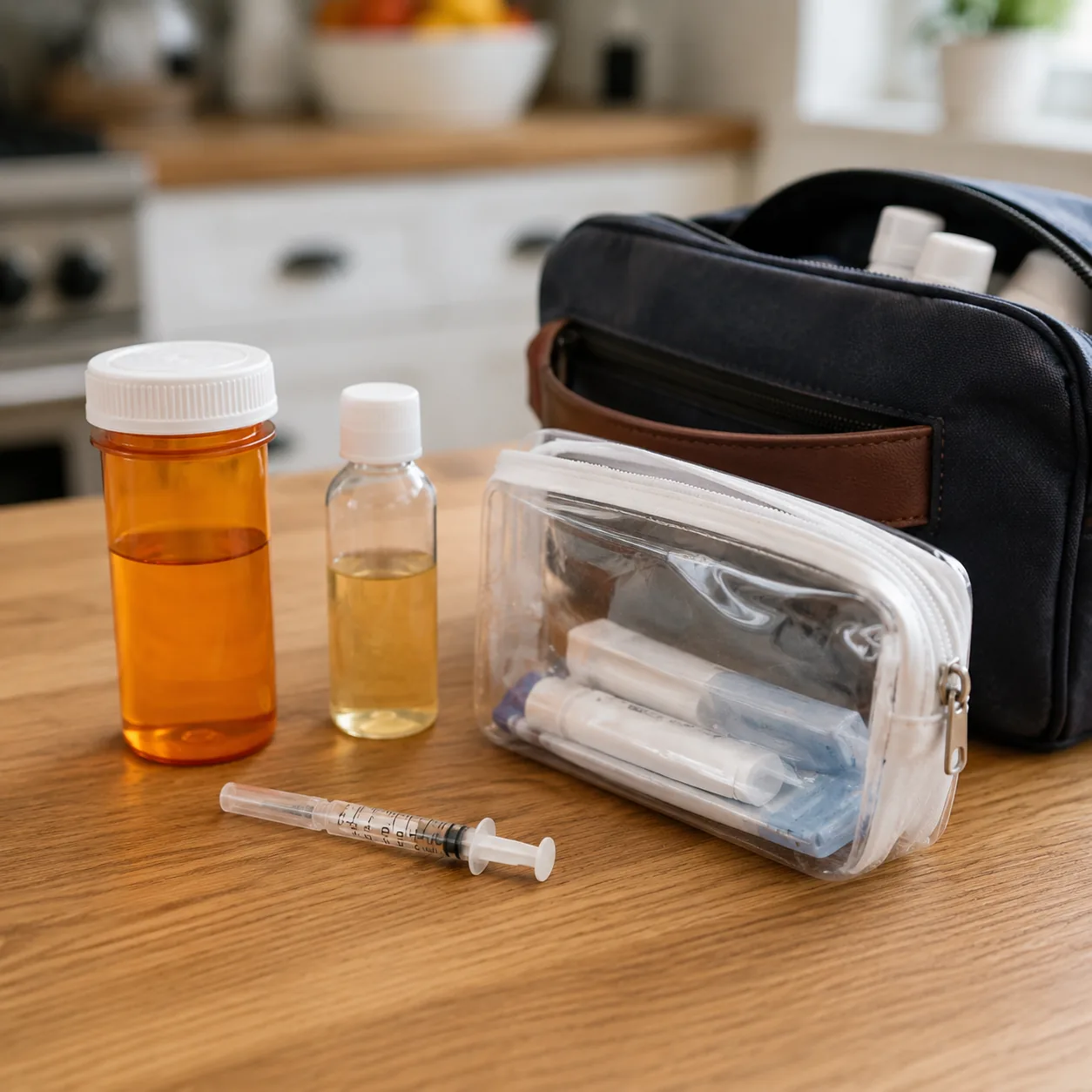
Liquid medication should not be treated like face wash. If it is medically necessary and larger than the usual carry-on liquid size, keep it separate and tell the officer before screening begins.
The cleaner your medication pouch looks, the easier that conversation is. Keep prescriptions, dosing tools, and a doctor or pharmacy label together, especially on longer trips where you are also managing pre-trip health and paperwork checks.
10. Packing Ice Packs Like Regular Toiletries
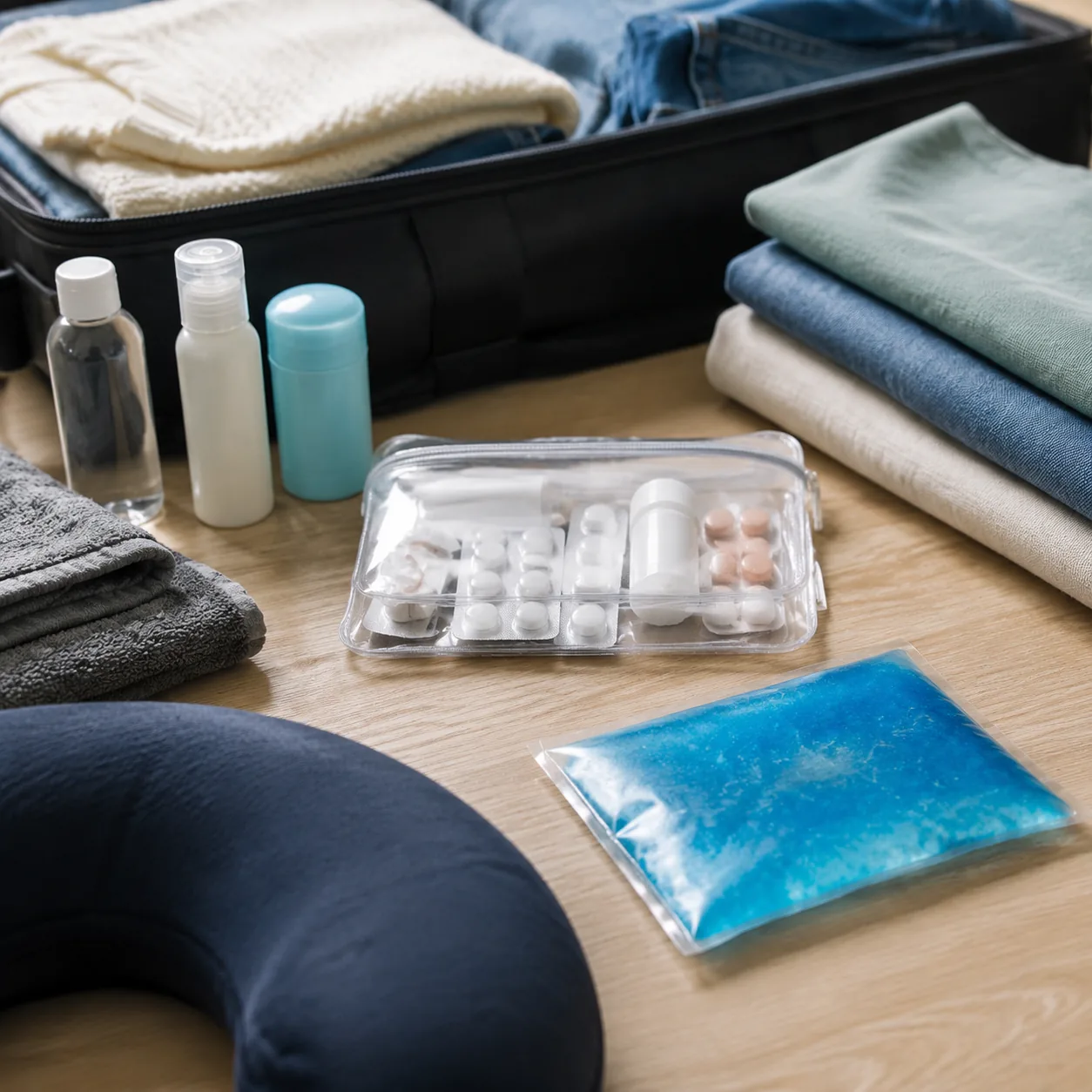
Ice packs and gel packs can become confusing when they are half-melted, slushy, or tossed loose beside shampoo. If they are for medication, keep them with the medication and be ready to explain why they are there.
Do not use a random beauty ice pack as a shortcut for keeping cosmetics cool unless you are prepared for extra attention. A small insulated pouch is often cleaner than a loose gel pack sweating against your quart bag.
9. Throwing Loose Razor Blades Into The Toiletry Kit
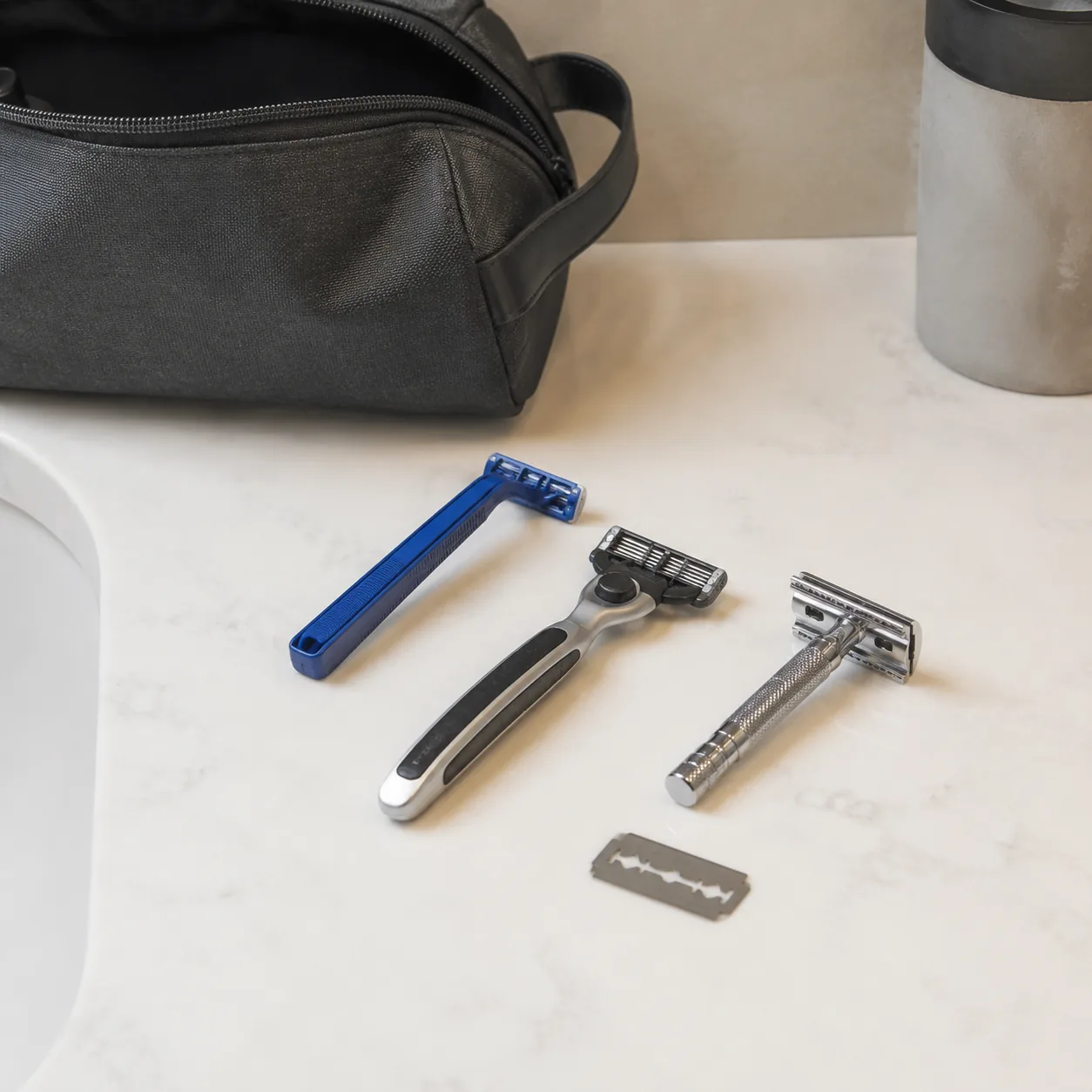
Disposable razors and cartridge razors are much less stressful than loose blades. The trouble starts when a safety razor blade, craft blade, or unprotected edge is rattling around with nail clippers and tweezers.
If you use a safety razor at home, travel with a cartridge razor or pack blades in checked luggage. Your goal is for the kit to look boring when it opens.
8. Assuming Manicure Scissors Are Too Small To Matter
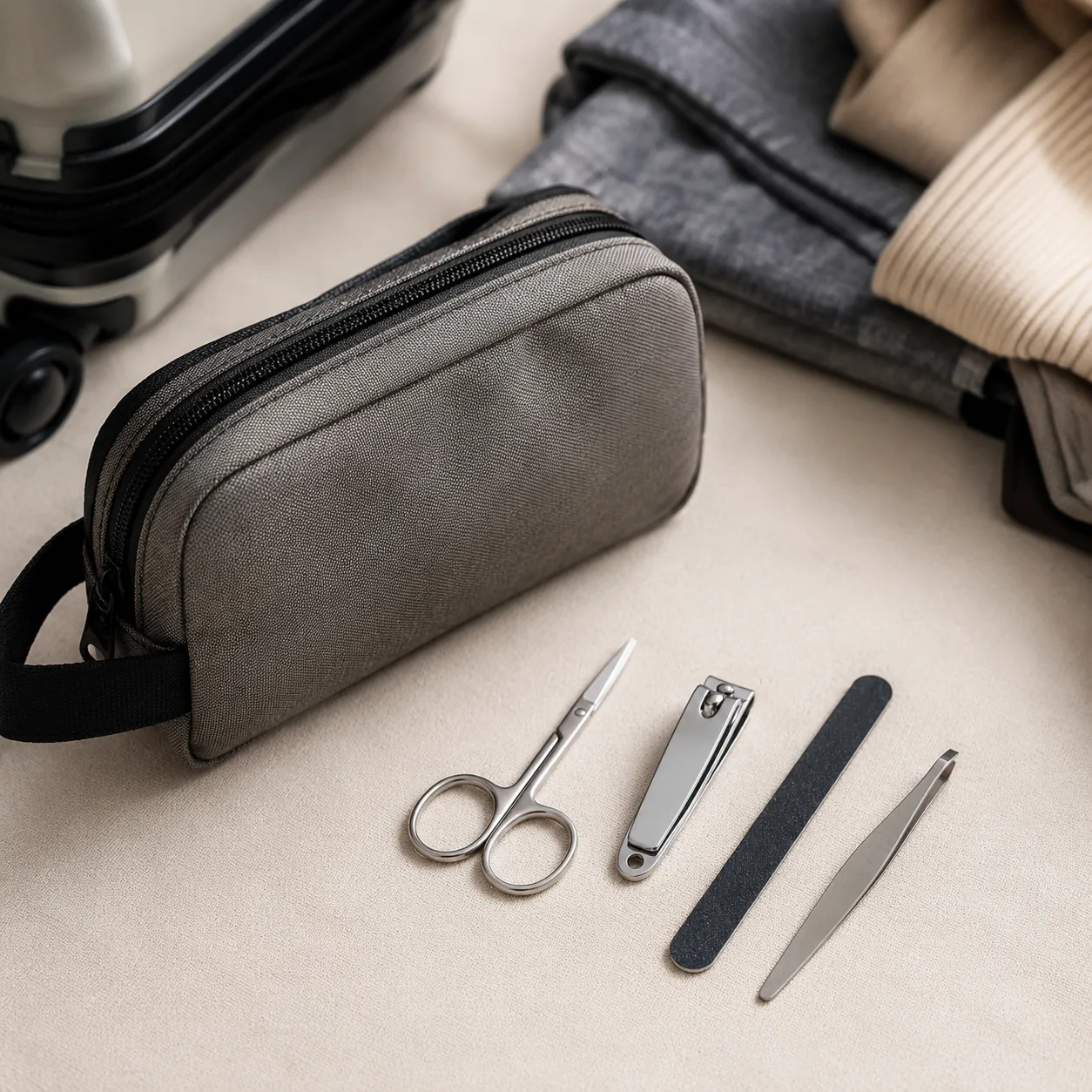
Tiny grooming tools can still slow a bag down if they have sharp points, odd blades, or no protective sleeve. Manicure scissors, cuticle nippers, and metal files all look different on a scan than a simple nail clipper.
When you are packing for a cruise or a trip with multiple security lines, simplify the kit. A nail clipper and emery board cover most emergencies, and the rest can go in checked luggage or stay home with the things you already verify in pre-cruise checks before boarding day.
7. Soaking Cotton Pads And Calling Them Wipes
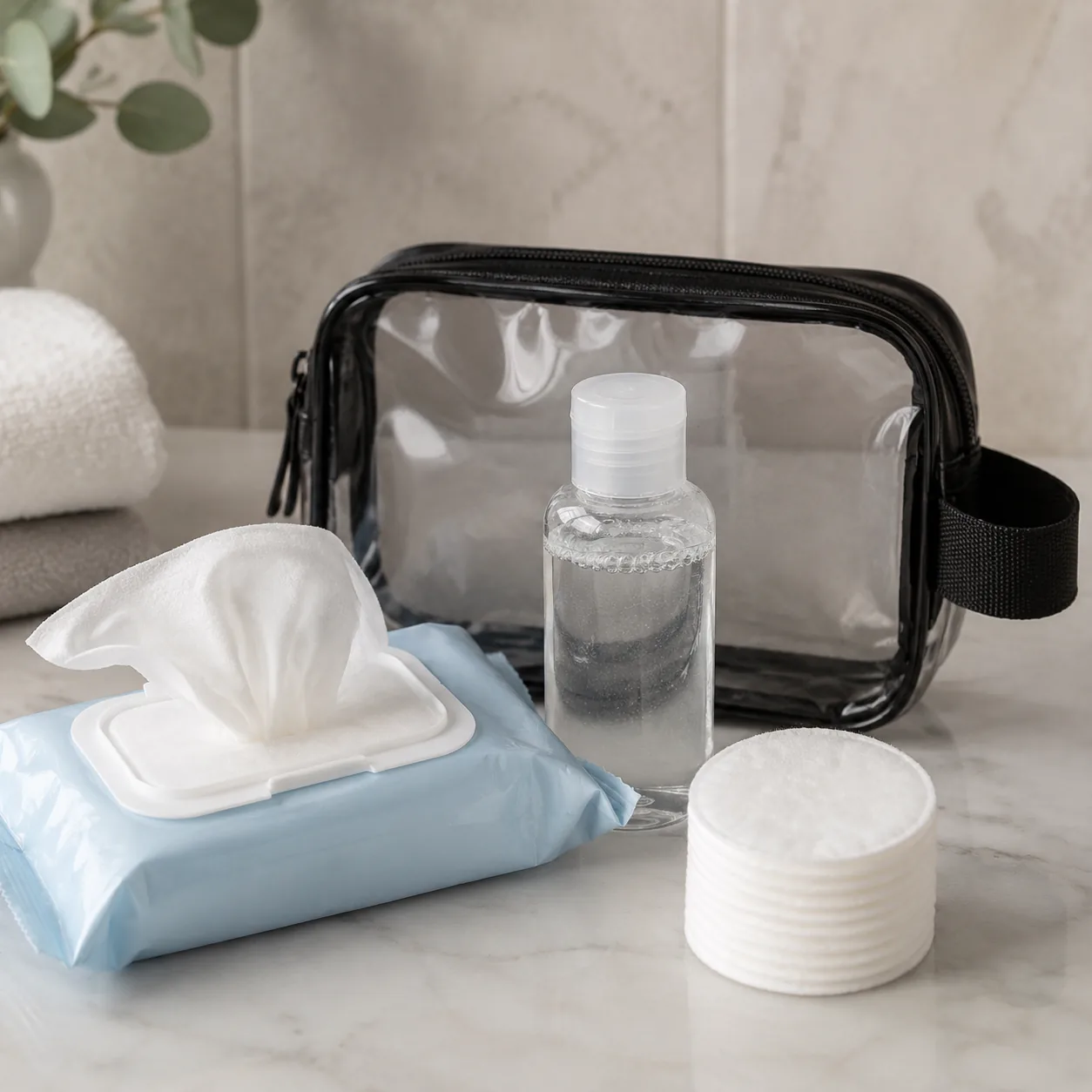
Packaged wet wipes are usually easier than liquid remover, but the homemade version gets messy fast. Cotton pads soaked in micellar water or toner can leak into the pouch and make the whole item look like a loose liquid.
Bring sealed wipes, dry cotton rounds plus a compliant bottle, or a solid cleansing balm that fits the bag. The fix is not fancy; it is keeping liquid where an officer can understand it quickly.
6. Putting Creamy Snacks In The Toiletry Zone
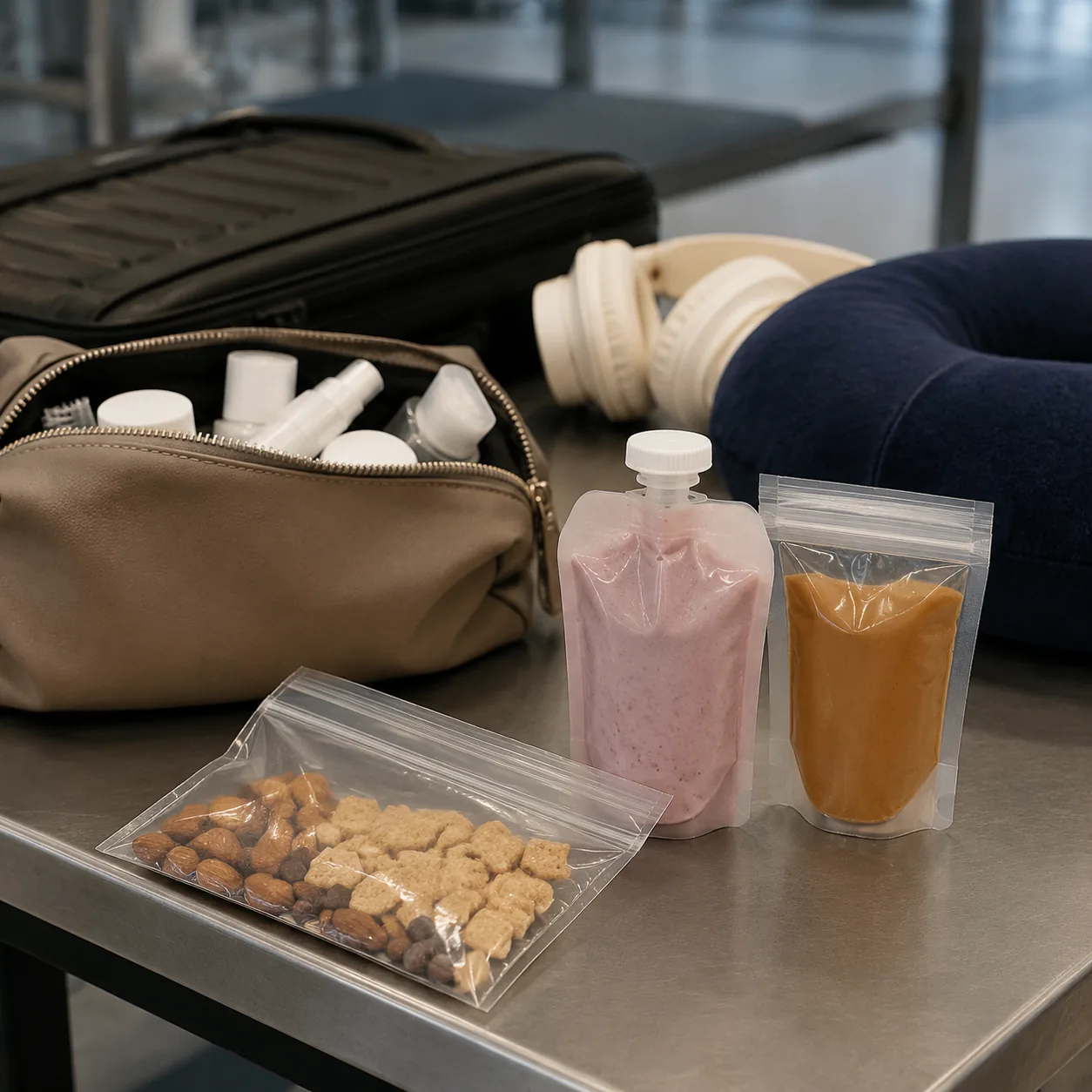
Peanut butter, hummus, yogurt, jam, and dips can create the same 3.4 oz problem as toiletries because they spread or smear. They are not bathroom products, but they often end up in the same outside pocket as the liquids bag.
Solid snacks are the easier carry-on choice. If you are packing for a resort or island trip, save the creamy jars for checked luggage where possible and keep the cabin bag focused on essentials, the same way you would avoid other small travel decisions that cost more later.
5. Checking Every Toiletry And Carrying Nothing Useful
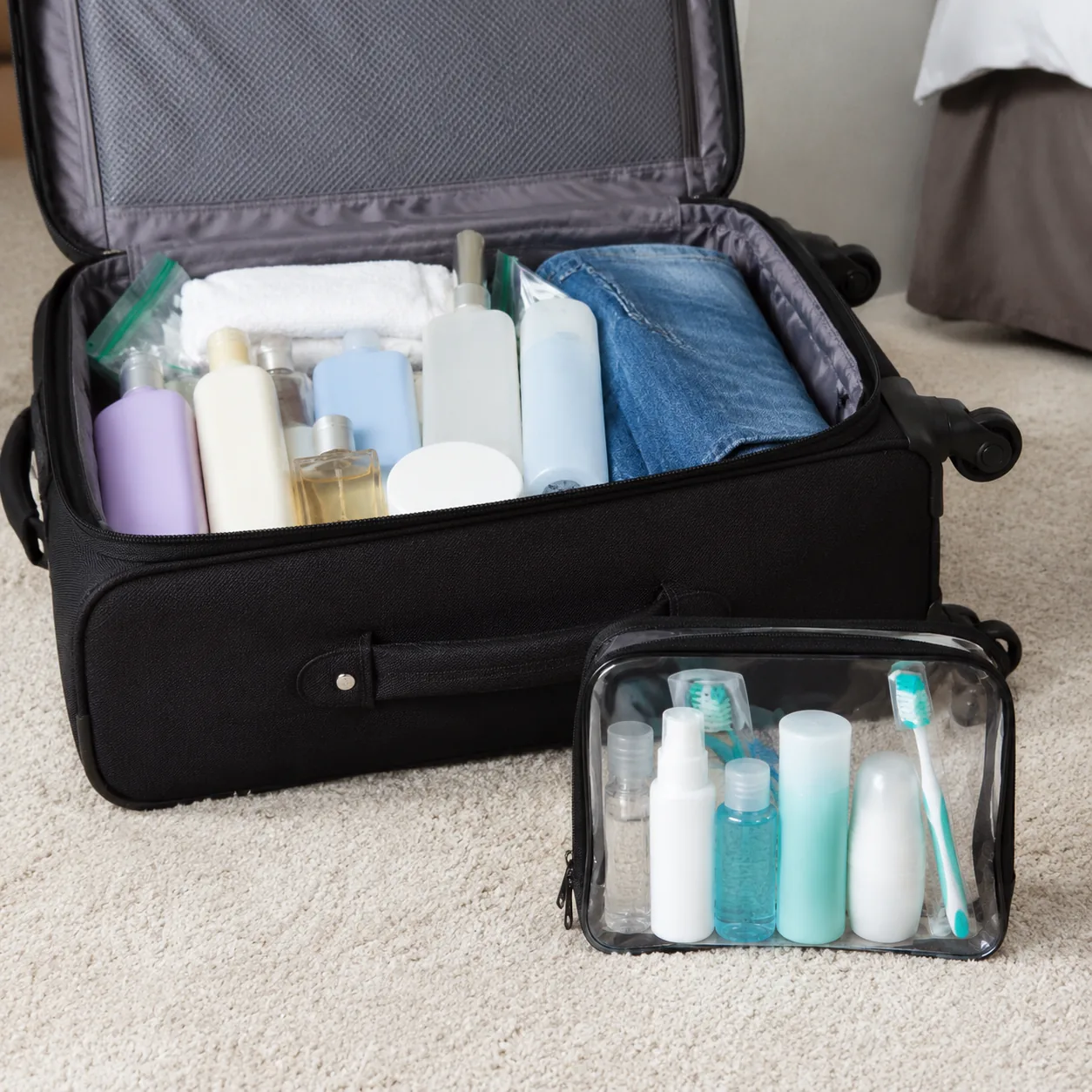
The opposite mistake also hurts. Full-size shampoo, sunscreen, and body wash often belong in checked luggage, but landing with no toothbrush, deodorant, medication, or face wash is miserable if your checked bag is delayed.
Build a tiny carry-on kit for the first 24 hours and check the bulky bottles. This is especially useful before cruises, where a chaotic first day can make small packing misses feel bigger than they are; the same logic shows up in cruise boarding day mistakes that start trips wrong.
4. Buying Duty-Free Perfume Before Another Security Check
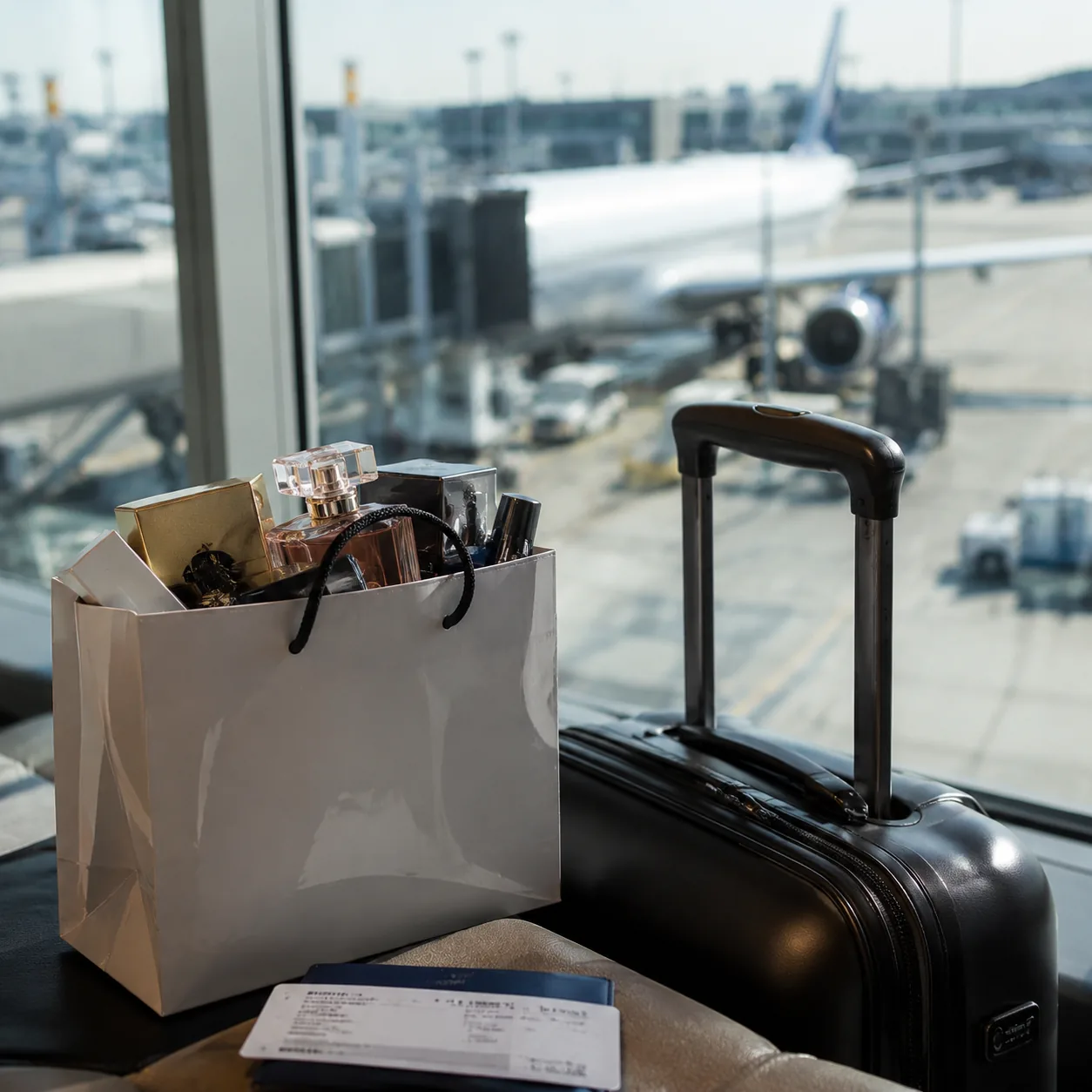
Duty-free liquids can still become a problem if your itinerary includes another security screening. The bottle may be sealed and legal where you bought it, then suddenly awkward at a connection where the rules or bag requirements are different.
On international routes, buy large perfume, liquor, or skin care at the final airport when you can. This is one of those quiet connection traps that belongs beside the unexpected packing items international travelers forget to check.
3. Assuming The Return Airport Uses The Same Rules
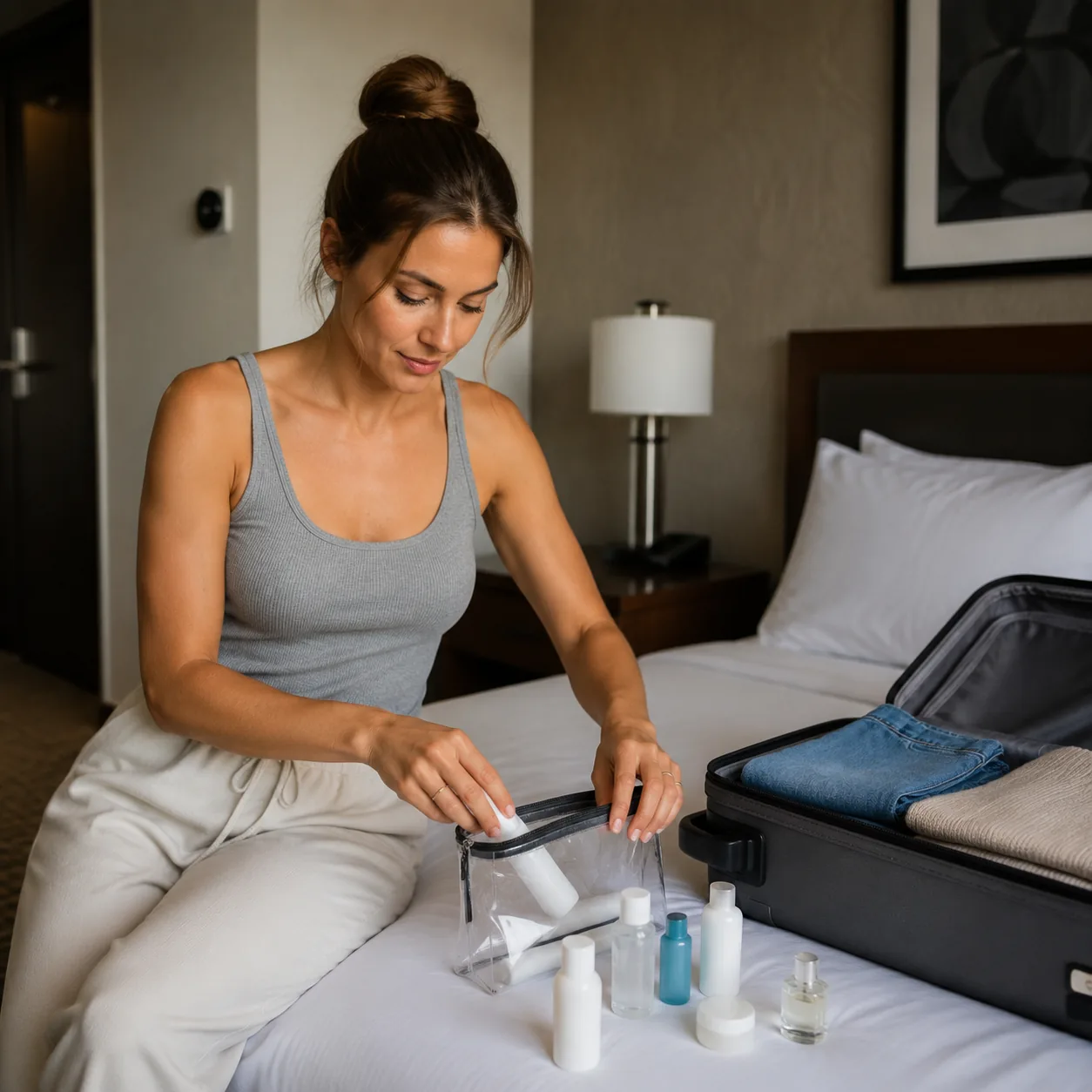
The outbound U.S. checkpoint is only one part of the trip. Your return airport, layover country, cruise terminal, or island airport may handle liquids differently, and the strictest point on the route is the one that ruins your packing plan.
Pack to the 3.4 oz / 100 ml habit unless you have current, route-specific guidance saying otherwise. For beach trips, this matters even on short returns from places like Aruba, where the mistake is often overbuying sunscreen and cosmetics after arrival; pair this with Aruba mistakes first-timers regret if that is your route.
2. Burying The Liquids Bag Under Shoes And Chargers
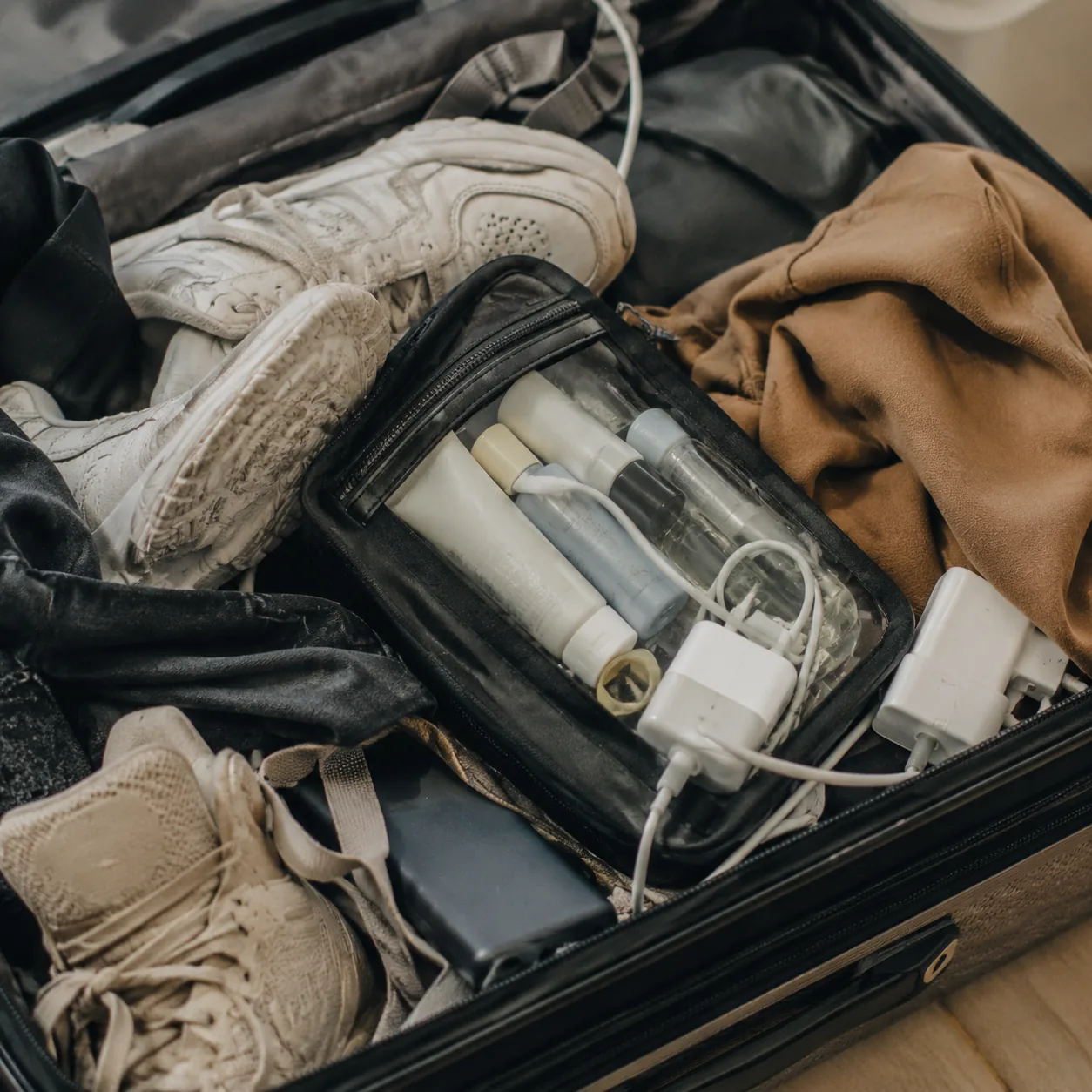
Even a perfectly packed liquids bag can slow you down if it is trapped under packing cubes, sandals, chargers, and a jacket. Some checkpoints let bags stay packed, while others still ask passengers to pull liquids out.
Make the clear bag reachable from the top or an outside pocket. It pairs well with a small document-and-device routine, especially if you are trying to avoid the other carry-on mistakes frequent flyers quietly avoid.
1. Skipping The Final Counter Audit Before You Leave
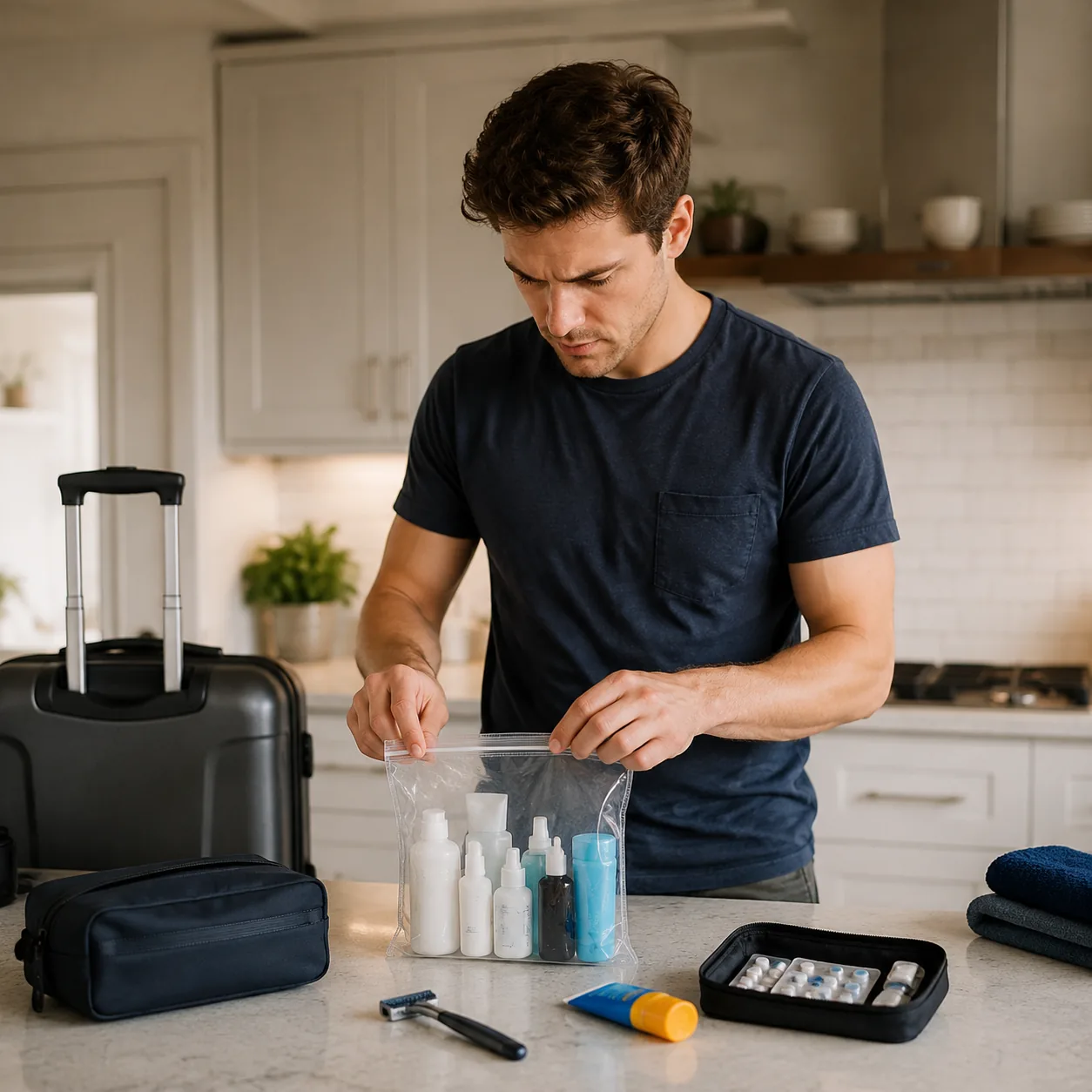
Most toiletry mistakes happen in the last ten minutes at home. Someone throws in the big sunscreen, another person adds a full water bottle, and the neat quart bag becomes a junk drawer.
Before you zip the carry-on, touch every item and ask four questions: is it liquid, is it 3.4 oz / 100 ml or smaller, is it in the clear bag, and does it need to be declared separately? That habit matters whether you are packing for a simple weekend or building a bigger route around international flight carry-on essentials.
Final Check Before You Zip The Bag
The safest toiletry kit is boring: small containers, one clear quart-size bag, solid swaps where they make sense, and medical liquids separated before the line.
If an item spreads, sprays, smears, leaks, or looks confusing on a scan, decide at home whether it belongs in the quart bag, checked luggage, a medical pouch, or nowhere near the airport.
Comments
The opinions and views expressed in the comments section are solely those of the individual users and do not represent or reflect the opinions, views, or positions of HumbleTrail. HumbleTrail does not endorse, support, or verify the accuracy of any user-generated content.
By posting a comment you agree to receive related emails from HumbleTrail in accordance with our Terms and Privacy Policy. You can unsubscribe at any time.