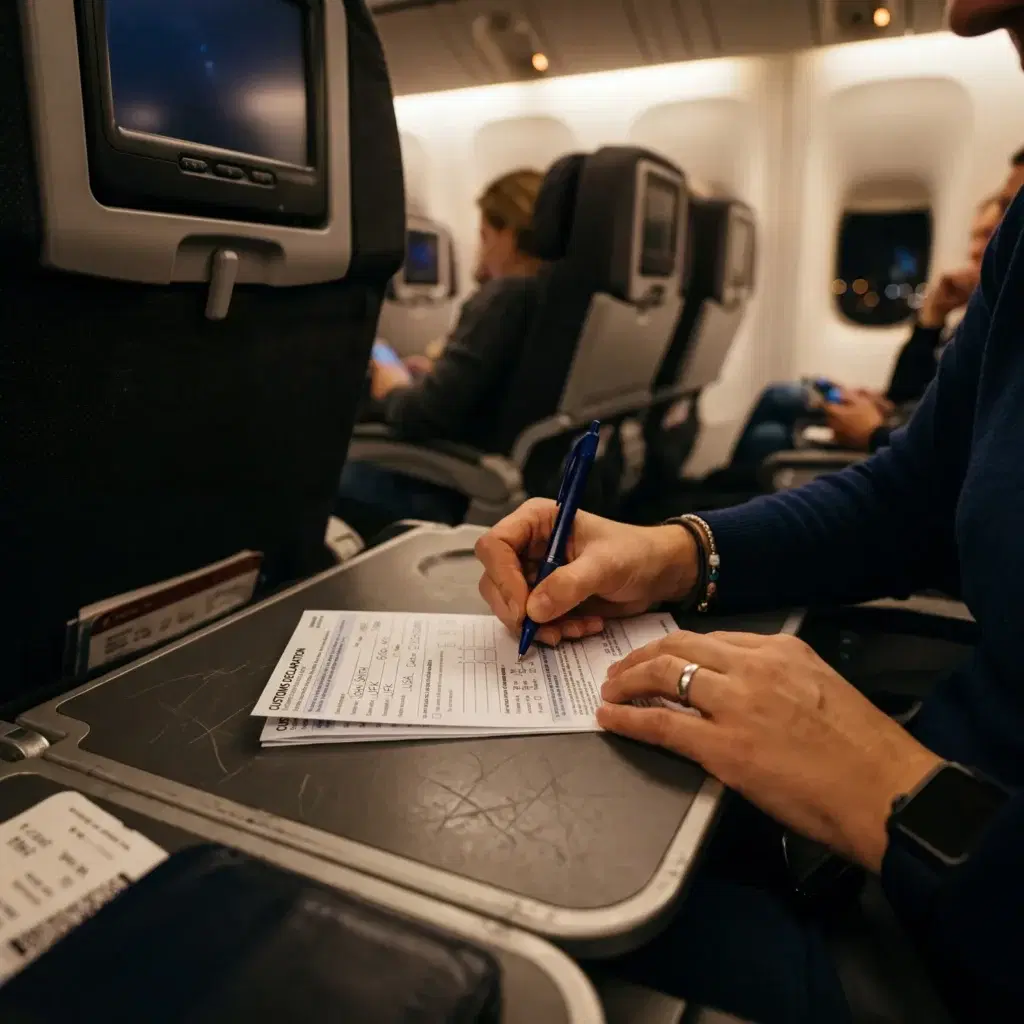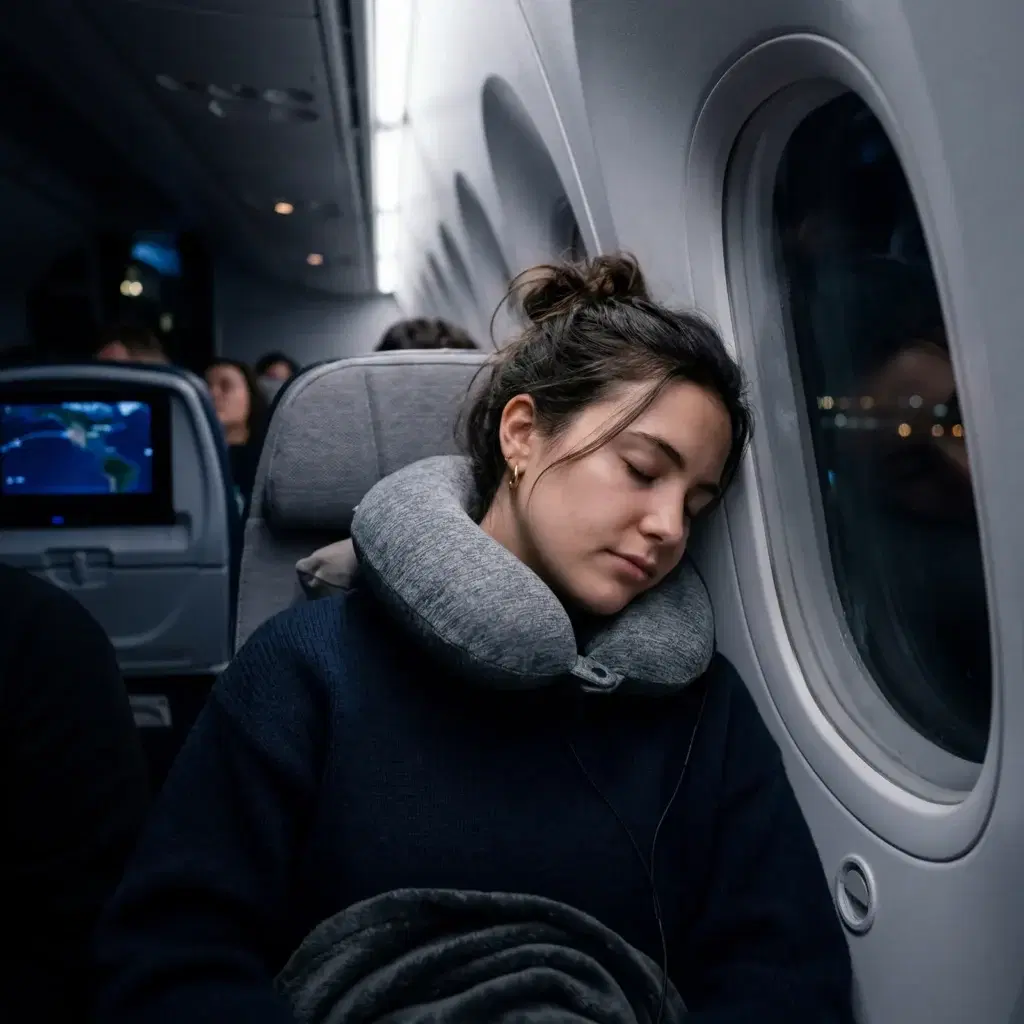


Clothes, chargers, a travel pillow – you have them all stowed away and figure you are set to go. Yet the seasoned traveler who has made this journey twenty times over knows a thing or two that is lost on the rest of us.
They tend to have learned it the hard way. Take a look at what is at the top of our list. It is an item of little cost and even less bulk, but it has done more to salvage an international trip in its time than any passport wallet or packing cube will.
Make the effort to read through; there is a story to be had with each of these. Do not just skip to the end.
25. A Rubber Door Wedge
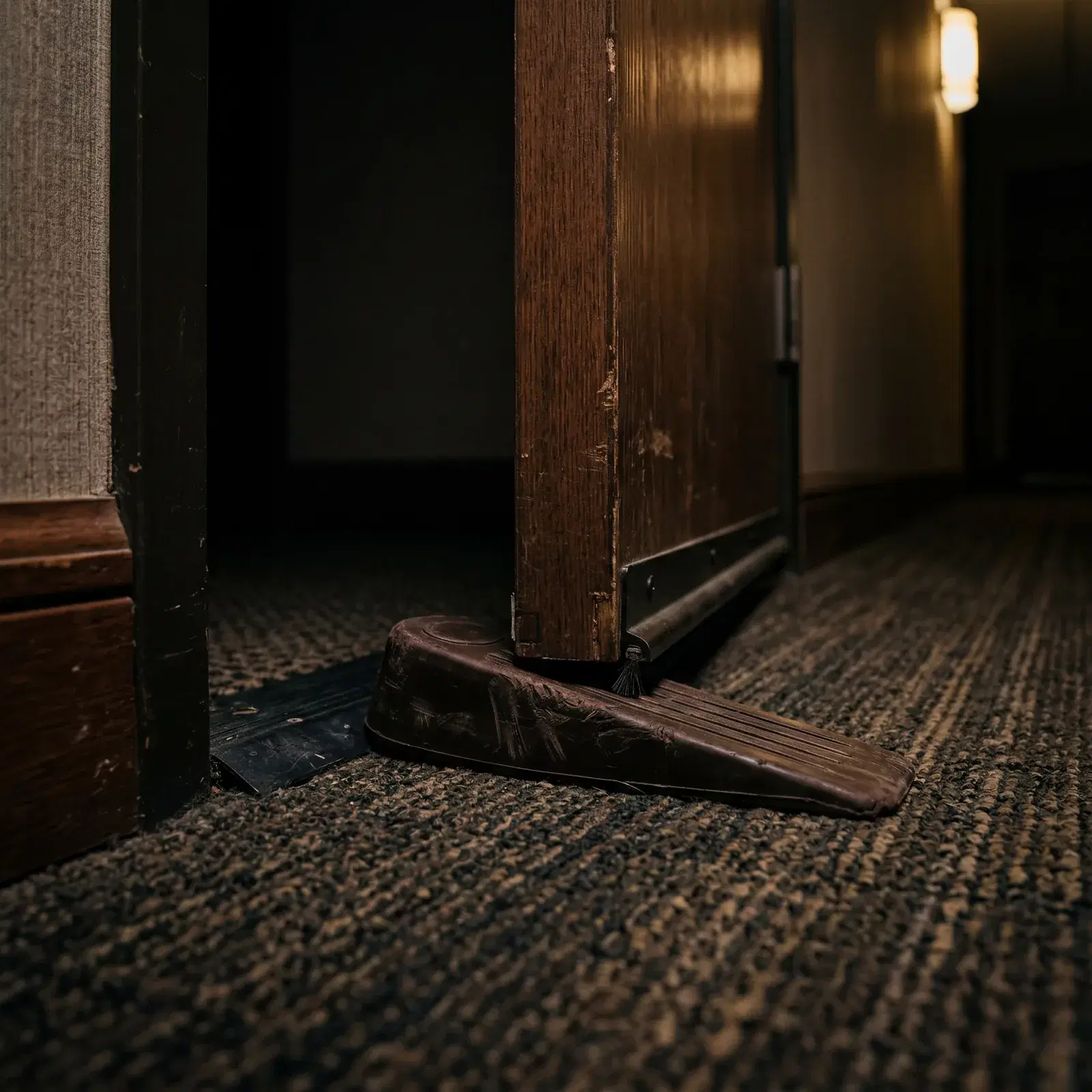
It is 2am in a strange city and you find the hotel door does not quite latch. An experienced solo traveler will tell you that security in a mid-range or budget place is a matter of chance.
Which is why they make an exception for one item: a rubber door wedge. For two dollars it will tuck into the corner of your bag.
You put it in under the door from the inside and unless someone wants to put in some serious work, they are not coming in, lock or no lock. Every old hand has a tale to tell about this sort of thing. Those with the wedge have a better ending to the story.
24. A Binder Clip
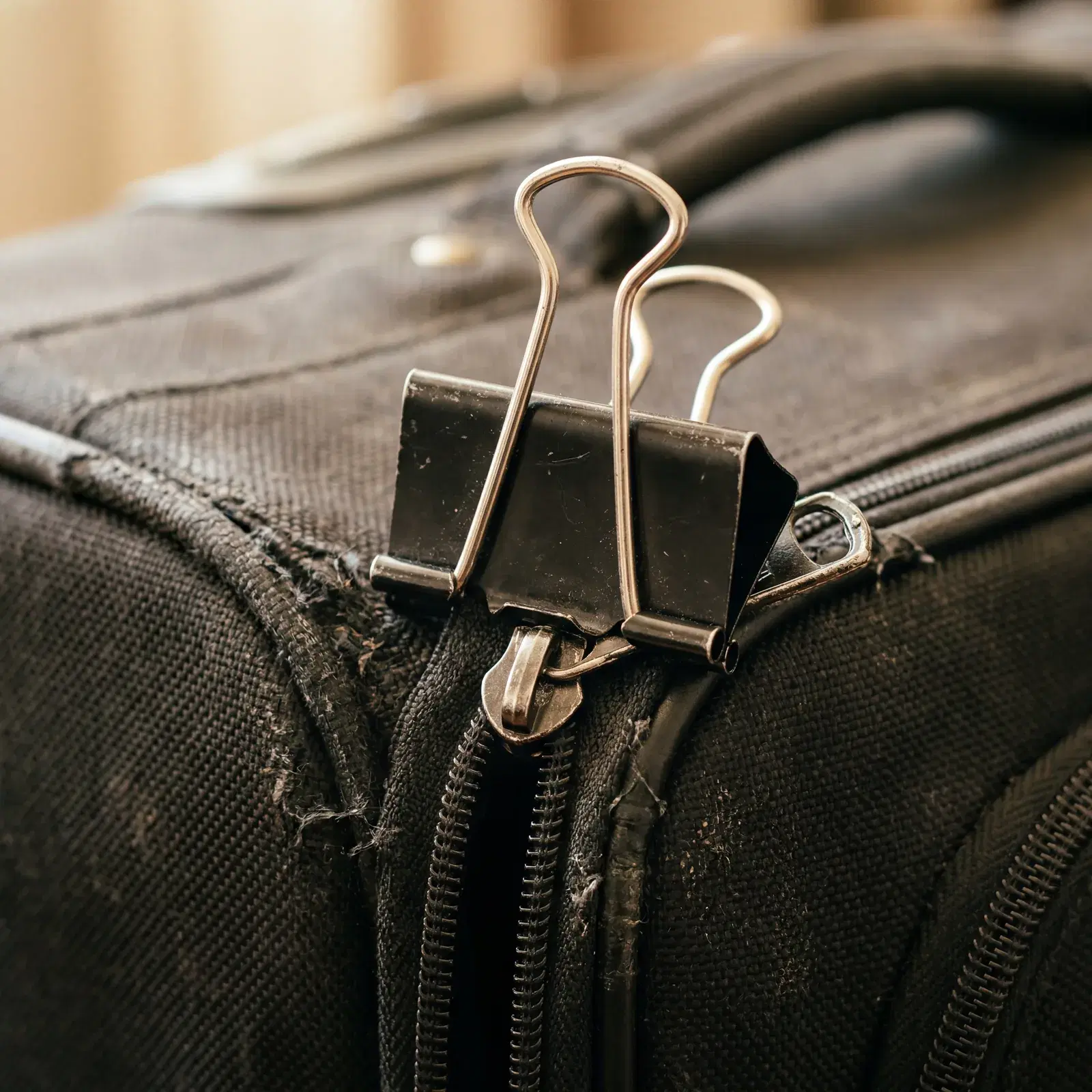
You are three countries from home when the pull on your luggage zipper gives way. The bag will not close and there is no replacement to be found. A large binder clip is the answer. Put it through the hole and you have something to hold onto.
There is no elegance to it, but it works as intended. When you are not using it to secure a bag, it can be a cord organizer or a chip clip, or even to shut out the light in a room without proper blackout curtains.
Most people don’t carry one. The ones who do know better. Every experienced traveler has a version of this story. The ones who carry this item have a much better ending.
23. A Silk Sleep Sack
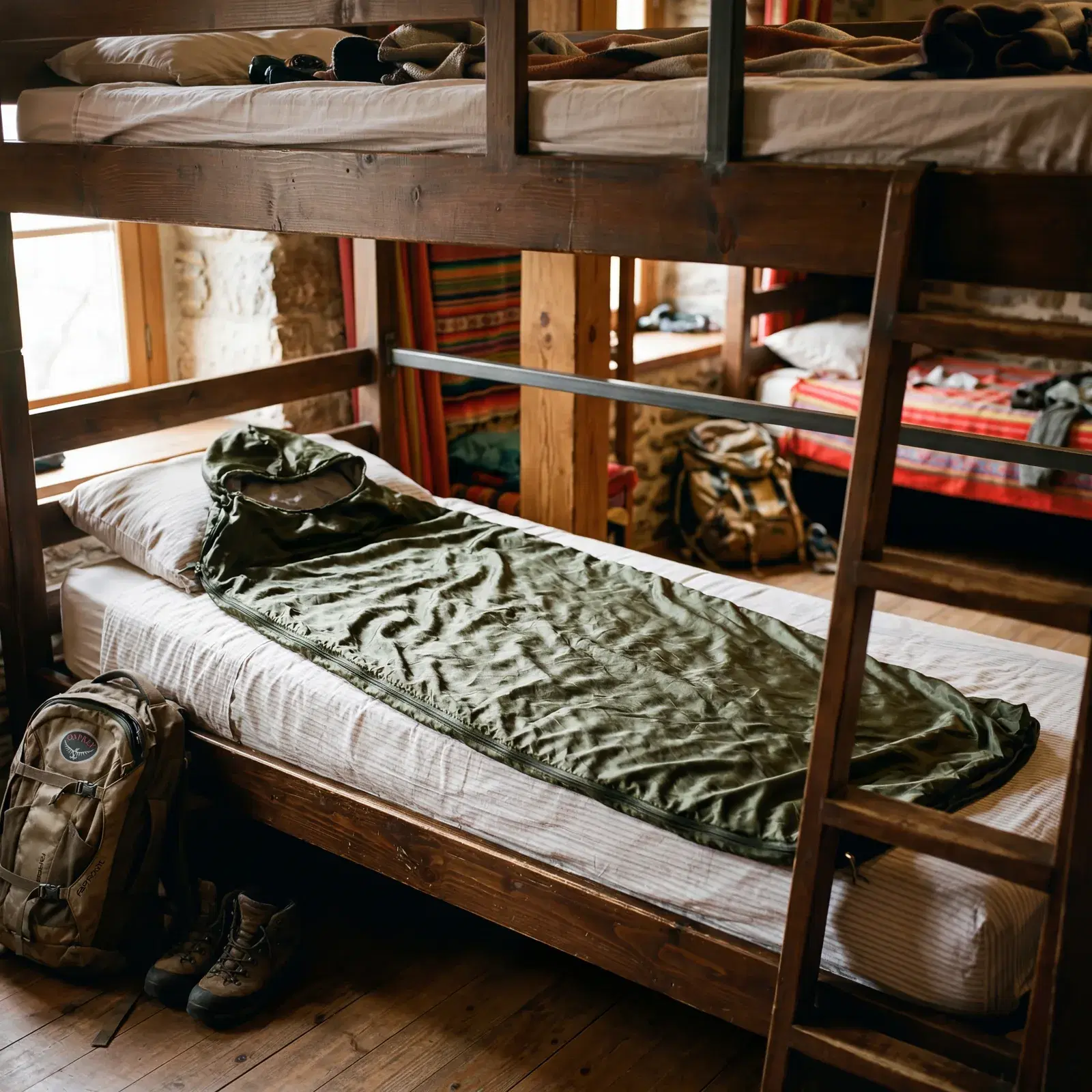
The guesthouse looked fine enough in the pictures. But the moment you draw back the sheets they feel off. In Southeast Asia hostels, on an overnight train or in a budget hotel where the laundry schedule is up for debate, you want a barrier.
A silk sleep sack is non-negotiable if you put in more than a couple of weeks on the road annually. It is warm in an air-conditioned room, weighs next to nothing and will pack down to the size of a fist.
Every experienced traveler has a version of this story. The ones who carry this item have a much better ending.
22. Swimmer’s Earplugs
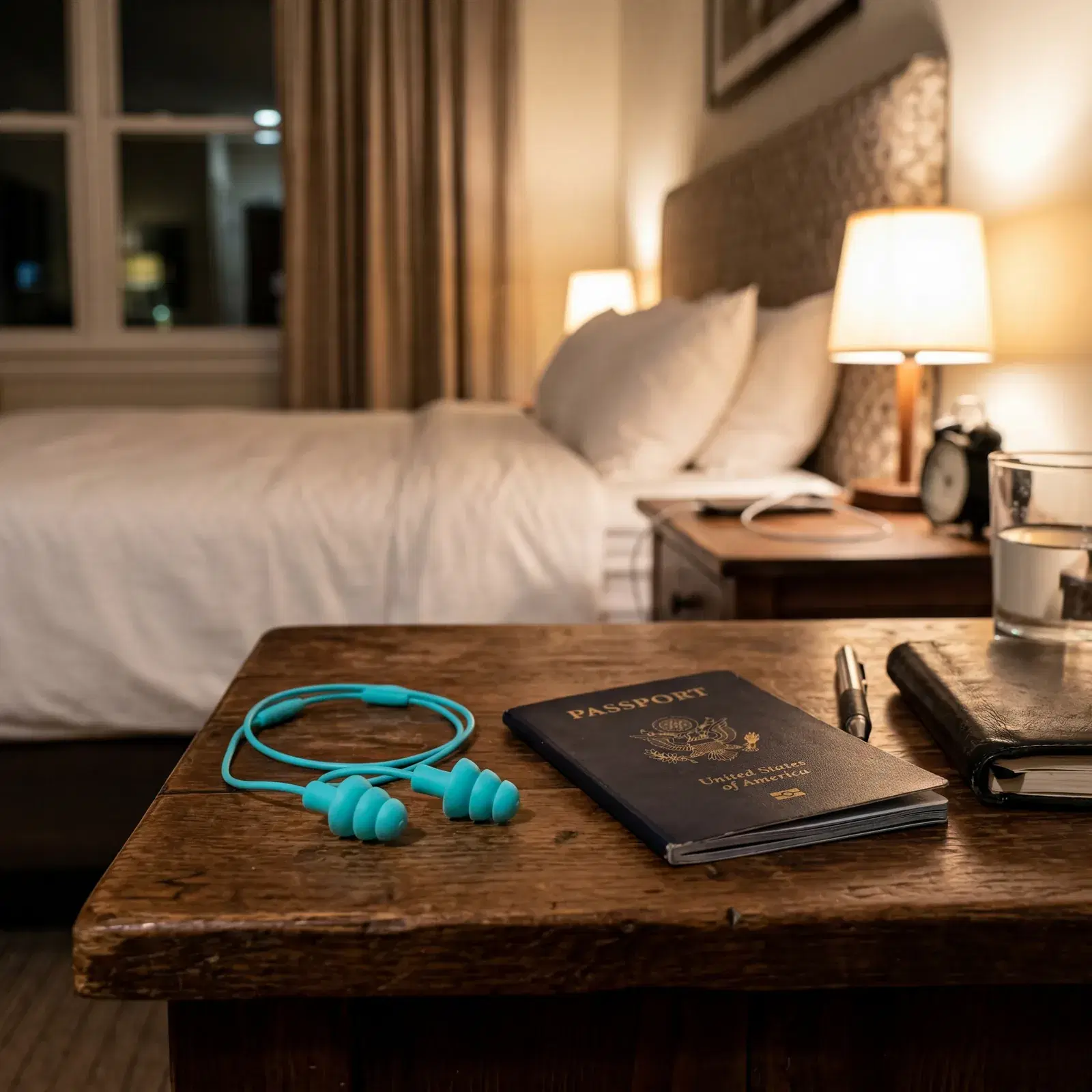
Your guesthouse neighbour is snoring like an engine at 4am and you have a 7 o’clock flight. Standard foam earplugs muffle the noise. Silicone swimmer’s earplugs are another matter. They conform to your ear canal and block sound in a way foam cannot.
You can pick them up at the pharmacy for under five dollars though few think to put them in their kit. On a bad night the difference is between getting some sleep and not. Every experienced traveler has a version of this story. The ones who carry this item have a much better ending.
21. A Physical Book of Emergency Contacts
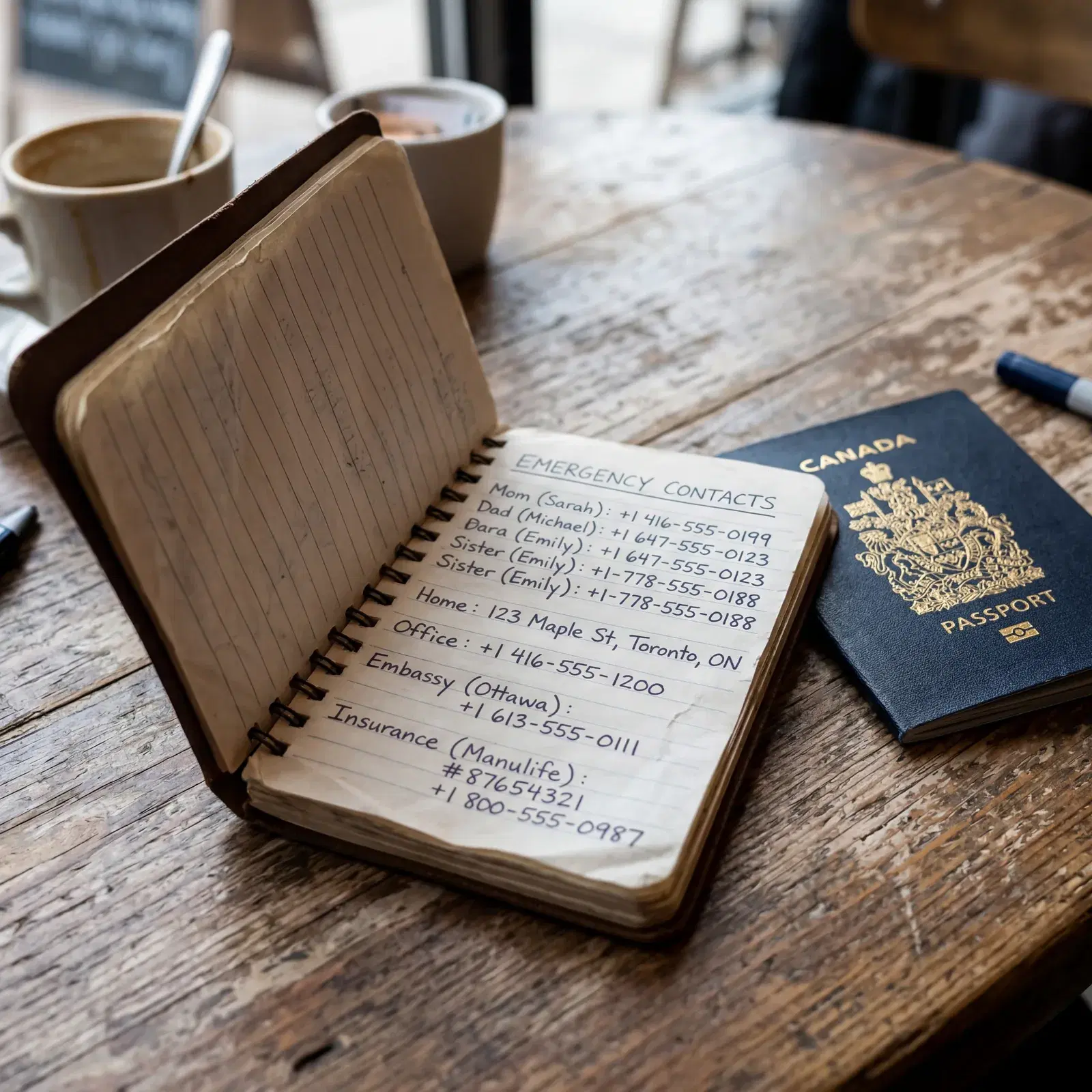
Phone is dead, or stolen, or you are stuck in a menu in a language you do not speak. Most put their faith in the digital and only realise the error of their ways once the phone is gone.
A small notebook with your key contacts put down by hand is the solution. No battery needed. You can get in touch with the bank, the embassy, your insurance or family.
It is printed on paper and takes two minutes to see to before you head out. You will find that every seasoned traveler has his or her own take on this. Those with the right gear in hand tend to have a better outcome.
20. A Medical Information Card in the Local Language
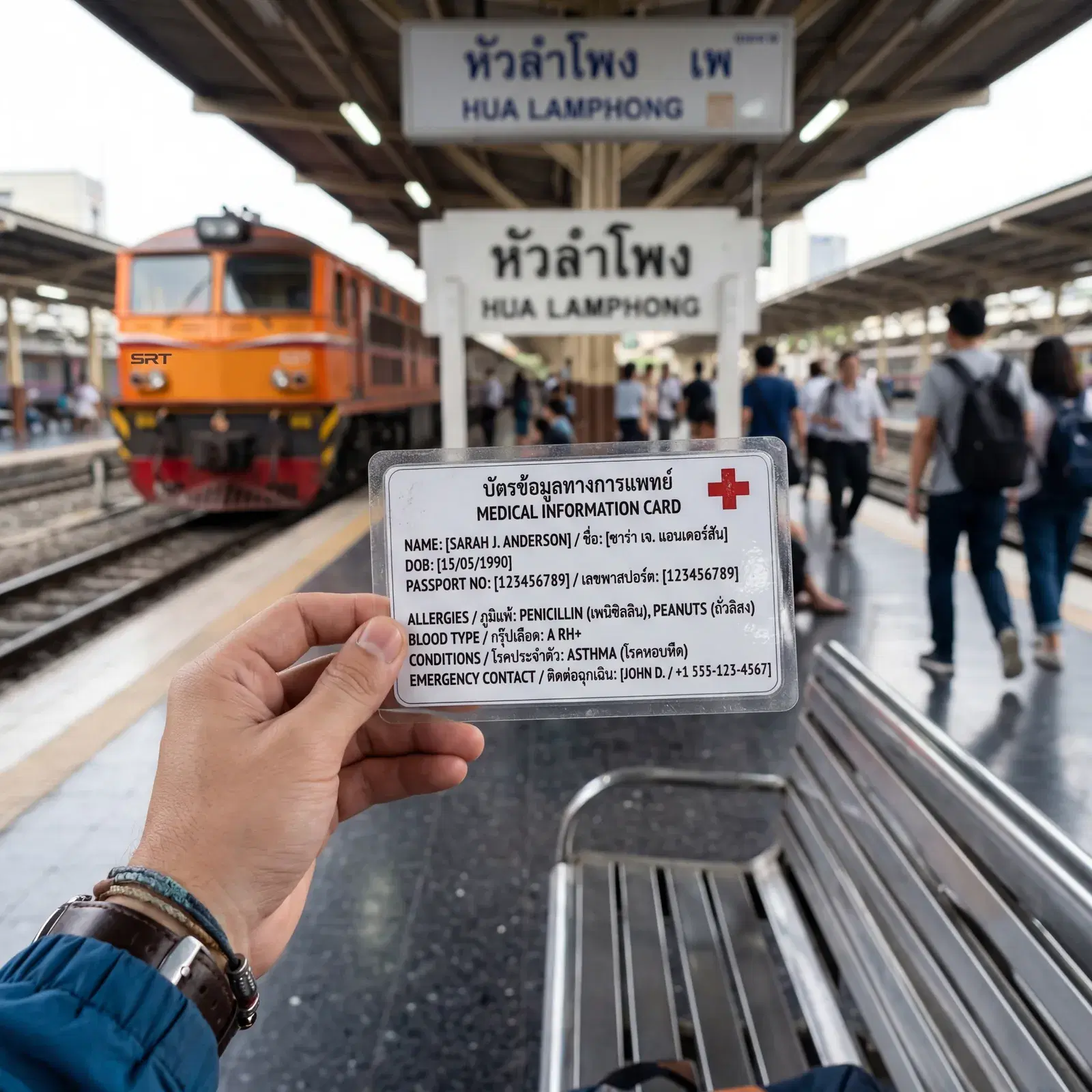
Consider the scenario: you are unconscious, and not a soul around you is speaking English. You have a blood type or an allergy that is of consequence in a trauma case.
In those first ten minutes of an emergency, a laminated card bearing your critical medical history and allergies in the local tongue can be the deciding factor. There is no reason not to get one translated online for next to nothing before you head out.
The majority of travelers make the mistake of thinking someone will speak English; in a rural hospital they often won’t. Every experienced traveler has a version of this story. The ones who carry this item have a much better ending.
19. A Travel Clothesline
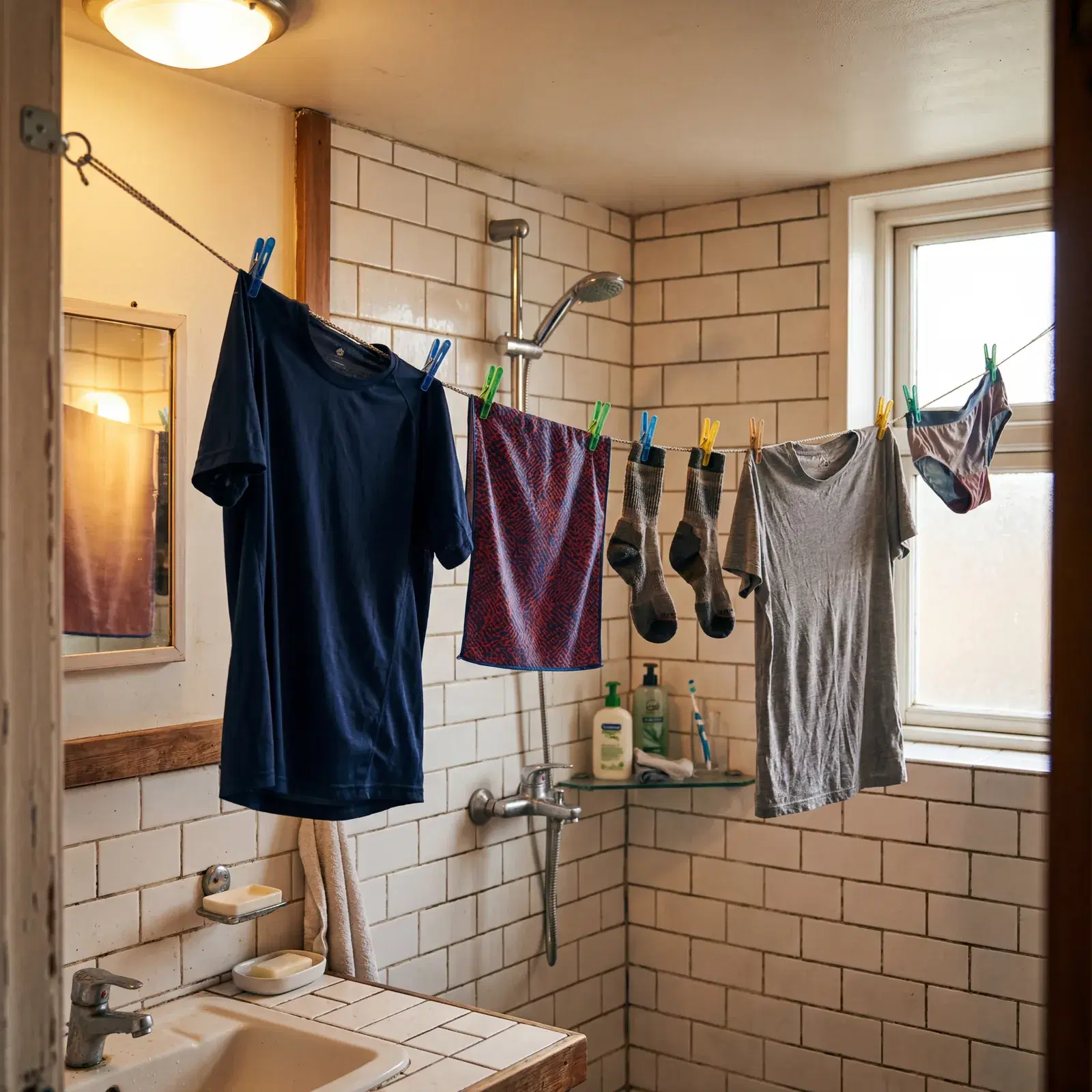
You are on an extended trip and need to do some washing. There is no dryer to be found, nor a hook near the window to put it on.
Experienced long-haulers consider a portable elastic travel clothesline to be part of their essential kit. It requires no nails or hooks to span the distance between two points and will hold your shirts, socks and lightweight trousers.
It is small enough to pack like a flashlight and comes in handy at any hotel, hostel or Airbnb. Every experienced traveler has a version of this story. The ones who carry this item have a much better ending.
18. Melatonin for Jet Lag
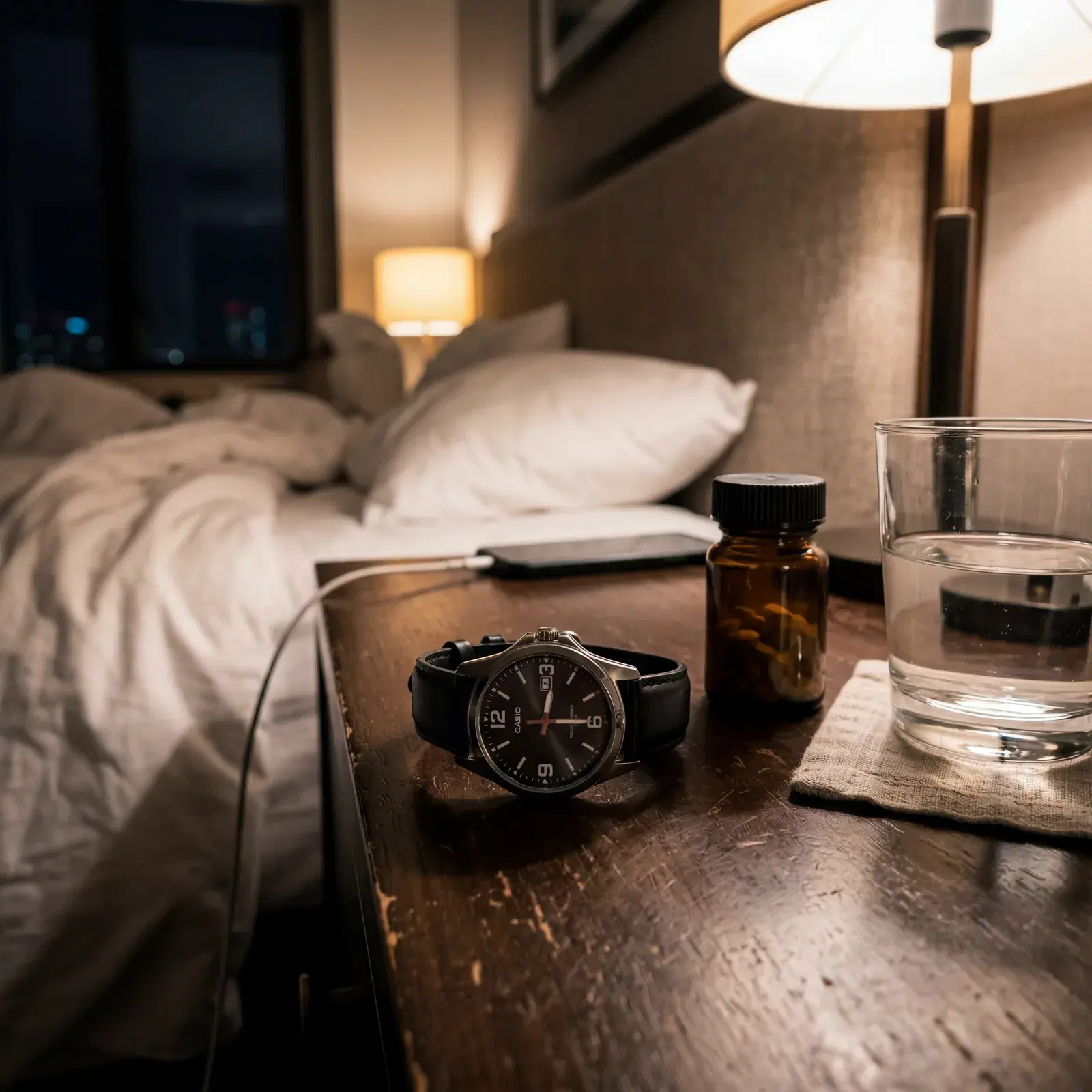
After a fifteen-hour flight you touch down at 11pm, but your body is insistent it is still noon and you are not going to sleep come 5am.
Take some low-dose melatonin (0.5mg to 1mg) at the proper hour for a couple of nights and it will put your rhythm back in order quicker than anything else legal. You can pick it up over the counter for very little.
While most will just white-knuckle the jet lag, the ones who handle it are ready to be somewhere on day one rather than spend it recovering from the journey. Every experienced traveler has a version of this story. The ones who carry this item have a much better ending.
17. A Money Belt Worn Inside Clothing

A shoulder pouch tells everyone what you are trying to protect. A slim money belt under your shirt does not. Worn flat against you, it keeps your passport and emergency cash from plain view as you move through a crowded market. You can go anywhere and nobody is the wiser.
Should someone brush past you and you find your wallet missing, this is the sort of thing the old hands use to avoid the problem altogether. Every experienced traveler has a version of this story. The ones who carry this item have a much better ending.
16. A Microfiber Towel
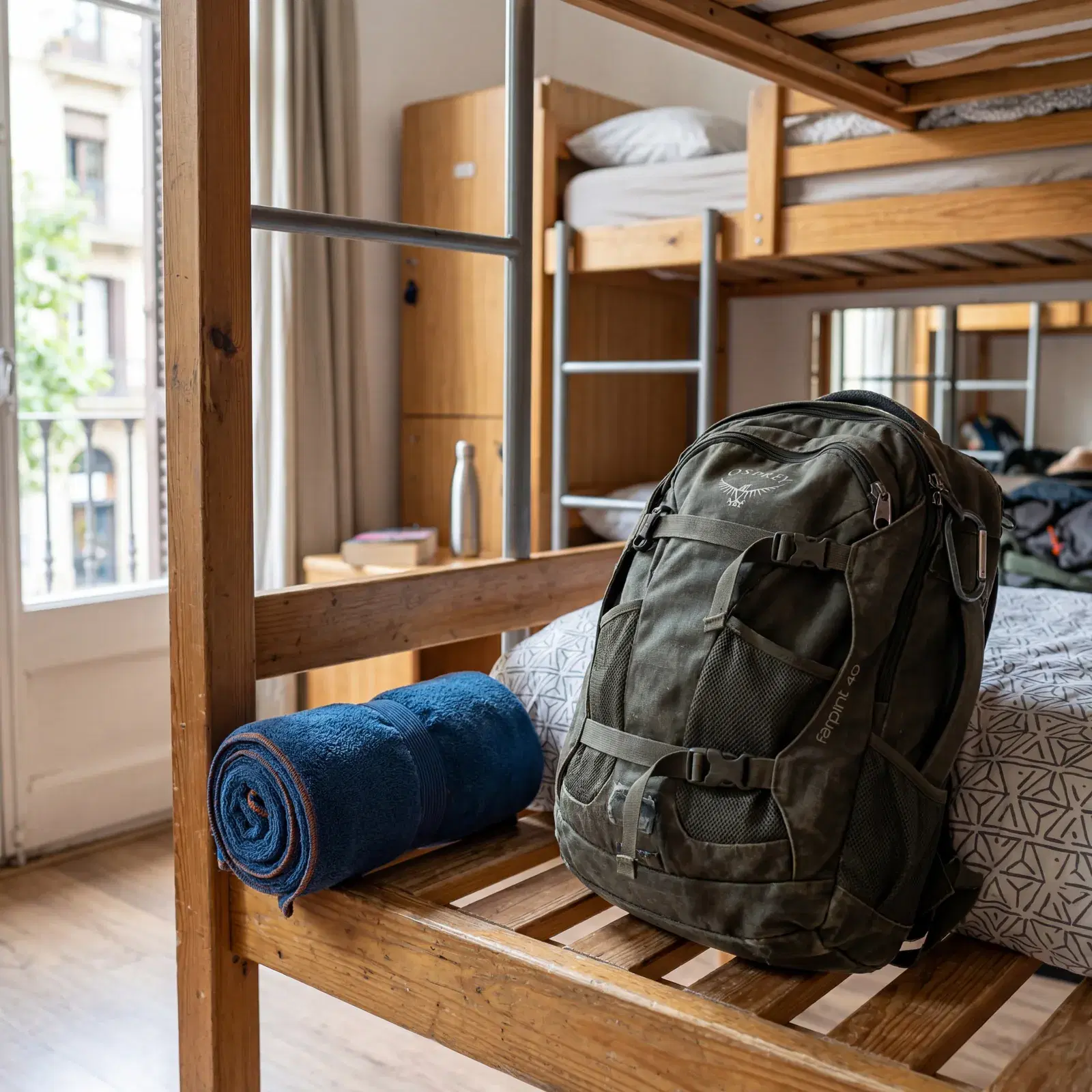
Then there is the matter of towels. Your host may charge for them, or offer something with all the texture of a paper bag. For about twelve dollars a microfiber travel towel is well worth the space.
The large size packs down to the dimensions of a T-shirt and will dry in half an hour. Good for the pool or a sweaty day outdoors, it is highly recommended by those who have been traveling for years, if not by the first-timer.
Every experienced traveler has a version of this story. The ones who carry this item have a much better ending.
15. A Portable UV Sterilizer Wand
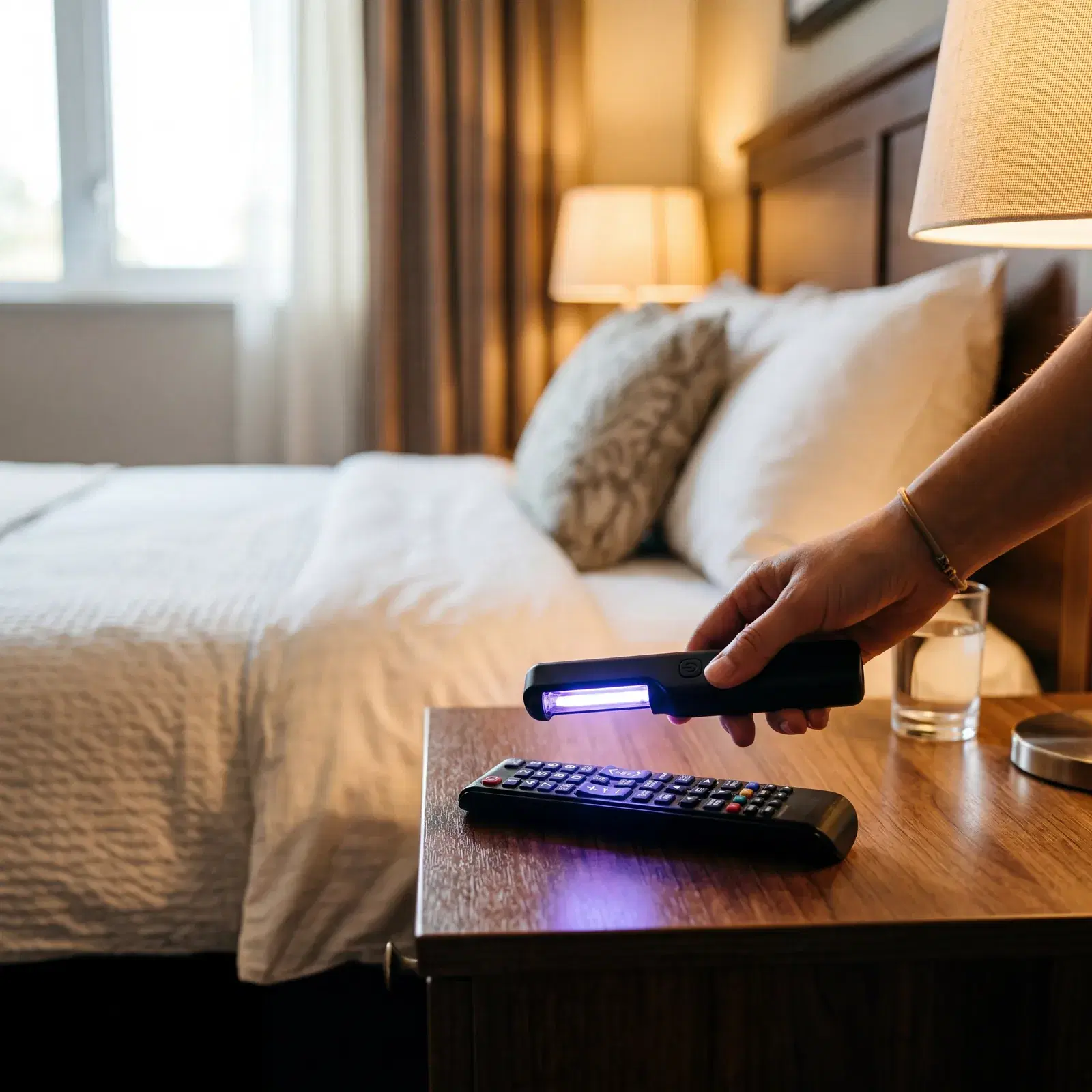
After you have checked into your hotel room, you put down your things and make for the remote. Then you find yourself wondering where that particular remote has been. There is a way to handle it.
A UV-C sterilizer wand will run over a surface in thirty seconds or so and put an end to most of the bacteria and viruses on contact. It works on the phone in the room, the remote, even an airplane tray table or toilet seat. At a size that tucks into a toiletry bag, it is an easy addition.
People are aware that an airport or plane is rife with germs, but few take any action. Those who have come down with something serious while away don’t make the same error. Every seasoned traveler can tell you about it. The ones with this item in their kit have a better outcome.
Read More: 19 Rookie Travel Mistakes That Cost Americans Thousands Every Year
14. A Spare Power Bank for Your Power Bank
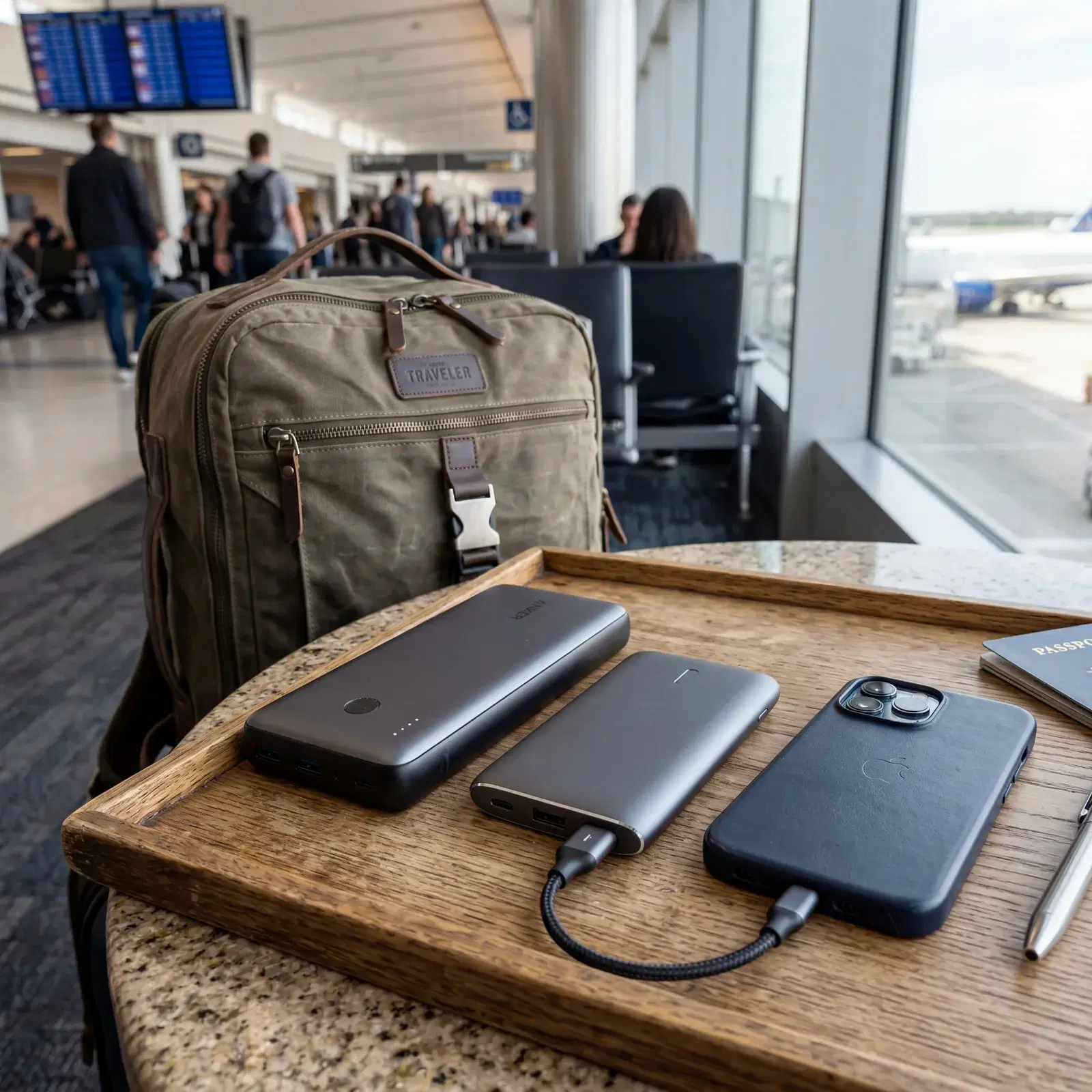
Your primary power bank has given out and your phone is sitting at 8 per cent. You are two hours from a connection and there is no outlet in sight. A slim 5,000mAh secondary power bank is the answer.
For around fifteen dollars you get one full charge in an emergency from something that weighs next to nothing and fits in a jacket pocket.
Most would say they are fine with one bank, but those who have been stranded by a dead phone know better and carry two. The math is simple. You will hear the story from any experienced traveler. Carrying this makes for a much better ending.
13. An eSIM or Local SIM Card Purchased Before Landing
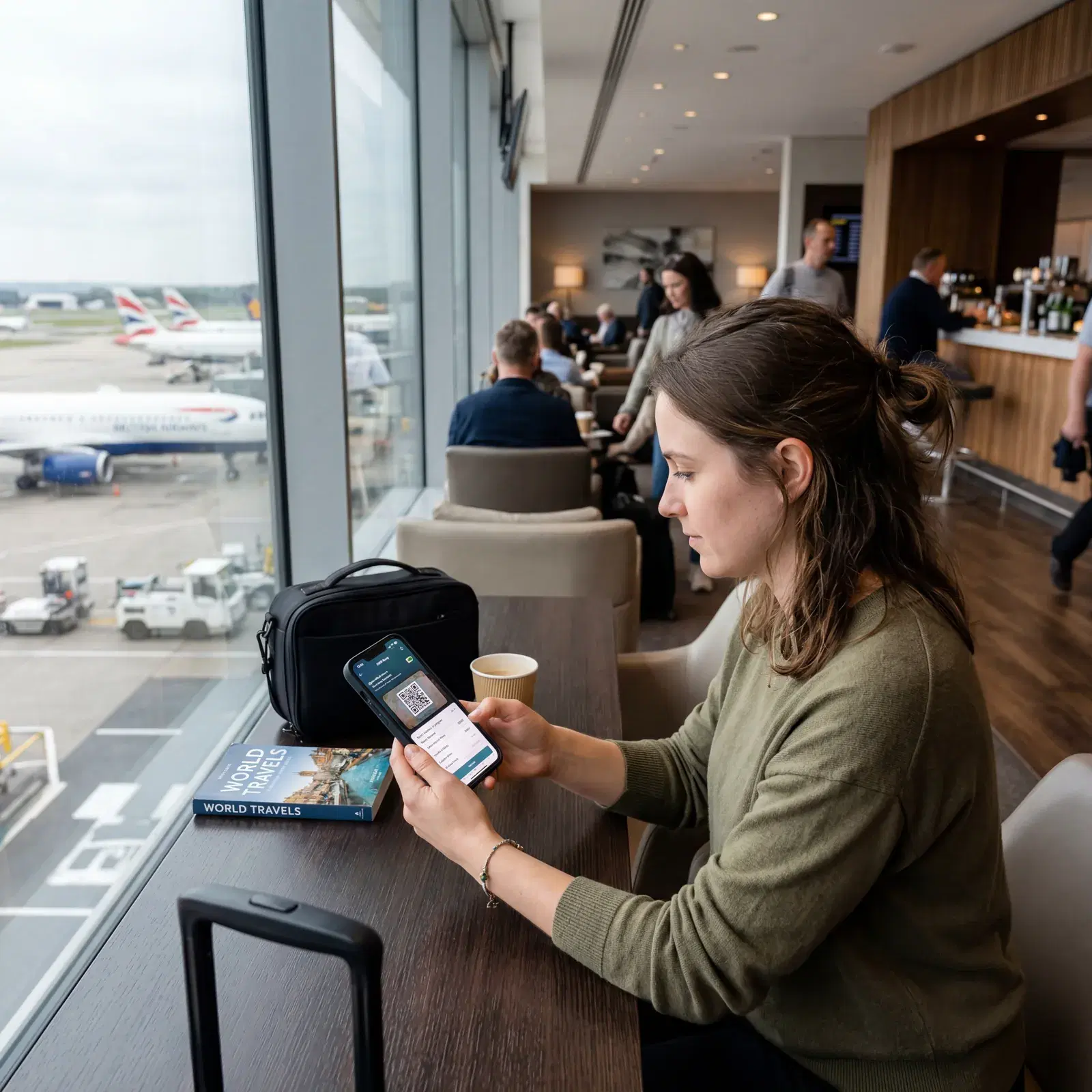
You have landed and need to make your way to your rooms. Your carrier wants $15 a day for international roaming and the data is crawling along at dial-up pace.
With an eSIM you have loaded before you left, you are active the moment you touch down. There is no language barrier at some phone shop or time wasted while a clerk locates the right tray for your model.
You can have Airalo or Holafly set up a regional eSIM from home. The rest of us are not going to pay carrier roaming rates again. Every veteran of the road has a version of this tale. If you have this, you avoid the trouble.
12. A Universal Adapter With USB Ports Built In
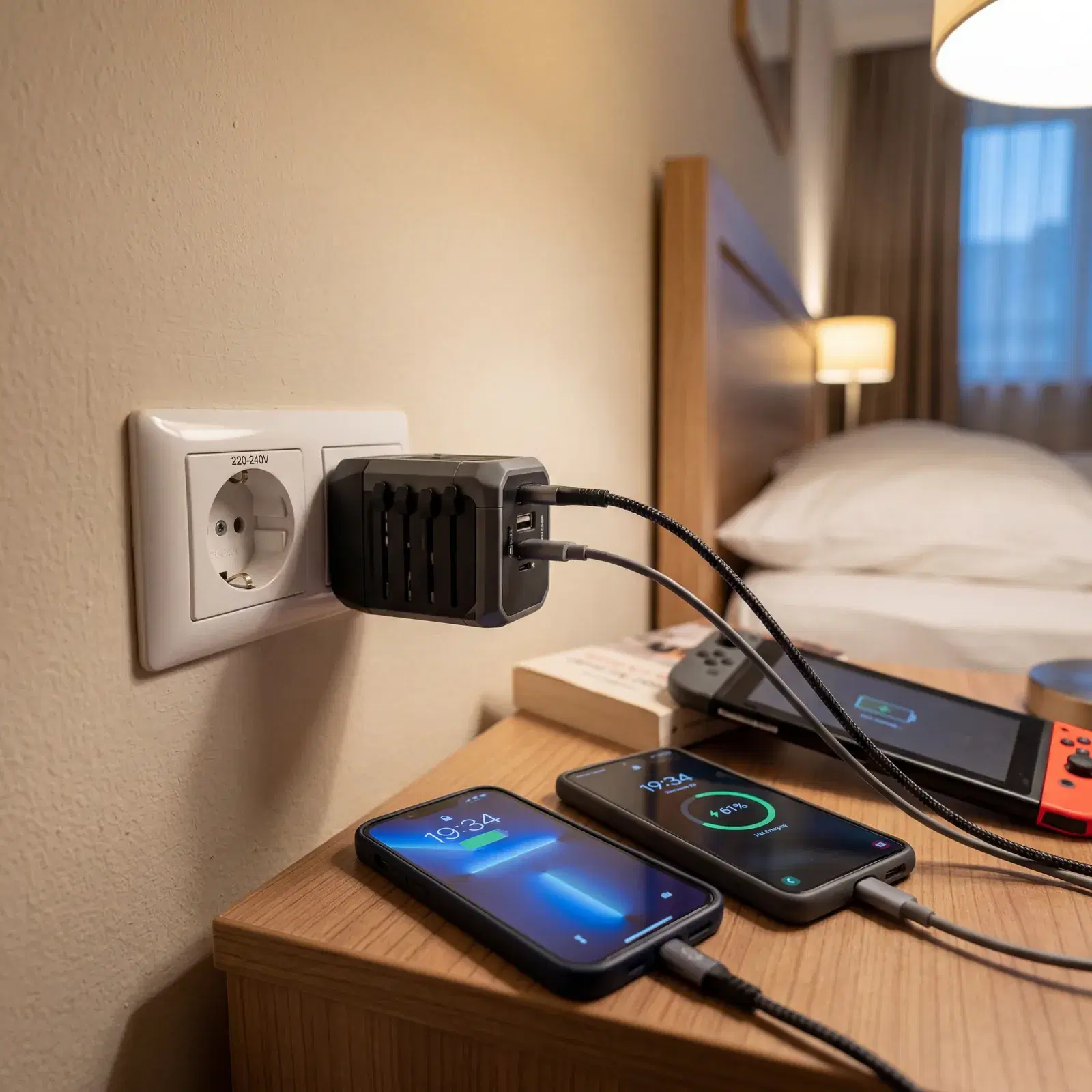
You have an adapter in your bag, but it lacks USB ports. Since your phone charges via USB, the thing is of no use to you now.
That is why a multi-region adapter with a built-in USB-C and two USB-A ports is worth having. One plug does the job in every country without the need to unpack several items. The two-dollar variety might work on paper but not in reality.
A quality piece will run you twenty dollars and see you through ten trips. Experienced travelers do not skimp here. As with the rest, the ones who have it have the better story to tell.
11. A Packable Rain Jacket
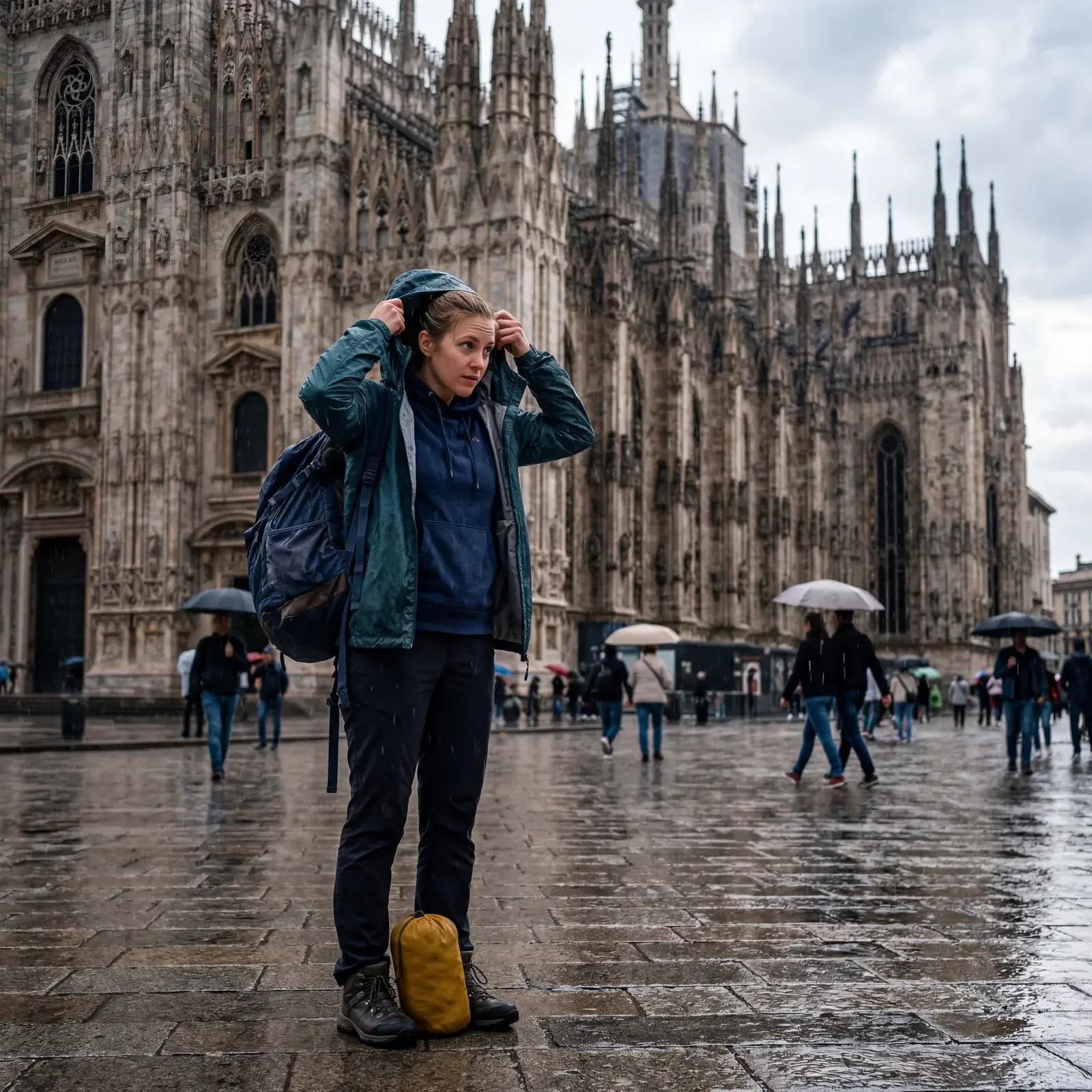
The forecast was for clear skies and you were not expecting rain. But you are two klicks from your accommodation and the sky decides to open up. Umbrellas are no match for wind and ponchos are wretched. A packable rain jacket is the most versatile protection you can have without even thinking about it.
It compresses into its own hood pocket and can be stowed in a tote or the back of a carry-on. When you are done with it, it is gone. You will find every seasoned traveler has been there. The ones with a good jacket fare better.
10. A Small First Aid Kit — Built by You, Not Bought
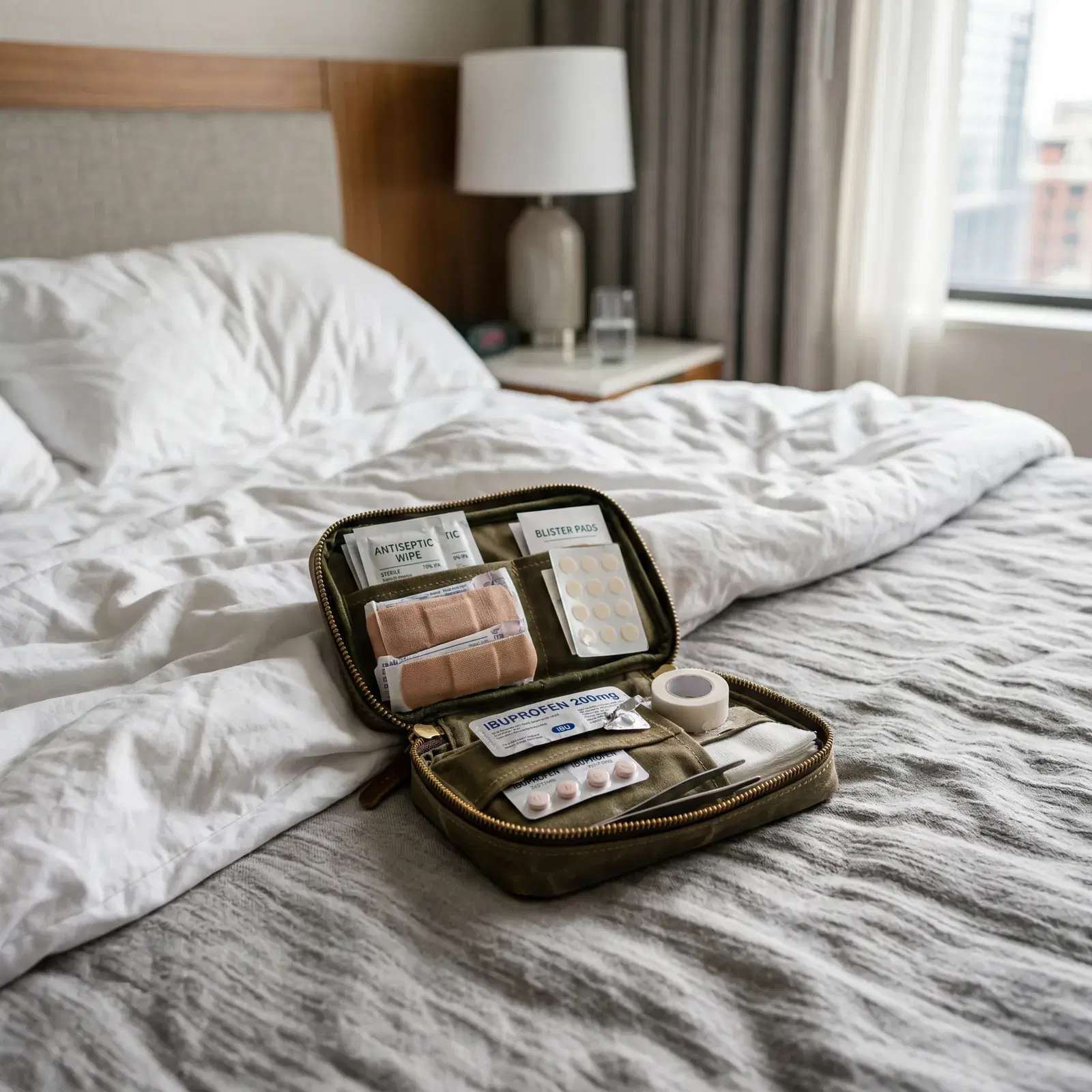
And then you find the pharmacy by your guesthouse is shut. Sunday has a way of putting things in perspective. You have an open blister and a cut that requires some attention, but no supplies to hand. The answer is a self-assembled kit.
Put together in fifteen minutes with a quick stop at the chemist before you go, it will run you about eight dollars for ibuprofen, antihistamines, antiseptic wipes, a few bandages, blister pads and oral rehydration salts.
In all, it is under 200 grams and handles 90 per cent of what you are likely to encounter on the road. Forget the pre-packaged travel kits; they are mostly filler. Every seasoned traveler can tell you how this plays out. Those who have put in the effort have a far better outcome.
Read More: 23 Essential Items Every First-Time International Traveler Wishes They Packed
9. Blister Plasters — Not Regular Band-Aids
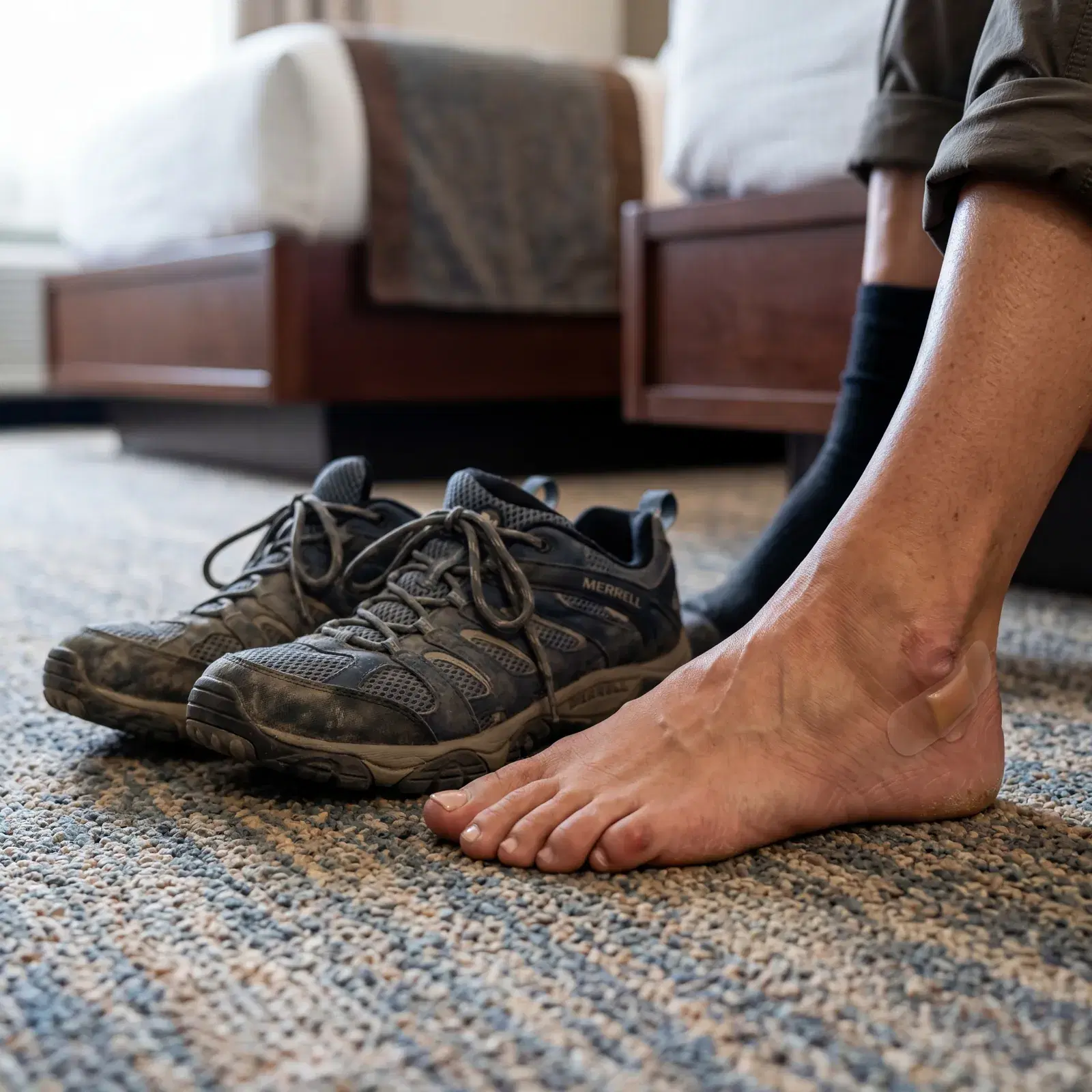
Then there is the matter of new walking shoes. They were fine in the store, but by day two of your city itinerary the back of your heel is raw and each step is something of a negotiation.
You want hydrocolloid plasters from Compeed or the like. They seal and cushion the blister so you can put them on and keep going. An ordinary Band-Aid will be on the floor in an hour; these hold for days.
At a dollar a pop they are worth it, though most travelers make the mistake of packing regular plasters and find out why the hard way. As is the way with experienced travelers, the story is the same. The ones with the right gear come out ahead.
8. A Headlamp — Not a Phone Torch
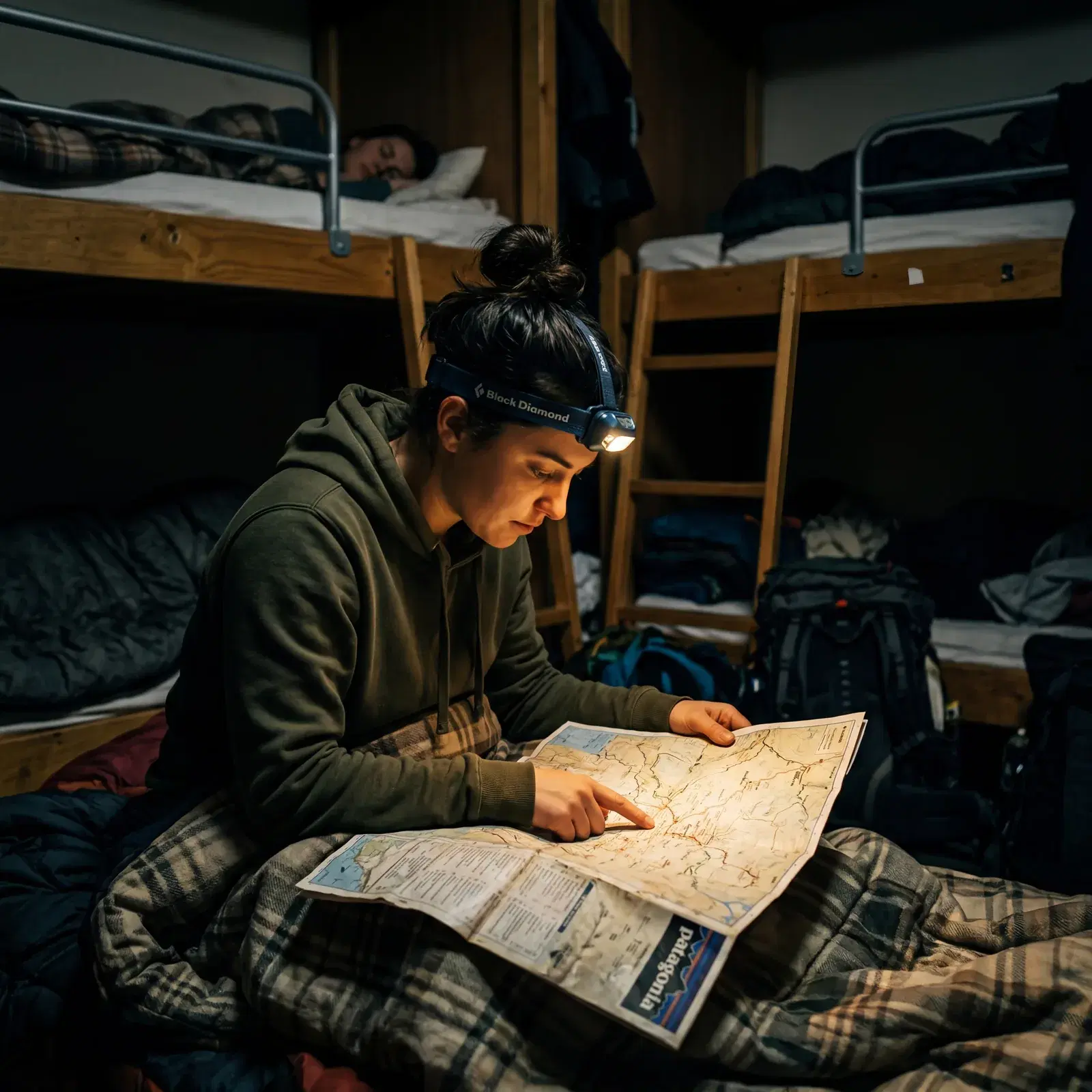
A power outage. A guesthouse with no light in the corridor. Or an early morning tour where you need your hands to yourself. A compact headlamp is the solution. It is not much heavier than a deck of cards and provides hands-free illumination. You can get a good one for under fifteen at a camping shop.
Using your phone as a torch means you are left holding it when you need those hands free. It is one of those things you think you do not need until you do, and then it is the most valuable thing in your bag.
7. A Doorbell Alarm or Personal Safety Alarm
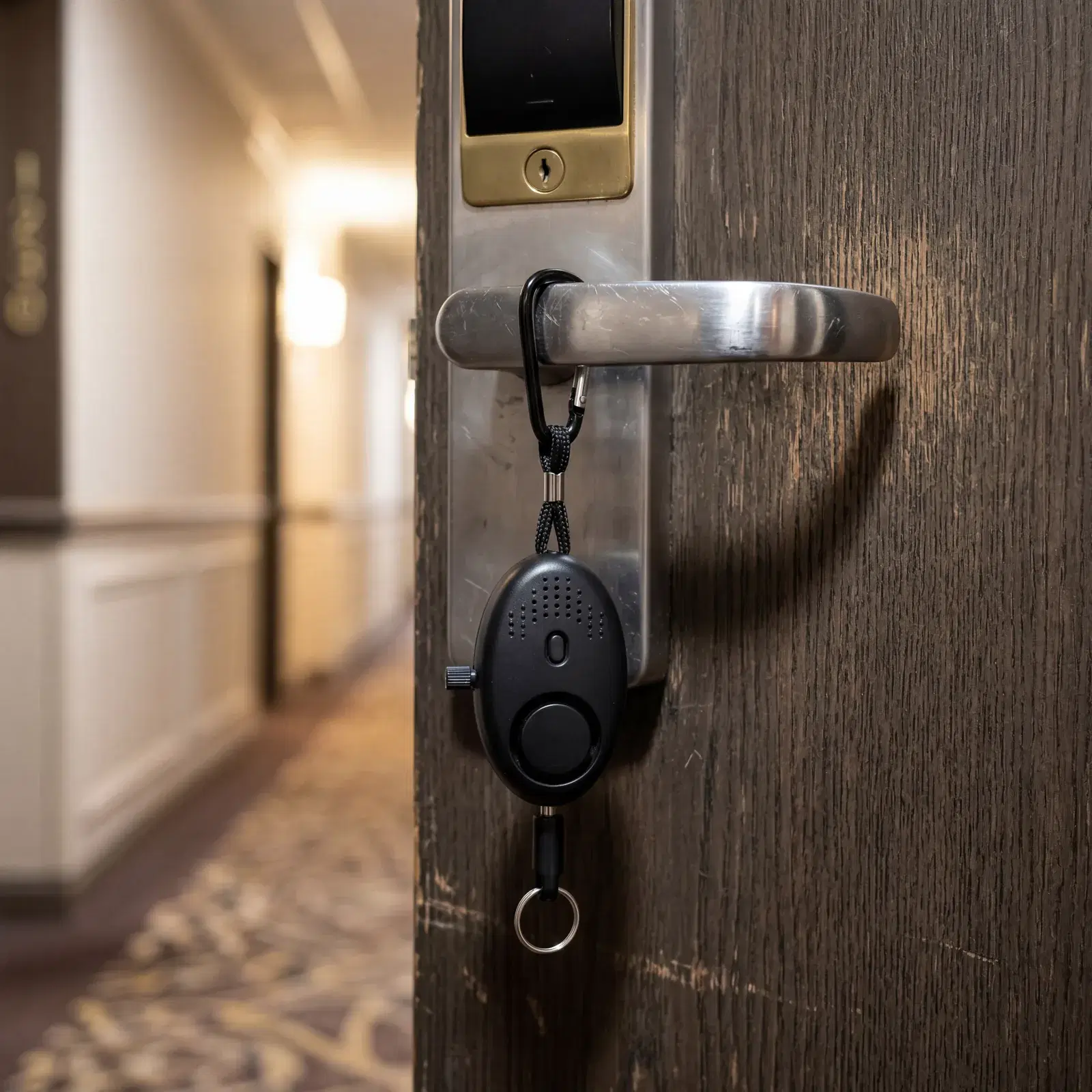
It is 3am and you are alone in a room when the door handle gives way. You are left to wonder if someone has the wrong room. A portable door alarm is a simple fix. Hang it on the handle and any attempt to open the door sets off a loud noise, enough to put off an opportunistic intruder.
Some double as a keychain personal alarm too. For a solo woman in accommodation where the lock is questionable, it is essential. It is nothing to carry and only eight dollars, but the peace of mind is well worth more.
6. A Photocopy of Every Document — Stored Separately
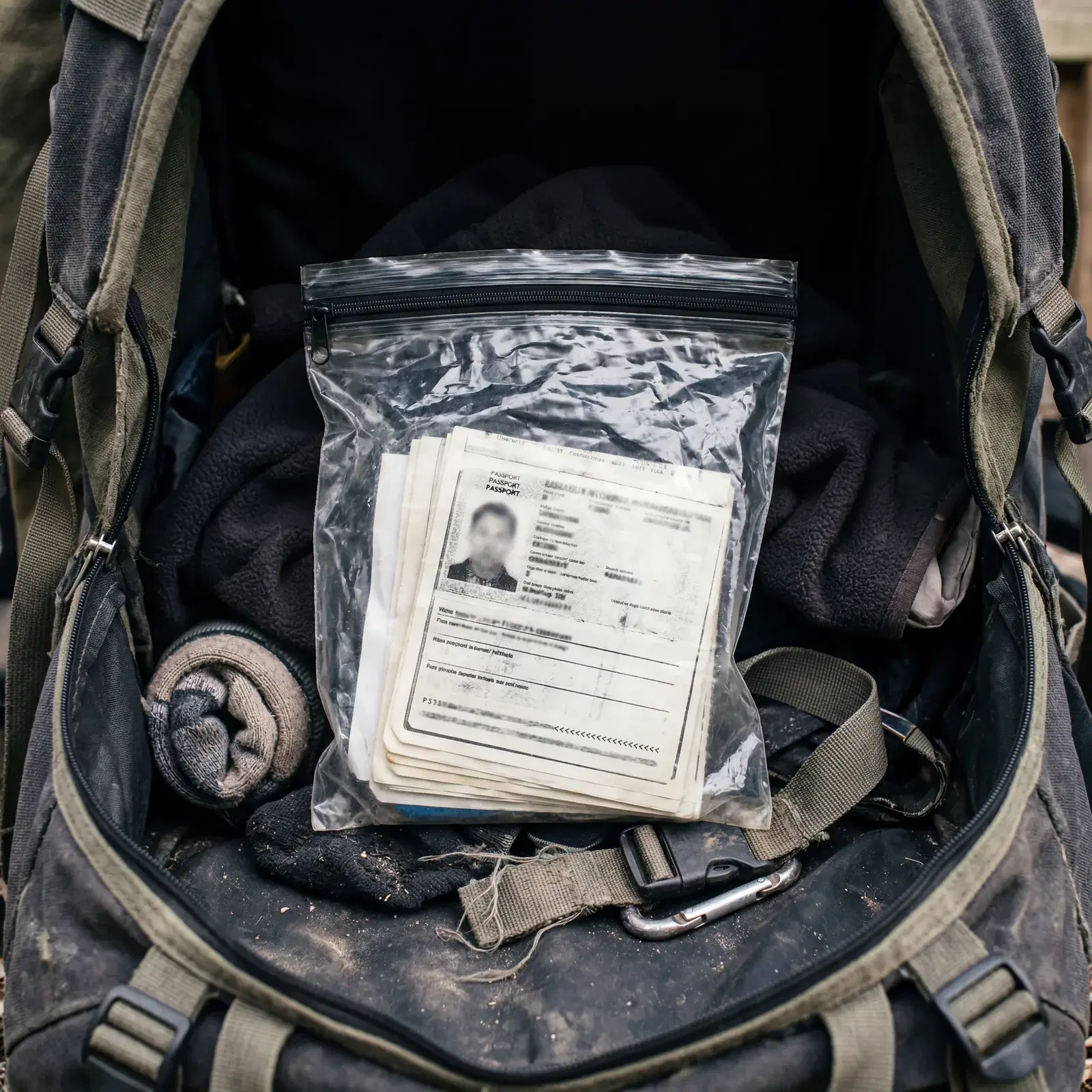
Your passport is gone and the embassy is asking for a copy to speed up a replacement. Without one, a three-day process becomes ten.
Keep a waterproof zip bag with photocopies of your passport, visa, insurance papers, driver’s licence and emergency contacts in a separate pocket or at the bottom of your checked luggage. If the originals are taken, the copies remain.
And before you leave, email yourself scans of the lot. Do both. It is a two-minute job that an experienced traveler does not overlook. Every veteran of the road has a tale like this. The difference is in the ending.
5. Oral Rehydration Salts (ORS Sachets)
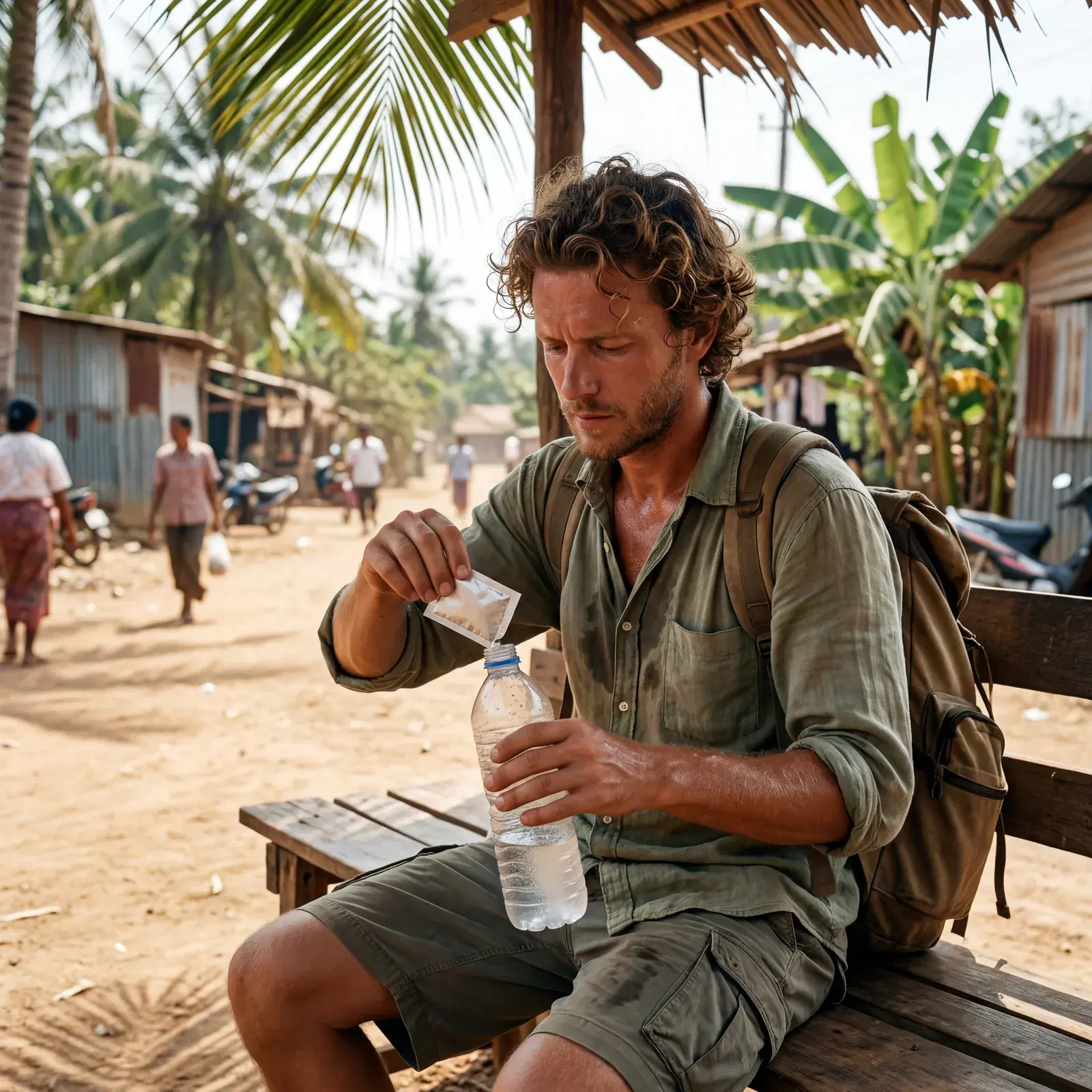
It could be a stomach ailment. Perhaps you have been puttering about in 35-degree heat for the better part of six hours. Or you are on a bus that will not stop and you have worked up enough of a sweat to soak your shirt.
Water is too slow when you are truly run down, and sports drinks are all sugar with insufficient salt. ORS sachets are what the doctors use. They put the electrolytes back into your system at a rate water cannot match.
A ten-pack is around three dollars and occupies no room in your kit. Whether it is for heat exhaustion or coming down from food poisoning, they are indispensable. You will find every seasoned traveler has an anecdote to tell. Those with this in their possession have a far more agreeable outcome.
4. A Packing Cube System — Used Correctly
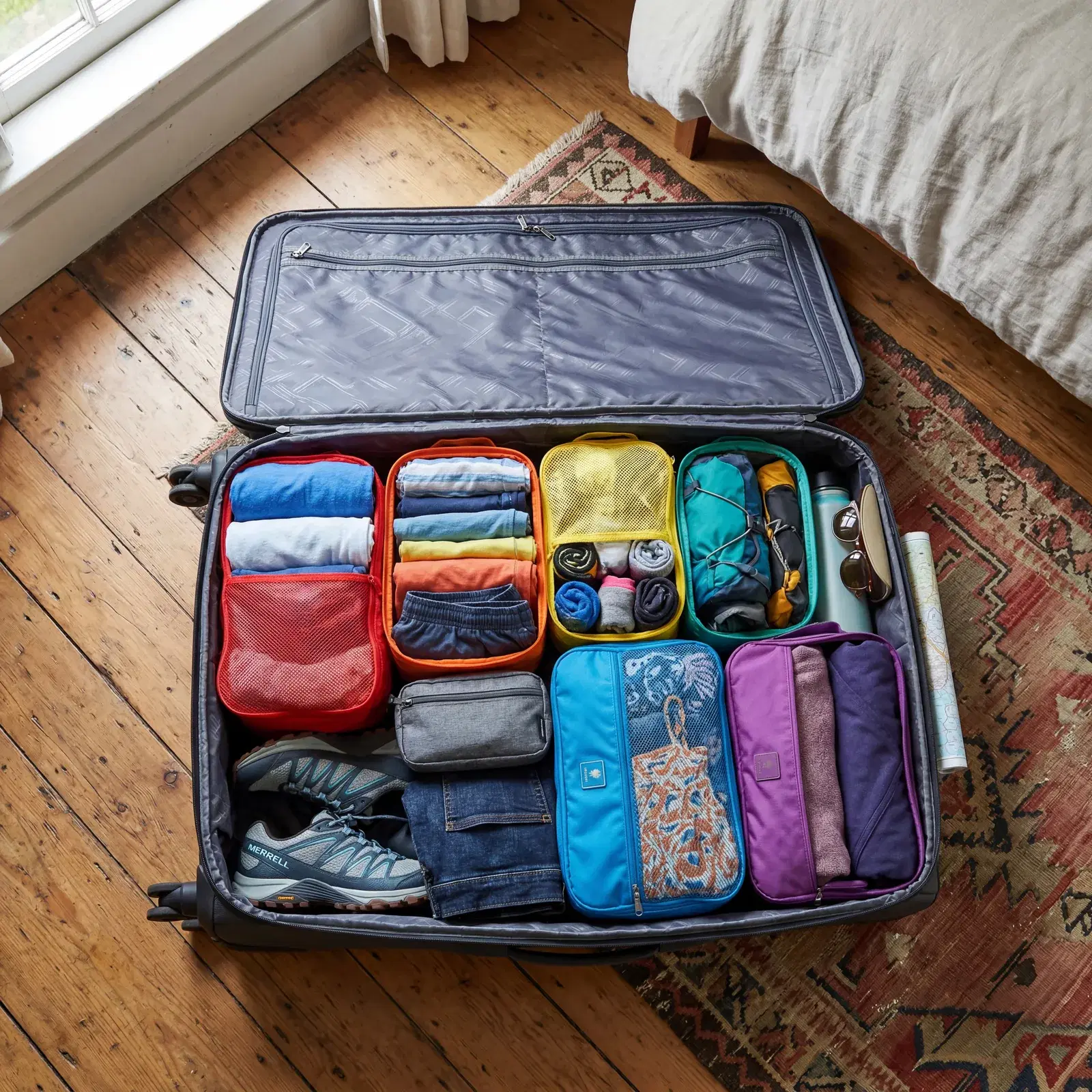
In the span of two weeks you have unpacked and put away the same bag fifteen times over. And there you are in the morning, wasting twenty minutes to locate a shirt. Packing cubes do more than compress; they put things in their place.
One for the tops, one for the bottoms, another for socks and underwear. When you need something you can pull out the cube rather than ransack the whole bag. The trick is to make a habit of it, not just at packing time but throughout the trip.
Most people buy them and never employ them properly. But if you stick to the system, the time you put back in your day over a fortnight is considerable. As with most things, the experienced ones have the story and the better ending.
3. A VPN — Installed and Tested Before You Leave
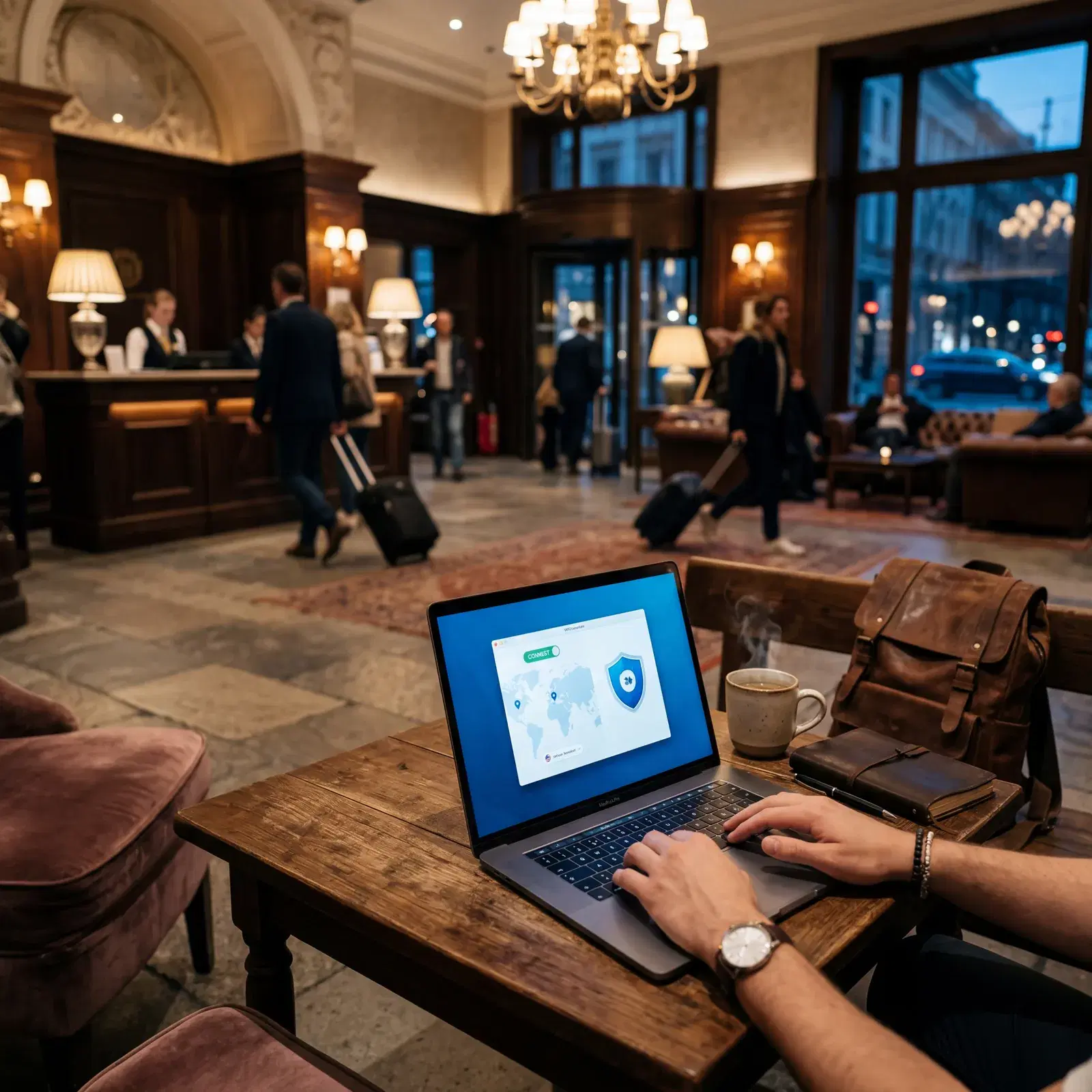
There are places where major apps are off limits. You might be on airport Wi-Fi with someone else on the network looking at your traffic, or your bank’s fraud department may have locked your account because of your location. A VPN handles all of it.
Put one on before you leave and give it a try on the home network first. It will let you set your virtual location to your own country to sidestep banking issues, encrypt you on public networks and get past geo-blocks.
In China or the UAE you won’t be able to download the app once you are there since the store is blocked as well. It is not some tech specialist’s concern anymore, it is simply how you prepare for international travel. Test it at home.
2. A Tile or AirTag on Every Bag
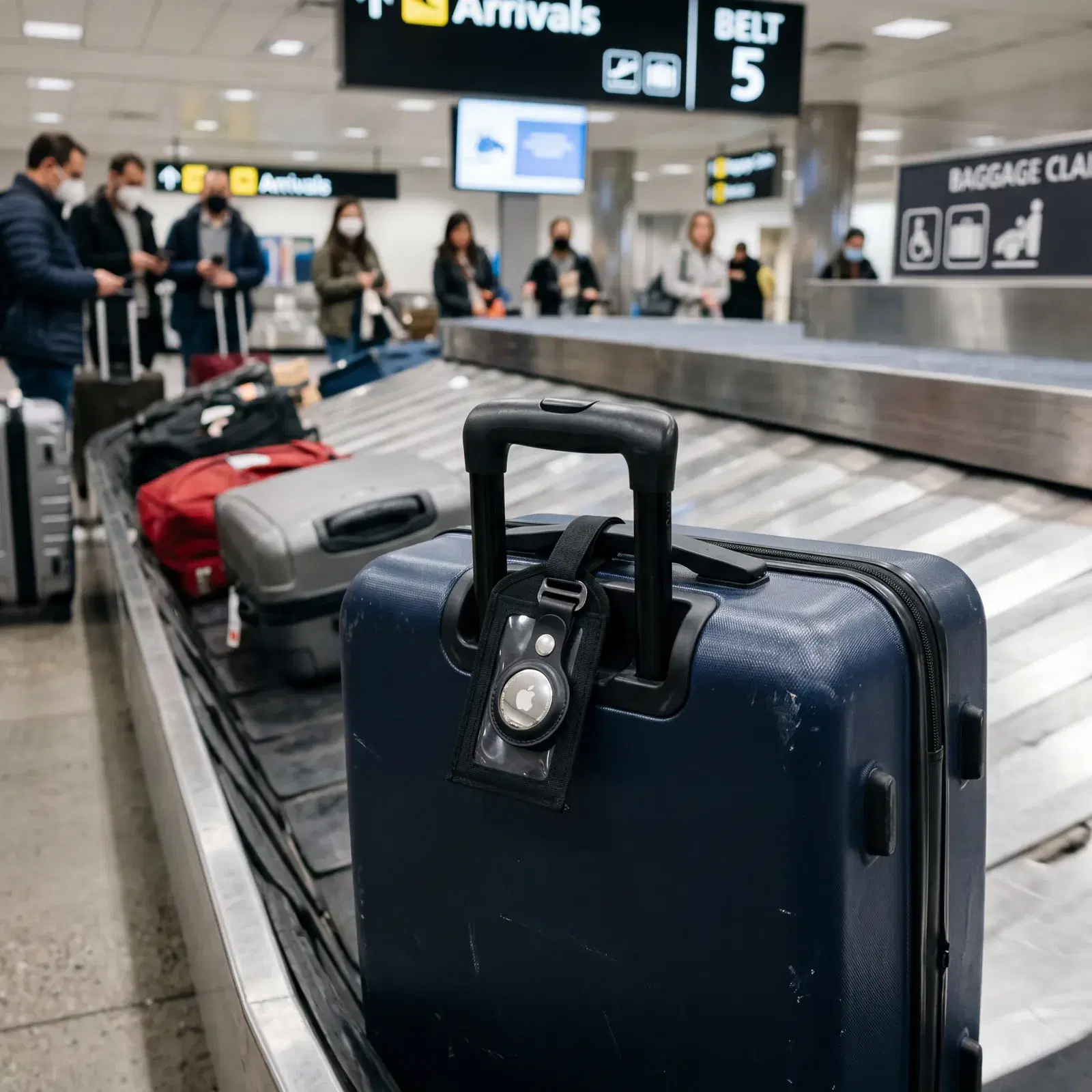
Your checked luggage has not materialised. The airline claims it is in Amsterdam while you are in Bangkok and you have no proof. With a Bluetooth tracker in every bag you have independent means of verifying its whereabouts.
Show the staff the last ping from the device and the dynamic of the conversation shifts. You have the data they don’t. An AirTag is fine for Apple users, or a Tile for universal compatibility.
Either will set you back twenty or thirty dollars and stay in a bag for good. Most people figure out they should have had one after their bag is missing for four days. Do not be like most people. Then again, it is nothing like what is at number one.
1. A $50 Emergency Cash Reserve in the Local Currency — Hidden in Your Clothes
The One Every Experienced Traveler Carries Without Exception
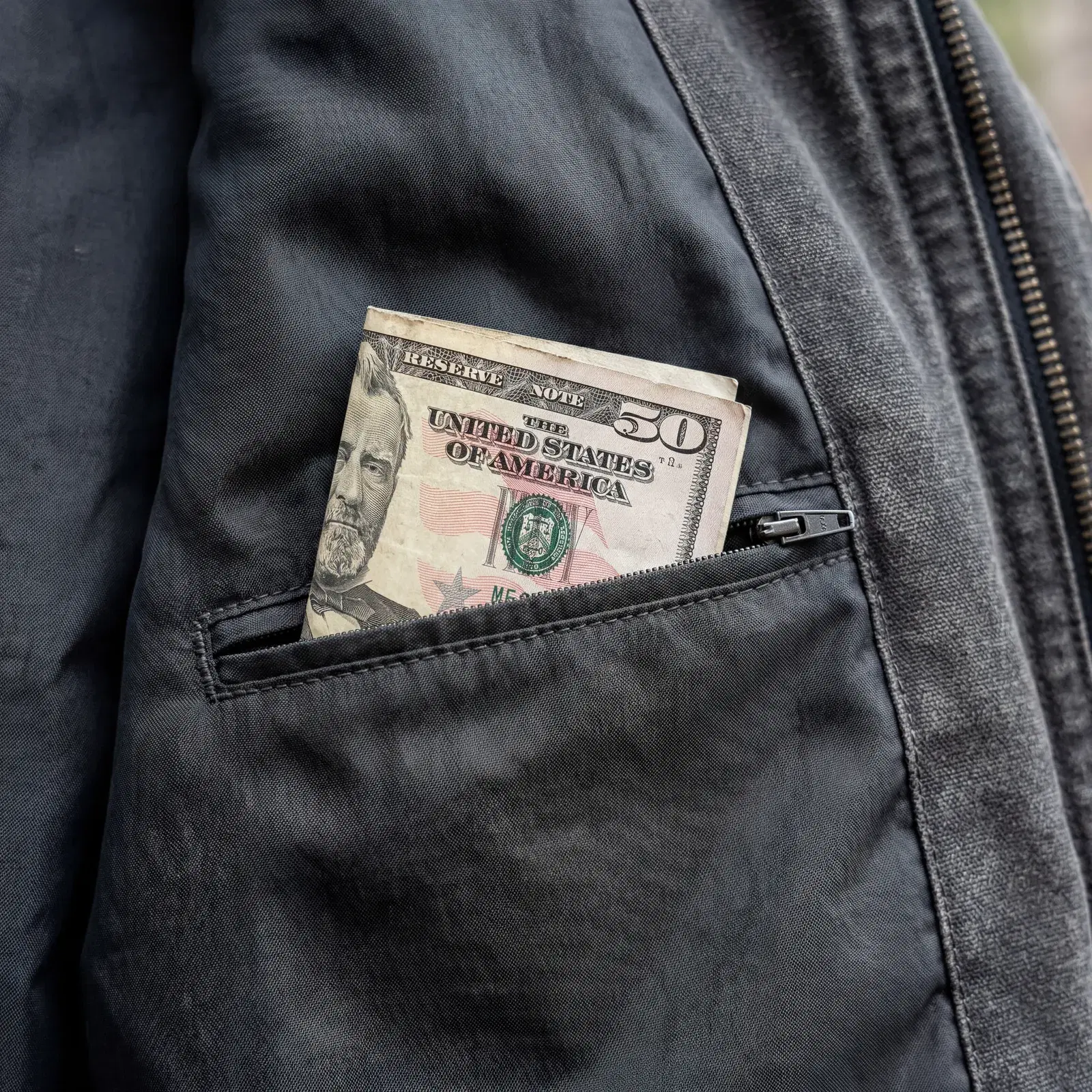
Say your cards are turned down at the airport. Or the ATM network in the city is down and you have to put down for a taxi and a room tonight. Your wallet is gone. Some cash stashed away from your wallet is the reset button for any of these scenarios. Not in the bag. Not in the wallet. In your clothes. Tuck a bill in a hidden inner pocket, the bottom of a shoe or even the jacket lining.
Someplace a pickpocket or a mugging will not touch. I was told by a guide in Istanbul he makes sure every tourist he comes across has a “decoy wallet” with an old card and a few notes, keeping the real money apart. “When someone asks for your wallet,” he put it to me. “you give them the decoy. You still have enough to get home.” You do not need a fortune.
Fifty dollars in the local currency will see you through to a meal and an embassy or ATM the next day. That is the line between trouble and being fine. It is no extra cost. You have the funds, you only need to be a little smarter with where you put them. Now you see why we put this one at the end.
Pack Like You’ve Done This Before
First-timers tend to overlook these things. The veterans usually have to learn by losing something or spending a sleepless night in a room that doesn’t feel secure.
No need for the hard lessons. Send this along to anyone making their maiden voyage abroad. I would not expect their travel agent to have covered half of it.
Comments
The opinions and views expressed in the comments section are solely those of the individual users and do not represent or reflect the opinions, views, or positions of HumbleTrail. HumbleTrail does not endorse, support, or verify the accuracy of any user-generated content.
By posting a comment you agree to receive related emails from HumbleTrail in accordance with our Terms and Privacy Policy. You can unsubscribe at any time.