

Editor’s note: This article is an opinion piece based on publicly available traveler reviews, official policies and industry reporting we found online.
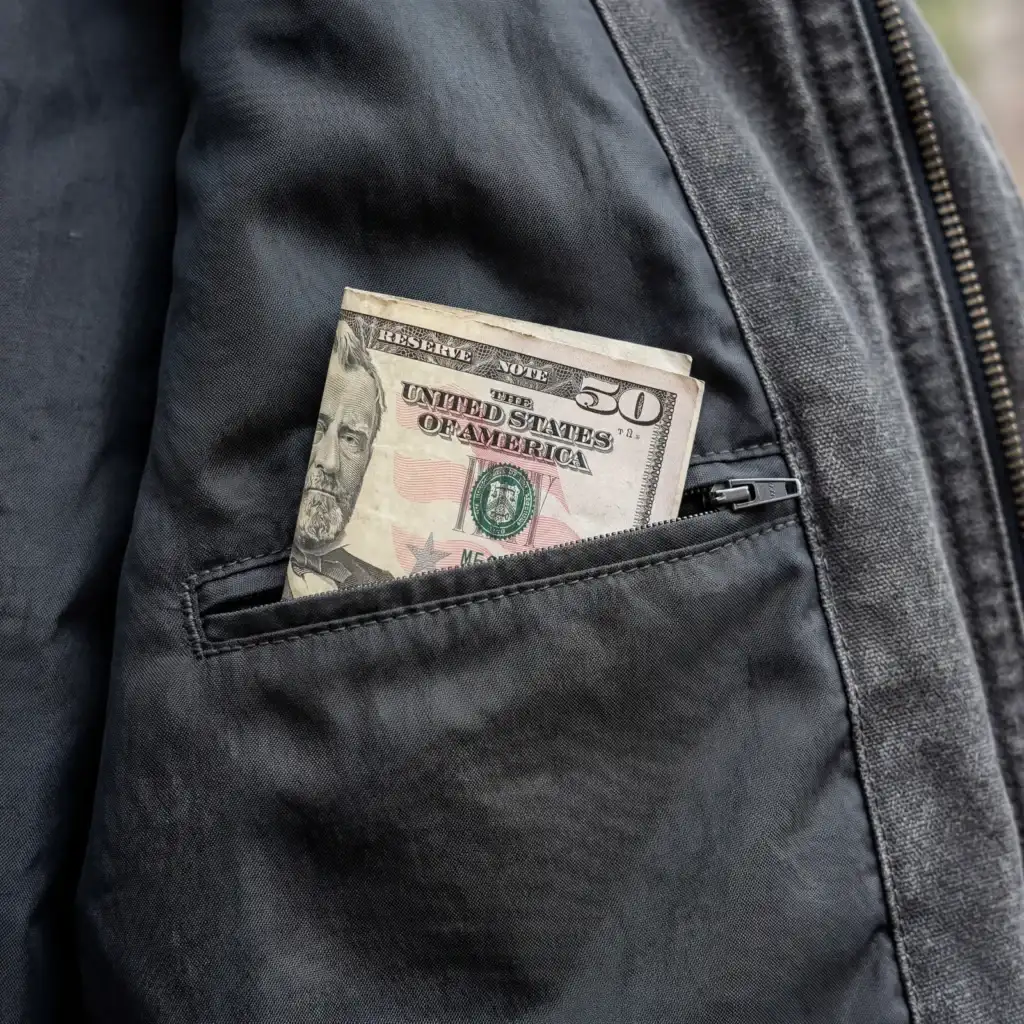
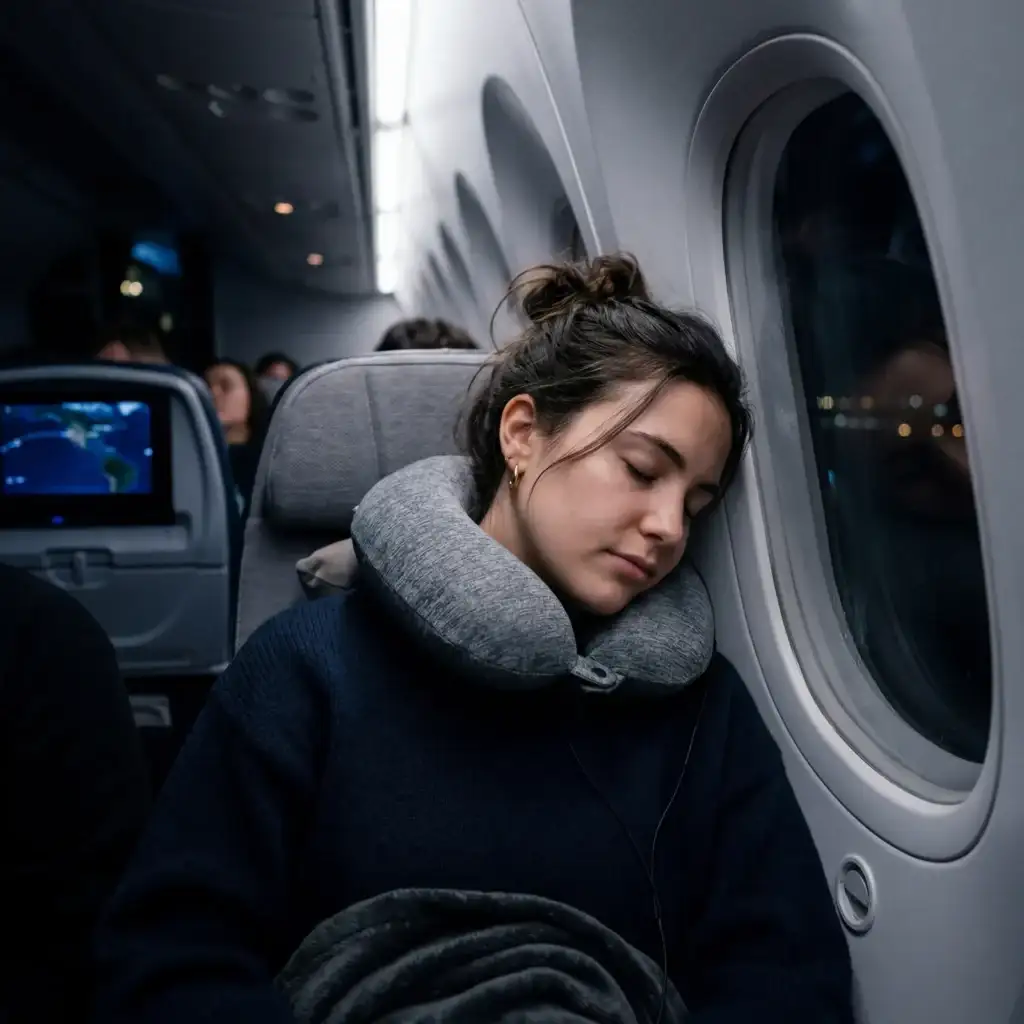
Experiences vary by season, location and personal needs. The author may not have recent firsthand experience with every place or product discussed. Images are for illustration purposes only.A cold trip goes wrong in small ways, like a power bank in the wrong bag or a phone that dies outside a Christmas market. These 25 items are what experienced travelers add for October-to-February trips, from ski towns to holiday flights that leave in a snowstorm and land somewhere warm.
1. Air-activated hand warmers, packed where security expects them

The Nuremberg Christkindlesmarkt runs from November 27 to December 24 in 2026. The pleasure of it is standing outside in the dark with a hot mug, and even gloved hands go cold. Experienced travelers carry a few air-activated hand warmers, sold at most US drugstores.
At the checkpoint, TSA lists hand warmers as allowed in both carry-on and checked bags (TSA: hand warmers). A refillable lighter-fluid warmer is a different product, so check the FAA PackSafe chart before packing one.
Buy a box before you leave: forty pairs of HotHands cost about $33 in 2026 (HotHands: 40-pair hand warmers). Warmers need 15 to 30 minutes to reach a comfortable temperature, so open a pair in the hotel lobby, not at the stall (HotHands and Grabber: warmer FAQ).
2. A heated vest, with its battery pack riding in the carry-on

A wool coat stops being enough after forty minutes at a market stall in the dark. A heated vest fills the gap: thin enough to wear under a coat, on for the stall and off for the walk.
What it costs: Ororo's Aero men's packable heated down vest runs $220 to $240 in 2026, depending on the battery. The standard pack is 5,075 mAh at 7.4 volts, about 37.5 watt-hours (Ororo: packable heated down vest).
The battery is the airport problem. The FAA says spare lithium batteries and power banks ride in carry-on bags only, at 100 watt-hours or less each. If a gate agent checks your carry-on, the pack comes out first (FAA PackSafe: lithium batteries). Because the pack can charge a phone, treat it as a power bank and check your airline's count in item 3.
3. One power bank, under the airline limits that changed this year

Cold drains a phone fast, so a power bank matters more in January than in July. The rules changed since last winter. Southwest has limited each customer to one power bank since April 20, 2026. American allows two as of October 2026.
Both airlines cap each bank at 100 watt-hours and ban the overhead bin, so keep the bank in a personal item under the seat. It must stay visible while it charges something, and neither airline lets you recharge it from the seat outlet (Southwest: lithium batteries, American Airlines: restricted items). The FAA says many airlines set stricter limits than its own, so check your carrier first.
Quick check: the watt-hour number is printed on the bank. If the label shows only mAh, multiply by 3.7 and divide by 1,000, the formula American uses. A 10,000 mAh bank is 37 watt-hours.
4. Liner gloves with touchscreen fingertips under the real gloves

Watch a seasoned traveler at a cold tram stop and notice the hands. The thick gloves come off to scan a ticket or check a map. A thin liner glove stays on underneath and keeps bare skin out of the air.
Why two pairs beat one: the liner handles phones, cameras, zippers and cash, and the heavy glove handles the walk. A thin merino liner folds into a coat pocket. Look for conductive tips on the thumb and index finger, and test them on your own phone before the trip.
A single pair sold as "touchscreen gloves" has to be either too thick to type in or too thin to stay warm.
5. A merino base layer you can wear three days running

The flat, warm layer experienced travelers rely on is a merino wool top, sometimes with matching leggings. Wool holds warmth when damp and resists odor, so one top can go several days between washes.
Pack two tops, not five sweaters. A midweight top works under a shirt in a heated museum and under a sweater on the street. After a sink wash it dries overnight on a towel rail.
Skip the thick waffle "thermal" sets from the big-box aisle. They are bulky, slow to dry and too hot indoors, where much of a winter city day is spent.
6. A packable down layer the size of a water bottle

The second warm layer does not need to be a second coat. A lightweight down or synthetic-fill jacket stuffs into its own pocket. It packs down to about the size of a water bottle and weighs well under a pound.
It earns its place under a wool coat on the coldest morning and alone on a mild afternoon. When the itinerary moves from a cold city to a warmer one, the heavy coat stays at the first hotel. The packable layer does the rest.
A water-resistant shell matters in sleet, which cold, damp cities often get instead of clean snow.
7. A neck gaiter instead of a long scarf

A long scarf looks the part in photos and misbehaves in practice. It drags through the mulled wine, catches in a coat zipper and takes up the space of a sweater in the bag.
The replacement is a tube of merino or fleece that pulls over the head and sits closed at the neck. It seals the collar gap where cold air gets in and pulls up over the nose on a windy bridge. It folds to the size of a pair of socks.
Bring two on a long trip, because the one worn over the mouth is damp by evening. A plain dark color goes with everything.
8. Something warm under ordinary pants, so one pair does the trip

Winter travelers who pack light solve the pants problem from underneath. Fleece-lined tights, silk long underwear or a thin merino legging under normal pants turn a city outfit into a standing-outdoors outfit. There is no bulky snow pant in the bag.
The test is a café. Sit inside for an hour and see whether you roast. Silk and thin merino usually pass, and thick fleece often does not. Choose the thinner option for a trip that alternates between street and indoors, and save the heavier one for a ski town.
Two pairs of pants plus two under-layers covers a week, and the under-layers wash in a sink.
9. Slip-on traction cleats, packed in the checked bag

A patch of ice on a hotel sidewalk can end a winter trip faster than anything on a mountain. Rubber slip-on cleats with small steel spikes or coils stretch over an ordinary shoe, weigh a few ounces and fit in a coat pocket.
Where they ride matters. TSA lists snow cleats as not allowed in carry-on bags and allowed in checked bags, and the officer at the checkpoint makes the final call (TSA: snow cleats). Travelers flying carry-on only buy a pair at a hardware store after landing, or skip them on a trip that stays on cleared city pavement.
Take them off before stepping inside. Spikes on a marble hotel floor are slippery and unwelcome.
10. Adhesive toe warmers for a day of standing on frozen pavement

Hand warmers get the attention, but cold feet send people back to the hotel at 3 p.m. A thin adhesive toe warmer sticks to the outside of the sock under the toes. It works in the low-oxygen space inside a boot and runs up to 8 hours (HotHands: adhesive toe warmers). A 40-pair box costs $44.99 in 2026, about $1.12 a pair.
Read the packet. The maker says to keep fabric between the warmer and your skin, and warns that older adults and people with diabetes may feel heat less (HotHands and Grabber: warmer FAQ). The warmers need 15 to 30 minutes to heat up, so open a pair before you leave the room, and check your feet at lunch.
11. Wool socks by weight, with a spare pair in the day bag

Pack socks by weight rather than by day. Take a medium merino pair for walking, a heavy pair for a cold evening or a ski-town morning, and one spare pair rolled in the day bag.
The spare pair is the forgotten item. Slush gets over a boot top, or snow melts into a sock on a train. The second half of the day is miserable in wet wool. Changing socks on a café bench takes two minutes and feels like a new day.
Five pairs covers a week with a sink wash. Hang the washed pair where the room's heat reaches it, because wool dries slowly.
12. A second pair of shoes, and a way to dry the first

The two-pair shoe rule from packing two weeks into one carry-on has a winter reason behind it. Boots that went through slush at four will not be dry at seven, and wearing them to dinner means damp feet all evening.
The second pair is for the evening, so it can be lighter. A leather sneaker or a low boot handles a short walk and a restaurant floor. Stuff the first pair with the hotel newspaper or a hand towel and set it near the radiator, not on it.
Some ski-town hotels keep a boot dryer in the lobby. Ask at check-in, because it decides which pair you can wear tomorrow.
13. Waterproofing done at home, plus a cloth for salt stains

The shoes that fail on a winter trip usually failed before they left the closet. Spray or wax waterproofing needs time to cure, and a hotel room is a poor place to do it.
Treat the shoes a week before departure. Test them under the kitchen faucet and redo the seams if water darkens the leather. Include the dress shoes if there is a holiday dinner. Slush does not check what you are wearing.
Pack a small cloth and a travel-size leather cleaner for salt. Road salt leaves a white tide line on boots in cities like Chicago or Boston and dries out the leather over time.
14. Saline spray and eye drops in a 3.4-ounce bottle

Cabin air on a long flight runs at about 10 to 20 percent relative humidity, according to a 2009 paper in the journal Building and Environment (cabin humidity paper). A dry nose, dry eyes and a scratchy throat follow.
Saline nasal spray and lubricating eye drops are small, cheap comfort items. Keep both in the personal item. The first of the long-haul flight mistakes you will feel for hours is stowing everything useful where you cannot reach it.
Both count as liquids, so each container must be 3.4 ounces or less and ride in the quart bag (TSA liquids rule).
15. Hand cream and lip balm in the coat pocket, not the suitcase

Dry air outside and heated air inside can crack lips and knuckles within days. The tube of cream back in the suitcase is no help on a bridge in a cold wind. Experienced travelers keep a small tube of hand cream and a lip balm in the coat pocket, and a second set in the day bag.
Choose a thick, unscented cream and, for a ski town, a lip balm with sun protection. In a carry-on, the cream falls under TSA's rule for creams and pastes, so it rides in the quart bag.
Put them on before leaving the room, while the skin is still fine.
16. The hotel humidifier trick: a wet towel and a bottle-top gadget

The 3 a.m. wake-up in a radiator-heated Vienna hotel room is a sore throat and a dry nose. The same 2009 paper from item 14 calls cabin humidity of 10 to 20 percent similar to typical indoor levels in winter (cabin humidity paper).
The free fix: soak a hand towel, wring it out, hang it over the radiator or the heater grille and refresh it at bedtime. Do it on the first night rather than after the second bad one.
The gadget version is a bottle-top humidifier, a USB device the size of a spice jar that screws onto a water bottle. It is a comfort item, not a cure. Turning the heat down and cracking the window helps too, so add the heater controls to the hotel room checks worth making before unpacking.
17. An insulated flask that keeps coffee hot through a cold morning

An insulated flask is the winter version of the water bottle, and many travelers who ride winter trains or walk cold cities carry one. Filled at breakfast, it keeps coffee hot for a morning on a platform or a park bench.
A warm drink in a gloved hand buys another hour outside. On a long rail journey, like the scenic train rides retirees say are worth booking for the view, it also saves the walk to the café car.
Choose a 12 to 16 ounce size with a leakproof lid. Empty it before security and fill it at the first café past the checkpoint.
18. An inside pocket for the phone, because cold shortens battery life

The phone that showed 60 percent in the lobby and shut down outside a cathedral an hour later was too cold. Apple says iPhones are designed for 32 to 95 degrees Fahrenheit. Very cold conditions "might temporarily shorten battery life and could cause your device to turn off" (Apple: battery and temperature). Battery life returns once the phone warms up.
The fix is a pocket. Keep the phone in an inside coat pocket against the body and take it out only for the photo. Keep hand warmers out of that pocket: they run roughly 100 to 180 degrees Fahrenheit (HotHands and Grabber: warmer FAQ), above Apple's 95-degree ceiling.
Carry the power bank anyway, under the airline limits in item 3.
19. Anti-fog wipes for glasses that fog at every doorway

Anyone who wears glasses knows the winter doorway problem: step from the street into a warm shop and the lenses go white for a minute. With a neck gaiter over the nose it is worse. Experienced travelers pack a few single-use anti-fog wipes and a clean microfiber cloth.
Treat the lenses in the morning, then wipe them again after lunch, because the coating wears off. Keep the cloth in the coat pocket, since a scarf end smears more than it clears.
Sunglasses and camera lenses fog the same way, and one cloth handles all three. For more small items of this kind, see the 25 things experienced international travelers always pack.
20. A plan for where the coat goes when you land somewhere warm

A common winter itinerary leaves Chicago in a snowstorm and lands in Fort Lauderdale in shirt-sleeve weather. The coat that was essential at 6 a.m. is dead weight by noon.
Decide in advance where the coat goes. A compression sack halves the coat's size. The hotel's luggage room works if the trip loops back through the cold. Or leave the heavy coat at home and wear the packable layer from item 6 to the airport.
Snowbirds make this trip every year and tend to settle on one coat that works at both ends. This guide to snowbird travel after 70 covers the routine. The same applies to a December flight to the Caribbean islands.
21. The arrival outfit packed at the top, for landing somewhere far warmer

Landing in shorts weather in a wool sweater makes the whole arrival uncomfortable, from the taxi line to the first walk. The traveler who has done this before keeps a light shirt, light pants and sandals at the top of the carry-on. The change happens in the arrivals restroom.
Pack in reverse: winter clothes at the bottom, the warm-weather outfit on top and a small bag for the layers that come off. It is the winter twist on the one full change of clothes experienced flyers keep in the carry-on.
On the trip home, flip the order: keep the sweater and warm socks reachable for the walk out of the terminal into January.
22. Sunscreen and sunglasses in December

Sunscreen is easy to leave out of a winter bag. People who forget it often come home from a ski town with a raw face. The World Health Organization notes that snow can reflect as much as 80 percent of UV radiation. It adds that UV levels rise about 10 percent with every 1,000 meters of altitude (WHO: ultraviolet radiation).
Pack a small tube of broad-spectrum sunscreen and a pair of sunglasses labeled as blocking UV. Both matter on a bright day in Park City or Zermatt and again on the warm half of the trip.
Put the sunscreen on the face, ears and neck. Snow glare off a frozen lake does the same job as a beach.
23. The airline app and a backup route, set up before the storm

The gate screen flips to canceled at 5 p.m., and the whole plane is in one line within a minute. The traveler who gets home that night is already logged into the airline app and knows the other routes home. That traveler rebooks from a chair while the line forms.
Do not assume a hotel voucher is coming. The Department of Transportation's dashboard shows that most large US airlines promise a meal after a 3-hour wait and a hotel after an overnight cancellation. The promise covers only problems the airline caused, such as crew or maintenance failures (DOT: Airline Cancellation and Delay Dashboard). Weather is not on that list.
What you keep in a storm: a refund if the airline cancels and you decline the rebooking, even on a non-refundable ticket. On flights leaving within 7 days, the airline must also post a status update within 30 minutes of learning of a change. See holiday flight mistakes experienced travelers over 60 stopped making.
24. Medication that must not freeze, carried on your body

An insulin pen left in the outside pocket of a backpack on a cold night can freeze. The FDA says not to use insulin that has been frozen (FDA: insulin storage). A car trunk at a rest stop carries the same risk.
Read the storage range on the label before packing. Anything with a temperature instruction belongs in the inside coat pocket or the carry-on under the seat, in an insulated pouch for a long day. That is not medical advice, only a reason to read the label.
Longtime flyers keep medication in the carry-on anyway, as the things frequent international flyers pack shows. Winter adds the cold to the list.
25. The second heavy coat that stays in the hotel closet all week

The backup coat is the classic overpack. It goes in for the formal dinner or just in case. Then it hangs in the closet all week while the bag it filled is dragged through train stations.
Layering replaces the backup coat. One good wool coat over the packable layer and the merino base handles a week at a snowed-in hotel. The Omni Mount Washington is one of the historic hotels worth the extra dollar.
Heavy snow boots belong in the same category on a city trip. A waterproof walking shoe with the cleats from item 9 does the job with far less weight.
Many of these items cost little and fit in a coat pocket. The comfortable winter trip is decided at the kitchen table a week out. That is when the boots get waterproofed and the power bank goes in the right bag.
Sources
- Nürnberger Christkindlesmarkt: official site, 2026 dates
- TSA: Hand warmers (What Can I Bring?)
- TSA: Snow cleats (What Can I Bring?)
- TSA: Liquids rule
- FAA PackSafe: Lithium batteries
- Southwest Airlines: Traveling with lithium batteries
- American Airlines: Restricted items in bags (portable chargers)
- US Department of Transportation: Airline Cancellation and Delay Dashboard
- Apple Support: If your iPhone or iPad gets too hot or too cold
- World Health Organization: Radiation: Ultraviolet (UV) radiation
- Building and Environment (2009, via PMC): aircraft cabin humidity paper
- FDA: Information Regarding Insulin Storage and Switching Between Products in an Emergency
- HotHands and Grabber: Air-activated warmer FAQ
- HotHands: 10 Hour Hand Warmers (40 pairs)
- HotHands: 8 Hour Adhesive Toe Warmers (40 pairs)
- Ororo: Aero Men's 5-Zone Packable Heated Down Vest
Comments
The opinions and views expressed in the comments section are solely those of the individual users and do not represent or reflect the opinions, views, or positions of Humble Trail. Humble Trail does not endorse, support, or verify the accuracy of any user-generated content.
By posting a comment you agree to receive related emails from Humble Trail in accordance with our Terms and Privacy Policy. You can unsubscribe at any time.