

Editor’s note: These travel recommendations reflect our editorial judgment.
Colorado’s small towns offer more than a place to sleep between mountain views. Some have a railway that solves an impossible slope, a theater built on silver money or a public ride over a mountain.
1. Telluride gives you a remarkable view without selling you a ticket
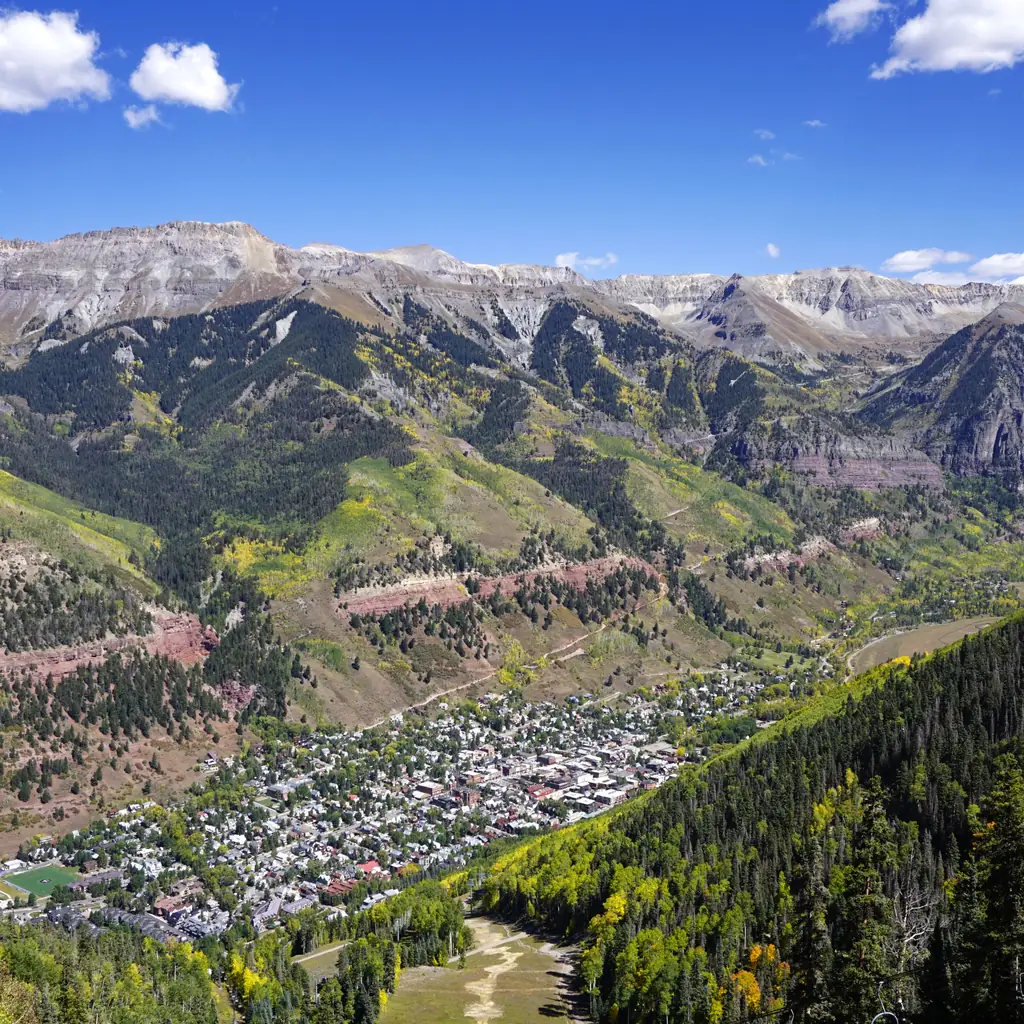
Telluride’s gondola is public transportation with scenery that could easily be sold as an attraction. The free ride connects the historic town with Mountain Village, climbing over the ridge between them.
From a cabin, you see the box canyon open out below and understand just how tightly the old town fits into the mountains. Get off at San Sophia when access permits, or continue across to Mountain Village before returning to explore the older streets.
The distinction between the two communities is useful when booking accommodation. Telluride has the historic street grid; Mountain Village has the purpose-built resort setting. The gondola links them, but it closes for seasonal maintenance. Check the operating calendar before building a trip around it.
Give the town a morning or evening too. A mountain view that arrives almost effortlessly leaves you with time for a bookstore, a meal and the small details on the old commercial buildings. Telluride Tourism Board’s gondola guide
2. Ouray puts a waterfall inside a tight-walled canyon
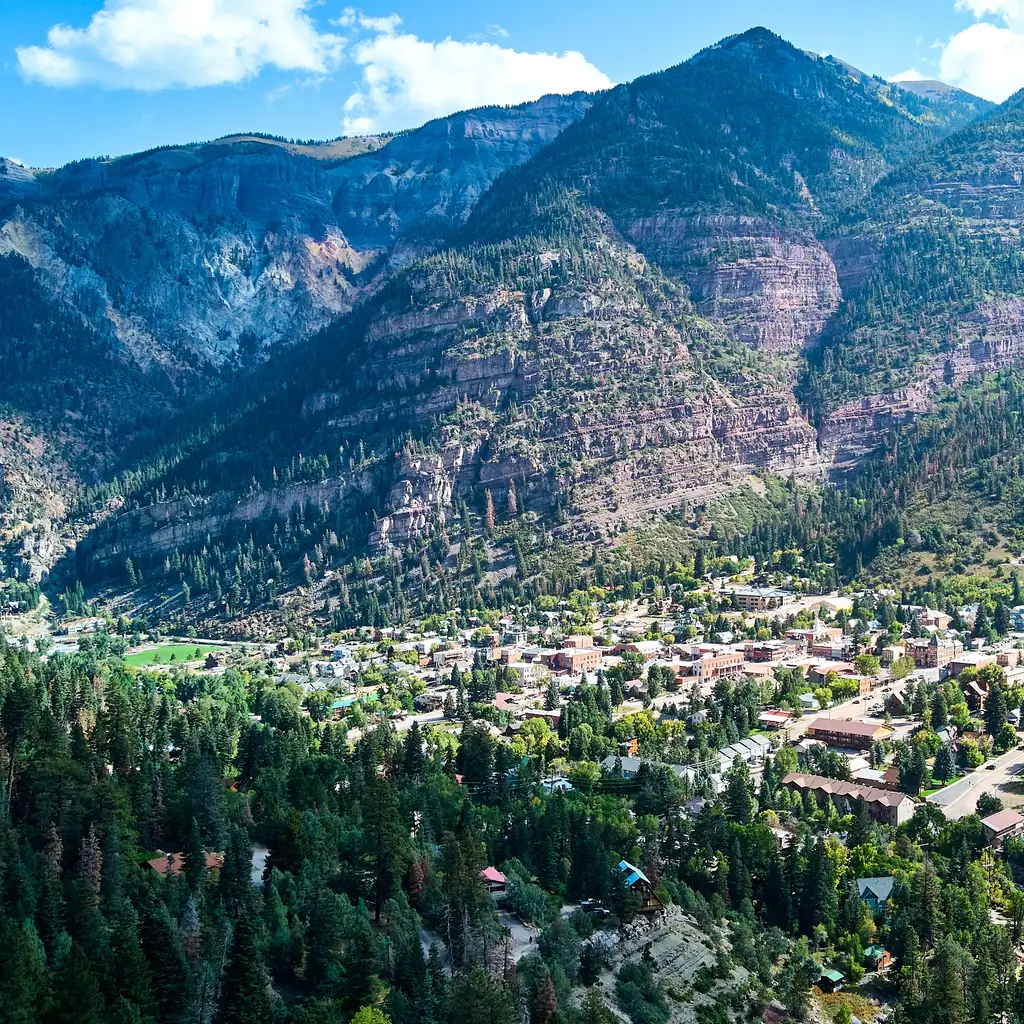
At Box Cañon Falls, the attraction is not just the water. It is the way the rock walls enclose the sound and make the waterfall feel larger than the space around it.
That close-up experience gives Ouray a useful contrast to its broad mountain views. The town’s hot-springs pool offers another way to enjoy the setting without spending the day on a difficult trail.
Use Main Street as the center of the visit, then add the canyon, a soak or a museum according to your energy. The famous mountain roads are a separate outing, not an obligation to fill every spare hour behind the wheel. Colorado Tourism’s Ouray guide
3. Leadville’s opera house shows what silver money could buy
Leadville’s Tabor Opera House seems an extravagant idea for a remote mountain mining town. That is precisely what makes it interesting. The building reflects the ambition and sudden wealth that arrived with the silver boom.
Its story is tied to Horace Tabor, whose fortune and complicated personal life became part of Colorado lore. Nearby mining sites and the National Mining Hall of Fame and Museum put that dramatic biography into the wider story of the workers and industries behind it.
Harrison Avenue gives you the visible version of the boom: substantial commercial buildings, old hotels and the theater itself. Check the opera house’s current tour or performance arrangements before choosing your day, since restoration and programming affect access.
Leadville sits at more than 10,000 feet. A leisurely first walk is perfectly respectable here. You can take in a great deal of history without treating a visit to a high mountain town as a test of endurance. Colorado Tourism’s Leadville guide
4. Silverton keeps the machinery beside the mountain scenery
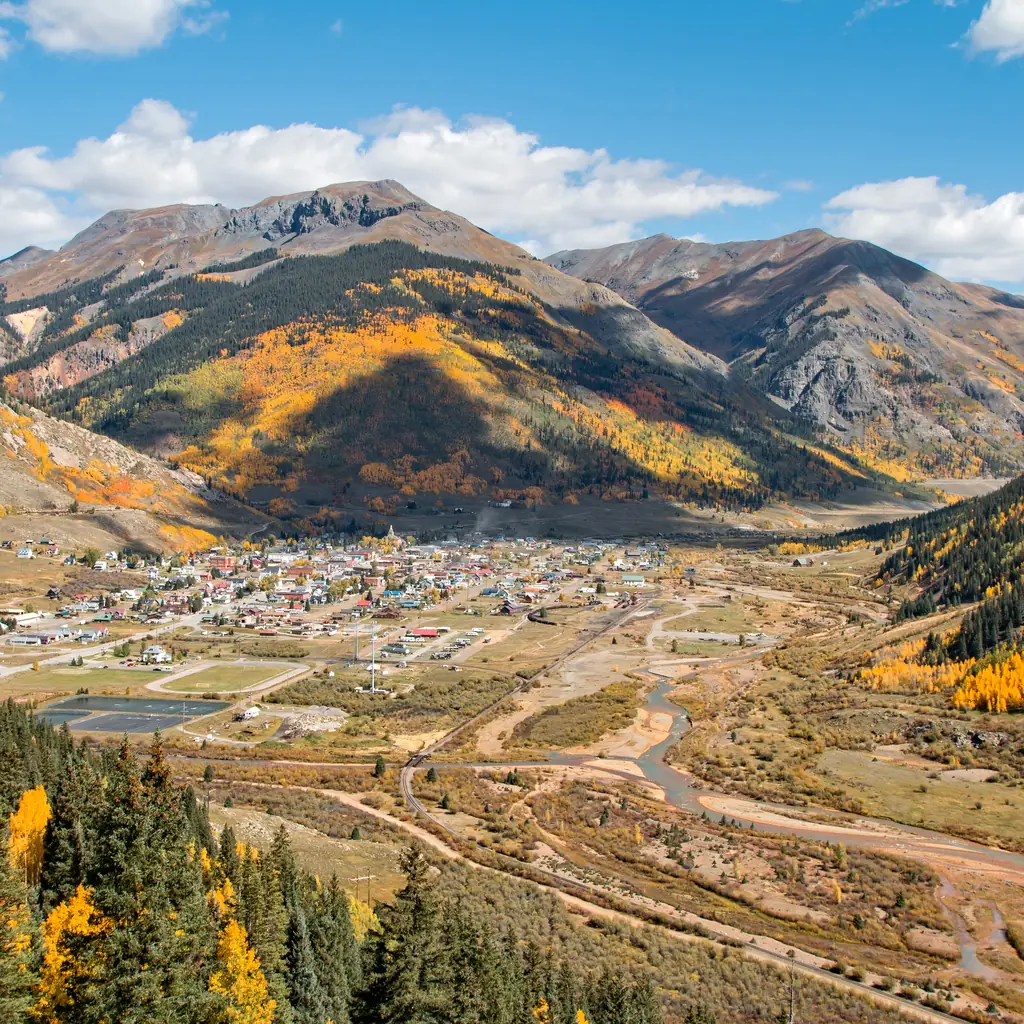
Silverton’s broad streets and dramatic mountain walls make an immediate impression. The mining attractions give you a better idea of what people once did in this beautiful, demanding place.
The Old Hundred Gold Mine and Mayflower Gold Mill tell different parts of that story. One concerns getting material out of the mountain; the other helps explain what happened afterward. Choose according to the tours available during your visit.
The train from Durango is another way in, with the journey doing much of the entertaining. If you drive, do not assume every nearby mining road is suitable for an ordinary rental car. The paved approach and the backcountry routes are very different experiences. Colorado Tourism’s Silverton guide
5. Paonia lets fruit set the pace
Paonia offers a different Colorado from ski lifts and summit photographs. Orchards, farms and the small downtown make the North Fork Valley a place to travel with an appetite.
Choose a farm shop or seasonal picking visit, then browse Grand Avenue and the local arts scene. The Paradise Theatre adds a possible evening to a day that began among fruit trees.
Harvest dates matter more than a generic promise of sunshine. Ask what is actually ready before making a long detour for picking, and let the farm’s answer shape the trip. A bag of fresh fruit can be a better souvenir than another mountain-themed mug. Colorado Tourism’s Paonia guide
6. Salida makes the river part of downtown life
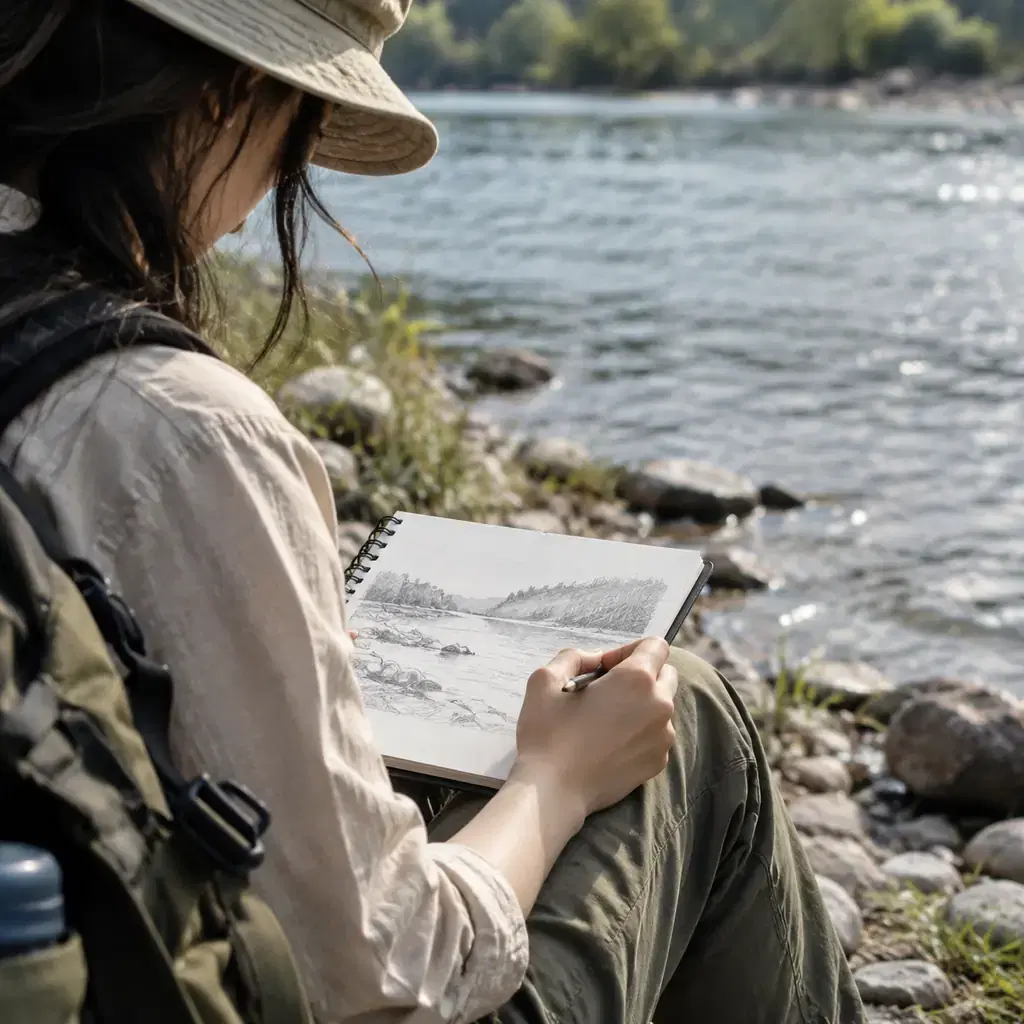
In Salida, you can leave a gallery and be near the Arkansas River in the same part of town. The combination makes for a satisfying day even if you never book a rafting trip.
Spend time by the whitewater park, where the movement of the water gives you something to watch. Then follow your interests through the historic center’s art spaces and restaurants.
The longer trails and river adventures can wait for a different part of the visit. Salida is appealing because outdoor life and ordinary town life sit together. HT’s towns where the car can become optional for a weekend explores that same pleasure in other destinations. Colorado Tourism’s Salida guide
7. Georgetown turns a steep valley into a railway lesson
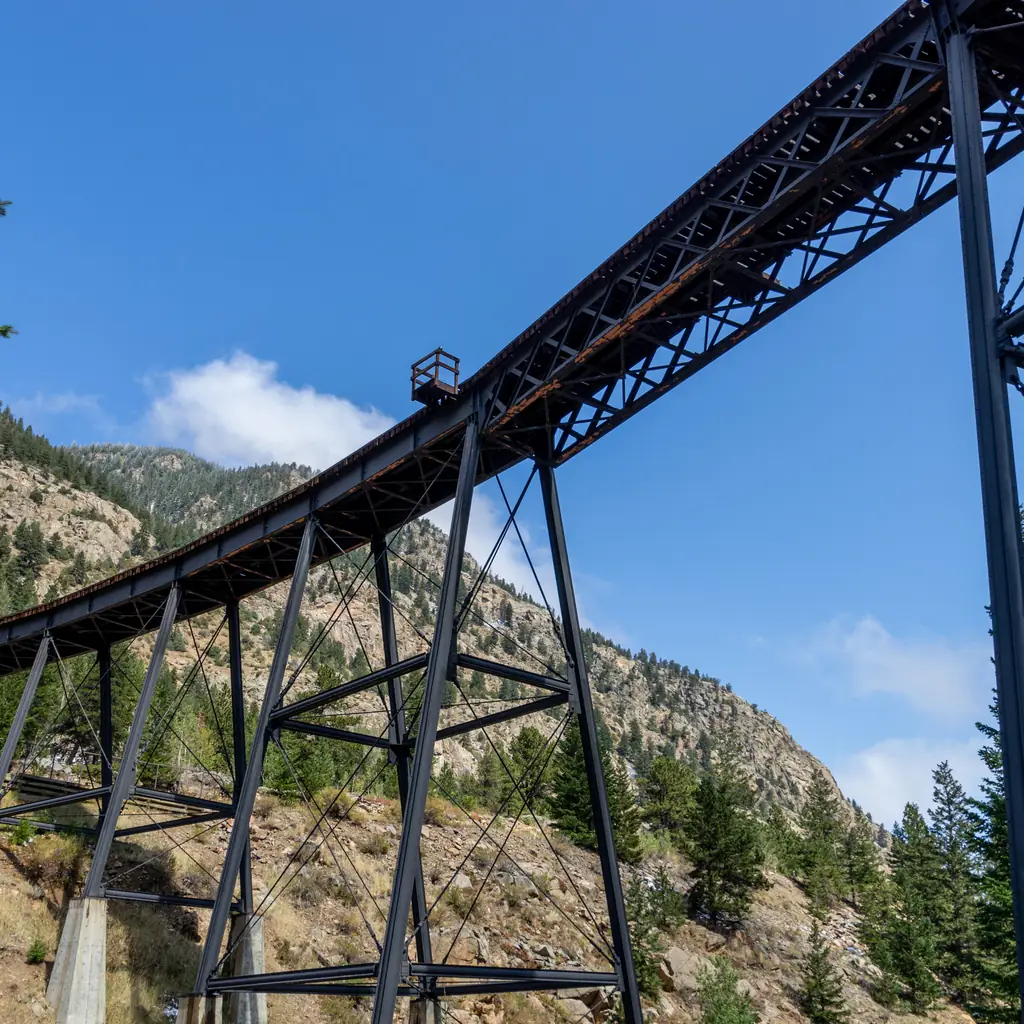
The Georgetown Loop Railroad is interesting before a train even moves. Its curves and high bridge show how engineers found a way to connect places separated by difficult mountain terrain.
On the ride, the solution becomes something you experience through changing views, bends and elevation. Look at the route as well as the scenery. The shape of the railway is part of the story.
Back in town, the Hotel de Paris Museum preserves another kind of ambition: a refined inn in a Colorado mining community. The Hamill House adds a domestic perspective, helping you imagine what prosperity looked like beyond the tracks and ore.
Choose your departure station carefully when booking the train. Add-on mine tours and special departures are not interchangeable with every standard ticket. For travelers drawn to the engineering as much as the landscape, HT’s scenic railway guide offers more journeys worth investigating. Colorado Tourism’s Georgetown guide
8. Buena Vista puts the Arkansas River within easy reach
Buena Vista’s mountain backdrop is grand, but the river gives the town much of its everyday energy. Walk beside the Arkansas, watch the whitewater park or book an outing with an operator who can match the conditions to your experience.
The heritage museum offers a change of pace and a look at the town behind the recreation industry. Nearby hot-springs businesses provide another way to spend an afternoon.
Keep one of those experiences as the main event. A river town is more enjoyable when you have time to sit by the water, rather than racing from a rafting departure to a distant trailhead. Colorado Tourism’s Buena Vista guide
9. Durango has a riverside day beyond the famous train
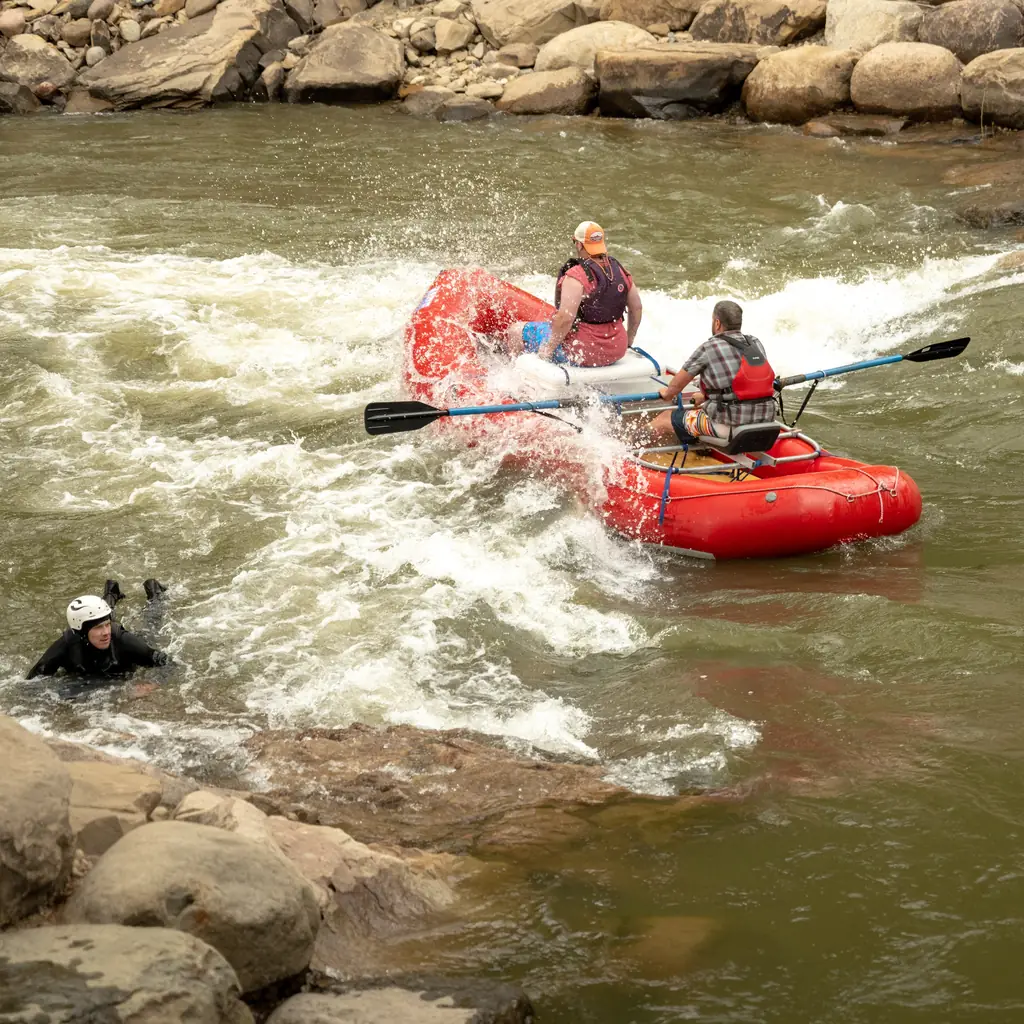
The Animas River Trail gives Durango a long ribbon of public space through town. You can join it for a short walk, cross a bridge, watch the river and return downtown without turning the outing into a hike.
That is a useful counterpoint to the full-day railway excursion that brings many visitors here. Leave a second part of the trip for the historic center and the ornate Strater Hotel, where the architecture provides its own reason to pause.
Durango is a small city rather than a tiny village, and its extra choice of food and lodging can be a benefit. If characterful accommodation matters to you, HT’s historic-hotel guide offers more stays to compare. Visit Durango’s river-trail guide
10. Crested Butte has color at street level too
Crested Butte’s brightly painted buildings provide a cheerful foreground to the surrounding mountains. Elk Avenue deserves an unrushed walk before you head toward a trail or the separate resort area at Mount Crested Butte.
Summer brings wildflowers, but their timing and abundance depend on conditions. Enjoy the flowers you find instead of expecting every hillside to match a promotional photograph.
A gallery, a meal and a short outing can make a full day here. Keep the distinction between the historic town and the ski village in mind when choosing a room, especially if you want to spend evenings walking between local businesses. Colorado Tourism’s Crested Butte guide
11. Ridgway has a working railroad story of its own
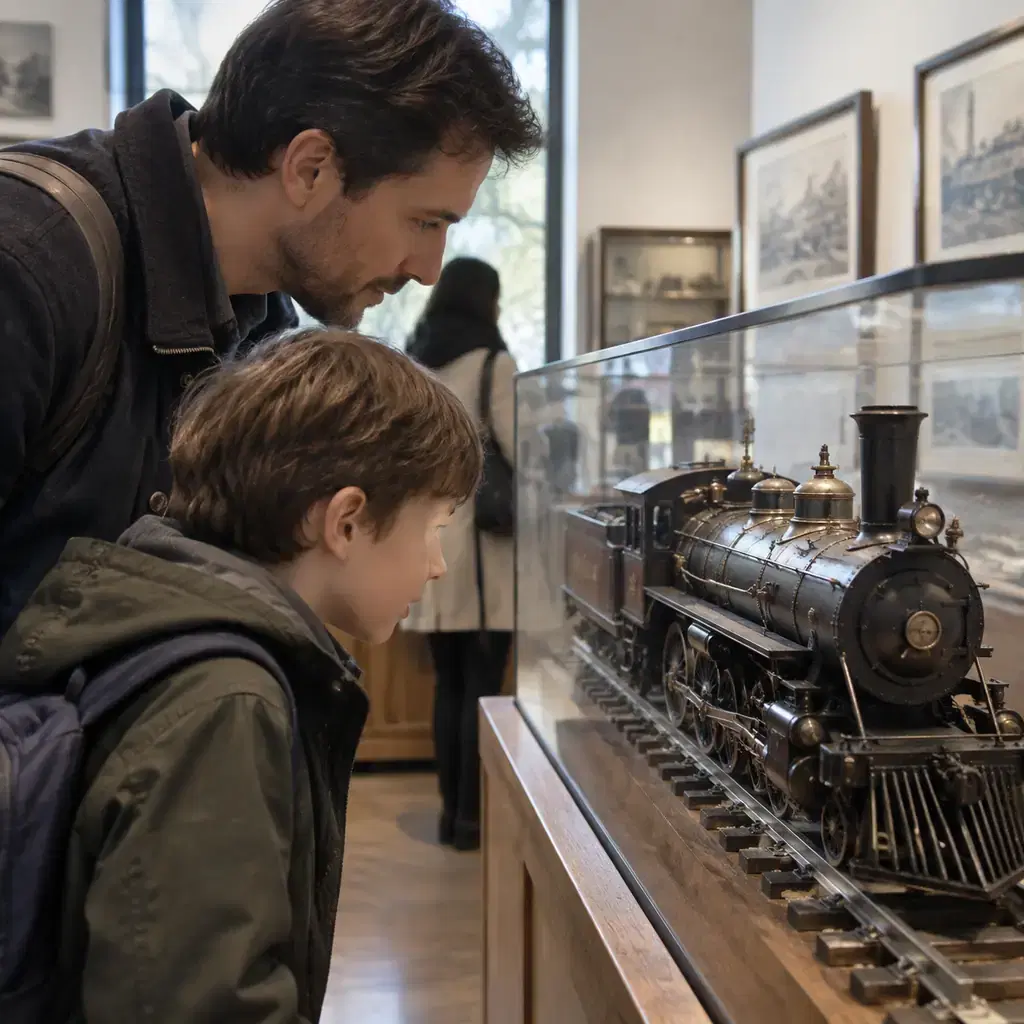
Ridgway sits where the routes toward Ouray and Telluride divide, so it is easy to treat it as a junction. Its railroad history gives you a reason to stop before choosing a direction.
The town was an important part of the Rio Grande Southern network, serving a region where moving people and freight was never straightforward. The Ridgway Railroad Museum helps make that history visible, while the arts district and small downtown show the town’s present life.
Nearby Ridgway State Park adds water and open views to the visit. This is the sort of place where a planned overnight can become more satisfying than another hurried pass-through on a scenic driving itinerary. Colorado Tourism’s Ridgway guide
12. Glenwood Springs gives you several very different ways to soak
Glenwood Springs is not a one-pool town. Its geothermal attractions range from the large swimming-pool setting at Glenwood Hot Springs to the smaller riverside pools at Iron Mountain and the naturally heated vapor caves at Yampah.
Those are different experiences, not merely different prices for the same afternoon. Decide whether you want to swim, sit in a pool or experience a steam-filled underground space before booking.
The rivers and downtown provide something to do between sessions. Build a break around what you enjoy rather than assuming you need a punishing hike to earn a soak. Colorado Tourism’s Glenwood Springs guide
13. Manitou Springs puts old amusements beside mountain ambitions
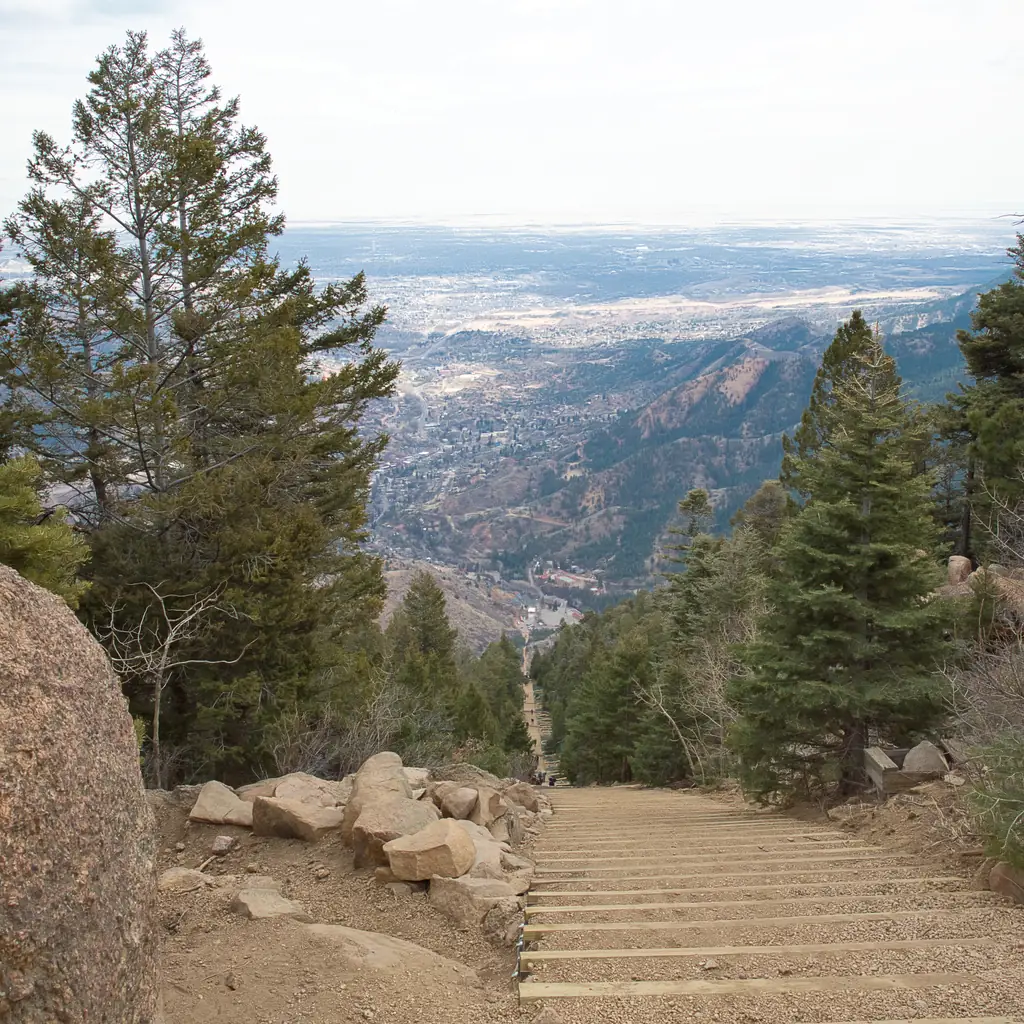
Manitou Springs has a famous steep incline for determined hikers, but its downtown offers a much less strenuous sort of entertainment. The arcade’s collection of games makes a nostalgic stop between shops and places to eat.
The mineral springs add another thread to a walk through town. They explain why visitors were coming here long before today’s adventure itineraries.
Miramont Castle supplies an architectural surprise, with a mixture of styles that makes it worth examining closely. If a relaxed stay has you wondering about life in a mountain community, HT’s small-town trial-visit guide suggests looking beyond the holiday attractions before drawing conclusions. Colorado Tourism’s Manitou Springs guide
14. Pagosa Springs makes a river walk part of a hot-springs trip
The San Juan River runs through Pagosa Springs, putting moving water beside the town’s best-known still-water attraction. A walk through the center gives a hot-springs day some fresh air and a changing view.
Choose a developed soaking facility whose layout and admission suit your group. Resort pools, simpler bathing options and the river itself should not be treated as interchangeable.
Nearby Chimney Rock National Monument adds a very different outing, with ancestral Puebloan history in a striking landscape. Give it a separate block of time and follow the site’s tour and access arrangements. Pagosa has enough to make a stay feel varied without filling every hour. Colorado Tourism’s Pagosa Springs guide
15. Lake City is worth approaching slowly
Lake City’s setting along the Silver Thread Scenic Byway makes the approach part of the visit. Once in town, creekside and riverside walks offer a gentler way to take in the mountains than the rugged routes farther out.
Lake San Cristobal is the obvious nearby companion to a town stay. Give yourself time to look at the water and the surrounding slopes before deciding whether to add an activity.
The area’s famous Alpine Loop involves backcountry roads, not a simple extension of an ordinary highway drive. For the longer paved journey to and from town, HT’s road-trip dining ideas can help fill the gaps between local stops. Colorado Tourism’s Lake City guide
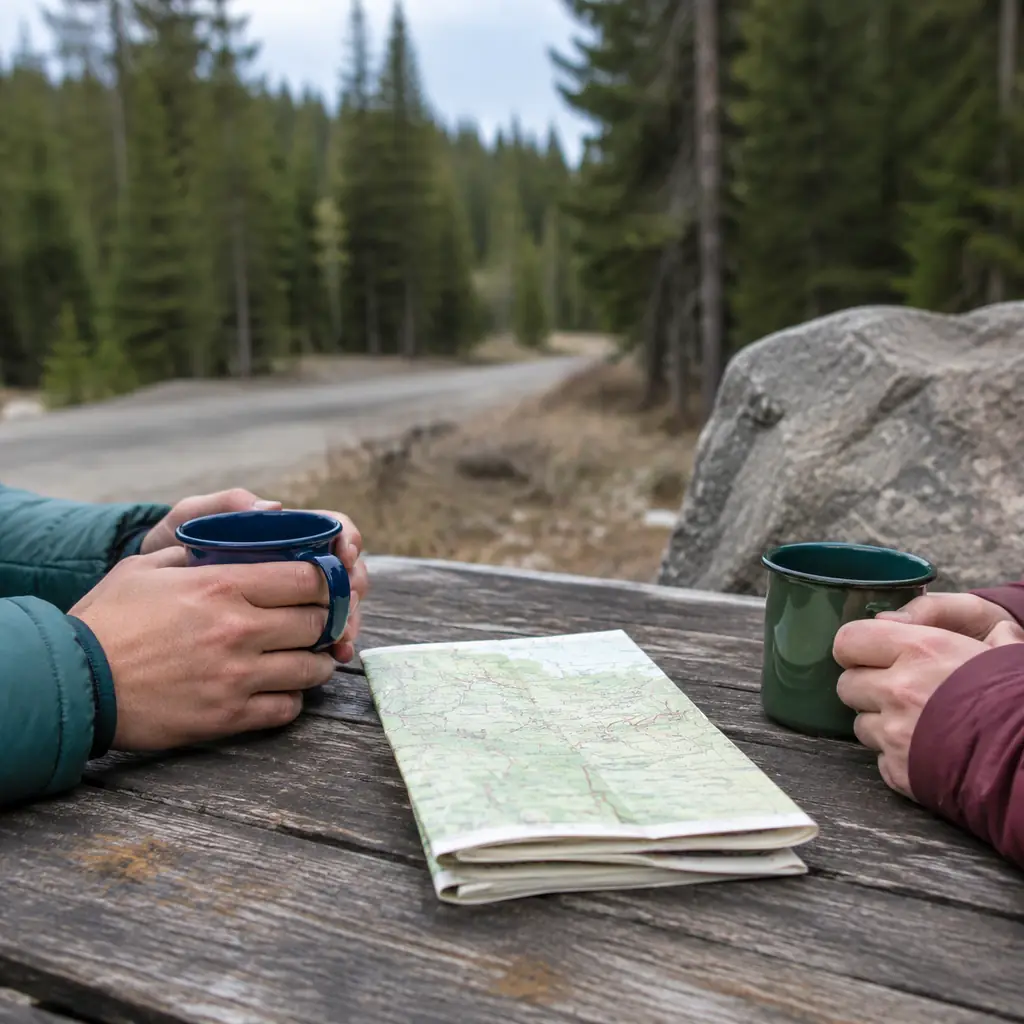
16. Grand Lake gives the mountains a waterfront main street
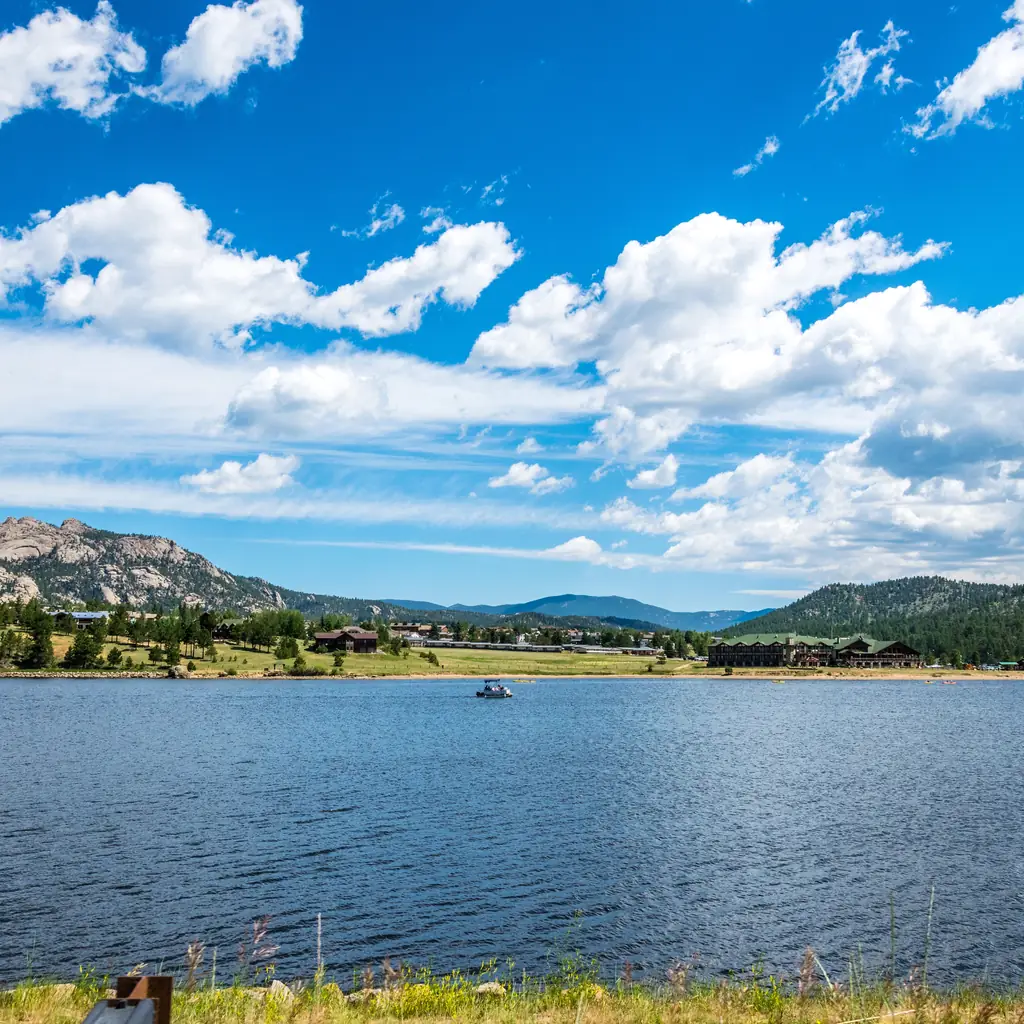
Grand Lake’s wooden boardwalks connect shops and restaurants close to the water. That pairing makes it possible to enjoy a mountain-lake setting without organizing the whole day around a boat rental or a trail.
Walk to the town beach, look across the lake and return when you are ready for lunch. A paddle or boat outing can come later if the conditions suit.
The nearby national park is an important neighbor, but seasonal road access changes what you can combine in a day. Let Grand Lake be more than a gateway. Its waterfront and small center already offer a pleasant reason to stay. Colorado Tourism’s Grand Lake guide
Comments
The opinions and views expressed in the comments section are solely those of the individual users and do not represent or reflect the opinions, views, or positions of HumbleTrail. HumbleTrail does not endorse, support, or verify the accuracy of any user-generated content.
By posting a comment you agree to receive related emails from HumbleTrail in accordance with our Terms and Privacy Policy. You can unsubscribe at any time.