

Cruise excursions look simple on a brochure and feel different on the ground.
These are the excursion mistakes passengers tend to make when the tour title sounds better than the actual port day.
23. Looking at the Port Map Before the Tour List

The excursion list can make everything sound equally close.
The port map shows whether the beach, old town, taxi stand, ferry dock, or tour meeting point is actually convenient.
Start with geography before choosing an activity. A simple port can handle a loose plan; a spread-out port punishes guesses.
22. Learning the Tender Ticket System
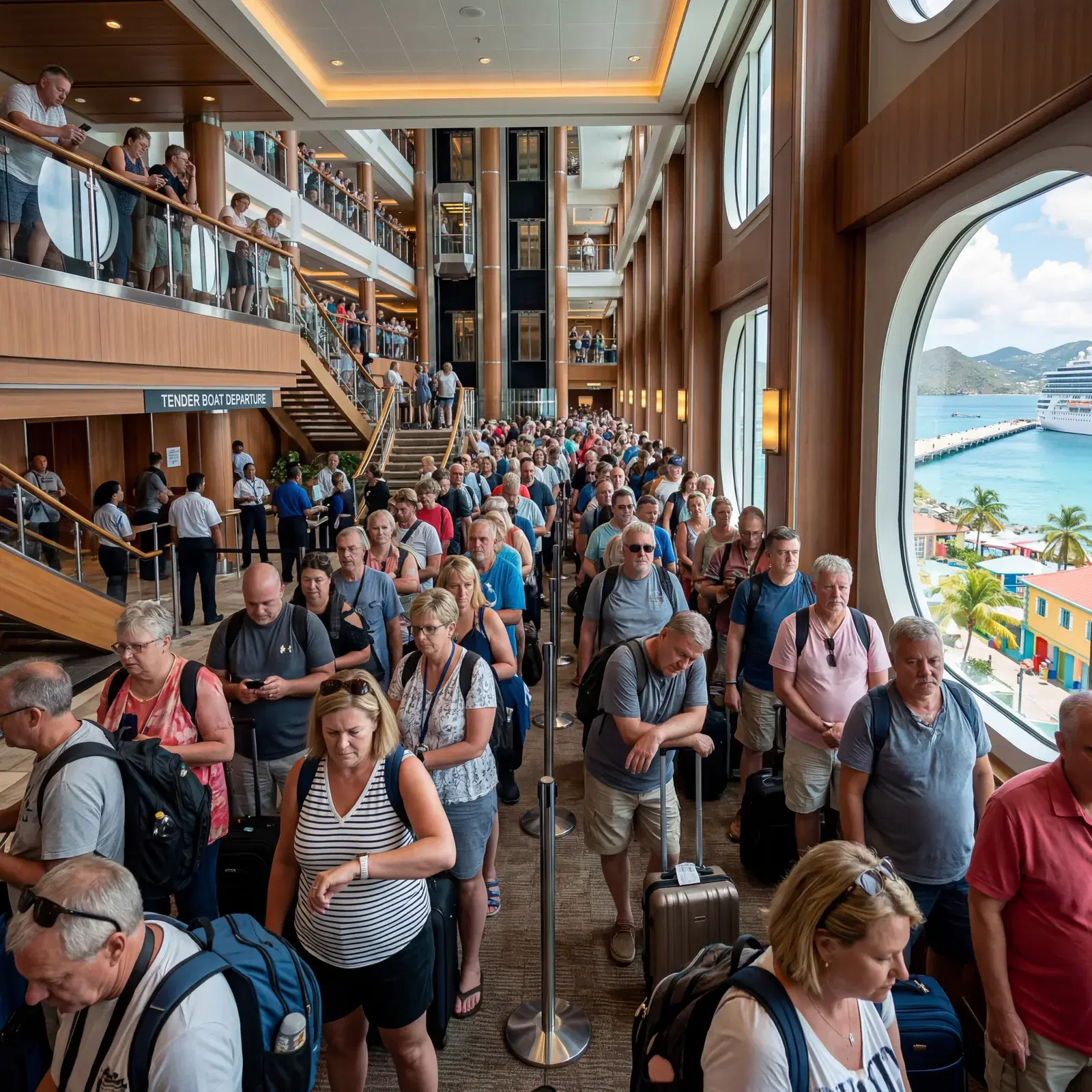
Tender ports run on small boats, waiting groups, and timing that can feel slow if you expected to stroll straight off the ship.
A late tender can shrink the whole day.
Find out how tender tickets work before the morning rush. If you booked an independent tour, that first boat ride matters.
21. Checking How Wet the Tour Gets

Boat rides, waterfalls, snorkeling stops, beach transfers, and sudden rain can soak more than swimsuits.
Wet clothes feel funny for ten minutes and annoying for the ride back.
Ask whether bags stay dry and whether water shoes help. Pack a small dry pouch if your phone, wallet, or medicine cannot get splashed.
20. Avoiding the Longest Tour by Default

The longest tour can look like the best value because it fills the day.
Sometimes it is just more bus time, more waiting, and less freedom to enjoy the port.
Look at how the hours are spent. A shorter tour with one strong stop can beat a marathon that tries to justify its price.
19. Packing a Dry Shirt
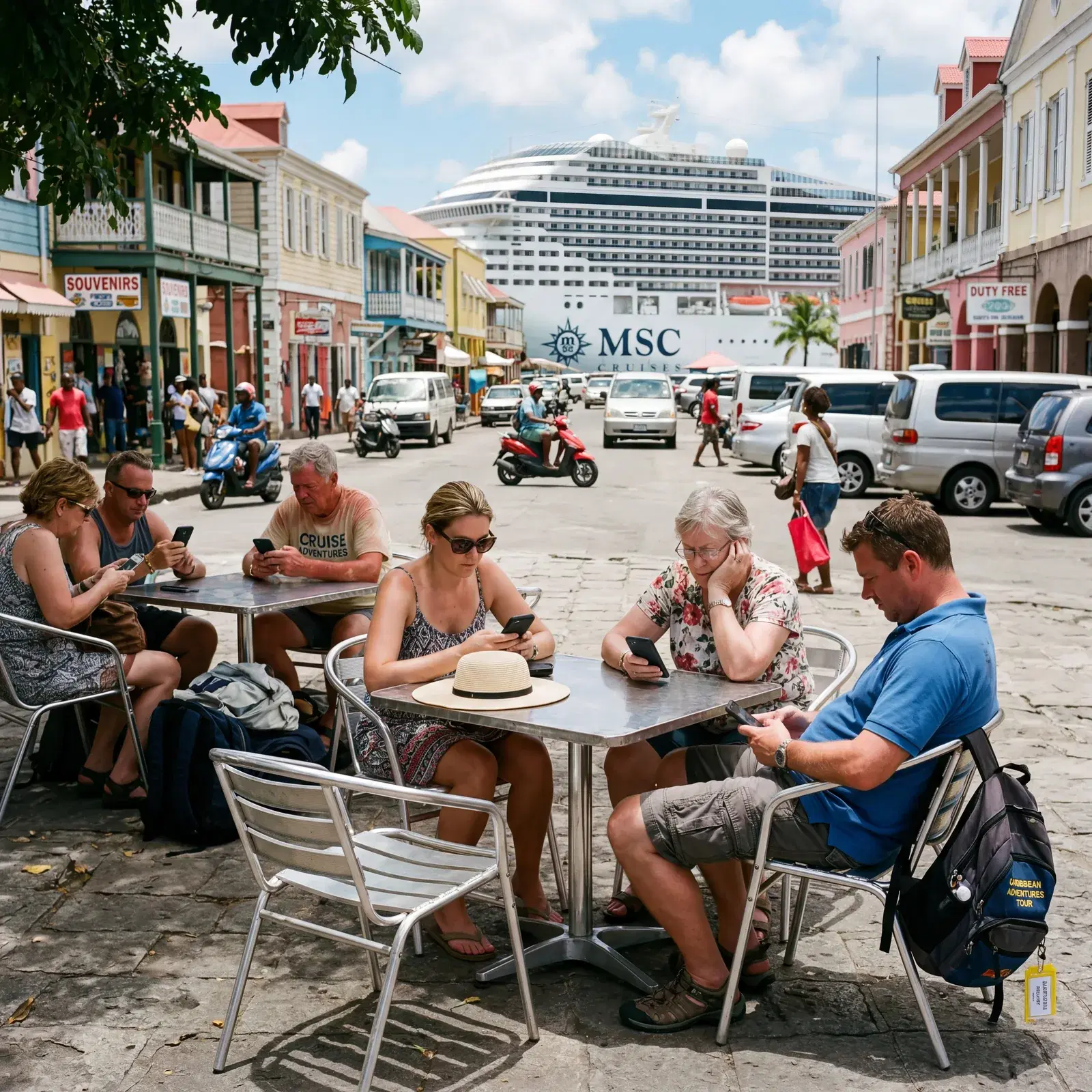
A dry shirt sounds unnecessary until the bus air-conditioning starts after a humid walk or boat ride.
Damp cotton can turn a comfortable afternoon into a shiver.
Roll one thin shirt into the day bag. It takes almost no room and can rescue the ride back, especially after snorkeling or rain.
18. Knowing What the Guide Does Not Handle

Guides may manage timing and commentary, but they do not always handle lockers, towels, food, bathrooms, tips, or special mobility needs.
The brochure can make the day sound more managed than it is.
Ask what is included and what you must handle yourself. The smoother tour is often the one with fewer surprises at each stop.
17. Asking About Bathrooms Before the Bus Leaves

Bathroom timing matters more than people admit.
A scenic overlook, beach stop, or long drive can become stressful when nobody knows the next restroom stop.
Ask quietly before departure if it matters to your group. It is a practical question, not a fussy one.
16. Treating the Excursion Desk Like a Sales Desk

The excursion desk can be helpful, but it is still there to sell ship excursions.
That does not make the advice bad; it means the advice has a lane.
Use the desk for logistics, safety, and timing questions. Then compare the answer with maps, recent reviews, and what you actually want from the port.
15. Checking How Far the Tour Starts From the Pier

An excursion can sound nearby because it is sold in the port.
Then you discover the first thirty minutes are a bus ride, shuttle line, or walk through a shopping district.
Check the meeting point and transfer time before booking. The real tour starts when the experience starts, not when the group begins waiting.
14. Leaving a Buffer Before All-Aboard

The return time matters more than the start time.
Traffic, tender lines, rain, slow restaurants, and crowded taxis all get more stressful when the ship is visible but not close.
Build a buffer that feels almost too cautious. Missing a little shopping time is better than sprinting toward the gangway.
13. Matching the Tour to the Heat

A walking tour that sounds pleasant at home can feel brutal on hot pavement after lunch.
Caribbean and Mediterranean ports especially punish people who ignore the clock.
Put active tours early when possible. If the only slot is midday, ask how much shade, seating, and indoor time the day really includes.
12. Reading the Cancellation Cutoff
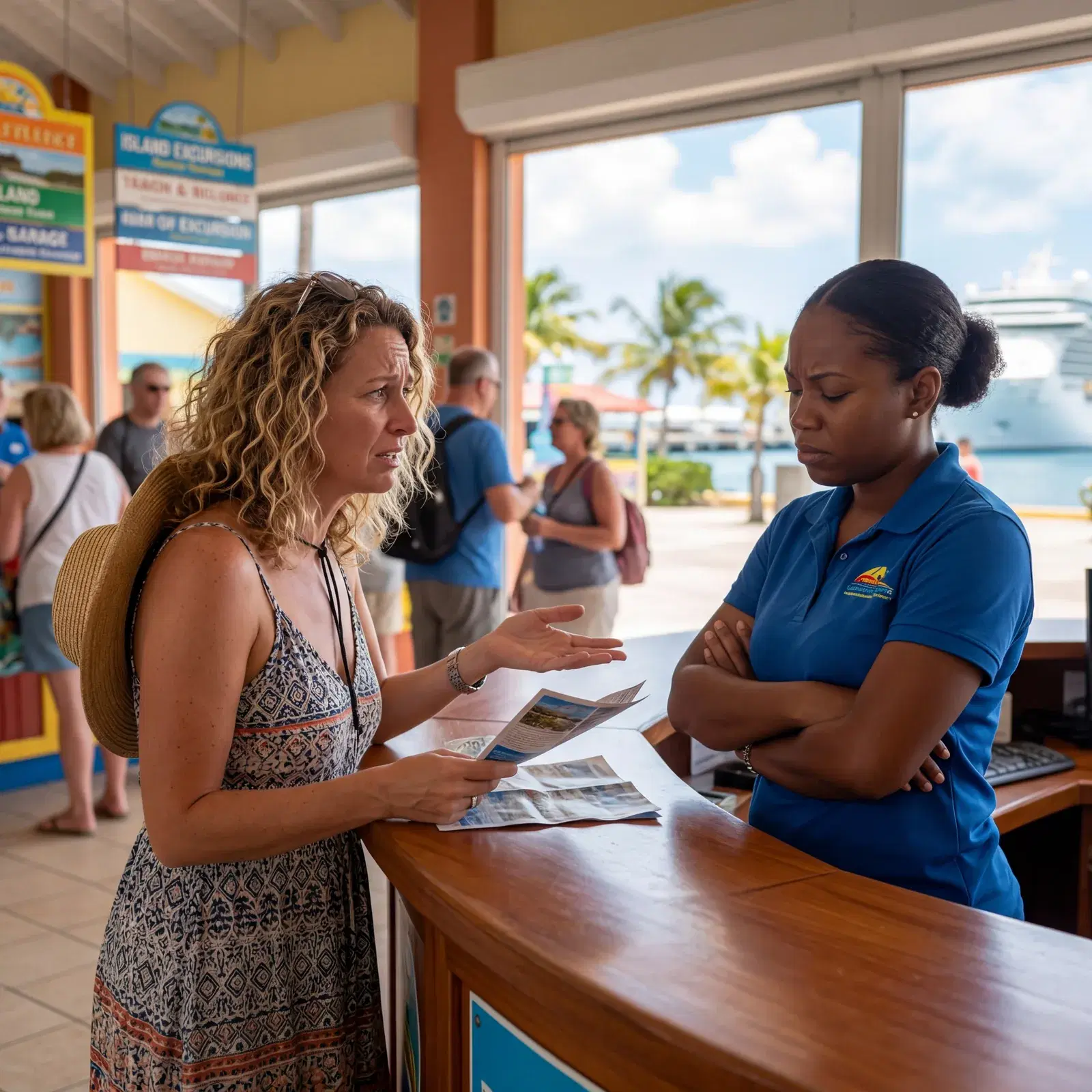
Excursion cancellation rules are easy to skip because nobody books a vacation expecting to cancel.
Weather, illness, changed port times, or second thoughts can make that fine print suddenly matter.
Know the cutoff before paying. A flexible booking is often worth more than a slightly cheaper one.
11. Checking Ship Time Against Local Time
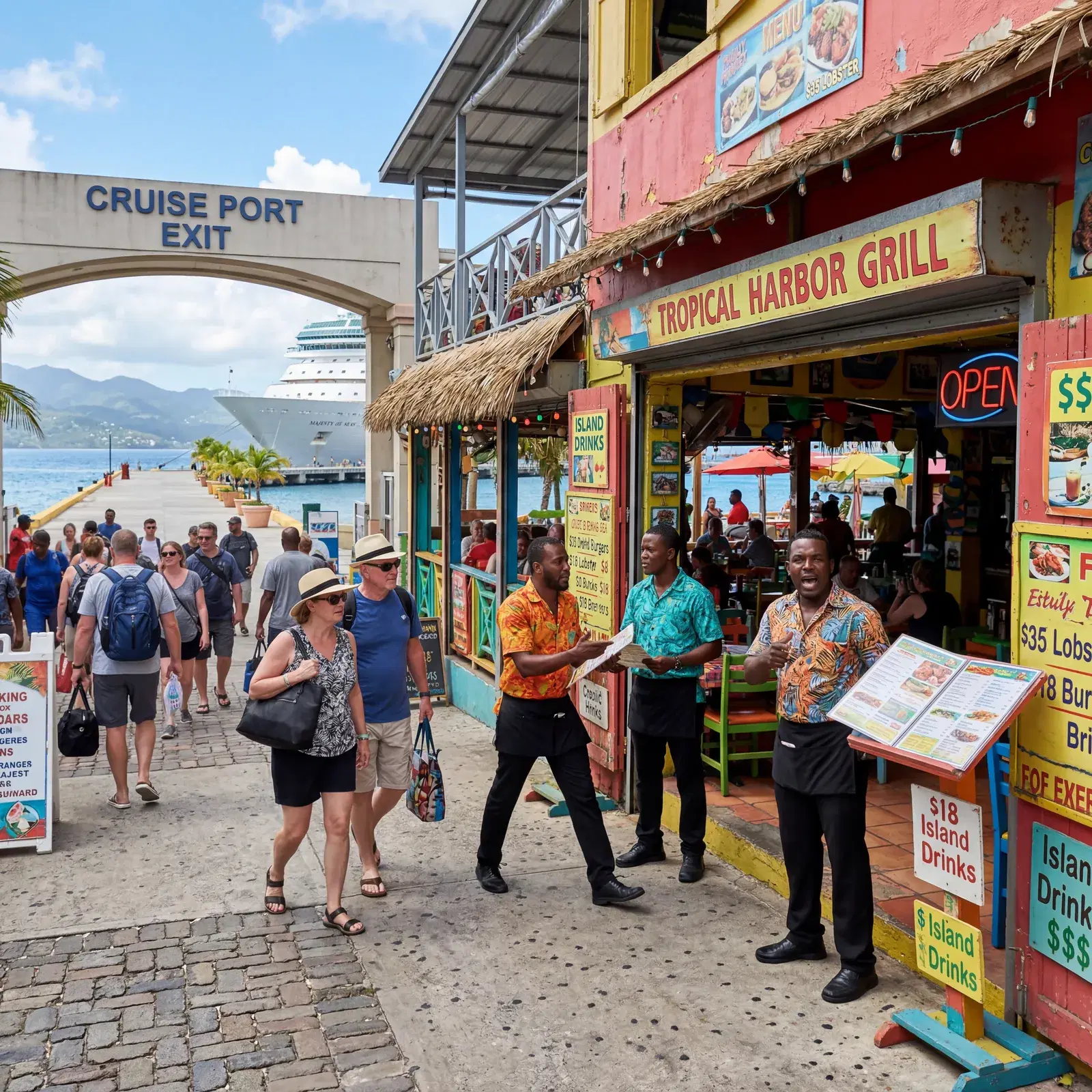
Ship time and local time are not always the same thing.
That one detail can confuse taxis, meeting points, restaurant reservations, and return alarms.
Set your watch or phone alarm to the ship’s time before leaving. If the crew repeats the time warning, assume someone has missed it before.
10. Skipping the Shopping-Only Tour

Some tours are less about the destination and more about moving passengers through approved shops. That is fine if shopping is the goal, but frustrating if you expected scenery or culture.
Read the itinerary words closely. Long stops at galleries, markets, factory stores, or partner shops can explain why the price looked easy, especially on routes where Caribbean excursions are not worth it.
9. Bringing Small Cash

Cards work in many places, but small cash still solves tips, taxis, lockers, bathrooms, beach chairs, and quick snacks. Large bills can be awkward in a small port stop.
Pack more small denominations than you think you need and keep them separate. This is also where broader Caribbean booking mistakes start showing up in tiny costs.
8. Choosing One Main Thing Per Port

The easiest way to ruin a port day is trying to stack beach time, sightseeing, shopping, lunch, and a scenic overlook into six hours. Every extra stop adds friction.
Pick the one thing you would regret missing, then treat anything else as a bonus. It pairs well with the pre-cruise checks travelers forget before departure.
7. Asking About Walking Before Booking

Excursion descriptions often say moderate walking without explaining stairs, cobblestones, steep ramps, standing time, or distance from the bus. Those details decide whether the day is enjoyable.
Ask before you book, especially for older travelers or anyone with knee, balance, or heat concerns. The smarter choice may be the less dramatic one.
6. Checking Tender Ports Twice

Tender ports add another moving part. You are not walking straight off the ship; you are waiting for a small boat, riding in, and doing it again to return.
Avoid tight independent plans at tender ports unless you know the timing. It is a classic cruise timing mistake in a different costume.
5. Not Assuming the Ship Tour Is Always Safest

Ship excursions are convenient, but not automatically the best value. Some are crowded, slow, or built for the broadest possible passenger instead of the experience you actually want.
Use ship tours when return protection, distance, or logistics matter. For close, simple ports, a local option may give you more time and less bus-window sightseeing.
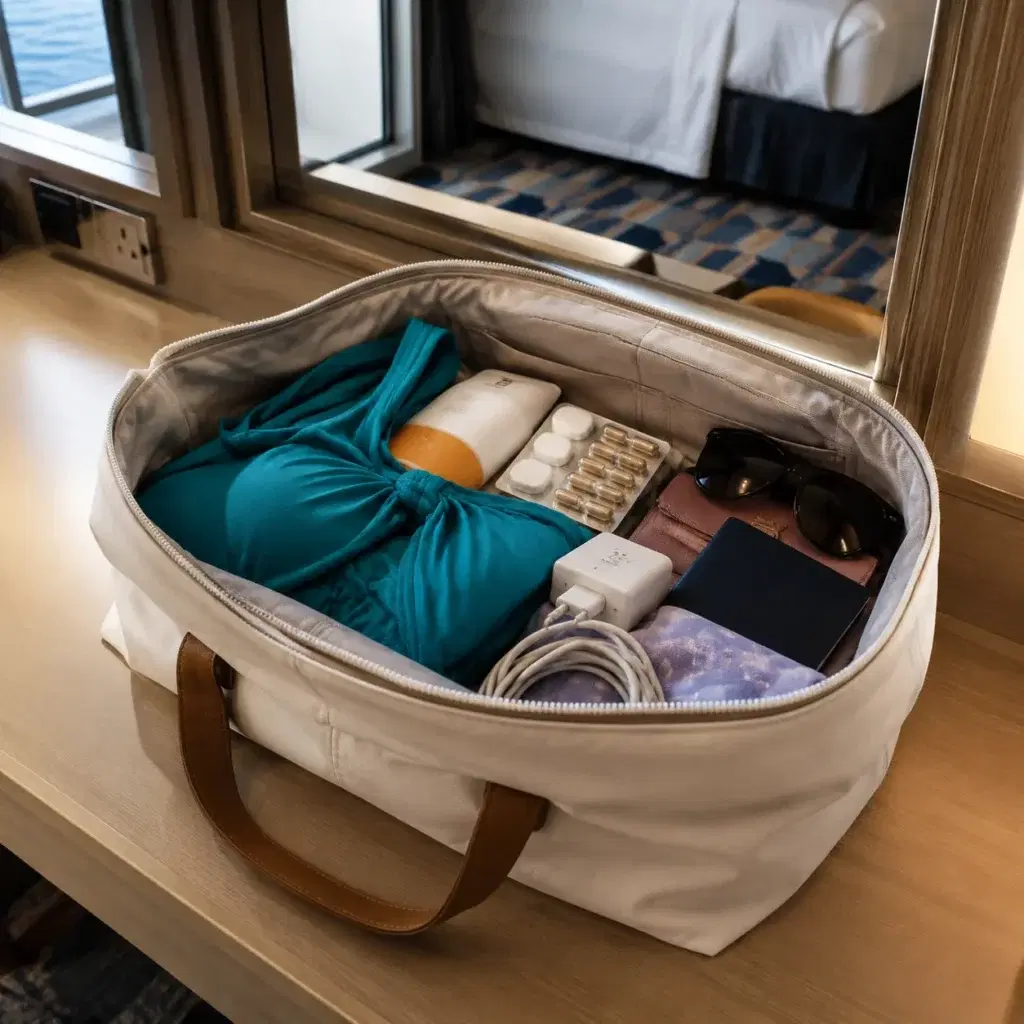
4. Packing the Day Bag Like a Tiny Trip

A port day is not just a walk off the ship. It can include heat, rain, wet clothes, dead phone batteries, cash needs, and a long line to get back onboard.
Pack water, sun protection, charger, ID, ship card, small cash, and any medication. If flying to the cruise first, this overlaps with carry-on mistakes before an international flight.
3. Leaving Food Timing to Chance

Some tours include lunch. Others include a vague snack, a late stop, or a restaurant that takes longer than the schedule admits.
Bring something simple if food timing matters. Hunger makes a hot bus, slow guide, or long return line feel much worse than it is.
2. Using Free Port Time on Purpose

Not every port needs a paid tour. Sometimes a walk, museum, beach, ferry, waterfront cafe, or old town is enough to make the stop feel real.
Before paying, look for what is free or easy from the pier. The same instinct helps onboard with free cruise activities passengers skip.
1. Booking the Tour That Matches Your Actual Cruise

The best excursion for one cruise can be wrong for another. A beach day after three beach ports feels different from a beach day after two city walks.
Look at the whole itinerary before choosing. A smart port day fits the rhythm of the trip, the weather, your energy, and the ship’s clock.
Comments
The opinions and views expressed in the comments section are solely those of the individual users and do not represent or reflect the opinions, views, or positions of HumbleTrail. HumbleTrail does not endorse, support, or verify the accuracy of any user-generated content.
By posting a comment you agree to receive related emails from HumbleTrail in accordance with our Terms and Privacy Policy. You can unsubscribe at any time.