

Editor’s note: This article offers general travel guidance.
Once a cruise is booked, you’re vulnerable to wasting money and filling up luggage with things you don’t really need on board: drink packages, gadgets, new outfits to wear, Wi-Fi packages, shore excursions…
Resist! You might not need any of these things and could save money by NOT purchasing them. Before you buy anything, read on.
23. Matching Luggage Sets Before Measuring the Cabin
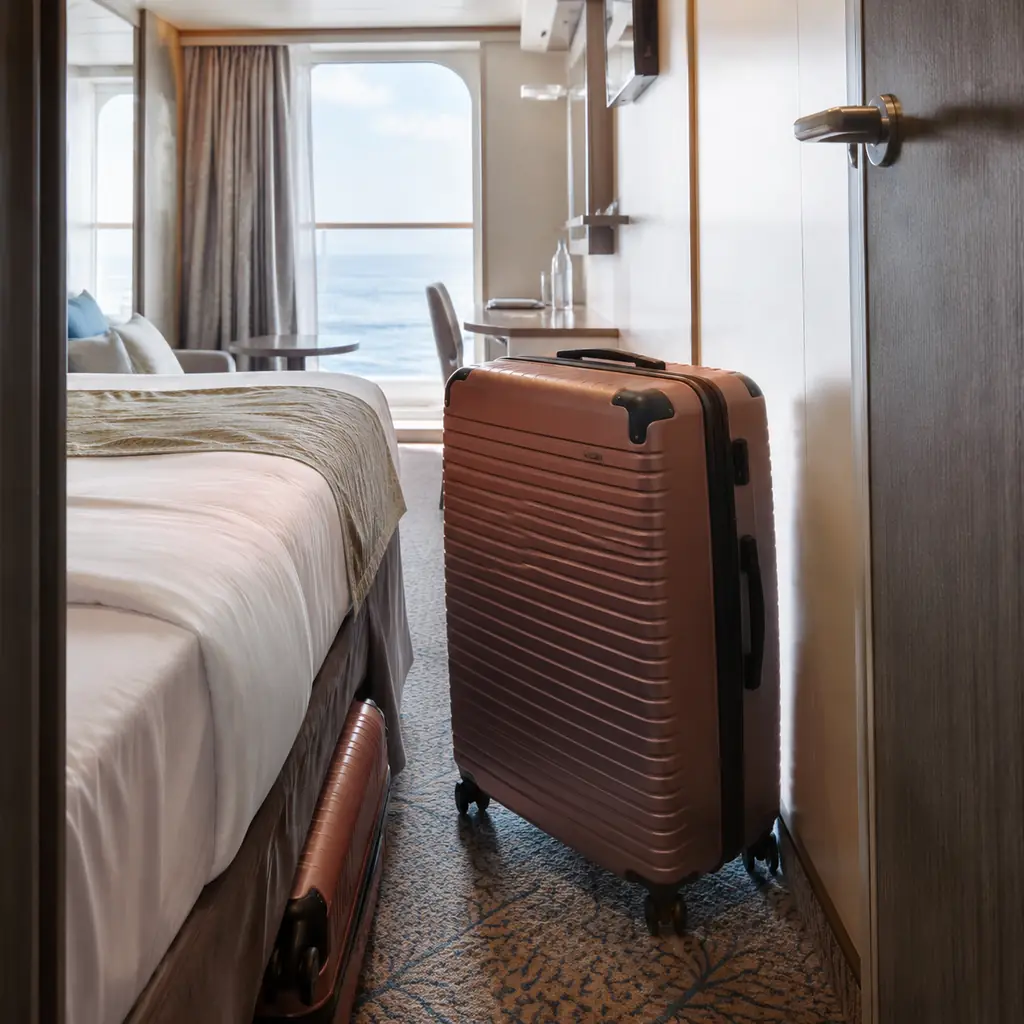
Don’t bring a giant suitcase that won’t fit under the bed on the ship and will take up valuable real estate during your trip.
Test it out ahead of time and see what works for you, make sure you’re within airline restrictions for weight and size, including the wheels, and can fit them into a taxi easily. You want to be able to maneuver them through terminals without breaking into a sweat.
Bring what you need but try to pack as light as possible. Medium sized suitcase + small carry-on is ideal. Bring a bright colored luggage strap to distinguish them instead of extra luggage. Test run your packing in advance and weigh them – you may find you have too many suitcases that don’t nestle together, are redundant, etc.
22. Branded Cruise Lanyards
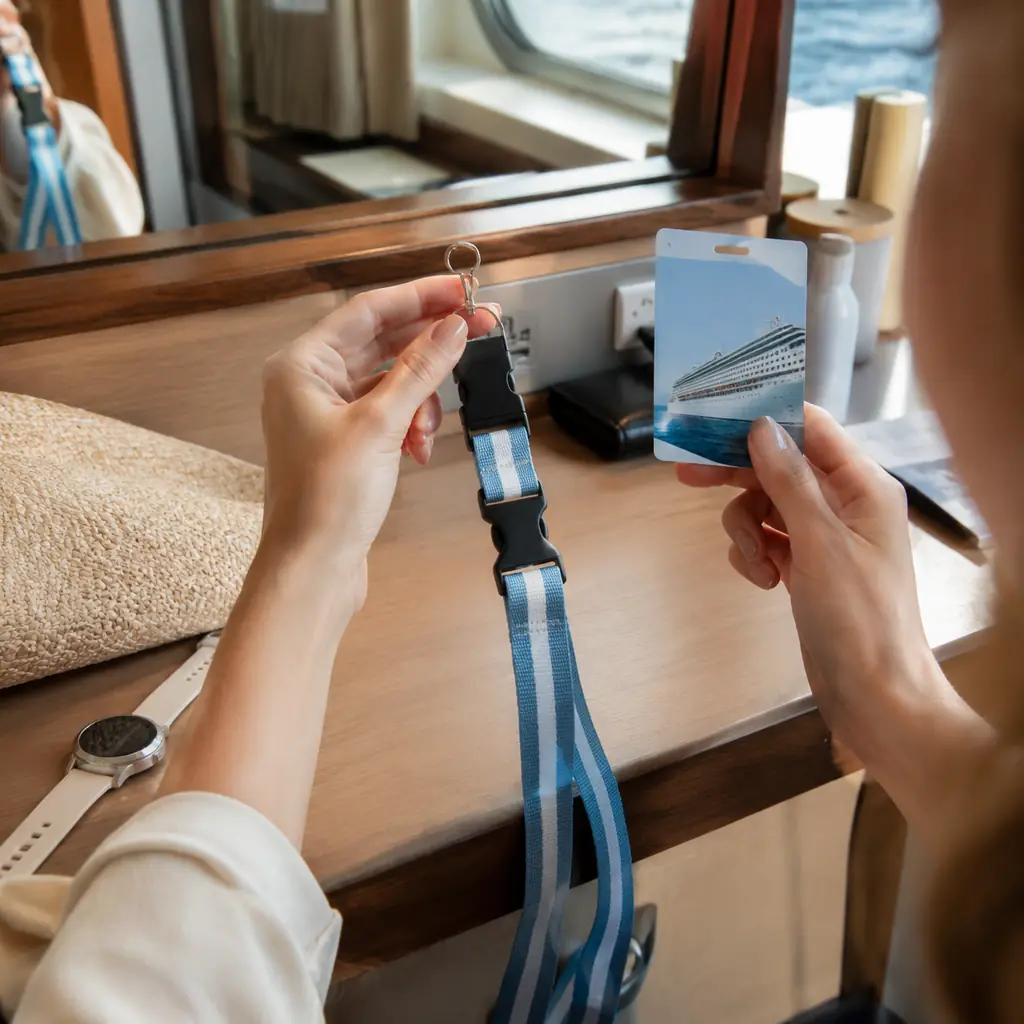
A lanyard comes in handy so you can remove the card when needed to hand it to a restaurant server instead of taking it off your neck each time.
Each line does its own thing as far as getting into your cabin – some are app-based, some have a bracelet, others don’t punch holes in their key cards.
Look for an inexpensive lanyard where the clip comes off. You can also wear a crossbody bag, a card holder, etc.
21. Industrial-Strength Magnetic Cabin Hooks
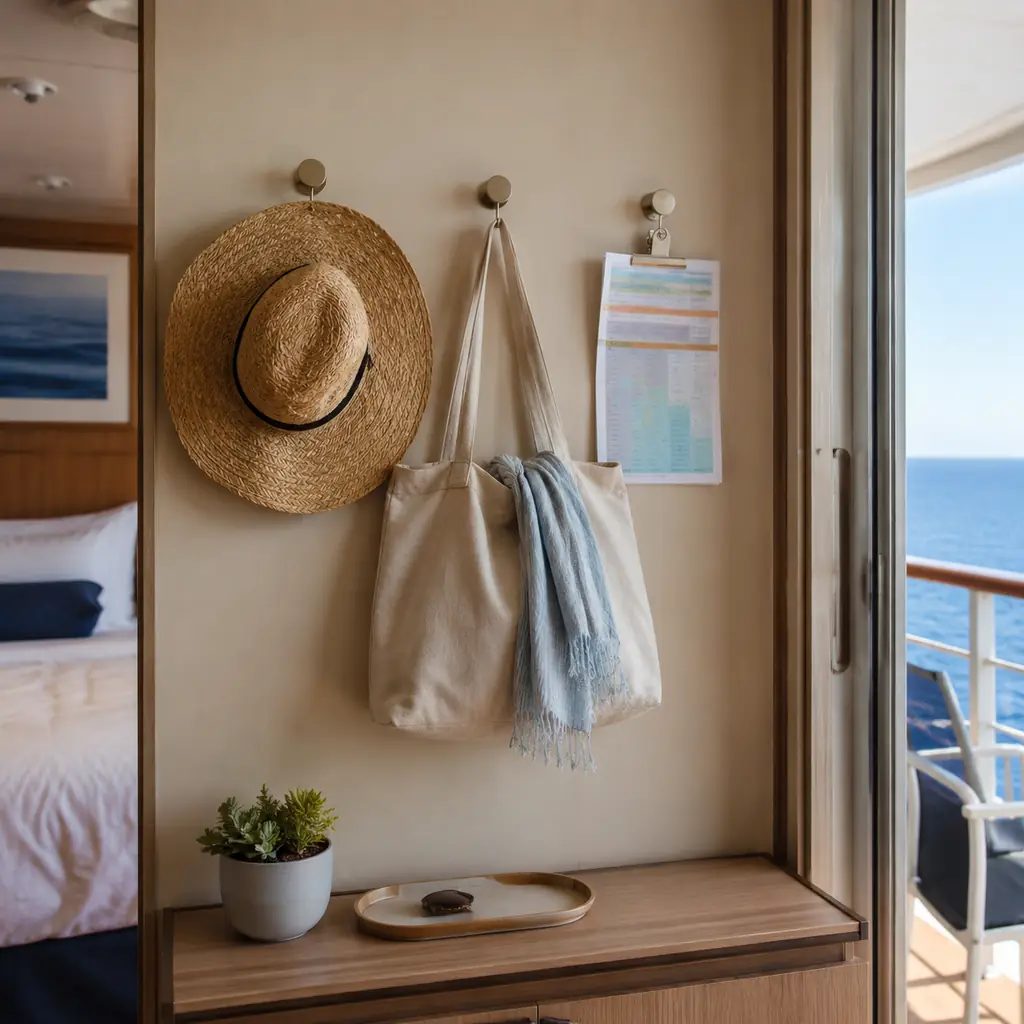
Many people rave about cabin organizers. Magnets can be helpful. They’re best for lighter items – a day bag, hat, shore excursion itinerary, etc. Nothing heavy.
But know the weight limitations, as they’re for the perfect situation and they’ll slide off vertical surfaces sooner than that.
Don’t drag them along walls as they’ll scratch the paint if there’s dirt/grit on them. Twenty large ones won’t be as helpful as 6 smaller ones. Cameras, towels, backpacks…save those for something more substantial.
20. Over-the-Door Organizers Before Seeing the Storage
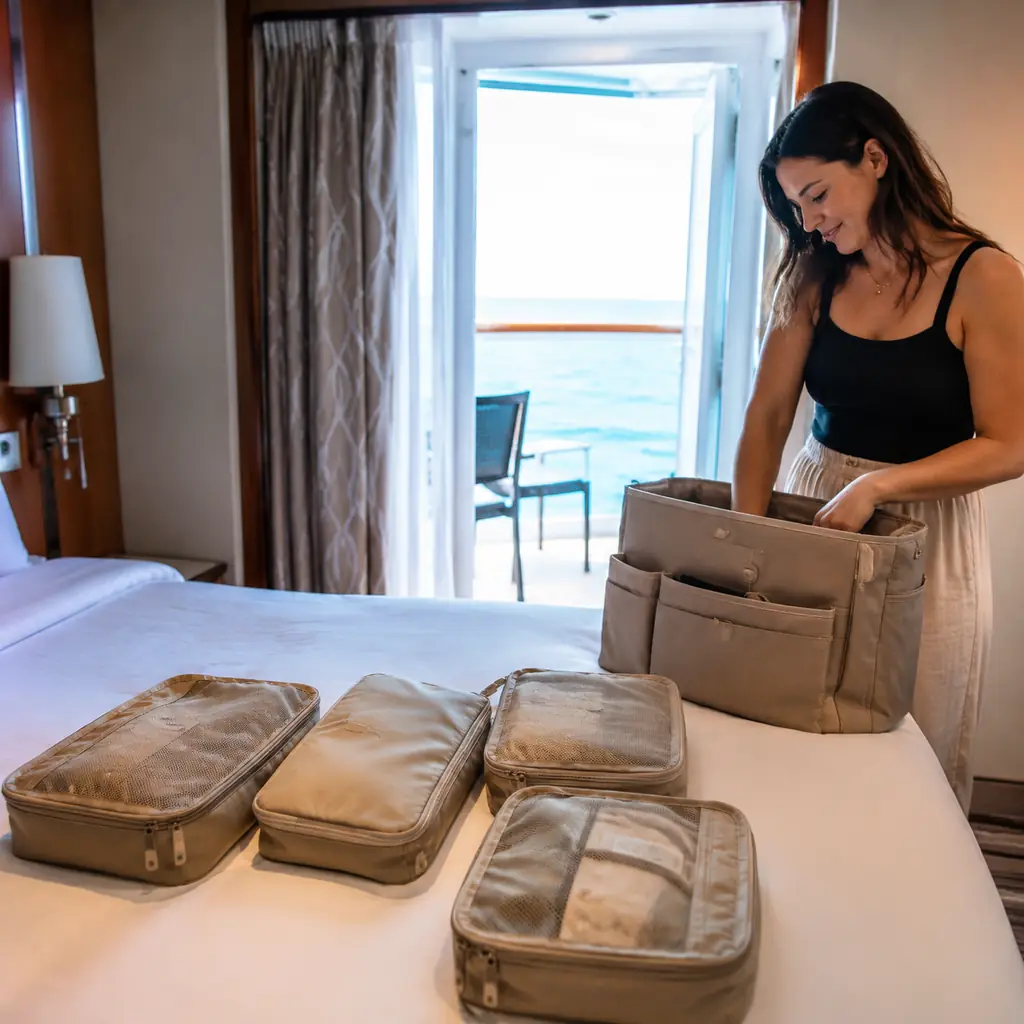
Many people recommend organizers but standard cabins are pretty well equipped with shelves, drawers, closets, nightstands, etc.
Over-the-door ones are frowned upon in some cases, may be prohibited, may keep doors from closing correctly and can scratch doors.
There are tons of great organizers for toiletries, shoes, etc. that are smaller and will be sufficient. You can also use pouches with zippers to keep everything together.
19. Drink Packages Without Break-Even Math
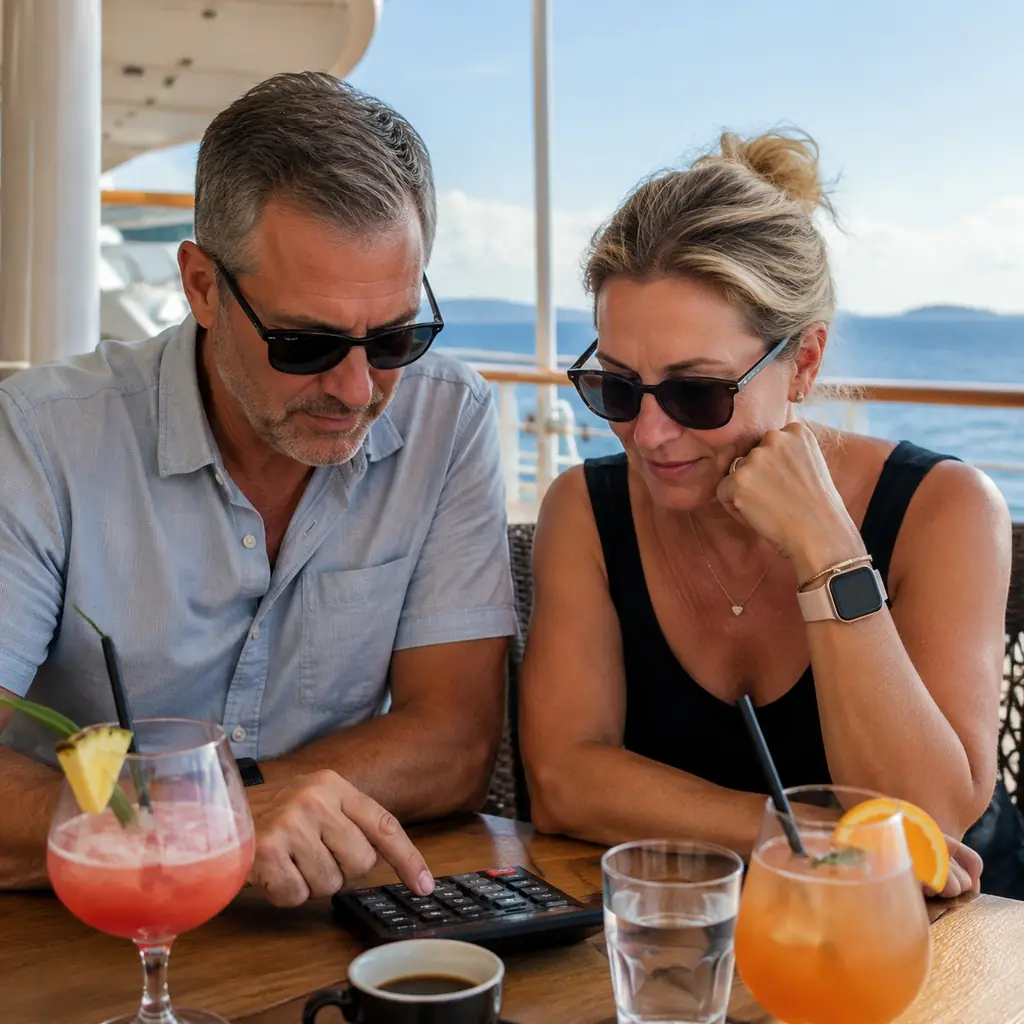
Drink packages can be tricky to figure out. Look at the price per person, divide it by number of days, factor in service charges, which may or may not be included in the advertised price. Then do the math. Say a 7-night drink package is $600 and drinks cost an average of $14 – the break-even point is about 43 drinks during the week, with gratuities and service charges counted consistently on both sides. Would you buy that many anyway?
Then look at drink costs in your currency, how many drinks you’d realistically have per day, which brands are excluded, caps on price, etc. Does the price include gratuities? Does the drink you’re after fall under the package? Some people swear by them, others hate them – it’s worth doing some research.
18. Specialty Dining Bundles Before Mapping the Week
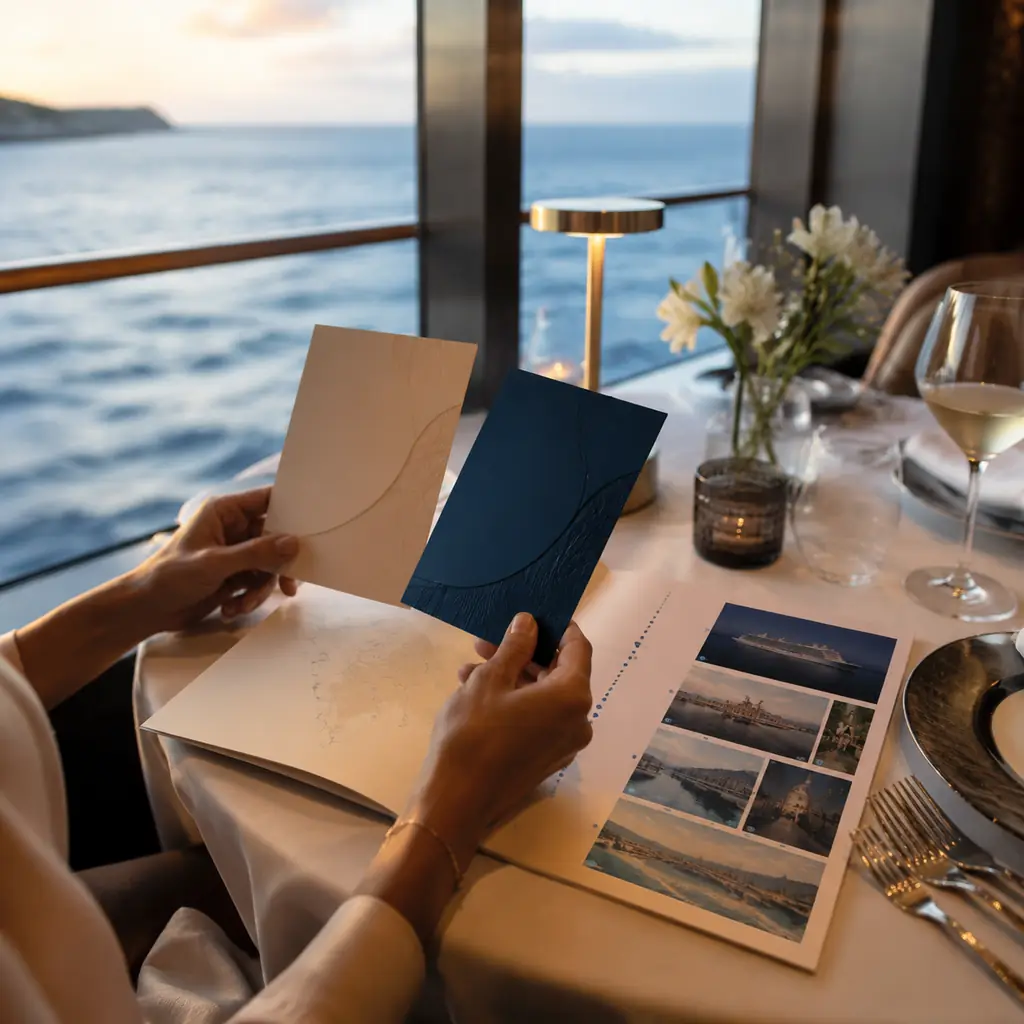
Be realistic. Some people rave about purchasing a package but you may not use all the meals, want to go at specific times like after a late return from port, prefer certain cuisines, or have a special occasion and be going to book them anyway.
Look up dress code (formal nights), times, number of nights, additional costs like cover charges and corkage fees, and decide ahead of time which ones interest you, if you’d be booking them anyway. Do the math, research, figure out which are open on which nights.
You may find it’s cheaper to make 2 reservations ahead of time at restaurants you’re dying to go to rather than pay for 4.
17. An Excursion in Every Port

Sign up for excursions ahead of time but be realistic. Having them in every port means an early wake up call, waiting for everyone to be counted onto a bus, rushing through an itinerary, etc. Look at how long you’re in port, if you’re docking or taking a tender, how long it takes to get into town, though some are immediately accessible and walkable, how much of a cushion you need to get back to the ship in case something goes awry.
Look at excursions and see which ones catch your eye, read the fine print, see cancellation policies, level of activity/mobility required, etc. Excursions offered through the ship can be helpful when time is limited or the location is remote.
Other times you can research local companies who are highly reviewed and offer similar trips, have a lot of flexibility. It’s helpful to do research ahead of time, but also look at excursions offered onboard. Many ports have plenty of things to see and do on your own without booking a tour.
16. Wi-Fi for Every Device
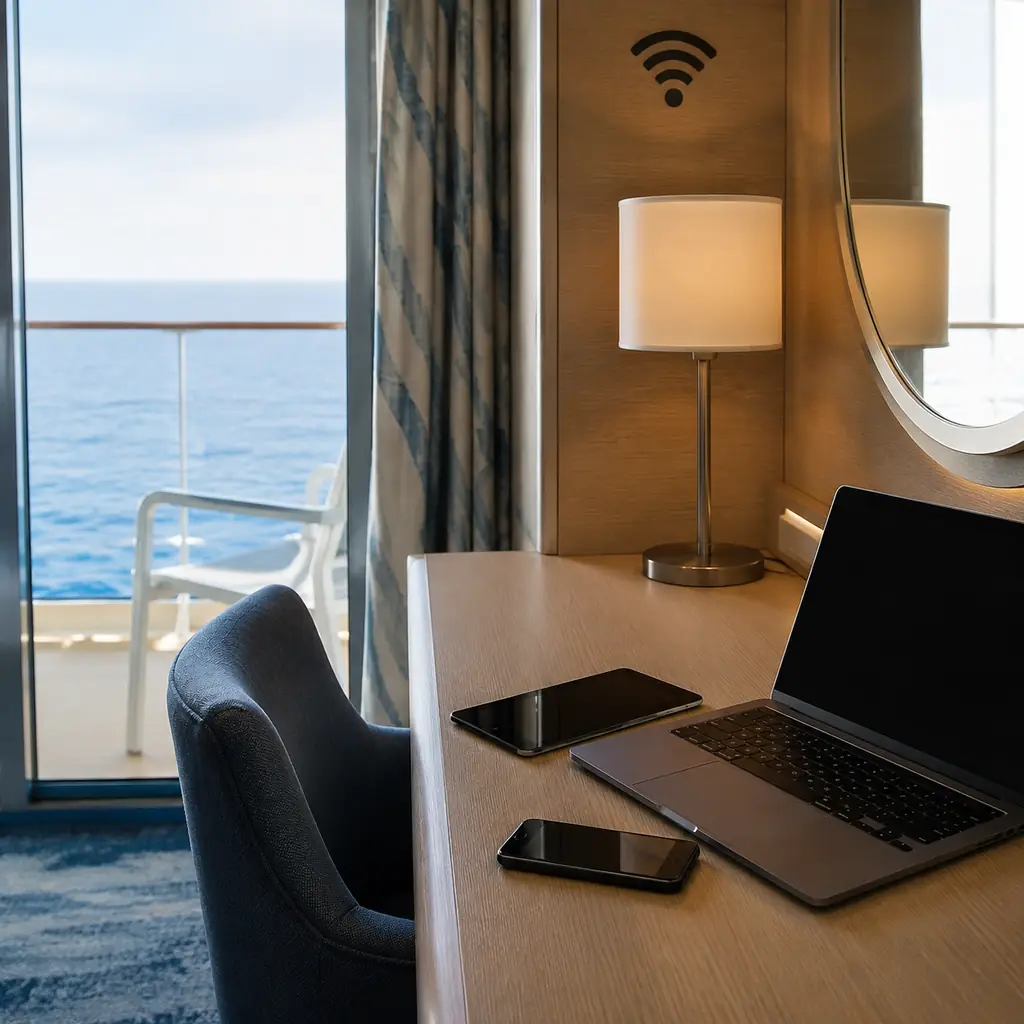
This one is tricky and depends on the type of person you are, how much you’ll be using Wi-Fi, how much you’ll be ashore during the day, how much you’d be sharing. Do the same kind of math as the drink package and see if it’s worth it.
Some app features work without purchasing internet. Some people just go ahead and purchase it so they can stay in touch with family and friends – totally understandable. Others hate being connected – enjoy the disconnection.
Download maps, games, movies, shows, podcasts, anything you might want in advance. Read more: first-time cruise giveaways.
15. Photo Packages Before Seeing the Photos
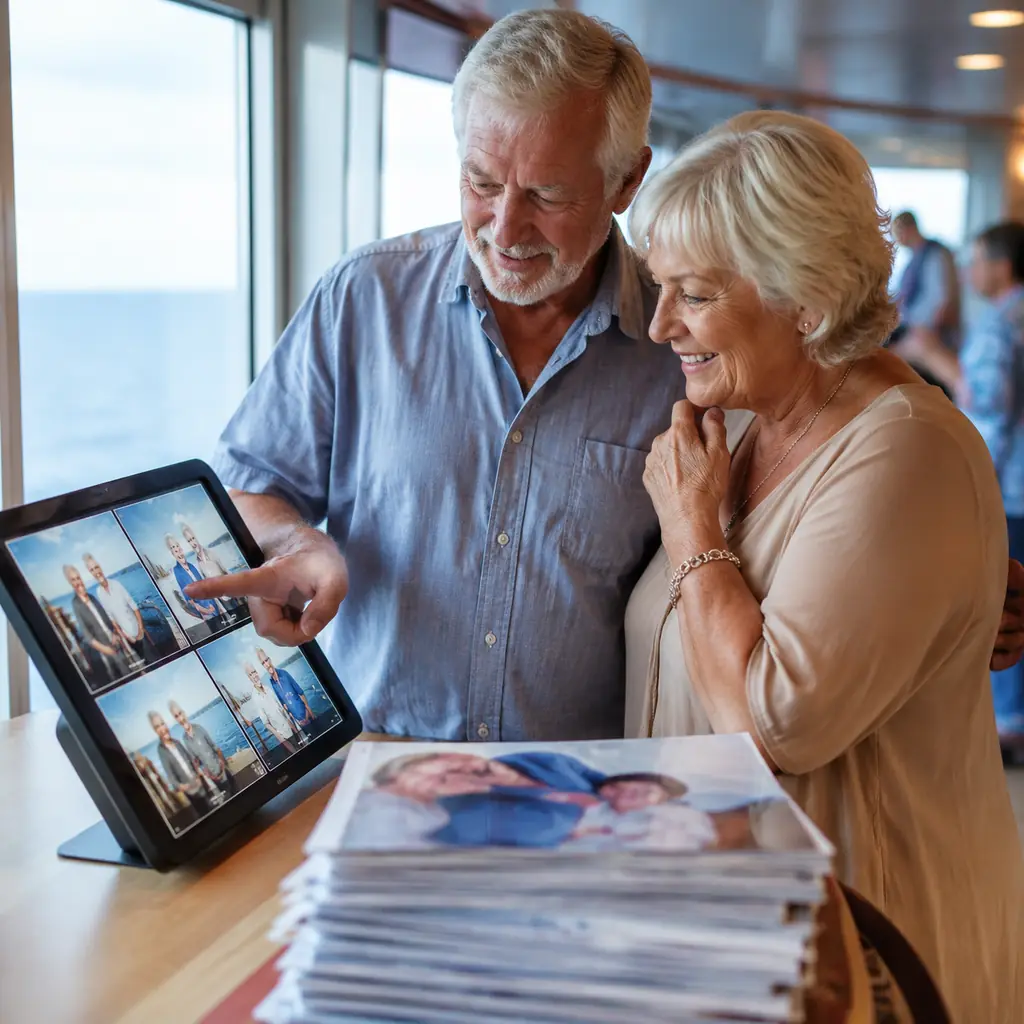
Resist temptation. How many photos will you buy? Do the math. For example, if the package is $250 and you want 20 of the included photos, that’s $12.50 each.
Instead of purchasing a package, decide which photos you like and compare the price of the individual pics/files you want with the package price. You can also take lots of your own photos of the couple/family on the dance floor, eating, etc.
If you do plan on getting lots of pics, only prepay if it’s cheaper than the onboard rate and fully refundable. Also, check when the photo department closes before you get off the boat, so you can plan accordingly.
14. Matching Cruise Shirts for One Embarkation Photo

Matching shirts, especially for larger groups, can be hot, silly, expensive, sometimes hundreds of dollars for large groups, and leave everyone waiting while the photographer sets up and calls everyone together on a hot, tired, sweaty embarkation day.
Resist temptation. Pick a color scheme everyone will coordinate with, take pics, move on with your day. There will be LOTS of opportunities to take pics throughout your trip.
Why waste money on something you’ll wear once and throw away? Save your $$$ for something else and spare everyone else from waiting around for your group to get situated. Read more: rookie embarkation mistake.
13. The Cheapest Waterproof Phone Pouch
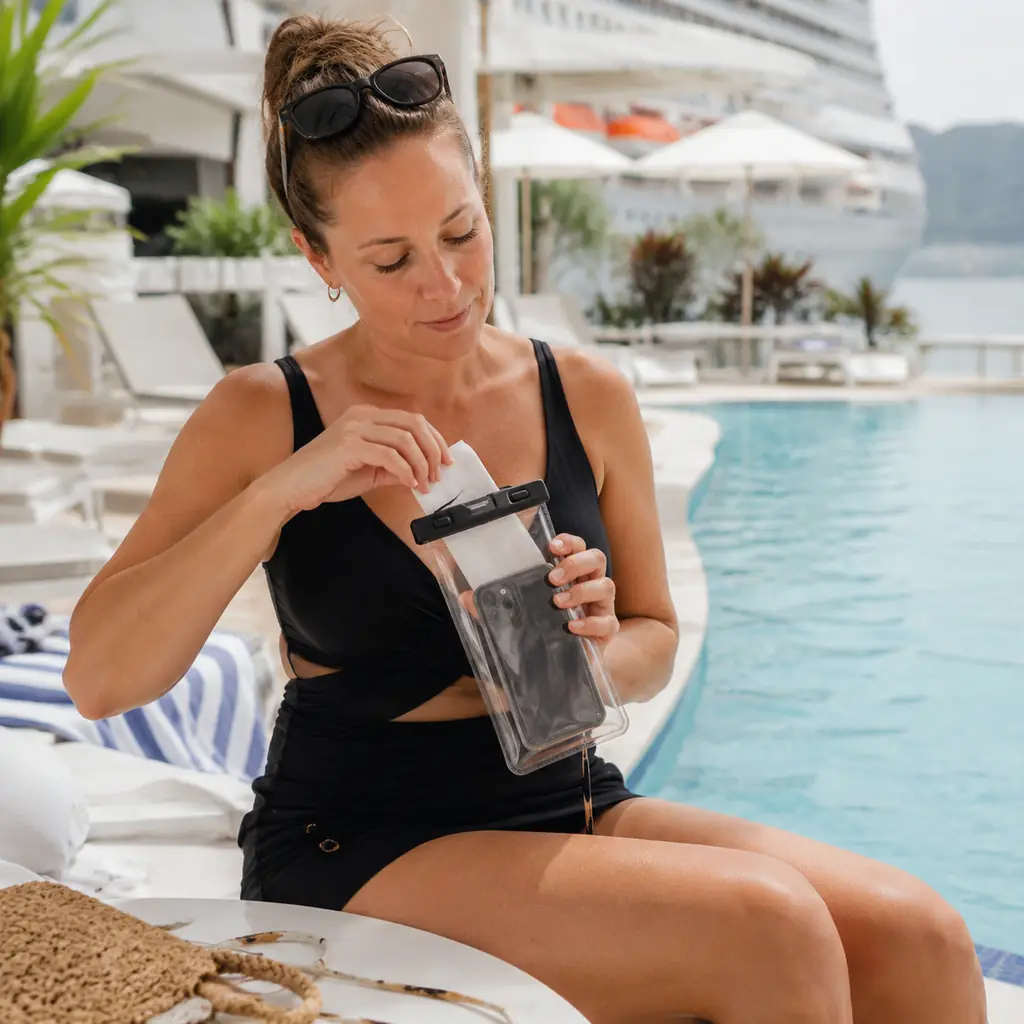
These can be helpful, but they’re not necessarily a must-have item. There are lots of options ranging in price and usefulness. An inexpensive phone pouch may help with sand or rain, but don’t assume it’ll protect your phone in the water.
If you’re planning on getting in the water with your phone, test your pouch FIRST before relying on it. Put a piece of tissue inside, seal, submerge in sink. If your tissue stays dry, that’s a useful check, but it doesn’t guarantee protection in the water.
For scuba and even snorkeling, you’ll want a phone case rated for the activity. Still, even if you’re going to invest in a good one, bring a couple cards and money separately in case something happens to your phone or vice versa.
12. A Whole New Formal-Night Wardrobe

Research what’s expected. Some people LOVE dressing up and buying formal gowns/suits for the occasion. However, formal can be a nightmare if that’s not your thing.
Chances are, a pair of nice, dark pants, jacket, collared shirt/separates or a cute, simple dress will get the job done. Check with your cruise line to learn about dress codes and how many formal nights are included.
Dress codes vary by ship and by restaurants. Research before you go so you’re not left with no options or no fun. Don’t feel the need to buy ridiculous numbers of cocktail dresses. Read more: cruise add-ons that look compulsory.
11. Motion-Sickness Gadgets Without a Plan

There are lots of gadgets, wristbands, patches, etc. marketed for seasickness. Don’t spend tons of money on items that may not help.
Speak with your doctor/pharmacist BEFORE your cruise to discuss options, medications you’re currently taking and other health conditions.
Be prepared. Keep all medications in your carry-on in case of delayed luggage.
10. Full-Size Toiletries for a One-Week Sailing
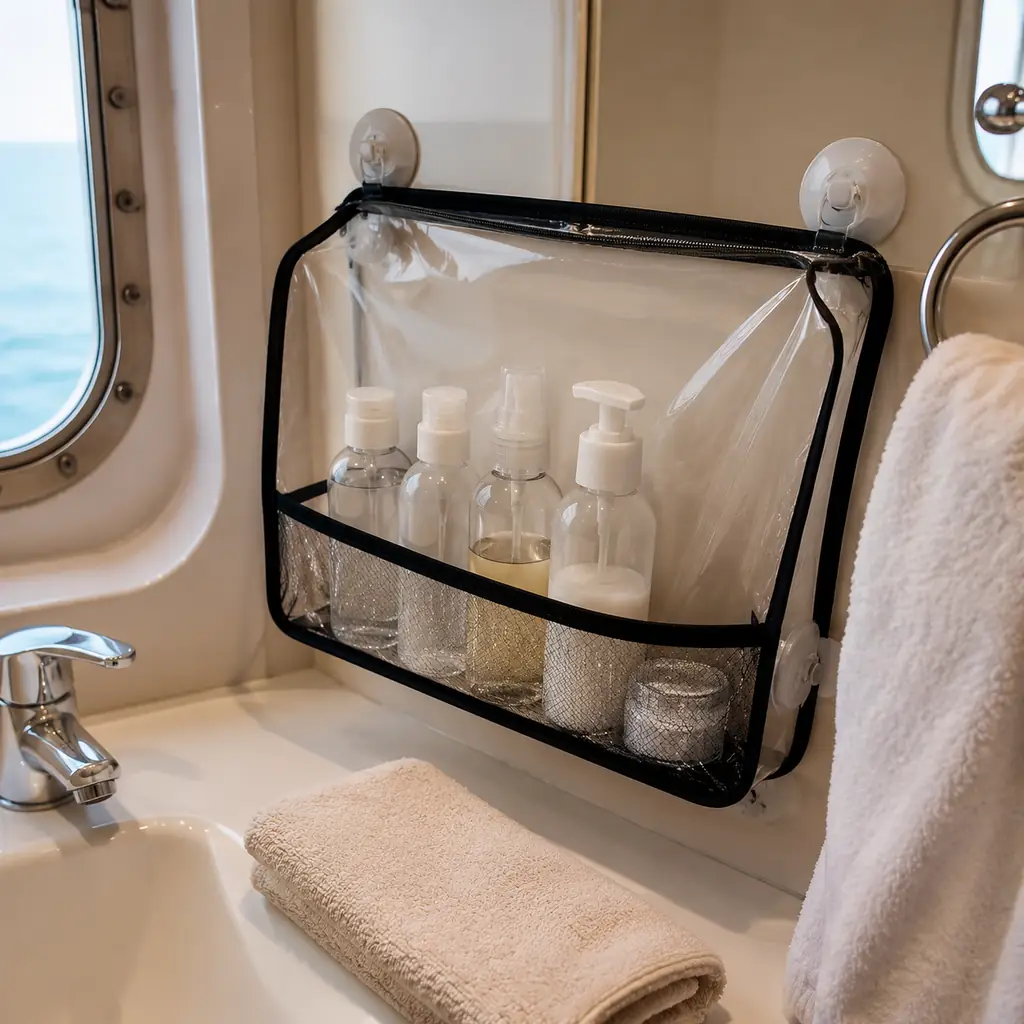
Bring toiletries in travel-sized containers. Leave those huge shampoo and conditioner bottles at home. You’ll take up valuable space in your already small stateroom shower area AND run the risk of leaking. Use travel containers from home or buy them.
Also, check what’s provided in your stateroom BEFORE packing things like a hair dryer, and check your line’s rules about bringing one. Check with your airline for baggage allowances and restrictions.
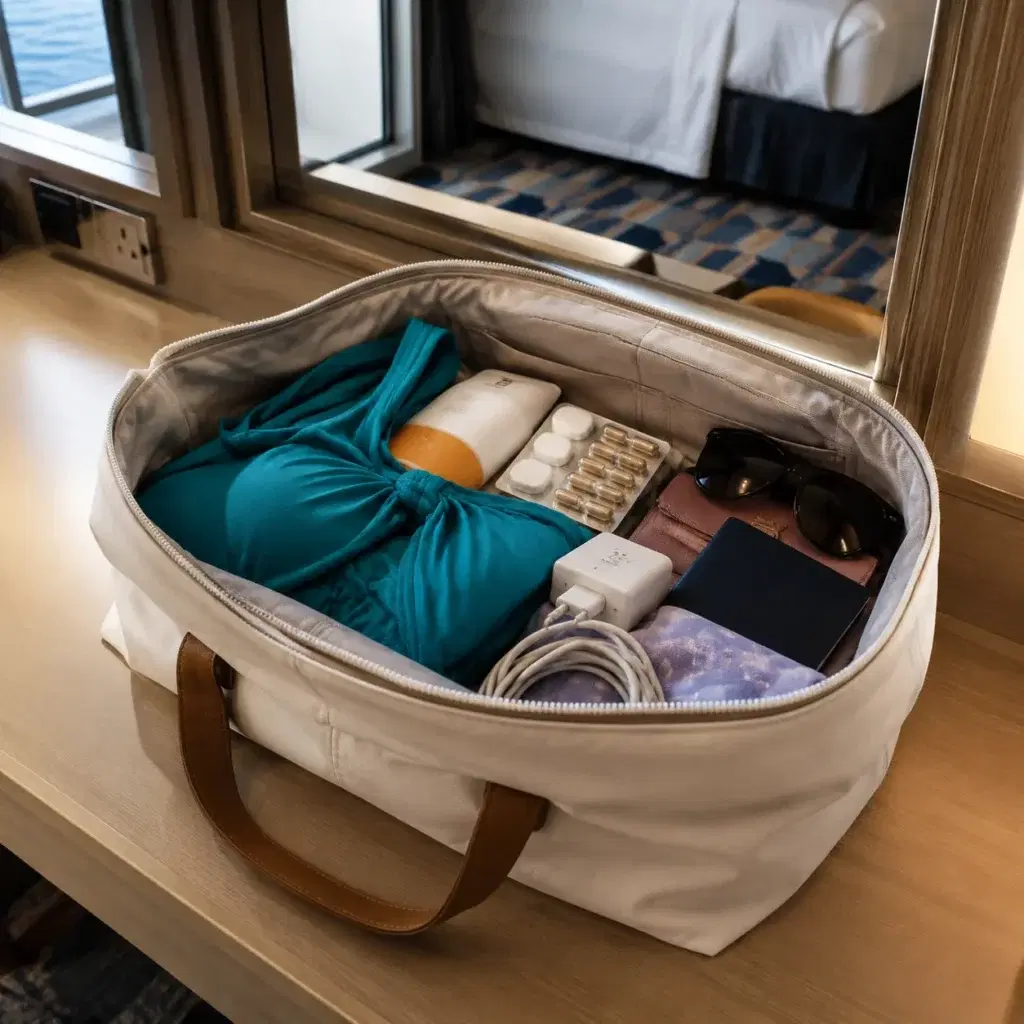
Bring important items onboard like medications, toiletries, toothbrushes, a change of clothes, sunscreen, etc. just in case. Luggage arrival isn’t guaranteed, and having necessities can make the difference between having a blast or crying at the tender. Carry-on is typically smaller than a piece of checked luggage so make the most of it by packing accordingly. Read more: boarding-day mistake.
9. Elaborate Cabin Decorations
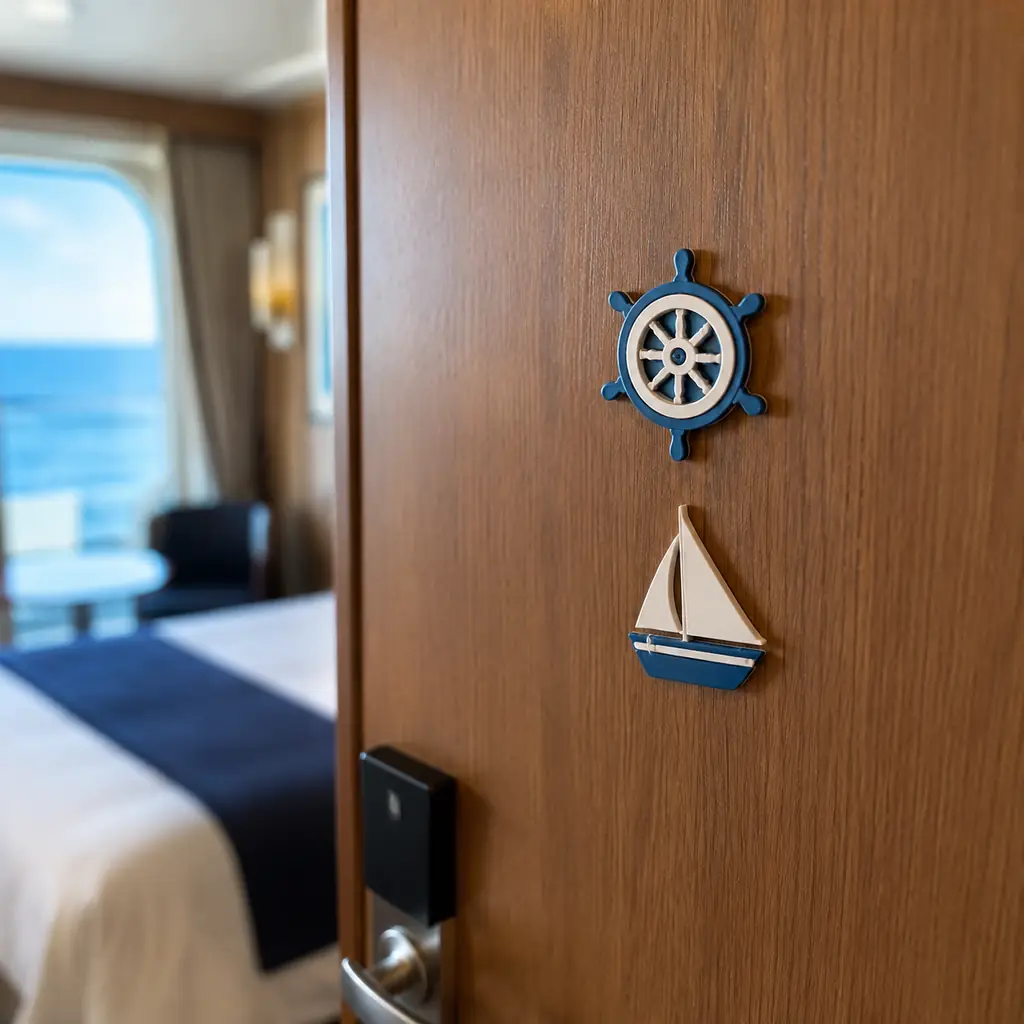
If you want to jazz up your cabin, adding life to the inside of your door may be OK, but check your line’s decoration rules first. Anything that could damage your door could result in a fee for repairs.
Check the rules on adhesives, string lights and flammable decorations. And think twice about decorations with names, dates, ages, or any other personal information.
Doors aren’t a good place to advertise who’s staying in your stateroom. If permitted, magnets and banners that you could potentially use around your house are best.
8. A ‘Cruise Approved’ Power Strip
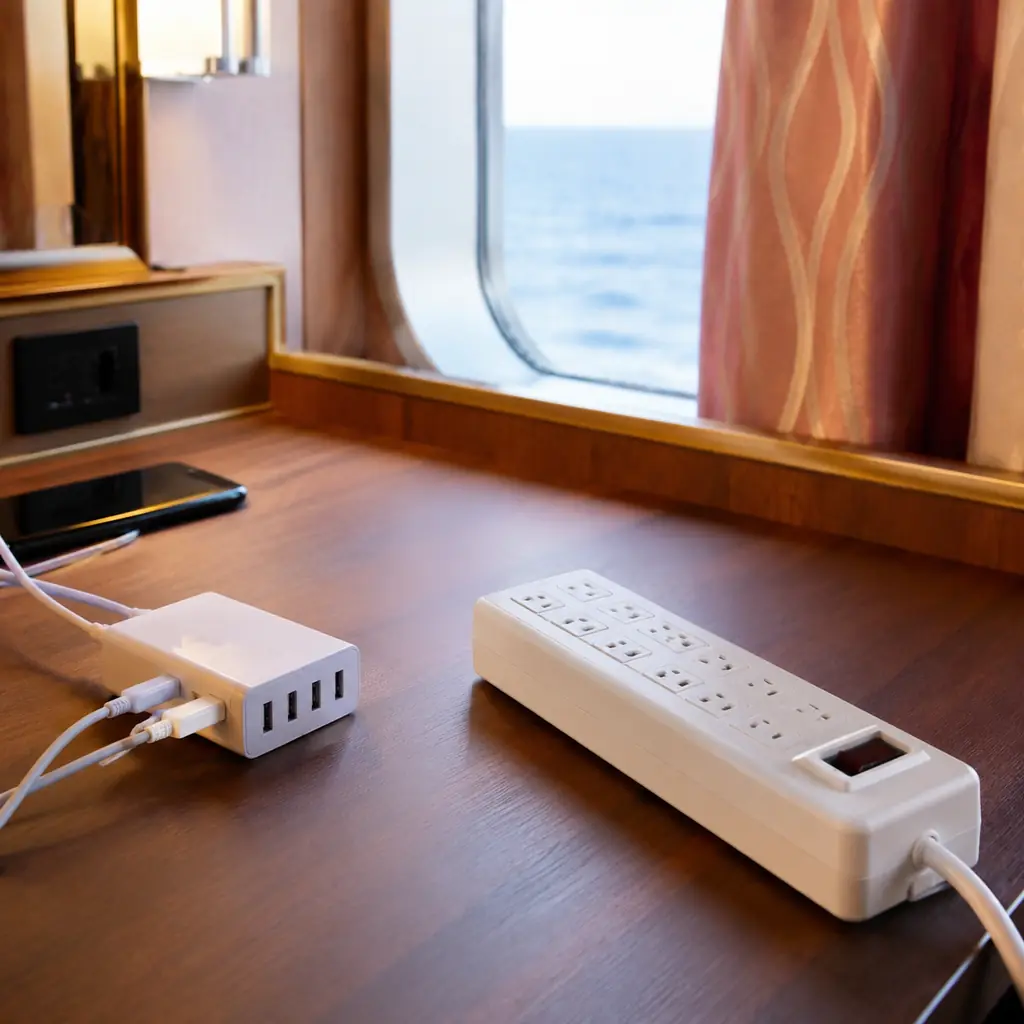
Labels like cruise approved don’t mean your item is permitted on board. Check your line’s prohibited items list for electrical items like surge protectors and extension cords.
A single, compact charger with multiple ports may keep your devices charged, provided it’s compatible with them and permitted by your cruise line.
And if you’re going to pack lots of charging cables and adapters, keep them easily accessible. Check the cruise line’s prohibited items list before packing them. Read more: pre-cruise checks travelers forget.
7. A Dozen Towel Clips
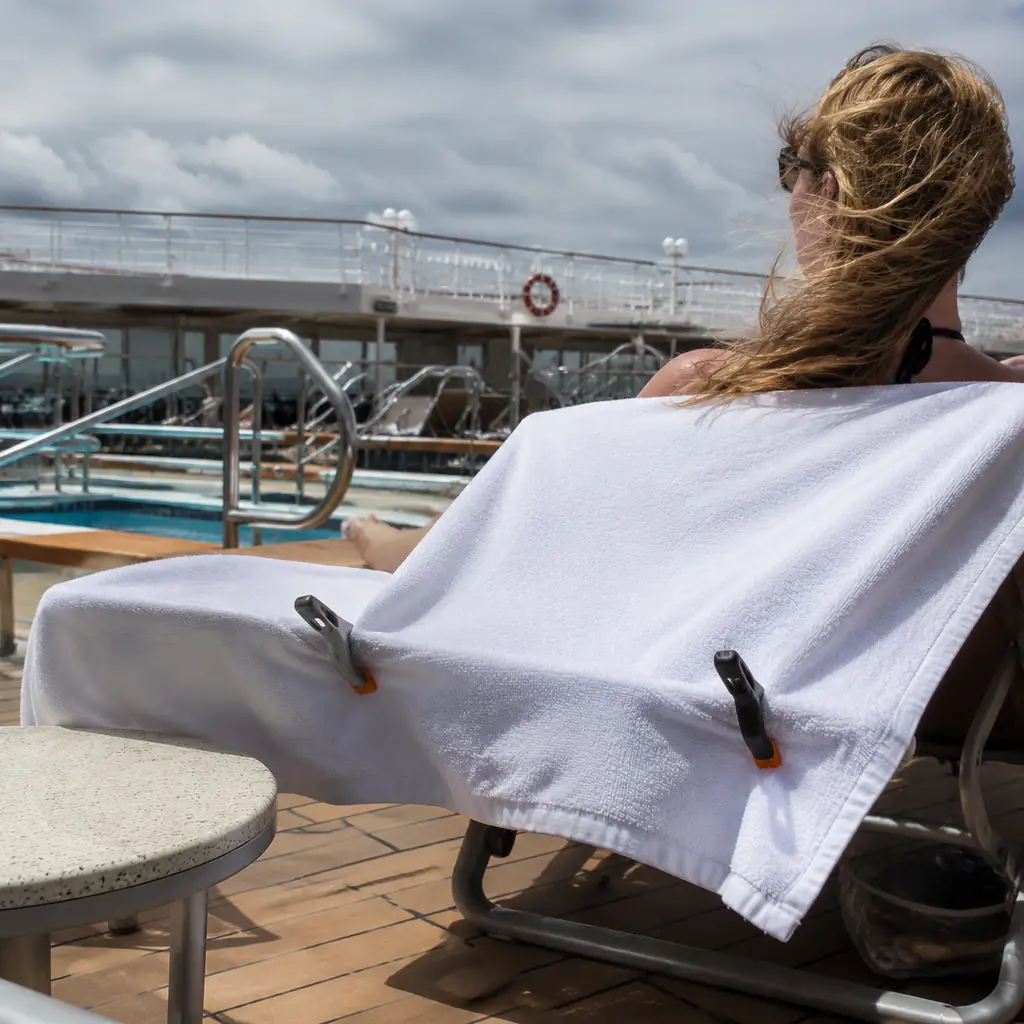
Towels blowing around the deck aren’t cute, but bringing along a couple of towel clips can help your deck towels stay in place. Two to four should do the trick.
You could also bring along some flat towel bands to keep towels in place.
That said, don’t think that just because you’ve clipped your towel to a lounger, you’re reserving it. Read more: passenger habits that create work and frustration onboard.
6. A Full Snorkel Set for One Beach Stop
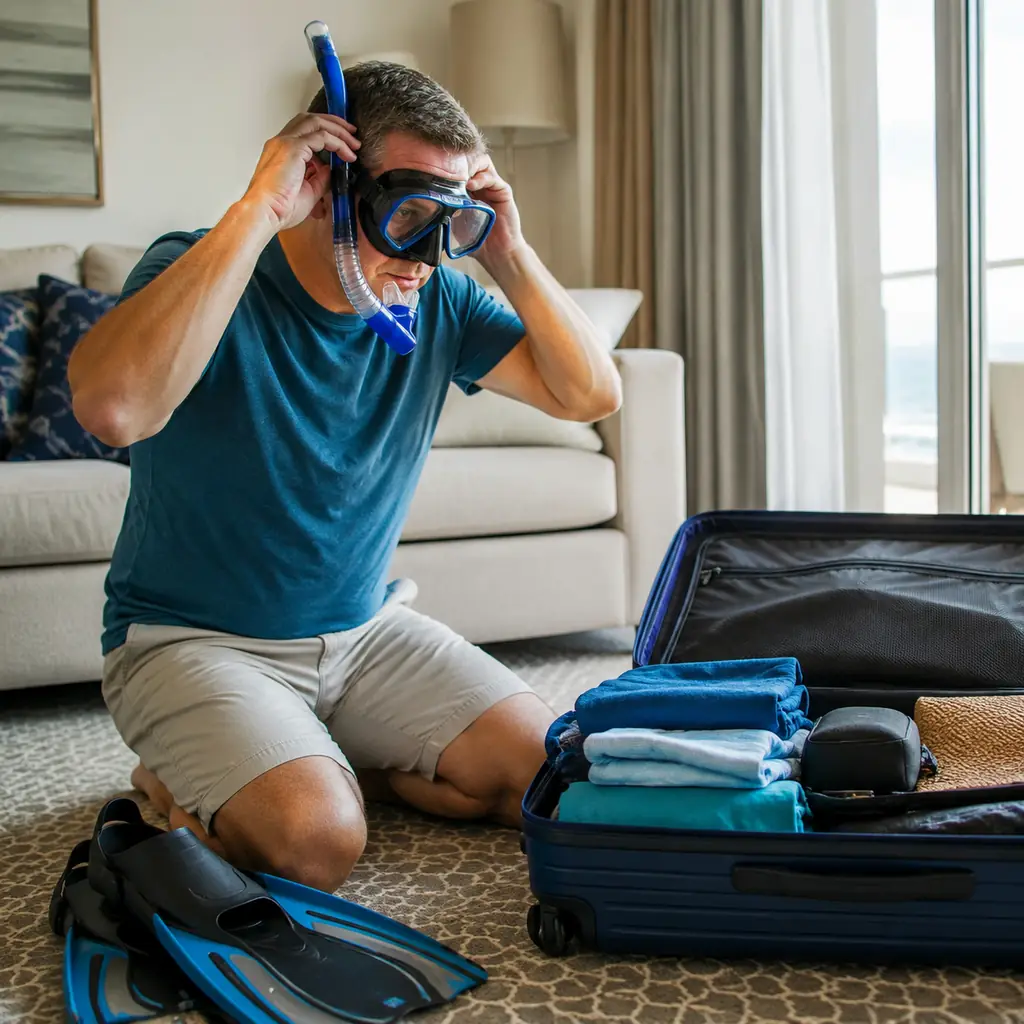
Even if you’re going to rent a full snorkeling set during an excursion, consider bringing a mask and snorkel combo for a better-fitting option.
But unless you’re planning to do any serious snorkeling or diving on a daily basis, consider skipping the bulky fins.
Check whether you can rent those along with everything else if an excursion calls for just a dip. Read more: big-trip checks before active excursions.
5. A Bulky Anti-Theft Backpack

Anti-theft backpacks sound great with locks, slash-proof material, and other features. Anti-theft backpacks often have lots of zippers and pockets, which means more opportunities for you to forget where you stashed your key card. You’ll also want to be able to access things in the bag easily.
Pick up a sturdy, versatile, comfortable, easy-to-clean daypack or crossbody bag to use on excursions and take it for a spin before your trip. Fill it with everything you’d likely bring and put it on for thirty minutes. Is it comfortable? Do you know where everything is? Are there too many pockets? Too few?
Once you get your luggage to your cruise cabin, you’ll likely leave the majority of it behind and use a bag for shore excursions and beach/pool days. Test-drive your bag before your trip to avoid wasting money on a daypack you’ll ultimately decide you hate.
4. A Travel Steamer That May Never Reach the Cabin
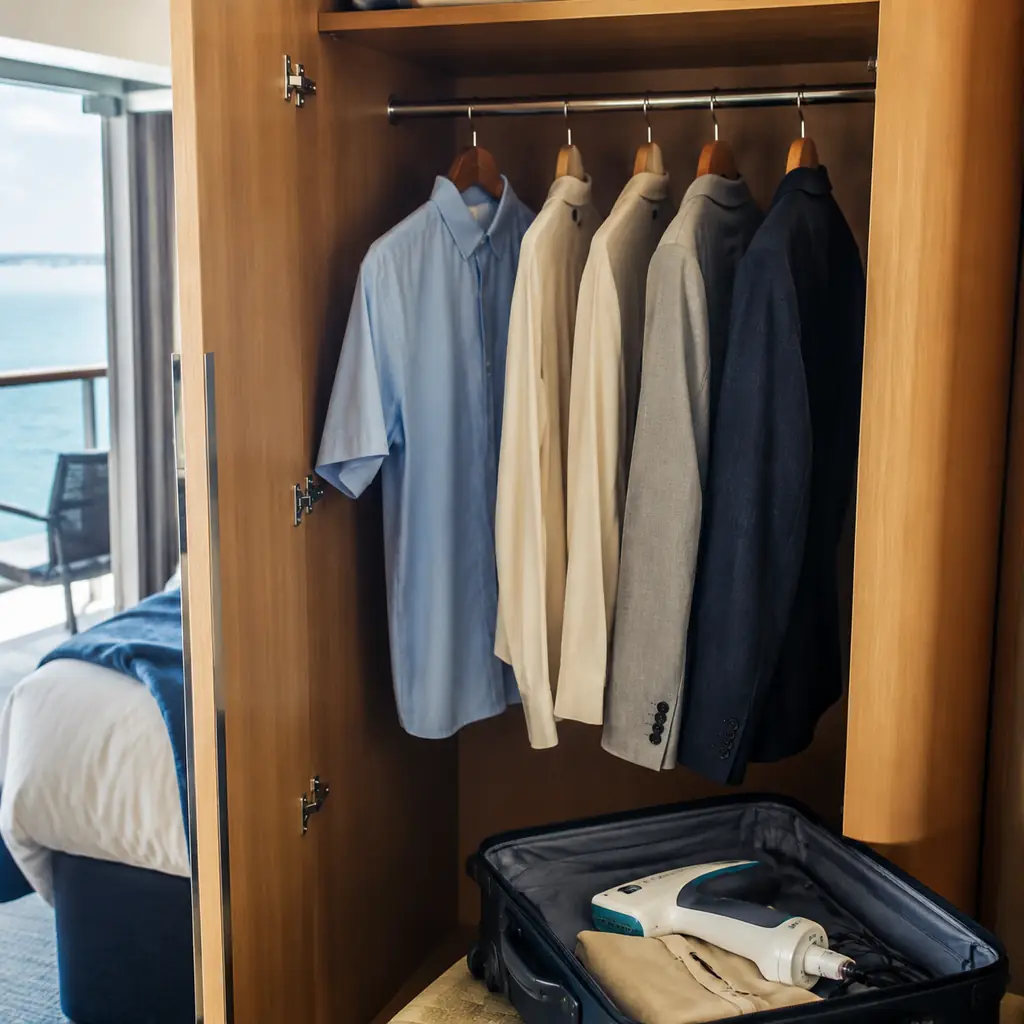
Check your cruise line’s prohibited items list before packing a travel steamer or travel iron; security could confiscate it if it’s not allowed.
Steamy bathroom conditions may help with minor wrinkles in clothing.
Or ask for pressing service, which could cost less than buying a travel steamer.
3. Souvenir Packages Added During Checkout
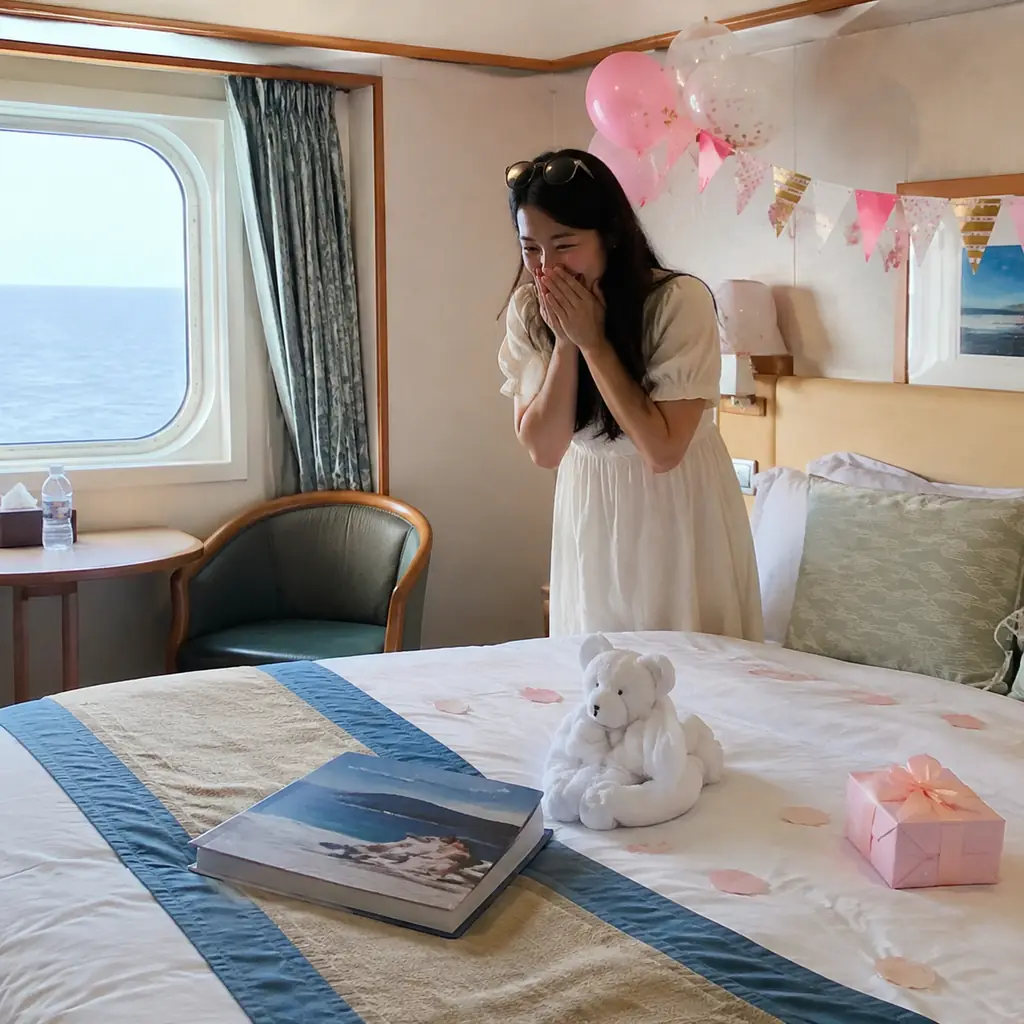
It’s easy to blow your budget on cabin welcome packs and souvenirs.
Set a limit and stick to it.
Souvenir costs add up quickly and take up precious luggage space. Read more: free onboard activities passengers miss.
2. The First Travel Insurance Policy Offered

Don’t dismiss travel insurance just because the first policy offered looks expensive. Do your homework before deciding.
Look at policies from reputable companies and check the cancellation coverage for your nonrefundable trip costs, along with medical and evacuation limits and exclusions.
Check whether you need additional travel insurance on top of the perks from your credit card, which may or may not exist, by the way.
1. Every Item on a Viral Cruise Packing List
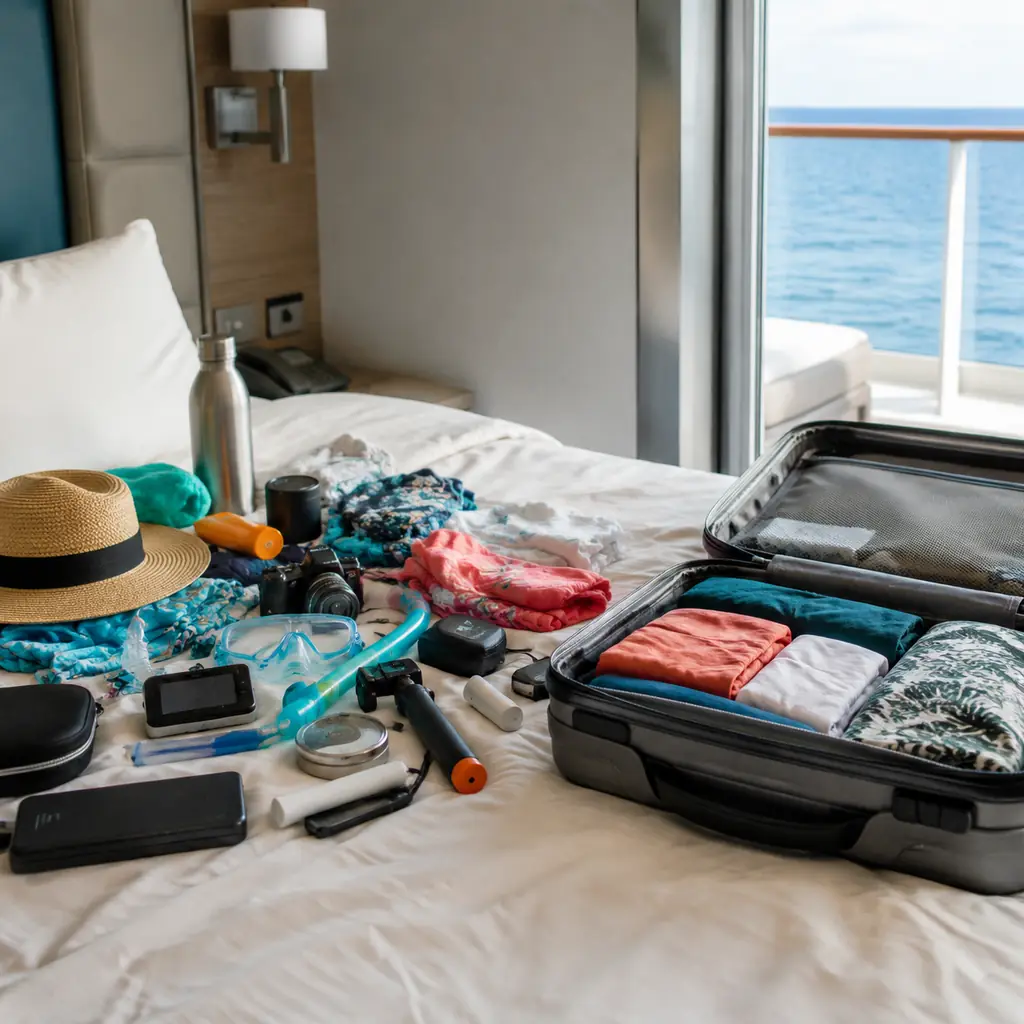
Even a good cruise packing list can get you in trouble if you follow it to a T. You’re likely to pack for every possible scenario including rain, shine, extreme heat, snow, fancy dining, hiking, dancing, lounging. The result: a massive amount of clothing and gear for every situation. Sort through everything you’re planning to bring and assign each item to one of these categories: something you need to bring, like medications; something you don’t need to bring because someone else will provide it or it’s prohibited; something you want to bring to make yourself more comfortable; or something you’ll use because of a specific item on your itinerary.
Once you’ve done this, put all your clothing and gear into a suitcase or cruise duffel and take it for a walk around the block.
Can you comfortably carry this in a cruise terminal? Is there anything you don’t think you’ll use? Trim as needed.
Before You Pay, Ask These Four Questions
- Is it permitted? Go by the cruise line’s rules, not what the retailer says.
- Is it included? See what the fare and app offer before you buy.
- Will I make use of it here? Be able to point to the specific meal, port or cabin issue.
- What does it run for the whole trip? Factor in service charges and transport for everyone.
If you find something you think you need for your trip, toss it in an online cart and give it a day. After 24 hours, revisit your cart. Still thinking about the item? Could you articulate when you’d use it, such as which port and what day? If you can’t picture yourself using it, leave the item in your cart and enjoy some extra room in your luggage.
Comments
The opinions and views expressed in the comments section are solely those of the individual users and do not represent or reflect the opinions, views, or positions of HumbleTrail. HumbleTrail does not endorse, support, or verify the accuracy of any user-generated content.
By posting a comment you agree to receive related emails from HumbleTrail in accordance with our Terms and Privacy Policy. You can unsubscribe at any time.