

Editor’s note: This is an opinion piece about changing cruise traditions.
If you’re a veteran of many cruises, there may be some surprises awaiting you on your next one. Many things passengers took for granted as part of a cruise are disappearing or have already gone.
Some classic traditions may not live up to your expectations on your next cruise. If any of these still matter to you, check ahead of time with the cruise company to see if anything has changed.
25. A Paper Daily Program Waiting in the Cabin
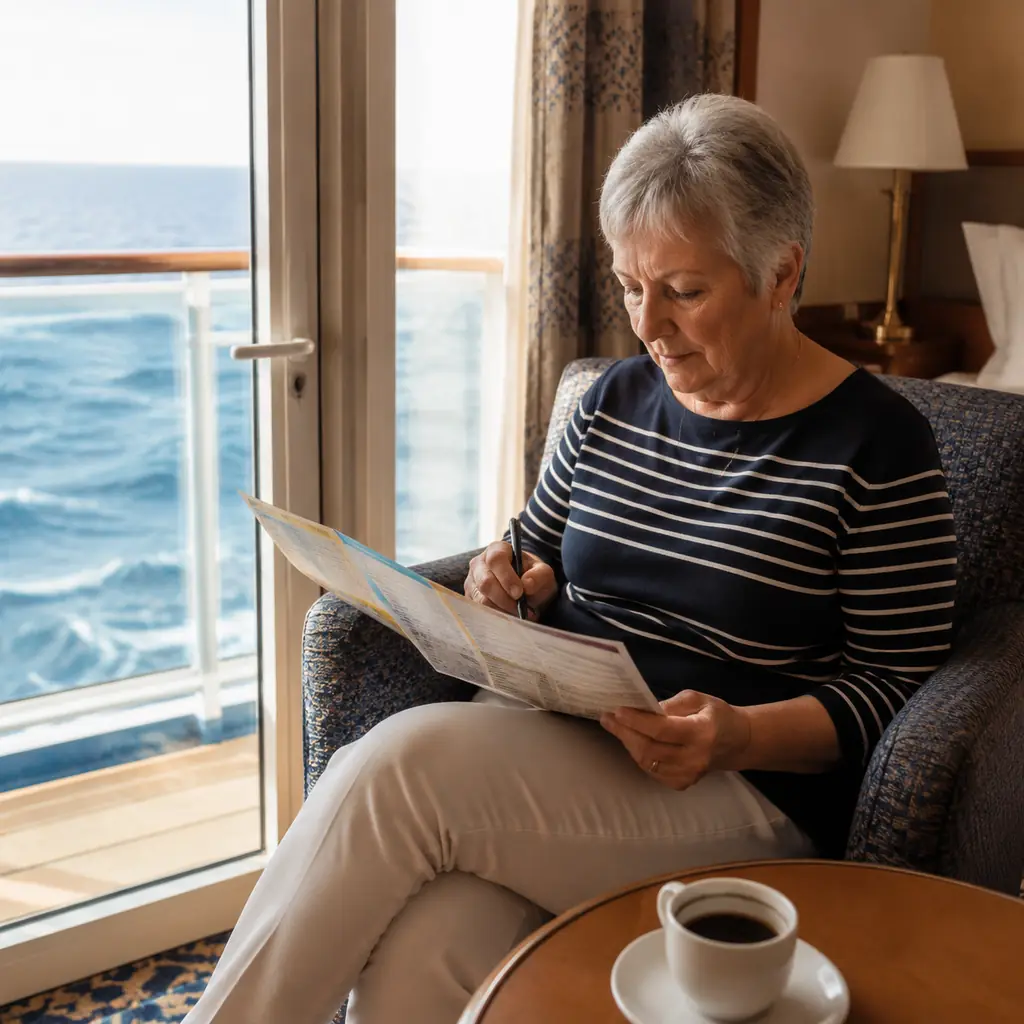
Once left on your stateroom bed, the cruise’s daily program allowed you to pull out your favorite pen, circle those activities and excursions that appealed and plan your day.
Nowadays, most of the info is in the ship’s app. If your daily planner is app-based, don’t forget to leave home with fully charged devices.
Carnival still advertises daily delivery of its Fun Times planner to staterooms on Carnival Adventure and Carnival Encounter. Some lines still print a schedule; on some ships you can request one at Guest Services. Ask before you sail if they’re available.
24. Reading a Real Menu Instead of Scanning a Code
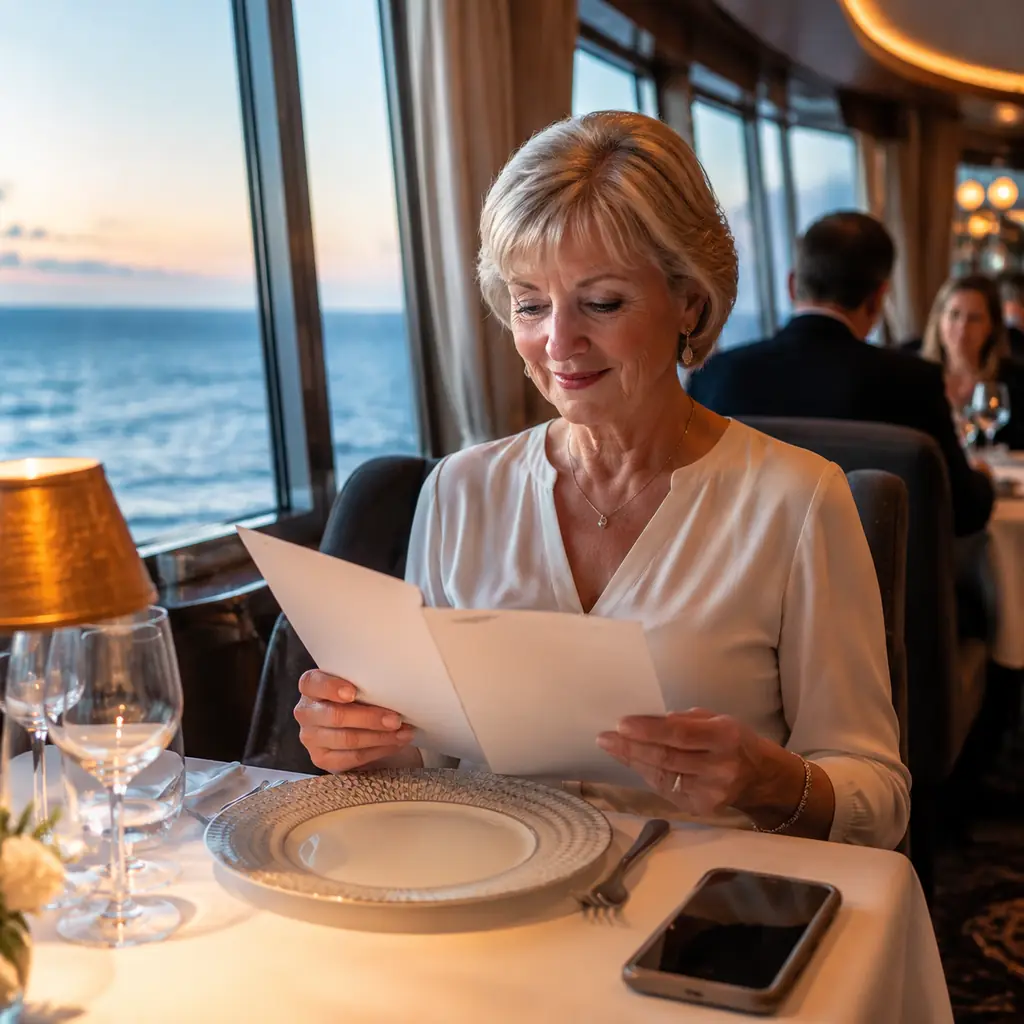
Nothing beats picking up a lovely menu in the dining room, flipping through it and passing it to your traveling companions to peruse at their leisure.
Apps are more efficient, especially for restaurants with constantly changing menus; not so for folks with less-than-perfect eyesight or a phone that’s running out of juice.
Some cruise dining rooms have printed menus, others offer them on request and still others lean on apps. Ask ahead of time. You don’t want to be caught short at your first cruise dinner.
23. A Chocolate on the Pillow at Night
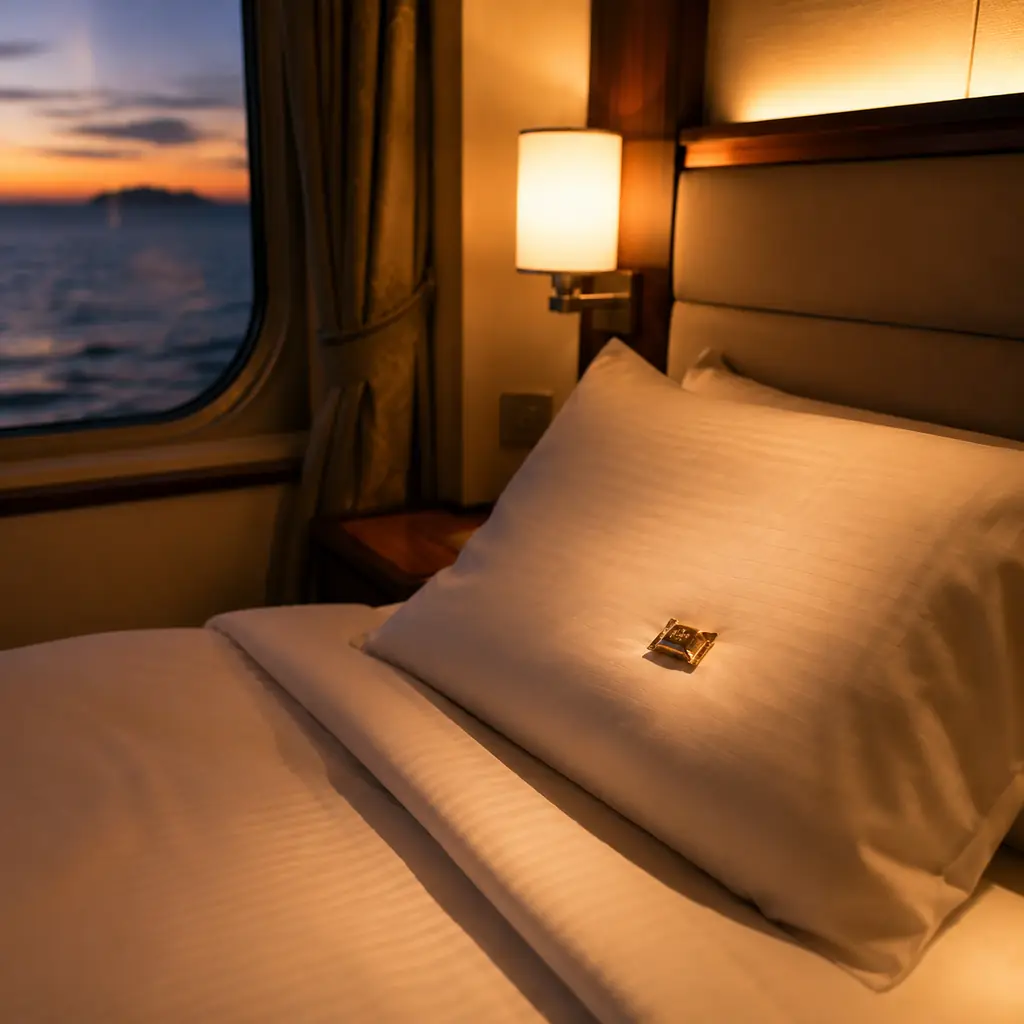
Once part of the stateroom turndown routine, those tasty pillow chocolates have fallen off many ships’ radar. Some premium lines still provide them, and you may find them on other ships too.
But don’t expect someone to come into your cabin every evening to turn down the covers, draw the curtains and leave a sweet on your pillow. If it’s important to you, ask when you’re assigned a stateroom whether there is a daily turndown service and, if so, whether there are chocolates.
22. Complimentary Postcards and Ship Stationery
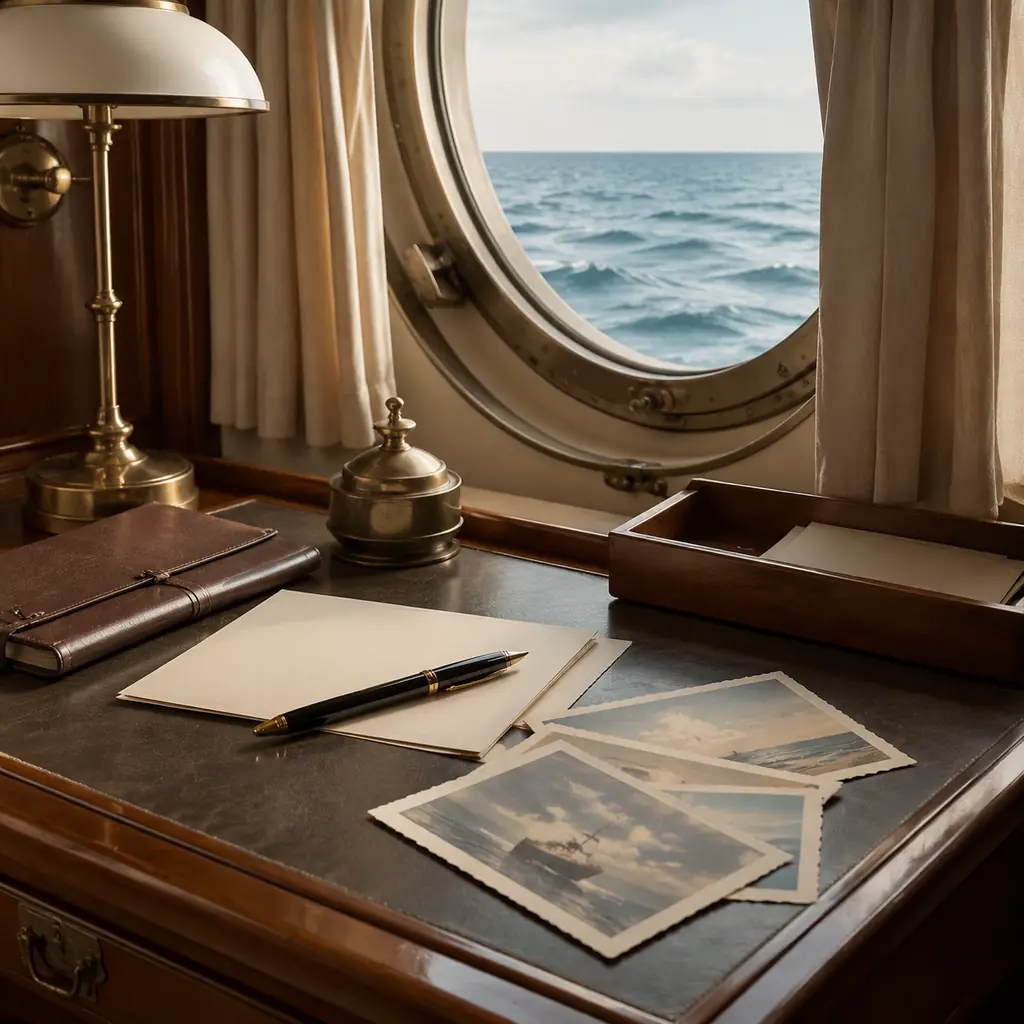
We rarely write letters anymore, but there was something charming about finding postcards and stationery waiting in the cabin.
Take one or leave it? Which views were prettiest and deserved a ‘bon voyage’?
Now we’re more likely to find a QR code for the ship’s spa and a reminder to book our next cruise and get a discount.
21. An Onboard Library That Felt Like a Library
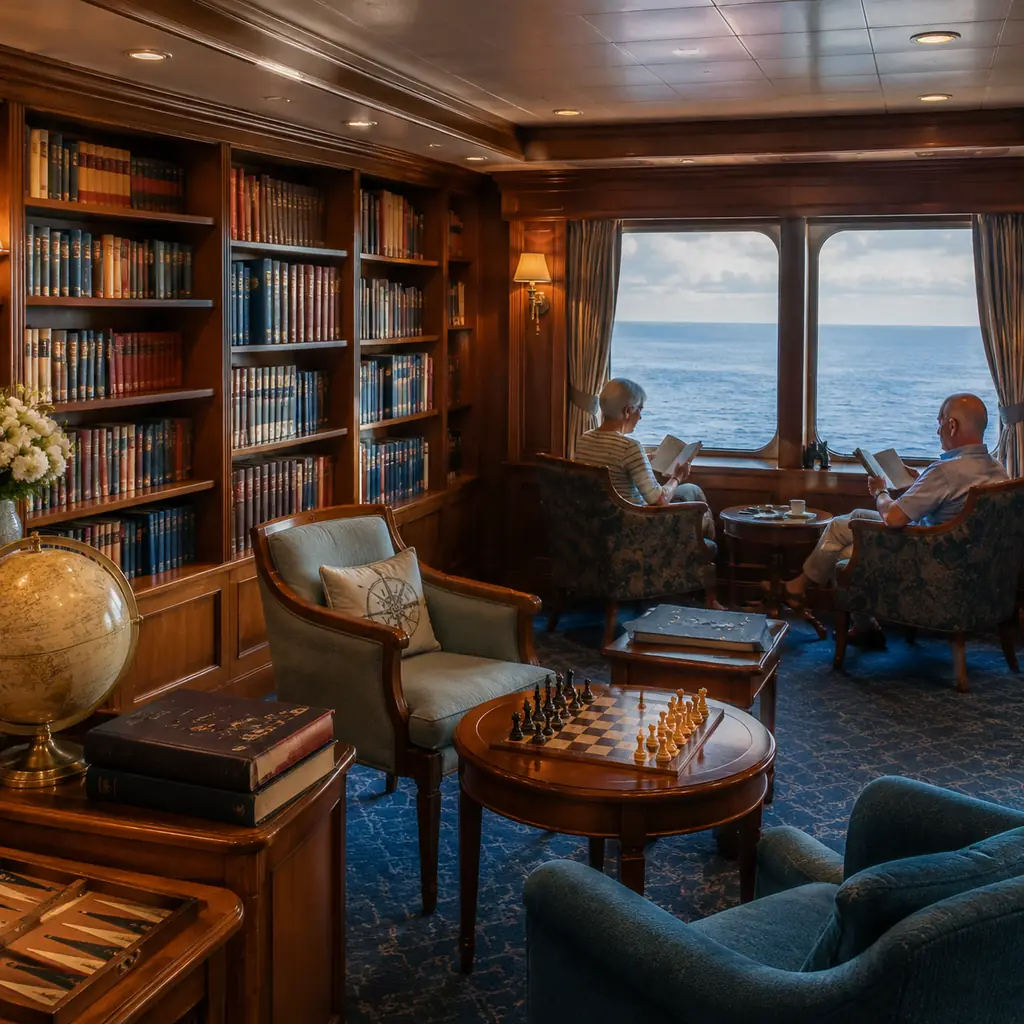
On smaller, older ships, a library could be a proper room with a nice collection of books, comfy chairs, tables, puzzles.
Now, as e-readers have taken off and real estate on ships is extremely expensive, libraries can fall by the wayside, especially on ships designed primarily for entertainment. Some new ships just have a few chairs and tables in an unstaffed lounge. Others have a small collection of books to browse or add to when you sail.
Look at the deck plan to see if it’s labeled as a cafe or a library. A couple of shelves of paperbacks isn’t quite the same thing. Recent photos from cruisers of your ship will help you know what to expect. Trust them more than written reviews which could be dated.
20. Cruise Staff Leading Games on the Open Deck
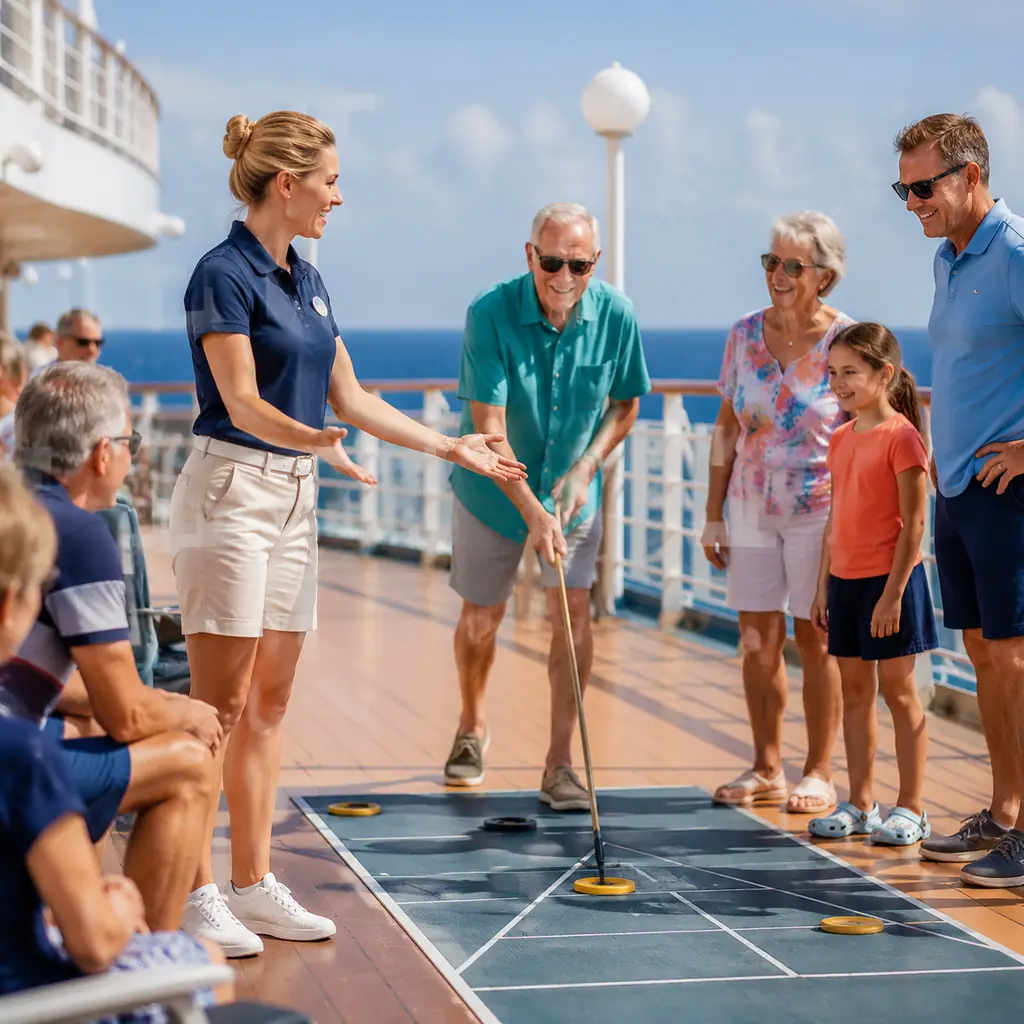
Some ships still offer quoits and shuffleboard on deck. These provided a ready-made excuse to strike up a conversation with fellow cruisers, compete, make new friends before heading inside for afternoon tea.
Deck games have given way to photogenic coasters and climbing walls on some ships. Nowadays, we’re encouraged to connect via apps and social media. Which is nice. Just not quite the same.
A deck plan might indicate a games court, but that doesn’t mean someone’s going to host a game. Check the activities calendar.
19. Afternoon Tea Served as an Occasion
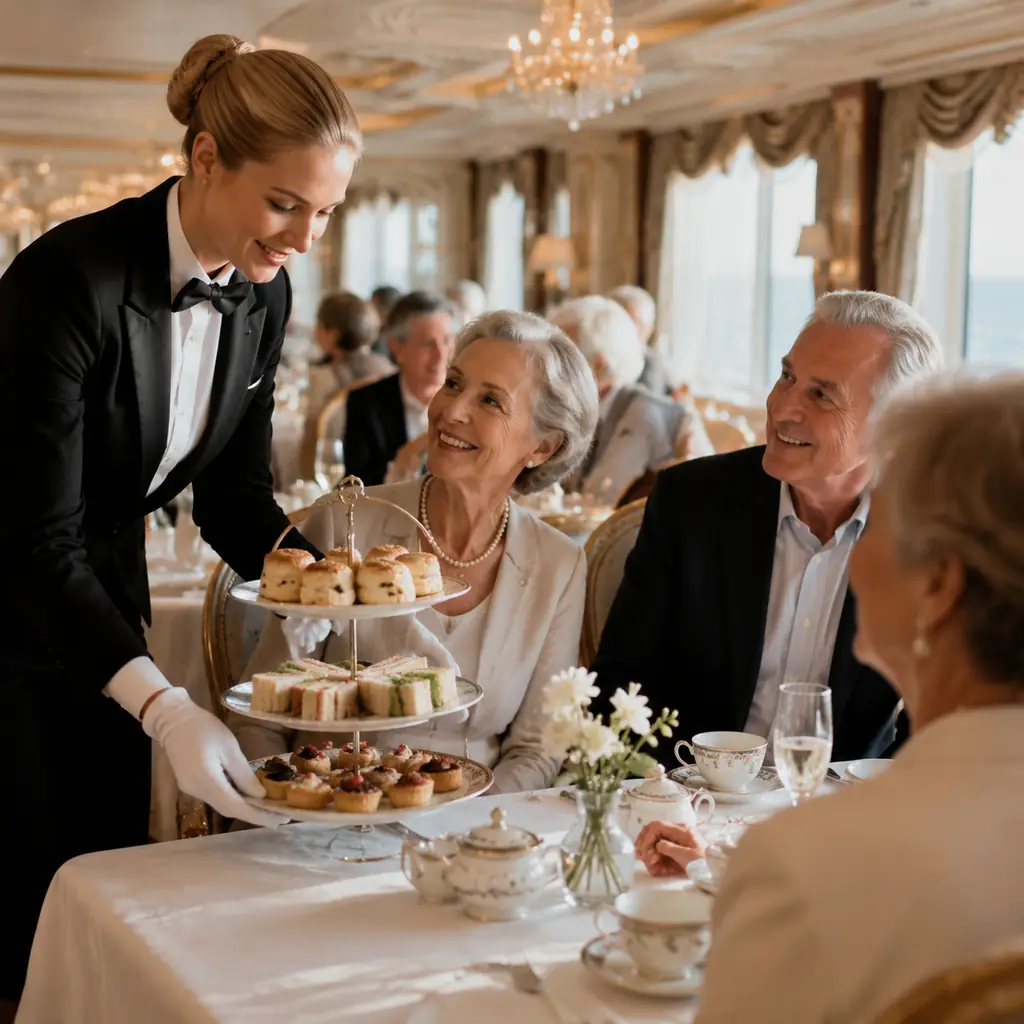
You might find that ‘Afternoon tea available’ really means tea bags at the buffet. If you’re lucky, you might encounter a special one-time event with scones and cucumber sandwiches.
Many favorite traditions have been streamlined; some are gone, others have been replaced with modern-day versions. Tea service is more casual on some ships. If you’re missing this touch of white-glove service, be sure to check with your line.
Cunard, on the other hand, still serves its white-glove afternoon tea daily in the Queens Room. Ask ahead of time for details. Do not be taken in by phrases like ‘Afternoon tea available.’
18. Sharing the Same Table With the Same Strangers
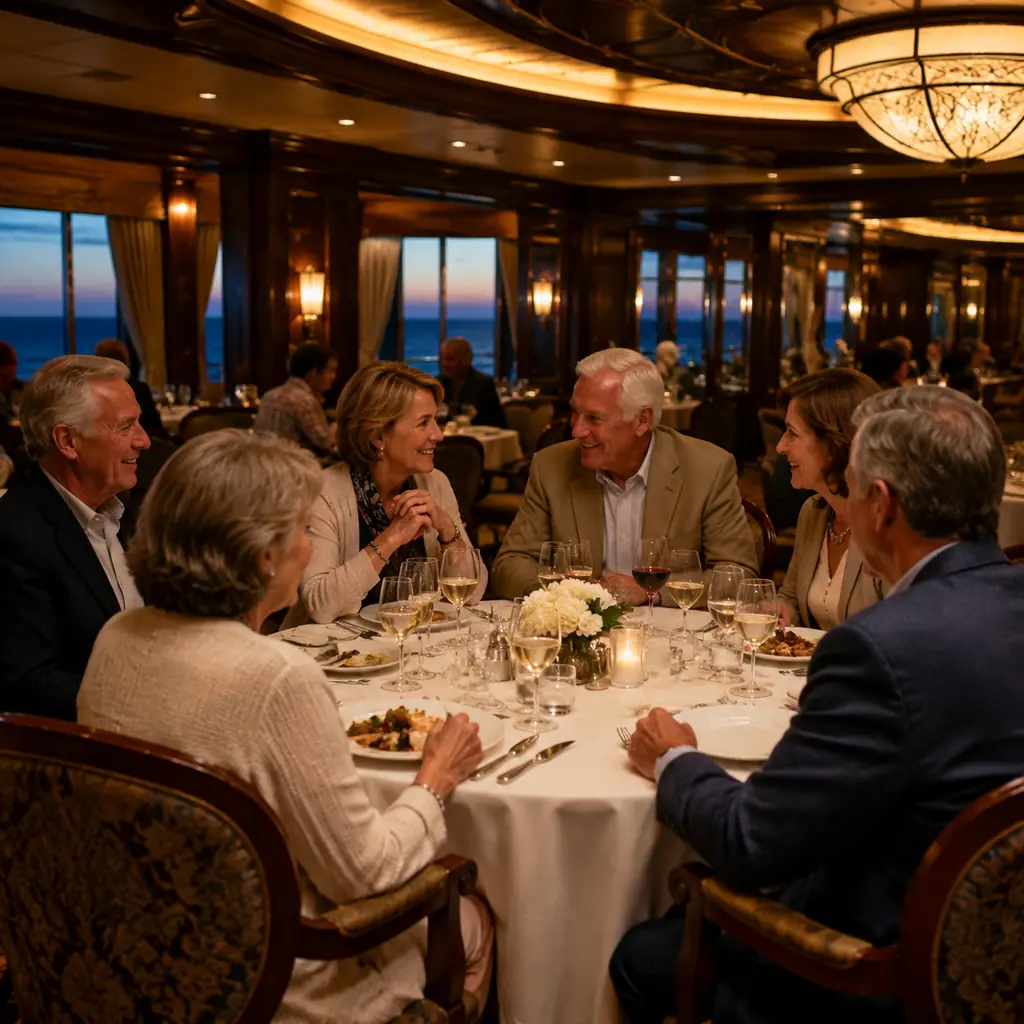
Anytime dining is convenient, especially on days with long ports of call. However, you may miss having the same tablemates and learning about their eating habits each night.
Those repeat dinners gave friendships a chance to form without feeling forced. If that matters to you, ask about fixed seating when you book.
17. A Dining Team That Learned Your Routine
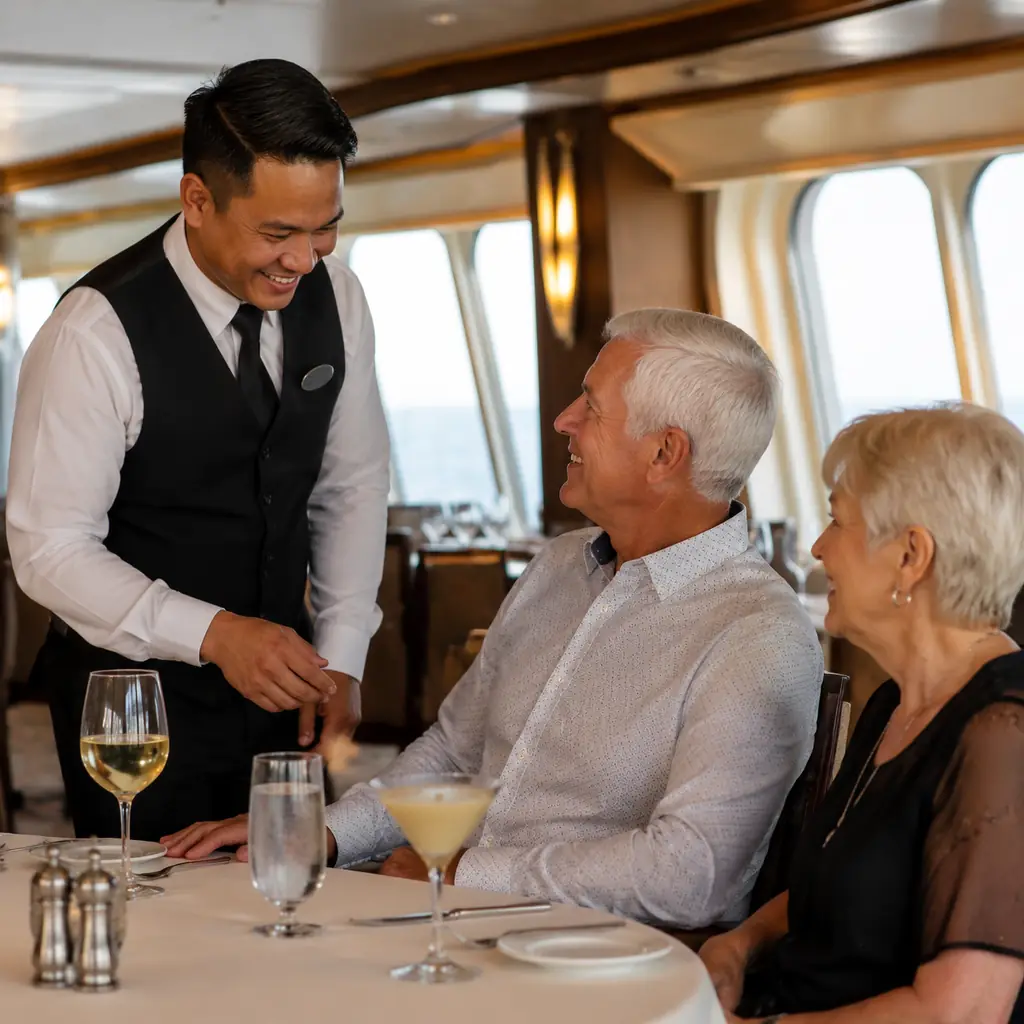
The same server and assistant could know your idiosyncrasies by the third night. Those little extras and courtesies helped separate vacations from everyday life.
With anytime dining, you may not have the same team looking after you each evening.
If you miss that continuity, ask about the dining arrangements ahead of time. On a flexible plan, you can request the same section. Read more: cruise habits veteran passengers continue to disagree about.
16. A Dedicated Wine Steward in the Dining Room
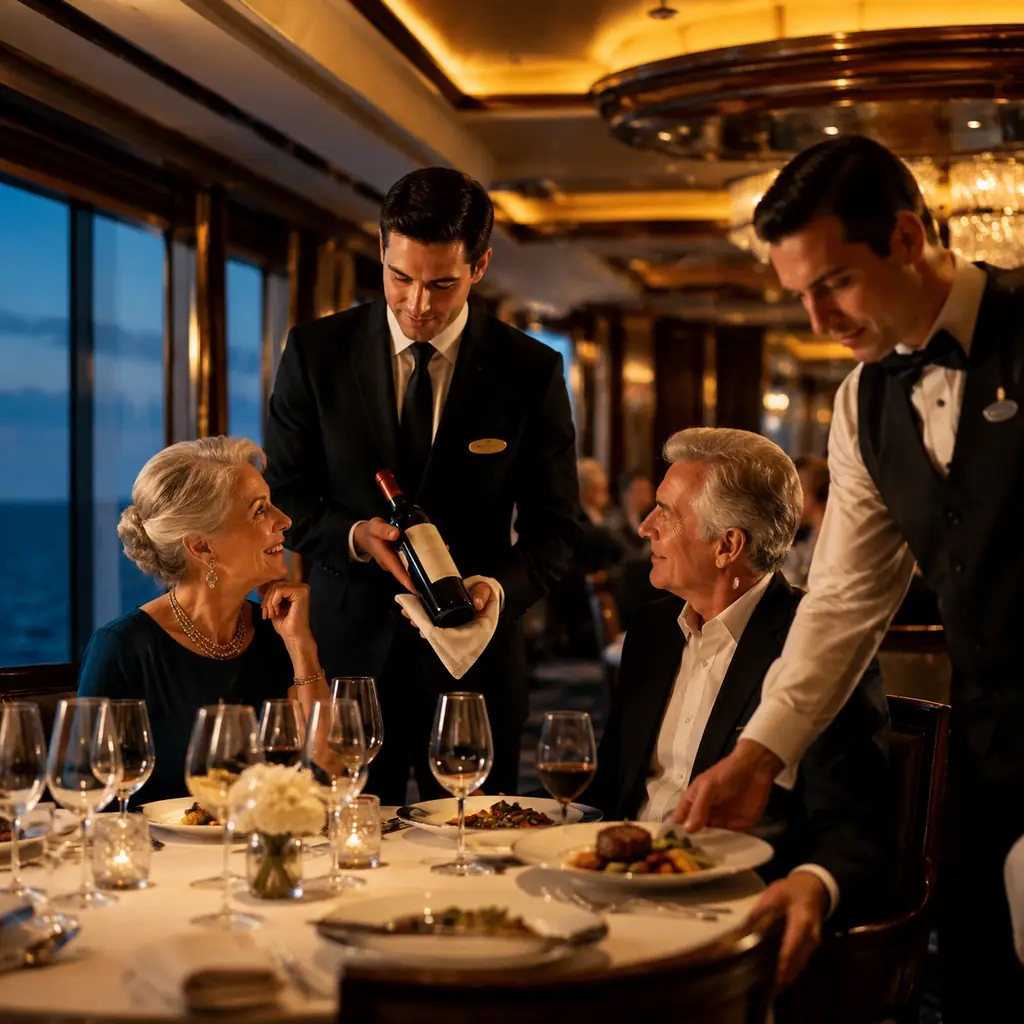
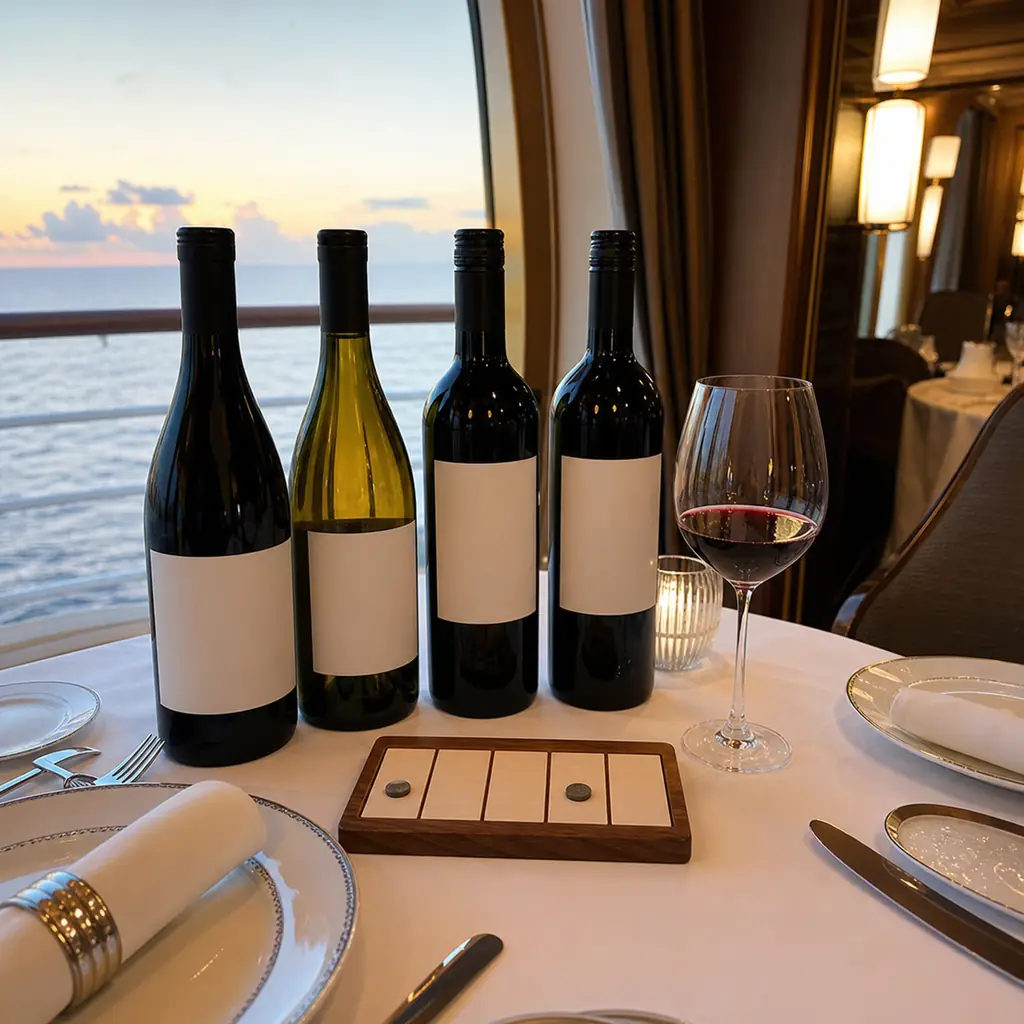
Wine service has suffered as well. You may not get a dedicated wine steward to manage your collection of opened bottles.
Your server may be expected to pour your wine as well as take your daiquiri order. It’s a lot of different drinks to keep moving alongside dinner.
A specialty restaurant may offer more opportunity for sommelier questions, but check what’s provided before paying for an upgraded dining experience.
15. Shaking the Captain’s Hand at a Welcome Reception
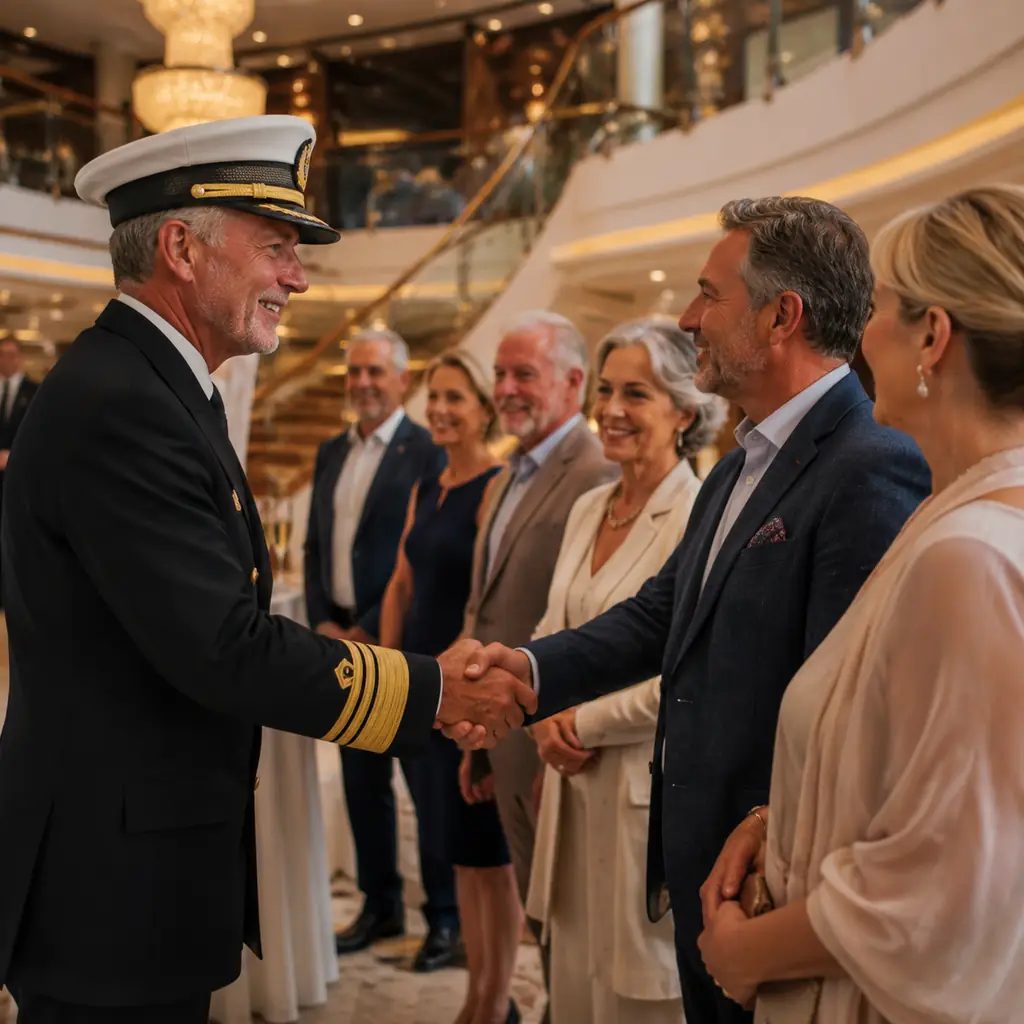
Don’t count on shaking the captain’s hand. Larger ships, tighter schedules, and heightened security can make a receiving line at the formal welcome less practical.
Instead, you may get a presentation or a meet-and-greet for the cruise-and-loyalty set. All of this may seem rather niggling, but those little extras and courtesies once made cruising an occasion. Read more: cruise passenger habits crew members quietly hate.
14. Receiving an Invitation to the Captain’s Table
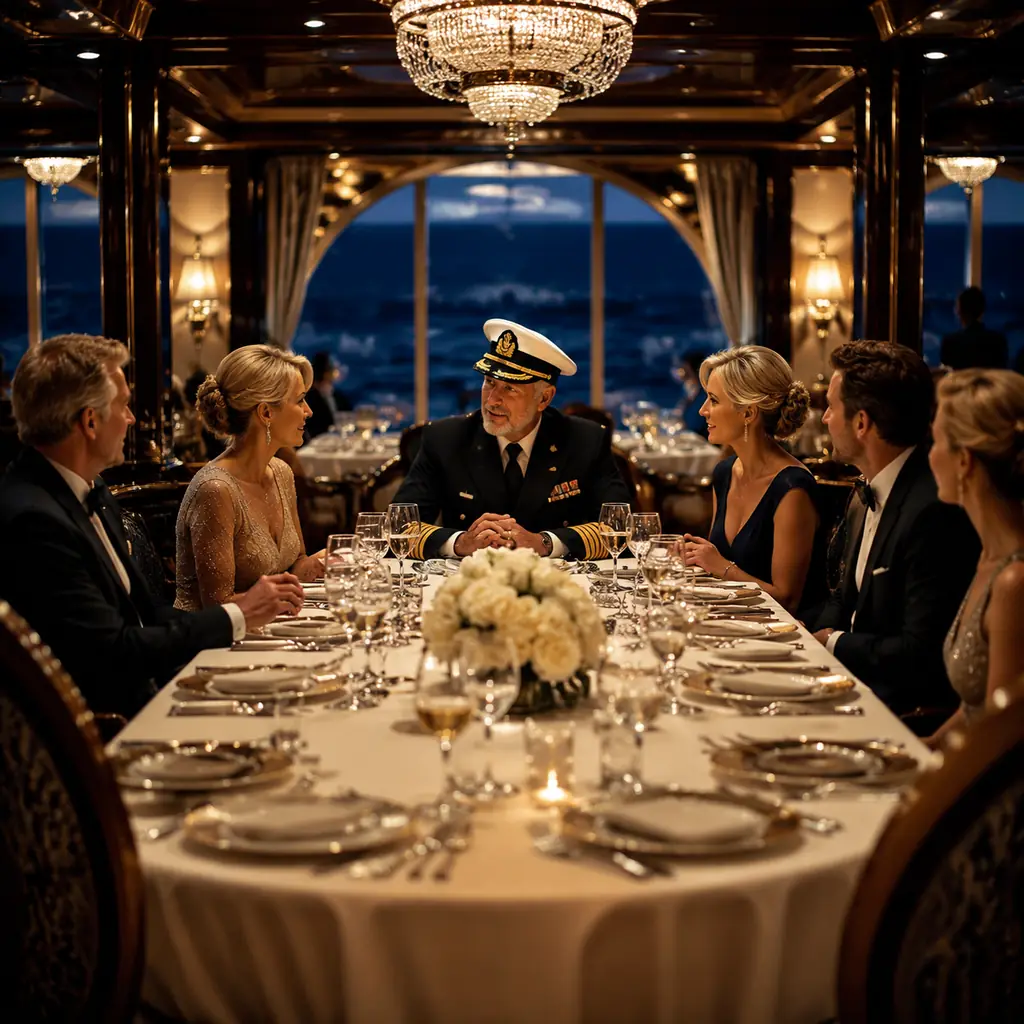
Getting an invitation to dine at the captain’s table used to be an honor and a source of idle speculation. These days, don’t assume the captain will be joining passengers for dinner, especially on large ships. Some cruise lines, especially on smaller or luxury ships, still offer an officer’s table.
On other ships, you can book into the Chef’s Table experience, which generally isn’t included in your cruise fare. That’s a dining purchase rather than a captain’s invitation.
13. Twice-Daily Cabin Service as the Standard
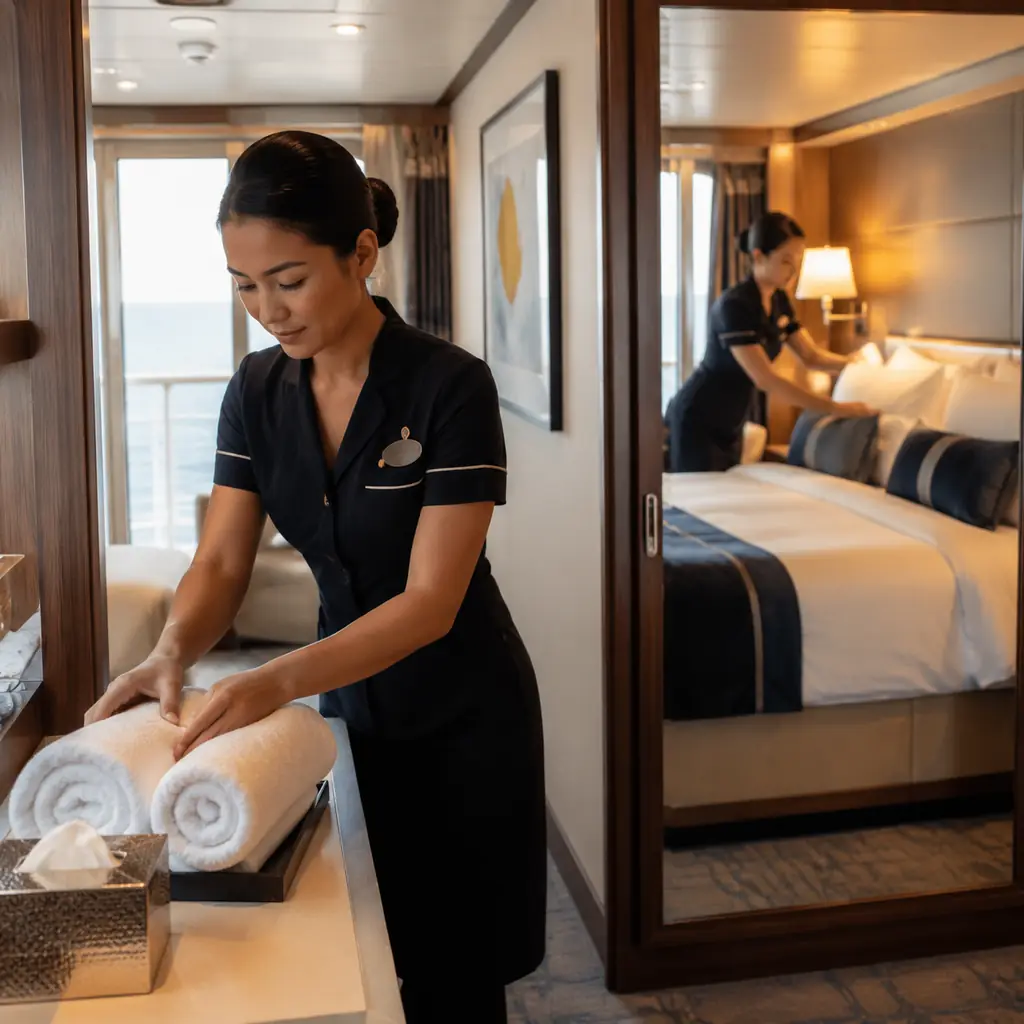
You may be surprised that housekeeping only cleans your stateroom once a day. Cabin service has been scaled back on some cruise lines. Suites may still receive twice-daily service.
Some lines have reduced this service but haven’t changed their prices. If you miss those extra visits, it’s understandable that the change would sting.
Call ahead and ask what service your cabin will receive. Those special touches helped make cruising feel special. Read more: cruise cabin mistakes that can ruin a trip.
12. Passing Out Tip Envelopes on the Final Night
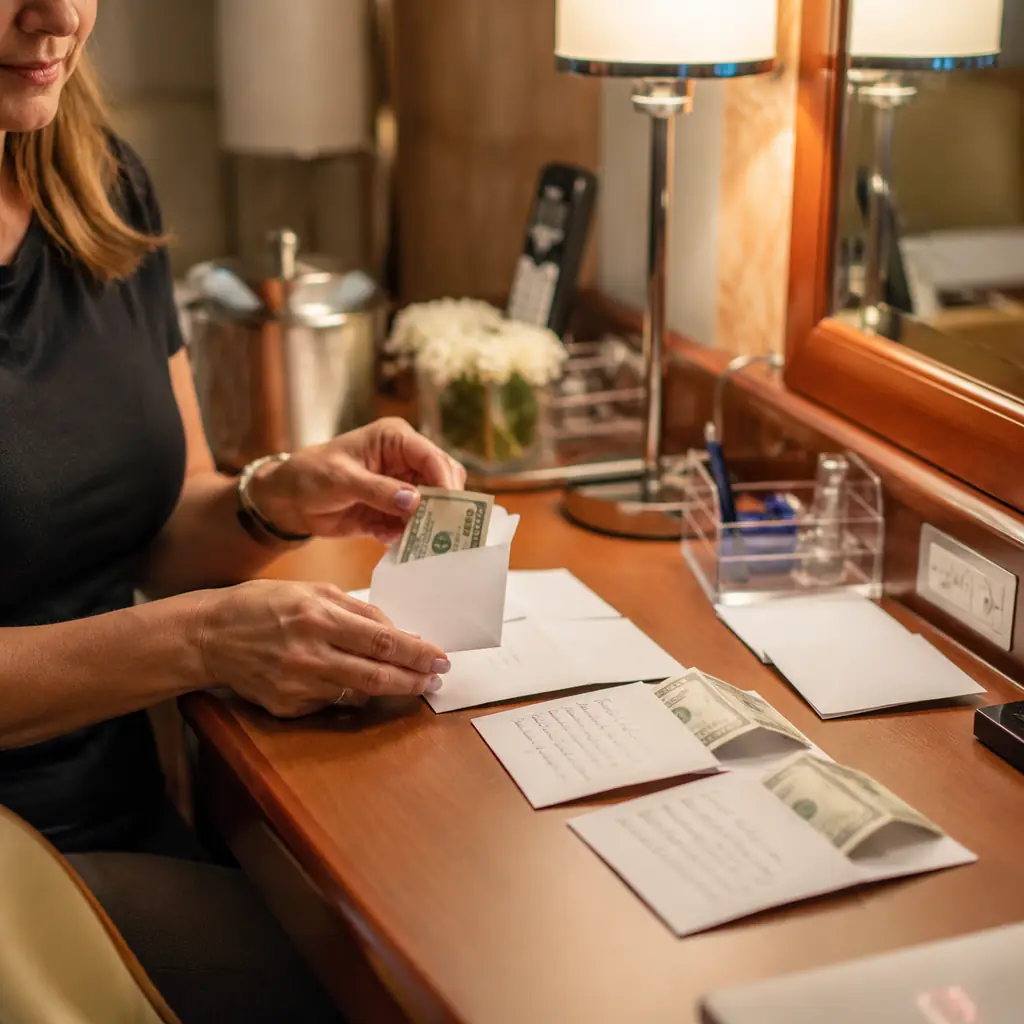
You may miss those lovely envelopes to tip your cabin steward, waiter, and assistant waiter, and wonder who else you should be tipping. It used to be that cruisers brought some cash along to thank crew members in person.
Nowadays, gratuities for your dining and cabin teams are often added onto your account, recognizing that there are many crew members behind the scenes.
Some cruisers like to leave a little something for a job well done; bring envelopes for this. Check the line’s policy so you know what’s already included. Read more: first-time cruise behaviors that give passengers away.
11. Letting Family and Friends Come Aboard to Say Goodbye
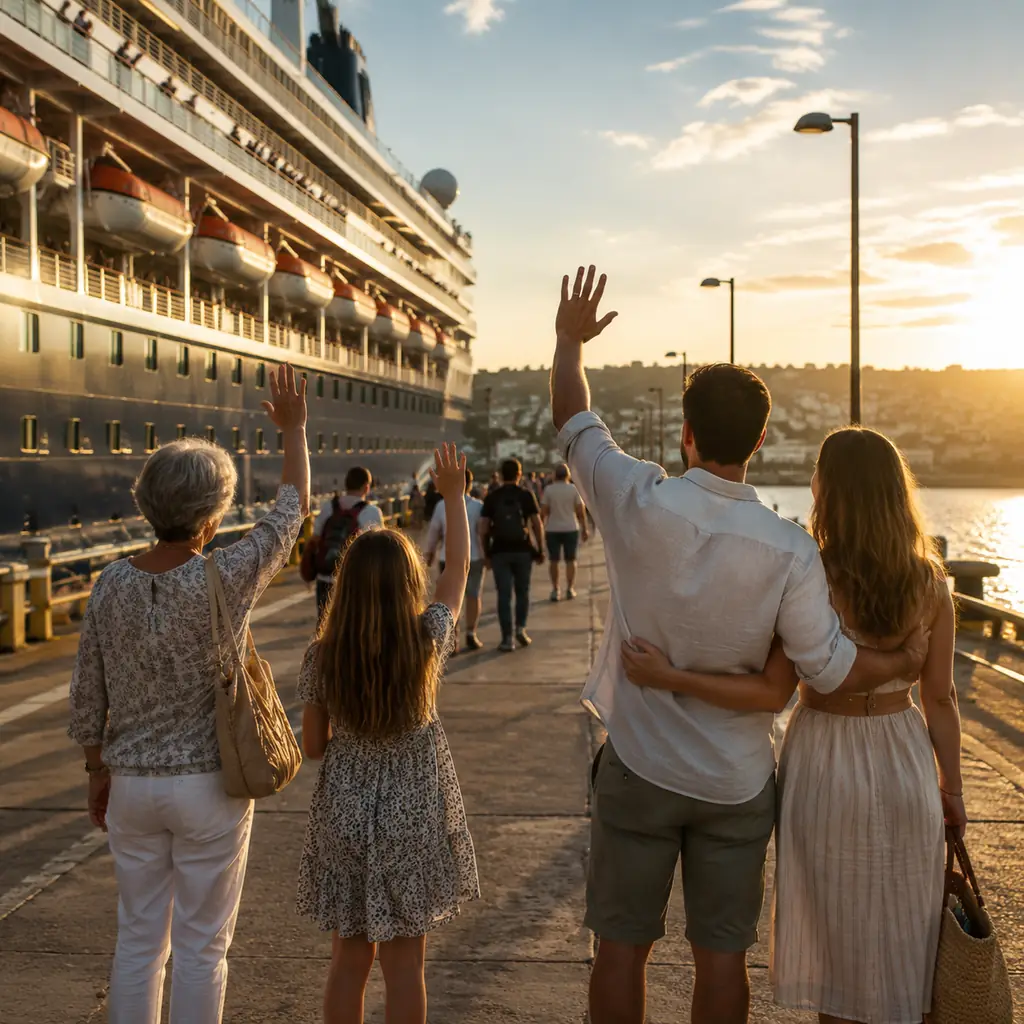
Once, relatives and friends could come on board to wish passengers ‘bon voyage’ before the ship pulled out of the harbor. It gave the goodbye party a different setting.
Carnival and Holland America both have strict no-visitor rules. Carnival allows exceptions for weddings and other events arranged through its wedding services department.
Nowadays, security rules mean that casual visitors can’t come aboard for that farewell. If you want to send your cruiser off in style, arrange for flowers to be waiting in the cabin.
10. Sail-Away Streamers and Crowds on the Pier
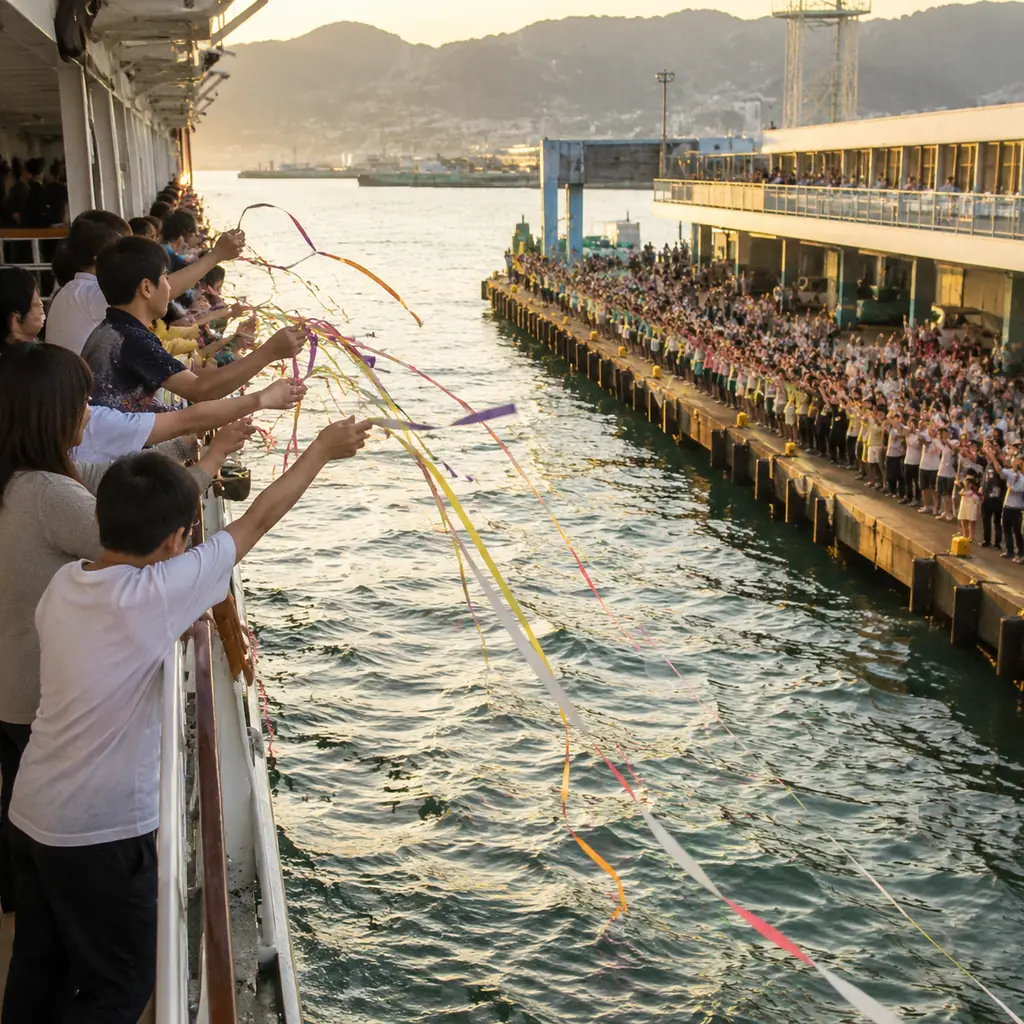
The old send-off brought friends and relatives to wave from the pier, with streamers stretching toward the ship. The departure itself was the show.
Instead of lining the rails, watch for sail-away parties in other locations like a pool deck. Giant screens and souvenir cups can give the occasion a rather different feel.
You can still head to an open rail if you’d rather watch the harbor slip away.
9. A Formal Night That Actually Felt Formal
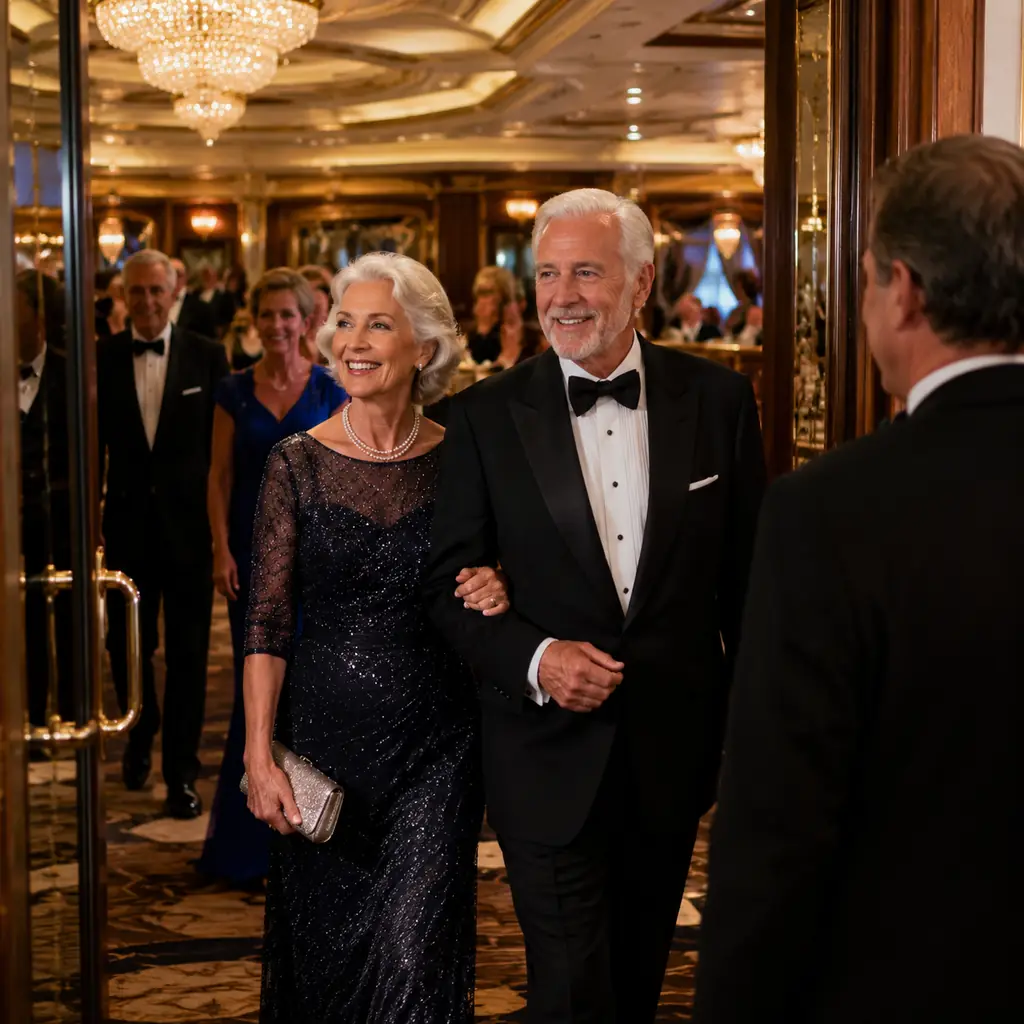
You’d like to slip into your tuxedo or dress up in a gown for a special formal night at sea. Formal nights aren’t quite as formal anymore on many ships, where once tuxes were de rigueur.
Now ‘elegant’ or ‘smart attire’ may be the description. Some lines have one or two nights with a higher bar for clothing; others offer venues with different dress expectations.
Cunard still sets a formal tone on Gala Evenings, but dark suits with a tie or bow tie are accepted alongside tuxedos. Check ahead of time to find out what will be required and suggested on your cruise.
8. Dancing to a Live Orchestra After Dinner
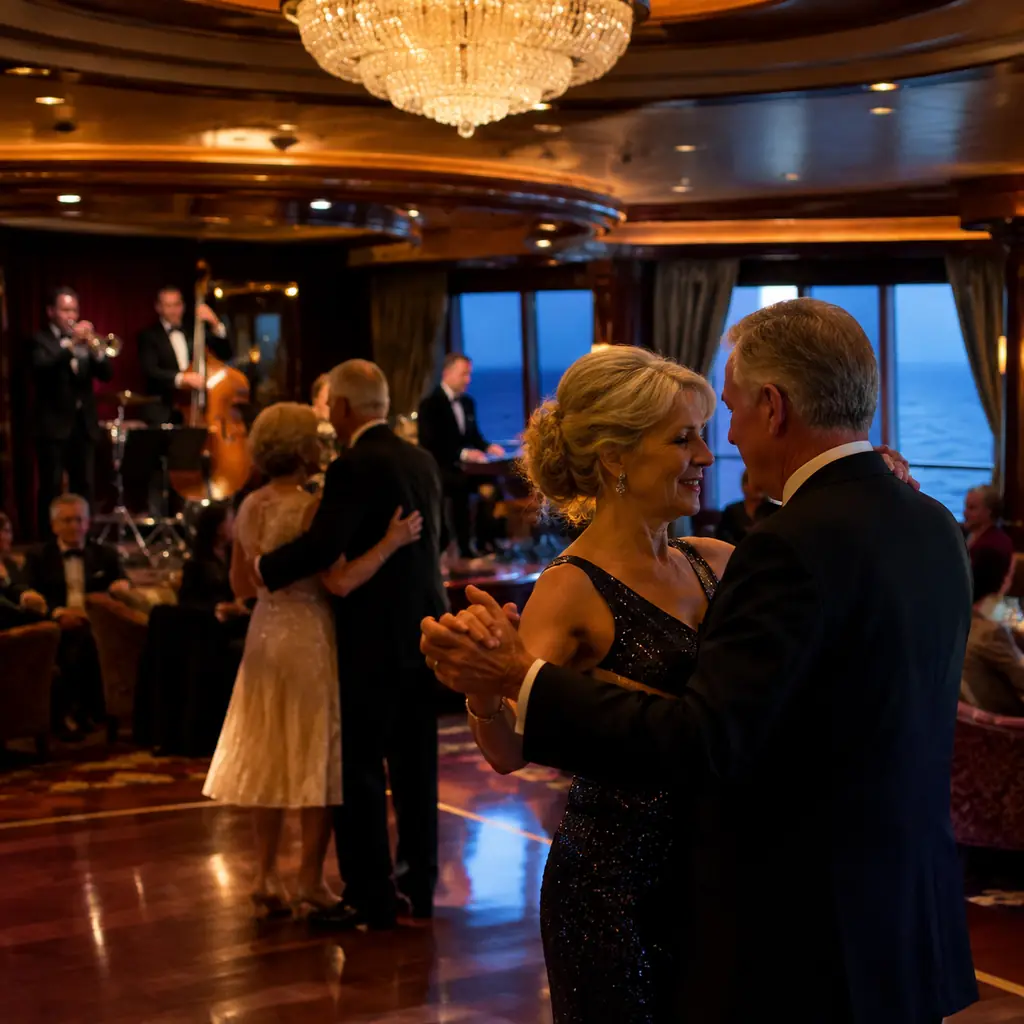
Once the pride and joy of a ballroom evening, the full-on orchestra isn’t something to count on now. String trios, solo guitarists and DJs may fill the evening schedule. Space onboard ships is at a premium, and orchestras don’t pack up and disappear as easily as a guitar or a turntable.
If ballroom dancing with a live orchestra is important to you, Cunard still advertises orchestras in the Queens Room on Gala Evenings. Elsewhere, ‘Live music onboard’ could mean a rather smaller ensemble.
7. Touring the Bridge Without Buying Another Ticket

Once an attraction in their own right, the bridge and galley of a ship now have controlled access. Royal Caribbean’s All Access Tour and Carnival’s Behind the Fun offer a peek at the inner workings for an added charge.
These tours can entail climbing crew stairs, standing around for quite a while and booking ahead. If you’re a cruise-ship geek, it might be worth it, but check the physical requirements and make sure you have comfy shoes and an interest in how things are done. Otherwise, it’s not something we’d pay extra for.
6. Desserts Finished With a Flame at the Table
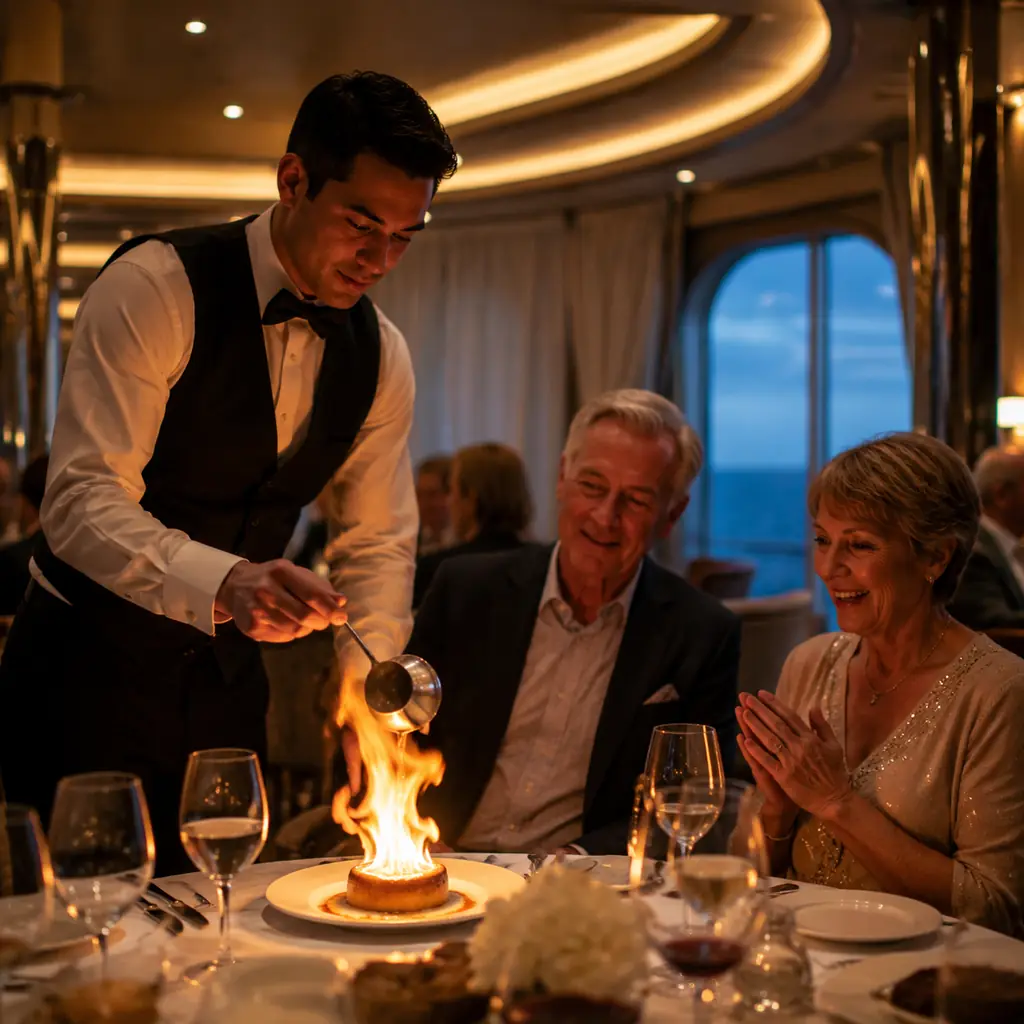
Calling for cherries jubilee or bananas Foster to be prepared tableside in the main dining room isn’t something to count on anymore. Feeding thousands of passengers leaves less room for a leisurely performance over one plate.
Some luxury dining venues still offer this old-timey cruise ship service. Cunard advertises flambé as part of its Grill Suites dining experience, reserved for guests in those suites. If that’s a highlight for you, check the dining arrangements before booking. Otherwise, there’s always the scrumptious crème brûlée when it’s on the menu.
5. The Baked Alaska Parade
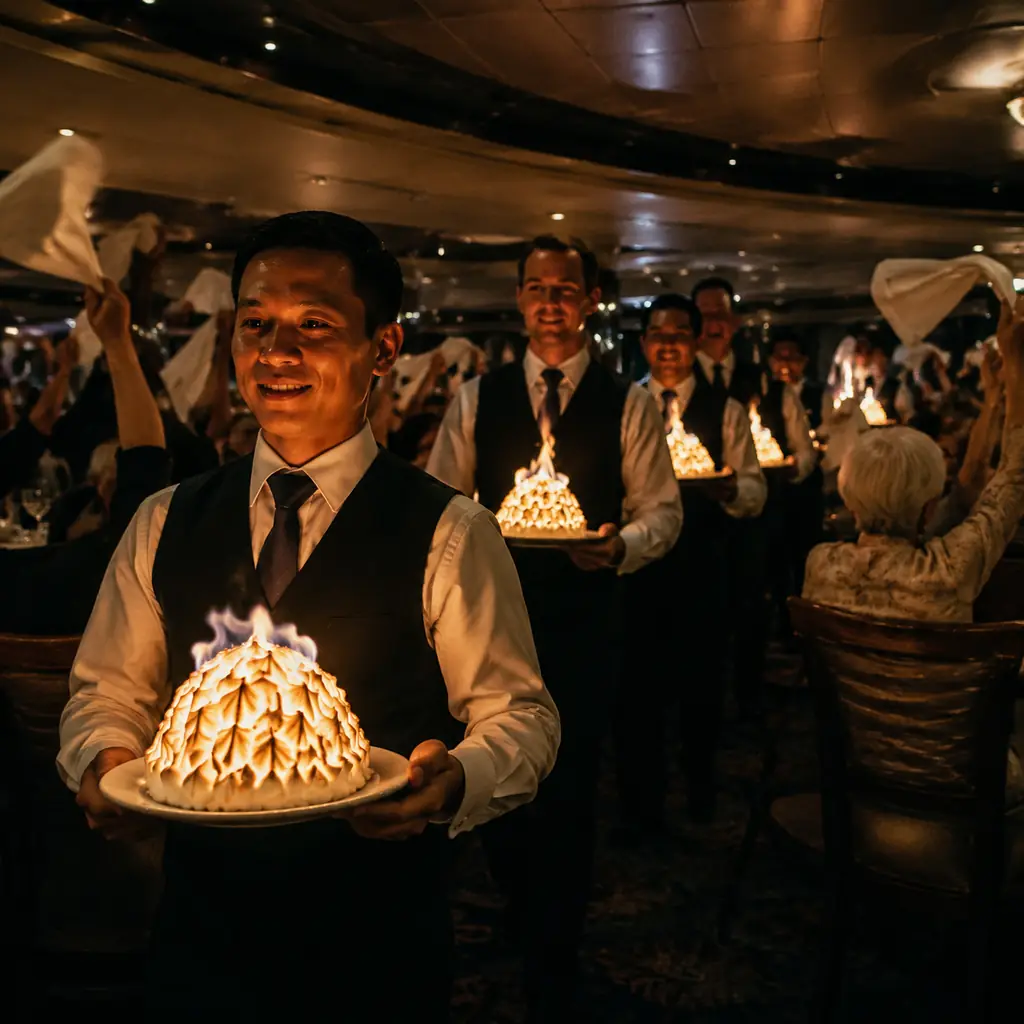
The traditional baked Alaska parade down the center of the dining room during the final-night dinner made dessert a spectacle. There’s nothing like servers bearing an enormous dessert, passengers cheering and napkins waving valiantly.
Flexible dining can make a shared dining-room procession harder to time. If you’re lucky, a version of the parade will happen on your last night, flame-free if need be, but don’t hold your breath waiting for it.
A dessert arriving at the table is one thing. A dessert getting its own parade is quite another. Read more: cruise ship food facts passengers rarely hear.
4. A Midnight Buffet Built for Spectacle
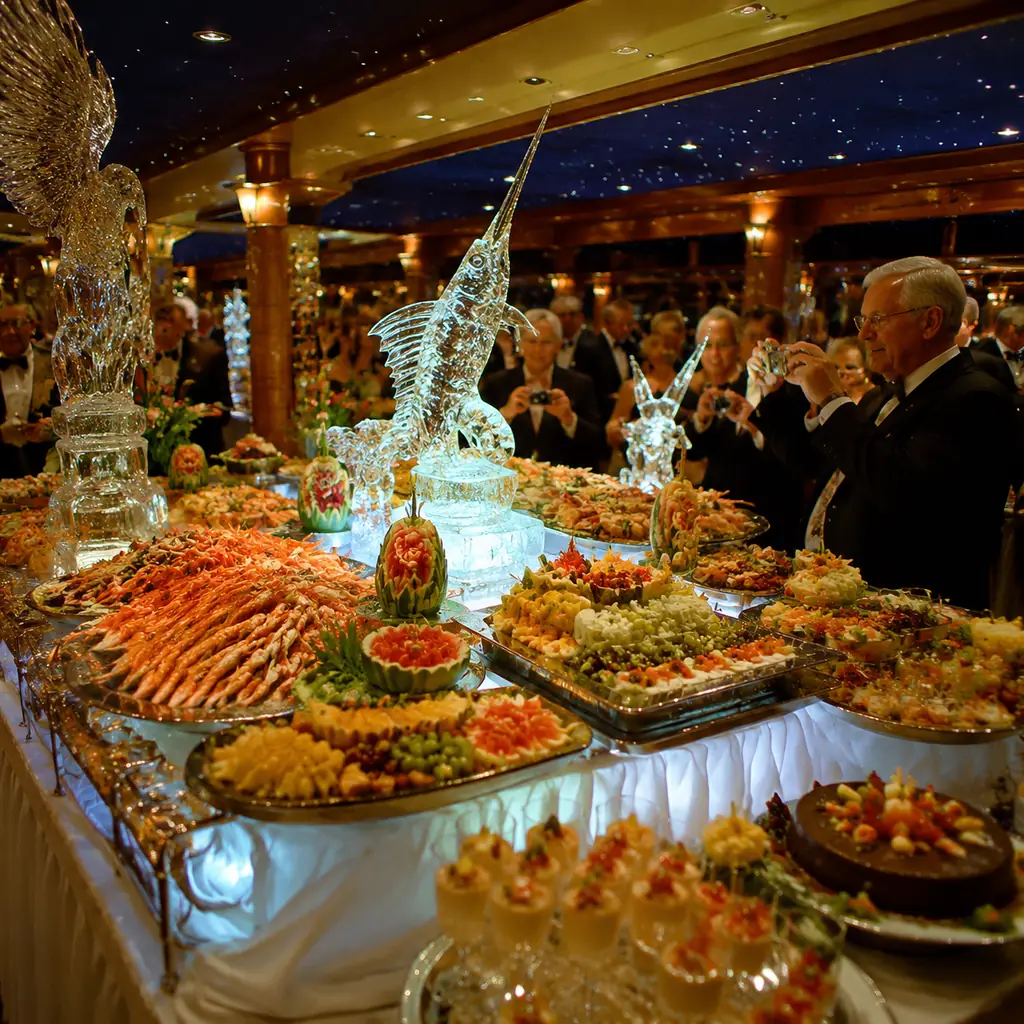
Ice swans, chocolate fountains and exotic-fruit carvings made the midnight buffet an event. It was a lot of production for people who had already eaten dinner.
The waste and manpower are easy to imagine. Think of all the melon carved into flamingos that goes in the trash, not to mention all the chocolate that goes into the fountains. Add the staff needed to keep it all going and it’s an expensive way to serve a late-night snack.
On many ships, pizza stations and other more utilitarian late-night fare have taken the grand buffet’s place. Check the current program if you’re hoping for the full spectacle.
3. Room Service That Came With the Fare
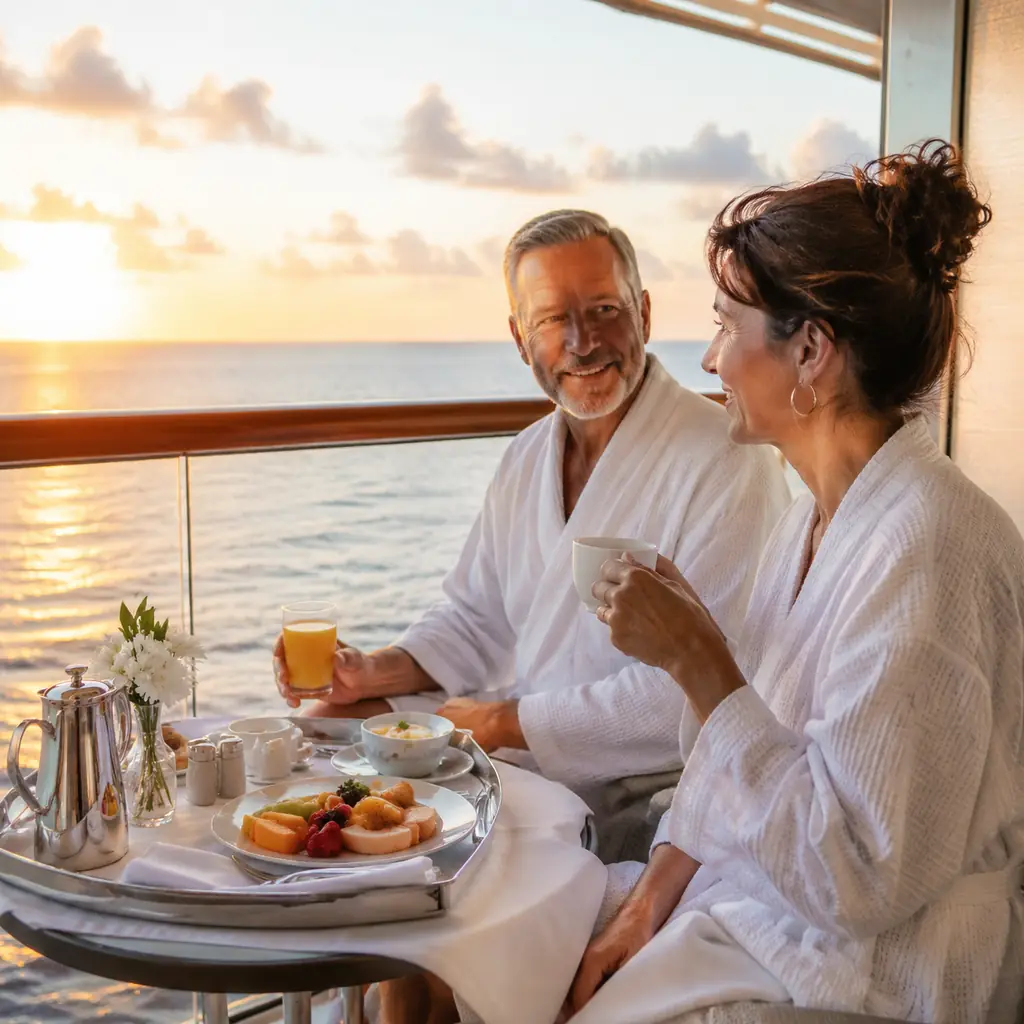
Some lines are now charging for room service, or at least for delivery. Free room service is no longer something to assume will come with your cabin.
Royal Caribbean adds a service fee and gratuity to most room-service orders, but, fortunately, continental breakfast is still free.
Check the menu before ordering so that the charge doesn’t arrive as a surprise alongside your food. Read more: cruise purchases first-timers should check before paying.
2. A Main Dining Room Without a Sales Pitch
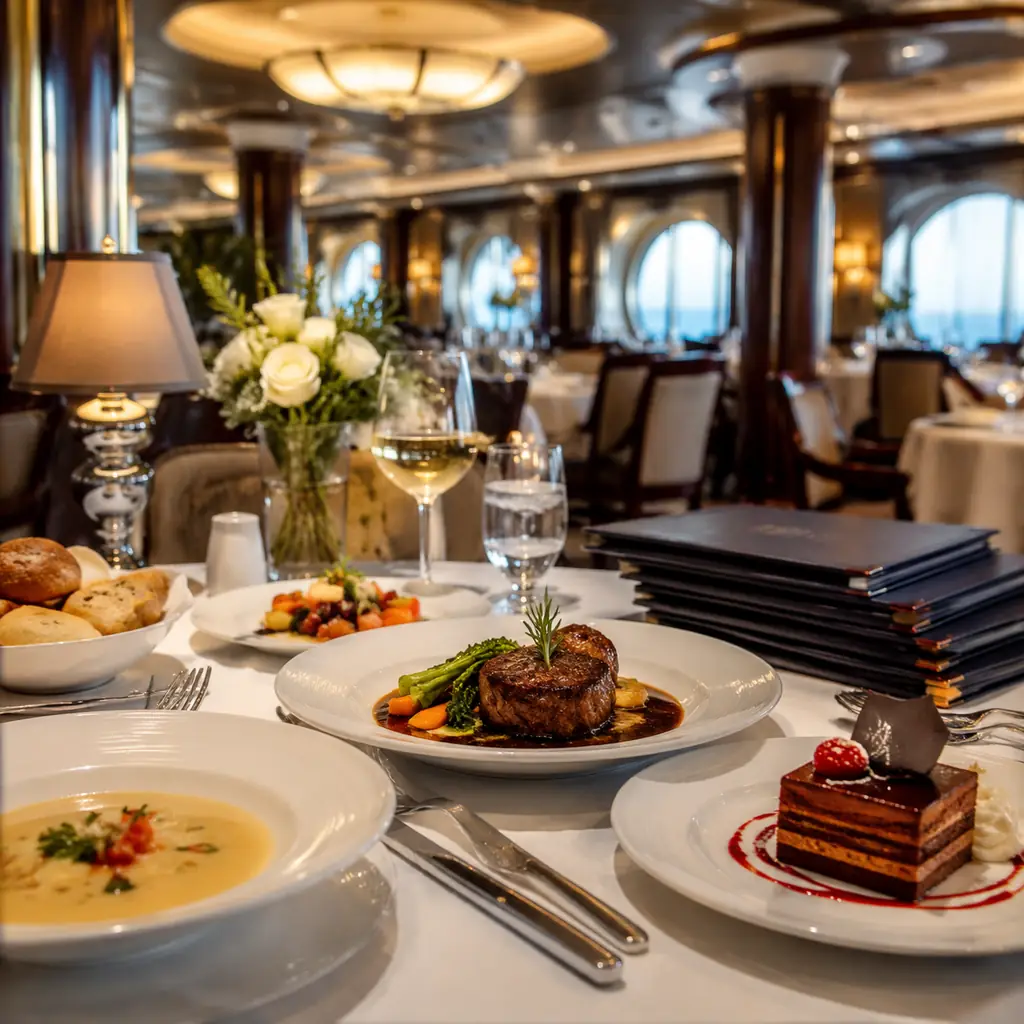
The first couple days of a cruise are always exciting. After all, there are so many options that it takes a couple days just to figure out what’s going where and when. By day three, however, you’ve settled into a rhythm. At this point, you may be ready for a little excitement, especially at dinnertime.
On some ships, the main dining room offers premium dishes at an additional charge alongside those that are included. It might be worth it if it’s a once-in-a-lifetime item, but, for the most part, it’s annoying to see another price tag when you’re choosing dinner.
Before setting sail, research menus online so you’ll know what’s worth the additional cost and what’s best passed over. Read more: cruise drink-package mistakes that cost passengers.
1. The Feeling That Most of the Cruise Was Already Paid For
The Tradition Passengers Miss More Than Any Single Buffet

Remember the good old days of cruising? When a cruise was just that, a cruise? Sure, even back then, a la carte drinks and spa treatments cost extra. But when you saw an ad promising a certain kind of ship and a voyage for one price, that was the appeal.
Today, however, it’s a whole other story. Cruises are starting to resemble airlines, with lots of unbundling. The price of the ticket is just to get your butt on the plane, and we mean butt. On a cruise, extra charges for priority boarding, Wi-Fi or a better dining experience can give the fare that same feel.
Cruises have come a long way in recent years, and, though some of the changes are unwelcome, many are understandable. Make sure you do your homework so that you’re not paying for things that won’t enhance your experience. Read more: cruise lines passengers say have gone downhill.
Comments
The opinions and views expressed in the comments section are solely those of the individual users and do not represent or reflect the opinions, views, or positions of HumbleTrail. HumbleTrail does not endorse, support, or verify the accuracy of any user-generated content.
By posting a comment you agree to receive related emails from HumbleTrail in accordance with our Terms and Privacy Policy. You can unsubscribe at any time.