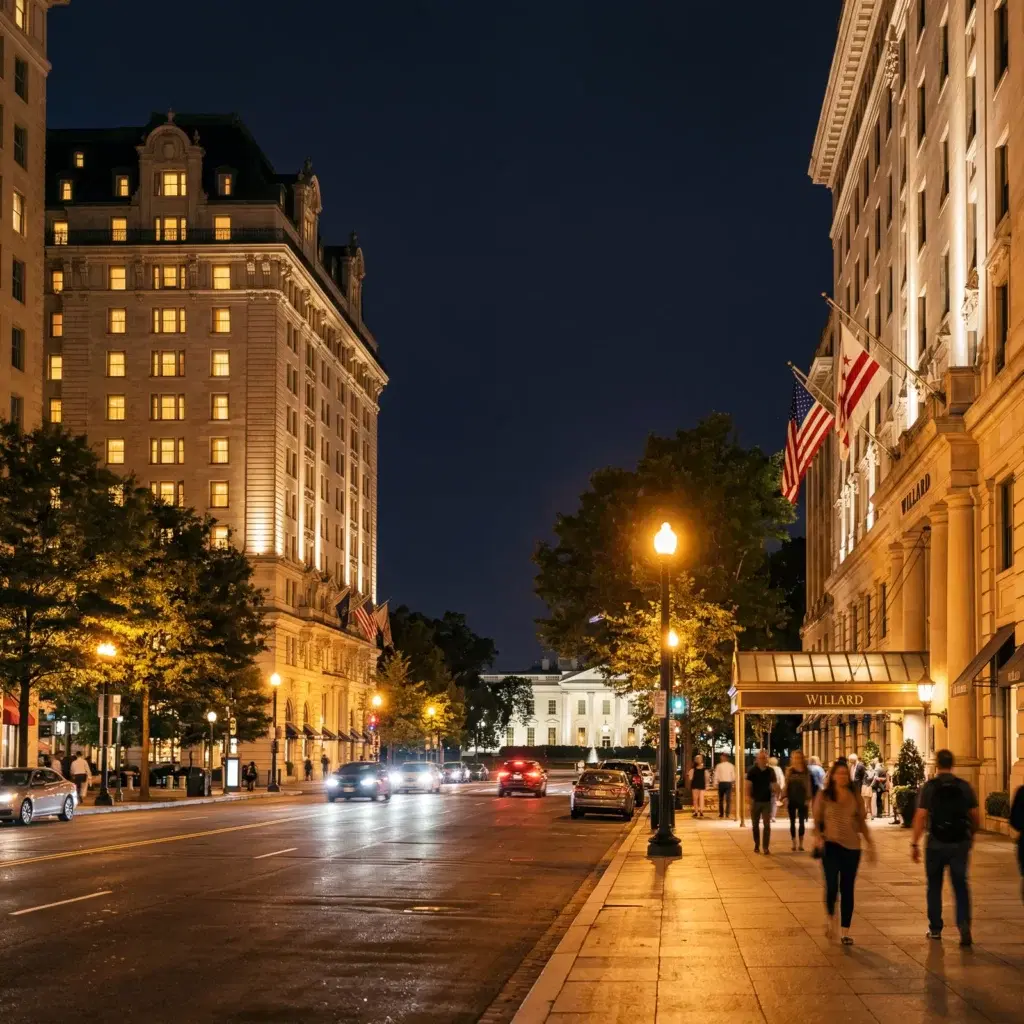


Historic charm can be worth paying for when the room still works for the traveler.
These checks separate a memorable building from an expensive mismatch.
Editor’s note: This article is solely an opinion guide based on public hotel information, guest reviews, accessibility guidance, and industry reporting.
21. The First Price Is Not the Total Price

A low nightly rate can grow after mandatory property fees, parking, taxes, and a required destination charge appear. Compare the final total for the entire stay, not the large number on the first screen.
The FTC requires mandatory hotel fees to appear in the displayed total price, apart from permitted exclusions such as government charges. Optional services can still add real cost.
Take a screenshot of the final price and the list of included benefits before paying.
20. The Refund Deadline Is Earlier Than the Trip Feels

Historic hotels often have limited room inventory, special-event pricing, or prepaid rates. A reservation can become nonrefundable days or weeks before arrival.
Read the cancellation time zone, deadline, and penalty. “One night” may mean the room rate plus tax, while a prepaid offer may put the full stay at risk.
Set a reminder several days before the deadline. That leaves time to check the forecast, flights, health, and competing rates.
19. The Room Category Is Not a Specific Room
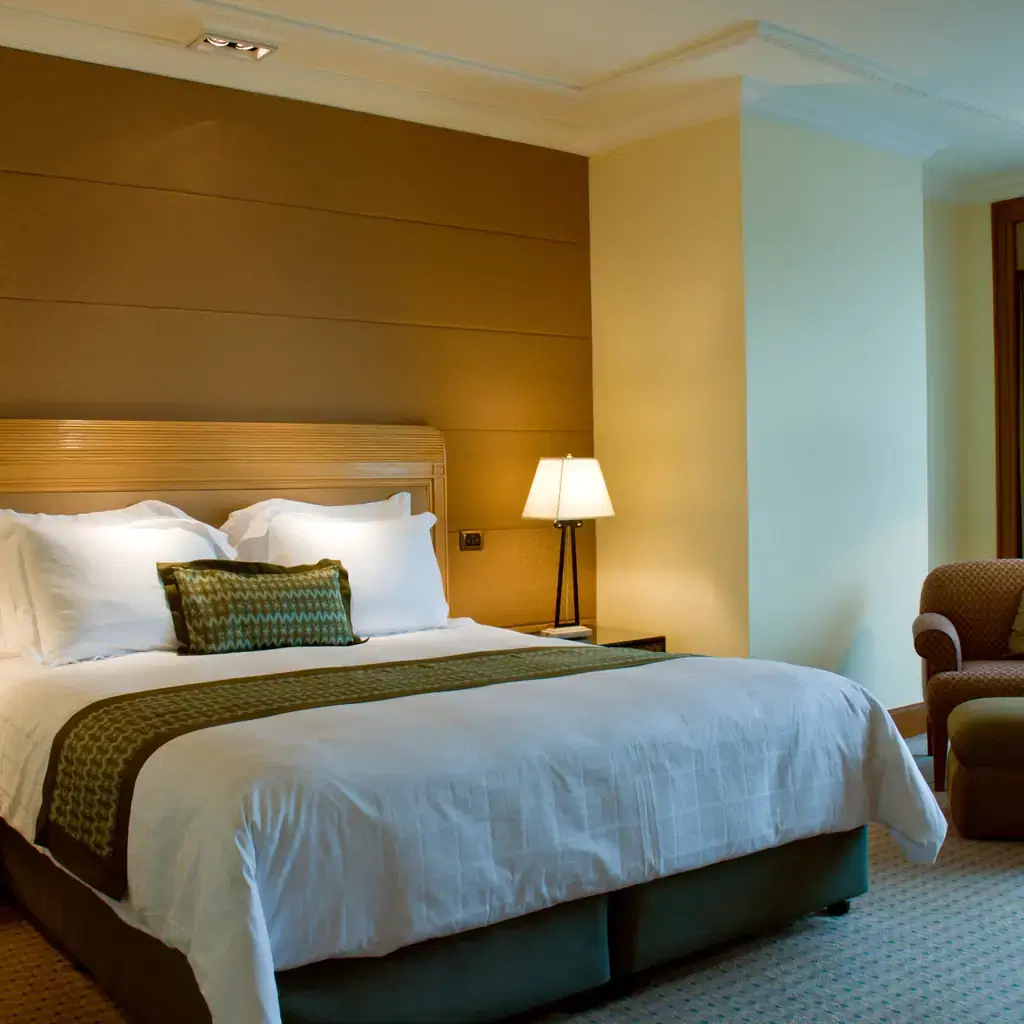
Historic buildings rarely have identical floor plans. Two rooms sold under one category can differ in size, window placement, stairs, bathroom layout, and distance from the elevator.
Ask what features the category guarantees and what remains a request. A “queen room” may guarantee the bed but not the view, bathtub, ceiling height, or quiet location.
If one feature matters, get the answer in writing and save it with the confirmation.
18. “Recently Renovated” Does Not Explain What Changed
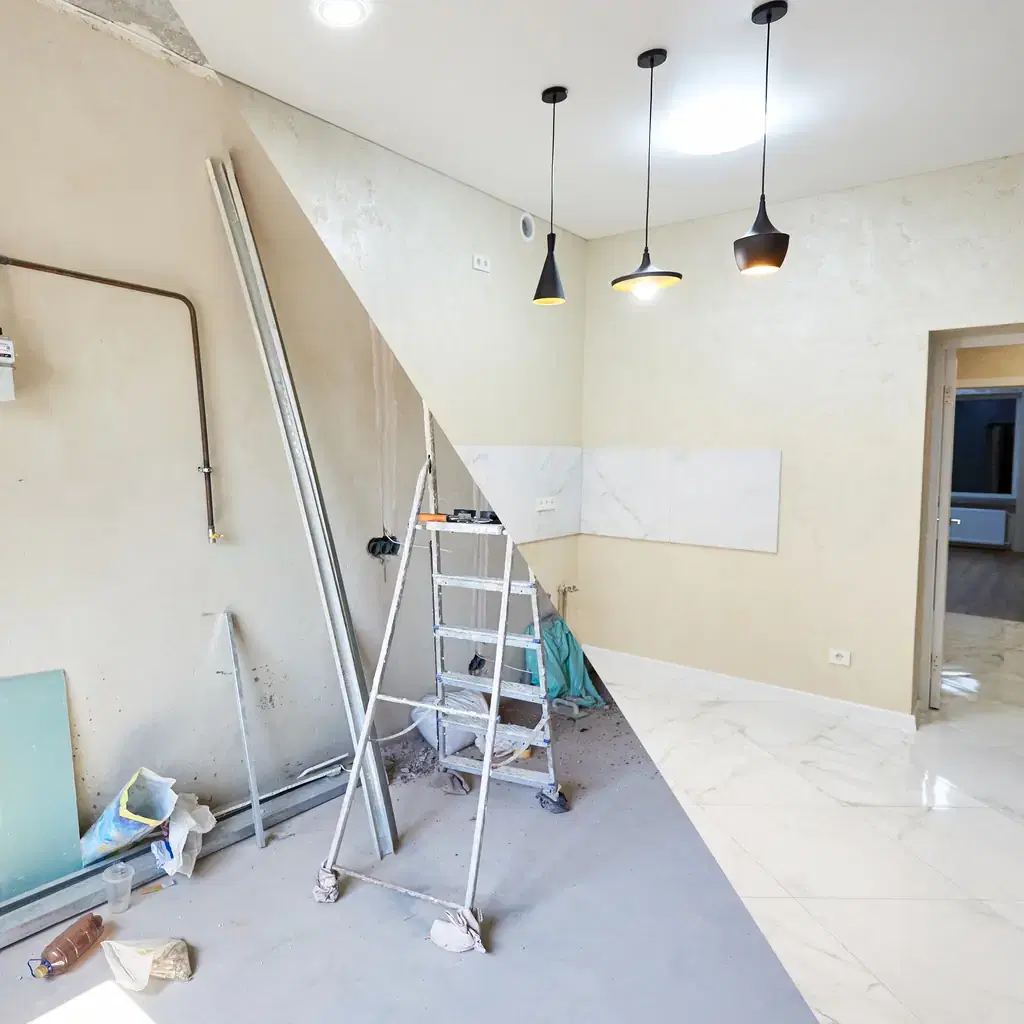
A renovation might mean new wallpaper and mattresses, or it might include plumbing, windows, electrical work, elevators, and climate control. Those projects affect comfort in very different ways.
Look for a date and a clear scope. Fresh lobby photos do not prove that the guest-room bathroom or air conditioner changed.
Recent reviews can help, but filter them by room type and month. Construction can also create noise long after the first renovated rooms reopen.
17. The Gallery Avoids the Exact Room Type
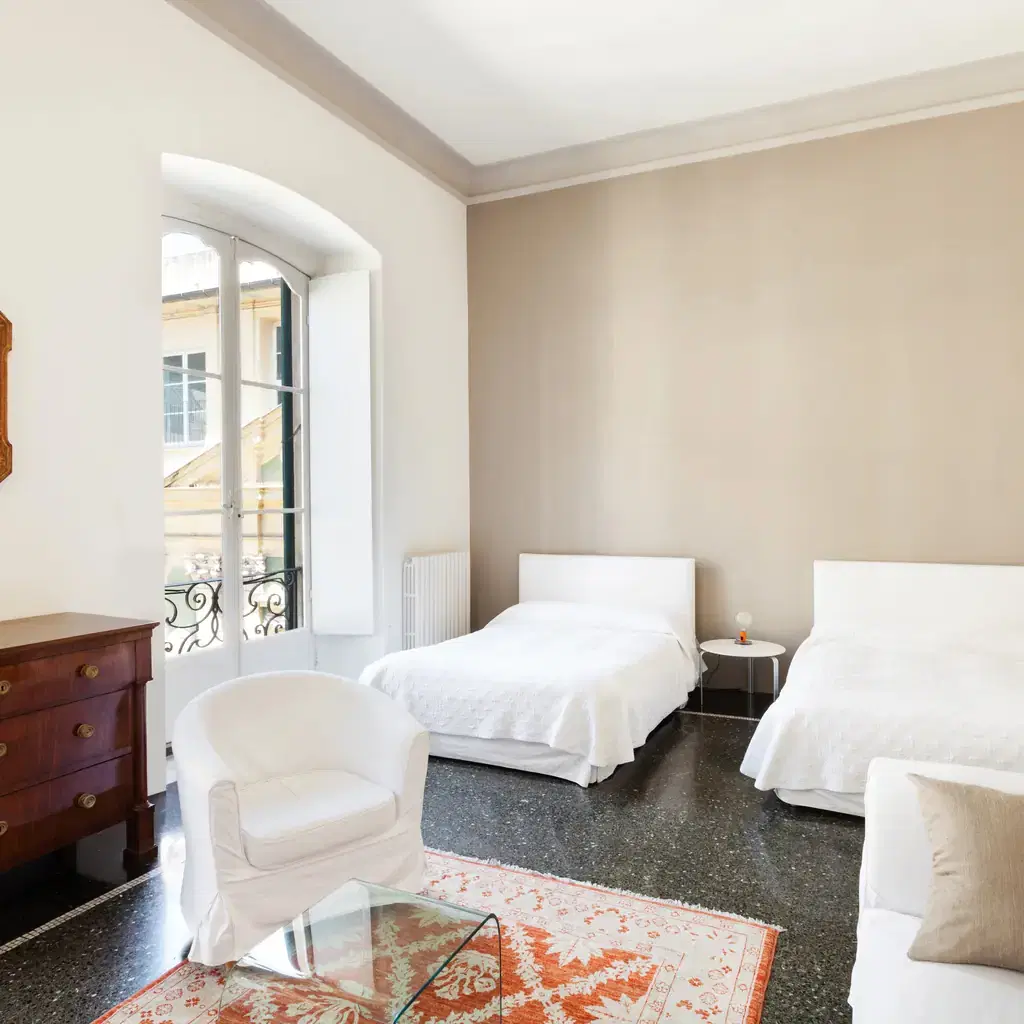
A gallery filled with the grand staircase, ballroom, and best suite can hide the practical details of a standard room. The missing images matter when standard rooms fund the trip.
Search the property’s own site, recent traveler photos, and the exact room category. Look for the bed, both sides of the room, bathroom entrance, windows, and storage.
When every image uses a wide lens from one corner, ask for approximate square footage before booking.
16. The Elevator Does Not Reach Every Floor
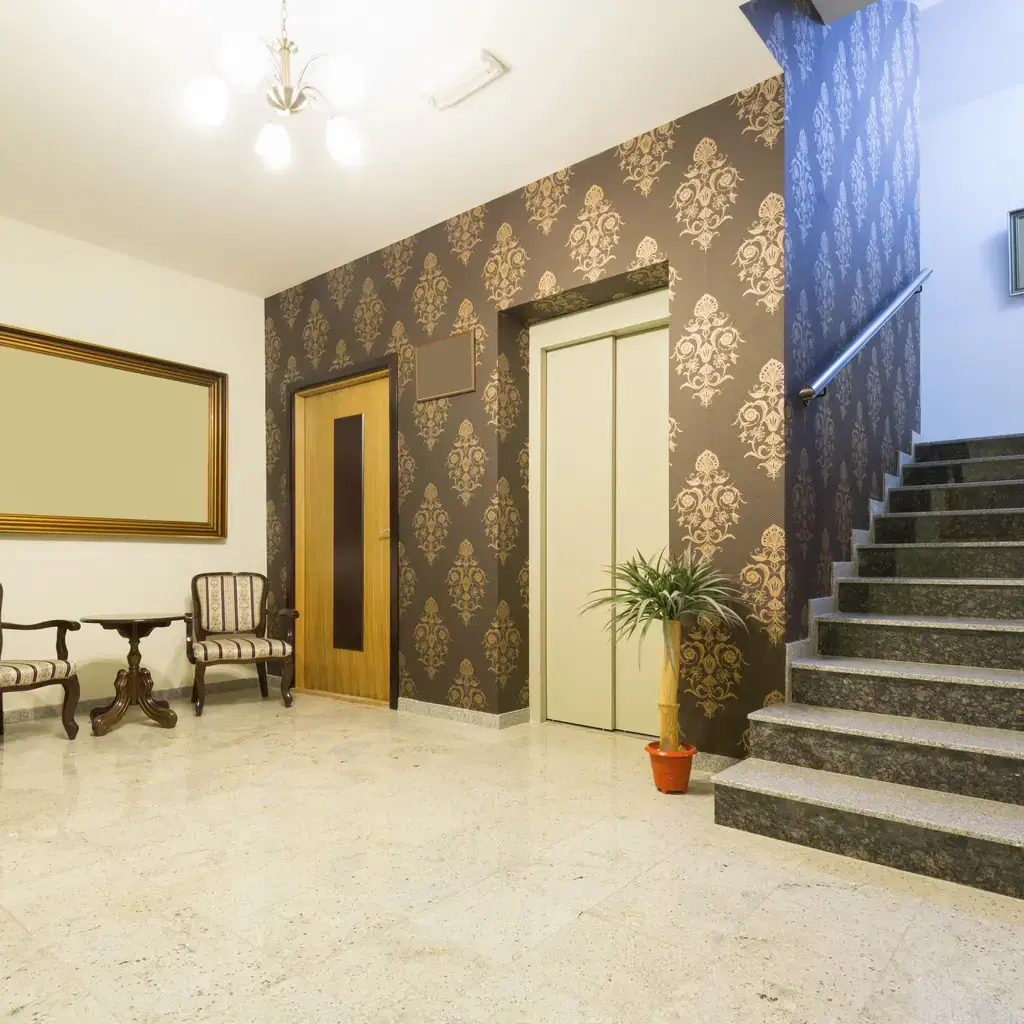
A historic hotel may have an elevator without providing step-free access to every room. Split levels, mezzanines, annexes, and converted attics can add stairs after the elevator ride.
Do not stop at the question, “Is there an elevator?” Ask whether the complete route from entrance to the assigned room has steps.
Travelers with luggage, joint pain, a stroller, or limited vision need the route detail as much as a wheelchair user does.
15. The Accessible Description Is Too Vague
“Accessible room available” does not describe the entrance, door width, bed height, shower type, grab bars, visual alarms, or route to breakfast. Different travelers need different features.
U.S. lodging reservation services should provide enough detail for a guest to judge whether an accessible room works. Older buildings can vary more than new ones.
Call the property directly, list the exact features needed, and ask that the reserved room be blocked in the booking system.
14. The Bathroom Has No Useful Photo
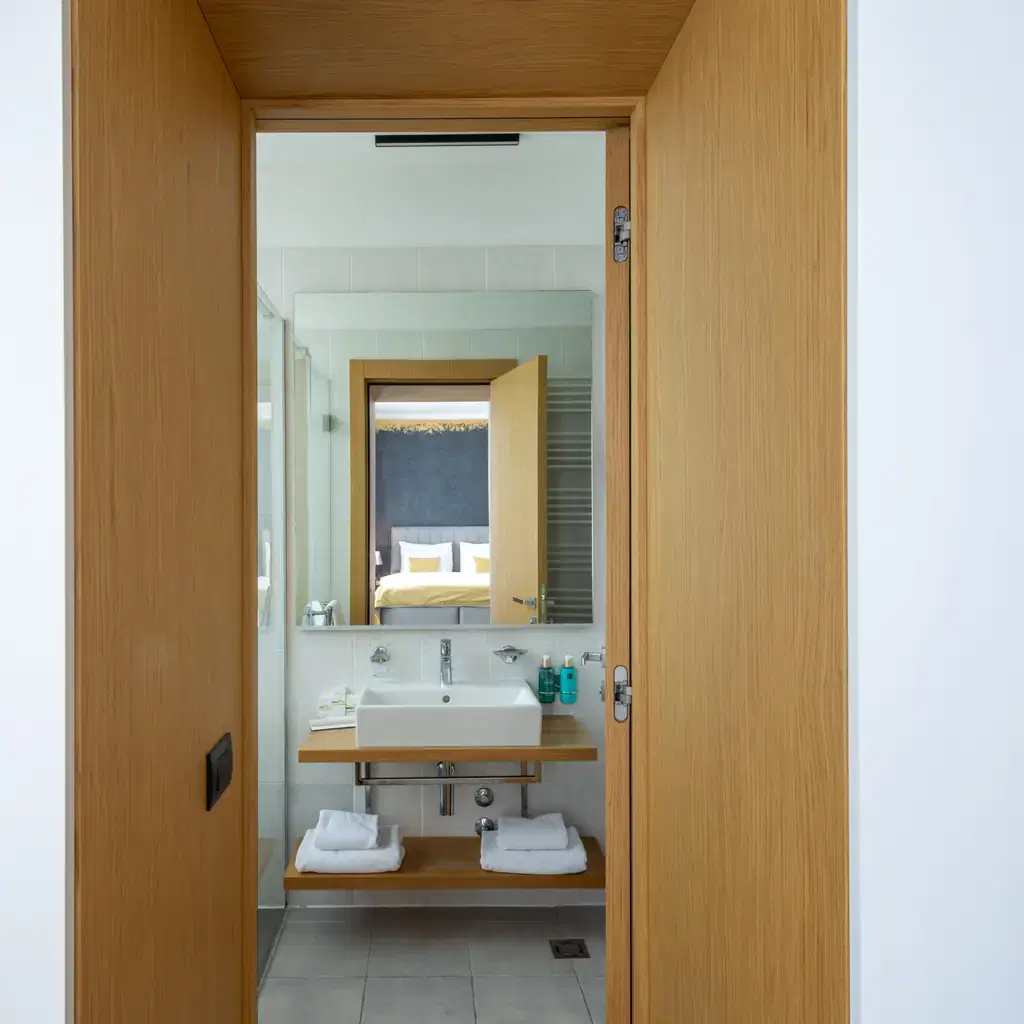
Bathrooms reveal the tradeoffs of an old floor plan. A deep claw-foot tub, high step, narrow door, pedestal sink, or shower curtain may be charming to one guest and unusable to another.
Ask whether the room has a walk-in shower, tub-shower combination, or freestanding tub. Confirm the toilet and shower are inside the room, not shared down the hall.
That careful comparison also applies when assessing retirement community fees buyers discover too late.
13. The Bed Size Is Described With a Soft Word

Terms such as “cozy double” or “European queen” can leave room for confusion. Bed dimensions and floor space matter after a long drive or flight.
Ask for the actual mattress size when the listing is unclear. Also check whether both sides of the bed are accessible or one side sits against a wall.
Older travelers may value a clear path and a stable bedside surface more than decorative pillows. Those practical needs belong on the trip checklist before booking.
12. The Room Size Is Missing
High ceilings can make a small room photograph beautifully. The usable floor area may still disappear after two suitcases open.
Look for square footage and compare it with a room you know. A difference of 50 or 80 square feet can change whether a chair, desk, or second luggage rack fits.
If the property cannot provide a measurement, ask whether the bed can be approached from both sides with luggage in the room.
11. The Windows Are Decorative, Sealed, or Street-Facing

Original windows add character, but they can also admit traffic noise, drafts, or bright morning light. Some are sealed for safety or climate control.
Check whether the windows open, whether blackout curtains fully close, and which side of the building the room faces. A courtyard is not automatically quiet if it contains a restaurant or event terrace.
The location tradeoff resembles choosing among coastal towns still worth the drive: the prettiest position is not always the calmest.
10. The Heating or Cooling Is Central and Seasonal

Some old buildings switch a central system from heating to cooling on a seasonal schedule. A warm October afternoon or cold spring night can arrive between those dates.
Ask whether each room has independent temperature control. Confirm whether the advertised air conditioning covers the specific room category, not only public areas or newer wings.
If portable units are used, recent reviews can reveal noise and performance. Pack sleepwear for a wider temperature range than usual.
9. Recent Reviews Mention Water Pressure or Slow Drains
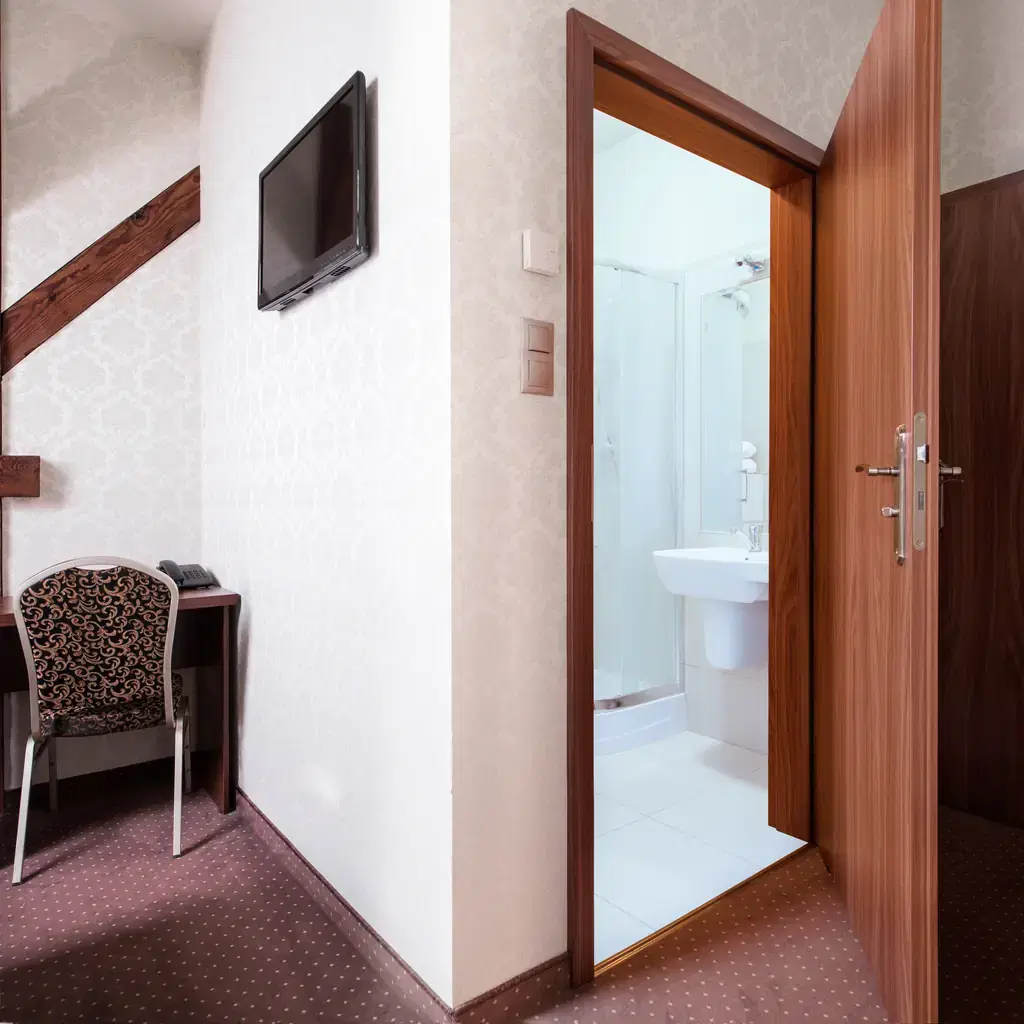
One plumbing complaint may be an isolated maintenance issue. Repeated comments about low pressure, slow hot water, backing drains, or stained ceilings deserve a direct question.
Sort reviews by newest and search within them for “shower,” “water,” “drain,” and “leak.” Note whether management describes a completed repair.
Hotel value depends on basics working. That is why a practical comparison can be stronger than a broad list of historic hotels said to be worth every extra dollar.
8. The Walls and Doors Carry Sound

Old doors, connecting-room panels, wood floors, and transom windows can transmit hallway conversations and rolling luggage. A renovated room does not guarantee acoustic work behind the wallpaper.
Search recent reviews for “noise,” “walls,” “hallway,” and “wedding.” Ask for a room away from elevators, ice machines, bars, loading areas, and connecting doors.
Bring earplugs, but do not treat them as a substitute for a room that matches the sleep needs of the trip.
7. The Event Calendar Is Full but Invisible

Historic hotels often earn revenue from weddings, conferences, tours, and public dining. Those events can close parking areas, fill elevators, and continue after a guest’s normal bedtime.
Check the event calendar and ask whether a large function overlaps the stay. Confirm the location of the booked room relative to the ballroom or terrace.
Travelers comparing event-heavy properties may also find the check-in behavior in what hotel staff notice at arrival useful.
6. Parking Is Off-Site or Valet-Only
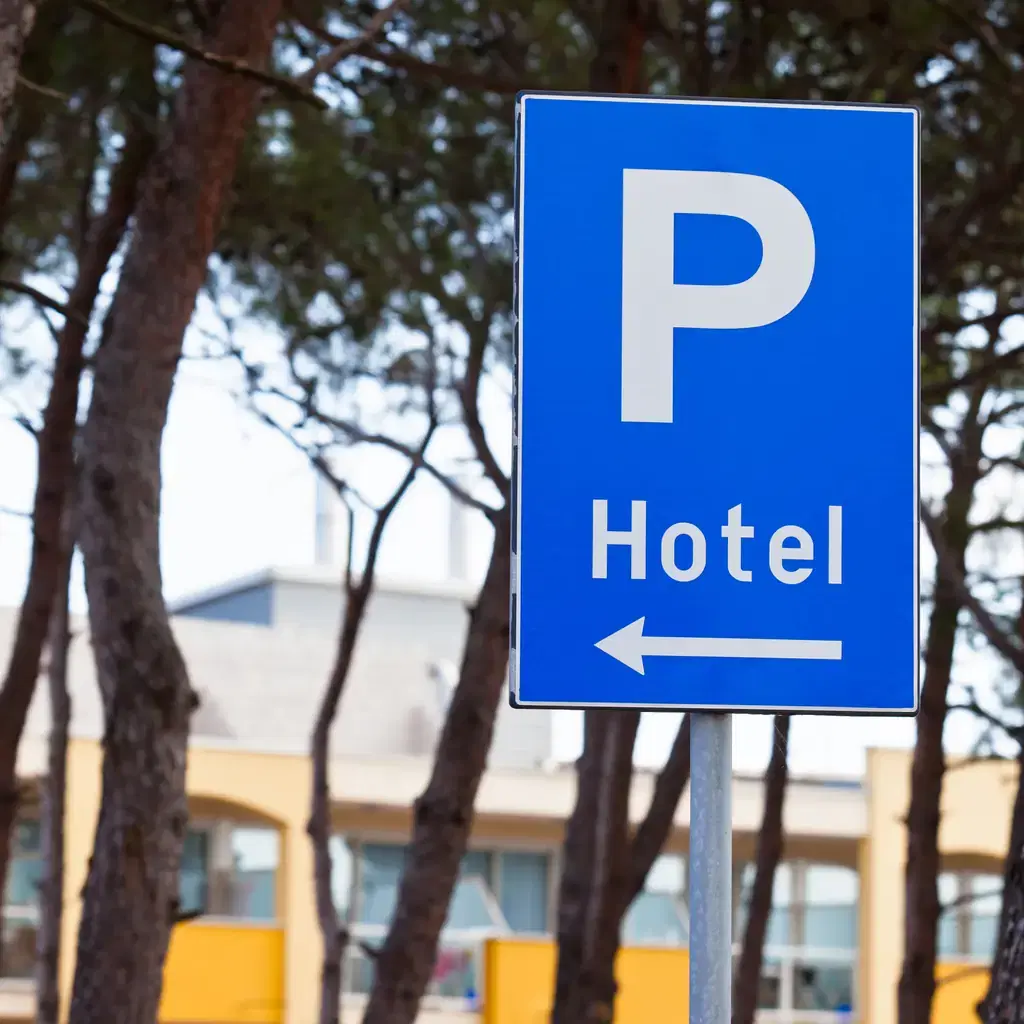
Many historic hotels were built before guests arrived in large vehicles. Parking may sit blocks away, use a tight garage, or require valet service.
Add the nightly parking charge, valet tip, and retrieval time to the real stay cost. Ask about vehicle height, in-and-out privileges, and a safe place to unload.
Drivers continuing to an RV campground where setup habits matter should also confirm oversize or trailer parking before arrival.
5. Breakfast Is Advertised but Not Included
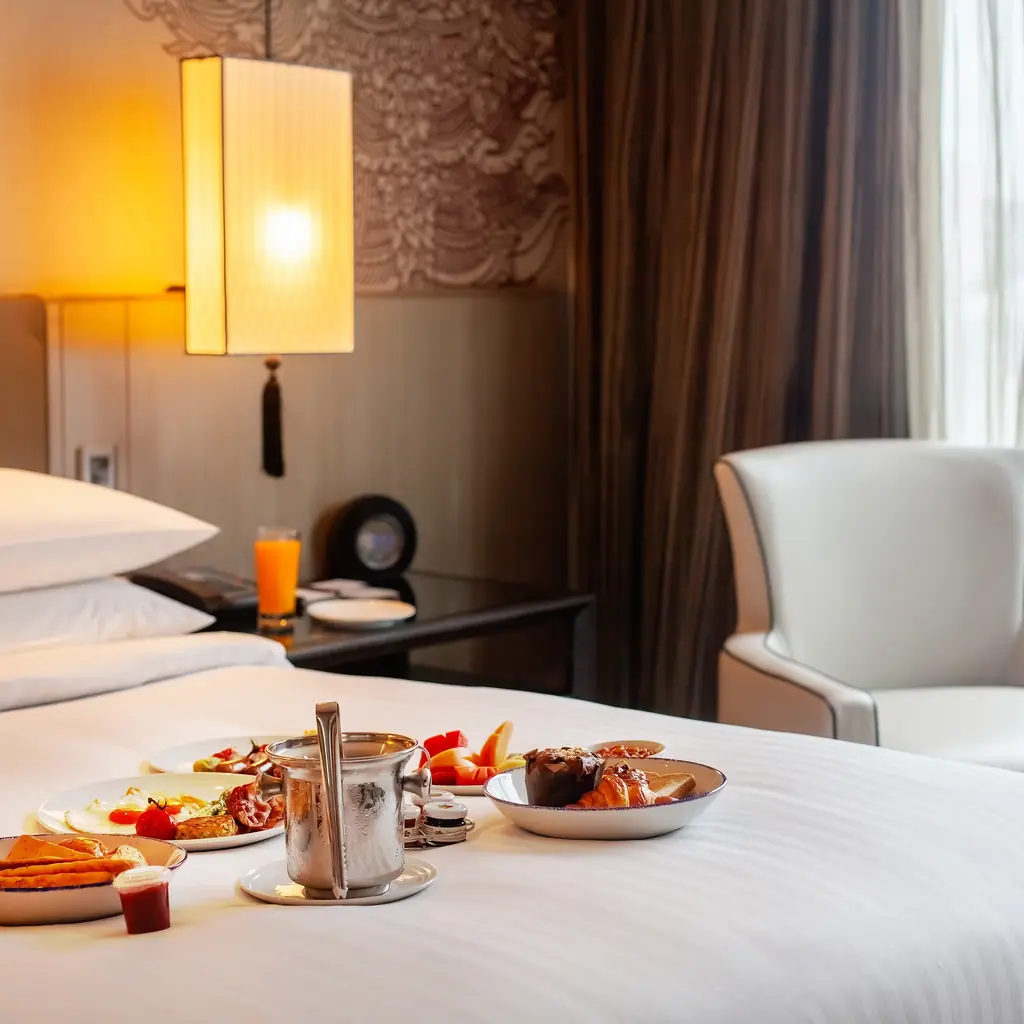
A photograph of a grand dining room does not mean breakfast comes with the room. The restaurant may be independent, closed on certain days, or priced à la carte.
Check the rate details for the number of guests covered, serving hours, reservation requirement, and any credit limit. A $25 credit may not cover two meals and coffee.
When breakfast is important, compare the full package with a nearby café instead of treating the room rate as the only cost.
4. Wi-Fi and Outlets Are an Afterthought

Thick masonry walls and long corridors can create weak Wi-Fi zones. A room may also have one accessible outlet behind a heavy bedside table.
Ask whether guest-room Wi-Fi is included and whether recent upgrades reached the booked wing. Pack a compact extension lead that meets the property’s rules, plus a multi-port charger.
Keep important electronics with you by following these carry-on habits that prevent gate trouble.
3. Luggage Help Ends Before You Arrive

Full-service language can hide limited overnight staffing. A late guest may find stairs, a distant annex, and no bell assistance after a certain hour.
Confirm the staffed front-desk hours and the route from unloading area to room. Ask whether luggage storage is available before check-in and after checkout.
If the hotel uses a lockbox or remote check-in, request written directions before travel. Historic hallways are easier to navigate with both hands free.
2. The Emergency Route Is Not Obvious

Historic layouts can include long corridors, half-floors, annexes, and stair towers that are not obvious from the lobby. A guest should locate the nearest safe exit after entering the room.
Read the posted diagram and walk the route if mobility allows. Count the doors between the room and exit in case smoke limits visibility.
Report blocked doors, missing signs, or a malfunctioning alarm to staff immediately. Leave any property that cannot address a serious safety concern.
1. The Property Cannot Answer a Precise Question
No hotel employee can promise a perfect stay. Staff should still be able to explain the total price, room category, access route, parking, climate control, and current renovation work.
Call at a quiet time and ask two or three questions that matter most. Clear, specific answers are more useful than a polished sales phrase.
If the answers remain vague, compare another property, including a modern resort that is actually worth the money, before committing to the premium.
Comments
The opinions and views expressed in the comments section are solely those of the individual users and do not represent or reflect the opinions, views, or positions of HumbleTrail. HumbleTrail does not endorse, support, or verify the accuracy of any user-generated content.
By posting a comment you agree to receive related emails from HumbleTrail in accordance with our Terms and Privacy Policy. You can unsubscribe at any time.