


Editor's note: These are editorial recommendations based on published hotel and airline information.
Layouts, services and experiences vary. This article does not claim firsthand experience at every property or on every airline. Check the exact booking before paying. Images are for illustration purposes only.The room can look perfect in the photographs and still keep you awake. Its position often matters more than the view.
The connecting door beside your pillow
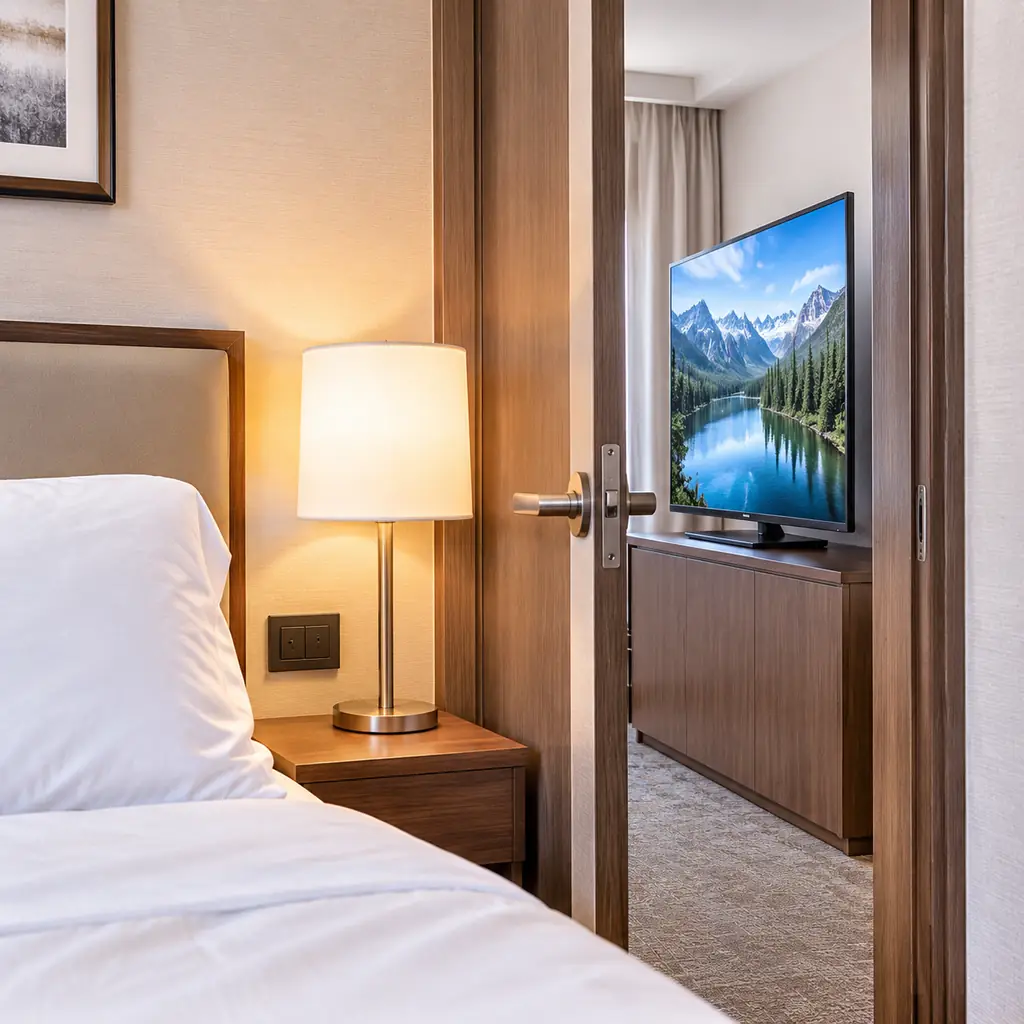
A connecting door can put another guest’s television remarkably close to your bed. The problem is not the neighbor’s personality; it is the extra opening between two occupied rooms.
Ask whether the assigned room has an internal connecting door, even if you are not using it.
If quiet matters more than traveling with family next door, request a nonconnecting room before arrival and confirm the assignment at check-in.
The room directly beneath the rooftop bar
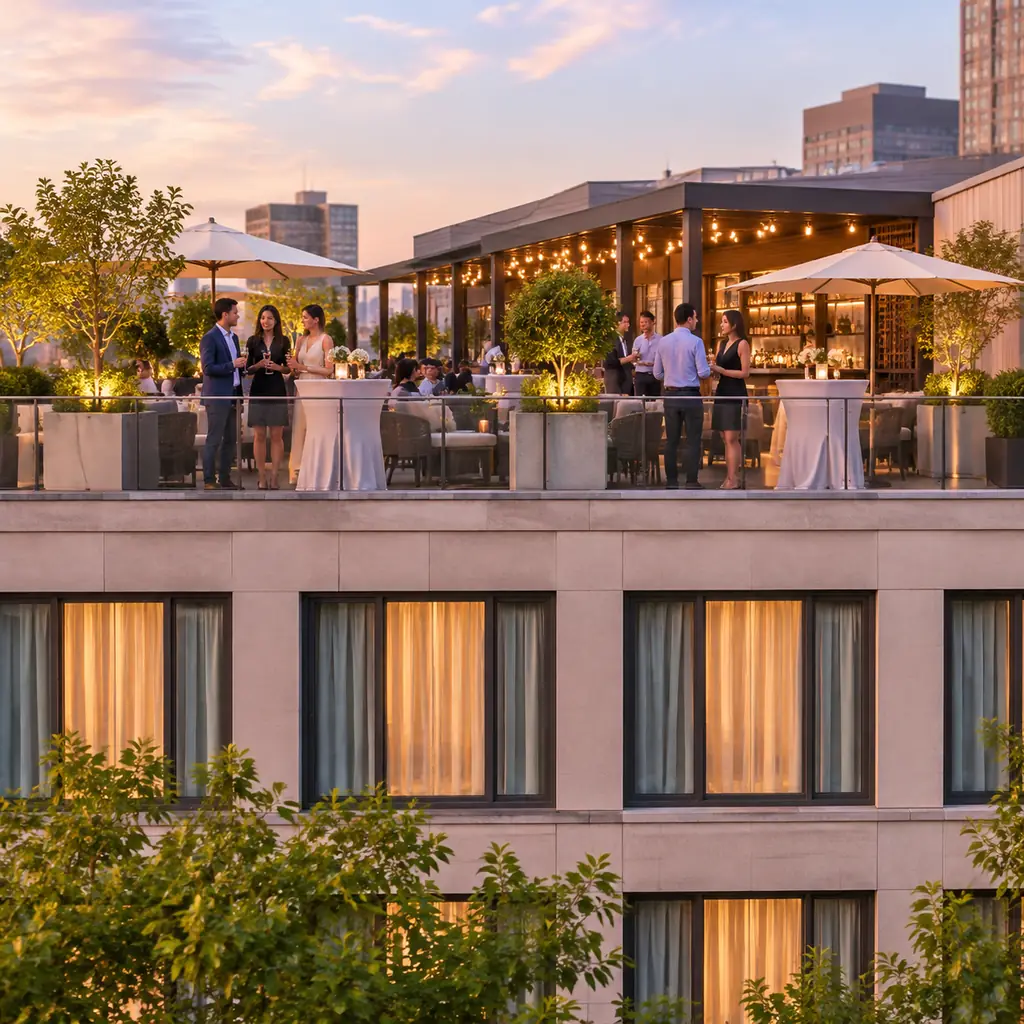
A rooftop cocktail looks different when the terrace sits above your ceiling. Chairs scrape, music travels, and the final cleanup may continue after the last drink is served.
Ask which occupied spaces are immediately above the room, rather than only asking for a high floor.
A lower room with another guest room overhead can suit a light sleeper better than the premium floor beneath entertainment.
The loading bay outside the window
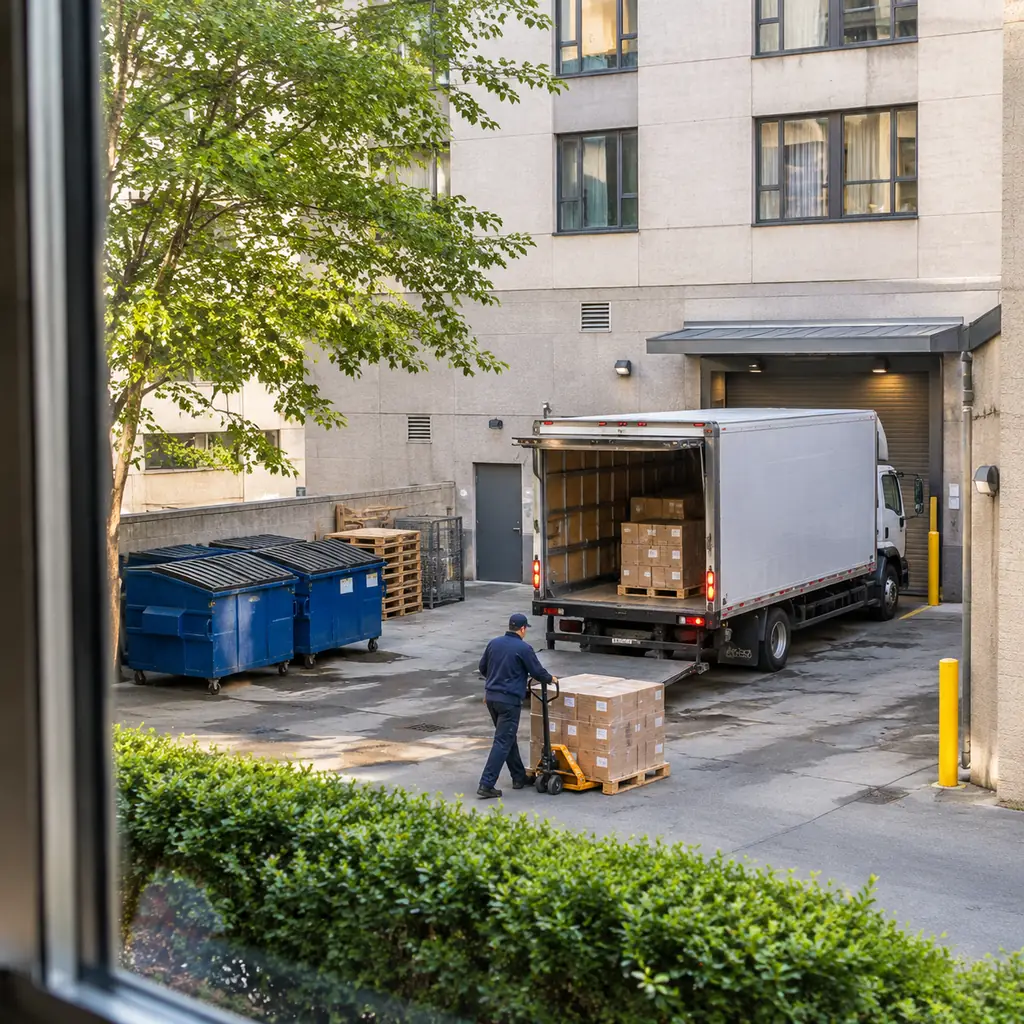
A courtyard view can conceal the hotel’s working entrance. Deliveries, reversing vehicles, and bins may become the first sounds of your morning, particularly when the bedroom overlooks a service lane.
Ask whether the window faces a loading area or refuse collection point.
The useful answer is the room’s exact orientation. A photograph of trees beyond the lane cannot tell you what happens directly below.
The bed sharing a wall with the elevator shaft
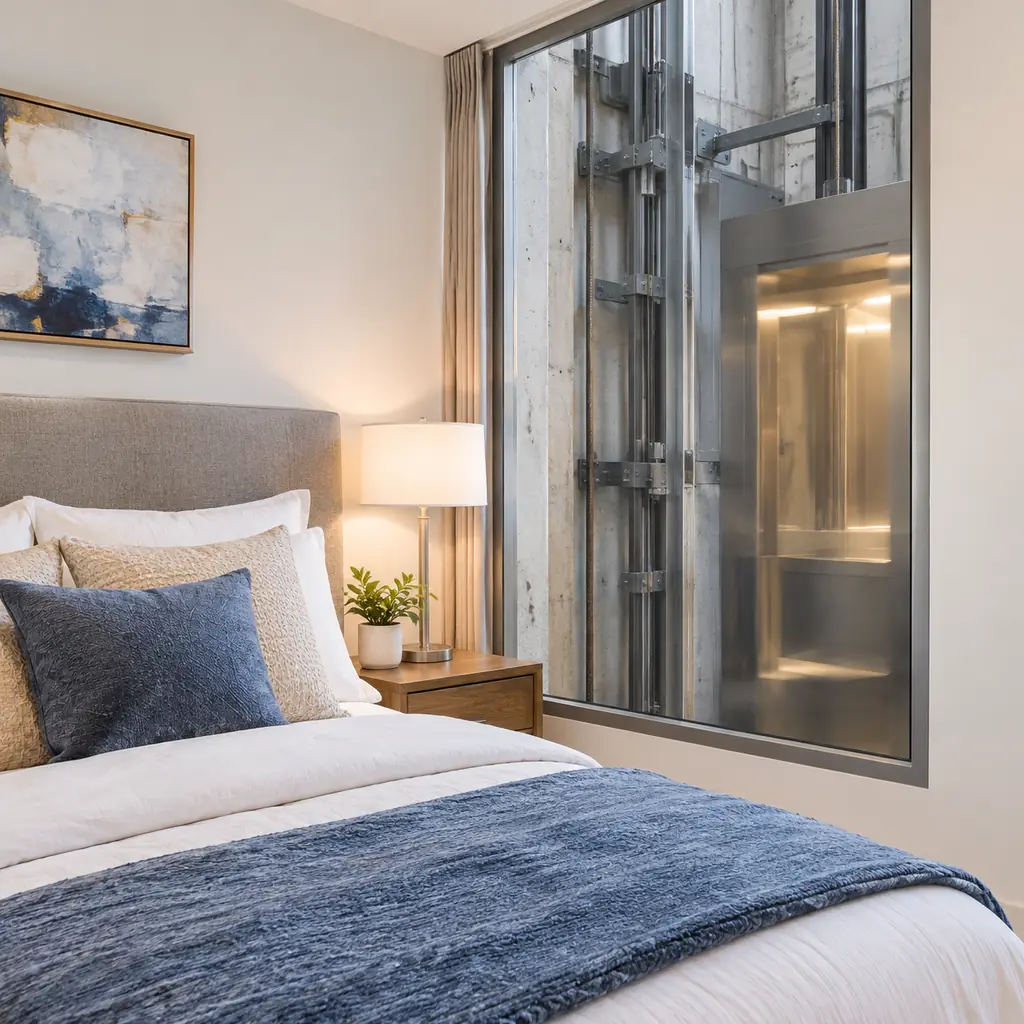
An elevator nearby saves walking, but the position can bring mechanical sounds and repeated conversations. A bedroom adjoining the shaft is a different proposition from one merely close to the lobby.
Request a room several doors away from the elevator bank, without making an unnecessarily long corridor your only alternative.
Guests with limited walking tolerance can ask for the nearest suitable room that does not share the shaft wall.
The peaceful courtyard that is actually a breakfast terrace
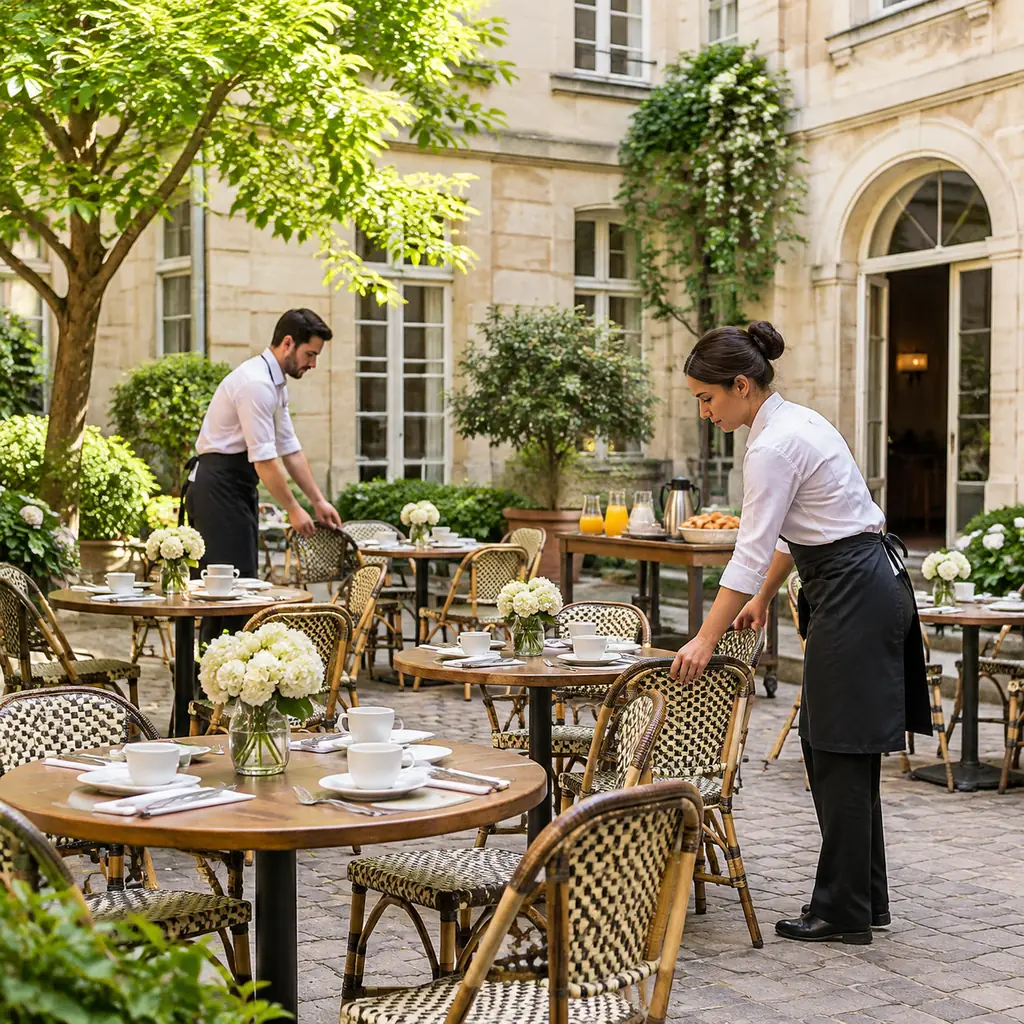
An inward-facing room is not automatically the quiet choice. A pretty courtyard may double as a breakfast patio, where staff start moving tables before guests begin taking their seats.
Check how the space is used throughout the day, not just during the evening photograph.
A room facing an unused garden can offer a different experience from one above an attractive but busy dining area.
The nightclub entrance beneath the balcony
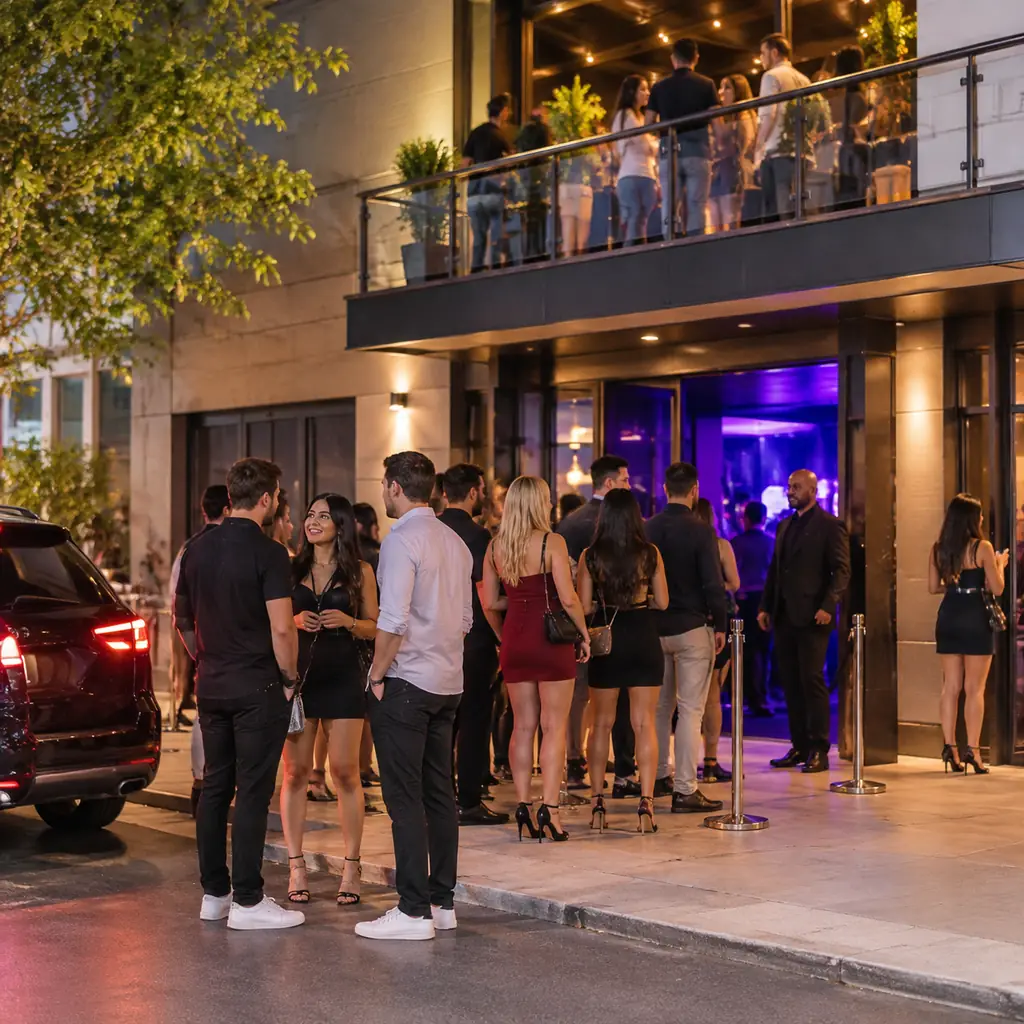
Music is only part of the problem above a late-night venue. Waiting guests, rideshare pickups, and conversations outside can continue after the doors close, even when the club itself is well managed.
Look at the ground-floor neighbors in current street imagery and ask about their operating hours.
For an early departure, a room on another side of the building may be more valuable than the balcony upgrade.
The room above the hotel’s own restaurant
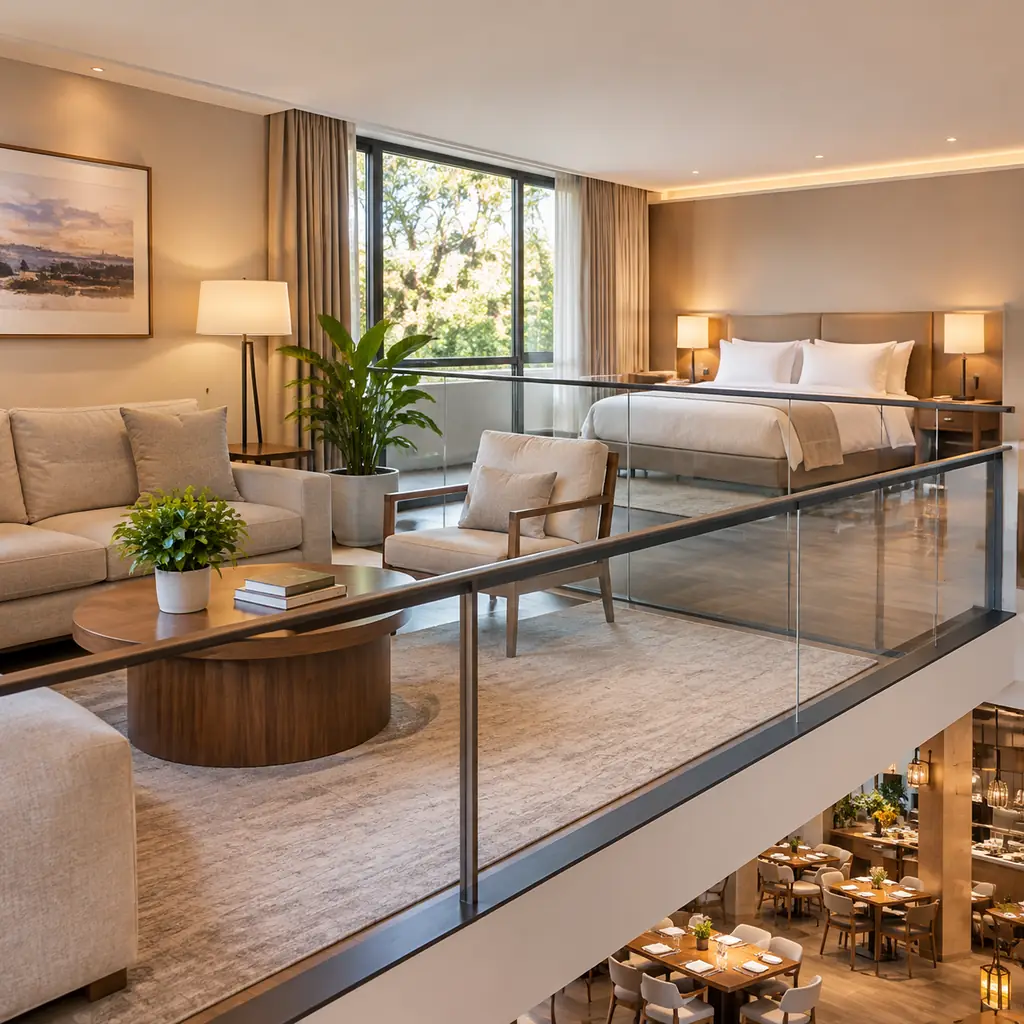
The restaurant downstairs can make dinner wonderfully convenient. It can also put the bedroom above evening conversation, furniture movement, or a kitchen that finishes work after diners leave.
Ask which parts of the restaurant sit below the room: dining floor, kitchen, terrace, or storage.
Those are different environments. Choose the room around your bedtime rather than assuming an on-site restaurant is either always quiet or always troublesome.
The corridor corner where everybody turns
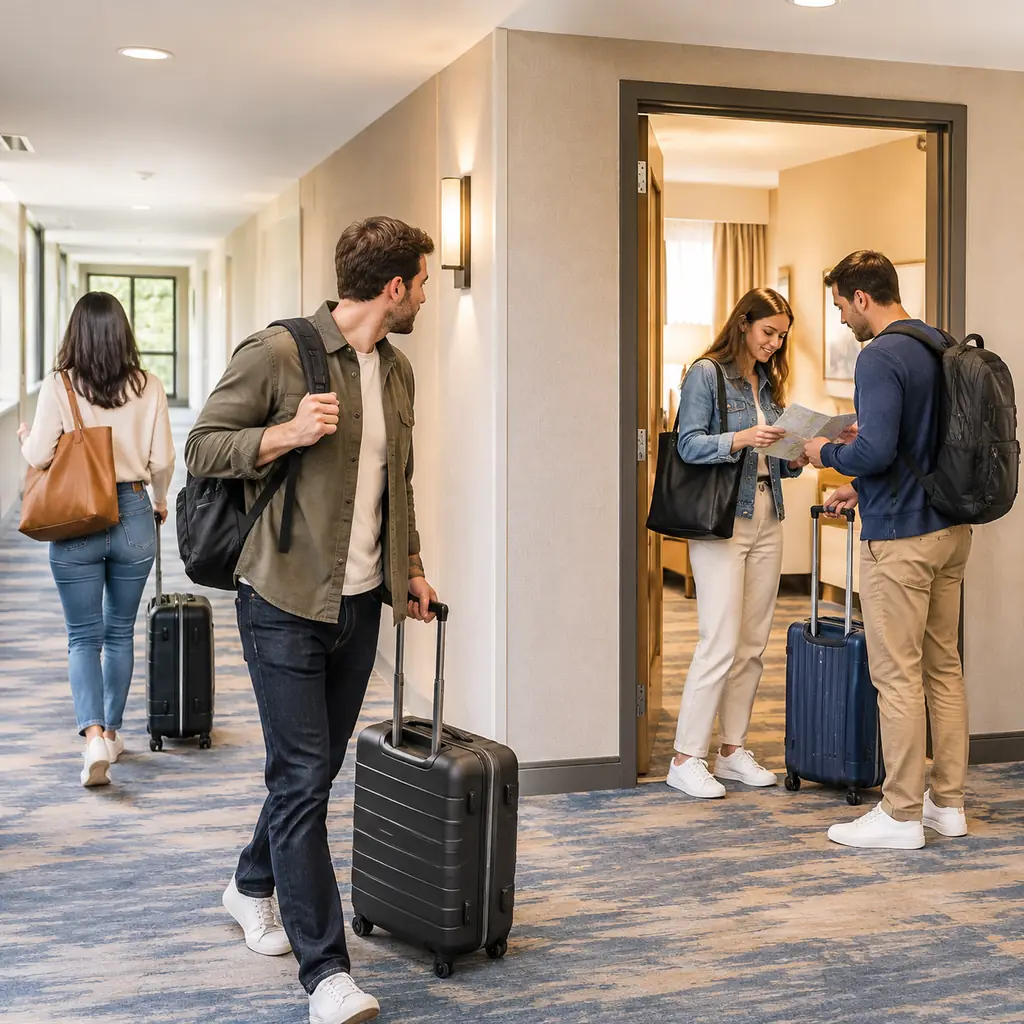
A room opposite a corridor junction may catch more passing conversations than its position on a floor plan suggests. Travelers turn, stop, read signs, and reorganize bags outside the door.
Ask whether the room faces a major corridor intersection or the entrance to another wing.
A few doors farther along can reduce passing traffic without placing you at the farthest possible end of the building.
The room opposite the housekeeping cupboard
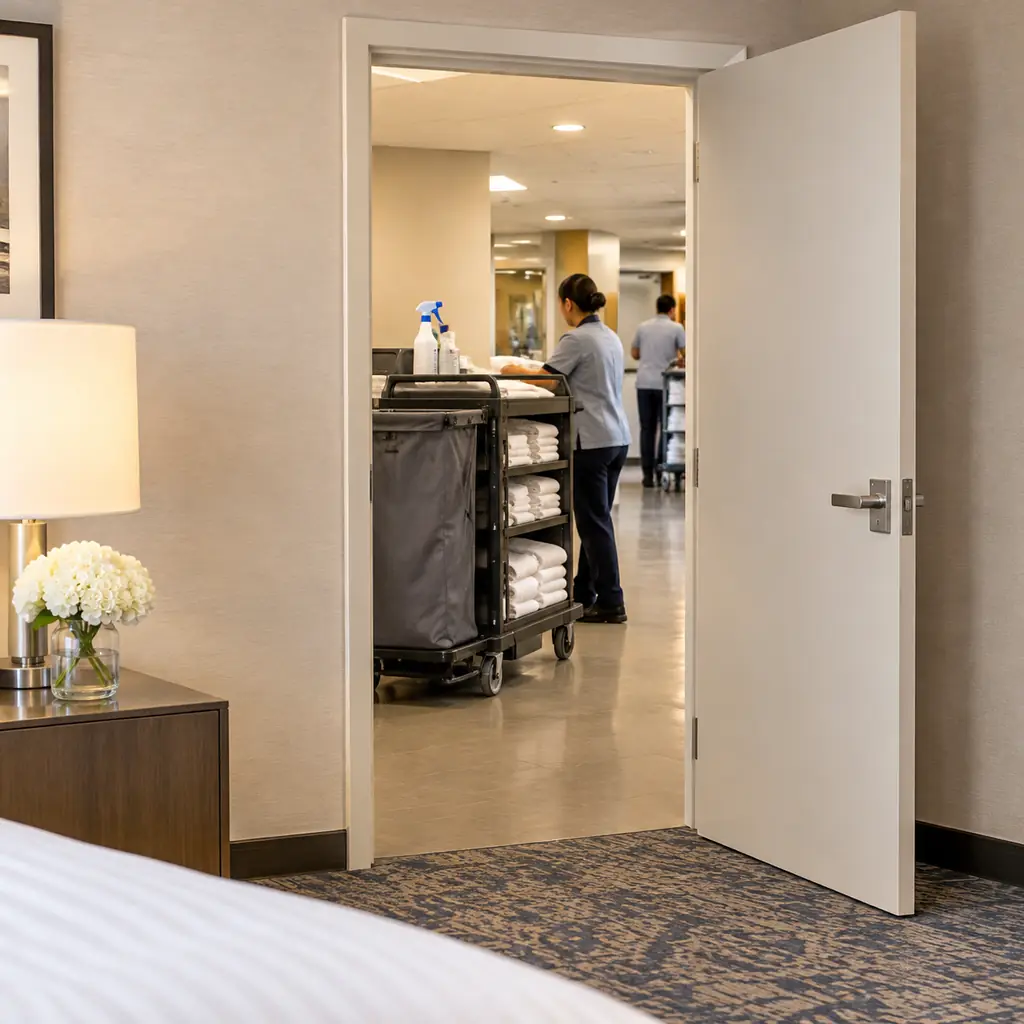
A small unmarked door can conceal the floor’s busiest work area. Linen carts and conversations may start moving nearby while you are still sleeping, especially after a late arrival.
Ask for a room away from housekeeping stores if you expect to sleep into the morning.
Staff need to do their jobs. Choosing a different position is more realistic than expecting a working hotel floor to remain silent.
The ground-floor room beside the smoking area
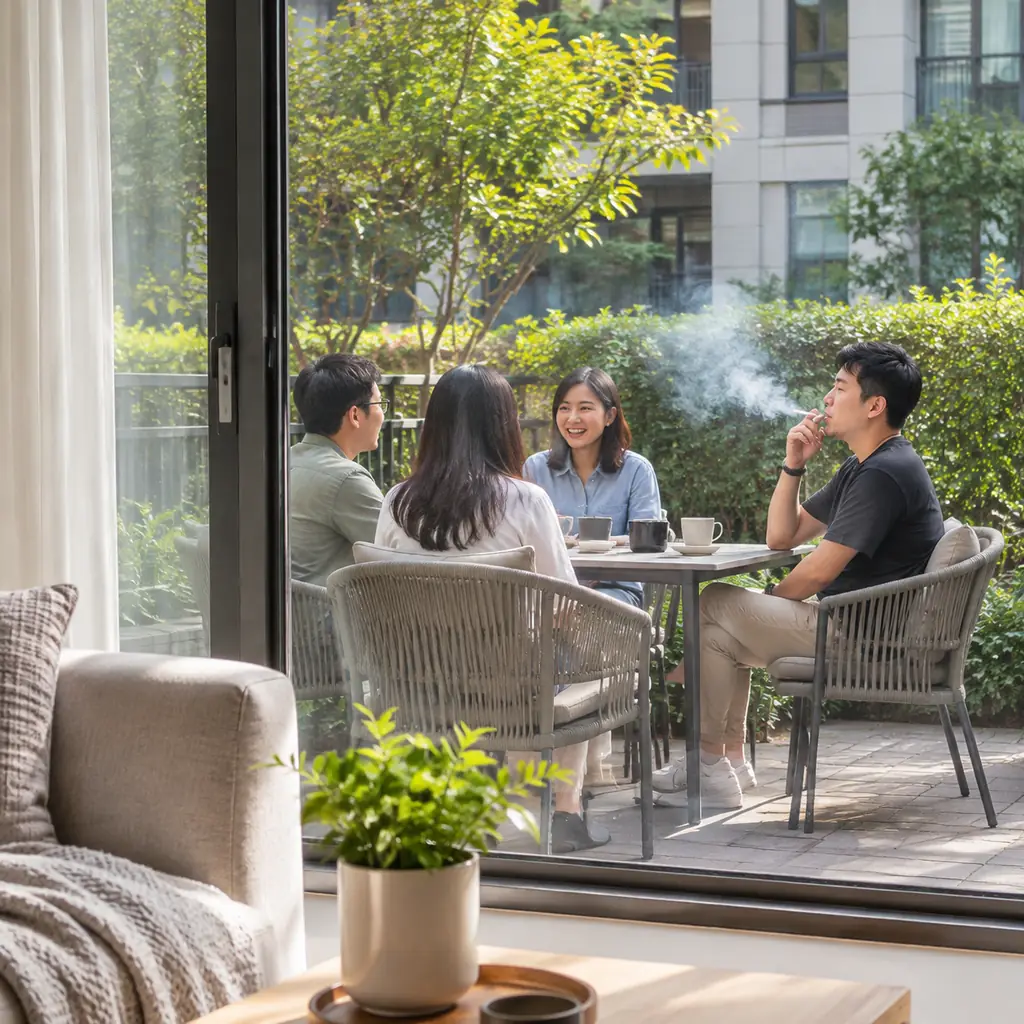
The garden-level room may offer a pleasant terrace, yet nearby outdoor seating can become a regular gathering place. Smoke and conversation are easier to notice when your window is at the same height.
Ask where the designated smoking area sits relative to the room and terrace.
A room farther along the same floor may preserve practical room access without placing your open window beside a popular meeting point.
The street corner beside the traffic lights
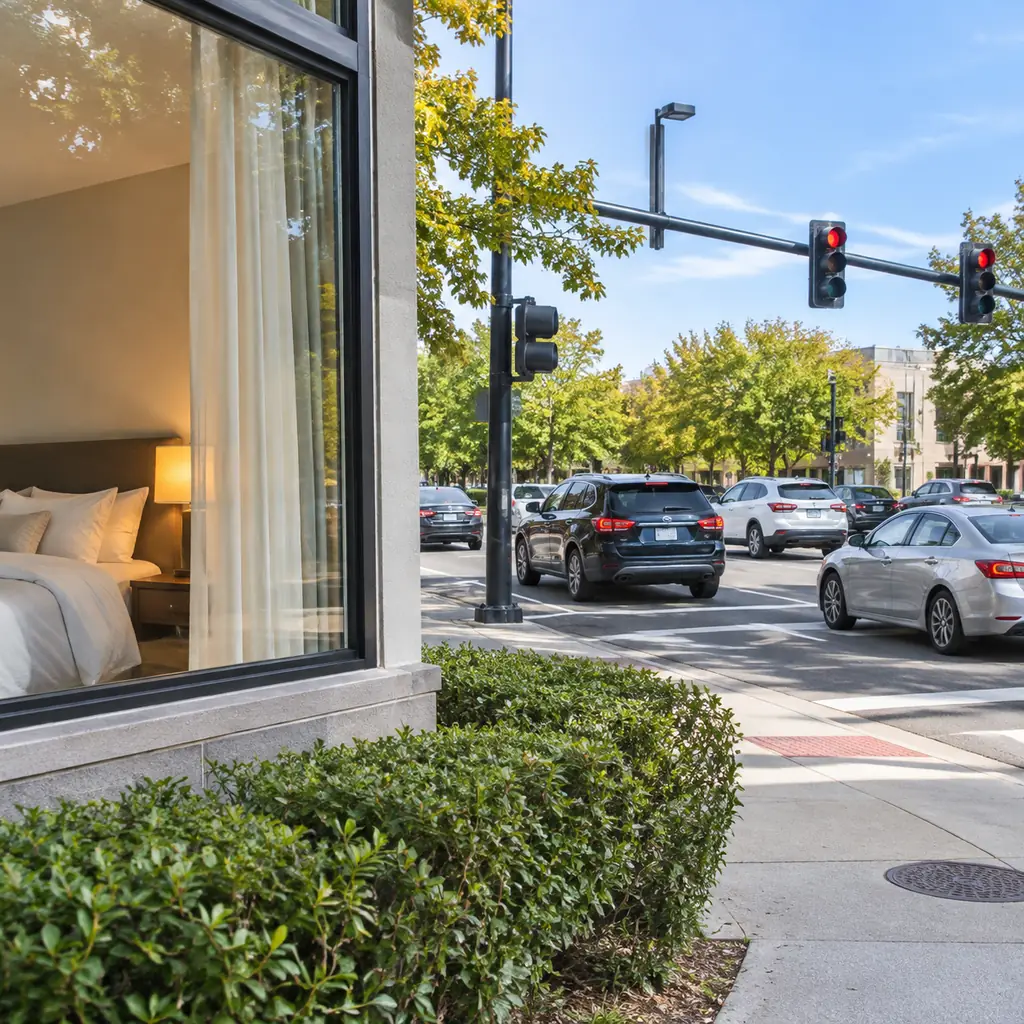
A street-facing room can have a good view and still interrupt sleep. Vehicles stopping, accelerating, and idling at an intersection create a different sound pattern from steady traffic passing farther away.
Check the exact corner and ask whether the bedroom faces the junction.
If you like an urban view, a room along the quieter stretch of the same facade may be a better compromise.
The room beside the stairwell door
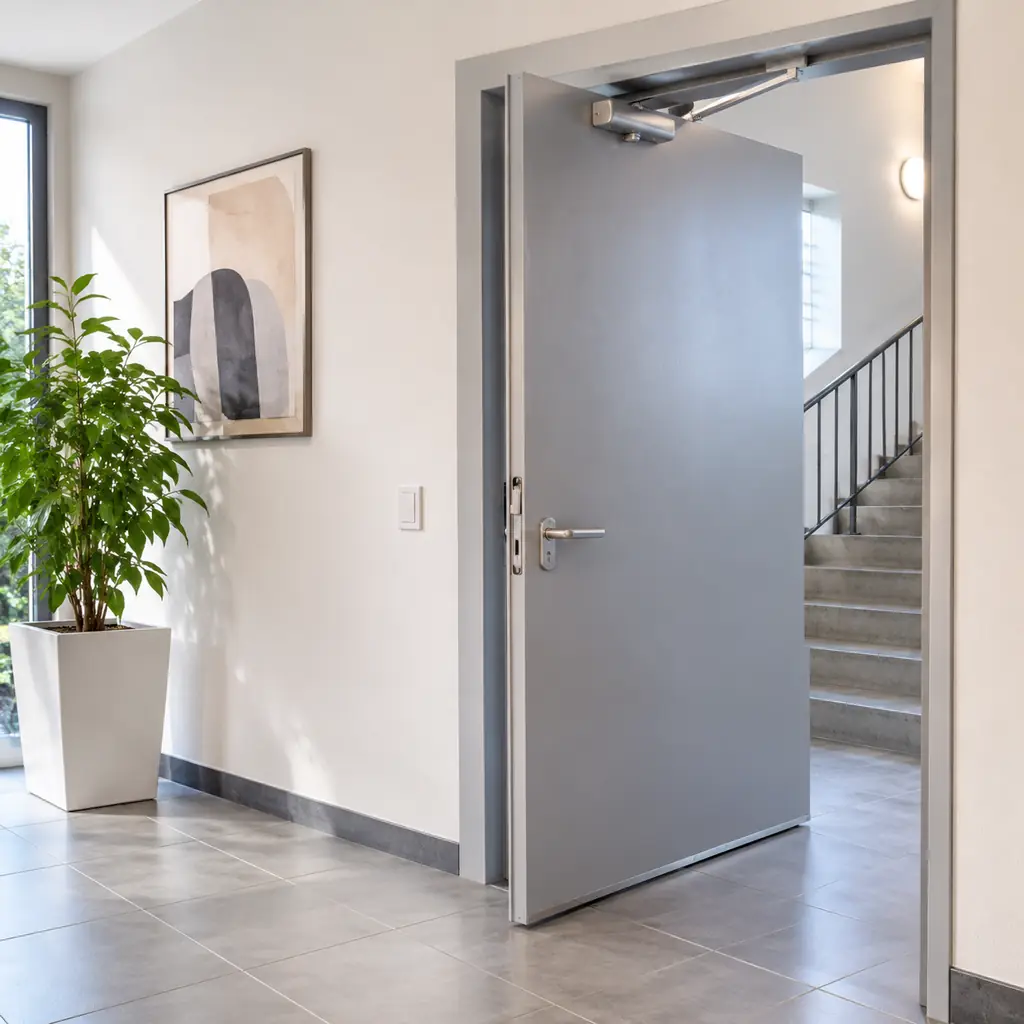
A stairwell is useful for guests who prefer to avoid elevators. Its door can also become a repeated source of slamming, particularly when a closer is badly adjusted or the floor is busy.
Ask whether the room entrance or bedroom wall adjoins a heavily used stair door.
On a European trip involving unfamiliar buildings, keep an accessible escape route in mind, but distinguish convenient proximity from sleeping directly beside its everyday opening and closing.
The lower room overlooking the taxi rank
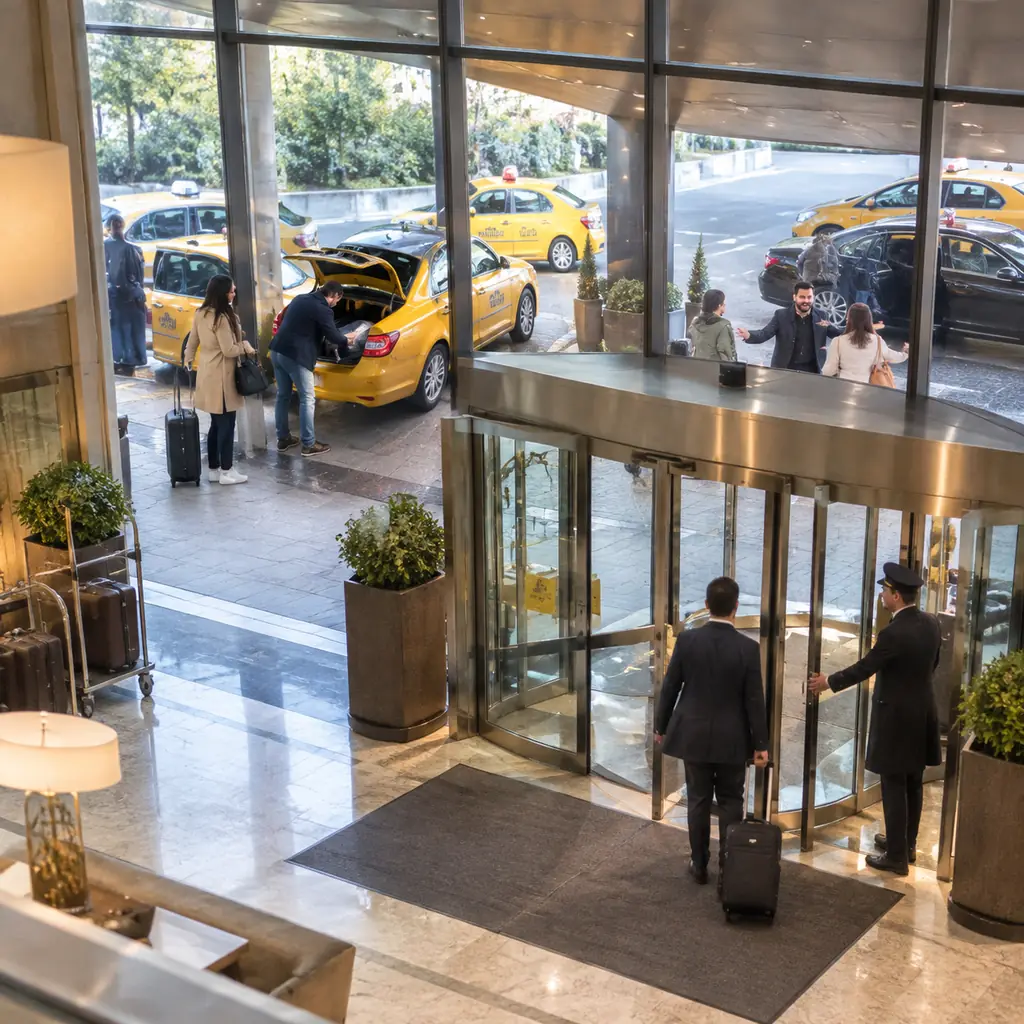
The hotel entrance offers a lively sense of arrival. From a bedroom immediately above it, that activity can mean doors closing, engines running, and people greeting one another at irregular hours.
Ask whether the assigned window faces the main entrance, taxi stand, or coach pickup point.
Travelers who enjoy watching street life may welcome it. A light sleeper with an early train probably wants another exposure.
The room beside a wedding reception
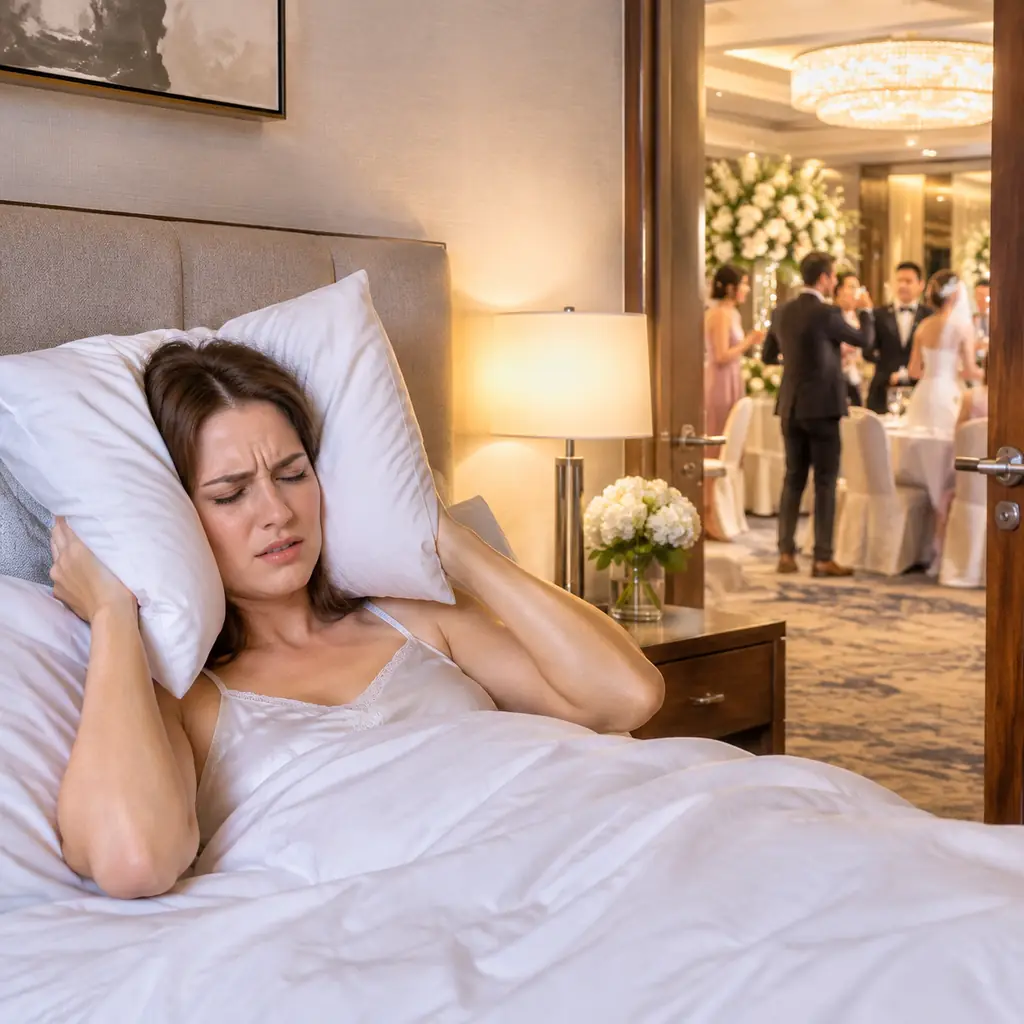
Grand hotel public rooms can be an asset when you are attending the celebration. It matters differently when you are trying to sleep while guests celebrate, leave, and return to their rooms.
Ask whether a private event is scheduled near your stay and which bedrooms are closest to the venue.
A quiet-room request is more useful when staff can match it to that evening’s actual event layout.
The window facing outdoor air-conditioning equipment
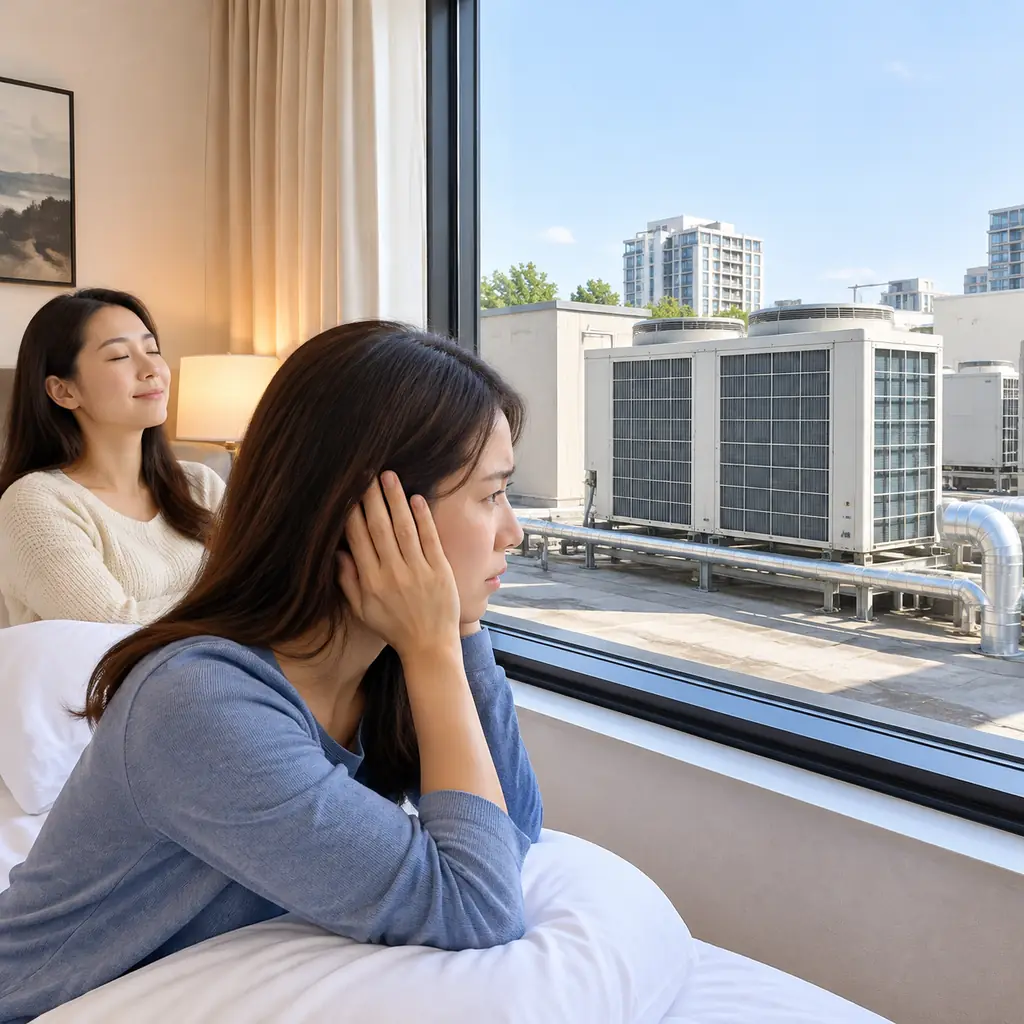
A room can avoid street noise yet face mechanical equipment on a roof or service terrace. The steady hum may be tolerable to one guest and distracting to another.
Ask whether the window overlooks external plant equipment, particularly when the view is described vaguely as internal.
Request a photograph if orientation is unclear. The room’s height alone does not reveal what machinery operates immediately outside it.
The room at the pool’s busiest gate
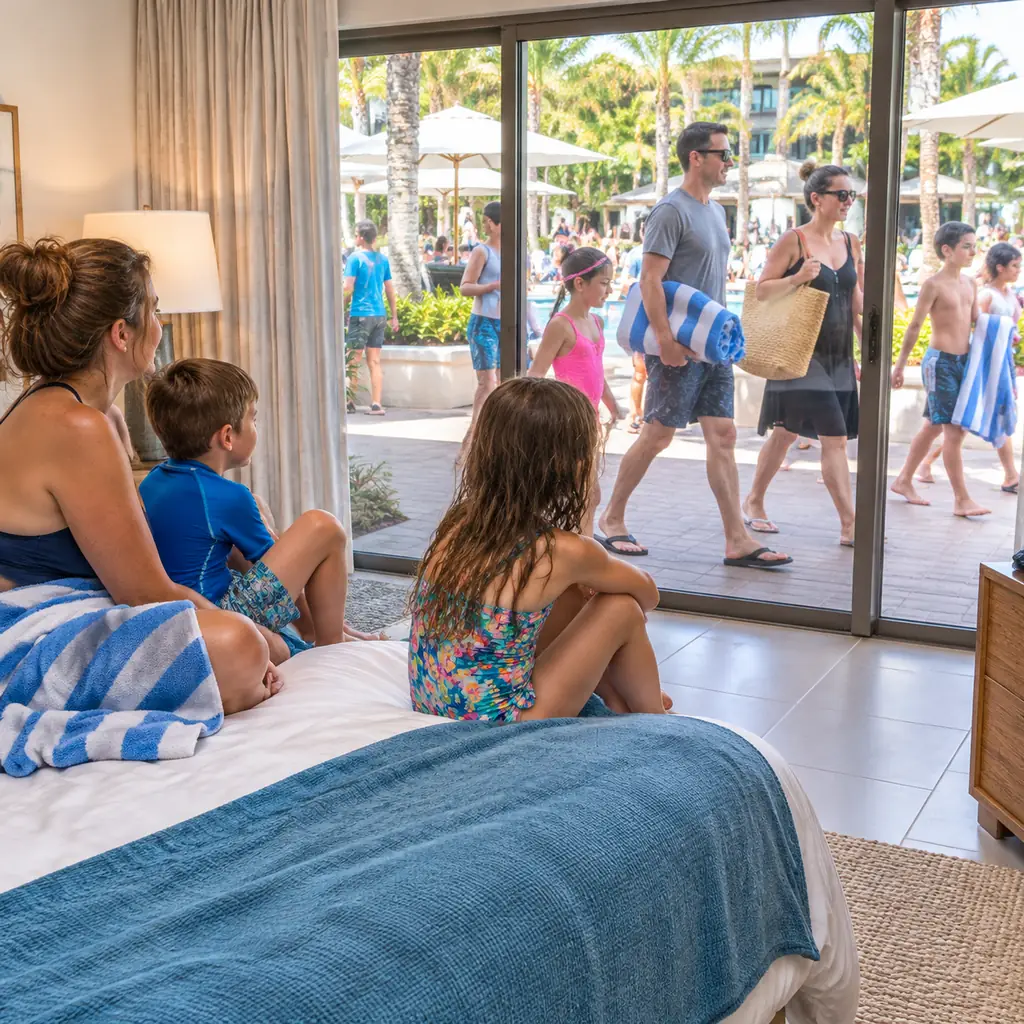
Pool access can make a family stay easier, but a ground-level room near the entrance may experience passing feet and conversations from opening time until closing.
Ask where the room sits relative to the pool gate rather than simply requesting a pool view.
A room overlooking the far end of the water can provide the same attractive outlook with less traffic beside the bedroom.
The balcony facing the evening entertainment stage
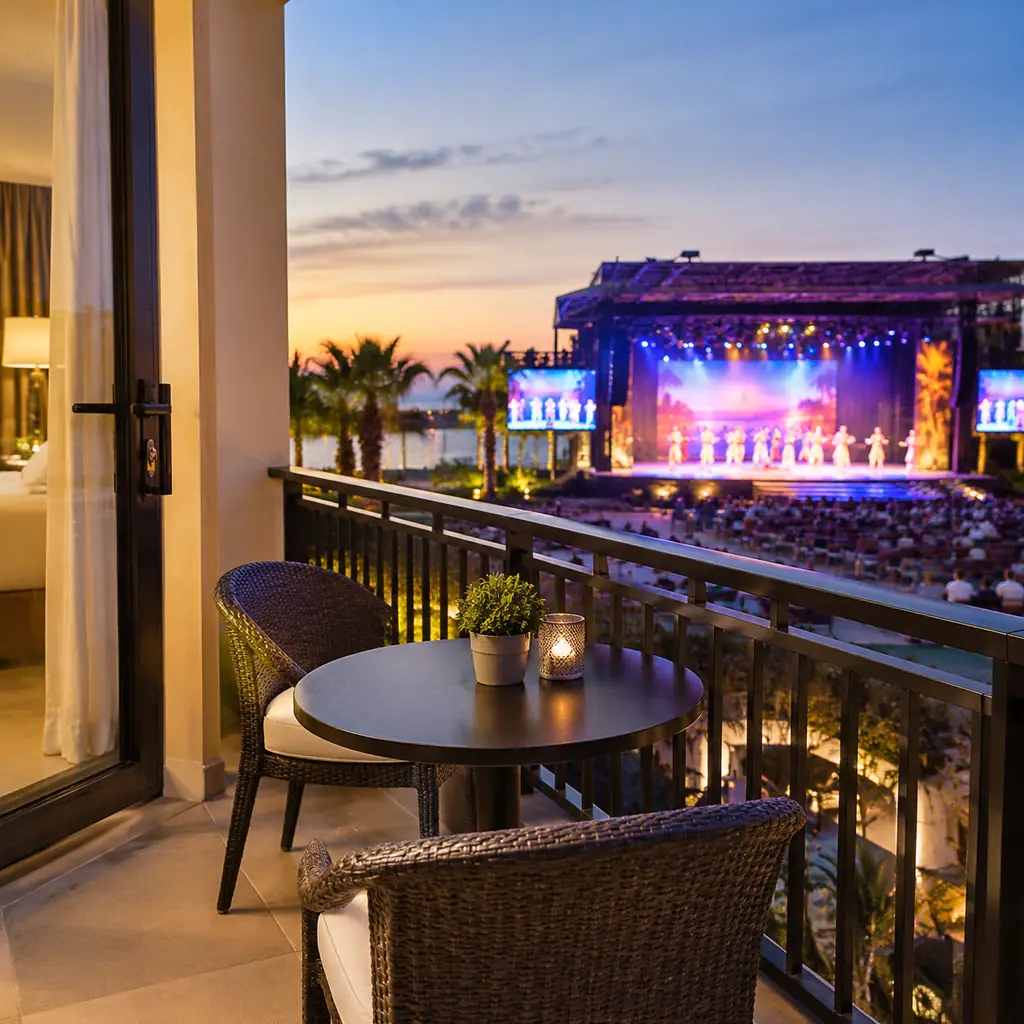
A stage view can be a genuine benefit if the show is part of your trip. It becomes less useful when you want an early night or prefer to leave the balcony door open.
Ask for the entertainment timetable and the direction the room faces.
Do not rely on a general description such as sea view; the stage may sit between that balcony and the water.
The beautiful room at the very end of the corridor
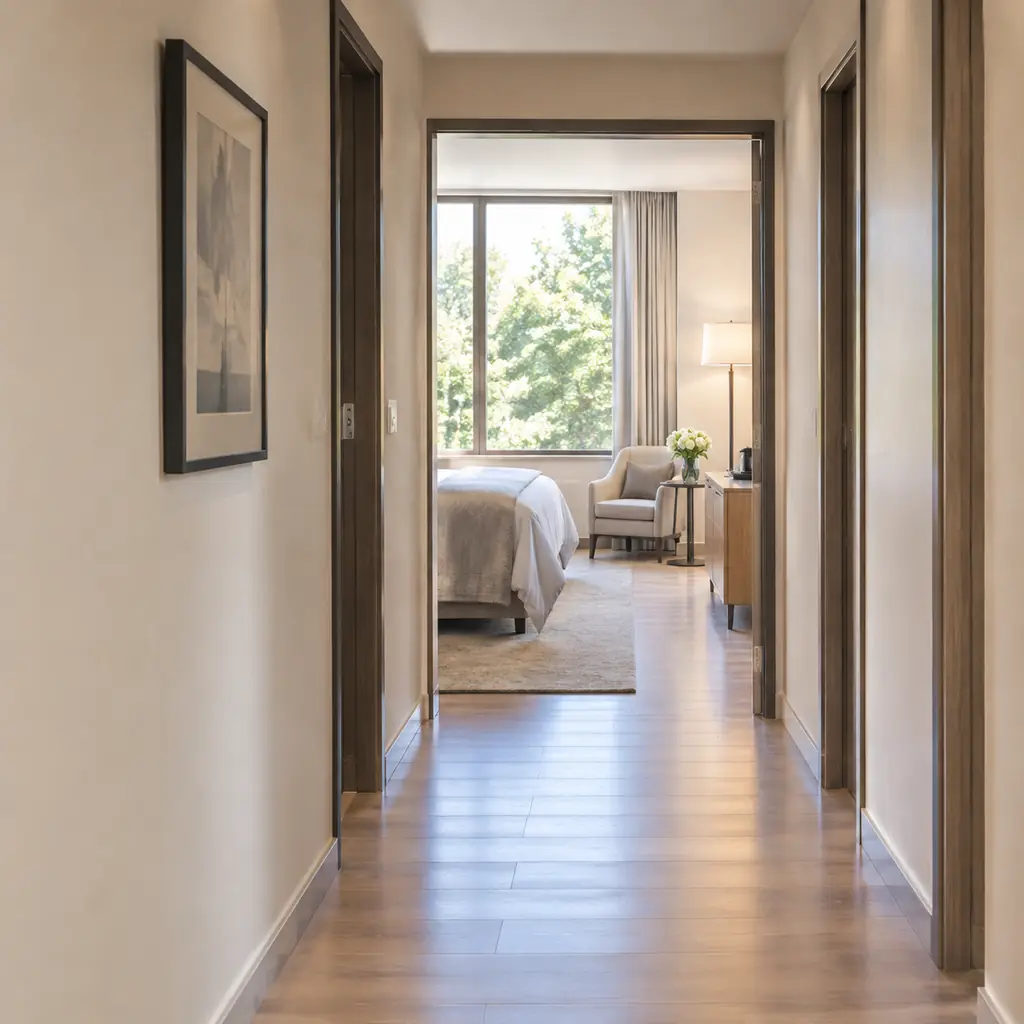
The farthest room can reduce passing traffic, but the walk becomes noticeable with tired legs, luggage, or repeated trips to breakfast. Quiet is not the only measure of a good location.
Ask how far the room is from the elevator and whether there are steps along the route.
At a historic hotel, describe your walking needs plainly. A moderately sheltered room near the elevator may be the more comfortable compromise.
The room beside the ice machine
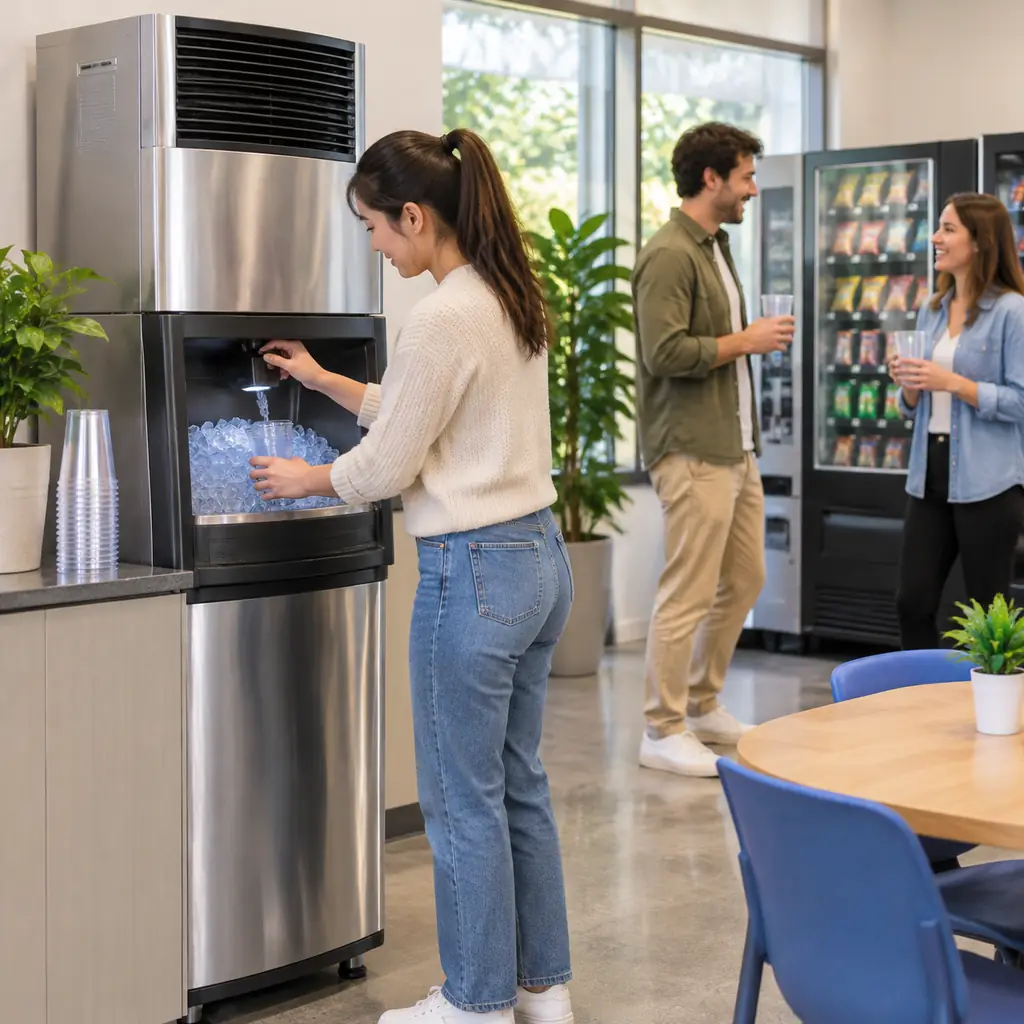
An ice machine is a small convenience that can generate several separate sounds: its motor, falling ice, cups, and guests collecting supplies. Nearby vending areas may also encourage people to stop and talk.
Ask whether there is a public refreshment station outside or beside the bedroom.
A request to avoid that single amenity is easier for staff to fulfill than an undefined demand for the quietest room.
The room above the pavement café
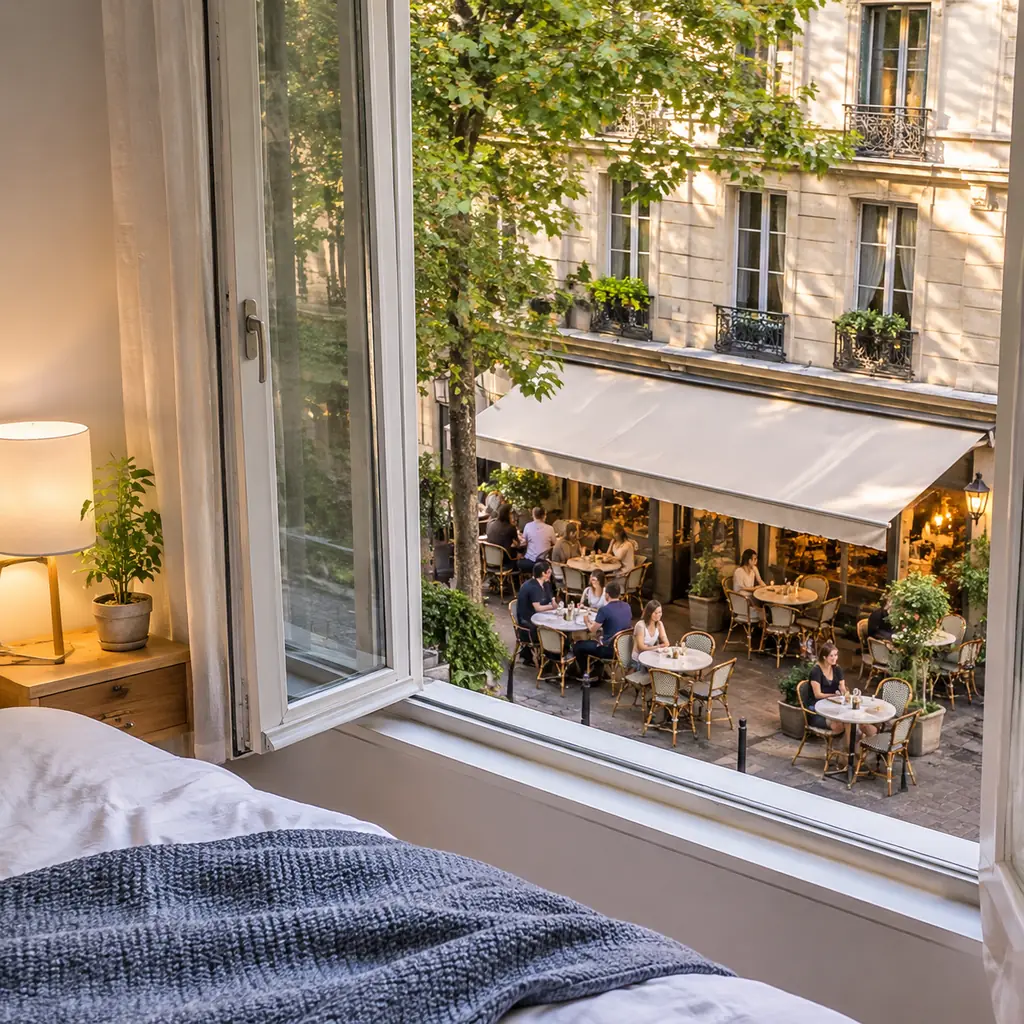
A café below the window can make the street feel charming. The experience changes when you want to sleep before the terrace empties or keep the window open during a warm night.
Check the café’s hours and whether the room has effective ventilation with the window closed.
If you value fresh air, a different facade may suit you better than relying entirely on sound insulation.
The high-floor room beneath the gym
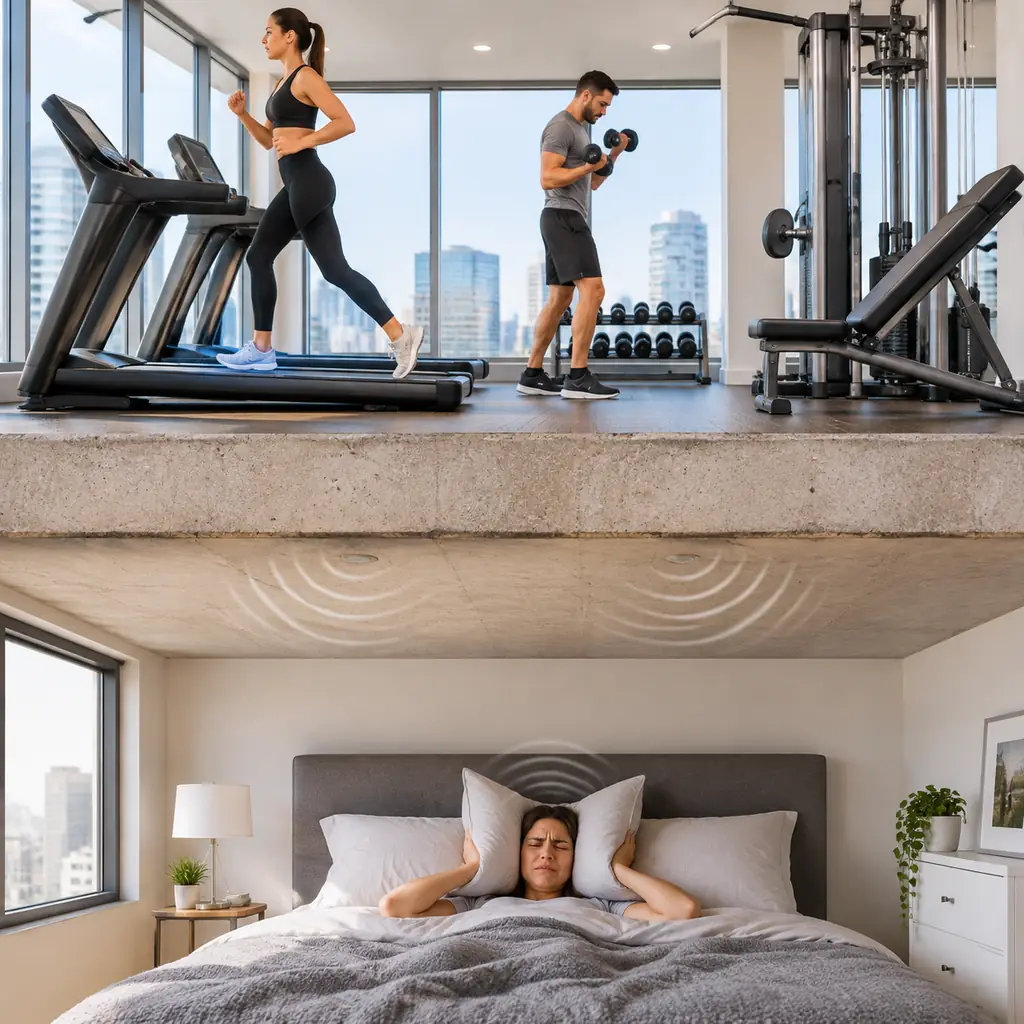
A top-floor label does not tell you what occupies the roof or floor above. Exercise equipment and movement can matter when a gym sits directly over the bedroom.
Ask specifically what is overhead, particularly if the hotel advertises a rooftop fitness area.
The answer may make a slightly lower room the wiser choice. A gym is an amenity to check separately from any extra hotel charges. Height is a location detail, not a promise of silence.
The room that catches every corridor conversation
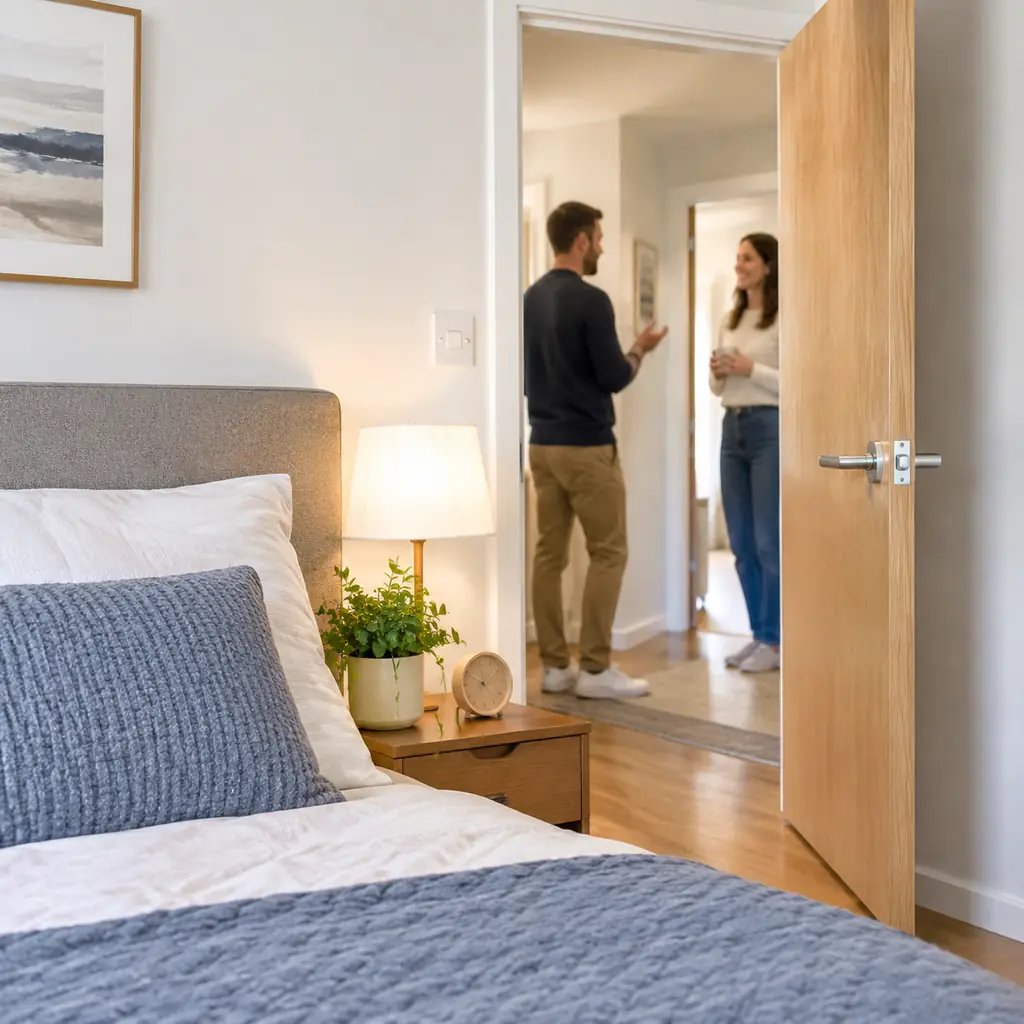
A room entrance can open almost directly toward the bed, with little separation between sleeping space and hallway. Even a quiet floor may feel exposed when voices pass close to the headboard.
Study the layout if photographs show the entrance and bed together.
A vestibule or turn in the room’s plan can create useful separation, although layout alone cannot establish the quality of sound insulation.
The room assigned before staff hear your priorities
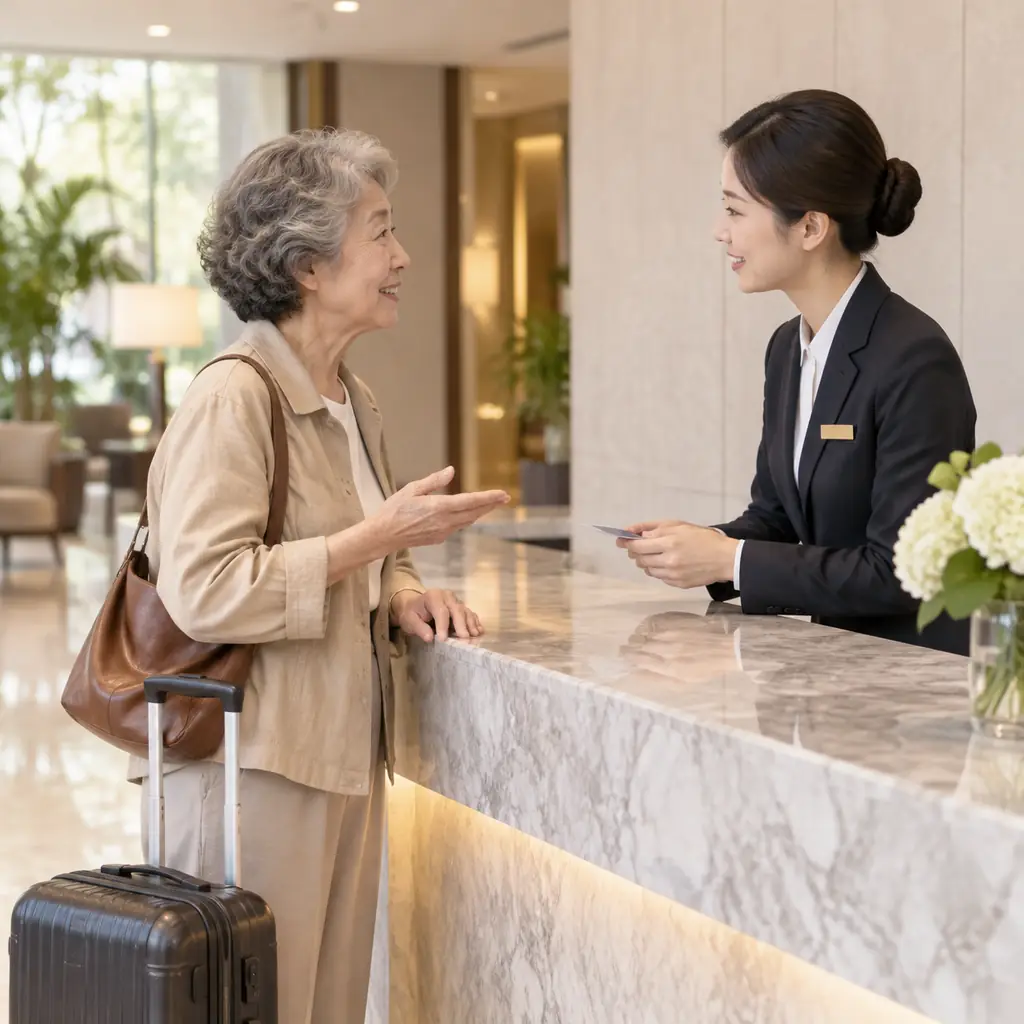
An online request can get lost among preferences for a high floor, a view, and an early arrival. Those wishes can conflict, leaving staff to guess which one matters most.
State your main priority in one sentence: a quiet, nonconnecting bedroom away from entertainment and service areas.
Ask again at check-in. A polite, specific request made before you unpack gives staff more room to help.
The upgrade that trades quiet for a view
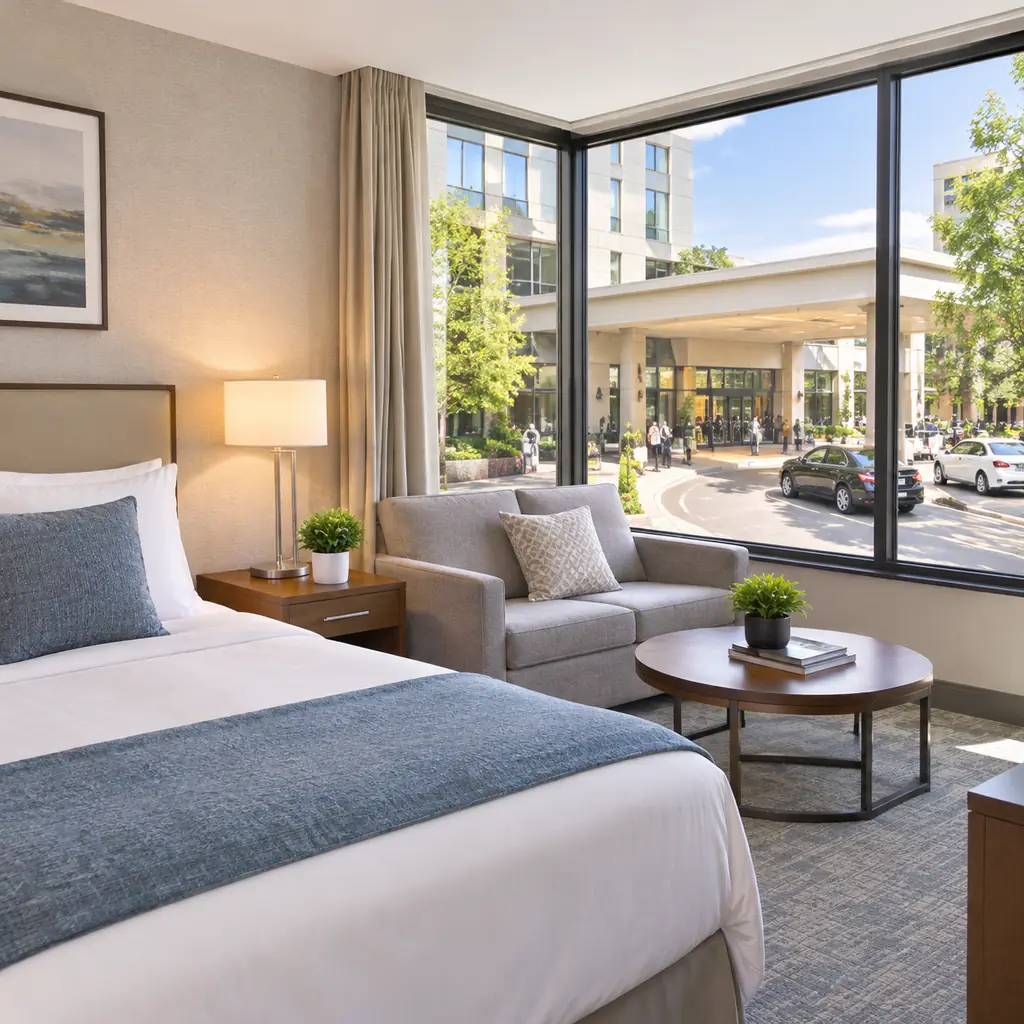
A better category is not always a better fit. A corner suite over the main entrance may offer more space while placing a light sleeper in a busier part of the property.
Before accepting an upgrade, ask what changes besides size and view. Our look at changing Las Vegas hotels also shows why the individual property deserves attention rather than relying on a familiar name.
You can decline politely when the location conflicts with your needs. The most useful upgrade is the one that improves the stay you actually want.
Sources and editorial approach
These recommendations combine published information with editorial judgments. Arrangements vary by property, airline, aircraft and date.