


Editor's note: These are editorial recommendations based on published hotel and airline information.
Layouts, services and experiences vary. This article does not claim firsthand experience at every property or on every airline. Check the exact booking before paying. Images are for illustration purposes only.Business class gives you more choices, but nobody hands you a guide to using them well. These small decisions can matter more than the champagne.
Trying every service instead of sleeping
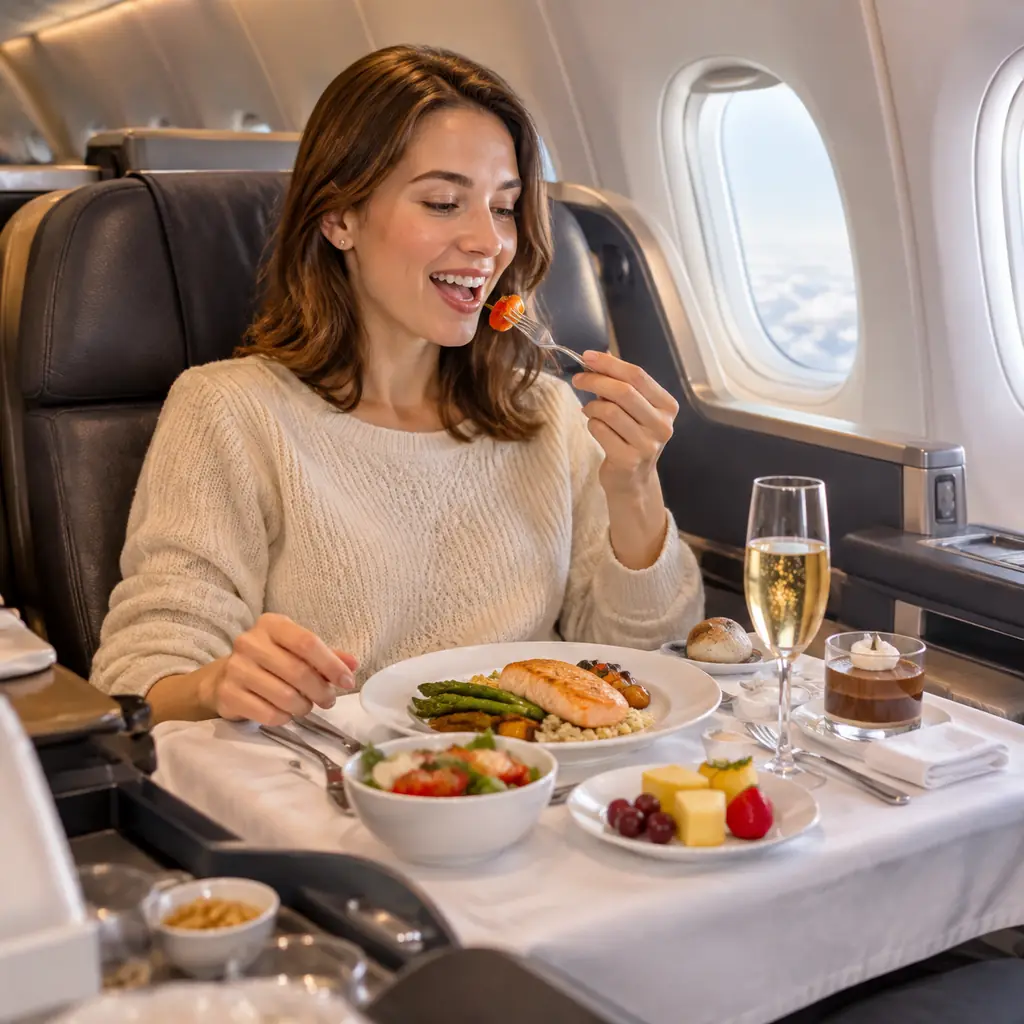
The first premium flight can feel like an invitation to experience everything. On a short overnight crossing, accepting each course and snack can leave little time to use the expensive bed.
Decide before boarding whether this flight is mainly for sleep or for enjoying the cabin.
Tell the crew your preference early. There is no failure in skipping a meal when a rested arrival is the benefit you wanted.
Assuming every business-class seat is the same
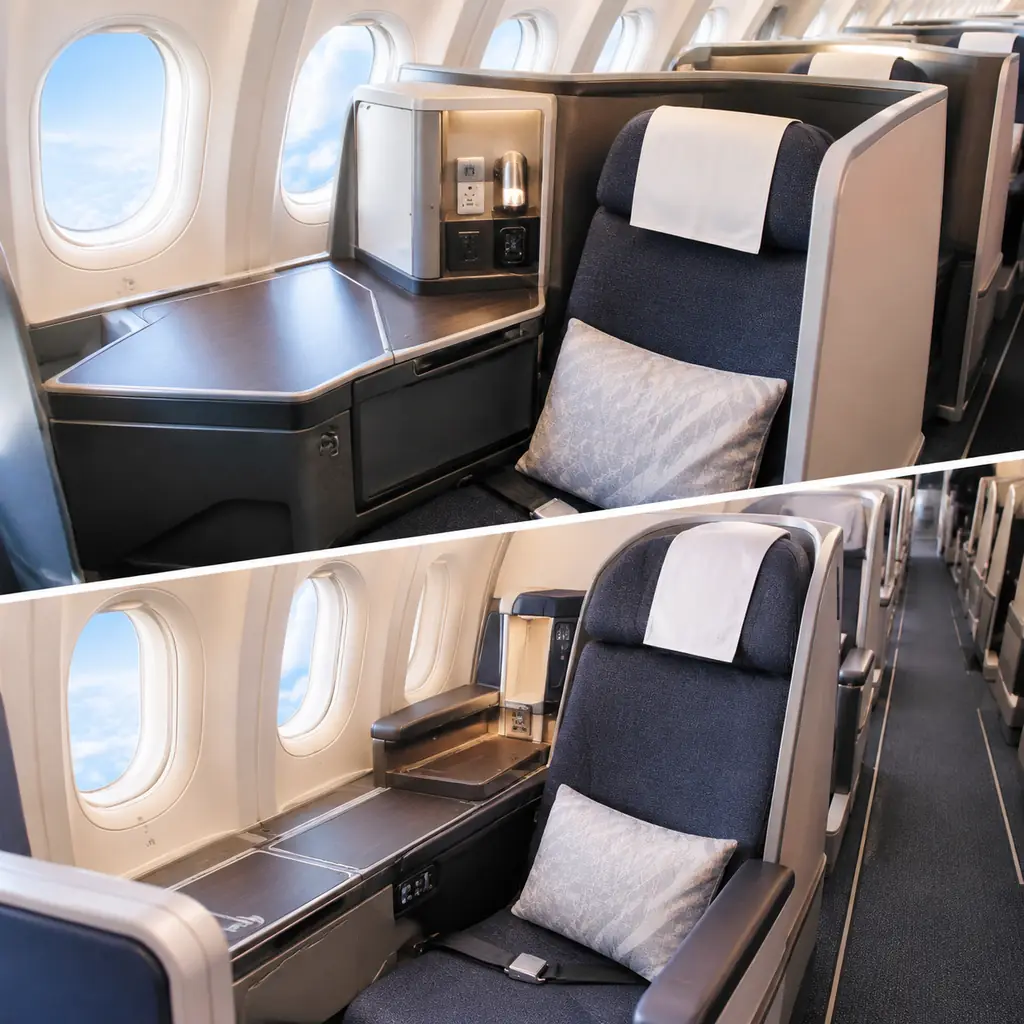
A business-class label does not identify the seat you will actually occupy. British Airways, for example, describes different long-haul Club World seats, including configurations with different privacy and access features.
Check the operating aircraft and current seat map for your specific flight, then remember that equipment can change.
A photograph of the airline’s newest cabin is not a guarantee that your booked departure will use it.
Filling the footwell with a carry-on
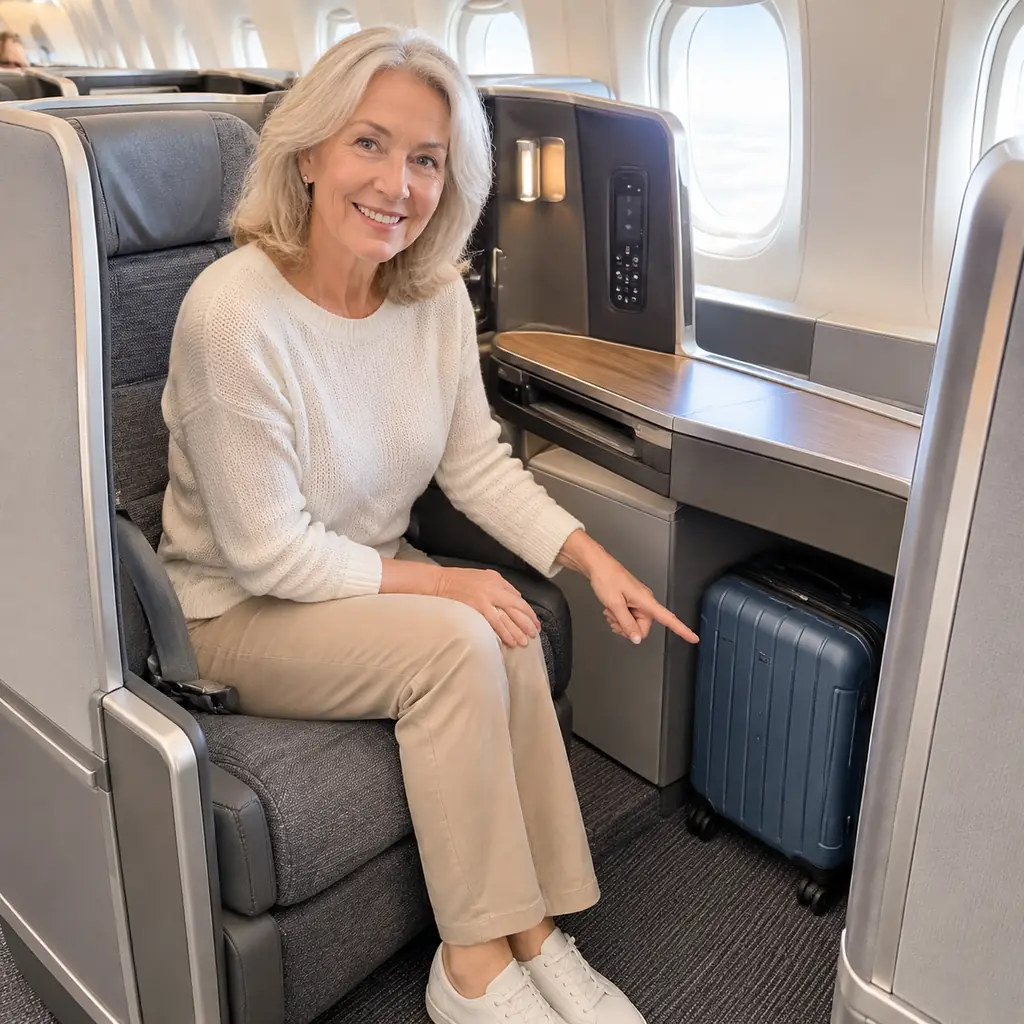
The space beneath the seat can look like a convenient place for a bag. On some seats it is also where your feet must go when the bed extends.
Ask the crew which compartments are approved for your belongings before settling in.
Keep the bed mechanism clear and follow takeoff storage instructions. A tidy seat area is more useful than having every possession within immediate reach.
Choosing a couple’s seat without checking the layout
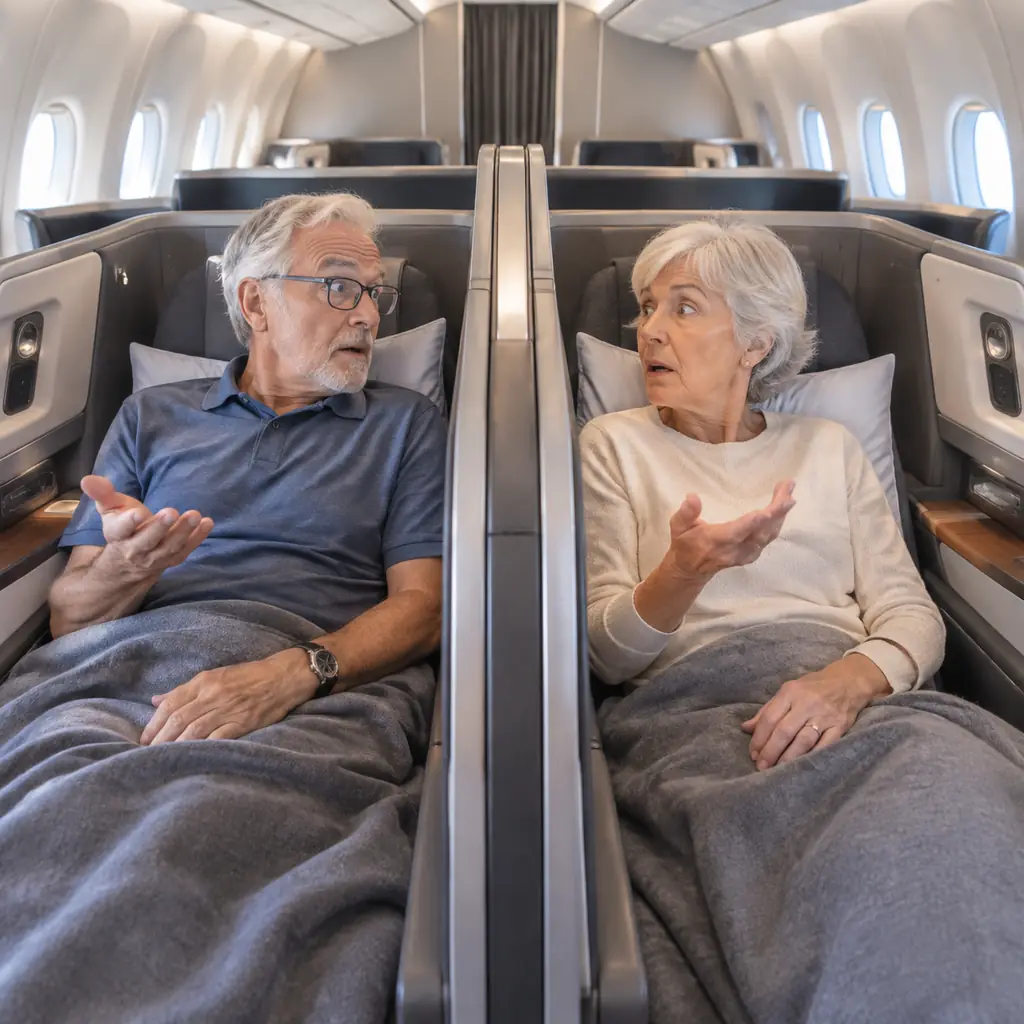
Two seats beside each other do not always offer the same conversation or privacy. A divider, aisle, or staggered position can change how comfortably traveling companions interact.
Look at the exact row rather than relying on the word middle or window.
For a special trip, decide whether sitting together matters more than a private window position. The right answer depends on how you expect to spend the flight.
Staying in the lounge until the last announcement
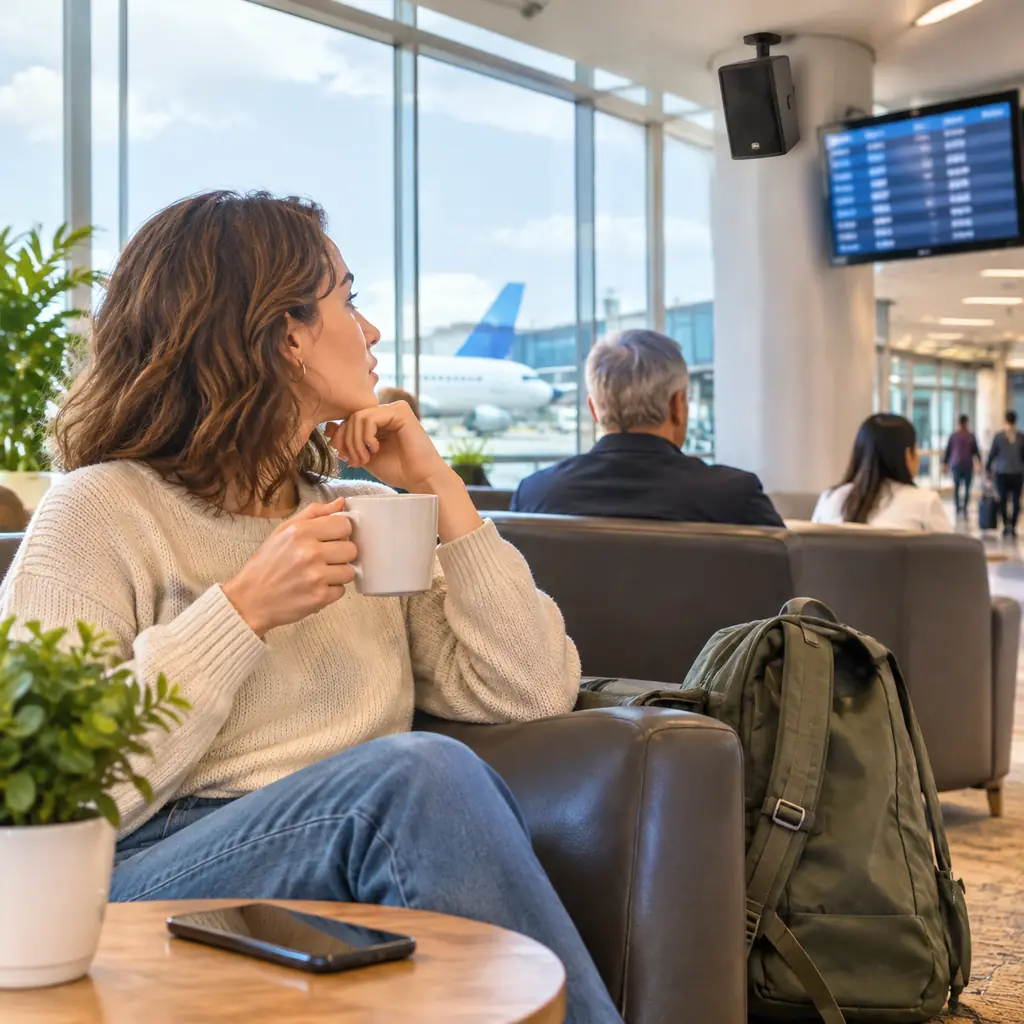
A lounge makes the airport more pleasant, but the gate may still be a long walk or train ride away. Boarding announcements and screens are not a substitute for knowing that route.
Check the gate and walking time before you order another drink or meal.
Leave time to reach the aircraft without rushing. Business class improves the wait; it does not shorten the physical distance to your departure.
Treating the door as soundproofing
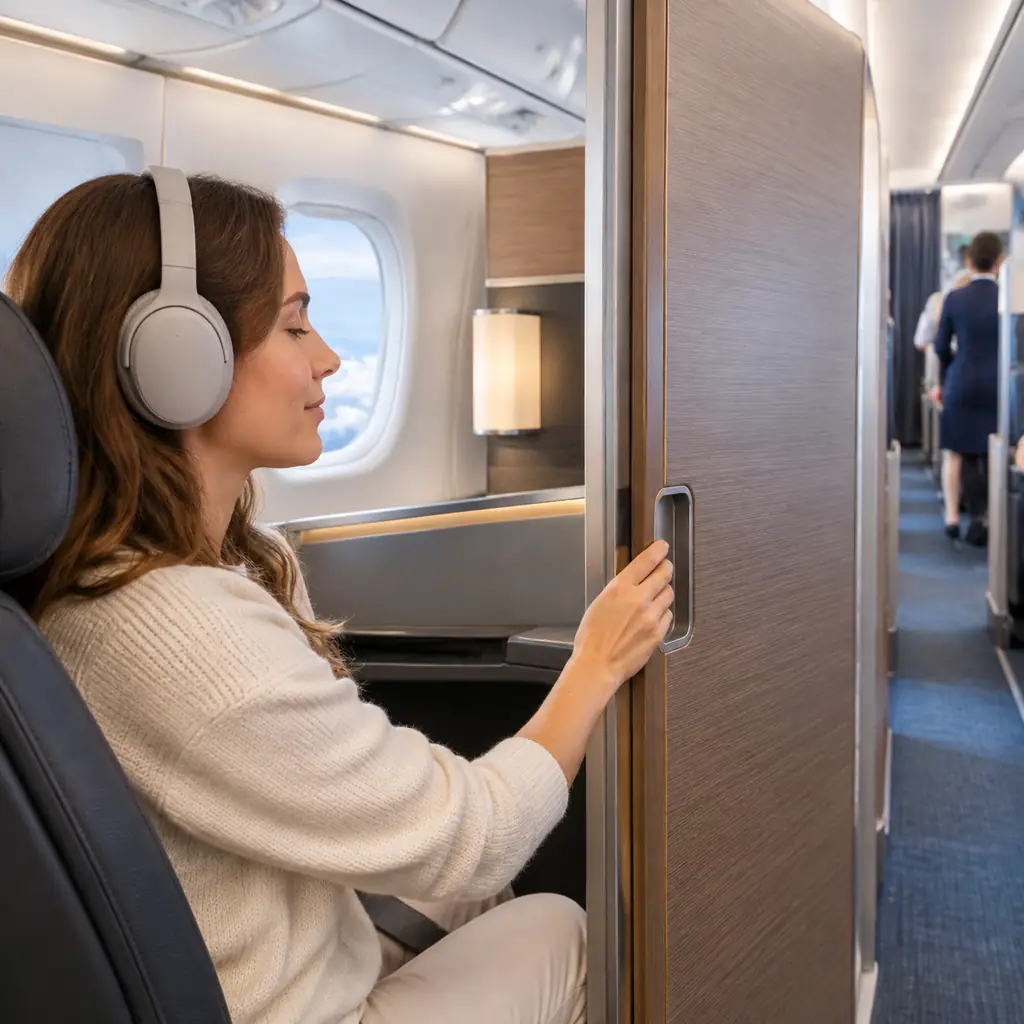
A suite door can add privacy without turning the seat into a separate room. Cabin announcements, neighboring conversations, and service continue outside the partition.
Use headphones at a comfortable level and keep your own calls or videos considerate of nearby passengers.
Ask the crew when the door may be closed. Its presence changes the feeling of the seat, not the basic shared nature of an aircraft cabin.
Not asking how the seat controls work
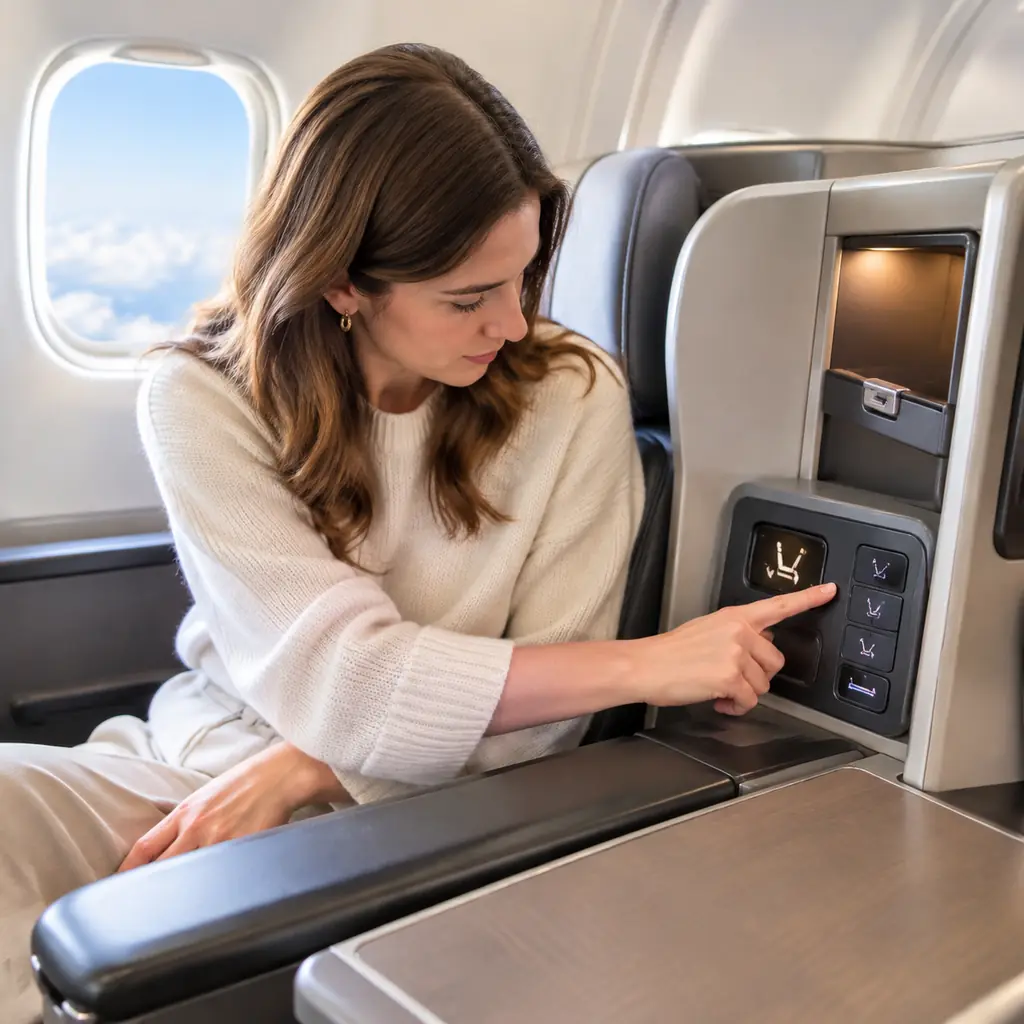
Premium seats can have several controls, storage catches, and bed settings. Quietly pressing unfamiliar buttons is not always the quickest route to getting comfortable.
Ask for a brief demonstration while the aircraft is still on the ground and the crew can help.
Knowing how to lower the armrest or deploy the table makes the rest of the flight easier, especially once the cabin lights are dimmed.
Ordering dinner without thinking about the destination time

A full meal may arrive when your destination is already approaching morning. You do not need a rigid routine, but eating automatically can work against the sleep you hoped to get.
Check the local arrival time and choose a meal plan that suits your next day.
A lighter course or an early bed can be a perfectly good use of the ticket rather than a missed entitlement.
Using every overhead bin like private storage
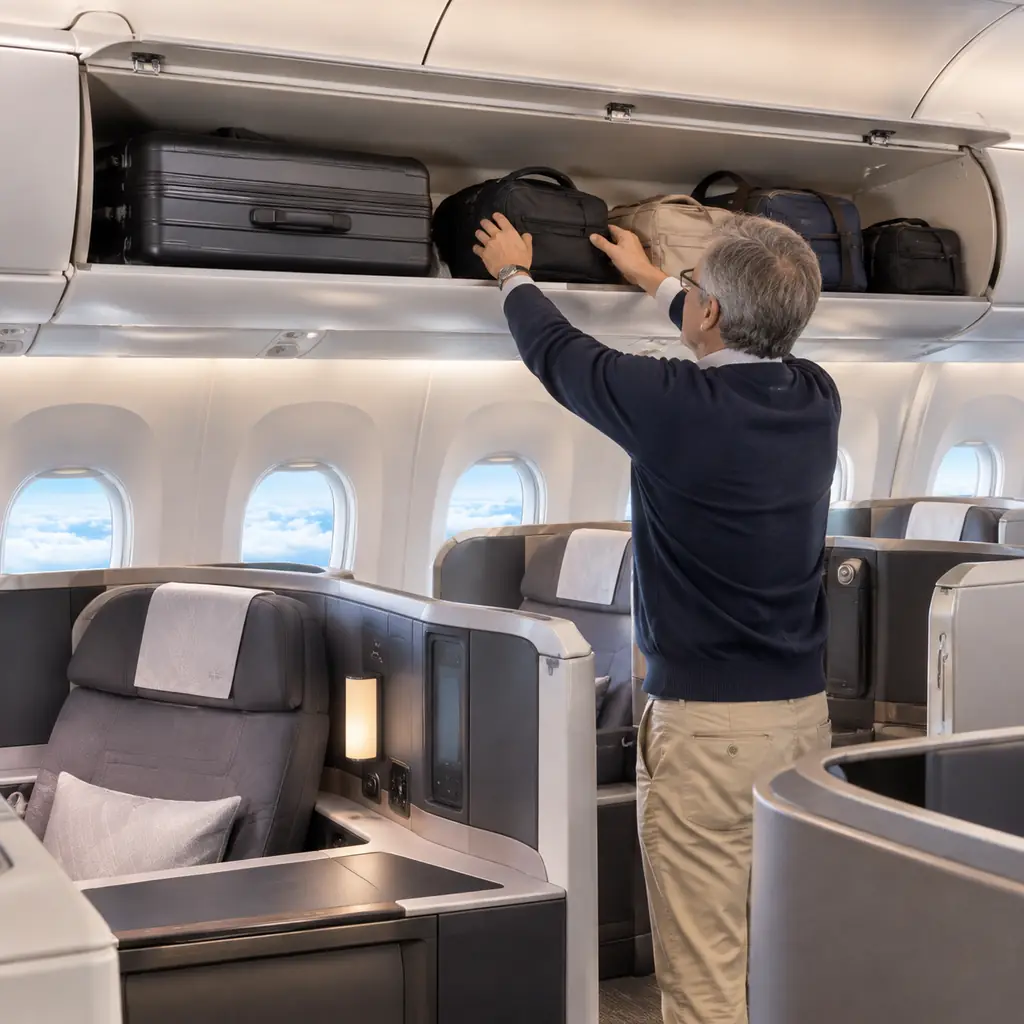
The space above a premium seat can feel personal, particularly in a small cabin. It still has to accommodate other passengers and equipment according to the aircraft’s layout.
Business-class cabin layouts differ, so place bags where the crew directs and leave room for neighboring travelers rather than spreading small items across several bins.
Keep the essentials in permitted seat storage. More generous surroundings do not remove the need to share the cabin considerately.
Expecting pajamas on every route
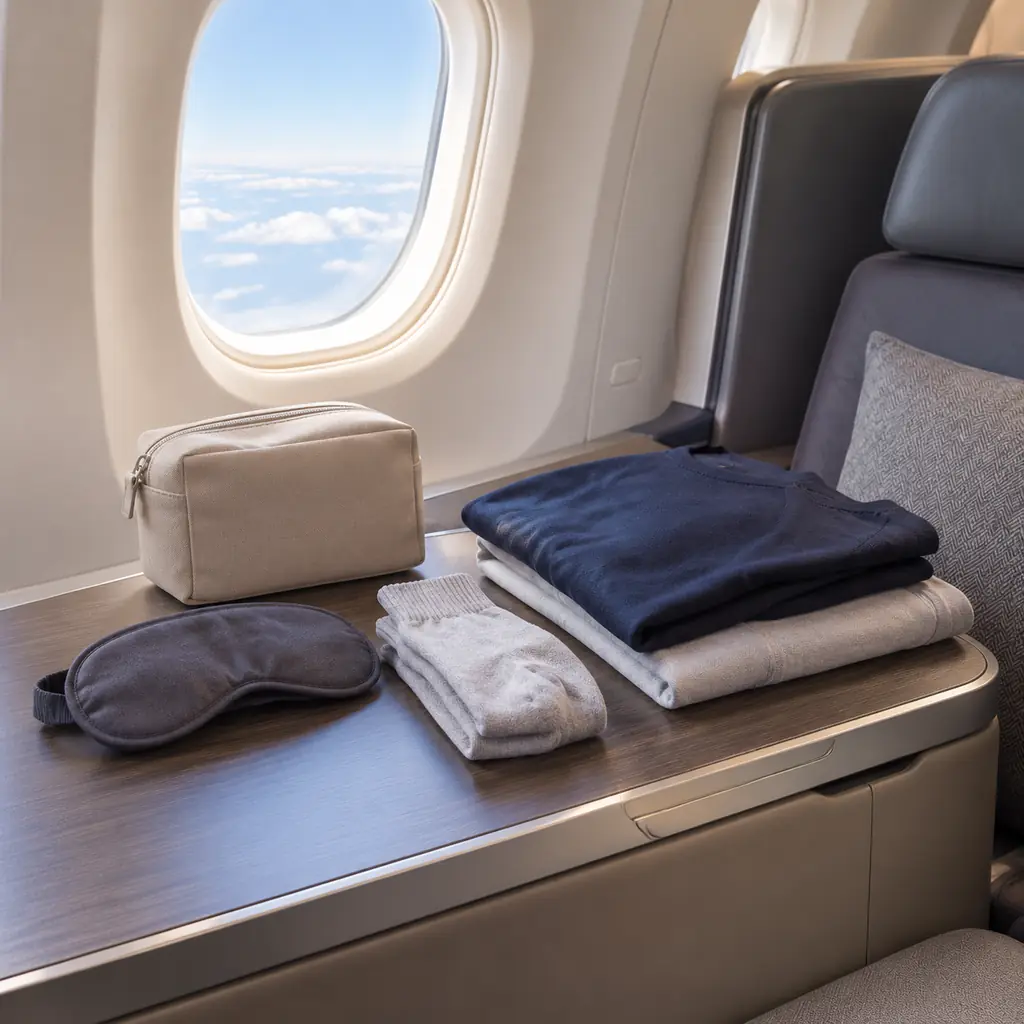
Amenity bags, slippers, bedding, and sleepwear vary by airline, route, and cabin. Business class does not promise the same kit that appears in a first-class review.
Read the airline’s current description for your booked product and pack a comfortable layer you can actually sleep in.
That small preparation matters more than an elaborate unboxing. Treat any extra items as welcome additions rather than assumed parts of the fare.
Forgetting that a lounge invitation has conditions

A business-class booking may include lounge access, but the location, operating carrier, and guest rules can differ. Taking a companion for granted can lead to an awkward conversation at the desk.
Check the invitation attached to your ticket and any separate status entitlement before travel.
If your companion is on another booking, confirm access together. A polite question in advance is easier than arguing at the lounge entrance.
Leaving chargers inside the bag you put away
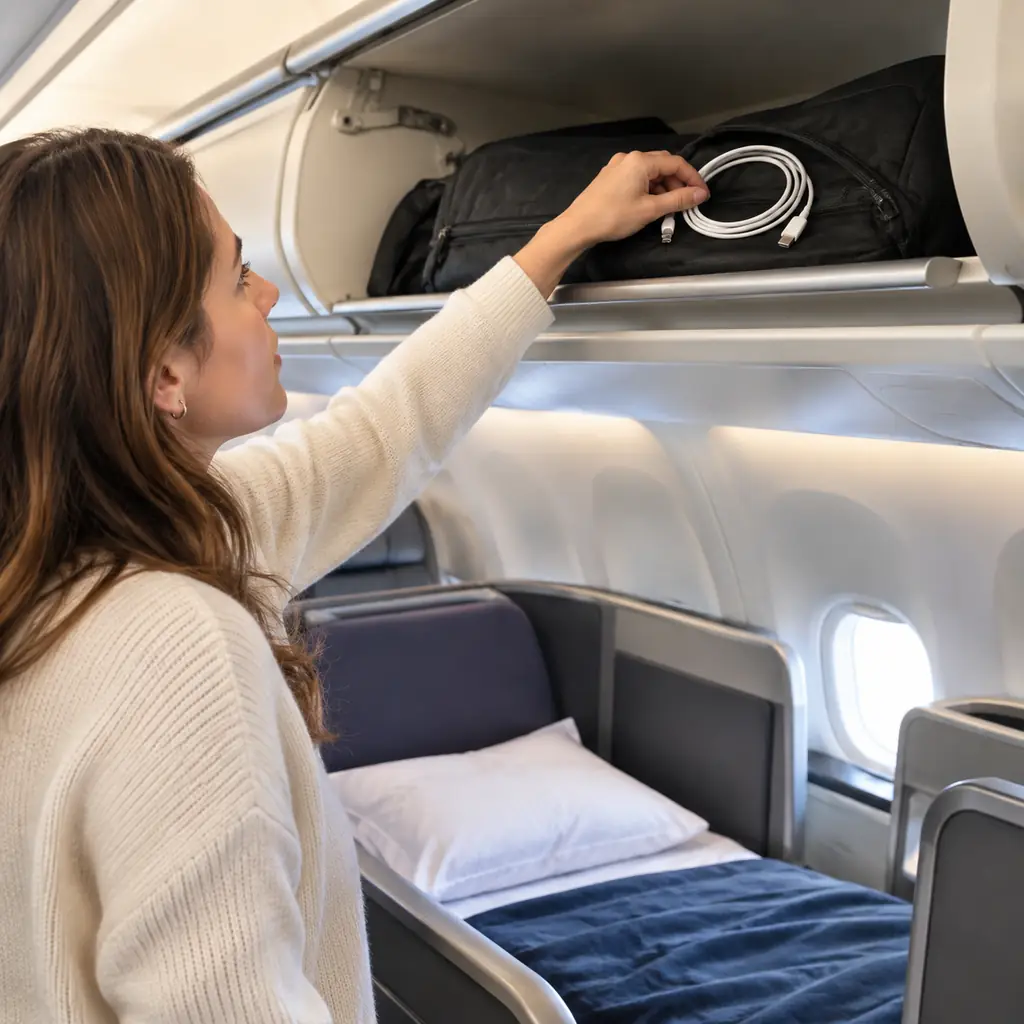
A lie-flat seat is less convenient when your cable remains in the overhead bin after the cabin settles down. Retrieving it can disturb people or require moving the bedding.
Put your charging cable, medication, glasses, and headphones in approved small-item storage before takeoff.
Keep the list short enough to manage easily. This is one of the long-haul comfort decisions worth making while packing, rather than after the cabin settles down.
Reclining while belongings sit in the mechanism
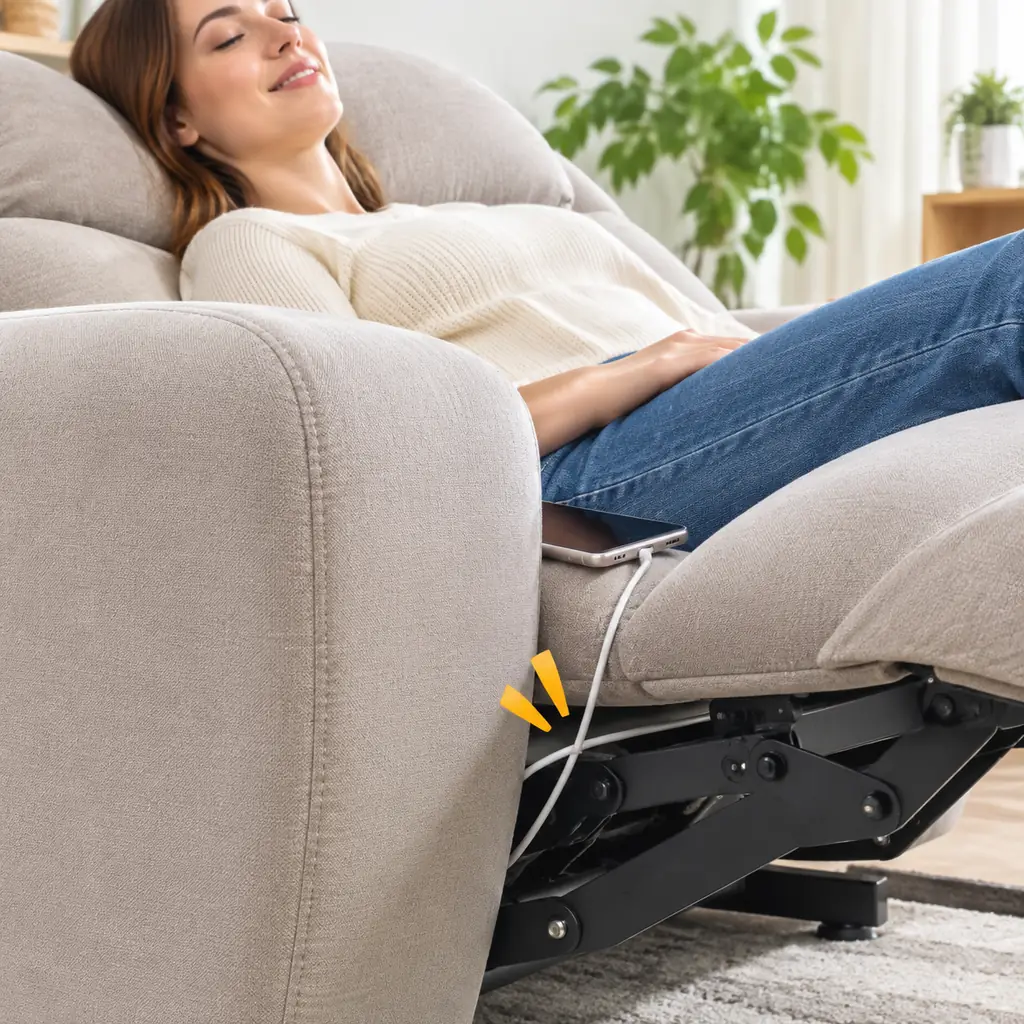
The seat can move through spaces that look harmless when it is upright. A phone, cable, or loose item beside the cushion can become trapped as the mechanism shifts.
Check around the seat before changing positions and tell the crew if something falls into the structure.
Do not reach into a moving mechanism. Following the crew’s instructions is more important than rescuing a device quickly on your own.
Choosing the first row without considering the galley
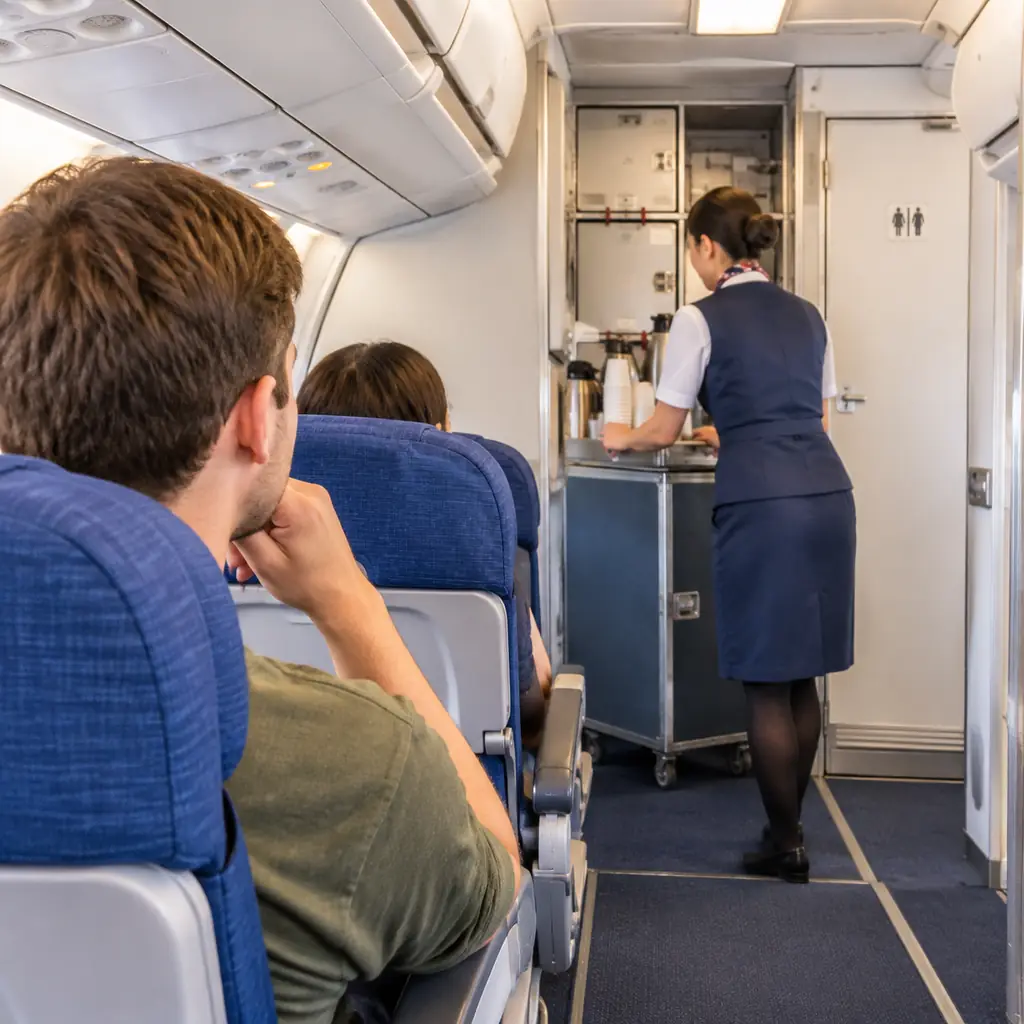
A forward seat can sound attractive, but its position may bring service activity near the galley or lavatory. The balance depends on the cabin’s actual layout.
Study where the galley doors and toilets sit before paying for a particular row. The difference between premium economy and business is partly about the sleeping space you can actually use.
If sleep is the priority, choose a position based on those neighboring spaces. The lowest row number is not automatically the quietest place to spend the night.
Assuming a window seat means direct aisle access
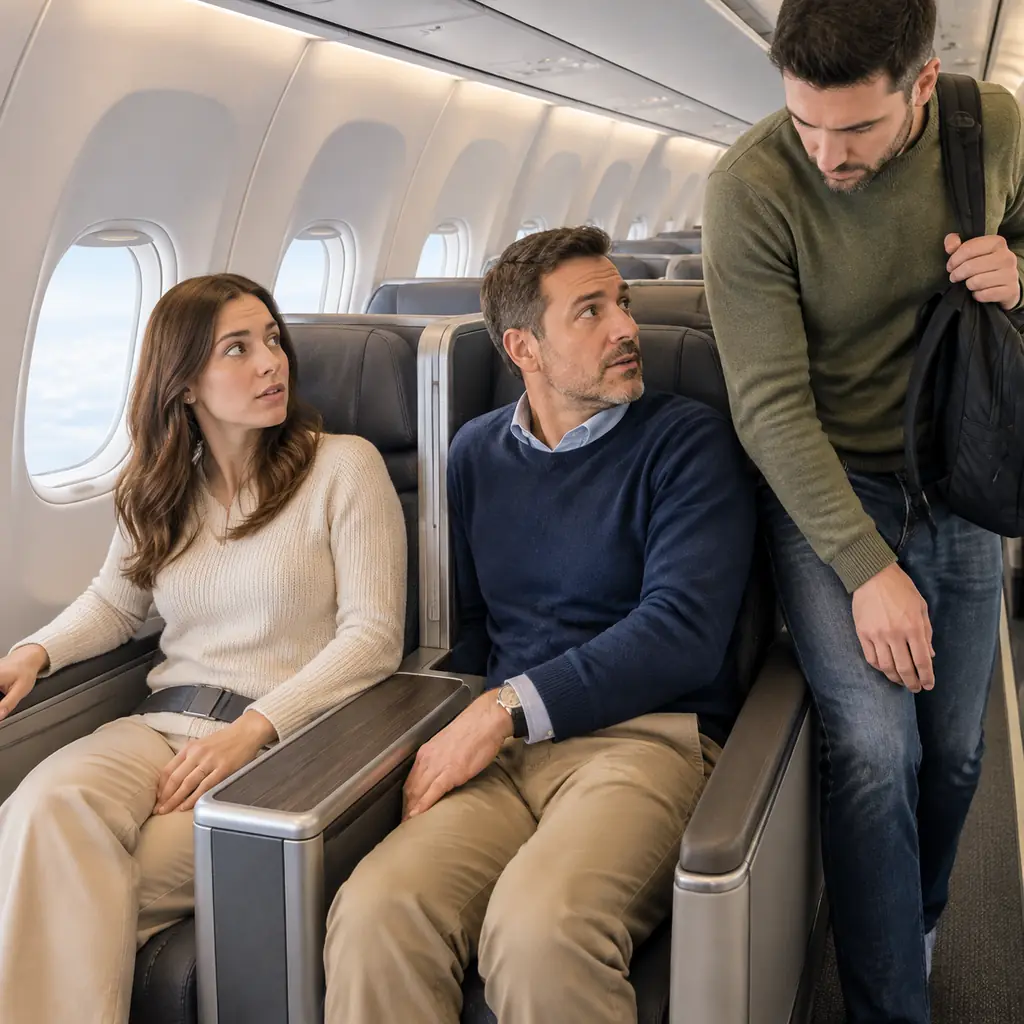
Modern premium-cabin photographs can make direct aisle access seem universal. Some business-class layouts still require a passenger to move past a companion or neighbor.
Check the seat plan for your operating aircraft and read the airline’s description of that cabin.
If frequent movement matters to you, prioritize access over the window view. The label business class alone cannot tell you how the route to the aisle works.
Feeling obliged to drink the welcome champagne
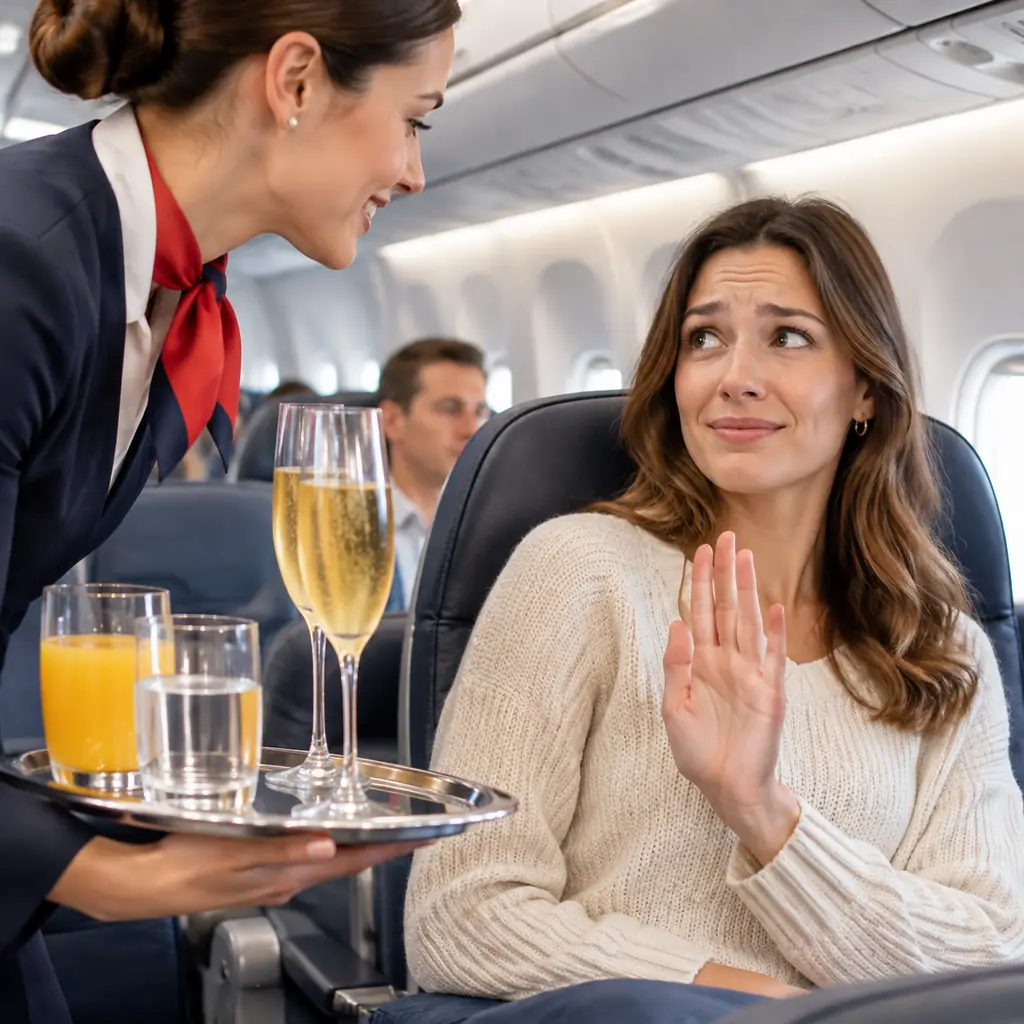
A welcome drink is an offer, not a test of whether you belong in the cabin. Water, juice, or declining altogether can suit a long travel day better.
Choose what you want without apologizing or ordering something simply because it feels associated with the ticket.
Enjoyment does not have to follow the photographs. Comfort often starts with making a few ordinary choices that suit your own habits.
Trying to keep the bedding perfectly folded
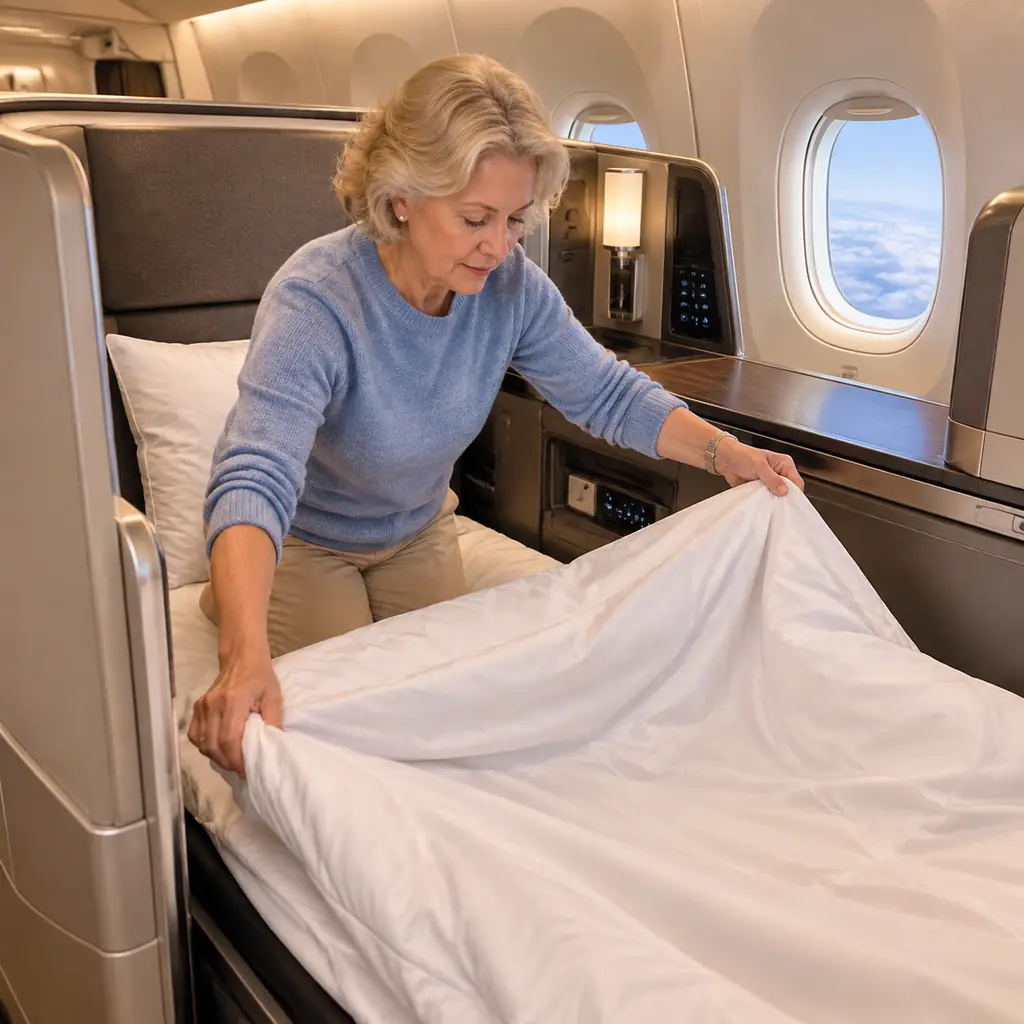
The blanket and pillow are there to be used. Leaving them untouched because they look formal can defeat one of the main reasons for choosing the cabin.
Ask where to put spare pieces while you are eating and how the crew recommends arranging the bed.
A practical setup leaves the controls, seat belt, and aisle clear. It does not have to resemble an airline advertising photograph throughout the journey.
Missing a meal preorder you would have preferred
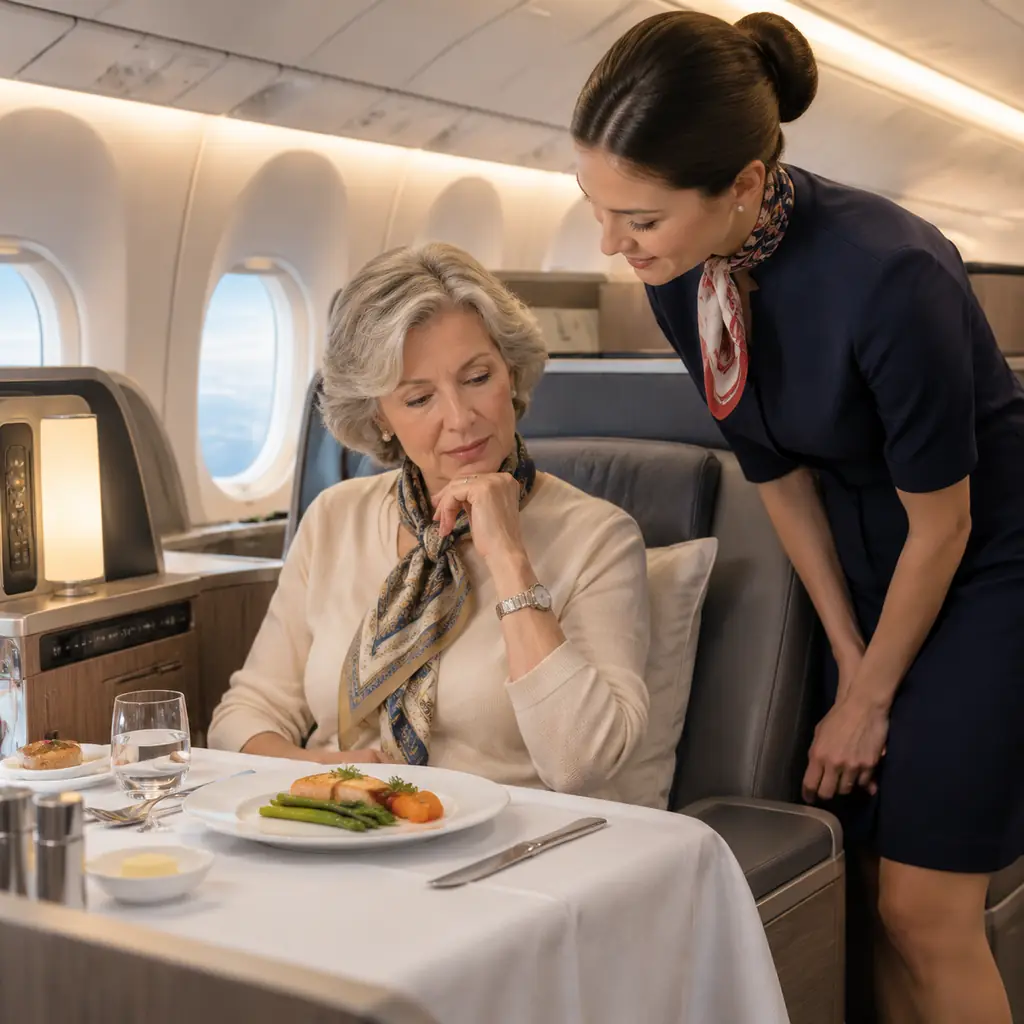
Some airlines offer meal selection before departure, but the availability and deadline vary. Waiting until the cart arrives may reduce your choices on a flight with limited quantities.
Check your booking for preorder or special-meal options early enough to use them.
Keep a realistic backup in your international-flight carry-on if you have particular needs. A premium ticket does not make every dish available at every point in the service.
Assuming Wi-Fi comes with the fare
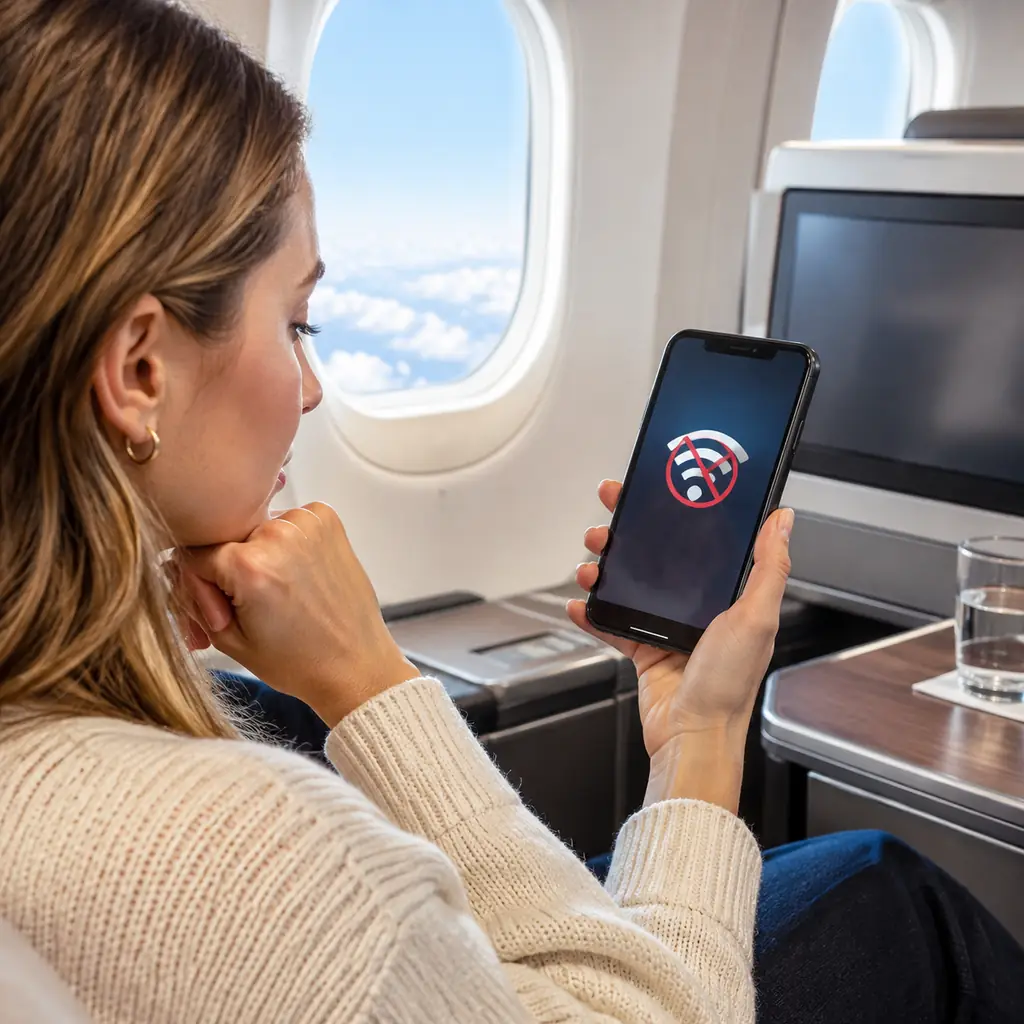
A more expensive cabin does not necessarily include unrestricted internet access. Connectivity can also vary between aircraft, routes, and loyalty benefits.
Check the airline’s current Wi-Fi arrangements and download important documents before leaving home.
Boarding passes, hotel addresses, and entertainment should remain usable offline. A premium seat is a poor place to discover that an essential reservation exists only behind an unavailable connection.
Waiting until bedtime to ask about waking up
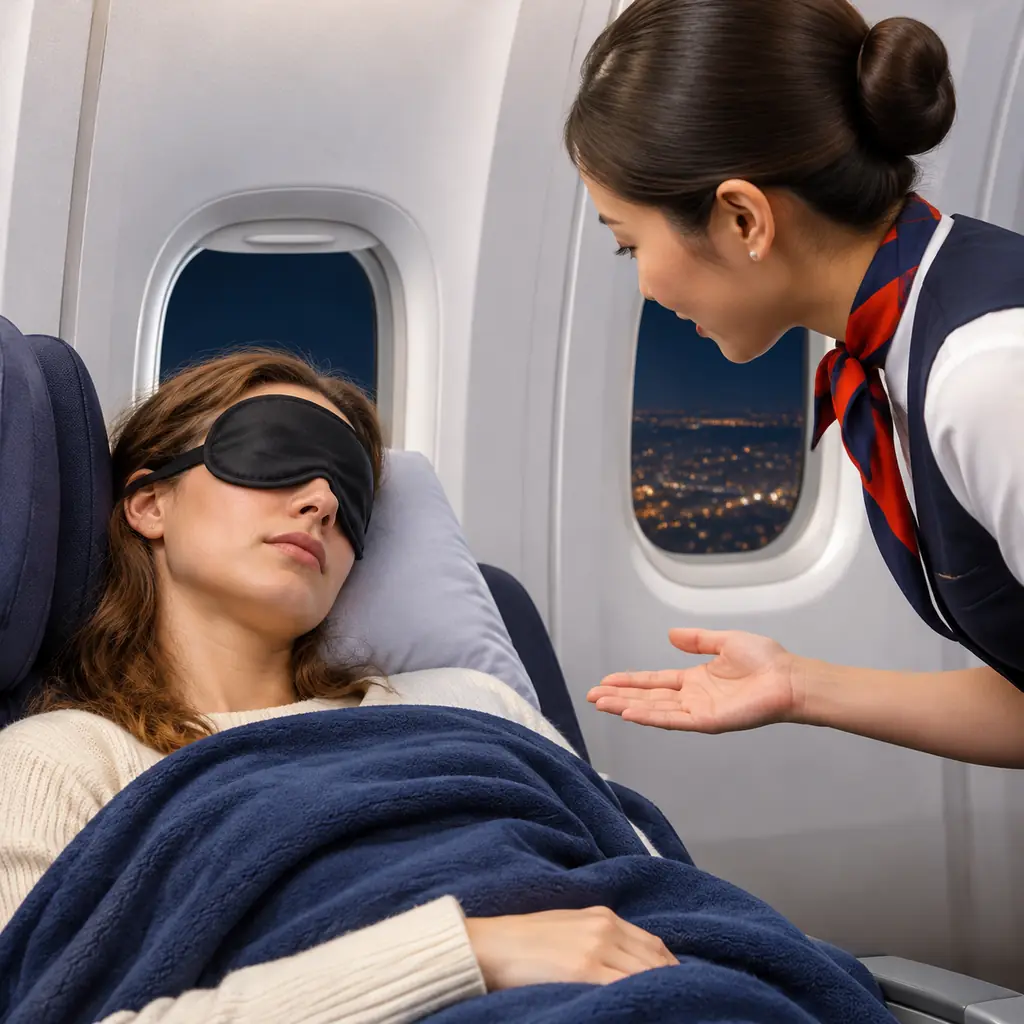
Some travelers want every arrival meal; others would rather sleep until preparations for landing begin. The crew cannot reliably infer that preference from a closed eye mask.
Explain whether you want to be woken for breakfast or left to sleep within the airline’s safety requirements.
That conversation can be brief and ordinary. It helps the crew deliver the version of the flight you actually want.
Taking a daytime flight as proof that the bed was wasted
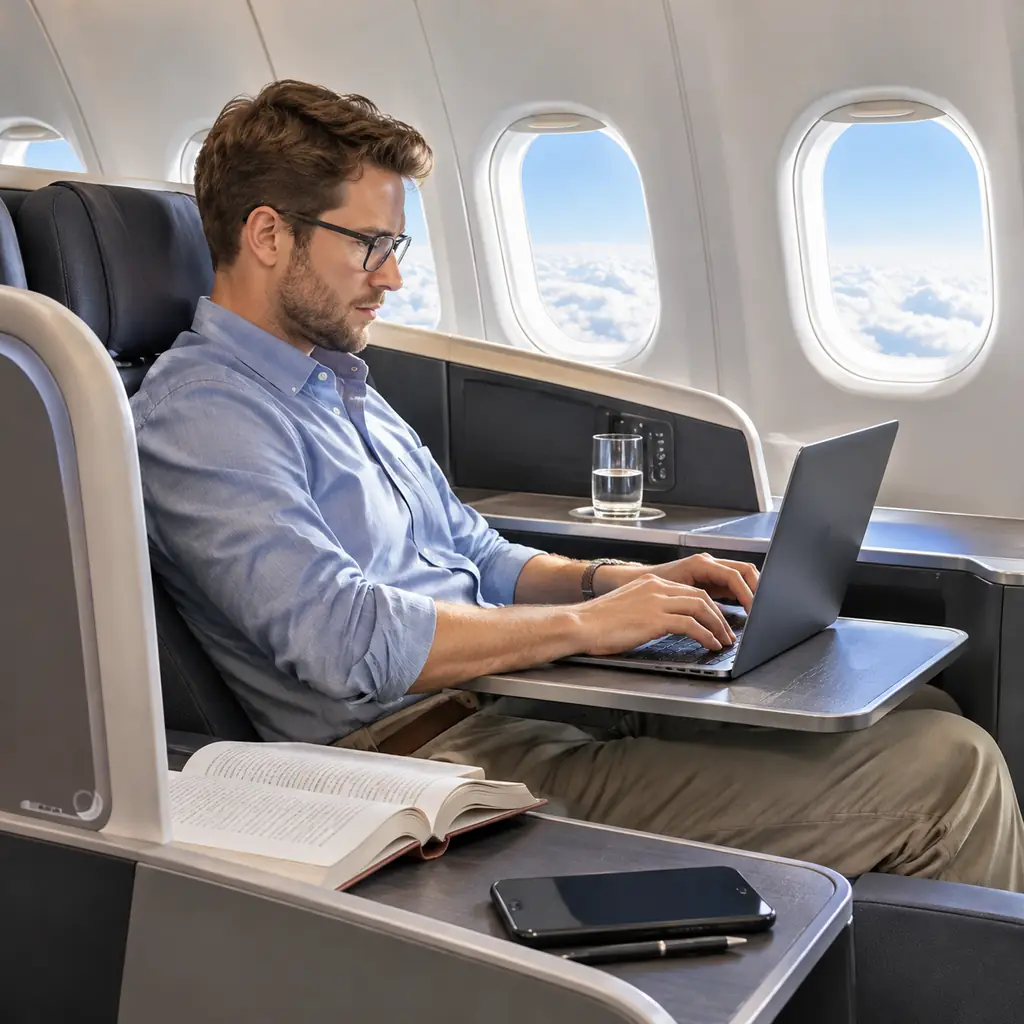
A lie-flat seat can still provide value when you never sleep in it. Space to read, a comfortable working position, and easier movement can be the reasons you booked.
Decide which benefits matter on this particular route rather than copying an overnight-flight routine. Our airport first-timer guide makes the same distinction between appearances and practical habits.
There is no obligation to manufacture a nap. A relaxed, useful journey is a better measure than whether every feature was deployed.
Confusing friendly service with unlimited flexibility
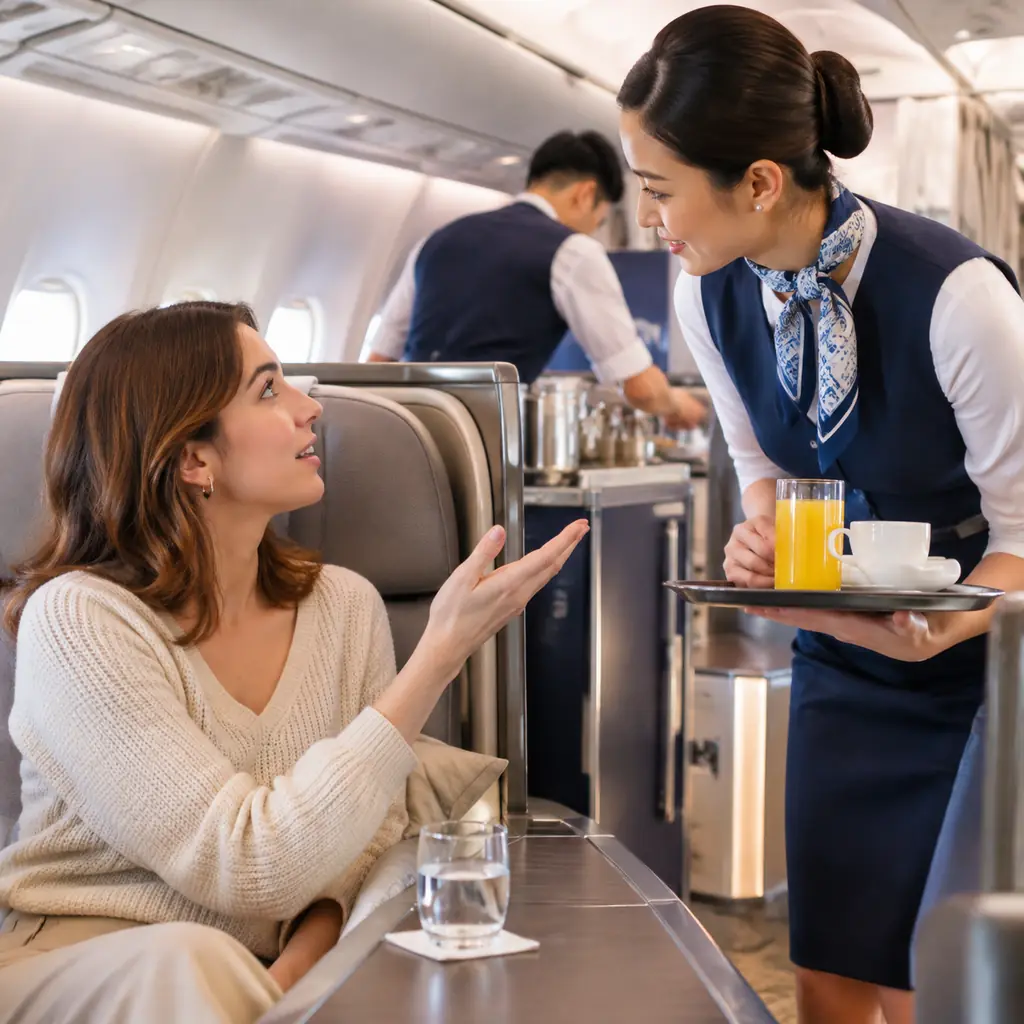
Crew members can make a premium cabin feel personal, but meals, supplies, and service timing still have practical limits. A request may need to wait while they complete safety or cabin duties.
Ask clearly, then allow time for a response rather than repeating the request to several people.
Courtesy is not an economy-class habit to leave behind. It helps a small crew manage the whole cabin well.
Not checking the connection after landing
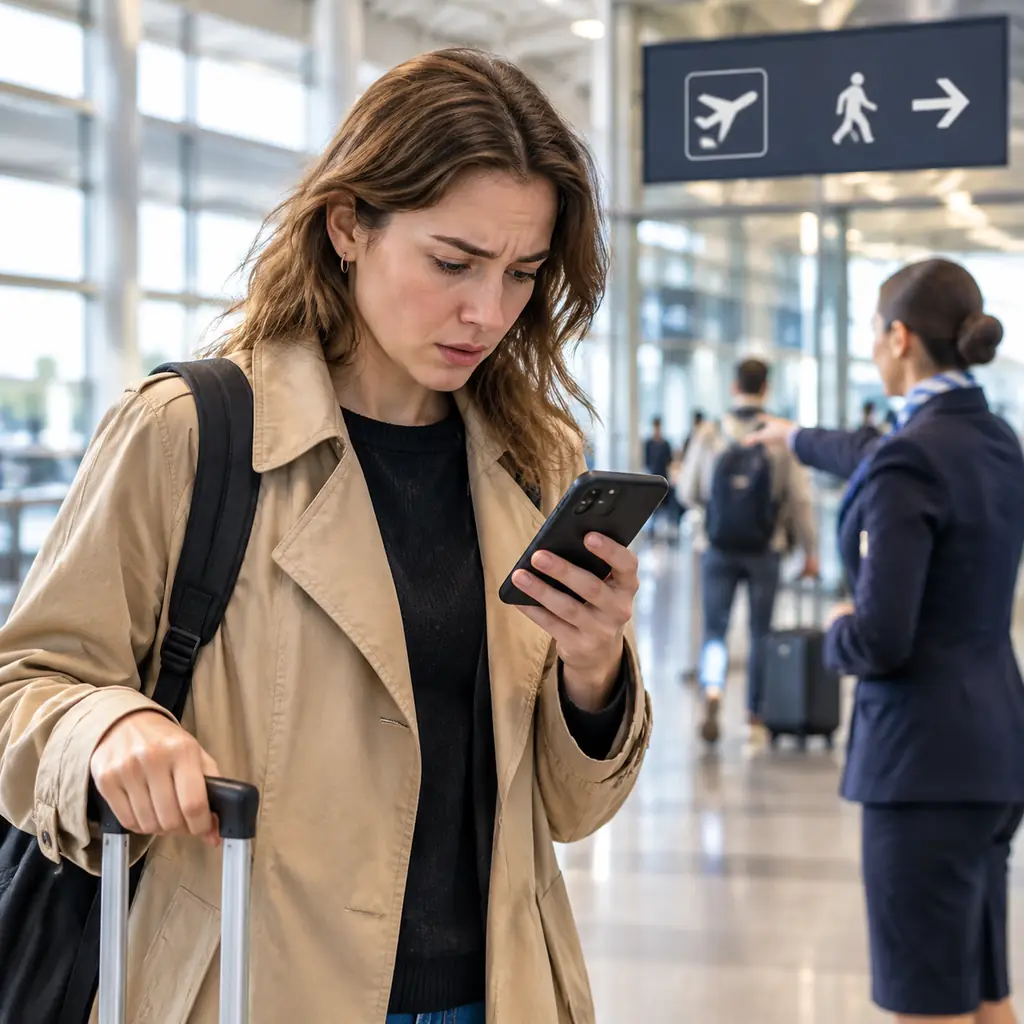
Priority services can help, but they do not remove immigration, transfer security, or the distance between terminals. A close connection still deserves attention before you settle into the first flight.
Read the onward boarding information and ask for guidance if the transfer looks uncertain.
Keep your travel documents accessible, including the records you may need if an airline cancellation changes the journey. The premium experience ends awkwardly if you spend its final minutes searching through a fully packed bag.
Thinking everyone can tell it is your first time
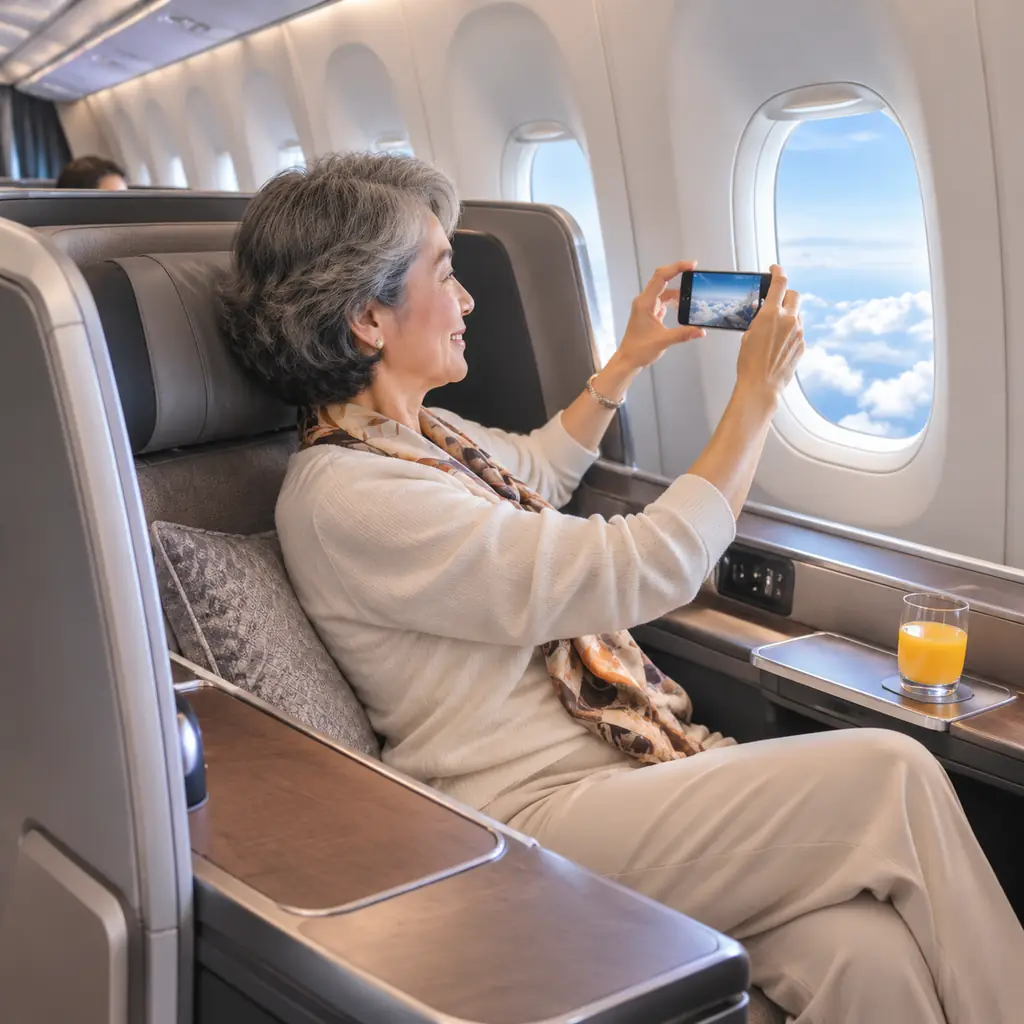
Most passengers are occupied with their own journeys. Asking how a control works or taking a photograph does not require an apology, and enjoying a first premium flight is entirely reasonable.
The useful habits are simple: learn the seat, respect shared space, and choose the services that suit you.
Confidence comes from those decisions, not from pretending the experience is routine when it is something you have looked forward to.
Sources and editorial approach
These recommendations combine published information with editorial judgments. Arrangements vary by property, airline, aircraft and date.