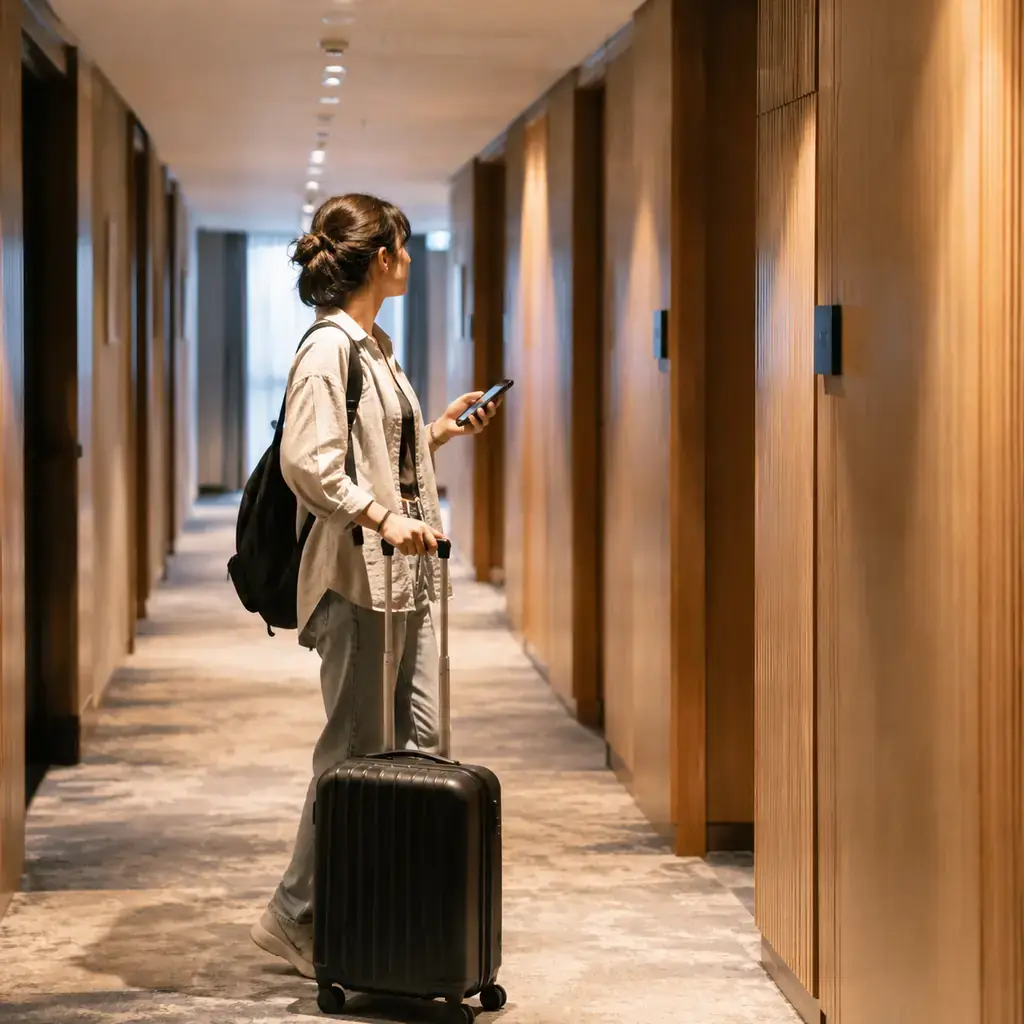


Your headphones are in the overhead bin, your charger is three rows away and the cabin has only just gone dark. The most irritating long-haul mistakes often happen while you are still packing at home.
1. Putting everything useful in the bag you cannot easily reach
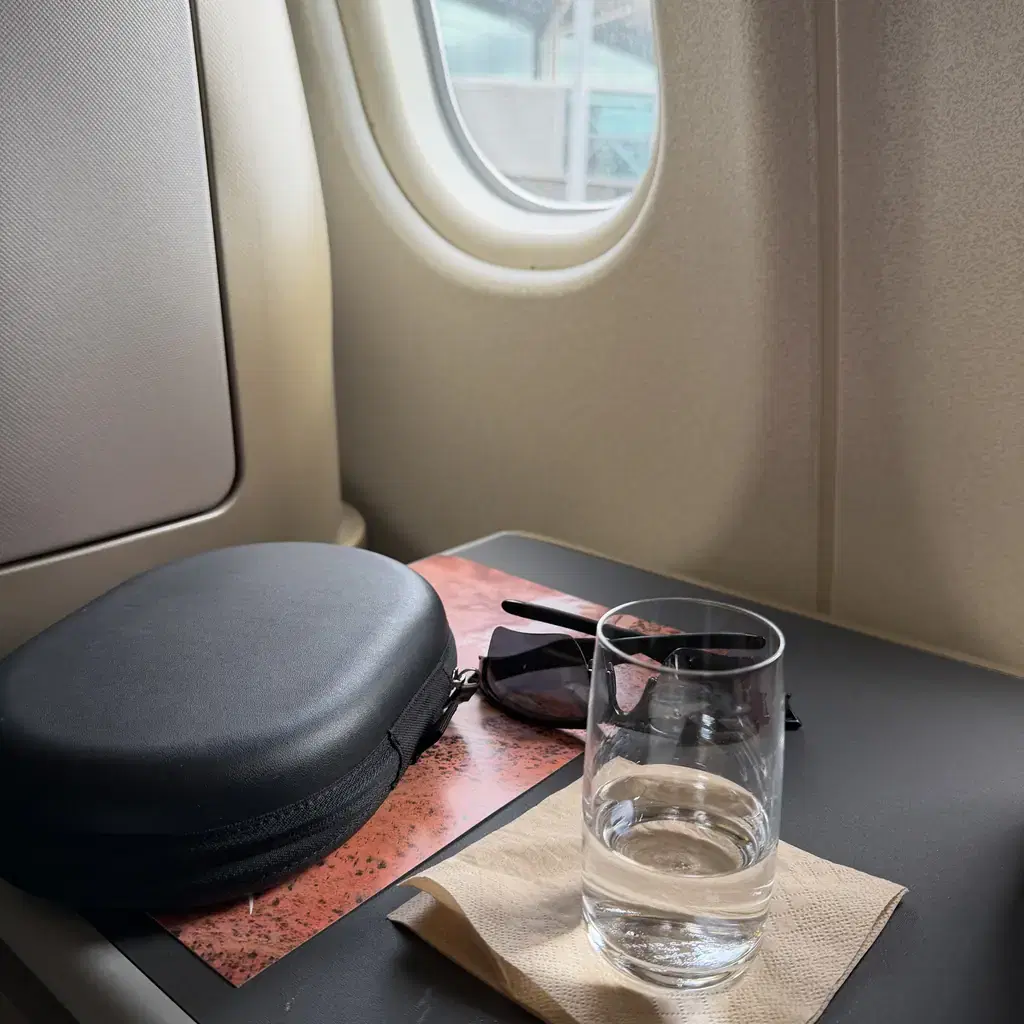
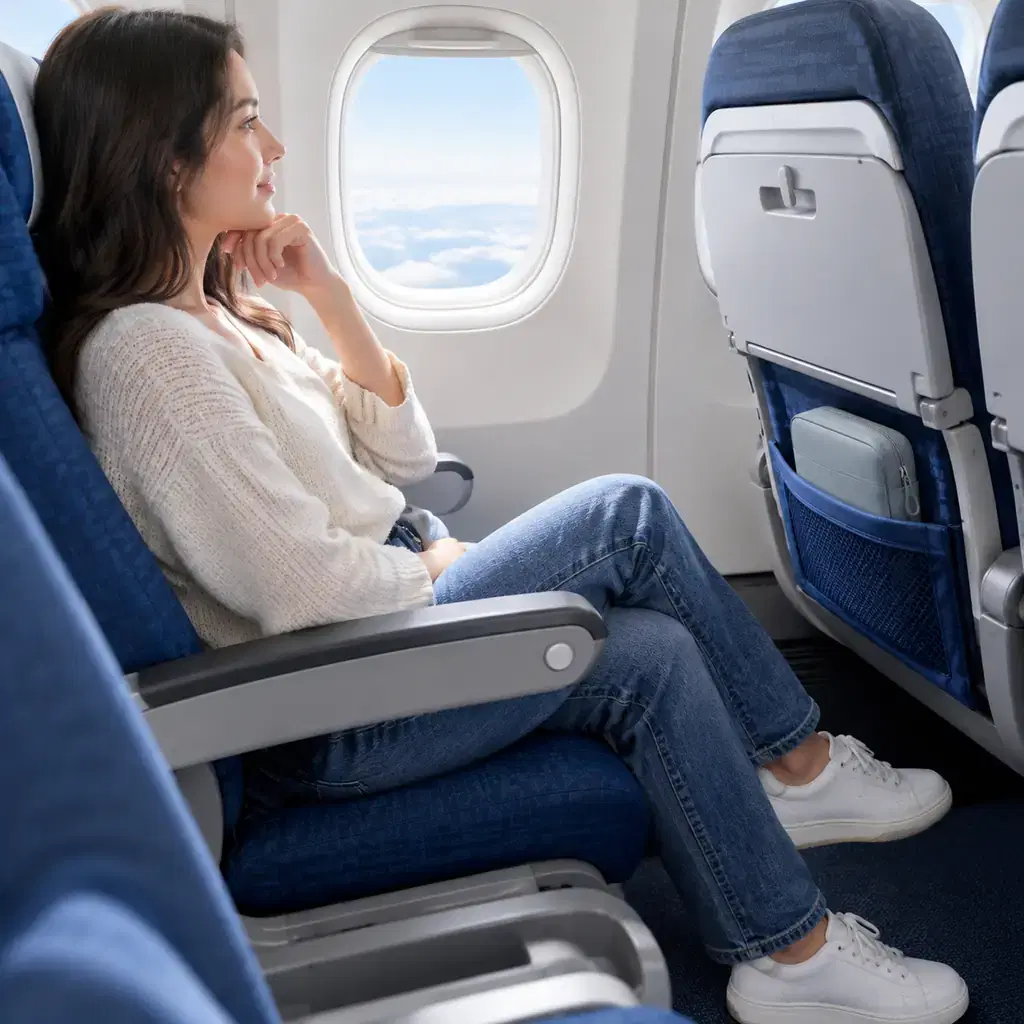
Make one small seat pouch before leaving home. Put in your headphones, glasses, charging cable, lip balm and the few other objects you expect to use repeatedly.
Remove it before stowing the main bag. Keep it in an approved place that follows the crew’s instructions, with the aisle and your exit path clear.
The difference appears after the first meal, when the person beside you has settled down and you realize you want your headphones. You can begin a film without asking anyone to stand up or opening a crowded bin in the dark. The pouch is useful because it solves that exact moment.
2. Using all your foot space as a storage locker
An under-seat bag must fit within the airline’s limits and stay properly stowed. Filling it to the point that every useful item requires a wrestling match makes a long flight feel smaller.
Pack the things you need at your seat together, leaving the less useful bulk elsewhere if your allowance permits. Avoid a bag with rigid objects pressing toward your feet.
Try the arrangement at home under a chair. It will not reproduce an aircraft’s dimensions, but it can reveal a badly packed laptop corner or a bag that refuses to close once you remove the headphones. A practical bag earns its space.
3. Carrying a bulky comfort item you have nowhere to put
A large pillow can feel like a good idea until you are carrying it through security, a meal arrives and it occupies the only spare space on your lap.
Use your intended pillow at home while sitting upright. If it does not help there, its size is hard to justify. A compact version may fit the trip better, but the answer depends on what actually feels comfortable to you.
The same applies to a huge coat on a warm-weather route. Bring the layer you need, then give it a stowage plan. Comfort equipment becomes less comforting when you spend twelve hours managing it.
4. Dressing for the arrival weather alone
A tropical destination does not guarantee a warm cabin. A light layer within reach lets you respond to the temperature without unpacking your entire carry-on.
Choose something you can put on while seated, and avoid relying on a coat buried in the checked suitcase. If you use the airline’s blanket, it should supplement an outfit you can already sit in comfortably.
This is also a good reason to check pockets and fastenings before traveling. A zipper against your neck or bulky object behind your hip may be unnoticeable at the gate and irritating after the first hour. Dress for the journey as well as the photograph at the other end.
5. Discovering your headphones do not connect to the entertainment system
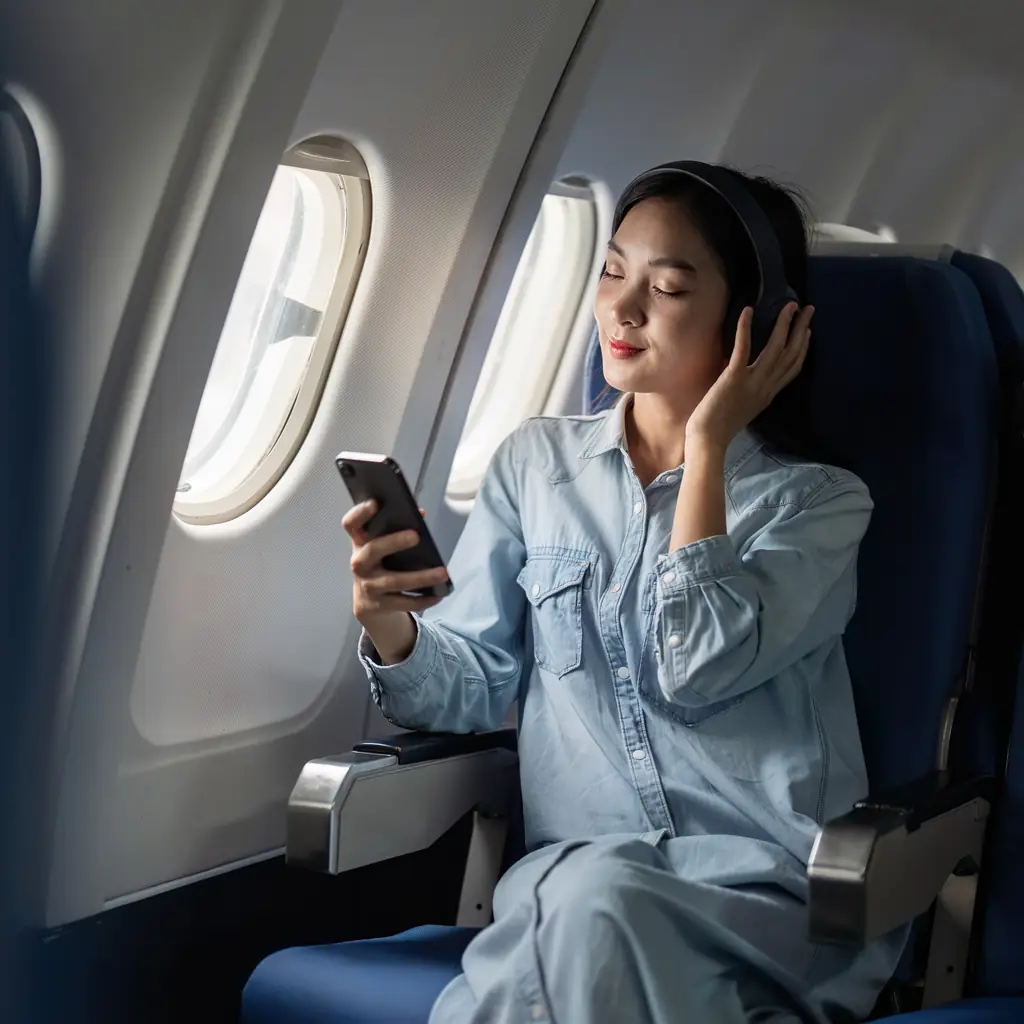
Wireless headphones and an aircraft’s seat-back system do not necessarily connect the way your phone does. Look at the operating airline’s entertainment information for your aircraft, while remembering an aircraft change can alter the equipment.
A simple wired backup, where compatible, can be useful. If you bring an adapter, test the pieces together at home rather than carrying an unopened gadget and hoping it solves everything.
Your own downloaded entertainment provides another option. The point is to have one dependable way to hear it. Expensive headphones are not much help when their only available connection is to a device you left uncharged.
6. Downloading entertainment without checking that it plays offline
A title appearing in an app does not always mean the whole film or audiobook is stored on the device. Downloads can be incomplete, expire or require the app to confirm access.
Before leaving, disable the connection and play a short part of what you intend to use. Check that subtitles, episodes or audio chapters are there too.
Keep a second kind of entertainment available, such as a book or an offline game you enjoy. A long flight is easier when a failed app is a minor annoyance. It should not be able to remove your entire plan for the next ten hours.
7. Boarding with a nearly empty battery and a hopeful cable
Charge your phone and other essential devices before leaving for the airport. A cable cannot help if a seat has no suitable power source or the outlet is unavailable.
If carrying a power bank, follow the airline’s rules and the FAA’s battery guidance. Spare lithium batteries and power banks belong in carry-on baggage, with appropriate protection; capacity limits and onboard-use restrictions matter. FAA battery guidance
A charged phone is useful after landing as well as during the flight. Our international carry-on guide considers the objects that remain useful through the whole journey, including the arrival you have not reached yet.
8. Assuming every seat has the same charging arrangement
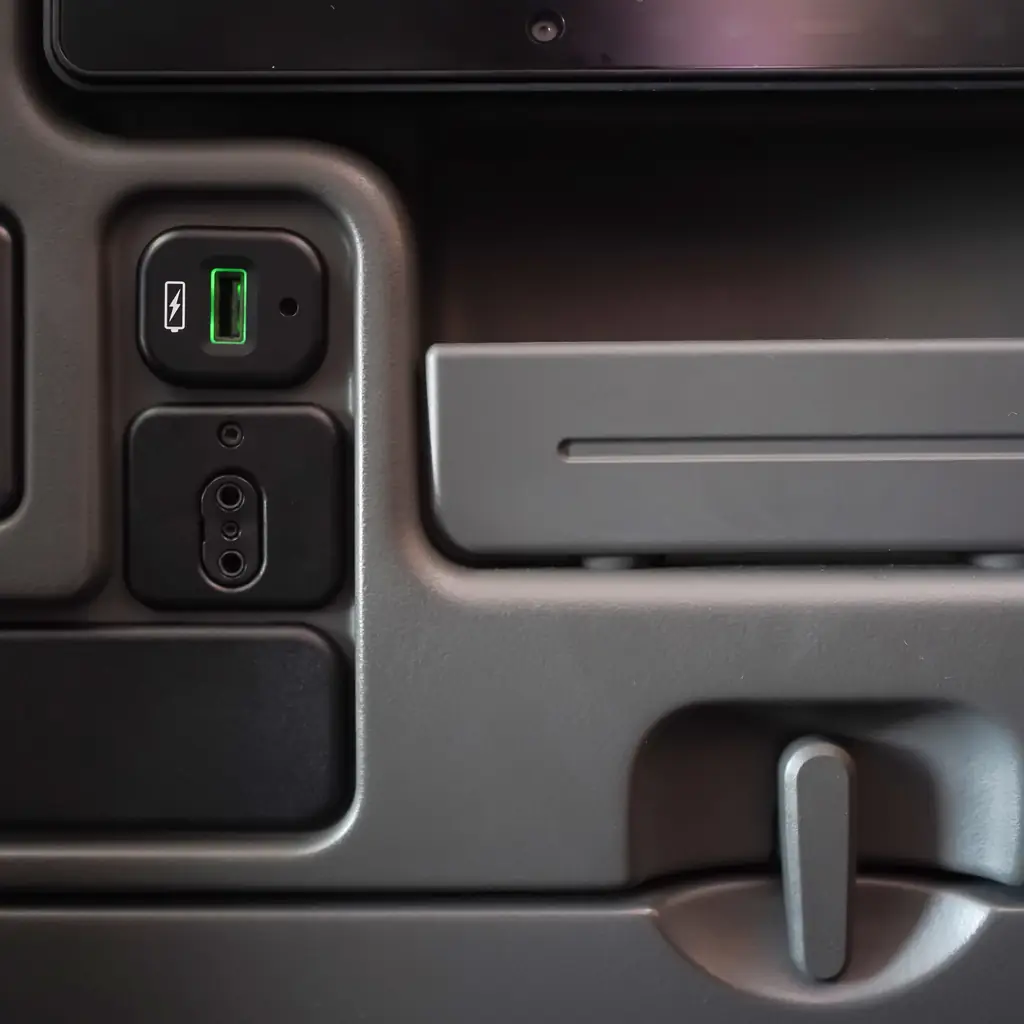
Even on one airline, aircraft and cabins can offer different outlets. Check the equipment information for the operating flight and bring a cable that fits your own device.
Keep your charging plan modest. You should not need a forest of plugs around your feet or a power strip to get through the journey. Follow the crew’s rules for using and stowing devices.
A sensible fallback is to arrive with enough charge for the essentials and conserve it when necessary. The in-seat supply is useful when available; it should not be the only thing standing between you and an unreadable hotel address after landing.
9. Letting the first film decide the whole night’s plan
If you hope to rest during an overnight flight, decide before boarding how much of the evening you want to spend watching the screen. It is easy for one film to become another simply because the next title is available.
Think about the local arrival time and your first day. You may prefer dinner and some quiet time over trying to finish a series.
This is a comfort plan, not a prescription for sleep. People rest differently, and flights do not always follow the expected service schedule. The useful step is choosing deliberately instead of discovering at dawn that entertainment filled every hour you meant to leave quiet.
10. Choosing a connection that only works on paper
A connection includes more than the minutes between scheduled landing and departure. You may need to leave the aircraft, reach another terminal, clear checks and be at the gate before boarding closes.
At Heathrow, for example, connecting passengers go through security, and changing terminals can involve a connections bus. Follow the purple Flight Connections signs and the airport’s route-specific guidance. Heathrow connections
Consider how you actually move through an airport, including assistance or children. Our frequent-flyer carry-on guide can help reduce baggage friction, but a lighter bag cannot manufacture time that the itinerary does not allow.
11. Missing the airport change hidden inside a city name
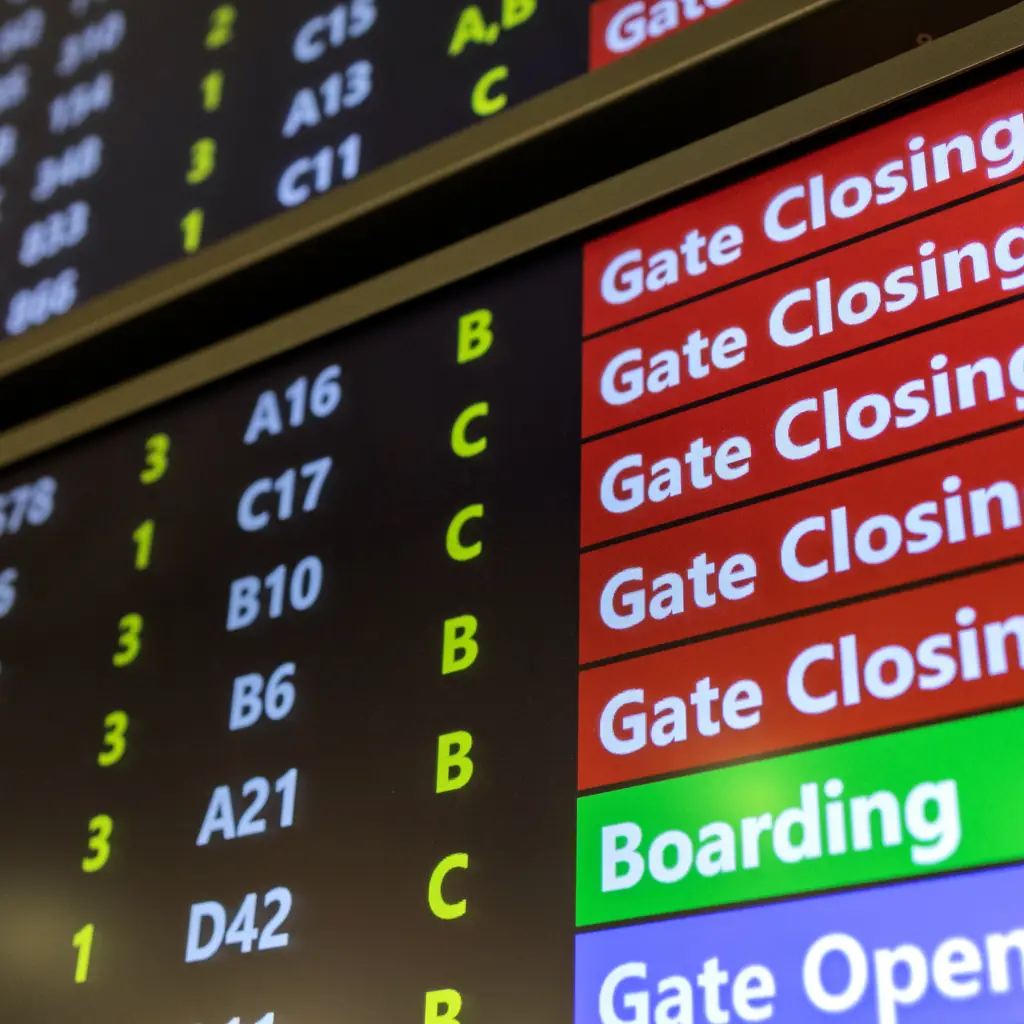
Two flights serving “London,” “New York” or another large city may use different airports. A booking that involves moving between them is a ground-transfer journey, not simply changing gates.
Read the airport codes on each segment before paying. Work out how you would collect baggage, travel between airports and meet the next flight’s check-in deadline.
Include that transfer’s fare and effort in the comparison. The apparently cheaper itinerary can lose its advantage quickly when a long-haul arrival leads directly into a cross-city journey with luggage. Catching this detail while booking is much easier than discovering it at baggage claim.
12. Treating separate tickets like a single protected connection
At Heathrow, the airport describes separately booked self-connections as an arrival followed by a new departure. Passengers generally need to enter the country, collect baggage and check in again. Heathrow’s connection FAQ
That is a different process from following an airside transfer route. Entry requirements, baggage deadlines and the consequences of a delay all need attention before you choose it.
Separate bookings can make sense, but price the complete journey and allow time for its actual steps. A cheap second flight is not a saving if the first flight’s delay leaves you unable to use it.
13. Leaving a special-meal request until check-in
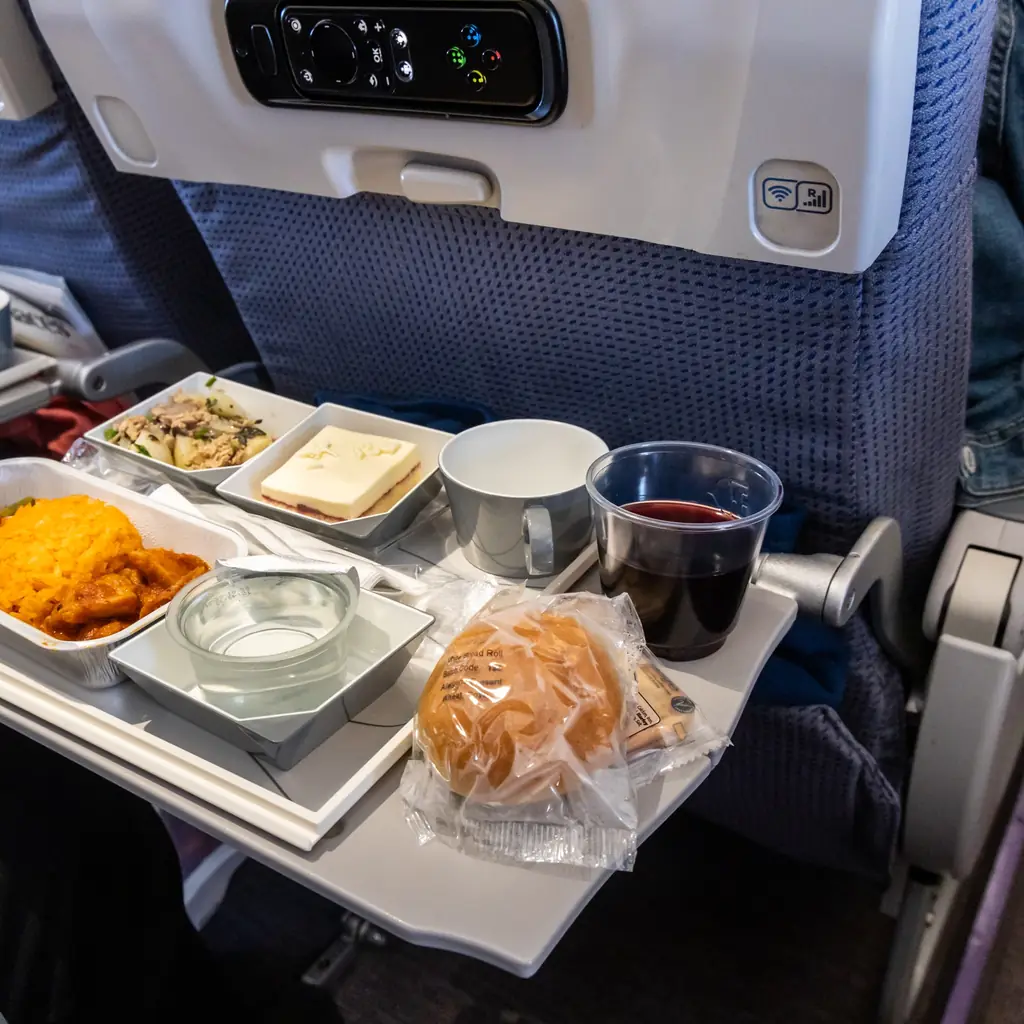
Meal-request deadlines differ by airline, direction and meal type. British Airways currently lists 24 hours for many departures from Heathrow or Gatwick and 36 hours for flights to those airports. Some kosher-meal requests need 48 hours. BA’s current meal guidance
Request the suitable meal when you book, then confirm it appears on the reservation. A dietary meal is not a guarantee that an airline can accommodate every allergy; follow its specific guidance if that affects you.
Carry permitted food you know you can eat when appropriate, while respecting destination import rules. Waiting until the cart reaches your row leaves the crew very little room to help.
14. Booking the first day abroad as if you will land refreshed
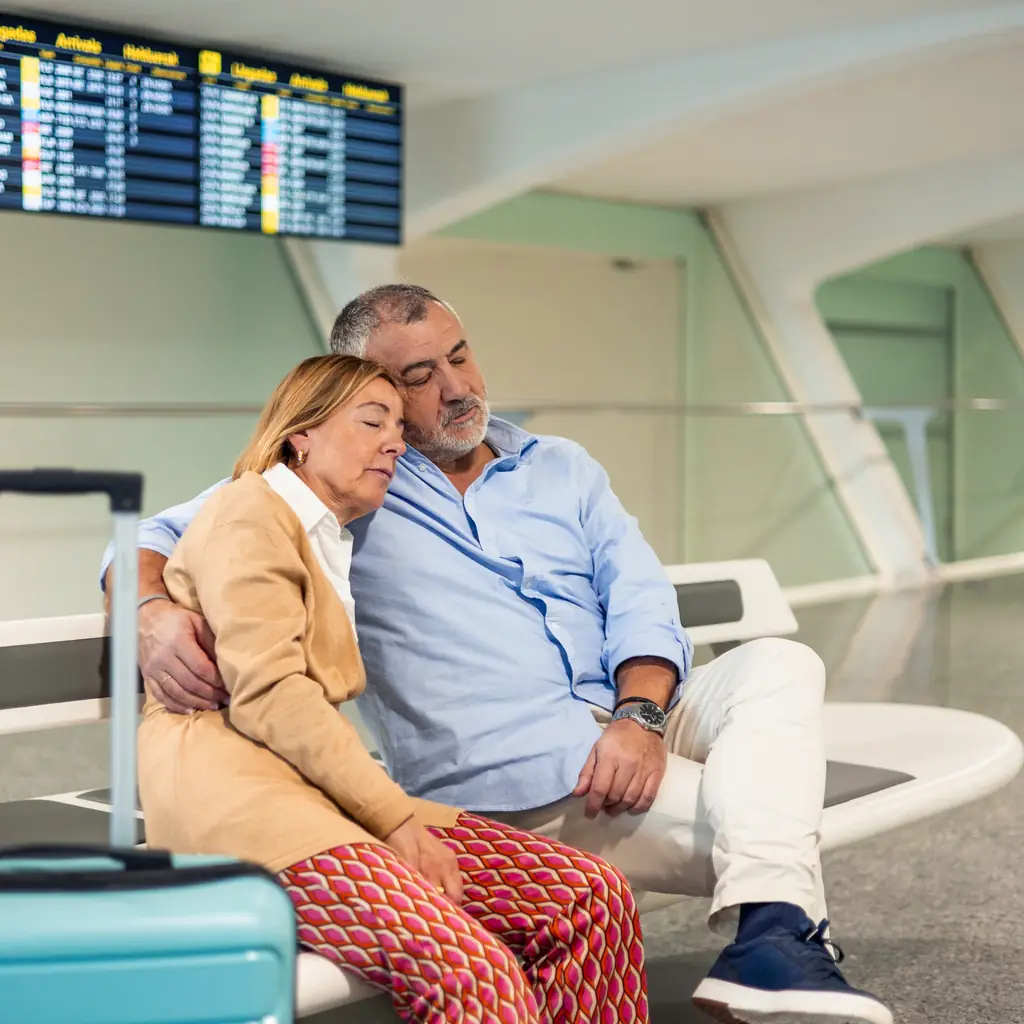
A morning arrival can make the calendar appear full of sightseeing time. In practice, immigration, baggage, transport and finding your accommodation may take a substantial part of that day.
Choose one easy thing you would enjoy even if you feel tired. Leave a demanding tour or expensive timed attraction for later, and ask the hotel about check-in and luggage storage before assuming the room will be ready.
A calm arrival can still feel like the holiday has begun. The detail-oriented approach in hotel-room checks before unpacking becomes easier when you have not scheduled yourself to rush straight out again.
15. Keeping every address and confirmation behind a login
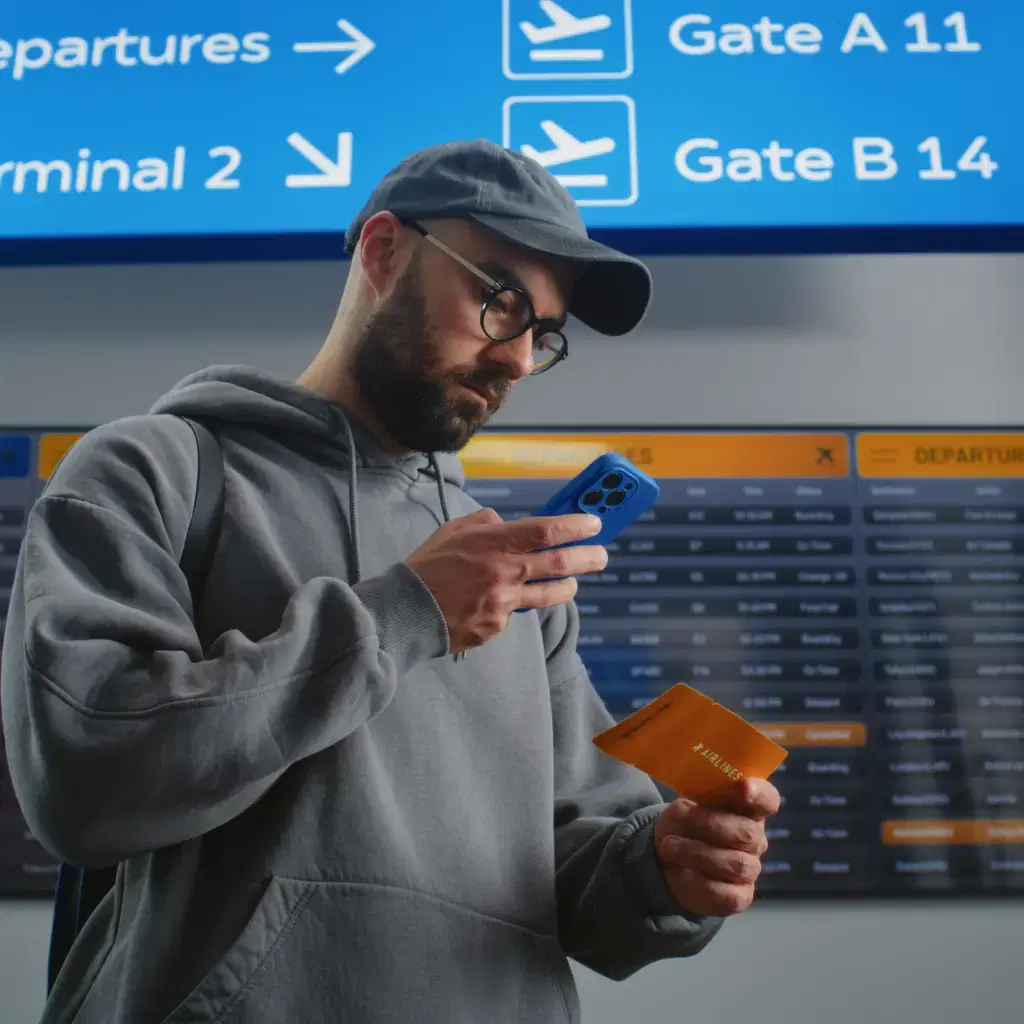
Save the accommodation address, booking details and onward transport information where you can open them offline. A screenshot or downloaded document can help when mobile data has not yet connected.
Keep original travel documents where they are safe and accessible. A digital copy is useful reference material, not a substitute when an original is required.
Our guide to unexpected international packing items reflects this kind of thinking. The useful object is often a simple backup that lets you continue calmly when a phone battery, connection or password does not cooperate at the least convenient moment.
16. Putting the entire first day in a checked suitcase
Pack a change of clothes and the personal essentials you would want for an unexpected first night without your main bag. Keep important medication and documents accessible in accordance with the relevant travel rules.
Choose a small set that makes sense for your arrival, rather than duplicating the suitcase. Fresh underwear, a clean top and basic toiletries can turn a delayed bag from an immediate shopping emergency into a manageable interruption.
The approach in packing two weeks into one carry-on is helpful even if you intend to check luggage. It asks which objects do the most work for the space they occupy.
17. Testing your travel outfit only while standing

Sit in the clothes you intend to wear for a while before the trip. Notice the waistband, fabric behind the knees, collar and anything in your pockets.
Then stand up, reach for a bag and walk around. You want an outfit that lets you do all of those things without repeated adjustment. Shoes should be familiar and suitable for moving through terminals.
This is more useful than buying something merely because it is sold as travel clothing. The best outfit is the one you already know works when seated, layered and moving, especially after a meal and several hours in the same chair.
18. Reading the selling airline’s baggage page instead of the flight details
A booking can be sold by one airline and operated by another. Look for the operating carrier on each segment and verify the baggage rules attached to your actual ticket.
Cabin size, weight and item limits can differ. The strictest practical part of your journey may be a short connecting flight rather than the long-haul aircraft you have been picturing.
Measure the bag including wheels and handles, and weigh it after packing. If you are flying to a ship, the same preparation helps prevent cruise boarding-day problems. The bag must work through the whole chain of transport, not just its longest leg.
19. Packing one arrangement for security and another for everything afterward
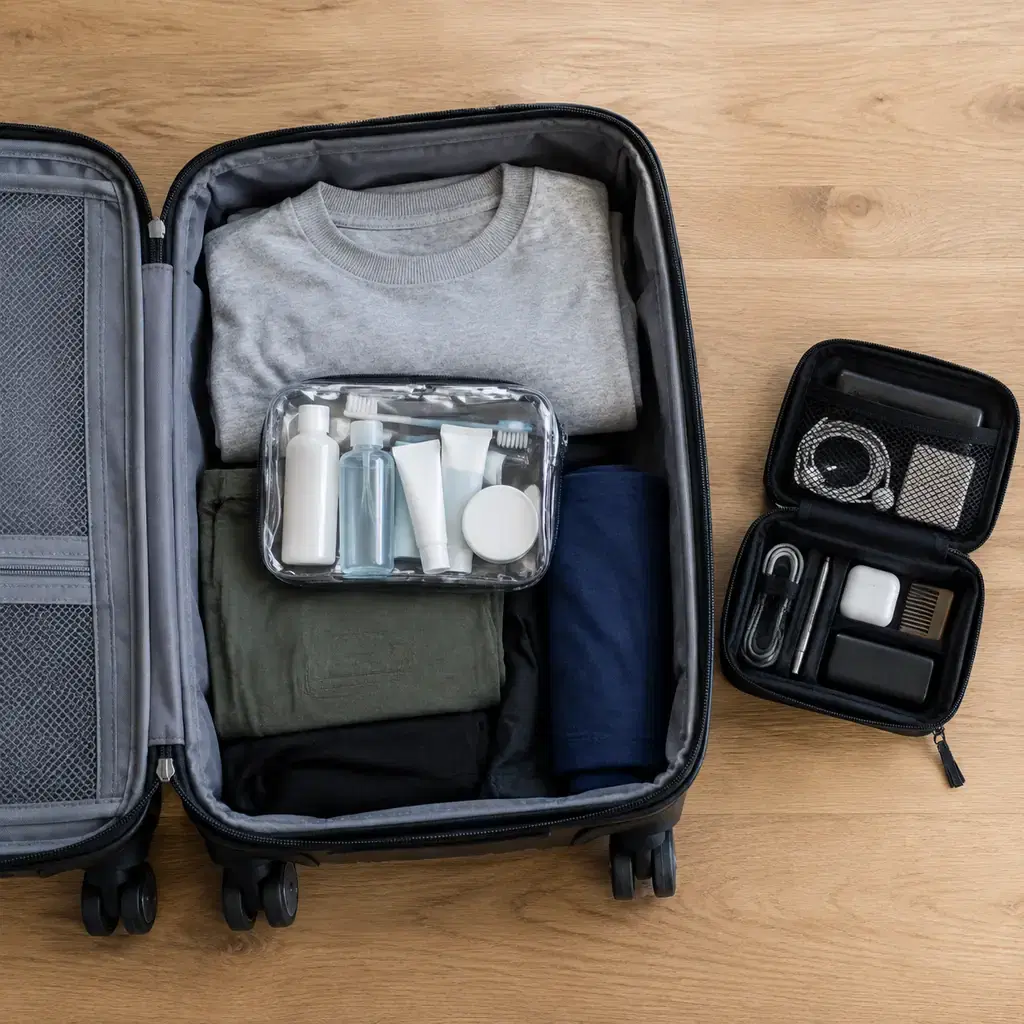
Give the items you may need to remove at screening an accessible place, following the airport’s current instructions. Keep the seat pouch separate from that task so you do not have to rebuild the entire bag at the gate.
After security, take a minute to put everything back deliberately. Confirm your documents, phone and smaller objects are accounted for before walking away.
At boarding, the sequence should be simple: show the document, take out the seat pouch, stow the larger bag and sit down. That small amount of preparation leaves you ready for the flight instead of beginning it by undoing the packing job you finished at home.
Comments
The opinions and views expressed in the comments section are solely those of the individual users and do not represent or reflect the opinions, views, or positions of HumbleTrail. HumbleTrail does not endorse, support, or verify the accuracy of any user-generated content.
By posting a comment you agree to receive related emails from HumbleTrail in accordance with our Terms and Privacy Policy. You can unsubscribe at any time.