


Editor's note: These are editorial recommendations based on published sources and practical comparisons.
Preferences, terms and experiences vary. This article combines cited information with editorial judgments and does not claim firsthand experience at every property or service. Images are for illustration purposes only.Comfort becomes more personal when you know which small inconveniences spoil a trip. These room details deserve attention whenever they affect how you sleep, move, or use the space.
The bathtub wall between you and the shower
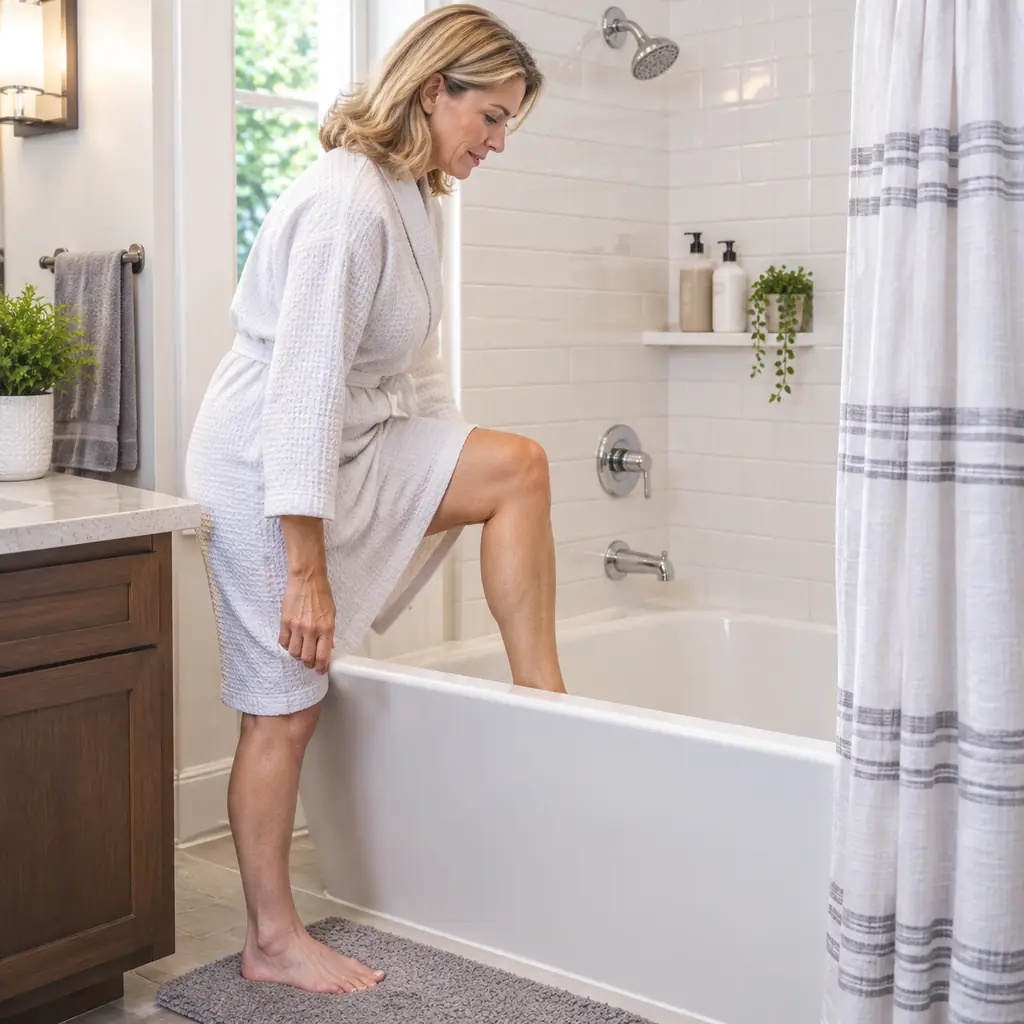
A gleaming bathroom can hide an awkward first step. If climbing into a tub is uncomfortable for you, a shower-over-bath arrangement is a meaningful limitation rather than a minor design detail.
Ask whether the specific room has a walk-in or level-entry shower and request a current photograph.
Do not let a general accessible label replace that answer. Choose the arrangement that fits your needs instead of hoping the photograph looks more manageable in person.
The bed that is harder to leave than to enter
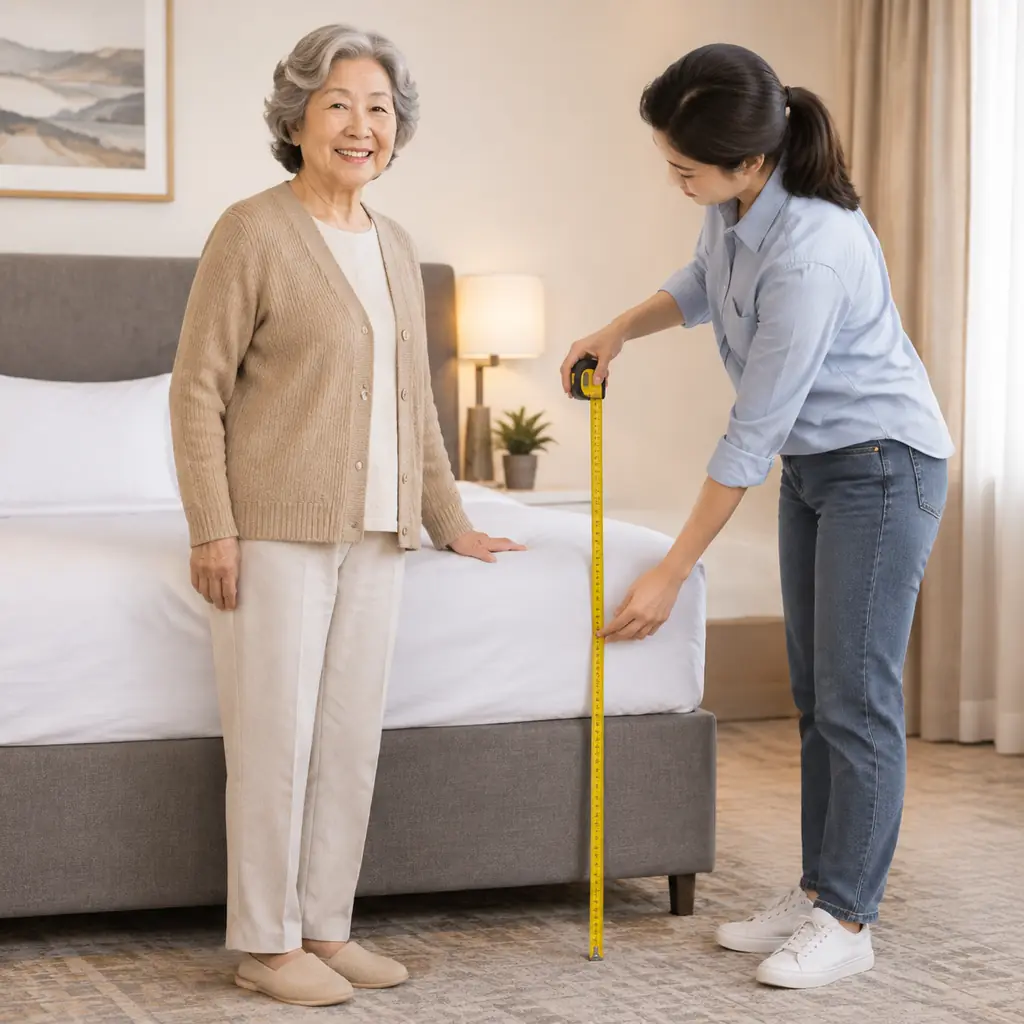
A tall mattress can look luxurious until getting onto it becomes a daily negotiation. A very low bed can create the opposite problem when you need to stand up.
Ask for the height from the floor to the top of the mattress if this detail affects you.
A suitable room starts with a usable bed, not its decorative headboard. Measurements let you compare it with the arrangement you already find comfortable at home.
The low chair with nowhere to push from
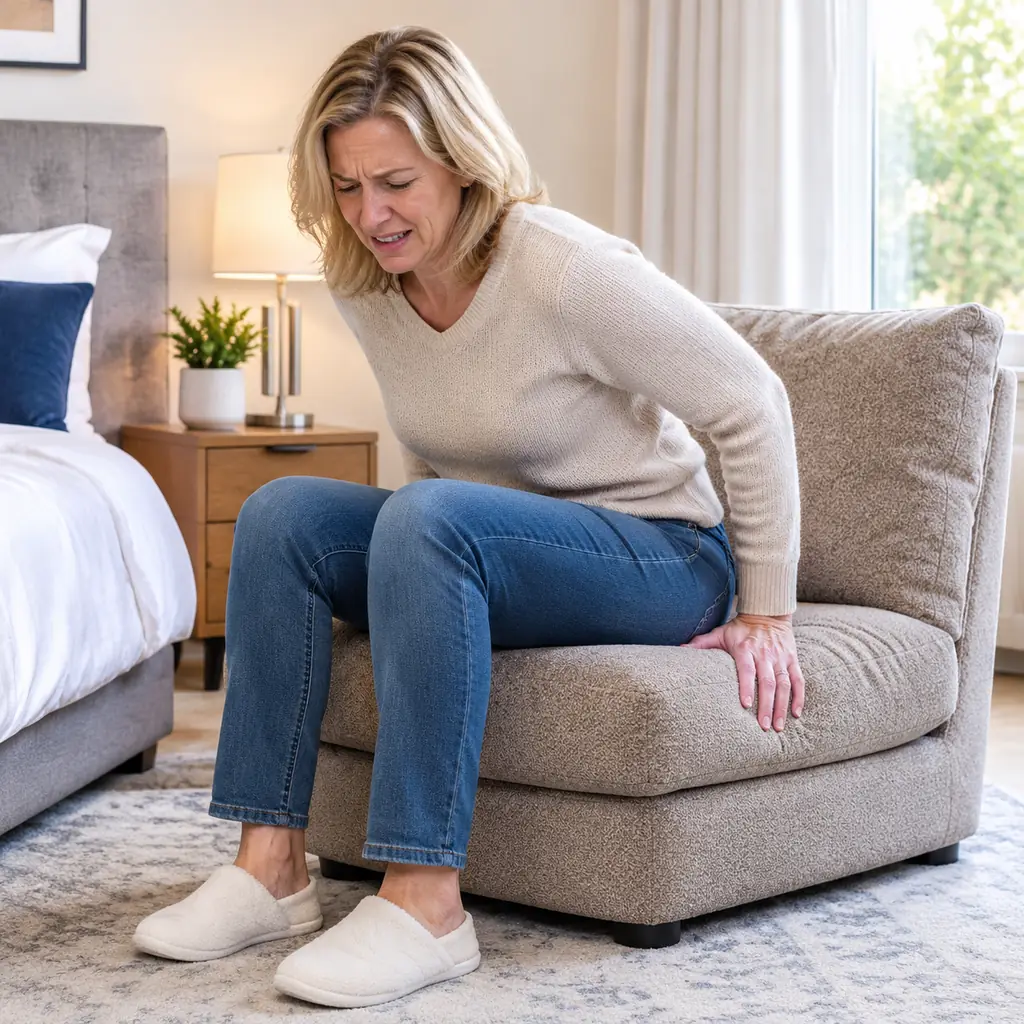
A deep lounge chair can make a bedroom look inviting while offering little practical help when you stand. Soft cushions and missing arms may matter more than the fabric or design.
Look for an upright chair with arms if that is the type you find easiest to use.
Ask whether the hotel can provide one in your category. The request is specific enough to answer without assuming that every older traveler needs the same furniture.
The nighttime route around the open suitcase
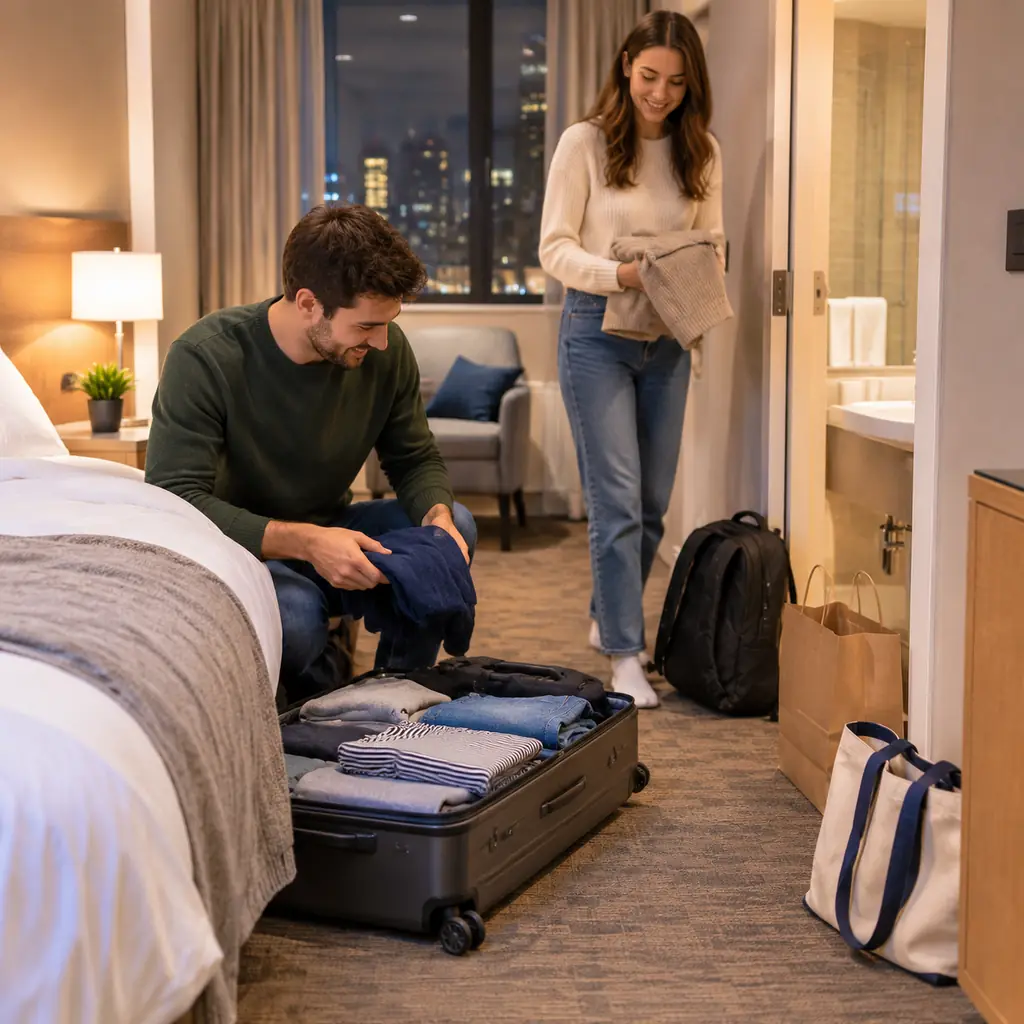
A room can be spacious in photographs yet become crowded after two people unpack. Bags on the floor may narrow the path between the bed and bathroom.
Choose a layout with a clear place for luggage and keep that route unobstructed during the stay.
If room size matters, check it before booking. A slightly larger practical room can be more useful than a decorative upgrade that leaves the walking space unchanged.
The bathroom light switch you cannot find in the dark
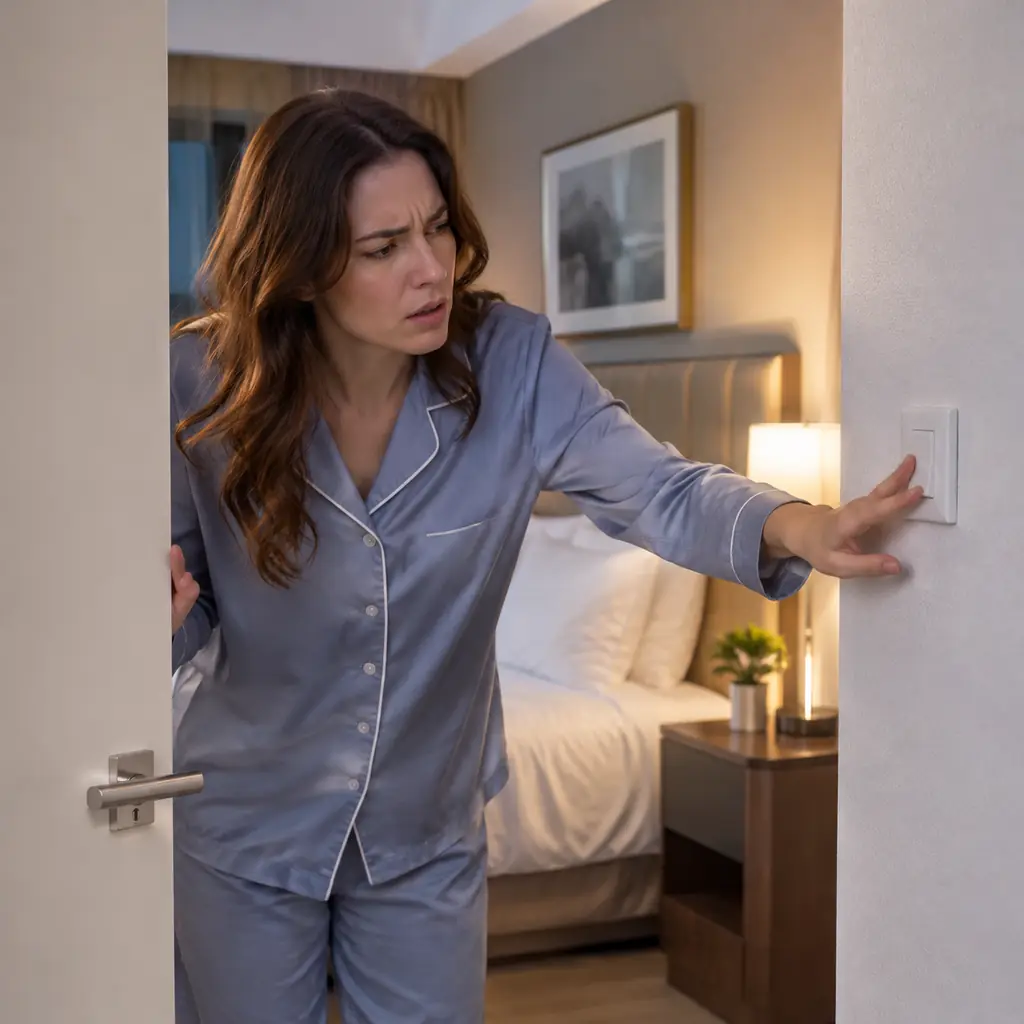
An unfamiliar room changes a familiar nighttime routine. A switch behind a door or a control panel beside only one side of the bed can become irritating when you wake.
Locate the useful lights on arrival and check whether a low-level bathroom light is available.
Bring a suitable small light if that helps your routine. The point is simple familiarity, not turning a comfortable hotel stay into a complicated equipment project.
The shower controls placed beneath the first burst of water
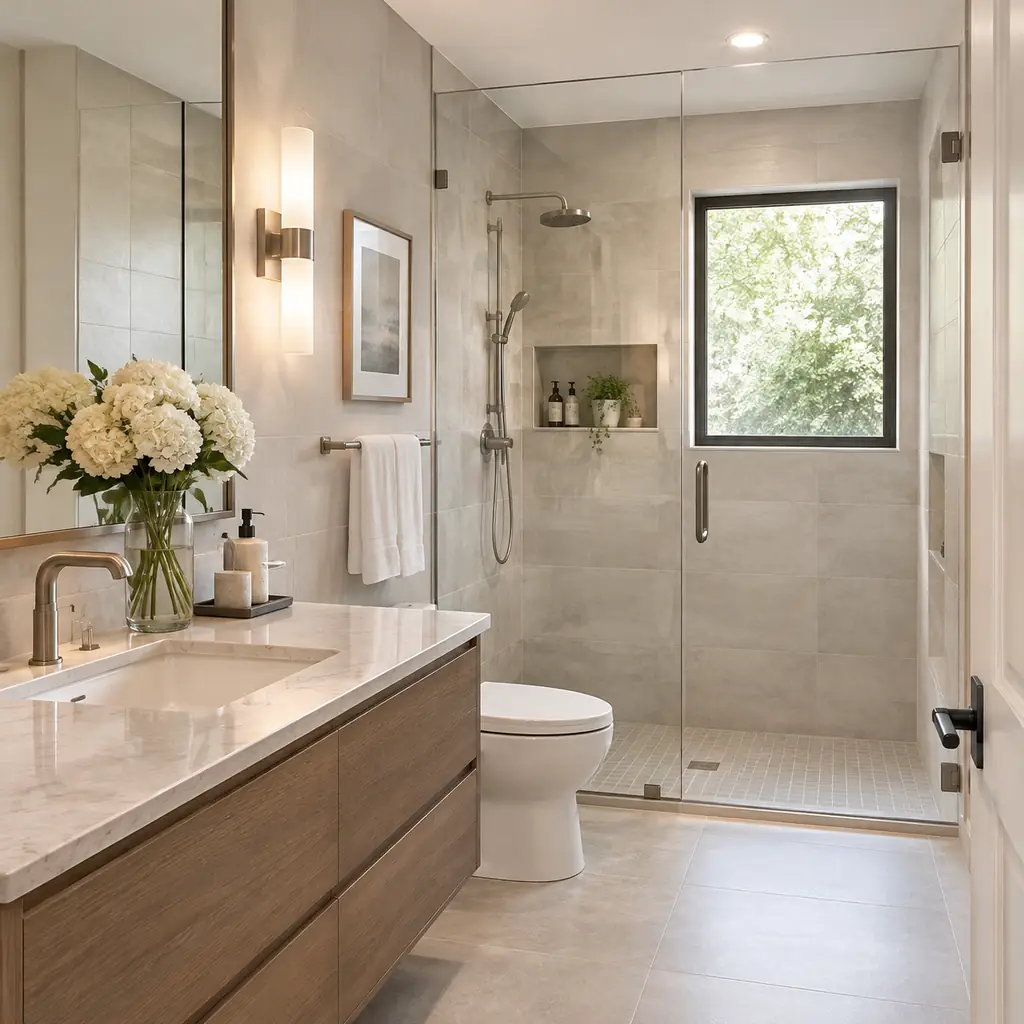
A shower can have an attractive finish while requiring you to stand in the spray to reach the controls. The location matters if sudden temperature changes or leaning into the enclosure are uncomfortable.
Study the bathroom photograph and ask how the controls are reached if it is not clear.
A well-matched layout makes an ordinary morning easier. It is worth checking before spending on features you will notice much less often.
The room at the end of a very long corridor
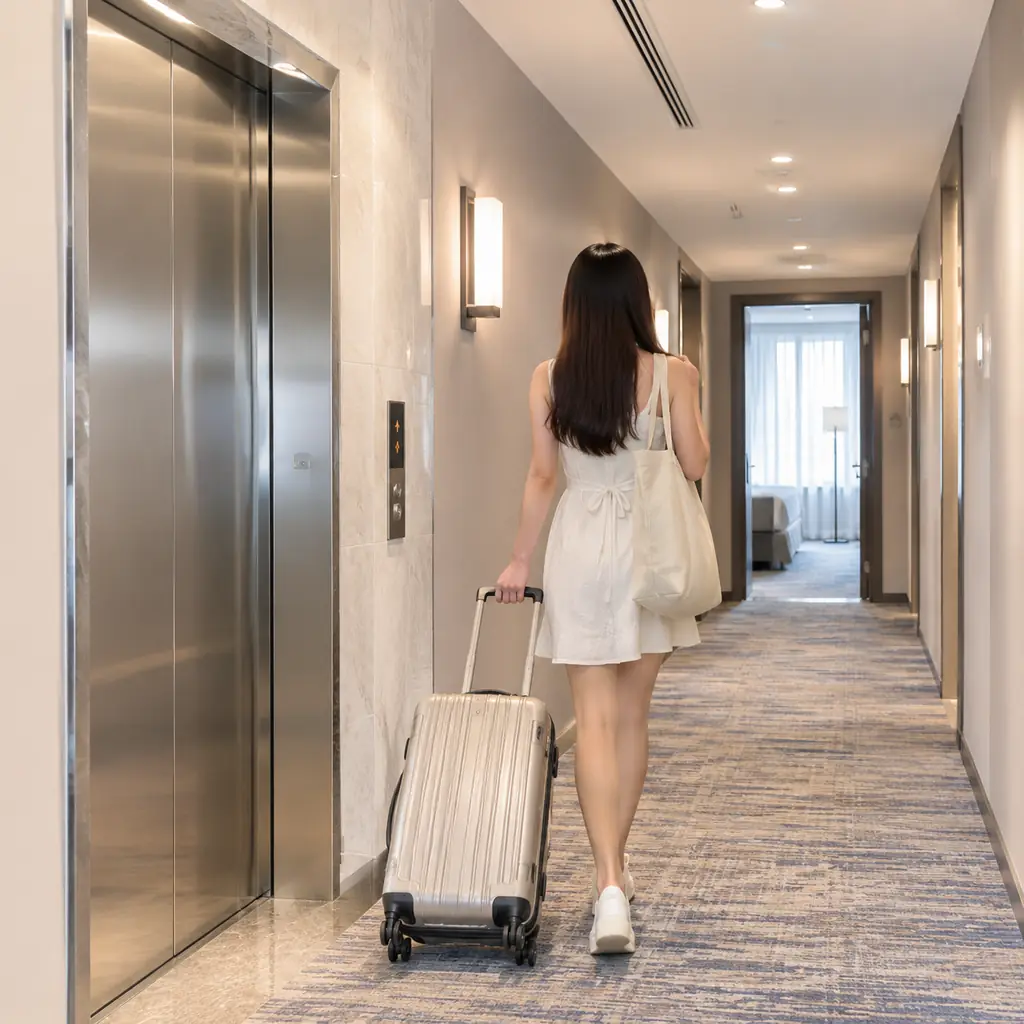
A quiet location can come with a substantial walk from the elevator. That distance becomes more noticeable after a full day out or when you make repeated trips to breakfast.
Ask for the walking distance and whether there are steps along the route.
Describe the tradeoff you want: a reasonably quiet room without a long approach. That gives staff a more useful request than asking for the best room in the building.
The elevator reached only after the entrance steps

An elevator inside the property does not establish a step-free arrival. A few steps at the door or between wings can matter more than the floor number of the bedroom.
Ask about the entire route from the vehicle or pavement to your room.
For U.S. stays, accessible-room information should be specific enough to help you assess your needs. Elsewhere, check the hotel’s actual arrangements rather than assuming the same legal framework applies.
The bathroom floor that stays wet after a shower

A stylish wet-room design may allow water into a wider part of the bathroom than you expect. That can affect where you stand, keep towels, and place your belongings.
Look for a suitable screen, drainage arrangement, and dry standing area in the actual bathroom photographs.
If the layout seems uncertain, ask the hotel to explain it. Choosing a familiar arrangement can be more useful than selecting the most fashionable-looking finish. Make this part of your practical hotel-room checks before unpacking.
The grab bar confused with a towel rail
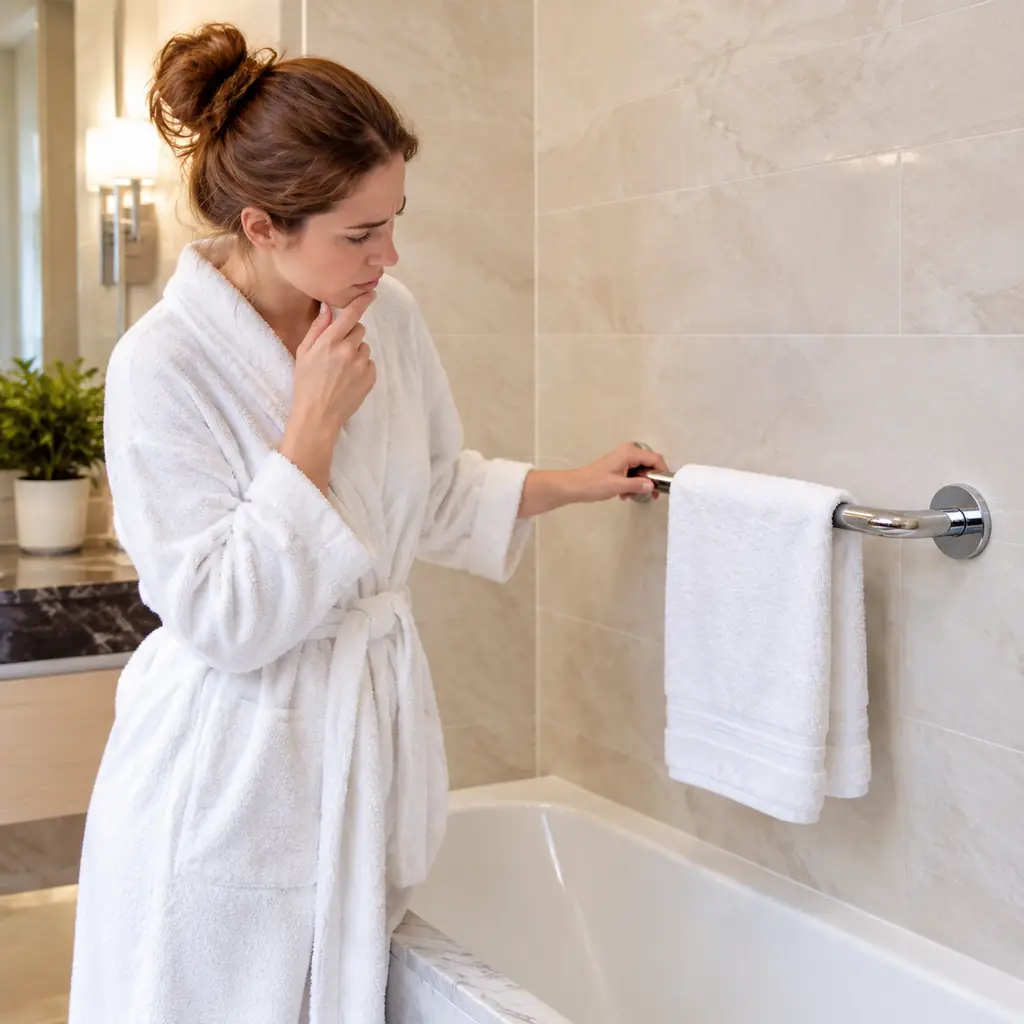
A rail beside the bath may look reassuring without being designed to support a person. Appearance alone is not a safe way to identify its purpose.
Ask for the location of proper grab bars when you need them and use only equipment intended for support.
Do not improvise with a towel holder. A precise photograph and confirmation from the hotel are more useful than a general assurance that the bathroom has several rails.
The bedside socket behind a heavy cabinet
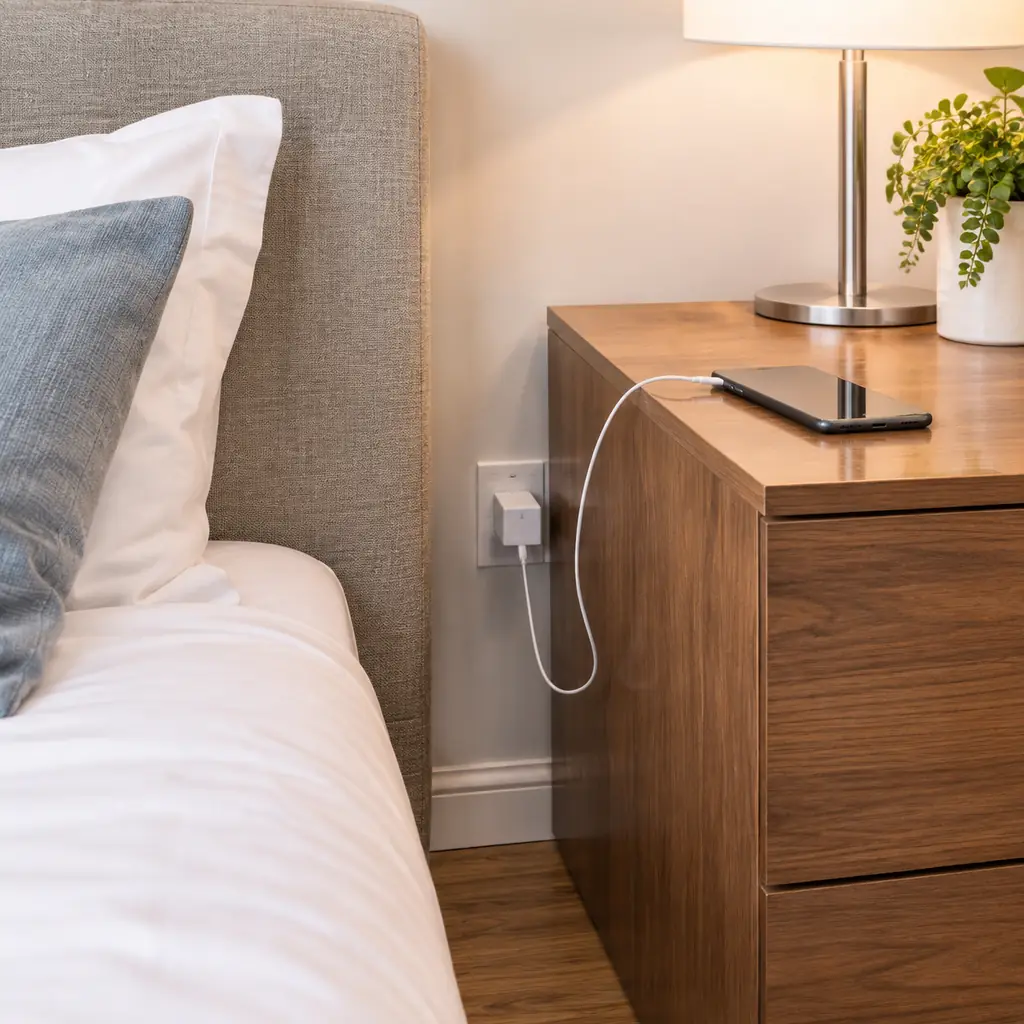
A convenient socket matters when you charge a phone or use equipment overnight. A socket hidden behind furniture can turn a simple arrival task into an awkward search.
Ask about power access beside the bed and bring the correct country adapter for your own devices.
If you use essential medical equipment, confirm its electrical requirements with the appropriate provider and the hotel beforehand. Do not assume a generic amenity list answers a device-specific question.
The tiny refrigerator that is not suitable for your medication

A drinks cooler and a refrigerator intended to maintain a required temperature are different things. The word minibar should not become your storage plan for temperature-sensitive medication.
Ask your pharmacist about the required storage conditions, then confirm what the hotel can reliably provide.
Keep the answer in writing when it matters. This is a reason to plan the arrangement, not to assume that every small refrigerator is either suitable or unsuitable. Confirm what the hotel provides before deciding which equipment that belongs in your own travel bag.
The curtains that leave the bed in the morning sun
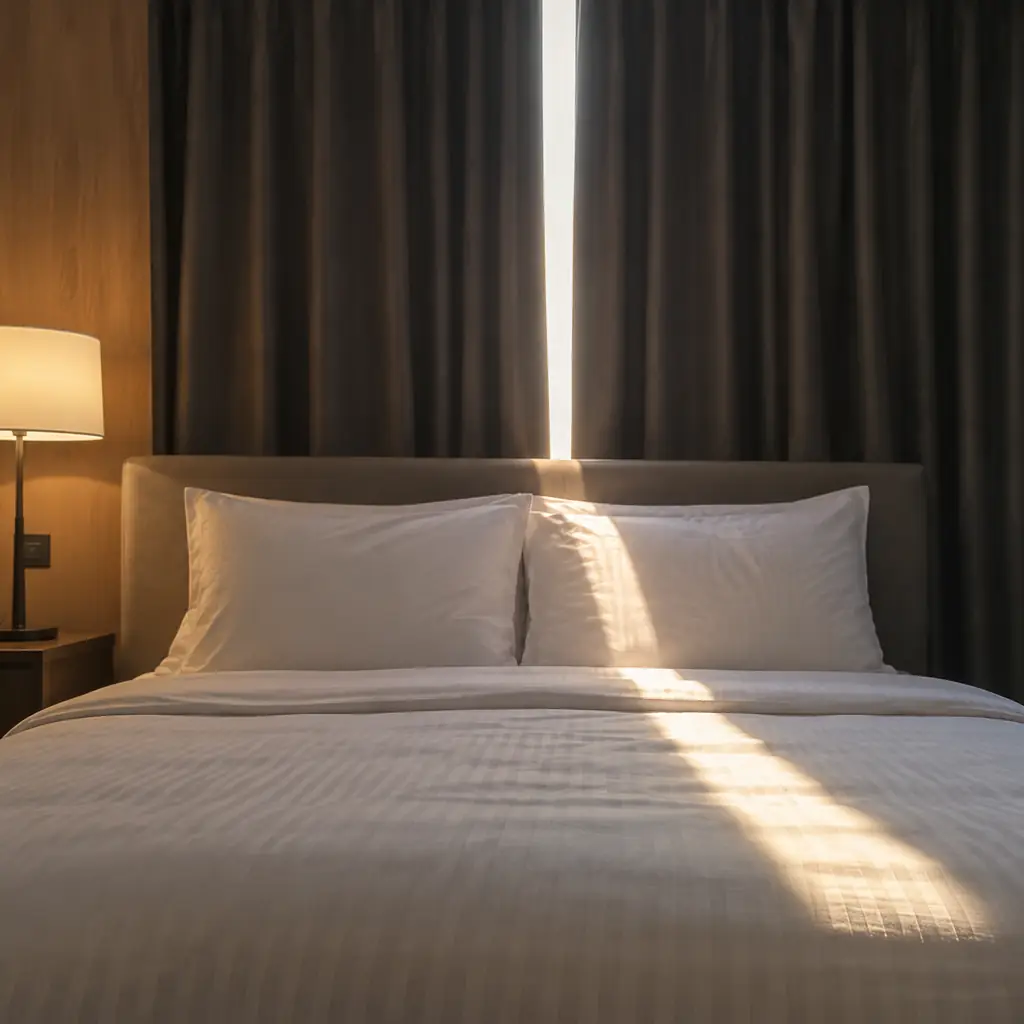
A beautiful window can affect sleep when the curtains leave a bright gap or the room faces early sunlight. Your usual waking time may matter more than the advertised view.
Look for current room photographs and ask about blackout coverings if you rely on a dark bedroom.
A sleep mask can help some travelers, but it is not a substitute for a room feature you know you need for several nights.
The control panel that runs everything except your patience
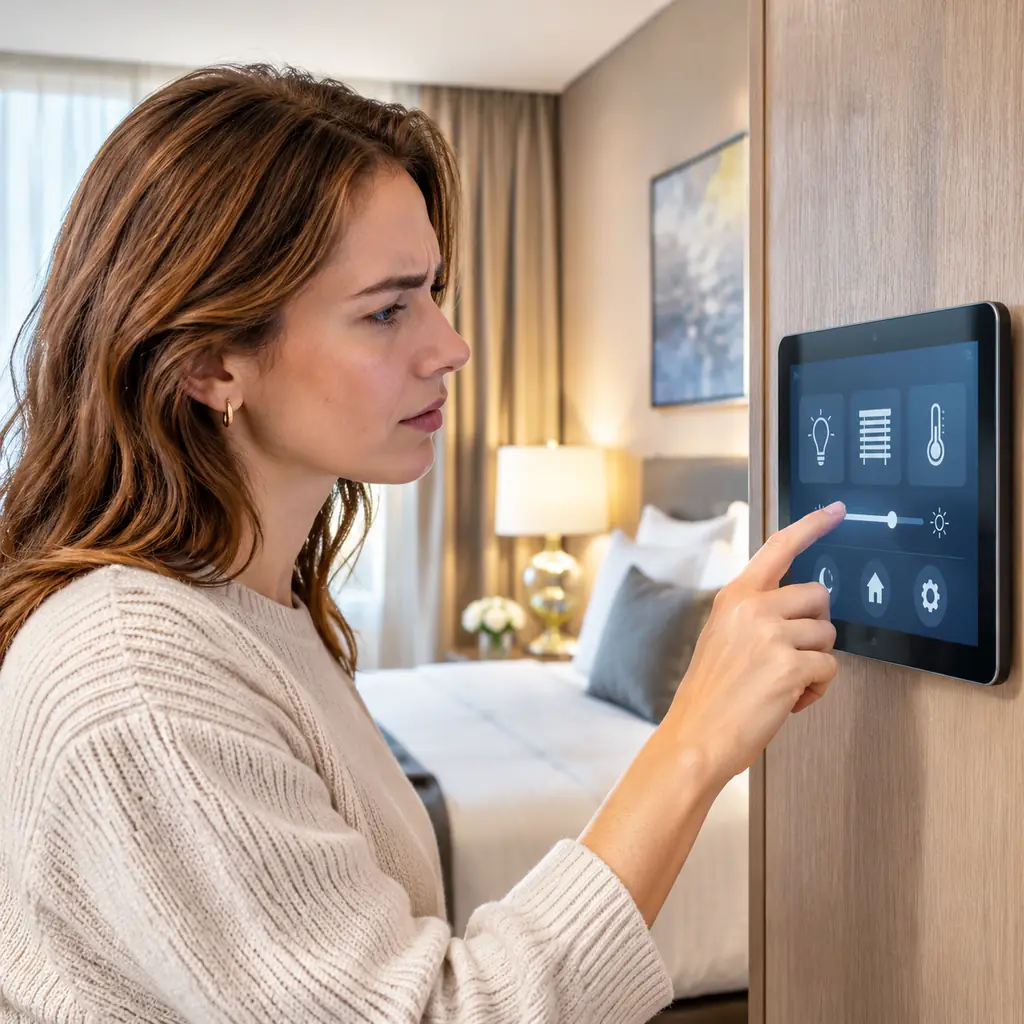
A room can put lights, blinds, and temperature behind a touchscreen that is unfamiliar or difficult to read. Impressive controls are not automatically easy controls.
Ask staff to demonstrate the functions you will use before you settle in, including the main light and cooling system.
Take a simple note if helpful. Learning the arrangement during daylight is easier than experimenting while your companion is trying to sleep or the room is already too warm.
The glass bathroom wall that removes privacy
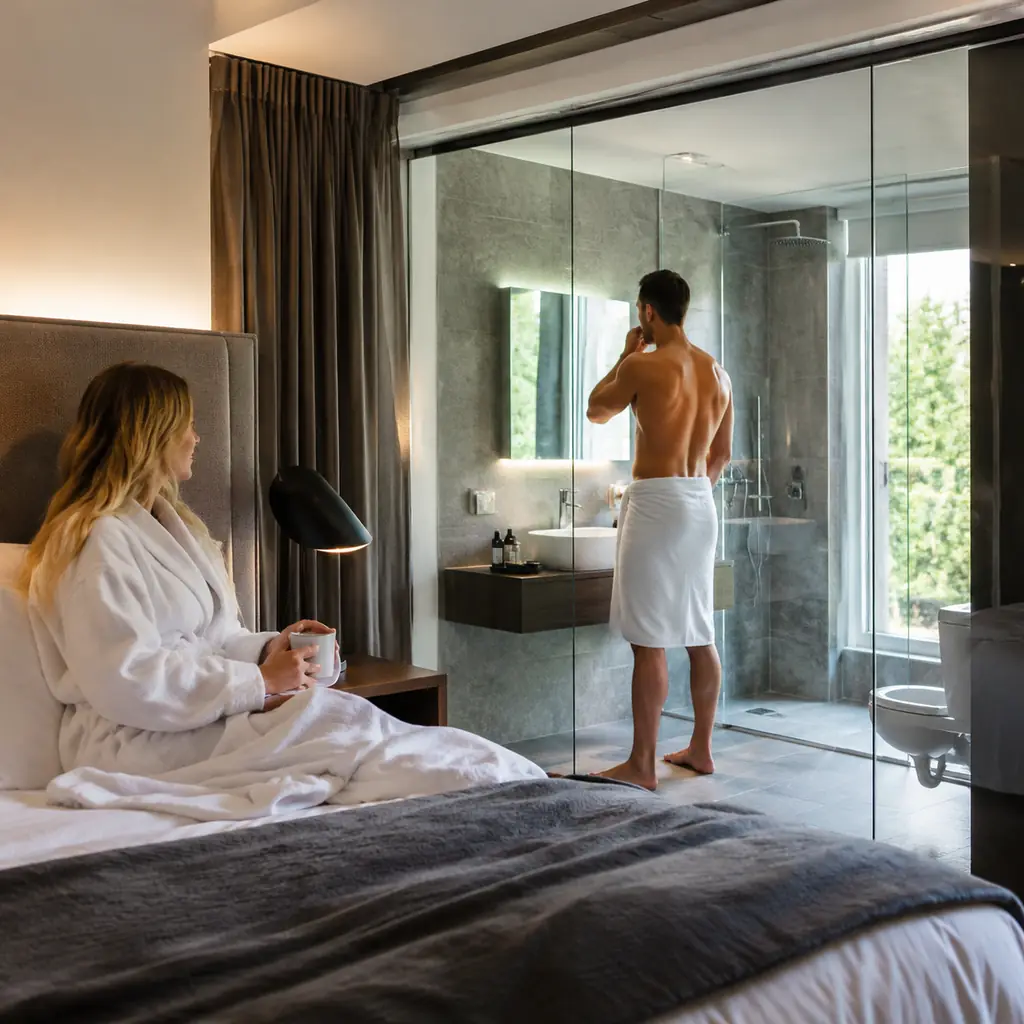
A design-led room may separate the bathroom from the bedroom with glass, a sliding panel, or a partial screen. Traveling together does not mean both guests want that arrangement.
Check the photographs for a proper door and ask whether any glass becomes fully opaque.
This is especially useful when sharing with a friend or relative. An ordinary question before booking can prevent an uncomfortable discovery that the hotel cannot easily change after arrival. Privacy preferences deserve the same early attention as access when planning a European trip with unfamiliar rooms.
The mattress described only as luxurious

A hotel’s language cannot tell you whether a mattress will feel comfortably supportive to you. Softness, firmness, and a high pillow-top can affect different travelers differently.
Ask what options the property offers if you have a strong preference, including a different room or available topper.
Avoid treating a reviewer’s favorite bed as a universal recommendation. The useful comparison is with what you already know helps you rest, not with a promotional adjective.
The bedside lamp that leaves the book in shadow

A low glow can make the room look relaxing while making reading unpleasant. A lamp placed behind the headboard or controlled from the other side of the bed can add another small annoyance.
Check for a usable reading light on each side if both guests like to read.
You are not asking the hotel to redesign the room. You are confirming an everyday feature that may matter more than the chandelier in the gallery.
The luggage bench too low for comfortable unpacking
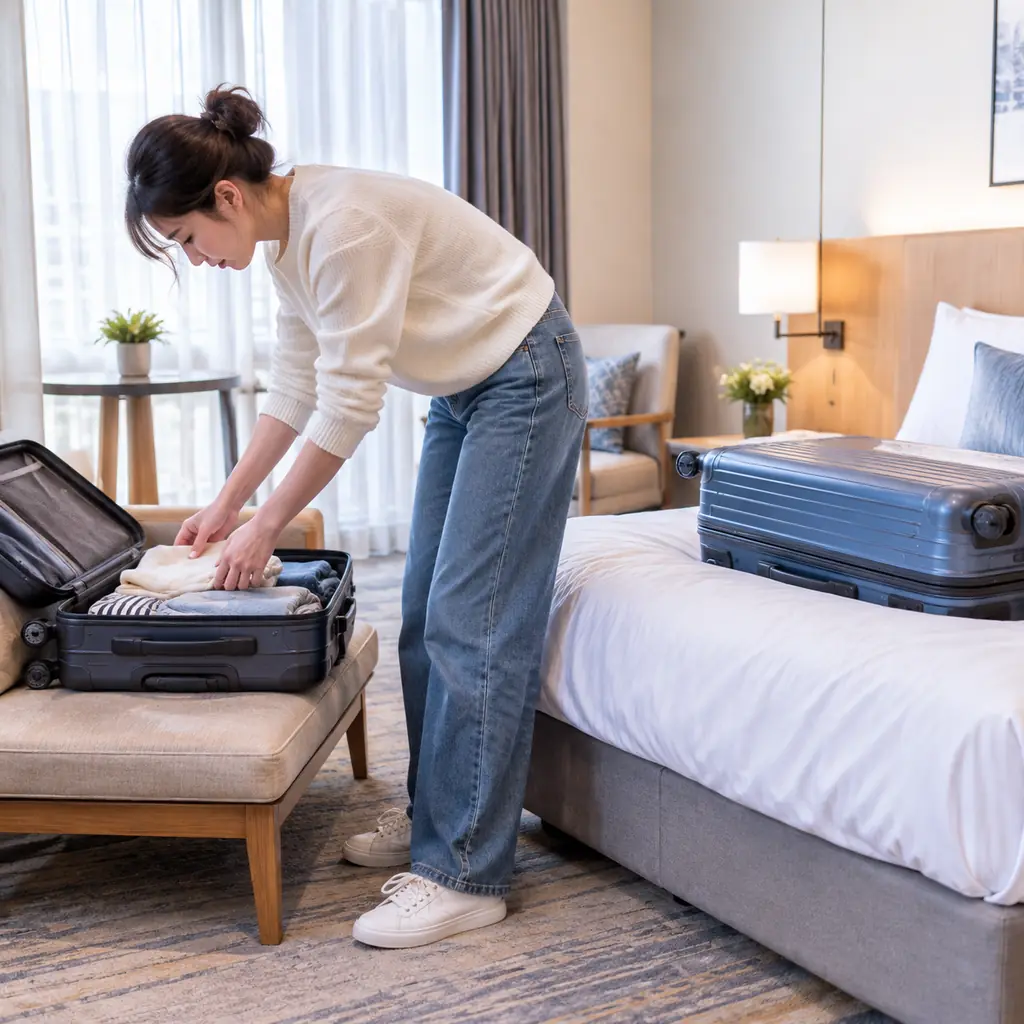
A suitcase on a low bench can require repeated bending, while a case left on the bed gets in the way of resting. A practical unpacking position is easy to overlook.
Look for a suitable luggage rack or clear raised surface and ask whether an additional rack is available.
For a longer stay, unpacking useful items once can simplify the routine. The goal is less repeated effort each morning, not a more elaborate packing system. Easy unpacking can make a small difference to comfort after a long flight.
The toilet area with no room to turn comfortably
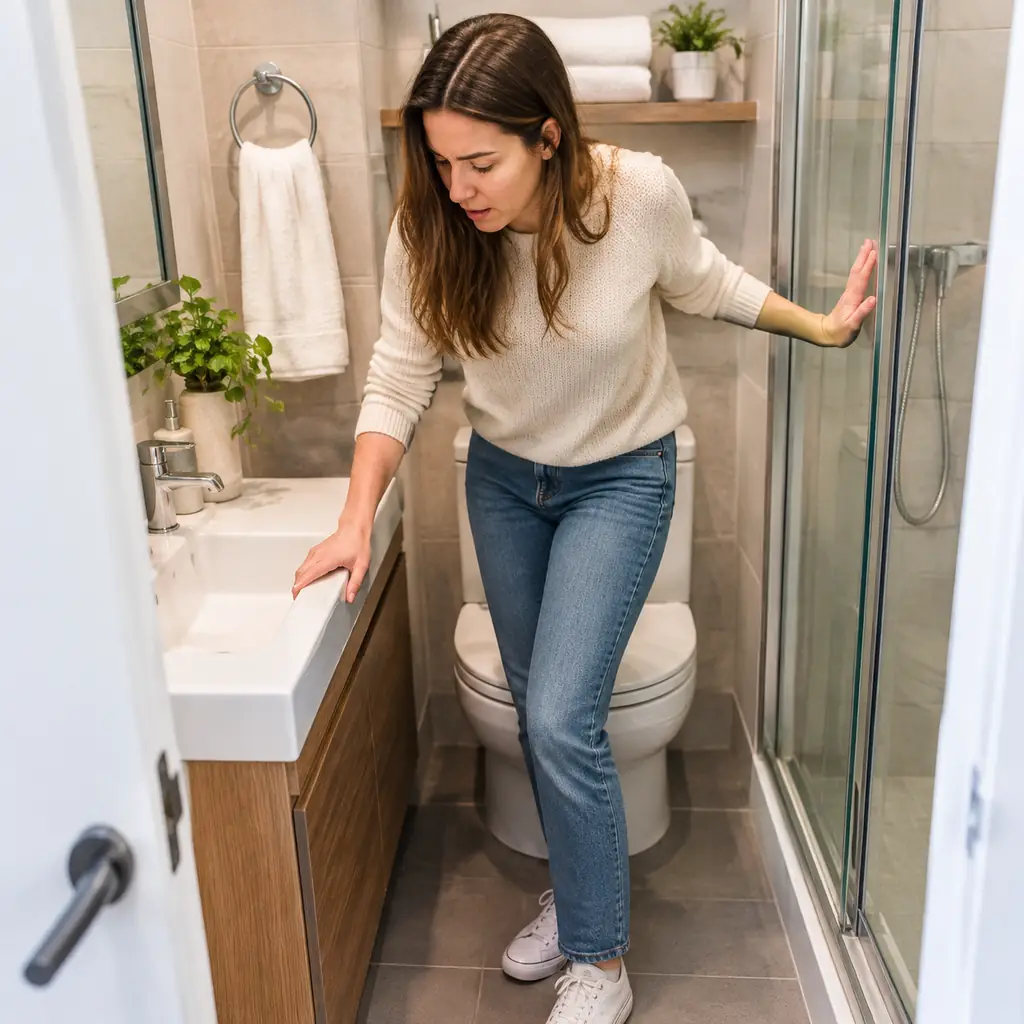
A compact bathroom can fit every fixture while leaving little space around them. The layout matters if you use an aid, need assistance, or simply prefer more room to move.
Ask for relevant dimensions and photographs rather than relying on the wide-angle image in a general gallery.
Describe your needs specifically. A hotel can give a useful answer about one room’s arrangement when it knows which space you actually need to assess.
The door that takes a firm shove every time
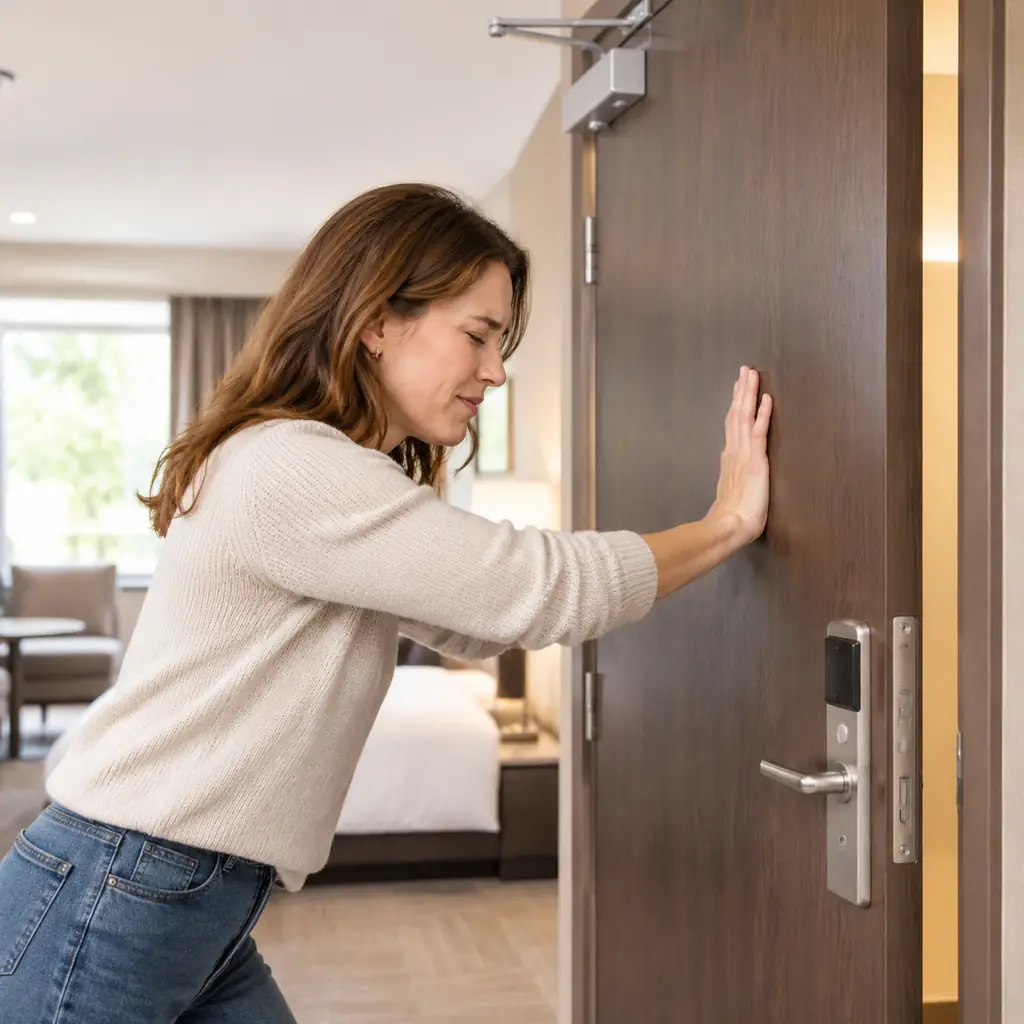
A heavy entrance or bathroom door can become a repeated inconvenience. Its weight and closer mechanism are hard to judge from photographs, especially in an older building.
Ask about door access if it is important to you, including the route through the lobby and lifts.
A room that works well once inside may still have an awkward approach. Assess the whole journey rather than limiting the conversation to the bedroom floor area.
The quiet room that requires the windows to stay shut
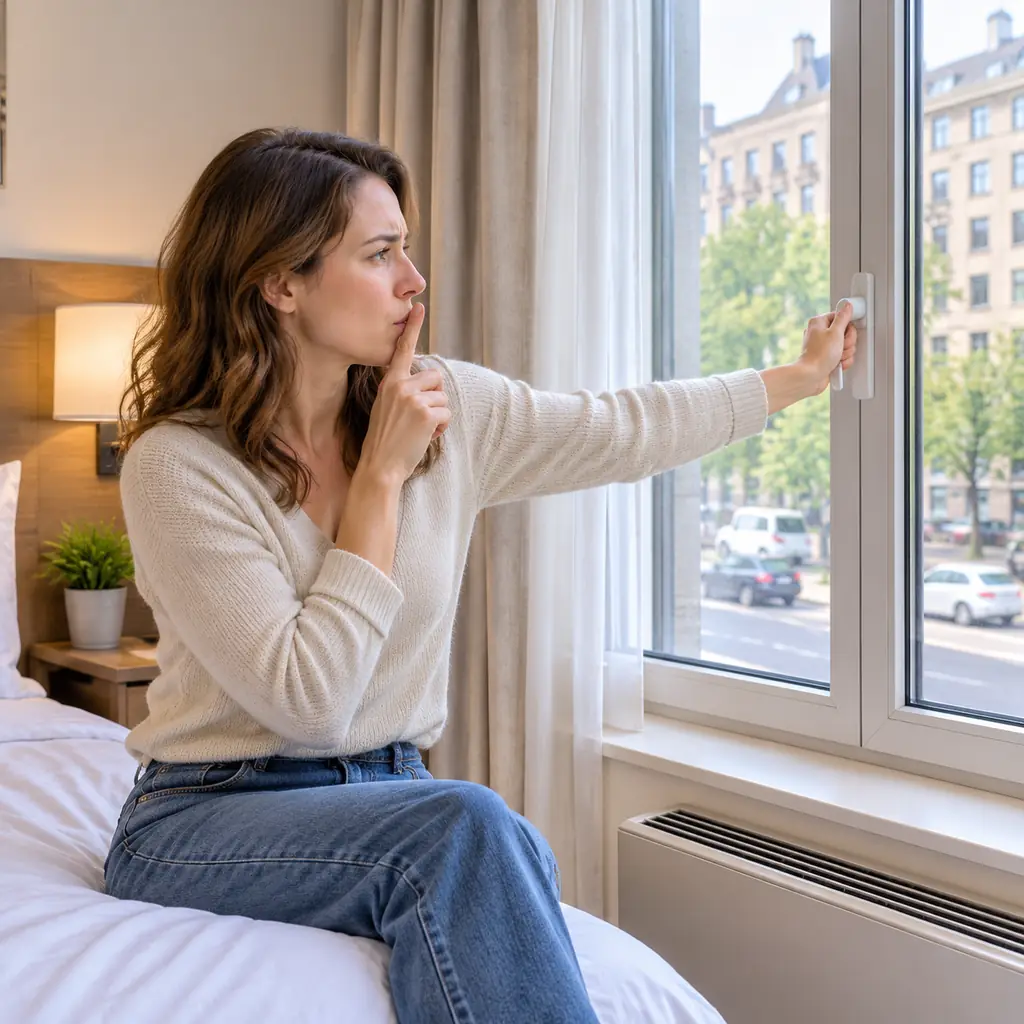
Avoiding street noise can mean keeping windows closed, which makes the room’s ventilation and temperature control more important. The quiet-room request and the fresh-air preference may not always align.
Ask about the actual exposure and cooling arrangements before choosing between categories.
State which priority matters most to you. Staff can suggest a more suitable room when they understand the tradeoff, rather than trying to satisfy several preferences without knowing their order. Confirm the room features you require before comparing the full hotel cost.
The balcony threshold that changes a favorite morning routine
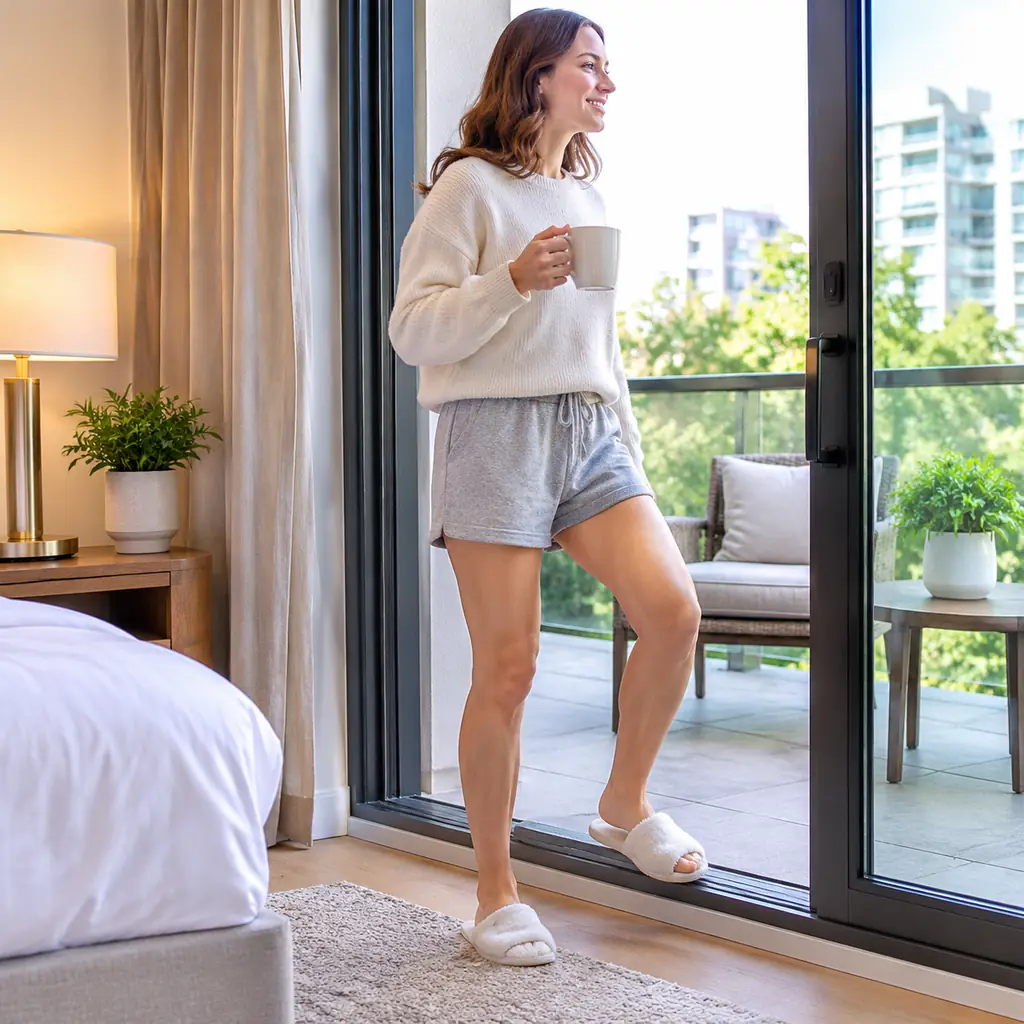
A balcony can look like an easy extension of the bedroom while having a raised threshold or a heavy sliding door. Those details matter if you pictured taking coffee outside each morning.
Ask for a photograph of the doorway and check whether the balcony itself has usable seating.
Pay for the feature you can comfortably enjoy. A view through glass may be the better-value choice if the outdoor space does not suit your needs.
The distance from the room to an ordinary breakfast
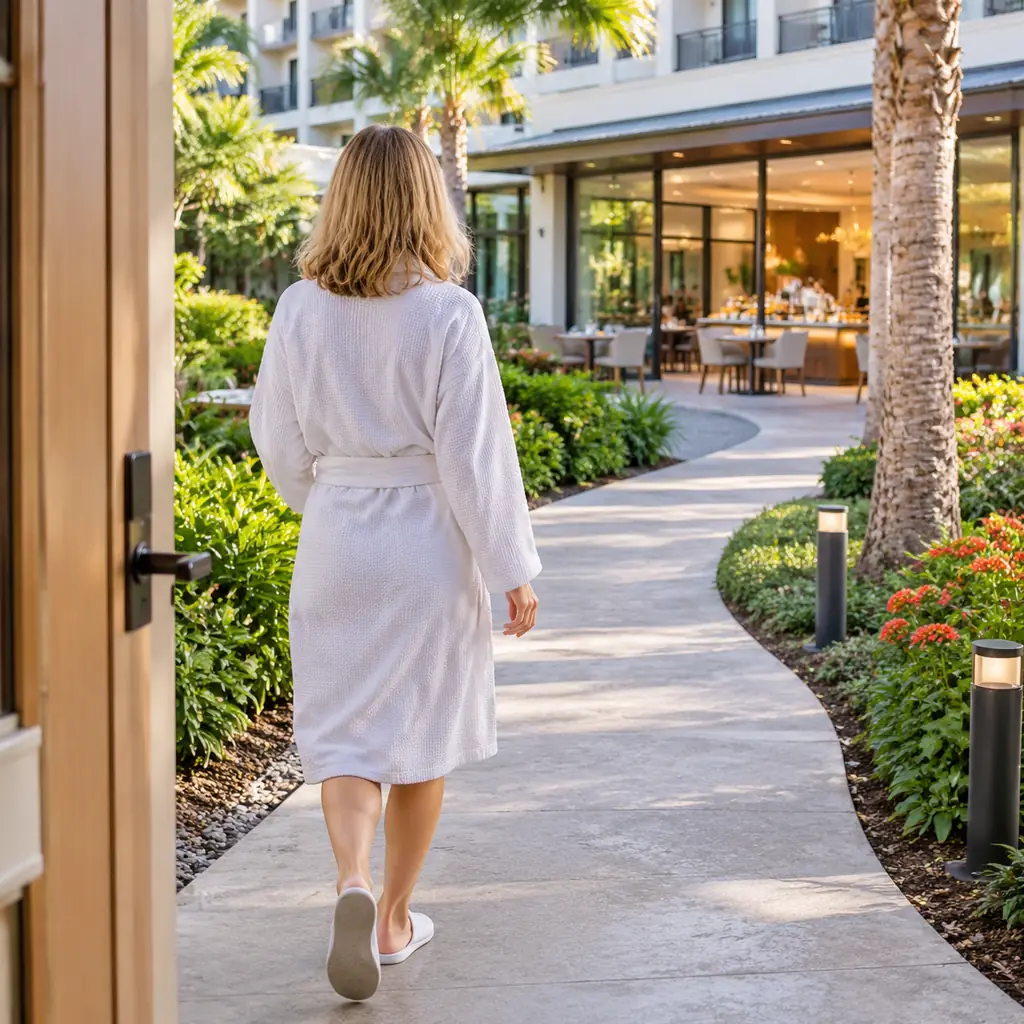
A large resort can make breakfast a separate outing through corridors, gardens, or another building. That journey deserves attention when you prefer a gentle start or have limited walking tolerance.
Ask where breakfast is served relative to the proposed room and whether the route is step-free.
A location near everyday facilities can add more comfort than an impressive suite far away. The best room is partly defined by the routine it makes possible.
The upgrade that ignores the needs you already explained
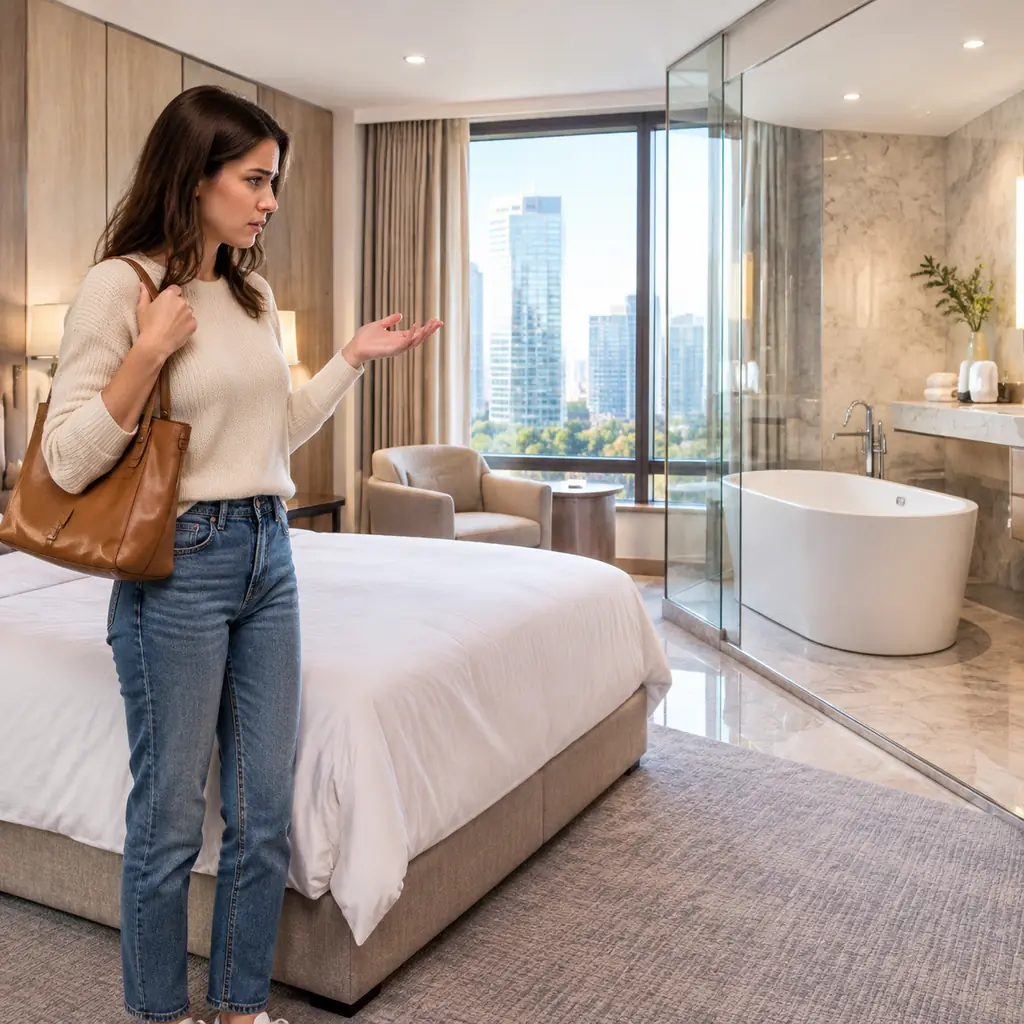
An upgrade can add space or a view while removing the shower, access, or convenient location you requested. A higher category is not automatically a better personal fit.
Before accepting, ask staff to confirm your essential requirements again and compare the new room with the original.
You can decline graciously. A successful stay depends on usable details you encounter repeatedly, not on receiving the most expensive category the hotel happens to have available. You can enjoy grand-hotel traditions without accepting an upgrade that removes the practical features you need.
Sources and editorial approach
These recommendations combine published information with editorial judgments. Arrangements vary by property, airline, aircraft and date.