

Editor’s note: This article describes cruise waters that can experience rough conditions.
Some areas are more likely than others to be rough during cruise ship sailings.
Knowing what to expect can help you prepare for sea days:
1. Drake Passage, South America to Antarctica
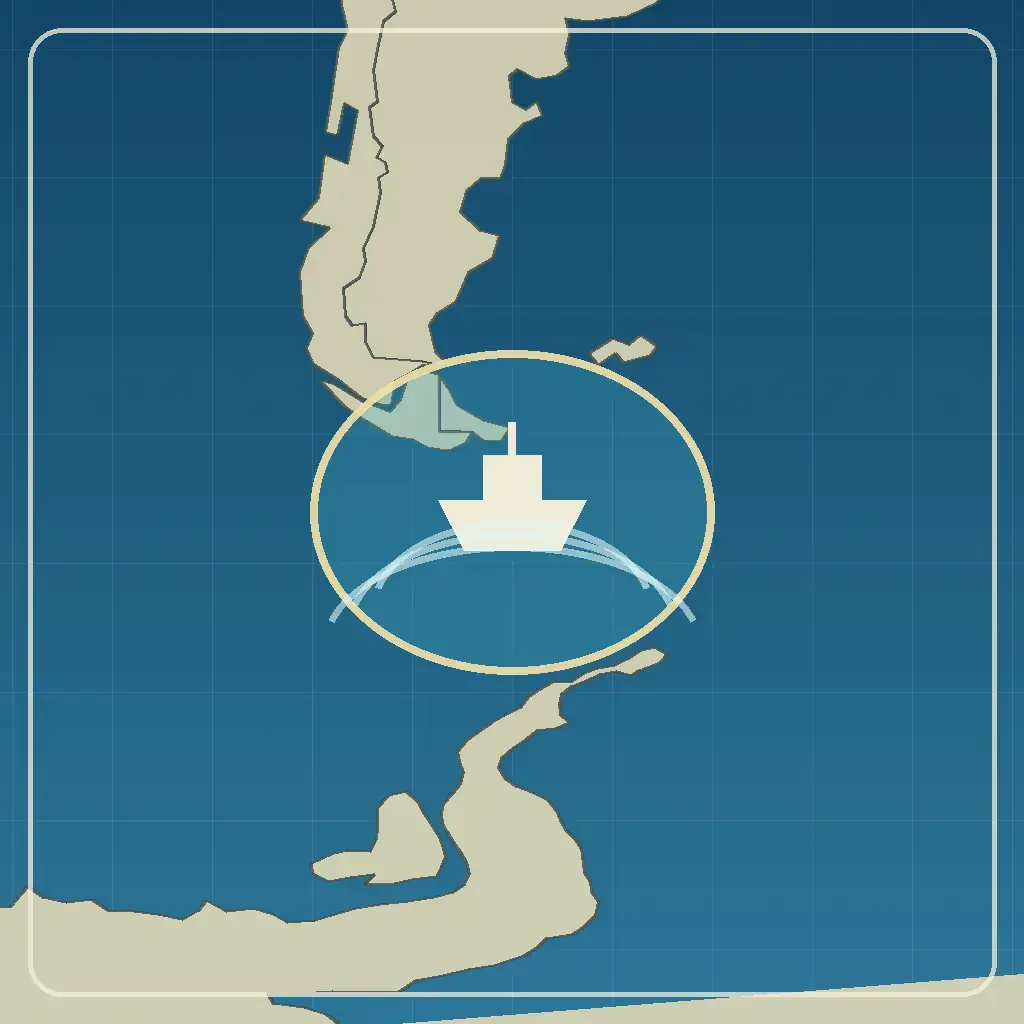
This stretch of open water between Cape Horn and Antarctica sees Southern Ocean winds blow unimpeded, creating large swells. Conditions here range from glassy calm, hence its moniker “Drake Lake”, to extremely rough seas.
Cruises between South America, usually from Ushuaia in Argentina, and Antarctica cross the Drake Passage. Weather reports can change on short notice. Ships that ply this route usually sail during the austral summer.
Pack motion sickness medication approved by your clinician.
2. Bay of Biscay, France and Spain
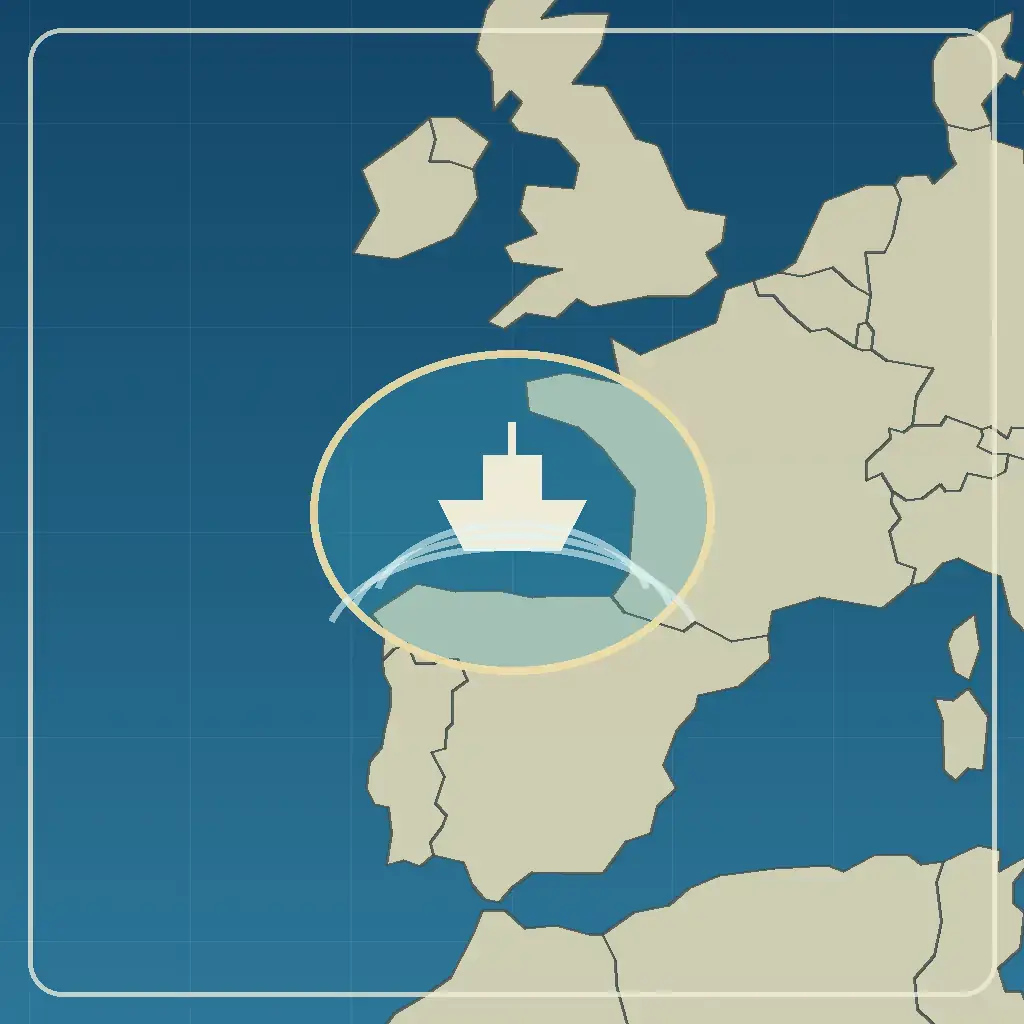
Low-pressure weather systems in the North Atlantic can move into the Bay, creating rough seas. Waves generated by local winds meet existing Atlantic swell and combine to create waves from differing directions.
Cruises between Britain and Spain or Portugal may be rough when passing through the Bay of Biscay, especially during fall and winter.
Book a cabin in a lower and more central location on your ship.
3. Agulhas Waters, South Africa
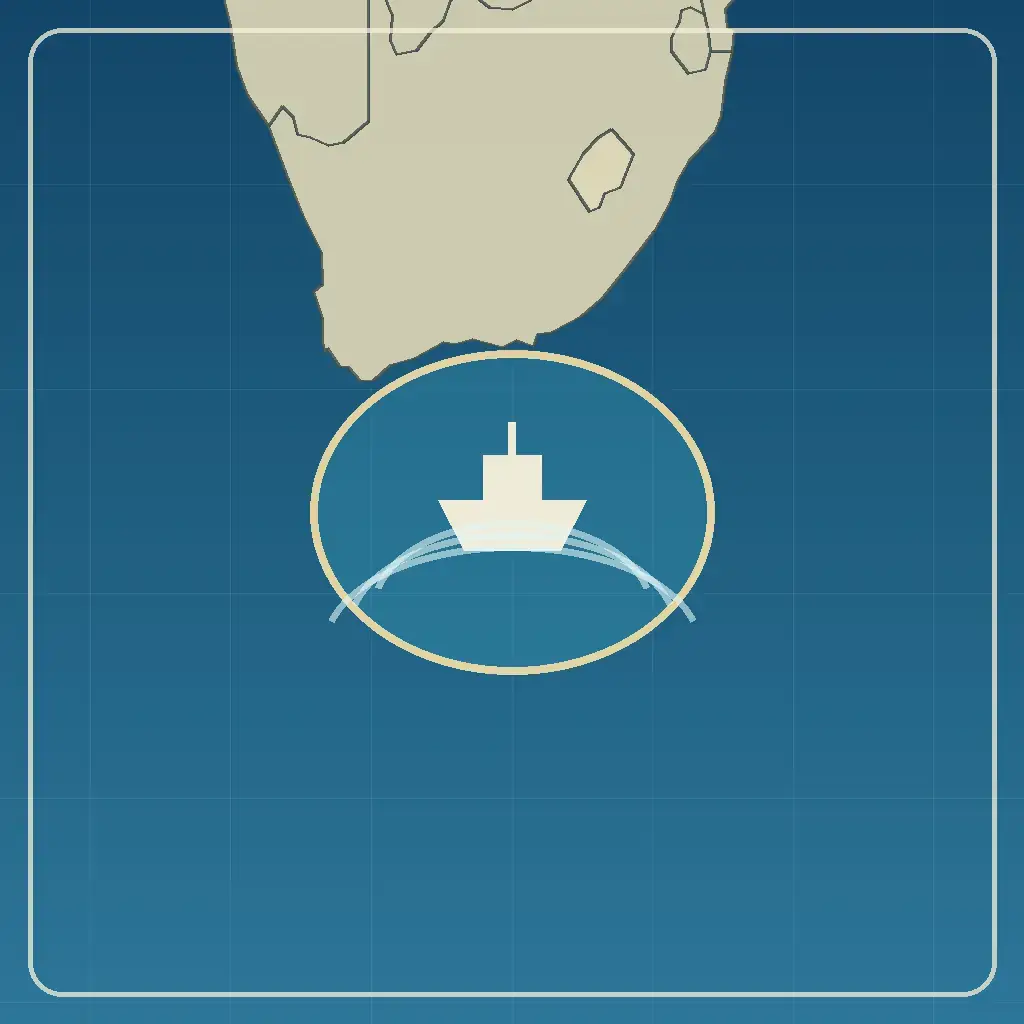
The current that bears this name moves swiftly along the southeast coast of Africa toward the southwest. Cruises to South Africa may encounter seas made short and steep when winds blow in a direction opposite to this strong current.
Rough seas can occur in areas where ships sail along this current, including waters off Durban (or eThekwini) and Gqeberha.
Eat light.
4. North Atlantic South of Iceland
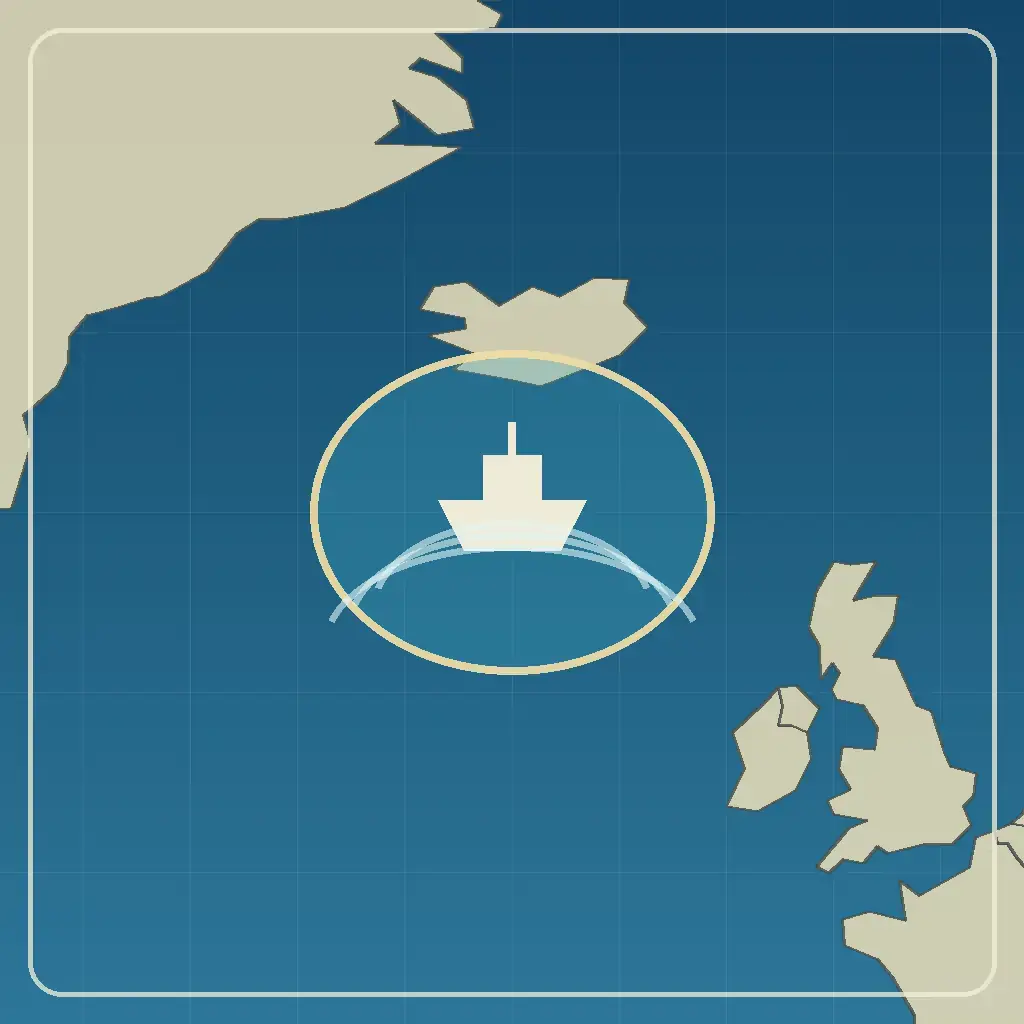
Waves can continue across the North Atlantic after the storms that generated them have passed.
Ships traveling between North America and Europe may cross the Atlantic Ocean south of Iceland, which lies along the path of storms in this area. Strong winds and rough seas can occur here.
Hold on to handrails and keep one hand free when using stairs.
5. Tasman Sea, Australia and New Zealand
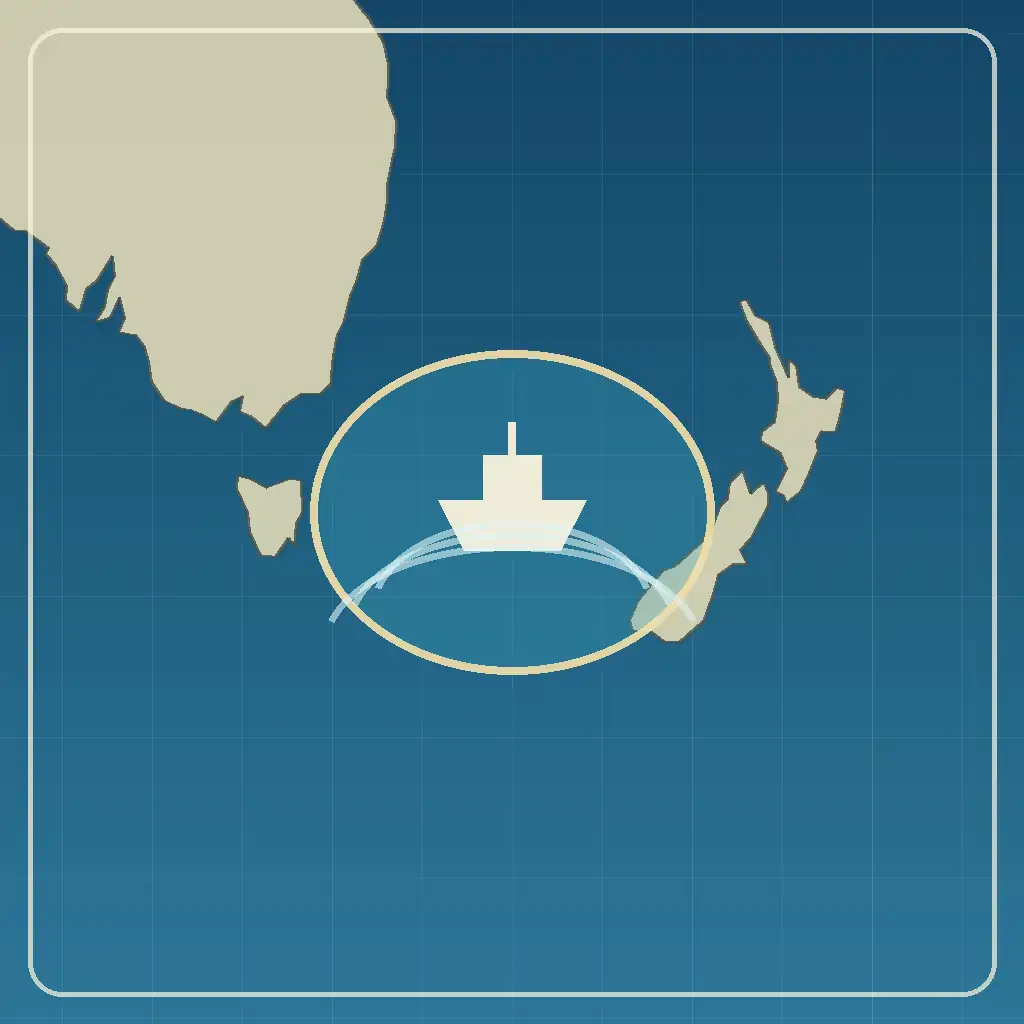
The Tasman receives swell from the Southern Ocean, and seas can be steep and powerful, with waves coming from different directions.
Cruises between Australia and New Zealand usually take two or more days to cross the sea and may be rough, especially during the Southern Hemisphere’s winter.
Have motion sickness medication on hand in a carry-on bag in case of unforeseen itinerary changes.
6. Gulf of Alaska
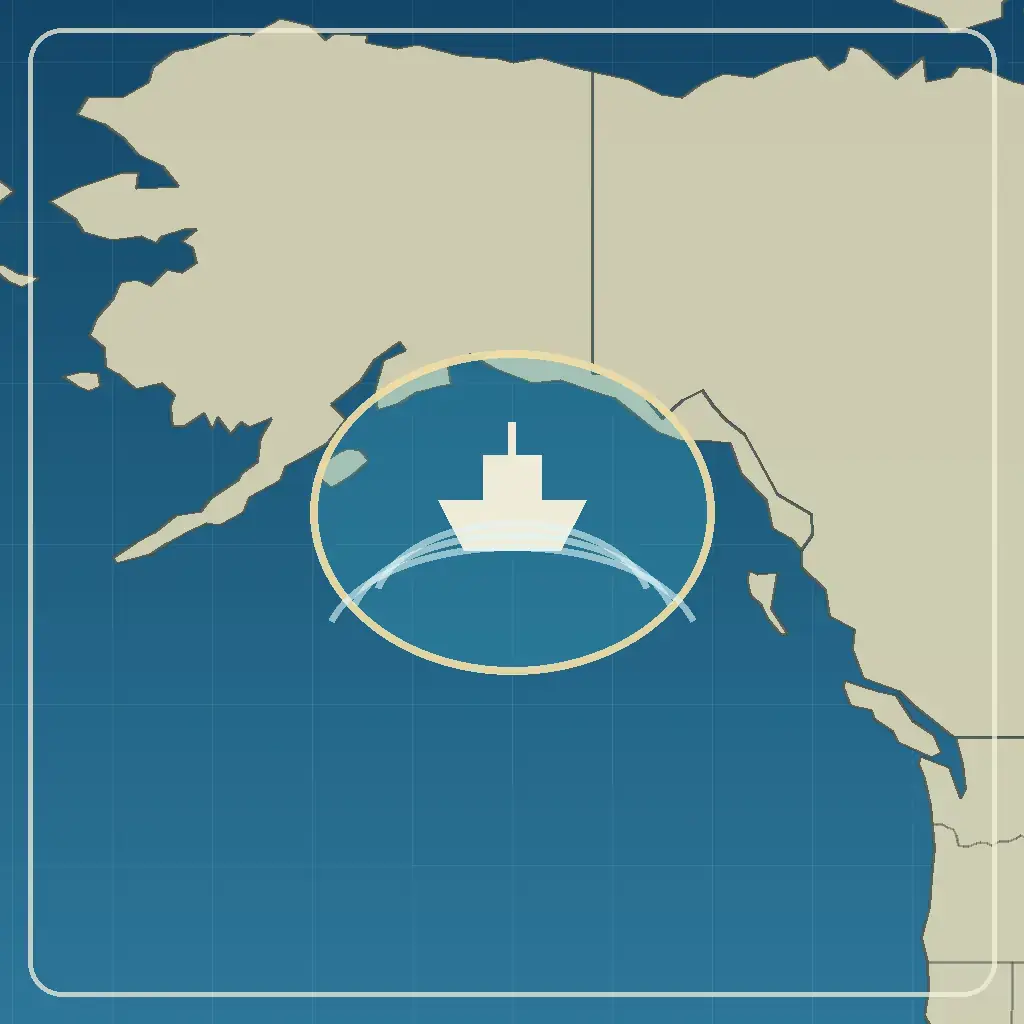
Low pressure weather systems can deepen as they move into the gulf. Their winds can build waves over long stretches of the North Pacific.
One-way Alaska cruises crossing the gulf between glacier ports and Seward or Whittier may be rough.
Put caps on any bottles. Read more: Alaska cruise mistakes.
7. Norwegian Sea
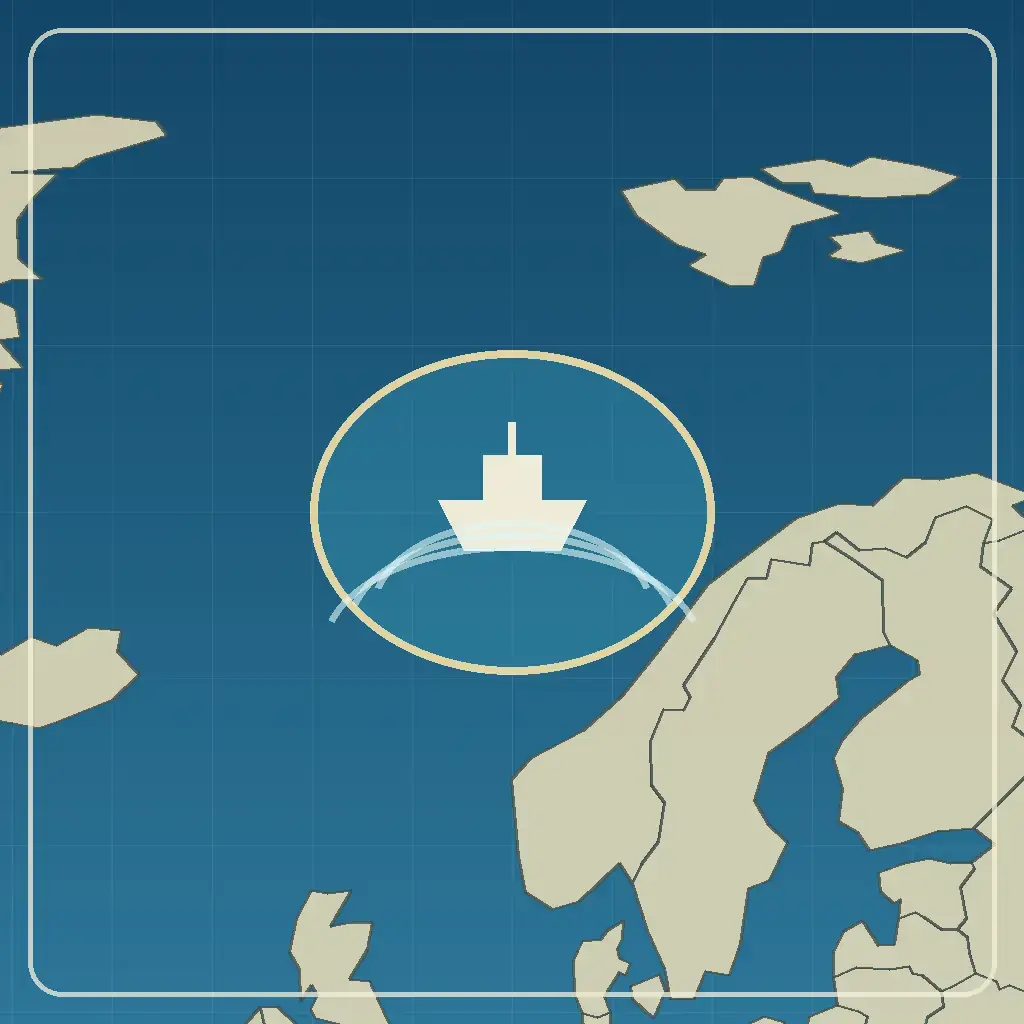
Weather systems from the North Atlantic can cause rough seas here. In winter, compact, intense, short-lived polar lows can quickly change local wind and sea conditions.
Cruises to Norway, Svalbard, the North Cape, and other destinations in northern Europe may cross the Norwegian Sea, especially when repositioning.
Check in with the purser about revised itineraries. Read more: international travel essentials people often forget.
8. North Sea
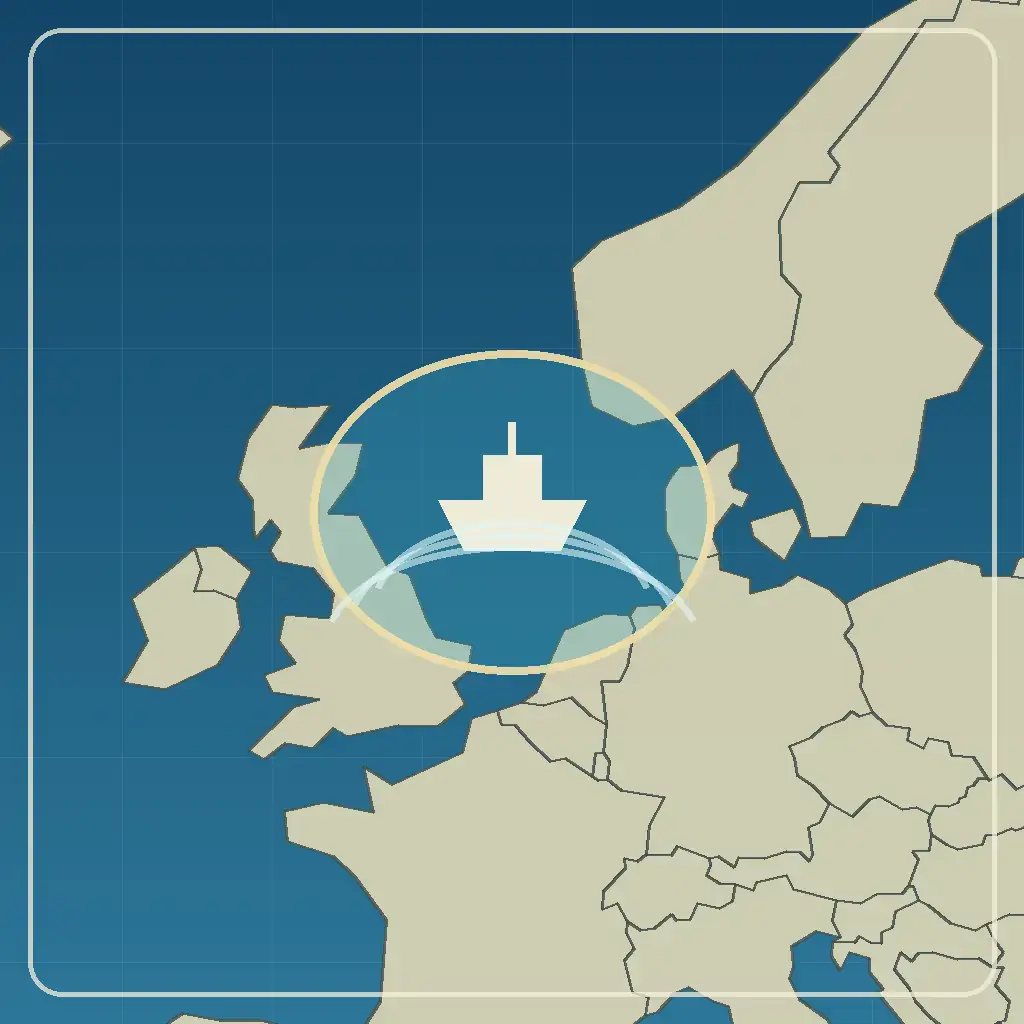
It’s relatively shallow, so strong winds can create short, steep waves.
Cruises between Britain, Germany, the Netherlands, and Norway often sail through the North Sea.
Check for revised programs. Read more: cruise time wasters.
9. Bass Strait, Australia
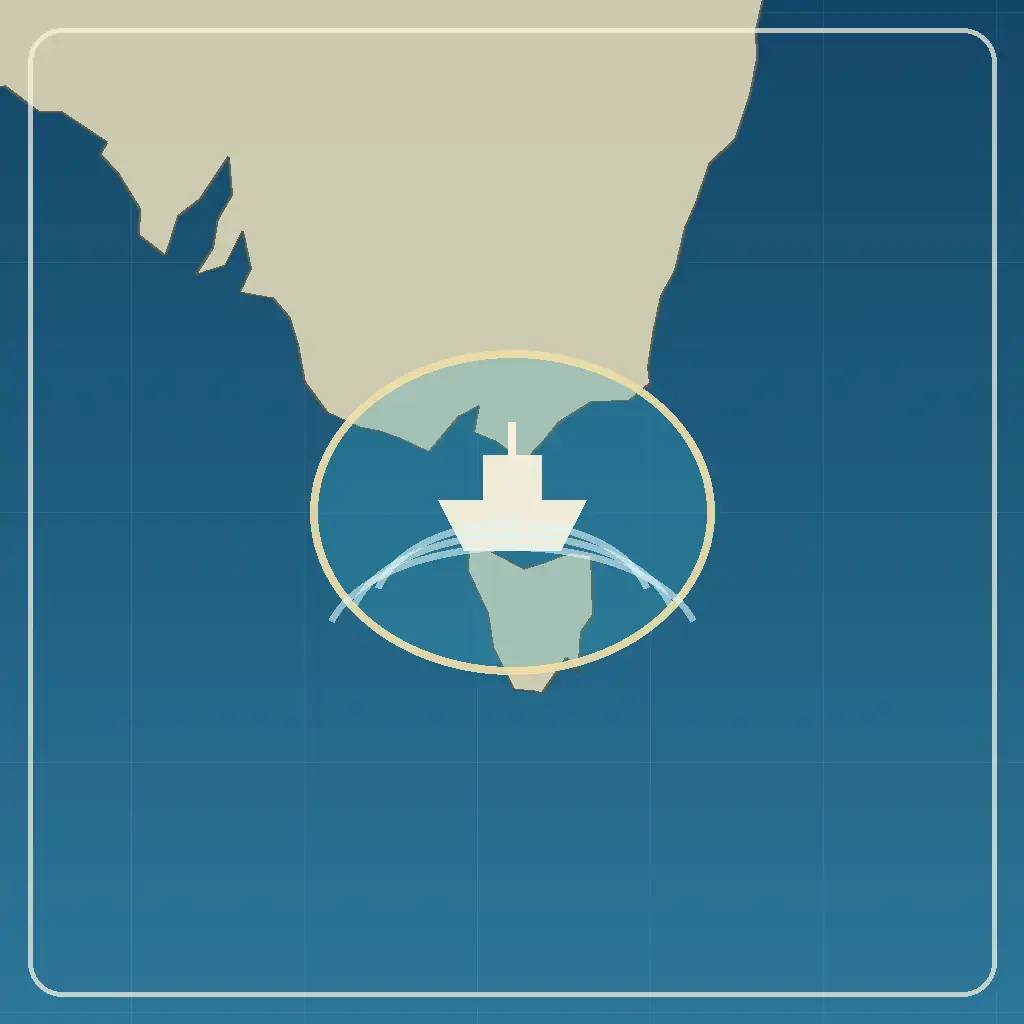
Winds blow freely across the exposed and relatively shallow body of water. Waves become steep, especially during strong weather fronts and when tidal currents oppose the waves.
Cruises to New Zealand may be rough when they cross this body of water. Ships may transit Bass Strait on cruises between Melbourne and Tasmania and other areas.
Wear sensible, grippy shoes on deck. Read more: cruise habits.
10. Cook Strait, New Zealand
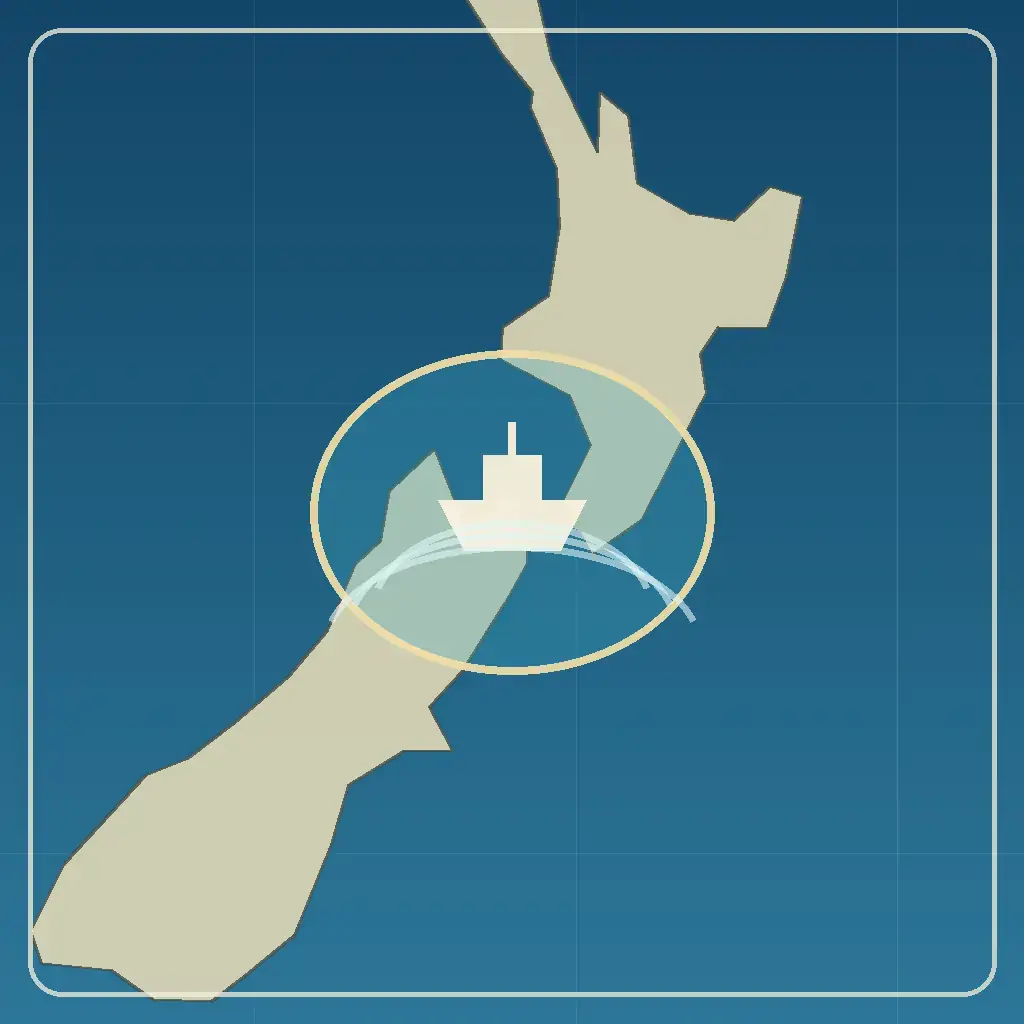
The stretch of ocean between New Zealand’s North and South Islands sees strong local winds funneling through it.
Waves build up in this strait, particularly around Wellington. Rough seas can occur here, even under sunny skies.
Remove any breakable items from cabin countertops and secure them. Read more: cruise cabin safety reminders.
11. Mona Passage, Puerto Rico and the Dominican Republic
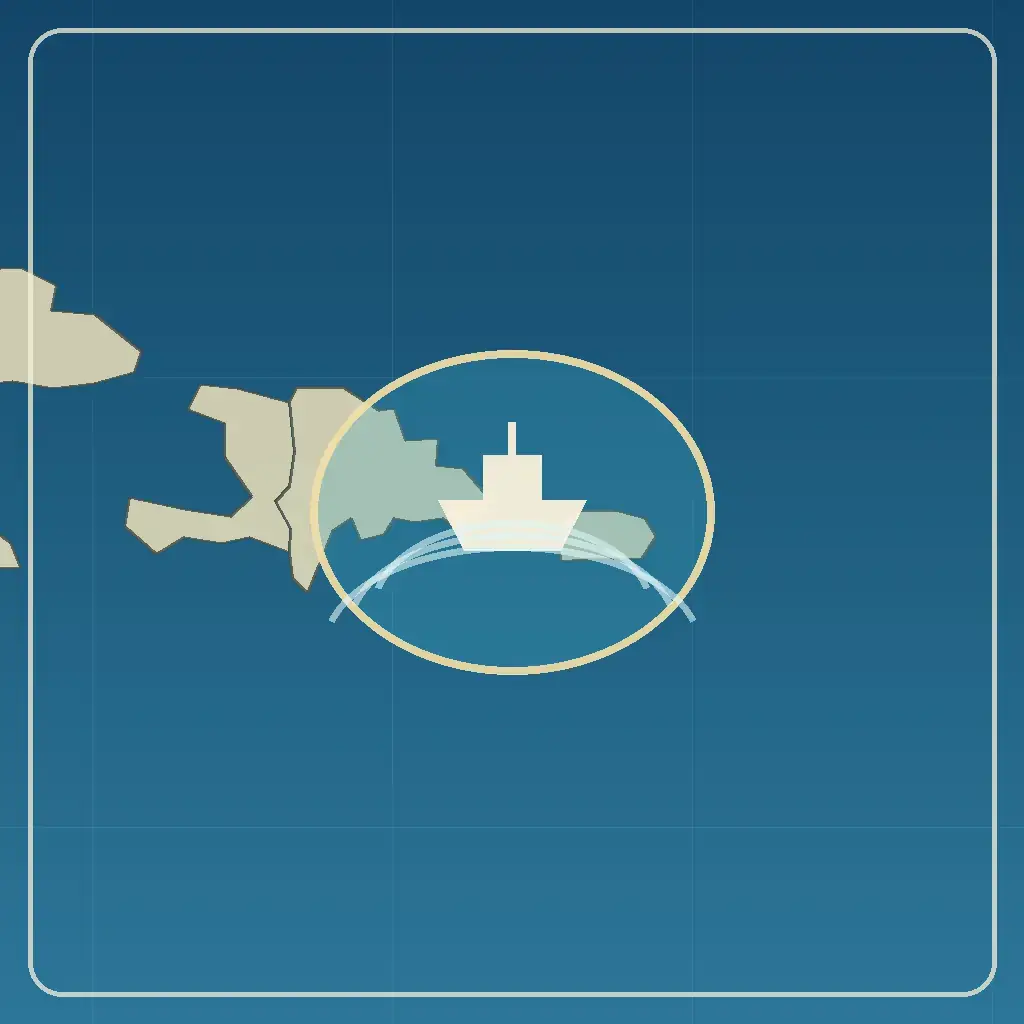
Trade winds, tides, and currents can combine with Atlantic swell to create rough seas.
Cruises in the Caribbean or those traveling from the Caribbean to the North Atlantic may transit this area between Puerto Rico and Hispaniola, the island shared by Haiti and the Dominican Republic.
If your trip ends with a flight, allow ample time to make connections. Read more: Caribbean cruise ports.
12. South China Sea
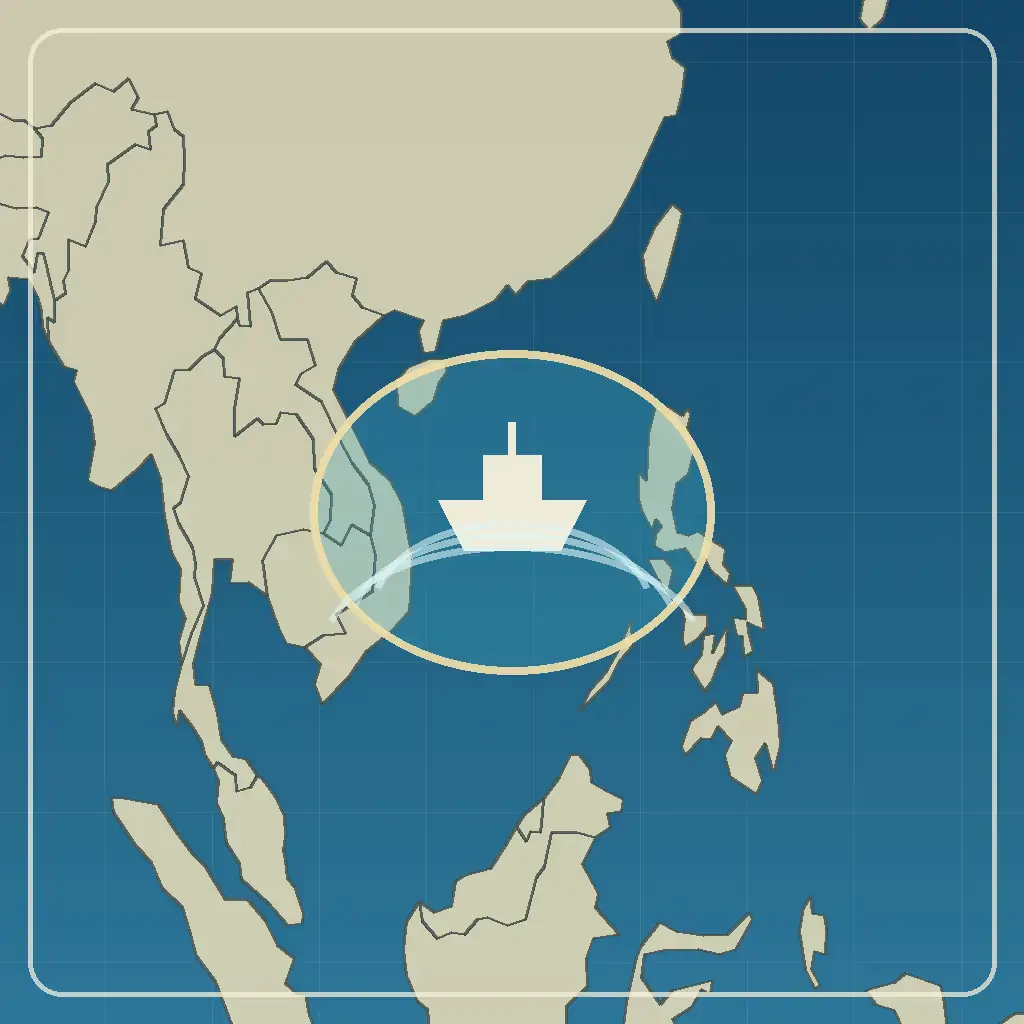
Winds that blow for days during monsoon season may create rough seas. Swell generated by tropical cyclones can add to these.
Cruises in this area, such as those from Hong Kong to Vietnam, Malaysia, Indonesia, Thailand, Brunei, Singapore, Cambodia, the Philippines, or other destinations, may encounter these conditions.
Allow buffer time for delayed ports of call. Read more: pre-cruise port-city ideas.
13. Aegean Sea, Greece
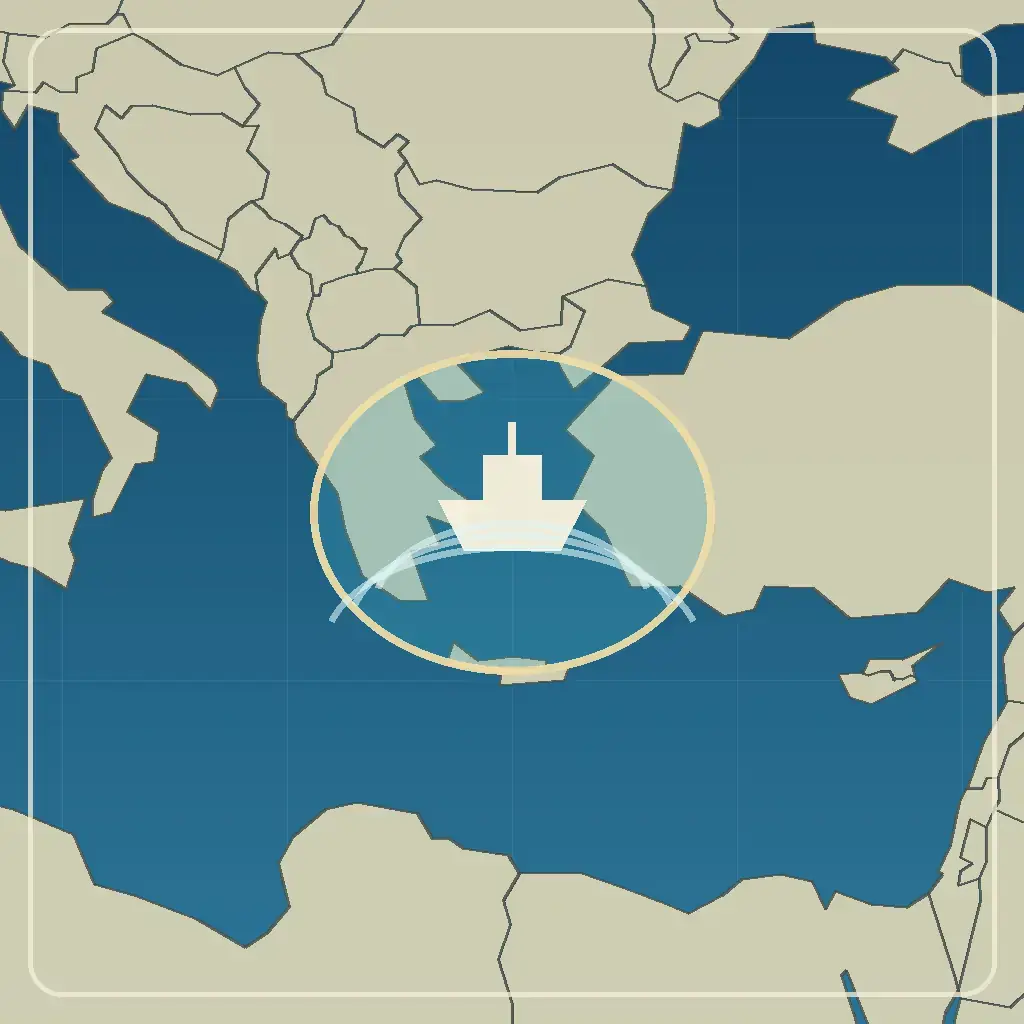
The northerly Meltemi wind blows during summer. It can pick up speed as it blows through channels between islands, causing whitecaps.
Cruises among the Greek islands can encounter rough seas during summer, especially when the Meltemi wind picks up.
You may not be able to go ashore if sea conditions prevent tendering. Read more: European cruise destinations.
14. Gulf of Lion, France
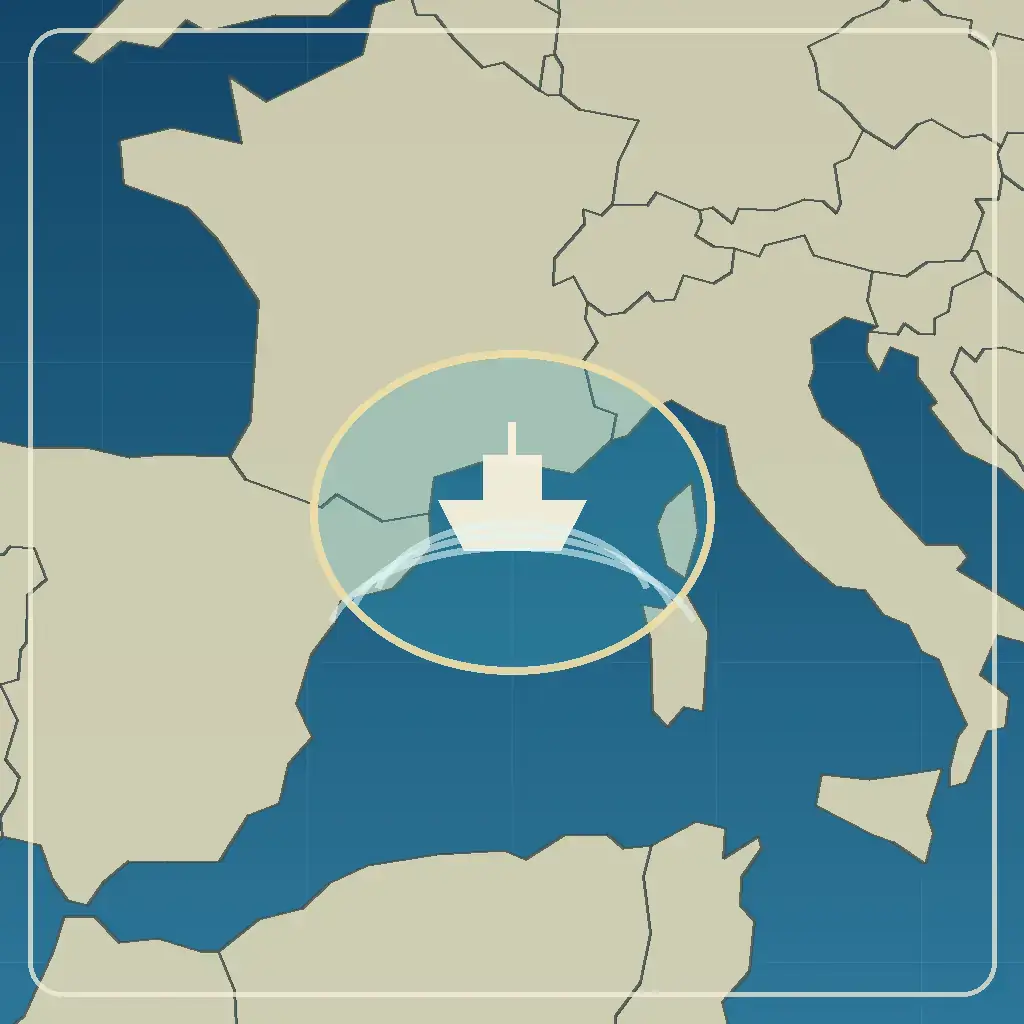
This arm of the Mediterranean sees the Mistral and Tramontane winds, which can create rough seas despite sunny skies.
Ships that stop in Marseille or sail to Spain along France’s Mediterranean coast may pass through the gulf.
The Mistral funnels down the Rhone River valley into the gulf, creating waves that seem out of place with fair weather. Read more: cruise rookie errors.
15. Strait of Magellan, Chile
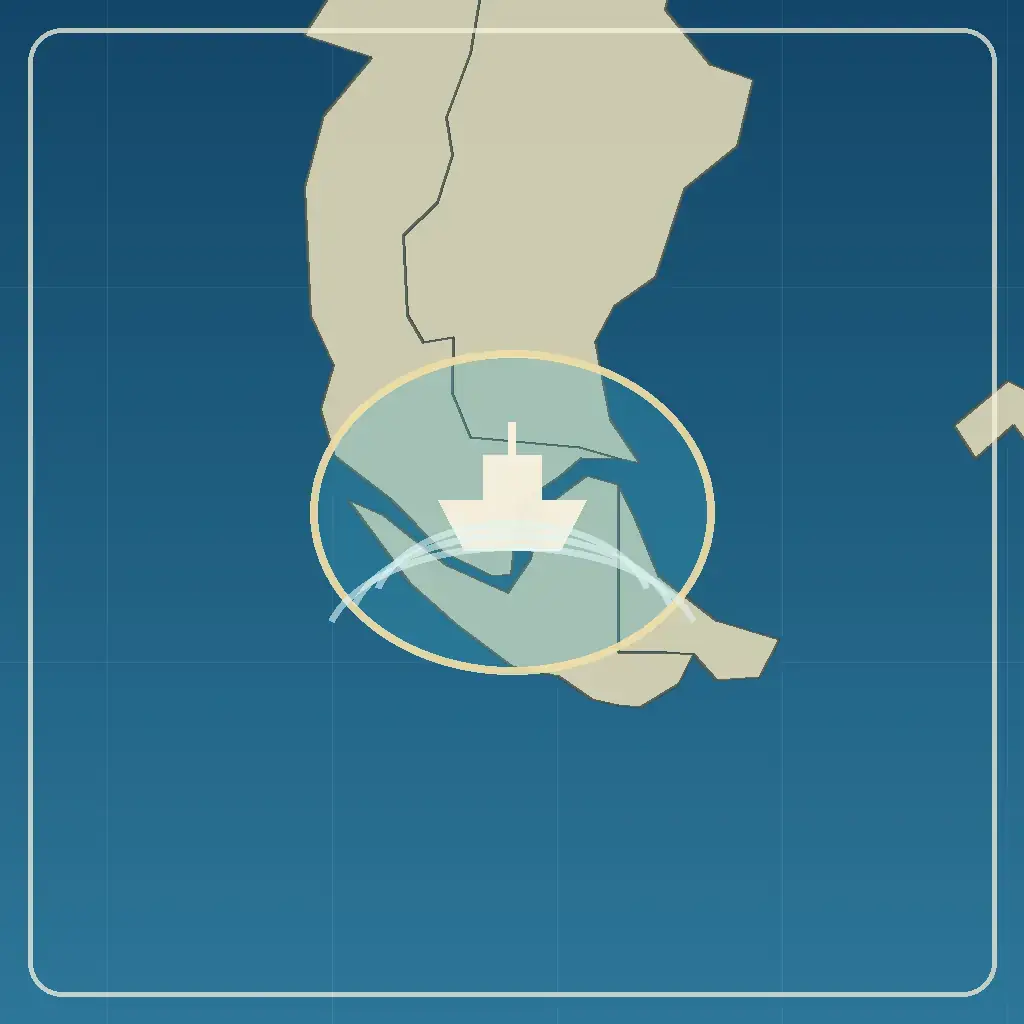
Weather changes quickly here as winds blow strongly in different directions. Tidal currents pick up speed through narrows in the strait. While this route is considered more protected from high seas than the Drake Passage, rough seas can still occur.
Some South America cruises cross the Strait of Magellan on their way in and out of the Pacific, often stopping or passing Punta Arenas en route. Patagonian winds can be strong in summer; cold fronts also blow through in winter.
Pick up items on cabin floors that may be hazardous if they roll around in rough seas. Read more: cruise cabin mistakes.
Sources
- Australian Antarctic Program: Winds, waves and temperatures (Drake Passage and Southern Ocean wind patterns)
- UK Marine Accident Investigation Branch: Spirit of Discovery report (Bay of Biscay weather and sea conditions)
- NOAA National Data Buoy Center: Sea State Forecasting (Agulhas waters and Gulf of Alaska)
- NOAA Science On a Sphere: Wave Heights 2012 (seasonal North Atlantic and Southern Ocean wave patterns)
- Earth Sciences New Zealand and NIWA: Wave action (Tasman Sea exposure and Cook Strait wind waves)
- NOAA U.S. Coast Pilot 9 (Gulf of Alaska seasonal storms and waves)
- Norwegian Meteorological Institute: Weather phenomena that can trigger warnings (Norwegian Sea polar lows and winter marine conditions)
- UK Government: North Sea offshore waves and currents (North Sea seasonal wave climate)
- Australian Bureau of Meteorology: Wave height forecasts (Bass Strait wave steepness and tidal currents)
- NOAA U.S. Coast Pilot 5, Chapter 13 (Mona Passage currents, winds, and squalls)
- Hong Kong Observatory: The Strong Monsoon Signal (South China Sea monsoon winds and rough seas)
- Hellenic National Meteorological Service: Climate of Greece (seasonal Aegean northerly winds)
- Météo-France: Le mistral, vent régional (Mistral and Tramontane wind regions)
- Chilean Maritime Authority: Pilotage in the Strait of Magellan (winds, currents, narrows, and seasonal navigation conditions)
Comments
The opinions and views expressed in the comments section are solely those of the individual users and do not represent or reflect the opinions, views, or positions of HumbleTrail. HumbleTrail does not endorse, support, or verify the accuracy of any user-generated content.
By posting a comment you agree to receive related emails from HumbleTrail in accordance with our Terms and Privacy Policy. You can unsubscribe at any time.