

Editor’s note: These travel recommendations reflect our editorial judgment based on public sources.
In one Tennessee town, a general store becomes a bluegrass venue. In another, a small museum explains how river mussels ended up as buttons. Elsewhere, a surviving English colony, a protected courthouse town and a famous trial give you very different reasons to pull off the highway.
These towns and villages stretch across the state. Choose a small regional group rather than trying to connect them all in one weekend. The best stop is often the one where you leave enough time to hear the story.
1. Jonesborough: Choose a day when someone is telling a story
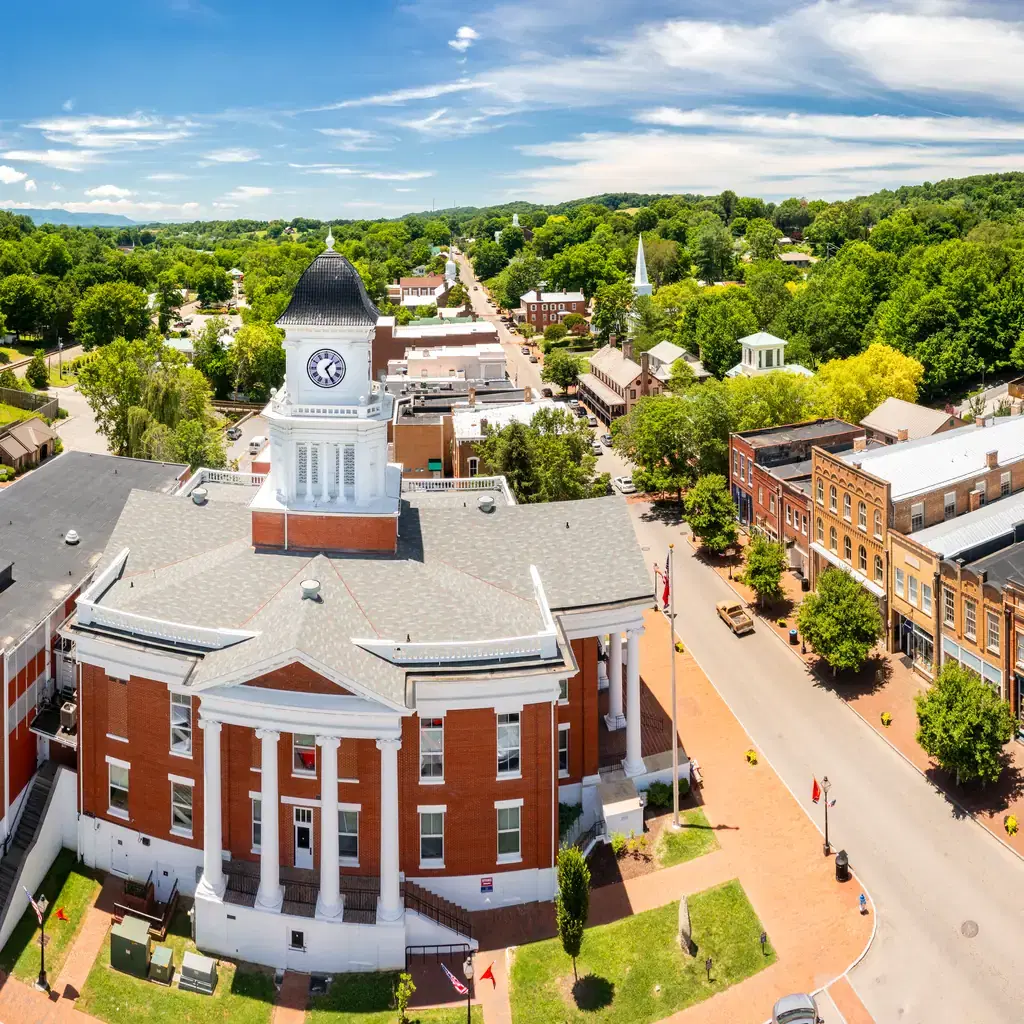
Jonesborough takes an activity most towns leave to a tour guide and makes it a reason to travel. The International Storytelling Center gives you the chance to sit down and listen to a skilled storyteller, with the town’s historic streets waiting afterward. Tennessee’s visitor guide connects that tradition with a town founded in 1779.
Choose your date around the center’s program if storytelling is the main attraction. A scheduled performance makes a more satisfying anchor than arriving with a vague hope of hearing someone interesting.
Then walk Main Street, visit the Chester Inn and stop for a meal. Jonesborough works especially well when you enjoy history told through people. Give a performance your full attention, and the rest of the town becomes more than an attractive backdrop.
2. Bell Buckle: A town willing to celebrate a snack

Bell Buckle has made RC Cola and MoonPies into an occasion. Its annual festival includes a parade, music and cheerful contests built around the familiar Southern pairing. The Chamber of Commerce’s festival page captures a town that knows how to have fun with a modest idea.
Pick a festival date if you want crowds and organized activity. Choose an ordinary weekend if you would rather browse the compact downtown without the event filling every available space. The chamber’s calendar also lists craft shows and seasonal celebrations.
That choice changes the entire trip. Bell Buckle’s appeal is partly its scale: you can enjoy a few shops and a meal without needing a major attraction. During an event, the town itself becomes the attraction.
3. Rugby: Walk into an English experiment that didn’t work out
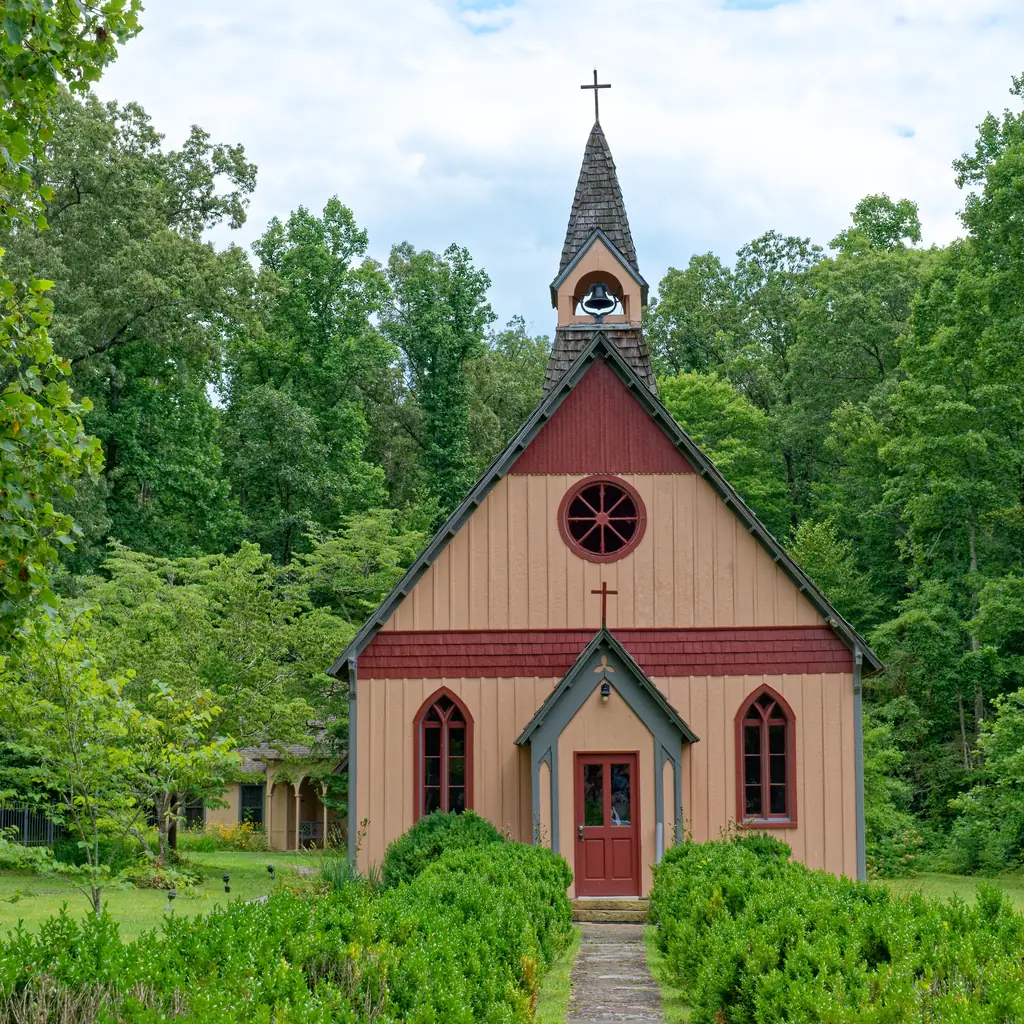
Rugby’s surviving buildings tell a stranger story than their picturesque appearance suggests. English writer Thomas Hughes helped establish a colony intended to offer a more equal society, including opportunities for younger sons who would not inherit family estates. The experiment struggled, but parts of its physical world survived.
The Historic Rugby organization explains the community’s ambitions and the Thomas Hughes Library, filled with books donated to the colony. The library gives the story a human scale: people arrived with plans for a new life and the expectation that books would be part of it.
Choose a guided visit when available. The interesting question is not simply how old a building is, but what its residents hoped to achieve. Rugby rewards that curiosity with something more complicated than a neatly successful founding story.
4. Lynchburg: Follow the whiskey back to its water
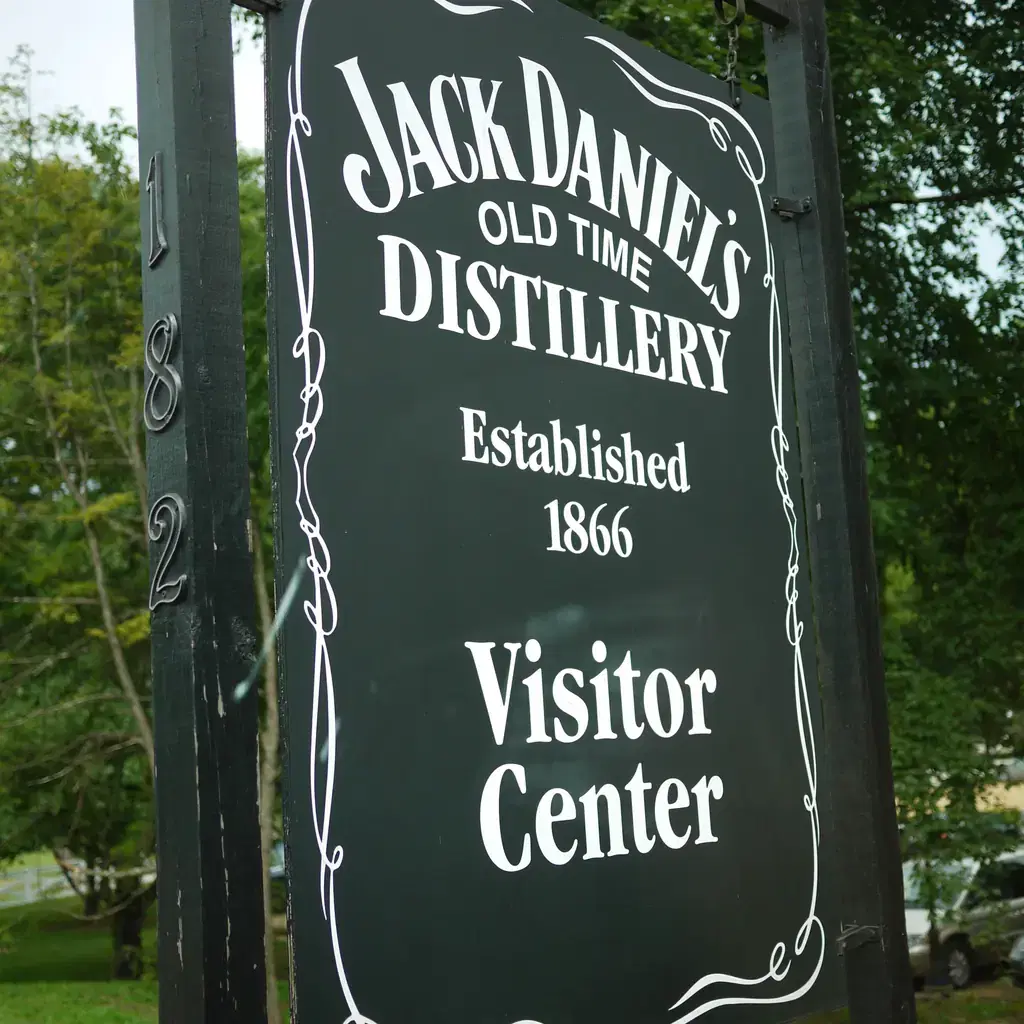
Jack Daniel’s is famous enough that visitors may arrive thinking they already know the story. The more interesting part of Lynchburg is seeing the place behind the label. Cave Spring, the source of the distillery’s water, and the charcoal-mellowing process turn familiar branding into something physical. The distillery’s own background guide explains both.
Choose a tour for the parts of production you want to understand, and check its age rules and tasting inclusions before booking. A tour called an experience may offer something different from the visit you have in mind.
Leave time for the courthouse square afterward. This is a small town with an unusually large reputation. Seeing the production setting and the center of town together gives you a better sense of that contrast than either stop alone.
5. Townsend: Meet the Smokies’ working past
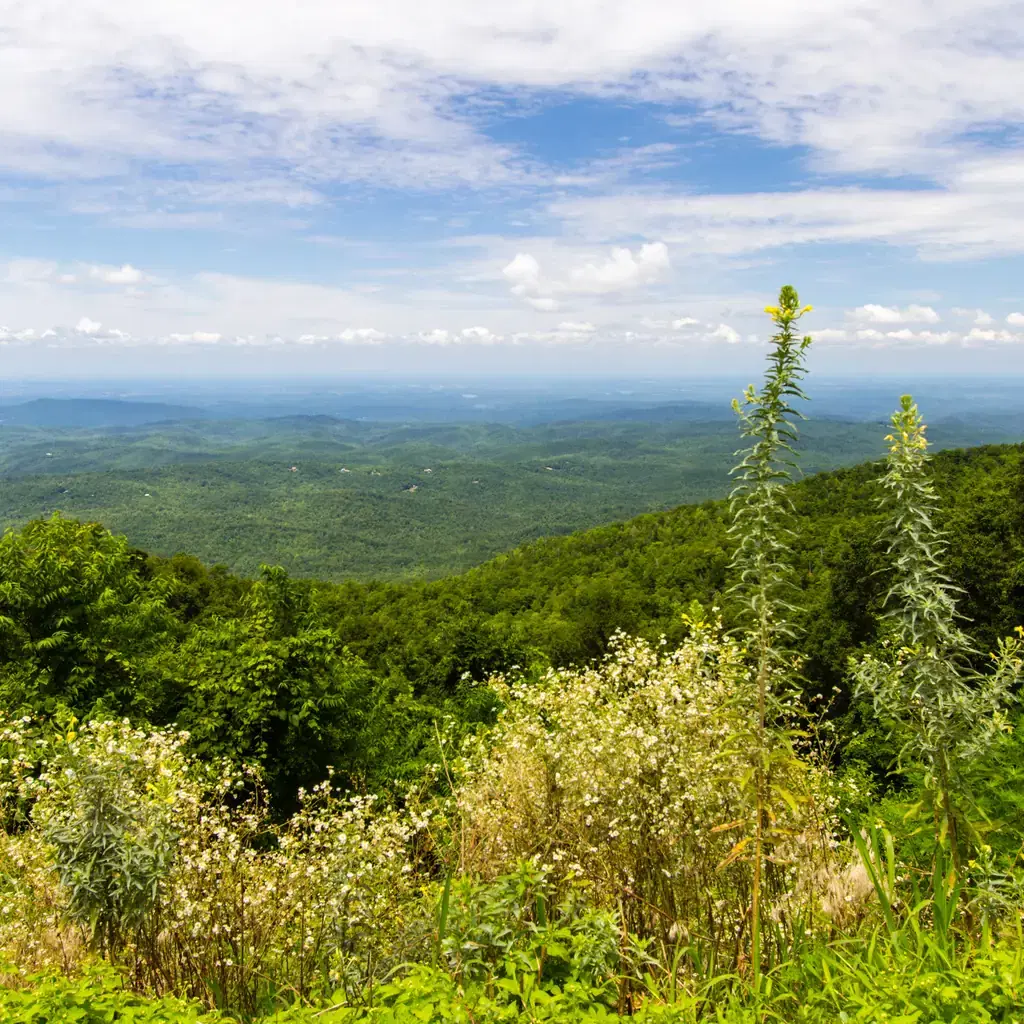
Before spending the day admiring the forest, stop at Townsend’s Little River Railroad and Lumber Company Museum. Its equipment and exhibits explain the logging industry that once operated in the Smokies. The story makes the surrounding landscape harder to treat as a place untouched by human work.
The museum’s visitor page distinguishes the outdoor exhibits from the seasonal indoor opening schedule. Check both so you can see the part that interests you most. Admission is free at the time of writing.
Townsend makes sense for a visitor who wants a mountain base with something to learn before heading into the park. Pair the museum with one outing, then leave time to return without rushing. Our scenic-drive guide offers the same useful discipline: plan the stops as carefully as the road.
6. Dandridge: See the barrier that kept a town above water
The earthen dike beside Dandridge is easy to overlook until you learn why it is there. Douglas Lake would have threatened the historic town without a protective barrier. The embankment helped preserve the streets you can still walk today. Jefferson County’s tourism department explains the dike’s role.
Look at the relationship between the lake, the barrier and downtown before moving on to the courthouse area. It changes the view from a pleasant lakeside setting into a piece of engineering with a clear purpose.
You can combine a town visit with time on the water, but the history deserves more than a quick drive-through. Dandridge is particularly satisfying if you enjoy understanding why an old town survived in the shape it did.
7. Rogersville: Find the machinery behind the news
A printing museum offers a refreshing change from another display of household antiques. Rogersville’s Tennessee Newspaper and Printing Museum occupies its historic railway depot. The Archives of Appalachia identifies the building and its present use, while the Rogersville Heritage Association provides visitor information.
Arrange your visit around confirmed opening hours. Small local museums can offer excellent material while operating a narrower schedule than a major attraction.
Then continue through the historic center. If you like older inns, Rogersville is also a place to compare staying in the story with visiting it for an hour. Our historic-hotel guide explains which practical details to check before letting an attractive facade decide where you sleep.
8. Greeneville: Start with a president’s tailor shop
Andrew Johnson’s original tailor shop gives Greeneville a much more personal presidential-history stop than a large monument would. Preserved within a memorial building, the shop helps explain a trade that shaped his early life. The National Park Service’s site guide describes how reading and political discussion became part of the setting.
Use that small working space as your starting point, then explore the other parts of the national historic site. Johnson’s life and presidency involved slavery, emancipation and bitter disputes over Reconstruction; a worthwhile visit should leave room for those difficult subjects too.
Check which buildings and tours are available before choosing your day. The interest lies in connecting a modest shop with a complicated national story, not merely collecting another presidential birthplace photograph.
9. Tellico Plains: Don’t miss the telephone collection on the way to the mountains
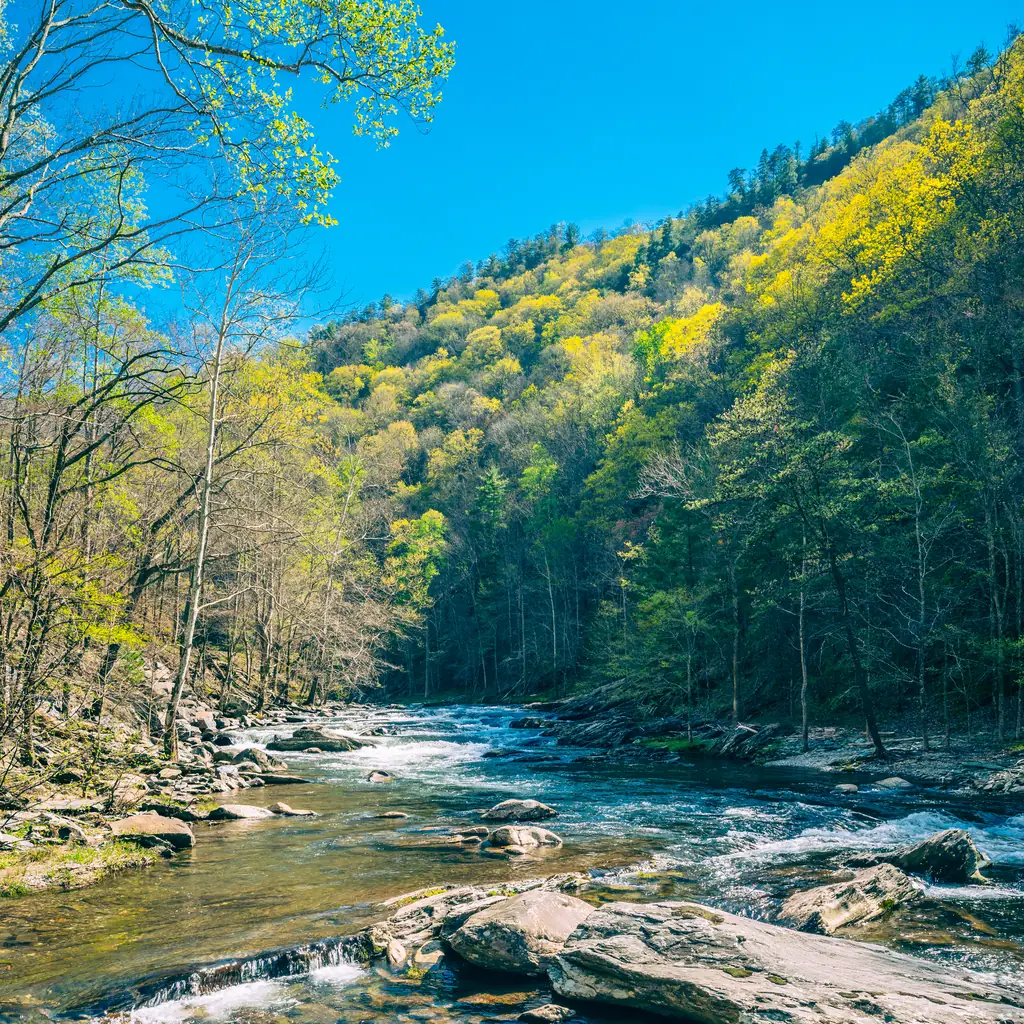
The Charles Hall Museum makes an unusual companion to a scenic drive. Its collections include the material history of the Tellico area, with telephones and communications equipment reflecting the Hall family’s connection to the local telephone company. The town’s museum guide describes the collection, while the museum itself provides current visiting information.
Give yourself time to look at something specific rather than drifting past every case. An old telephone or piece of switching equipment can start a surprisingly good conversation between generations.
Then make the mountain drive a separate part of the day. If you’re touring by RV, check the route and your vehicle’s limits before setting off; our campground-habits guide covers the other end of that travel day.
10. Sewanee: Choose a short piece of a long trail
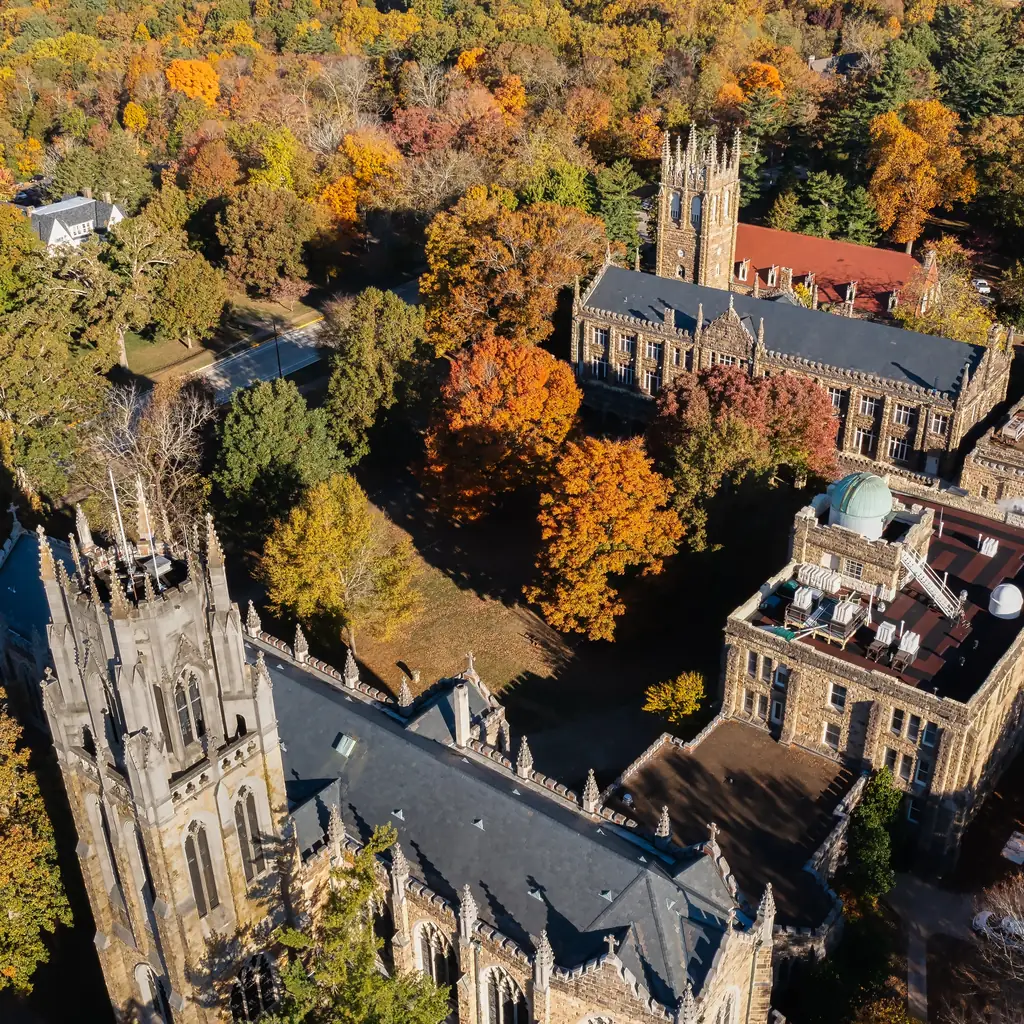
Sewanee’s University of the South has a trail system that lets visitors combine a campus visit with real woodland walking. The signature Perimeter Trail is a 20-mile loop, but you do not need to commit to the whole thing. The university’s trail guide identifies access points and sections suitable for shorter day hikes.
Choose a turnaround point before you start. The trail map matters more than a general promise of an easy stroll, particularly around bluff edges and uneven ground.
Sewanee suits a weekend built around architecture, walking and time to read over coffee. If you enjoy places where a trail connects with a town visit, our trail-town guide offers other destinations to investigate for that combination.
11. Monteagle: Time a visit to the cottage community
Monteagle’s Sunday School Assembly carries on a tradition of summer learning, worship and cultural programs. Its cottage community is part of the attraction, but this is a place where your date and access arrangements matter. An advertised tour or public program is a better way to experience it than assuming every building welcomes casual visitors.
The Assembly’s events page lists the season and its cottage-tour plans. Start there if the architecture and community story are what draw you to Monteagle.
Combine a scheduled visit with time elsewhere on the plateau. Monteagle and nearby Sewanee can make a sensible pairing, provided you leave enough time for the activity you booked. A calendar-led trip often uncovers more than a drive past closed doors.
12. Leiper’s Fork: Plan dinner around the music
Fox & Locke gives Leiper’s Fork a strong reason to keep visitors after the daytime browsing is over. The former grocery, once known as Puckett’s, now combines food and live music. Visit Franklin traces the store’s history, including its return to the Fox & Locke name in 2022.
Choose an actual performance from the venue’s calendar and reserve as required. You are buying an evening with the artists on the bill; an unexpected celebrity appearance should never be the basis of the plan.
Arrive early enough to see the village, then let dinner and music be the main event. For the journey there, our road-trip restaurant guide can help with practical meal stops before you reach the place where you want to linger.
13. Dayton: Visit the setting of an argument that outgrew the town
Dayton’s Rhea County Courthouse was the setting for the 1925 Scopes trial, which challenged Tennessee’s prohibition on teaching human evolution in public schools. The Tennessee State Museum’s account explains the test case and the publicity it attracted.
Seeing the courthouse gives that national argument a physical setting. Check local visitor arrangements and the Rhea County tourism calendar for information about the town’s annual trial-related production rather than assuming a performance happens throughout the year.
This is a stop for curiosity, not a chance to confirm a caricature of a place. Read about the actual case before arriving. The decisions made by the participants are more interesting than reducing the story to a simple clash between enlightened outsiders and backward locals.
14. Paris: Enjoy the joke, then take the walk
Paris, Tennessee, has a 60-foot steel Eiffel Tower. The surprise makes an easy photograph, but the surrounding park gives you a reason to stay after taking it. The city lists a three-quarter-mile walking track, picnic areas, playgrounds and other recreation facilities.
Treat it as a relaxed outdoor stop, particularly when traveling with people who need a break from museums or long hours in the car. Seasonal water facilities should be checked separately; the tower itself does not require you to schedule a full attraction day around it.
A place can be enjoyable without delivering a profound lesson. Paris earns its place here by giving a familiar name an unexpected Tennessee expression, with room to stretch your legs afterward.
15. Granville: Stay until the general store starts playing
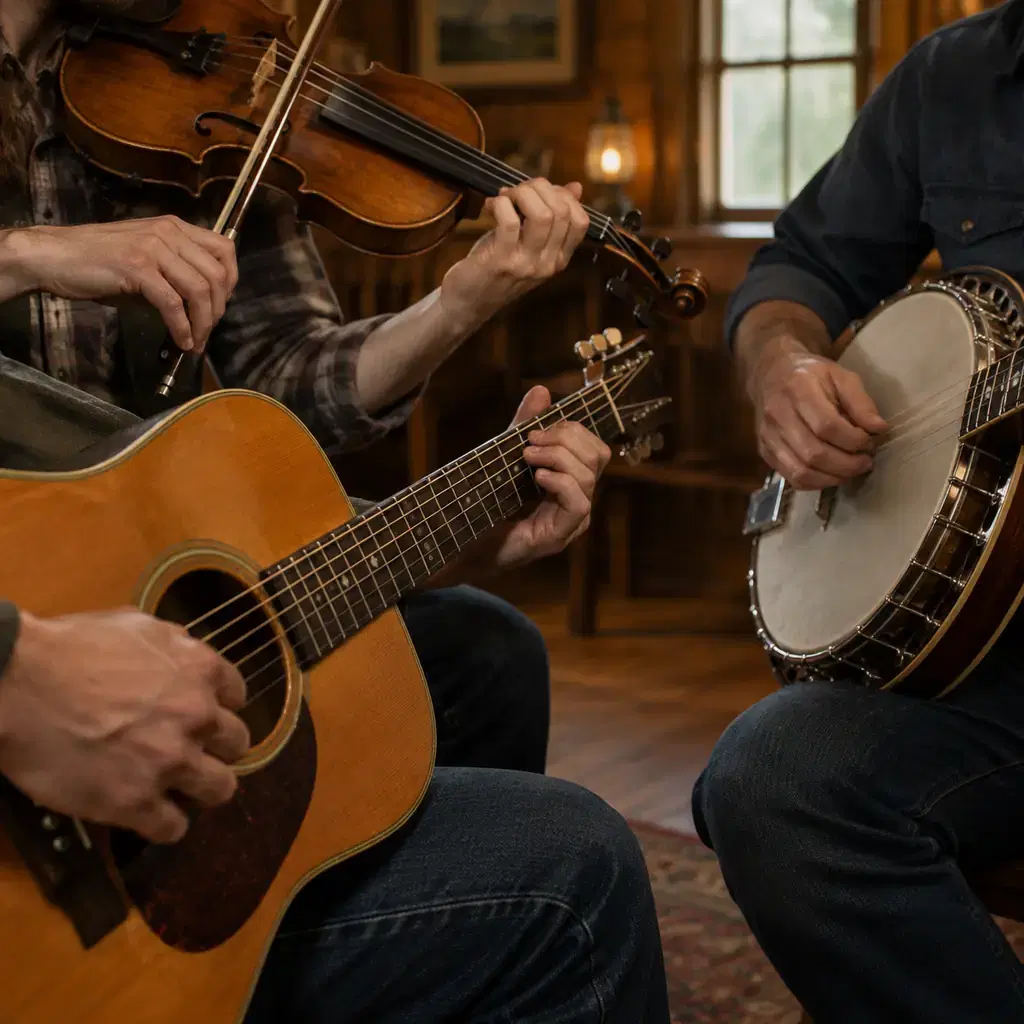
At T.B. Sutton General Store, the evening can be as important as the shopping. The Sutton Ole Time Music Hour brings live bluegrass into a setting that still carries the feel of an old country store. The store’s official visitor page lists Saturday-night performances and says reservations are required.
Choose the show first, then build a daytime visit around Granville’s museums and historic buildings. Check their days too: the town’s main visitor attractions operate a limited weekly schedule.

The store lists a show-only option and a dinner-and-show option. Choose which evening you want before reserving. If you plan to eat elsewhere, keep the meal early enough to reach the performance without rushing. An evening built around the music deserves better than arriving halfway through the first number.
Granville works best when you want a shared experience rather than a series of quick stops. If you find yourself wondering whether a place like this could suit a longer stay, our guide to visiting small towns before moving suggests separating a memorable vacation evening from everyday practicalities.
16. Savannah: Discover what the river put in a button box
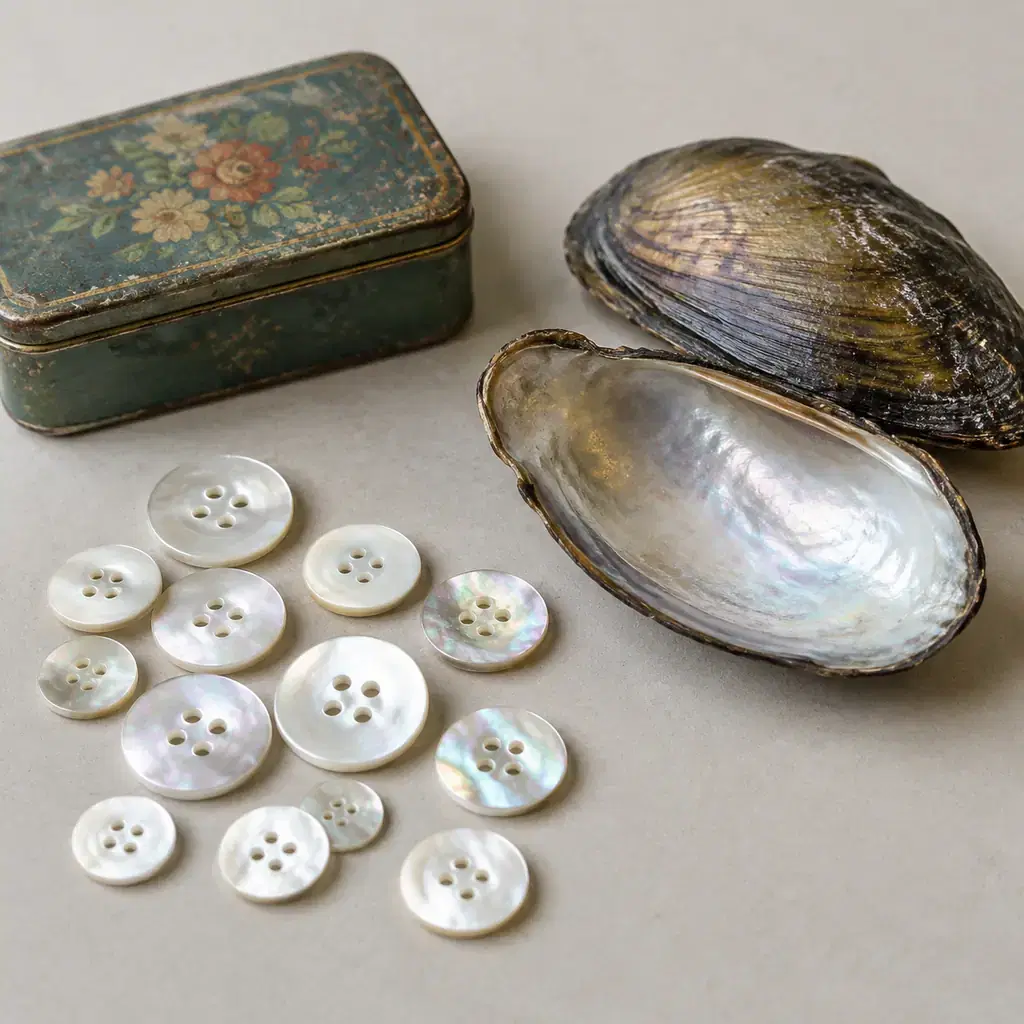
The Tennessee River Museum in Savannah has a story hiding in an everyday object: the pearl button. River mussels supported a local industry, and the museum displays shells, harvesting equipment and items from a 1930s button factory. Its exhibit guide connects that trade with later cultured-pearl production.
That is only one part of the river’s history. Exhibits also cover Indigenous societies, forced Cherokee removal, steamboats and the Civil War. The museum occupies a former post office in downtown Savannah, making it a useful starting point for a town visit.
Leave time for the smaller details. A piece of shell, an old tool or a riverboat artifact can explain how people made a living here more clearly than a sweeping view of the water alone.
Comments
The opinions and views expressed in the comments section are solely those of the individual users and do not represent or reflect the opinions, views, or positions of HumbleTrail. HumbleTrail does not endorse, support, or verify the accuracy of any user-generated content.
By posting a comment you agree to receive related emails from HumbleTrail in accordance with our Terms and Privacy Policy. You can unsubscribe at any time.