

Editor’s note: These travel recommendations reflect our editorial judgment.
A mine train, a hotel built for rail passengers and a hummingbird garden can turn an Arizona drive into a trip you remember. These small towns and compact cities have something specific to show you once you pull off the highway.
1. Bisbee takes you into the mountain that built it
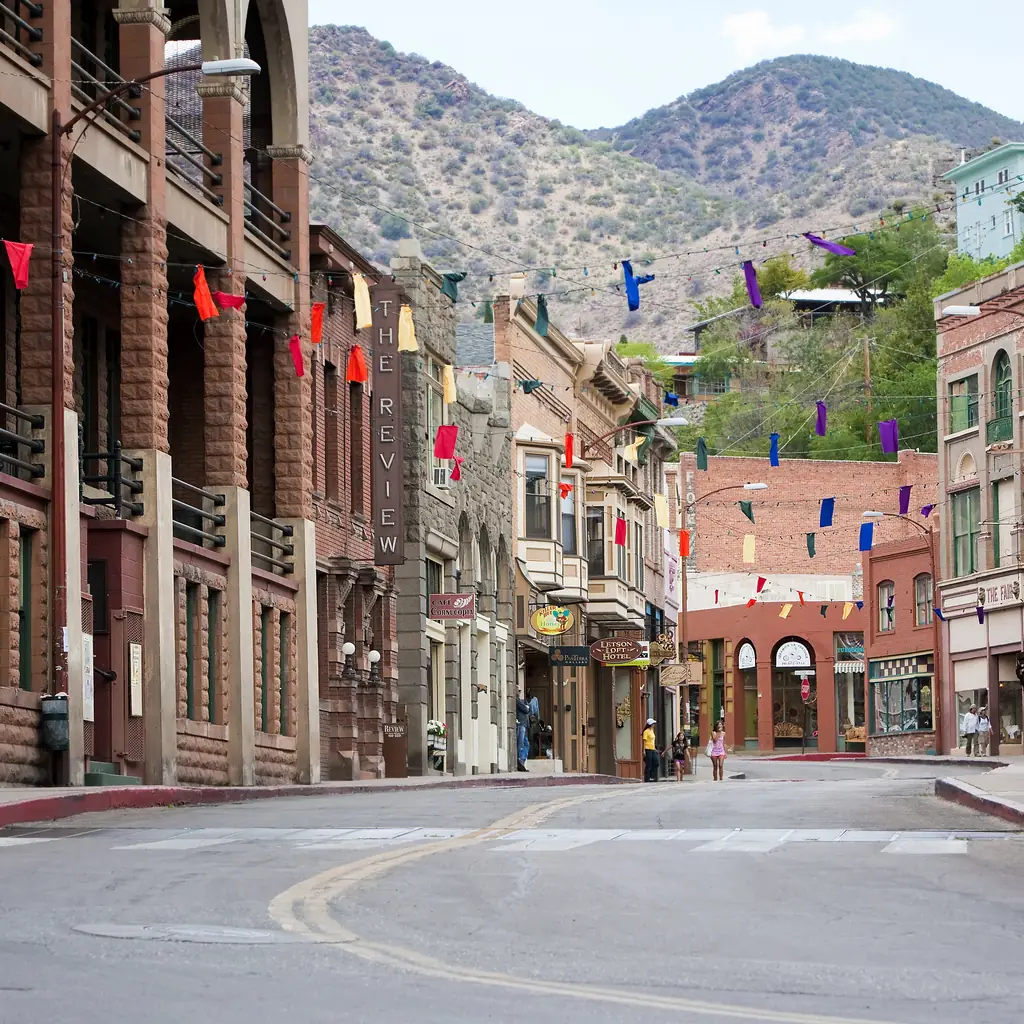
At the Queen Mine, visitors trade the bright Arizona light for a helmet, a lamp and a ride into the mountain. Going underground gives Bisbee’s colorful hillside streets a backstory you can feel, rather than just read on a plaque.
Back outside, explore Brewery Gulch and the lanes that climb through old homes and galleries. The stairs are part of the town’s character, but they also make an important difference to how far you will want to walk.
The nearby Lowell district adds another surprise: a stretch of street arranged around mid-century vehicles and storefronts. Make time for both sides of Bisbee, the working mining past and the creative community that followed it. Visit Arizona’s Bisbee guide
2. Winslow has a better reason to stop than the famous corner
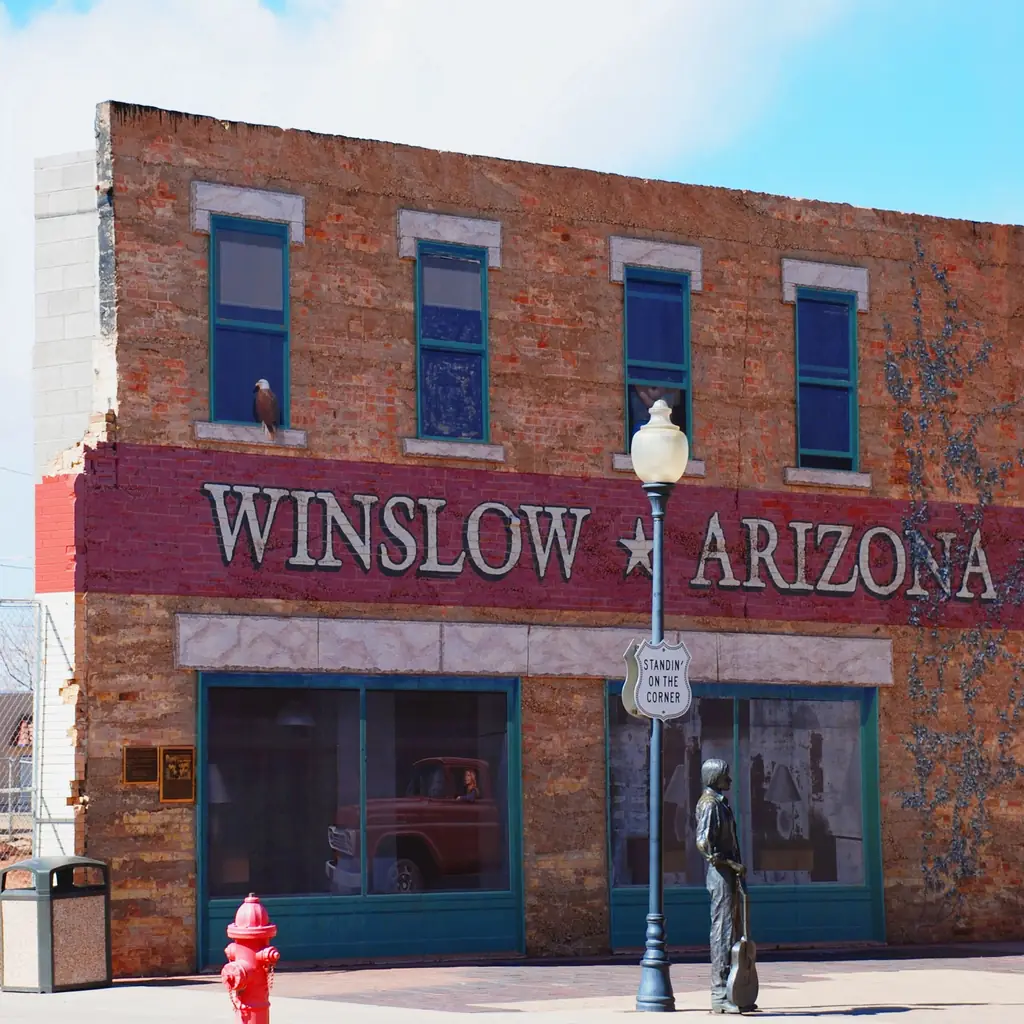
The corner made famous by the Eagles is a fun photograph. La Posada is the reason to give Winslow more of your day.
Architect Mary Colter designed this railroad hotel, where courtyards, passageways and furnished public spaces reward wandering. A meal at the Turquoise Room can turn a roadside stop into an occasion, while the adjacent Affeldt Mion Museum adds another layer of art and railway history.
Visit the corner, then put your phone away for a while. Walk through the hotel where public access is permitted and look at how carefully its spaces frame the gardens and tracks. Winslow’s best surprise is that such an elegant place sits just beyond a quick Route 66 selfie. Visit Arizona’s Winslow guide
3. Jerome’s steep streets explain its strange shape
Jerome clings to a hillside above the Verde Valley. The bends, stairways and stacked buildings feel unusual because the town grew around a copper-mining landscape, not a convenient street grid.
The Douglas Mansion at Jerome State Historic Park supplies the context. Mining equipment and exhibits explain the wealth that arrived here and the fortunes that later disappeared.
The mansion itself was built in 1916 and accommodated visiting mining officials, while the Little Daisy Hotel housed miners. That contrast is a useful way to read the hillside: the buildings show where different people fitted into the same industrial community. The state park guide explains their separate roles.
Then return to the shops and galleries with that history in mind. Keep your walk realistic: nearby on a map can still mean a steep climb. The former hospital, now the Jerome Grand Hotel, is one example of a landmark better approached separately if hills or stairs limit your day. Visit Arizona’s Jerome guide
4. Clarkdale turns copper into an art lesson
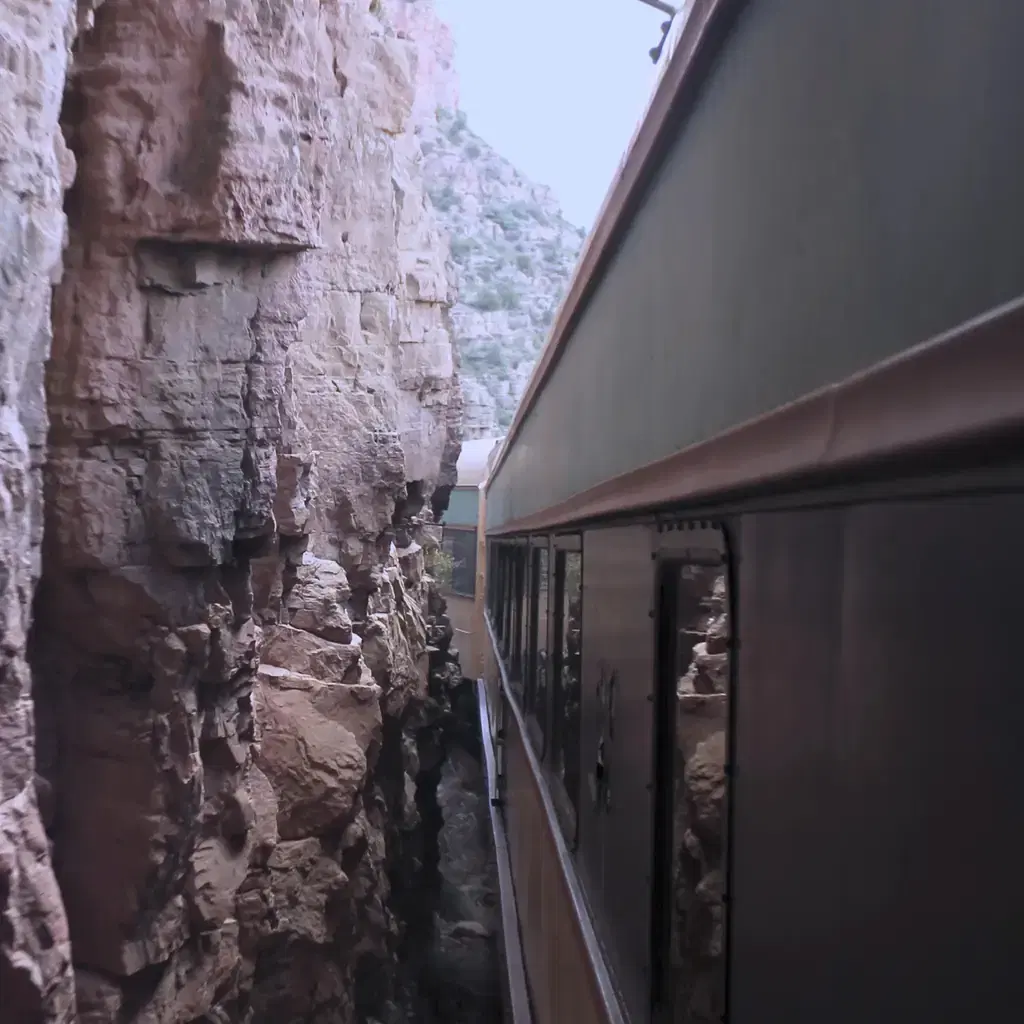
At the Arizona Copper Art Museum, the material that helped build the Verde Valley becomes cookware, artwork and decorative objects. The collection occupies the former high school, giving you two histories to explore in one building.
Clarkdale itself began as a planned company town for copper-smelting workers. Its park, streets and surviving homes offer a different view of mining life from the steep, improvised layout of nearby Jerome.
The Verde Canyon Railroad gives the visit a larger landscape, using a historic line through the canyon. Choose between making the railway your main event and spending more time in town. Both deserve attention; squeezing one around the other can leave you enjoying neither properly. Visit Arizona’s Clarkdale guide
5. Ajo is an architectural surprise in the desert
The white arches around Ajo’s plaza look unusually formal for a former copper town. That was intentional: the mining company built a planned community rather than a temporary settlement that simply grew around a shaft.
Start at the plaza, where the old depot and arcaded buildings frame an open green space. Then look toward the ornate Curley School, whose later life as an arts campus gives the town another chapter.
The bright buildings, palms and desert make the contrast immediate. Give the town its own hour instead of using it only for fuel on a Sonoran Desert trip. Visit Arizona’s Ajo architecture story
6. Patagonia makes sitting still feel productive
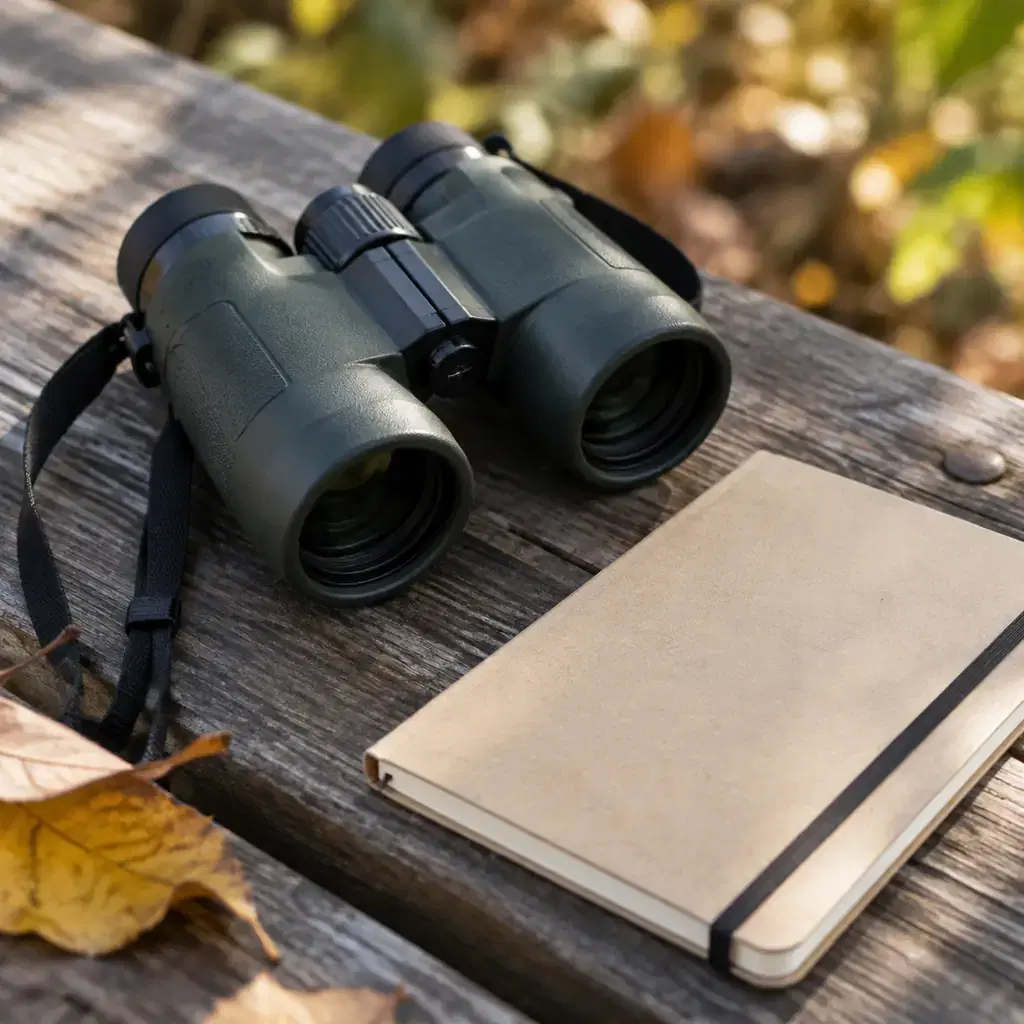
The Paton Center for Hummingbirds began as a place to watch birds and remains a good reason to slow down. Native plants and feeders bring the action close enough that patience can be more useful than covering a great distance.
Patagonia’s location among the Sky Islands helps explain the variety of wildlife around it. The nearby Patagonia-Sonoita Creek Preserve provides a different setting for a walk, with riparian habitat that breaks the usual desert picture.
Back in town, McKeown Avenue offers a pleasant place to eat and pause. If you enjoy the idea of a trip organized around a few worthwhile stops, HT’s scenic-drive guide takes that approach beyond Arizona. Visit Arizona’s Patagonia guide
7. Tubac gives its galleries a much older backdrop
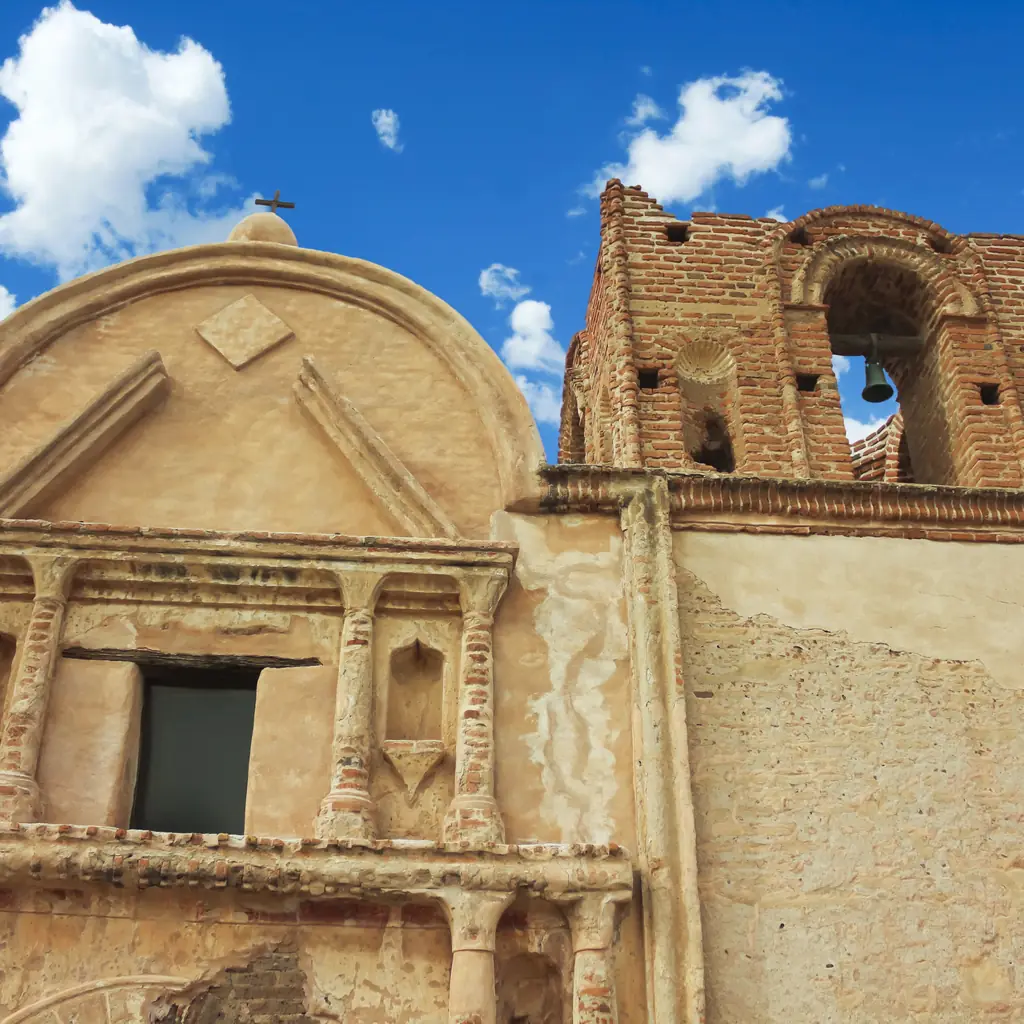
Tubac’s galleries make browsing easy, but the presidio gives the town a deeper story. The Spanish military settlement dates to 1752, and the historic park helps explain the layers of life that followed.
Pair that visit with the art district rather than choosing one version of town. You can spend the morning thinking about frontier politics and the afternoon looking at contemporary work made in the same broad landscape.
Nearby Tumacácori National Historical Park offers a further stop for travelers interested in the region’s mission history. Keep enough time to take in its interpretation, rather than treating historic religious buildings only as photogenic walls. Tubac is more rewarding when its art and history are allowed to meet. Visit Arizona’s Tubac guide
8. Cottonwood lets you follow a quiet river day with a town evening
Old Town Cottonwood has a compact stretch of shops, tasting rooms and places to eat. The nearby Verde River landscape gives that walkable center an outdoorsy counterpart.
At Dead Horse Ranch State Park, trails and birdwatching offer a slower activity than the area’s bigger adventure tours. Spend part of the day outside, then return to Old Town when you are ready for a meal.
This is a sensible place to choose one base and explore nearby communities from it. For travelers who particularly enjoy a compact center, HT’s towns that make the car optional for part of a weekend provides more examples. The regional attractions still require separate transport; the pleasure is having an easy evening once you are back. Visit Arizona’s Cottonwood guide
9. Williams makes the journey to the canyon part of the attraction

Williams gives you a choice between driving to the Grand Canyon and making the railway journey an event. The Grand Canyon Railway travels through forest and high-desert country, with onboard entertainment forming part of the experience.
The town’s own Route 66 stretch deserves a walk before or after the trip. Signs, diners and older storefronts tell the story of a place that survived being bypassed by the interstate.
Check the train’s actual schedule and time at the canyon before booking, especially if you have a particular activity in mind there. HT’s scenic train journeys worth considering offers other ways to make transport part of the holiday. Visit Arizona’s Williams guide
10. Tombstone is better when you visit the courthouse too
A staged gunfight can be entertaining, and Tombstone makes no secret of its theatrical side. The worthwhile addition is the courthouse museum, which broadens the story beyond a few famous names and a single shootout.
The red-brick 1882 courthouse contains exhibits about the town’s mining and ranching past. It gives the boardwalks and saloons a context that the performances alone cannot provide.
Visit the O.K. Corral experience if that is what brought you, then walk a little farther. The contrast between popular legend and the business of a working frontier town is what makes Tombstone interesting. You can enjoy the spectacle without expecting every dramatic retelling to function as a history lesson. Visit Arizona’s Tombstone guide
11. Wickenburg puts Western art beside working horse country
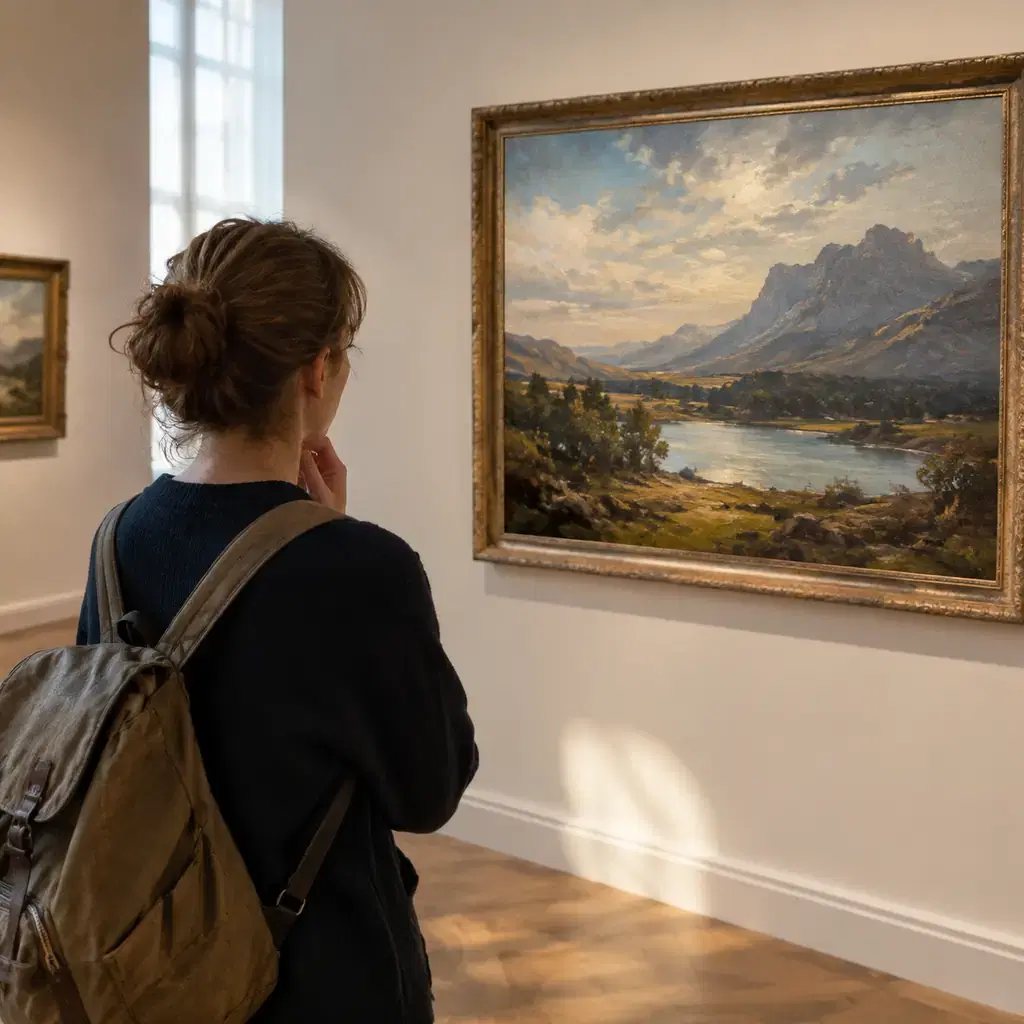
Wickenburg’s Desert Caballeros Western Museum gives you a reason to come even if you have no intention of getting on a horse. Its collection connects the region’s landscape and people with the artists who have interpreted them.
Outside the museum, ranching and riding remain visible parts of local life. A booked trail ride can make a fitting companion to the art, but a walk around the old depot and downtown also gives the day a focus.
Some of the area’s guest ranches combine lodging with activities. Compare what is included before choosing a stay, especially if riding is only a small part of your interest. HT’s historic-hotel guide explores other trips where the accommodation carries part of the story. Visit Arizona’s Wickenburg guide
12. Florence rewards looking closely at its buildings
Florence’s historic district mixes adobe buildings with Victorian architecture. The difference is visible enough to make a walk interesting without needing to know every architectural term.
Use the 1891 courthouse as an anchor, then look at how the smaller structures differ in material, shade and scale. The Pinal County Historical Museum supplies context that connects those buildings with the town’s wider past.
This is a good stop for someone who likes the evidence of ordinary life: where people worked, governed and made a home. Plan the outdoor part around comfortable temperatures, then use the museum as a second chapter. Florence does not need a manufactured Wild West performance to make its history visible. Visit Arizona’s Florence guide
13. Sedona deserves a day that is not a photo queue
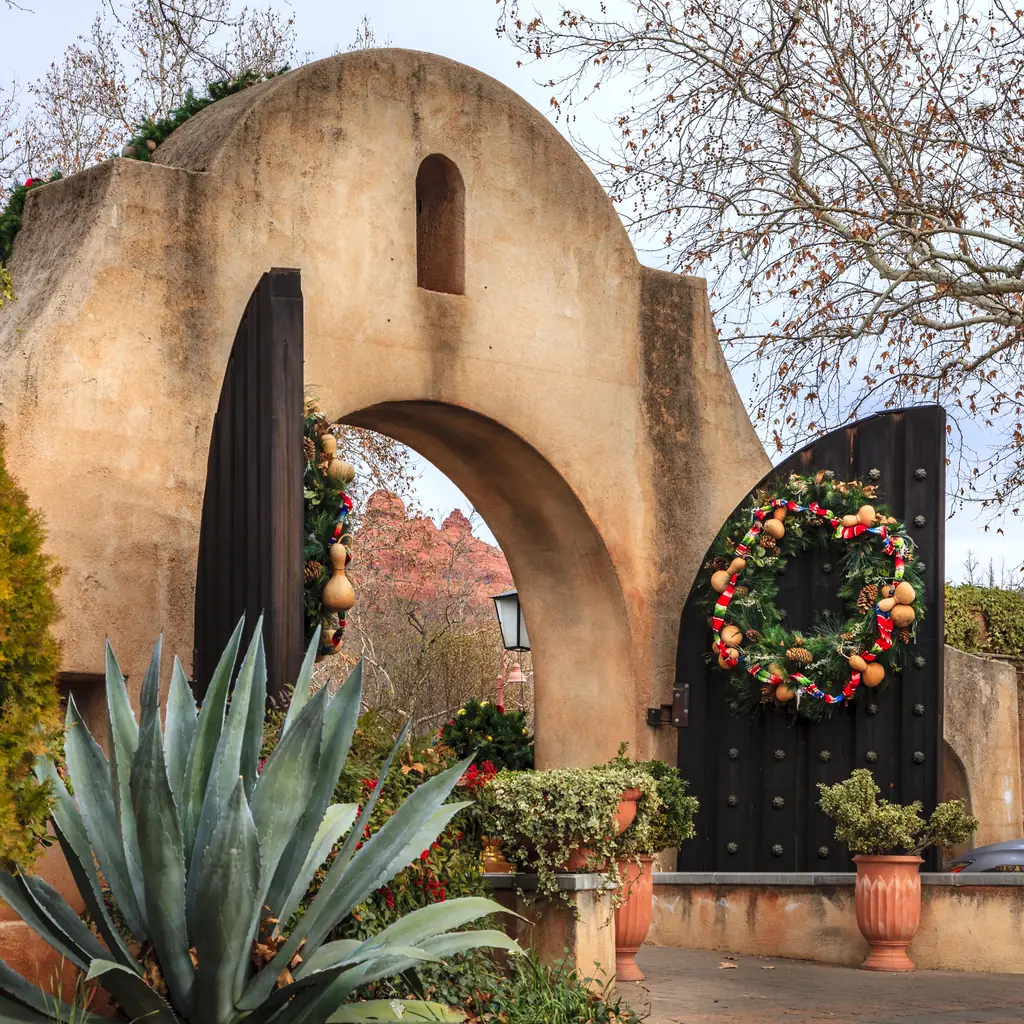
Sedona’s red rocks have earned their reputation. The problem is trying to squeeze the same handful of famous viewpoints into a day while leaving no time to enjoy them.
Choose one outdoor experience that suits you, then change the pace at Tlaquepaque Arts & Shopping Village. Its courtyards, galleries and studios offer a different reason to pay attention to the area.
Sedona is a well-known small city, not an undiscovered village, and busy periods can make parking difficult. Staying longer gives you more room to spread activities across the day. HT’s guide to testing a small town before making bigger plans is useful if a holiday here starts turning into thoughts of a longer stay. Visit Arizona’s Sedona guide
14. Camp Verde opens several windows onto the past
Montezuma Castle gives Camp Verde an immediate visual draw: a multistory ancestral dwelling set into a limestone cliff. Seeing it from below raises the questions that make a historic site compelling, including how people built, moved and lived there.
Fort Verde adds a different period of regional history through its surviving buildings and interpretation. Keep those stories distinct rather than letting them blur into one vague idea of the Old West.
The Verde River provides an outdoor change of pace. Choose a guided activity or a suitable public access point if you want time by the water. Camp Verde works best when you give one historic site proper attention, then leave room for the living landscape around it. Visit Arizona’s Camp Verde guide
15. Pine has a geological surprise down the road
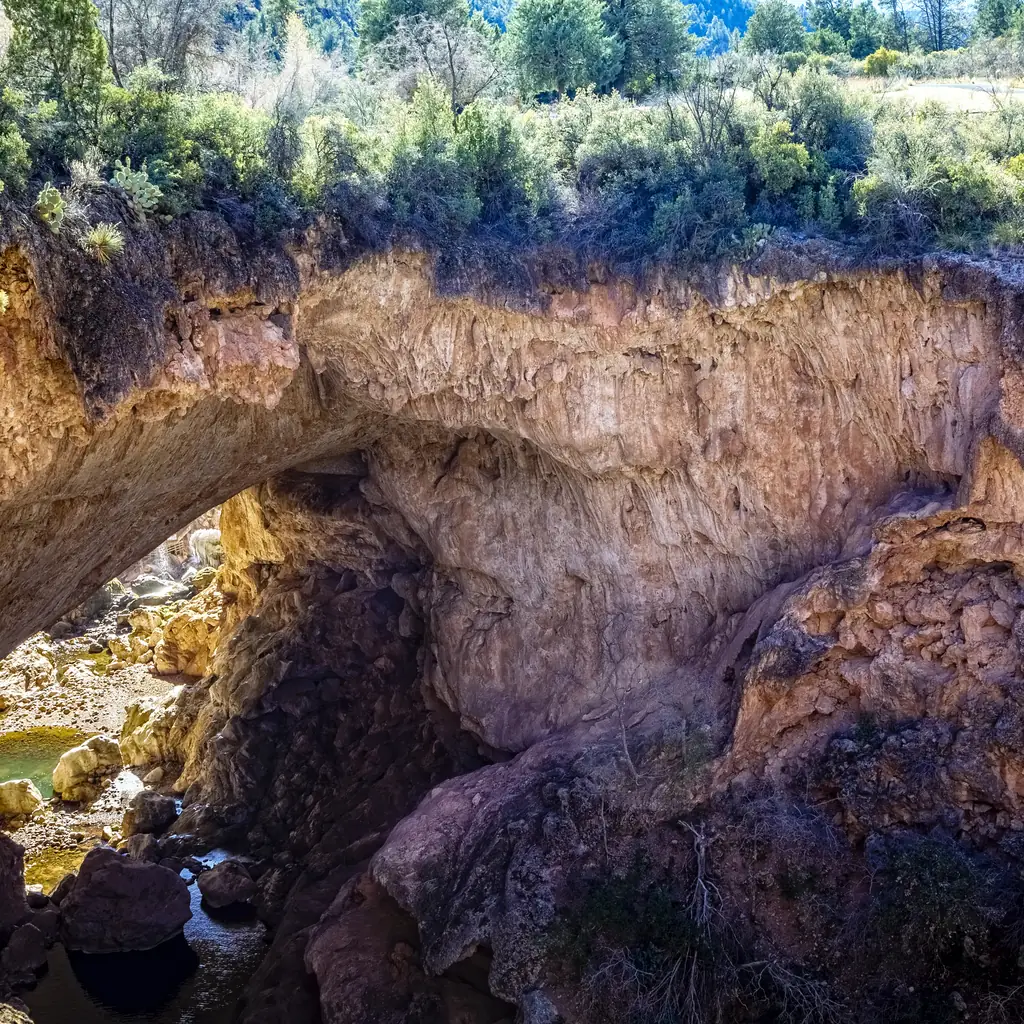
A stay in Pine puts forest, small businesses and Rim Country scenery into the same trip. The most arresting nearby sight is Tonto Natural Bridge, where water and rock have produced a huge travertine arch above Pine Creek.
You do not have to descend into the canyon to understand its scale. The park has observation points above, while trails down toward the bridge are steep and can demand more effort than their short lengths suggest.
Back in Pine, a meal or a browse through the small shops makes a welcome change of pace. HT’s road-trip dining ideas can help with the longer driving stretches between your local discoveries. Visit Arizona’s Tonto Natural Bridge guide

16. Pinetop-Lakeside changes the picture of Arizona
Ponderosa pines and mountain lakes give Pinetop-Lakeside a different identity from the cactus country many visitors expect. The appeal is less about a single must-see object than having several ways to enjoy a day outside.
Begin at the White Mountain Nature Center if you want context for the surrounding habitats. Then choose a trail or lake outing that fits the season, instead of attempting a grand tour of the whole region.
A porch, a simple meal and a walk under the trees can be enough here. The area has snowy winters as well as milder summer days, so pack for the mountain setting rather than for a generic idea of Arizona heat. Visit Arizona’s Pinetop-Lakeside guide
Comments
The opinions and views expressed in the comments section are solely those of the individual users and do not represent or reflect the opinions, views, or positions of HumbleTrail. HumbleTrail does not endorse, support, or verify the accuracy of any user-generated content.
By posting a comment you agree to receive related emails from HumbleTrail in accordance with our Terms and Privacy Policy. You can unsubscribe at any time.