

Editor’s note: This article is an opinion piece based on publicly available guest reviews, published room and rate information, and travel industry reporting we found online.
A higher room category or hotel status tier always sounds like a better stay. Whether it actually is depends on the property, the brand’s rules, and the night you’re booking.
Standard rooms and deluxe rooms aren’t always a size jump
The words “standard,” “deluxe,” and “superior” describe a ladder within one property’s own inventory, not a fixed amount of extra space. A deluxe room might mean a renovated bathroom or a higher floor rather than more square footage.
wp:image {“id”:52900,”sizeSlug”:”full”,”linkDestination”:”none”,”align”:”center”}
/wp:image
At many luxury properties, entry rooms already run 35 to 50 square metres, while typical four-star entry rooms sit closer to 22 to 30 square metres. The honest rule: compare the actual floor plan and square metreage the hotel publishes, not the adjective in the room name.
A business-friendly layout is its own upgrade axis
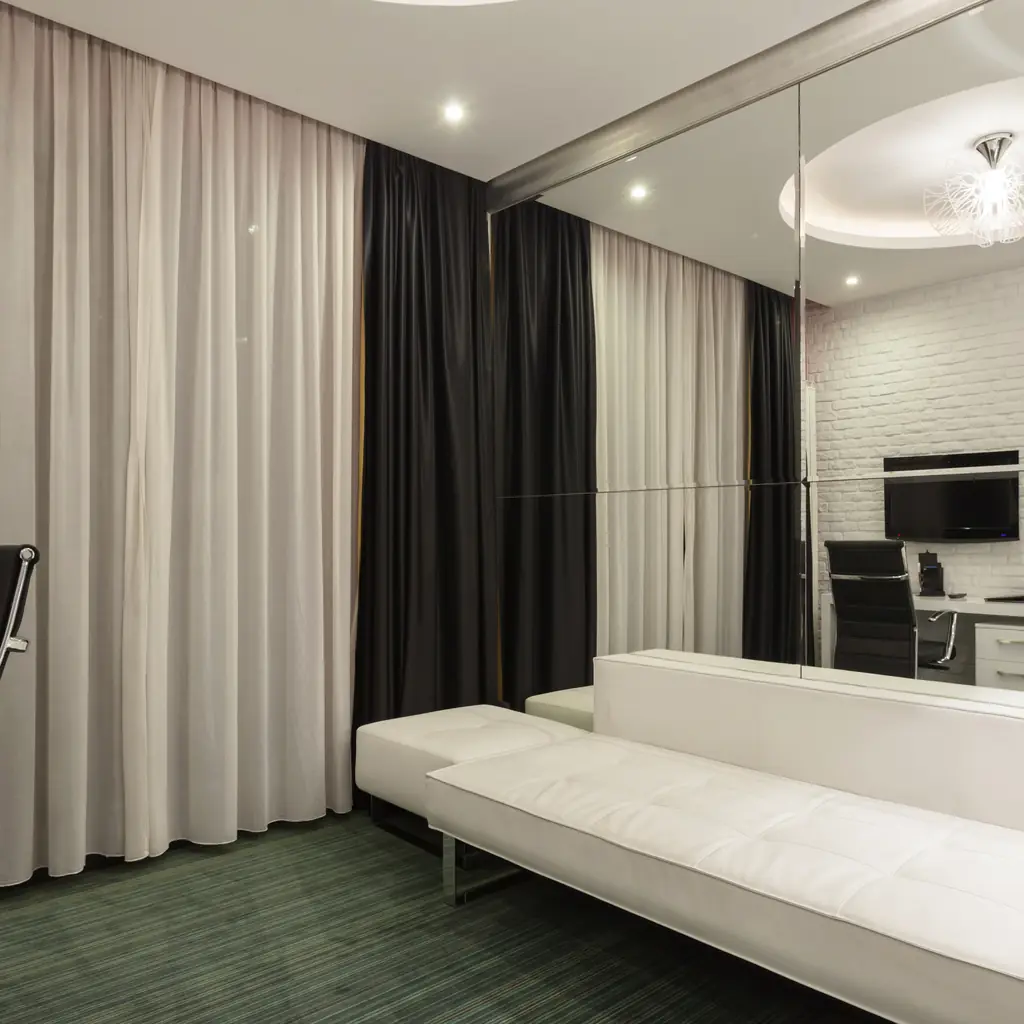
Separate from size, some higher room categories add a proper desk, better lighting, and a chair meant for working rather than a spot to drop a suitcase. This matters more on a one- or two-night business stay than on a holiday where the room is mostly for sleeping.
wp:image {“id”:52901,”sizeSlug”:”full”,”linkDestination”:”none”,”align”:”center”}

/wp:image
Not every “deluxe” or “executive” room includes this; it varies by brand and even by which wing of the hotel a room sits in. Ask specifically about desk and seating if work is the point of the trip.
Family-friendly configurations are a different upgrade than “bigger”
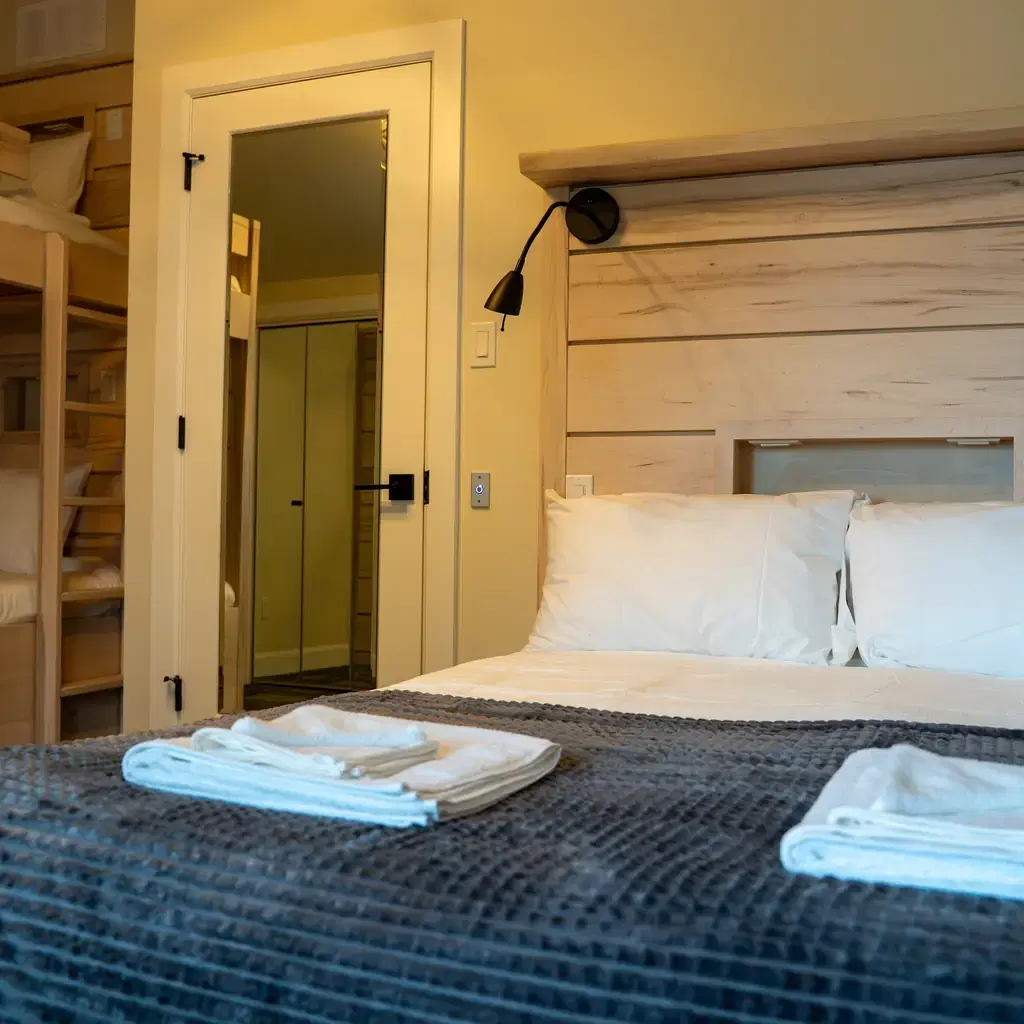
Sofa beds, connecting rooms, or a second sink in the bathroom solve a family’s problem that square footage alone doesn’t. A family of four can be more comfortable in a mid-size room built for two adults and two kids than in a larger room designed as a couple’s suite.
wp:image {“id”:52902,”sizeSlug”:”full”,”linkDestination”:”none”,”align”:”center”}
/wp:image
These configurations are usually a small, fixed category within the hotel, so they sell out first at busy periods. Booking directly and asking about connecting-room availability early matters more than chasing a bigger room number.
View categories are priced by the hotel, not guaranteed by nature
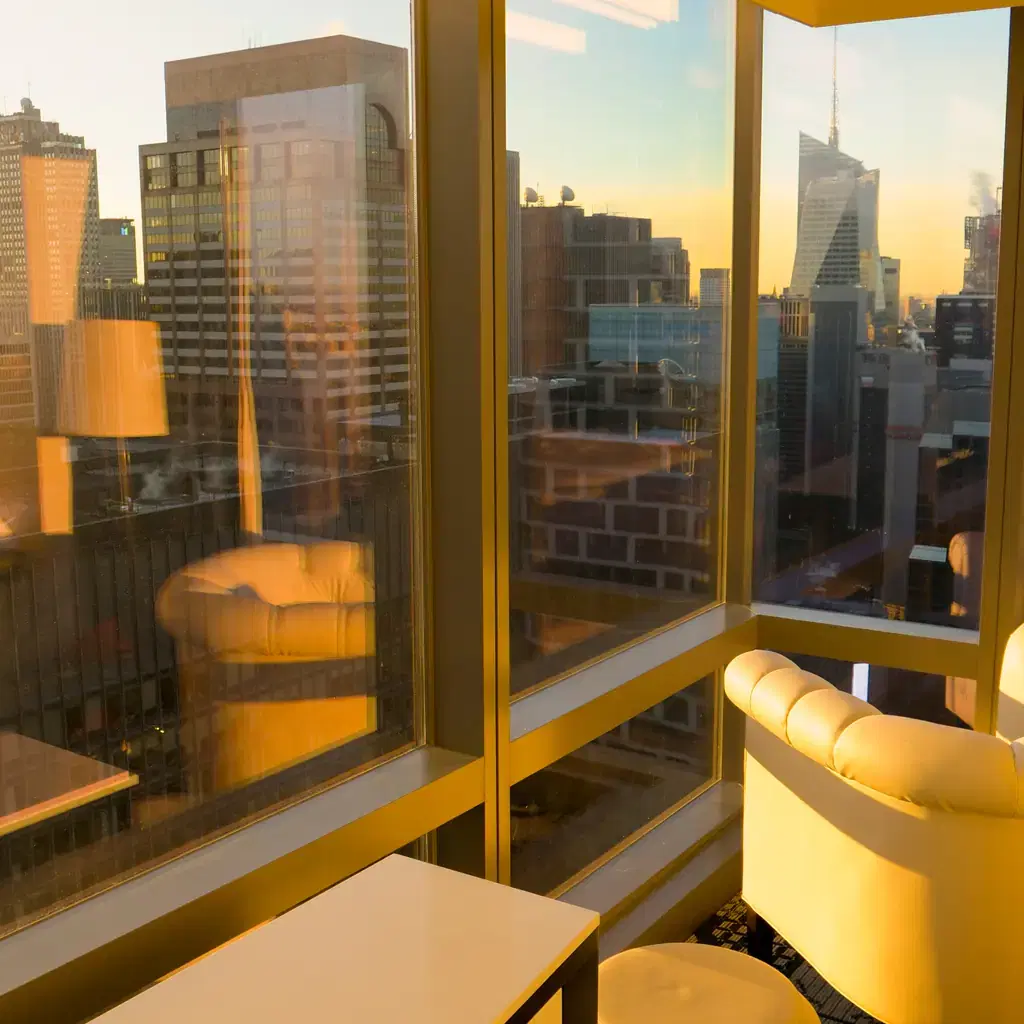
City, park, and water view categories exist because hotels can charge for them, and the definition of each is set by that property, not by any industry standard. A “park view” room might mean a sliver of green between buildings at one hotel and a full park frontage at another.
wp:image {“id”:52903,”sizeSlug”:”full”,”linkDestination”:”none”,”align”:”center”}
/wp:image
“Partial view” and similar qualifiers exist precisely because the premium view isn’t guaranteed from every room in that category. Reading the room-category description closely, and checking recent guest photos, tells you more than the category name does.
Corner rooms you can simply ask for
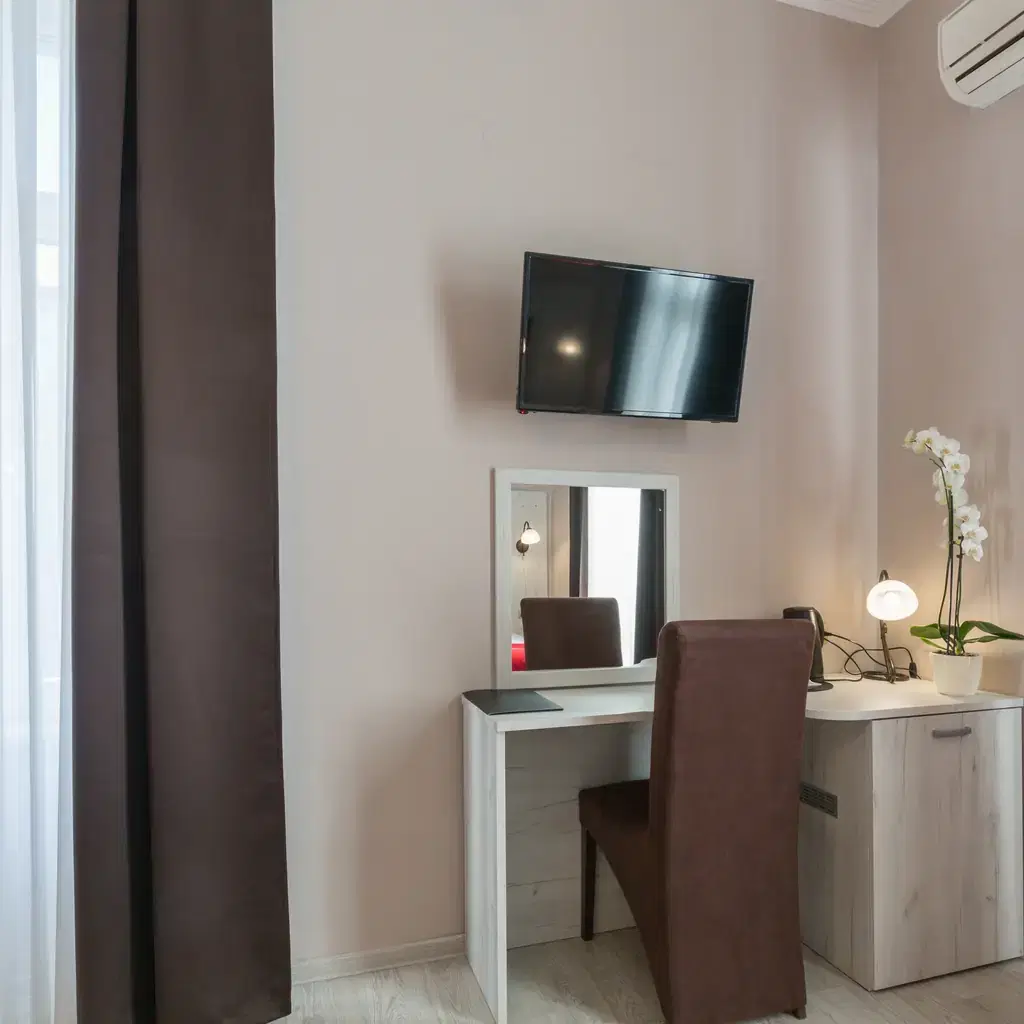
At many properties, corner rooms end up larger or brighter than standard rooms in the same category purely because of the building’s shape, with two or three windows instead of one. Guests can often request one at check-in at no extra charge, though availability is never guaranteed.
wp:image {“id”:52904,”sizeSlug”:”full”,”linkDestination”:”none”,”align”:”center”}
/wp:image
A corner location also tends to mean only one adjoining room instead of two, and often sits farther from the elevator, which means less hallway noise. It’s a worthwhile ask, but a request rather than a bookable guarantee.
Some hotels have formalised the corner room into its own category
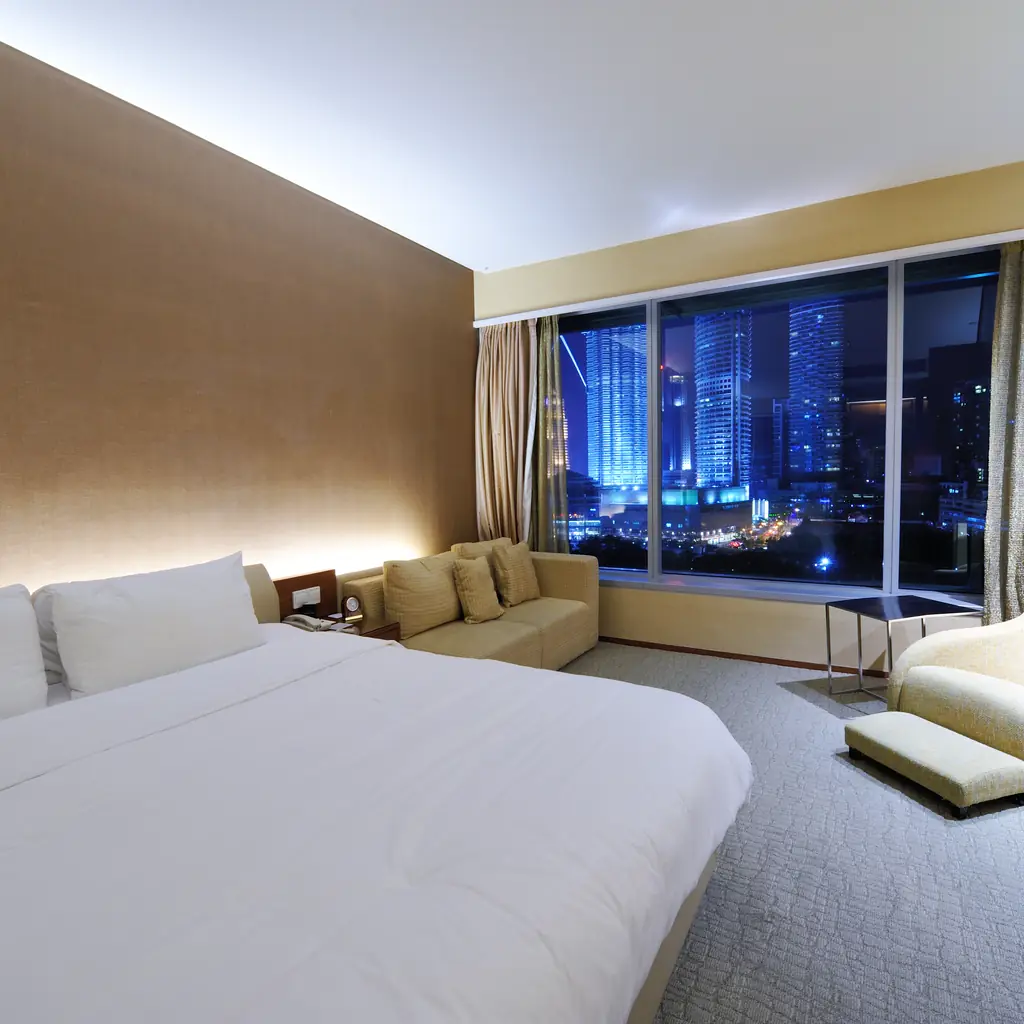
A smaller number of properties don’t leave the corner room to chance or a front-desk favour. Loews Hotels, for instance, lists a named “Corner Suite” category at some of its properties, such as its Kansas City and Philadelphia hotels, sold and priced as a distinct room type rather than requested informally.
wp:image {“id”:52905,”sizeSlug”:”full”,”linkDestination”:”none”,”align”:”center”}
/wp:image
That formal version comes with a higher rate attached and no ambiguity about what you’re getting. Travellers who specifically want a corner layout and don’t want to gamble on availability have reason to book that category directly rather than hope for an upgrade.
Balcony and terrace rooms exist mostly outside dense city towers
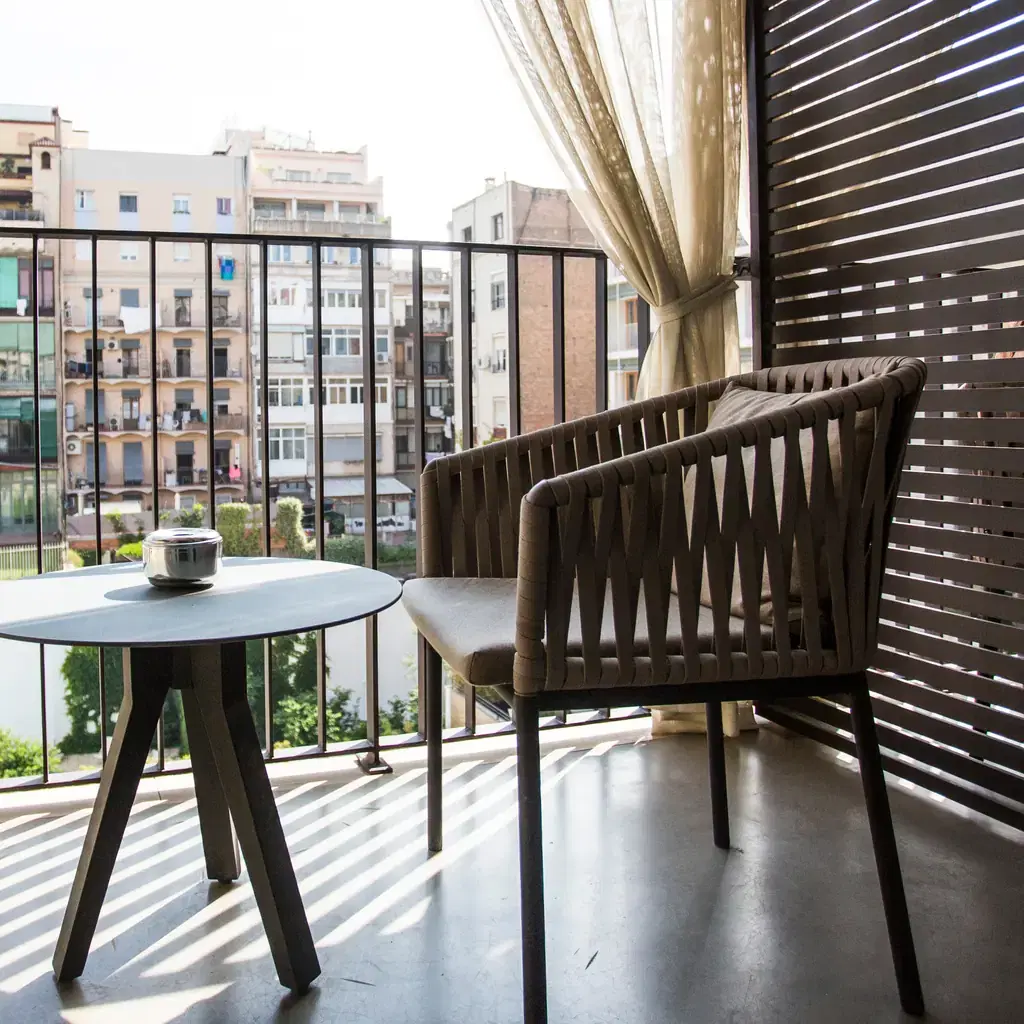
In resort and coastal settings, a balcony or terrace is a common upgrade category, but in dense downtown hotels, the building’s footprint often rules it out entirely. Where city hotels do offer balconies or terraces, it’s usually a small number of rooms on specific floors or a signature suite.
wp:image {“id”:52906,”sizeSlug”:”full”,”linkDestination”:”none”,”align”:”center”}
/wp:image
Travellers chasing outdoor space on a city stay should check the hotel’s own room list rather than assume a city-view room includes one. Older or boutique conversions in low-rise buildings are more likely to have them than new-build towers.
Floor level is sometimes its own separate rate, apart from the view
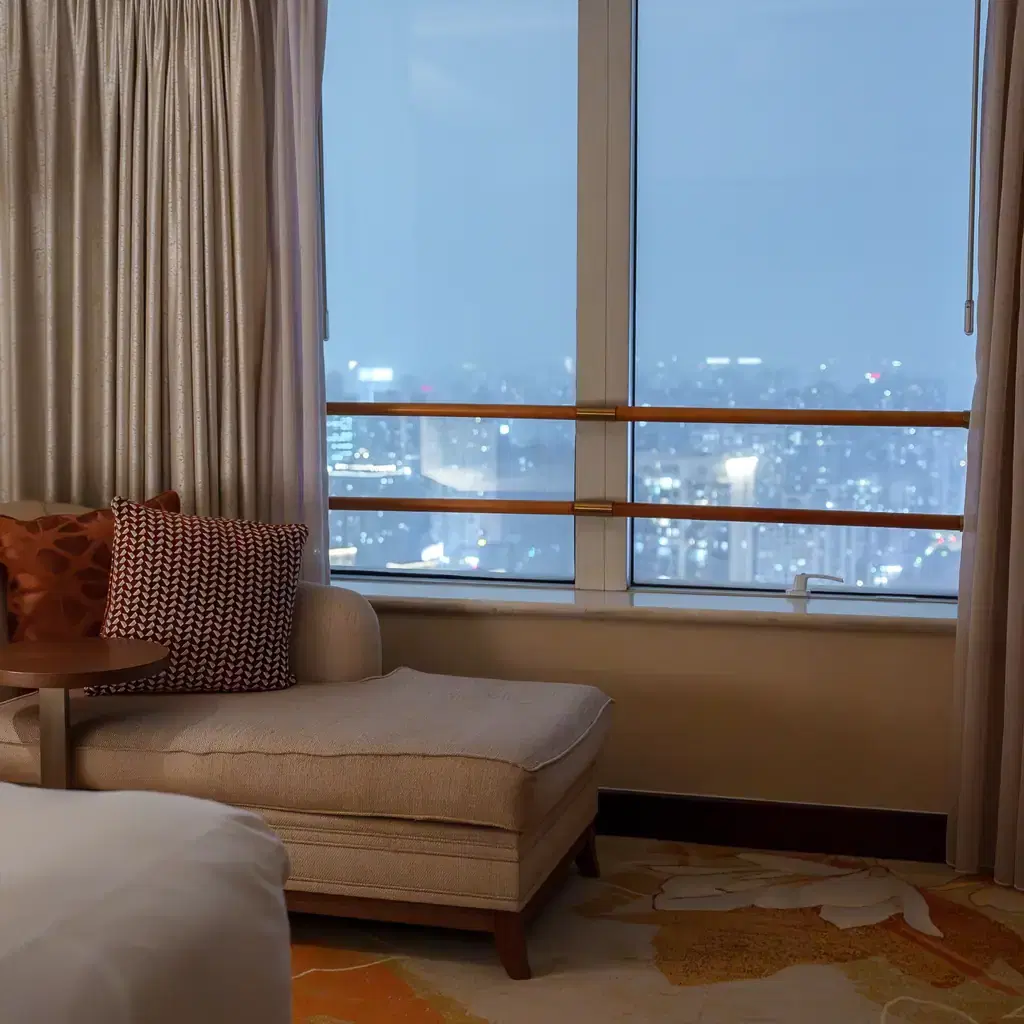
Some hotels price higher floors above a certain threshold as their own tier, independent of whether the room also carries a view designation. The logic is partly about perceived prestige and partly genuine: higher floors are quieter and get more natural light with fewer obstructions.
wp:image {“id”:52907,”sizeSlug”:”full”,”linkDestination”:”none”,”align”:”center”}
/wp:image
This is a brand- and city-specific practice rather than a universal one, so it’s worth checking whether “high floor” is actually a paid category at a given property or simply a request you can make for free, the same as a corner room.
Junior suites and full suites are not the same thing
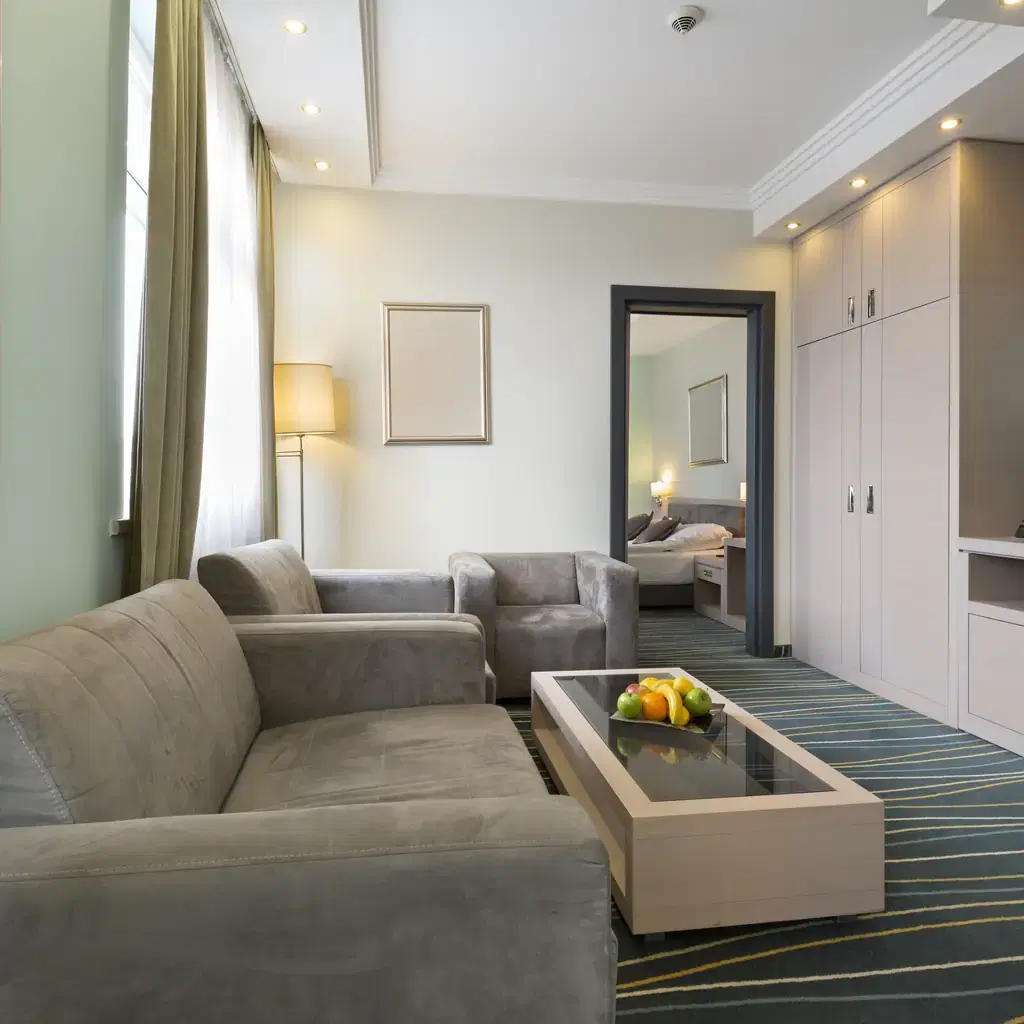
The clearest industry distinction is architectural: a true suite has a bedroom separated from a distinct living room by a wall and a door, while a junior suite is one larger open-plan room with a defined sitting area but no separate living room. At many properties, junior suites run roughly 50 to 70 square metres and full suites 70 to 110 square metres or more.
wp:image {“id”:52908,”sizeSlug”:”full”,”linkDestination”:”none”,”align”:”center”}
/wp:image
Four Seasons New York illustrates the gap directly, listing Park Avenue and Central Park junior suites at around 500 square feet against one-bedroom suites at 700 to 800 square feet with a separate living room. The same “what does the extra money actually buy” question comes up in airline seating, where the jump from premium economy to business class is really a jump in what the seat physically does, not just a label.
The word “suite” is used loosely across the industry
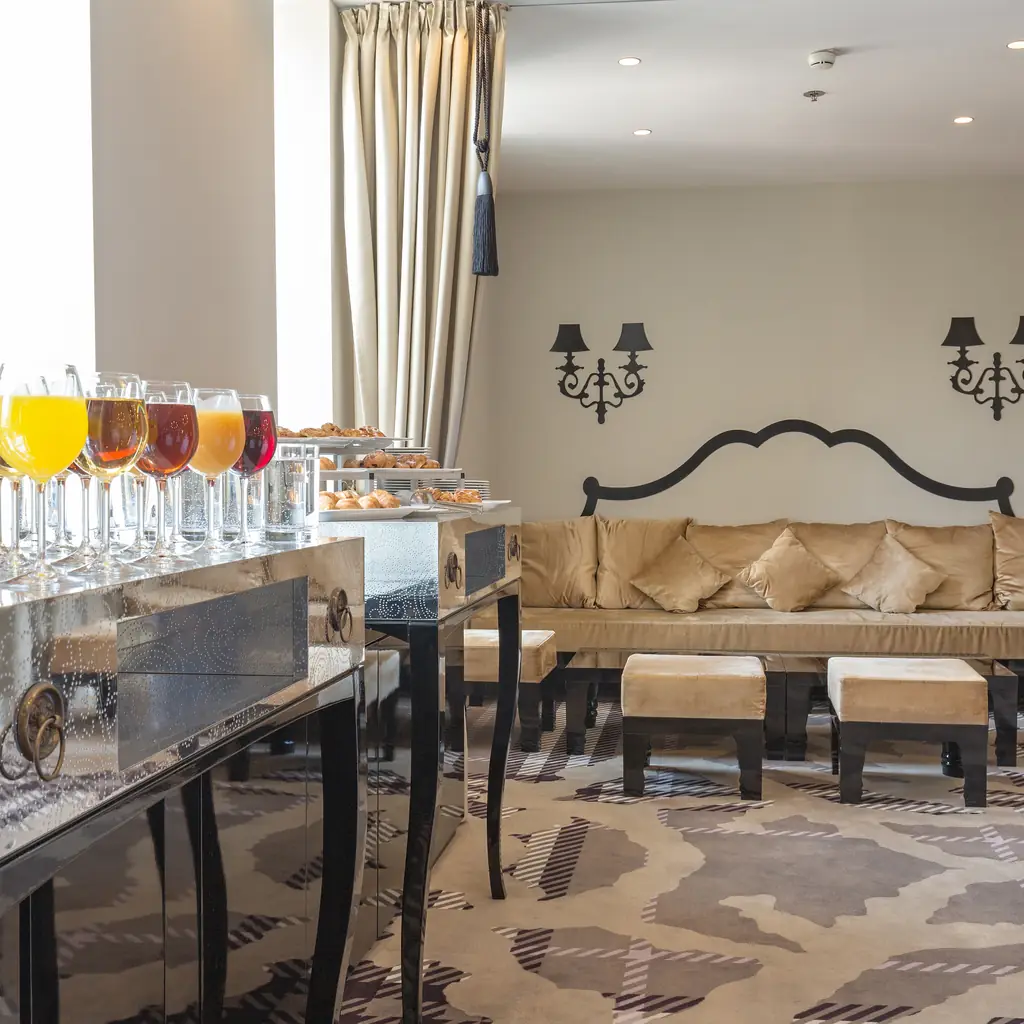
Because “suite” isn’t a protected term, some hotels apply it to rooms that are really oversized open-plan rooms rather than true suites with a separate living room. The St. Regis Rome’s entry-level “St. Regis Suite,” for example, measures around 55 square metres in an open-plan layout, closer to a junior suite by the architectural definition than a full suite.
wp:image {“id”:52909,”sizeSlug”:”full”,”linkDestination”:”none”,”align”:”center”}
/wp:image
The practical takeaway is to check the floor plan rather than trust the name, especially when a suite rate looks only modestly higher than a deluxe room. A similar gap between a label and what it actually delivers is why Humble Trail ranked a set of landmark hotels on whether their holiday programming justified the premium rate rather than taking the marketing at face value.
A club or executive lounge usually bundles several perks into one
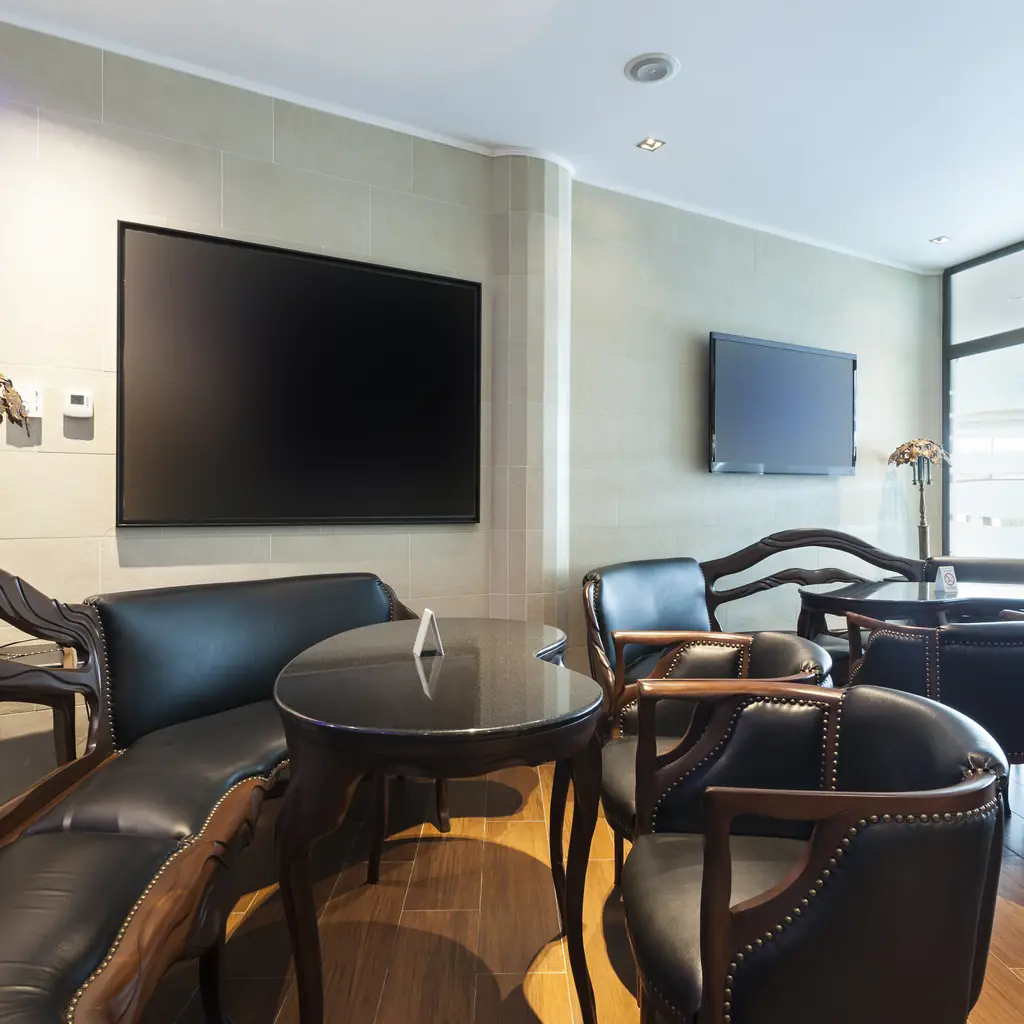
Where a hotel has one, a club or executive lounge typically combines a private breakfast, all-day refreshments, evening drinks and canapés, and sometimes a dedicated check-in desk. Shangri-La’s Horizon Club lounges, for example, generally include breakfast, cocktails and canapés served from roughly 5 to 7pm, in-lounge business facilities, and a spa discount at participating properties.
wp:image {“id”:52910,”sizeSlug”:”full”,”linkDestination”:”none”,”align”:”center”}
/wp:image
Because several benefits are bundled together, a lounge-access room or rate can be worth more than its single highest-value perk suggests, particularly for a short overnight stay where using the breakfast and evening drinks on the same visit is realistic.
Lounge access is a property feature, not a guaranteed brand perk
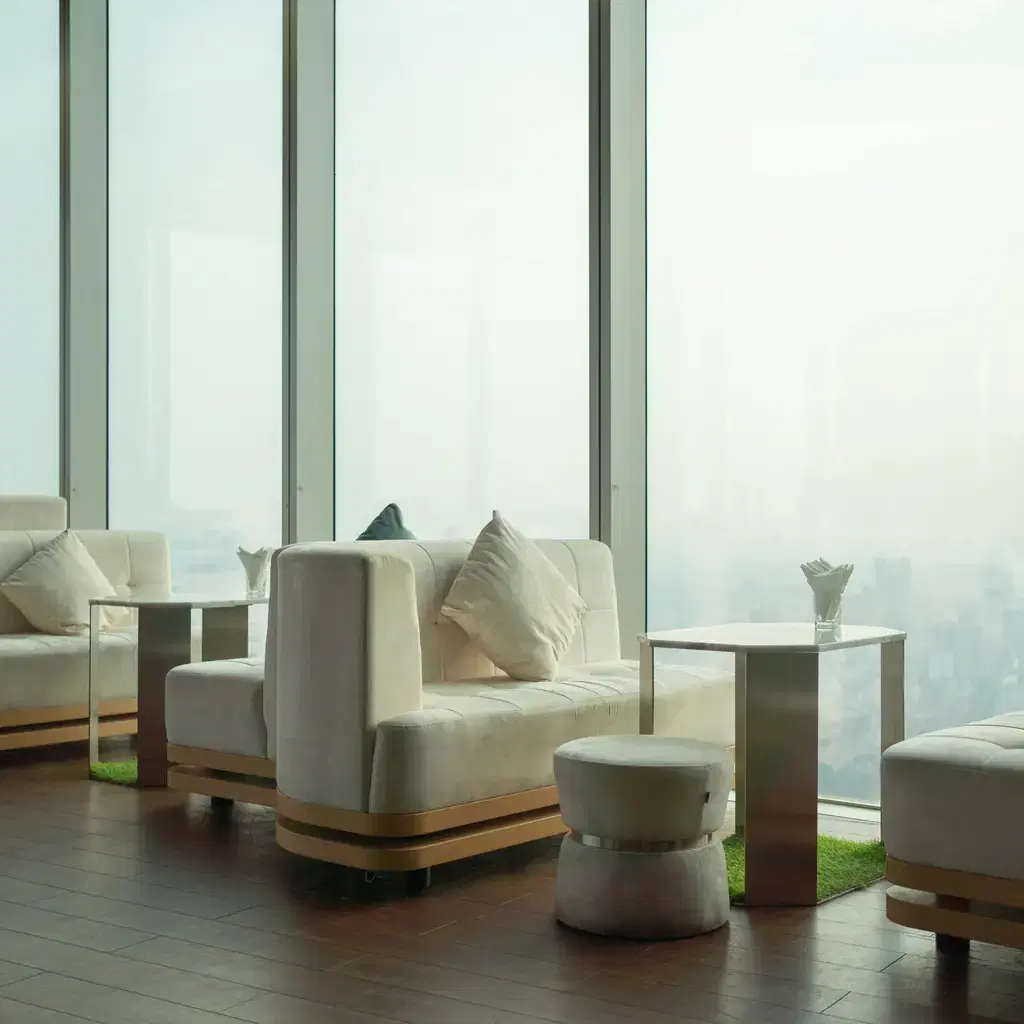
Having lounge access as a loyalty benefit only matters if the specific hotel actually has a working lounge. Many legacy Starwood-heritage properties under Marriott, including St. Regis, W, and Le Méridien hotels, typically don’t operate lounges at all, even for guests who hold top-tier status. Club lounges at other brands have also closed entirely at individual properties, such as InterContinental’s former lounge at the Lyon, Hôtel Dieu.
wp:image {“id”:52911,”sizeSlug”:”full”,”linkDestination”:”none”,”align”:”center”}
/wp:image
Checking a specific property’s current lounge status before booking, rather than assuming a brand-wide perk, avoids a wasted upgrade. The same habit of checking the room and property specifics rather than trusting the category applies to the pre-unpacking checks some solo travellers run before settling in.
You can sometimes buy lounge access without elite status
IHG lets members choose an Annual Lounge Pass once they reach 40 or 70 qualifying nights in a calendar year, giving Club InterContinental lounge access without requiring top-tier Royal Ambassador status. Lounge access can also sometimes be purchased directly for a single stay at hotels that sell it as a room add-on.
wp:image {“id”:52912,”sizeSlug”:”full”,”linkDestination”:”none”,”align”:”center”}
/wp:image
The caveat is real: some properties have been reported not honouring passes or memberships consistently, including a case at InterContinental Berlin despite the hotel selling club-access rooms. Confirming current lounge hours and access policy directly with the property before relying on a pass is worth the extra message.
Breakfast-inclusive rates earn back their premium differently for couples than families
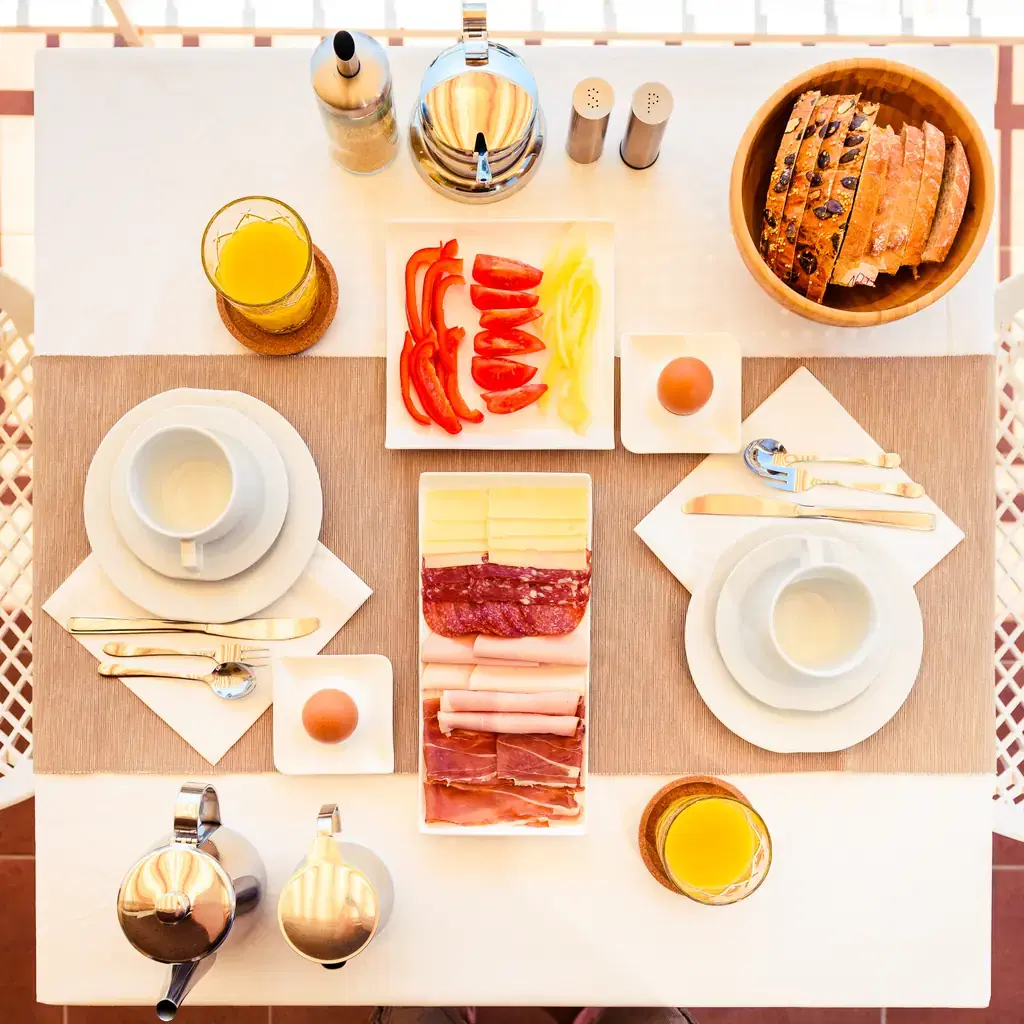
One regional pricing analysis of Japanese hotels in July 2026 found breakfast-inclusive rates running roughly 6 to 11% above matched room-only rates depending on the hotel segment, with city hotels toward the higher end of that range in the sample. A simple way to judge the trade yourself: price what breakfast would cost à la carte for your party across the whole stay, then compare that total to the rate difference.
wp:image {“id”:52913,”sizeSlug”:”full”,”linkDestination”:”none”,”align”:”center”}
/wp:image
For a solo traveller, that math rarely favours paying extra. For a family of four, even a modest per-person breakfast cost multiplies quickly across several mornings, which is often enough to flip the inclusive rate into the better deal. A related version of this same “is the add-on worth it” question shows up in cruise dining upsells that passengers often regret, where the sell is convenience rather than genuine extra value.
Breakfast can also arrive as a status perk rather than a paid add-on
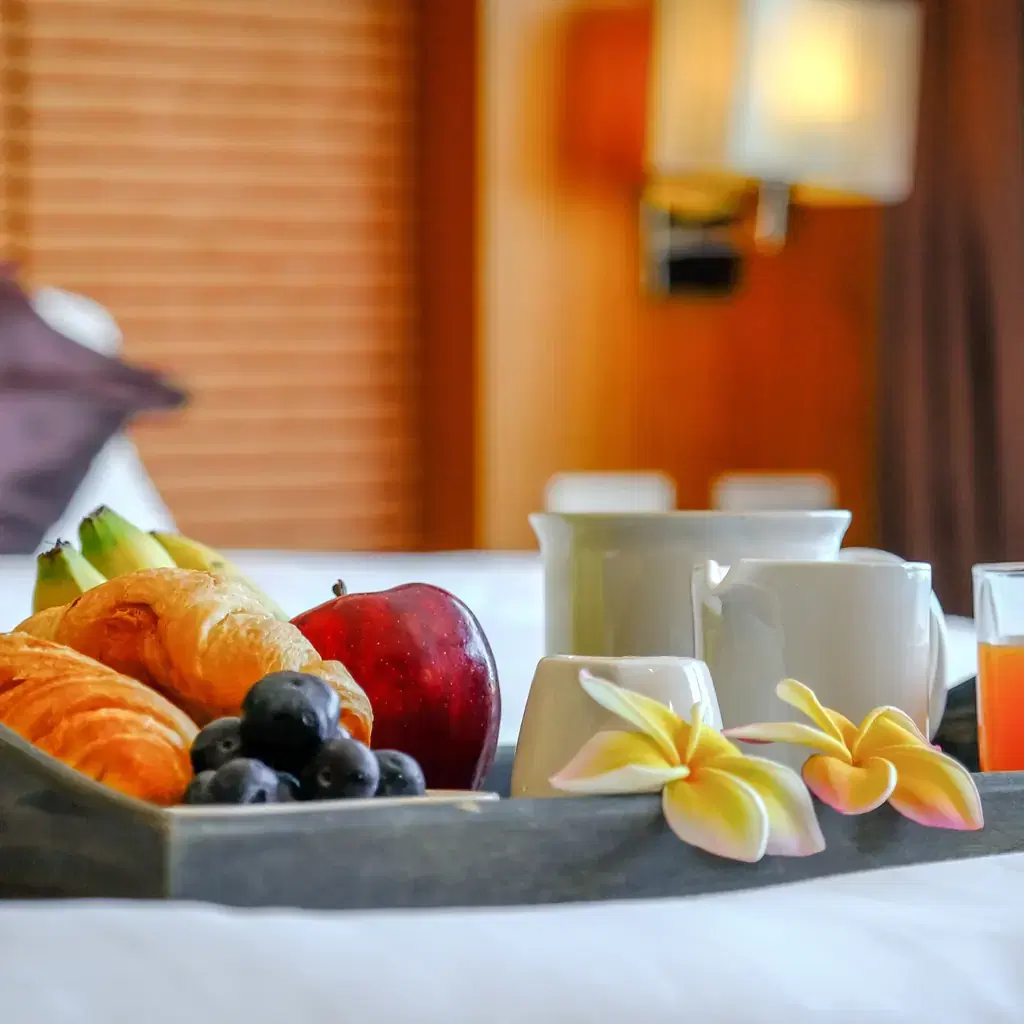
Top loyalty tiers at several chains include breakfast or a food-and-beverage credit automatically. Hilton Honors Diamond members, for instance, generally receive a daily food-and-beverage credit or a continental breakfast, though the exact form varies by brand and region rather than being standardised globally.
wp:image {“id”:52914,”sizeSlug”:”full”,”linkDestination”:”none”,”align”:”center”}
/wp:image
Treat this as a genuine value-add when it’s confirmed for your specific hotel, but don’t assume it travels identically from a Hilton-branded full-service property to a smaller or limited-service one. Deciding whether a status perk like this changes your stay is the same kind of advance planning as working out what to actually pack before a cold-weather trip rather than guessing at the hotel.
Guaranteed late checkout exists, but only at certain tiers and brands
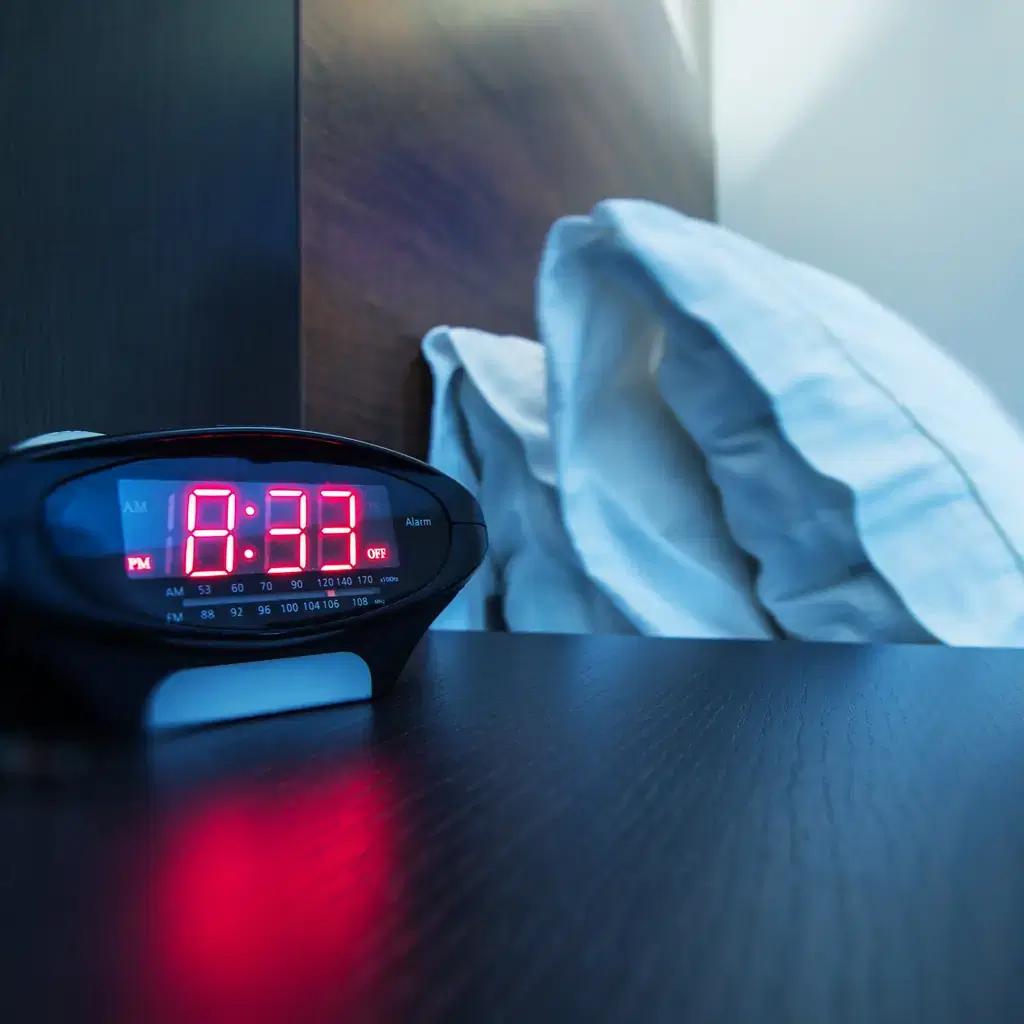
Some loyalty programs write late checkout as a firm rule rather than a request. World of Hyatt Globalist members get a guaranteed 4pm checkout on every qualifying stay, and Marriott Bonvoy Platinum Elite members get the same guaranteed 4pm time. Hilton Honors Diamond members, by contrast, generally get a late-checkout benefit described as space-available rather than a fixed guarantee, alongside a 48-hour room guarantee for the stay itself.
wp:image {“id”:52915,”sizeSlug”:”full”,”linkDestination”:”none”,”align”:”center”}
/wp:image
The difference between “guaranteed” and “space-available” wording in a program’s terms is worth reading literally rather than assuming all top-tier status works the same way across brands.
Early check-in is usually a request, even when it feels promised
Early check-in tends to be framed more loosely than late checkout across most programs, since it depends on the previous night’s departures and housekeeping turnaround. Shangri-La’s Horizon Club benefit is a rarer example of an explicitly flexible early arrival, often described around a 10am check-in alongside a later-than-usual checkout.
wp:image {“id”:52916,”sizeSlug”:”full”,”linkDestination”:”none”,”align”:”center”}
/wp:image
Building a buffer into arrival-day plans, rather than assuming an early check-in will clear, avoids the kind of scheduling mistake that shows up in other travel-day timing errors experienced flyers eventually stop making, where the problem is usually an itinerary with no slack built in.
A confirmed suite upgrade is a different product from a hopeful one
World of Hyatt’s Suite Upgrade Awards can be locked in at the time of booking, converting an upgrade from a hope into a confirmed outcome before you travel. Most other major programs, including Hilton Honors and Marriott Bonvoy, instead process suite upgrades as space-available, confirmed only close to or at check-in once the hotel knows its actual occupancy.
wp:image {“id”:52917,”sizeSlug”:”full”,”linkDestination”:”none”,”align”:”center”}
/wp:image
For a trip where the upgrade is the point, an anniversary stay, for example, booking with a program that allows locking it in ahead of time removes meaningful uncertainty that a space-available model doesn’t.
Suite certificates function as their own small currency
Beyond the bookable Hyatt award, Marriott Bonvoy Platinum Elite members choose from an annual set of benefits that typically includes several Suite Night Awards, which can be applied to eligible stays to request a suite upgrade. These sit alongside, not instead of, the standard space-available upgrade process.
wp:image {“id”:52918,”sizeSlug”:”full”,”linkDestination”:”none”,”align”:”center”}
/wp:image
They’re a genuine value-add for a member who already has elite status through regular stays, but they’re not something a traveller can access without first qualifying for that tier, so they don’t change the calculation for an occasional guest paying cash.
A new top tier can quietly change what the tier below used to feel like
Hilton’s 2026 overhaul added a new Diamond Reserve tier above standard Diamond, with Diamond Reserve members getting the highest priority for space-available upgrades, sometimes confirmed as early as three days before arrival, ahead of regular Diamond members in the same queue. The core Diamond benefits didn’t disappear, but a new tier sitting above it changes the practical odds of a Diamond member actually getting that upgrade during a busy period.
wp:image {“id”:52919,”sizeSlug”:”full”,”linkDestination”:”none”,”align”:”center”}
/wp:image
Loyalty program changes like this are worth rechecking periodically rather than assuming last year’s understanding of a tier still holds, since what a status level actually delivers can shift even when its name stays the same.
Sources and references
- TTG Asia, “Hilton introduces Diamond Reserve, revamps Hilton Honors for 2026”, accessed 13 October 2026
- TravelPulse, “Hilton Honors Program Unveils Diamond Reserve with Premium Perks”, accessed 13 October 2026
- Upgraded Points, “Hilton Honors Diamond Reserve: Status & Benefits”, accessed 13 October 2026
- Prince of Travel, “Marriott Bonvoy Elite Status: Guide to Qualifying & Privileges”, accessed 13 October 2026
- Prince of Travel, “The Best Ways to Earn Hyatt Globalist Status”, accessed 13 October 2026
- The Points Guy, “Hyatt Suite Upgrade Certificates Are Now Available Online”, accessed 13 October 2026
- The Points Guy, “IHG Lounge Access Milestone Reward”, accessed 13 October 2026
- Loyalty Lobby, “InterContinental Berlin Doesn’t Honor Annual Lounge Pass Despite Selling Club Rooms”, accessed 13 October 2026
- Loyalty Lobby, “InterContinental Hotel Closing Club Lounges: Case Lyon Hôtel Dieu”, accessed 13 October 2026
- One Mile at a Time, “Hotel Suite Vs. Junior Suite: What’s The Difference, And Why The Inconsistency?”, accessed 13 October 2026
- Hotels For Kings, “Luxury Hotel Room Types Glossary”, accessed 13 October 2026
- Four Seasons Tianjin, official accommodations page, accessed 13 October 2026
- Your Mileage May Vary, “Are The Corner Rooms in Hotels Really Bigger?”, accessed 13 October 2026
- Loews Hotels, Corner Suite, Kansas City, accessed 13 October 2026
- Loews Hotels, Luxury Corner Suite, Philadelphia, accessed 13 October 2026
- Shangri-La Hotels, Horizon Stay offer, Makati, accessed 13 October 2026
- Shangri-La Hotels, Unlock More with Horizon offer, Makati, accessed 13 October 2026
- HotelBank, “Breakfast premium analysis, Ibaraki hotels, July 2026”, accessed 13 October 2026
- CalcPro, “How to Verify a Hotel Rate Includes Breakfast, Parking, and WiFi Before Booking (2026)”, accessed 13 October 2026
Comments
The opinions and views expressed in the comments section are solely those of the individual users and do not represent or reflect the opinions, views, or positions of HumbleTrail. HumbleTrail does not endorse, support, or verify the accuracy of any user-generated content.
By posting a comment you agree to receive related emails from HumbleTrail in accordance with our Terms and Privacy Policy. You can unsubscribe at any time.