

Editor’s note: This article is an opinion piece based on publicly available guest reviews, published room and rate information, and travel industry reporting we found online.
Resort upgrades aren’t one decision, they’re several, and they rarely trade off against each other in the way the price list suggests. Here’s what each one actually buys, property by property, so the next upcharge makes sense before you click it.
A whole resort that is adults-only, with nothing else on site
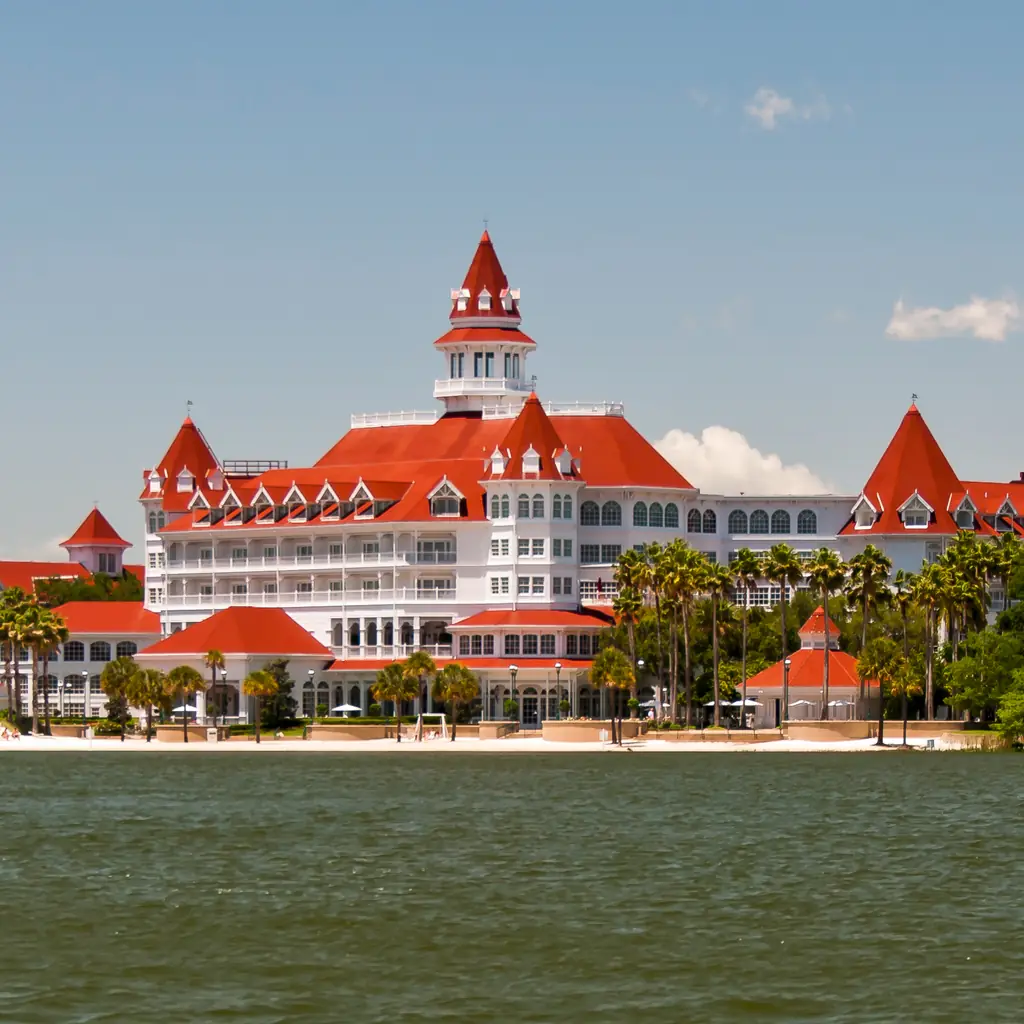
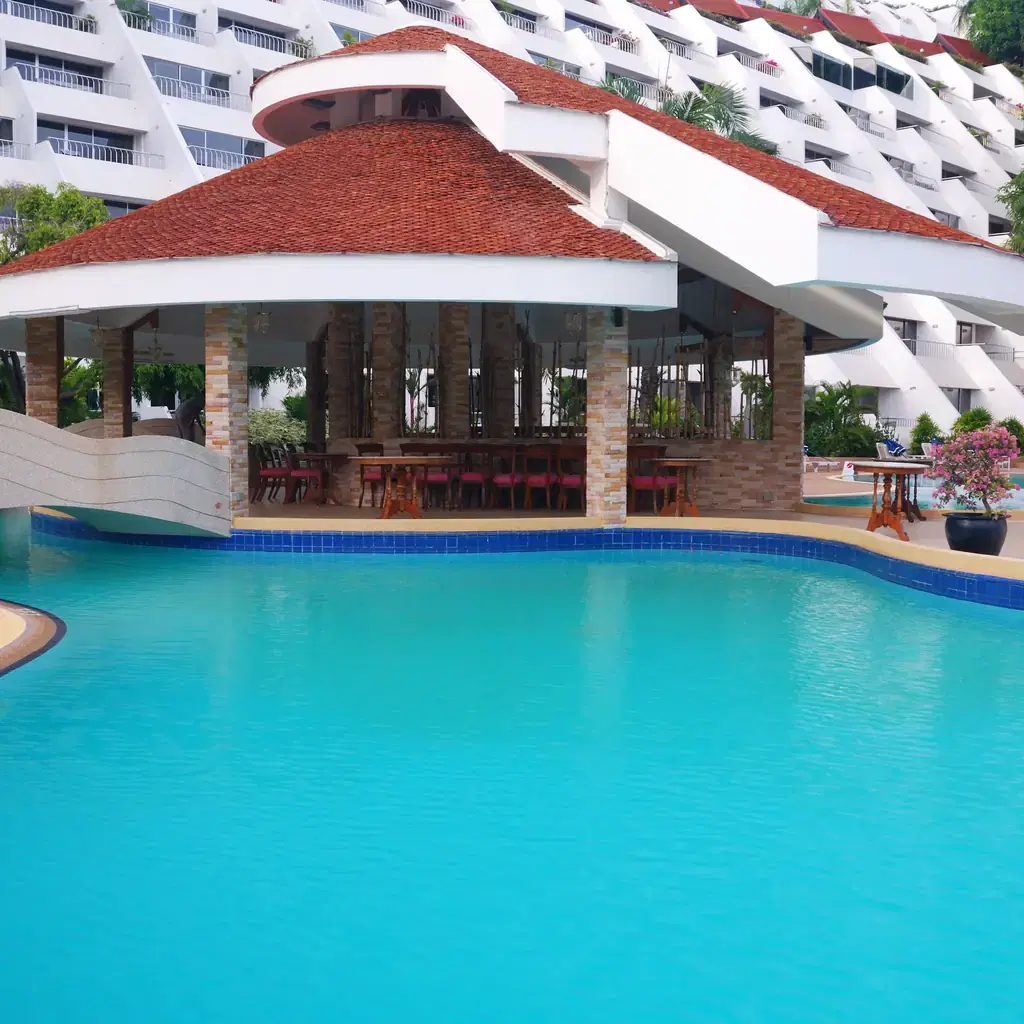
Some properties are adults-only end to end. Iberostar’s Grand Collection, including Iberostar Grand Bavaro in Punta Cana, is positioned this way: no kids’ club, no family pool traffic, just a quieter version of the same beachfront. The 274-room property splits into four room tiers, from garden-facing suites up to twelve oceanfront suites with direct beach access.
wp:image {“id”:52850,”sizeSlug”:”full”,”linkDestination”:”none”,”align”:”center”}
/wp:image
Who it fits: couples or groups who want certainty, not just a preference, that the whole stay stays adult-paced. It’s the simplest version of this decision because there’s no shared-site compromise to negotiate.
An adults-only wing paired with a family resort next door
A different model: Hyatt builds adults-only Zilara resorts directly beside family-oriented Hyatt Ziva resorts at the same site, in destinations including Cancun, Cap Cana, and Montego Bay. Zilara guests keep their own adult-only pools and restaurants but can cross over and use Ziva’s water park and additional dining.
wp:image {“id”:52851,”sizeSlug”:”full”,”linkDestination”:”none”,”align”:”center”}

/wp:image
This is a meaningfully different trade than option one. You get quiet when you want it and more variety when you don’t, but the resort next door is still a family resort, with everything that implies about noise carrying across shared grounds on a busy week.
A “Preferred Club” tier inside one mixed-age hotel
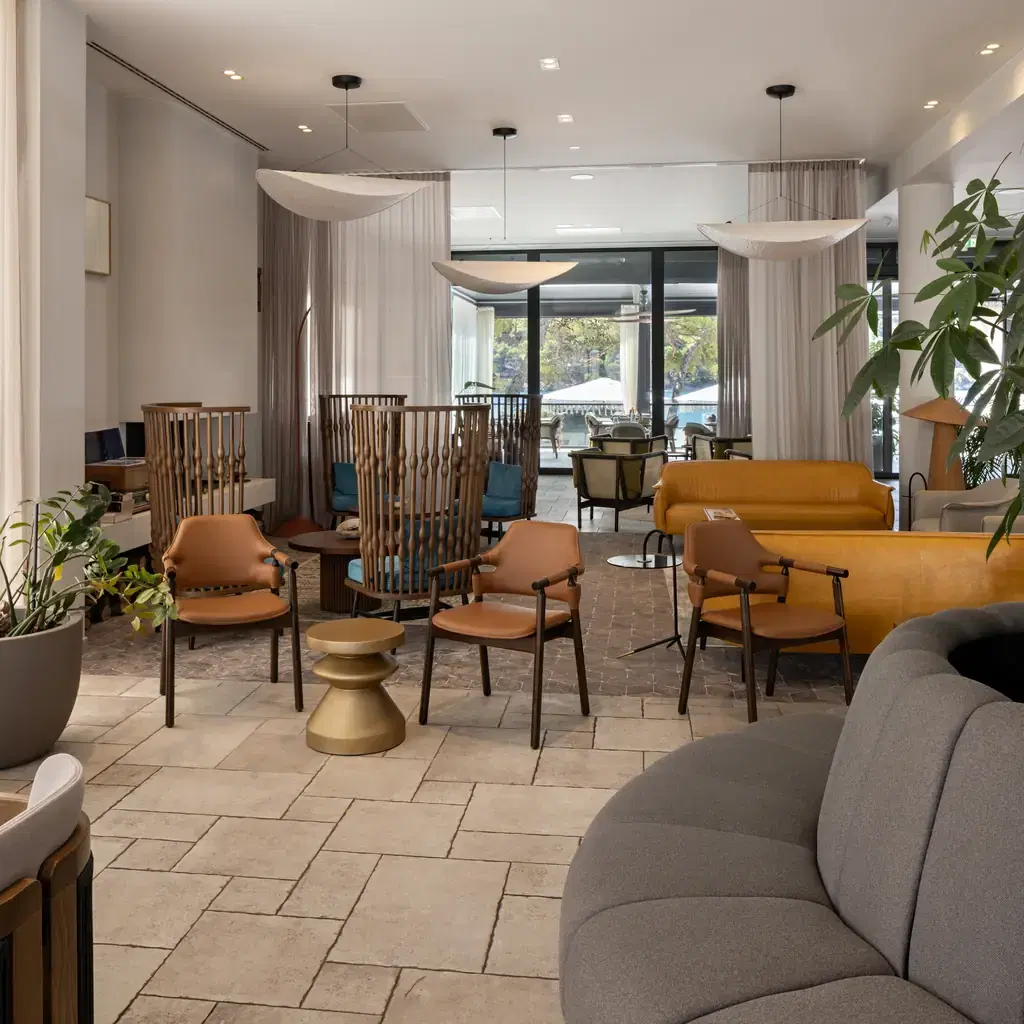
AMResorts brands like Secrets and Dreams don’t split the property into two buildings. Instead, the Preferred Club room category layers a lounge, a designated pool, and extra services on top of the same hotel everyone else is staying in. It’s an upgrade within the resort rather than a separate resort.
wp:image {“id”:52852,”sizeSlug”:”full”,”linkDestination”:”none”,”align”:”center”}
/wp:image
The distinction matters because the base resort’s age mix doesn’t change. A family pool can still be twenty metres from the Preferred Club pool. What changes is which spaces and services you’re entitled to use, not who else is on the property.
Deciding between a separate property and an elevated tier
Faced with these three models, the real question isn’t “adults-only or not,” it’s whether you want a structurally separate resort, a paired-but-adjacent wing, or a service tier layered onto a shared building. Each costs differently and solves a different complaint. Paying for a wing to avoid noise you’d still hear from the neighboring pool deck is a common mismatch worth checking against actual property maps, not just marketing copy, before booking.
wp:image {“id”:52853,”sizeSlug”:”full”,”linkDestination”:”none”,”align”:”center”}

/wp:image
A swim-up room with direct pool access
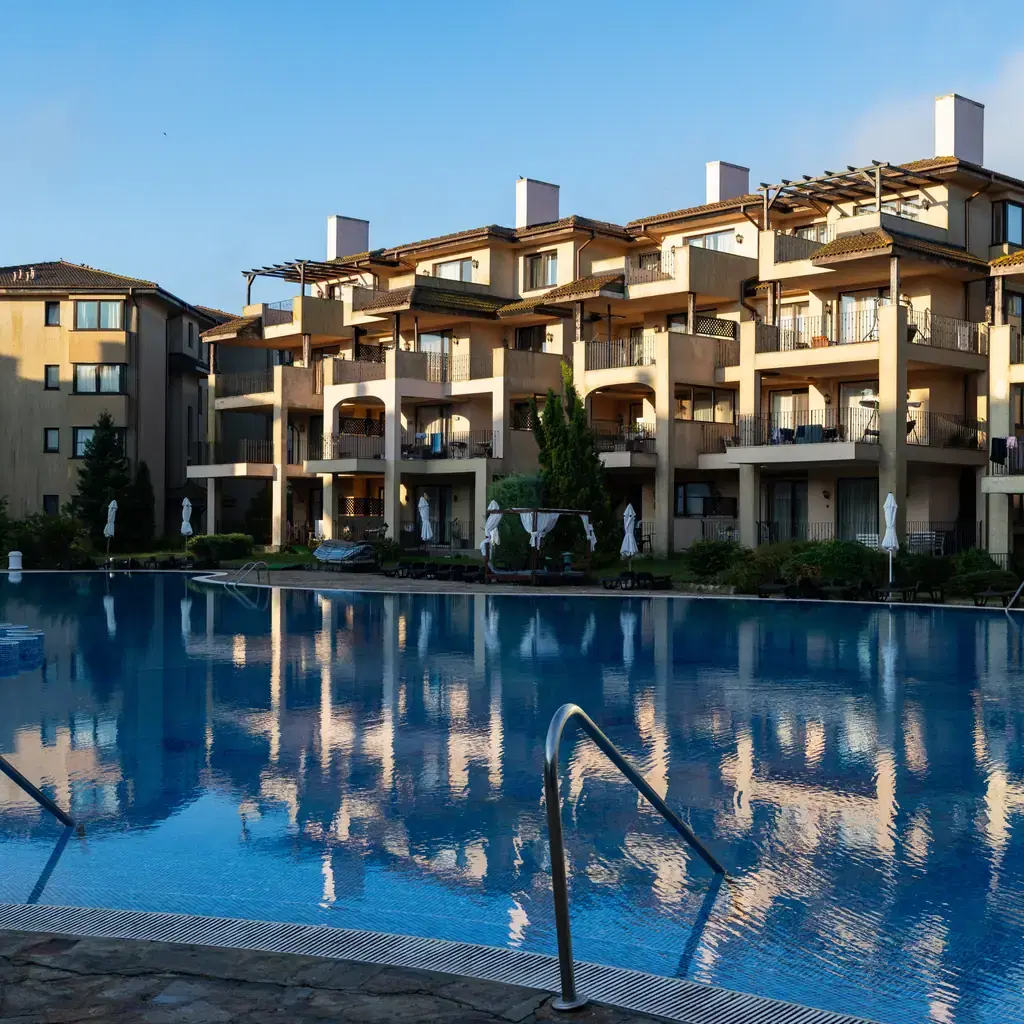
Swim-up rooms put your terrace on the edge of a pool, so you can step from the room into the water without crossing the resort. At some properties this is a detached pool shared by a handful of rooms; at others it’s a long river-style pool lined with many neighboring terraces.
wp:image {“id”:52854,”sizeSlug”:”full”,”linkDestination”:”none”,”align”:”center”}
/wp:image
The honest tradeoff: less privacy than the name implies in the second case, and a premium either way. It suits travelers who value spontaneous pool time over seclusion, which isn’t the same priority as the plunge-pool buyer below.
Confirming what “swim-up” actually means at a given resort
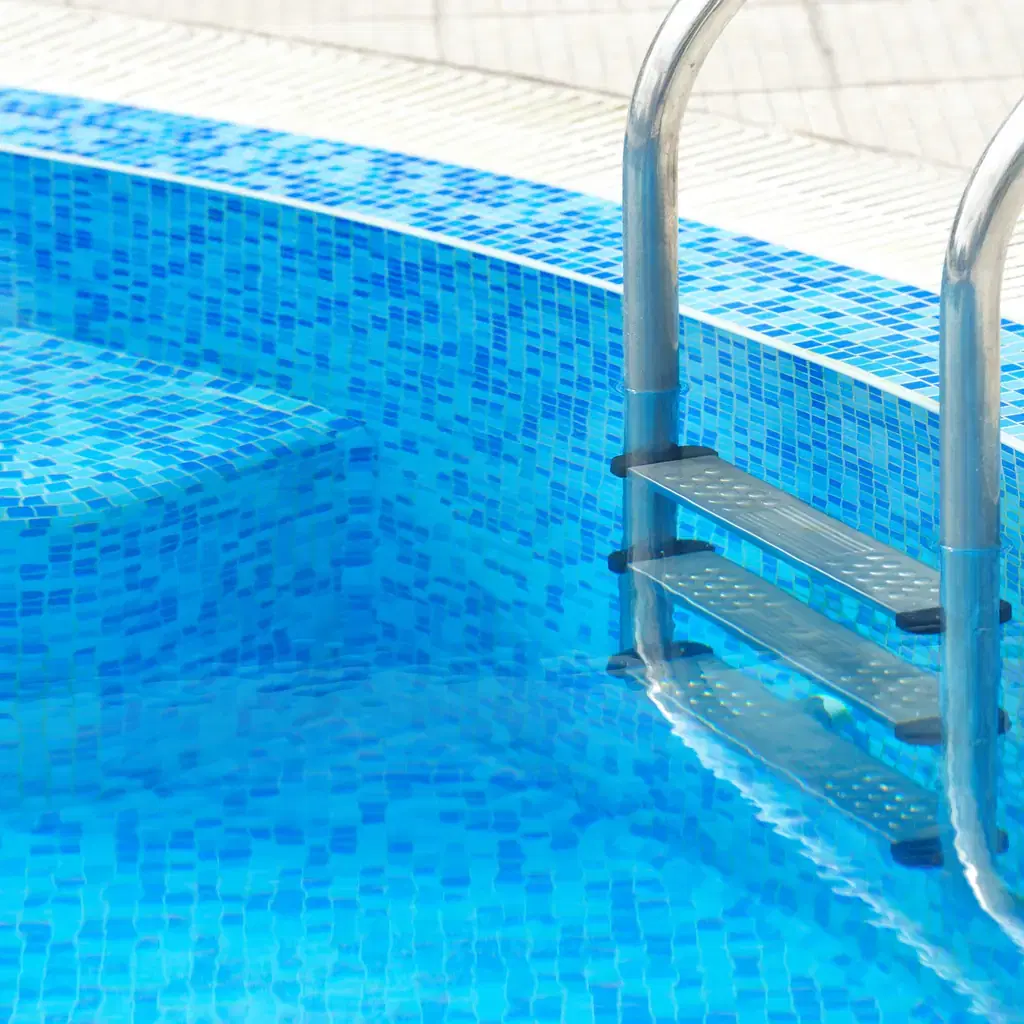
The term gets used loosely. Some listings call a room “swim-up” when it’s merely close to a pool or a swim-up bar, not genuinely steppable. Iberostar Grand Bavaro’s own room chart separates “Swim Out Suites,” with pools connecting to a shared pool, from its plain Suites and Ocean Front Suites, which is a useful model for how specific this language should be before paying extra for it.
wp:image {“id”:52855,”sizeSlug”:”full”,”linkDestination”:”none”,”align”:”center”}
/wp:image
This is less a tradeoff than a verification step, but it belongs here because the gap between the marketed term and the floor plan is exactly where upgrade budgets get wasted.
A private plunge-pool suite
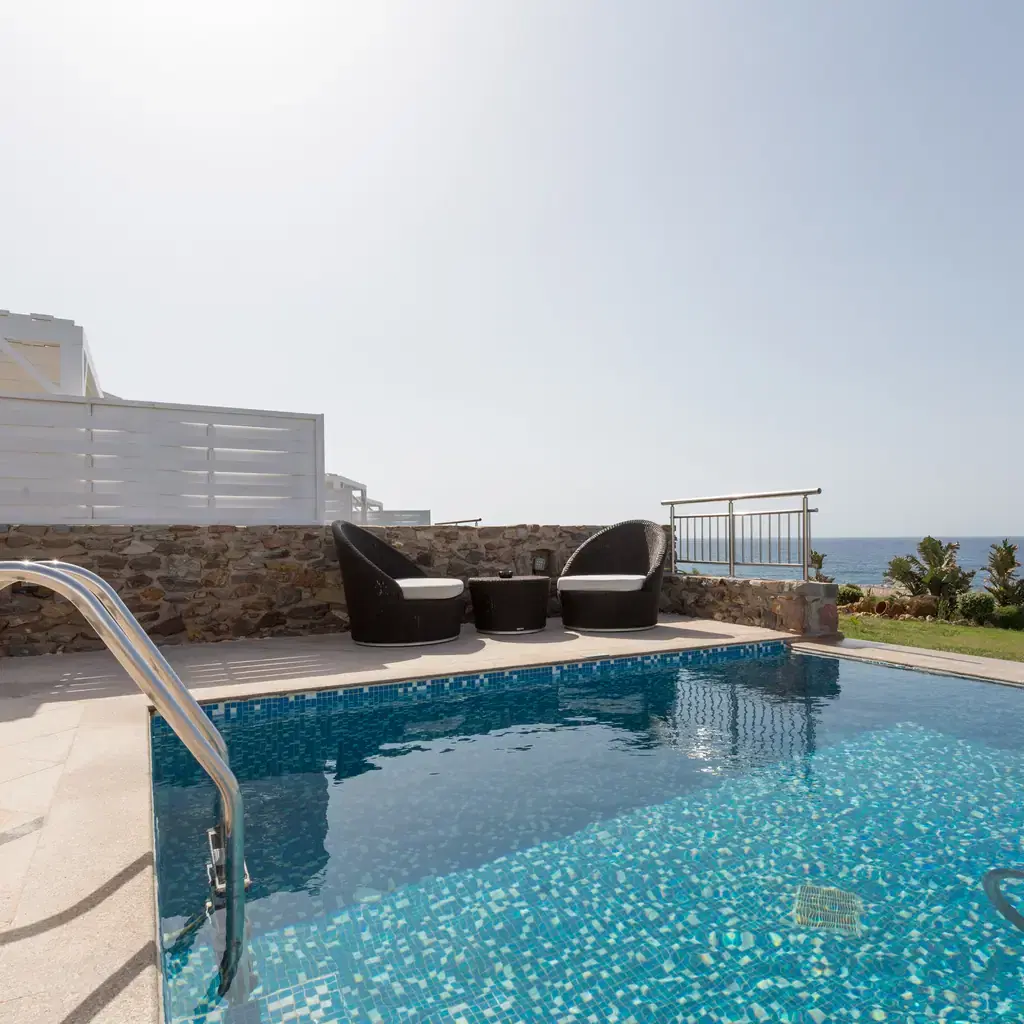
A plunge pool is smaller and entirely private, attached to one suite’s own terrace rather than shared with neighbors. Sandals markets a specific private-plunge-pool suite category built around this seclusion rather than pool-hopping convenience.
wp:image {“id”:52856,”sizeSlug”:”full”,”linkDestination”:”none”,”align”:”center”}
/wp:image
It fits couples prioritizing privacy over social pool time, and it costs more than a shared swim-up room for a materially different reason: you’re paying to remove other guests from the view, not to get closer to the water.
Beachfront as its own room category
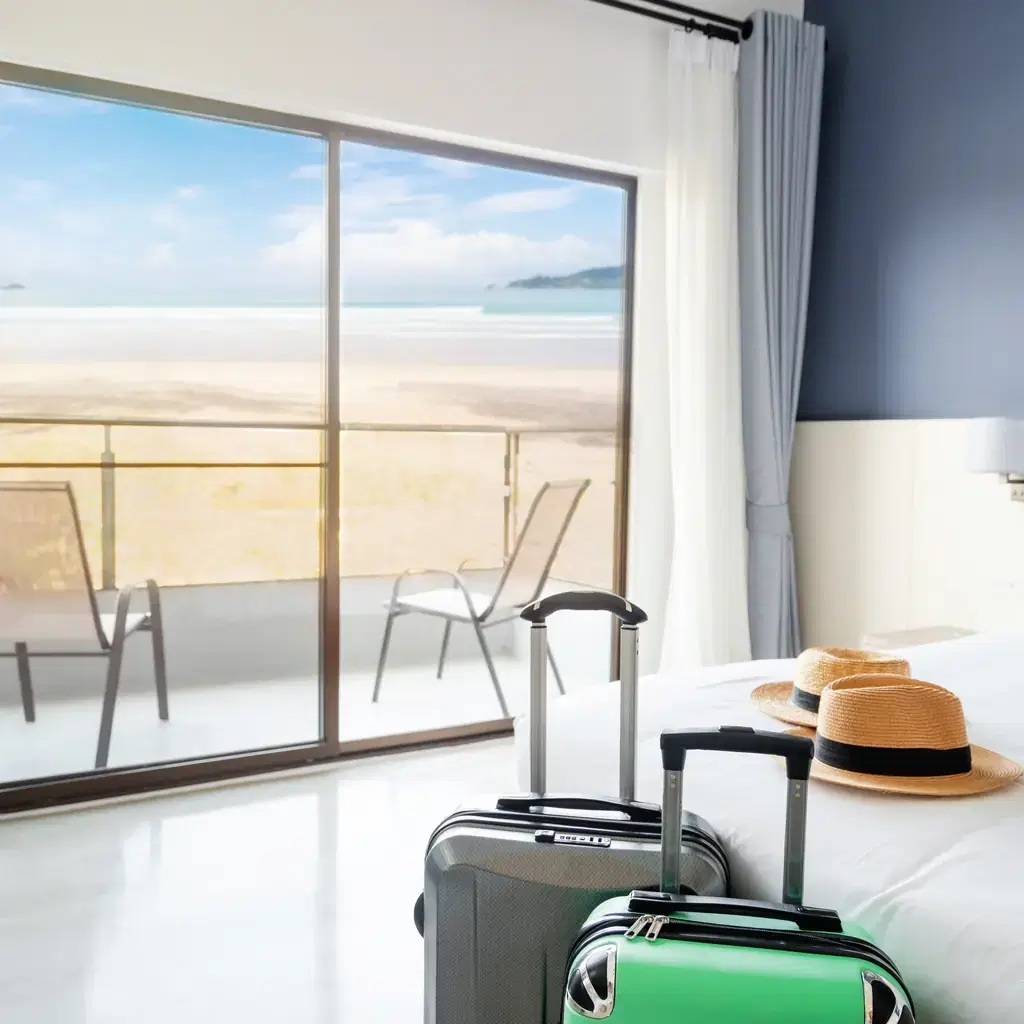
Beachfront rooms sit directly on the sand with no street or structure between the room and the shore, and resorts price them as the top tier for exactly that immediacy. It’s the most straightforward upgrade to evaluate because the benefit is physical and visible rather than service-based.
wp:image {“id”:52857,”sizeSlug”:”full”,”linkDestination”:”none”,”align”:”center”}
/wp:image
The tradeoff is proximity to beach noise, foot traffic, and sometimes evening entertainment near the shoreline, depending on the property’s layout, which is worth weighing against how much beach time the stay actually involves.
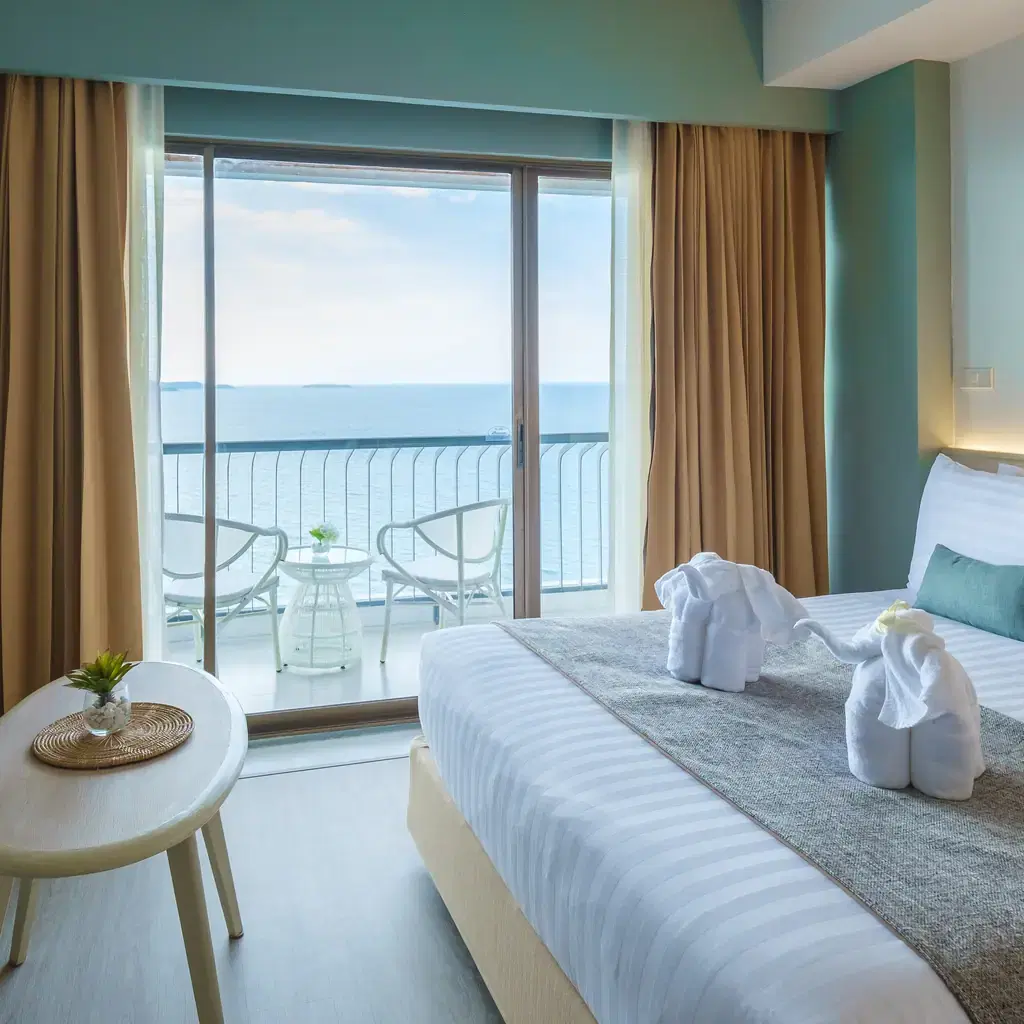
Oceanfront, which is not the same thing as beachfront
Oceanfront rooms guarantee an unobstructed sightline to the water with nothing built in between, but they aren’t necessarily on the sand itself; getting to the beach may still mean a short walk down from an elevated room. It typically costs less than true beachfront and more than oceanview.
wp:image {“id”:52858,”sizeSlug”:”full”,”linkDestination”:”none”,”align”:”center”}
/wp:image
This distinction is easy to skip past in a booking flow, and it’s worth reading the fine print on rather than assuming “ocean” in the name means ground-floor beach access.
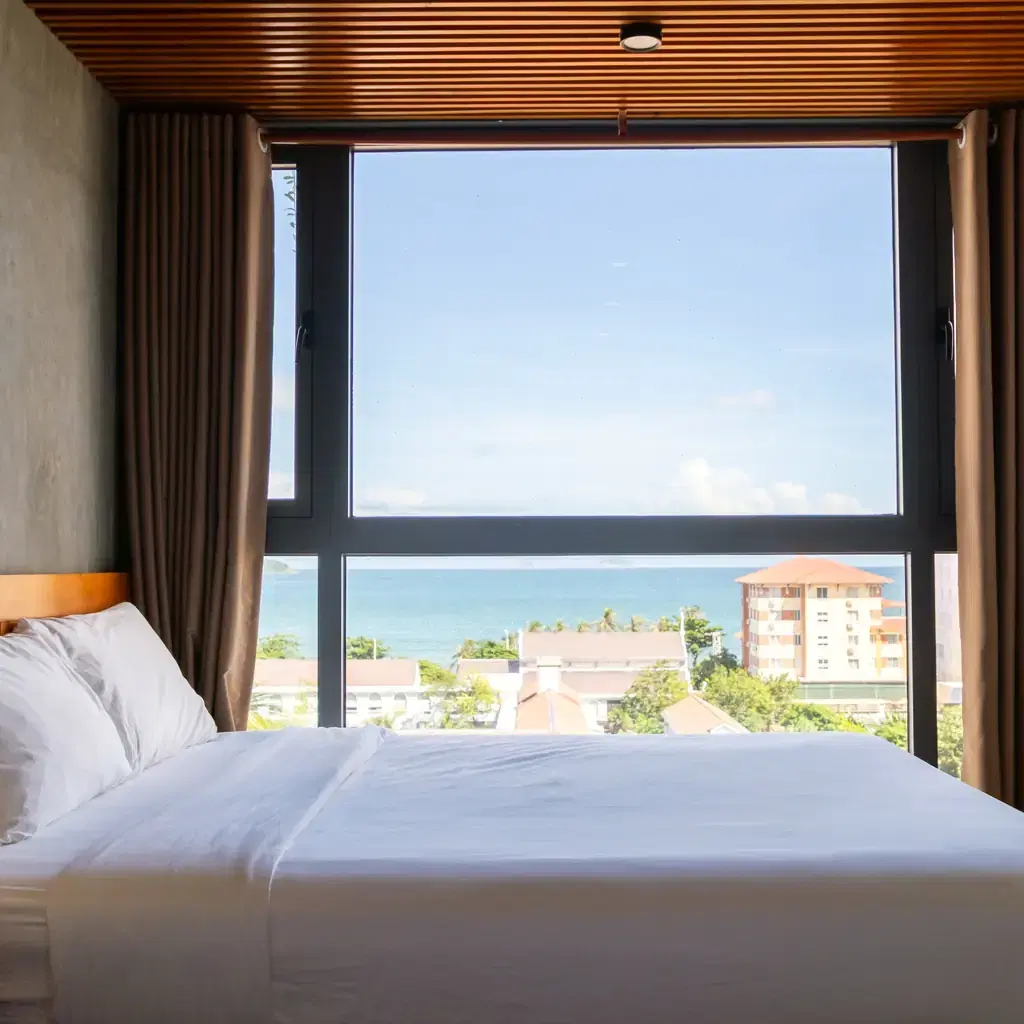
Oceanview, the partial-glimpse tier
Oceanview is the lightest version of a water upgrade: a partial, angled, or distant look at the ocean rather than a full vista. It’s priced well below oceanfront and beachfront and suits travelers who want some acknowledgment of the view without paying for an unobstructed one.
wp:image {“id”:52859,”sizeSlug”:”full”,”linkDestination”:”none”,”align”:”center”}
/wp:image
It fits best for shorter stays or trips where the room is mostly for sleeping, since the view difference matters less when you’re rarely in the room during daylight.
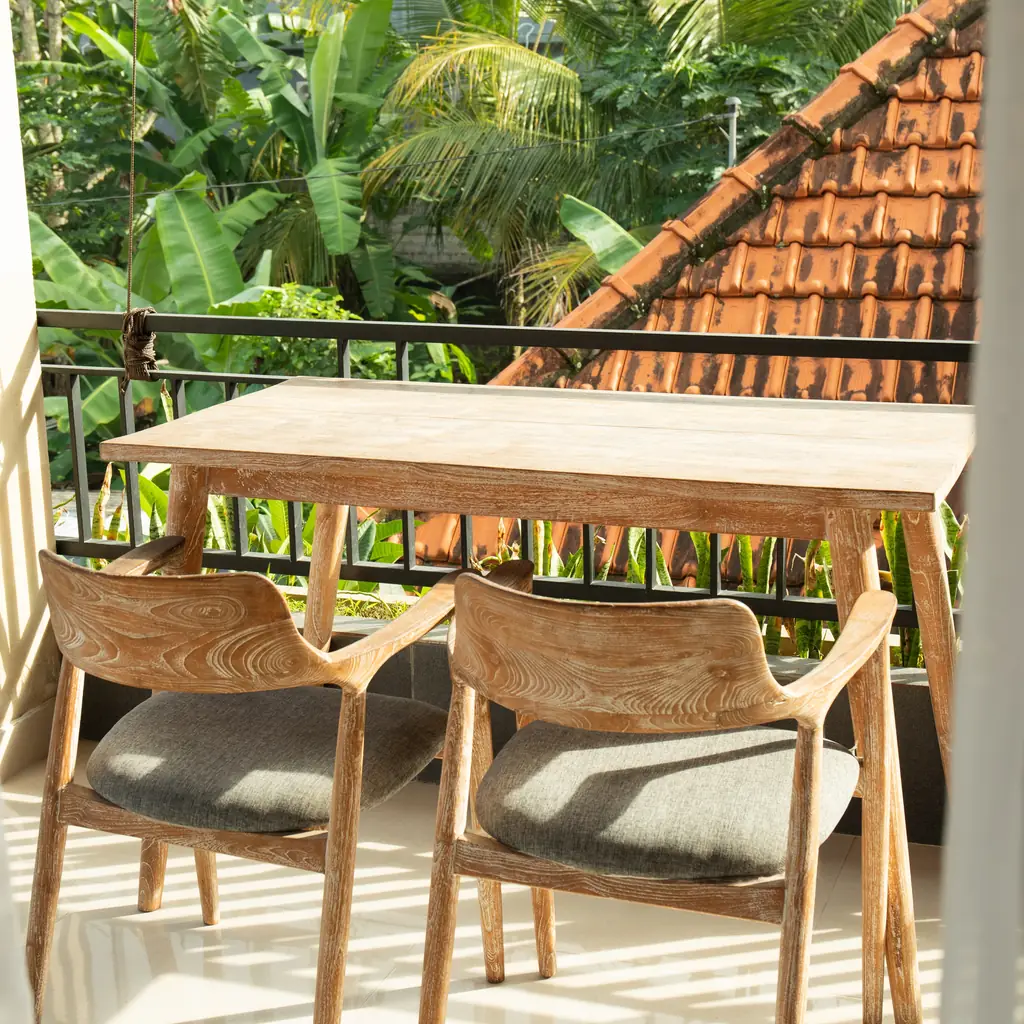
Garden view as the value baseline
Garden-view rooms drop the ocean sightline entirely and are consistently the most affordable category at beachfront properties. For travelers who spend their days at the pool, in excursions, or at the beach itself rather than on a room balcony, this is often the upgrade decision that’s safest to skip. The room checks worth doing before unpacking matter more for a garden-view stay than the view itself does, particularly on ground-floor layouts.
wp:image {“id”:52860,”sizeSlug”:”full”,”linkDestination”:”none”,”align”:”center”}
/wp:image
Full butler service at the top room tier
At Sandals, butler service is bundled only into Butler Elite Level suites, a set that includes Love Nest Suites, Rondoval Suites, SkyPool Suites, and Over-the-Water Bungalows, among others. The butler handles arrival (luggage, in-room check-in, a direct-contact phone), the stay itself (reservations, excursions, poolside service), and departure (packing help, transfers).
wp:image {“id”:52861,”sizeSlug”:”full”,”linkDestination”:”none”,”align”:”center”}

/wp:image
It’s a substantial jump from any other tier on this list because it replaces dozens of small resort interactions with one dedicated person, which suits travelers on a honeymoon, anniversary, or similarly occasion-driven trip more than a routine holiday.
Butler service built into the room rate itself
St. Regis takes a different approach: 24-hour butler service has been a brand hallmark for more than a century and is typically included in the room rate rather than reserved for a top suite tier, unlike Sandals’ Butler Elite model. The service itself skews toward personal preferences and requests rather than the excursion-and-dining booking role a Sandals butler plays.
wp:image {“id”:52862,”sizeSlug”:”full”,”linkDestination”:”none”,”align”:”center”}

/wp:image
Comparing the two models matters because “butler service” on a brochure can mean a baseline hotel standard at one brand and an exclusive top-tier perk at another.
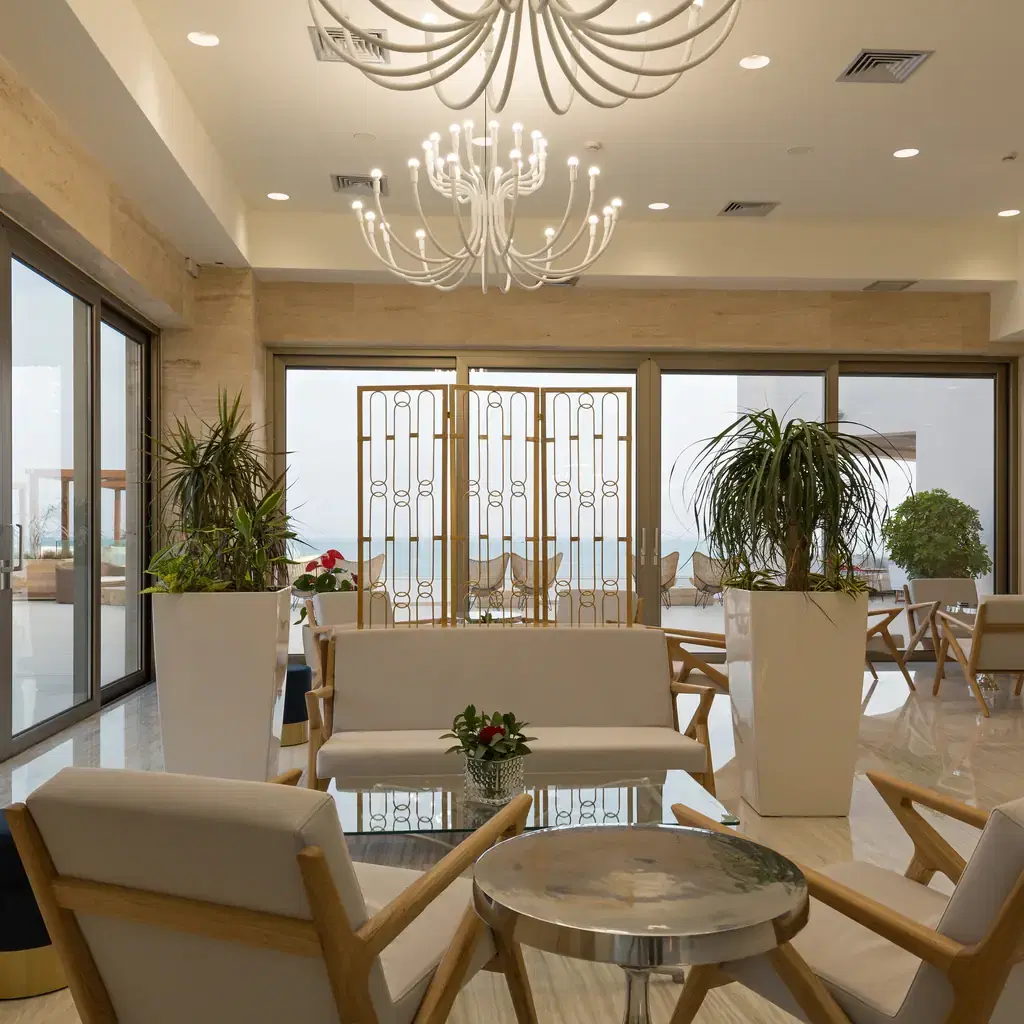
A club-level lounge instead of a personal butler
Ritz-Carlton runs club-level lounges at many of its 120-plus hotels rather than assigning guests an individual butler. The lounge model trades one-on-one service for staffed food, beverage, and concierge support in a shared space open to everyone on that floor or tier.
wp:image {“id”:52863,”sizeSlug”:”full”,”linkDestination”:”none”,”align”:”center”}
/wp:image
This suits travelers who want elevated service without the more personal, always-on dynamic of a dedicated butler, and it tends to cost less than a true butler tier for that reason.
The Preferred Club lounge’s food and beverage perk, specifically
Inside AMResorts’ Preferred Club tier, the lounge itself carries real standalone value: daily continental breakfast, afternoon hot and cold hors d’oeuvres, desserts, and premium liquor service, separate from whatever’s included at the base resort’s main buffet or bars. It’s worth pricing this benefit on its own rather than folding it into “the upgrade” as one lump sum.
wp:image {“id”:52864,”sizeSlug”:”full”,”linkDestination”:”none”,”align”:”center”}

/wp:image
For travelers who graze through the day rather than sitting for full meals, this specific perk can matter more than the room upgrade attached to it.
Concierge check-in and check-out as its own line item
Preferred Club guests get personalized check-in and check-out handled by a concierge rather than the main lobby desk. On a property with long front-desk queues at peak arrival times, this alone can be worth something, independent of lounge access or room category.
wp:image {“id”:52865,”sizeSlug”:”full”,”linkDestination”:”none”,”align”:”center”}

/wp:image
It’s a small perk compared to the others on this list, but it’s one of the few that reliably delivers from the first minute of the trip, when queue fatigue is highest.
Exclusive pool or beach access bundled into a club tier
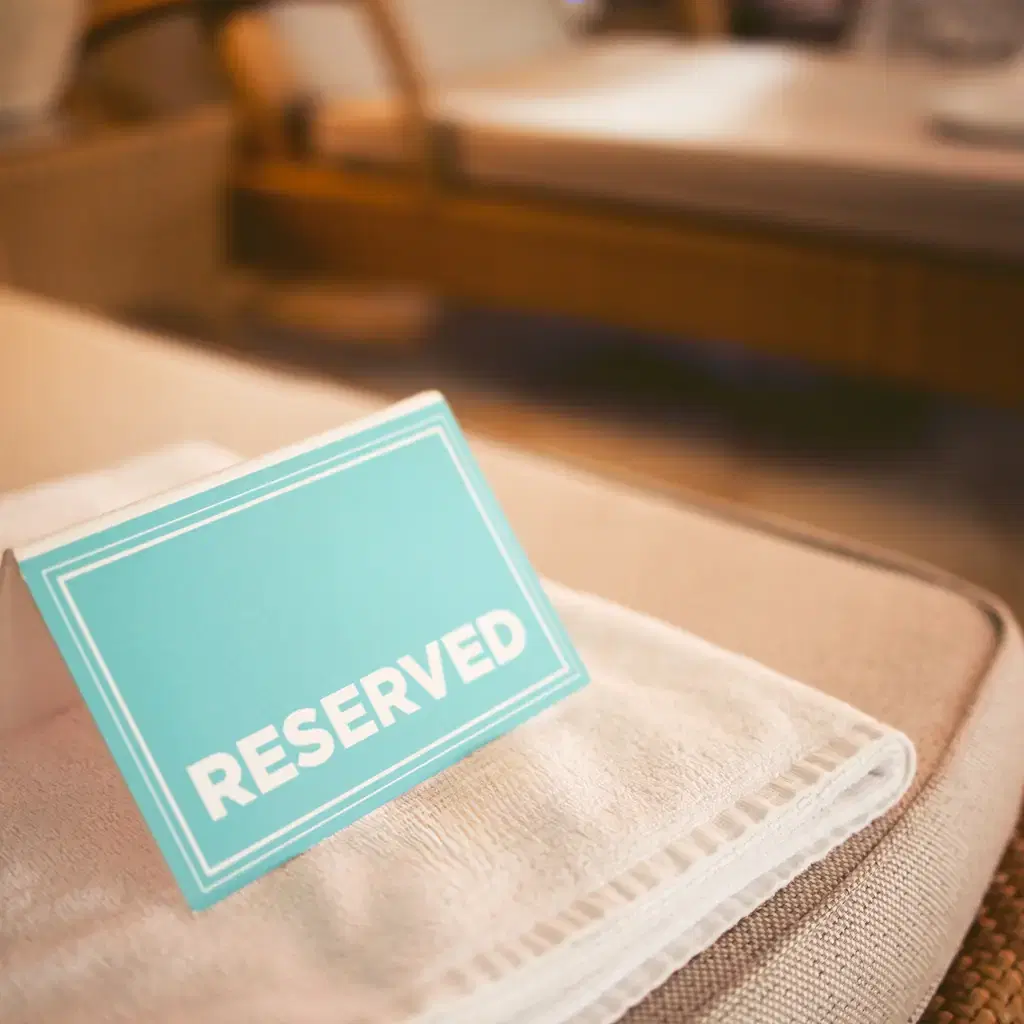
Several AMResorts properties set aside a designated Preferred Club pool, distinct from the resort’s main pool, as part of the tier. Unlike a private plunge pool, it’s still a shared space, just shared with fewer people than the general-admission pool.
wp:image {“id”:52866,”sizeSlug”:”full”,”linkDestination”:”none”,”align”:”center”}
/wp:image
It sits in between the swim-up and plunge-pool decisions above: more exclusive than a standard pool deck, less private than a suite’s own water feature, and priced accordingly.
Spa access folded into a service tier
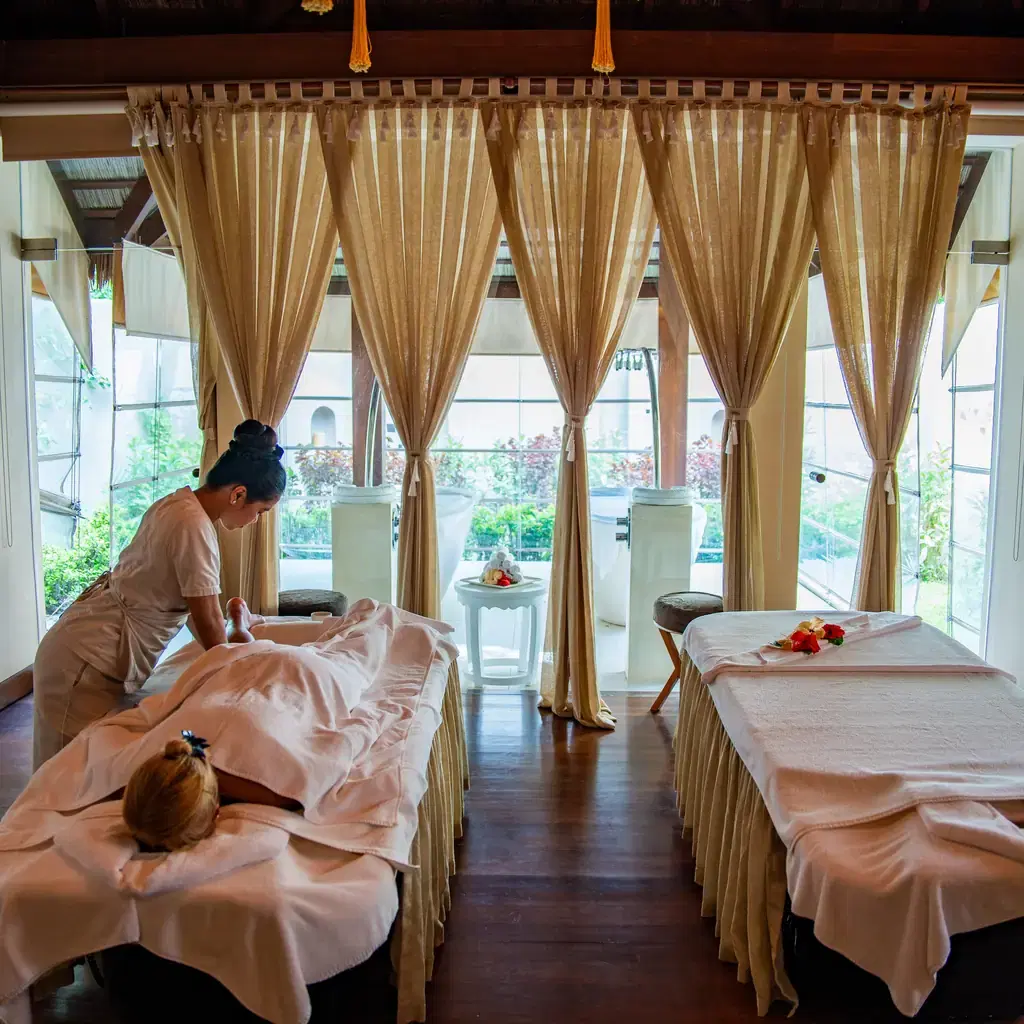
Some Preferred Club packages include complimentary access to the resort’s hydrotherapy circuit at the on-site spa, a benefit that would otherwise carry its own fee. Bundled perks like this are easy to undervalue when comparing room rates side by side, because they don’t show up as a separate line on the upgrade.
wp:image {“id”:52867,”sizeSlug”:”full”,”linkDestination”:”none”,”align”:”center”}
/wp:image
It’s worth asking what the standalone spa-access price would be before assuming the upgrade’s total value matches its sticker price.
A dedicated à la carte restaurant tied to the upgrade
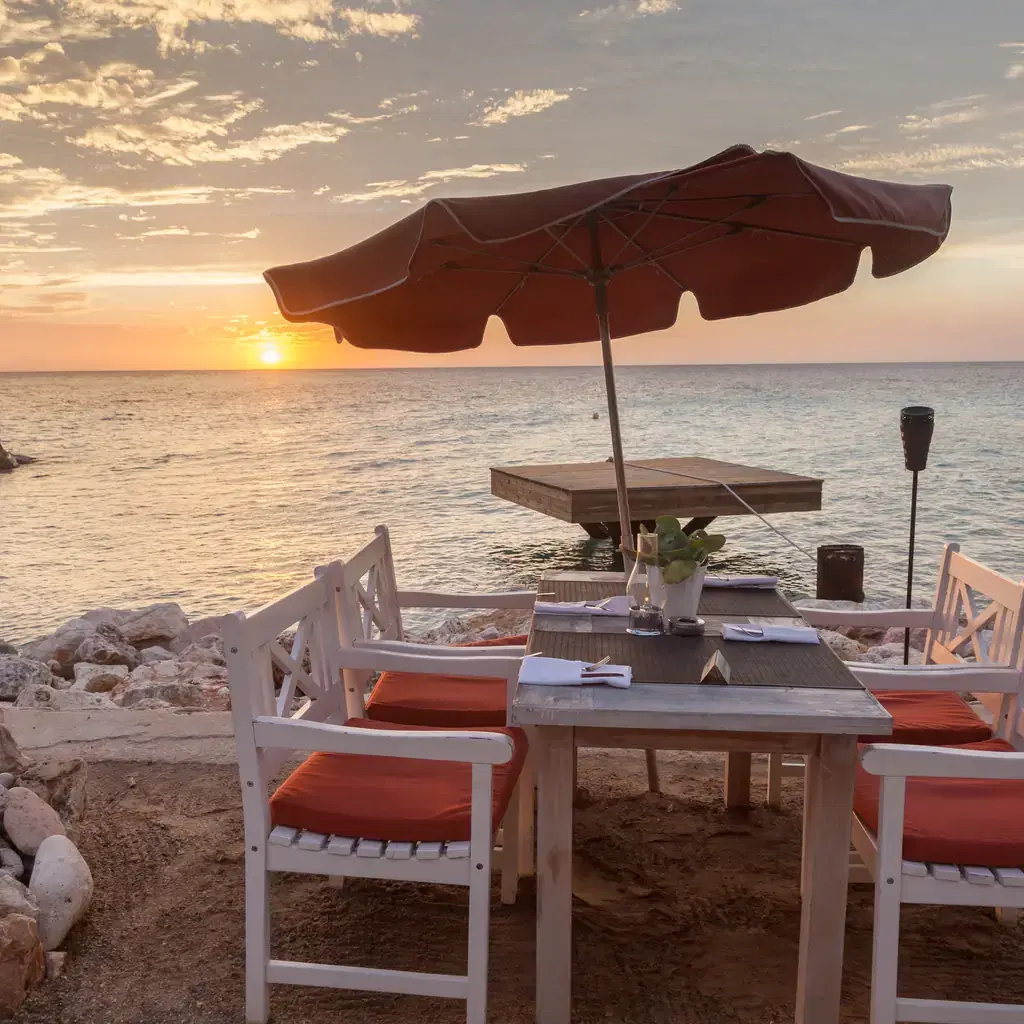
At several AMResorts properties, Preferred Club status includes access to a specific à la carte restaurant for breakfast, beyond what base-tier guests can book. It’s a narrower perk than it sounds: usually one restaurant, one meal period, not a blanket upgrade to every specialty dining room on-site.
wp:image {“id”:52868,”sizeSlug”:”full”,”linkDestination”:”none”,”align”:”center”}
/wp:image
This is worth clarifying directly with the resort, since “à la carte access” can describe anything from one breakfast room to the full roster of specialty restaurants depending on the brand and property.
Who the paired adults-only wing actually suits
The Hyatt Zilara/Ziva model rewards multigenerational groups more than any other setup here: grandparents can book the quiet wing, grandkids can stay at the family side, and everyone can still eat dinner together. Which Caribbean islands tend to get overcrowded is a separate question worth checking too, since even a well-designed resort pairing inherits the destination’s crowd patterns at the beach and in town.
wp:image {“id”:52869,”sizeSlug”:”full”,”linkDestination”:”none”,”align”:”center”}

/wp:image
It’s a weaker fit for a couple who specifically wants zero contact with family-resort energy, since the two properties share arrival areas, grounds, and often beachfront.
Who a fully adults-only property suits, and who it doesn’t
A single adults-only resort, with no paired family wing at all, removes the shared-grounds question entirely, which is its real advantage over option two. The Caribbean all-inclusive stays travelers end up regretting often trace back to a mismatch between the traveler’s expectations and the property’s actual age mix and noise level, which a genuinely adults-only resort removes as a variable.
wp:image {“id”:52870,”sizeSlug”:”full”,”linkDestination”:”none”,”align”:”center”}

/wp:image
It doesn’t fit travelers who want to bring along a visiting relative’s kids for part of a trip, or who specifically want occasional access to livelier, family-resort energy rather than consistent quiet.
When the top tier stops paying for itself
Butler service, the top suite categories, and the most exclusive club tiers all compound in price quickly, and the jump from “very good tier” to “top tier” is usually larger than the jump from “standard” to “very good.” First-time cruisers tend to overspend on things that look like upgrades for a related reason: the most expensive version of a perk isn’t automatically the version that matches how the trip will actually be spent.
wp:image {“id”:52871,”sizeSlug”:”full”,”linkDestination”:”none”,”align”:”center”}
/wp:image
The upgrades worth paying for are the ones tied to how you’ll actually use the days, not the ones highest on the price list. Island choice shapes the trip as much as the resort does, and the same logic applies inside the resort itself: a beachfront room wasted on a trip spent entirely at excursions is a worse upgrade than a modest garden-view room at a resort you actually chose well.
Checking the room category before you book it, not after
Room-category pages change by property and season, and brochure language is inconsistent enough that the only reliable check is the specific resort’s own current accommodations page, cross-referenced against recent guest photos rather than marketing renders. Longer-stay travelers weighing seasonal trips have extra reason to do this homework, since a mismatch compounds over a multi-week stay in a way it wouldn’t over a long weekend.
wp:image {“id”:52872,”sizeSlug”:”full”,”linkDestination”:”none”,”align”:”center”}

/wp:image
A five-minute check against the hotel’s own room chart, rather than a travel agency’s summary of it, catches most of the mismatches described above before they turn into a disappointing arrival.
A cruise-side version of the same upgrade logic
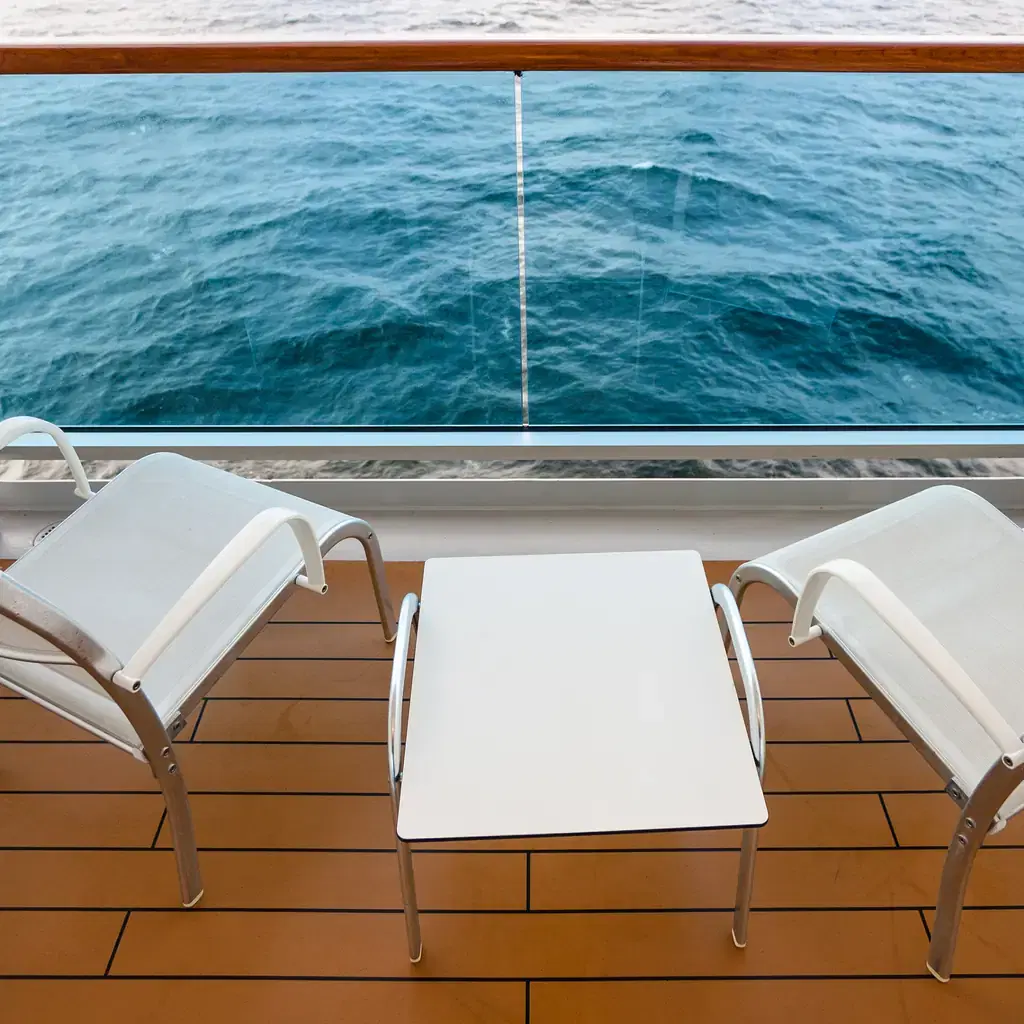
Readers splitting a travel budget between resort stays and cruises will recognize the pattern: cabin category, deck location, and dining perks follow a similar escalating structure at sea. Resort-style upgrades have a cruise-ship equivalent worth the same scrutiny, particularly on itineraries through rougher water where cabin location affects comfort more than it would in port.
wp:image {“id”:52873,”sizeSlug”:”full”,”linkDestination”:”none”,”align”:”center”}
/wp:image
The underlying habit, matching the upgrade to the actual days of the trip rather than to its position on a price list, carries over directly from resorts to ships.
Sources and references
- Hyatt’s First Family & Adults-Only Combo Resort is Coming to Punta Cana, AOL/TravelPulse syndication, accessed 2026-10-13
- Meet The Hyatt Ziva And Hyatt Zilara Resorts At The Agent@Home Travel Summit, TravelPulse, accessed 2026-10-13
- Dreams Playa Esmeralda Club Level / Preferred Club accommodations, Hyatt Inclusive Collection, accessed 2026-10-13
- Iberostar Grand Bavaro Hotel review, Oyster.com, accessed 2026-10-13
- Iberostar Grand Collection Suites, Punta Cana coverage, Oyster.com, accessed 2026-10-13
- Swim-up rooms guide, TUI.co.uk, accessed 2026-10-13
- All-inclusive resorts with a private plunge pool, Sandals.com blog, accessed 2026-10-13
- Oceanview vs. oceanfront: what’s the difference?, Kayak.com, accessed 2026-10-13
- Sandals Butler Service: Everything You Need To Know (2026), Honeymoons.com, updated February 27, 2026, accessed 2026-10-13
- Best St. Regis hotels to book with points, Upgraded Points, accessed 2026-10-13
- St. Regis vs Ritz-Carlton: Marriott luxury brand comparison, Hotels For Kings, accessed 2026-10-13
- 32 Caribbean All-Inclusive Resorts Americans Regret Booking, HumbleTrail, accessed 2026-10-13
Comments
The opinions and views expressed in the comments section are solely those of the individual users and do not represent or reflect the opinions, views, or positions of HumbleTrail. HumbleTrail does not endorse, support, or verify the accuracy of any user-generated content.
By posting a comment you agree to receive related emails from HumbleTrail in accordance with our Terms and Privacy Policy. You can unsubscribe at any time.