

Editor's note: This article is an opinion piece based on publicly available traveler reviews, official policies and industry reporting we found online.
Thanksgiving falls on Thursday, November 26 this year, and the people who fly to family every holiday season have usually learned their lessons the expensive way: a connection through a snowstorm, a jar of cranberry sauce surrendered at the checkpoint, a night on an airport bench with a bad hip.
This list collects the habits those travelers dropped, with the current TSA, Department of Transportation and airline rules behind each one. It covers booking, gifts and food, the airport day, cancellations and the drive-or-fly question, and it does not repeat the toiletry rules.
1. Routing through a snow-prone hub to save forty dollars
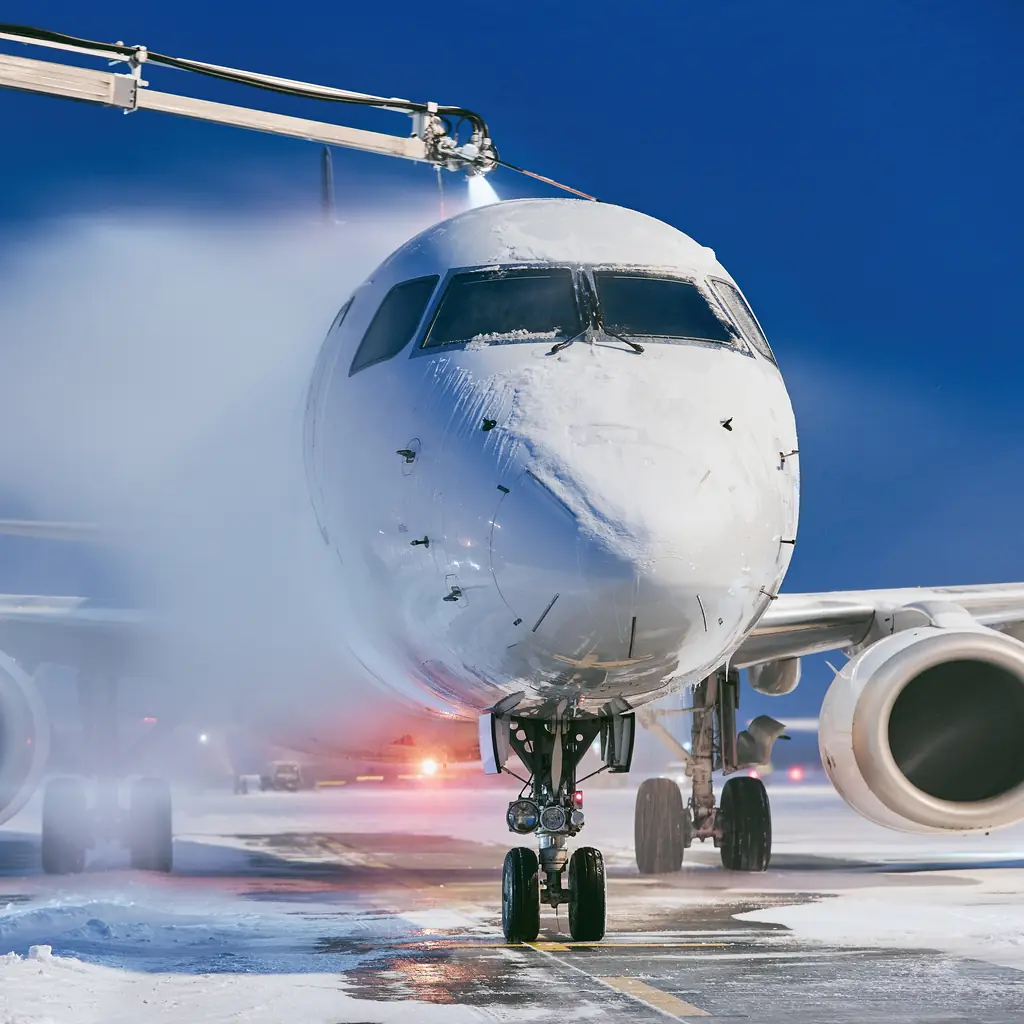
A late-November itinerary that connects through Chicago O’Hare, Denver, Minneapolis-St. Paul or Boston carries a weather risk the same routing in July does not. One afternoon of de-icing can turn a 50-minute connection into a missed one, and the next open seat to your daughter’s town may be two days out.
Check the hub before you check the price. When two itineraries cost about the same, experienced holiday flyers take the nonstop, or a connection through a southern or western hub where November snow is rare.
The saving on the cheaper routing is usually less than one night in an airport hotel, and far less than missing the dinner you flew for.
2. Booking the afternoon departure because the morning felt too early
The first flight of the day usually leaves on an aircraft that spent the night at the gate, with a crew starting fresh. By 3 p.m. in Thanksgiving week, that same aircraft may have flown three legs and collected a delay from each one.
The trade is sleep for certainty. Many seasoned holiday travelers take the 6 or 7 a.m. departure, book a car for the dark drive and plan a nap after landing.
If a 7 a.m. flight cancels, there are still same-day seats to rebook into. If a 5 p.m. flight cancels, the next option is often tomorrow, and in Thanksgiving week tomorrow may mean a middle seat or no seat at all.
3. Flying home on the Sunday after Thanksgiving without checking the numbers
TSA’s checkpoint table shows it screened 3,134,613 people on Sunday, November 30, 2025, a record for the agency, while Thanksgiving Day itself saw 1,559,165. The Wednesday before came in at 2,753,036 and the Monday after at 2,893,451. TSA 2025 checkpoint numbers In 2026 the equivalent Sunday is November 29.
Fly on the holiday itself, or stay through Monday or Tuesday. A Thanksgiving-morning flight lands in time for dinner, through a terminal half as busy as the one that sets records three days later.
As of early October, neither TSA nor AAA had published 2026 projections; both usually release them in mid-November. The 2025 pattern has held for years, and experienced travelers plan around it.
4. Buying the most restricted fare for the one date that cannot move

A basic fare looks like a bargain until the family moves dinner from Thursday to Saturday. JetBlue’s Base fare, for example, can be changed or cancelled only for a $150 fee per person, while its standard fares carry no change fee, only the fare difference. JetBlue fare options Alaska likewise charges no fees to change Main and First Class fares, though a fare difference may apply. Alaska advisories
Read the fare rules before you look at the seat map. On a holiday date, the right to move without a penalty is worth more than the $40 or $60 the restricted fare saves.
Airlines also allow free cancellation within 24 hours of booking when the trip is at least a week away, which buys a day to confirm dates with the host.
5. Booking a 45-minute connection that assumes a December airport runs on time
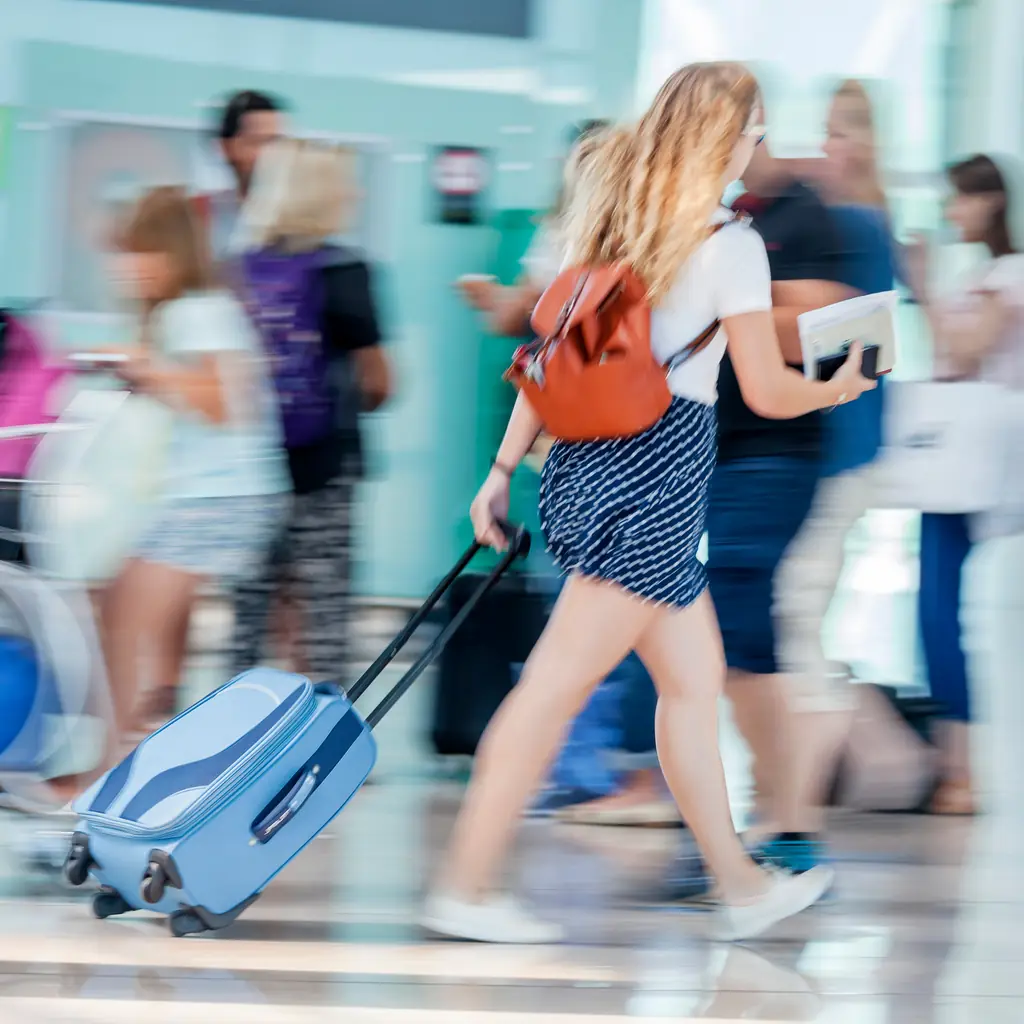
A minimum connection time is legal to sell. It is not comfortable when the two gates sit at opposite ends of the airport and the walk comes on a knee that has already done the parking garage and the security line.
Give a domestic connection at least 90 minutes in Thanksgiving week, and two hours when bags are checked or snow is forecast. The buffer is part of the fare, not an inefficiency.
A later onward flight that leaves time for a sit-down lunch between legs makes a better holiday than a sprint that may still end at a closed jet bridge. If the airline’s site offers only tight connections, search the legs separately and pick the pairing yourself.
6. Wrapping the presents before they go through the checkpoint
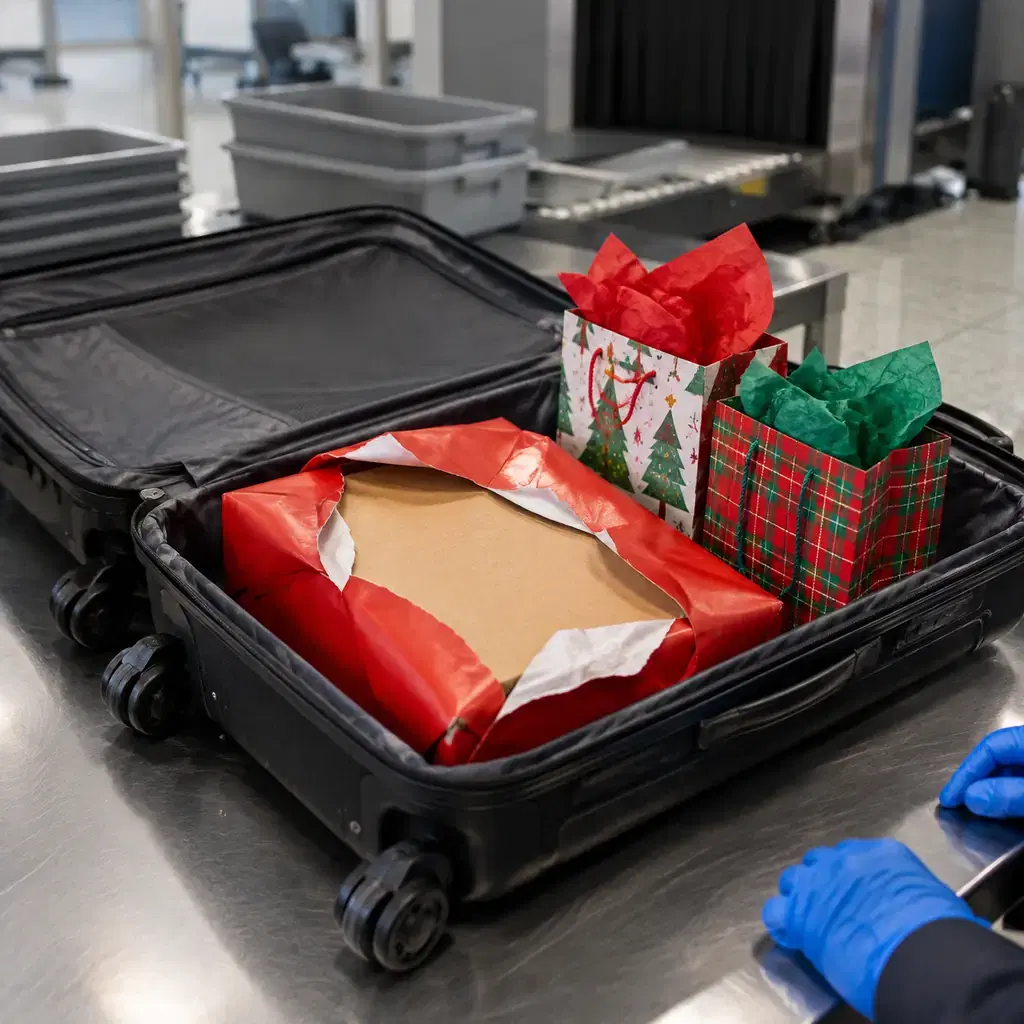
TSA’s holiday travel tips encourage passengers to use gift bags they can open easily, or gift boxes with removable lids, so officers can inspect a gift when necessary “and avoid the possibility of opening fully wrapped presents.” The same page says snow globes belong in checked bags because of the liquid inside. TSA travel tips
Wrap at the destination. A roll of paper and a tape dispenser weigh almost nothing, and most hosts have a kitchen table free on Wednesday night.
A wrapped box the X-ray cannot resolve gets opened at the table in front of the line, and the paper does not survive. Gift bags with tissue paper pass through without drama and look just as good under the tree.
7. Carrying the gravy and cranberry sauce through security
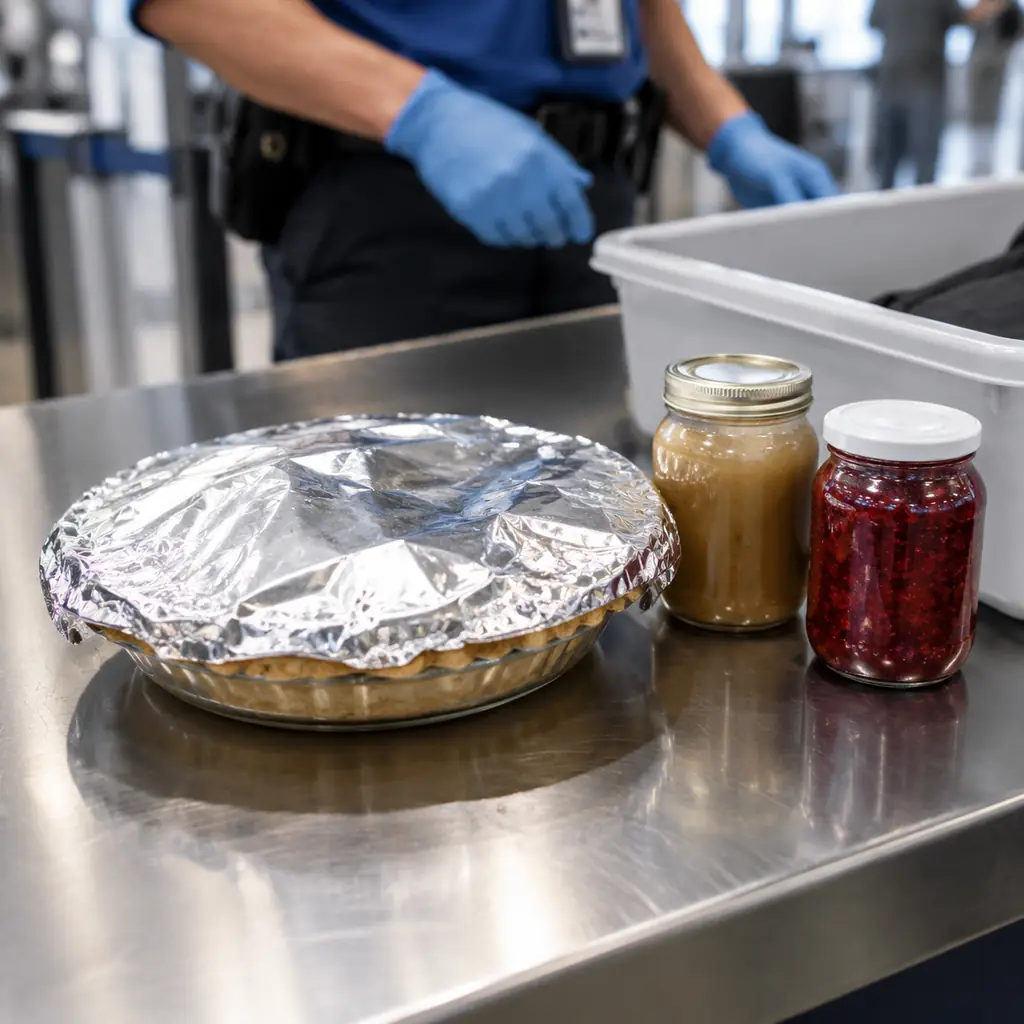
TSA treats gravy as a liquid: allowed in a carry-on only in containers of 3.4 ounces or less, otherwise checked. TSA on gravy The same rule covers sauces, jams, preserves and wine, and TSA offers a simple test: if you can spill it, spread it, spray it, pump it or pour it, and it is larger than 3.4 ounces, it goes in checked luggage. TSA travel tips
Bring the pie and the dry stuffing mix; ship or buy the wet things. Pies and cakes are allowed in carry-on and checked bags, though officers may ask you to take food out for a clear X-ray image. TSA on pies and cakes
Canned foods can need extra screening because of how they look on X-ray, so TSA suggests checking them. TSA on canned foods The final decision rests with the officer, so carry nothing you would be sad to lose.
8. Checking the bag that holds the pills, the pie and the presents
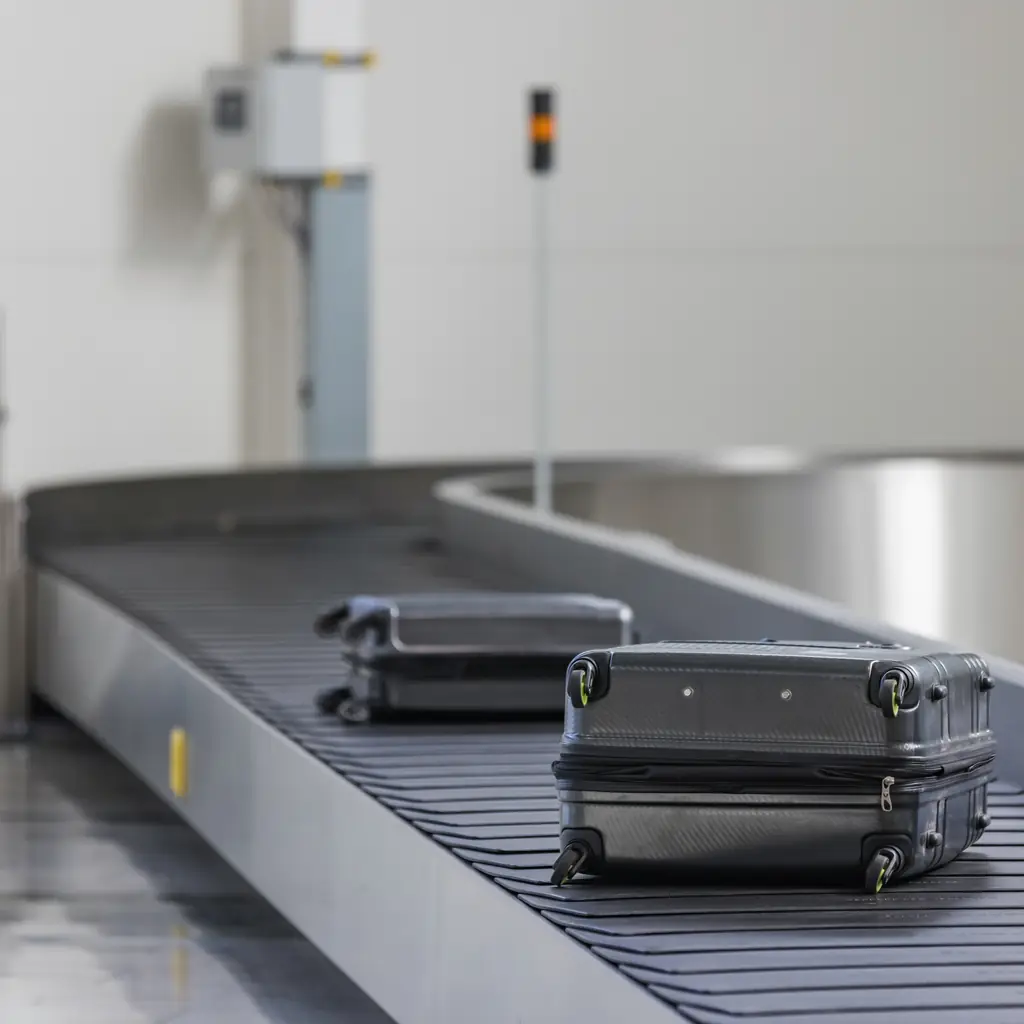
Thanksgiving week is when a checked bag is most likely to take a different flight than you do. If that bag holds your medication, the gifts and the dessert you promised, the kitchen table has a hole in it even when you arrive on time.
Carry on anything you cannot replace in an unfamiliar town on a holiday. Medication for the whole trip plus two spare days, glasses, chargers, one change of clothes and the gifts that matter most. The thinking behind the carry-on list for an international flight applies just as well to a two-hour domestic hop.
Many experienced travelers over 60 skip the checked bag altogether for a four-night visit. The methods in packing two weeks into one carry-on work for a long weekend with a good coat and remove the carousel wait at the end of a tiring day.
9. Hauling heavy gifts across the country when the mail would take them

The Postal Service has already posted its 2026 holiday dates for the contiguous United States: send by Thursday, December 17 for USPS Ground Advantage, Friday, December 18 for Priority Mail, and Saturday, December 19 for Priority Mail Express to arrive by Christmas. USPS holiday shipping dates Thanksgiving gifts have no deadline pressure at all.
Ship the boxes to the host a week before you fly, and carry only the personal things. The handwritten card, the photo album and the heirloom ring travel in your carry-on. The board game and the heavy sweater travel by mail.
Compare the airline’s second-bag fee with the Post Office’s quote for a medium box. The box often wins on price, and usually wins once you count the effort of wheeling a 50-pound suitcase through two airports.
10. Packing the ham in a cooler with half-melted ice packs
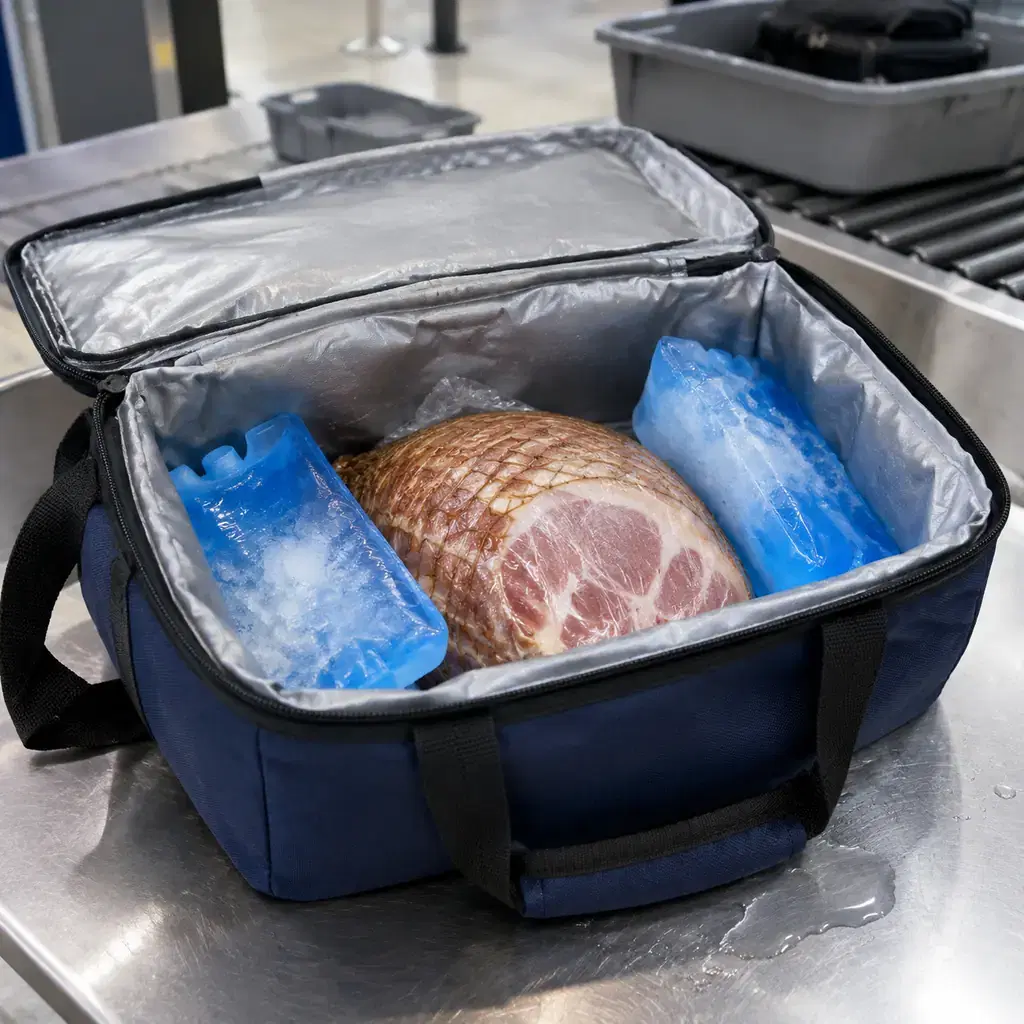
Meat, seafood and other non-liquid foods are permitted in carry-on and checked bags, but TSA says any ice or ice packs in the cooler must be frozen solid at screening. Partially melted packs with liquid in the bottom of the container are not allowed through. TSA on fresh meat and seafood
Freeze the packs for two full days and load the cooler last, right before you leave for the airport. A long security wait on a warm concourse is exactly when a pack that started soft finishes melting.
If the smoked ham is the only reason for the cooler, ask whether the host’s butcher or a mail-order delivery would arrive in better shape. A cooler is one more heavy thing to carry through a crowded terminal.
11. Leaving for the airport on the usual two-hour rule in Thanksgiving week

AAA’s forecast, published November 17, 2025, counted 81.8 million people traveling at least 50 miles over the Tuesday-to-Monday Thanksgiving window, roughly 90 percent by car, and its traffic partner INRIX flagged Tuesday and Wednesday afternoons as the most congested periods. AAA Thanksgiving forecast The drive to the airport sits in that traffic, and the economy lot fills behind it.
Allow three hours for a domestic flight in peak week, and leave the house before noon when you can. Reserve a parking space online if your airport offers it, or have someone drop you at the curb.
The extra hour is spent sitting in a terminal rather than standing in a line, which is the point for anyone whose back or knees prefer a chair.
12. Skipping TSA PreCheck in a year with two holiday trips
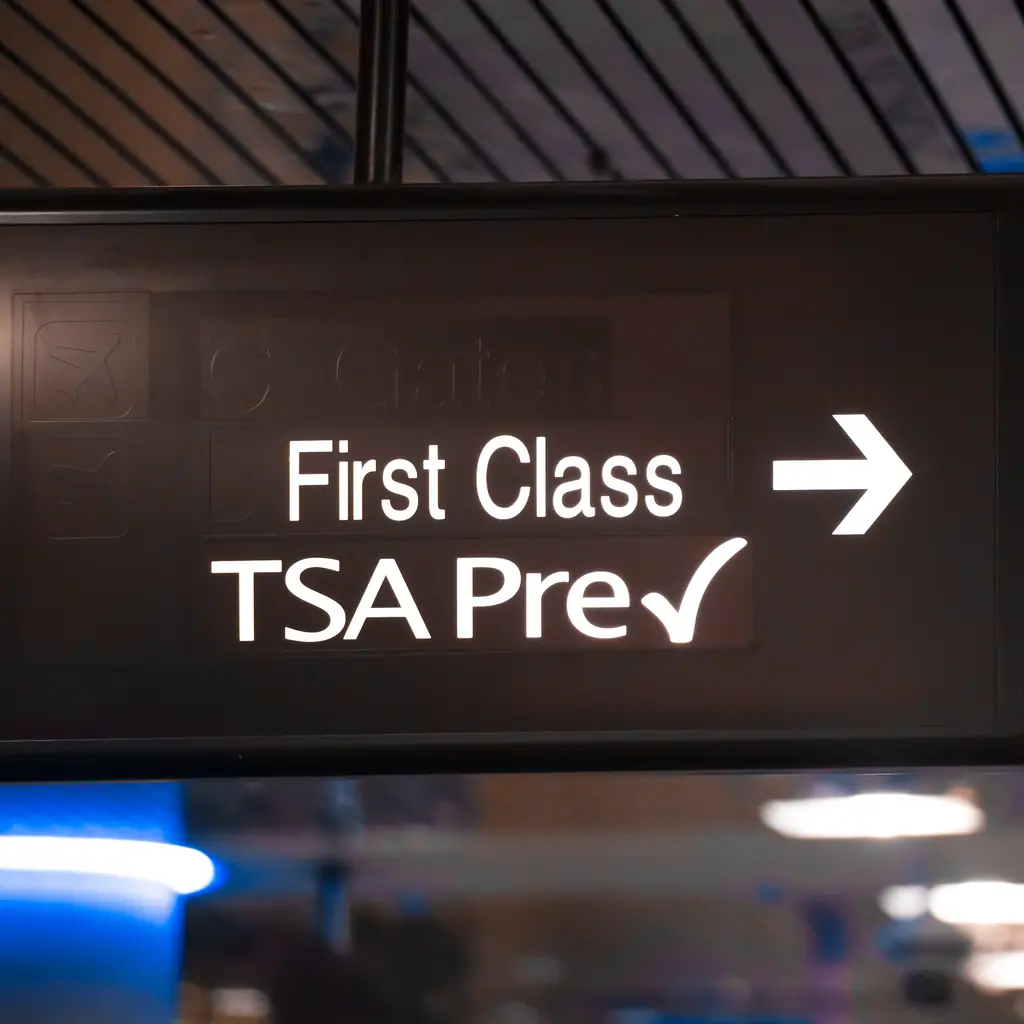
TSA PreCheck costs $85 or less for five years, and TSA says about 99 percent of PreCheck passengers wait less than 10 minutes. Members keep belts and light jackets on, leave laptops and liquids in the bag, and children 17 and under join an enrolled adult in the lane for free. TSA PreCheck
Apply in October, not the week before you fly. New enrollment usually involves an in-person appointment and processing time, and the Known Traveler Number has to be on the reservation before check-in.
For travelers 75 and older, TSA’s page notes that passengers unable to stand for screening will be screened by other methods, and that shoes may stay on. TSA screening for passengers 75 and older Over two holiday round trips, that is four checkpoints walked through calmly.
13. Standing in the line when the airport would have brought a chair
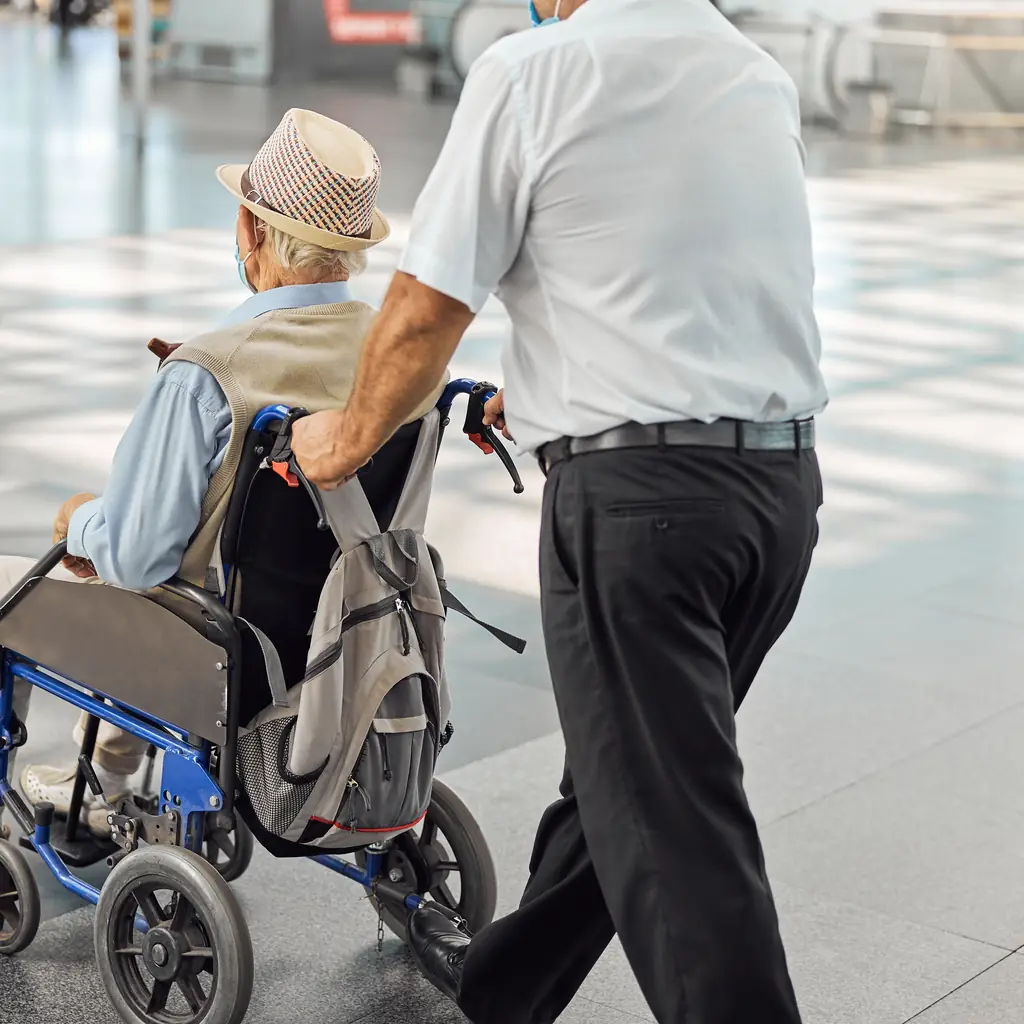
TSA Cares arranges help through screening for passengers with disabilities, medical conditions or other needs if you contact them at least 72 hours before departure, by form or by phone at (855) 787-2227. TSA Cares passenger support Airlines provide wheelchair or cart assistance on request between check-in, the gate and any connection; ask when you book or a day or two ahead.
Asking for a wheelchair for the long concourse is a way to save your energy for the people waiting at the other end. The agents arrange it dozens of times a day.
Use the pre-boarding call for passengers who need extra time or help with a bag. Boarding early with a quiet aisle costs nothing and avoids the crush of a full holiday boarding group.
14. Gate-checking the car seat the grandchild could have used in flight
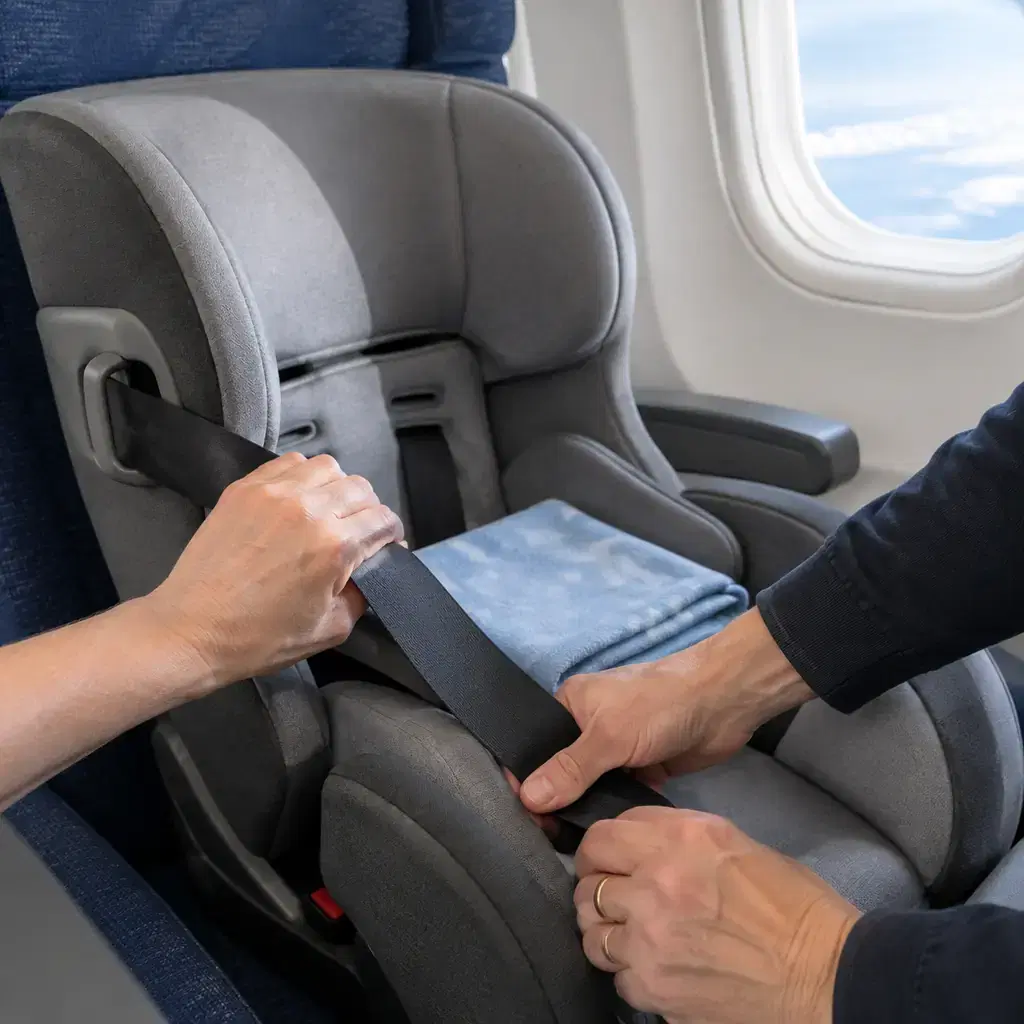
Delta charges no fee for strollers or child-restraint seats, checked before security or at the gate; if there is no empty seat for a child restraint, it must be gate-checked. Delta children and infant baggage items Children under two may fly on a lap for free within the United States, but an FAA-approved seat on board requires a ticket for the child; the window seat is preferred, and booster-type seats are not permitted during taxi, takeoff and landing. Delta infant travel
If you are escorting a grandchild under two, price the seat. A car seat that rides in the cabin arrives unbroken, and a toddler asleep in a familiar seat makes the flight easier for the people around you.
Grandparents flying to meet a new baby can use this too: JetBlue checks one stroller and one car seat free even for a customer meeting the child at the destination. JetBlue traveling with children
15. Waiting in the gate-area crowd when quieter seats are a concourse away
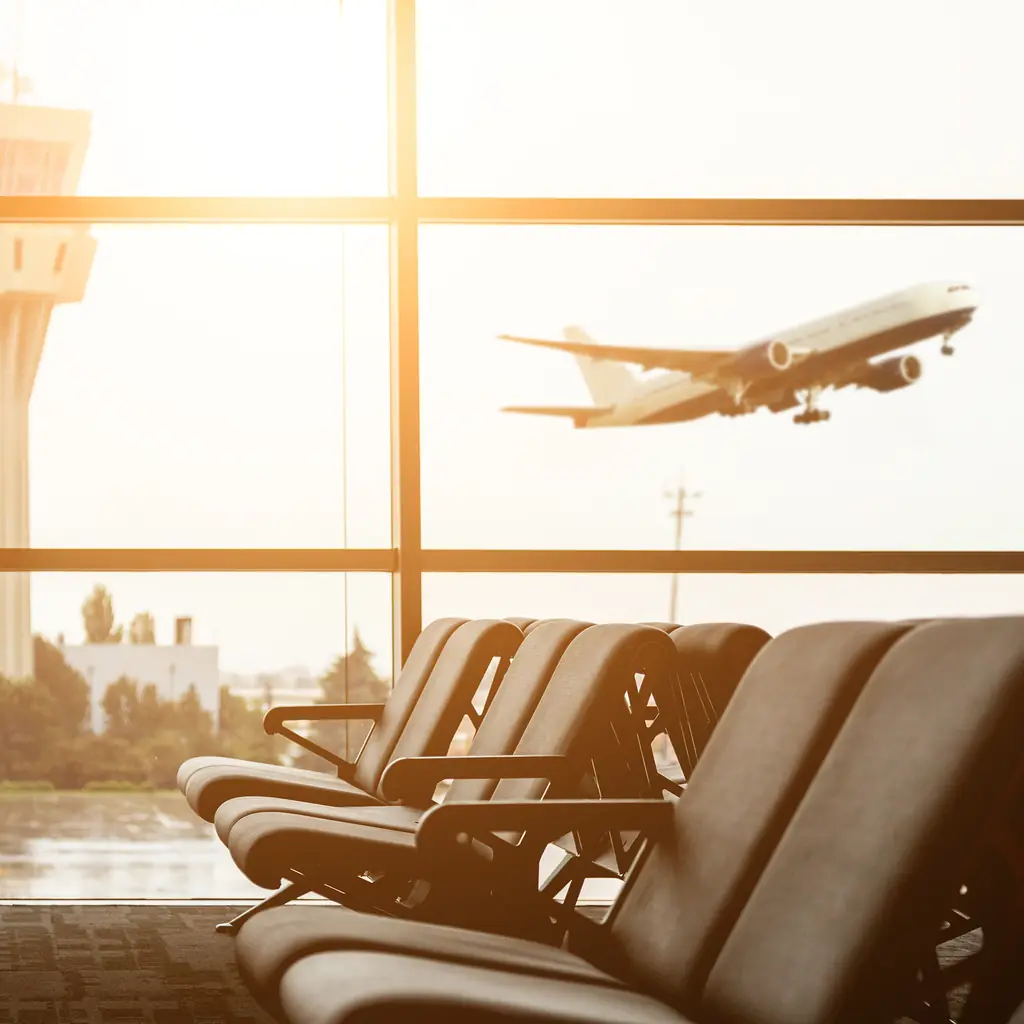
Holiday gate areas fill an hour before boarding with families, strollers and people sitting on the floor against the windows. Two or three gates down, a departure that left 20 minutes ago has emptied a bank of seats with a power outlet and a view of the same monitors.
Set a phone alarm for 40 minutes before departure and walk back then. Check the app for a gate change before you settle, and again when the alarm goes.
If a credit card gives you lounge access, a holiday travel day is when it earns its fee. The seat you pick on board matters too, and the choices in long-haul flight mistakes you’ll feel for hours make a four-hour Thanksgiving flight easier on a back that has already done a long airport day.
16. Counting on airport food and the seatback power outlet
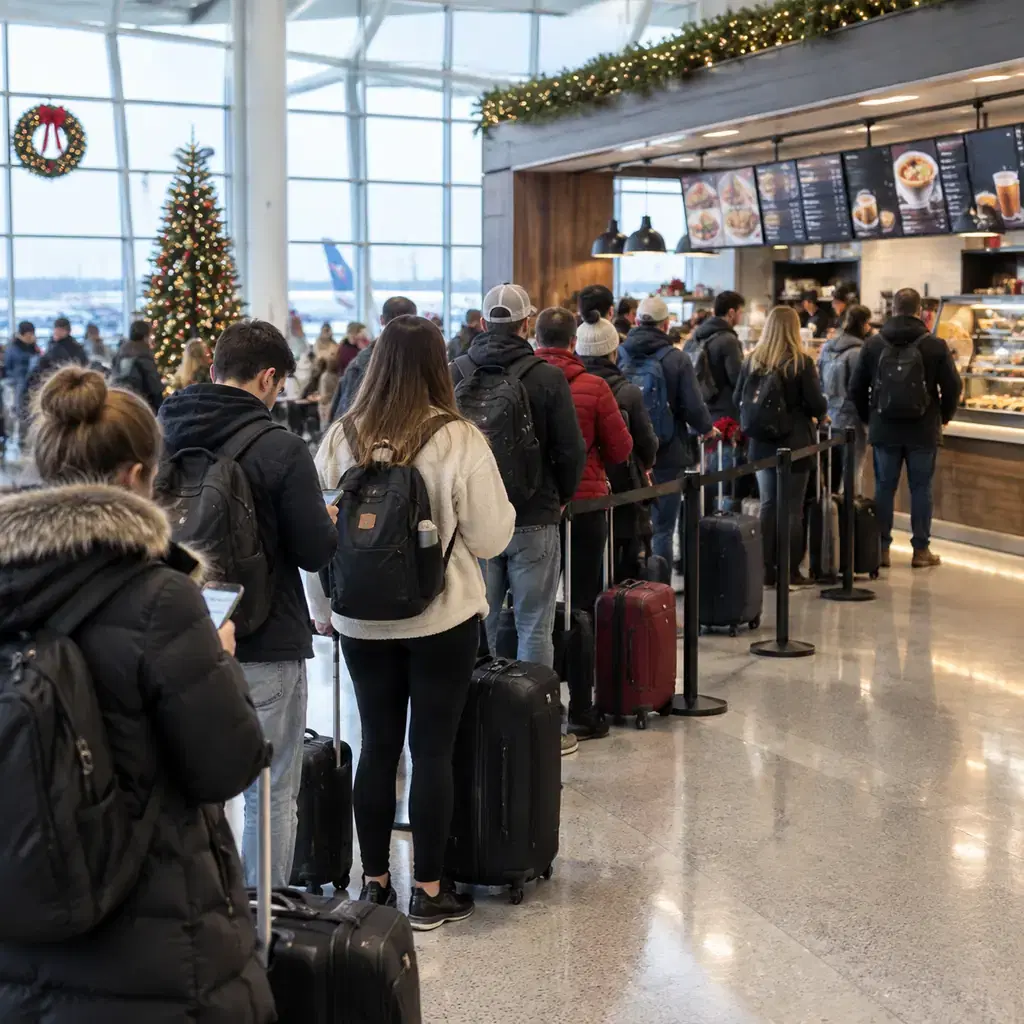
In Thanksgiving week the sandwich counter near your gate has a 25-minute line, the coffee place has run out of lids, and the aircraft you board may have no working outlet at your seat. A traveler who assumed the terminal would feed and charge them spends the delay hungry, with a phone at nine percent.
Pack a real meal and a charged power bank in your carry-on. Solid foods pass through screening without fuss: a sandwich, nuts, fruit, cheese that slices rather than spreads. Bring an empty water bottle and fill it after security.
The small habits in what frequent international flyers always pack scale down to a domestic hop: a short charging cable, a pen, something to read that does not need a signal.
17. Standing in the rebooking line instead of working the app and phone
When a flight cancels, 150 people head for the same podium. The airline’s app usually shows rebooking options within minutes, and the phone line reaches an agent who sees the same inventory. Experienced travelers join the line, open the app and dial the airline at the same time, then take whichever answers first.
Know the next three flights to your destination before you need them, including flights into a nearby airport you could drive from. A two-hour drive from the alternate airport beats a 24-hour wait for the original one.
Have the app installed and logged in before you leave home, with the confirmation number saved somewhere that does not need a signal.
18. Accepting the first rebooking without knowing a refund is on the table
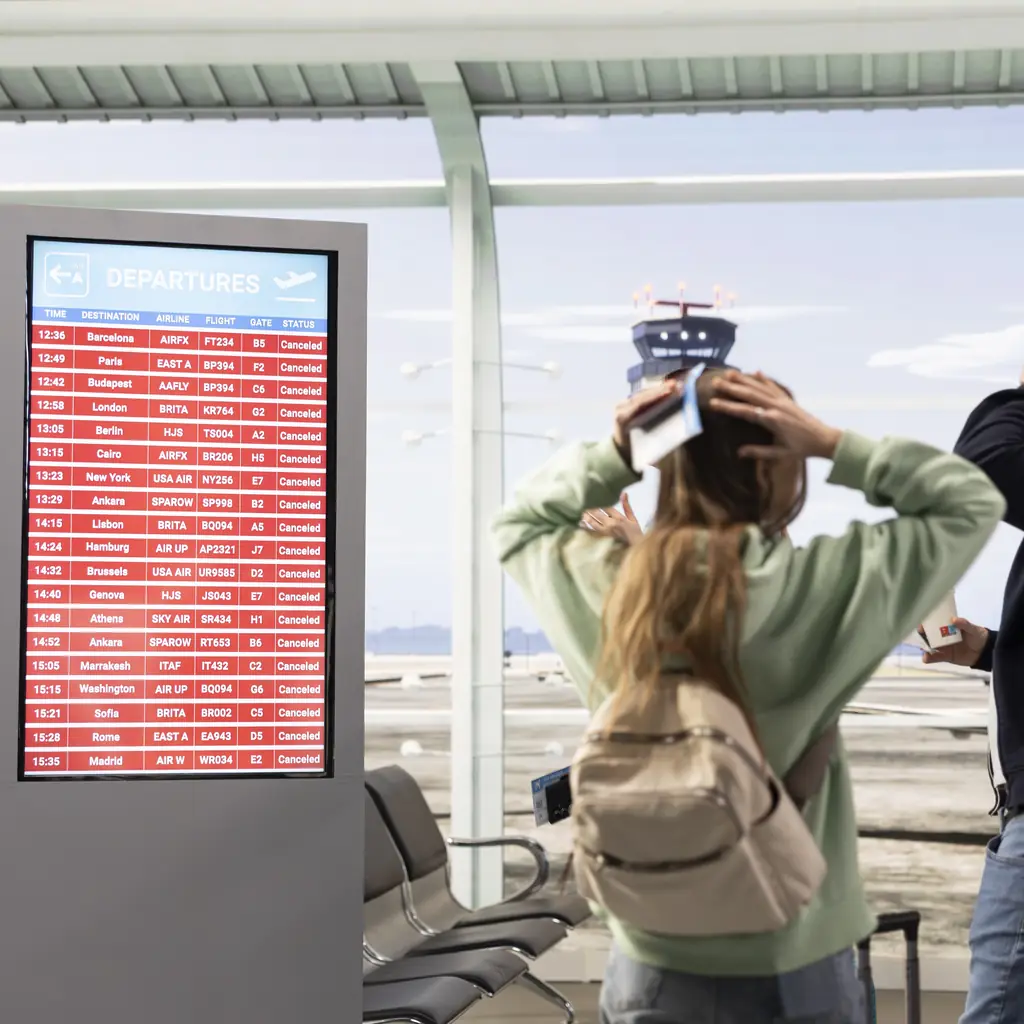
Under the Department of Transportation rule in 14 CFR Part 260, a flight is significantly changed if it departs or arrives three hours or more off schedule domestically, six hours or more internationally, or moves to a different airport, adds a connection or downgrades your class of service. 14 CFR 260.2 definitions If the airline cancels or significantly changes your flight and you decline the alternative flight or travel credit offered, it owes a full refund of the fare, taxes and ancillary fees. 14 CFR 260.6
The refund is owed only if you decline the rebooking. The 2024 rule requires it within seven business days for credit card purchases, in the original form of payment, with no processing fee. DOT final rule 14 CFR 260.10
So when the offered rebooking is tomorrow afternoon and a nonstop on another airline leaves tonight for $280, the refund can fund the switch. Decide quickly; the rule does not require your airline to put you on a competitor.
19. Paying for the hotel and dinner without asking what the airline promises
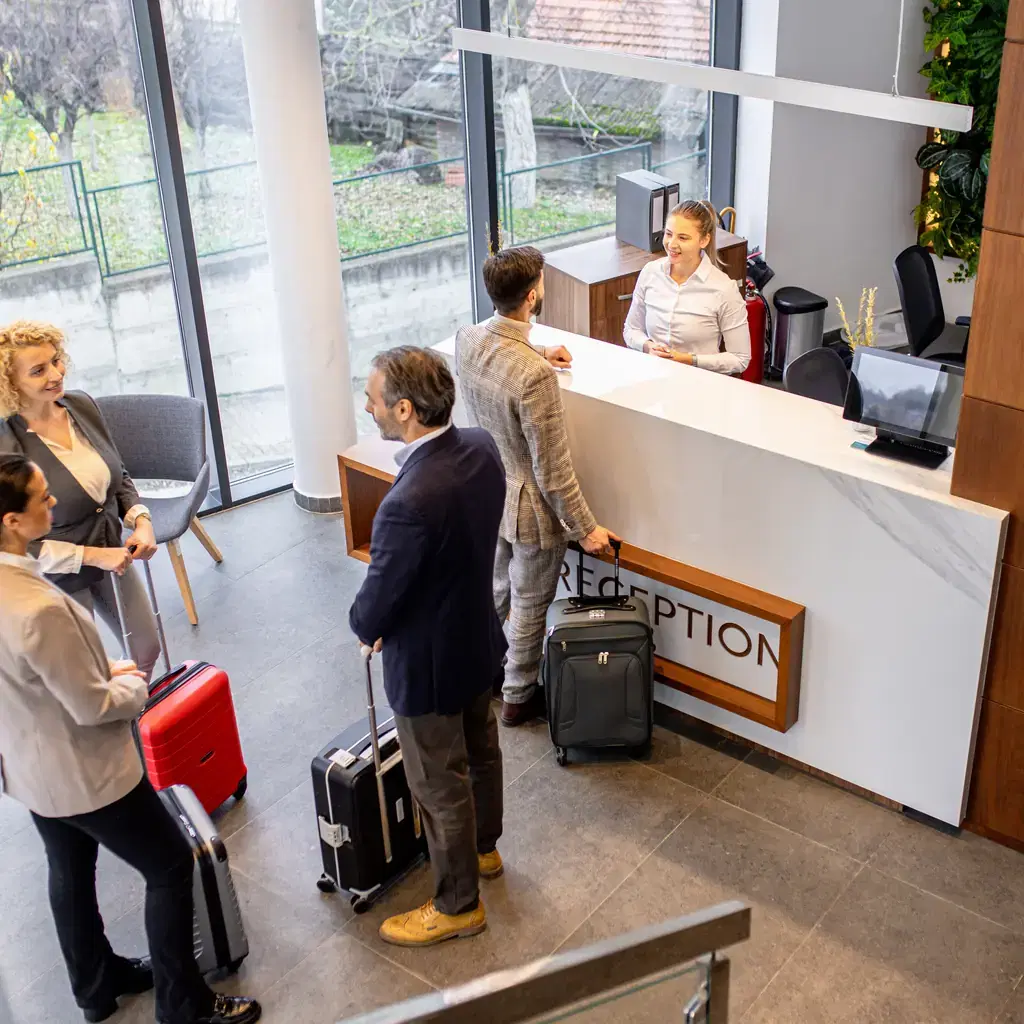
Most large US airlines publish a customer service plan that spells out what they provide when a delay or cancellation is within their control. JetBlue’s plan, for example, promises a meal voucher for an arrival delay of three hours or more, and hotel accommodation at a contracted facility, based on availability, when a controllable delay forces an overnight stay away from home. JetBlue customer service plan
Ask at the desk, in those words: is this delay within the airline’s control, and what does your plan provide? Weather and air traffic control delays are usually excluded, so the answer matters.
Keep every receipt if you end up paying yourself. And if you land in an airport hotel at midnight, the quick room checks women traveling alone make take two minutes in any hotel you did not choose.
20. Ignoring the weather waiver email because the sky at home was clear
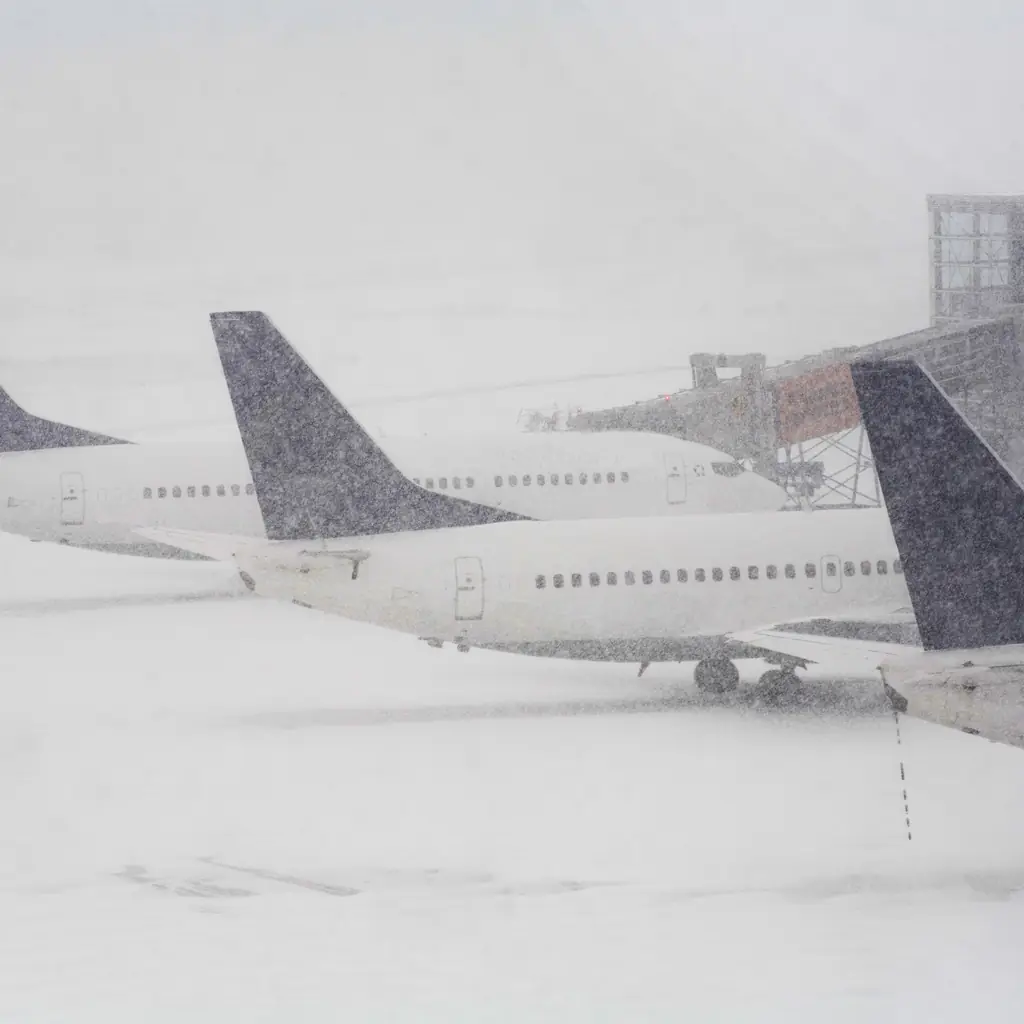
When a storm is forecast for a hub or a destination, airlines post travel alerts that let ticket holders on the affected dates change flights without a change fee within a stated window, sometimes without a fare difference. JetBlue keeps a running travel alerts page, and Alaska’s advisories page explains its change terms when a schedule is disrupted. JetBlue travel alerts Alaska advisories
Move early, before the cancellations start. The storm that matters may be 800 miles from your house, sitting over the airport where you change planes.
Flying out a day early costs one extra night at your daughter’s house. Waiting to see what happens costs the seats the early movers have already taken.
21. Leaving the backup plan out of the carry-on
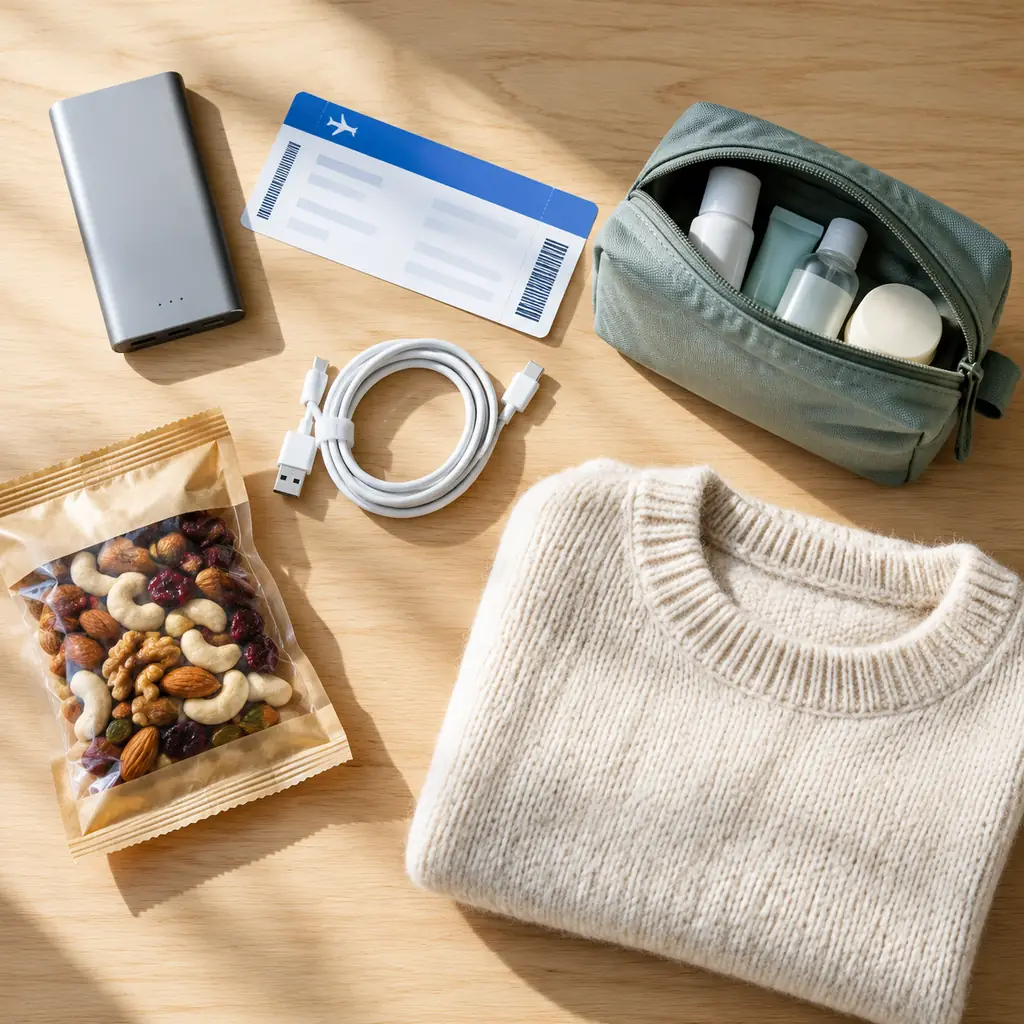
A cancelled 8 p.m. flight is manageable with the right small bag and miserable with the wrong one. The experienced version holds two extra days of medication in the original bottles, a paper list of phone numbers for the host, airline, hotel and doctor, a printed itinerary, a change of underwear and a sweater, a charger and cable, spare reading glasses, and a few hundred dollars in cash for the taxi whose card reader is down.
Photograph your checked bag and its contents before you hand it over. The picture makes the lost-bag form faster and the claim stronger.
Much of this overlaps with the items experienced international travelers always pack, which makes sense: a stranded night in Charlotte presents the same problems as a stranded night in Lisbon.
22. Treating the holiday travel day like an ordinary Tuesday

A holiday travel day involves three hours on your feet before the flight, a crowded cabin and a drive at the other end, often in the dark. Travelers who plan it as a full day’s work arrive tired but intact. Those who also schedule a 7 p.m. dinner with twelve relatives arrive tired and short-tempered.
Fly in the day before the big meal, and keep arrival night empty. A quiet evening with the host, an early night and a proper breakfast make the next day far more enjoyable.
On board, drink water, walk the aisle once an hour on anything over two hours, and take the aisle seat if your knees prefer it. The pacing lessons in snowbird travel after 70 apply to a four-day Thanksgiving trip as much as to a four-month winter.
23. Flying when the drive would have been the better holiday

AAA expected 73 million of its 81.8 million Thanksgiving travelers to go by car in 2025, close to 90 percent. AAA Thanksgiving forecast The experienced travelers in that majority have done the arithmetic.
Count door to door, not gate to gate. A 90-minute flight becomes six or seven hours once you add the drive to the airport, the peak-week buffer, the flight, deplaning, bags and the drive at the other end. Many seasoned holiday travelers put the line around a six- or seven-hour drive: below it they drive, above it they fly, and winter roads can move the line either way.
Driving also removes every rule on this list about gifts, gravy, car seats and cancelled flights. Split the trip over two days, and the routes in scenic drives retirees say are better when you stop often and the restaurant chains road-trippers say are still worth the stop make the journey part of the holiday rather than the price of it.
The travelers who fly every Thanksgiving and Christmas without drama are not luckier than the rest of us. They book the morning nonstop, carry the pie and ship the sweaters, leave the house early, and know what the airline owes them when the board turns red. Pick three habits from this list for this year’s trip, and the rest tend to follow.
Comments
The opinions and views expressed in the comments section are solely those of the individual users and do not represent or reflect the opinions, views, or positions of HumbleTrail. HumbleTrail does not endorse, support, or verify the accuracy of any user-generated content.
By posting a comment you agree to receive related emails from HumbleTrail in accordance with our Terms and Privacy Policy. You can unsubscribe at any time.