

Editor's note: This article is an opinion piece based on publicly available traveler reviews, official policies and industry reporting we found online.
Every October, retirees sign three-month leases in places they know mostly from brochures and other people’s photos. By February, some of them are counting the days until the drive home.
This list gathers the destinations that come up most often when longtime snowbirds explain what went wrong: climbing seasonal rents, January gridlock, thin medical coverage, cold snaps in towns sold as warm, and places that empty out or fill up at the wrong moment. Each entry also says who still loves the place and where the leavers went instead.
1. Naples, Florida, where the season rent is only the first bill
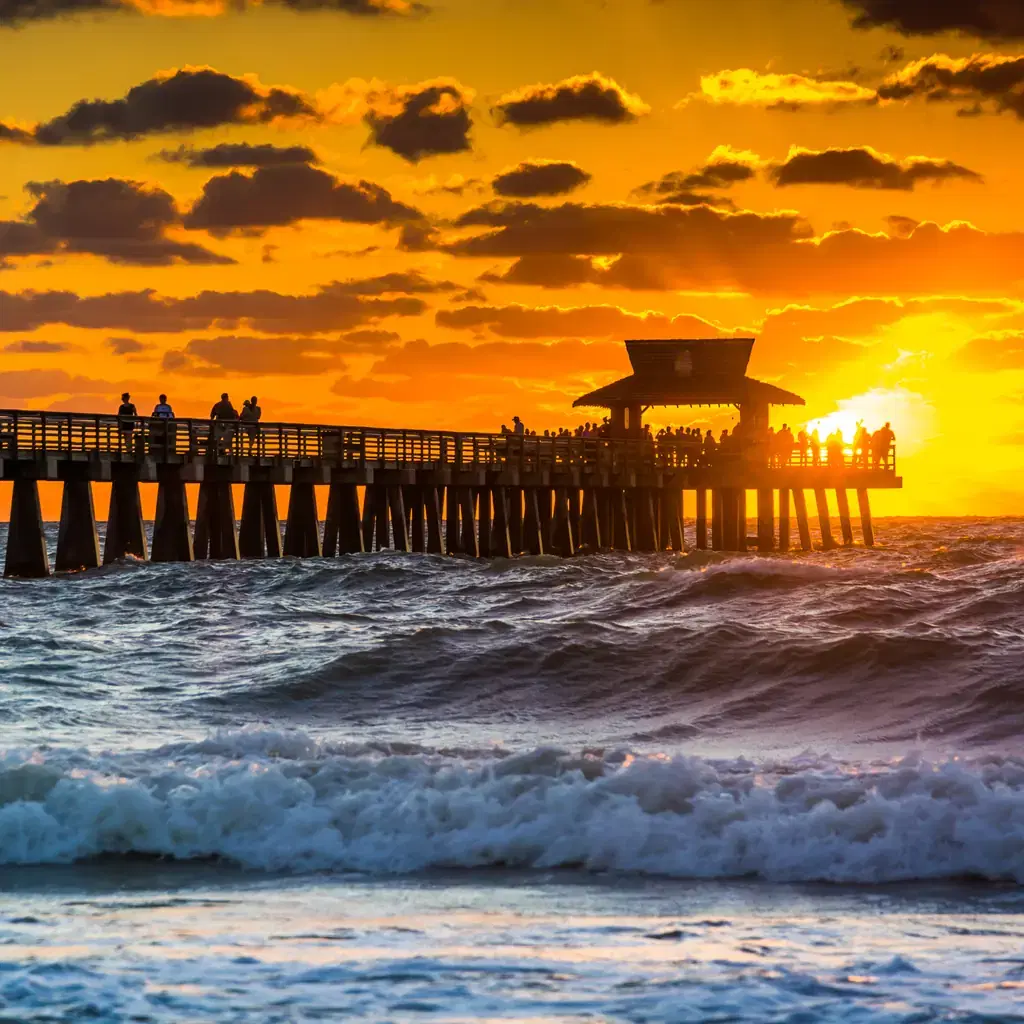
Naples sells the dream well: January highs near 75°F, dinner on Fifth Avenue South, a Gulf sunset from the pier. Retirees who have done a full season say the cost arrives in pieces.
The rent is only the first line. Peak-season Florida rentals ran about $2,500 to $5,500 a month in early 2026, and up to $6,000 in high-demand areas (January 2026 cost breakdown). A lease of six months or less also carries Florida’s 6 percent transient rental tax plus a county tourist tax (Florida Statutes 212.03).
Loyalists answer that the beaches and hospitals justify the price. Leavers often point inland, where Winter Haven and Lakeland topped a 2026 ranking of 472 snowbird cities.
2. Fort Myers Beach, still rebuilding four winters after Hurricane Ian
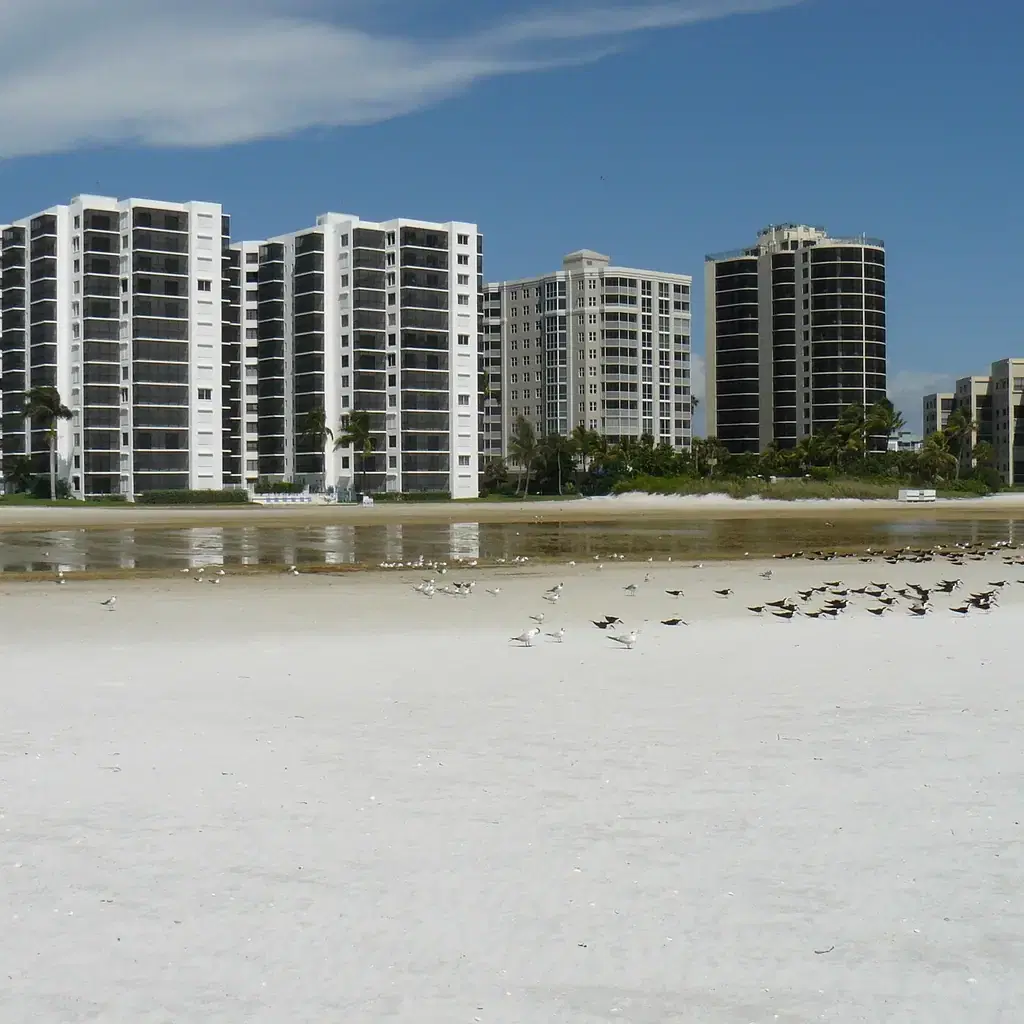
Hurricane Ian came ashore on September 28, 2022, as a Category 4 storm and damaged most of the homes and businesses along the shore. Snowbirds who returned expecting a finished island found a construction zone.
In 2025, a town councilman told WGCU that the recovery most people expected to take three to five years now looks like 10 to 12, and the island still had no doctor’s office. New buildings rise 15 to 20 feet above grade.
The upside is real: rebuilt bars and hotels reopened through 2025, and the sand is wide and quiet. Retirees who wanted a finished town this winter mostly chose a stretch of coast that missed the direct hit.
3. Sanibel Island, a toll bridge away from most of what you need
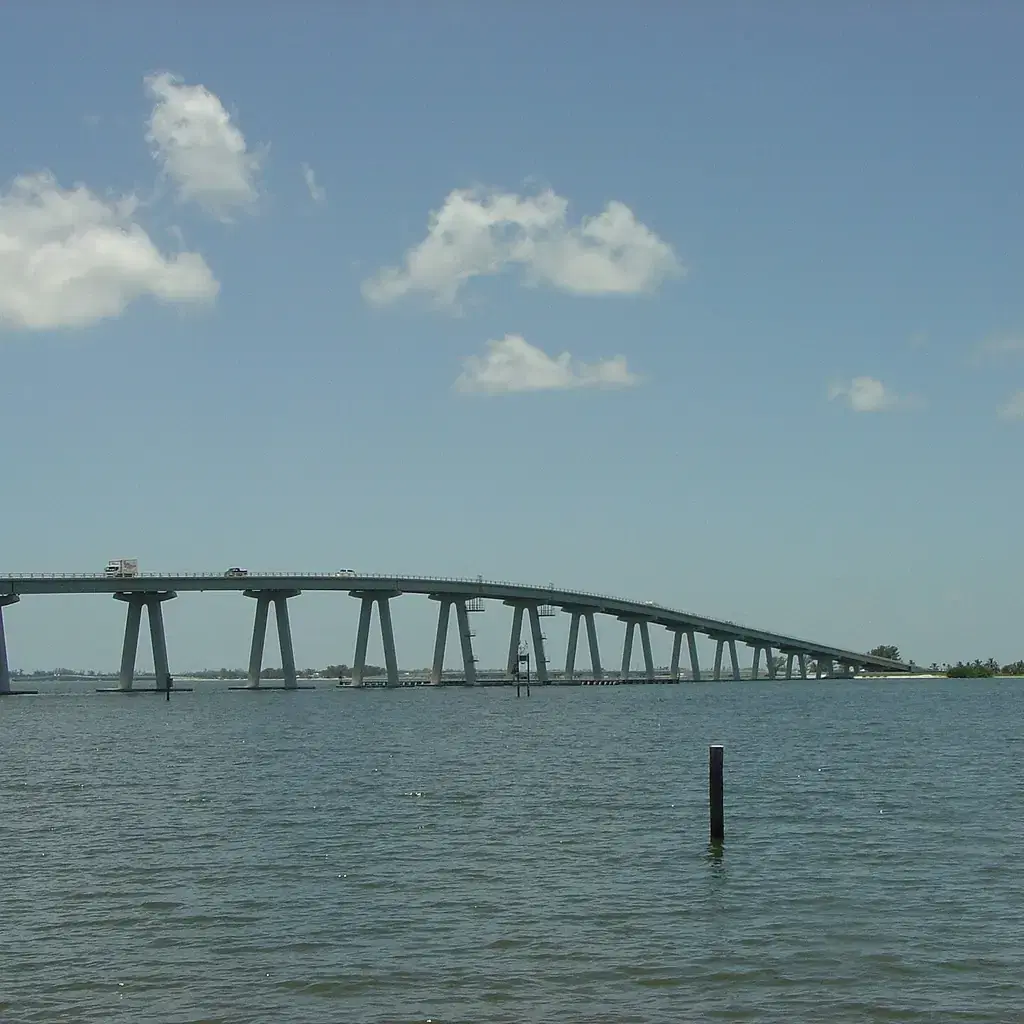
Sanibel has the oldest population on this list: the 2020 census put the median age at 68.5, with 59 percent of residents 65 or older. Its slow recovery stings for that reason.
Access is the first regret. The causeway partially collapsed in Ian, and permanent repairs were only completed in 2024. Each trip onto the island costs $6 with a SunPass or $9 by plate, and most pharmacy runs and specialist visits happen on the mainland.
Lodging lagged behind as well. In December 2025, local reporting on visitor bureau data put Sanibel at about a fifth of its hotel rooms available. Shellers and birders still swear by it. Retirees who need a drugstore within ten minutes generally do not.
4. Siesta Key, where ground-floor condos are still in permit limbo
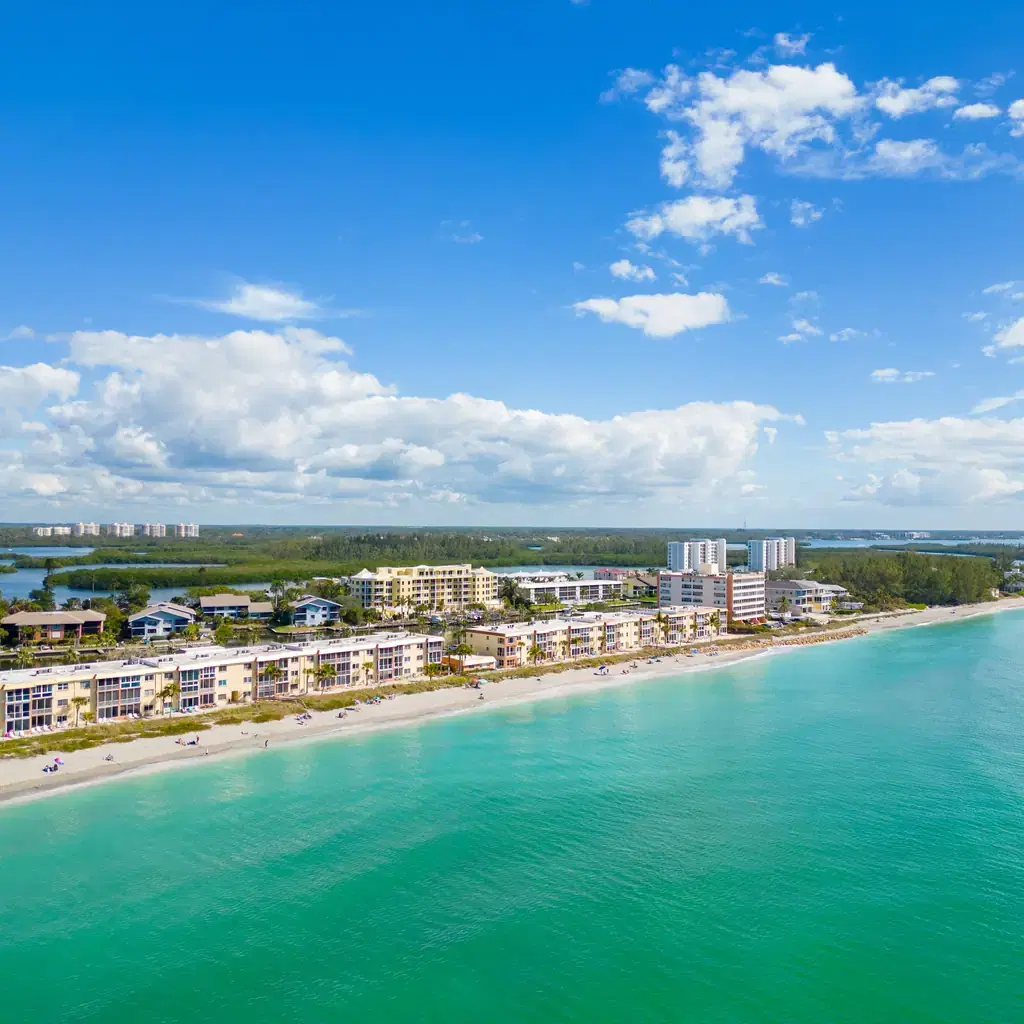
Hurricane Milton made landfall near Siesta Key on October 9, 2024, two weeks after Helene pushed 5.7 to 6.7 feet of surge across the key (Observer, April 2025). Lease holders for the 2025 season learned how slowly a barrier island comes back.
About 1,655 ground-floor condos were damaged, and Sarasota County initially rejected more than half of the repair permits as incomplete, according to Siesta Sand. A property manager quoted there estimated rental losses of $5,000 to $20,000 per unit each month.
The sand is still the famous white quartz, and Siesta Village is open. The regret is signing a winter lease sight unseen for a unit that may still be a shell.
5. St. Pete Beach and Treasure Island, booked before the hotels reopened
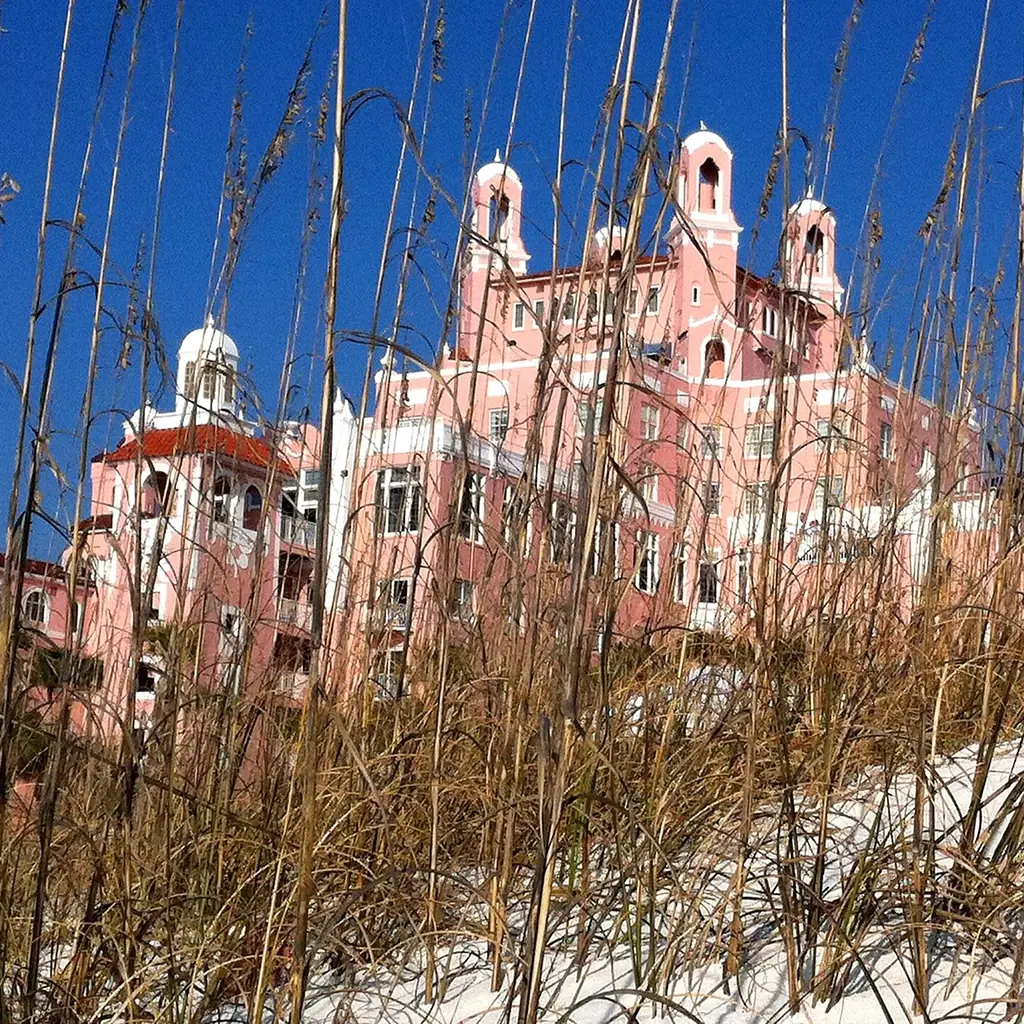
The Don CeSar, the pink St. Pete Beach landmark, stayed shut for about six months after Helene and Milton and only reopened in limited form on March 26, 2025. The Beachcomber down the beach was closed for 13 months. Retirees who built their 2025 winter around those hotels spent it among contractors.
Why it lingers: low barrier islands flood first and get permits last. Treasure Island sits only a few feet above sea level, and the water reached well inland.
Fans say the Gulf beaches are back and that prices softened while the strip recovered. The lesson longtime snowbirds draw is to book after a storm season ends, not before it starts.
6. Hollywood Beach, the Little Quebec that has gone quieter
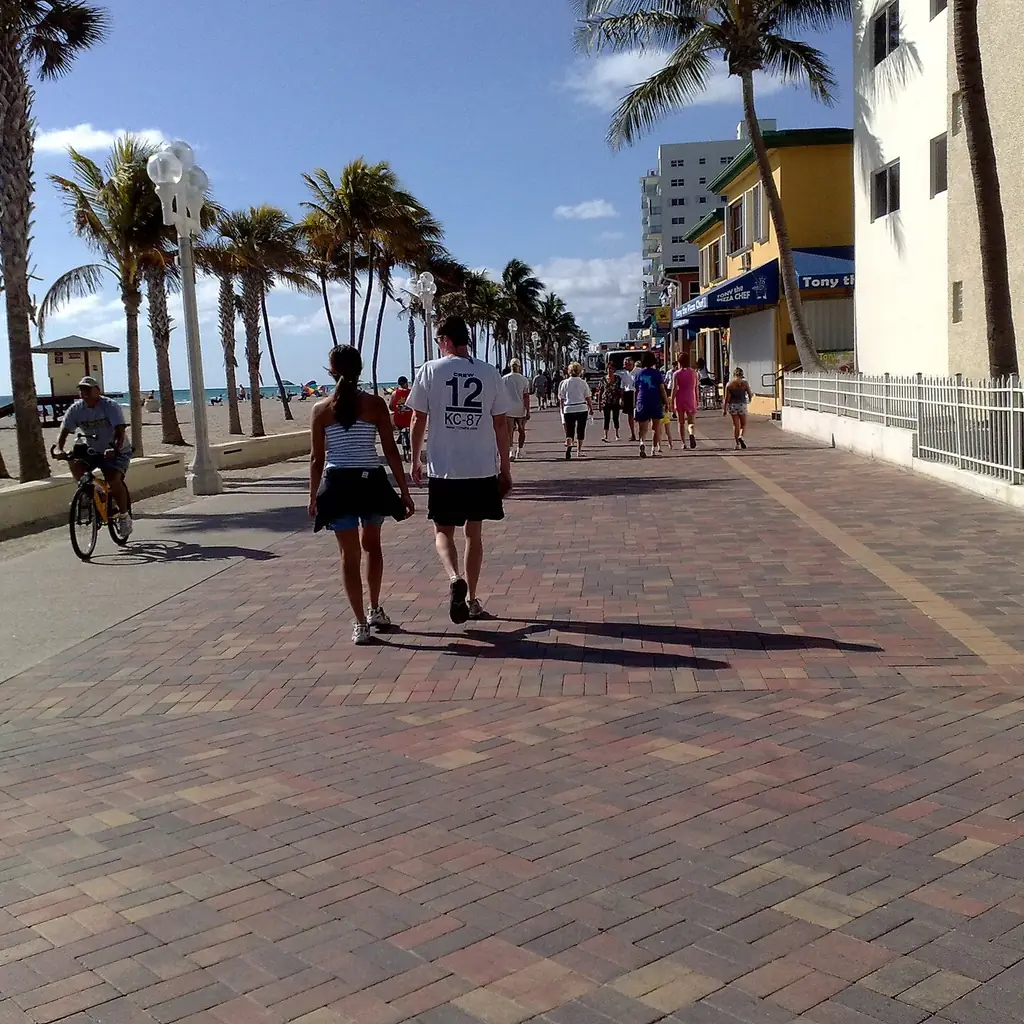
The Hollywood and Hallandale stretch of Broward County has carried the nickname Little Quebec for decades, and its 2.5-mile Broadwalk fills with French-speaking retirees each winter. That social fabric is the attraction, and it has thinned.
Fewer neighbors from up north. Florida drew about 2.9 million Canadian visitors in 2025, a 14.7 percent drop, and the first half of 2026 fell another 13.9 percent. Americans who chose Hollywood for its bilingual winter scene say some cafés and events felt subdued.
A 2026 ranking still placed Hollywood sixth nationally, noting that 60 percent of its vacant units are seasonal, though its neighbors Fort Lauderdale and Miami Beach rank among the ten least affordable destinations there.
7. Daytona Beach in the weeks when race fans and bikers arrive
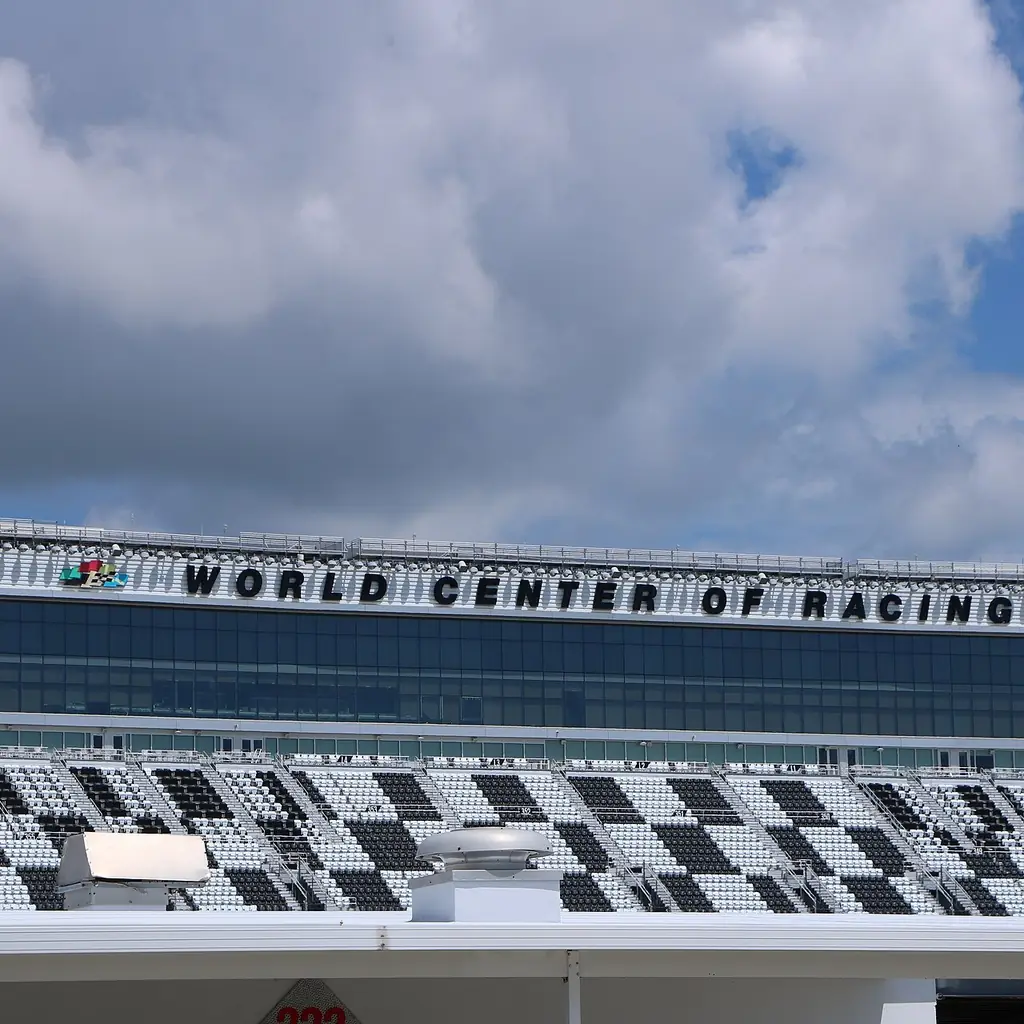
Daytona is an affordable Atlantic option with January highs around 69°F and more than 8 million visitors a year. The regret is calendar-shaped.
Check your dates against the track. In 2027 the Daytona 500 moves to Sunday, February 21, and Speedweeks events start February 13, so race traffic runs through most of the month. Bike Week follows almost immediately, March 5 to 14, 2027, and several hundred thousand riders arrive for it.
Snowbirds who did not know the schedule describe International Speedway Boulevard at a standstill and rents that jump for race week. Regulars love the energy and plan around it. Others say they would pick a quieter stretch of Volusia County.
8. Key West, 165 road miles from the specialist you may need
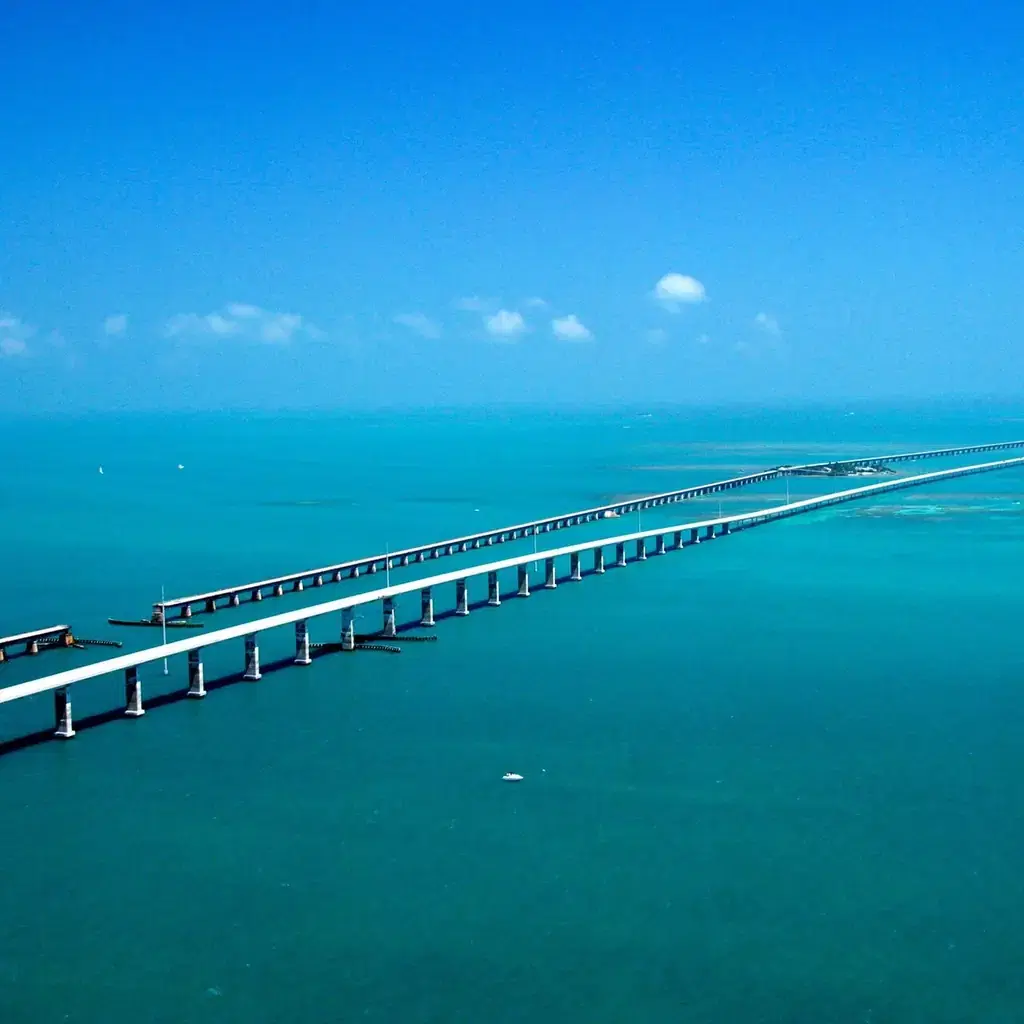
Key West is the warmest place on this list, with January highs near 76°F (Wikipedia), and Miami is 165 road miles away.
Medical care is the regret retirees mention most. WLRN reported in May 2024 that cardiac catheterization and other specialty care meant a trip to the mainland, and the island’s only cancer center had closed in 2023. Baptist Health opened a new cancer center in February 2025, which narrowed the gap.
Housing is the other shock. Monroe County priced subsidized one-bedroom workforce apartments at $2,995 a month in 2025, and about 300 Truman Annex homes lost their weekly rental rights that December. See how it fares in our ranking of Florida beach towns from hidden gems to overrated.
9. Panama City Beach, the Gulf town that saw snow in January 2025
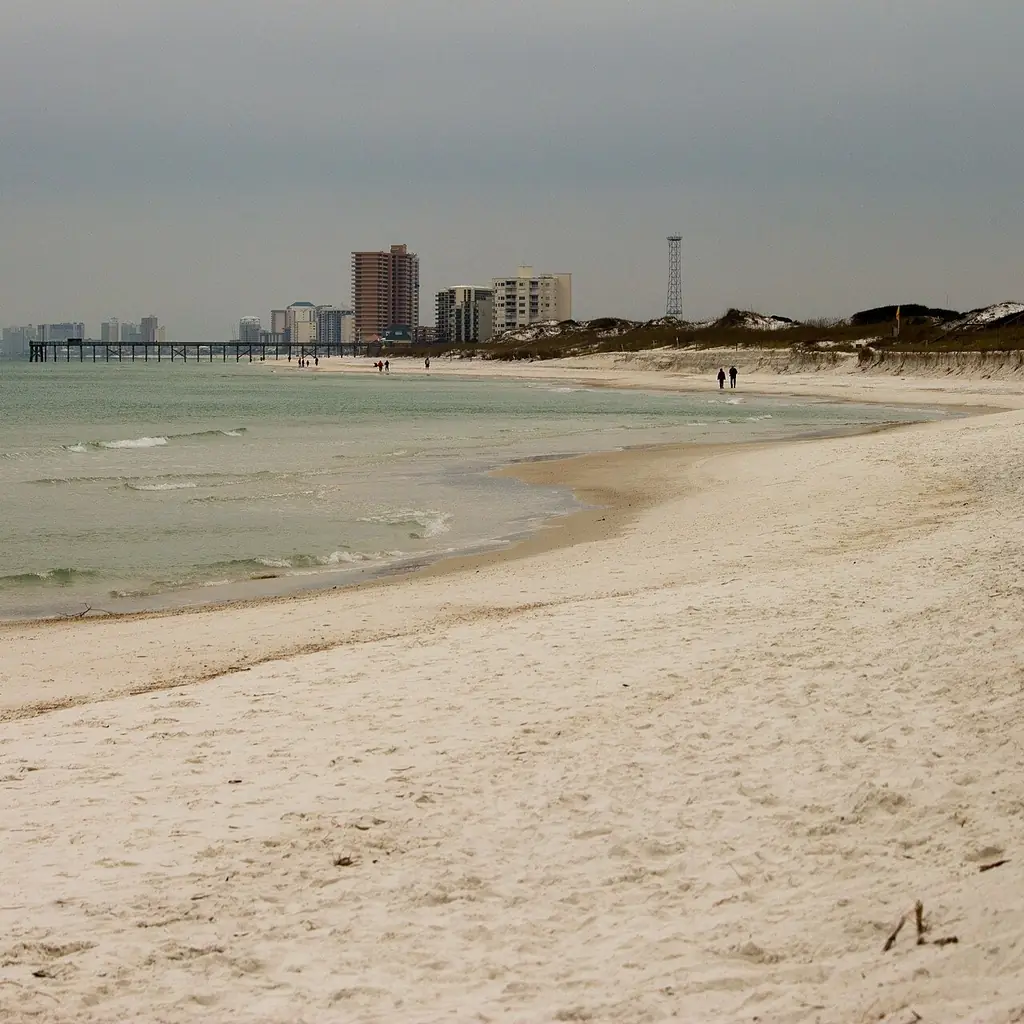
The Panhandle is sold as Florida at a discount, and the RV rates support that: about $450 to $800 a month in the 2025-26 season. The regret is weather.
January averages a 64°F high and a 43°F low in Panama City, with a record low of 6°F (Wikipedia). In the Gulf Coast blizzard of January 20 to 22, 2025, up to 6 inches of snow fell on Panama City (Wikipedia).
Visit Panama City Beach runs a winter resident program, with appreciation days and a senior prom in January and February 2027. Snowbirds who regret it expected to swim. Several say they later found better value in Florida’s small towns where retirement money goes further.
10. Gulf Shores and Orange Beach, warm only by Midwestern standards
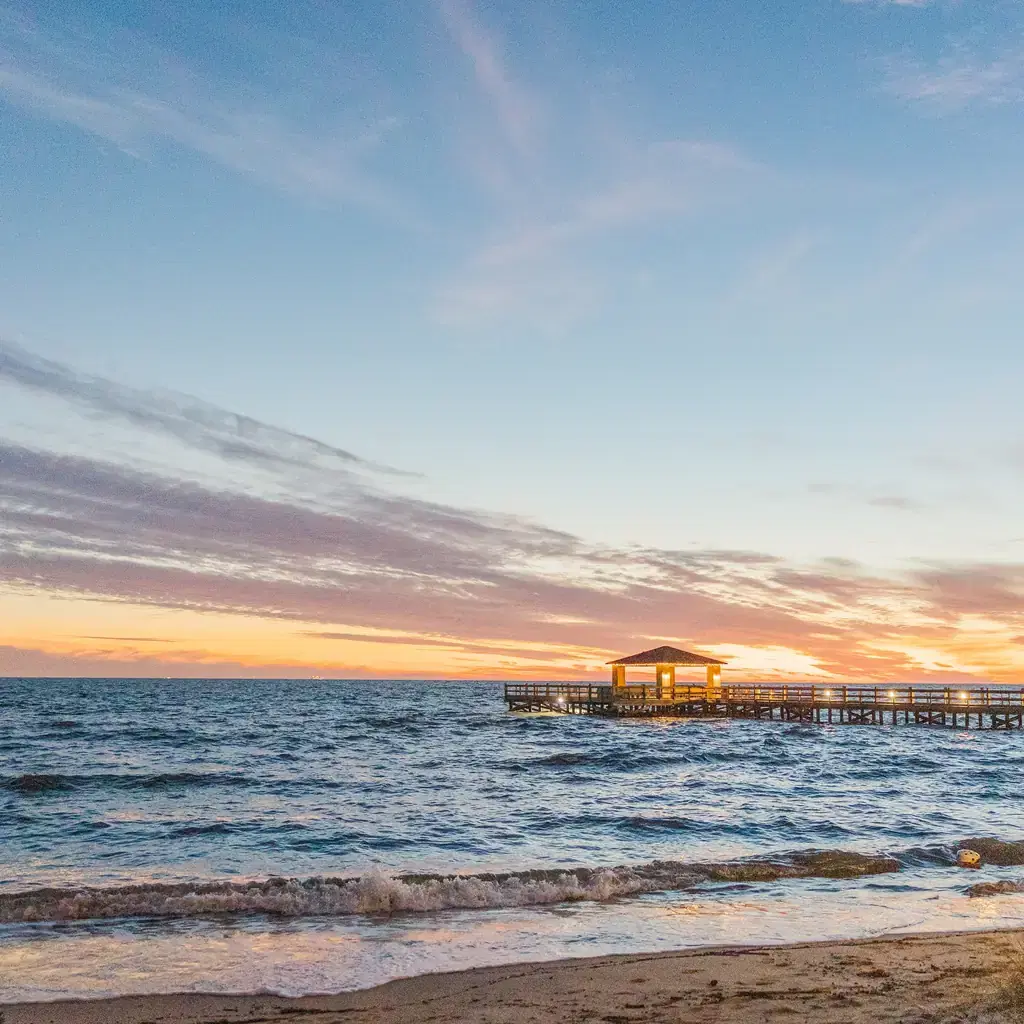
The tourism bureau says the snowbird season runs November to March, with most arrivals in January. It also tells visitors to book six to eight months ahead, so the off-season is not as quiet as many expect.
The temperatures tell the story. January averages a 59°F high and a 45°F low in Gulf Shores (Wikipedia). Nearby Mobile set an all-time record of 7.5 inches of snow in January 2025 (Wikipedia).
Regulars from Minnesota and Wisconsin genuinely call this warm. Retirees from the mid-Atlantic who came for beach weather often say they drove home early. If a mild, walkable coast matters more than heat, see the coastal small towns retirees still rate worth the drive.
11. Myrtle Beach, where winter lows sit near freezing
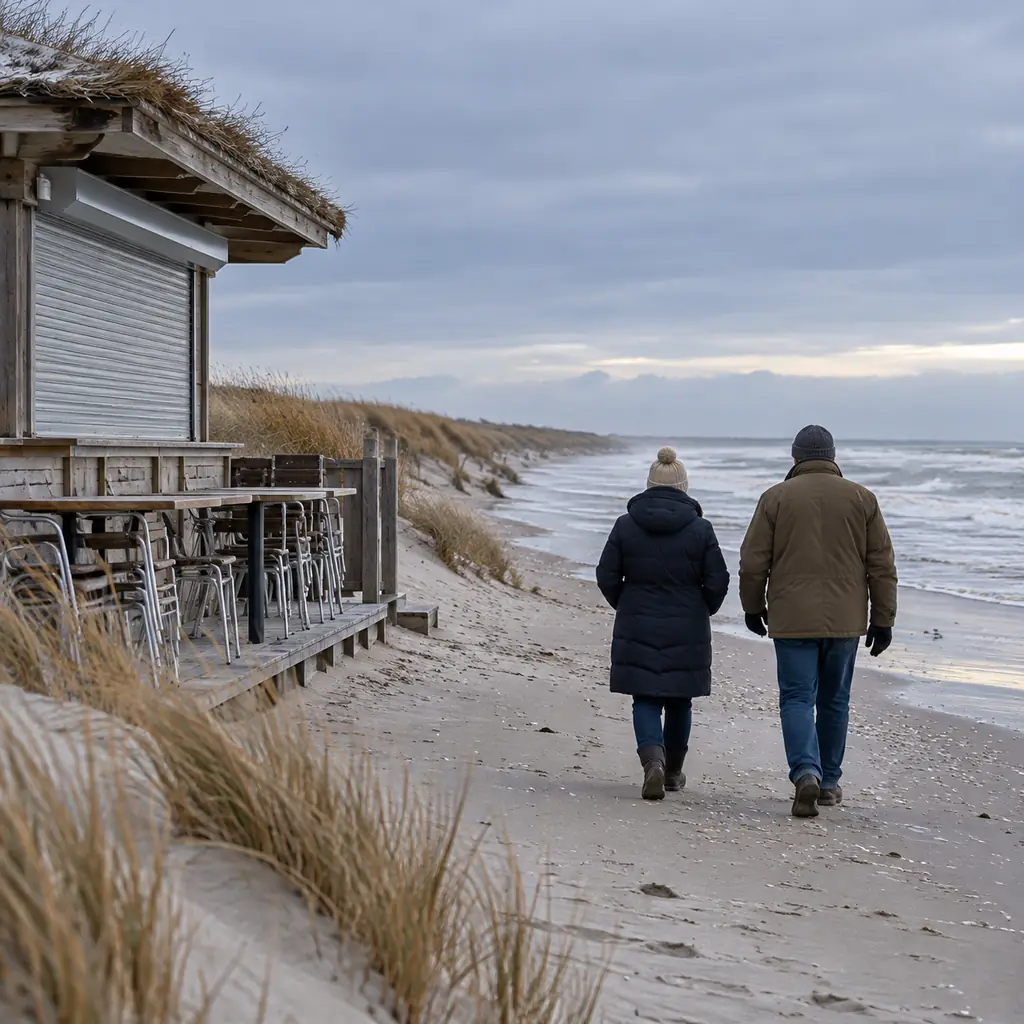
Myrtle Beach markets winter long-stay discounts, and its tourism site describes daytime highs in the 50s and 60s. The record is less generous: January averages 55.5°F by day and 33.6°F at night (Wikipedia).
What is closed matters as much as what is cold. The farmers and flea markets shut for December, January and February, many golf courses close for maintenance, and jet ski rentals and some fishing piers stop for the season.
Returning snowbirds praise the empty beaches and cheap tee times. Those who regret it came for a Florida winter and got a Carolina one. The honest version appears in our guide to what no one tells you about snowbird travel after 70.
12. South Padre Island, one causeway and 577 closed RV sites
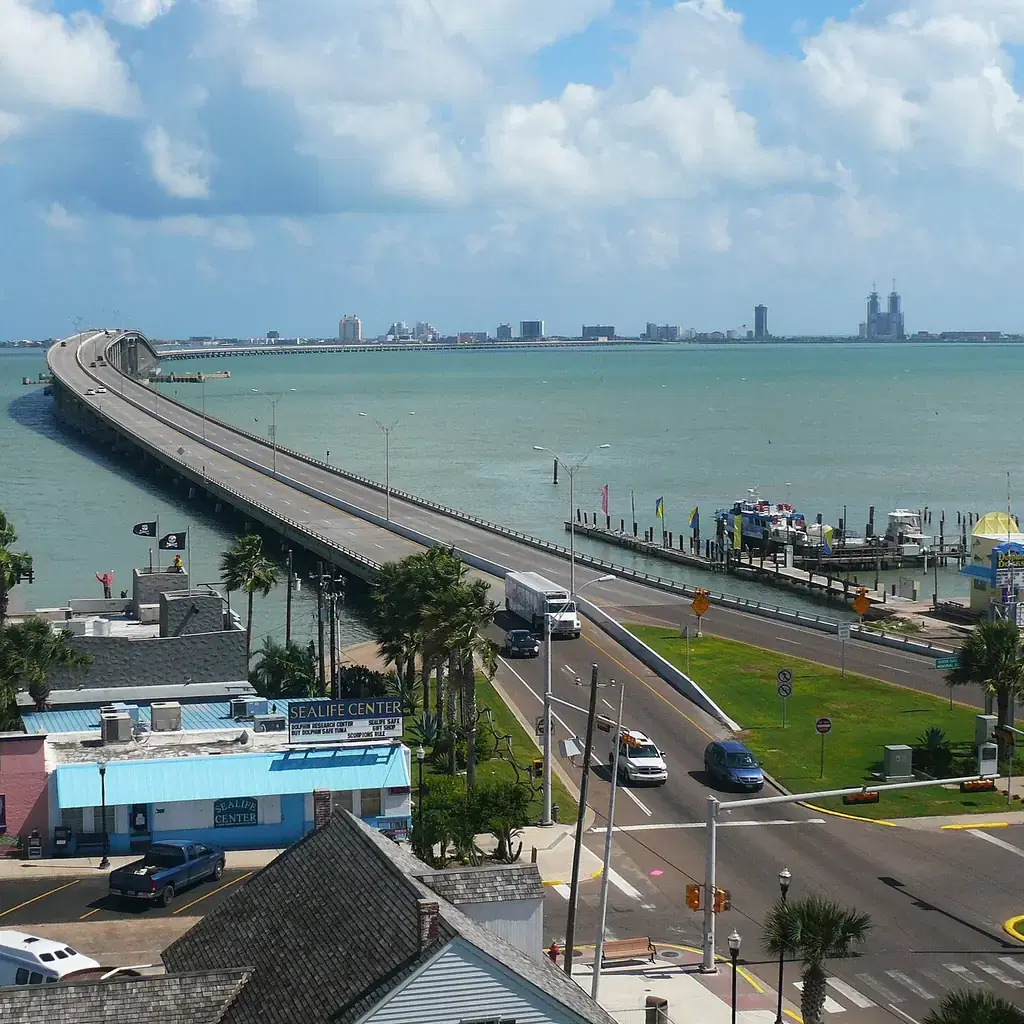
South Padre has one road in: the 2.5-mile Queen Isabella Causeway is the only link to the mainland, and the nearest trauma center is in Harlingen, according to KRGV. Winter Texans accept that for 68°F January days and an empty beach.
The 2026-27 season has a specific problem. About 577 RV sites at Isla Blanca Park closed in October 2025 and are not expected back until summer 2027, leaving 43 spots nearby. Regulars have scattered or skipped the island, and a local business owner told KRGV winter trade was down.
Texas Week, the state’s spring break, lands in mid-March. Fans love the birding and fishing. The leavers mostly moved inland, to the Valley towns in the next entry.
13. McAllen and the Rio Grande Valley, where the parks are thinning out
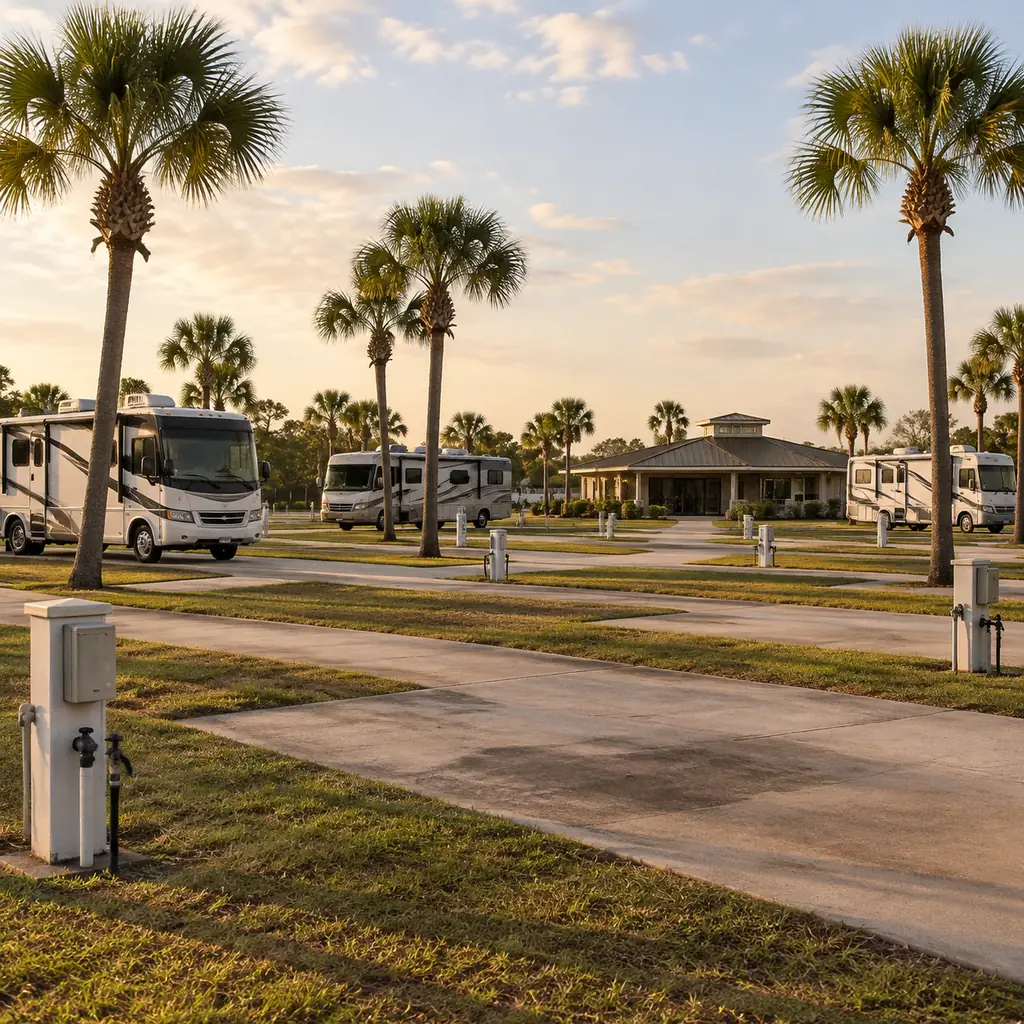
The Valley is the value play on this list. A 2026 ranking of 472 snowbird cities put McAllen third and Mission fourth, and January highs average 73°F (Wikipedia).
The parks are the worry. KRGV reported in September 2026 that Winter Texan numbers are declining and that several RV parks have closed or changed hands. Welcome Home RGV’s 2021 study put the season’s spending at $1.2 billion, about $13,000 per couple, so the thinning shows.
Retirees who left describe a social scene that depended on a full park. Those who stayed say the dance halls and potlucks survive where the parks remain. For the etiquette veterans notice first, see our RV campground habits guide.
14. Yuma, Arizona, a city that nearly doubles every January
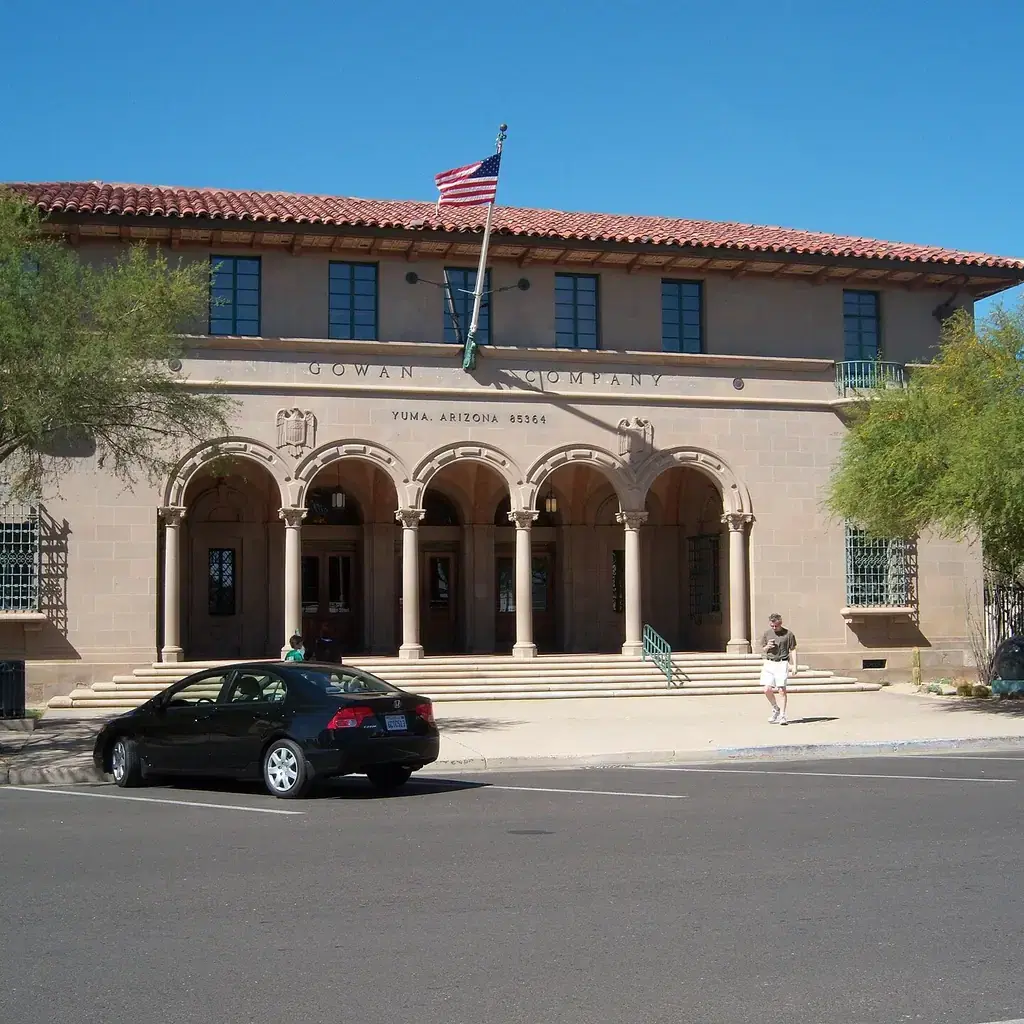
Yuma holds the Guinness title of sunniest city on Earth, and 70,000 to more than 85,000 out-of-state residents join a permanent population of about 95,000 each winter. Retirees say the doubling is what wears on them.
One large hospital serves the whole county. Onvida Health, the renamed Yuma Regional Medical Center, has 406 beds, and winter visitors describe long waits for routine appointments. January nights average 48°F.
Yuma County grows about 90 percent of America’s winter leafy greens, so fields, trucks and dust are part of the view. Loyalists love the cost: a 2026 ranking found 58 percent of vacant units are seasonal. Leavers often end up in Tucson, two entries below.
15. Quartzsite, where the nearest hospital has 25 beds
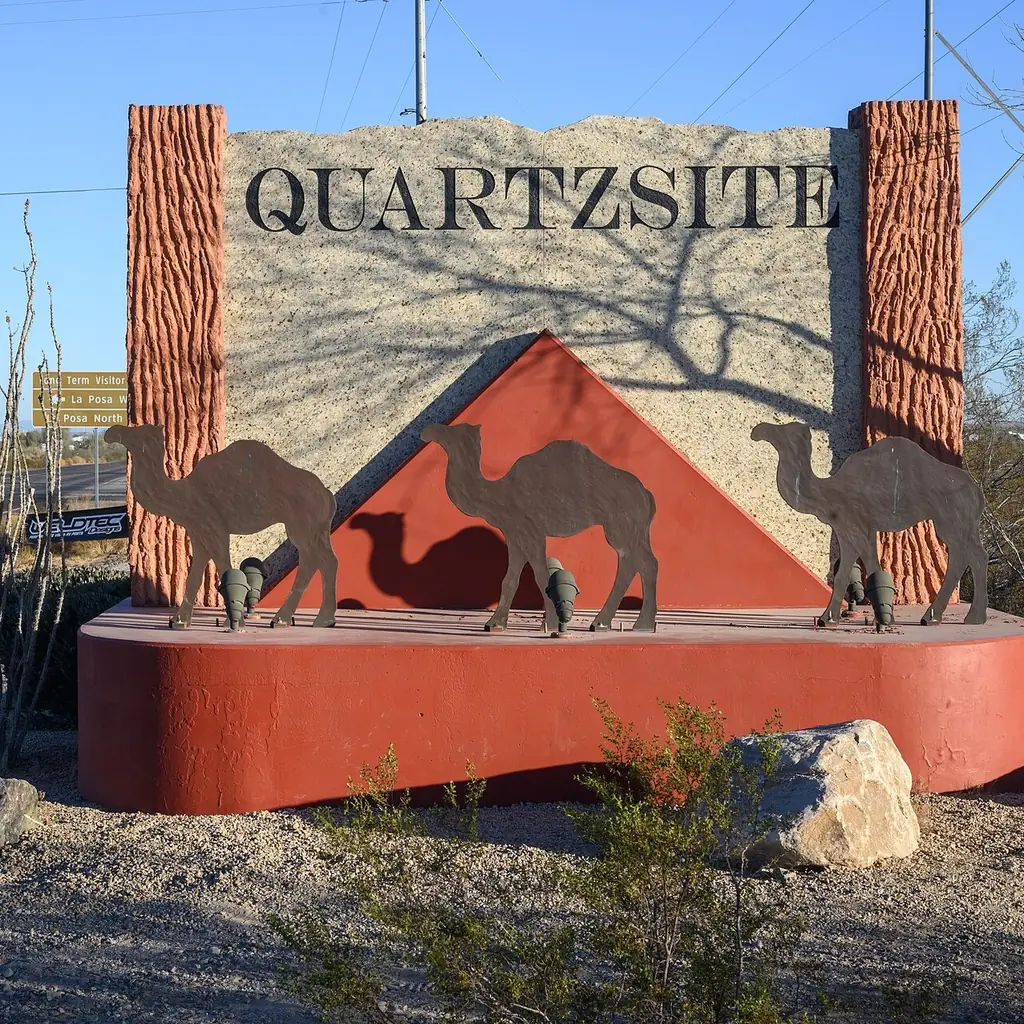
Quartzsite has about 2,400 permanent residents and roughly 1.5 million visitors a year, most for the January and February gem shows and the RV show (January 15 to 23, 2027). A BLM long-term permit at La Posa costs $180 for September 15 to April 15.
The medical math is the regret. The nearest hospital is La Paz Regional in Parker, a 25-bed critical access hospital with a clinic in Quartzsite. Anything serious means a long drive toward Phoenix.
January nights average 40°F, so cheap camping includes cold mornings and generator noise. Leavers say the town empties fast after the show. Before committing a whole winter anywhere new, borrow the test-drive habit retirees use before moving.
16. Lake Havasu City, 193 miles from Phoenix and loud in March
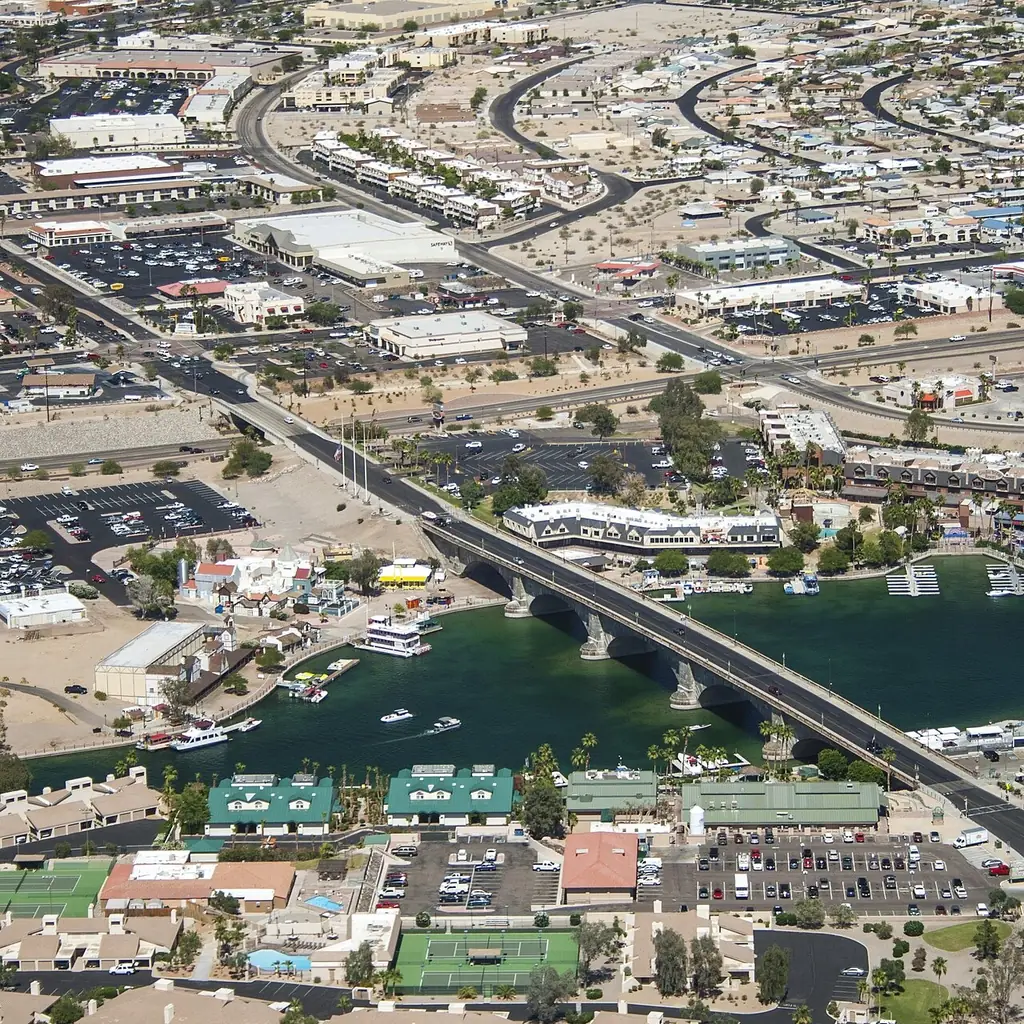
Lake Havasu City sits 193 miles from Phoenix, and winter retirees share it with a famous spring break crowd. The city has refused permits to big party promoters and says attendance has fallen, but the channel still fills in March while snowbirds are in residence.
Medical access beats Quartzsite, with limits. Havasu Regional Medical Center has 152 beds and 31 specialties, including a Level III trauma center. Complex care still travels to Phoenix or Las Vegas.
A 2026 ranking found that 75 percent of local rentals are seasonal and the air quality ranks eighth best. Leavers mention wind off the water and the long drive to a major airport. Those who stayed mention the lake first.
17. Mesa and Apache Junction during Cactus League spring training
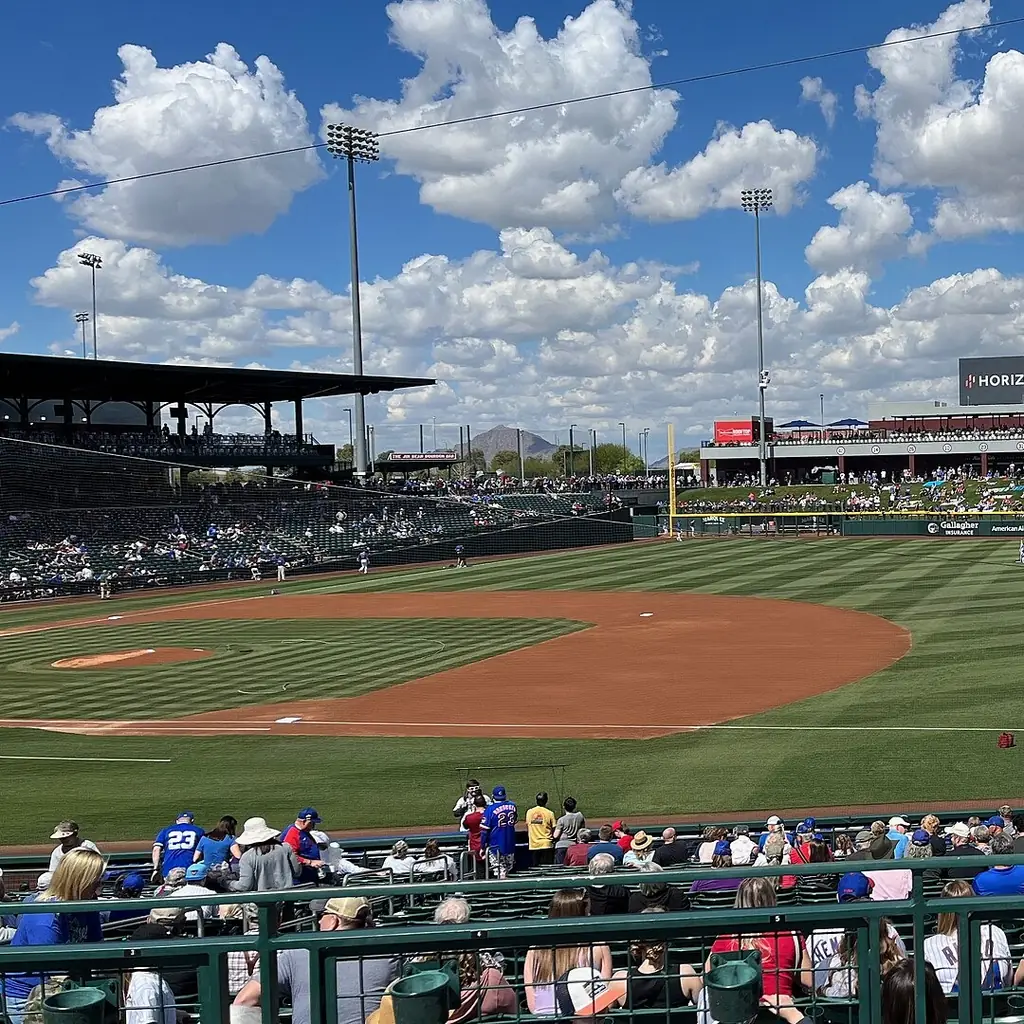
The East Valley is Arizona’s snowbird capital, and February is its loudest month. The 2027 Cactus League opens February 19, with 15 teams, 10 ballparks and about 1.7 million fans, two parks in Mesa.
Two health notes retirees raise. Winter inversions bring no-burn days when fine particles build up, which Maricopa County’s Air Quality Department announces. Arizona also reported 10,990 of the nation’s 21,037 valley fever cases in 2023, and the CDC says rates are highest among people 60 and older.
On cost, a March 2026 comparison put Arizona HOA fees at $250 to $450 a month and home insurance at $1,200 to $2,200 a year, both below its Florida figures. January nights average 41°F in Mesa (Wikipedia).
18. Scottsdale in the weeks of Barrett-Jackson and the Phoenix Open
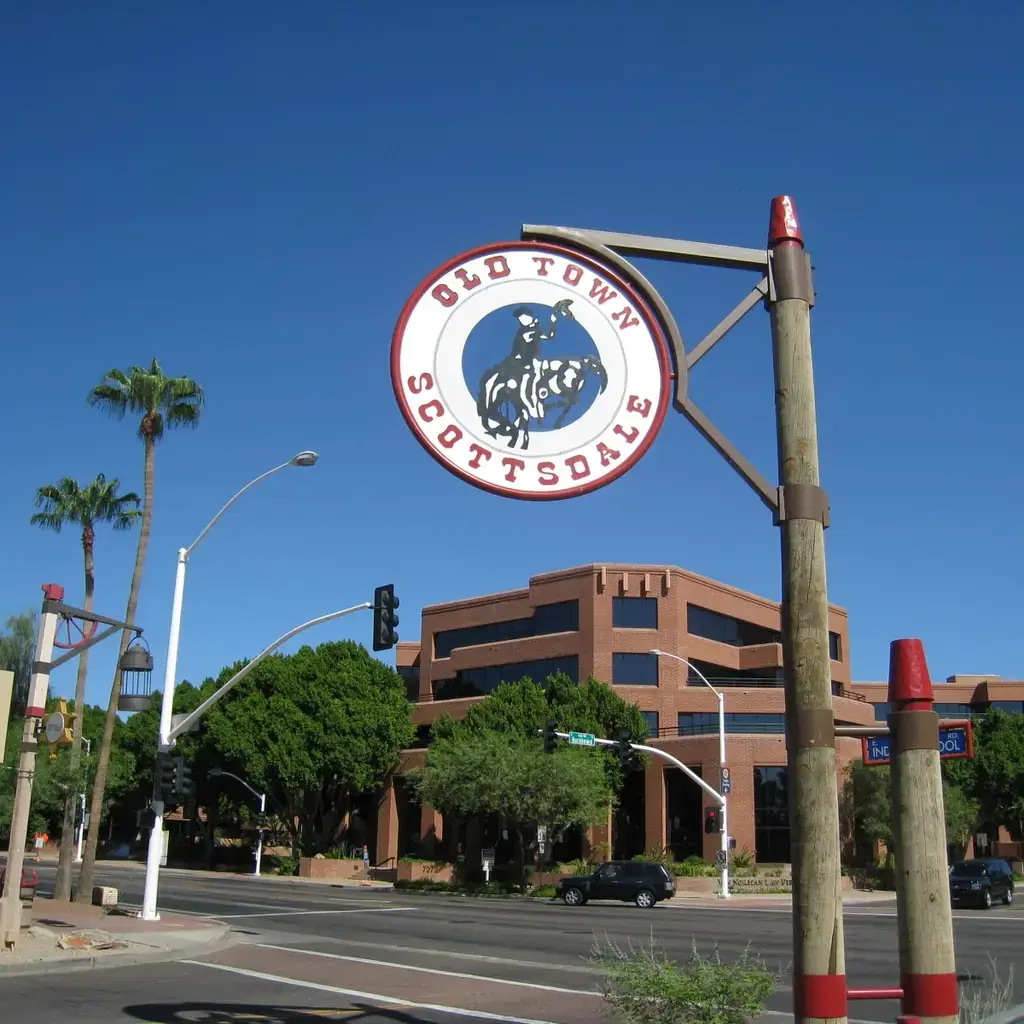
Scottsdale’s winter calendar is a reason to visit and a reason to avoid it. Barrett-Jackson runs January 23 to 31, 2027, nine auction days at WestWorld, and the WM Phoenix Open follows at TPC Scottsdale from February 8 to 14. The tournament’s record week drew 618,365 fans.
Rents follow the calendar. Retirees who booked a single-month lease across those dates describe prices that rose, restaurants that required reservations and a Loop 101 commute that doubled. Scottsdale’s own profile says thousands of snowbirds flood the area each winter.
Loyalists treat the events as the point. Snowbirds who left for quieter desert towns name Tucson or Green Valley, or the shoulder weeks in November and April.
19. Tucson, where gem show week and freeze warnings share February
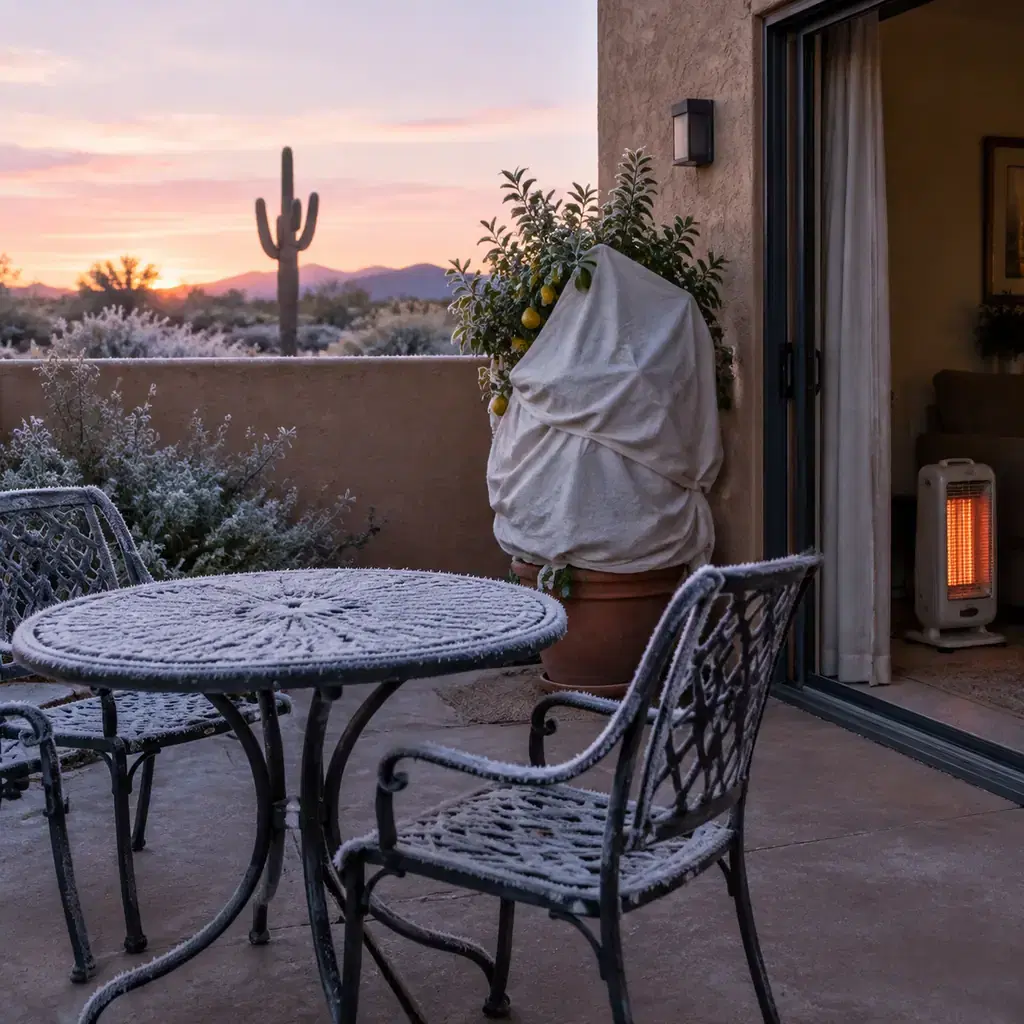
Many Arizona snowbirds land in Tucson after Yuma, Havasu or Scottsdale, and it earns the move: a 2026 ranking noted far lower housing costs than Lake Havasu City, and there is a university medical center.
Two surprises arrive in February. The gem showcase spreads across the city from late January, with the main show at the convention center February 11 to 14, 2027, worth an estimated $131.4 million in 2019. Rentals price for it. Those weeks also bring freeze warnings: Tucson averages about 12 nights a year at or below 32°F (Wikipedia).
Those who regret Tucson often rented a place without reliable heating, or booked gem week unknowingly. For the towns between, see our Arizona small towns worth the detour.
20. Palm Springs, a town whose population triples each winter
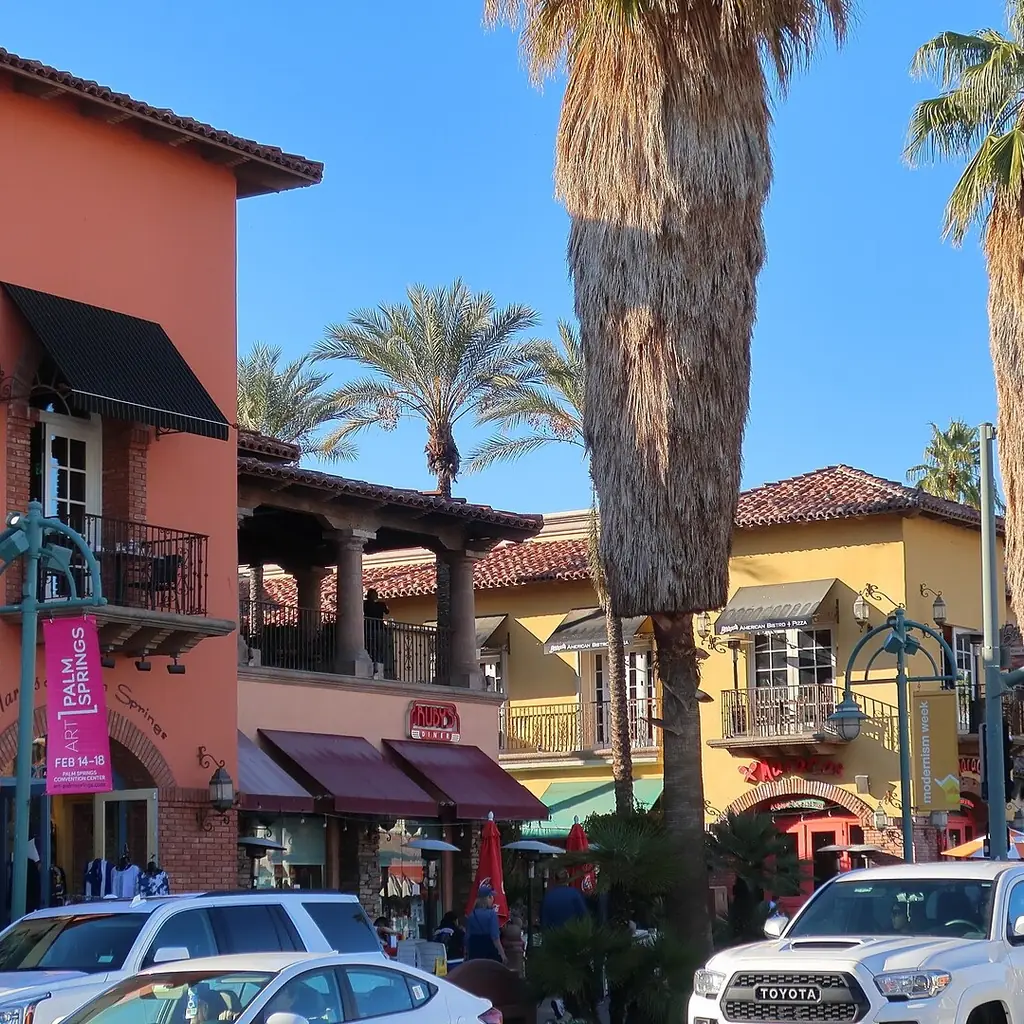
Palm Springs has about 44,600 residents, and its population triples between November and March. Nearly a third of its housing units were vacant at the 2020 census, and Canadians own about 7 percent of the valley’s second homes.
The season has peaks inside the peak. Modernism Week runs February 11 to 21, 2027, and the BNP Paribas Open fills Indian Wells February 28 to March 14. Restaurants, Highway 111 and rental rates tighten for both.
Those who regret it name price first, then traffic in those weeks. Fans mention the mountain light at 70°F in January. With Statistics Canada noting a persistent shift away from U.S. travel, the valley’s Canadian community looked thinner in 2025-26, which some American regulars felt socially.
21. The Villages, where the health system went bankrupt mid-season
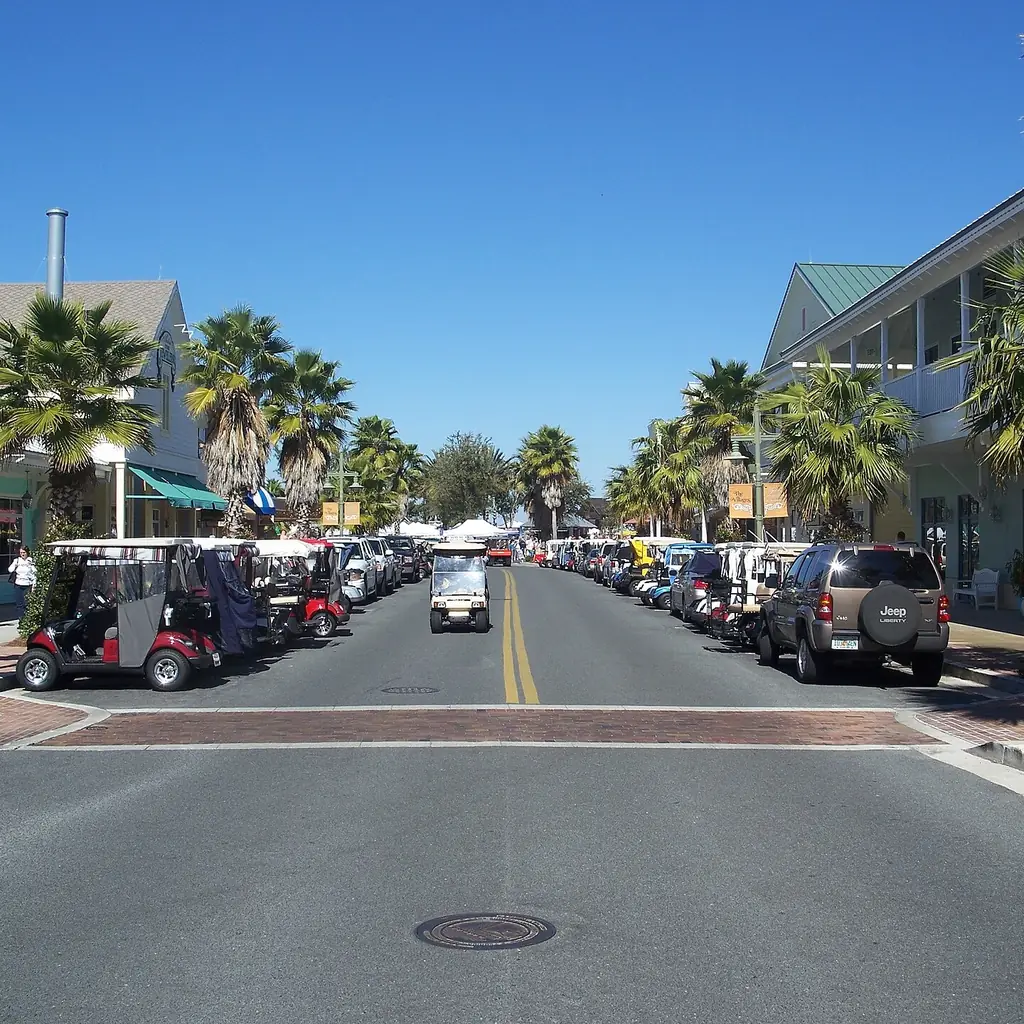
The Villages is the finale for a reason: its metro was America’s fastest-growing from 2022 to 2023, and the community sold 24,440 homes between 2010 and 2019. Many snowbirds rent a season before buying.
The health system went bankrupt in July. The Villages Health filed Chapter 11 on July 3, 2025, owing Medicare at least $350 million, with 55,000 patients across ten clinics. A judge approved its $68 million sale to Humana’s CenterWell that September, after a summer in which patients did not know who would own their clinics.
Golf carts are the other recurring regret: a 2020 study counted 875 crashes in eight years, with 48 percent ending in hospitalization, severe trauma or death. Fans cite the free nightly music on the town squares. Before signing a lease, read what buyers wish they had checked in Florida retirement communities and nationally.
None of these places is a mistake for every retiree, and most people who regret one season still go somewhere warm the next year. The pattern in the regrets is consistent: they booked on a brochure season, a brochure price and a brochure map. A short January visit, a lease that starts after storm season settles, a look at the local hospital’s specialty list and a check of the event calendar would have changed most of these stories.
Comments
The opinions and views expressed in the comments section are solely those of the individual users and do not represent or reflect the opinions, views, or positions of HumbleTrail. HumbleTrail does not endorse, support, or verify the accuracy of any user-generated content.
By posting a comment you agree to receive related emails from HumbleTrail in accordance with our Terms and Privacy Policy. You can unsubscribe at any time.