


Editor’s note: This article is an opinion piece based on publicly available passenger reviews, published fare and cabin information, and travel industry reporting we found online.
Airlines sell dozens of fare names that all promise more comfort, but the same label can mean a different seat depending on the plane under you. Here is what each upgrade dollar is actually buying, aircraft by aircraft and route by route.
Extra-legroom economy adds inches, not a new cabin
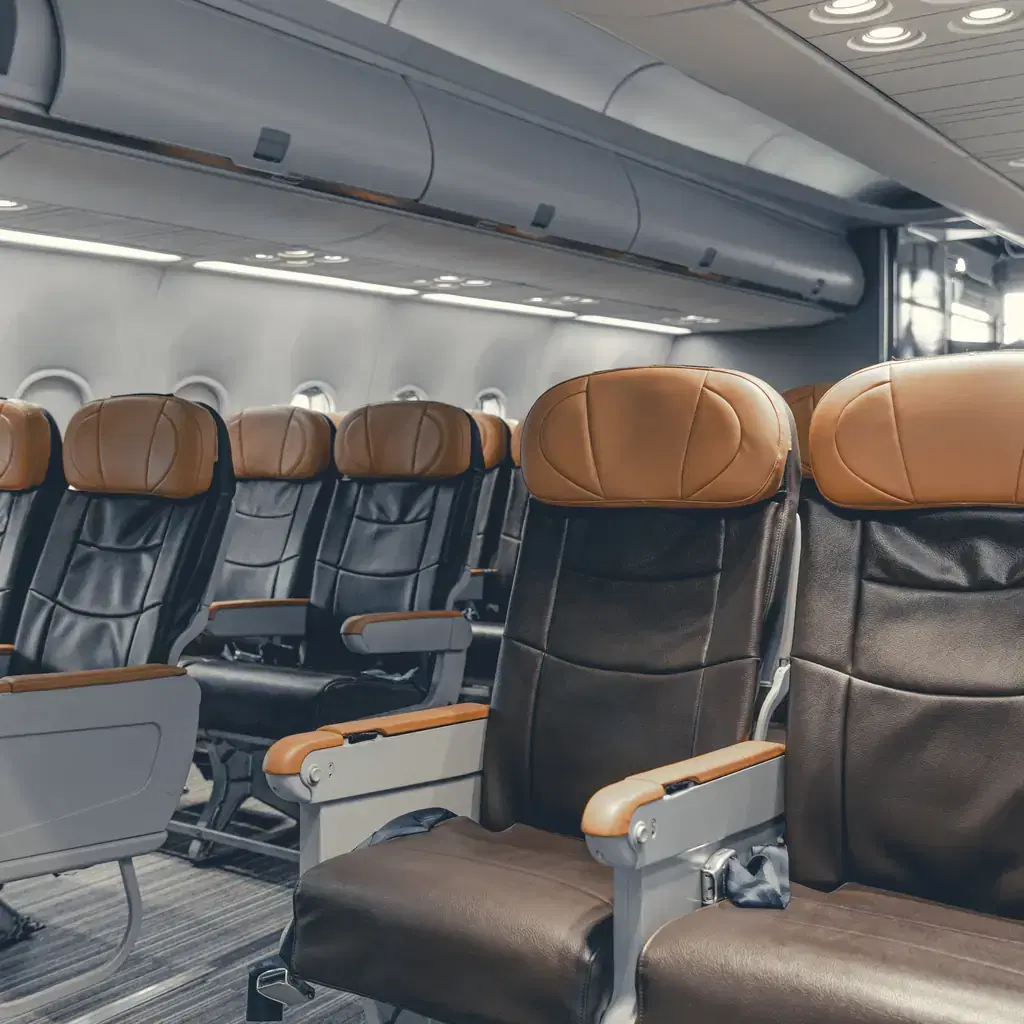
Products like United Economy Plus, Delta Comfort+, and American’s Main Cabin Extra sit inside the main economy cabin and simply add a few rows with more pitch. United’s Economy Plus runs roughly 34 to 38 inches of pitch against 30 to 31 inches in standard economy, and Delta Comfort+ adds a similar 3 to 4 inches.
wp:image {“id”:52875,”sizeSlug”:”full”,”linkDestination”:”none”,”align”:”center”}
/wp:image
The seat itself, its width, recline, and padding, stays identical to the row behind it. This suits travelers who want knee room on a five- or six-hour flight without paying for a separate cabin, but it does nothing for the bed-and-service gap that opens up on premium economy or business.
Premium economy is its own cabin, not economy with more space
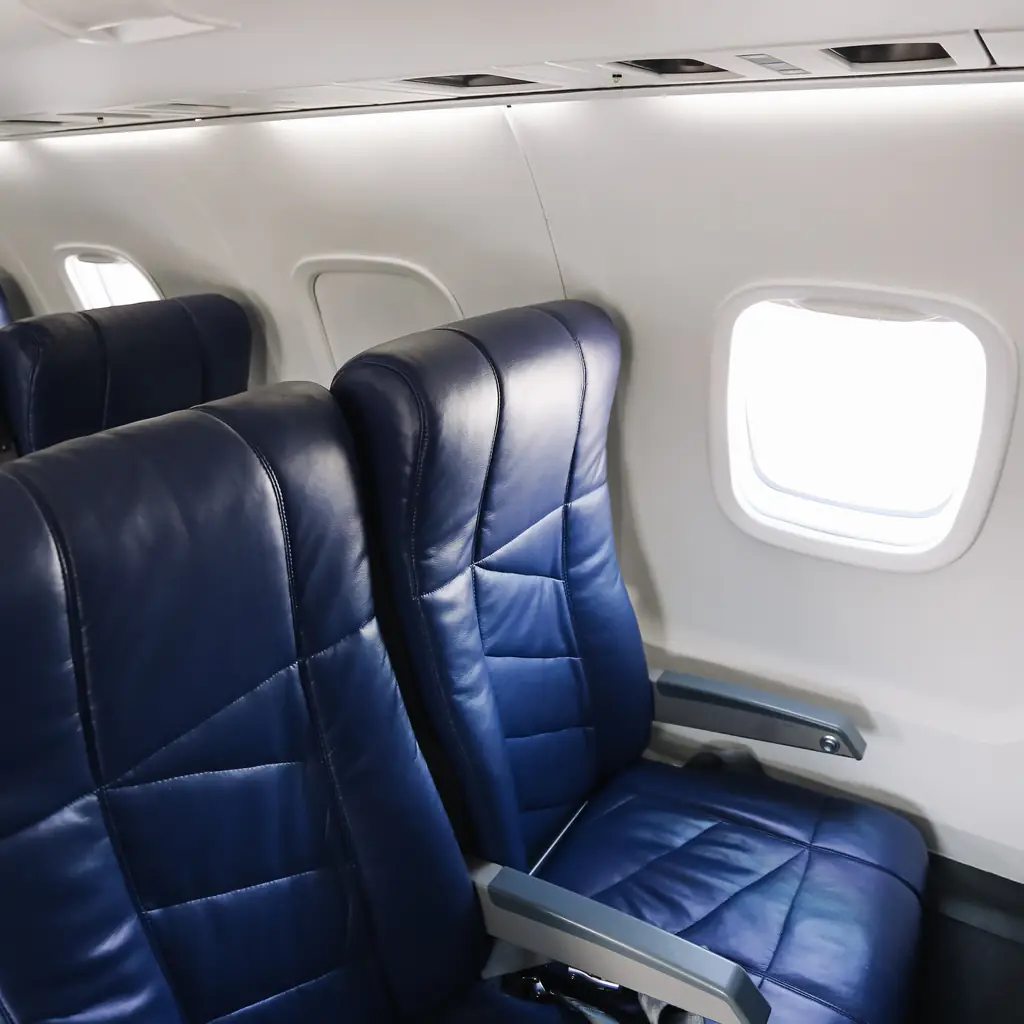
Premium economy occupies a distinct section with its own seat shell, typically 18 to 20 inches wide against economy’s 17 to 18 inches, with up to 7 inches of recline and a dedicated amenity kit or elevated meal service on many long-haul carriers. It sits physically and functionally between extra-legroom economy and business.
wp:image {“id”:52876,”sizeSlug”:”full”,”linkDestination”:”none”,”align”:”center”}
/wp:image
The step up from extra-legroom economy to premium economy is usually larger than the step from standard economy to extra-legroom economy, because premium economy changes the seat shell itself rather than just the spacing between rows.
What premium economy includes varies by carrier and by aircraft
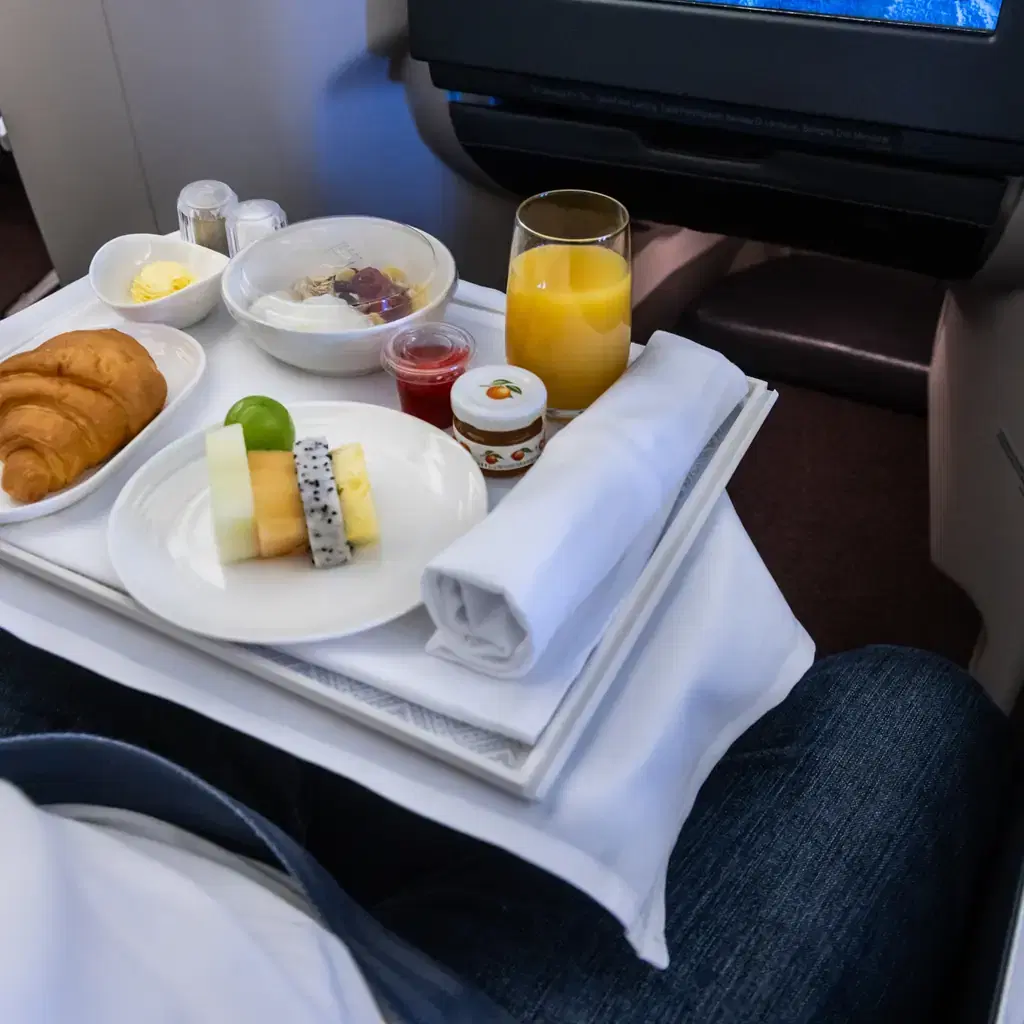
Virgin Atlantic’s Premium cabin on the A350 offers 18.5-inch width, 38-inch pitch, and 7 inches of recline with a four-way adjustable headrest, while another carrier’s premium economy on an older aircraft type might offer narrower seats or less recline. Even within one airline, premium economy specs can shift between an A350 and an older 777 or 787 sub-fleet.
wp:image {“id”:52877,”sizeSlug”:”full”,”linkDestination”:”none”,”align”:”center”}
/wp:image
Travelers booking premium economy for a specific comfort target, extra recline for sleeping, more width for working, should check the aircraft type for their actual flight rather than assuming the cabin name guarantees a fixed seat.
Premium economy and business class solve different problems
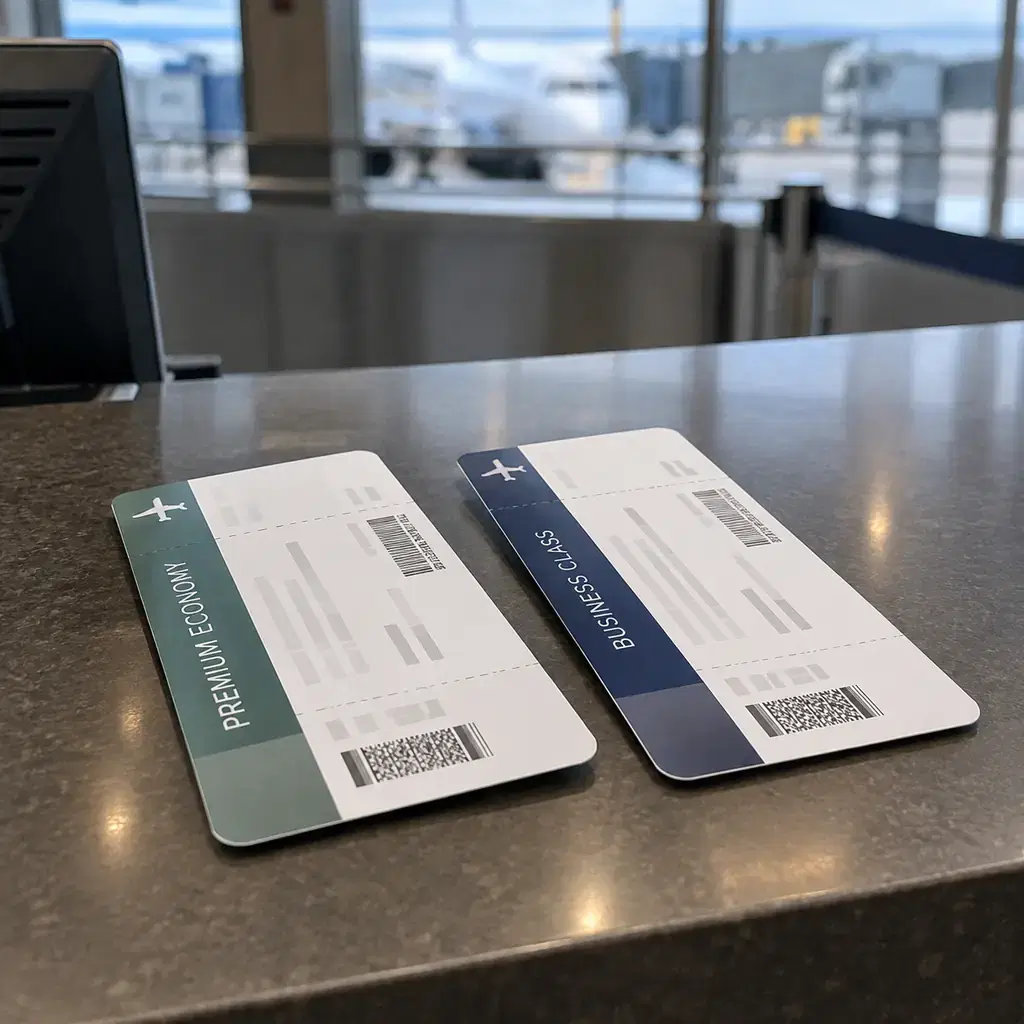
As HumbleTrail’s earlier look at premium economy against business class put it, premium economy largely fixes the squeeze while business class fixes the ability to actually sleep. Delta’s Premium Select offers up to 7 inches of recline, but Delta One converts into a genuine 180-degree flat bed.
wp:image {“id”:52878,”sizeSlug”:”full”,”linkDestination”:”none”,”align”:”center”}
/wp:image
That distinction matters most on overnight flights, where a reclined seat still redistributes weight onto the hips and lower back for hours, while a flat surface spreads it out enough that real sleep becomes possible. Travelers who mainly want to arrive rested, rather than just less cramped, are paying for a different outcome entirely.
Domestic first class is a wider seat, not a lie-flat bed
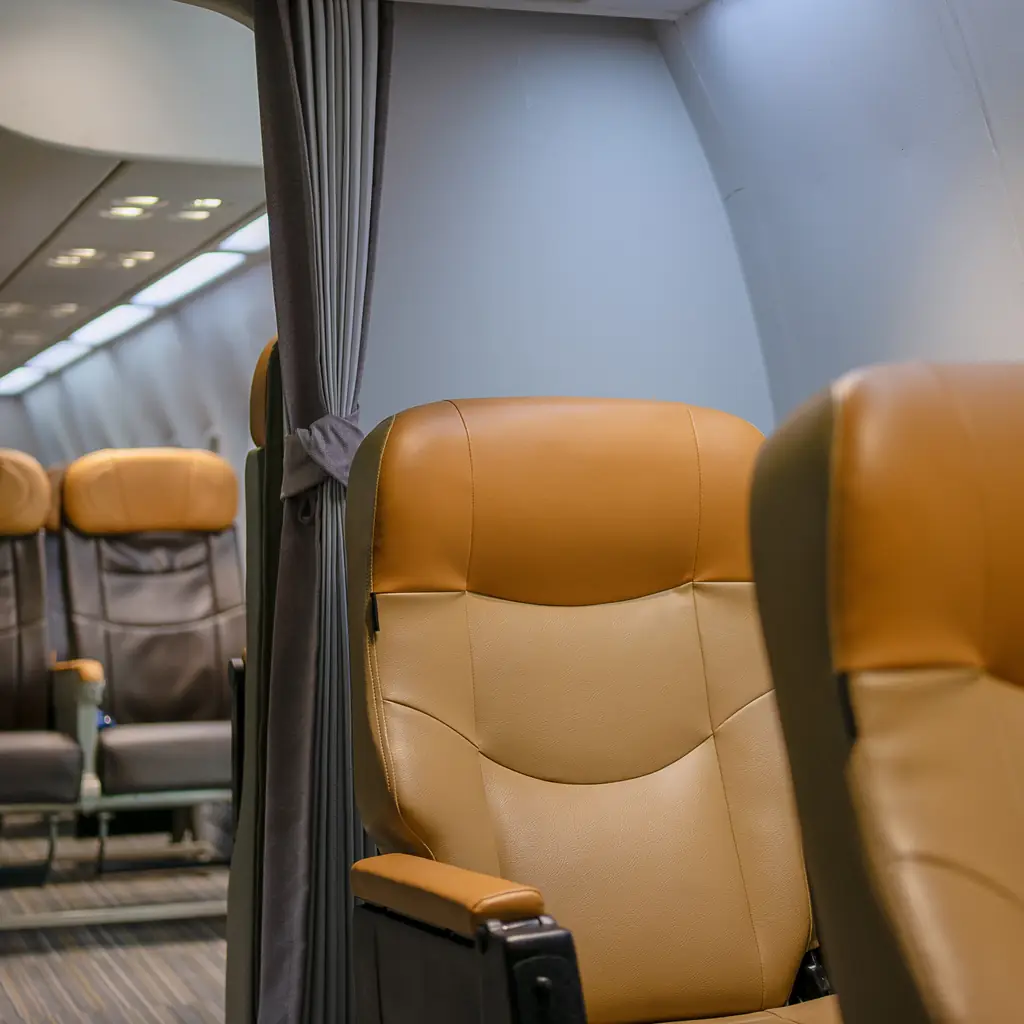
On short-haul U.S. routes, first class typically means extra padding, more recline, and priority boarding rather than anything resembling a bed. American Airlines is one of the few U.S. carriers that still separates premium economy, business, and first on select long routes, but on most domestic hops, “first class” and international “business class” use the same physical seat under different names.
wp:image {“id”:52879,”sizeSlug”:”full”,”linkDestination”:”none”,”align”:”center”}
/wp:image
This is a common point of confusion: a traveler expecting the long-haul business experience from a domestic first-class ticket is comparing two unrelated products that happen to share a marketing label. Short-haul first class fits travelers who want elbow room and a drink without a long wait, not travelers chasing sleep.
Long-haul business class is where the real jump happens
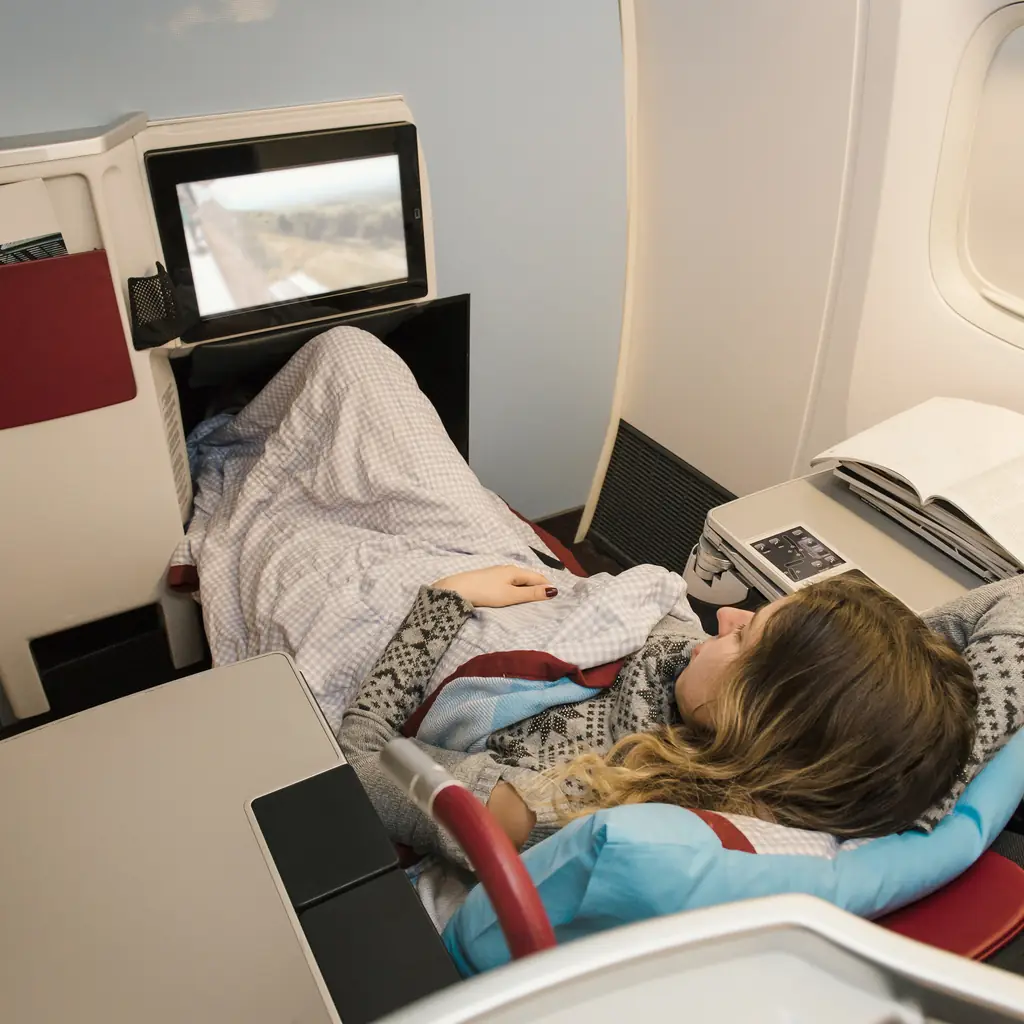
This is the upgrade with the widest range of outcomes. A genuine long-haul business seat converts to a flat bed, often with direct aisle access regardless of seating position, which is a meaningfully different experience from a seat that merely reclines further.
wp:image {“id”:52880,”sizeSlug”:”full”,”linkDestination”:”none”,”align”:”center”}
/wp:image
The gap between a good long-haul business seat and a mediocre one can be larger than the gap between economy and premium economy, because business-class hardware varies enormously by carrier and by the specific aircraft assigned to a route, a distinction worth checking before assuming any “business class” fare buys the same thing.
Suite doors have become their own tier above a flat bed
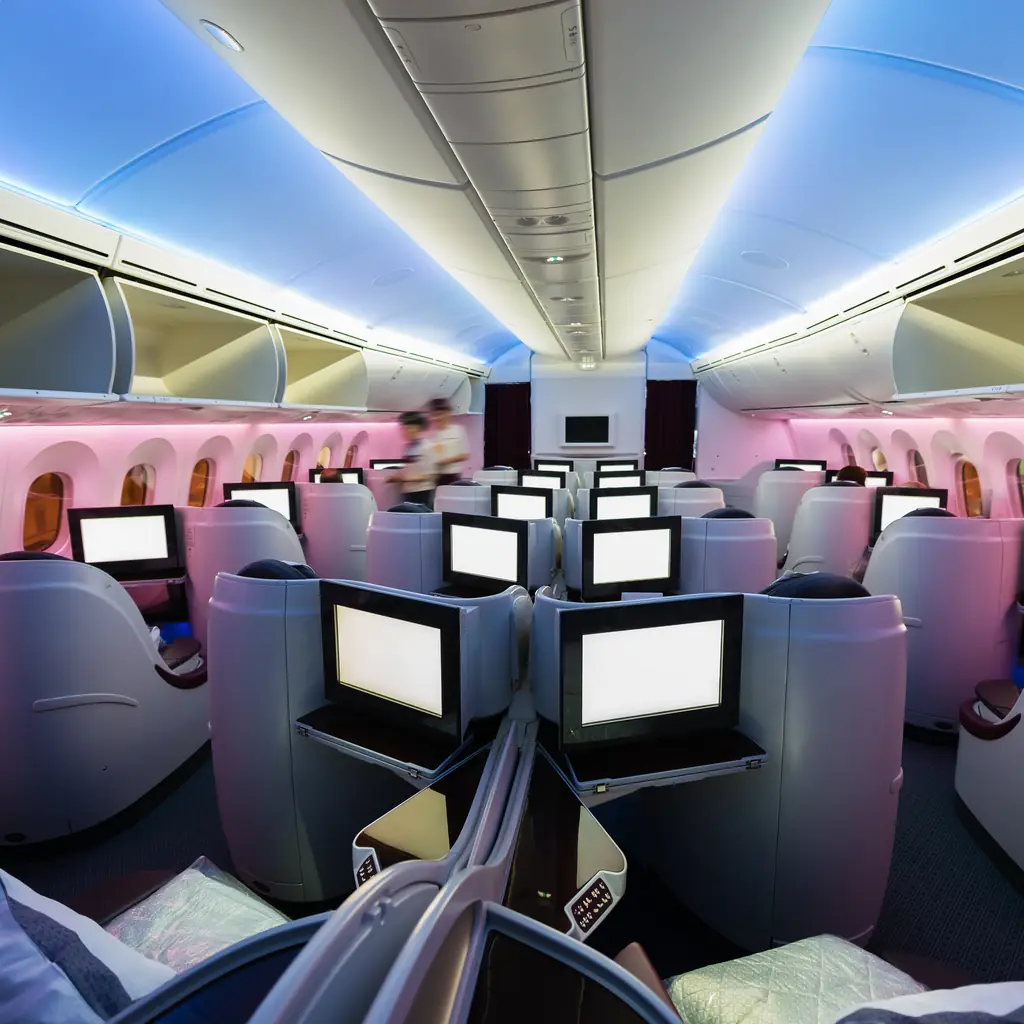
Qatar Airways’ Qsuite set the template with sliding privacy doors around a 21.5-inch-wide seat and a bed stretching close to 79 inches, and the newer Next-Gen Qsuite widens that to 23 inches with motorized doors. Delta One Suites, flown on the A350 and A330neo mainly across the Atlantic and Pacific, run about 21 inches wide with all-aisle access and a similar bed length, also with a closing door.
wp:image {“id”:52881,”sizeSlug”:”full”,”linkDestination”:”none”,”align”:”center”}
/wp:image
British Airways’ newer Club Suite uses the same 1-2-1, direct-aisle layout with a door, replacing the older 2-4-2 “yin-yang” Club World seat that still limits aisle access for window-seat passengers on several aircraft types. A door changes privacy on a crowded overnight flight more than most travelers expect until they fly without one.
Not every airline has chosen the door
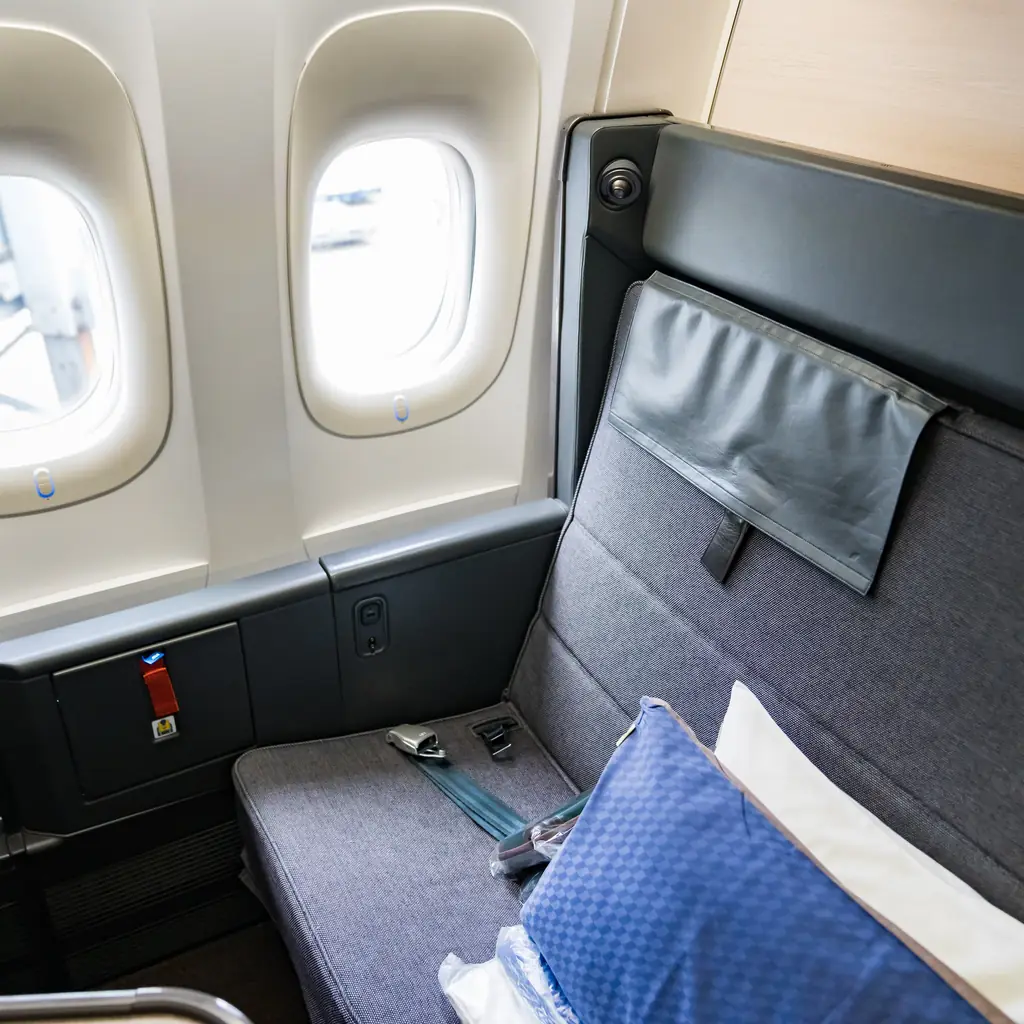
Virgin Atlantic’s newest Upper Class Suite, unveiled on its A330neo refresh, skips privacy doors in favor of a shared onboard bar and lounge area, betting that social space matters more to its Upper Class customers than full enclosure. The seat still delivers a fully flat 82-inch bed at 20 inches wide.
wp:image {“id”:52882,”sizeSlug”:”full”,”linkDestination”:”none”,”align”:”center”}
/wp:image
That choice shows the suite-door trend is a design decision, not an industry standard. Travelers who specifically want enclosed privacy should check the individual seat product rather than assume any carrier’s top long-haul cabin includes a door.
The same fare class can mean two different seats on one airline
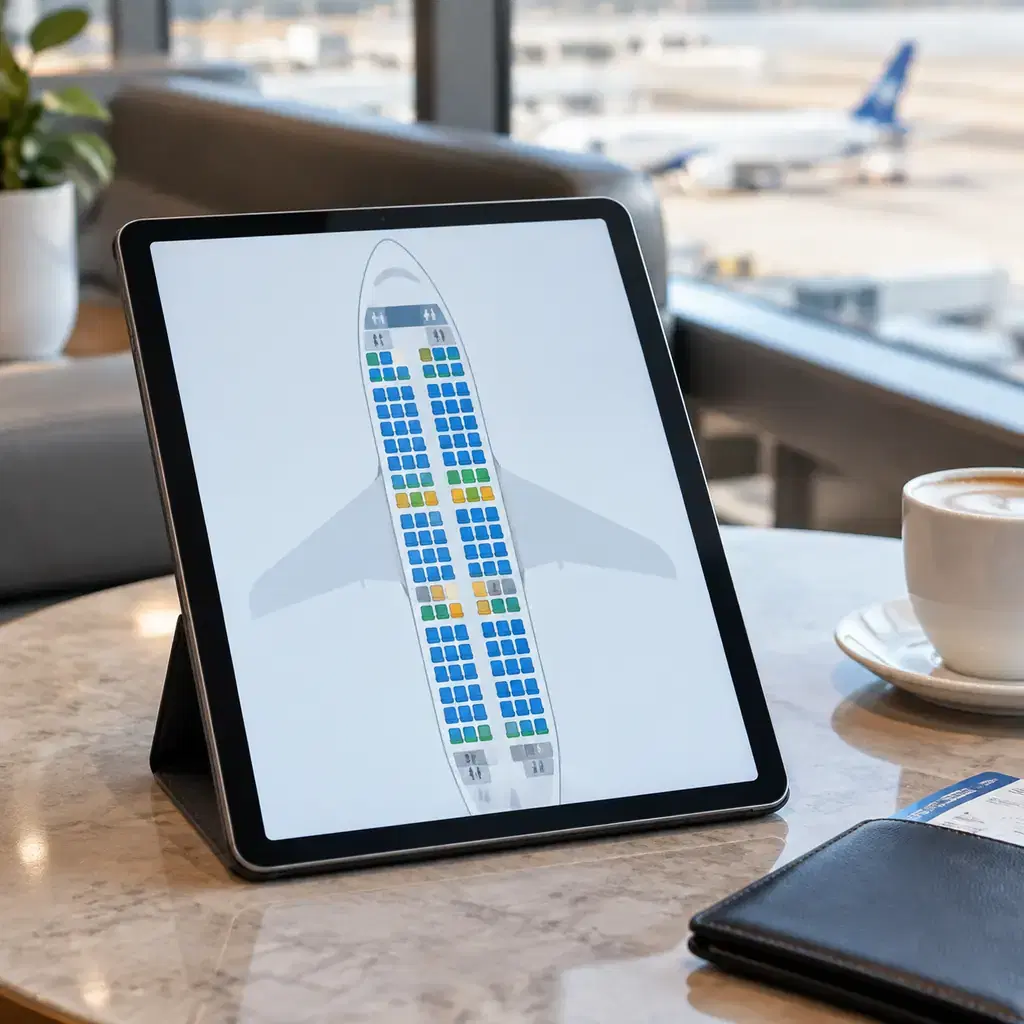
American Airlines sells Flagship Business on both its 777-200 and 787-8 fleets, but not every aircraft has been retrofitted. Some of those planes still fly the older Super Diamond or Concept D seats instead of the newer Flagship Suite, so two passengers booking the identical fare class months apart can land in noticeably different hardware depending on which aircraft operates their flight.
wp:image {“id”:52883,”sizeSlug”:”full”,”linkDestination”:”none”,”align”:”center”}
/wp:image
This is worth checking before an overnight flight where sleep quality is the whole point of paying for the upgrade, since the fare class alone, visible at booking, does not reveal which physical seat is actually installed. Sleep strategy for any cabin, including what to pack for a long overnight sector, is covered in HumbleTrail’s guide to winter trip packing essentials, which applies regardless of which seat you land in.
Full cabin retrofits take years to finish
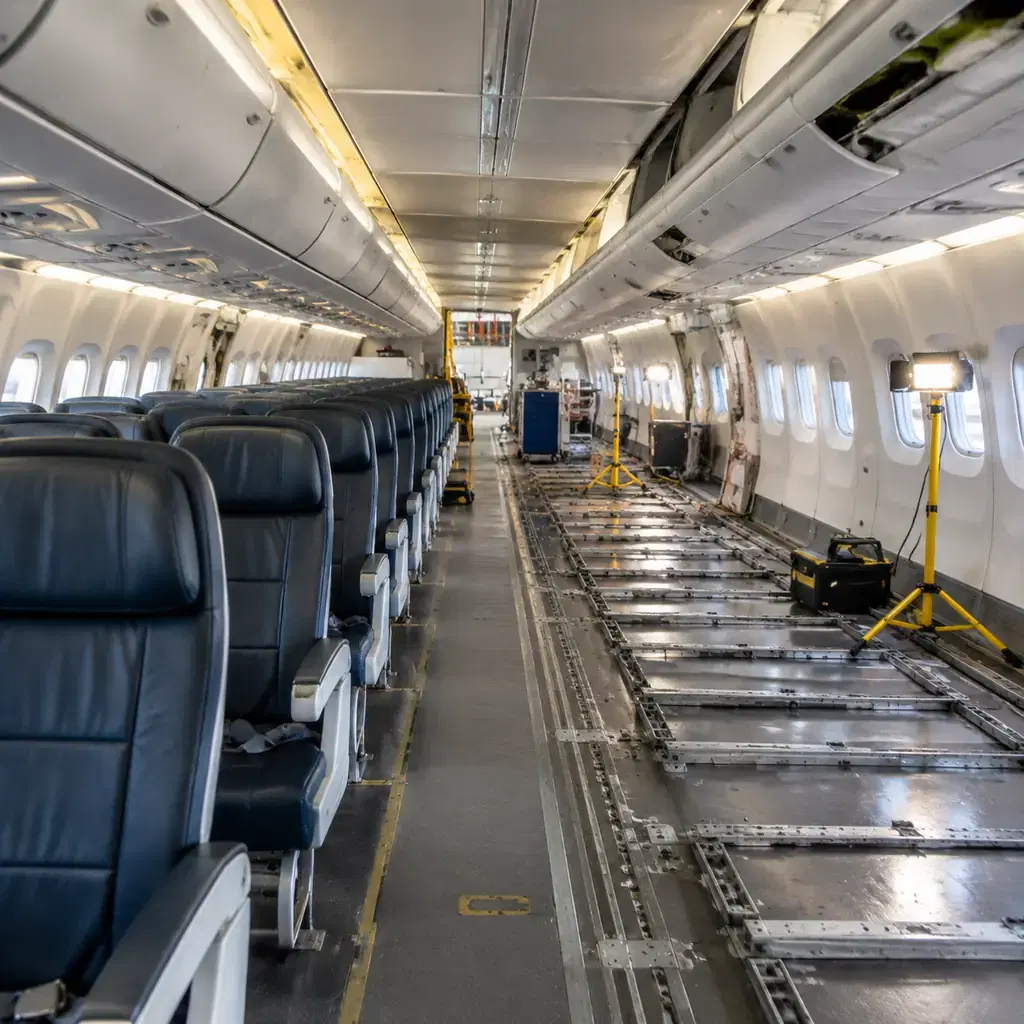
British Airways is rolling its Club Suite across its 787-9s, 787-10s, part of its 777-200ER fleet, and its A380s on a schedule that stretches into 2026 and beyond, meaning some aircraft types still carry the older Club World product well after the new seat debuted. A airline’s “flagship” cabin on paper and the cabin actually installed on a given tail number can be years apart.
wp:image {“id”:52884,”sizeSlug”:”full”,”linkDestination”:”none”,”align”:”center”}
/wp:image
Travelers planning a long-haul business booking around a specific amenity, a door, more width, better recline, should check seat-map tools for their exact flight number and date rather than trusting the airline’s general marketing. For broader pre-flight checks worth running before any long sector, see HumbleTrail’s rundown of long-haul flight mistakes.
Codeshares complicate the promise further
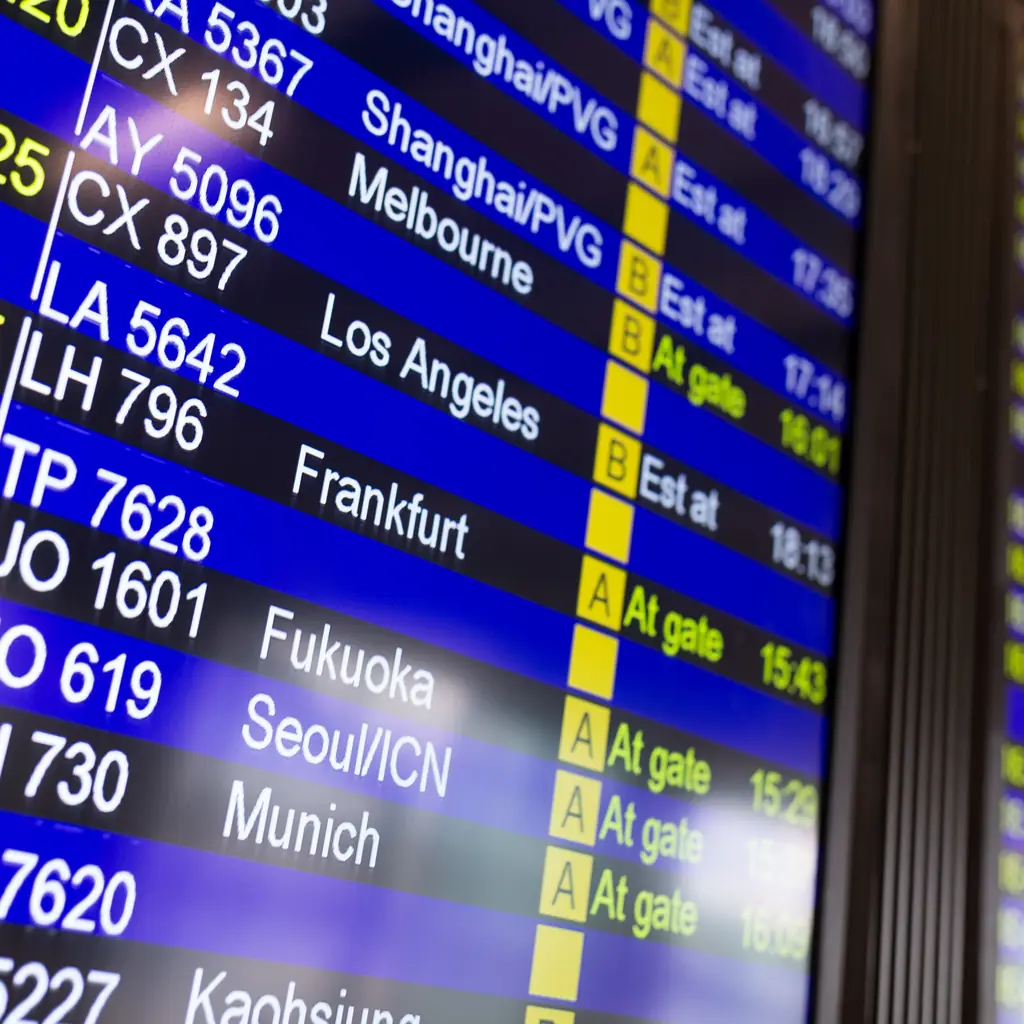
On a codeshare flight, the airline that issues the ticket and the airline that actually operates the plane can use different fare codes for what looks like the same cabin, so a seat marketed as one class by the booking airline can appear differently once the operating carrier’s product and rules take over. Two “business class” fares on the same flight number, booked through different partners, can carry different change and refund rules even while sitting in the same physical cabin.
wp:image {“id”:52885,”sizeSlug”:”full”,”linkDestination”:”none”,”align”:”center”}
/wp:image
Checking which airline actually operates the flight, not just which airline sold the ticket, is the only reliable way to know what seat and what rules apply. This matters most on long international itineraries built from multiple partner segments.
A business-class ticket usually includes the airline’s own lounge
Buying a business or first-class fare on the operating carrier typically unlocks that airline’s flagship lounge at the departure airport, and often connecting lounges further down the itinerary if the onward flight stays within the same alliance. This is generally the most complete lounge access available, covering flagship spaces that third-party networks do not include.
wp:image {“id”:52886,”sizeSlug”:”full”,”linkDestination”:”none”,”align”:”center”}

/wp:image
The scope of that access depends on the alliance and the specific routing, since a single stopover on a partner airline’s metal does not always carry the same lounge privileges as flying the ticketing airline’s own aircraft throughout.
Elite status can unlock lounges even in economy
Status-based access works independently of the fare paid on a given trip. Singapore Airlines’ KrisFlyer Elite Gold and PPS Club members, and Star Alliance Gold members generally, can enter SilverKris lounges while flying in economy, because the privilege is tied to accumulated status rather than that day’s ticket. The same logic applies across most major alliances in some form.
wp:image {“id”:52887,”sizeSlug”:”full”,”linkDestination”:”none”,”align”:”center”}

/wp:image
This is the upgrade dimension that rewards loyalty over single-trip spending, and it matters most for travelers who fly one airline or alliance often enough to build status, including many retirees and frequent seasonal travelers, a pattern touched on in HumbleTrail’s notes on snowbird travel after 70.
Priority Pass and similar networks fill a different gap
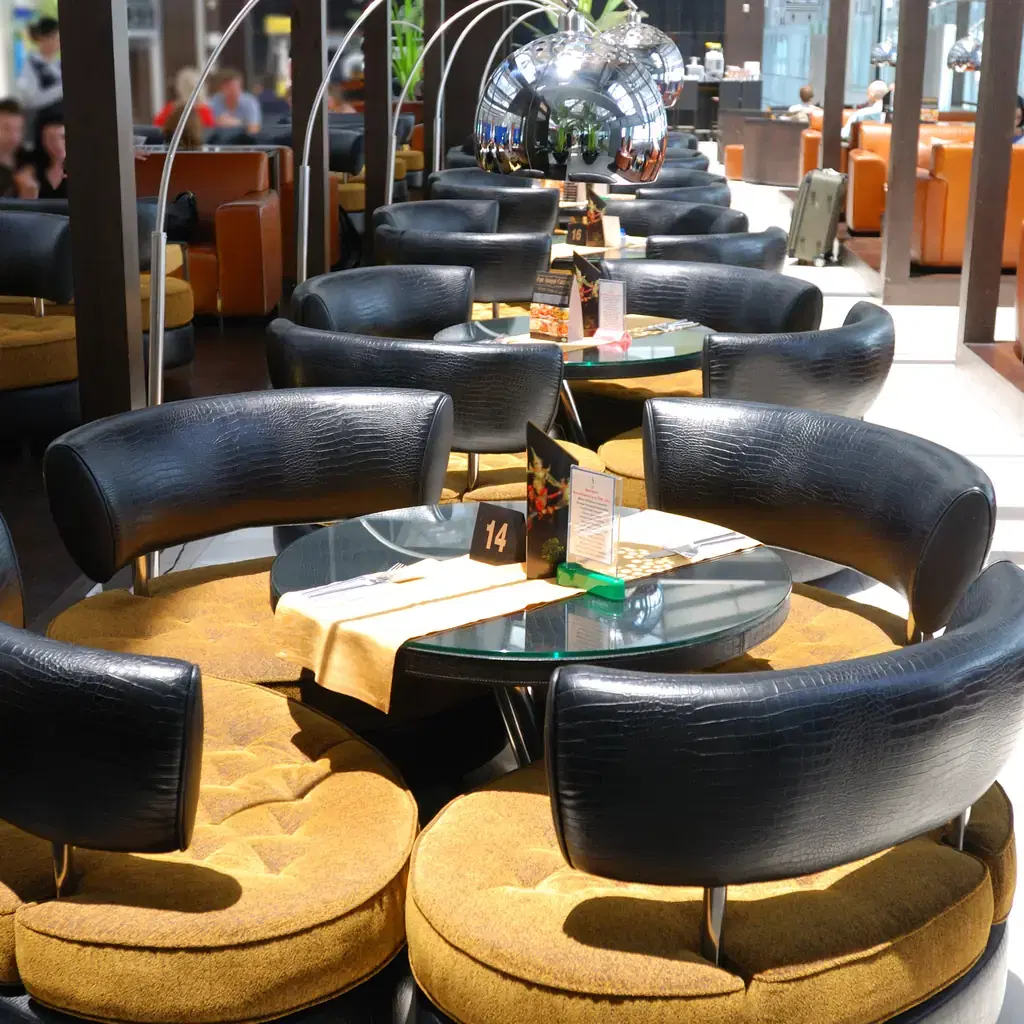
Independent lounge networks sell access that has nothing to do with the airline or cabin booked, covering more than a thousand mostly third-party lounges worldwide. That breadth is useful for travelers who fly multiple airlines without elite status anywhere, but it excludes most major airline flagship lounges, including several carriers’ signature first-class spaces.
wp:image {“id”:52888,”sizeSlug”:”full”,”linkDestination”:”none”,”align”:”center”}
/wp:image
Single-visit day passes at specific lounges typically run somewhere in the range of $50 to $75 depending on the lounge and airport, which can make sense occasionally but adds up quickly compared with a membership or status-based path for frequent flyers.
Fare flexibility is a separate purchase from comfort
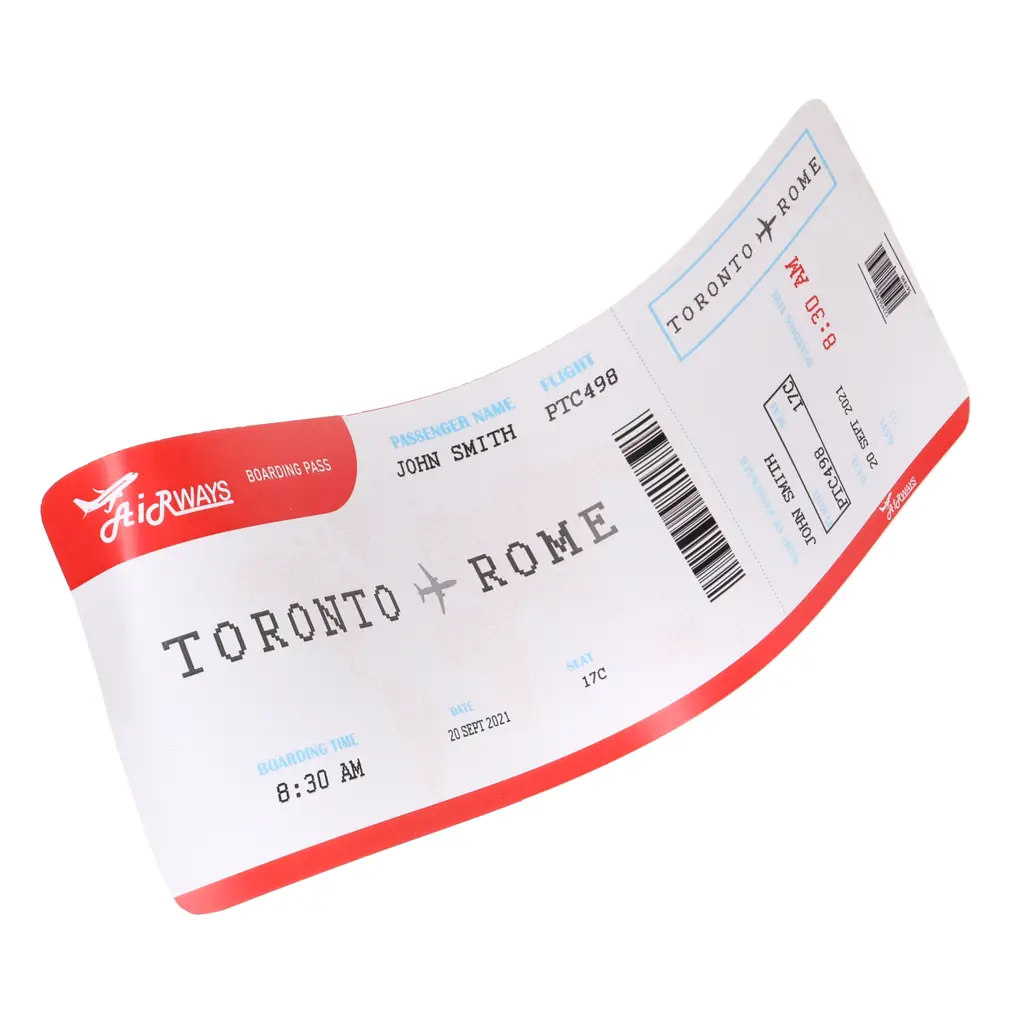
Change and cancellation terms move independently of how wide or how flat the seat is. A fare can be changeable but non-refundable, refundable only with a fee, or fully flexible with no penalty at all, and airlines price each tier differently regardless of cabin. Southwest’s Choice Extra fare, for example, is fully refundable to the original payment method if canceled before departure, which is a flexibility promise rather than a comfort one.
wp:image {“id”:52889,”sizeSlug”:”full”,”linkDestination”:”none”,”align”:”center”}
/wp:image
Travelers whose plans might shift, due to work, weather, or family timing, are often better served prioritizing a flexible fare over a more comfortable but rigid one, a distinction worth weighing alongside the booking mistakes outlined in HumbleTrail’s piece on holiday flight errors travelers over 60 have stopped making.
Basic economy restricts more than legroom
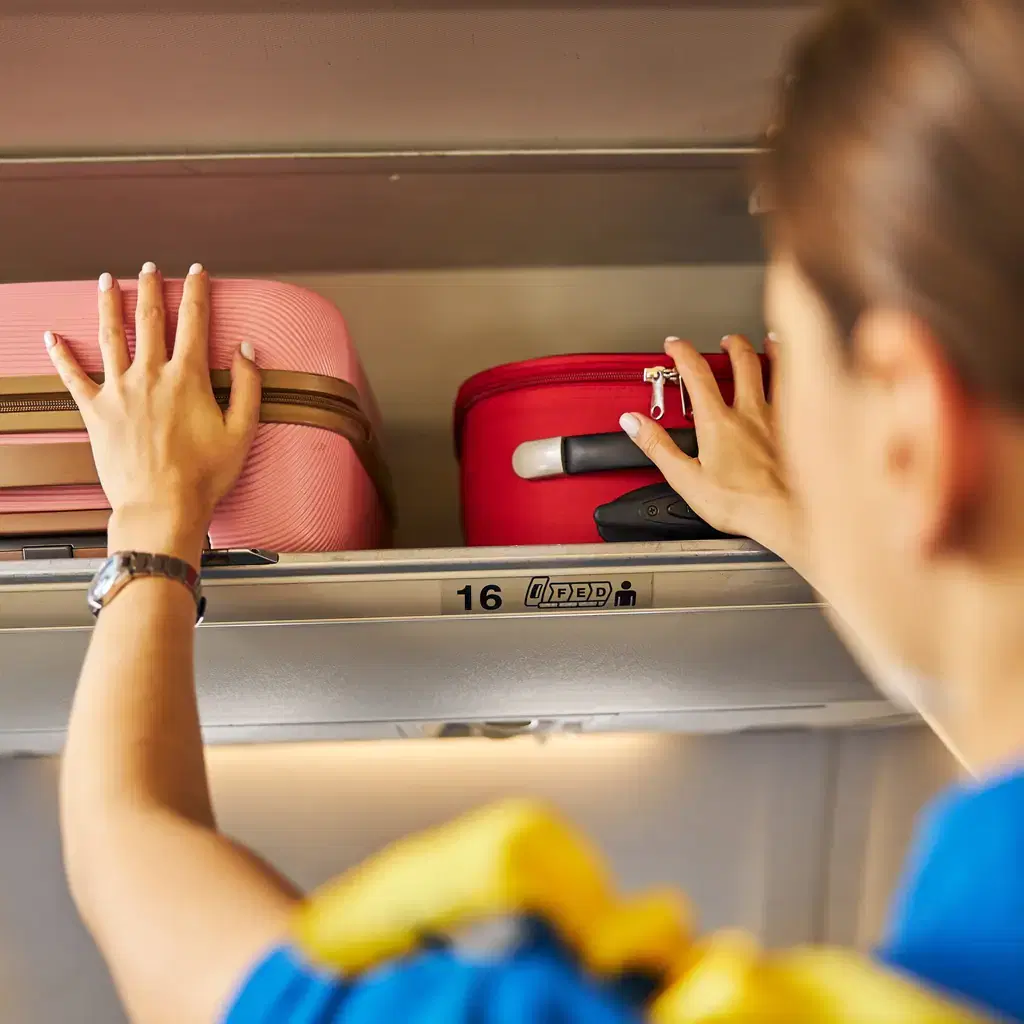
Basic economy fares typically block seat selection, same-day changes, and sometimes even a carry-on bag beyond a personal item, in addition to offering no changes or refunds once past a short grace period. Some carriers allow basic economy to be purchased at a higher price for slightly more flexibility, but the baseline restrictions remain the point of the fare, not an oversight.
wp:image {“id”:52890,”sizeSlug”:”full”,”linkDestination”:”none”,”align”:”center”}
/wp:image
Travelers choosing basic economy purely to save money should budget for the real possibility that a schedule change becomes a non-refundable loss rather than a simple rebooking.
Airlines are now splitting “basic” tiers inside premium cabins too
Air Canada’s 2026 fare structure introduced Business Class Basic and Premium Economy Basic options that keep the seat, meal, and priority boarding of the full fare while removing free advance seat selection, full refundability, and upgrade eligibility through the airline’s own points program. The cabin and the service stay the same; the flexibility underneath it does not.
wp:image {“id”:52891,”sizeSlug”:”full”,”linkDestination”:”none”,”align”:”center”}
/wp:image
This blurs a line travelers used to take for granted, that paying for a premium cabin automatically bought premium flexibility. Checking the specific fare bucket, not just the cabin name, is now necessary even at the business-class level on some carriers.
Buying the upgraded fare class outright is the most predictable path
Purchasing premium economy or business class directly at booking guarantees the seat and its associated fare rules from the start, without depending on upgrade inventory, elite standing, or last-minute availability. It is also usually the most expensive way to reach that cabin.
wp:image {“id”:52892,”sizeSlug”:”full”,”linkDestination”:”none”,”align”:”center”}

/wp:image
This route suits travelers who need certainty, a specific departure date, a guaranteed seat for a group, or simply no appetite for the uncertainty that comes with every other upgrade mechanism described below.
The day-of gate upgrade is a different transaction entirely
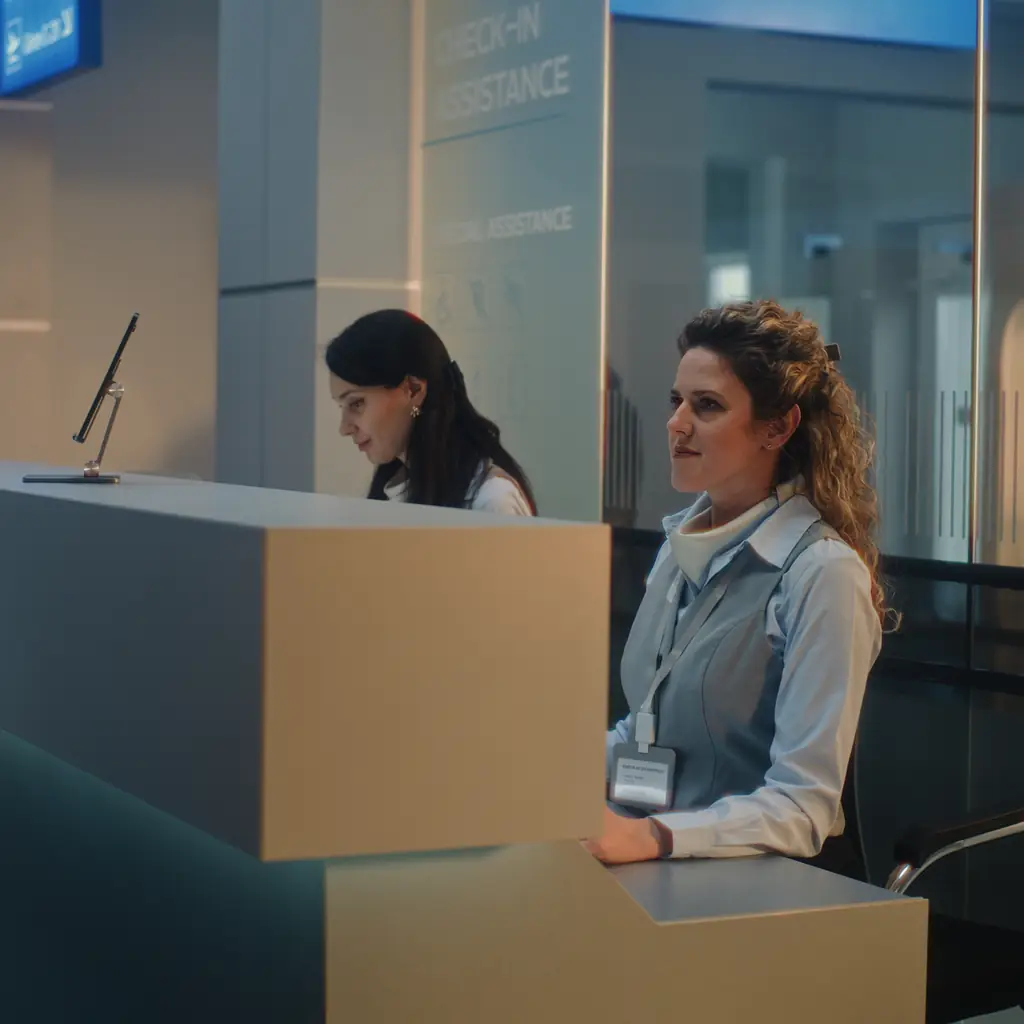
Airlines often release unsold premium seats close to departure at the kiosk, check-in counter, or boarding gate, priced in cash, miles, or an elite member’s points currency, usually below what the same upgrade would cost if purchased further in advance. United, for instance, routinely offers these last-minute upgrades through airport touchpoints when its forward cabin has open seats.
wp:image {“id”:52893,”sizeSlug”:”full”,”linkDestination”:”none”,”align”:”center”}
/wp:image
This mechanism rewards flexibility and a willingness to ask at the counter, but it is entirely dependent on unsold inventory on that specific flight, so it cannot be counted on for a trip where the upgrade is the point of booking.
The pre-purchased standalone seat upgrade sits between those two paths
After booking an economy fare, many airlines let travelers buy a seat upgrade separately through “manage my trip” tools, with pricing that shifts based on route, current load, and how close the departure date is. This differs from buying the fare class outright because the base ticket, and its original flexibility terms, usually stays unchanged even after the seat upgrade is added.
wp:image {“id”:52894,”sizeSlug”:”full”,”linkDestination”:”none”,”align”:”center”}

/wp:image
Basic economy tickets are frequently excluded from this option entirely, so the base fare chosen at booking can quietly determine whether a later upgrade is even possible.
Miles upgrades spend loyalty currency instead of cash
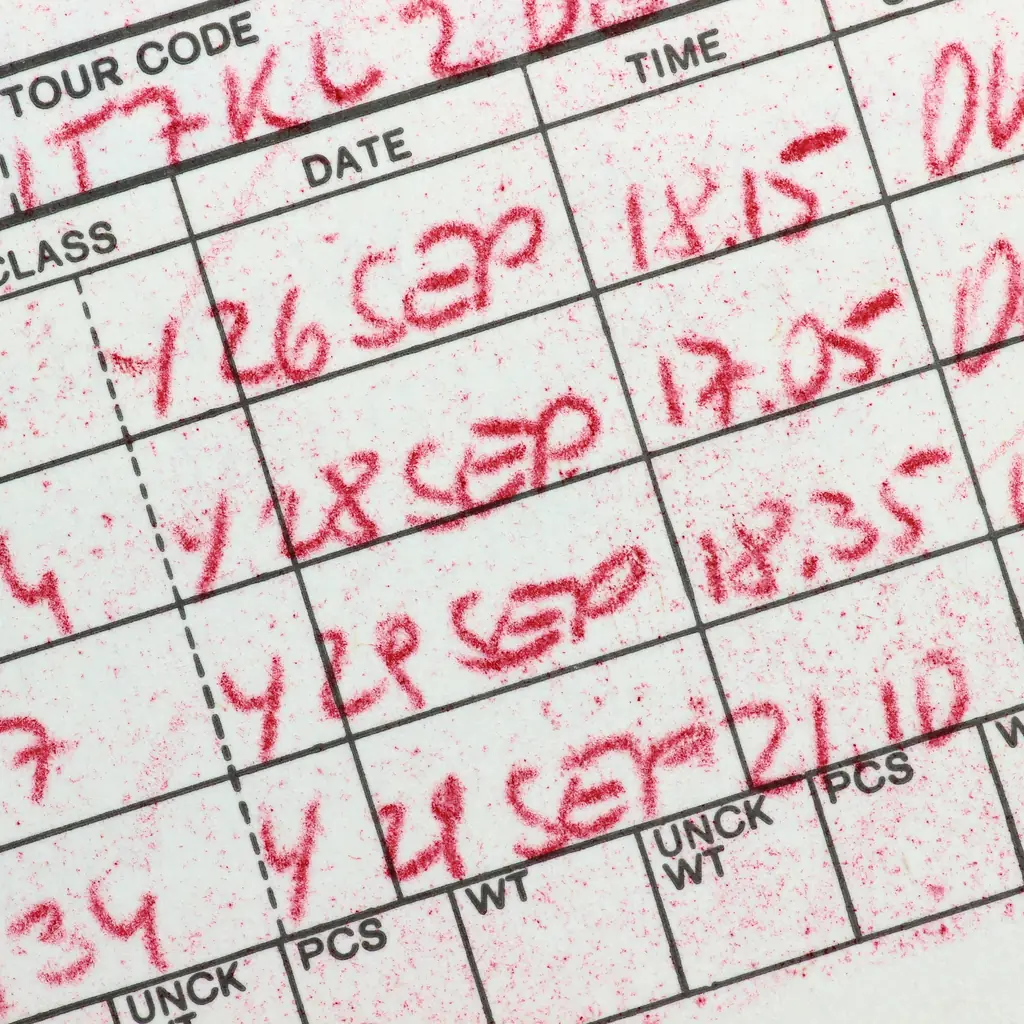
Using frequent flyer miles to upgrade an existing ticket, at booking, check-in, a kiosk, or the gate, typically costs somewhere between 15,000 and 40,000 miles depending on the program, route, and cabin, often alongside a co-pay. Pricing in miles can drop for unsold inventory close to departure, mirroring the cash day-of upgrade but paid differently.
wp:image {“id”:52895,”sizeSlug”:”full”,”linkDestination”:”none”,”align”:”center”}
/wp:image
This path makes the most sense for travelers who already hold a meaningful mileage balance and would rather spend points than cash, though award upgrade space is never guaranteed and can disappear entirely on popular routes.
Bid-for-upgrade systems let passengers set their own price
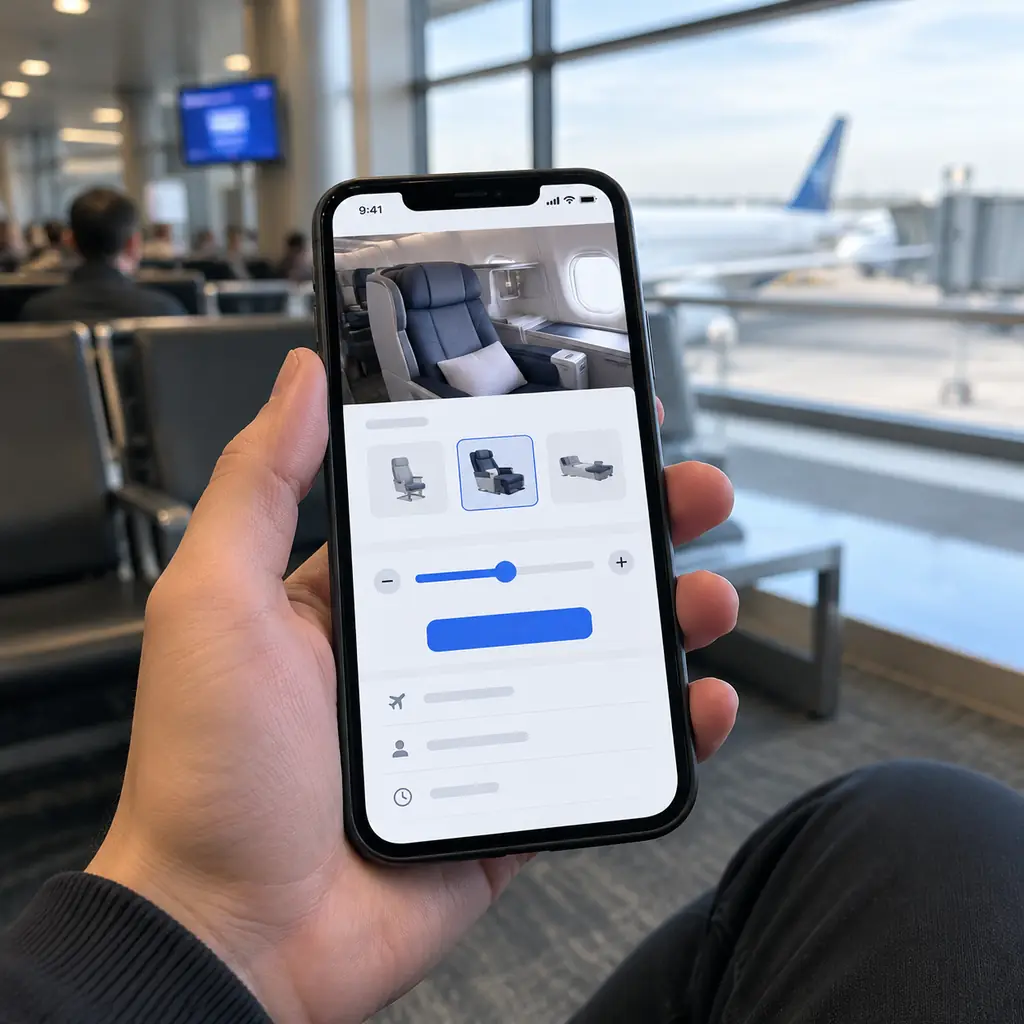
Platforms used by more than fifty airlines, mostly international carriers such as Lufthansa, Air Canada, Qantas, Singapore Airlines, and Virgin Atlantic, let travelers submit a bid for a business- or first-class seat before a cutoff time and find out, usually within 48 hours of departure, whether it was accepted. American, United, and Delta notably do not participate in this particular system.
wp:image {“id”:52896,”sizeSlug”:”full”,”linkDestination”:”none”,”align”:”center”}
/wp:image
Bids are not guaranteed, not every flight is eligible, and the airline sets the floor and the rules, but travelers have reported winning upgrades well below what a pre-purchased seat would have cost on the same route.
Checked bag allowance quietly tracks the upgrade decision too
Allowances generally scale with the fare: basic economy often charges for every checked bag, standard economy includes one, premium economy frequently adds a second bag up to around 23 kilograms, and business class typically raises the per-bag weight limit to roughly 32 kilograms per bag. Exact figures vary by carrier and route, so this is a pattern rather than a guarantee.
wp:image {“id”:52897,”sizeSlug”:”full”,”linkDestination”:”none”,”align”:”center”}
/wp:image
Travelers packing heavier gear, or packing for a longer trip in one bag, covered from a packing-strategy angle in HumbleTrail’s guide to fitting two weeks into one carry-on, should treat baggage allowance as part of the upgrade’s real value, not an afterthought.
The seat map for your exact flight beats guessing from the fare name
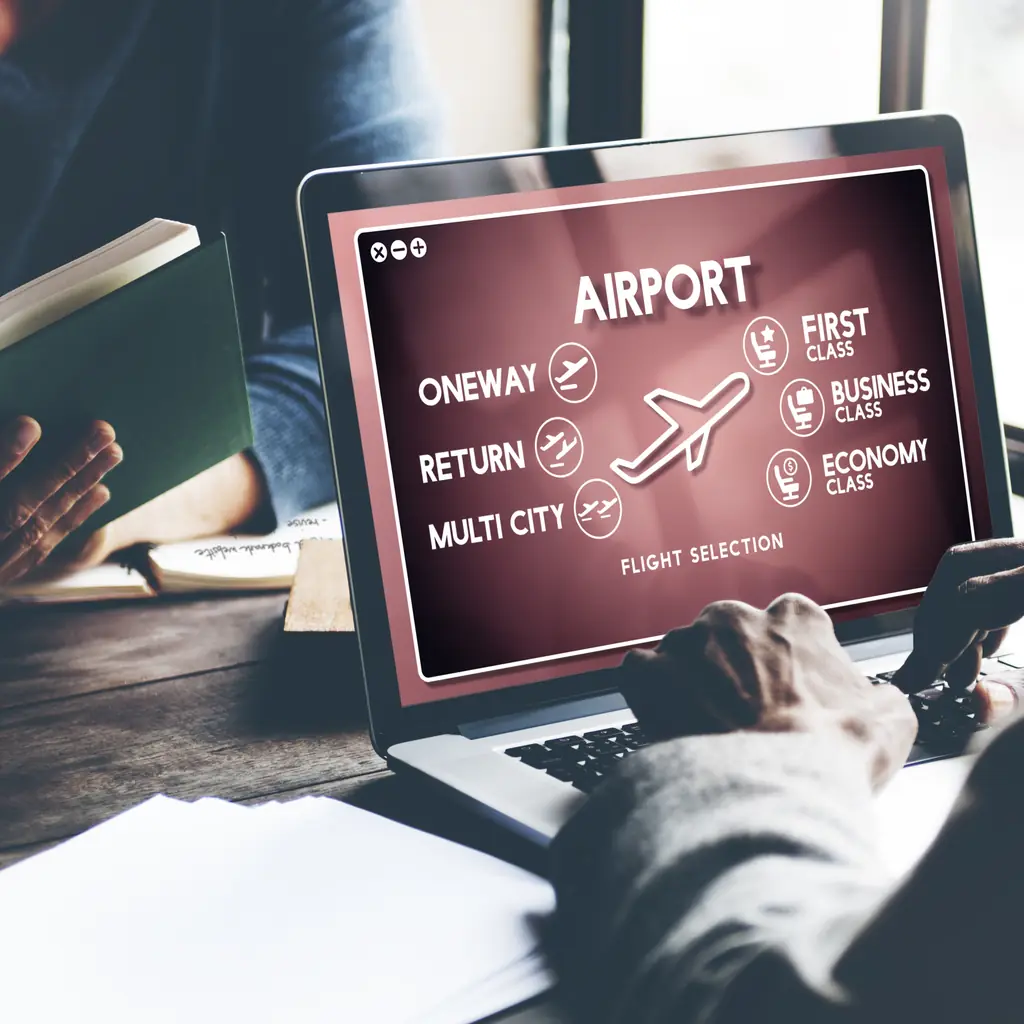
Because cabin hardware can differ by aircraft sub-fleet even within one airline, and because codeshares can scramble which rules actually apply, the most reliable check before paying for any upgrade is the seat map and aircraft type for the specific flight number and date booked, not the marketing name of the fare. Several seat-map tools let travelers search by flight number to see which configuration is actually assigned.
wp:image {“id”:52898,”sizeSlug”:”full”,”linkDestination”:”none”,”align”:”center”}
/wp:image
This single habit resolves most of the uncertainty described above, and it costs nothing to check before deciding whether a given upgrade is worth the extra fare.
Sources and references
- AeroCorner, “Premium Economy vs Economy: Is the Upgrade Worth It?”, accessed October 2026
- The Flying Engineer, “Economy vs Premium Economy”, accessed October 2026
- The Flying Engineer, “Best Business Class Seats 2026”, accessed October 2026
- View From The Wing, “It’s Coming: The Best Business Class Seat in the World Introduced By Qatar”, accessed October 2026
- InsideFlyer, “Qatar and Emirates upgrade business class in 2026”, accessed October 2026
- Upgraded Points, “First Class vs Business Class”, accessed October 2026
- One Mile at a Time, “First Class Vs. Business Class: What’s The Difference, Actually?”, accessed October 2026
- The Points Guy, “American Flagship Suites on Boeing 777-200 aircraft”, accessed October 2026
- View From The Wing, “New American Airlines will bring Flagship Suites to Boeing 787-8s”, accessed October 2026
- The Points Guy, “BA unveils new Club Suite product”, accessed October 2026
- Pointszilla, “Which British Airways planes have the new Club Suite?”, accessed October 2026
- Business Traveller, “Virgin unveils new Upper Class Suite”, accessed October 2026
- One Mile at a Time, “Virgin Atlantic’s Cabin Refresh: No Business Class Doors”, accessed October 2026
- BookMyBusinessClass, “Codeshare glossary”, accessed October 2026
- SmarterTravel, “Same Flight, Different Fares: Be Sure You Get the Lowest”, accessed October 2026
- BusinessClassTravel.us, “Business Class lounge access”, accessed October 2026
- MissTourist, “How to get airport lounge access without flying business class”, accessed October 2026
- NerdWallet, “4 Things to Know About Singapore Airlines Lounges”, accessed October 2026
- Thrifty Traveler, “Airlines Didn’t End Change Fees”, accessed October 2026
- DealsPoints, “Southwest Fare Classes Explained: What Changes in January 2026”, accessed October 2026
- DeepArrival, “Air Canada Business, Premium Economy Basic fares, July 2026”, accessed October 2026
- MyBaggage, “United Airlines Baggage Allowance 2026”, accessed October 2026
- RadicalStorage, “Delta Baggage Allowance 2026: Fees, Sizes & Class Guide”, accessed October 2026
- NerdWallet, “How to Bid on a Cabin Upgrade on Your Next Flight”, accessed October 2026
- Prince of Travel, “How Do Airline Bid Upgrades Work?”, accessed October 2026
- Australian Frequent Flyer, “How Plusgrade’s Upgrade Bid System Works”, accessed October 2026
Comments
The opinions and views expressed in the comments section are solely those of the individual users and do not represent or reflect the opinions, views, or positions of HumbleTrail. HumbleTrail does not endorse, support, or verify the accuracy of any user-generated content.
By posting a comment you agree to receive related emails from HumbleTrail in accordance with our Terms and Privacy Policy. You can unsubscribe at any time.