

Editor’s note: This article is an opinion piece based on publicly available traveler reviews, published itinerary and pricing information, and travel industry reporting we found online.
A standard-tier and a premium-tier coach tour can quote similar European routes while the lived experience diverges almost completely. Here is what the extra money is actually buying, itinerary by itinerary, operator by operator.
Group size changes who you’re traveling with, not just the headcount
Trafalgar’s mainstream Europe departures commonly run close to a full 40-seat coach, while its Premium-labeled itineraries still carry an average of around 33 travelers in that same coach, just with more space per person. Insight Vacations offers a choice of 24 or 40 as its maximum on Premium departures, and Luxury Gold caps most tours at an average of about 18 guests.
wp:image {“id”:52944,”sizeSlug”:”full”,”linkDestination”:”none”,”align”:”center”}

/wp:image
The practical difference shows up at bathroom stops, museum entries, and how long a guide can realistically hold a group’s attention. None of this is universal across operators or specific departures, so the listed maximum for the exact tour date matters more than the brand name alone.
Small-group operators start from a different headcount entirely
Rick Steves tours cap fully guided itineraries at 24 to 28 travelers as one of the company’s stated commitments, and G Adventures’ Europe trips typically run with roughly 12 to 16 people led by a local “CEO” (Chief Experience Officer) rather than a touring Travel Director. These aren’t premium tiers of a bigger-coach brand; they’re a structurally smaller product built around that cap from the start.
wp:image {“id”:52945,”sizeSlug”:”full”,”linkDestination”:”none”,”align”:”center”}

/wp:image
The tradeoff is usually fewer departure dates and less flexibility in which hotels or routes are offered, since the whole operation is sized around a van or mid-size coach rather than a full motorcoach fleet.
Hotel location tier is a separate upgrade from hotel star rating
Insight Vacations’ Premium tier is described as using “central 5- and 4-star hotels,” while Luxury Gold’s equivalent tier uses “5-star and boutique” properties. The word “central” is doing real work here: a 4-star hotel inside a city’s old town can mean a 10-minute walk to the main sight, while a nominally higher-starred property on the ring road can mean a 30-minute coach transfer each morning and evening.
wp:image {“id”:52946,”sizeSlug”:”full”,”linkDestination”:”none”,”align”:”center”}

/wp:image
Travelers comparing two quotes should ask for the actual hotel names and addresses rather than trusting the star rating alone, since location tier and star tier don’t always move together on the same itinerary.
Pacing is set by how many cities are packed into the week, not just by length
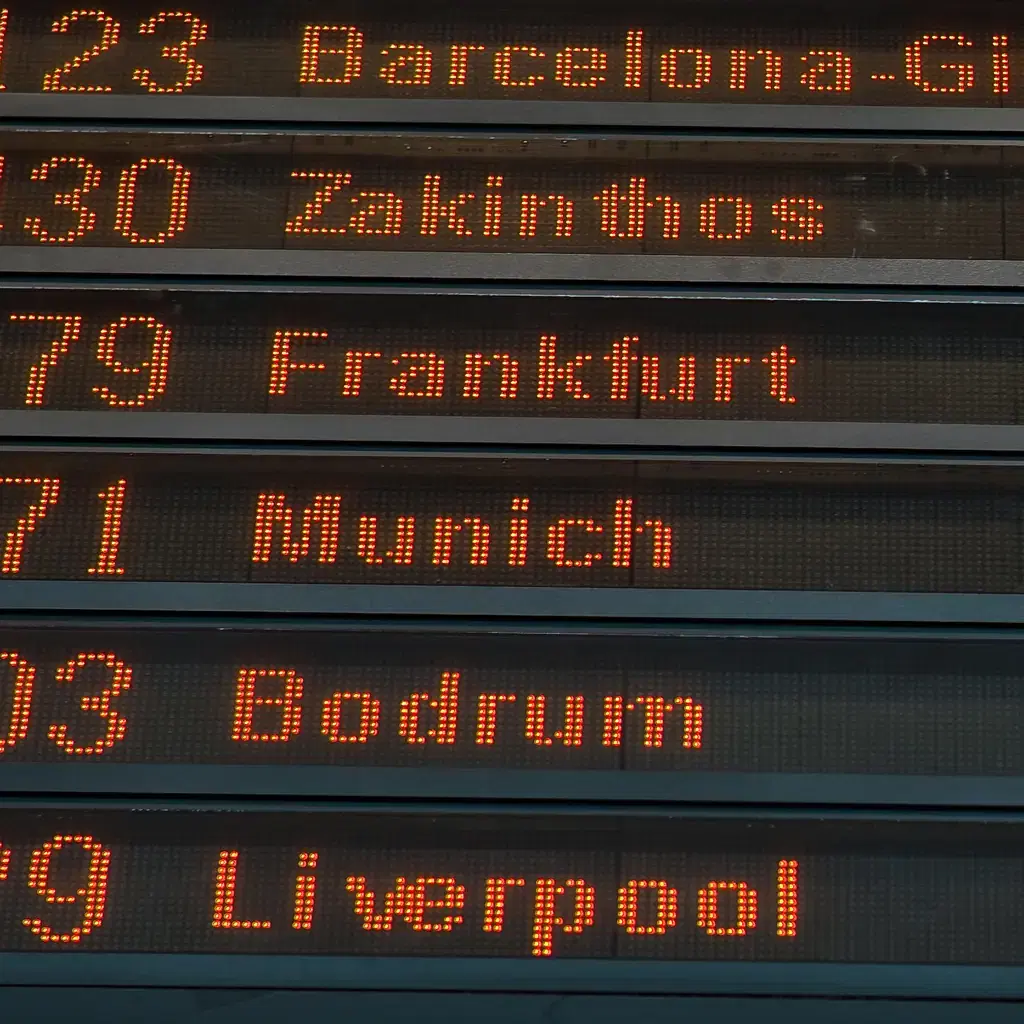
Contiki’s multi-country Europe itineraries, aimed at a younger, budget-conscious traveler, often move through 8 or more countries in two to three weeks with group sizes reported between roughly 24 and 53. A Rick Steves itinerary over a similar number of days typically visits far fewer stops and often books two consecutive nights in the same city, trading country count for time to actually settle into a place.
wp:image {“id”:52947,”sizeSlug”:”full”,”linkDestination”:”none”,”align”:”center”}
/wp:image
Neither pace is objectively better; a traveler who wants to see as much as possible in one trip and one who wants fewer places explored more slowly are optimizing for different outcomes, and the operator’s marketing language (“explorer,” “discovery,” “encounter”) is a rough but real clue to which philosophy a given itinerary follows.
Transfer quality starts before the tour itself begins
Trafalgar includes group airport transfers to and from the tour hotel on the first and last days when flights are booked through Trafalgar, but these shared transfers can involve waits of up to two hours for other arrivals, and the included transfer disappears if the traveler books flights independently. Luxury Gold, by contrast, offers a private door-to-door service that collects guests from home and delivers them to the airport, confirmed as available on 2026 departures.
wp:image {“id”:52948,”sizeSlug”:”full”,”linkDestination”:”none”,”align”:”center”}

/wp:image
A private car for up to two guests can usually be added to a standard or Premium Trafalgar booking for an extra fee, which effectively lets a traveler buy this specific upgrade without moving to a different brand entirely.
The in-tour coach itself is a line-item upgrade
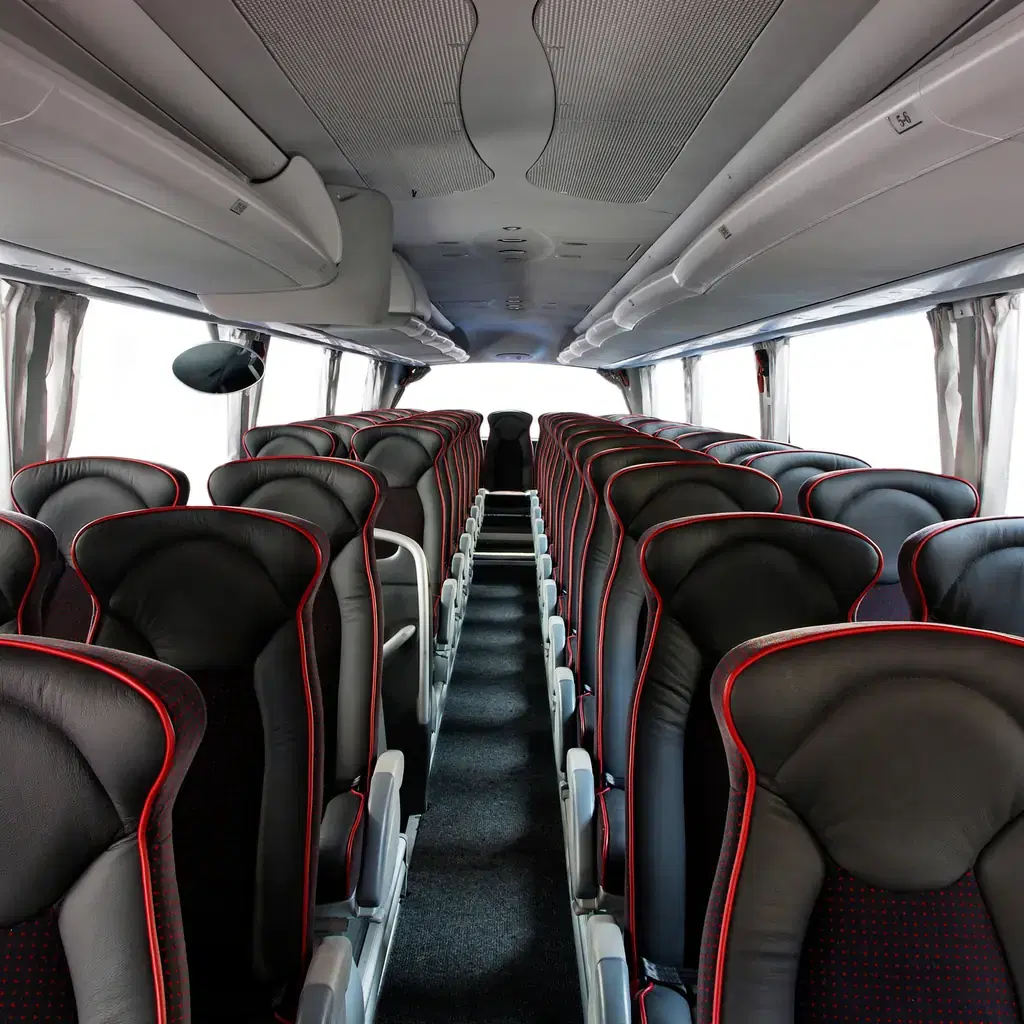
Trafalgar markets its Premium-tier coach as a “Business Class” vehicle with roughly double the standard legroom, seating a similar headcount in a larger vehicle rather than simply using a smaller one. Insight Vacations and Luxury Gold both describe a comparable “custom Business Class coach” as part of their standard inclusion, meaning this particular comfort upgrade is shared across more than one premium-tier brand rather than being unique to any single operator.
wp:image {“id”:52949,”sizeSlug”:”full”,”linkDestination”:”none”,”align”:”center”}
/wp:image
For travelers with longer legs or limited mobility, asking specifically about coach seat pitch, rather than trusting “luxury coach” marketing language, is the more reliable way to compare this.
Guide structure splits into two different models
Trafalgar and similar coach-tour operators pair a single Travel Director, who manages logistics and narrates throughout the trip, with destination-specific “Local Specialists” who join for particular cities or regions. G Adventures instead uses one local CEO who often lives in or near the region being covered, embedded in the group for the whole trip rather than rotating in for single stops.
wp:image {“id”:52950,”sizeSlug”:”full”,”linkDestination”:”none”,”align”:”center”}

/wp:image
Neither structure guarantees better expertise on its own; a Travel Director who has run the same route for years can know a region as well as a rotating specialist, so this is worth asking about directly rather than assuming the model implies the depth.
Meal inclusions vary by number and by which meals are covered
Trafalgar’s Premium “Best of Italy”-style itinerary lists 10 breakfasts, 1 lunch, and 5 dinners included across an 11-day trip, leaving several lunches and a number of dinners as the traveler’s own choice and expense. Rick Steves includes all breakfasts and roughly half of dinners as a stated commitment, with lunches typically independent on both models.
wp:image {“id”:52951,”sizeSlug”:”full”,”linkDestination”:”none”,”align”:”center”}

/wp:image
The gap between “meals included” as a marketing phrase and the actual meal count in the day-by-day itinerary document is one of the more commonly misread details, so checking the printed inclusions list rather than the summary blurb matters here specifically. Travelers weighing how much more to spend before they even reach the tour might recognize the same logic from what the extra money actually buys on a long-haul flight: the upgrade is real, but it needs to be priced against the specific trip, not assumed.
Signature cultural inclusions differ by brand even at comparable price points
Trafalgar’s “Be My Guest” program, which it describes as including more than 100 experiences across its portfolio, brings small groups into a local home, farm, vineyard, or similar setting for a meal and conversation with the hosts, built into the itinerary rather than offered as an add-on. Other operators build in similar local-access moments under different names, and some budget-tier itineraries skip this category of inclusion entirely in favor of a lower headline price.
wp:image {“id”:52952,”sizeSlug”:”full”,”linkDestination”:”none”,”align”:”center”}

/wp:image
Because this kind of inclusion varies itinerary by itinerary even within one operator’s catalog, it’s worth checking the specific day-by-day document rather than assuming every departure on a given brand includes one.
Solo-traveler occupancy is priced and handled differently by operator
Insight Vacations runs a program that tries to pair solo travelers of the same gender to avoid a single supplement altogether, marking solo-friendly departures with an “ST” symbol, and provides a single room at no extra cost when no match is available; the company states this program can save up to roughly $1,100 per person but doesn’t apply to cruise-inclusive packages, short city breaks, or some Middle East itineraries. Luxury Gold instead lets solo travelers simply book a private room directly on any departure.
wp:image {“id”:52953,”sizeSlug”:”full”,”linkDestination”:”none”,”align”:”center”}

/wp:image
A traveler planning to go alone should ask for the exact single-supplement figure or room-share terms for their specific departure date, since this is one of the widest and most variable cost swings between otherwise similar-looking itineraries. Older travelers considering a first solo guided trip often face the same kind of fine print covered in what no one tells you about snowbird travel after 70, where occupancy and insurance terms matter as much as the destination.
Optional excursions are a separate spending layer on top of the base price
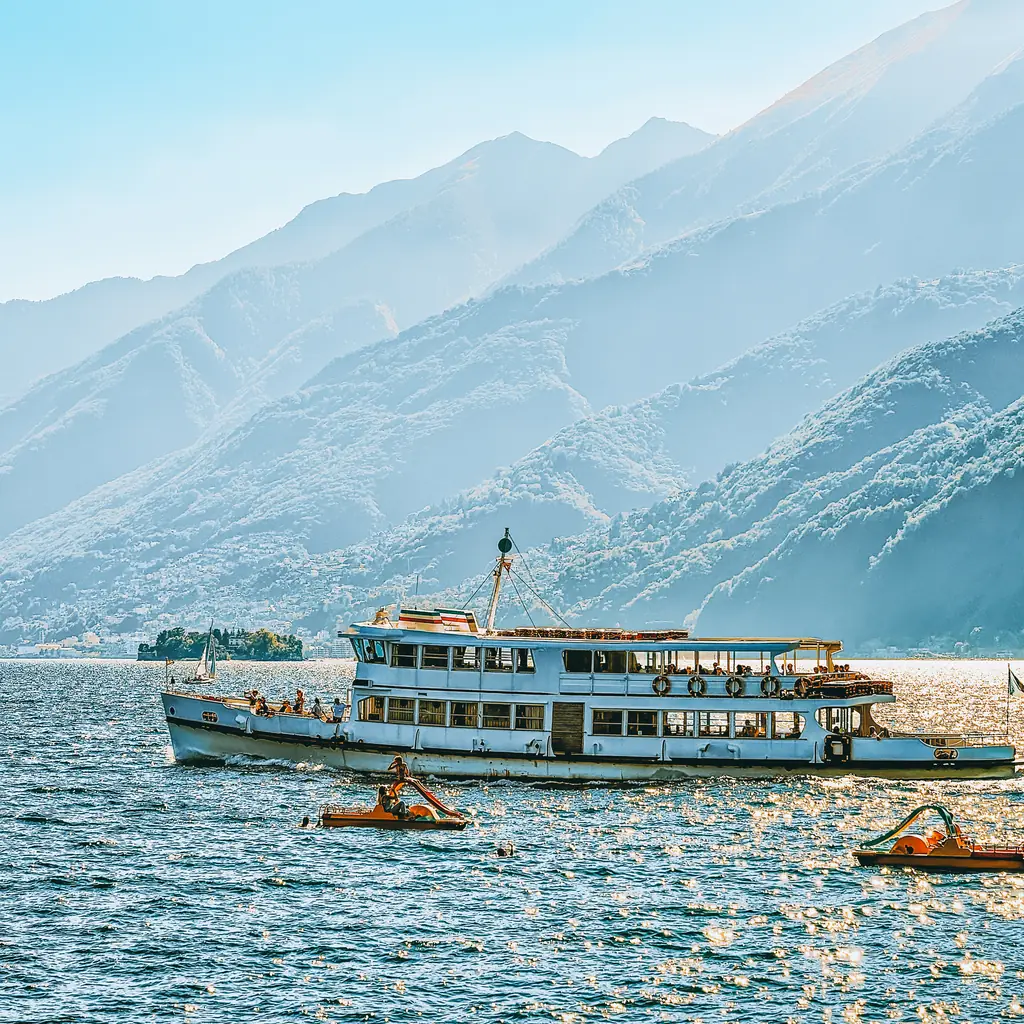
Across mainstream European coach tours, optional excursions booked once on the ground commonly run in the neighborhood of €30 to €150 per person per activity, often including return transfers and a local guide. These are presented as add-ons precisely because they sit outside the base tour price, and a traveler who books several across a two-week trip can meaningfully change the real total cost of what looked like a fixed-price holiday.
wp:image {“id”:52954,”sizeSlug”:”full”,”linkDestination”:”none”,”align”:”center”}
/wp:image
Some bookings, including certain AAA-affiliated Trafalgar packages, have included on-tour credit toward one optional excursion as a promotional perk, which is a reminder that these line items are also where discounts and incentives tend to get applied. It’s a similar pattern to the add-on traps covered in holiday flight mistakes experienced travelers over 60 stopped making: the headline price rarely tells the whole story.
The price gap between tiers of the same brand reflects a different itinerary, not just better service on an identical one
Trafalgar’s standard “Best of Italy” 13-day itinerary has been priced from roughly A$3,400 to A$4,750 depending on departure date and booking channel, while the Premium “Italy in Full” 11-day itinerary from the same brand has listed from roughly A$5,975 to A$8,695. These aren’t the identical route sold at two service levels; the city list, number of days, and specific inclusions differ between them, so the price gap is partly a different product rather than purely a service upgrade on one fixed itinerary.
wp:image {“id”:52955,”sizeSlug”:”full”,”linkDestination”:”none”,”align”:”center”}

/wp:image
Comparing tiers responsibly means lining up the day-by-day itinerary PDFs side by side, not just the two headline prices, the same instinct behind judging which historic hotels are worth every extra dollar rather than paying more on reputation alone.
Premium tiers can mean fewer destinations in exchange for deeper access
Luxury Gold offers roughly 30 tours across its catalog compared with around 80 for Insight Vacations’ Premium tier from the same parent company, trading breadth of route choice for a smaller, more curated set of itineraries built around boutique hotels and more exclusive access. A traveler fixed on one specific regional route may find it only exists at the larger brand’s Premium level and not at all in the smaller luxury brand’s catalog.
wp:image {“id”:52956,”sizeSlug”:”full”,”linkDestination”:”none”,”align”:”center”}

/wp:image
This is worth checking before assuming the “better” brand automatically covers the exact trip wanted; destination availability can decide the choice before price or service ever does.
Before- and after-hours access is a distinct premium lever, separate from the hotel or coach
Travel-trade coverage of Luxury Gold describes “before- and after-hours access” to sites and attractions as part of what separates it from Insight Vacations’ Premium tier, alongside more personalization in planned experiences. This kind of access, visiting a landmark before public opening or after closing, depends on specific site arrangements and isn’t something every premium-tier itinerary offers even within the same operator’s range.
wp:image {“id”:52957,”sizeSlug”:”full”,”linkDestination”:”none”,”align”:”center”}

/wp:image
Travelers who specifically want this experience should confirm it by itinerary rather than assume it attaches automatically to any tour marketed as premium or luxury.
Dining tier is described in marketing language that rewards a second look
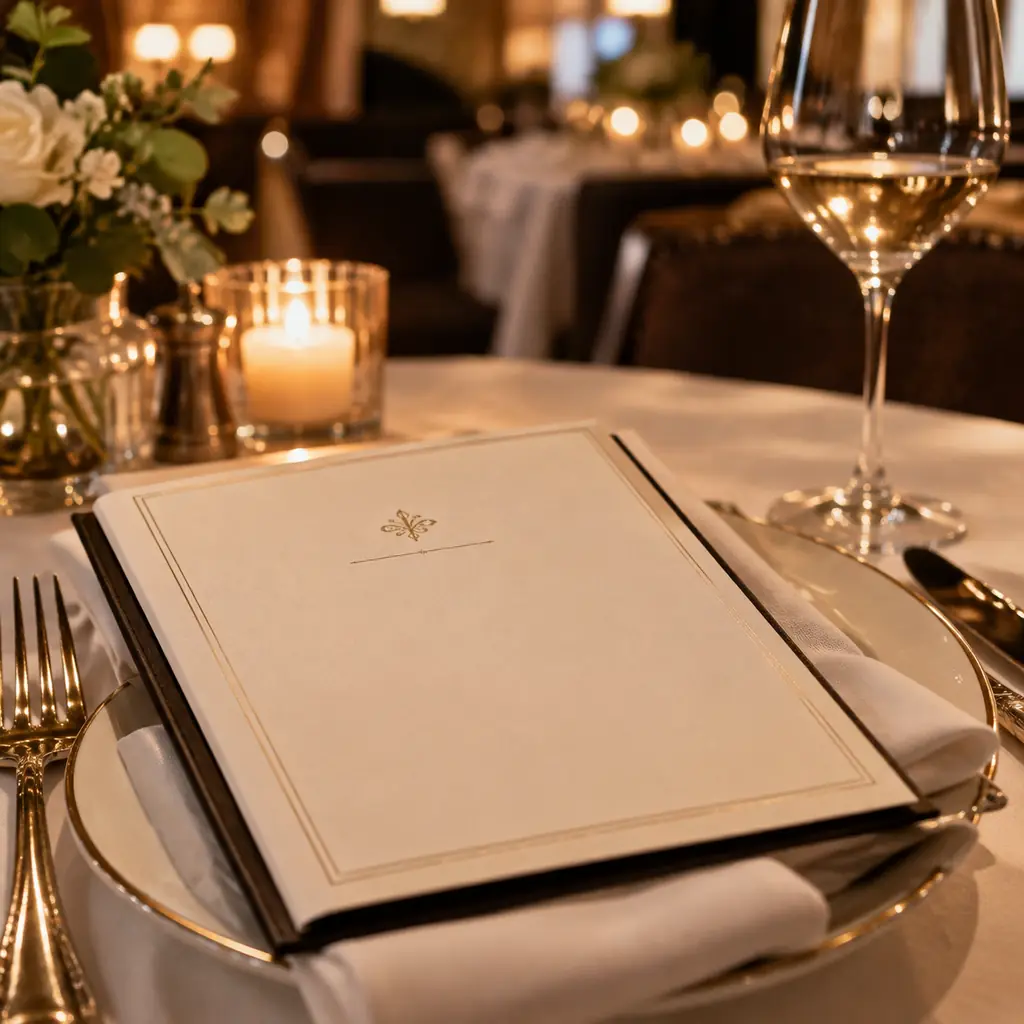
Insight Vacations’ Premium tier promises “top-rated local restaurants,” while Luxury Gold’s language shifts to “acclaimed restaurants,” phrasing that suggests a step toward chef-driven or critically recognized dining rather than simply well-reviewed local spots. Neither phrase is independently verified restaurant-by-restaurant in public marketing copy, so it functions more as a positioning signal between the two tiers than a guaranteed list of specific venues.
wp:image {“id”:52958,”sizeSlug”:”full”,”linkDestination”:”none”,”align”:”center”}
/wp:image
A traveler who cares specifically about dining quality should ask for named restaurants on the itinerary rather than relying on the tier’s marketing description.
Some premium lines now build entire itineraries around a single traveler segment
Insight Vacations has expanded a women-only collection for 2026 and 2027, describing eleven Premium-tier itineraries spanning Europe, North Africa, the Americas, and India aimed at solo female travelers. This sits inside the Premium tier’s existing inclusions and hotel standards but changes group composition and, in some cases, scheduling and activity choices built around that specific audience.
wp:image {“id”:52959,”sizeSlug”:”full”,”linkDestination”:”none”,”align”:”center”}

/wp:image
It’s a narrower option than the general Premium catalog, and travelers outside the target segment would choose from the broader portfolio instead. Anyone booking a multi-week Premium itinerary, regardless of tier, still faces the same packing problem covered in 25 essential items to pack in your carry-on for an international flight, since tour-level upgrades don’t change airline baggage rules.
Budget-tier operators trade group size and inclusions for a lower headline price and younger crowd
Contiki’s positioning and reported per-day pricing sit well below the coach-tour premium tiers discussed above, with trips built around a younger demographic and a schedule that leaves more of the day open for optional paid activities rather than bundling them into the base price. Group sizes on its European trips have been reported in the roughly 24-to-53 range depending on the specific departure and itinerary.
wp:image {“id”:52960,”sizeSlug”:”full”,”linkDestination”:”none”,”align”:”center”}

/wp:image
This isn’t a worse product so much as a different one aimed at a different traveler; comparing its base price directly against a Premium-tier coach tour without accounting for what’s bundled versus optional will overstate the actual savings.
Coach-tour and small-group models handle the drive between cities differently
Full-coach operators keep travelers together in one vehicle for the whole multi-country route, including the long transit days between major stops, while some small-group and premium itineraries substitute a train segment for part of the route between two cities to cut transit time or add scenery, before returning to coach or walking tours at the next stop. This is a transport choice within an itinerary rather than a separate product category, and which legs use a train versus a coach varies by specific tour and season.
wp:image {“id”:52961,”sizeSlug”:”full”,”linkDestination”:”none”,”align”:”center”}

/wp:image
Travelers sensitive to total time spent in transit should check the day-by-day itinerary for which legs are coach, train, or on foot rather than assuming a uniform mode for the whole trip, in the same way scenic train rides retirees say are worth booking for the view only pay off on the routes where the landscape actually justifies the window seat.
Hotel tips, local taxes, and similar bundled extras shift what “price included” actually covers
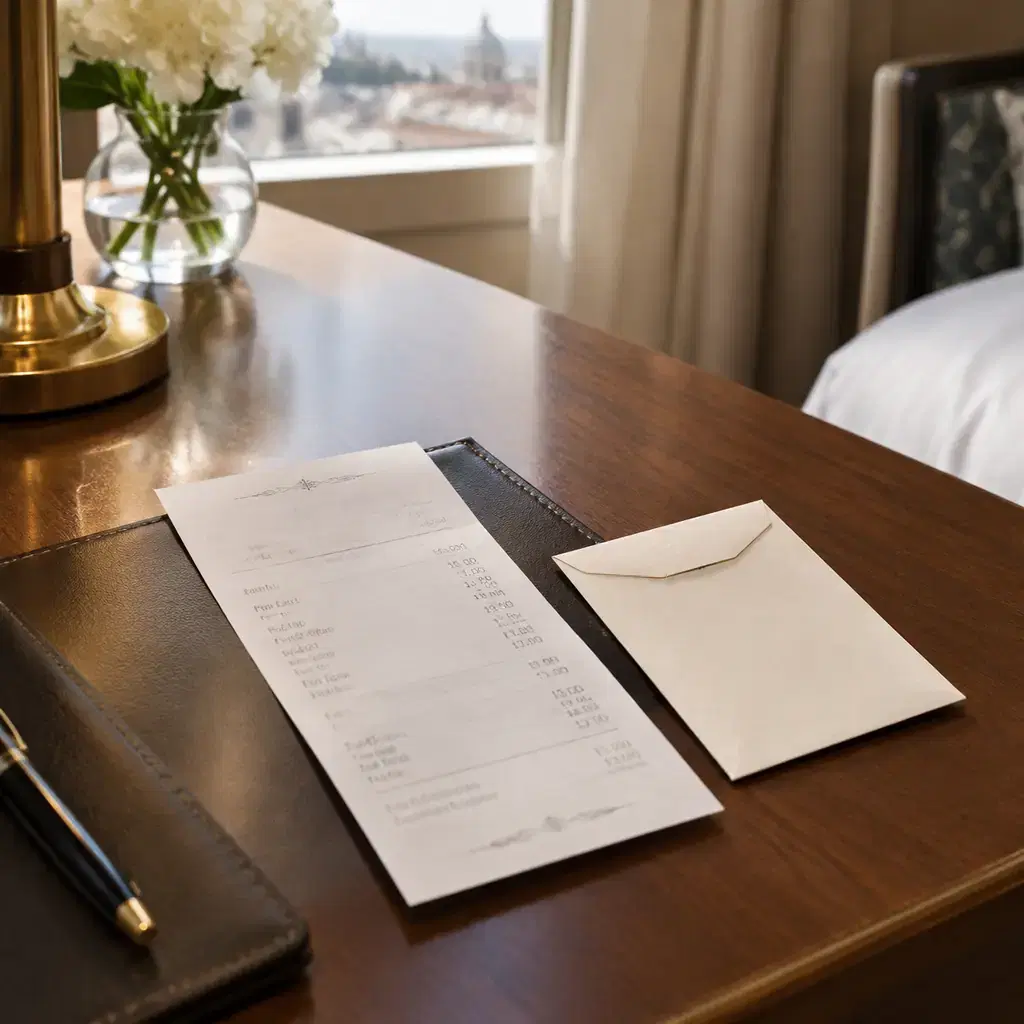
Trafalgar’s Premium itinerary documentation lists hotel tips and local taxes as included in the base price, a detail easy to miss when comparing a quoted total against another operator that leaves those as pay-on-arrival extras. Over a 10- to 14-night trip, this kind of bundling difference can add up to a meaningful gap between two itineraries that otherwise look similarly priced.
wp:image {“id”:52962,”sizeSlug”:”full”,”linkDestination”:”none”,”align”:”center”}
/wp:image
Reading the fine-print inclusions list, not just the headline nightly rate or total price, is the only reliable way to catch this before booking. It helps to have already solved the logistics around it, including how to pack two weeks into one carry-on without overpacking, so the tier decision isn’t complicated by baggage fees on the way there.
The most useful comparison is itinerary against itinerary, not brand against brand
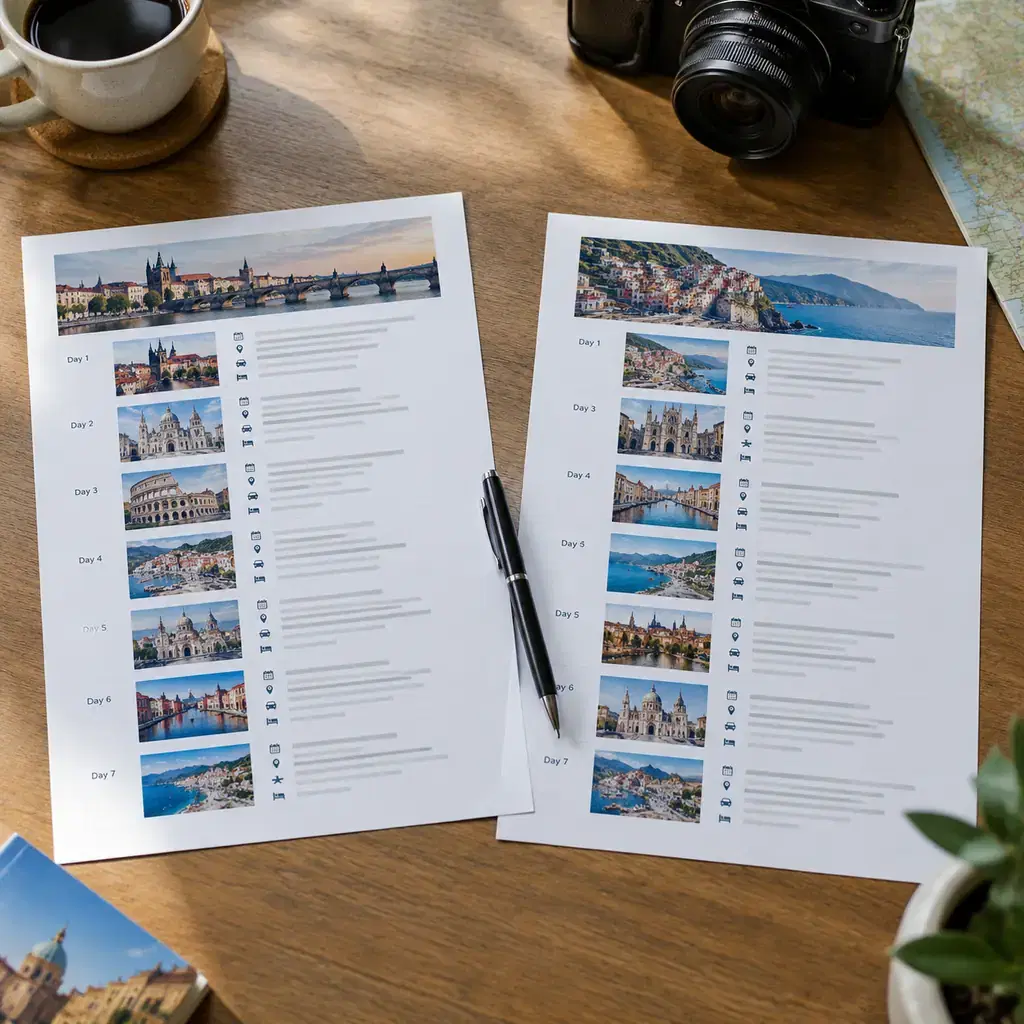
Because tier names, group-size caps, and inclusions vary by specific departure even within one operator’s own catalog, the responsible way to evaluate the price gap between an ordinary and a premium guided tour of Europe is to pull the actual day-by-day PDF for both options being considered and compare hotels, meal counts, group-size cap, and what’s bundled line by line. Marketing terms like “Premium,” “Luxury,” or “small-group” are a starting filter, not a guarantee of any specific feature on any specific date.
wp:image {“id”:52963,”sizeSlug”:”full”,”linkDestination”:”none”,”align”:”center”}
/wp:image
This also means a traveler’s own priorities, whether that’s hotel location, guide depth, solo-travel terms, or simply fewer travel days lost to transit, should decide which upgrade is worth paying for, rather than defaulting to the next tier up as a blanket improvement.
Sources and references
- Trafalgar, “Italy in Full” (Best of Italy Premium) tour page, trafalgar.com, accessed October 13, 2026
- Trafalgar, “Best of Italy” standard 13-day tour pricing and itinerary (via AAA Vacations and TourRadar listings), accessed October 13, 2026
- Trafalgar, “Be My Guest” program page, trafalgar.com/en-gb/why-trafalgar/be-my-guest, accessed October 13, 2026
- Trafalgar, airport transfers resource page, trafalgar.com, accessed October 13, 2026
- Insight Vacations, “TTC Portfolio of Brands” comparison page, insightvacations.com, accessed October 13, 2026
- Insight Vacations, “10 Reasons to Choose Solo Travel” and “Seven Reasons to Travel Solo” blog posts, insightvacations.com, accessed October 13, 2026
- Luxury Gold, “During Your Tour” FAQ page, luxurygold.com/en-au/faqs/during-your-tour, accessed October 13, 2026
- Travel Week Canada, “Why Luxury Gold by Insight Vacations is your best bet for VIP clients,” travelweek.ca, accessed October 13, 2026
- Rick Steves Europe, “Rick’s 10 Commitments,” ricksteves.com/tours/ricks-10-commitments, accessed October 13, 2026
- G Adventures tour listings and CEO program description, via TravelStride operator profile, accessed October 13, 2026
- Contiki European tour pages (“European Quest,” “European Encounter”) and per-day pricing data, contiki.com, accessed October 13, 2026
- Travel Daily / Yahoo News Australia, reporting on Insight Vacations’ 2026 to 27 women-only tour collection, accessed October 13, 2026
- General optional-excursion pricing and AAA on-tour credit details, compiled from Wendy Wu Tours help centre and AAA Vacations package listings, accessed October 13, 2026
Comments
The opinions and views expressed in the comments section are solely those of the individual users and do not represent or reflect the opinions, views, or positions of HumbleTrail. HumbleTrail does not endorse, support, or verify the accuracy of any user-generated content.
By posting a comment you agree to receive related emails from HumbleTrail in accordance with our Terms and Privacy Policy. You can unsubscribe at any time.