

A knowledgeable and prepared rider is a quiet, observant rider.
They’re predictable, considerate and safety-conscious, and the following practices help riders be all these things:
Editor’s note: This article offers general cycling and shared-trail guidance.
23. They Read the Trailhead Board Before Unloading
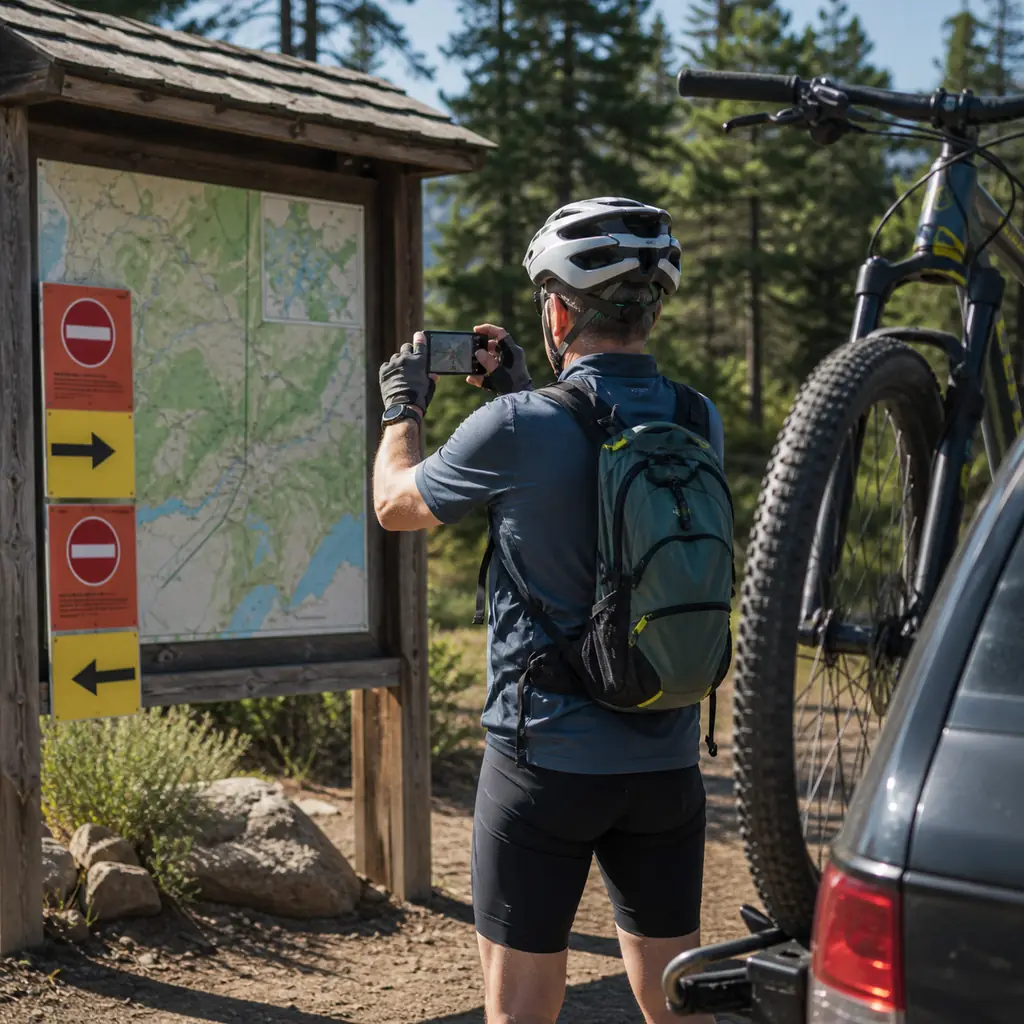
Examine the map board. Experienced riders know the value of stopping to examine the map and other pertinent information at trailheads.
Signs may indicate one-way trails, closures, bike restrictions, required permits, etc., so checking them is essential, even if you’ve been to the location many times in previous seasons.
22. They Check Conditions Before the Drive
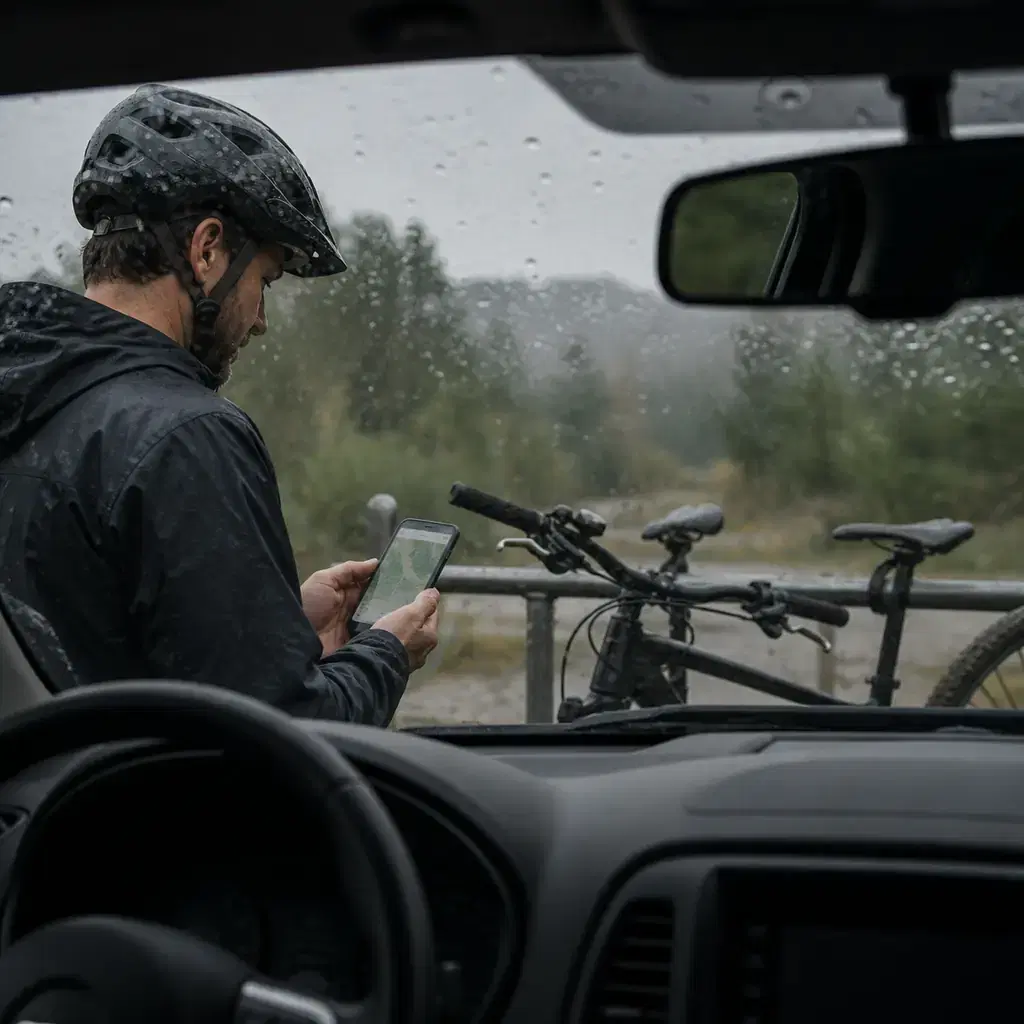
Check for alerts. Check for closure information and trail conditions with the land manager before heading out, because rain, storms, fires, seasonal restrictions and trail projects can disrupt plans, particularly on soft-surface trails.
Having an alternative, dry route makes it easier to keep riding plans intact if a favorite stretch of singletrack is closed.
21. They Save the Route Before Service Disappears
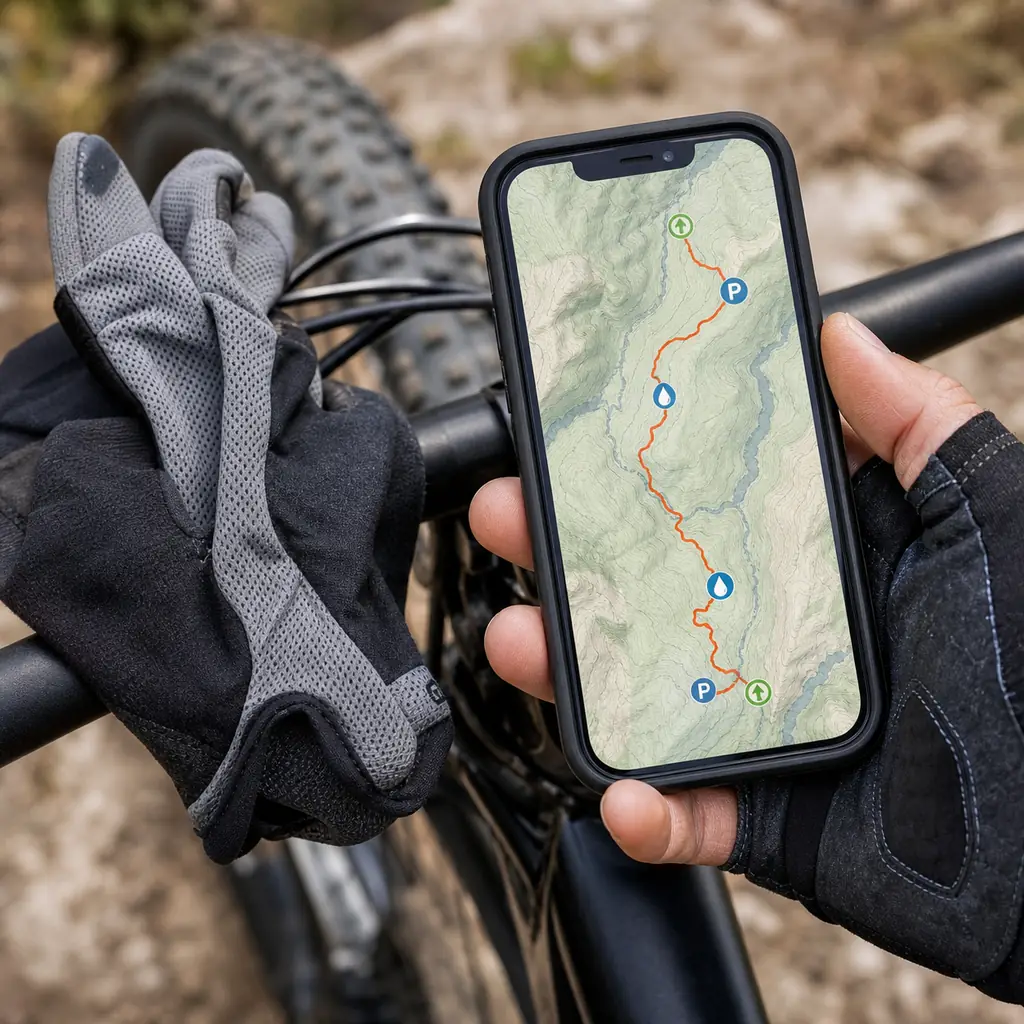
Download an official map for the area and make sure to mark where you’re parking, where there’s water and where you’re planning to turn around.
It’s also smart to take a picture of the trailhead map/signs for reference, since GPS apps crash, cellular service is lacking and trail signs are not always present.
20. They Perform an ABC Quick Check
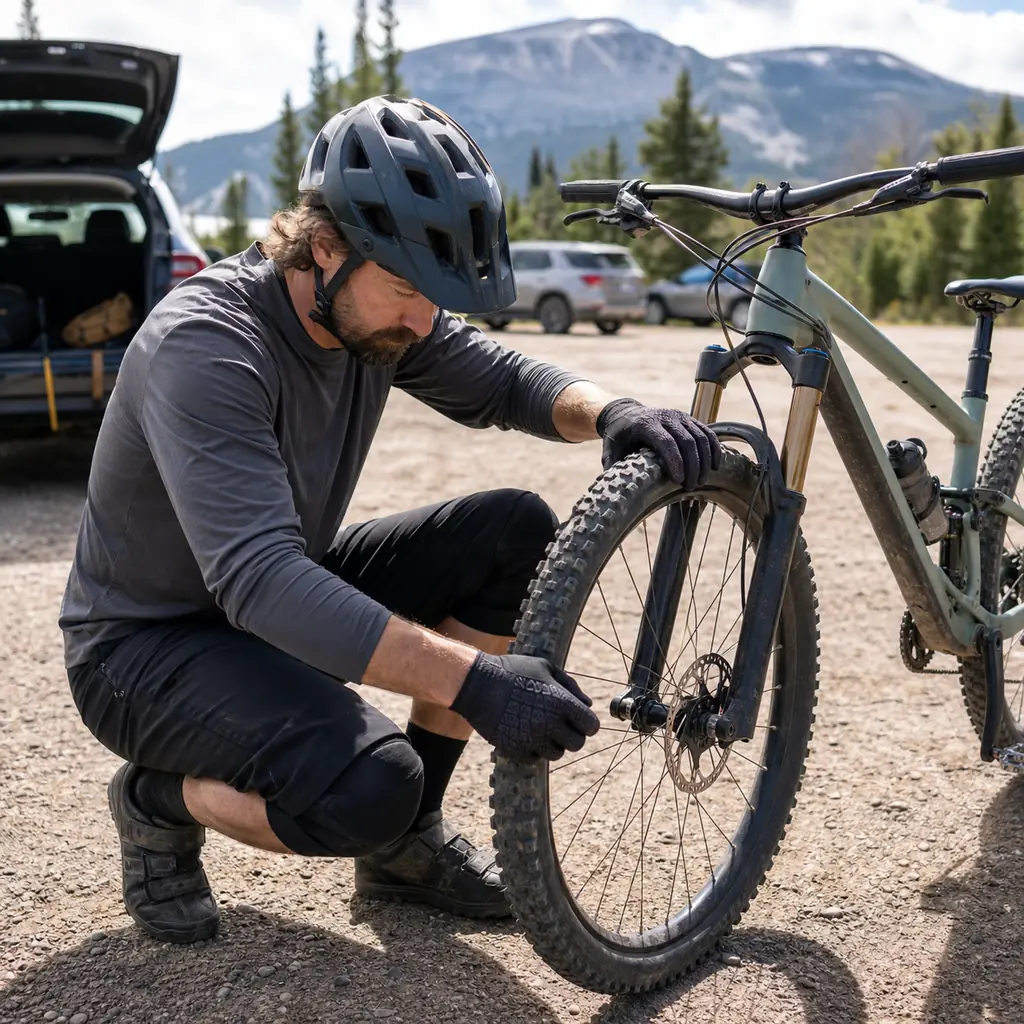
Give your bike a once-over. It’s safer and easier to check tire pressure, brakes, chains, cranks, quick releases, etc., while parked than after starting the ride.
Test your brakes and listen for unusual noises by taking a lap of the parking lot before hitting the trail.
19. They Fit the Helmet Instead of Merely Wearing It
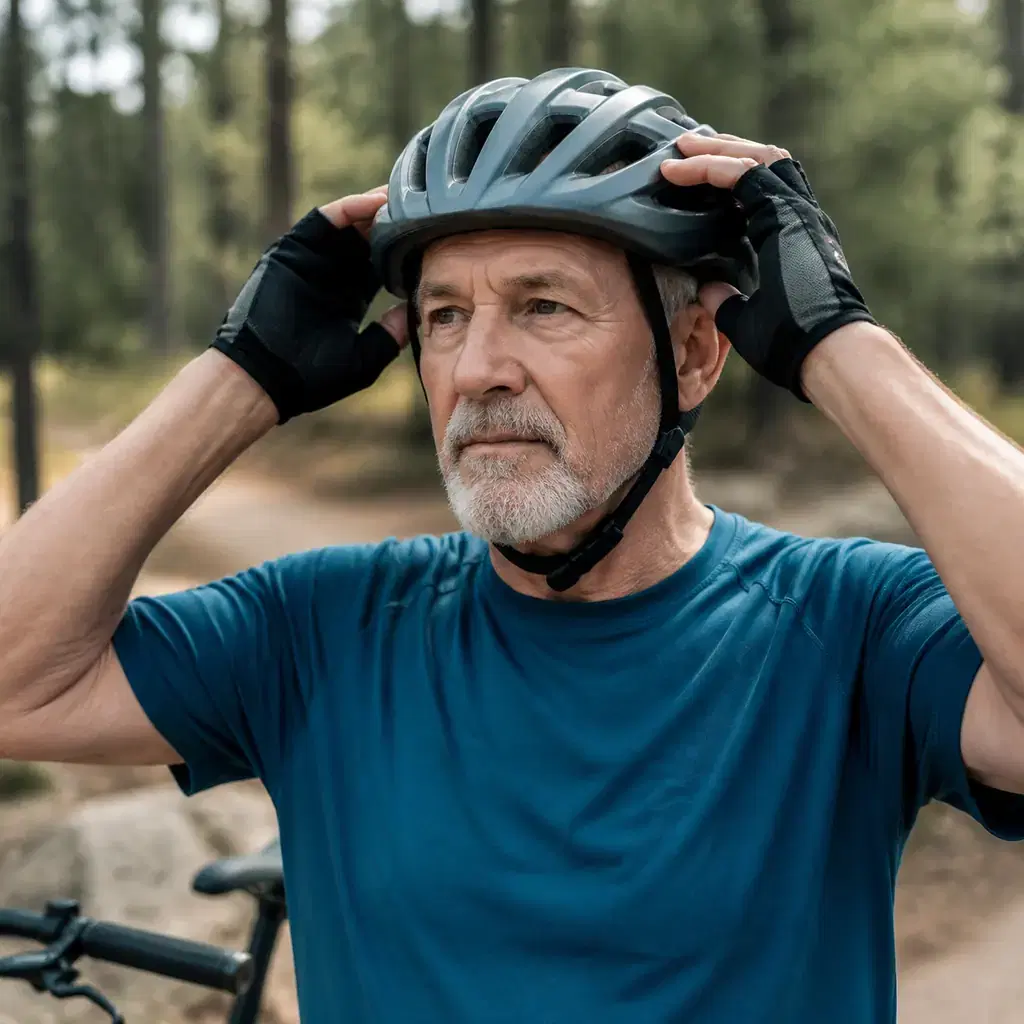
Wear a helmet and make sure it is adjusted correctly before hopping on, as it should sit level and low on your head, the side straps should come to a “V” just below your ears and the chin strap should be snug.
If you’ve recently lent your helmet to another rider, worn a hat or cap underneath or been sweating buckets, double-check your helmet.
18. They Carry a Fix for an Ordinary Flat
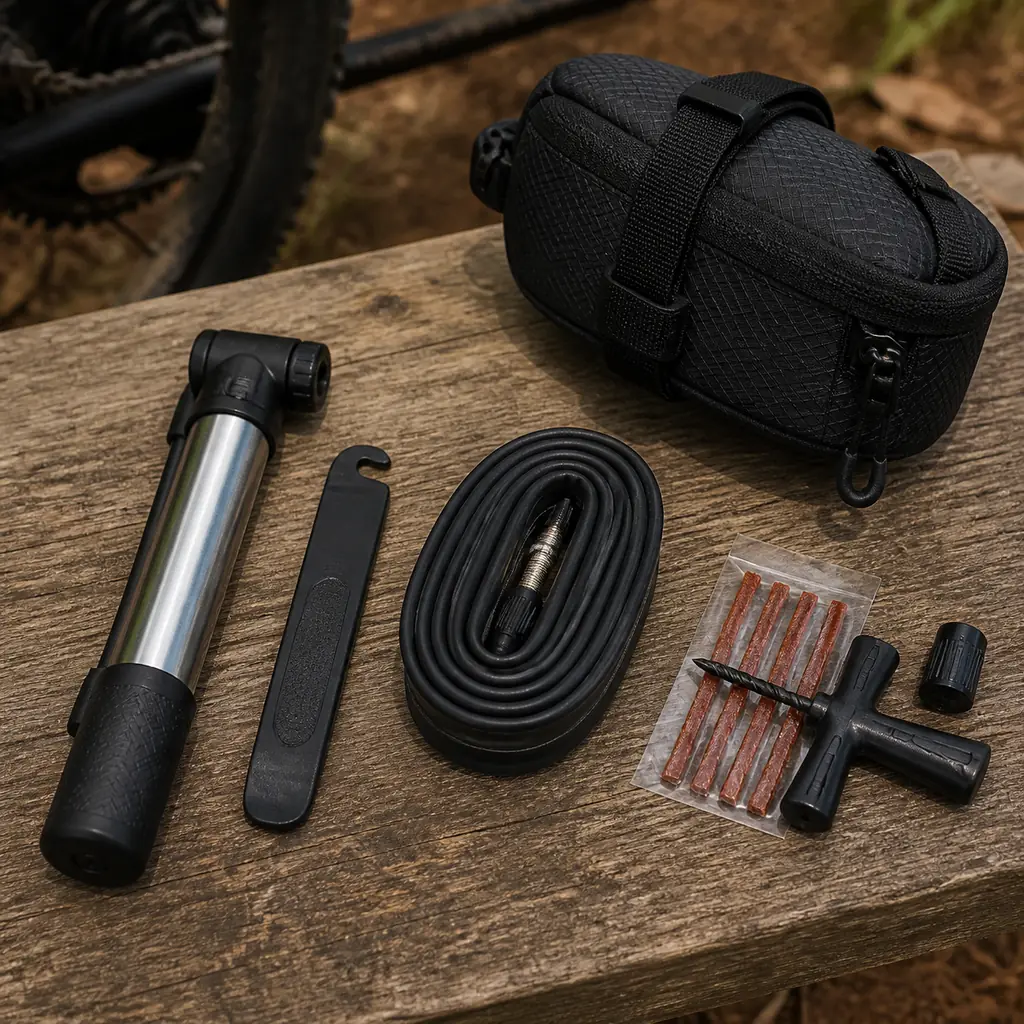
Carry a flat-repair kit. Whether it includes inner tubes and tire levers or plugs and an inflator for a tubeless setup, a tire-repair kit is a must-have tool for cyclists.
Practice with it so you’re comfortable with it and make sure to bring the correct kit for your setup. Read more: unexpected items experienced travelers pack.
17. They Bring Water Instead of Assuming It Is There
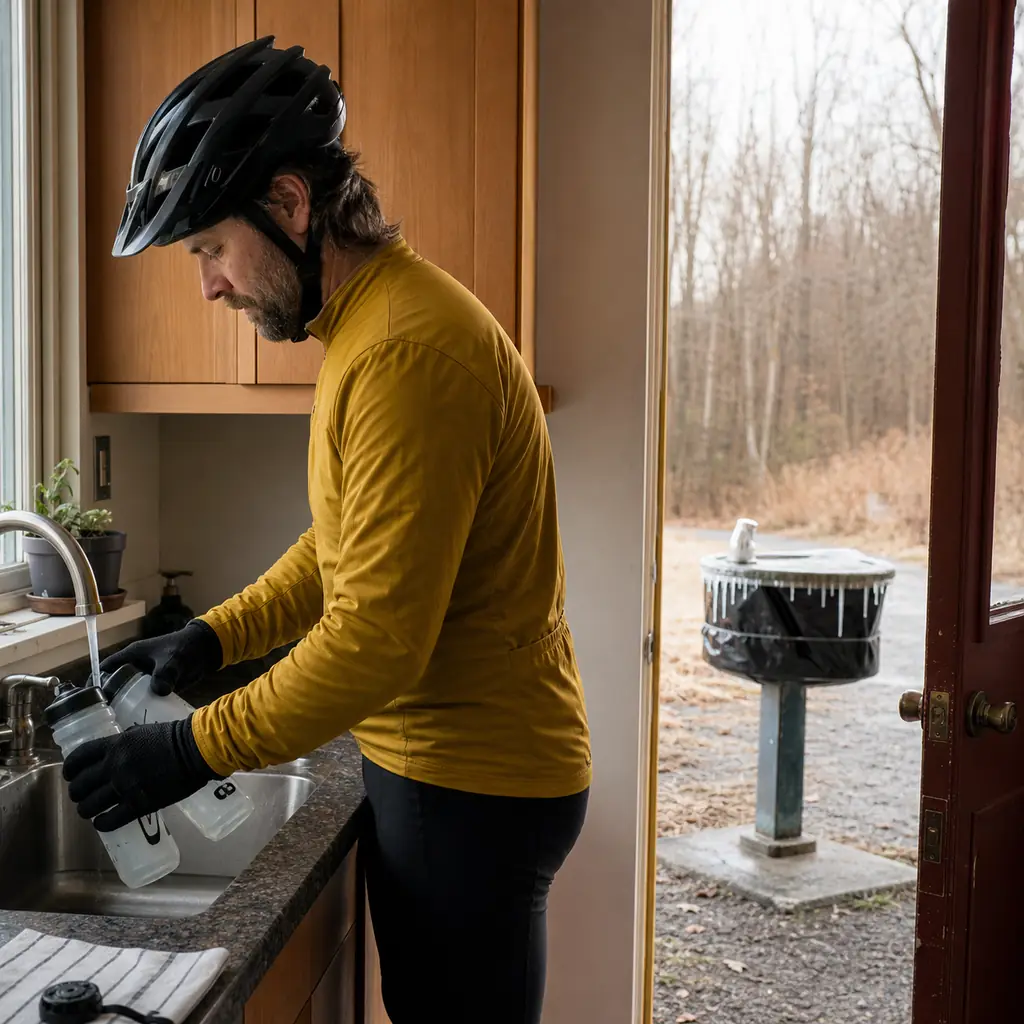
Check the water supply. Depending on the location, riders may be able to fill their water bottles from a running spigot or a fountain, or find that the spigot is locked up, shut off for the season or missing altogether.
Carry the amount of water that makes sense for you based on the distance and difficulty of the route, the heat, how fast you’ll be riding and unforeseen events like flat tires. There’s no universal answer for how many bottles riders should bring.
16. They Stage the Bike Without Taking Over the Trailhead
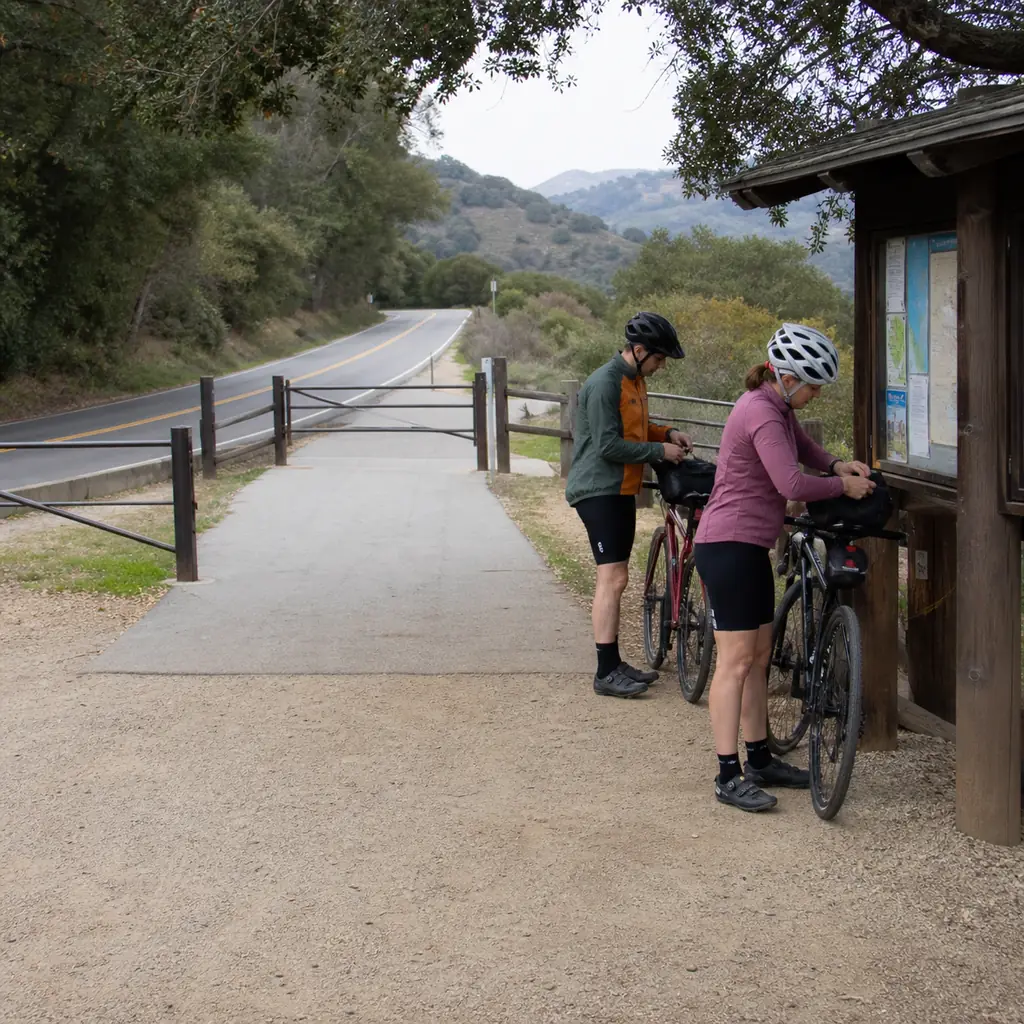
Leave room. Keep bikes, gear, waiting riders, car doors and groups of riders to one side at trailheads to make room for other riders, walkers, runners, etc., to pass or access maps and signs.
Scan the parking area for hazards before pulling out. Be predictable and courteous. Read more: campground habits experienced travelers notice.
15. They Keep the Dog’s Leash From Crossing the Trail
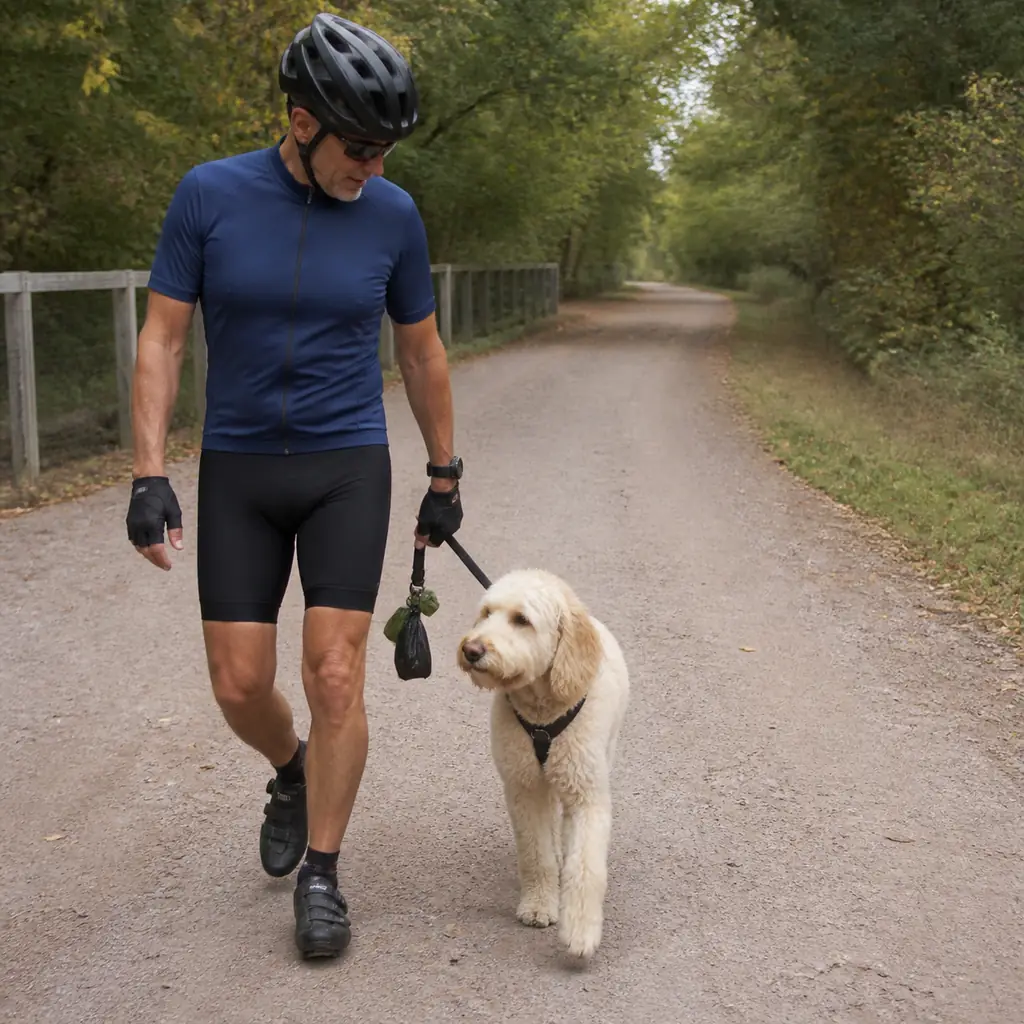
Follow leash laws. Riders with dogs should first check whether dogs are allowed and know what leash-length restrictions exist in the area.
Watch your dogs’ reactions to other users, keep them close to you and clean up after them.
14. They Keep Both Ears Available
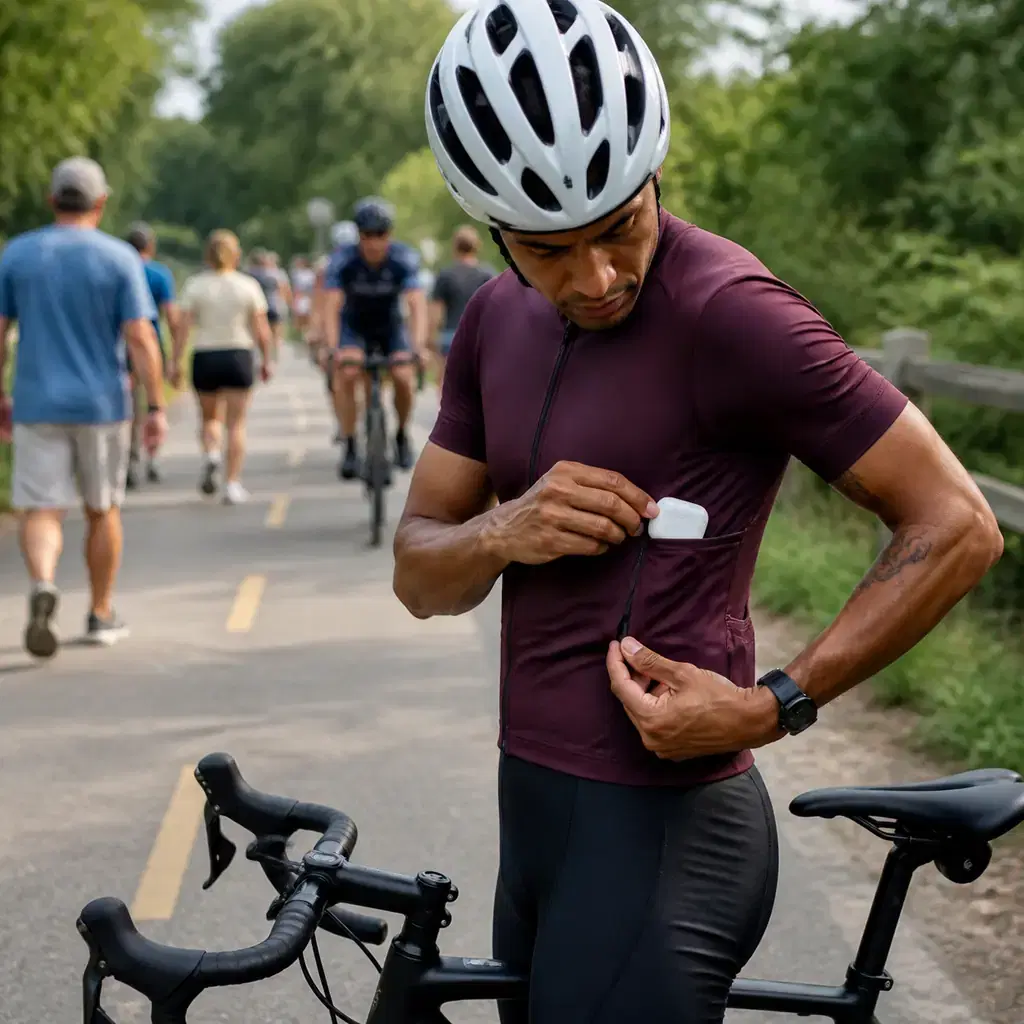
Keep your ears available. Riders should refrain from listening to headphones on shared-use paths, particularly when it’s busy or difficult to hear approaching vehicles.
Cyclists need to hear approaching runners, walkers, horses, kids, dog walkers, other bikes and vehicles so they can be safe and courteous. Read more: carry-on habits that prevent gate trouble.
13. They Look Before Entering or Rejoining
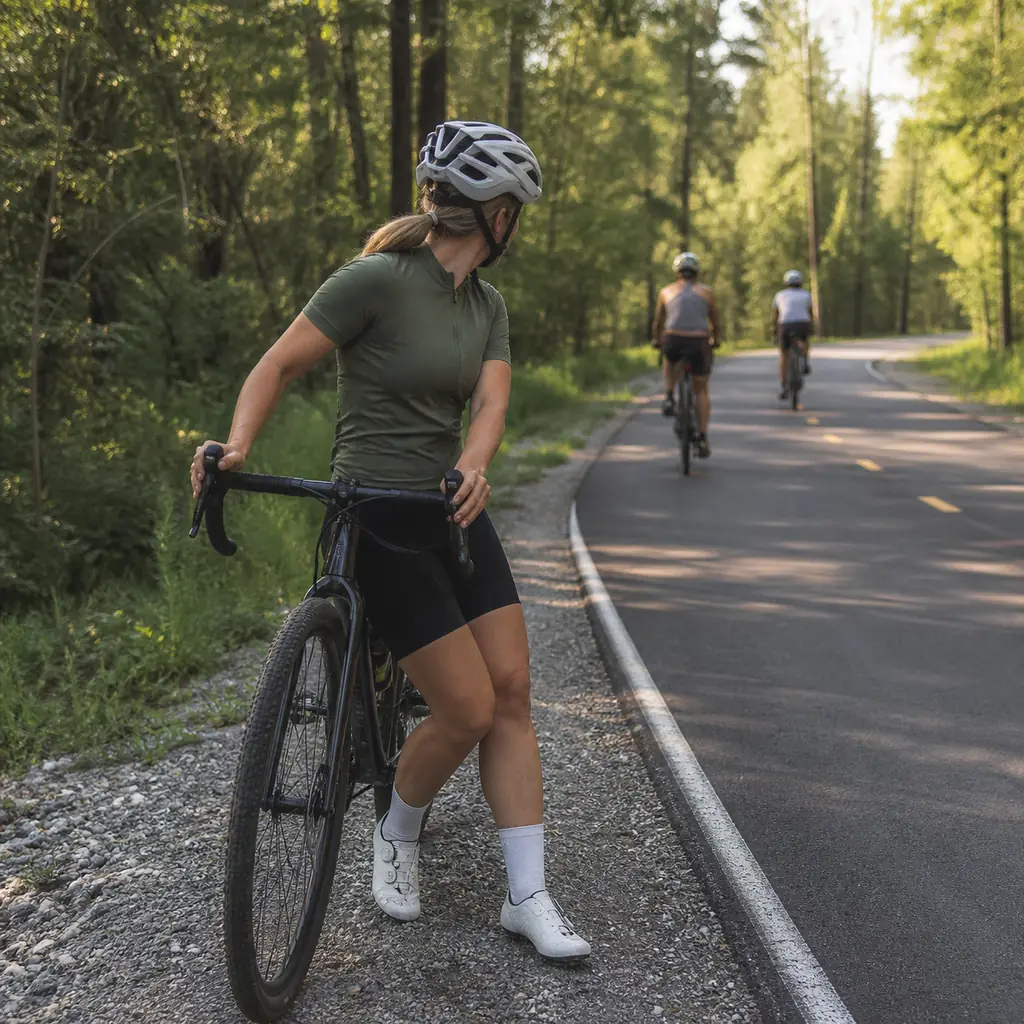
Enter cautiously. Cyclists should look both ways, yield to users already on the trail, particularly those traveling at speed, and enter shared-use paths cautiously.
Riders with companions should plan in advance who goes first and make sure to communicate with each other when entering and exiting.
12. They Keep Right Unless the Markings Say Otherwise
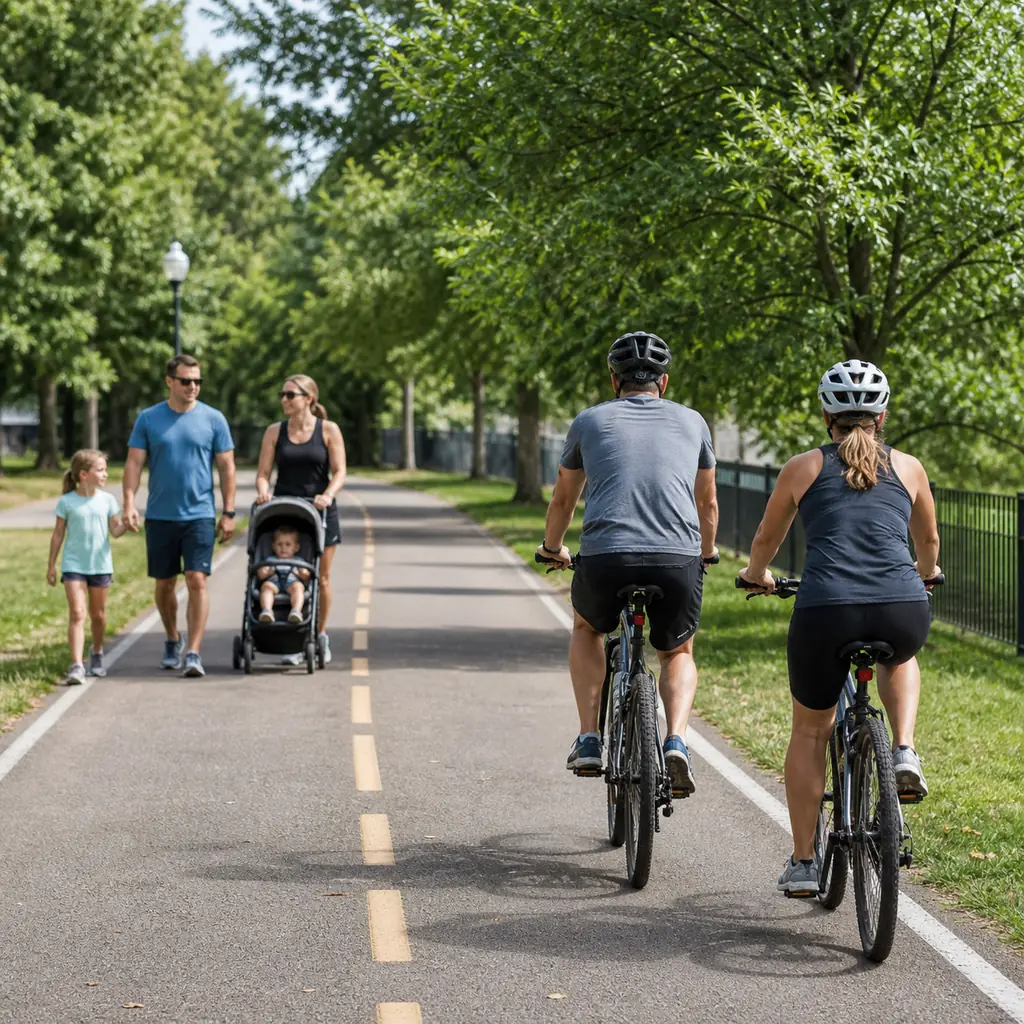
Follow the rules. Riders should keep right except when passing on the left, unless local markings say otherwise. Following predictable patterns of behavior makes cycling safer and easier for everyone.
On multi-use paths, riders should observe local practices about passing, yielding, and other aspects of sharing paved paths with pedestrians. Read more: scenic drives that reward frequent stops.
11. They Announce a Pass Early, Then Wait
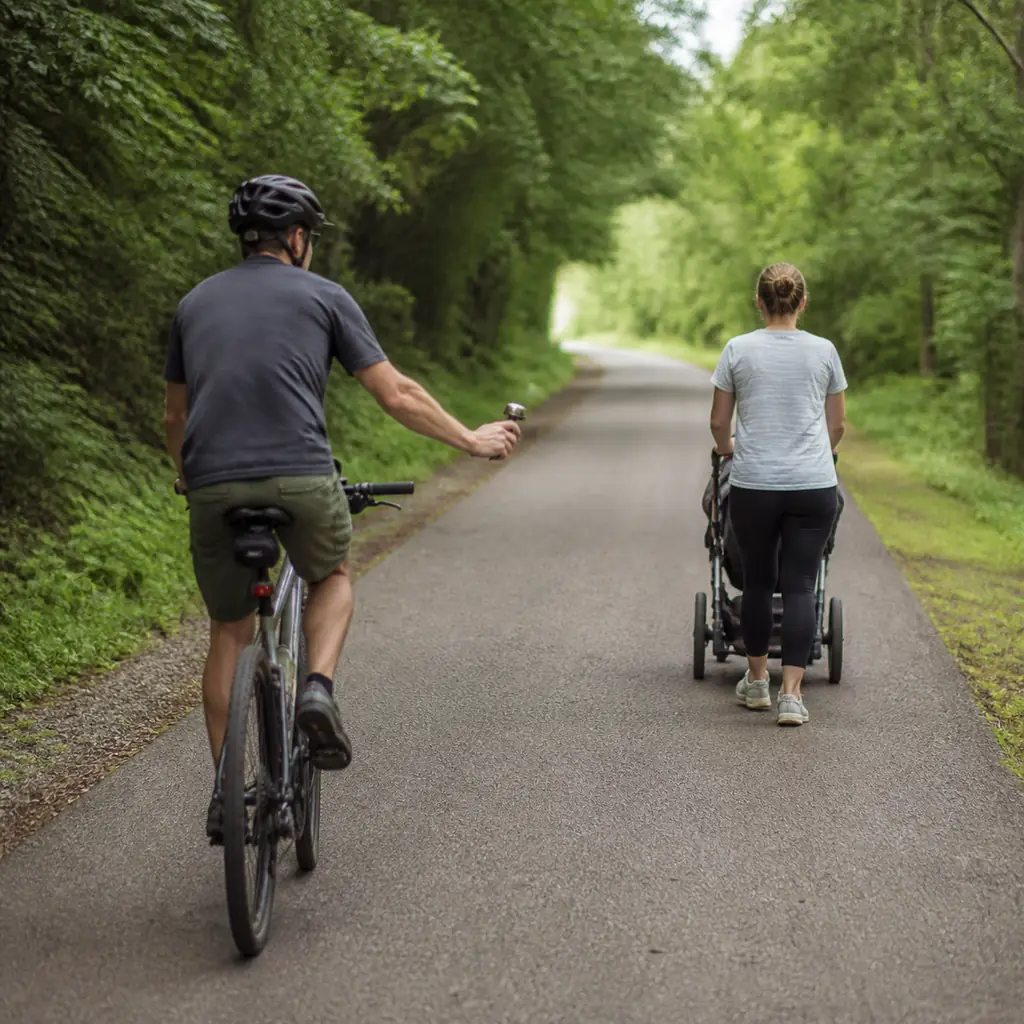
Riders should slow down, announce themselves with a friendly bell or call, and allow ample room to pass other users on shared-use paths. Cyclists should anticipate that these other users may be startled by the quiet, speedy approach of bicycles.
Remember that bikes move faster and sneak up quieter, so allow runners, walkers, and others time and space to see you and make adjustments. Give children, dogs, and other trail users extra time, and wait until there is room to pass safely.
10. They Slow Down Before the Blind Corner
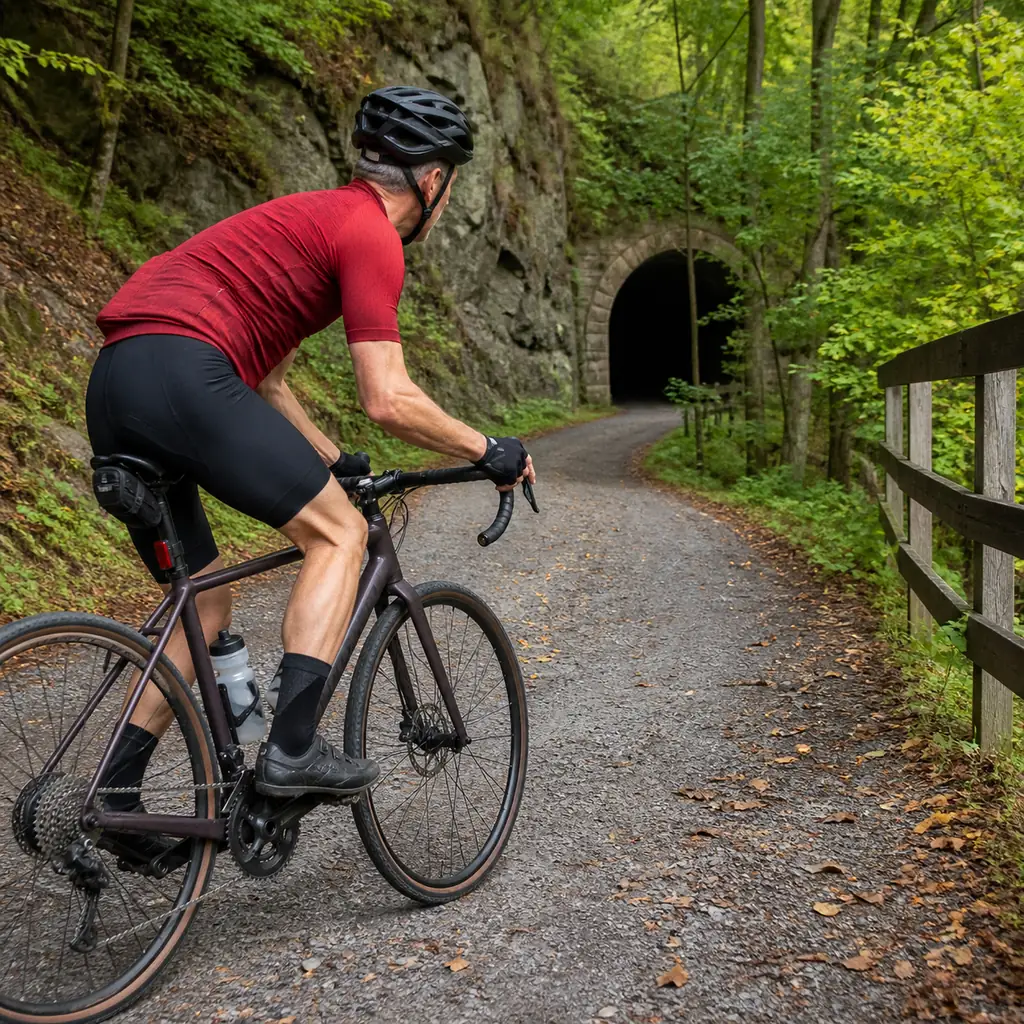
Control your speed. Bike computers are great, but can’t predict when a child or fallen branch might be lurking around a blind corner.
Slow down in advance of limited visibility situations like switchbacks, sightline-obstructing terrain, tunnels, and areas where people commonly stop. Consider surface conditions, traffic, and other factors when choosing an appropriate speed. Ride slowly enough to stop within the clear trail you can see ahead. Read more: U.S. trips around a favorite outdoor hobby.
9. They Yield Without Making Anyone Guess
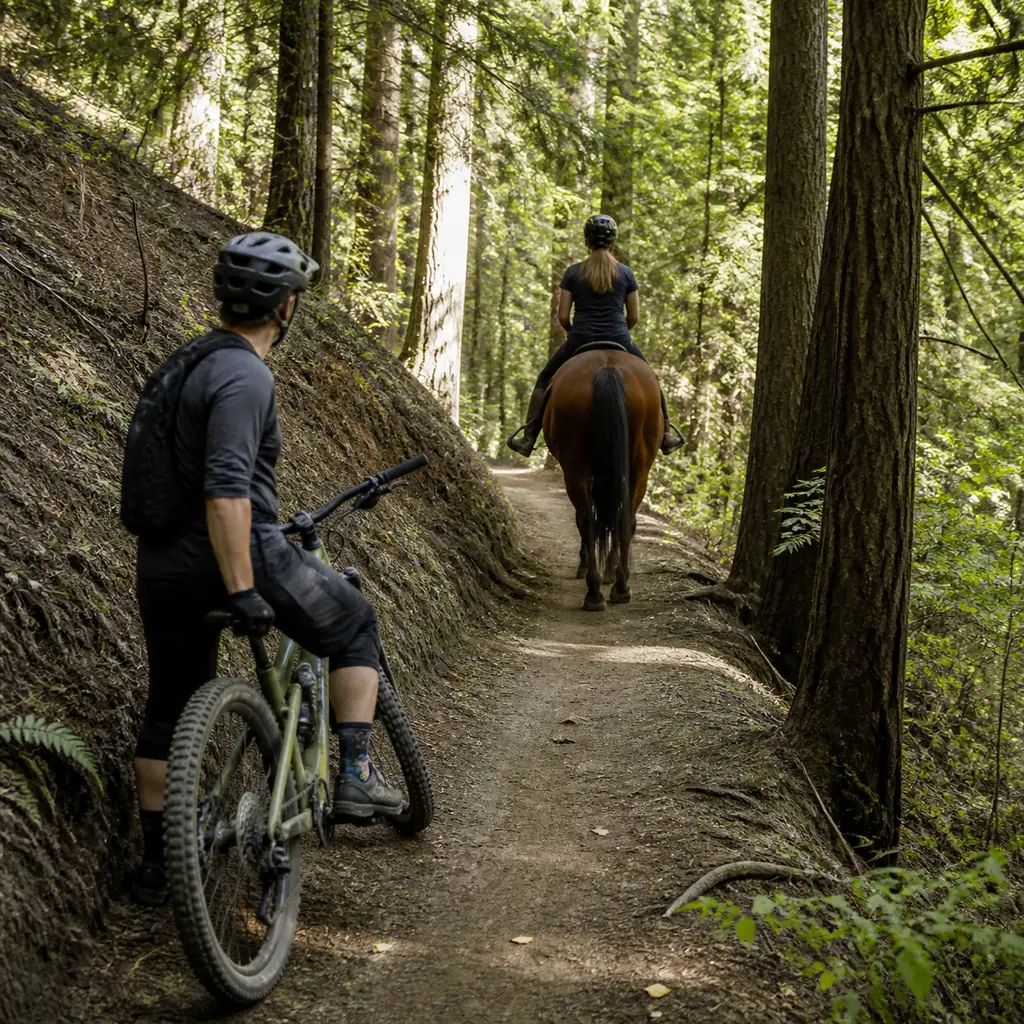
Yield to walkers and horses on shared-use trails unless posted rules say otherwise. Yield to users who need extra space and be alert to verbal directions from users with horses.
Riders should give horses plenty of space and follow the handler’s directions, dismounting if necessary. On narrow sections of multi-use paths, riders should stop and allow horses to pass before continuing.
8. The Downhill Rider Gives the Climber Room
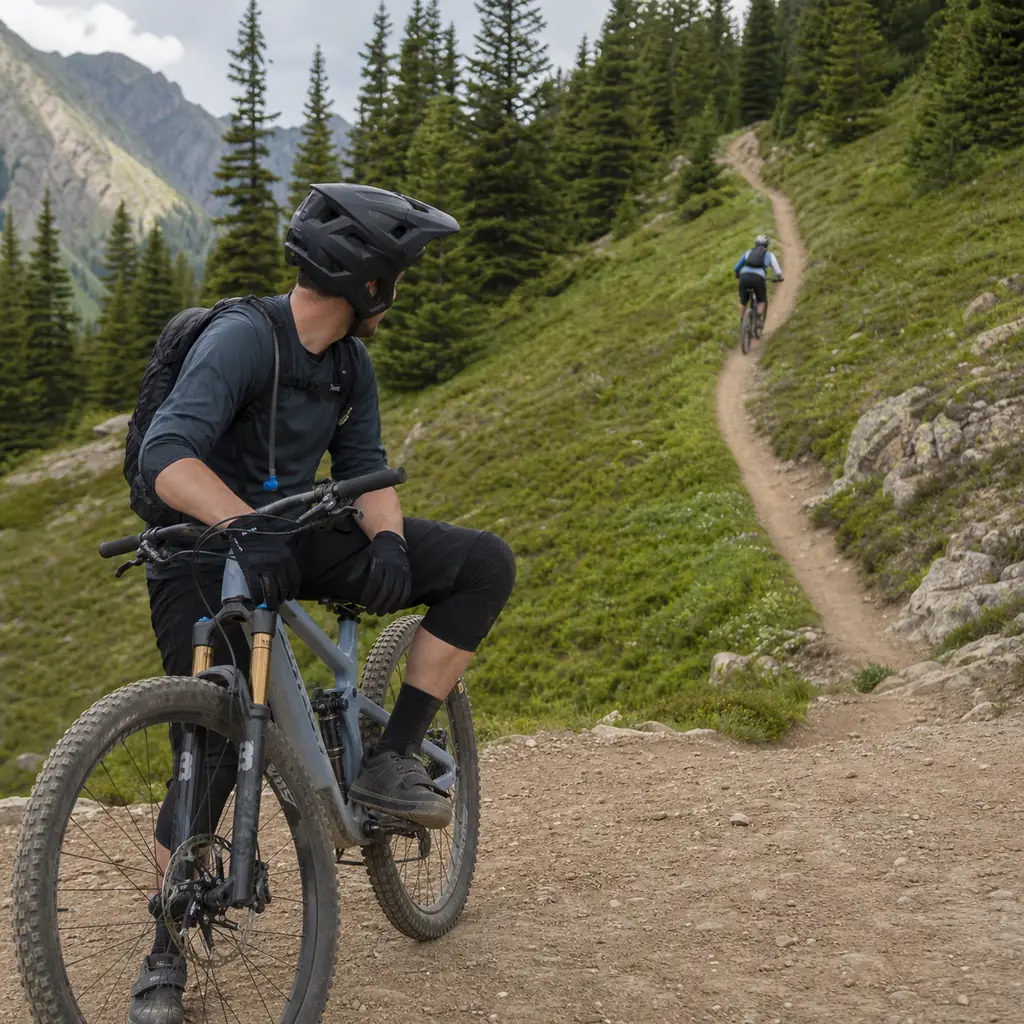
When riding downhill, yield to riders going uphill unless posted rules and signs indicate otherwise.
Stopping and getting started again on a climb can be difficult. Slow down and communicate before meeting so the uphill rider has room.
7. Their Group Narrows Before It Becomes a Wall
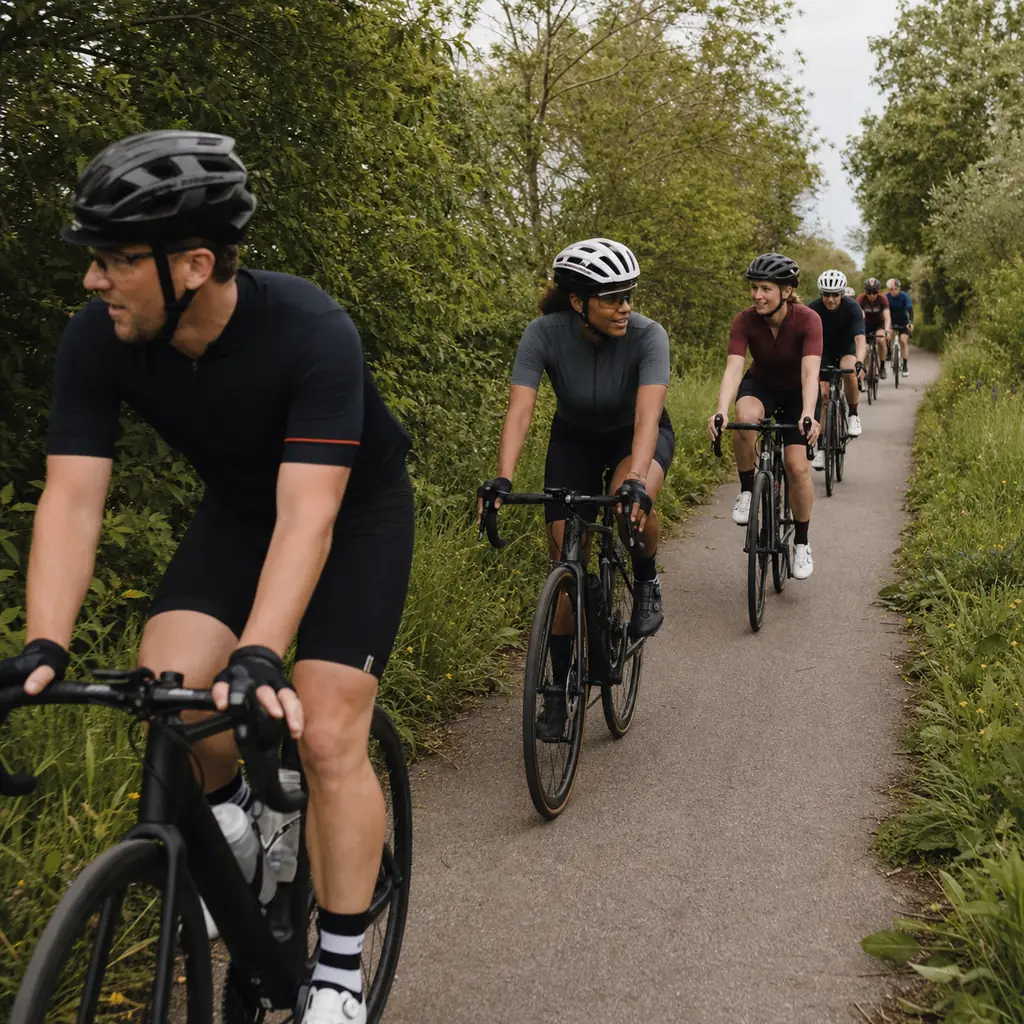
Ride single file in narrow or busy sections. When your posse becomes a barrier that prevents others from entering or exiting the trail, regroup into single file with adequate spaces between bikes to allow others to pass.
Socializing can be enjoyed along scenic train rides, historic B&Bs, and trips into town. Read more: scenic train rides worth booking for the view.
6. They Stop Beyond the Bridge or Blind Turn
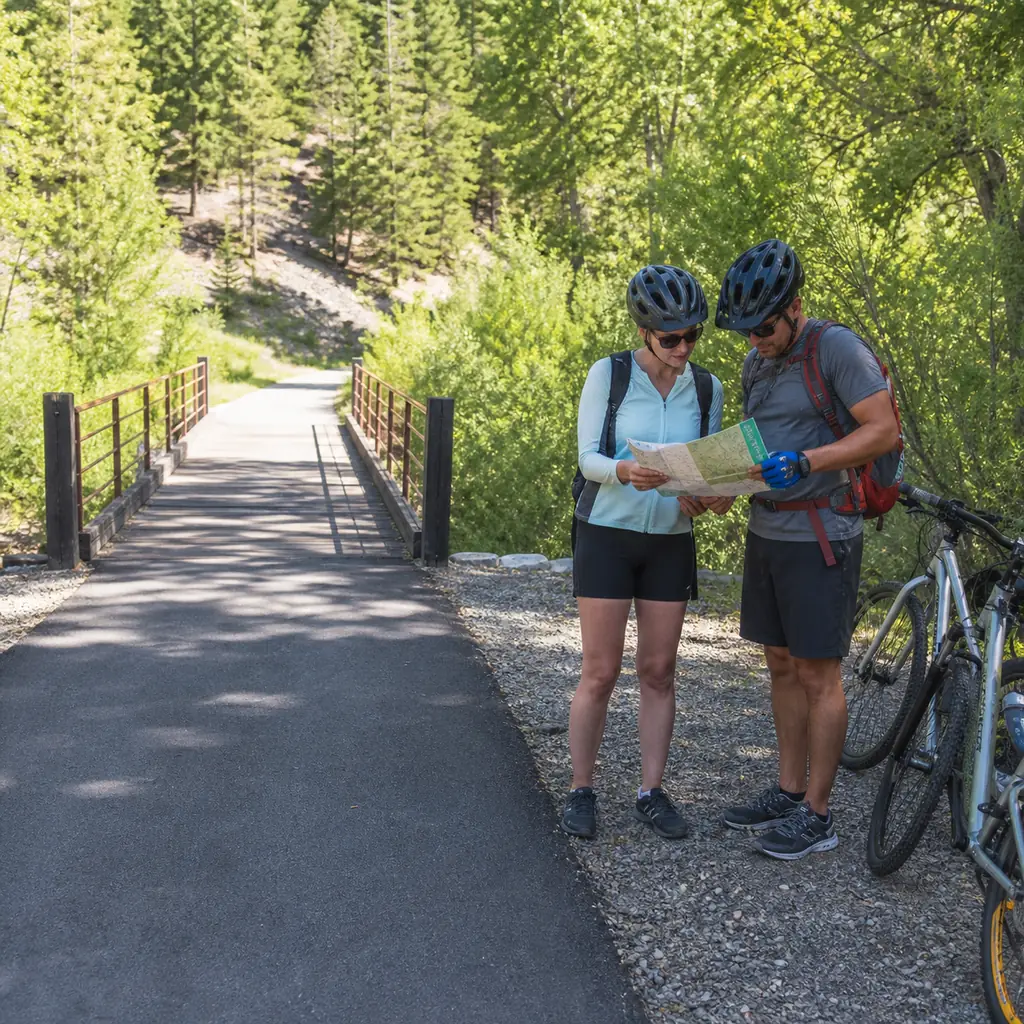
Stop only where you have good sightlines in both directions and plenty of room. Choose wide-open areas for group photo opportunities, mechanical fixes, route decisions, and other stops along the way.
Avoid stopping on blind corners, narrow sections, bridges, and other pinch points where other users may not see you. Read more: historic hotel red flags.
5. They Stay on the Designated Line
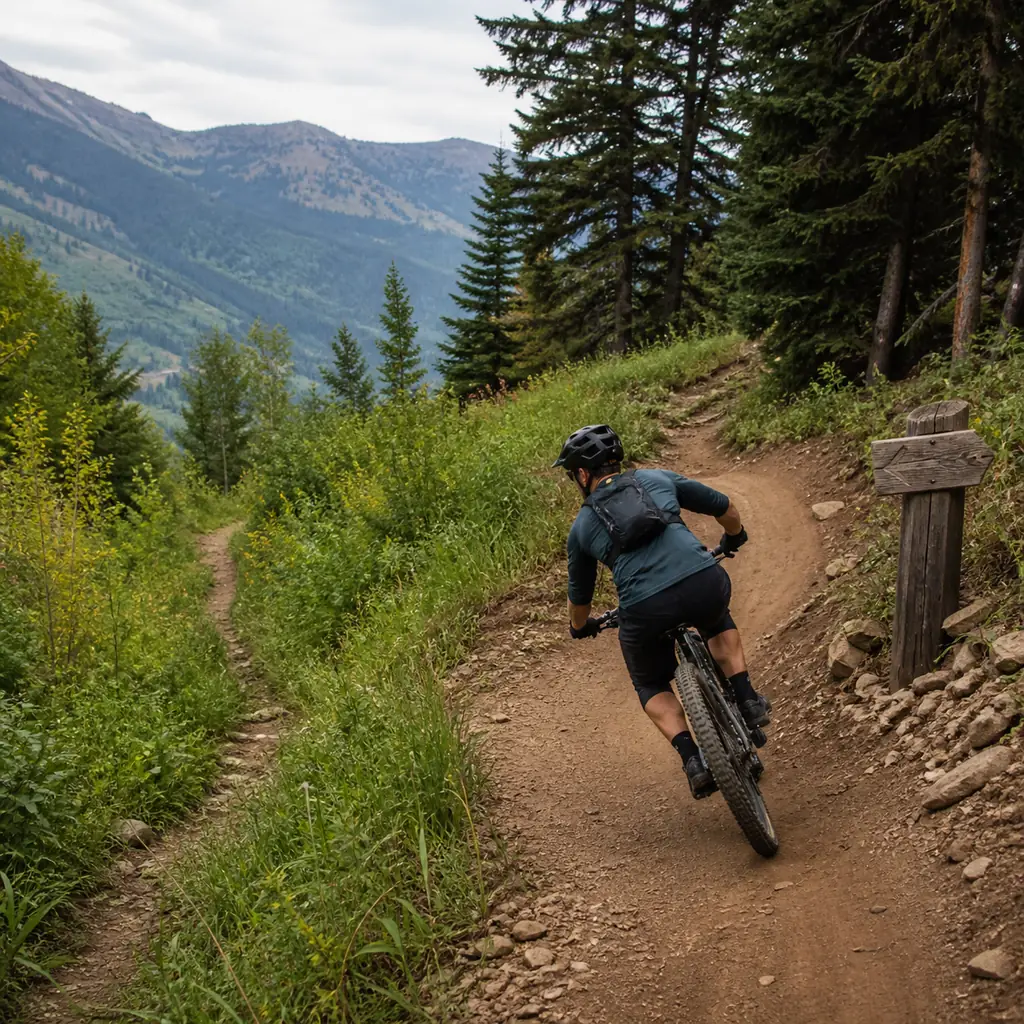
Stay on trails that are open to bikes. Do not create new trails or damage the environment. Respect the work of land managers who identify and build sustainable trails.
Stay on trail. Don’t cut switchbacks or ride around puddles and obstacles. Riding around them destroys vegetation, creates runoff that further degrades the trail, and can turn previously sustainable, skinny singletrack into a wide-open scar. Walk the bike if a technical feature is beyond your ability.
4. They Turn Around for Mud or a Closure
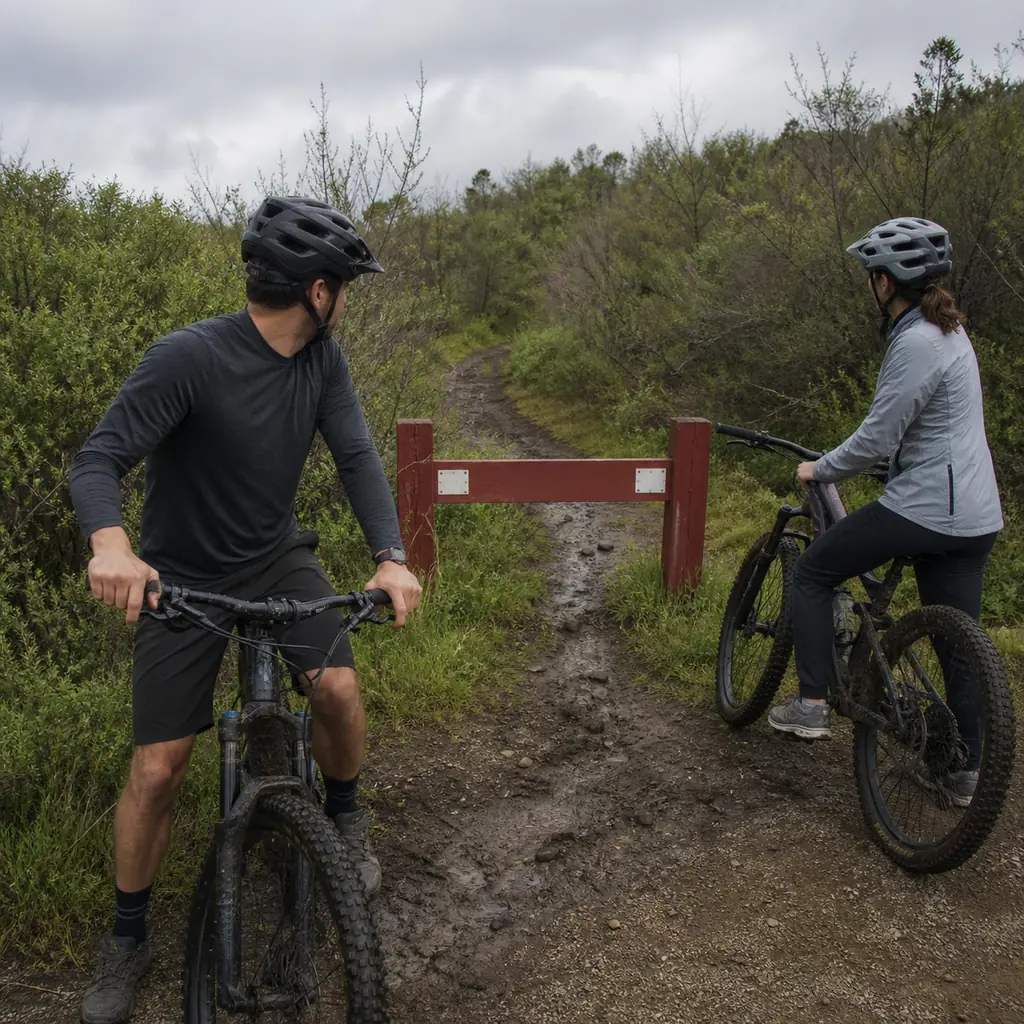
Look for closures and trail condition alerts posted at the trailhead. Fresh snow, rain, ice, and other weather-related issues may warrant reversing your plans or selecting an alternative route.
Turn around for a closure or mud soft enough to leave ruts, even without a closure notice. Leaving trails in great condition is part of trailcraft, too. Read more: coastal small towns worth the drive.
3. They Brake Without Carving a Skid
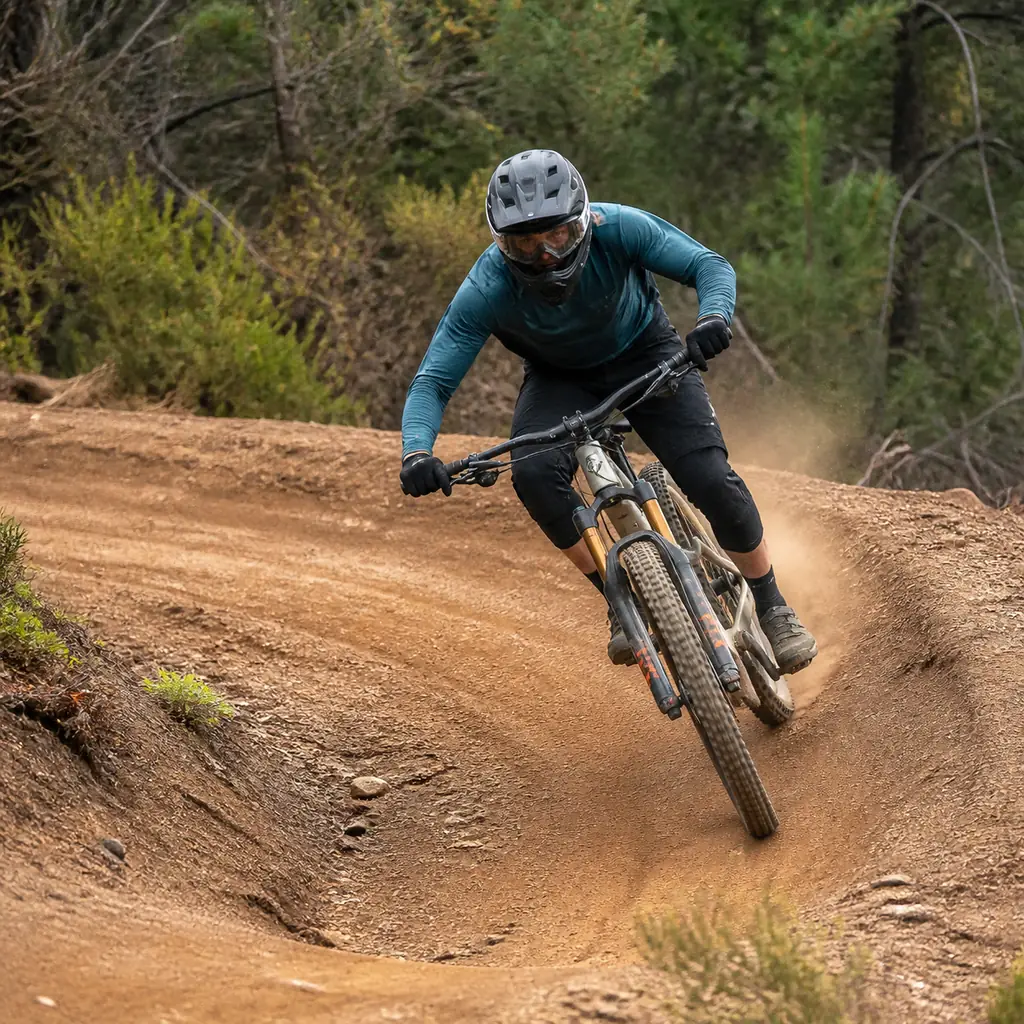
Lock-ups, skids, and other actions that damage trails are frowned upon by the majority of riders.
Set your speed before the turn and brake smoothly on the established trail. If getting through requires repeated skids, walk the bike.
2. They Give Wildlife the Right of Way
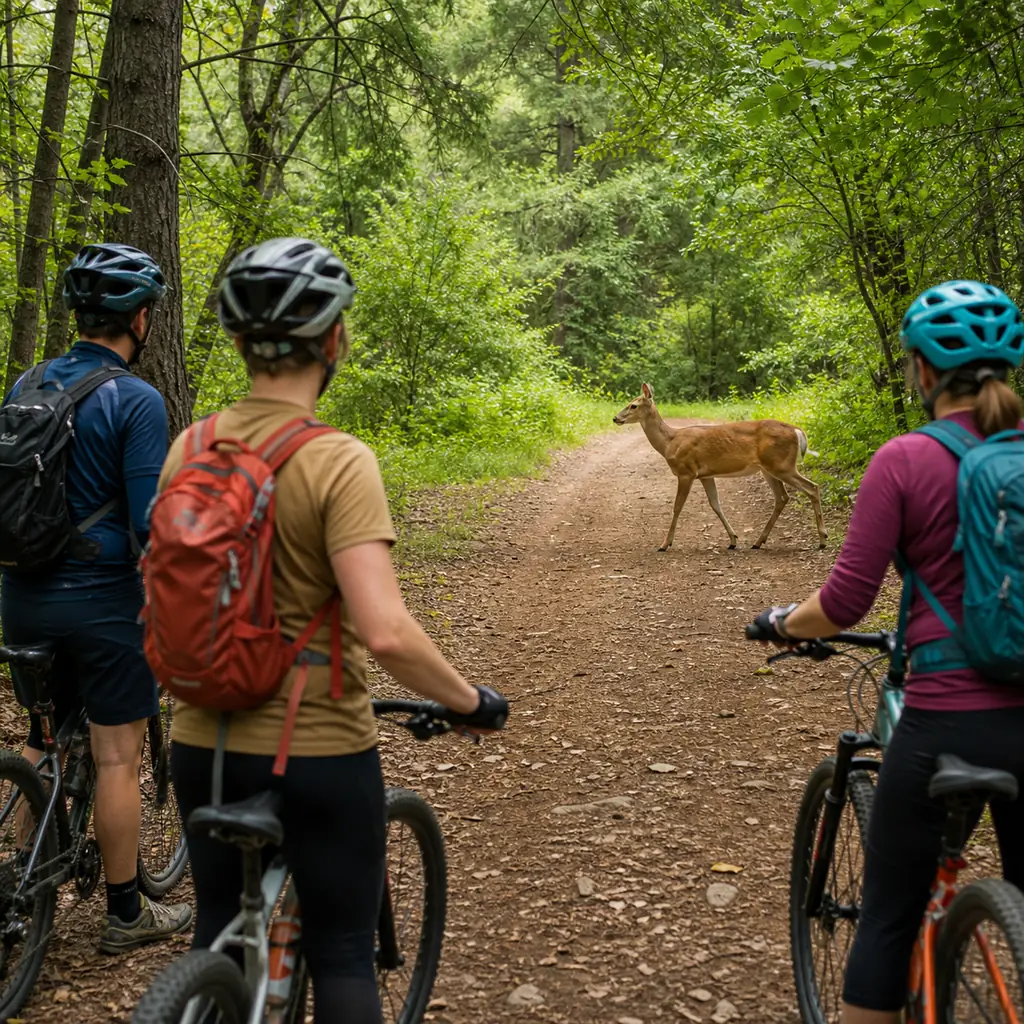
Practice good trailside manner with wildlife. Chasing, crowding, racing, teasing, feeding, and other actions that frighten or harass animals are dangerous to animals and trail users alike.
Rules regarding interactions with wildlife vary by species, region, and locality. Maintain a safe distance from wild animals, follow the land manager’s instructions, and wait or turn around when needed.
1. Everything They Carry In Leaves With Them
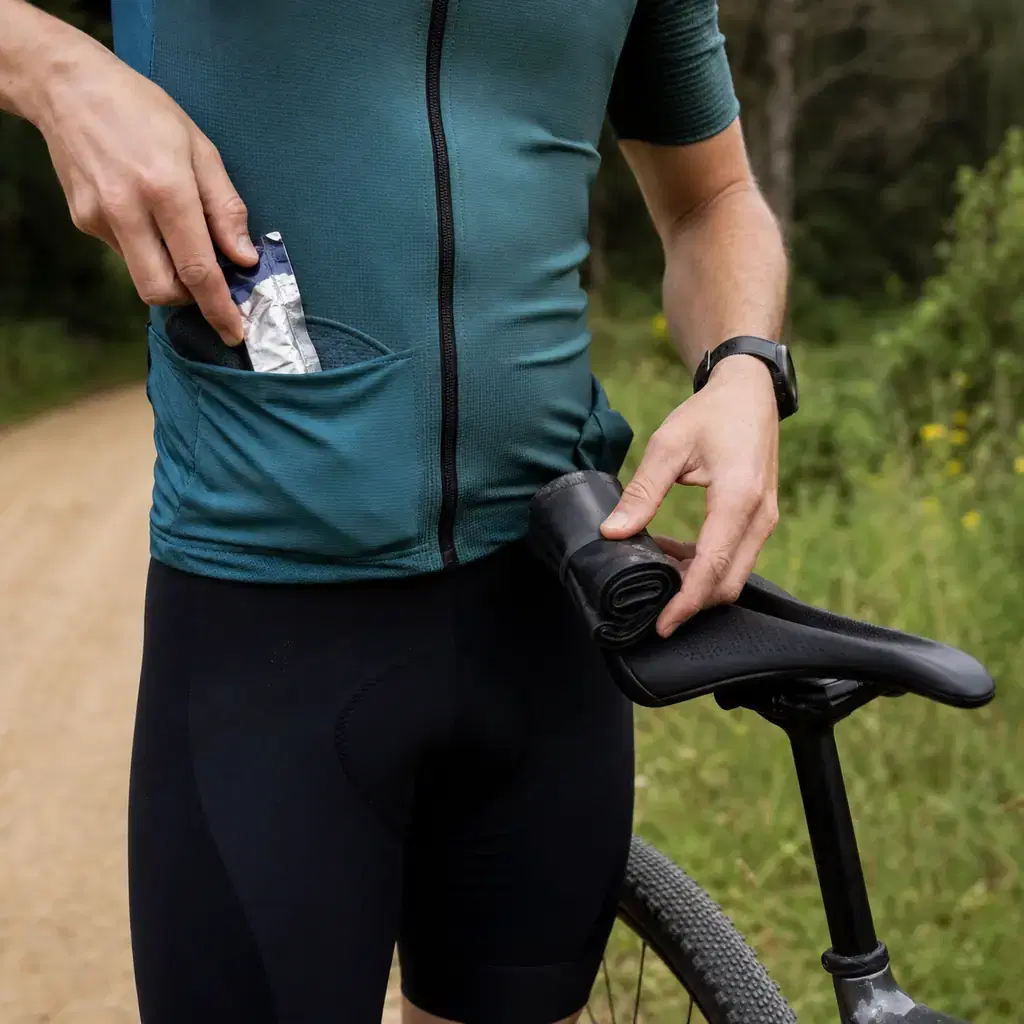
Bring a small pocket for trash, and pack out all of it.
Tube strips, gel packets, mechanical bits, candy wrappers, apple cores, etc., don’t belong on the trail.
Comments
The opinions and views expressed in the comments section are solely those of the individual users and do not represent or reflect the opinions, views, or positions of HumbleTrail. HumbleTrail does not endorse, support, or verify the accuracy of any user-generated content.
By posting a comment you agree to receive related emails from HumbleTrail in accordance with our Terms and Privacy Policy. You can unsubscribe at any time.